Why Waiting Until Age 9 Might Be Too Late: The Truth About Early Orthodontic Check-Ups
It's a common question I hear from parents in Huntington Beach and Fountain Valley. "When should I really bring my child in for their first orthodontic visit?" Many assume the sweet spot is around nine or ten years old, once most adult teeth have arrived.
But what if I told you that waiting until age 9 might be too late? Waiting could mean missing a critical window to catch and correct certain issues in the simplest way possible.
The Myth of Waiting for Adult Teeth
Many parents believe orthodontic work is all about straightening adult teeth. It makes sense to wait for the permanent teeth to come in before you start treatment. This is why many families in communities like Oak View wait until their child is a pre-teen to book a visit.
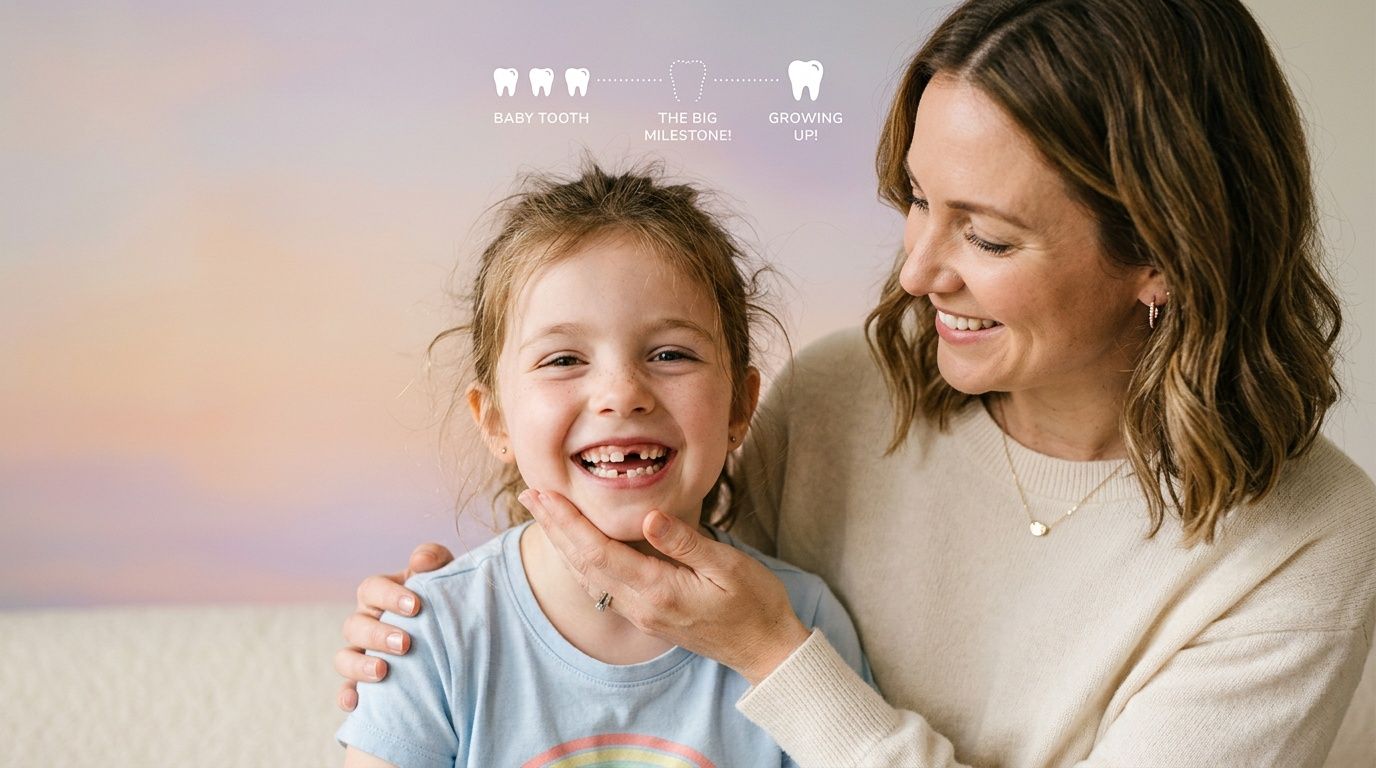
Here’s the thing: the American Association of Orthodontists (AAO) recommends a child’s first check-up by age seven. This isn’t about putting braces on a second-grader. It’s a crucial screening to check on your child's developing jaw and erupting teeth.
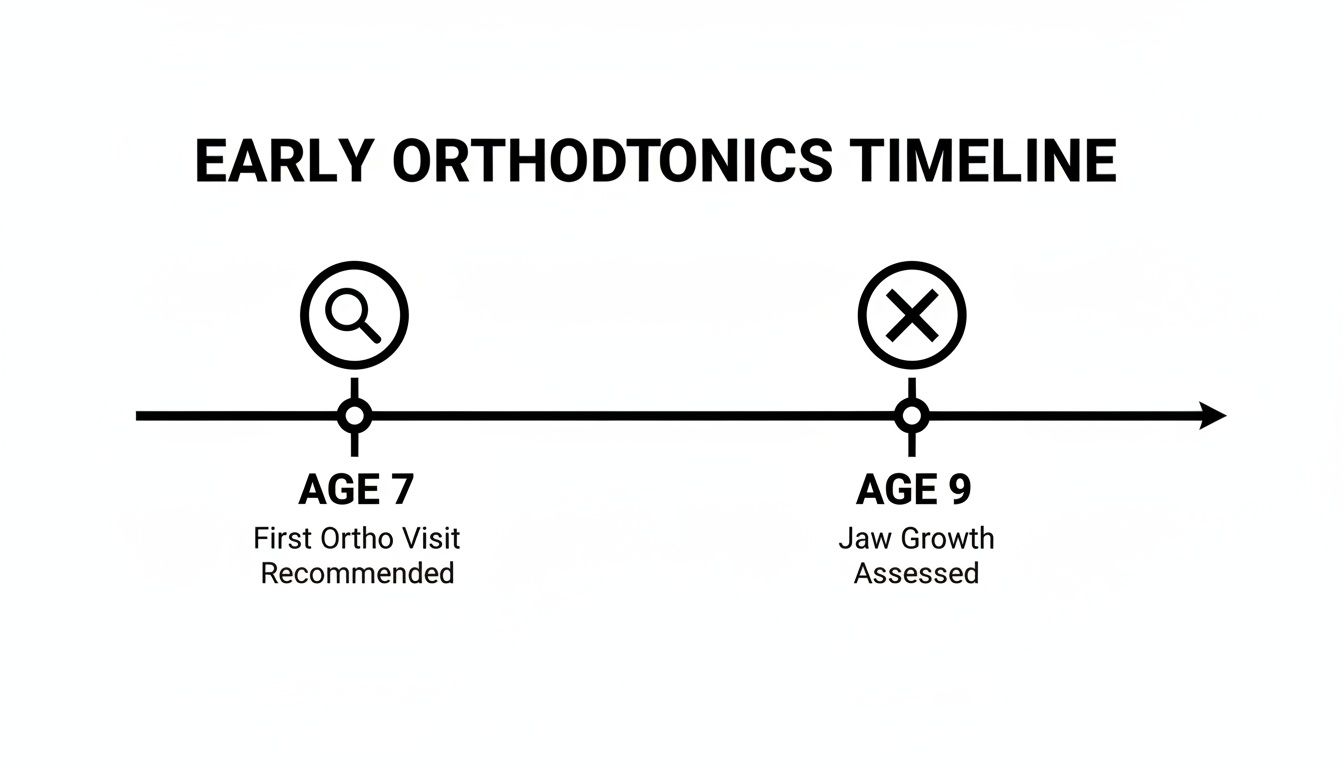
Think of it like this. An early visit lets an orthodontist guide your child’s growth in the right direction. Waiting until age nine or later means we have to fix a problem that has already settled in.
This early, gentle guidance is often called interceptive treatment. We use a child’s natural growth spurts to our advantage. This can make future treatment much simpler. To learn more, check out these 5 reasons to book an ortho check-up by age 7.
Early Check-Up at Age 7 vs Waiting Until Age 9+
See the key differences in orthodontic opportunities at these critical ages.
The takeaway is clear. The age 7 check-up is a proactive screening. It creates opportunities for simpler treatment by working with your child's natural growth.
What We Look For During an Age 7 Evaluation
So, what are orthodontists like Dr. Jeremy and Dr. Melissa looking for during that first visit? The good news is that it’s simpler than you might think. We are not planning for a full set of braces. We are getting a sneak peek into your child's future smile.
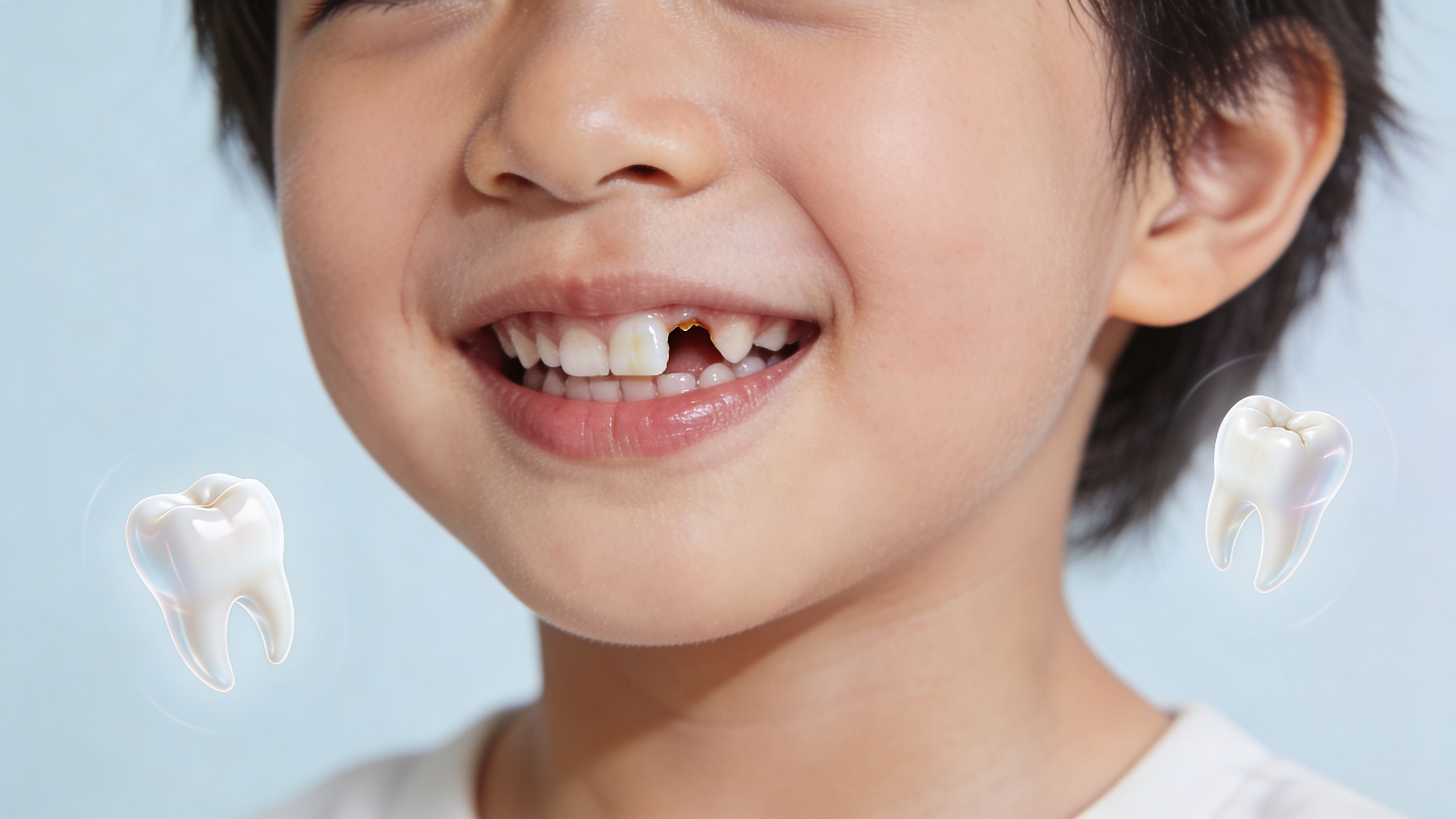
By age seven, the first permanent molars and incisors are usually in. These are "anchor" teeth. They give us clues about how the rest of the adult teeth will come in and how your child’s bite is shaping up.
Identifying Subtle Issues Early
During this screening, we can spot subtle issues that could become bigger problems. For our families in Huntington Beach neighborhoods like Goldenwest, this first visit is a proactive check to make sure everything is on the right track.
Common concerns we look for include:
- Crossbites: This happens when an upper tooth fits behind a lower tooth. This can cause the jaw to grow unevenly.
- Severe Crowding: We can see if there’s enough room for all the permanent teeth. If it looks tight, early intervention can help make space.
- Jaw Discrepancies: This is when the upper and lower jaws grow at different rates. This can lead to a large overbite or underbite.
- Harmful Habits: We also check for the effects of habits like thumb-sucking. These habits can interfere with tooth alignment and jaw growth.
Many orthodontic issues are already detectable by age nine. Waiting too long means missing the chance to spot these early warning signs when they are easiest to correct.
This evaluation is not a commitment to braces. It is about gathering information and giving you peace of mind. By identifying potential issues early, we can often use your child’s natural growth to prevent bigger problems later. You can discover more about how early braces exams prevent bigger problems in our related article.
Guiding Jaw Growth Before It Becomes a Major Problem
The most time-sensitive part of early orthodontics is your child's jaw development. Before puberty, a child's jaw is still growing and very flexible. This gives an orthodontist a golden opportunity to gently guide its growth.
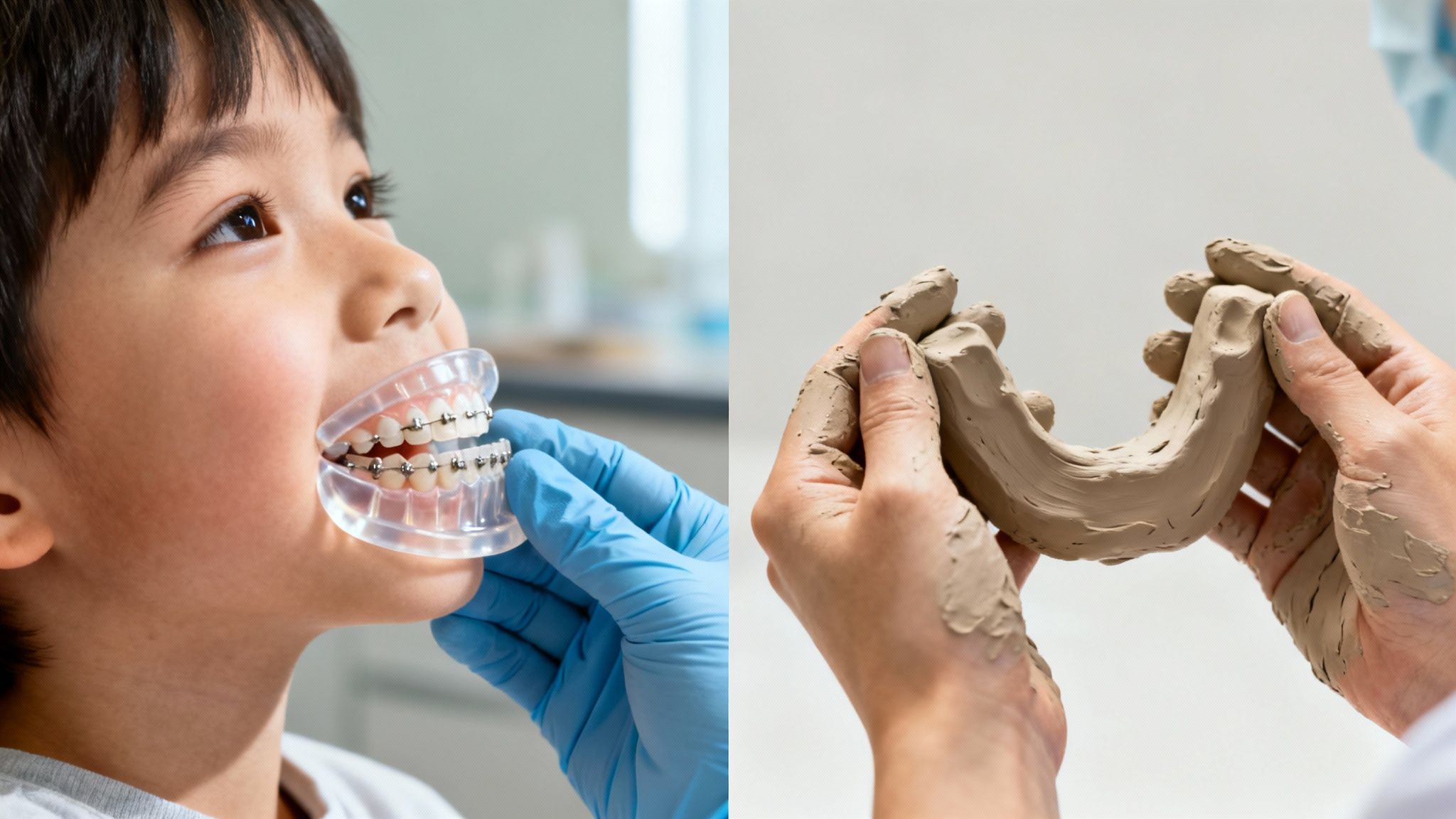
This approach lets us correct issues like underbites much more easily. Think of it like molding soft clay versus trying to chisel hard stone. It’s always better to work with natural growth, not against it.
The Critical Growth Window
Waiting until age nine or later means we could miss this crucial window. The jaw bones begin to fuse and become harder to influence. This is why the AAO recommends a visit by age 7. Certain jaw issues respond better when we can still guide growth. (Source: read about the science behind early intervention on the National Library of Medicine website)
If we miss this opportunity, correcting those same problems becomes much harder.
Trying to fix major jaw issues after the main growth period can lead to more complex treatments, a higher chance of needing tooth extractions, and sometimes even jaw surgery later in life.
This is exactly why waiting until age 9 might be too late—a concept we want every parent in Huntington Beach to understand. An early check-up is about building the foundation for a healthy, functional bite that lasts a lifetime.
At Magic Fox Orthodontics, our early interceptive orthodontics are designed to catch these issues at the perfect time. Drs. Jeremy and Melissa can assess your child's development and recommend simple steps to guide their growth.
What Early Interceptive Treatment Actually Involves
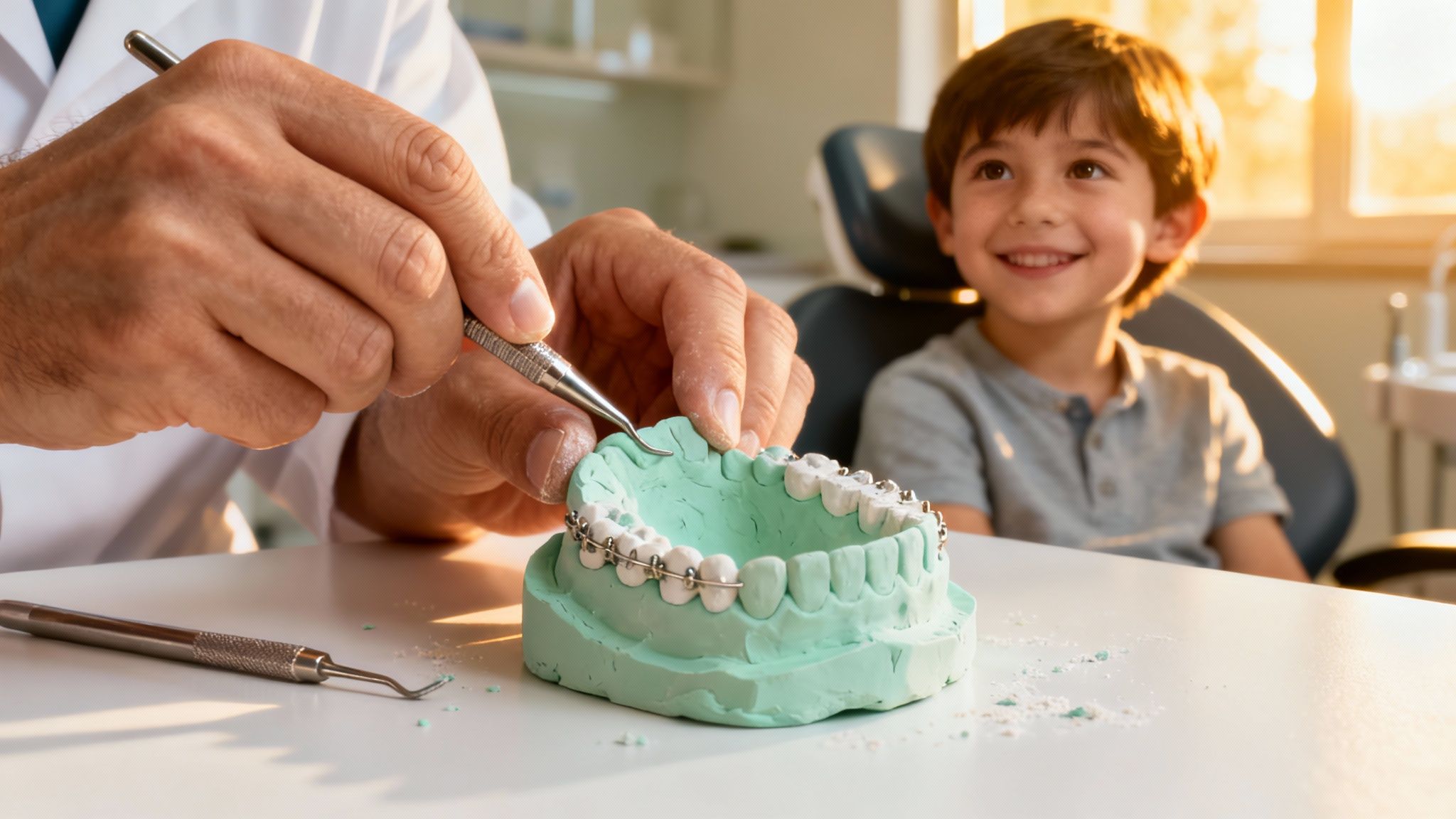
When people hear "Phase 1" treatment, they often picture a seven-year-old with a full mouth of metal braces. But that's rarely the case. This early phase is about tackling one or two specific issues now to prevent bigger problems later.
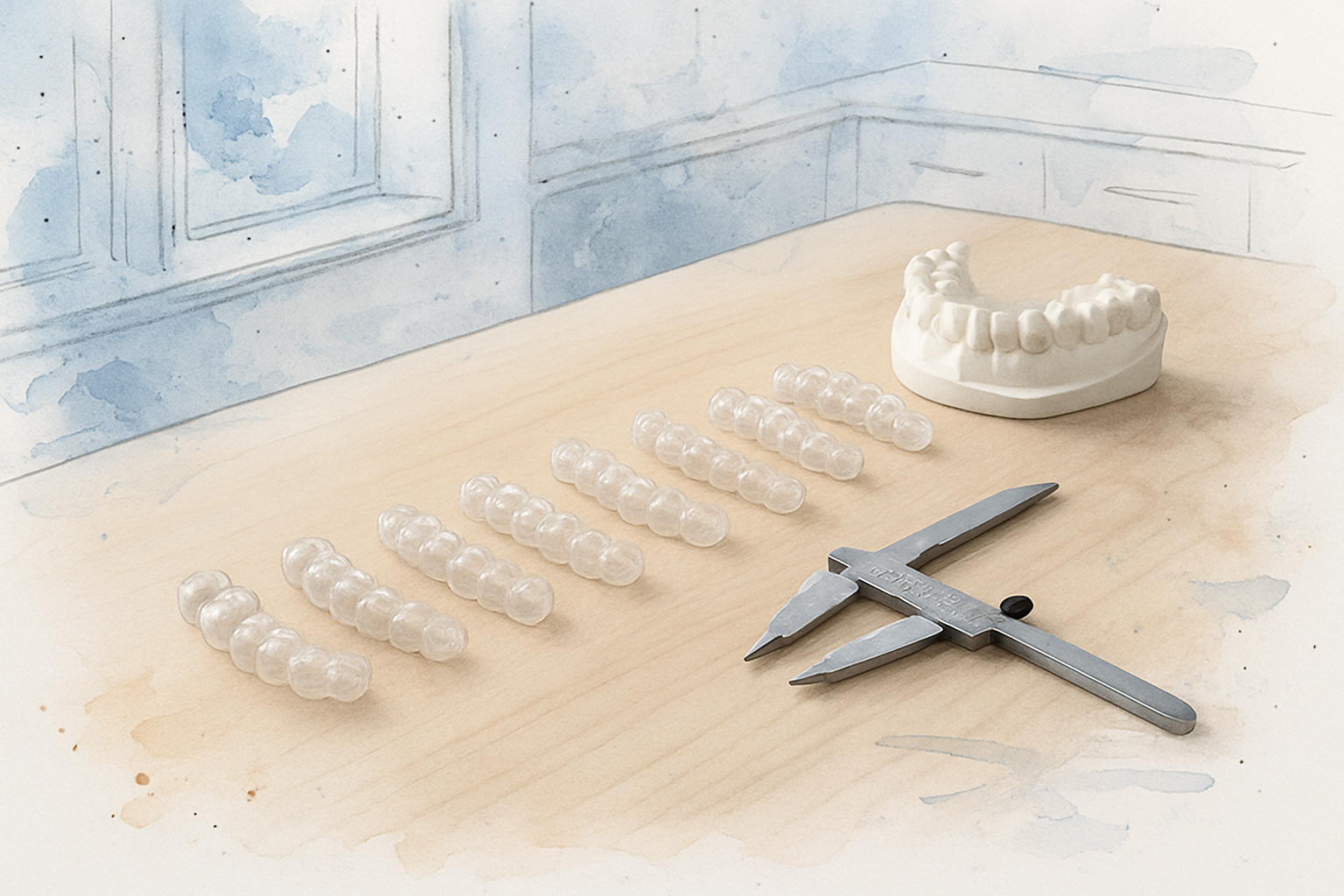
Think of it as a short, focused mission. We use simple, custom-made appliances for a single job. For example, we might make a little more room for incoming teeth.
Common Phase 1 Tools and Goals
The goal is to solve a specific problem today. This makes the main treatment later (Phase 2) shorter, less complicated, and more successful. This early stage is quick, usually lasting only 9-15 months.
Here are a few examples:
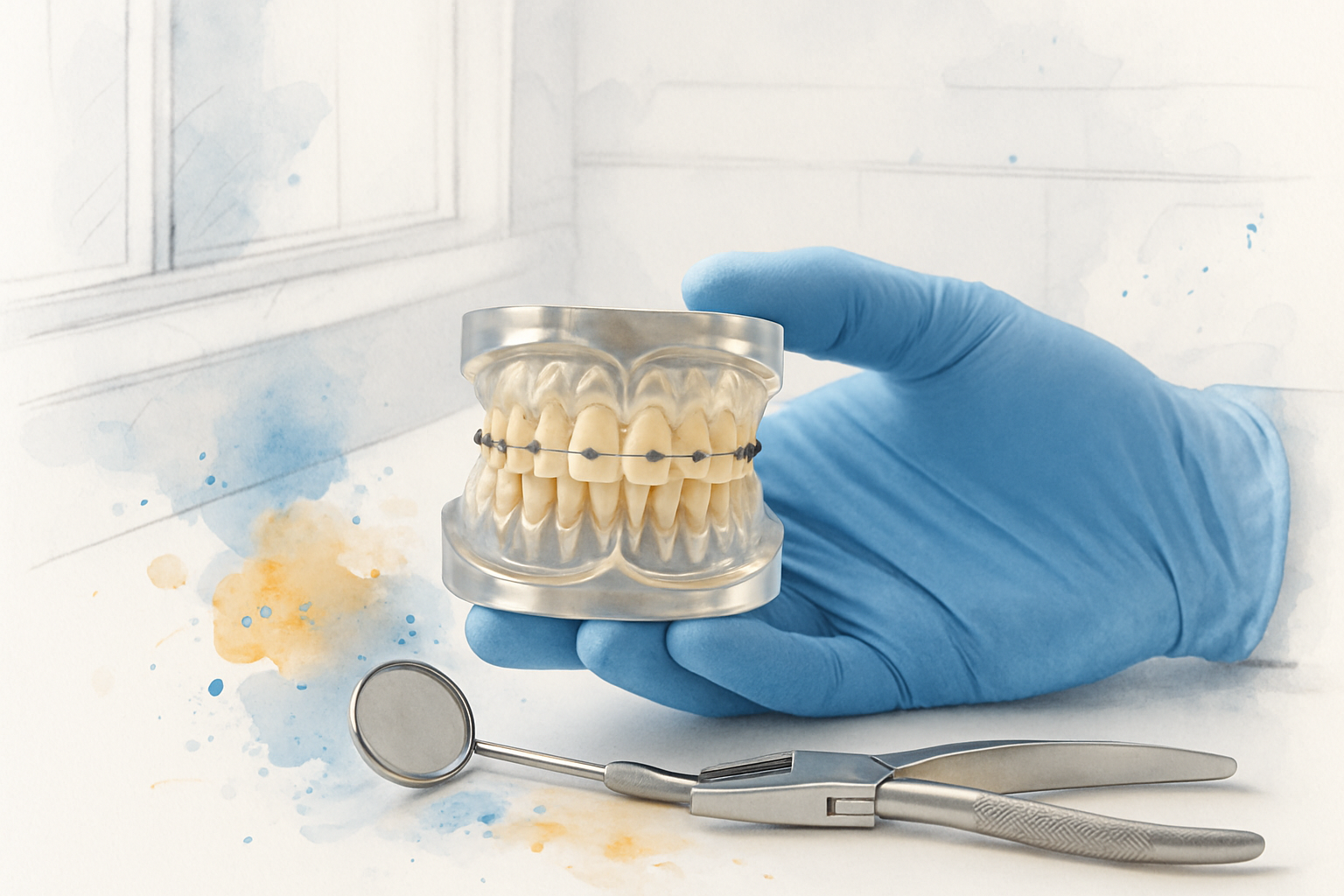
- Palate Expanders: This appliance gently widens the upper jaw. This creates space for adult teeth to come in properly, often solving crowding before it starts.
- Habit Appliances: These custom devices can help stop habits like thumb-sucking. If left unchecked, these habits can push teeth out of alignment.
- Space Maintainers: If a baby tooth is lost too soon, these simple devices hold that spot open. This ensures the permanent tooth has a clear path to come in. You can learn more about what space maintainers are.
The goal of interceptive treatment isn't to create a perfect smile right away. It's about creating a healthier environment for the permanent teeth to grow into.
By getting ahead of these issues, we can often avoid the need for tooth extractions later. For families here in Huntington Beach, this proactive step provides valuable peace of mind.
Long-Term Benefits That Save Time, Money, and Stress
Think of an early orthodontic visit as a smart investment in your child's future. Catching potential issues around age seven does more than just promise a straight smile. It sets your child up for a healthier, more stable outcome for life.
For parents in Fountain Valley and Huntington Beach, this simple check-up brings clarity. Knowing what’s going on gives you a clear path forward. It often means we can use simpler treatments later on. It can even help avoid the need for extractions or complex jaw surgery.
More Than Just a Straighter Smile
The emotional benefits are just as powerful. Correcting issues like severely protruding front teeth can lower the risk of dental injuries during sports or play. It also helps boost a child’s self-esteem during their formative years.
Research shows that early treatment leads to positive changes in a child’s dental development. (Source: see the data from these prospective studies)
The real goal of an age-seven screening is to make your child’s entire orthodontic journey simpler. It gives you the power to make smart decisions that will save you time, money, and stress in the long run.
Thinking about the financial side is a big part of the process. Planning ahead can make everything feel more manageable. That's why we have a guide on how to use your FSA or insurance for braces or Invisalign.
What to Expect at Your Child's First Visit
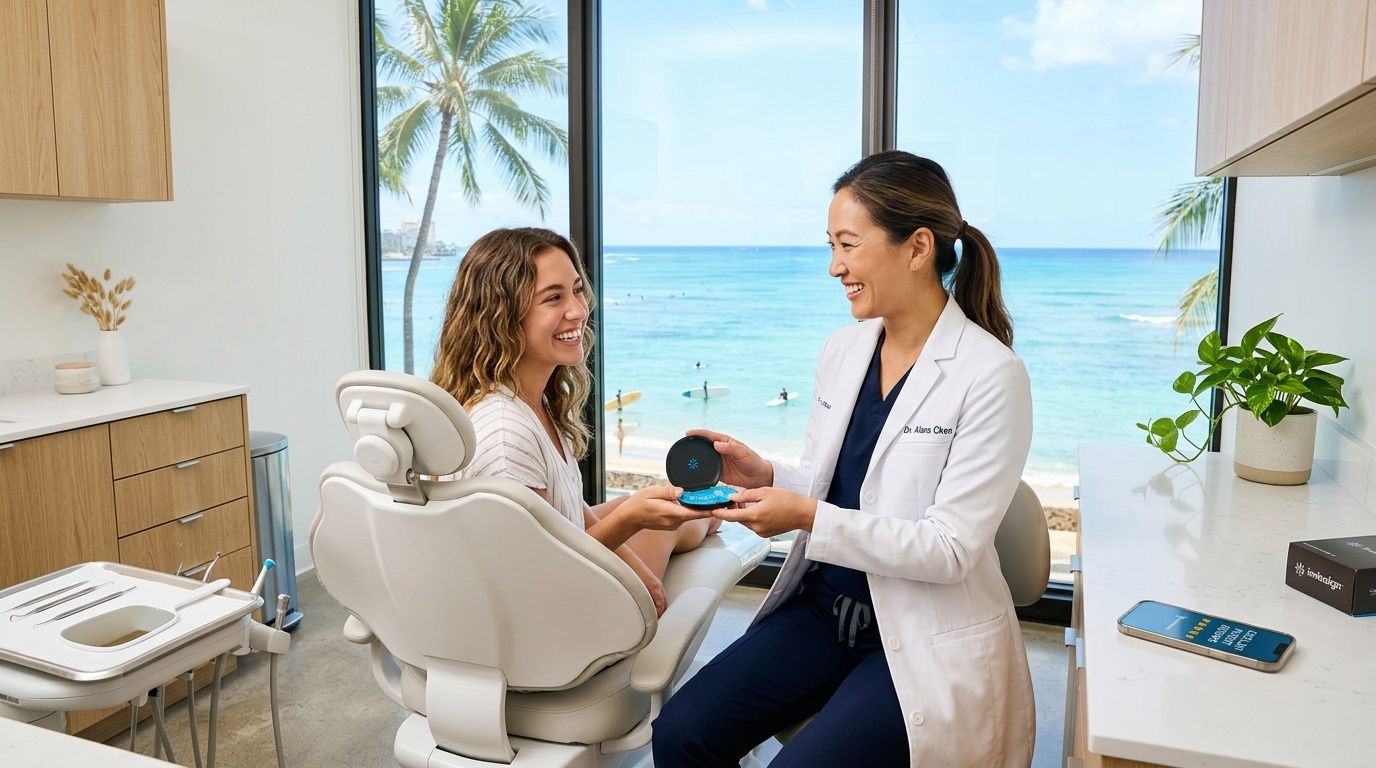
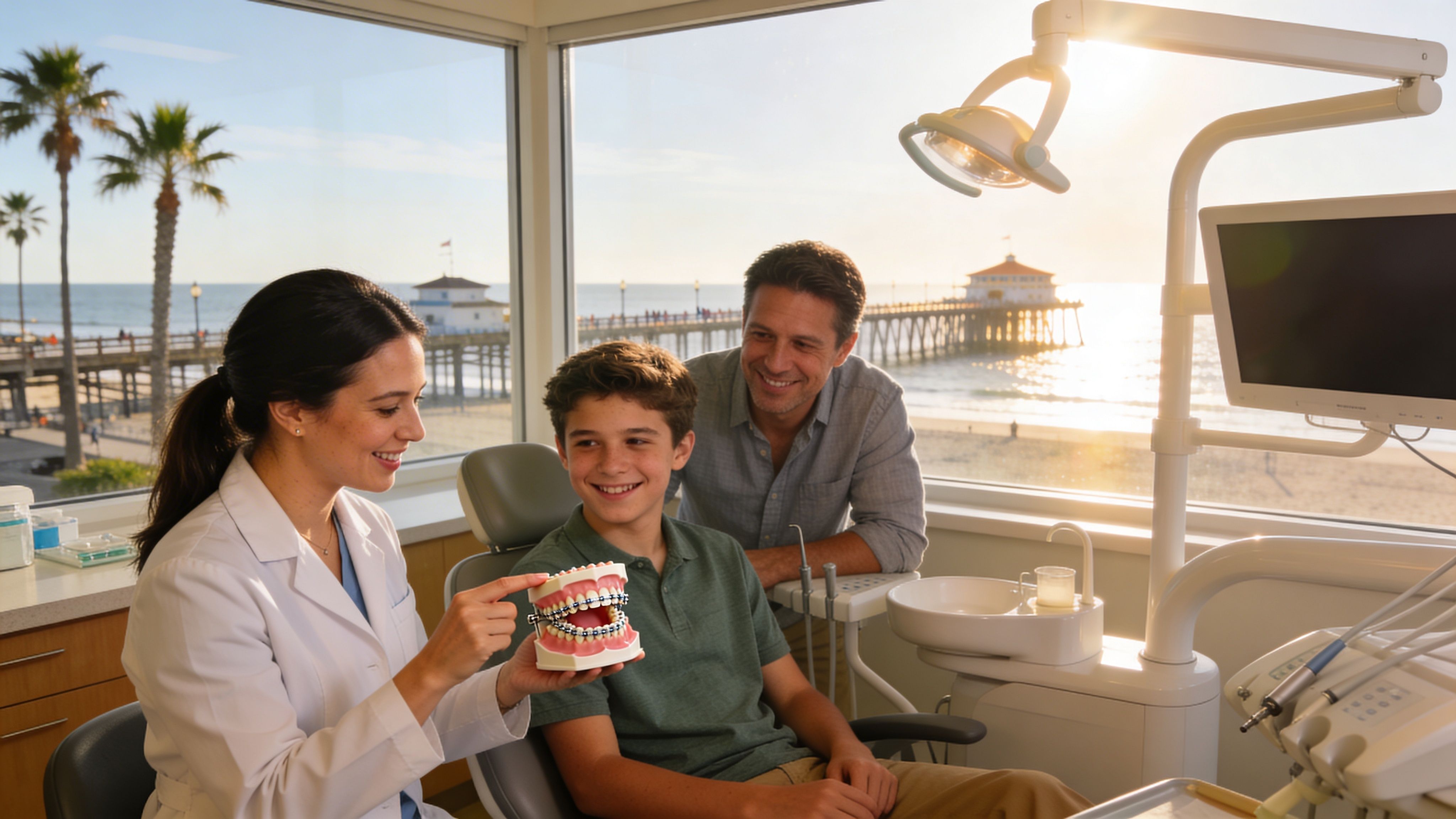
We get it—a new dental office can feel a little intimidating for kids and parents. That’s why we’ve made the first complimentary evaluation at Magic Fox Orthodontics warm and welcoming. Your child's comfort is our top priority.

Dr. Jeremy and Dr. Melissa are fantastic at connecting with young patients from Huntington Beach, Wintersburg, and the surrounding areas. They make them feel right at home. The whole appointment is kept simple and easy.
A Gentle and Informative Process
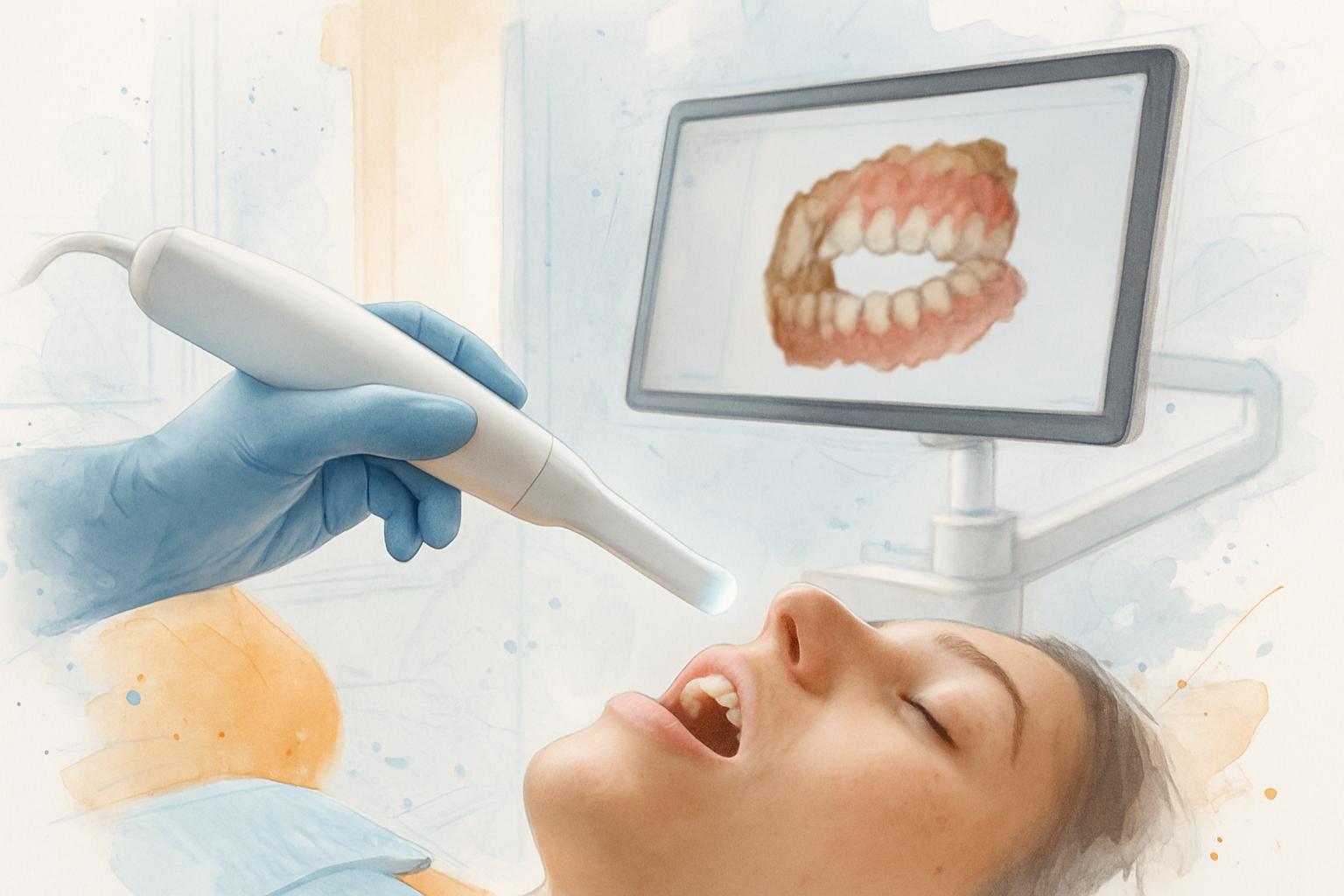
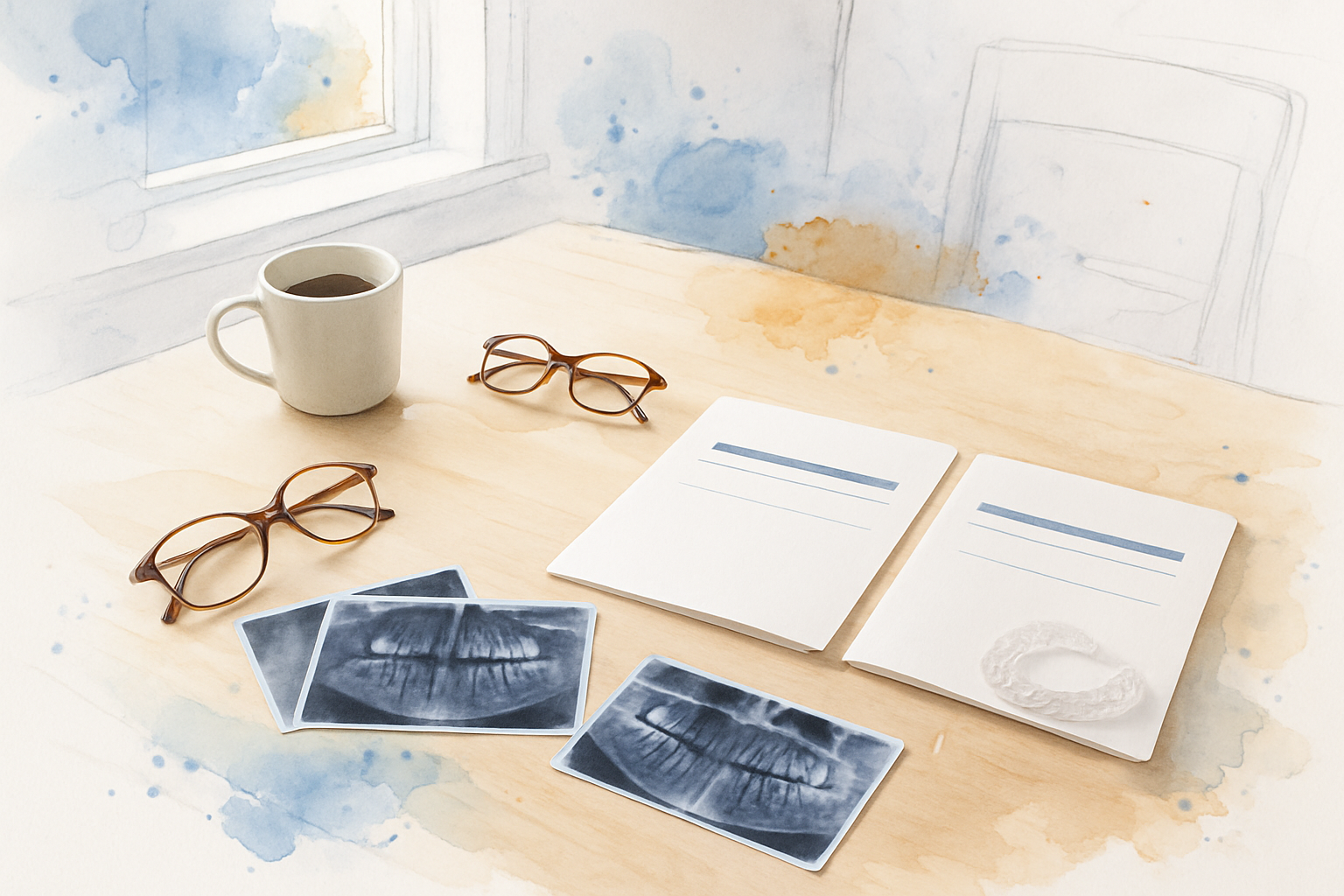
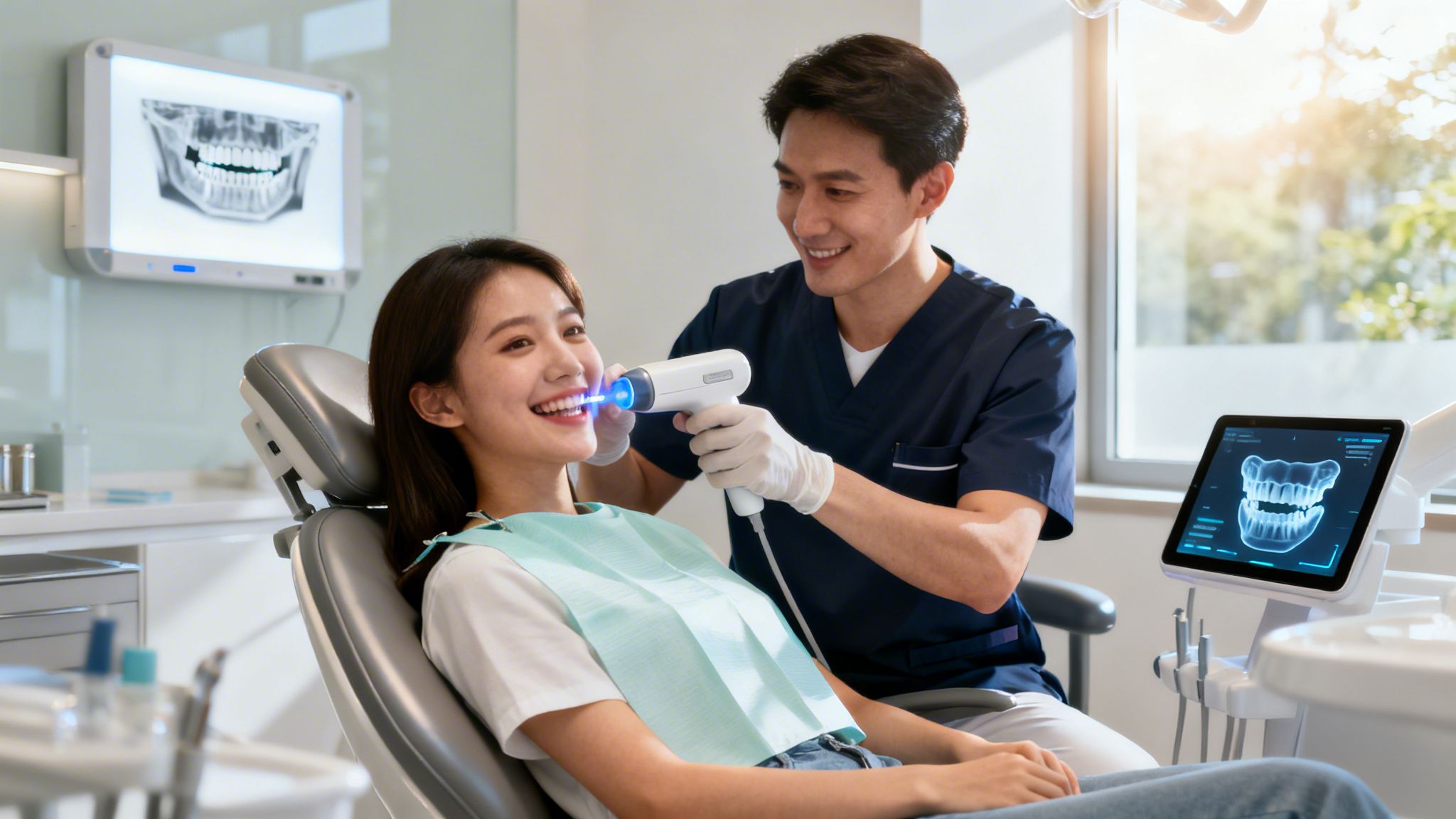
The visit starts with a gentle look at your child’s teeth and bite. We might take a few quick digital photos or a low-dose X-ray to see what’s happening under the surface.
Afterward, we'll sit down with you for a straightforward chat. Our goal is to answer every single one of your questions. We want you to leave with total clarity and peace of mind.
We invite you to schedule a free screening. It’s the best way to know your child is on the right path to a lifetime of healthy smiles.
Frequently Asked Questions
Does a visit at age 7 mean my child is getting braces right away?
Almost never. This first visit is just a screening, not a commitment to treatment. We only recommend treatment if we see a specific issue that could become a bigger problem later on.
What's the real goal of an early visit?
The main goal is to check how your child's jaw is growing and how permanent teeth are coming in. This lets us catch potential issues like severe crowding or crossbites while they're still easy to manage.
Is it more expensive to start treatment early?
Not usually. Early (or Phase 1) treatment can actually save you money. By addressing issues now with simpler methods, we often make future treatment shorter and less complex, which can prevent more costly procedures down the road.
How can I tell if my child needs to be seen by an orthodontist?
The American Association of Orthodontists makes it simple: every child should have a check-up by age 7. You don't need a dentist's referral or have to wait for a problem to appear. A free screening provides information and peace of mind.
What if my child doesn't need treatment right away?
That's great news! If no immediate treatment is needed, we'll place your child in our complimentary growth and guidance program. We'll see them for quick check-ins every 6-12 months to monitor their development at no charge.
Ready to transform your smile? Contact Magic Fox Orthodontics in Huntington Beach today to schedule your free consultation