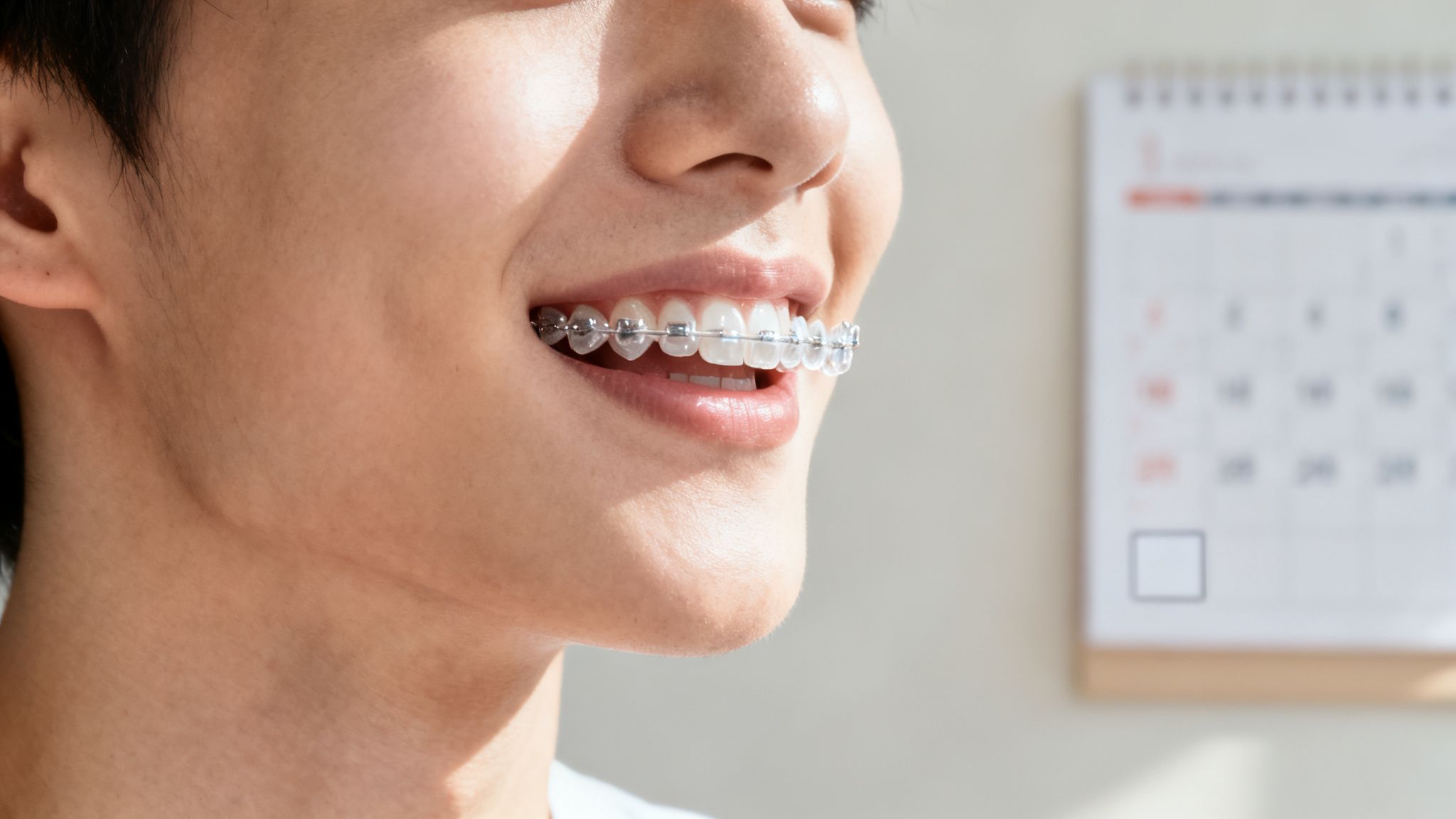
What Modern Braces in Fountain Valley Actually Look and Feel Like Today
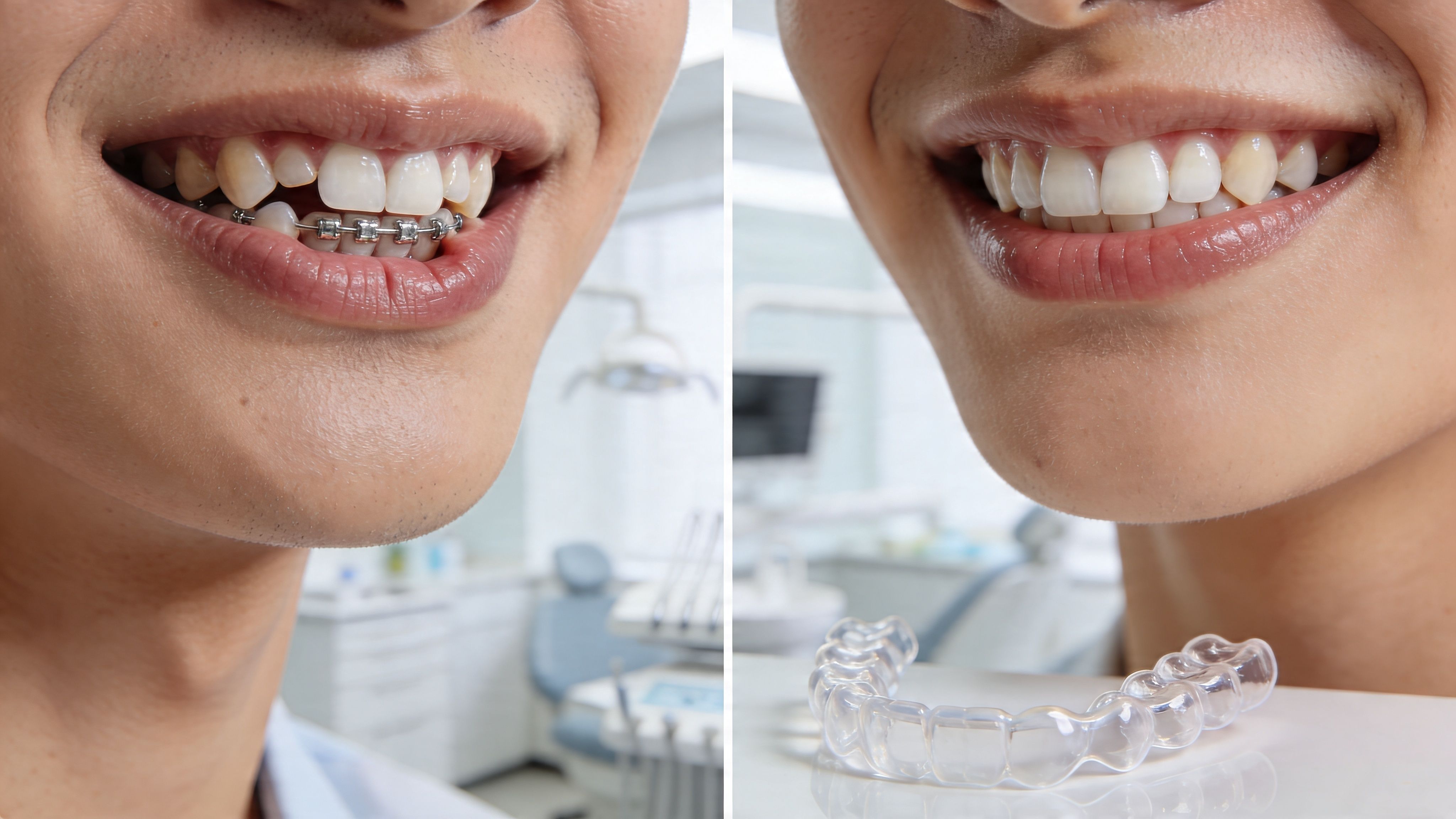
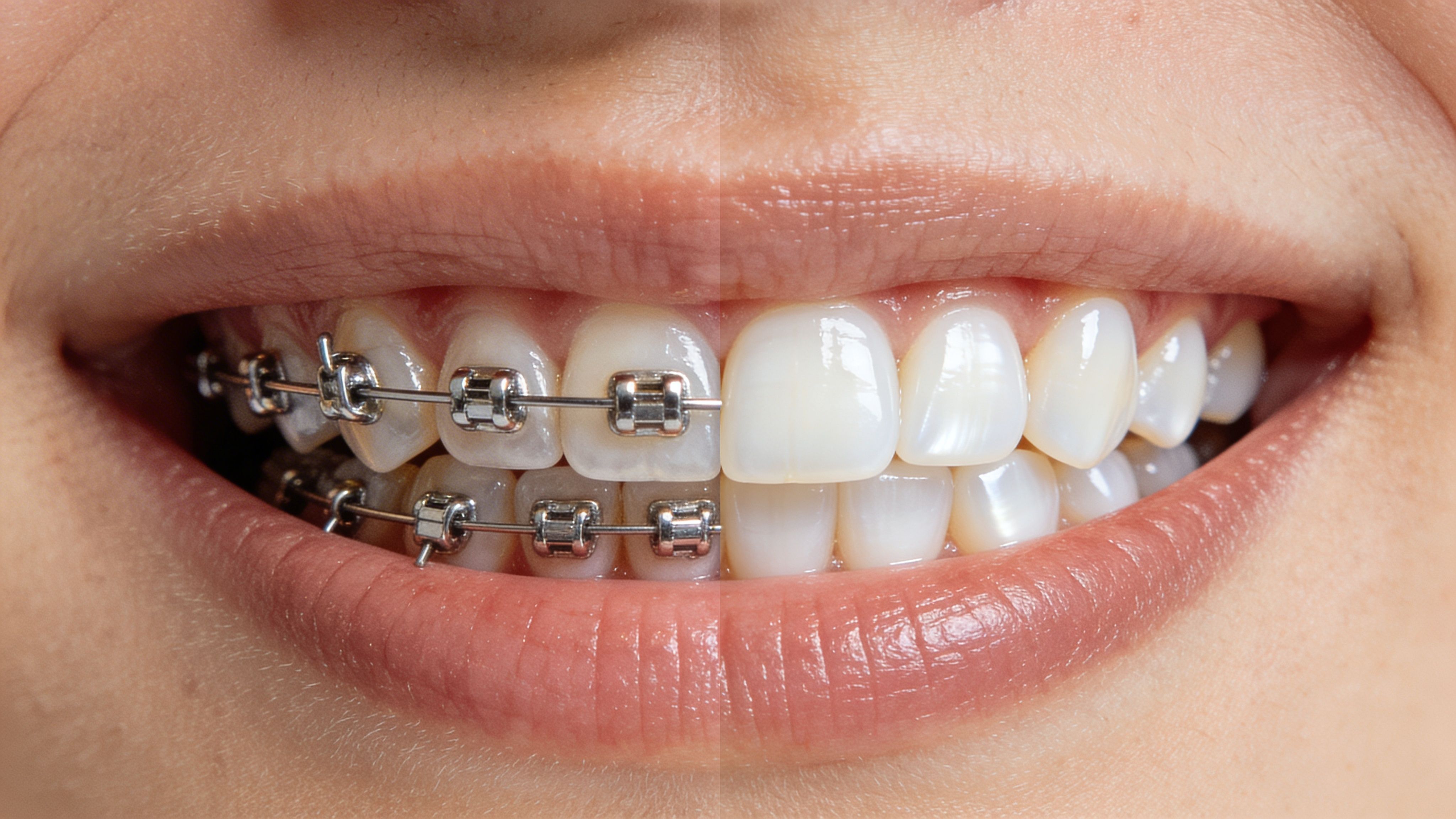
Direct Answer: Modern braces are smaller, gentler, and less disruptive than most people remember. Today's options — metal, Iconix esthetic brackets, or Invisalign — are built around real daily life.
If your memory of braces involves chunky silver brackets, rubber bands in five colors, and a mouth that felt like it had been renovated with hardware store parts — I completely understand the hesitation. That version of orthodontic treatment was real, and it wasn't exactly comfortable. But the braces families across Fountain Valley are starting today look and feel genuinely different.
I work closely with patients coming through our doors in Huntington Beach — many driving over from Central Fountain Valley, Talbert Village, and the Newland area — and one of the most common things I hear at a first appointment is some version of "I didn't realize braces had changed this much." That surprise is worth unpacking, because the gap between what people expect and what they actually experience is pretty wide right now.
This article focuses on two things that matter most to the families and adults I talk to: what the current options actually are, and what day-to-day life with braces honestly looks like. No overselling, no glossing over the real parts.
How Braces Have Actually Changed — and What's Still the Same
The biggest shift in modern orthodontics isn't some single dramatic invention. It's a collection of smaller improvements that add up to a noticeably different experience.
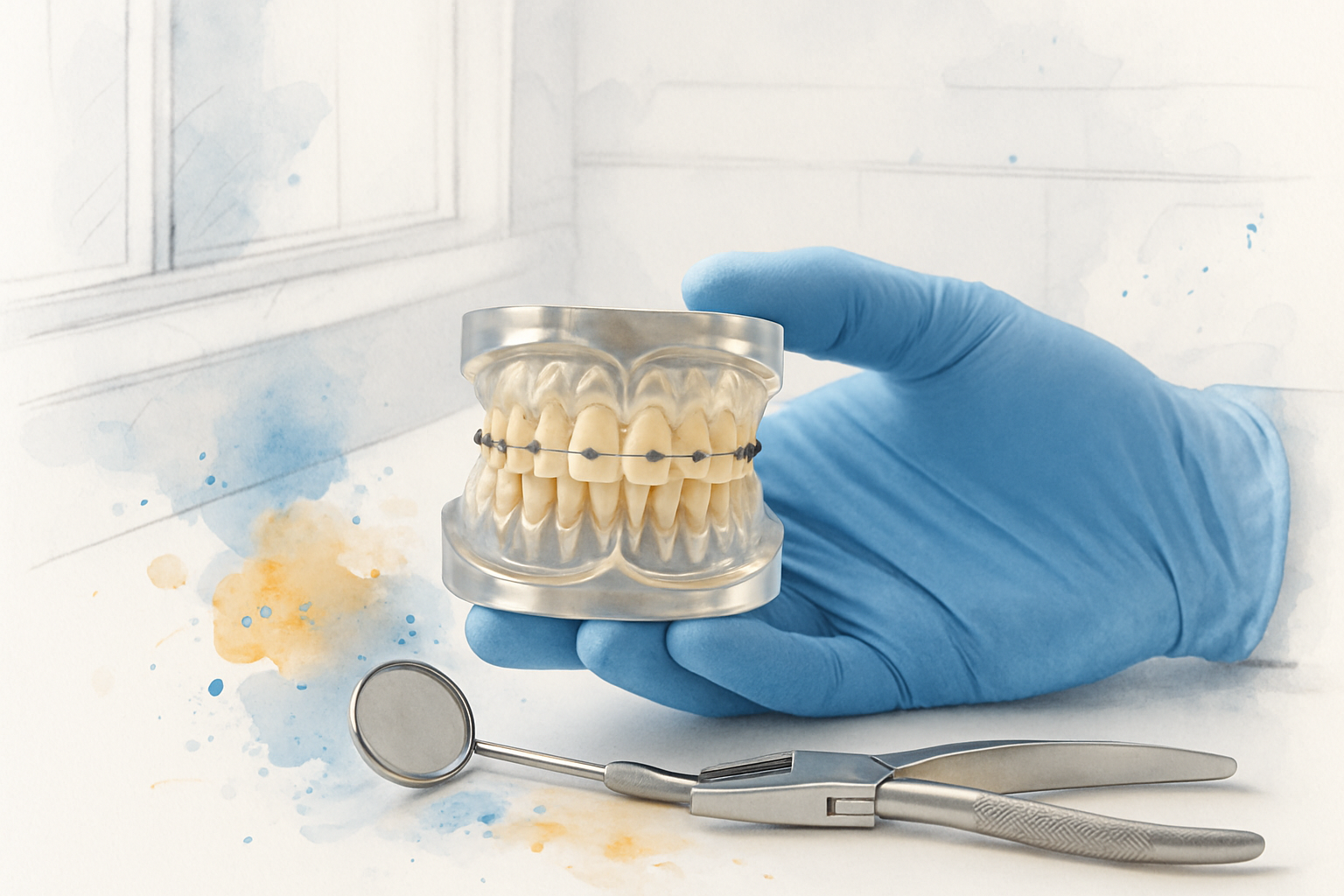
Brackets are smaller. Today's metal brackets sit lower on the tooth surface and have smoother, more rounded edges. They're less likely to catch on the inside of your cheek during the first week, which used to be one of the most common complaints.
Wires do more with less force. Modern archwires — especially the nickel-titanium wires used in early treatment — apply lighter, more continuous pressure than older stainless steel wires did. According to the American Association of Orthodontists, lighter continuous forces are gentler on tooth roots and surrounding tissue. That doesn't mean there's no soreness after adjustments, but the intensity is typically lower than what parents remember from the 1990s.
Adjustment visits are less frequent. Most patients come in every 6 to 10 weeks rather than every four. That matters a lot if you're a parent juggling school schedules, or an adult trying not to miss too many work hours driving in from Adams Avenue.
What hasn't changed: braces still work by applying sustained pressure to move teeth through bone over time. The biology is the same. The process just feels less aggressive.
The Three Options We Offer — and When Each One Makes Sense
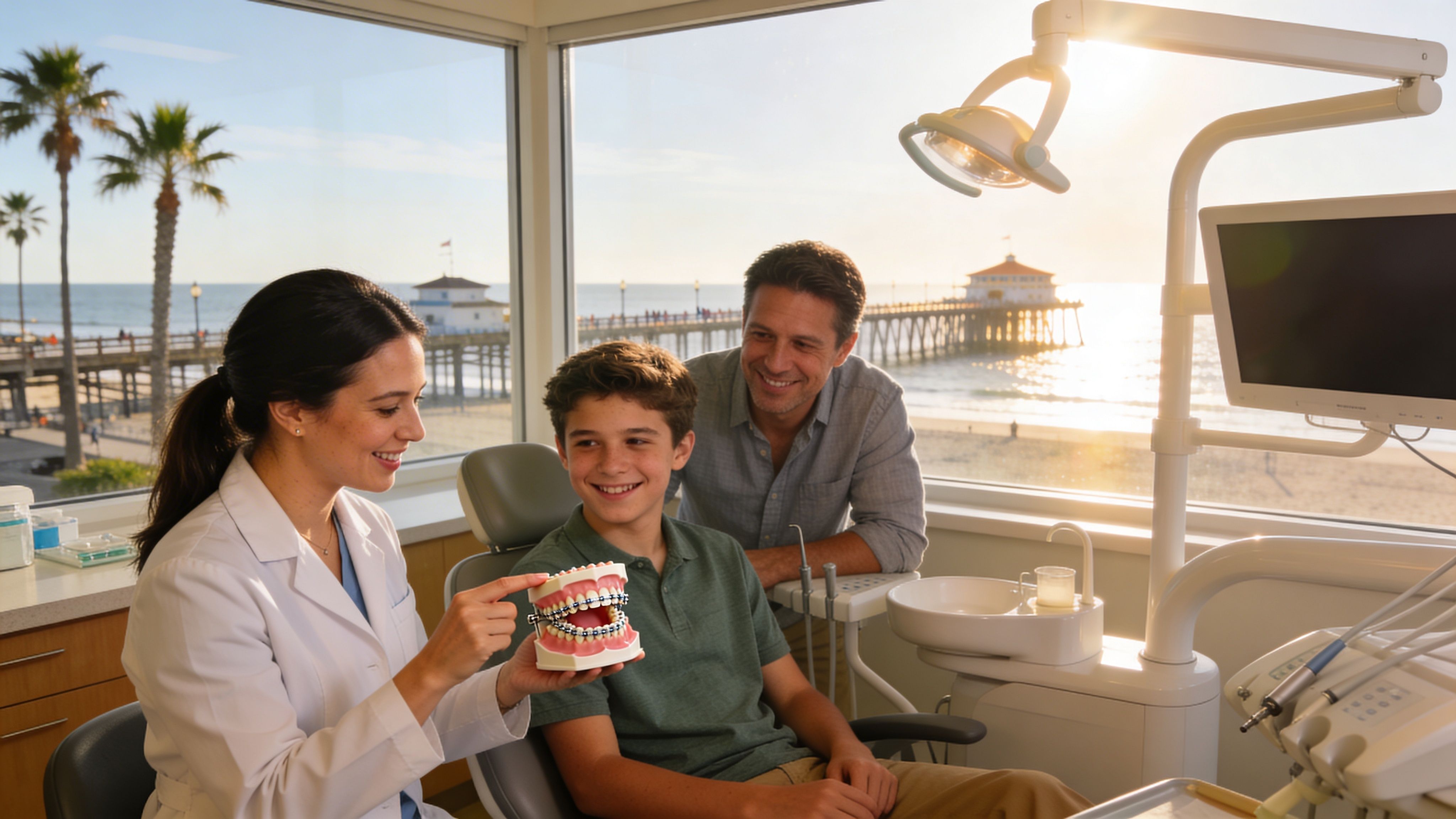
At our practice, Dr. Jeremy and Dr. Melissa work with three specific treatment types. I want to be honest about what each one is good for, because families in Fountain Valley deserve a straight answer — not a pitch.
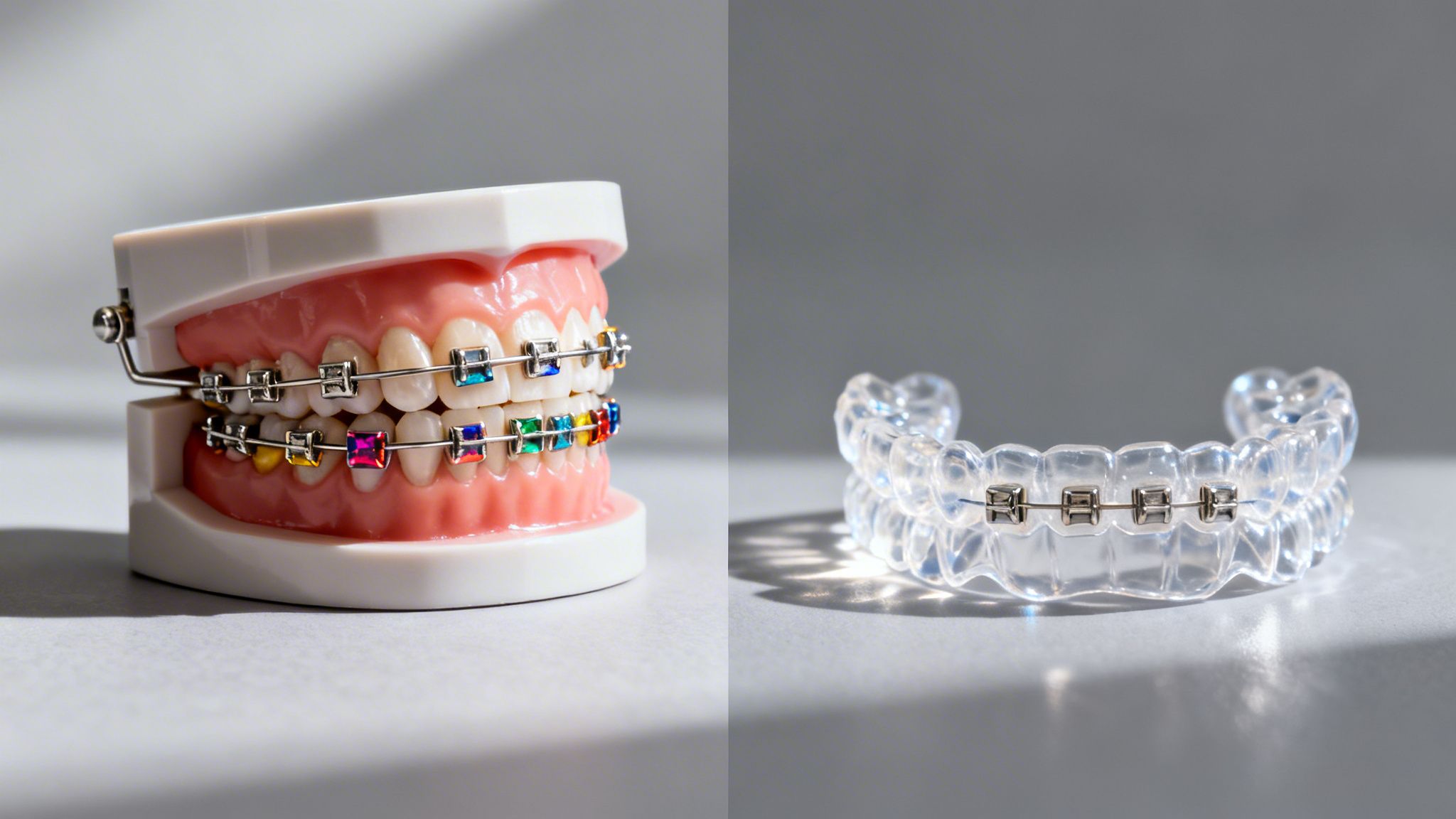
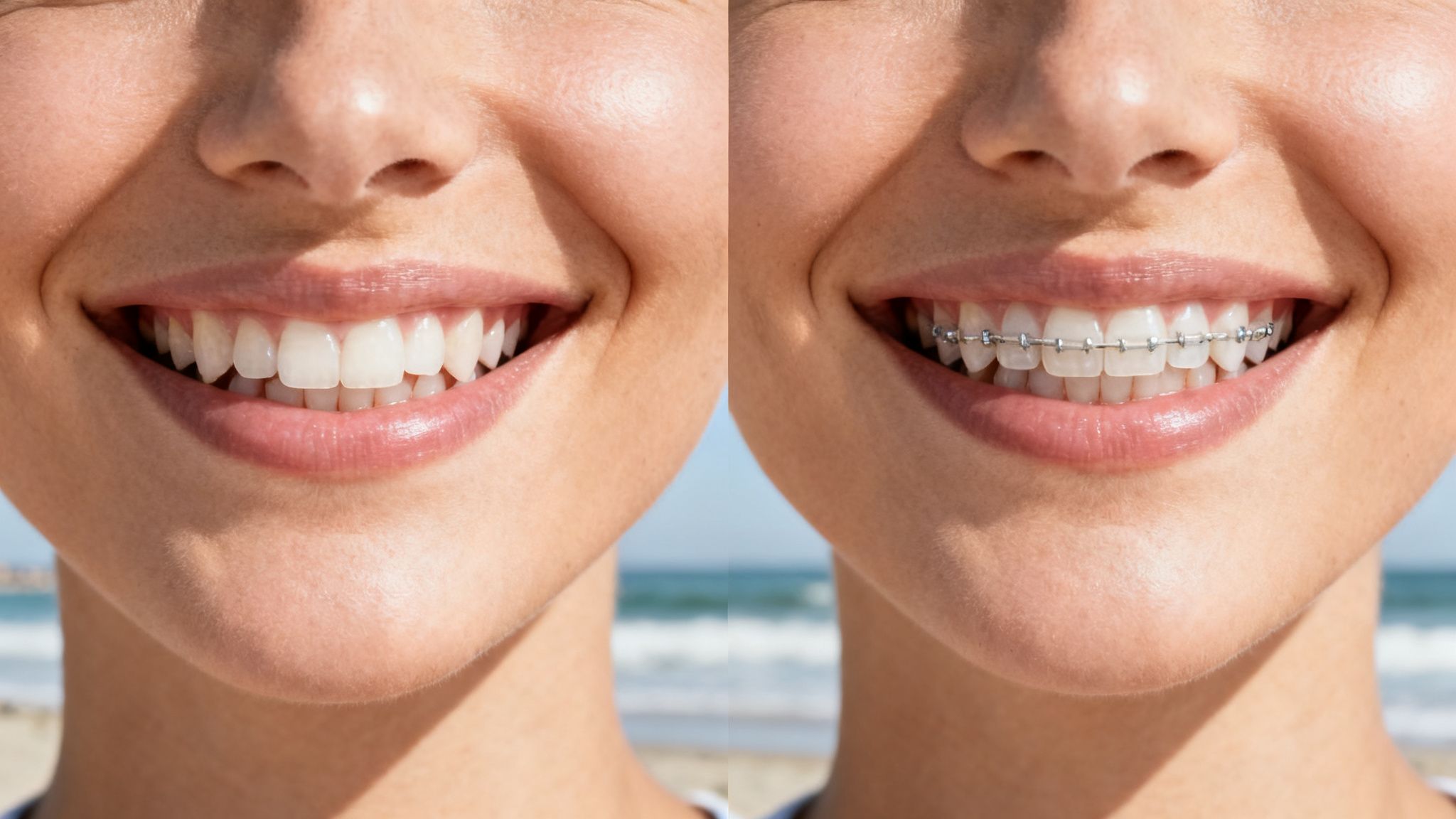
Traditional metal braces are still the most versatile tool in orthodontics. If your child has a significant overbite, an underbite, crowding with strong rotations, or a crossbite, metal braces can handle all of it. Several parents have come in specifically because their child has crowding and an underbite — exactly the cases where braces tend to do their most reliable work. For cases that need real precision in finishing, metal braces give us the most control. They're also the most durable option for teens who play sports or tend to be hard on their stuff. You can learn more about braces options for Fountain Valley families on our services page.
Iconix esthetic brackets are a middle path a lot of adults overlook. These are premium champagne-colored brackets — not silver, not plastic — that offer a noticeably warmer, more refined appearance than traditional metal while still giving us the same control. Adults who want to avoid the look of silver brackets during treatment but aren't sure Invisalign suits their lifestyle often end up very happy with Iconix. If you're weighing your options, our post on adult braces vs. Invisalign walks through the comparison in more detail.
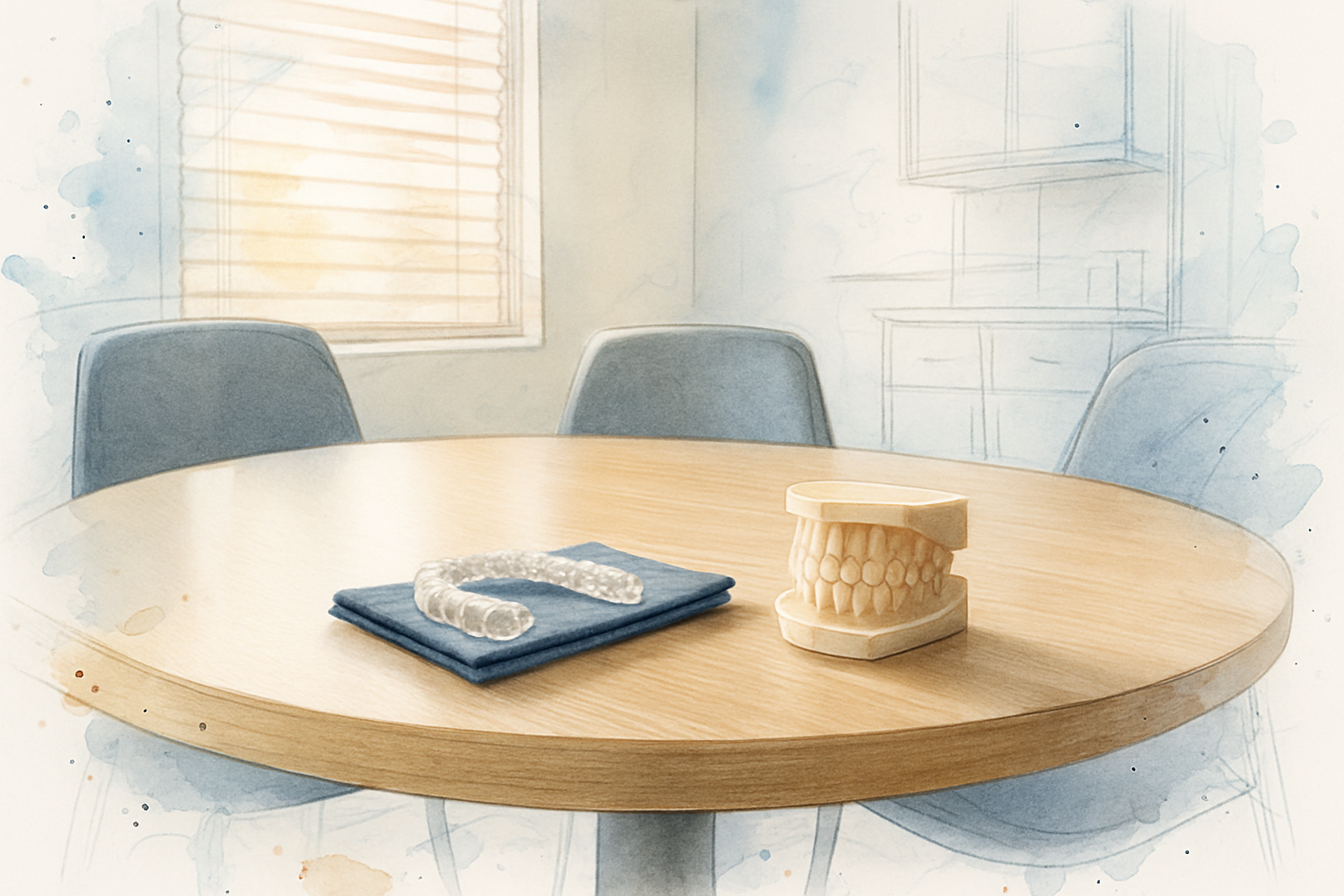
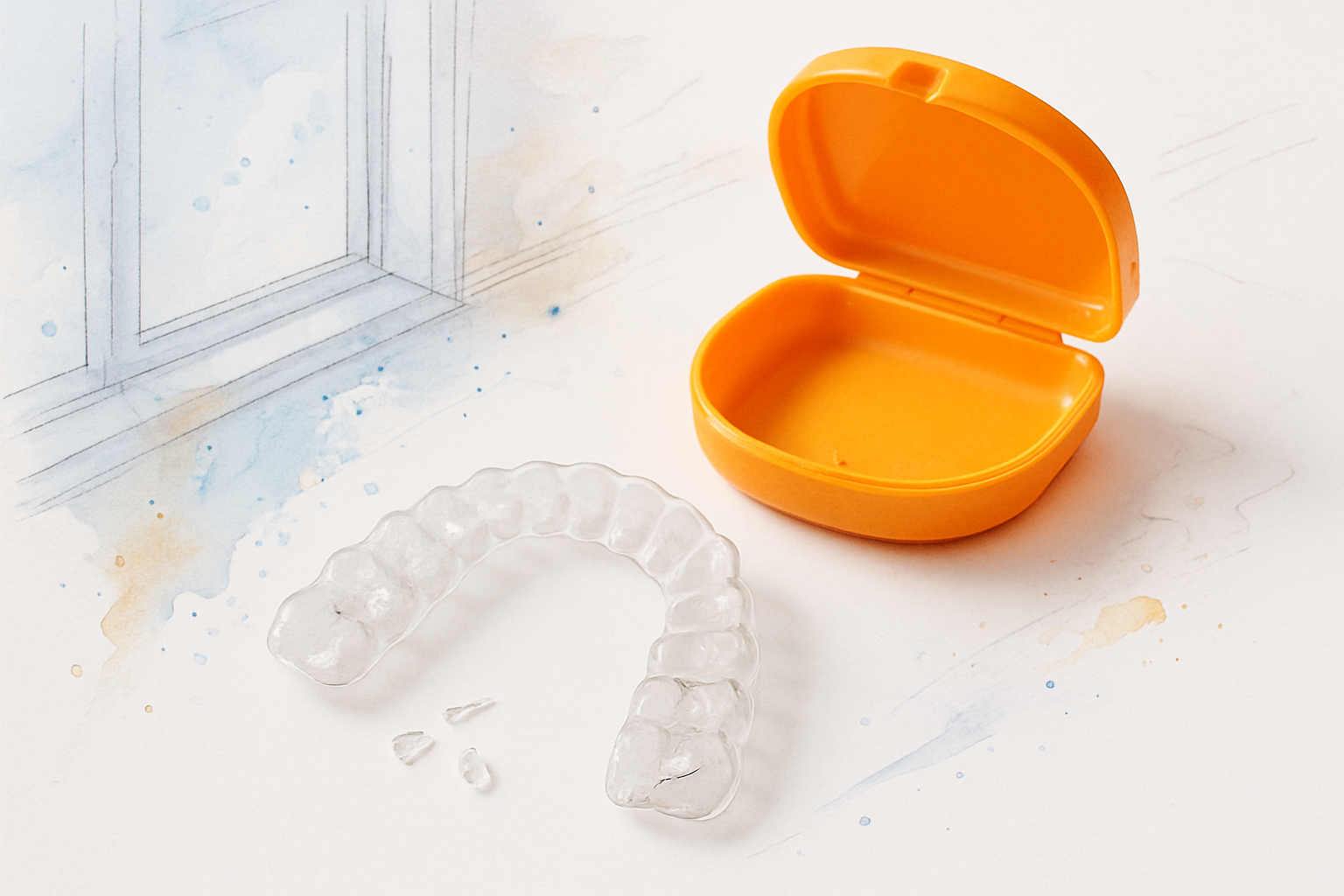
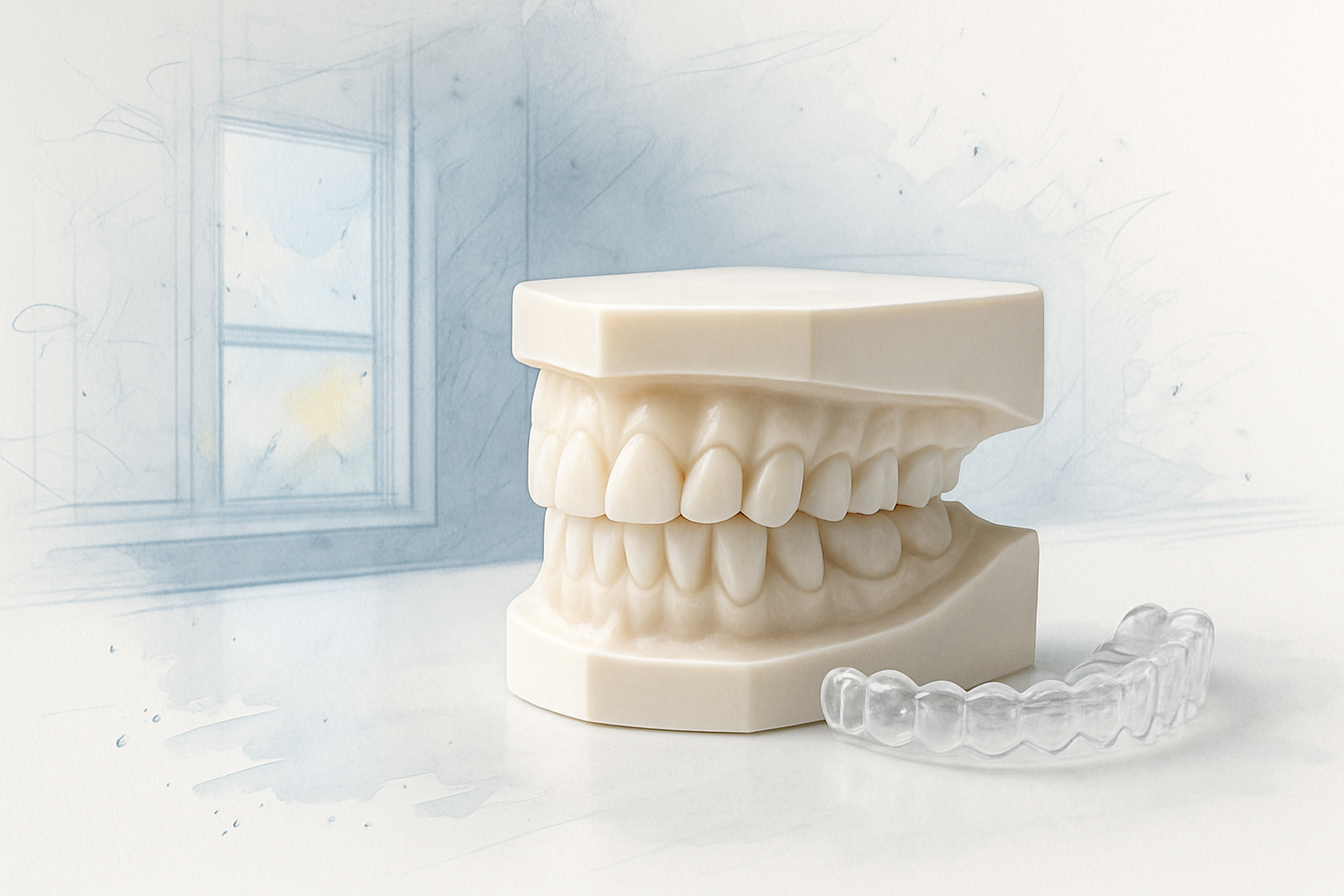
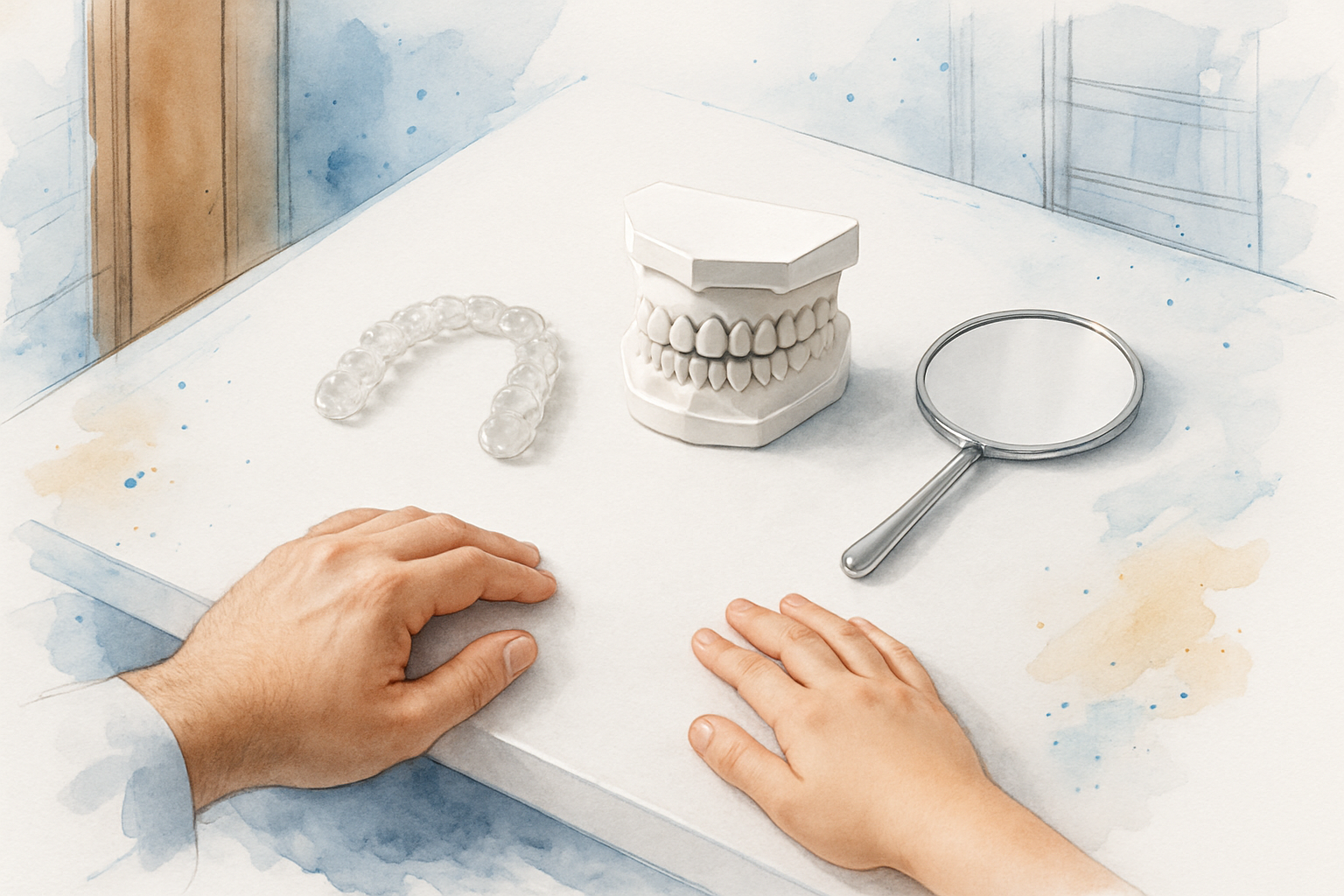
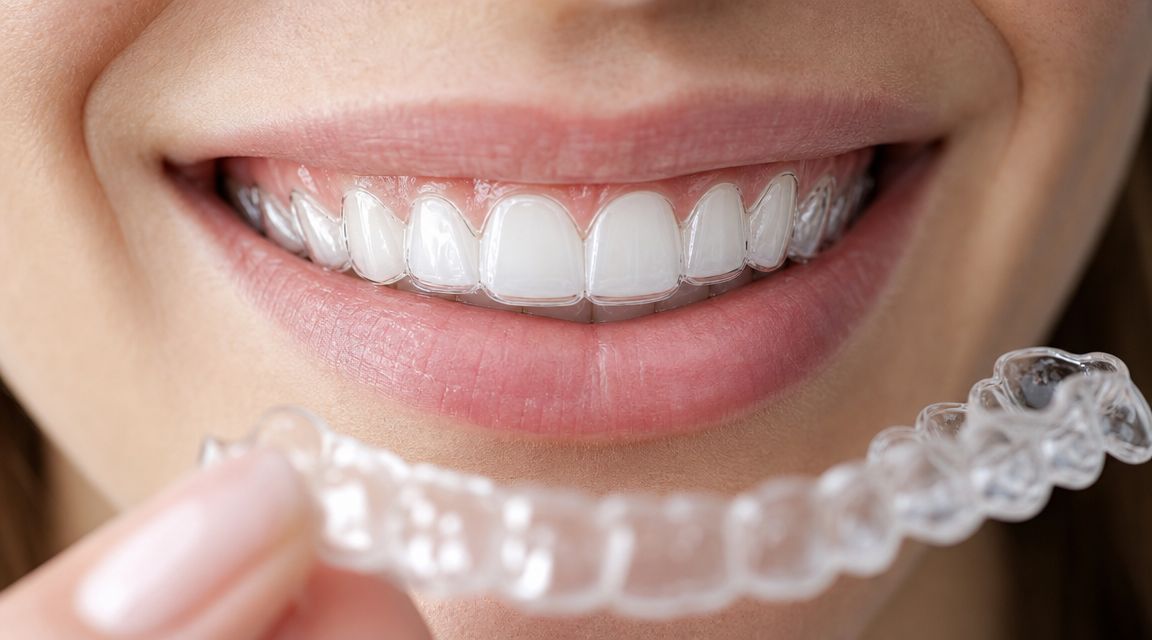
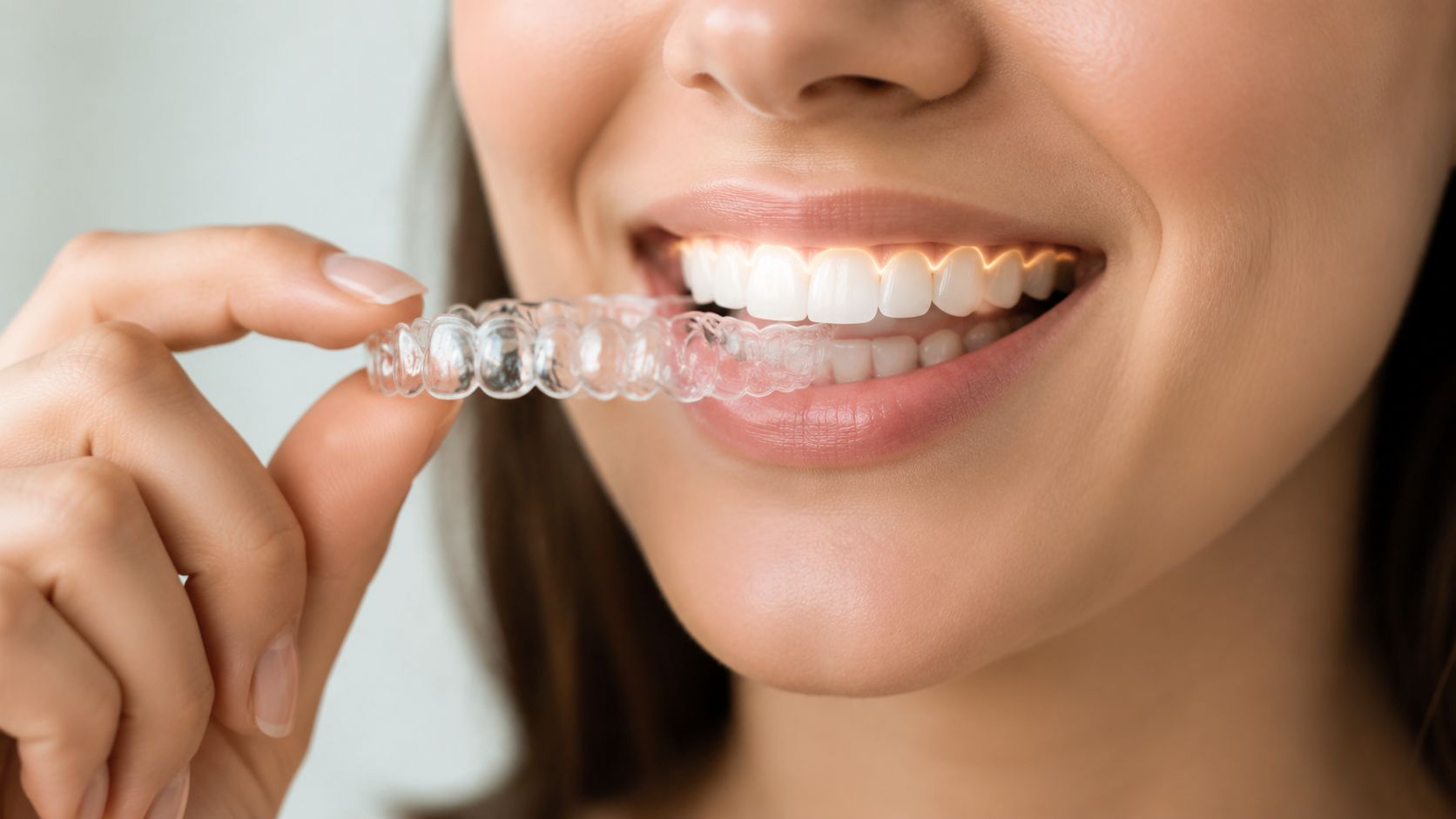
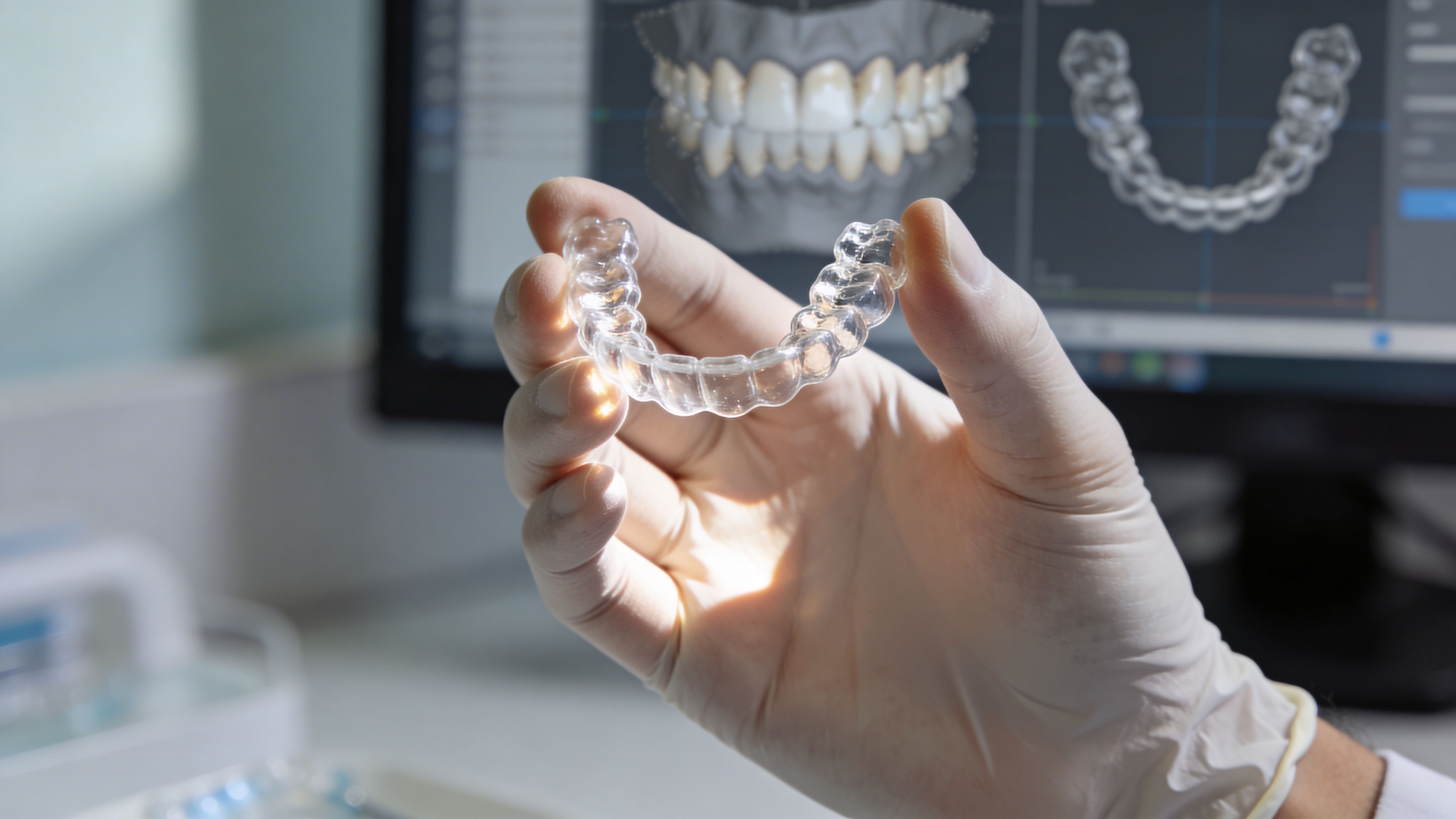
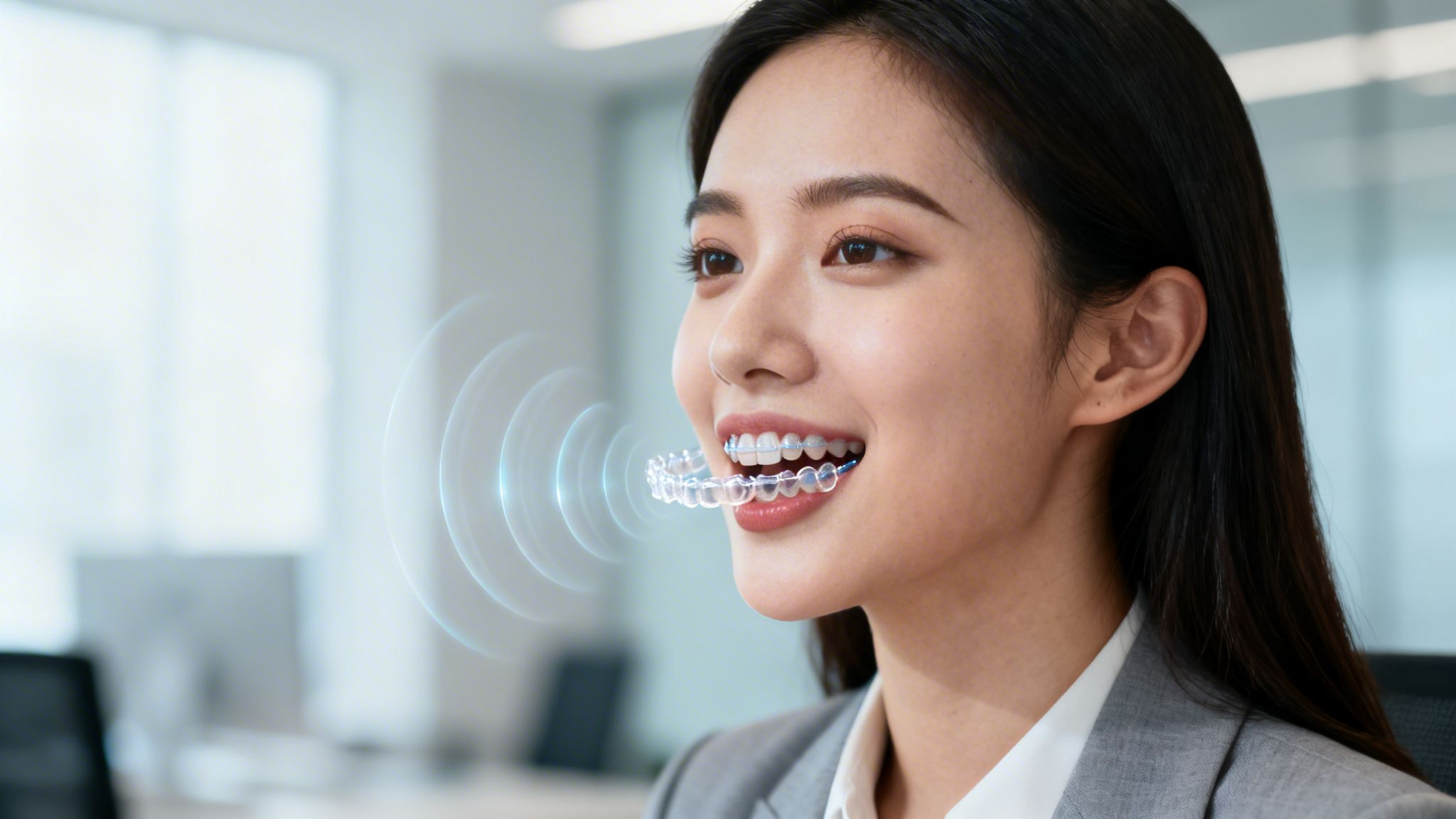
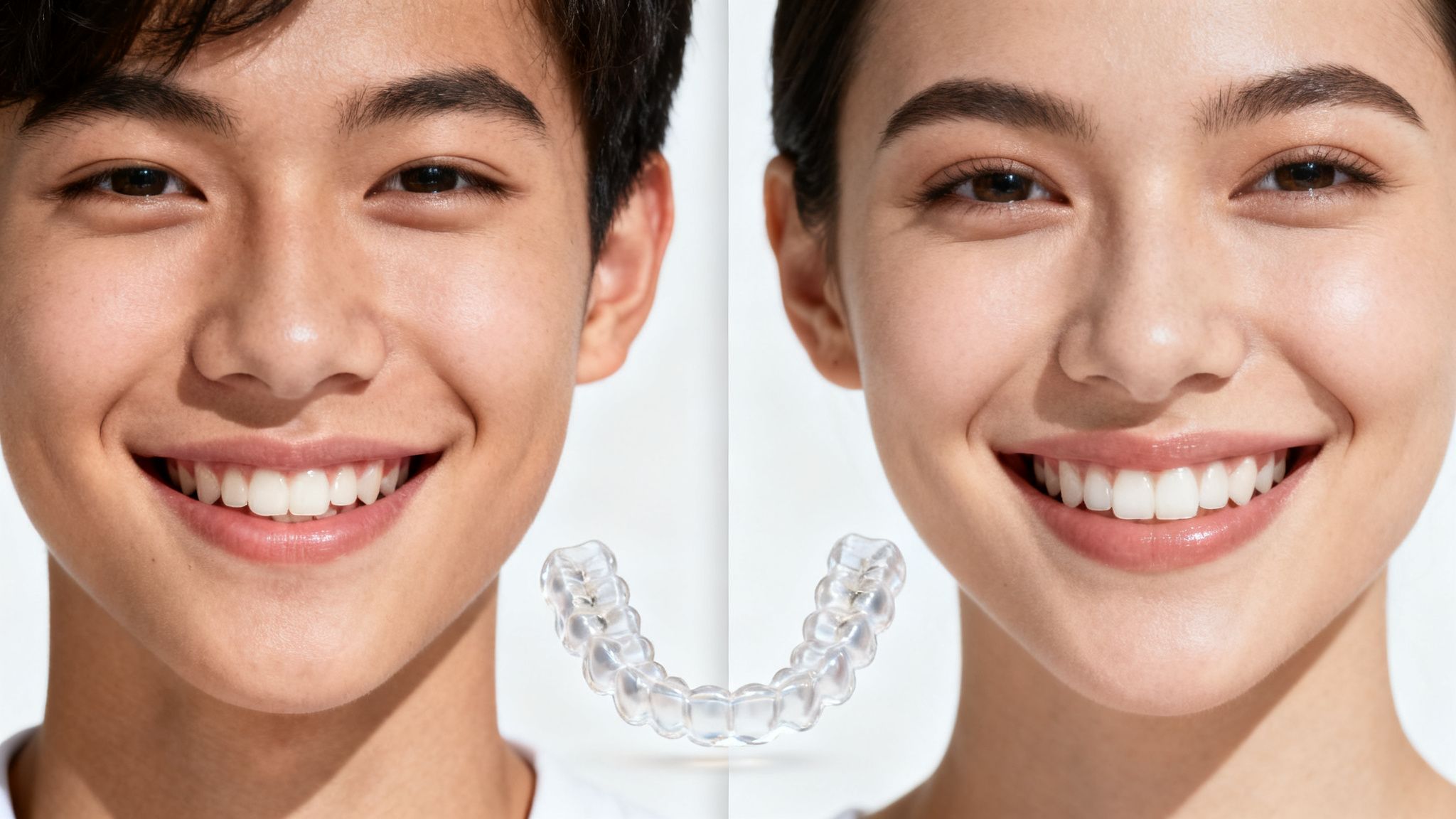
Invisalign clear aligners work beautifully when the case is a good fit and the patient will actually wear them. That second part is the honest piece most people don't say out loud. Aligners need to stay in for 20 to 22 hours a day to work as planned. For motivated adults and teens, that's completely manageable. For a 13-year-old who's going to take them out at lunch and forget to put them back in — braces are probably the better call. Dr. Jeremy and Dr. Melissa spend real time at consultations walking through exactly this question with families, without steering anyone toward one option or the other.
Braces vs. Iconix vs. Invisalign: A Quick Comparison
Here's a side-by-side look at how the three options stack up across the factors that matter most to families and adults starting treatment.

What Daily Life With Braces Actually Looks Like
This is the part I think is most useful for parents researching for a child, or adults who haven't been through treatment before. The daily reality of braces is pretty manageable — but it does require adjusting a few habits.
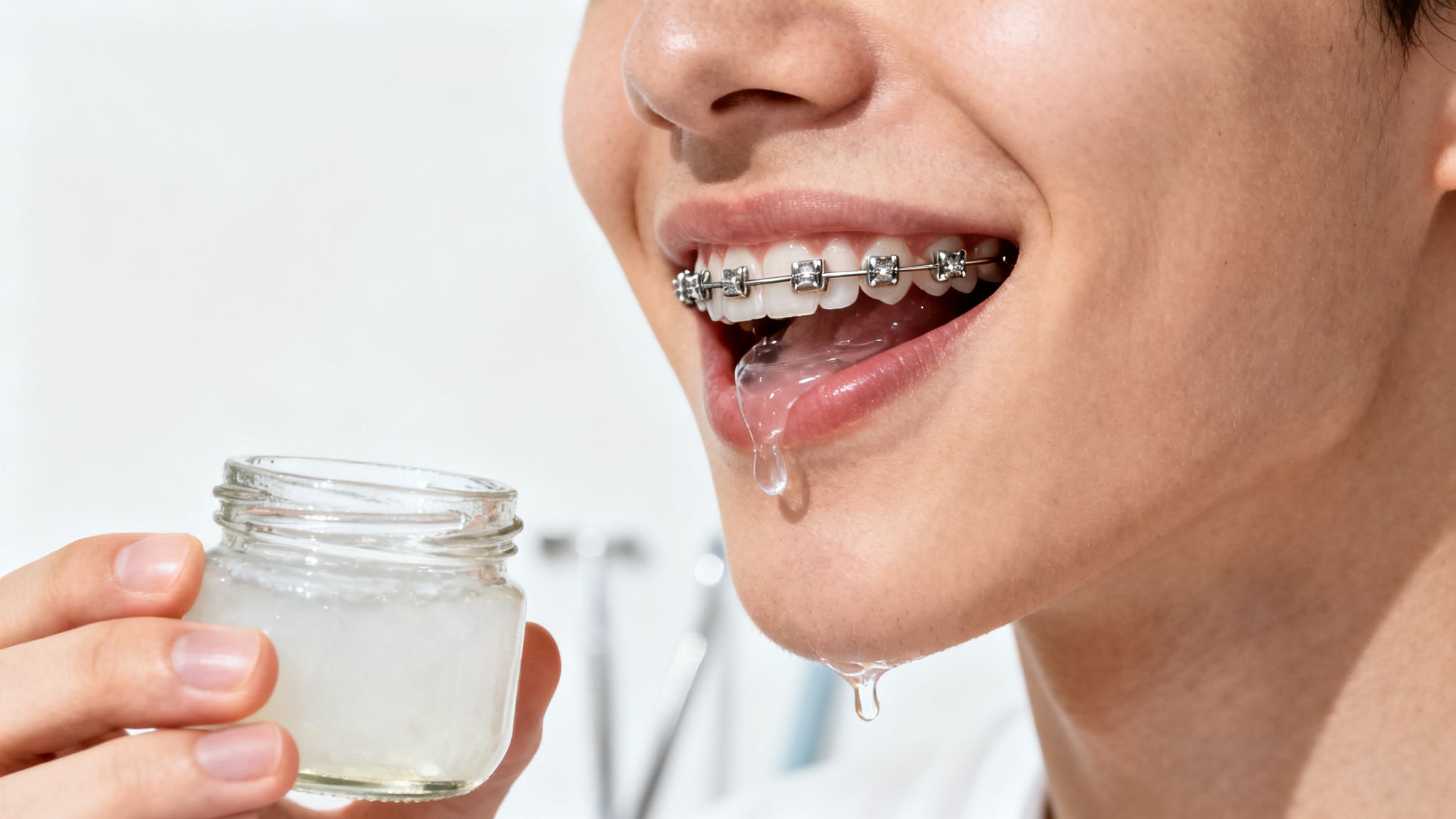
Food. The list of things to avoid gets a lot of attention, but it's actually shorter than people expect. The main ones:
- Hard, crunchy foods — ice, hard pretzels, raw carrots in big bites
- Sticky foods — caramel, gummy candy, chewy granola bars
- Anything you bite into directly with front teeth — apples, corn on the cob, bagels
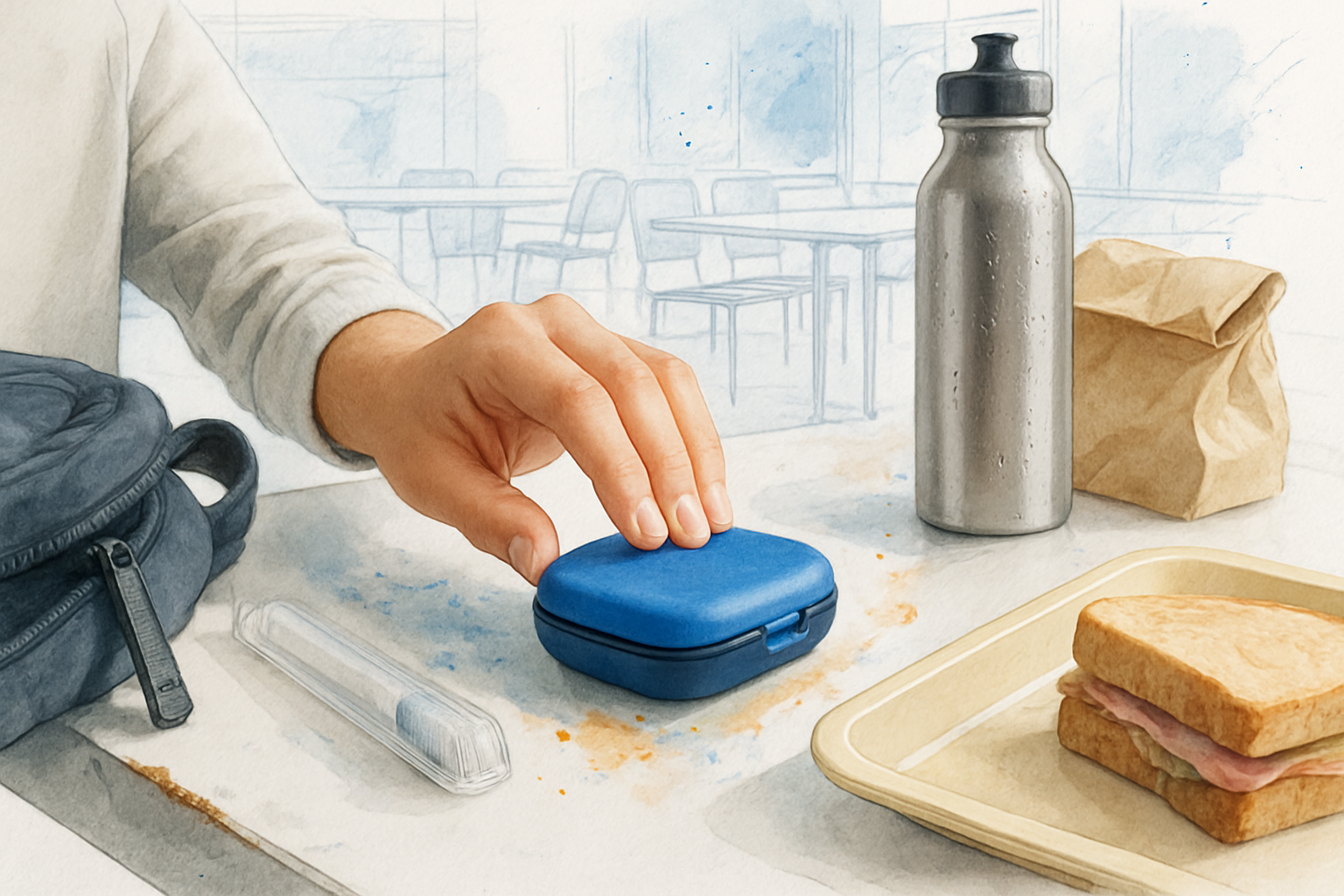
Everything else is generally fine. Most school lunches, soft fruits, pasta, rice, sandwiches cut into pieces — none of that is a problem. We have a more detailed breakdown in our post on best foods to eat with braces if you want the full picture.
Brushing. You'll brush after every meal rather than just morning and night. An electric toothbrush helps a lot. Flossing with a floss threader or a water flosser is easier than threading between brackets sounds — most patients get the hang of it within a week.
School photos and sports. For photos, the brackets are just part of the picture. Smiling with confidence is more the goal than hiding hardware. For sports, we recommend a mouthguard over braces — it's a simple orthodontic mouthguard that fits over the brackets and protects both the teeth and the inside of the lips.
Adjustment visits. Most patients come in every 6 to 10 weeks. Each visit runs about 20 to 40 minutes. There's typically some tenderness for a day or two after each adjustment — soft foods for those days, ibuprofen if needed, and it passes.
Treatment Timeline Expectations by Case Type
One of the most common questions I hear — from parents in Talbert Village scheduling for a teen and from adults considering treatment for themselves — is simply: how long will this take? Here's an honest general range based on case complexity.
| Case Type | Typical Timeframe | Notes |
|---|---|---|
| Mild spacing or minor crowding | Under 12 months | Some focused touch-up cases may finish faster |
| Moderate crowding or bite issues | 12 to 18 months | Most common range for teens and adults |
| Complex bite correction or significant crowding | 18 to 24 months | Requires more precise movement over time |
| Early Phase 1 treatment (ages 7–10) | 9 to 12 months typically | Followed by a rest period before Phase 2 |
What Families from Fountain Valley Tell Us After Their First Visit
I want to share something I've noticed from real patient feedback, because it speaks to what makes an orthodontic experience feel different — not just the treatment itself.
About 40% of reviews mention the bookshelf door at our practice unprompted. It's a door disguised as a built-in bookshelf, and families walking in for a first appointment frequently say it instantly changed the mood — especially for kids who were nervous. One reviewer described her daughter as "loving the magic door" and said the visit felt special from the moment they walked in. That kind of detail matters more than it sounds, because a nervous kid who feels at ease is a kid who cooperates with treatment.
Several reviewers specifically called out that Dr. Jeremy and Dr. Melissa personally see every patient at every appointment — not an assistant doing the main work while the doctor checks in for 30 seconds. One patient wrote that Dr. Jeremy "took his time explaining everything and made sure I understood what was going on." Another mentioned that the doctors "walked us through every option without pushing one over another." That matches exactly how Dr. Jeremy and Dr. Melissa approach consultations: laying out what's realistic, explaining the tradeoffs, and letting families decide.
If you want to read through what patients say about their experience, we've kept those stories on our site for exactly this reason — because reading someone else's honest account is often more useful than anything we could say ourselves.
Frequently Asked Questions About Modern Braces in Fountain Valley
How much do braces cost in Fountain Valley?
Treatment costs vary depending on case complexity, which option you choose, and whether insurance applies. Many families in the Fountain Valley area find that metal braces and Invisalign can fall into a range where monthly payment plans make them workable — but the only honest answer is that it depends on your specific case. Dr. Jeremy and Dr. Melissa go over exact pricing and payment options during the consultation, so you're not guessing after the fact.
My teen says braces will ruin their school photos. Is that a real concern?
It's a real feeling, even if the reality is usually less dramatic than they expect. If appearance during treatment is a top priority for your teen, Iconix champagne-colored brackets or Invisalign are both worth discussing. That said, plenty of teens with traditional metal braces feel proud of their smiles in photos — especially once treatment is moving along. It's worth having the conversation openly with your teen before the consultation so their concerns are part of the decision.
Is Invisalign actually a realistic option for my teenager?
It depends on two things: whether the case is clinically suitable, and whether your teen will reliably wear the aligners for 20 to 22 hours a day. For motivated teens who understand the commitment, it works well. For teens who are likely to leave aligners out for hours at a time, braces will produce more predictable results. Dr. Jeremy and Dr. Melissa assess both of these factors during the consultation — case suitability and compliance likelihood — before recommending either way.
We just moved to Fountain Valley and my kid's previous orthodontist had already started treatment. Can you take over?
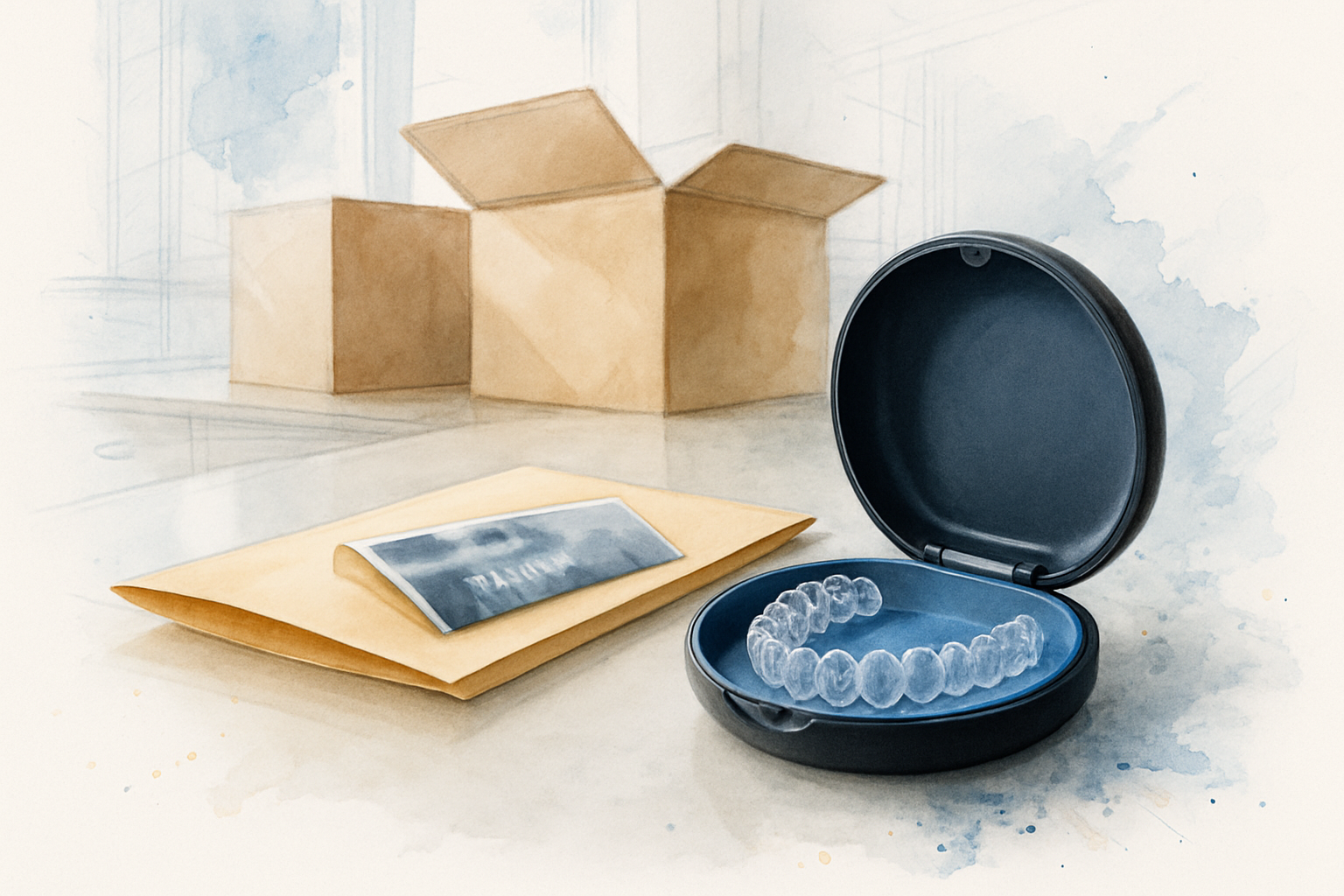
Yes, this comes up more often than you'd think — families relocating and needing to continue treatment somewhere new. The best first step is to bring any records from the previous orthodontist (x-rays, treatment notes, aligner tray numbers if applicable) to the consultation. We can review where treatment stands and pick up from there.
What if I only want to fix one or two specific things — do I have to commit to full treatment?
Not necessarily. Beginning in July, we offer a focused touch-up option for patients who want to correct something specific — like minor crowding that came back after previous treatment — without going through a full comprehensive case. It's worth asking about during a consultation whether your goals fit that track.
How do I know if my child needs braces now or if we can wait?
The American Association of Orthodontists recommends an initial orthodontic evaluation around age 7, even if no treatment is needed yet. Early evaluation lets us see how the jaw and bite are developing while there's still time to guide things before they become more complex. Our post on early orthodontic care for kids covers what we're actually looking for at that age.
Ready to See What Modern Braces Actually Look Like in Person?
If you're a family in Fountain Valley — whether you're in Talbert Village, near Adams Avenue, or anywhere in between — a consultation with Dr. Jeremy and Dr. Melissa is the clearest way to get a real answer for your specific situation. You can reach Magic Fox Orthodontics at 714-594-5777 or visit magicfoxsmiles.com to schedule. The consultation is the place where questions about timeline, cost, and which option fits your life get answered honestly — not in the abstract.