Is It Too Late to Straighten Your Teeth as an Adult?
Direct Answer: No — adults of any age can straighten their teeth. Teeth move throughout life, and modern options like Invisalign and discreet brackets make treatment practical for working adults.
I hear some version of this question almost every week: "I'm 35 — is it too late for me?" Or 42. Or 58. The age changes, but the hesitation behind the question is always the same. Adults who have put this off for years finally reach a point where they want to do something about their smile, and then talk themselves out of it before they even pick up the phone.
Here's something worth knowing: the American Association of Orthodontists has tracked a steady climb in adult patients over the past decade, and recent surveys show adult treatment numbers at all-time highs. If you're asking this question, you're part of a very large group — not an outlier.
What I want to do in this article is get past the vague reassurances and actually answer the real questions adults have: how teeth move differently once you're grown, what your options look like, and what the time and cost commitment actually means for someone with a full life already in motion.
How Adult Teeth Actually Move — and Why That Changes the Plan
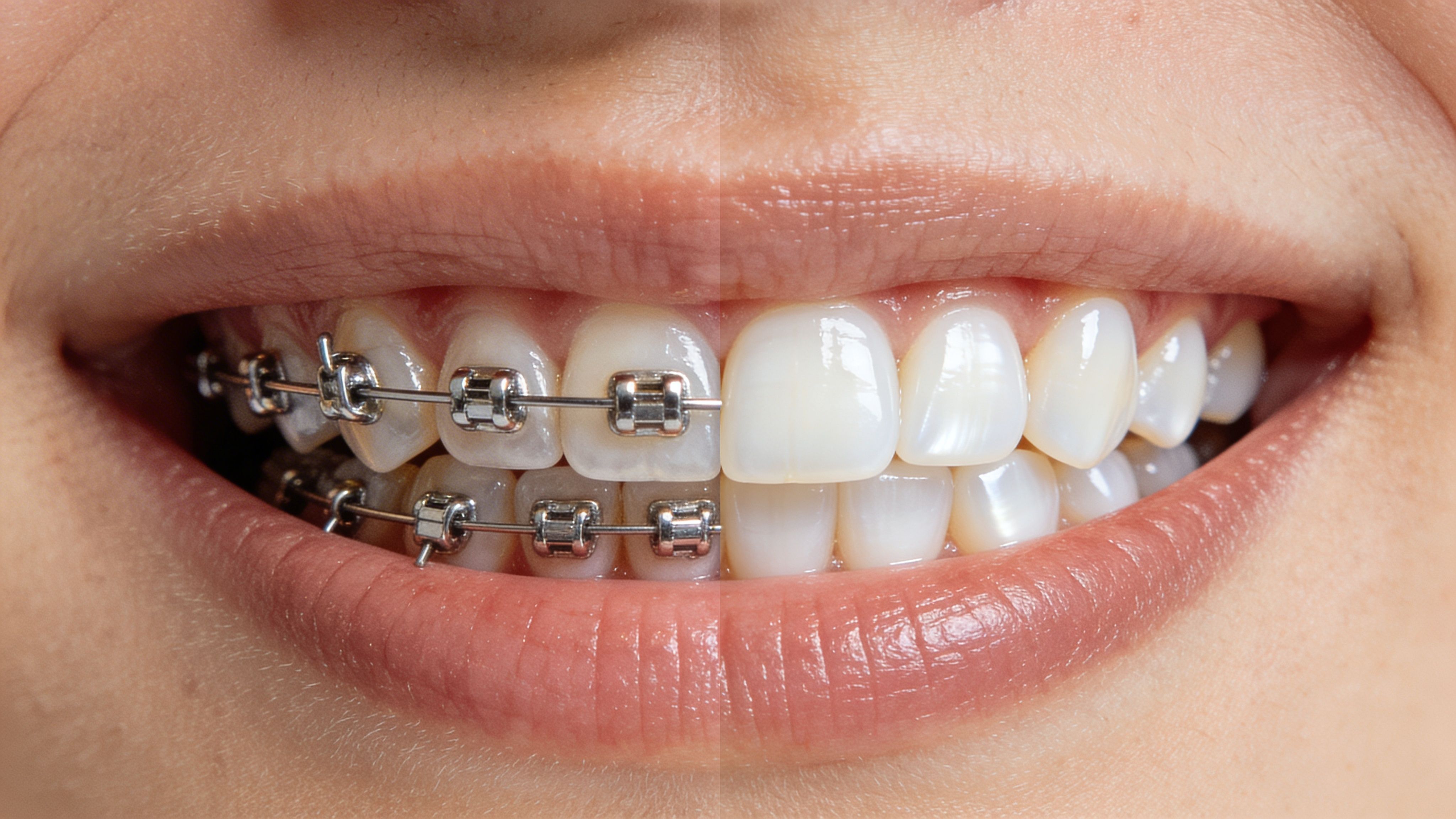
The biology of tooth movement is the same at 40 as it is at 14. Teeth move because bone is a living tissue — it breaks down on one side of a tooth root and rebuilds on the other when steady, gentle pressure is applied. That process doesn't stop when you turn 18.
What does change is the pace and the planning involved. Adult bone is denser than a teenager's, which means tooth movement generally takes longer and requires more careful attention to root positioning. It's not a barrier — it just means the treatment plan Dr. Jeremy or Dr. Melissa puts together for you needs to account for that reality up front.
Adult cases also come with more history. Many patients we see have crowns, older dental work, or teeth that have shifted gradually over decades. One caller who reached us described being turned away by another office specifically because of permanent crowns on her front teeth — she just wanted to know if we could still help her. In many situations like that, the answer is yes, but it takes a more thorough evaluation to map out how to move teeth around existing restorations safely.
There's also the retention side. Adult teeth tend to relapse more readily if retention isn't taken seriously after treatment. Longer-term retainer wear is a real part of the plan — not a footnote. Knowing that going in makes it easier to stay consistent when treatment ends.
If you want a deeper look at what that adult treatment process actually involves, this breakdown of adult orthodontics options covers it well.
The Three Options — Framed for an Adult's Actual Life
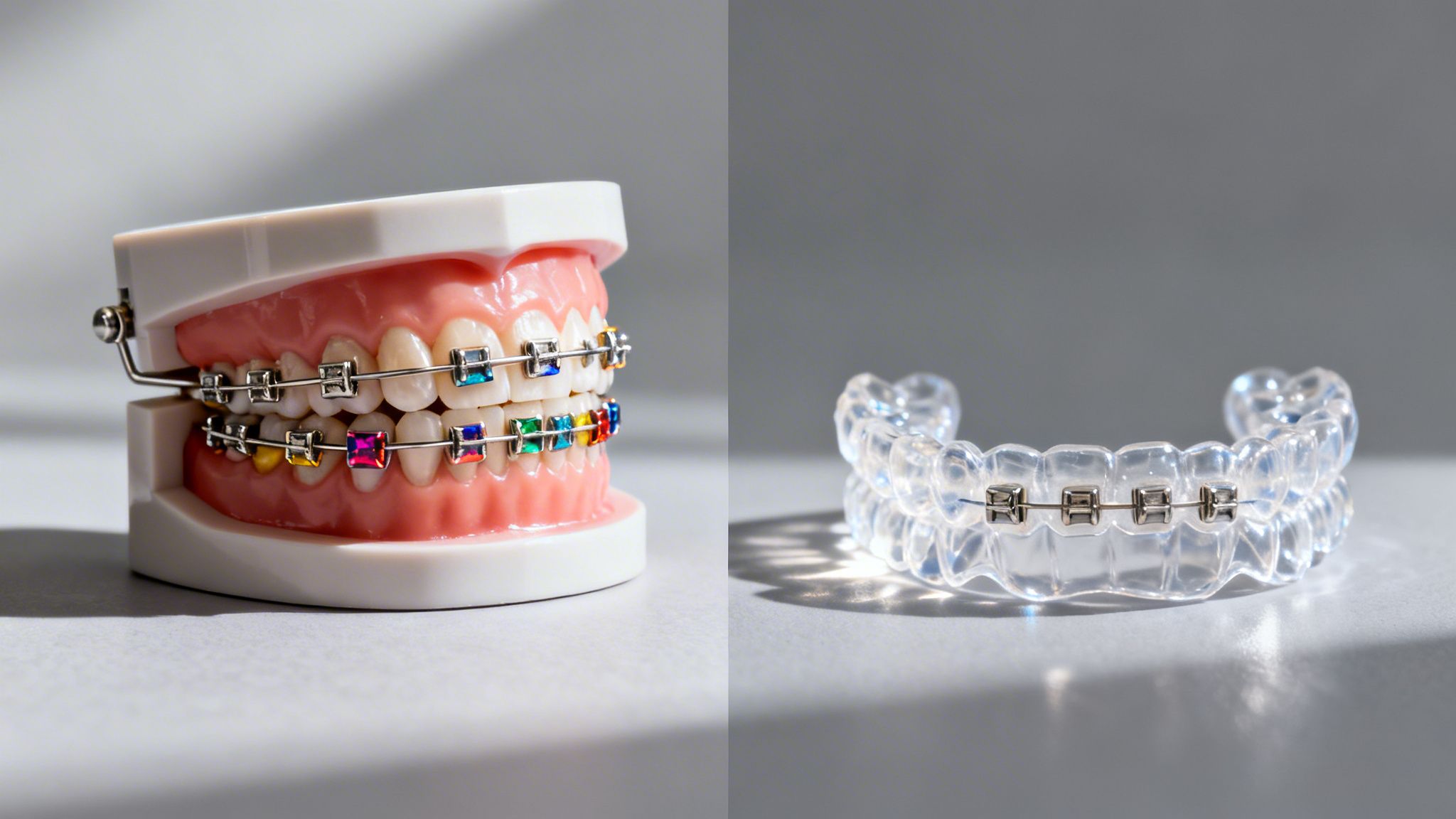
Most adults aren't just asking "what works" — they're asking "what works for someone who has a job, meetings, and people looking at their face every day." That's a fair question, and the three options we offer at Magic Fox are each suited to different versions of that concern.
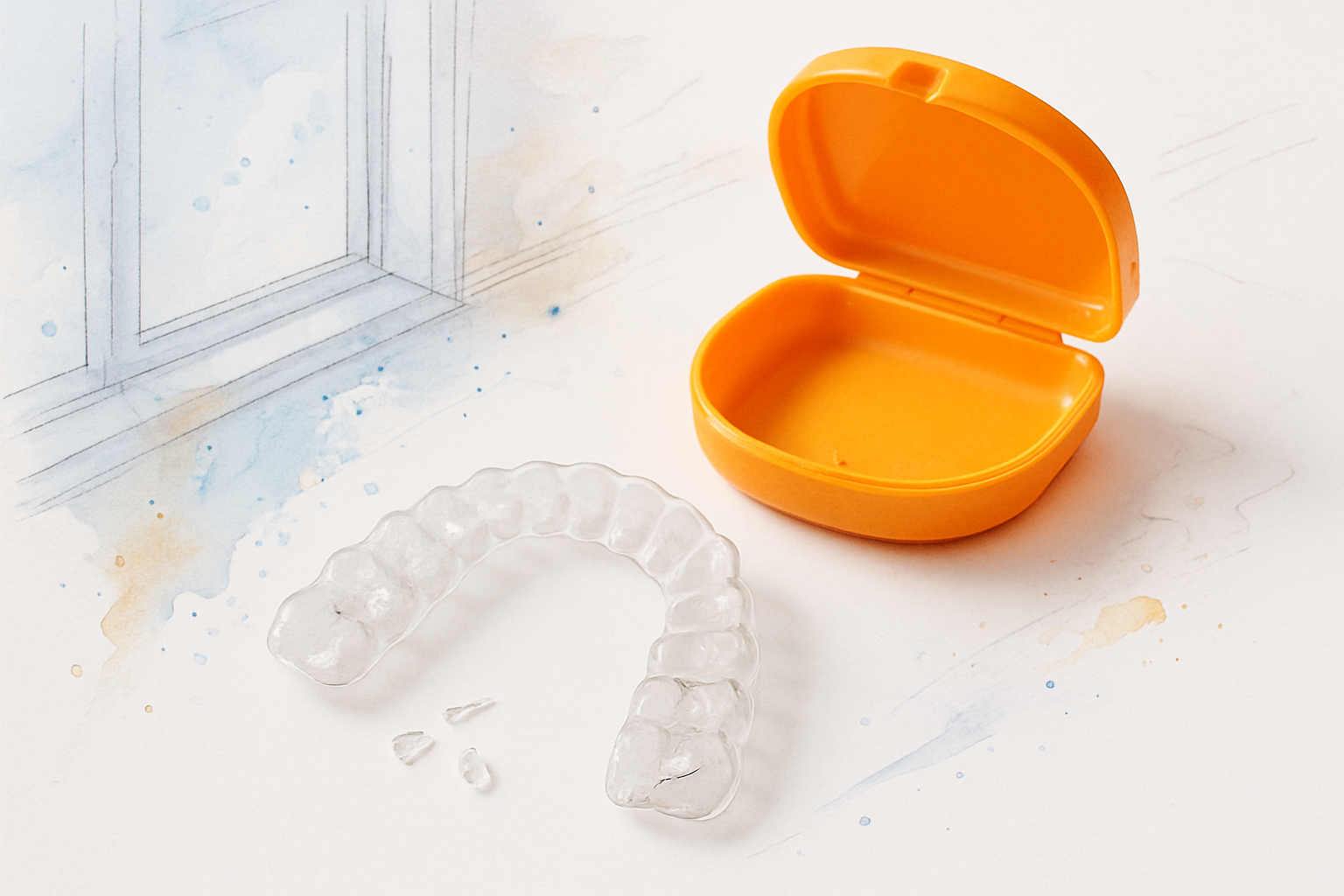
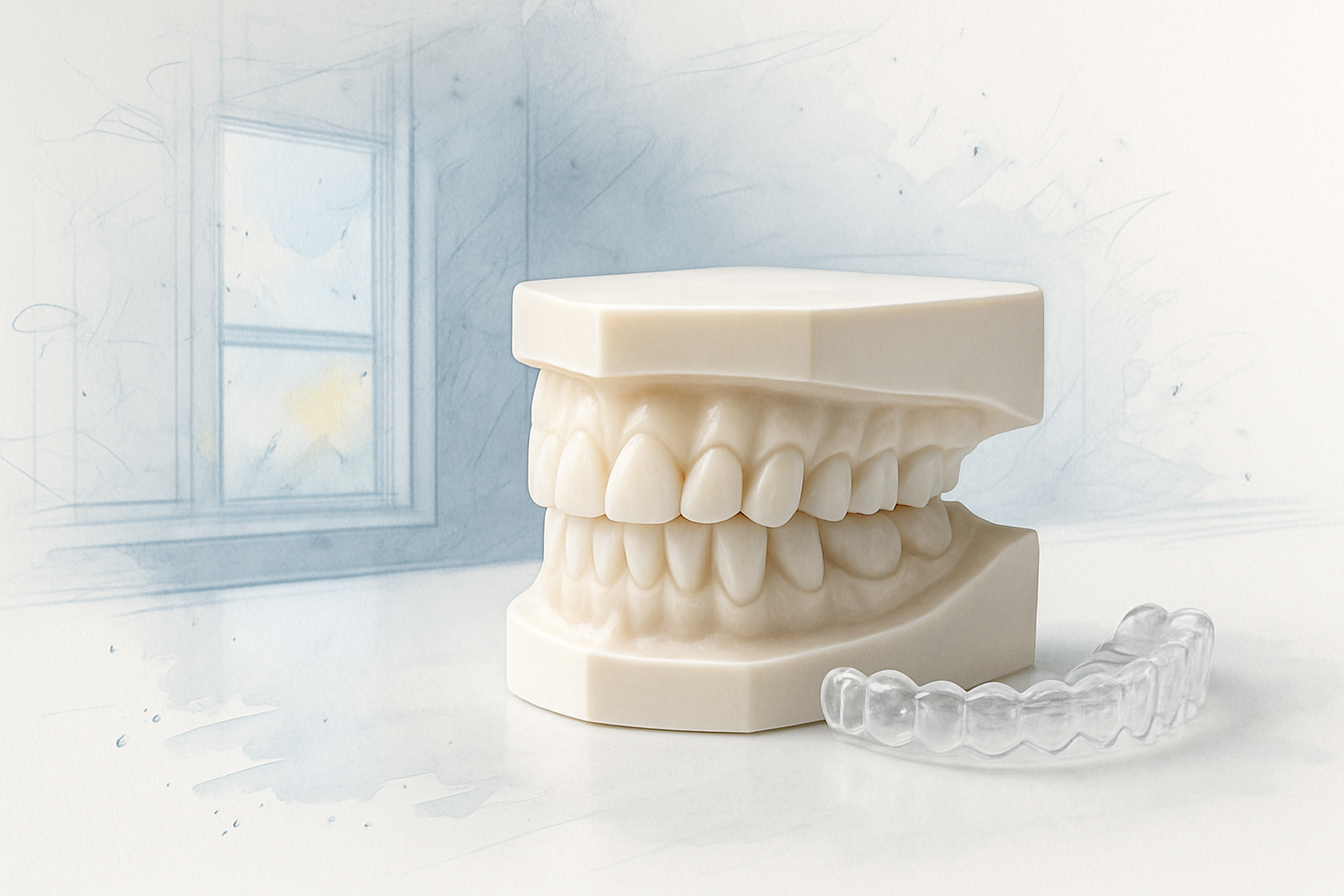
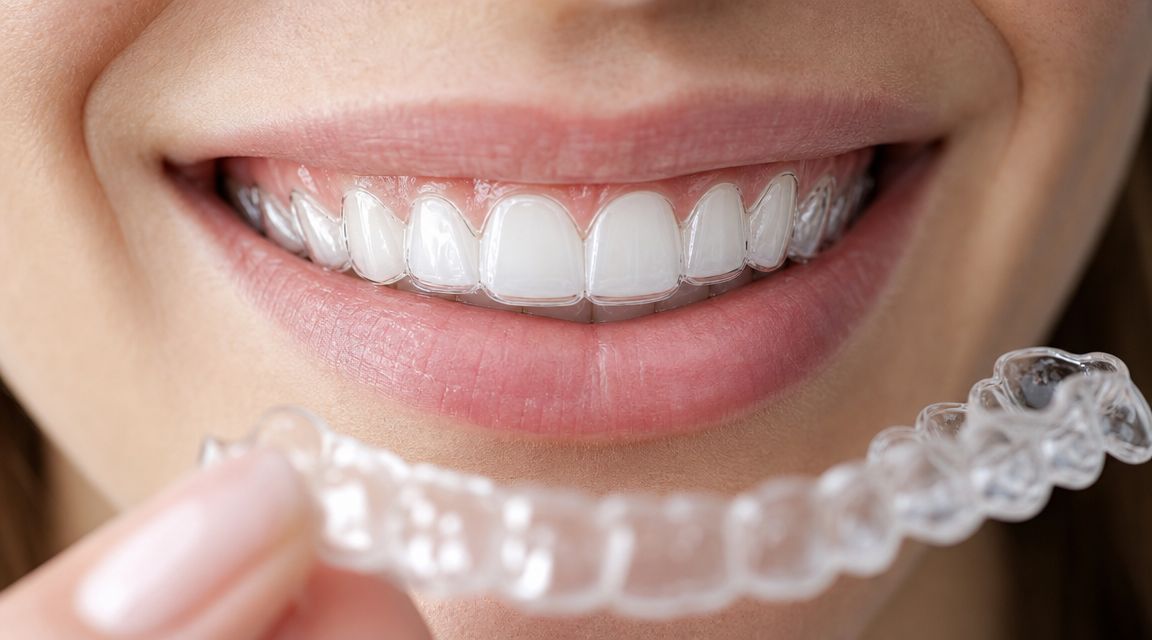
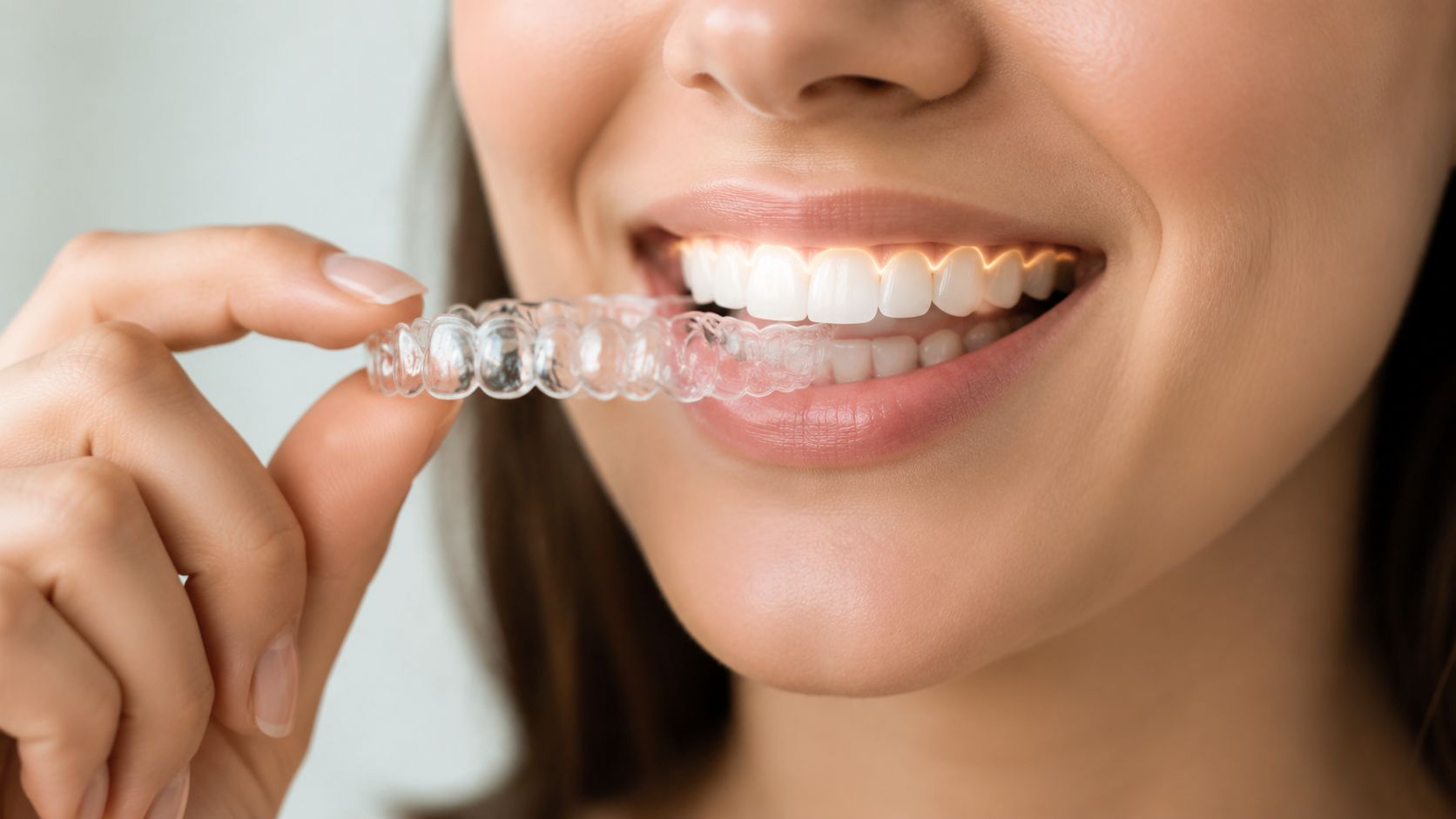
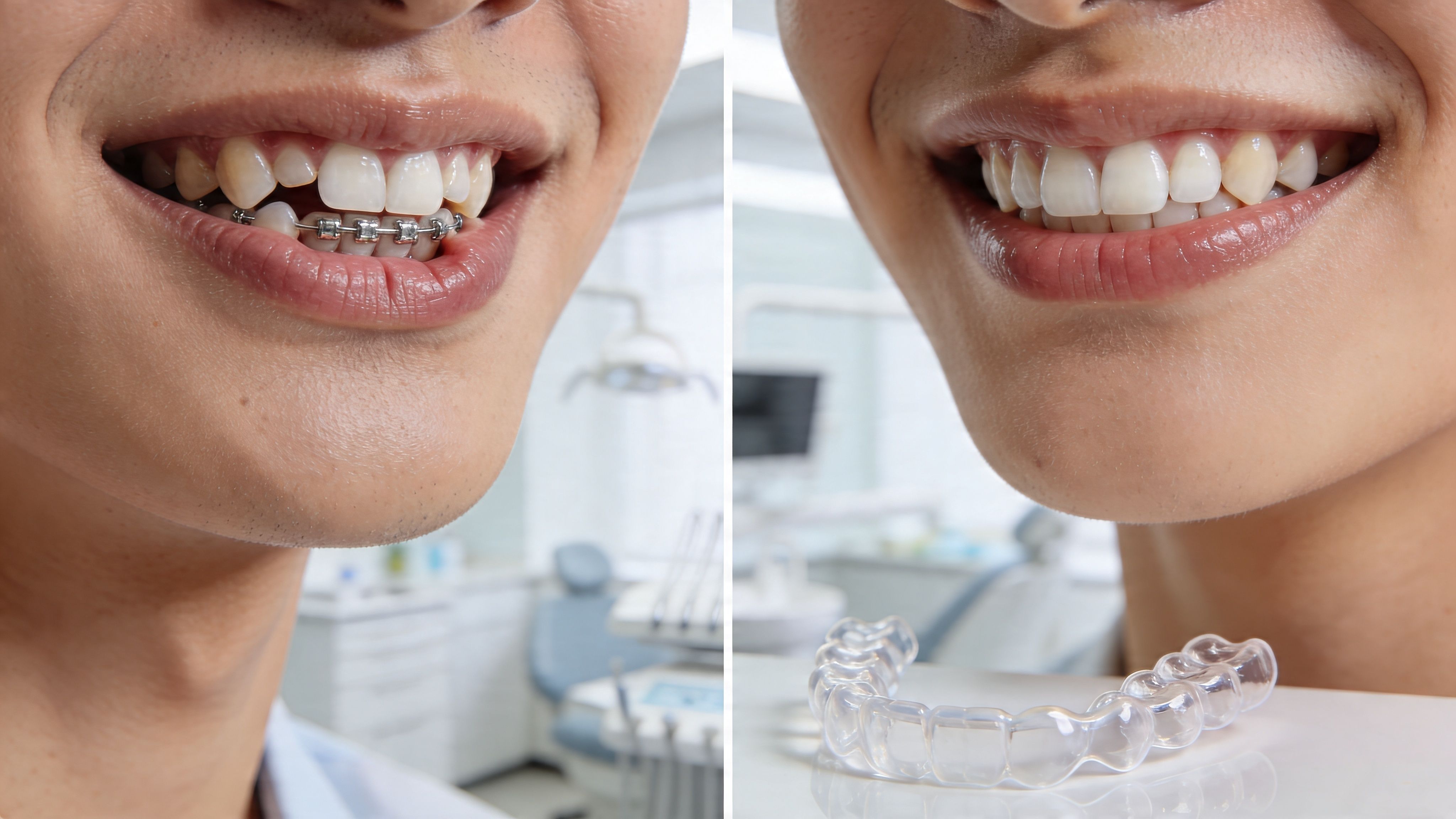
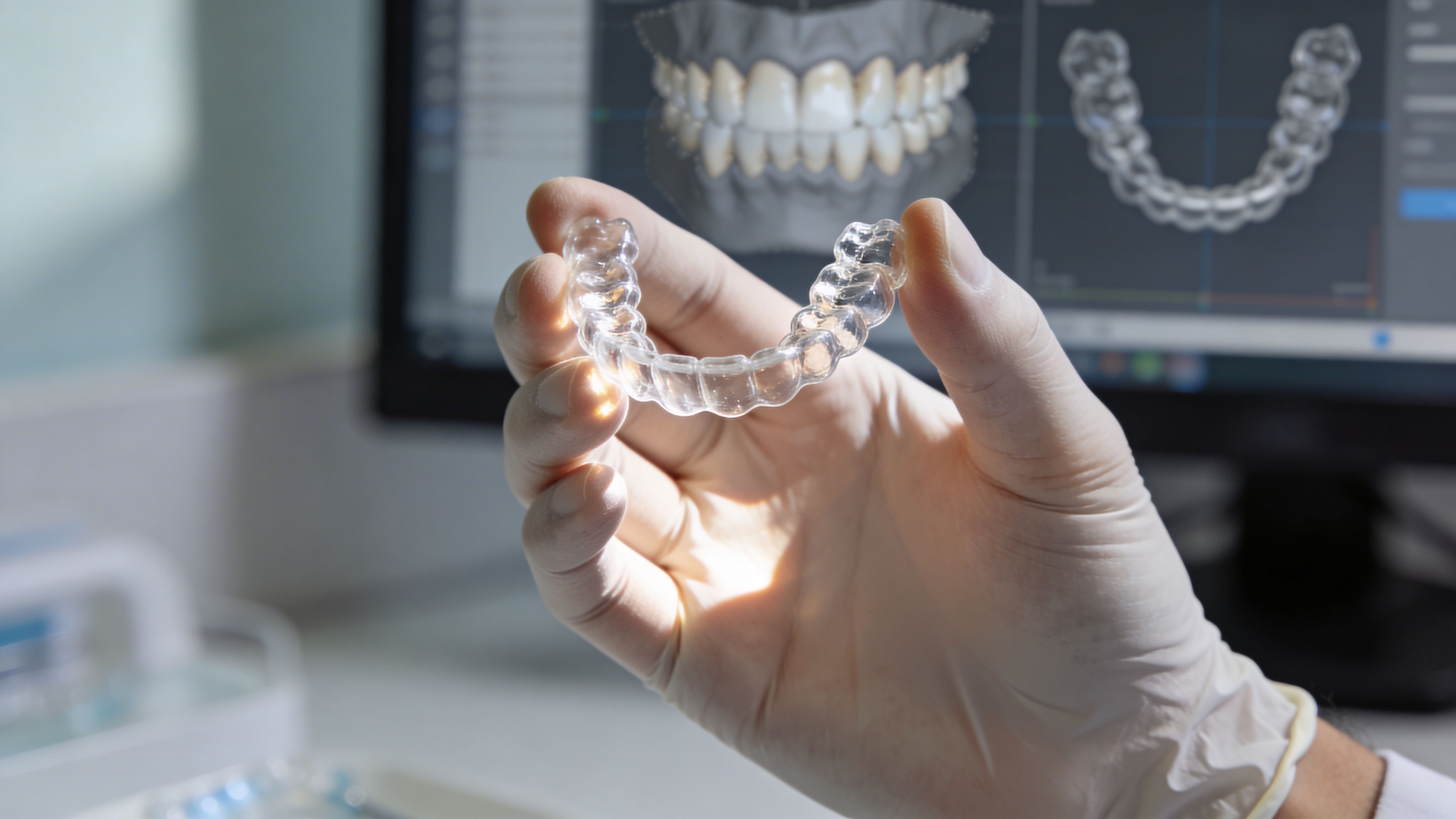
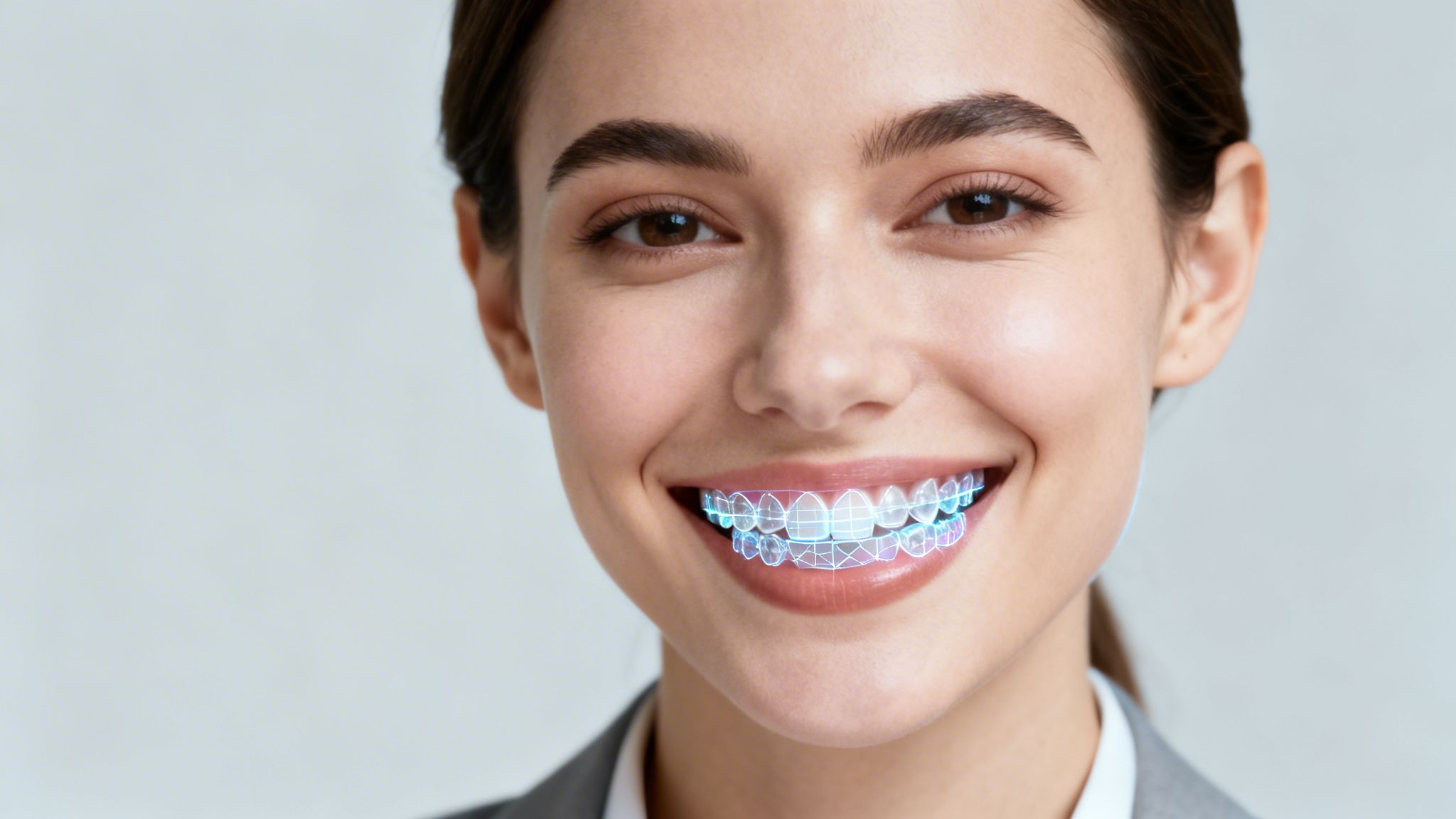
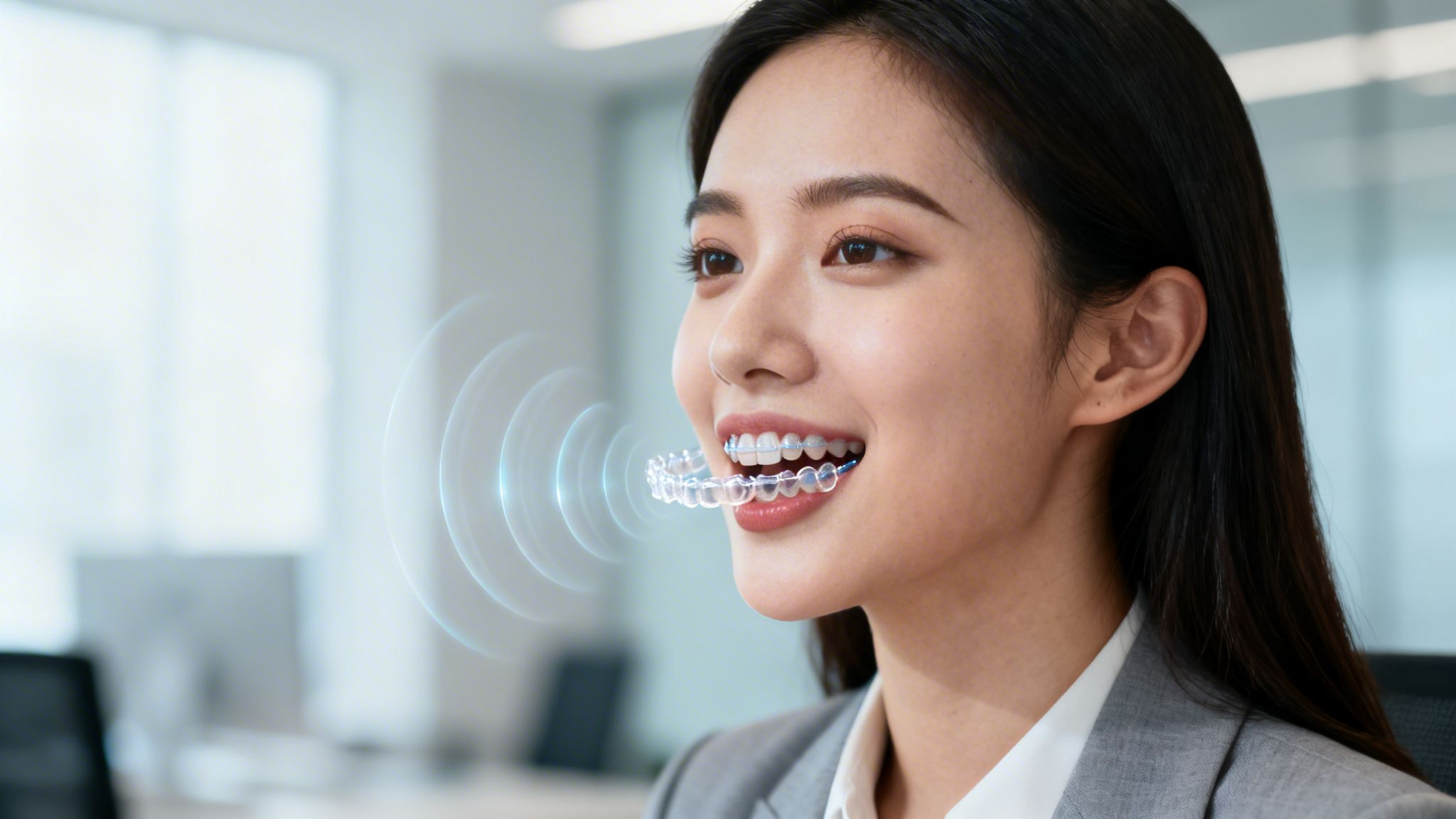
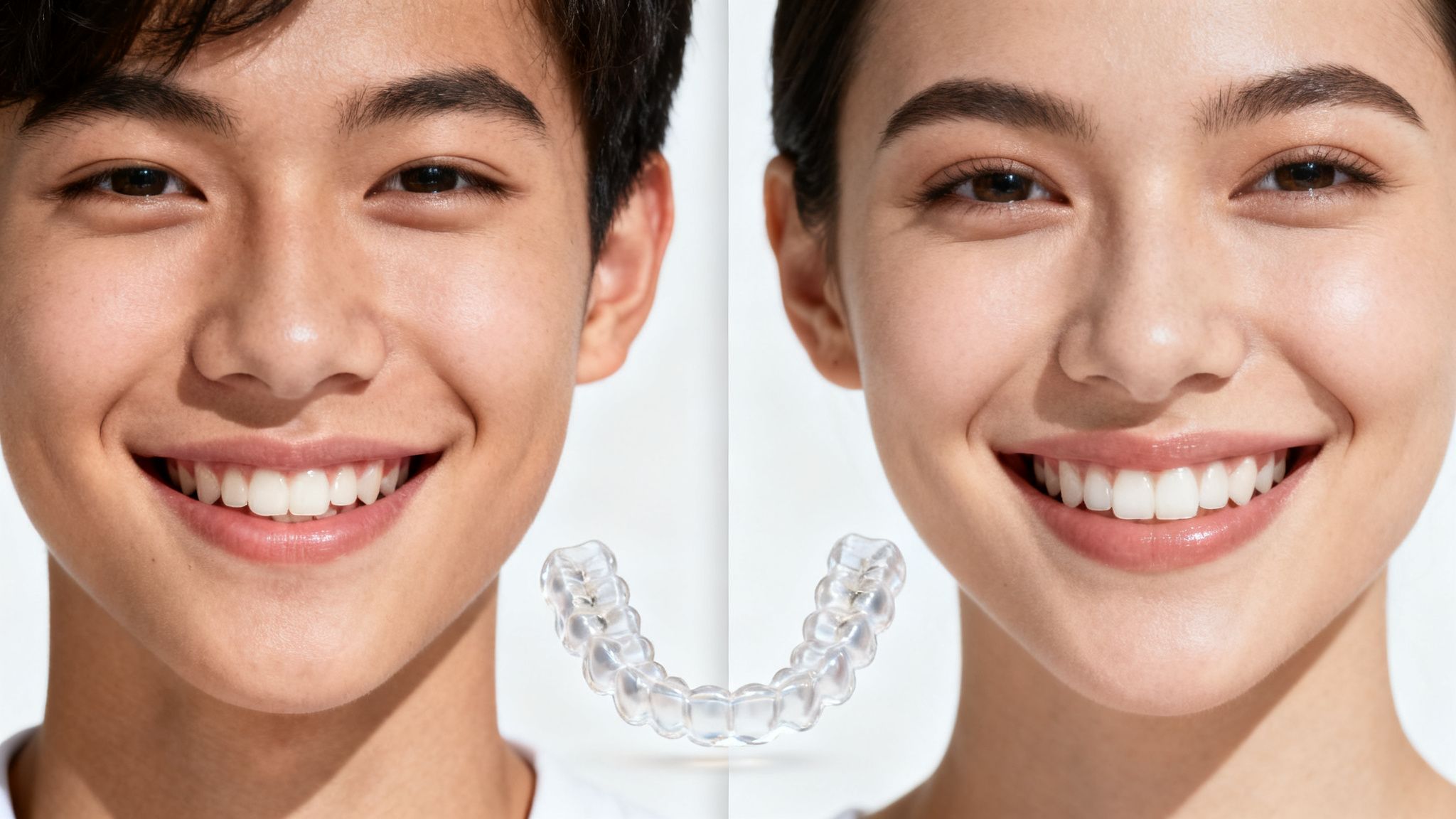
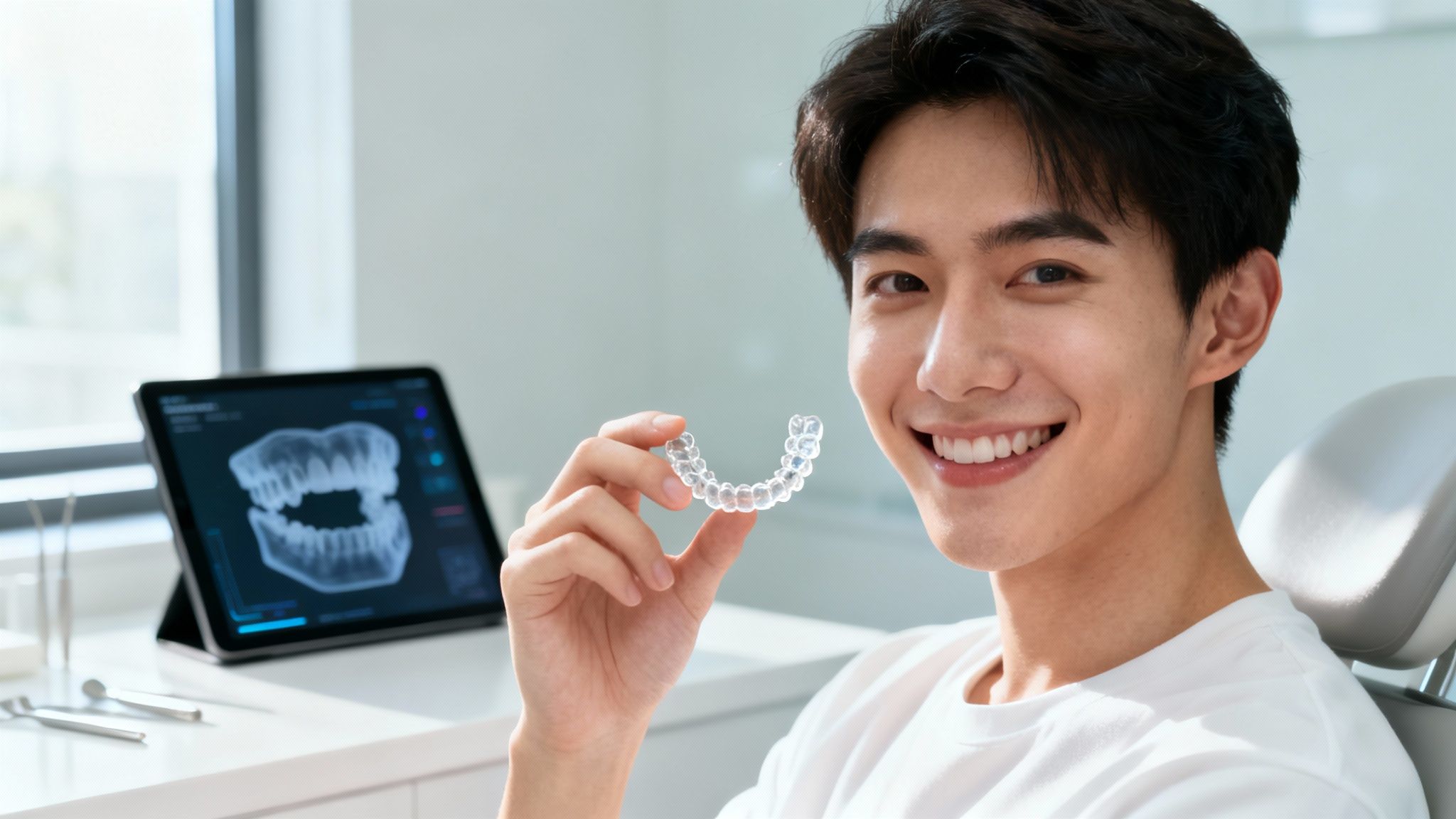
Invisalign clear aligners are the most discreet option we have. The trays are nearly invisible on your teeth, you remove them to eat and drink, and most people in professional settings report that coworkers never notice them at all. The tradeoff is discipline — Invisalign works best when you're wearing the trays 20 to 22 hours a day, consistently. Adults who travel frequently or have unpredictable schedules sometimes find that challenging. But for most people, once the habit forms in the first two weeks, it becomes automatic. You can read more about how the daily wear reality actually plays out in this honest look at Invisalign for adults.
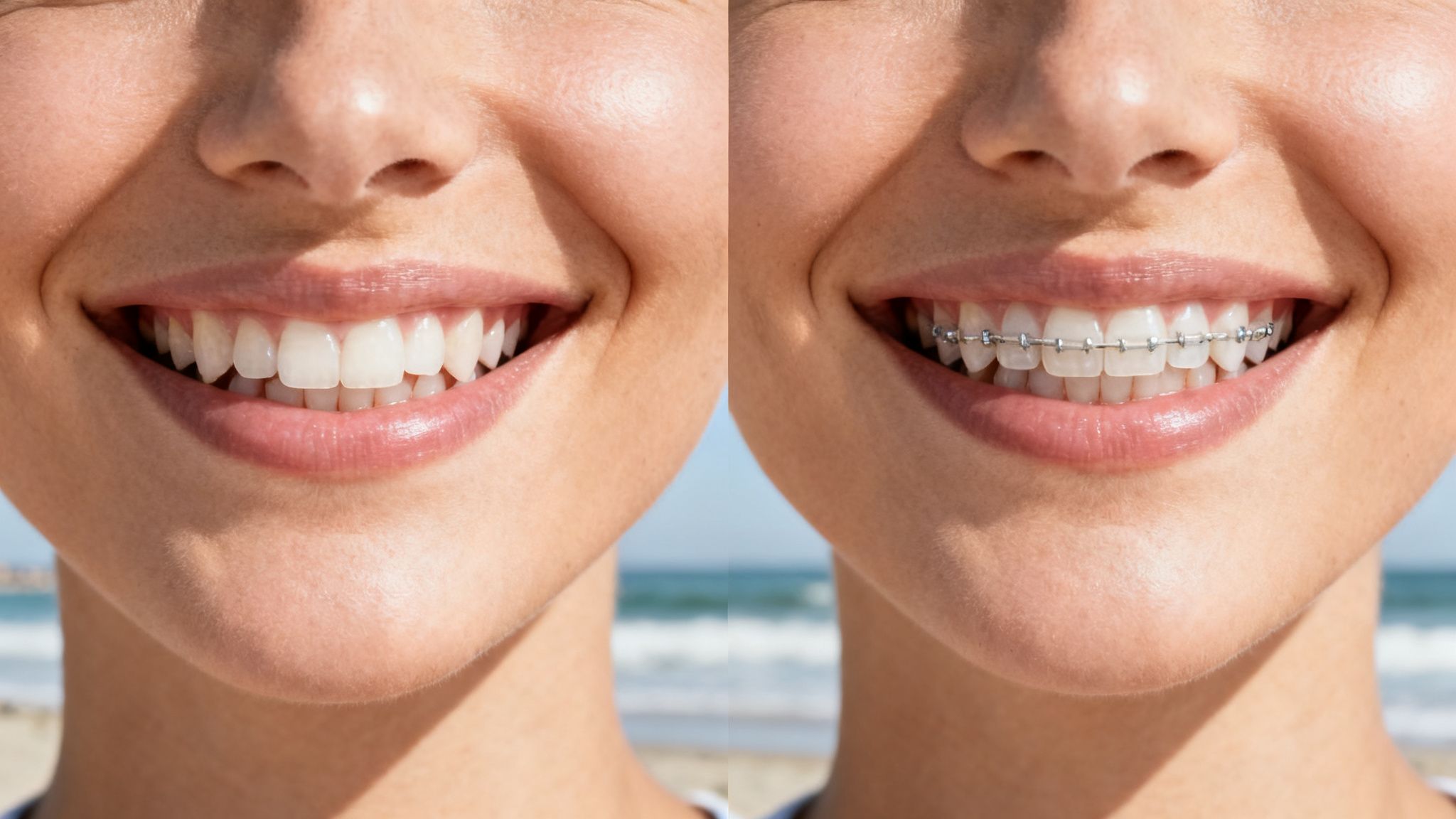
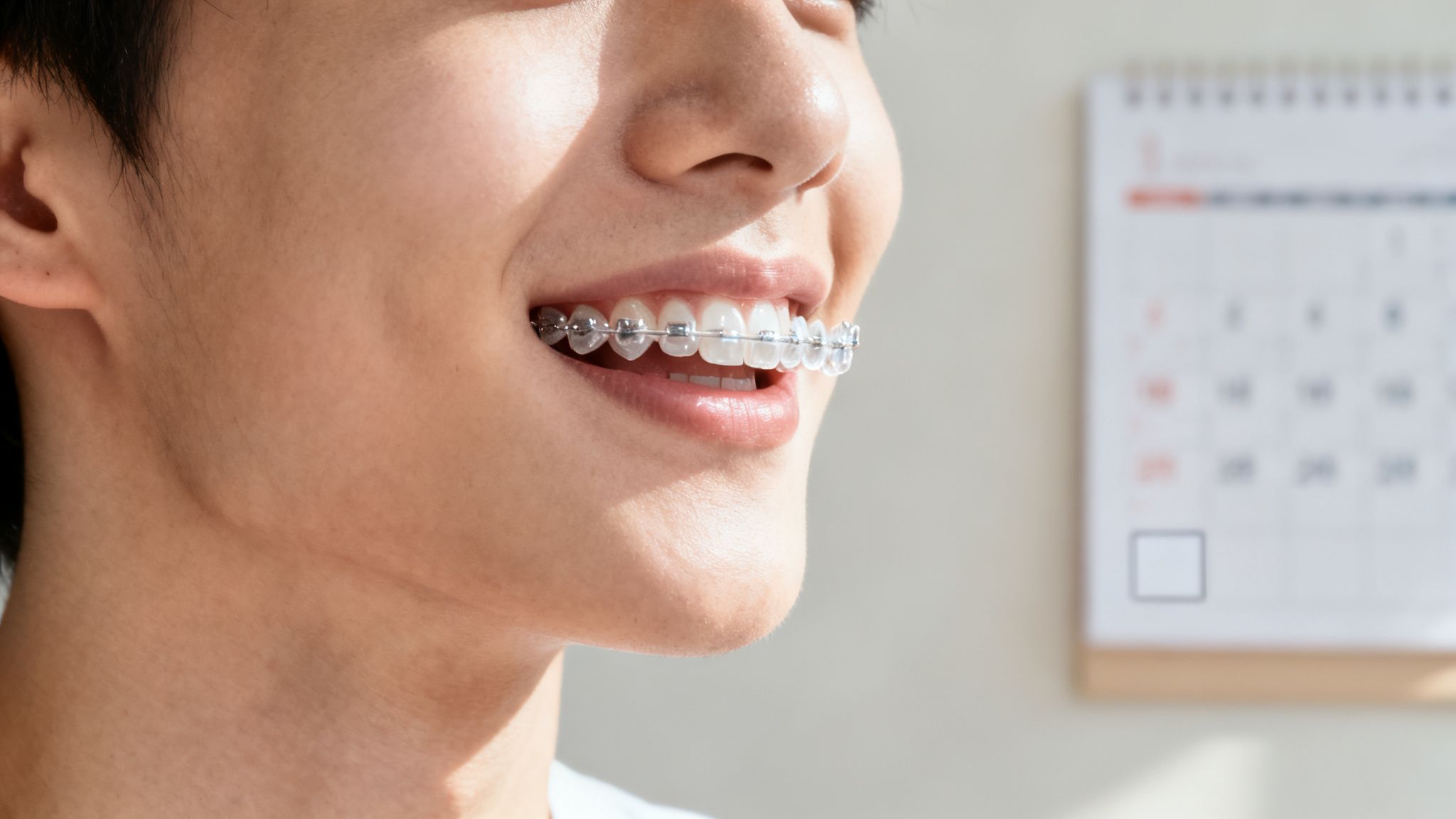
Iconix esthetic brackets are a good middle ground that I don't think enough adults know about. These are gold-toned brackets — they have a warmer, more intentional look than standard metal braces, and they don't read the same way as what most people picture when they think of "teen braces." For adults who need the precision of fixed braces but don't want a purely clinical look, Iconix is worth a conversation.
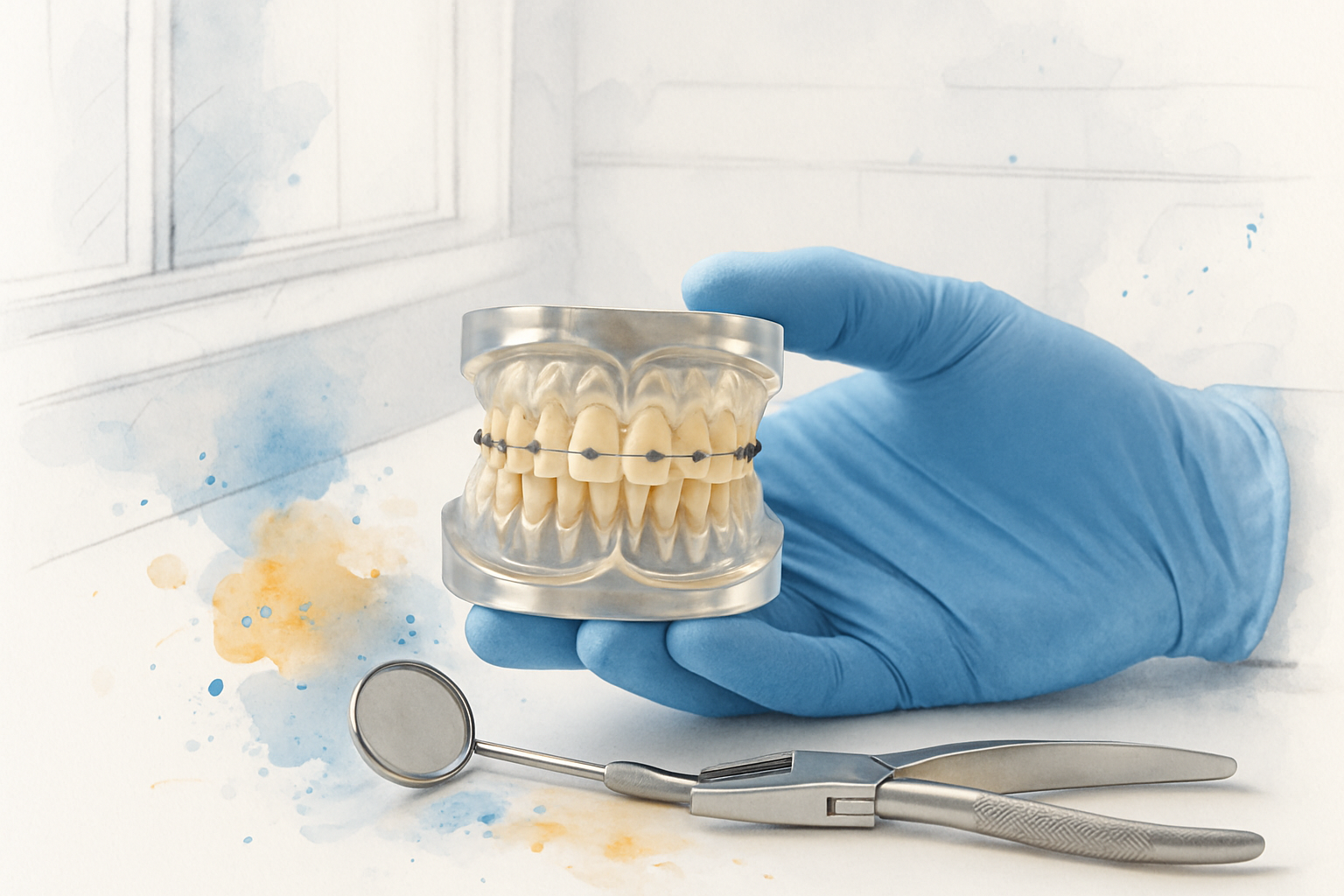
Traditional metal braces are still the right answer for certain cases — particularly when the bite complexity calls for more direct control over tooth movement than aligners can provide. They're not the default, but when they're the right clinical choice, they do the job reliably. Dr. Jeremy and Dr. Melissa will tell you honestly when a case genuinely needs braces versus when another option would work just as well.
For a side-by-side look at how these options compare, this article on adult braces vs. Invisalign breaks down the key tradeoffs clearly.
Adult Orthodontic Options at a Glance
Here's how Invisalign, Iconix brackets, and traditional metal braces compare across the factors adults ask about most.

What Treatment Actually Costs — and How Adults Think About It
Cost is almost always part of the conversation, and adults think about it differently than parents shopping for their kids. You're spending your own money, you're weighing it against other financial priorities, and you want to know what you're getting into before you commit.
Orthodontic treatment for adults can vary considerably depending on the complexity of the case and which treatment option is the right fit. In Orange County and the Huntington Beach area, treatment costs generally fall somewhere in a range that reflects both the time involved and the level of planning required — but the only honest number is the one that comes from an evaluation of your specific teeth. A simple alignment case looks very different from one that involves moving around existing dental work.
A few things that I think matter more than the sticker price:
- The consultation is free. You find out exactly what your plan looks like and what it costs before you spend anything.
- Insurance is verified before your first appointment. Several people who contact us come in unsure whether their Delta Dental PPO or other coverage applies to orthodontics — we sort that out at the start.
- Payment plans spread the cost across treatment. Most adults aren't paying the full amount up front. Monthly payments mapped to your treatment timeline make this manageable for most budgets.
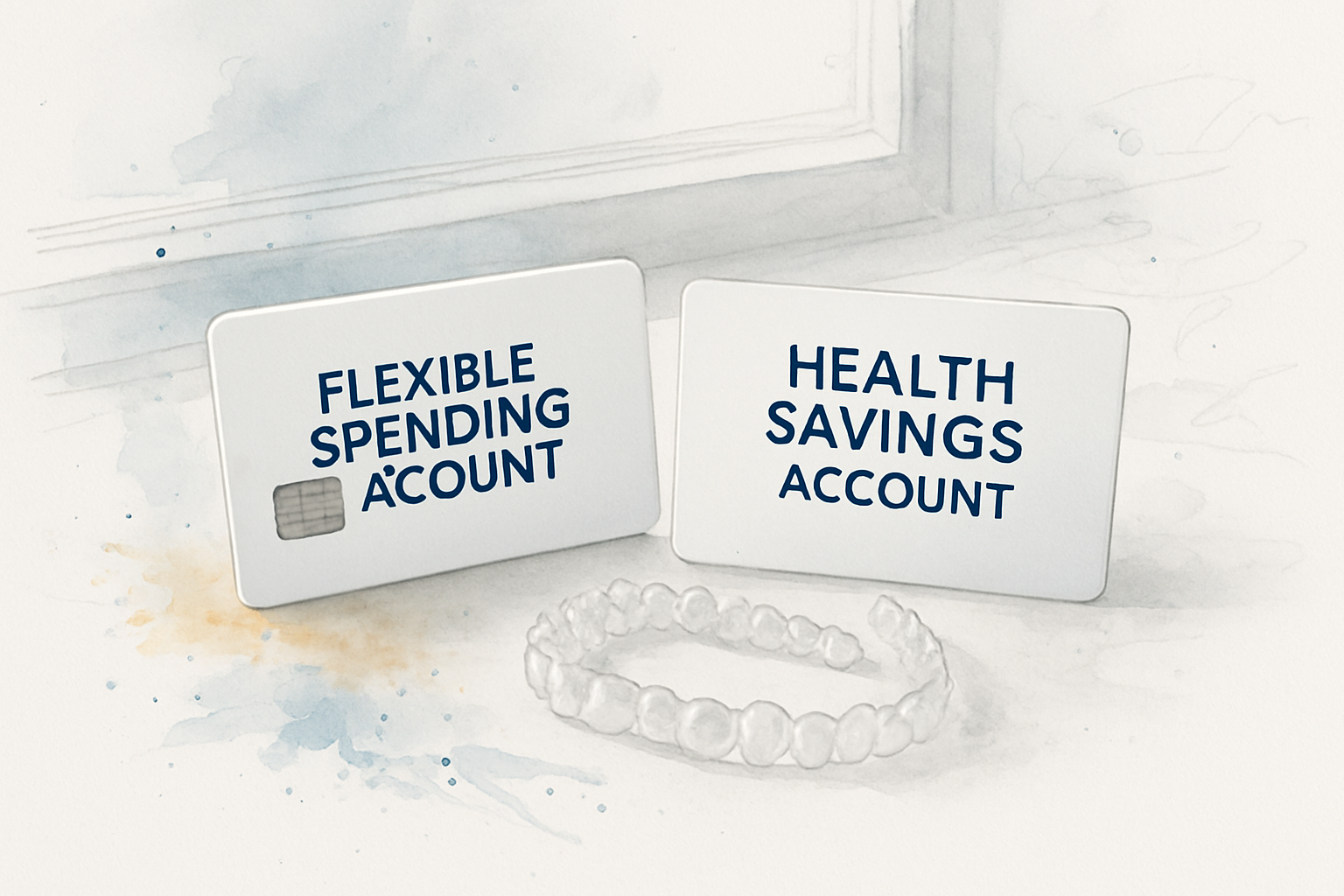
- HSA and FSA funds can typically be applied to orthodontic treatment — worth checking your plan if you have one of those accounts available.
One reviewer put it simply after finishing treatment: "Affordable plans especially coming from someone who was unemployed for awhile." That's the kind of flexibility we try to build into the process.
For a full breakdown of what drives orthodontic costs, this article on Invisalign cost for adults walks through the main factors.
How the Three Adult Concerns Actually Break Down
Most adults come in with three specific worries. Here's an honest look at each one.
| Adult Concern | The Reality | What Helps |
|---|---|---|
| Will it affect my appearance at work? | Invisalign is nearly invisible; Iconix reads more like jewelry than braces | Choose the option that fits your comfort level — there's no wrong answer |
| How long will it take? | Most adult cases run 12–24 months depending on complexity | A thorough evaluation gives you a realistic timeline before you start |
| Can I afford it? | Costs vary by case; payment plans and insurance help significantly | Free consultation + insurance verification before committing |
What Getting Started Actually Looks Like
One of the most common things I hear from adult patients after their first visit is some version of: "I wish I had just come in sooner." The anticipation is almost always harder than the reality.
One reviewer described it exactly: "I've always been a little apprehensive about going to the dentist but as of late I finally decided to take the plunge... the hardest part for me was getting myself to go. The rest was such a smooth process. I could tell I was in good hands."
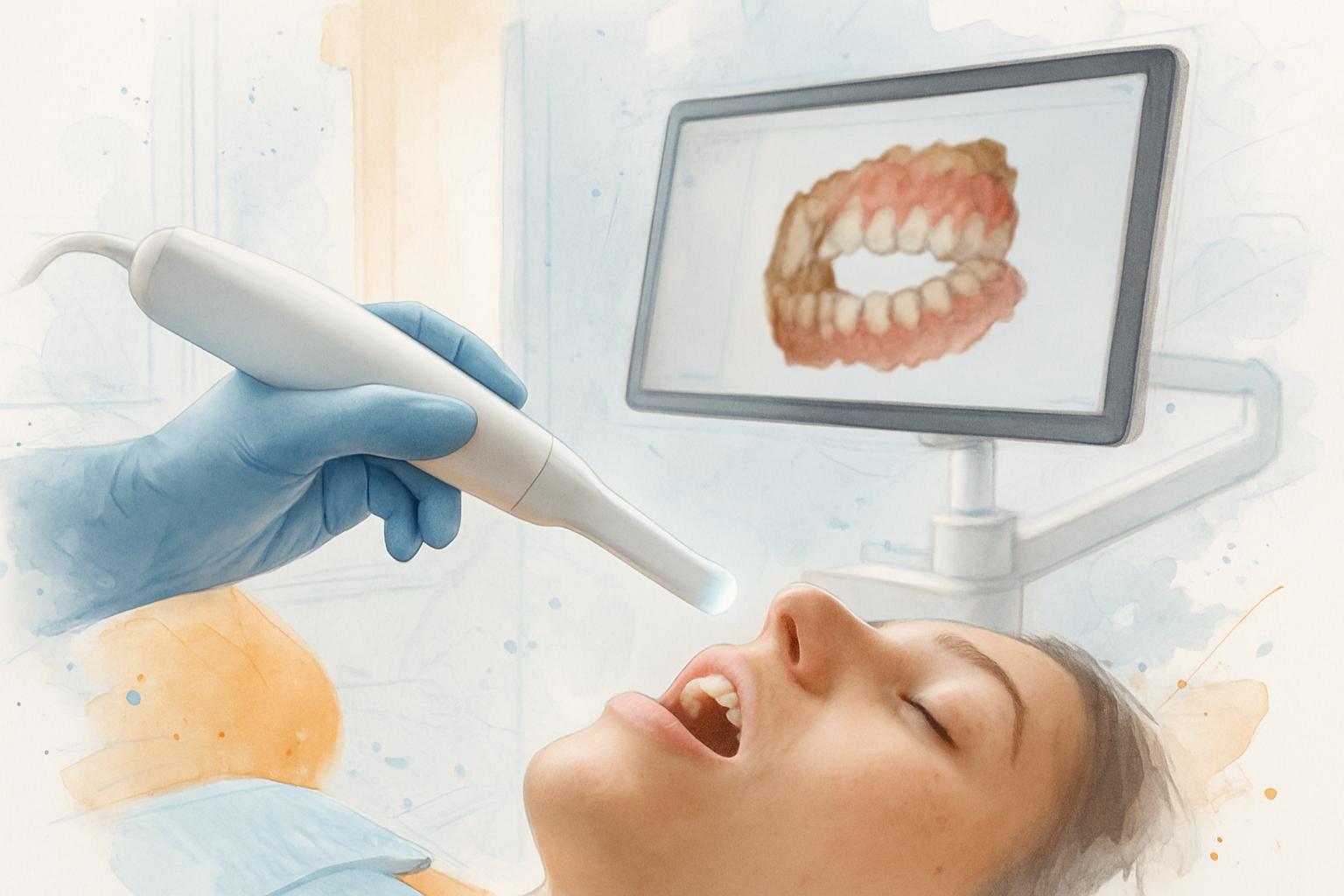
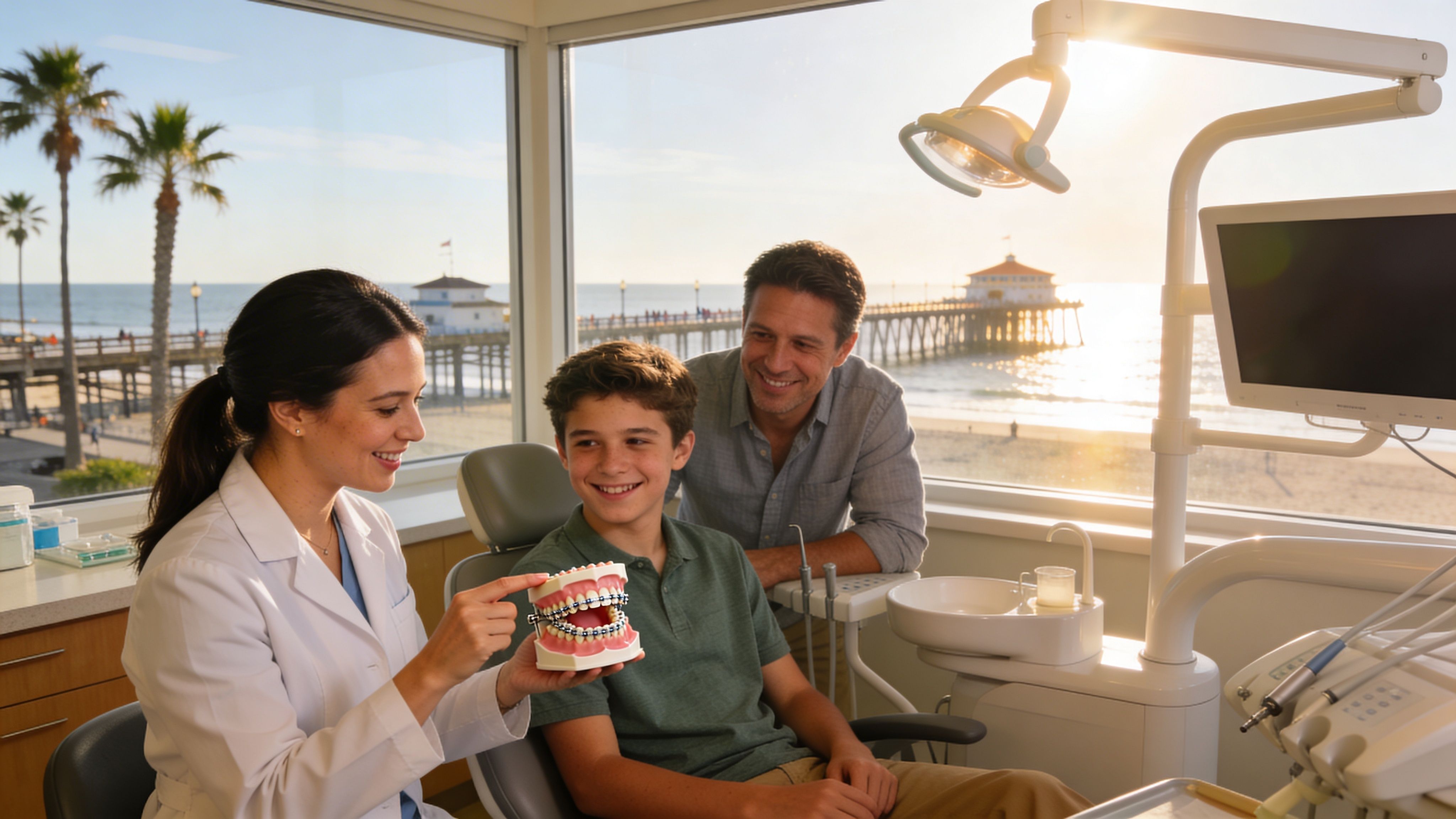
The first appointment is a consultation — no treatment, no pressure. Dr. Jeremy and Dr. Melissa each personally see every patient at every visit, which matters more than it might sound. You're not meeting a doctor once at the start and then handed off to assistants for the rest of treatment. Reviewers consistently mention how much time the doctors take to explain the plan and make sure nothing is left unclear.
For adults across Fountain Valley and Huntington Beach — whether you're in Central Fountain Valley, near Goldenwest, or commuting through the Beach Boulevard corridor — the practice is set up to work around real schedules. If you've been putting this off because you're not sure it's "for you" at your age, the free consultation is genuinely the lowest-stakes way to find out.
Marlene, a 76-year-old patient who left a recent review, put it plainly: "I highly recommend anyone, at any age, thinking about improving your smile to visit Magic Fox orthodontist in Huntington Beach." Age wasn't the barrier she thought it would be.
If you're researching this alongside other adult orthodontic questions, this article on what adults should know before starting Invisalign is worth reading next.
Frequently Asked Questions About Adult Orthodontic Treatment
Am I really too old to get braces or Invisalign?
No. Healthy teeth can be moved at any age — the biology doesn't have an upper limit. What matters most is the health of your teeth and gums going into treatment, not your age. We've treated patients well into their 70s.
Will people at work notice I'm in treatment?
With Invisalign, most adults find that coworkers don't notice at all. The trays are clear and sit close to the teeth. Iconix brackets have a gold-toned look that reads differently than classic metal — a lot of adults describe it as a style choice rather than something they feel self-conscious about. The honest answer is it depends on which option you choose and how much you personally care — but there are good low-visibility options available.
How long does adult orthodontic treatment usually take?
Most adult cases fall somewhere in the 12 to 24 month range, though simpler cases can be shorter and more complex ones longer. The only accurate timeline is the one Dr. Jeremy or Dr. Melissa maps out after evaluating your specific teeth and bite. You'll know the realistic estimate before treatment starts.
I have crowns and existing dental work — can I still do orthodontics?
Possibly, yes. This is one of the more common concerns we hear from adults, and it's a real one — some offices turn patients away because of existing restorations. The evaluation appointment is specifically where we assess what's there and how to work around it. It requires more careful planning, but existing dental work doesn't automatically rule out treatment.
What does the consultation cost, and what happens there?
The consultation is free. You'll meet with Dr. Jeremy or Dr. Melissa, get a full picture of what your treatment would involve, understand the options suited to your case, and see the cost and payment plan options — all before making any decision. There's no obligation.
Does my insurance cover adult orthodontic treatment?
Many plans do cover orthodontics for adults, though the benefit amounts and restrictions vary. We verify your insurance before your first appointment so there are no surprises. Delta Dental PPO is one of the more commonly asked-about plans, and many patients with that coverage do have applicable orthodontic benefits.
Ready to Find Out What's Actually Possible for Your Smile?
If you've been sitting on this question — whether you're in Fountain Valley, near Goldenwest, or anywhere along the Beach Boulevard corridor — the free consultation at Magic Fox Orthodontics is the lowest-effort way to get a real answer. Dr. Jeremy and Dr. Melissa see every patient personally, explain the full plan before anything starts, and welcome second opinions without any pressure. Call 714-594-5777 or visit magicfoxsmiles.com to schedule your consultation.