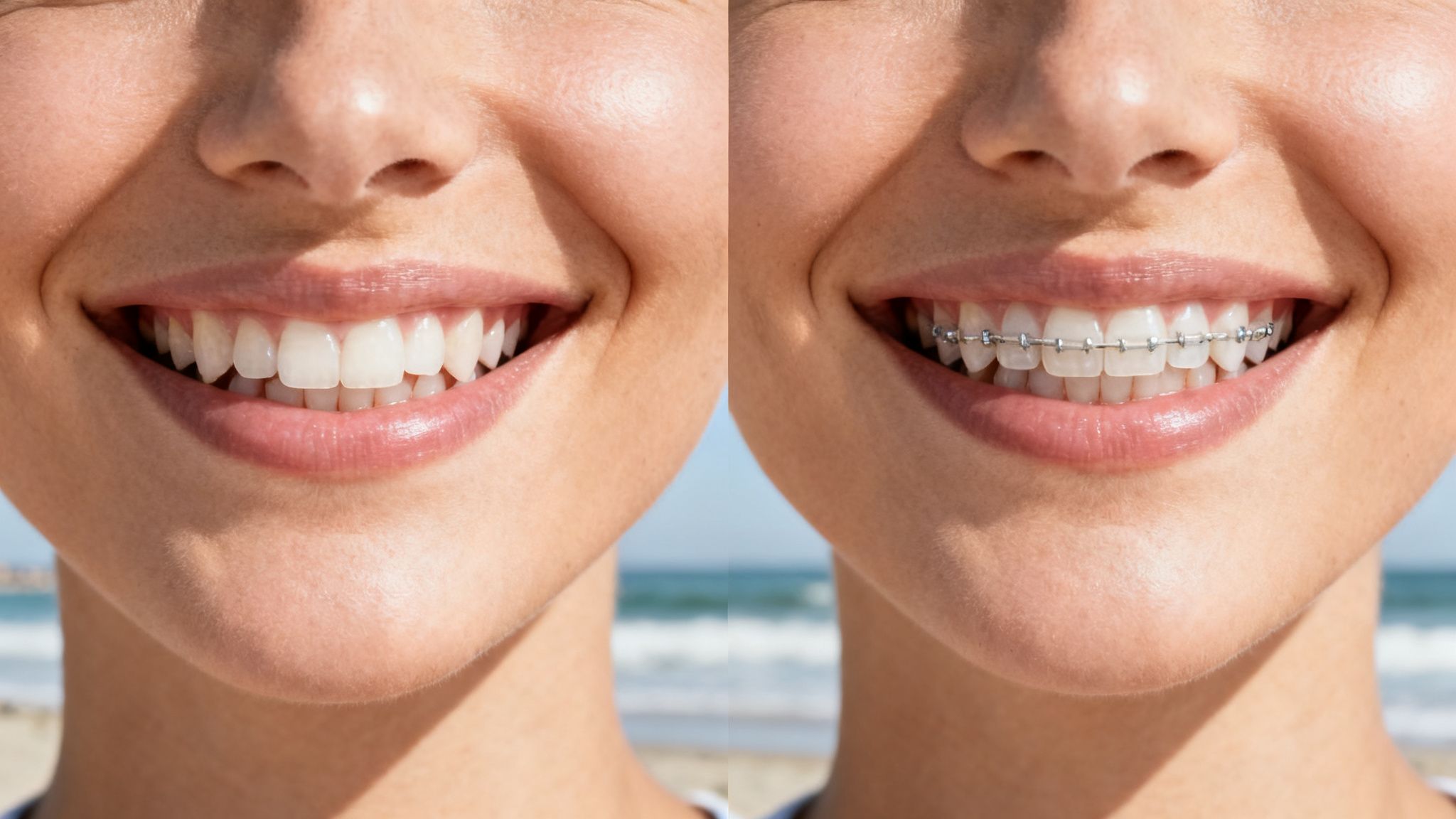
How Orthodontics Becomes the Foundation of a Smile Makeover
A lot of people start a smile makeover with the same thought: I just want to fix that one tooth. It might be a front tooth that sits slightly behind the others, a small gap that shows in photos, or enamel that looks uneven enough to make whitening feel incomplete. In Huntington Beach and Fountain Valley, that question often shows up as some version of, “Can I just do veneers?” or “Can whitening make this look better without braces?”
Sometimes cosmetic treatment is part of the answer. But a lasting smile makeover is usually built, not applied.
If the teeth are crowded, tipped, spaced unevenly, or meeting in a way that pushes too much force onto a few teeth, cosmetic work can end up covering a structural problem instead of solving it. That's why orthodontics often becomes the framework for the rest of the plan. Consider a home renovation. New finishes look better and last longer when the walls are straight and the foundation is level.
Thinking About a Smile Makeover Start Here

The first step is usually not choosing a material or a shade. It's deciding what problem needs to be corrected.
A patient may say they want straighter front teeth, but the deeper issue may be a narrow arch, bite interference, crowding, spacing, or lower teeth that hit in the wrong place. If you skip that diagnosis and jump straight to cosmetic finishing, the result can look polished at first while still carrying the same underlying imbalance.
The quick fix question
A quick cosmetic fix works best when the teeth are already in a healthy position and the bite is stable. If the teeth are not, cosmetic dentistry can be asked to do too much.
That's when you start seeing compromises such as:
- Overbuilt shapes that make teeth look wider or bulkier than they should.
- Extra enamel reduction to make room for veneers on teeth that could have been moved instead.
- Camouflage bonding that hides spacing or rotation without improving how the teeth meet.
A smile makeover should answer two questions at the same time. Does it look right, and does it sit in the mouth correctly?
What a real starting point looks like
The better starting point is a treatment plan that maps the final smile backward. That often means looking at alignment before choosing the finishing touches. If you want a deeper look at that process, this explanation of the first step in a smile makeover is a useful place to begin.
A beautiful smile isn't just a surface upgrade. It depends on where the teeth belong, how they contact, and how much dentistry is actually necessary.
That is the core of how orthodontics becomes the foundation of a smile makeover. Orthodontics doesn't replace cosmetic dentistry. It puts cosmetic dentistry in a position to succeed.
Why a Healthy Bite Is the True Foundation

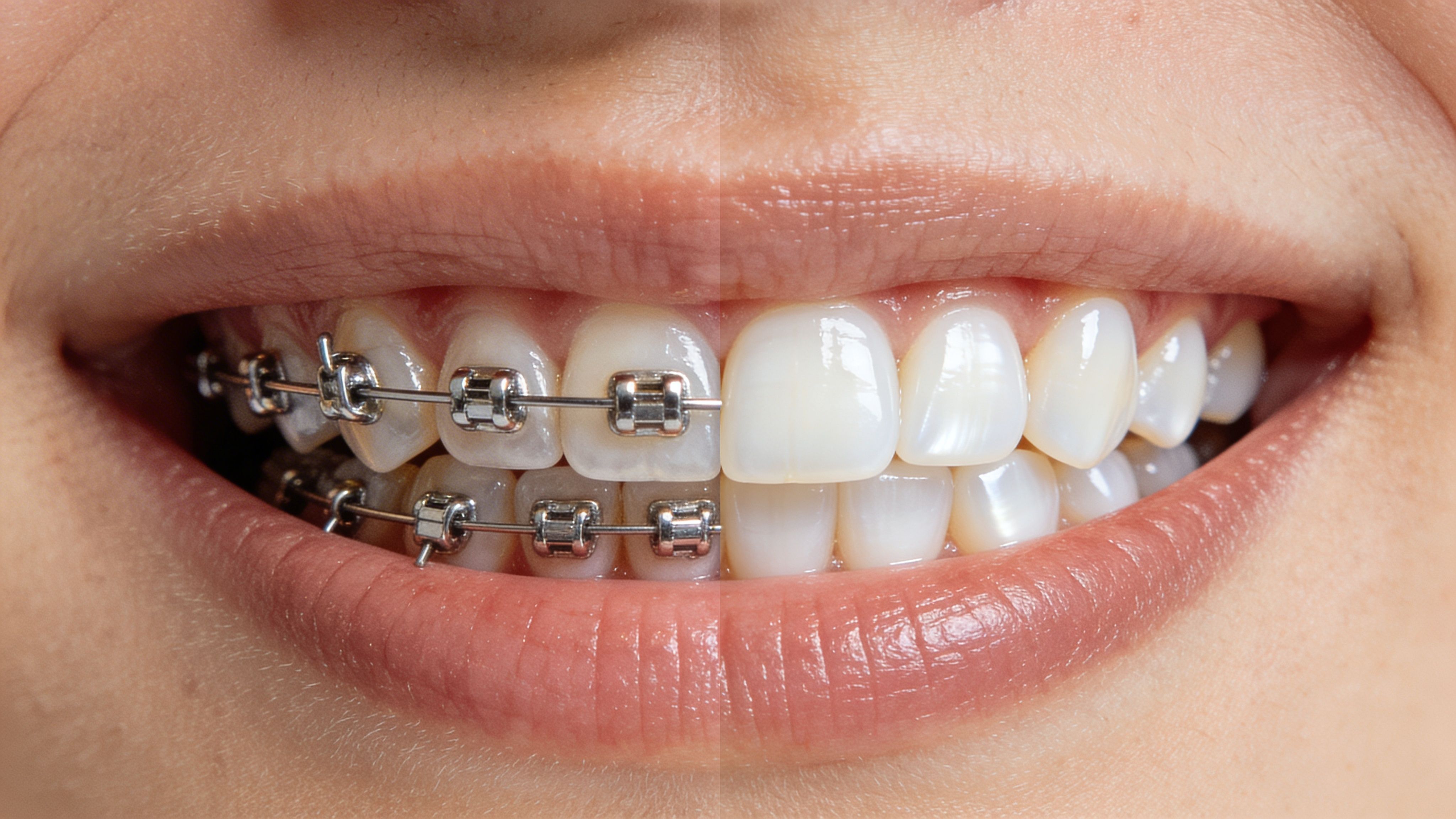
Straight teeth matter, but tooth position alone is not the whole story. A smile makeover holds up better when the bite is working well, the teeth have the right spacing, and the front teeth fit the face in a balanced way.
A peer-reviewed review found that the apparent width proportion of upper front teeth changed from about 0.92 before treatment to 0.85 after orthodontic treatment, showing that orthodontics can create measurable changes in smile esthetics rather than only a subjective “straighter teeth” effect. The same review also found no clear evidence that the classic golden proportion of 0.6 reliably describes natural smiles, which supports a more individualized approach to smile design (peer-reviewed review on orthodontic effects and smile esthetics).
Alignment creates room for conservative dentistry
When teeth are leaning, overlapping, or flared, a cosmetic dentist may have to reshape healthy tooth structure just to create a visual illusion of alignment. In many cases, orthodontic movement can solve that problem more cleanly.
Think of veneers and bonding like finish carpentry. They work best after the framing is done. If the framing is off, the finish work has to compensate. That usually means more material, more contouring, and a result that can look slightly forced.
Practical rule: If tooth movement can put teeth into a better position first, restorative work often becomes more conservative.
Bite stability matters more than most patients expect
A healthy bite spreads forces more evenly. If one or two teeth are taking the brunt of chewing or clenching, they tend to chip, wear, or loosen cosmetic edges faster. Orthodontic treatment helps organize those contacts so the smile isn't just attractive in a photo, but stable in daily use.
Better alignment can also make oral hygiene more manageable. Teeth that are easier to brush and floss are easier to maintain, which matters if the long-term plan includes bonding, veneers, or whitening.
There's also a broader airway and habit piece that sometimes enters the conversation, especially in growing patients or adults with chronic mouth breathing. If you want a patient-friendly overview, this guide to critical differences in breathing styles helps explain why breathing patterns can affect oral posture and dental development.
The foundation is functional, not just cosmetic
Patients often hear “detailed treatment” and assume it means more treatment. It usually means more precise treatment.
A complete orthodontic evaluation looks at:
- Tooth position in each arch
- How the bite fits when you close
- Smile display and how much tooth shows
- Space management for reshaping or restoration later
- Cleaning access around crowded or rotated teeth
If you want a fuller view of what falls under comprehensive orthodontic treatment, that term is worth understanding before making cosmetic decisions.
Correctly Sequencing Your Smile Makeover Treatments

The usual sequence is simple. The right sequence for your case may not be.
Clinical smile-makeover workflows commonly place orthodontic alignment before definitive esthetic restorations because moving teeth first creates the spatial relationships needed for more predictable veneers or bonding and helps avoid over-contouring or excessive enamel reduction (clinical workflow discussion of smile makeover sequencing).
The standard roadmap
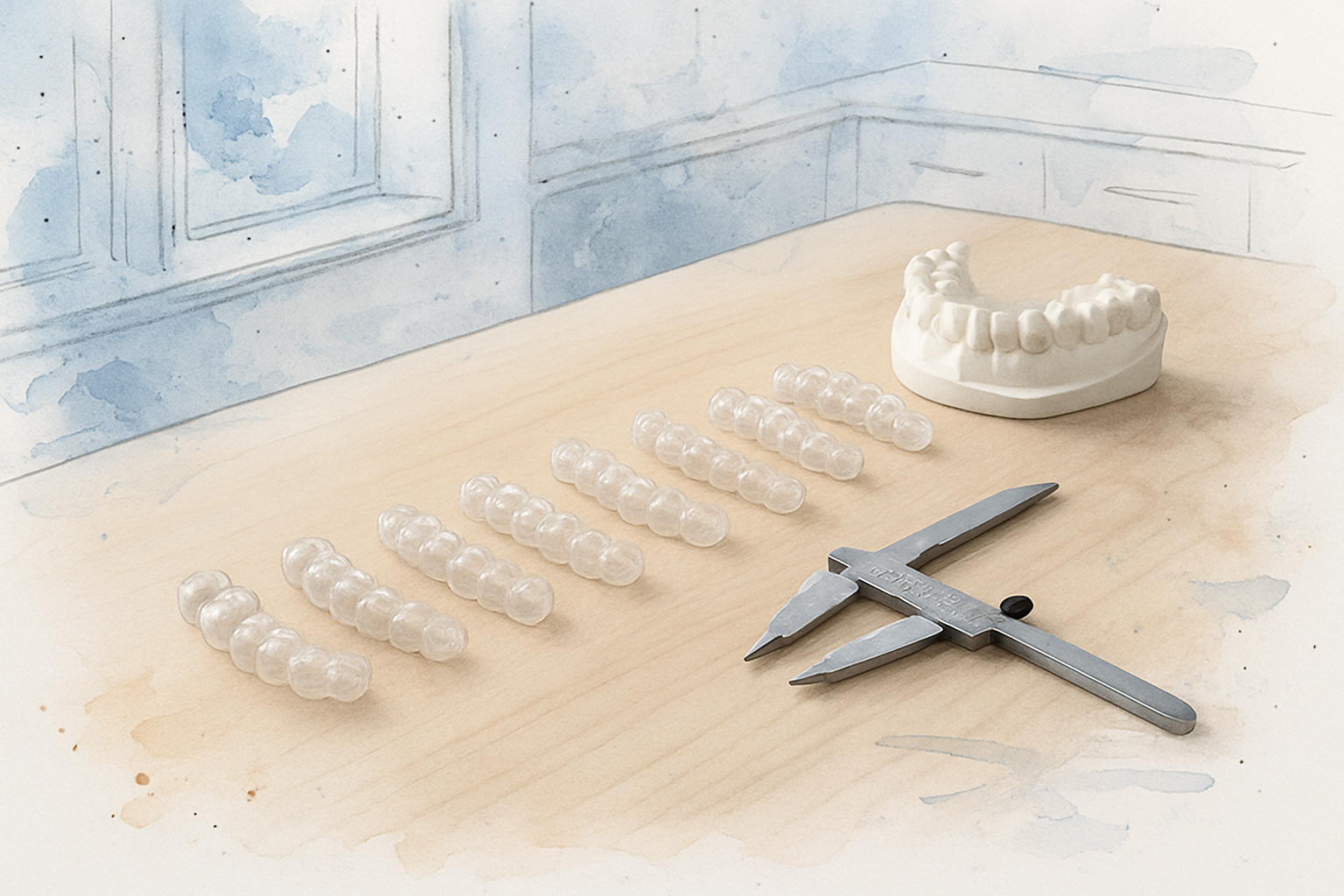
For many patients, the order looks something like this:
- Stabilize health first. Active decay, broken restorations, or gum problems should be addressed before cosmetic planning gets serious.
- Move the teeth into better positions. During this step, orthodontics creates the architecture for the final smile.
- Refine color. Whitening is often timed before final restorations so shade matching is more predictable.
- Finish with cosmetic or restorative work. Bonding, veneers, crowns, or reshaping are easier to plan when tooth position is already where it should be.
That sequence is efficient because each step supports the next one.
When orthodontics is not literally first
Adult cases are often more nuanced than online articles make them sound. A patient may have missing teeth, worn teeth, a bite collapse, gum asymmetry, or old dental work that changes the order.
Here are a few common exceptions:
- A restorative dentist may place temporary restorations first so the bite has a workable reference during treatment.
- Implant planning may happen early because implants don't move like natural teeth and space must be managed carefully.
- Periodontal treatment may come before tooth movement when gum health or gum contour is a limiting factor.
- Orthodontics and restorative care may overlap in coordinated phases instead of happening one after the other.
The right sequence is the one that reduces compromise. “Braces first” is often correct, but not automatically correct.
Comparing Smile Makeover Approaches
| Factor | Cosmetic-Only Fix | Orthodontics-First Foundation |
|---|---|---|
| Main goal | Improve appearance quickly | Improve position first, then refine appearance |
| Tooth preparation | May require more reshaping to mask crowding or spacing | Often allows more conservative finishing |
| Bite correction | Limited if teeth are not moved | Built into the plan |
| Final proportions | Can be influenced by existing misalignment | Planned after alignment creates better symmetry |
| Long-term maintenance | May depend on cosmetic work carrying structural load | More likely to rest on a stable tooth arrangement |
| Best fit | Minor cosmetic concerns with stable bite | Cases involving crowding, spacing, rotation, or bite imbalance |
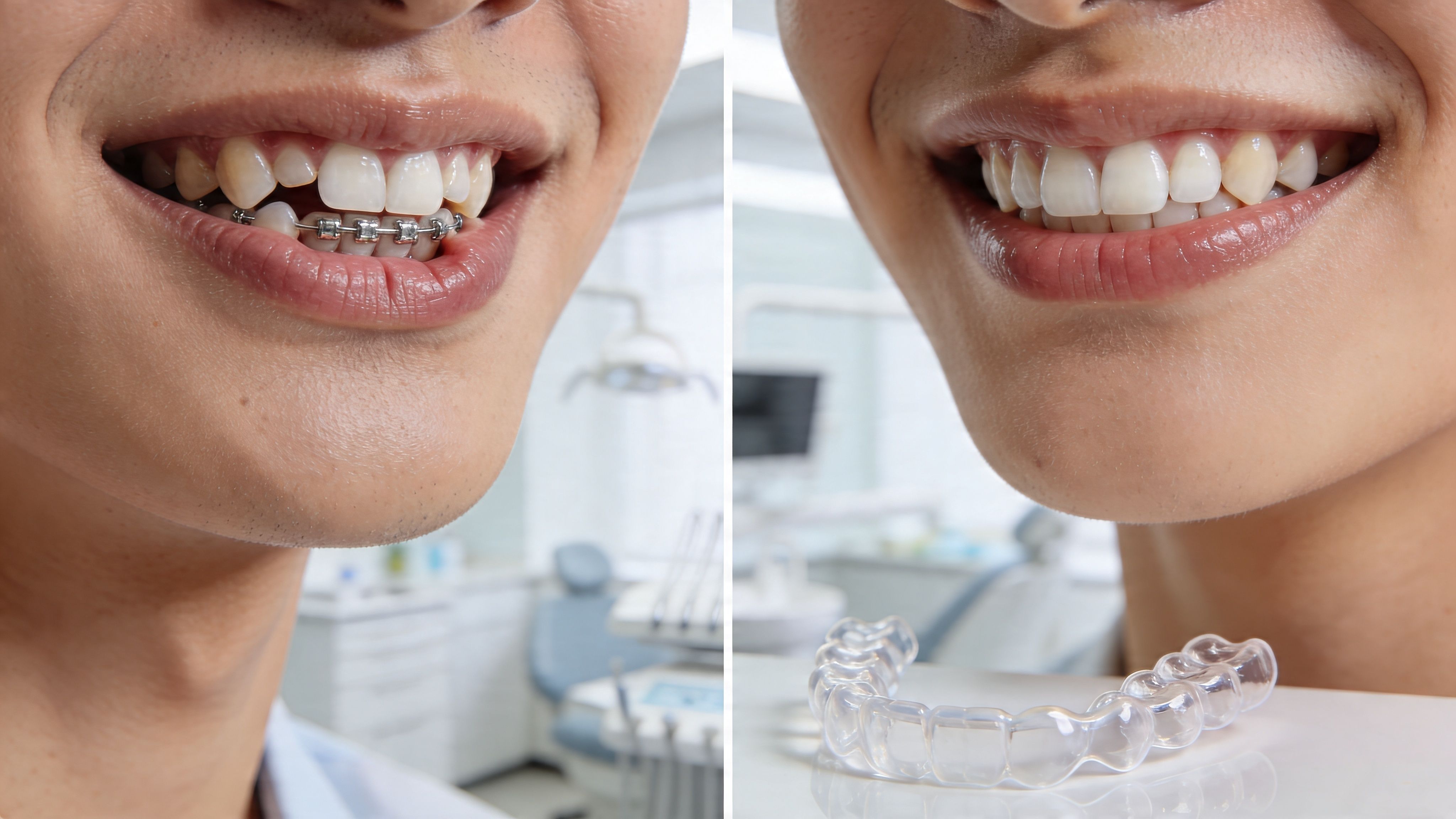
For patients sorting through that decision, this article on whether to get braces or veneers first for a better smile is a practical companion to the conversation.
Modern Orthodontic Options for Your Makeover

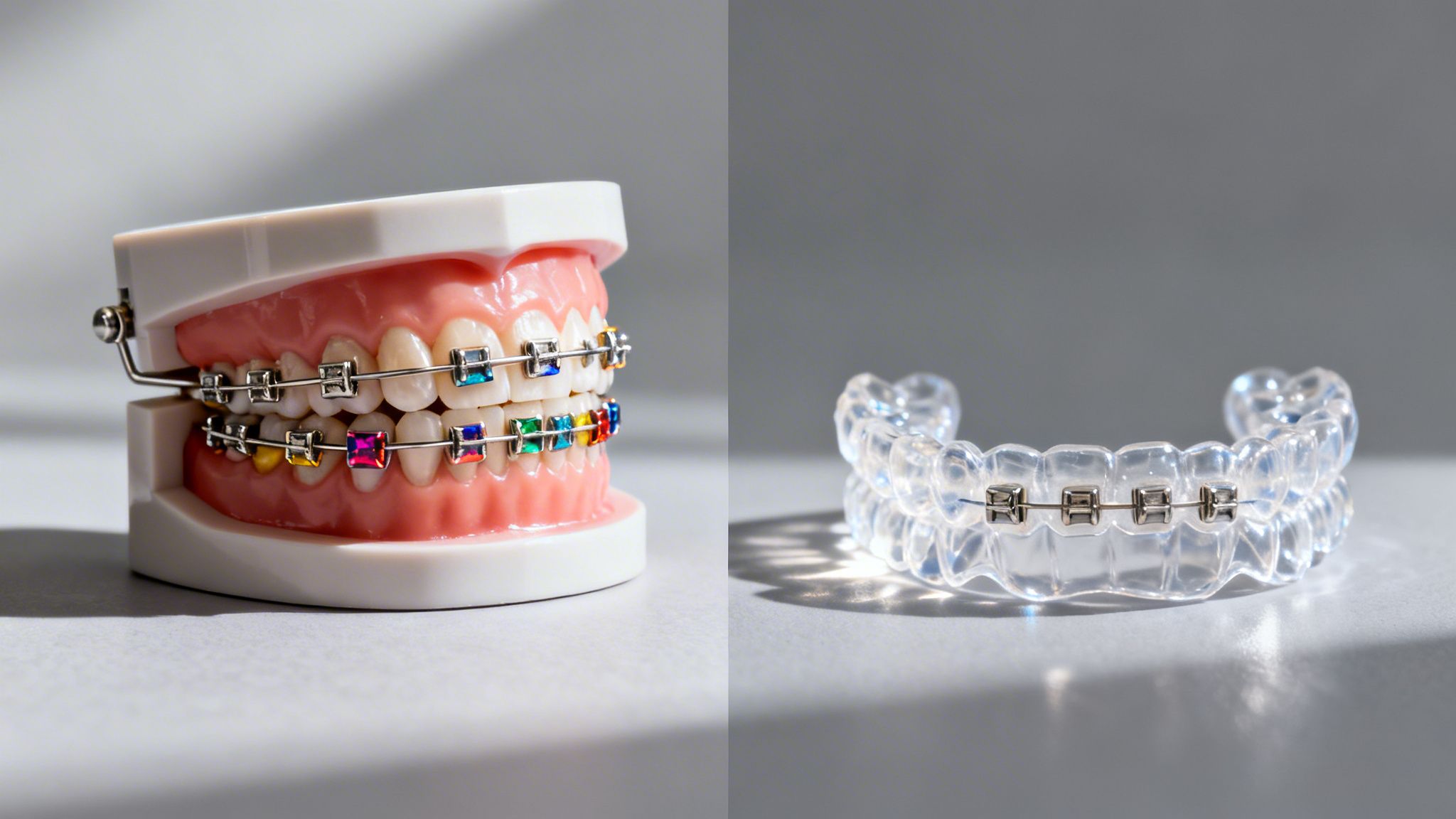
The tool matters less than the plan, but the right tool still matters. Different orthodontic systems can all build the same foundation. They just do it in different ways.
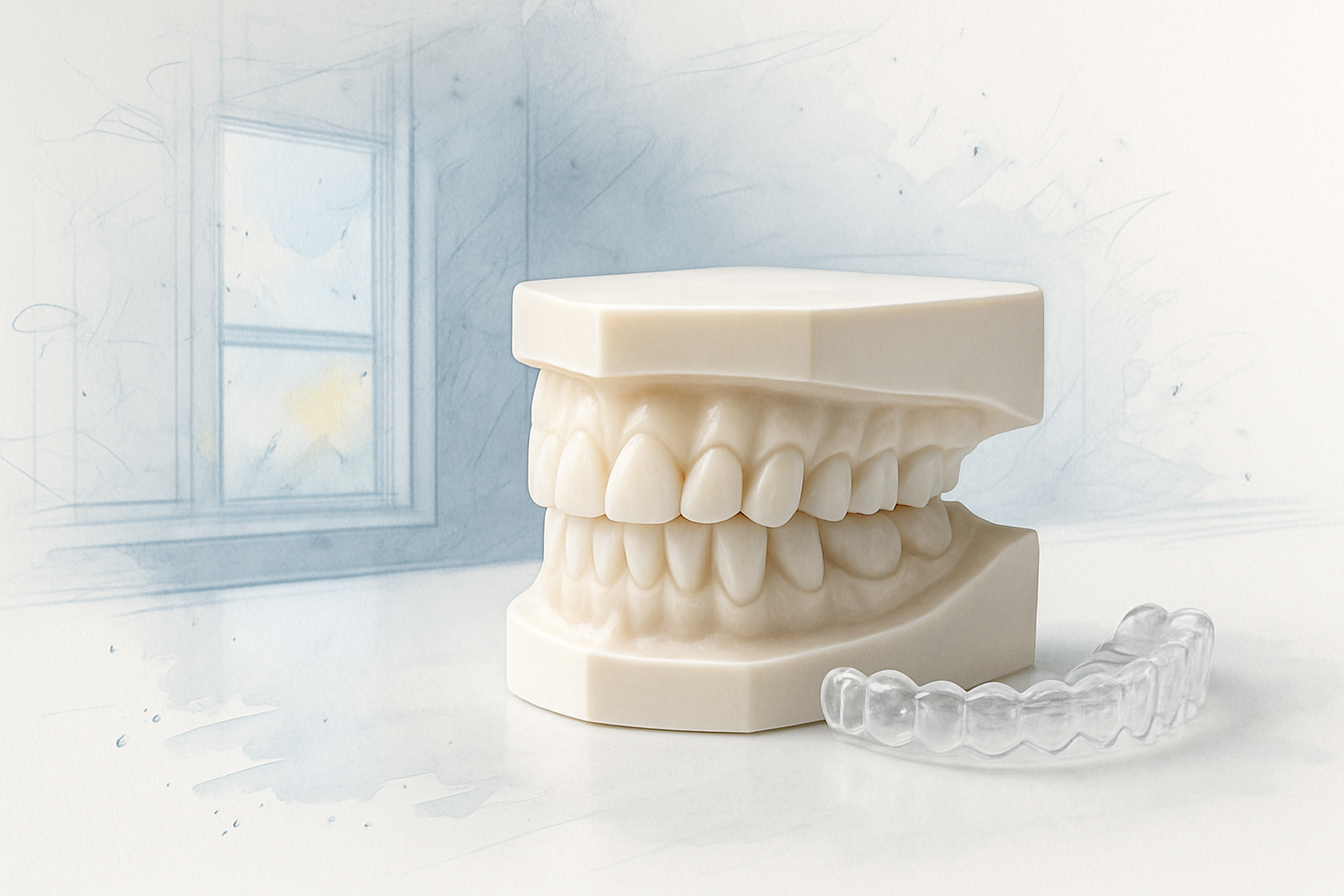
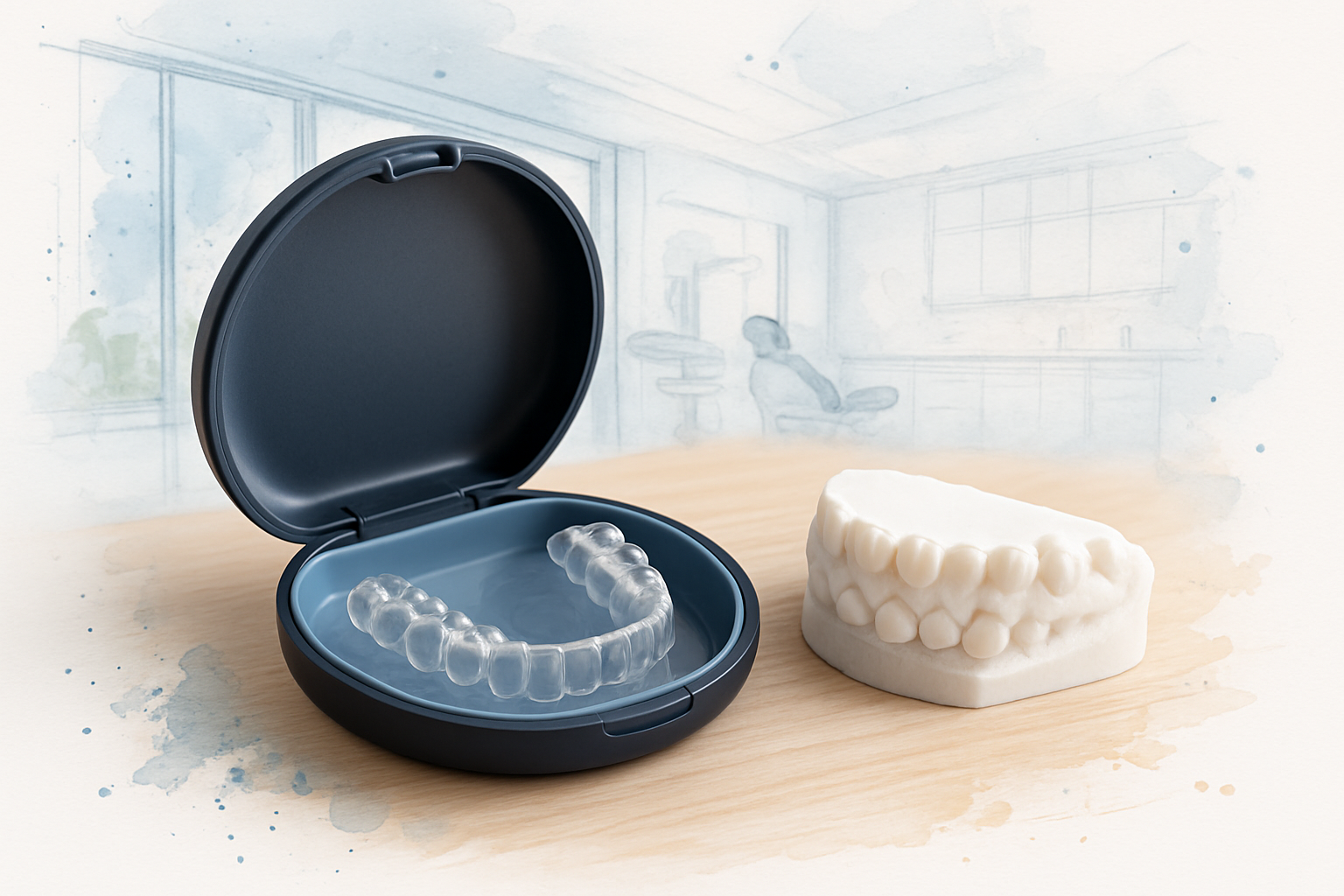
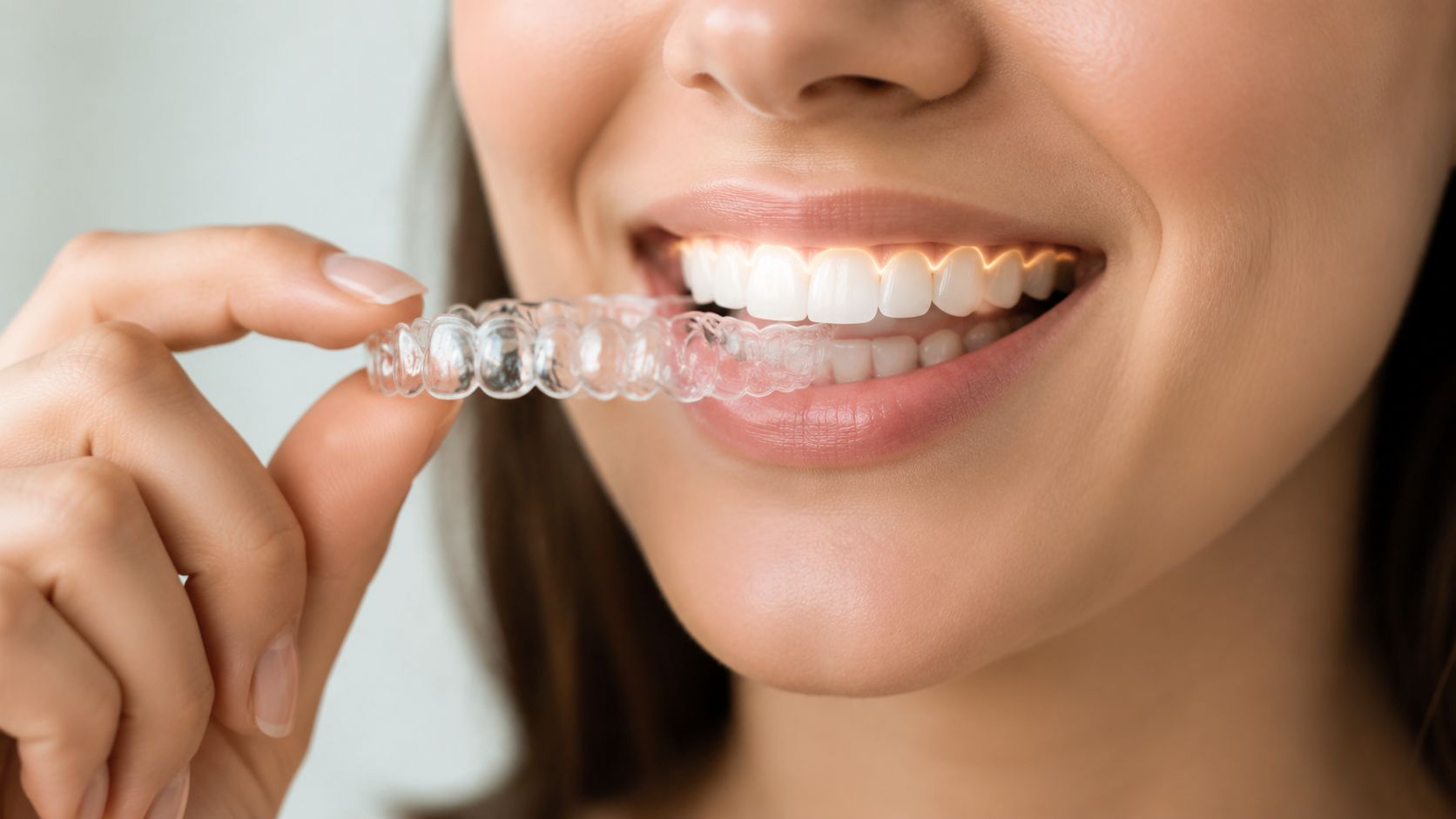
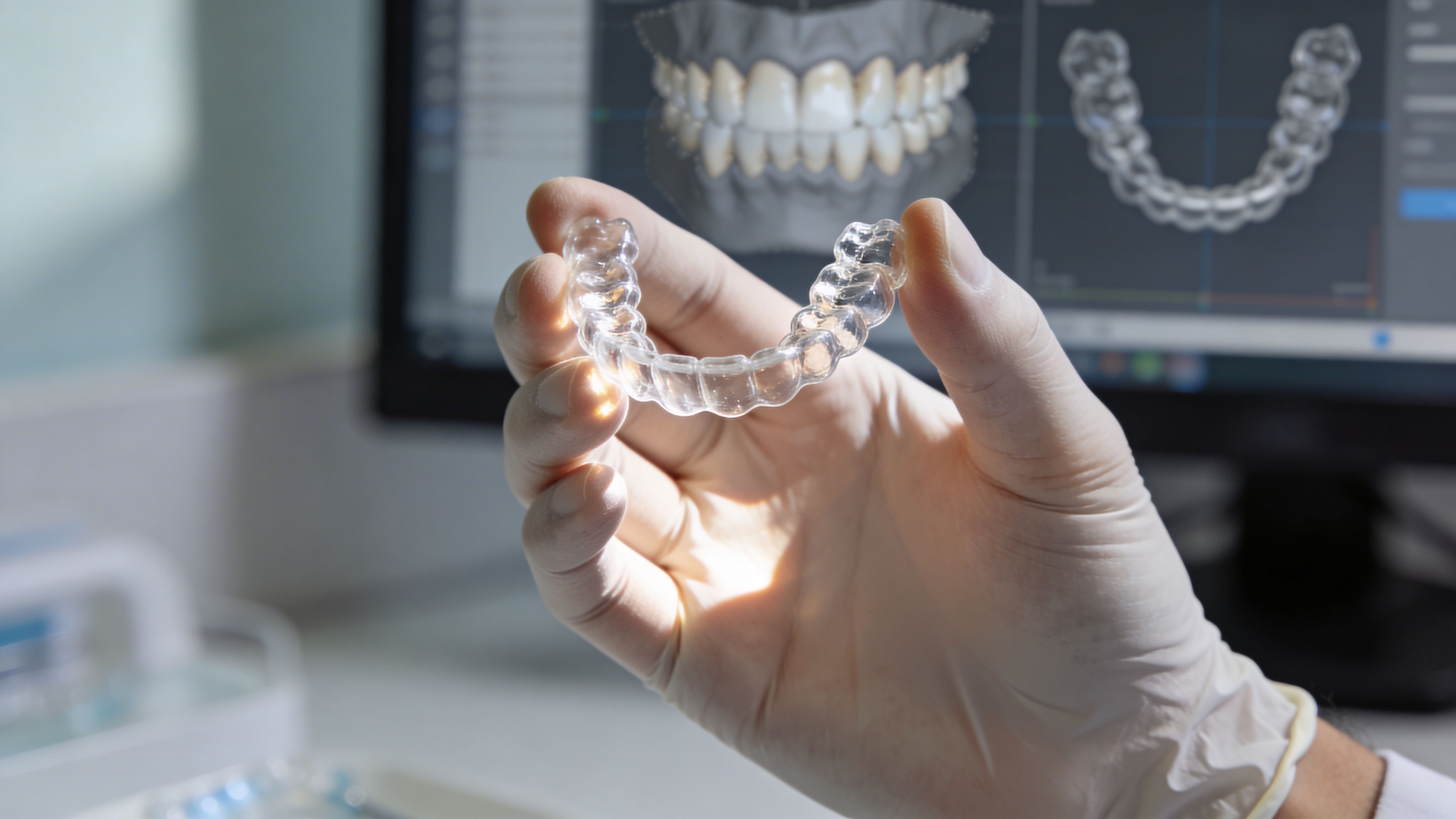
Invisalign clear aligners
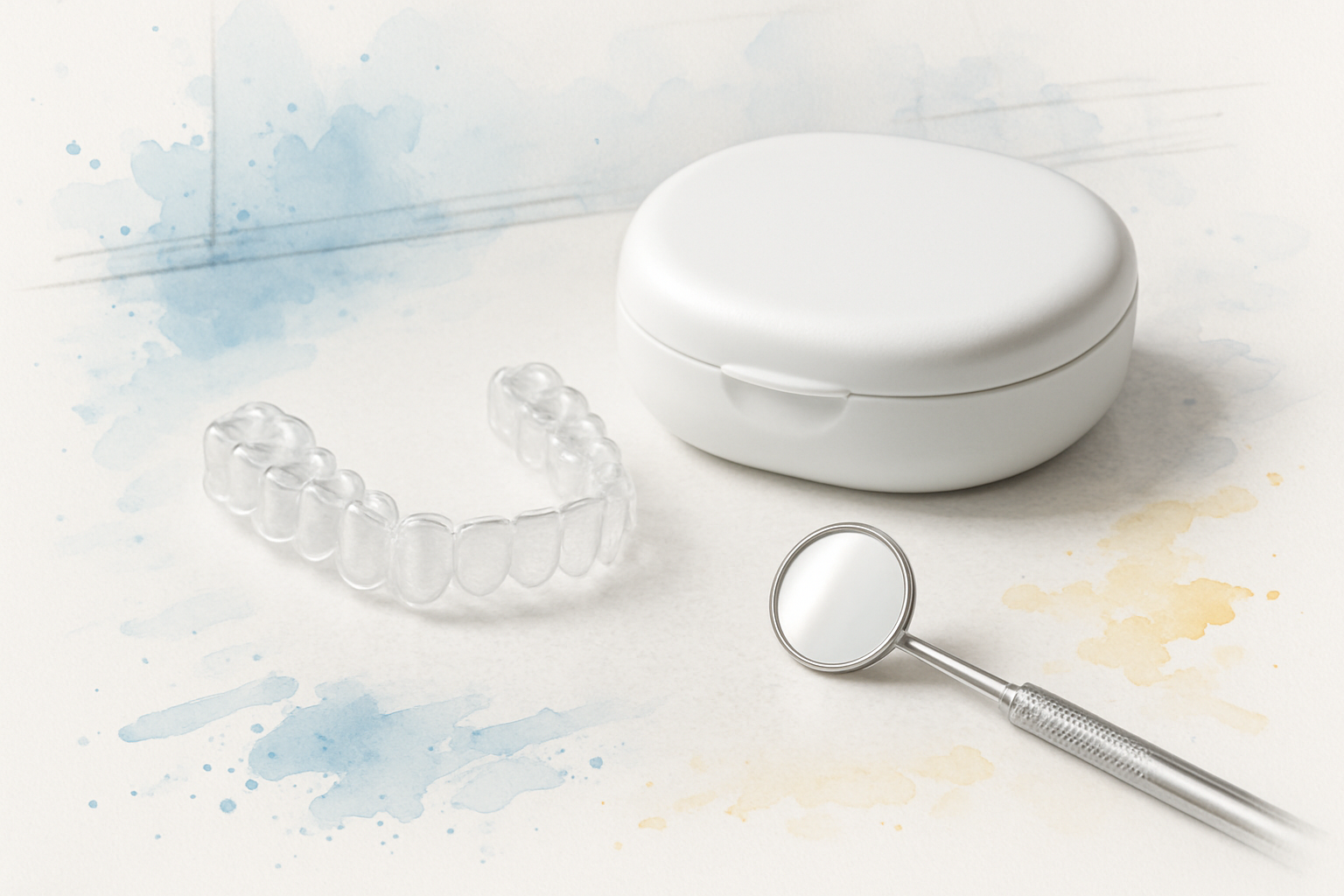
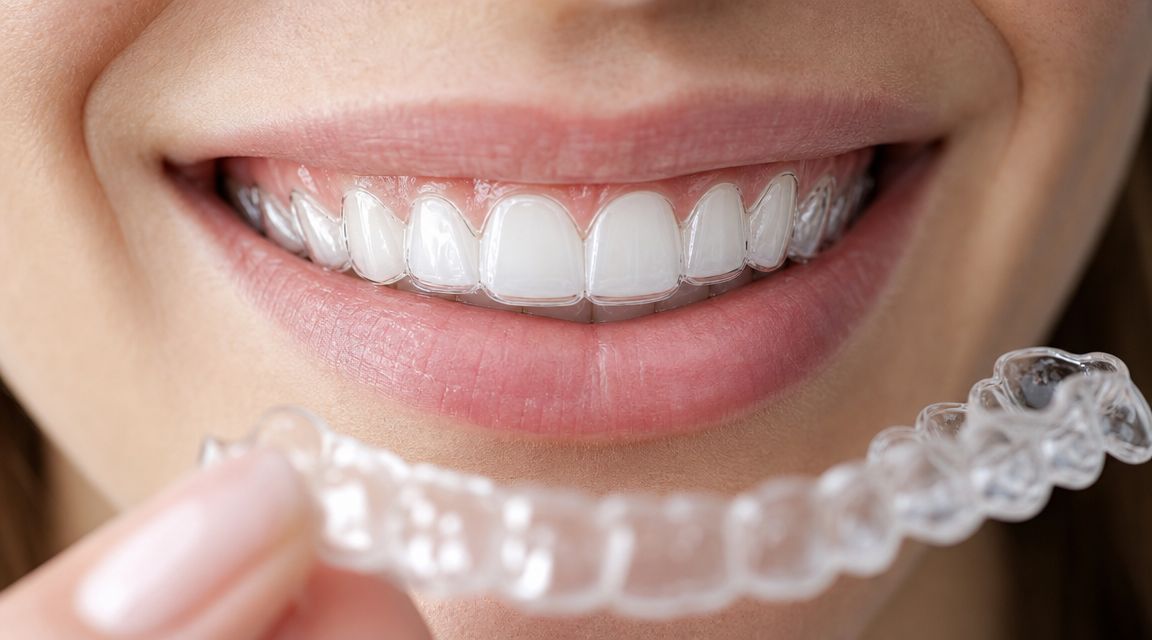
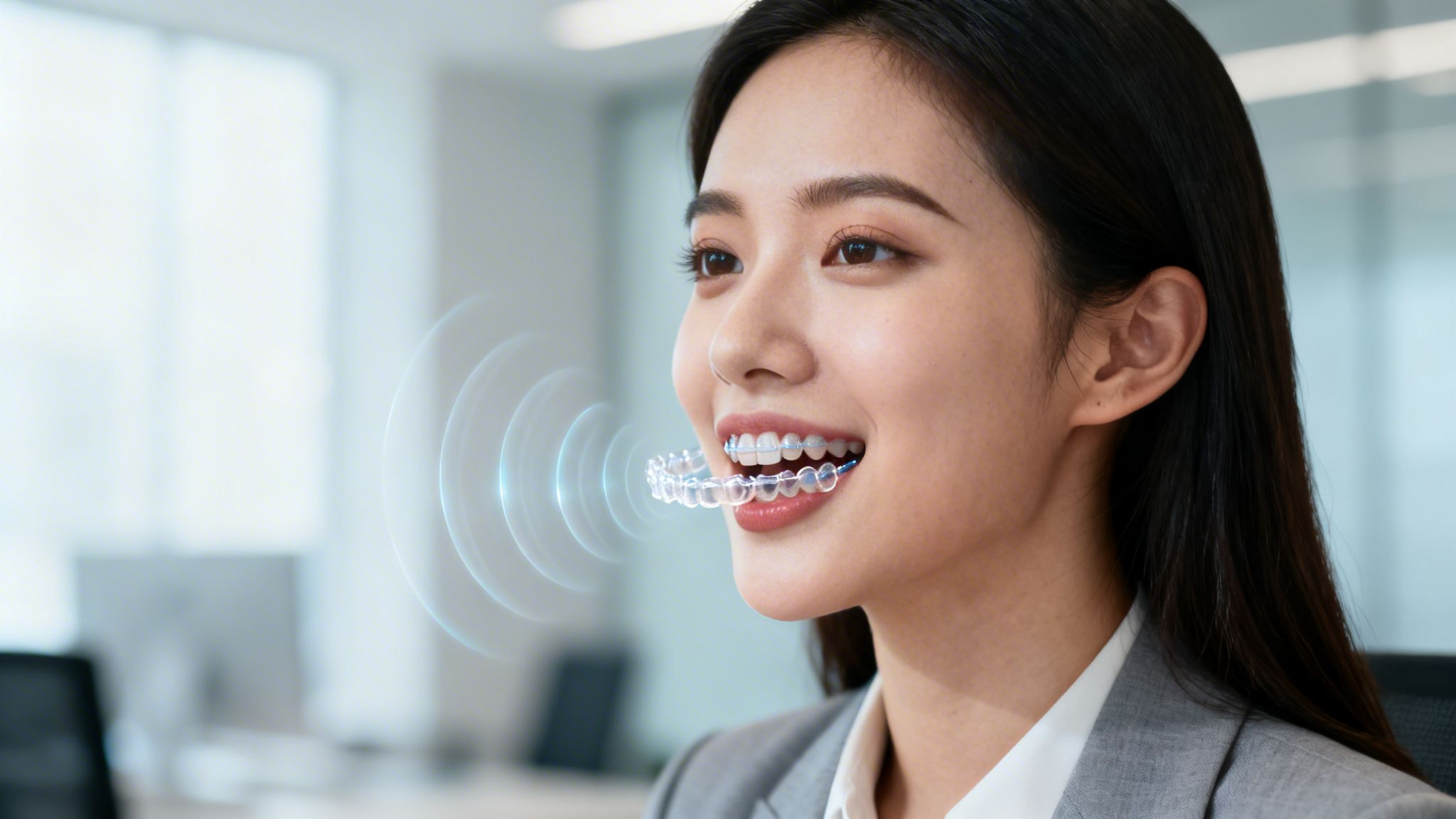
Invisalign is a removable option that appeals to adults and teens who want a lower-profile look during treatment. It can work well when a patient is organized and willing to wear aligners as directed.
The big advantage is flexibility. You can remove aligners for meals and brushing, which many patients appreciate during a smile makeover process that may later involve whitening or restorative visits. If you want a basic primer on what clear aligners are, that can help frame the discussion.
Iconix esthetic brackets
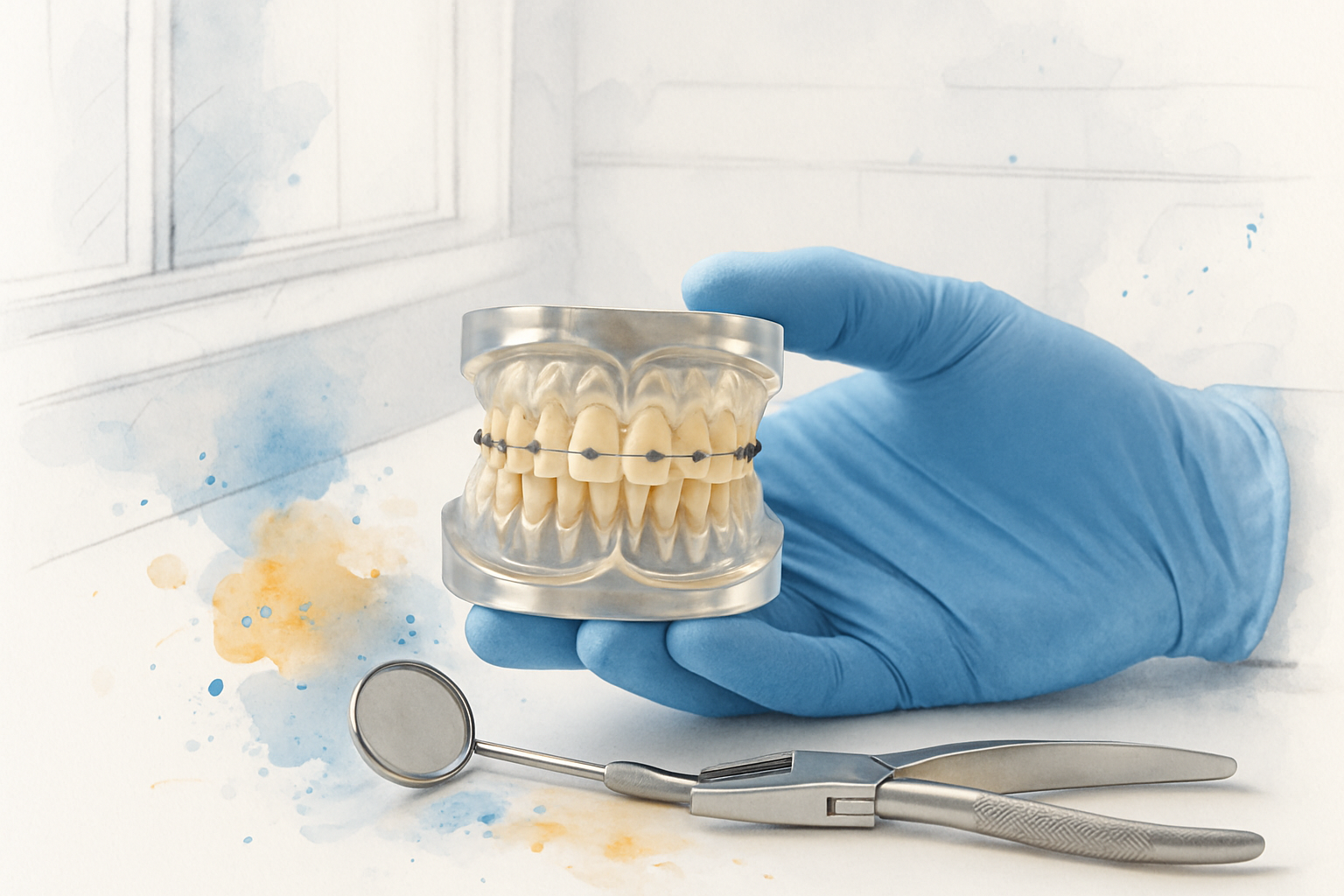
Iconix brackets are metal braces with a softer gold-toned appearance. They suit patients who want the control and predictability of fixed braces but prefer something less visually stark than traditional silver brackets.
For some adult makeover cases, fixed appliances give the orthodontist a very steady grip on tooth movement. That can be useful when the plan calls for precise root position, space opening, or bite coordination.
Traditional metal braces
Traditional metal braces remain a reliable option, especially when movement is complex or compliance is a concern. They aren't the newest-looking appliance, but they're still one of the most effective systems for thorough correction.
At Magic Fox Orthodontics, the confirmed orthodontic options for this kind of foundational work include Invisalign clear aligners, Iconix esthetic brackets, and traditional metal braces. The right choice depends on the mechanics of the case, daily habits, and how much control the treatment requires.
Some smile makeovers need the least visible appliance. Others need the appliance that gives the most precise control. Those are not always the same thing.
The Collaborative Journey to Your New Smile
The best smile makeovers don't feel pieced together. They feel planned.
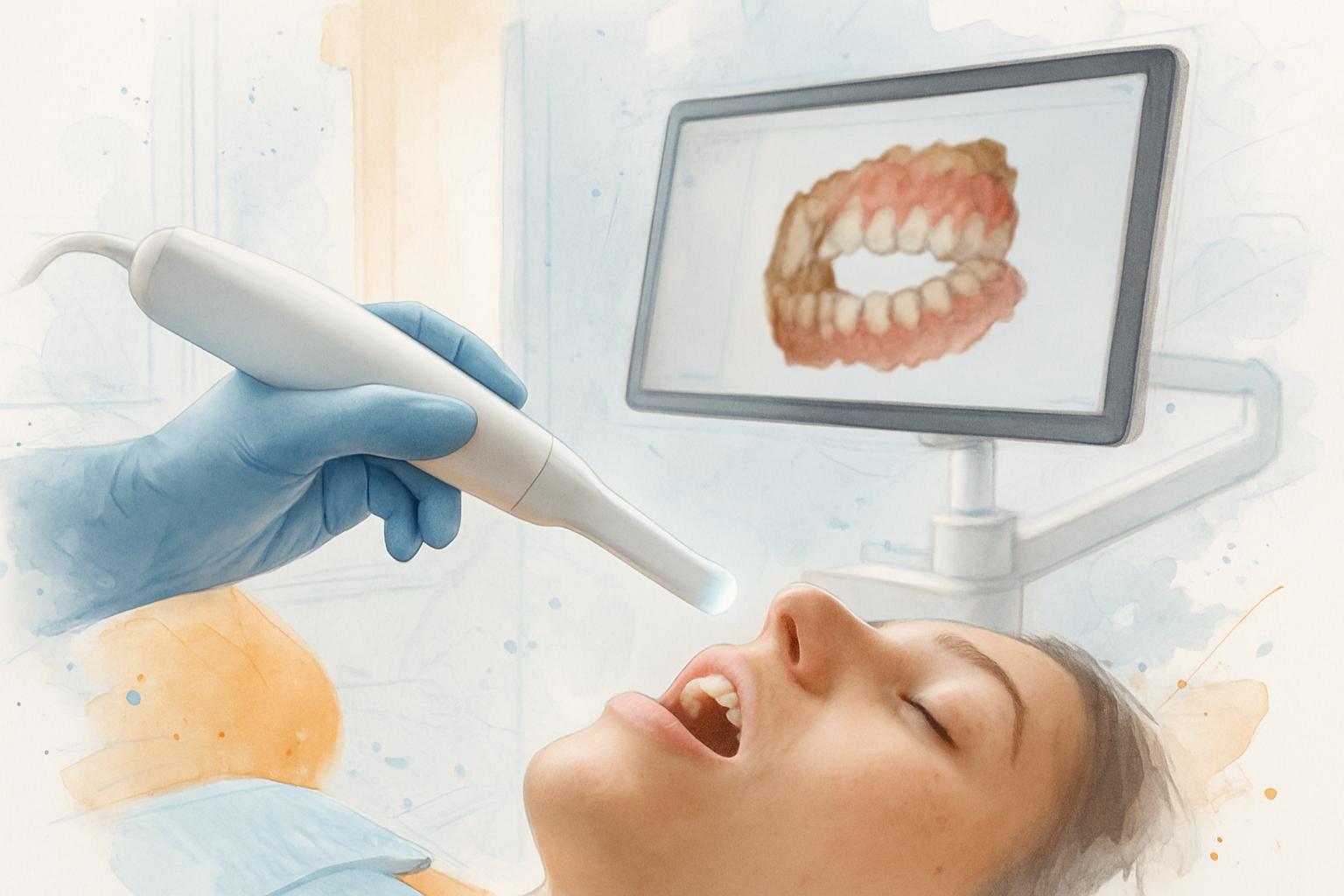
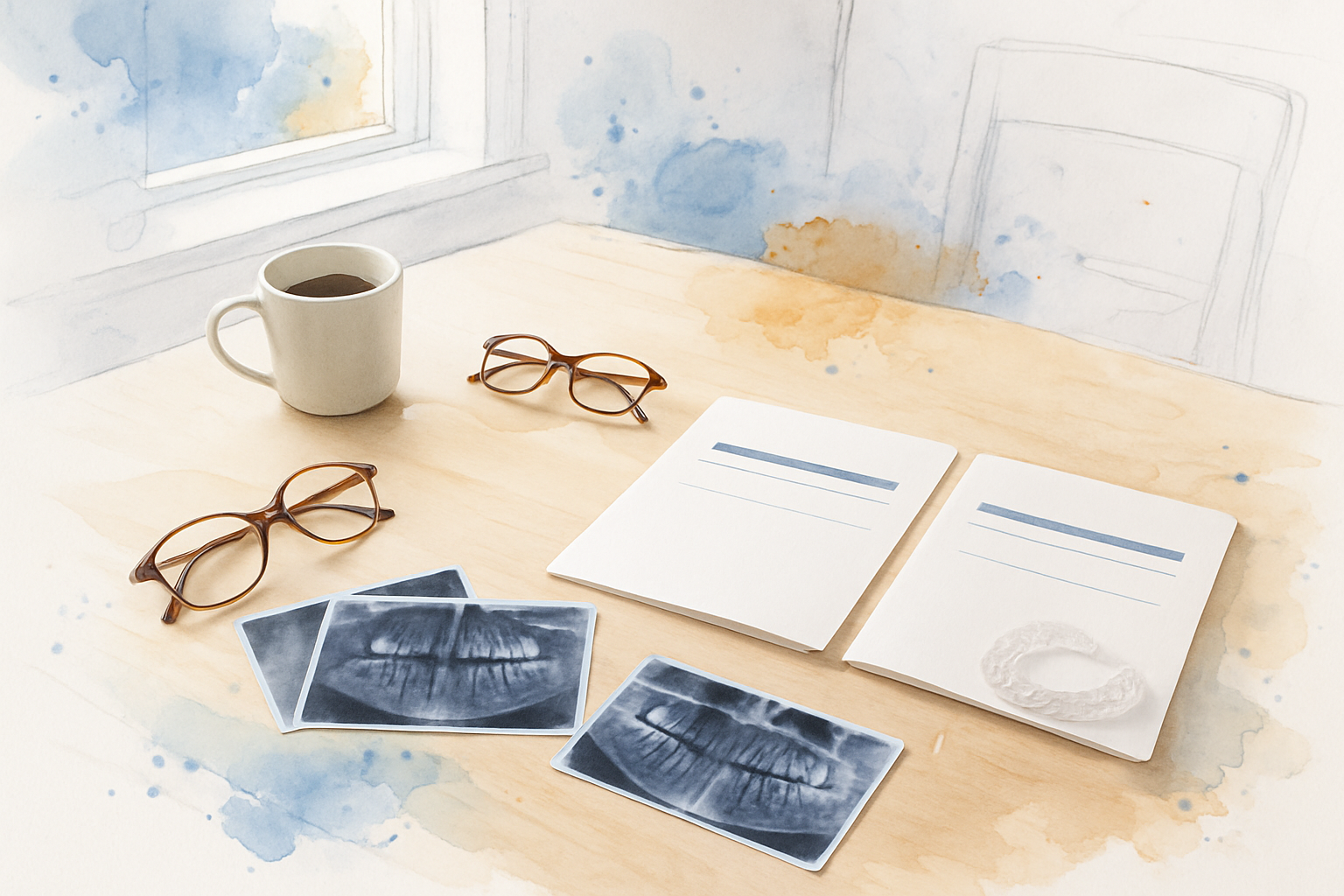
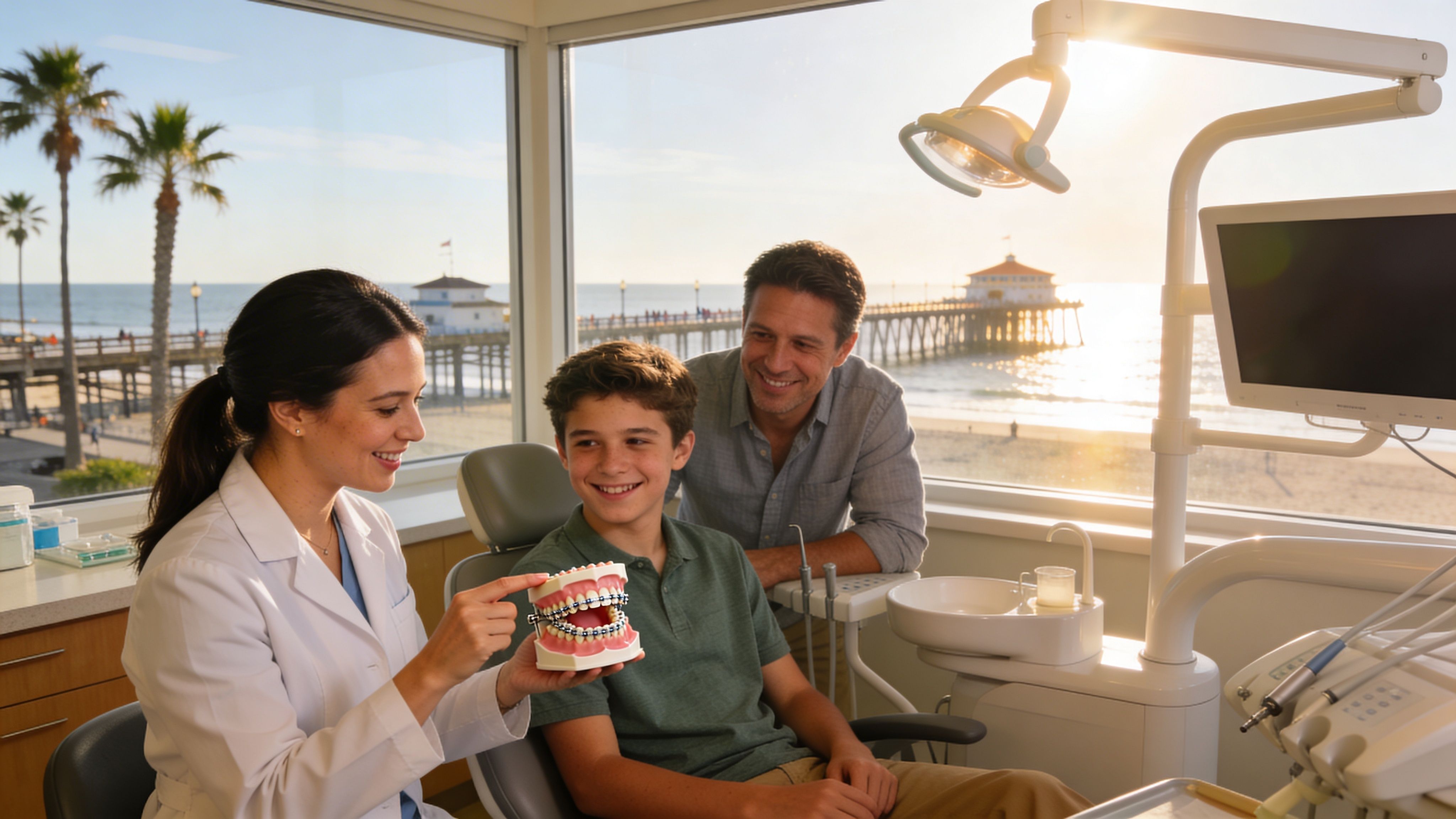
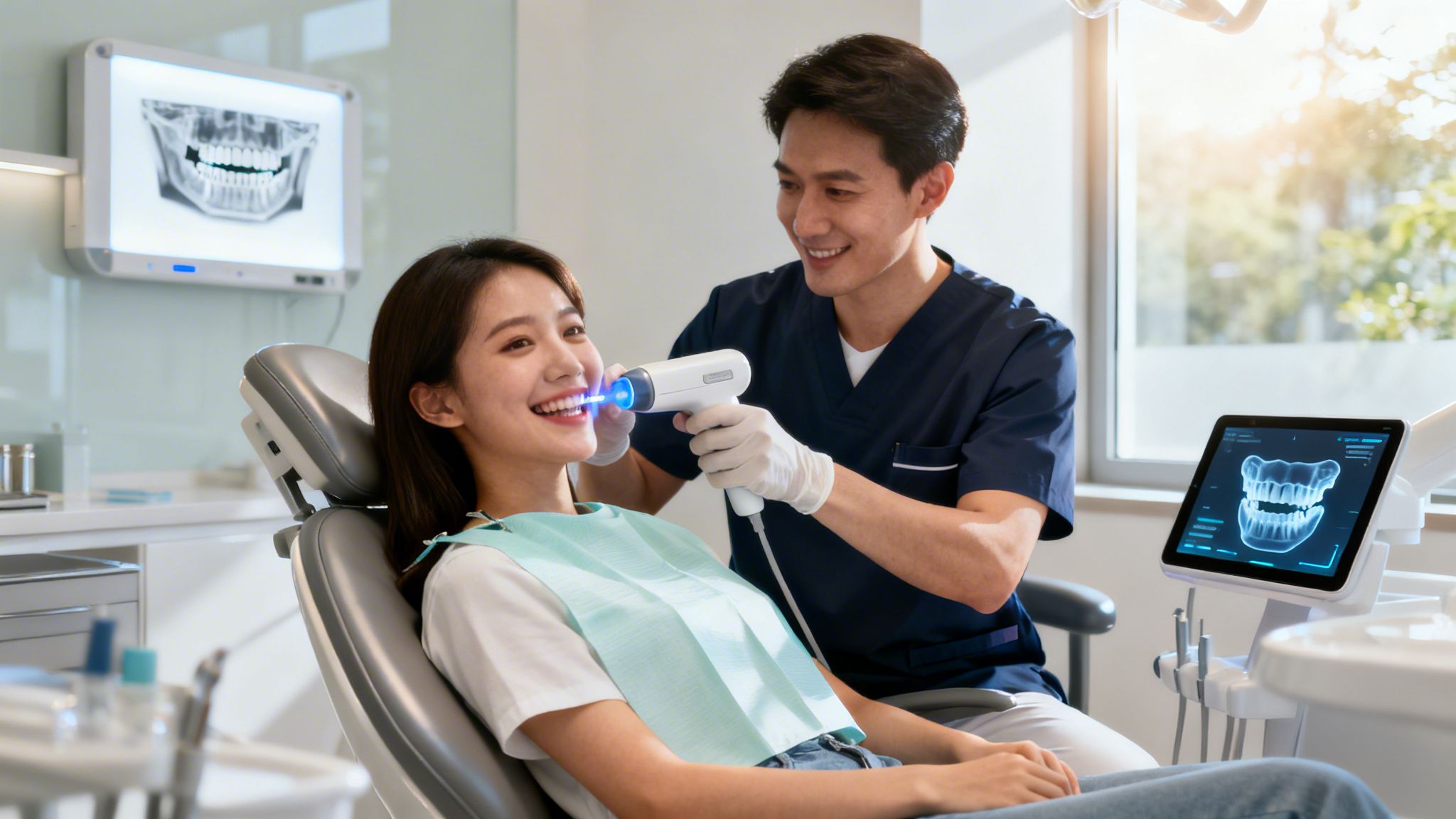
That usually starts with records, photographs, scans, bite analysis, and a discussion about what the patient wants to change versus what the mouth will realistically support. At this stage, collaboration matters. The orthodontist is not only deciding how to straighten teeth. The orthodontist is helping decide where those teeth should end up so another dentist can finish the case conservatively.
Planning the end before the beginning
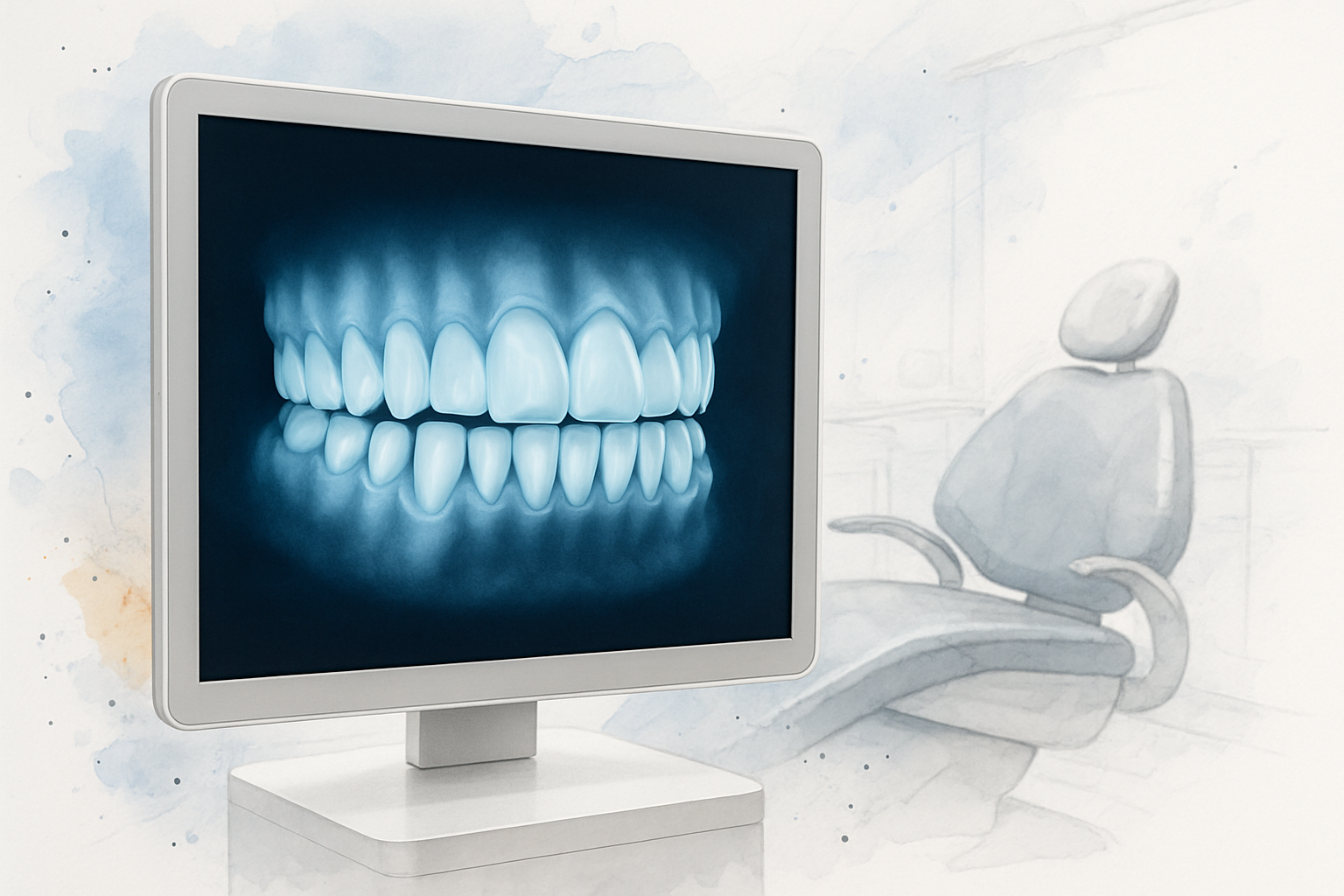
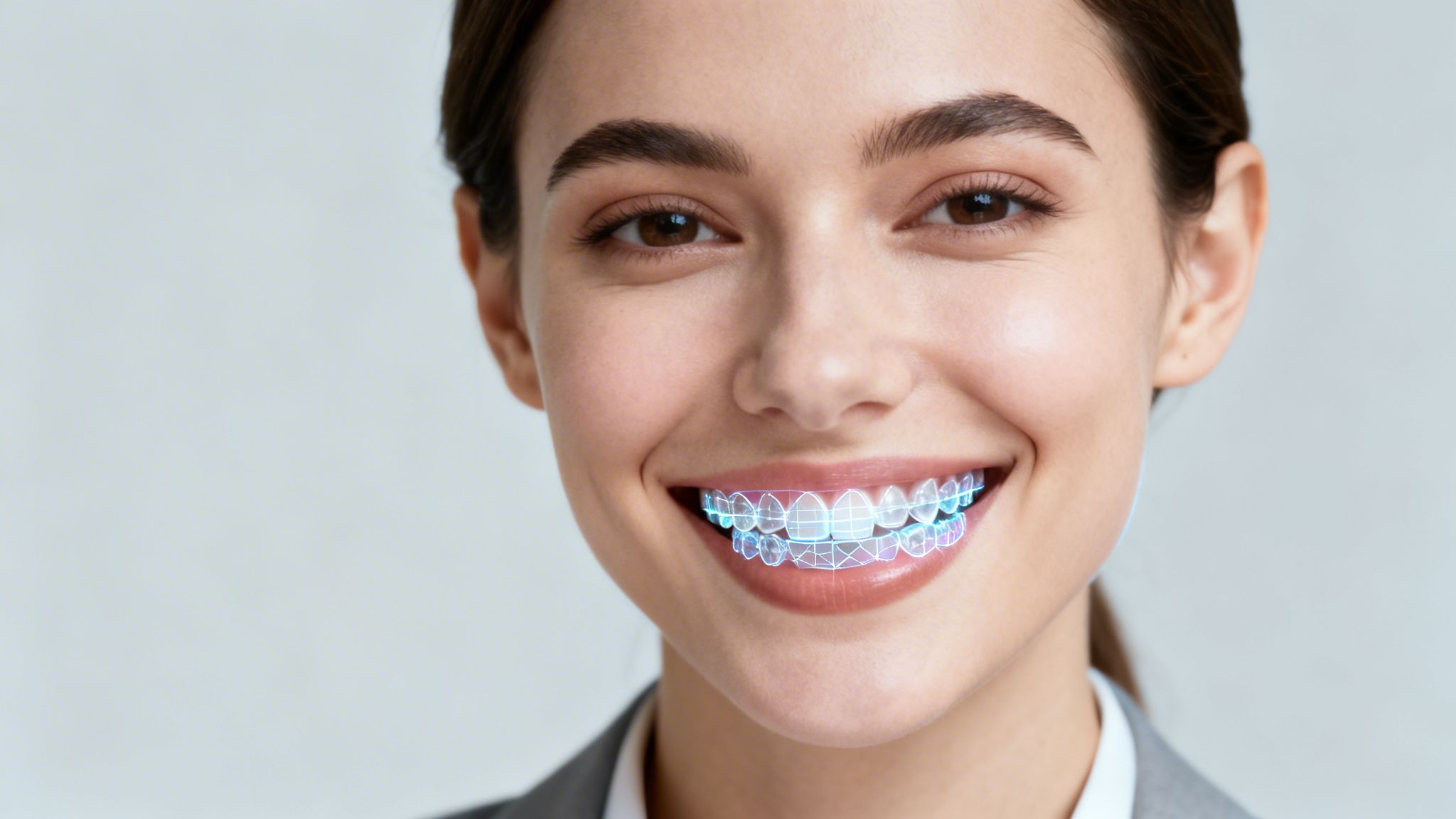
Digital smile design is used to preview tooth position, proportions, and shade before treatment. That preview helps clinicians benchmark the expected result and sequence orthodontics before restorative work, improving the final restorative envelope and reducing the need to force aesthetics onto an unoptimized bite (digital smile design and treatment sequencing).
In practical terms, that means the team can often see early whether the smile needs space closure, space creation, vertical changes, or tooth uprighting before any final cosmetic decisions are made.
What the patient experiences
From the patient side, the process is usually less mysterious than it sounds:
- The consultation identifies the cosmetic concern and the structural cause.
- The joint plan sets the order of treatment and the finishing goals.
- The orthodontic phase builds the tooth positions needed for the final look.
- The handoff or overlap phase allows restorative or cosmetic treatment to begin at the right time.
For adults, this teamwork often matters most when old dental work is already present. Teeth with crowns, worn edges, or missing neighbors rarely follow a simple one-specialist script.
A good smile makeover plan answers not only “How do we make this look better?” but also “What sequence protects the teeth best?”
Why specialist roles matter
Patients sometimes assume a general dentist and an orthodontist do interchangeable work. They don't. One is managing restorative and cosmetic solutions. The other is managing tooth movement and bite mechanics. Understanding the difference between an orthodontist and a dentist helps explain why both may be involved in the same makeover.
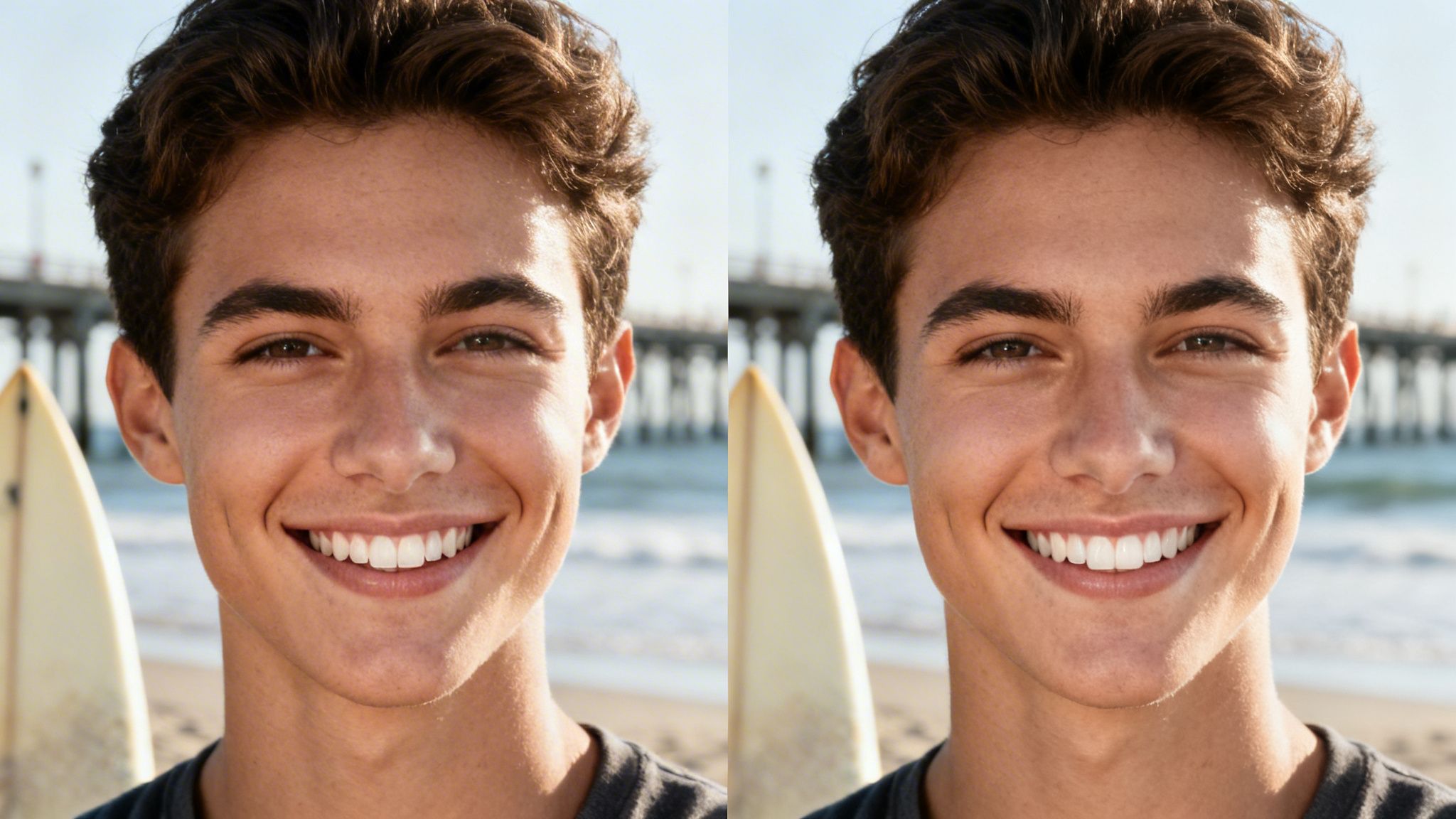
To see real customer stories and learn more about Magic Fox Orthodontics, visit their success stories page. That kind of before-and-after journey often makes the sequencing logic much easier to understand than a list of technical terms ever will.
Long-Term Benefits Beyond a Beautiful Smile
A smile makeover should still make sense years later.
That's where orthodontic support changes the value of the whole investment. When teeth are aligned well and the bite is balanced, cosmetic work doesn't have to carry the burden of correcting position problems. It can do what it does best, which is refine shape, color, and detail.

What tends to hold up better
- Oral hygiene gets simpler. Straighter teeth are generally easier to clean than crowded or rotated teeth.
- Biting forces are more manageable. That can help reduce abnormal edge wear and repeated cosmetic patchwork.
- Restorations can be more conservative. The less dentistry required to fake alignment, the better.
- Maintenance becomes more predictable. A stable setup is easier to monitor over time.
The larger trend also shows how central orthodontics has become in modern care. The global orthodontics market was valued at USD 8.54 billion in 2025 and projected to reach USD 9.50 billion in 2026 and USD 38.43 billion by 2034, with a projected 19.10% CAGR. North America accounted for 42.90% of the global market in 2025, equal to USD 3.66 billion. The same industry summary noted that the ADA reported 45% of the U.S. population had a dental visit in the past 12 months in 2022, with 52% of children and seniors and 40% of working-age adults doing so (orthodontics market and utilization overview).
Those numbers don't prove any one treatment is right for one person. They do show that orthodontics has become a major part of how patients enter broader smile planning.
Common Questions About Smile Makeover Orthodontics
Some of the most useful questions come up after patients realize the answer isn't always “just get veneers” or “just do braces first.” The sequence depends on the condition of the teeth, gums, bite, and existing dental work.
Frequently Asked Questions
| Question | Answer |
|---|---|
| Do I always need orthodontics before cosmetic work? | No. If the teeth are already in a healthy, stable position and the issue is limited to color, minor shape differences, or small surface concerns, cosmetic treatment may come first or may be the only treatment needed. Orthodontics becomes more important when alignment or bite problems are driving the cosmetic concern. |
| Can adults still do orthodontics as part of a smile makeover? | Yes. Adult treatment is common, especially when the goal is to improve smile appearance without asking veneers or bonding to hide crowding, spacing, or bite imbalance. Adult cases often need more coordination with restorative dentistry. |
| What if I already have crowns or fillings? | That doesn't rule out orthodontics. It does mean planning has to be careful. Existing restorations can affect attachment, movement strategy, and the order of treatment. |
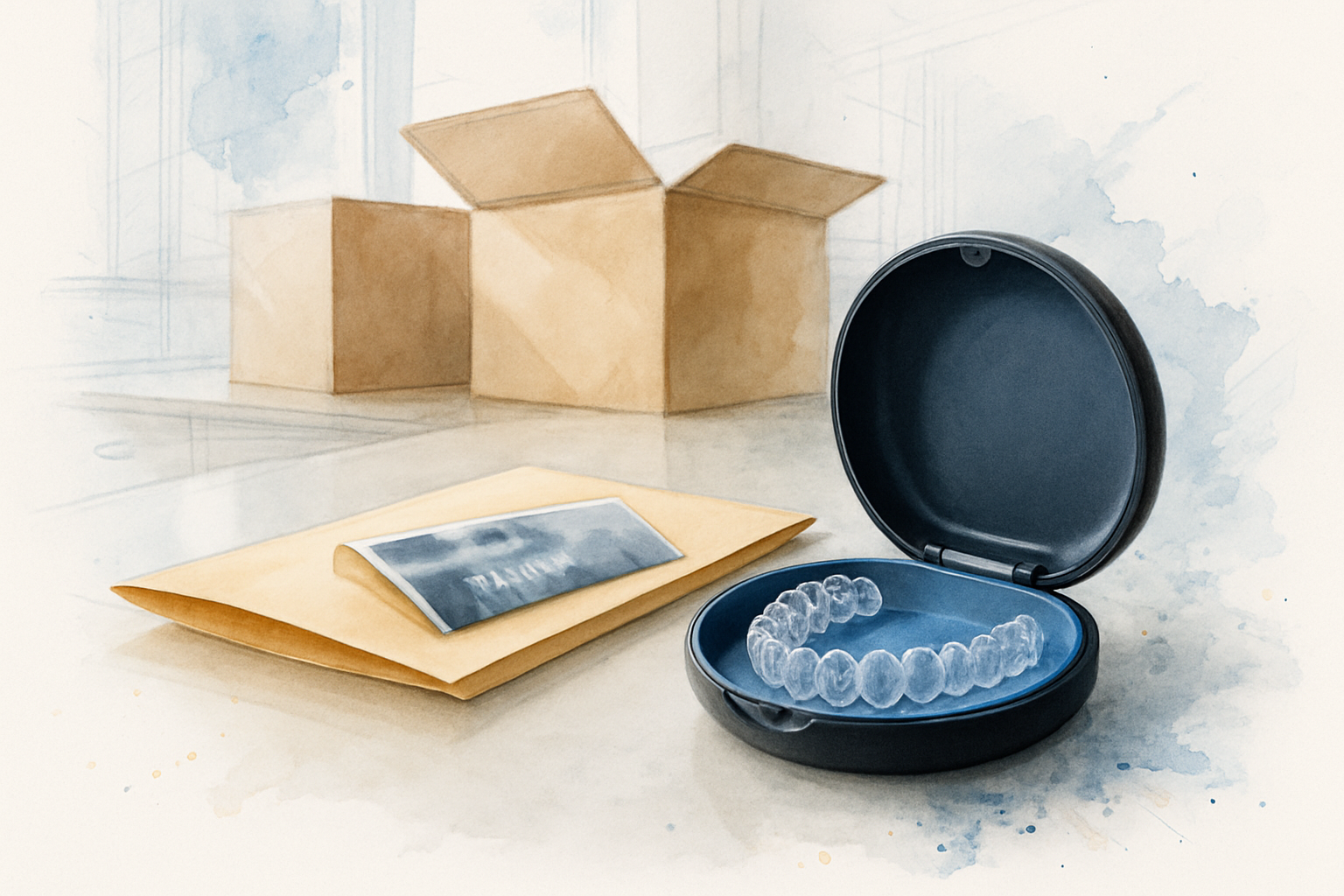
| Will I need retainers after orthodontics? | Yes. Retention matters because teeth can drift if they aren't maintained after movement. Any smile makeover that depends on precise tooth position needs a retention plan and follow-up. |
| Is whitening done before or after orthodontics? | Often after most tooth movement is complete and before final cosmetic restorations are matched, but the exact timing depends on the larger plan. |
| What is the biggest mistake patients make? | Choosing the fastest-looking cosmetic fix before finding out whether the underlying problem is position, bite, wear, gum shape, or some combination of those. |
The main takeaway is simple. A smile makeover works best when the treatment order matches the biology, not just the wish list.
If you're weighing Invisalign, Iconix esthetic brackets, or traditional metal braces as part of a broader smile plan, Magic Fox Orthodontics provides orthodontic care for families, teens, and adults in Huntington Beach and Fountain Valley. Dr. Jeremy and Dr. Melissa work from 17041 Beach Boulevard, Suite 101, Huntington Beach, CA 92647, and the practice serves nearby neighborhoods including Oak View, Goldenwest, Wintersburg, Downtown Huntington Beach, Central Fountain Valley, Talbert Village, Newland, and Adams. You can also reach the office at (714) 594-5777 during Monday through Friday from 9:00 AM to 5:00 PM and Saturday from 8:00 AM to 2:00 PM.