What Do Real Invisalign Before-and-After Results Actually Show?
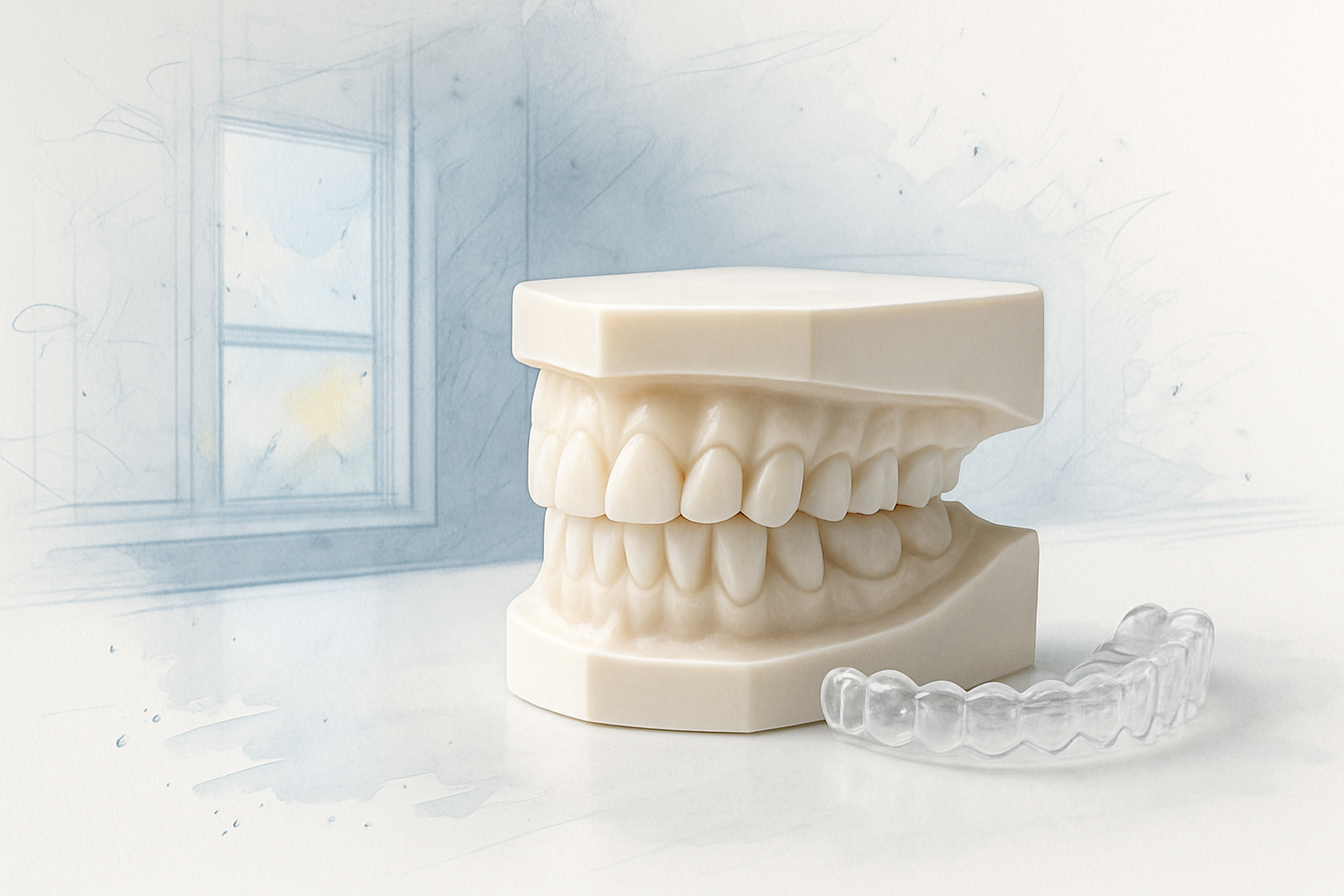
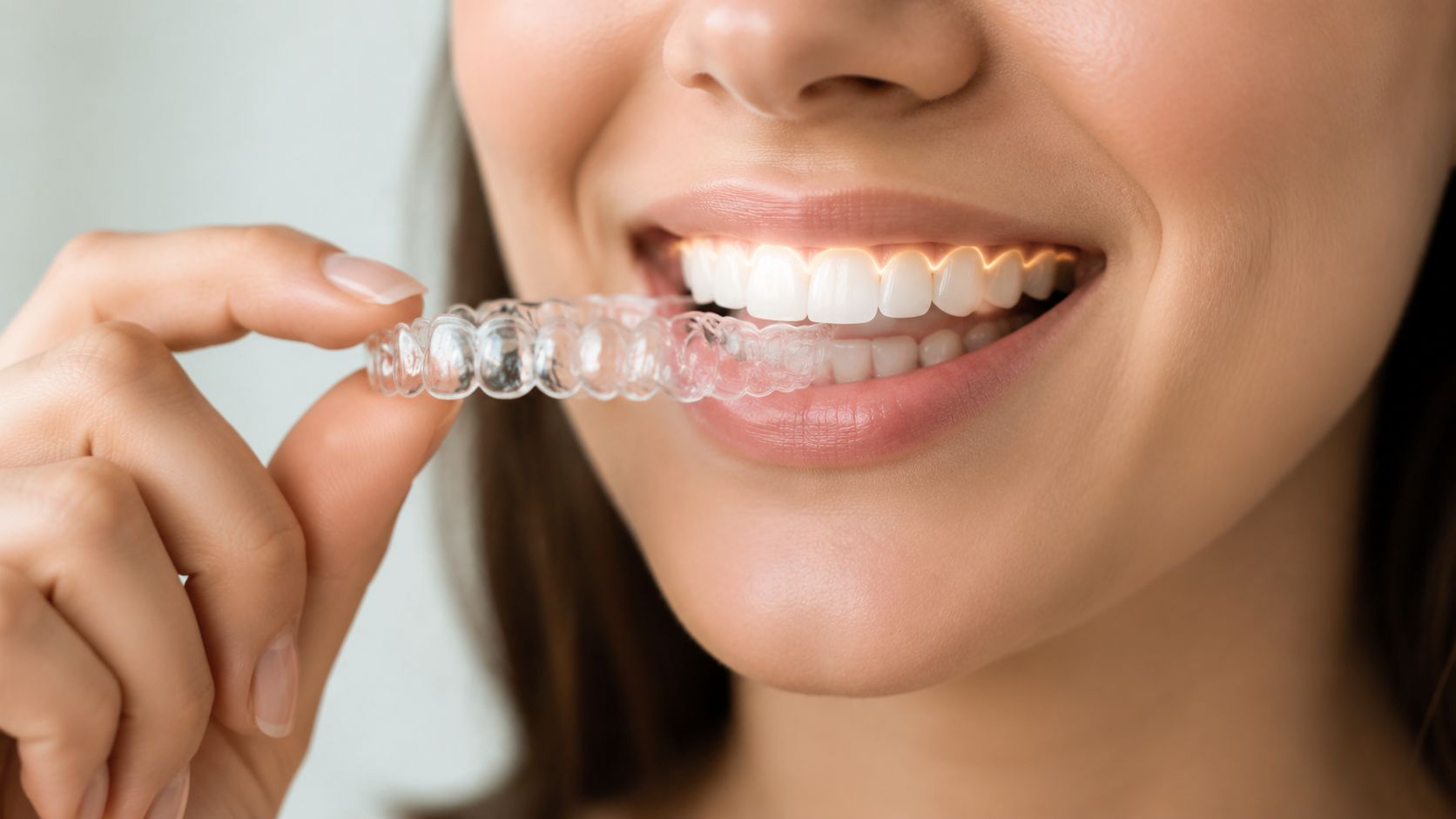
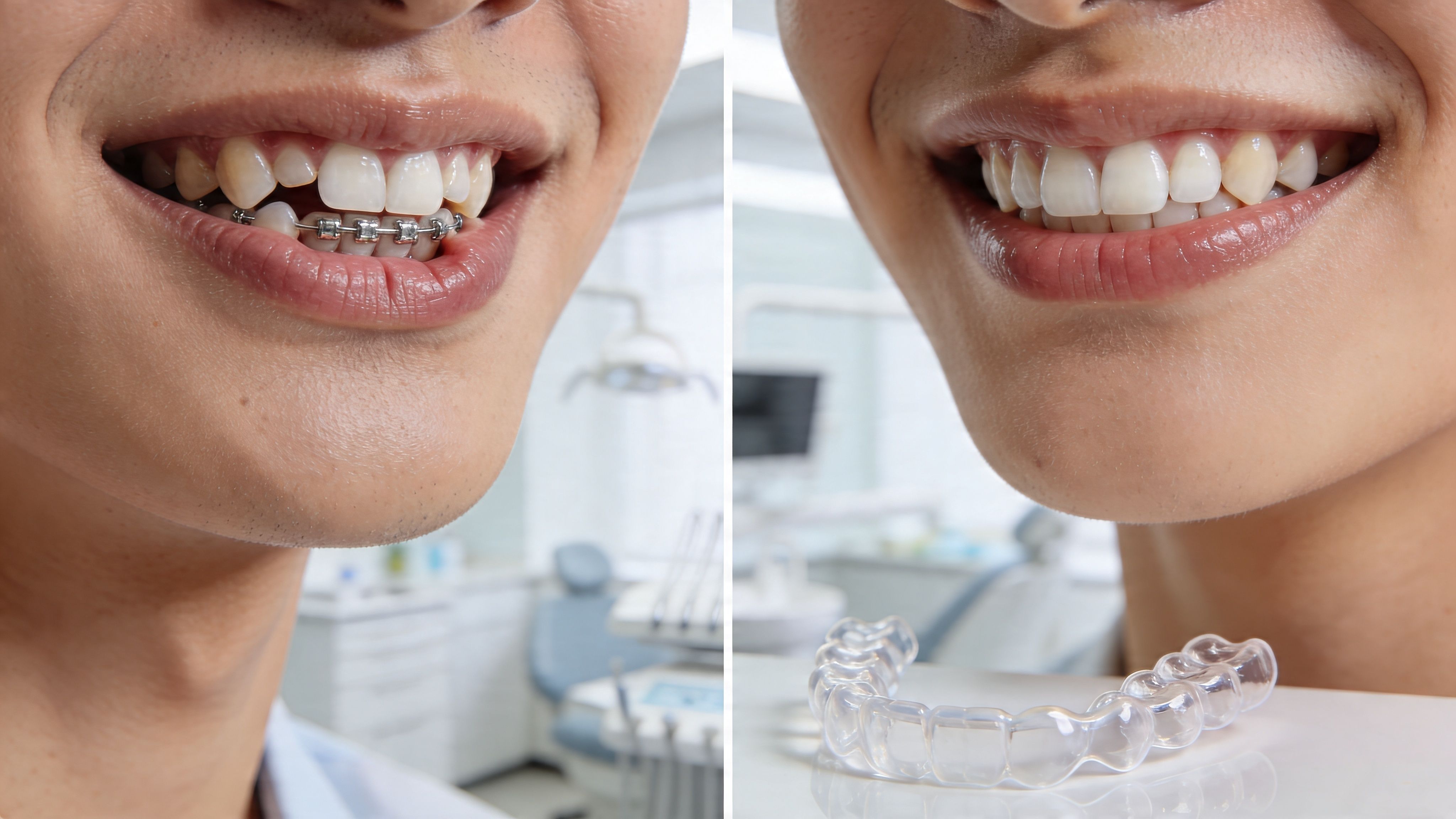
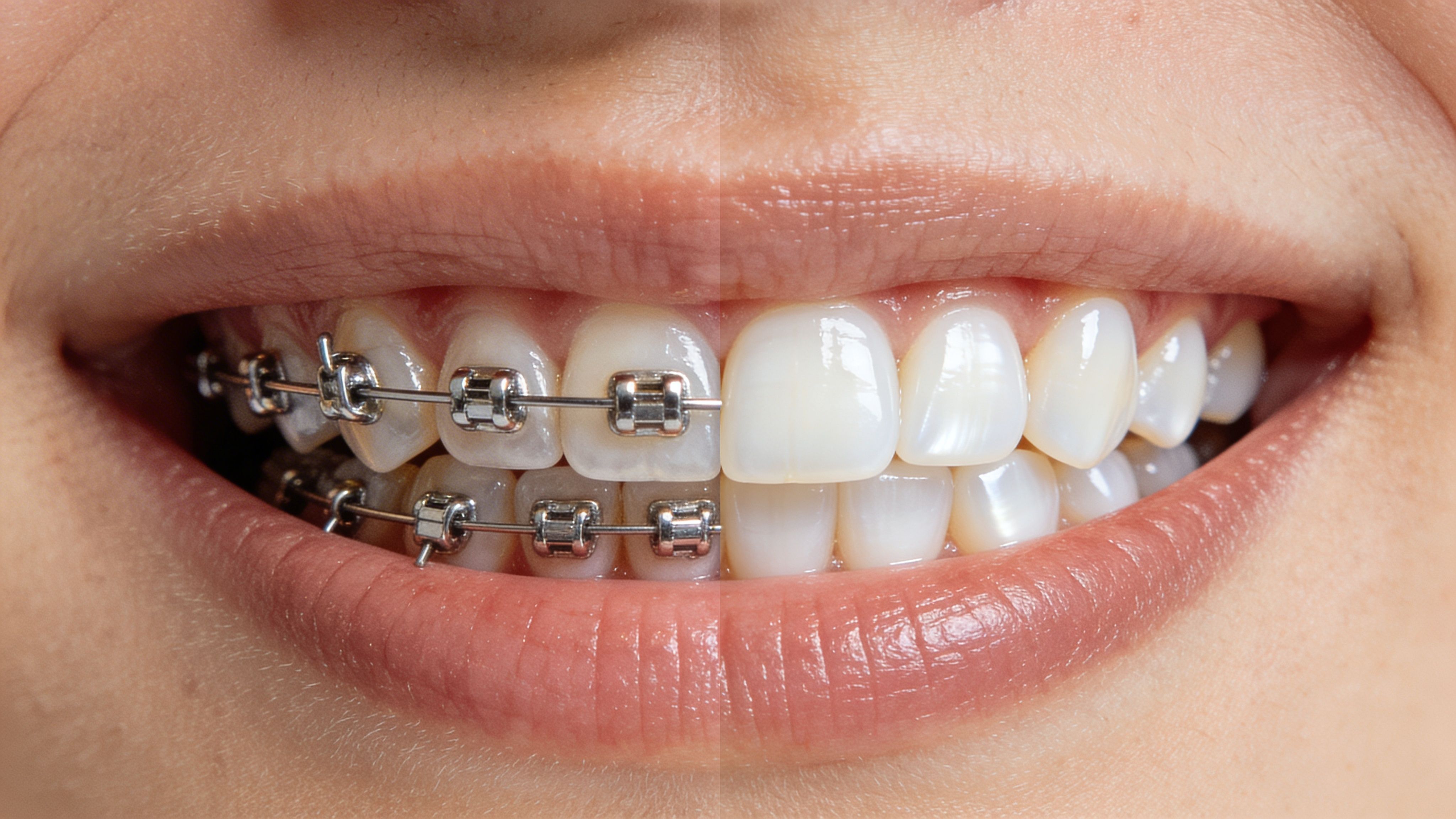
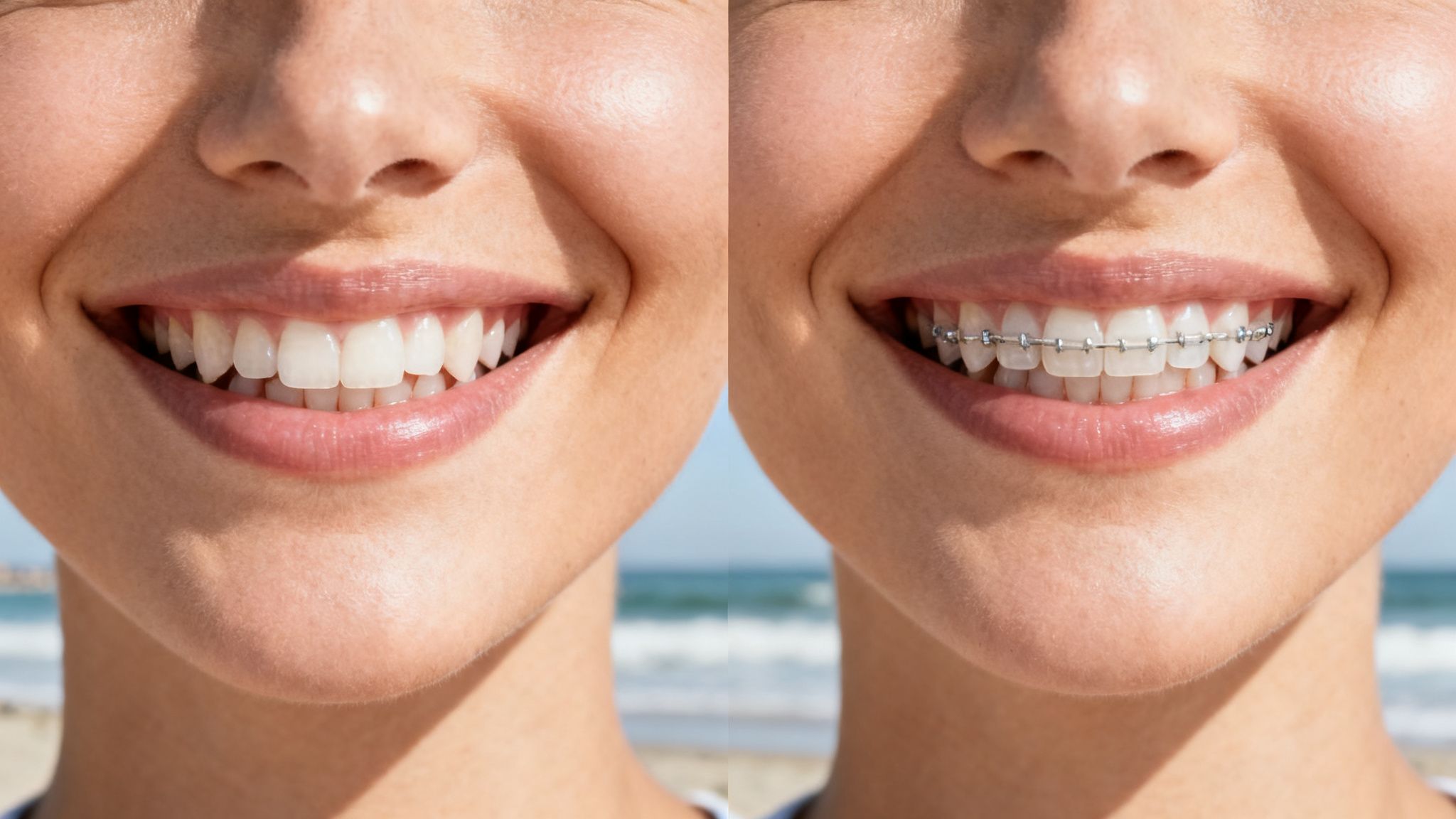
Direct Answer: Real Invisalign before-and-after photos document genuine tooth movement over months — crowding, spacing, bite issues, and more — but results depend heavily on the case type, how well aligners are worn, and whether retainers are used afterward.
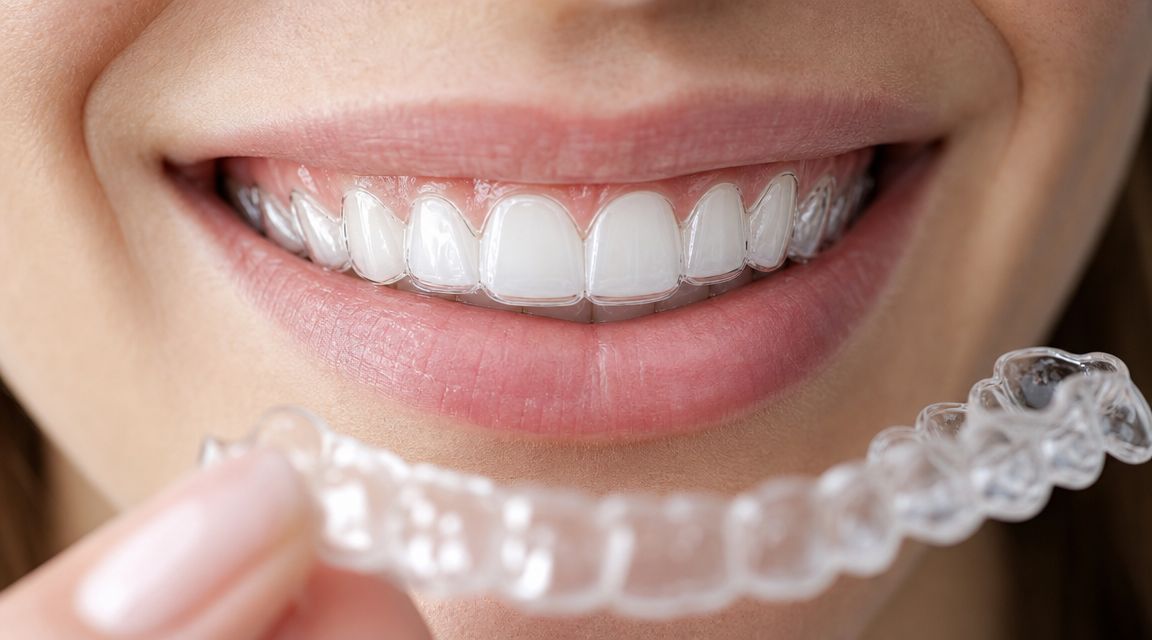
One of the most common things I notice when people come in for a first consultation is how they smile. Not the smile itself — the way they hold it back. Adults who cover their mouth when they laugh. Teens who look away right before a photo. People who've spent years working around a smile they weren't comfortable showing.
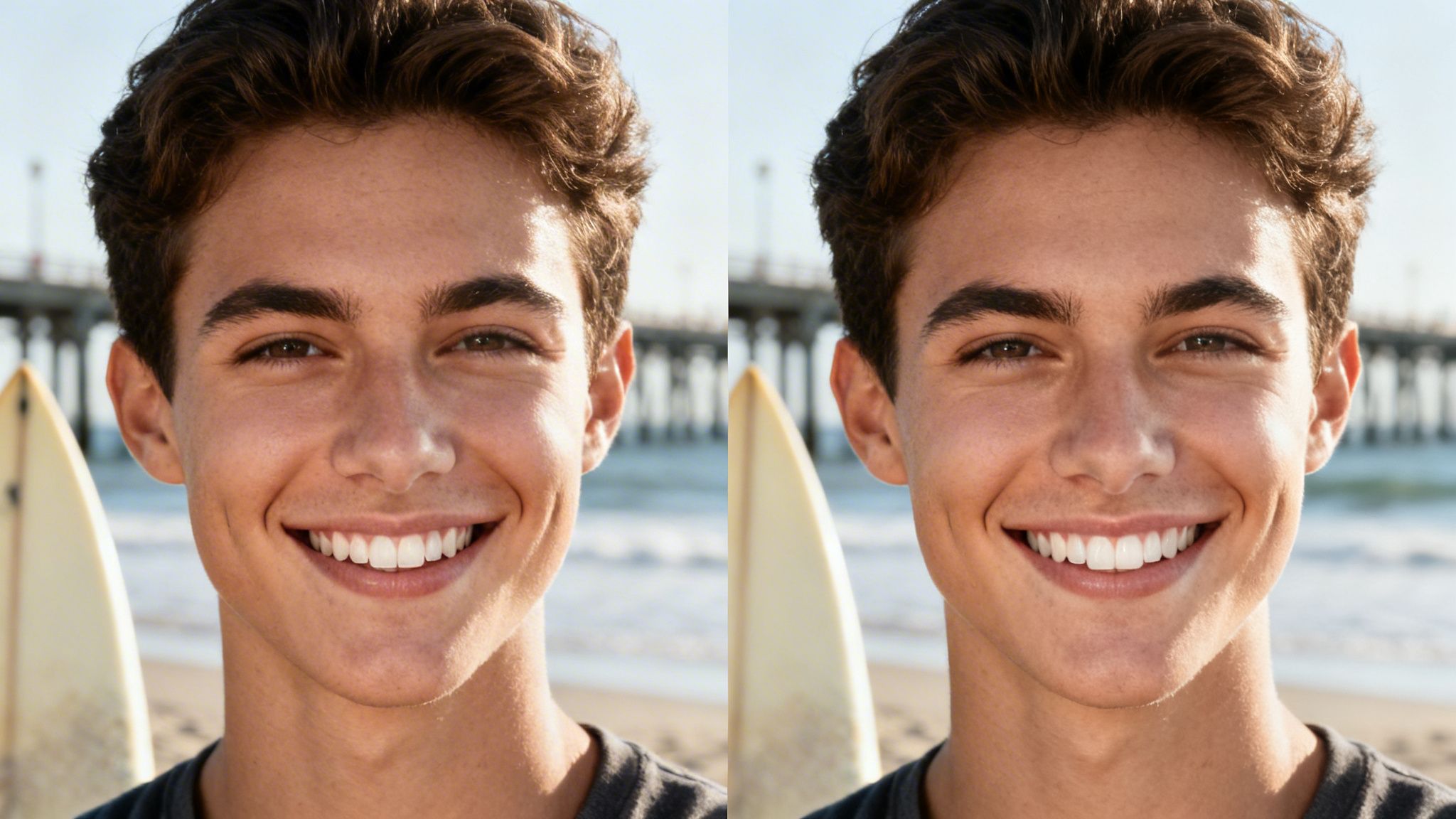
That's actually what most Invisalign before-and-after photos are documenting, underneath the clinical comparison shots. One patient review we've received here at the practice put it as plainly as I've ever heard it: "I used to not ever smile showing my teeth and now I'm cheesing all the time. Best in the business." — 5★ Google Review. That's the real result.
But before you scroll through a gallery and wonder whether your situation could look like that, it's worth understanding what those photos actually show — what kinds of cases Invisalign handles well, what the middle of treatment looks like, and why the work doesn't end when the last aligner comes out.
The Most Common Starting Points You'll See in Before-and-After Photos
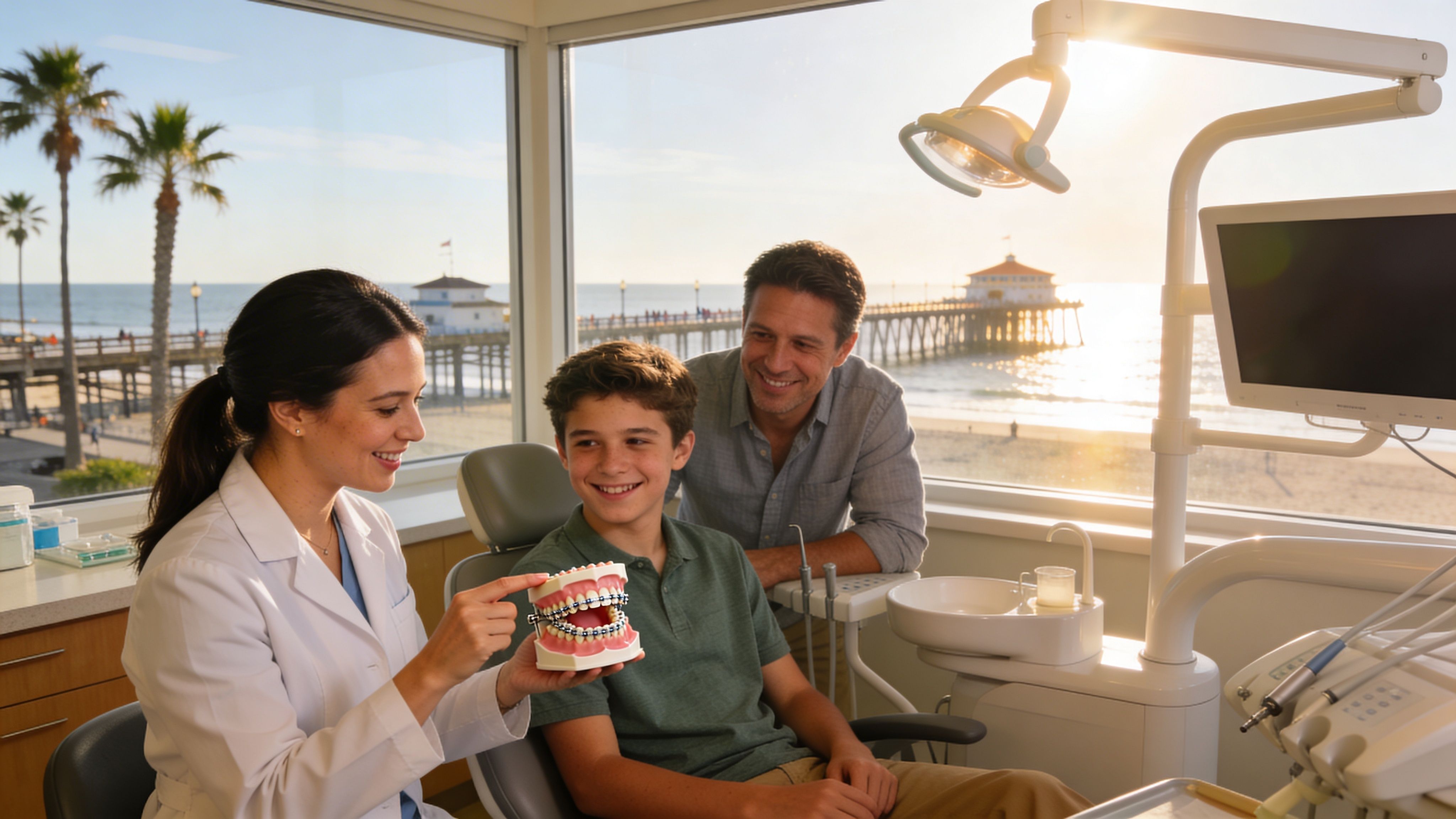
Not every Invisalign before-and-after set looks the same, and that's intentional. The cases Dr. Jeremy and Dr. Melissa work through here in Huntington Beach span a real range of starting points — and knowing which category your situation falls into helps you read those comparison photos with more realistic eyes.
Here are the most common issues we see documented in before-and-after sets:
- Crowding — teeth overlapping or rotated due to insufficient arch space. This is probably the most common starting point. You'll often see the lower front teeth in particular stacked on each other. After treatment, they sit in a clean, even row.
- Spacing — gaps between teeth, either a single noticeable gap or small spaces scattered across the arch. Invisalign closes these gradually, and the before-and-after contrast is usually dramatic even in moderate cases.
- Mild-to-moderate overbite — where the upper front teeth sit too far in front of the lower ones horizontally. This is sometimes called an overjet, and Invisalign can address overjet more effectively than many patients expect.
- Deep bite — where the upper teeth vertically overlap the lower teeth too much. These cases take precision, and the deep bite before-and-after change can be one of the most striking.
- Underbite — where the lower teeth sit in front of the upper teeth. Mild underbites can be treated with aligners alone; more significant ones may need additional support.
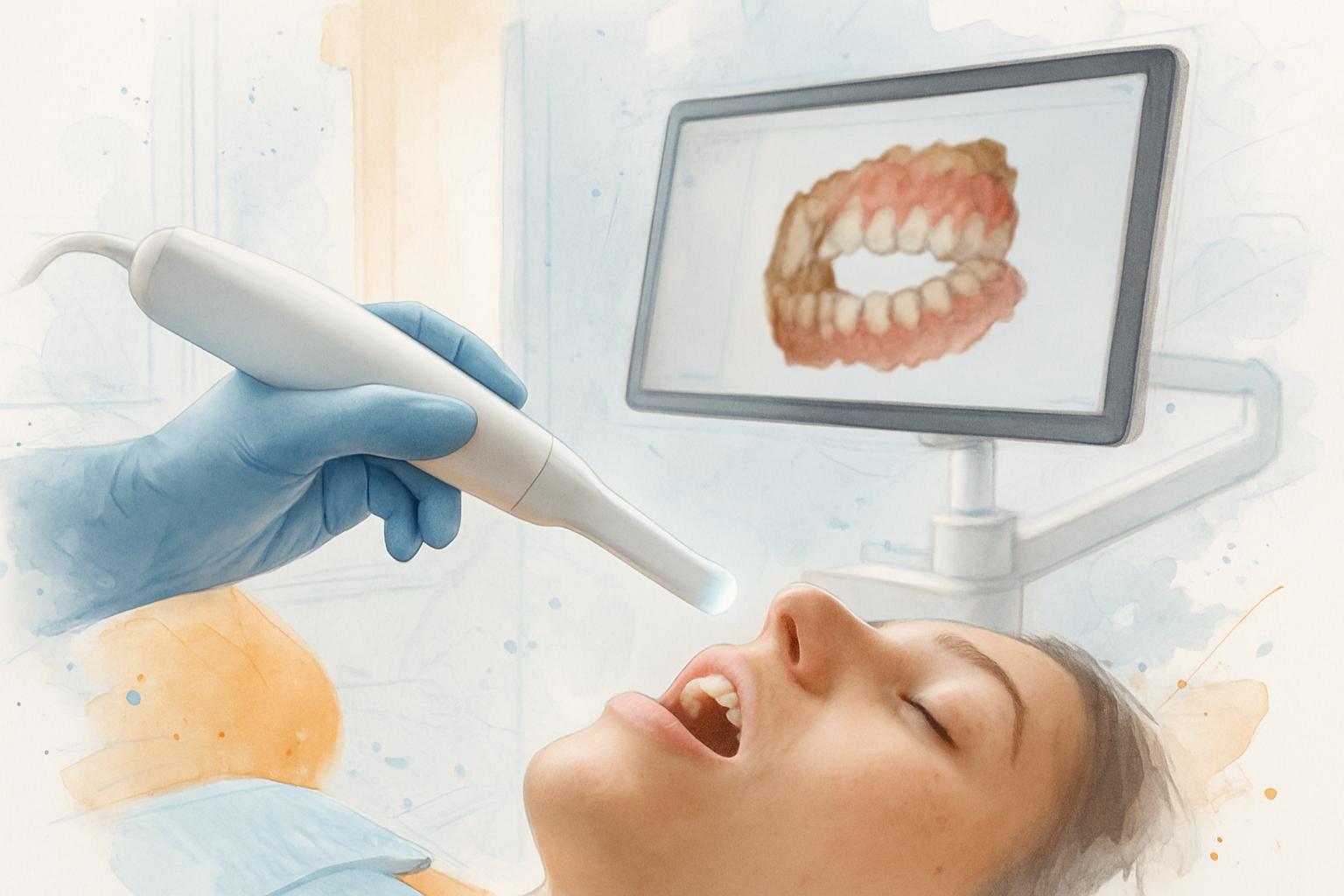
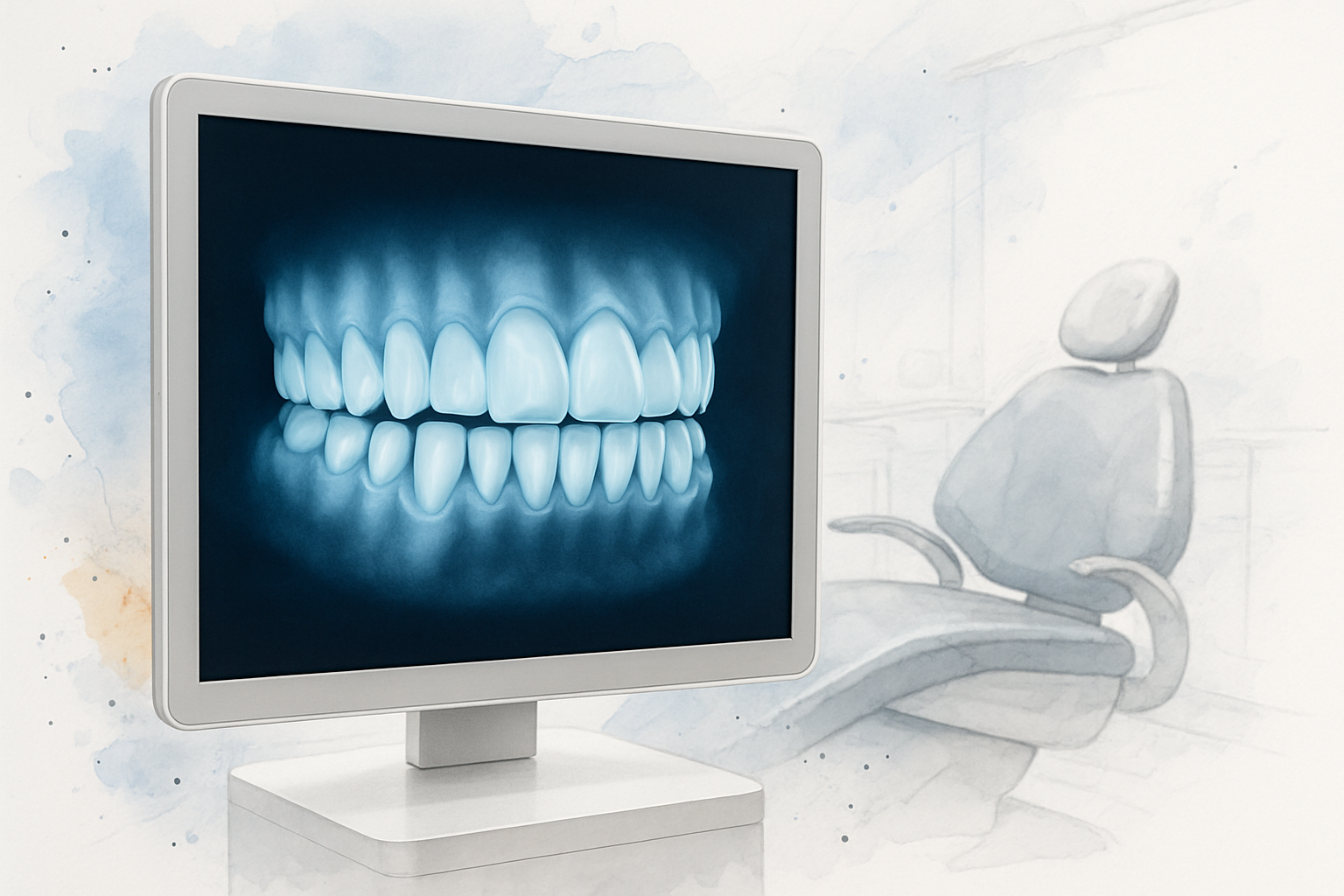
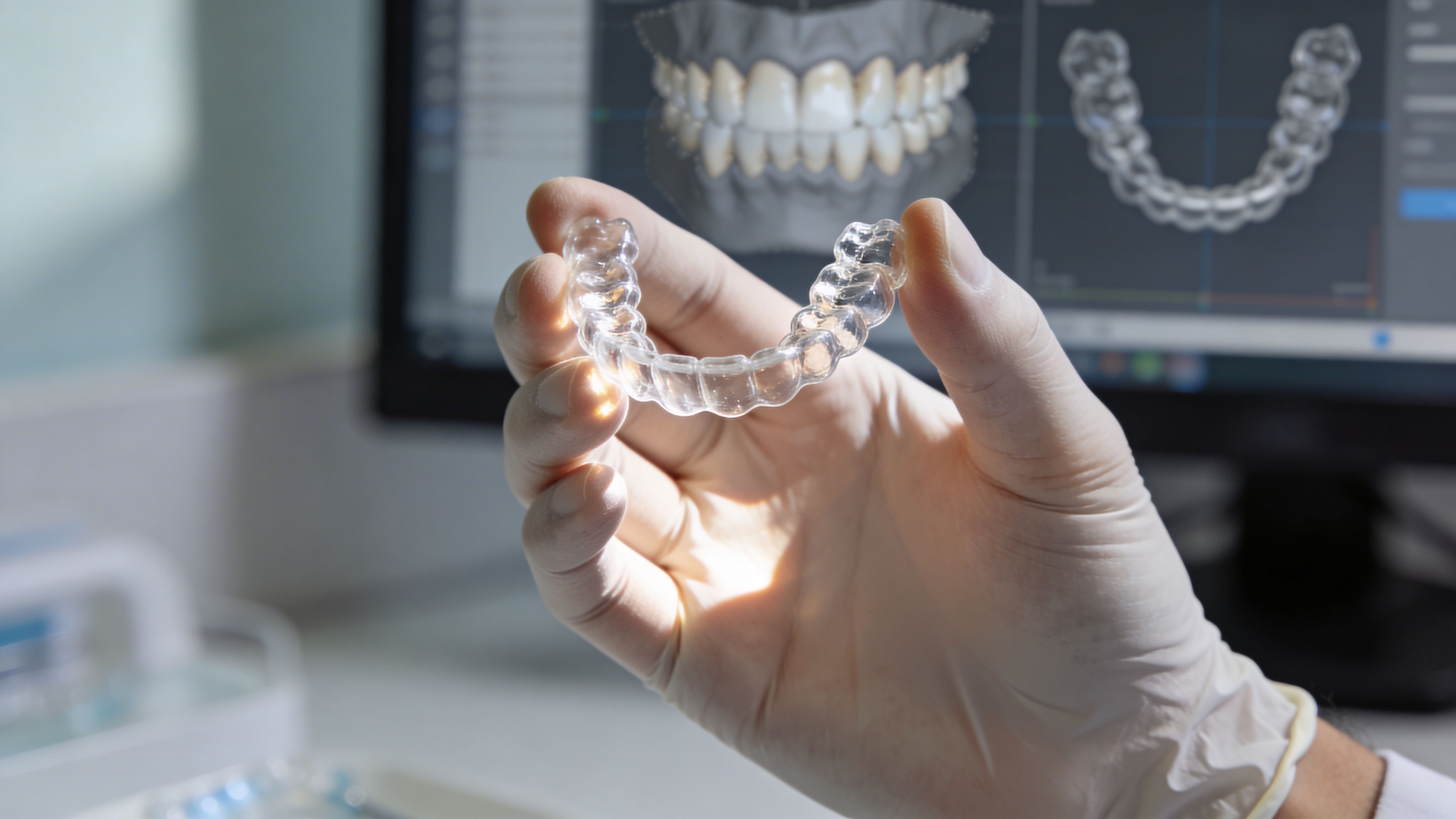
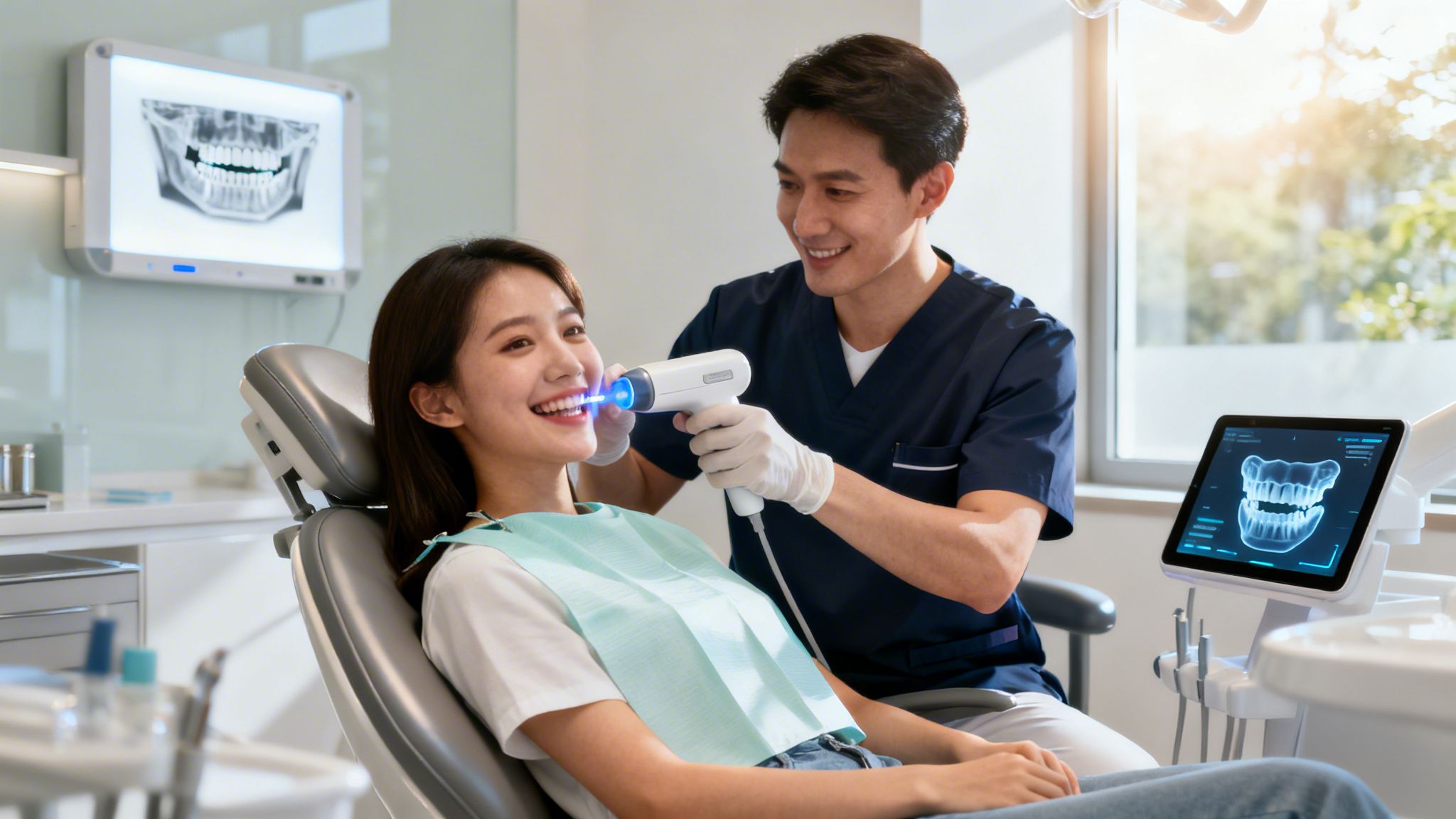
The point is that no two starting points are identical. When Dr. Jeremy or Dr. Melissa walks through a 3D scan with a patient, they're not fitting a generic plan to a generic mouth — they're mapping out what movement is needed for that specific case.
What Mid-Treatment Photos Actually Show — And Why Attachments Are There
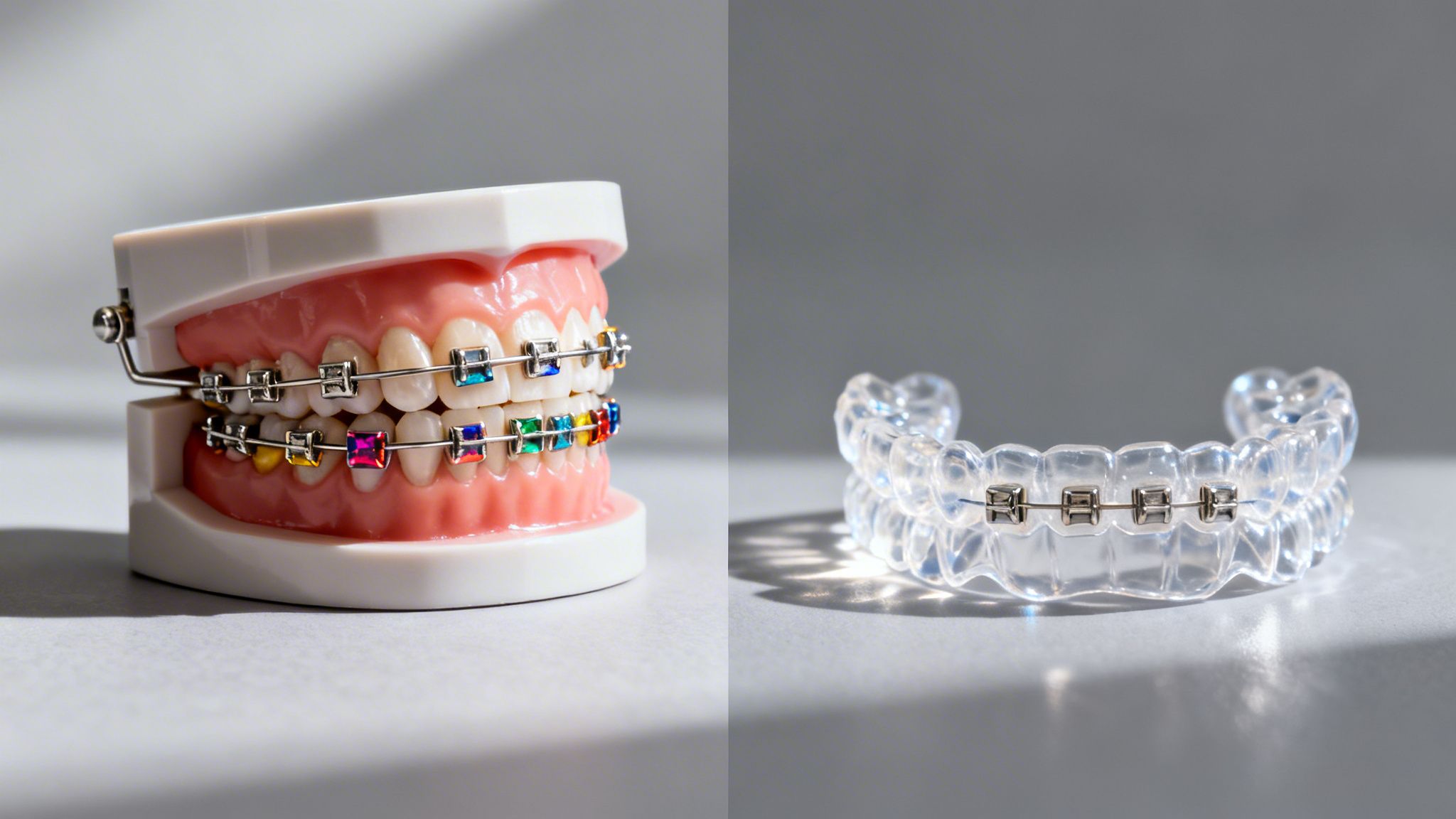
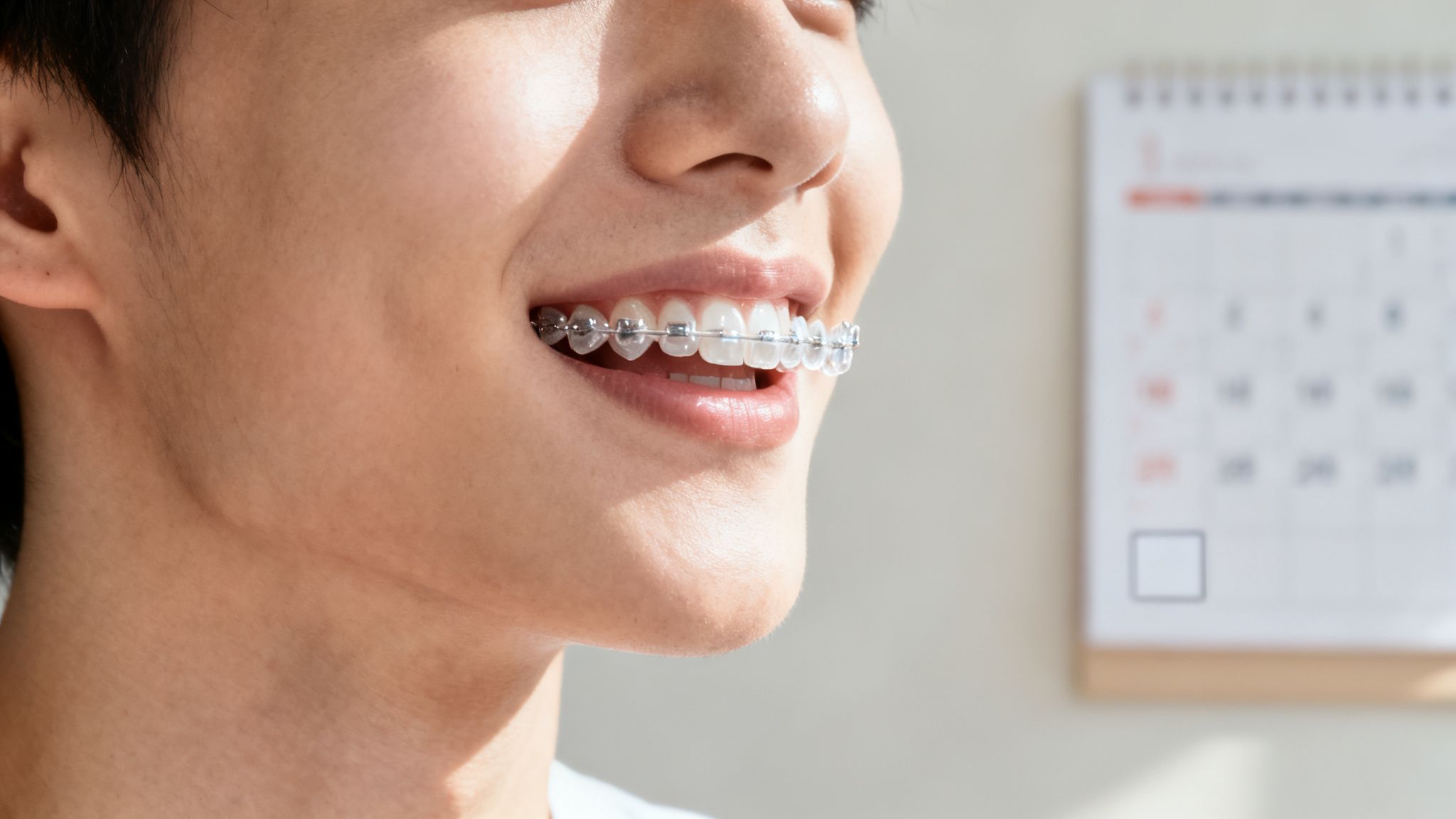
If you've ever looked at a mid-treatment Invisalign photo and thought the little tooth-colored bumps looked strange, you're not alone. Those are attachments, and they show up regularly in progress shots. Understanding what they do makes the whole treatment process easier to follow.
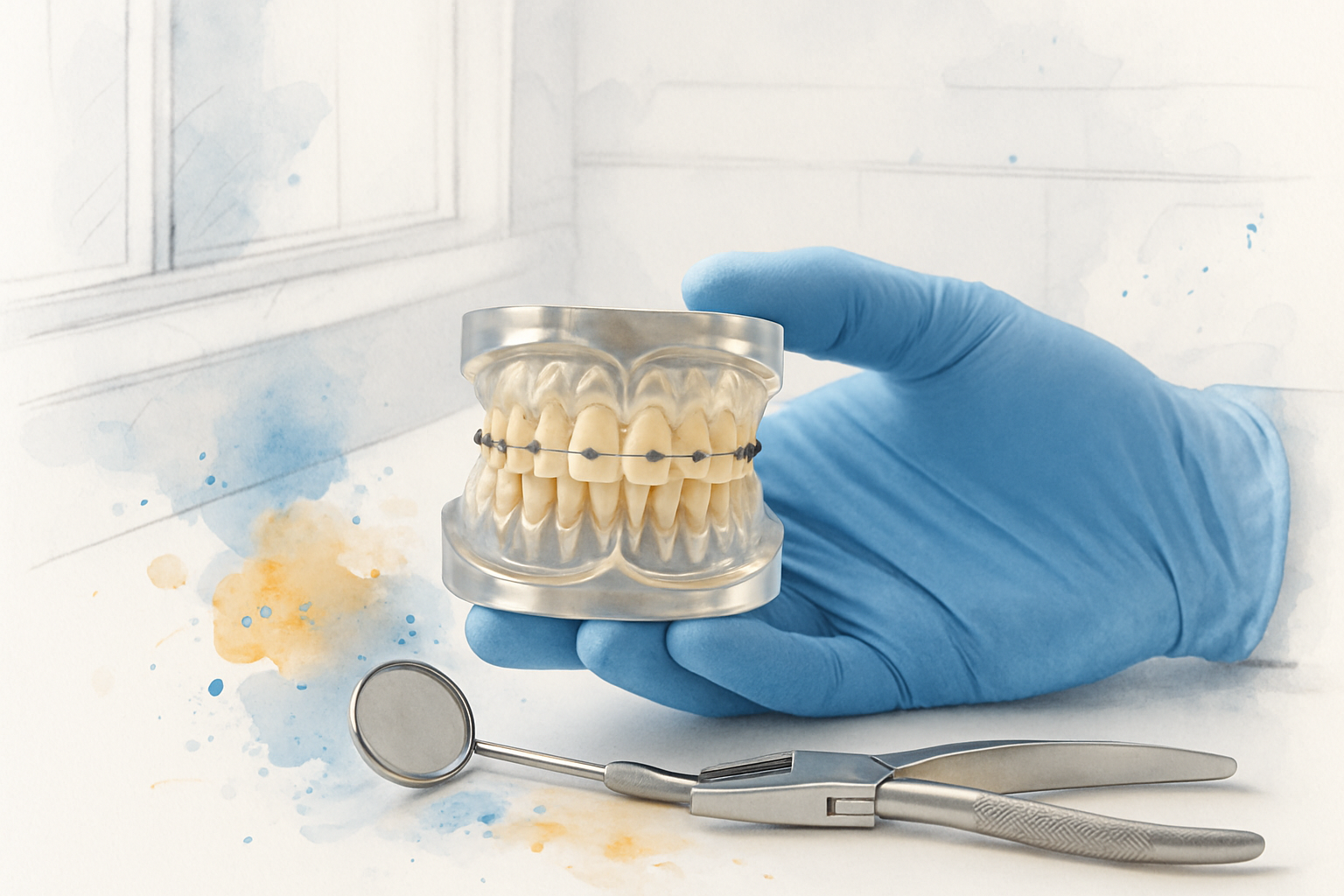
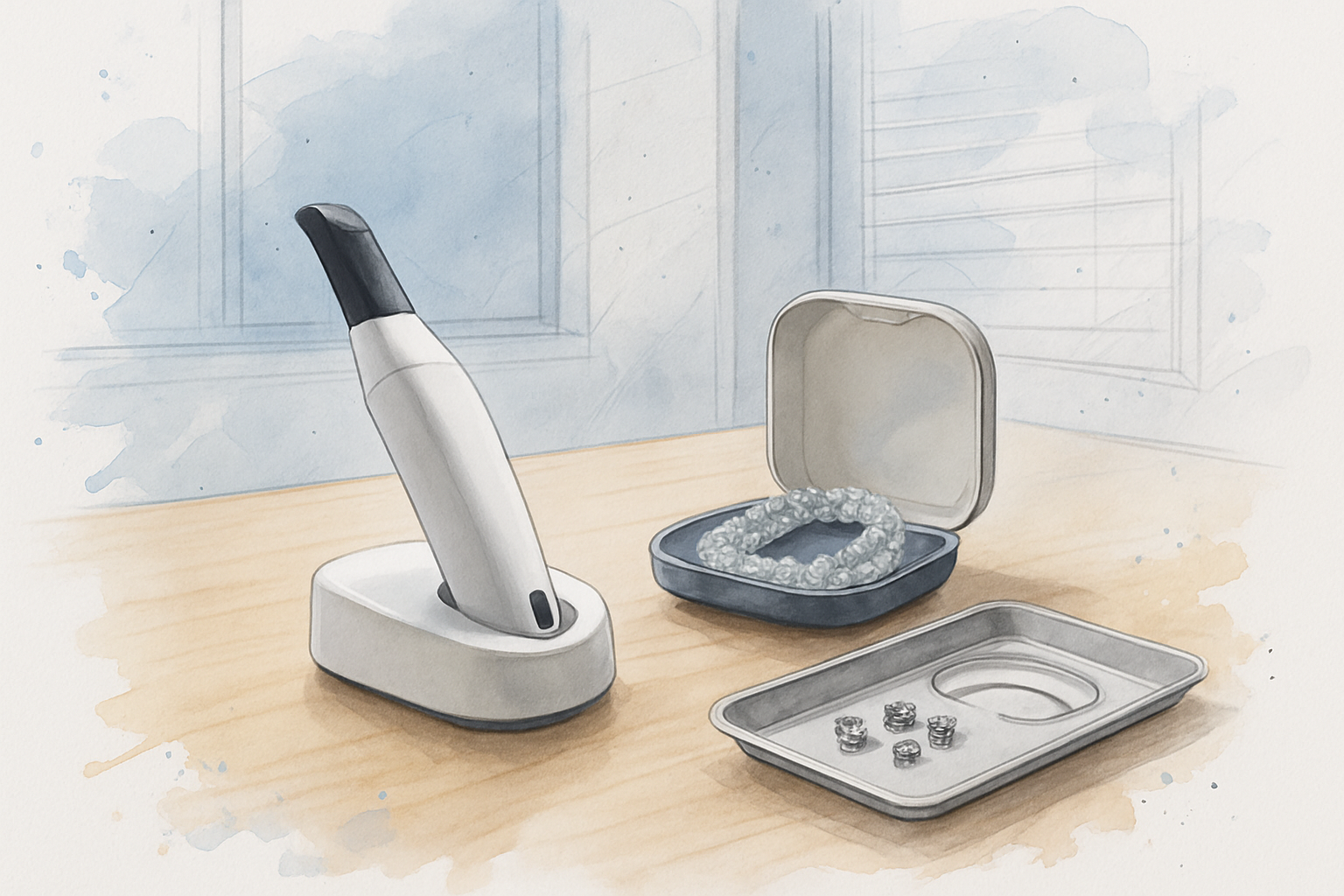
Attachments are small ridges of tooth-colored composite material bonded directly onto certain teeth. They give the aligner something to grip against when it needs to rotate a tooth, tip it, or move it in a direction that a smooth surface alone can't achieve. Think of them like the handholds on a climbing wall — without them, the aligner would just slide over the tooth instead of moving it.
A few things worth knowing about attachments:
- They're temporary — they come off cleanly at the end of treatment, leaving the tooth surface unchanged
- They match the tooth color closely and aren't visible from conversational distance
- Not every case requires them, but complex movements almost always do
- Their placement is planned by Dr. Jeremy or Dr. Melissa as part of the treatment design, not added randomly
When you see them in a mid-treatment photo, that's not a sign something went wrong. It's a sign the case is being treated with the precision it needs. The final photos — taken after the attachments are removed — show the clean result without any of that hardware visible.
For anyone curious about what the full process looks like from scan to finish, the Invisalign treatment timeline is a good place to start.
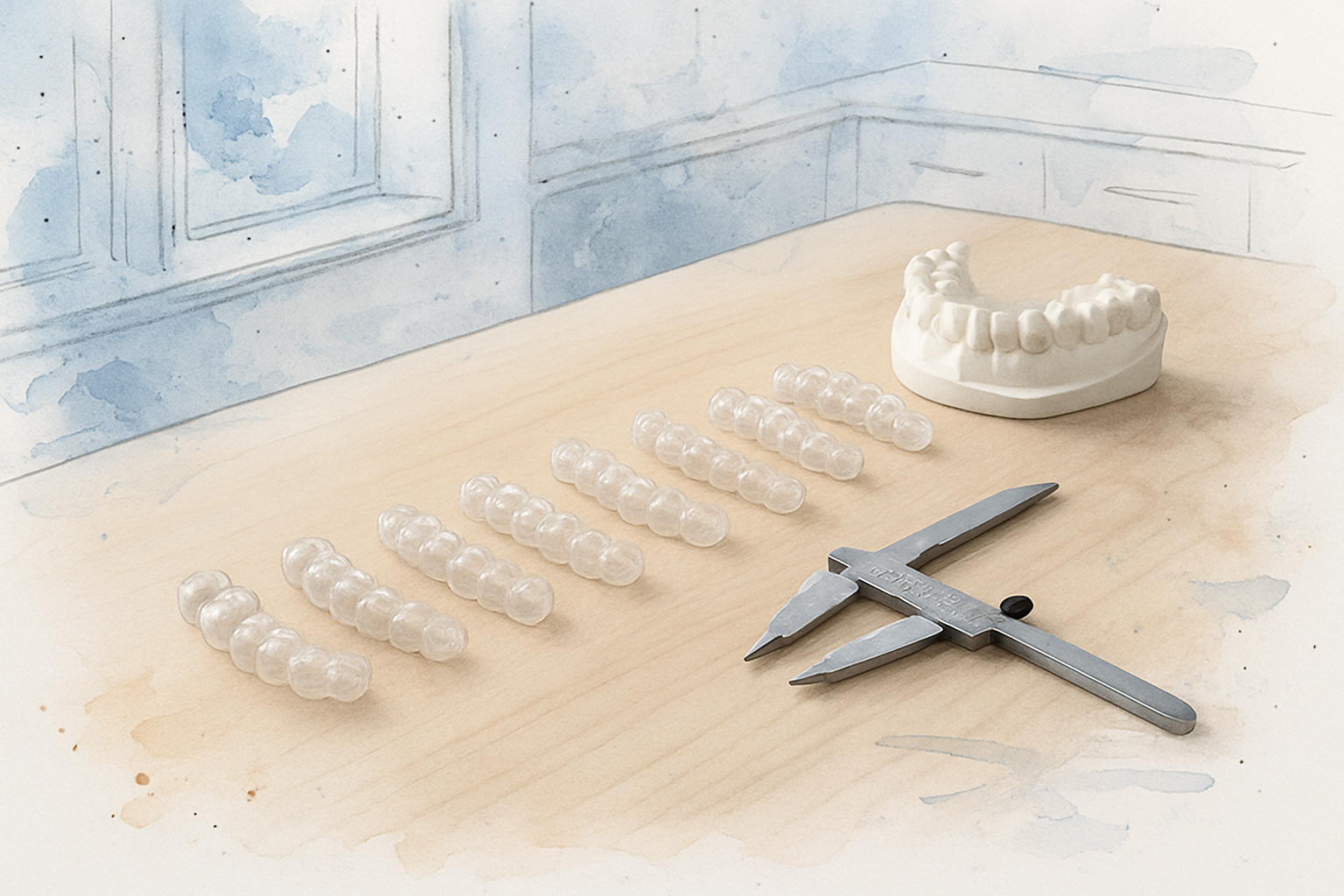
Typical Invisalign Timeline: What Changes and When
This gives you a realistic picture of what's actually happening at each stage of treatment — from the first scan to life after the last aligner.

Honest Timeline Expectations: Months, Not Weeks
I want to be straightforward about something I see misrepresented in a lot of Invisalign content online: meaningful tooth movement takes real time. The before-and-after photos that show striking results didn't happen over a few weeks — they represent months of consistent wear.
For most adult cases here in the Huntington Beach and Fountain Valley area, treatment runs somewhere around 12 to 18 months. Teen cases vary depending on the complexity and how consistently aligners are worn. Simpler cases with minor crowding or spacing can sometimes wrap up closer to the 6-to-9-month range, but those are the exceptions.
Refinements also deserve a mention here. If you see a stage in treatment called "refinements," it doesn't mean something went wrong. It means the orthodontist ordered a small set of additional aligners to finish the case precisely — to close a stubborn gap, perfect a rotation, or make sure the bite lands exactly where it should. Dr. Jeremy and Dr. Melissa build refinements into case planning as a normal part of finishing well, not as a sign of a problem.
The cases that finish fastest are almost always the ones where the patient wore their aligners 22 hours a day consistently. Taking them out for meals and hygiene is fine. Taking them out for hours at a time regularly adds weeks to the treatment timeline — and that shows in the final result.
Invisalign Case Types: What to Expect in Before-and-After Results
These are general patterns based on common case types. Individual results vary — your actual timeline and outcome depend on the specifics Dr. Jeremy and Dr. Melissa find at your consultation.
| Case Type | Typical Complexity | General Treatment Range |
|---|---|---|
| Minor crowding or spacing | Low to moderate | 6–12 months |
| Moderate crowding, multiple teeth | Moderate | 12–18 months |
| Overbite or overjet correction | Moderate to high | 12–20 months |
| Deep bite | Moderate to high | 14–20 months |
| Mild underbite (aligner-only cases) | Moderate to high | 12–18 months |
Why the After Photo Is Only Part of the Story
The most important thing about a before-and-after photo is what it doesn't show: what happens next.
Once the last aligner is finished and attachments are removed, teeth are in their new positions — but they are not locked there. The ligaments holding your teeth in place have memory. Without consistent retainer wear, they will gradually pull teeth back toward where they used to be. This is one of the most common reasons adults end up researching Invisalign for a second time — they had successful treatment years earlier, stopped wearing their retainer, and watched their teeth shift back.
This isn't a failure of the treatment. It's biology. And it's entirely preventable.
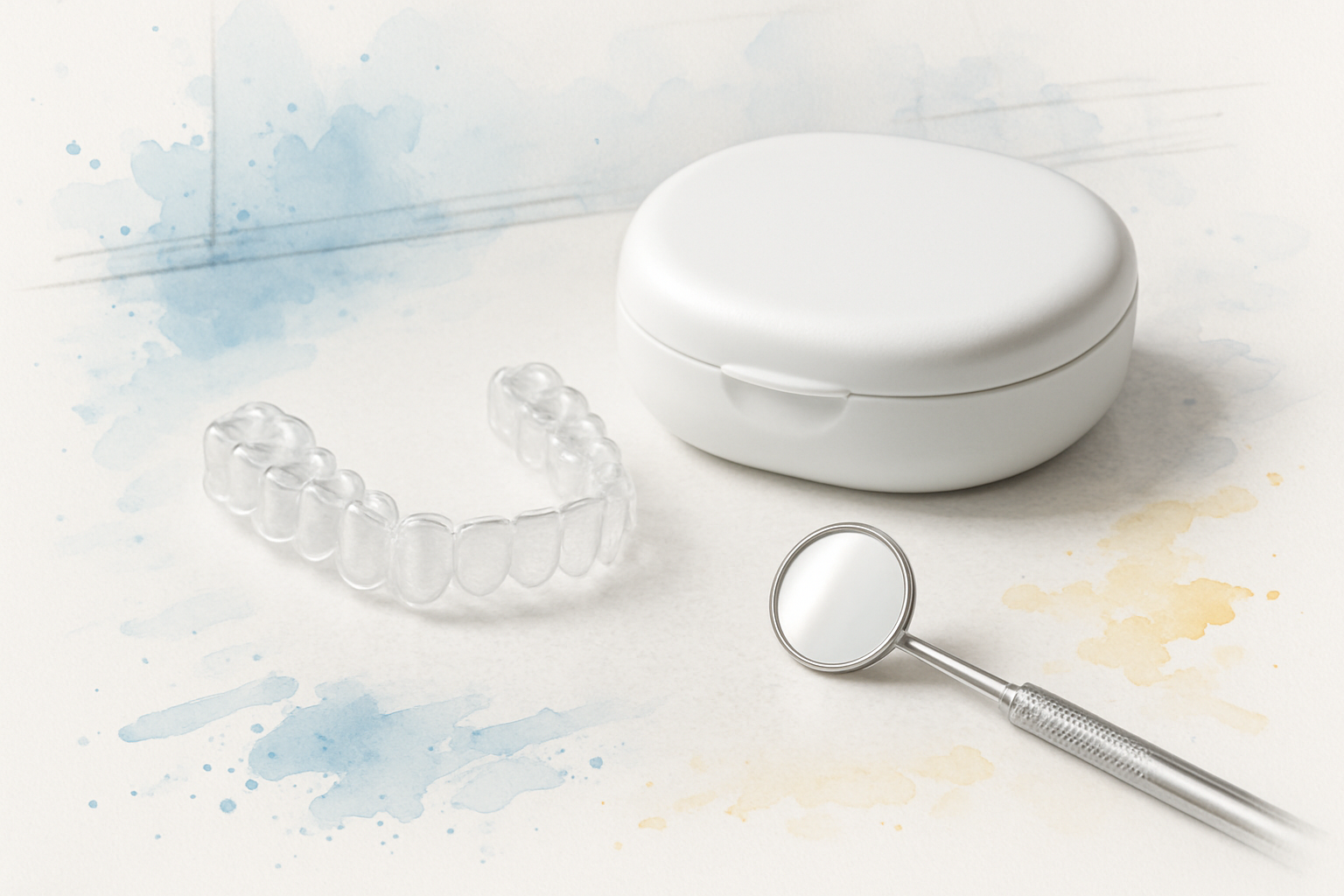
After completing treatment with Dr. Jeremy and Dr. Melissa, patients receive retainers and clear instructions on wear schedules. For most adults, nightly retainer wear becomes a permanent habit — not a burden, but a five-second routine that protects years of investment. If you want to understand what happens specifically when retainer wear gets skipped, this breakdown of what happens if you don't wear your retainer is worth reading before you start treatment.
The before-and-after photo shows the result. The retainer is what keeps it.
Frequently Asked Questions About Invisalign Results
Can Invisalign work if I have crowns or a complicated dental history?
This comes up more than you might think — we've heard from multiple people who were turned away by other offices because of crowns on their front teeth or prior dental work. In many of those cases, Invisalign is still a viable option. The answer depends on your specific situation, which is exactly why a consultation exists. Dr. Jeremy and Dr. Melissa review each case individually — they don't apply a blanket rule.
How long until I actually see a visible difference?
Most patients notice early movement within the first 2 to 3 months, particularly with crowding cases where teeth visibly shift into better alignment. But "done" is a different milestone than "noticeably better" — and the real comparison shot takes the full treatment course.
Are the before-and-after results permanent?
The alignment achieved through treatment is real and lasting — as long as you wear your retainer. Without consistent retainer wear, teeth shift back over time. This is the single most common reason people end up needing retreatment years later. Retainers after Invisalign are not optional.
Am I too old for Invisalign to actually work?
No. We see adults starting Invisalign at every age — including patients well into their 50s and 60s. One of our patients recently reviewed her experience starting treatment at 76 years old and described her results as "awesome." Teeth move at any age; treatment just requires the same commitment to consistent wear regardless of when you start. If you want more on this, adult orthodontics is worth a look.
What does Invisalign cost in the Huntington Beach area?
Costs vary based on case complexity, treatment length, and whether refinements are needed. Rather than citing a number that may not reflect your case, the most useful step is a consultation — Dr. Jeremy and Dr. Melissa can give you a specific figure once they've seen your scan. You can also reach the practice directly at 714-594-5777 to ask about current pricing and financing options before booking.
What if my teeth shift during treatment and the aligners don't fit right?
That's exactly why check-ins with Dr. Jeremy and Dr. Melissa happen every 6 to 8 weeks rather than just at the start and end. If something isn't tracking as planned, they catch it early and adjust. This is a core difference between supervised orthodontic treatment and mail-order aligner kits — there's a doctor watching the case the entire time.
What the Track Record Here Actually Looks Like
I want to close the clinical side of this with something more grounded. The before-and-after results that matter most to me aren't the dramatic crowding cases or the wide-gap closures — they're the patients who come back to tell us something changed in how they move through the world.
Patients who say they used to dread photos. Adults who avoided smiling at work. Teens who walked into the office anxious and leave looking forward to their next appointment. One reviewer described feeling "completely at ease from start to finish" and leaving "confident" about their smile. Another drove significantly out of their way just to stay with Dr. Jeremy and Dr. Melissa because the personalized care was worth it.
The practice holds a 4.99 rating across 180+ reviews, and Dr. Jeremy and Dr. Melissa personally oversee every Invisalign case from the initial scan through the retainer stage. No handoffs to assistants partway through. The office itself — the one with the bookshelf entrance that patients keep telling friends about — sits on Beach Boulevard and serves families from across Huntington Beach, Fountain Valley, Oak View, Goldenwest, and beyond.
You can browse patient success stories to get a sense of what real results look like, or explore what adults in Huntington Beach wish they'd known before starting Invisalign if you're still weighing the decision.
Ready to See What Your Starting Point Could Become?
If you've been looking at before-and-after photos and wondering whether your situation is a candidate for Invisalign, the clearest answer comes from a scan — not a gallery. Dr. Jeremy and Dr. Melissa offer personalized consultations at the practice on Beach Boulevard, serving patients from Huntington Beach, Fountain Valley, and the surrounding neighborhoods. You can schedule by calling 714-594-5777 or visiting magicfoxsmiles.com to request an appointment online.