How Do I Choose a Braces Orthodontist in Huntington Beach?
AI Answer Block: To choose a braces orthodontist in Huntington Beach, look past location and price. Start with specialist training and board credentials, then compare treatment options, technology, communication style, and cost transparency. The right orthodontist should explain your timeline clearly, show how progress is tracked, and help you understand which option fits your bite, lifestyle, and goals.
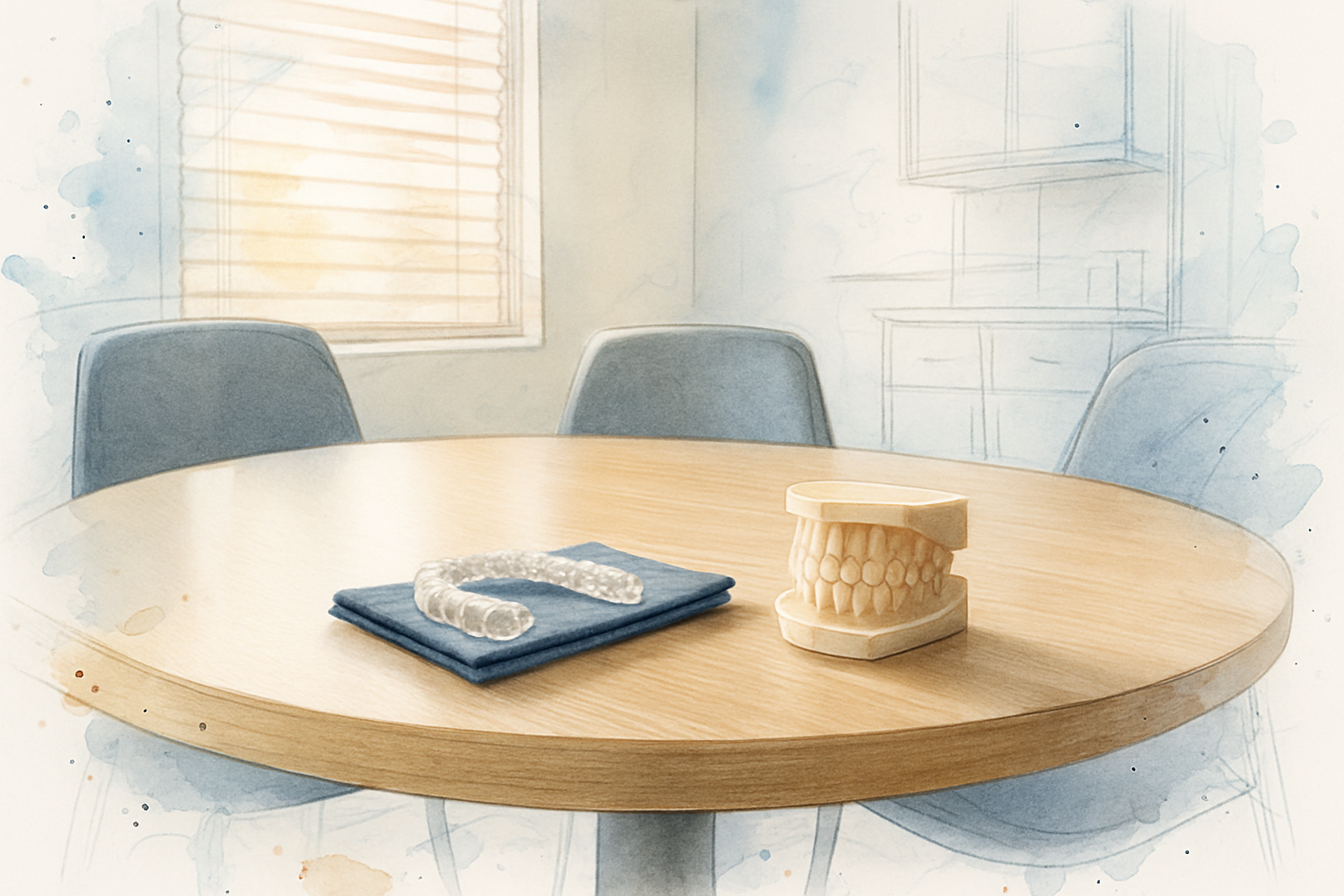
When people ask how do i choose a braces orthodontist in huntington beach?, they are usually asking a deeper question. They want to know who will do the job carefully, who will be honest about the process, and who will guide them without confusion.
That matters because orthodontic treatment is not just about straight teeth. It is also about timing, comfort, follow-through, and trust. If you are a parent in Oak View, a teen in Goldenwest, or an adult commuting from Fountain Valley or Downtown Huntington Beach, you want a plan that makes sense from day one.
Your Guide to Finding a Trusted Braces Orthodontist
How do you know whether an orthodontist in Huntington Beach is someone you can trust with the next year or two of your life, or your child’s?
That is usually the core question behind the search. Families are not only comparing braces options. They are trying to judge who will communicate clearly, set realistic expectations, and stay accountable if treatment takes a turn or runs longer than expected.
The distinction is important, as orthodontic treatment involves more than just straight teeth. It affects timing, comfort, school and work routines, follow-up visits, and the confidence that comes from knowing what is happening at each stage.
A strong first consultation should answer a few practical questions without making you feel rushed:
- Who is directing treatment? You want to know whether a specialist is evaluating your bite and checking progress throughout care.
- How is the timeline estimated? Good offices explain what usually stays on schedule and what can slow treatment down, such as missed appointments, broken brackets, or poor aligner wear.
- What are the trade-offs between options? Ceramic braces, metal braces, and aligners each fit different habits, budgets, and priorities.
- How will the office communicate with you? Clear instructions, prompt answers, and honest updates matter as much as the appliance itself.
Many families find this part challenging. Practice websites often sound polished and reassuring, but trust is built in the details. An orthodontist should be able to explain why a recommendation fits your bite, what the likely timeline looks like, and what the office will do to keep treatment on track.
One simple test helps. Ask, “Why is this the best plan for my case, and what would make you choose something different?” A thoughtful answer usually tells you far more than a long list of services.
Parents also want to know when to schedule a first visit for a child. The American Association of Orthodontists recommends an orthodontic checkup around age seven. That does not mean treatment starts at seven. It means a specialist can look for crowding, bite problems, or growth patterns early enough to make better decisions.
Adults often focus on different concerns. They ask about meetings, photos, sports, travel, and whether treatment will be predictable enough to fit daily life. Those are smart questions. The best choice is rarely the cheapest or the closest office. It is the practice that explains the process clearly and earns your confidence from the start.
If you want a local perspective on what matters beyond office convenience, this guide on what to look for in a Huntington Beach orthodontist is a useful starting point.
Verify Credentials and Specialized Experience

Who will be making decisions about your bite for the next year or two, and what training do they have for cases like yours?
That question matters more than office decor, social media polish, or how quickly you can get an appointment. Braces change tooth position, bite function, and long-term stability. Families in Huntington Beach usually want the same three things from that process: a doctor they trust, a timeline that feels realistic, and answers that stay clear when treatment gets complicated.
Why specialist training matters
An orthodontist is a dentist who completed additional residency training focused on tooth movement, bite correction, and jaw alignment. That added training shows up in the treatment plan. It affects how the doctor handles crowding, overbites, crossbites, impacted teeth, spacing, and mid-course adjustments when teeth do not move exactly as expected.
General dentists can provide excellent routine care. Orthodontic treatment asks for a different kind of judgment because it unfolds over time. Each adjustment affects the next one. A doctor with focused orthodontic training is usually better prepared to spot small problems early, explain the trade-offs clearly, and keep the case on track.
Board certification can also be a useful signal, but it should not be the only one. The more telling sign is whether the orthodontist can explain your diagnosis in plain language, show you what they are watching for, and tell you what could change the timeline.
Match experience to your situation
Experience should fit the patient in the chair.
A child with developing crowding needs a doctor who is comfortable watching growth and knowing when to treat and when to wait. A teen often needs a plan that accounts for sports, instruments, missed appointments, and oral hygiene habits. An adult usually wants straight answers about appearance, work meetings, travel, and whether treatment will stay predictable enough to fit real life.
Ask how often the orthodontist treats patients in your age group and with your bite pattern. Ask to see before-and-after cases that look like yours. Ask what tends to slow progress in similar cases. Those questions tell you more than a generic claim about experience.
Look for judgment, not just a menu of services
Many offices offer the same broad categories of treatment. The difference is how the doctor chooses between them.
| Option | Best fit | Main trade-off |
|---|---|---|
| Traditional metal braces | Patients who need strong, reliable control | More visible |
| Iconix esthetic brackets | Patients who want durability with a softer look | Still fixed to the teeth |
| Invisalign clear aligners | Teens and adults who want a more discreet option and flexibility | Requires consistent wear |
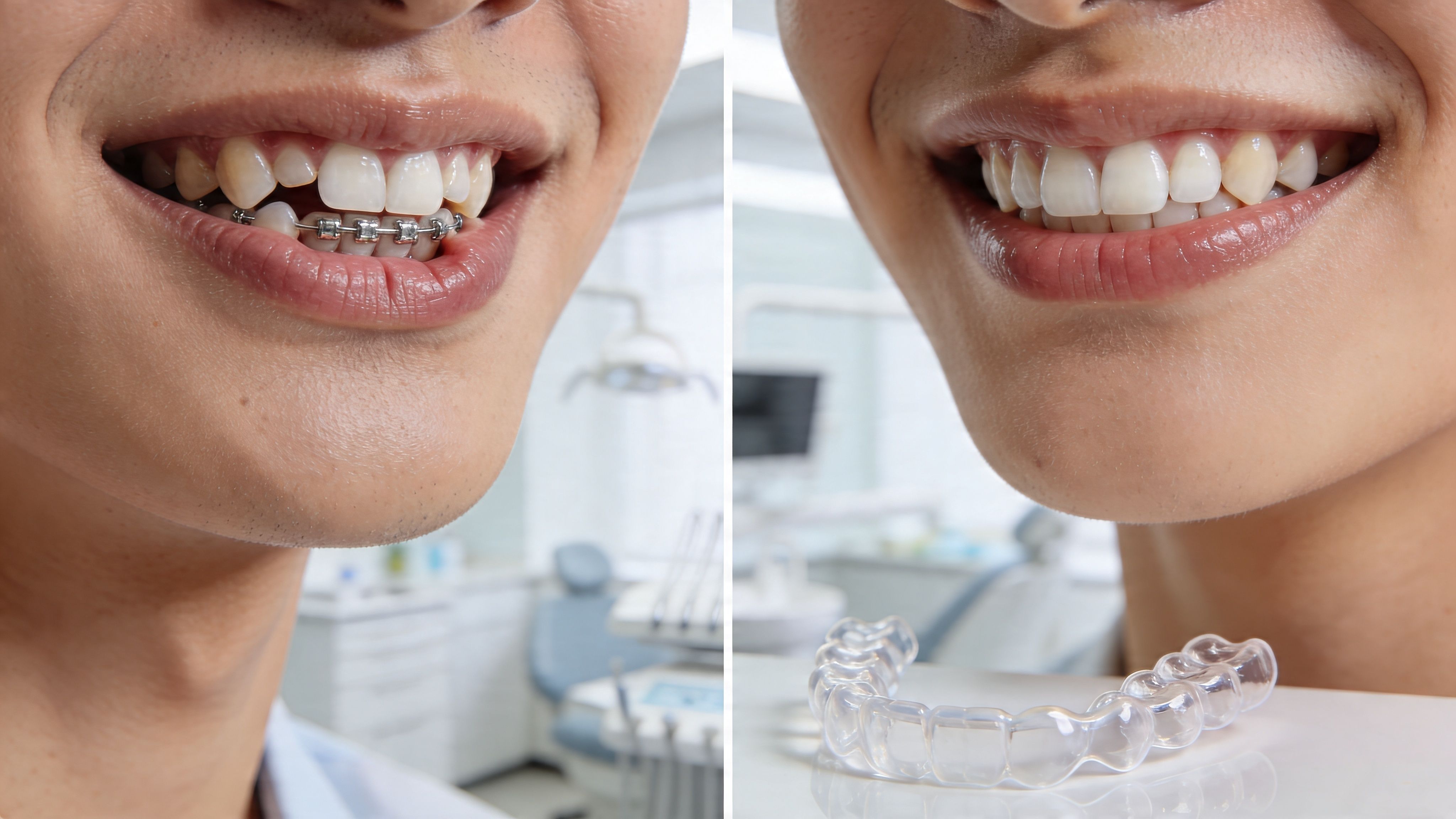
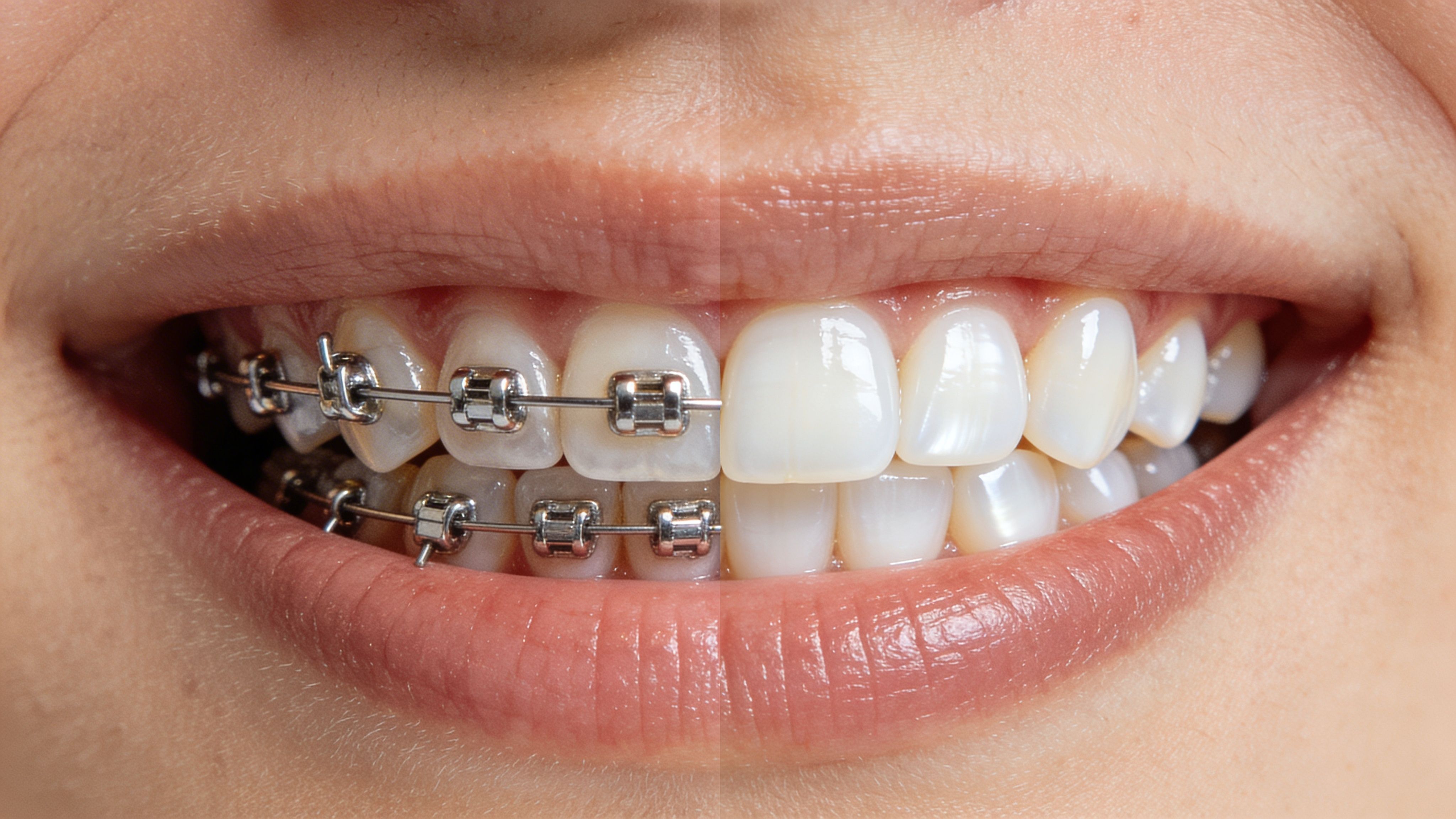
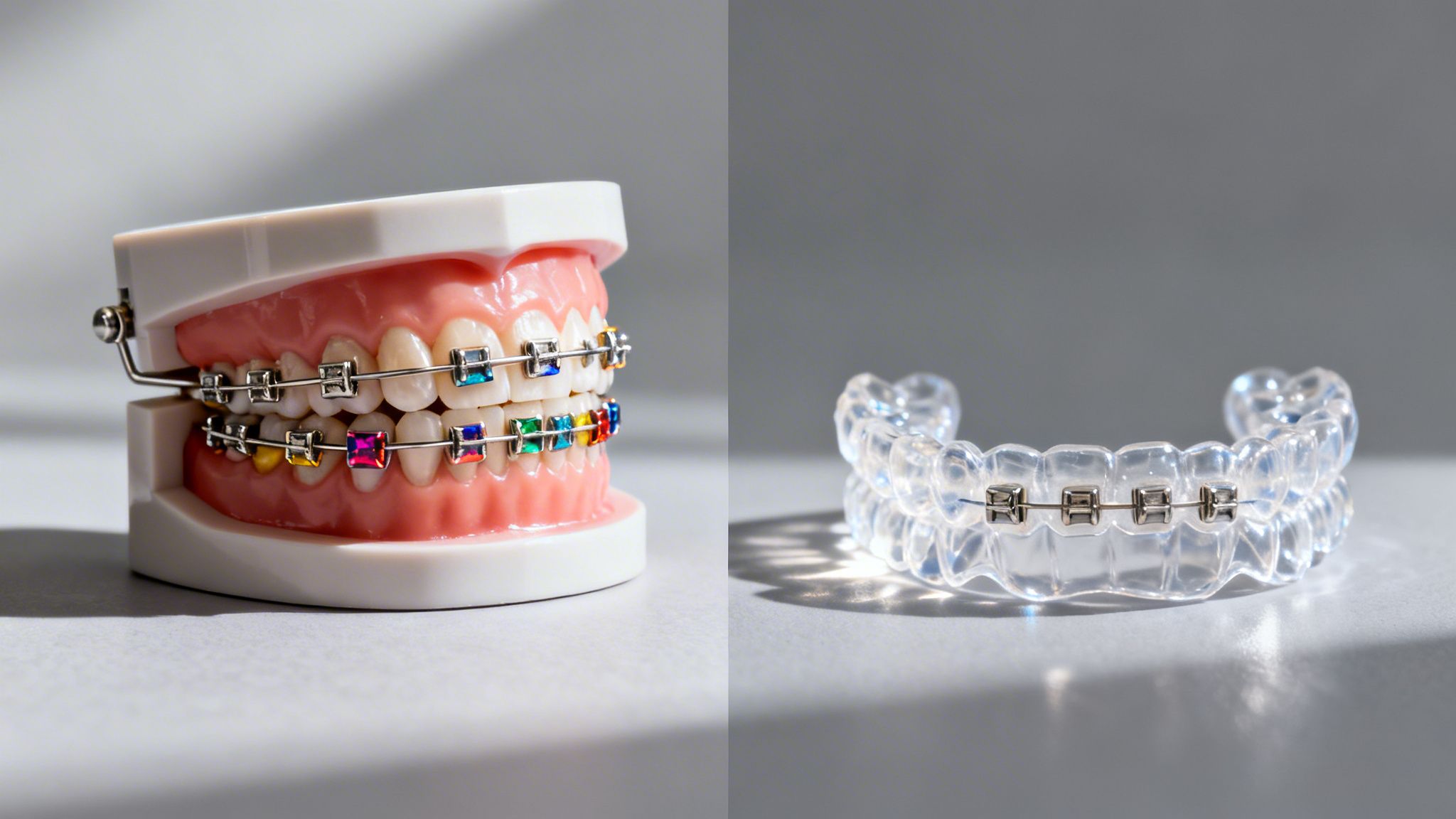
A good orthodontist should be able to say why one option gives you better control, fewer risks, or a more dependable timeline. For example, fixed braces may make more sense for a younger patient who is likely to forget aligners. Clear aligners may fit an adult who values flexibility and can wear them as directed. Esthetic brackets can work well for patients who want a less noticeable look without giving up the control of braces.
Clarity builds trust.
Bring a short list of direct questions to your consultation, and compare how each office answers them. This checklist of questions to ask an orthodontist during your consultation can help you judge whether you are hearing a thoughtful plan or a sales pitch.
Evaluate Treatment Options for Your Lifestyle
What will treatment feel like on a school morning, during work meetings, or through surf practice and weekend games? That question usually leads families to a better decision than focusing on appearance alone.

A good treatment recommendation should hold up in real life. The right choice depends on how much control the case needs, how consistent the patient is likely to be, and how important a lower-profile look feels day to day. In Huntington Beach, I often see families worry about three things at once: whether treatment will stay on schedule, whether the appliance will fit daily routines, and whether they will regret choosing the more convenient option over the more dependable one.
Traditional metal braces
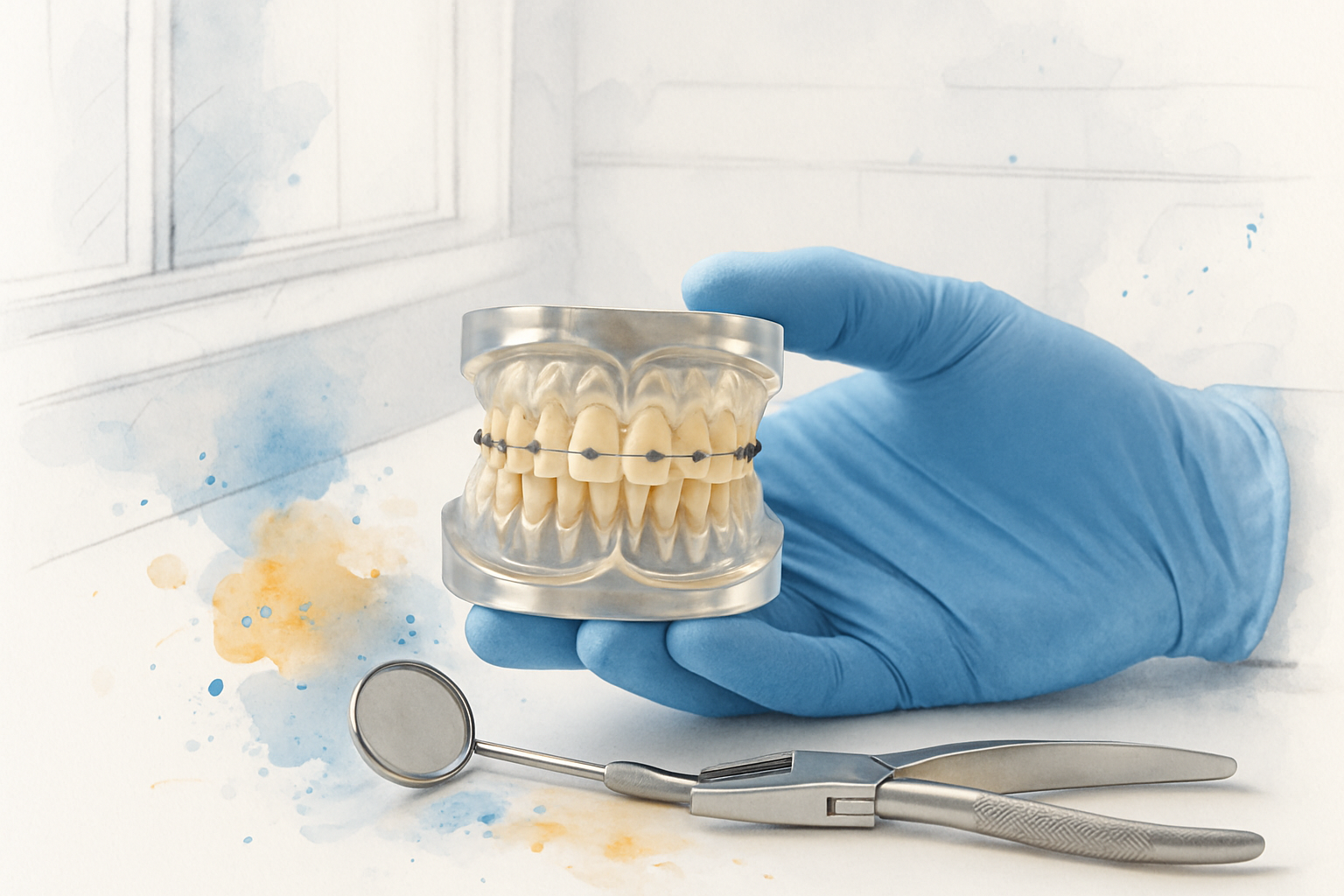
Metal braces are still one of the most predictable tools we have. They stay in place full-time, which means progress does not depend on remembering to put anything back in after meals, sports, or band practice.
That makes them a practical choice for many younger patients and for cases that need steady control. Parents usually appreciate the reliability. There is less daily decision-making, and fewer chances for treatment to stall because trays were left out or lost.
Iconix esthetic brackets
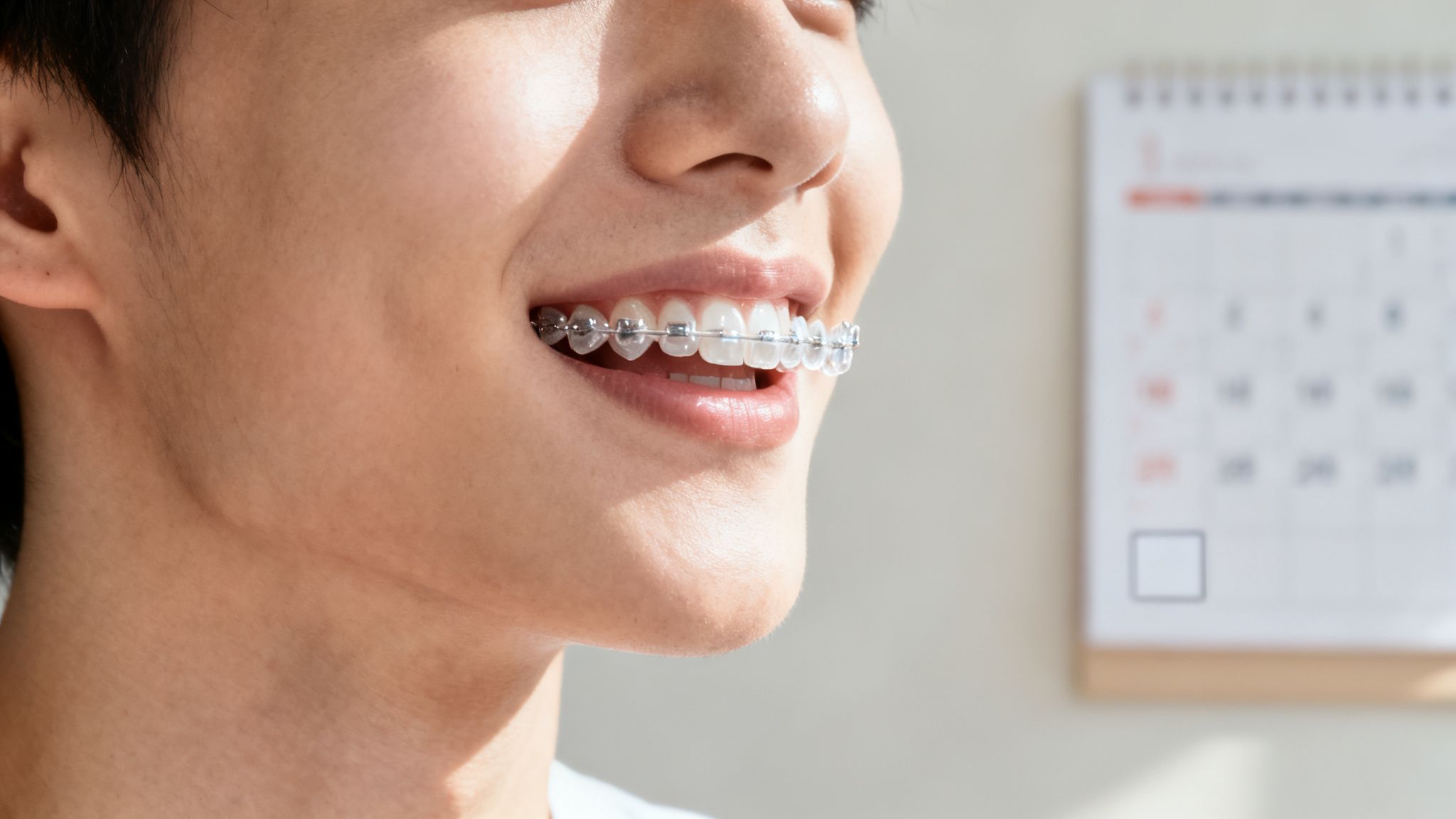
Iconix brackets offer a middle option for patients who want fixed treatment with a softer appearance. They are attached like traditional braces, but the finish blends in more naturally than standard metal.
For teens and adults in client-facing jobs, school presentations, or social settings, that trade-off can make sense. You keep the consistency of braces while reducing some of the visual impact. For practice operations, digital tracking and scheduling systems also help teams monitor fixed-appliance treatment efficiently, which is one reason many offices invest in software for dentists.
Invisalign clear aligners
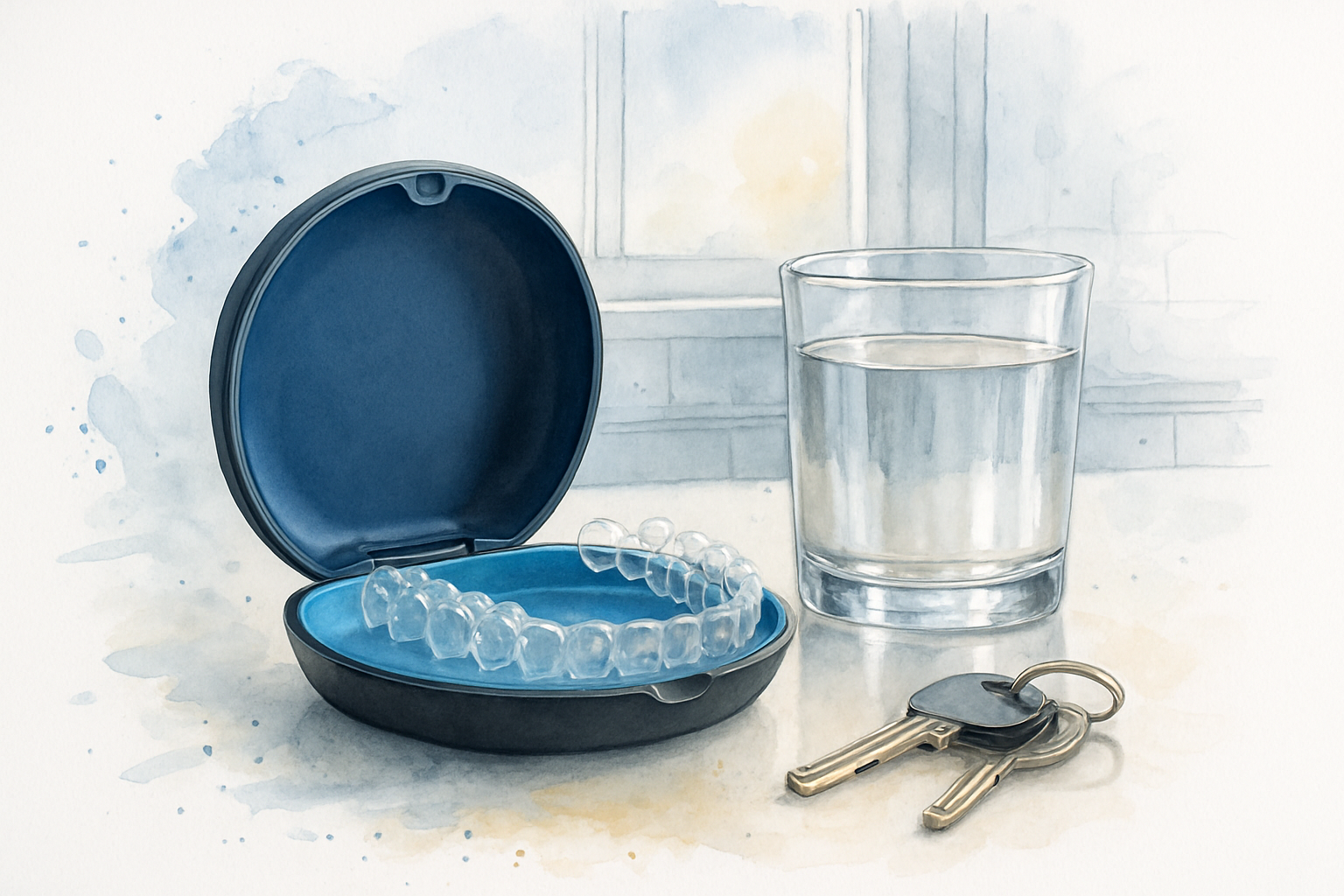
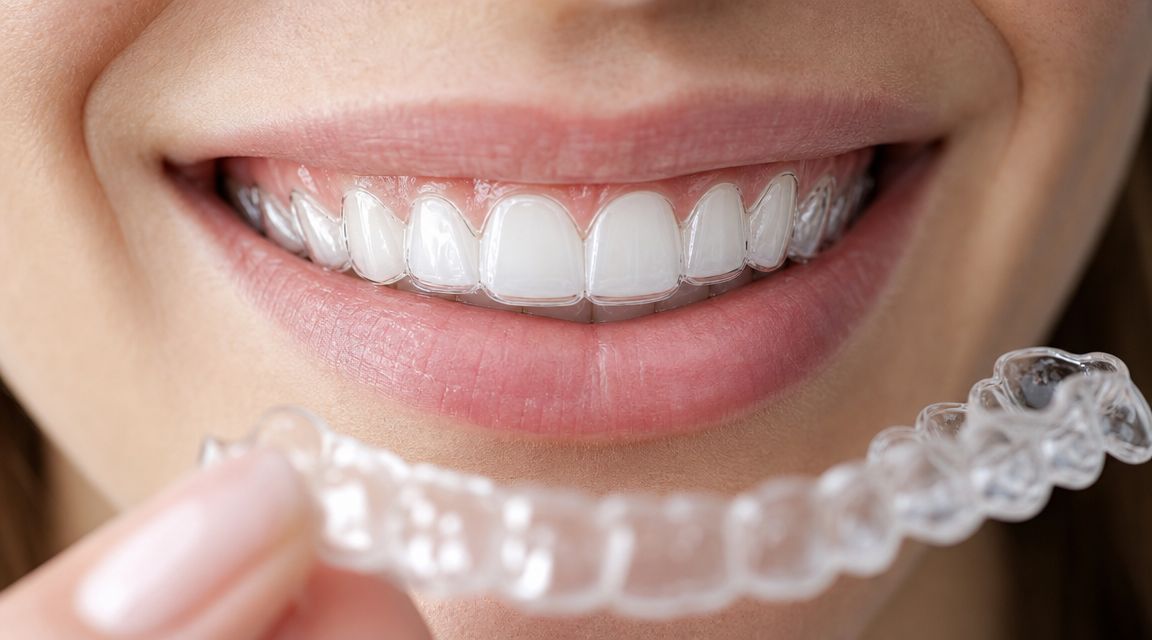
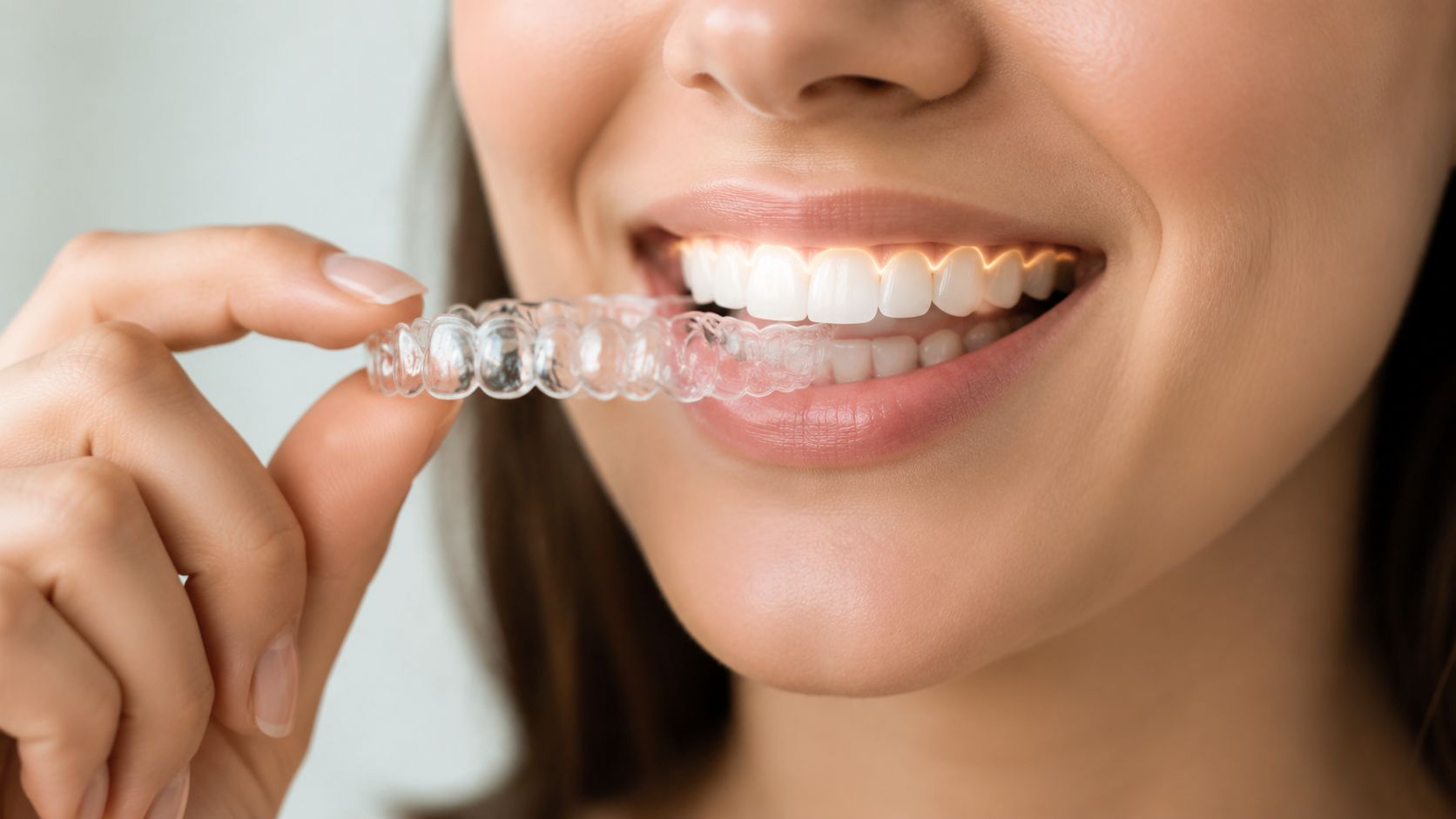
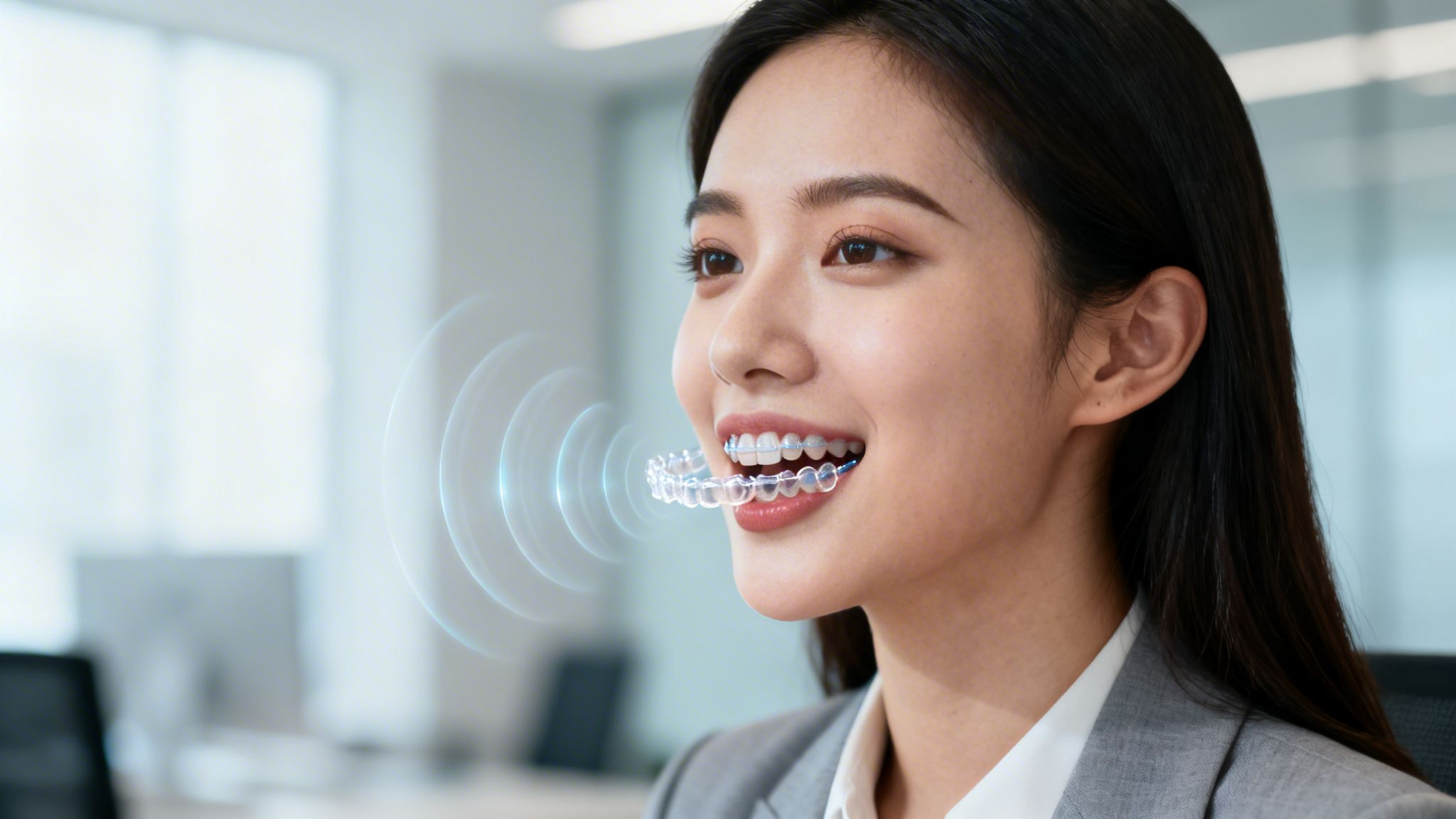
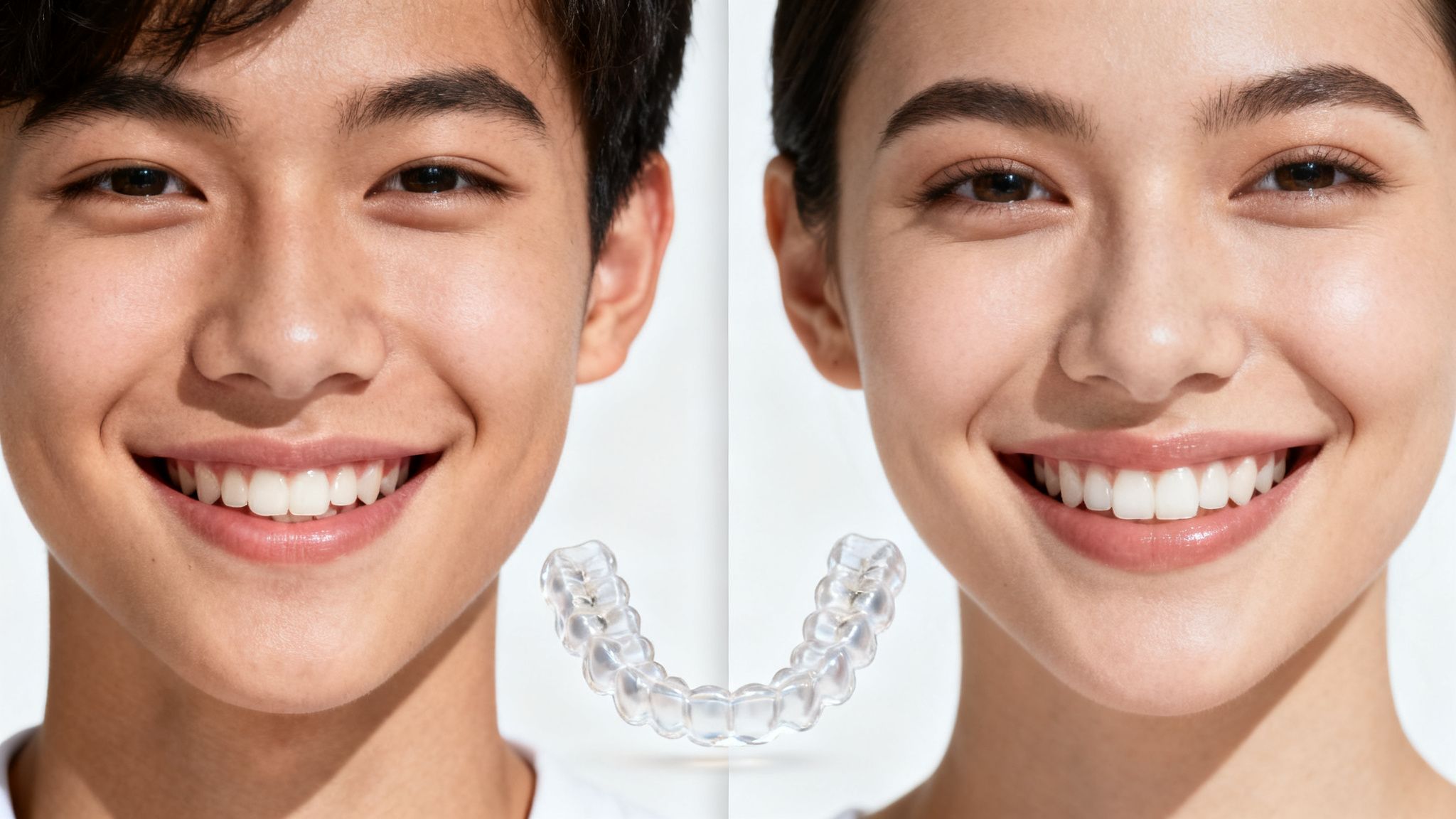
For many adults and responsible teens, Invisalign is appealing because it is more discreet and removable. That flexibility helps with meals, photos, sports mouthguards, and certain instruments.
The trade-off is simple. Aligners only work when they are worn as directed. Patients who are organized and motivated often do very well. Patients who tend to misplace trays, forget wear time, or want the appliance to work without daily effort are usually better served by fixed braces.
A simple side-by-side view
| Treatment | Appearance | Daily routine | Best for |
|---|---|---|---|
| Metal braces | Most visible | Fixed, no need to remember wear time | Kids, teens, complex control |
| Iconix brackets | Less noticeable than metal | Fixed, similar care to braces | Patients who want subtlety with strength |
| Invisalign | Most discreet | Removable, requires discipline | Teens and adults with strong routine habits |
Key takeaway: The best option is the one your orthodontist can manage well and you can follow consistently for the full course of treatment.
A teen in Fountain Valley with mild crowding and strong follow-through may succeed with aligners. A working parent in Goldenwest who wants reliable progress with a less obvious look may prefer Iconix. A younger child in Huntington Beach who needs structure usually does better with metal braces.
If you want a clearer sense of the day-to-day differences, this guide to Invisalign vs traditional braces explains where each option fits.
Assess the Technology and Treatment Process
Will this office make your treatment feel organized and predictable, or confusing and reactive?
Technology matters because it affects two things families care about right away. Comfort at the start, and confidence that the plan is being monitored carefully over time. The best offices use digital tools to make decisions clearer, not to distract from the doctor’s judgment.

What modern tools change for patients
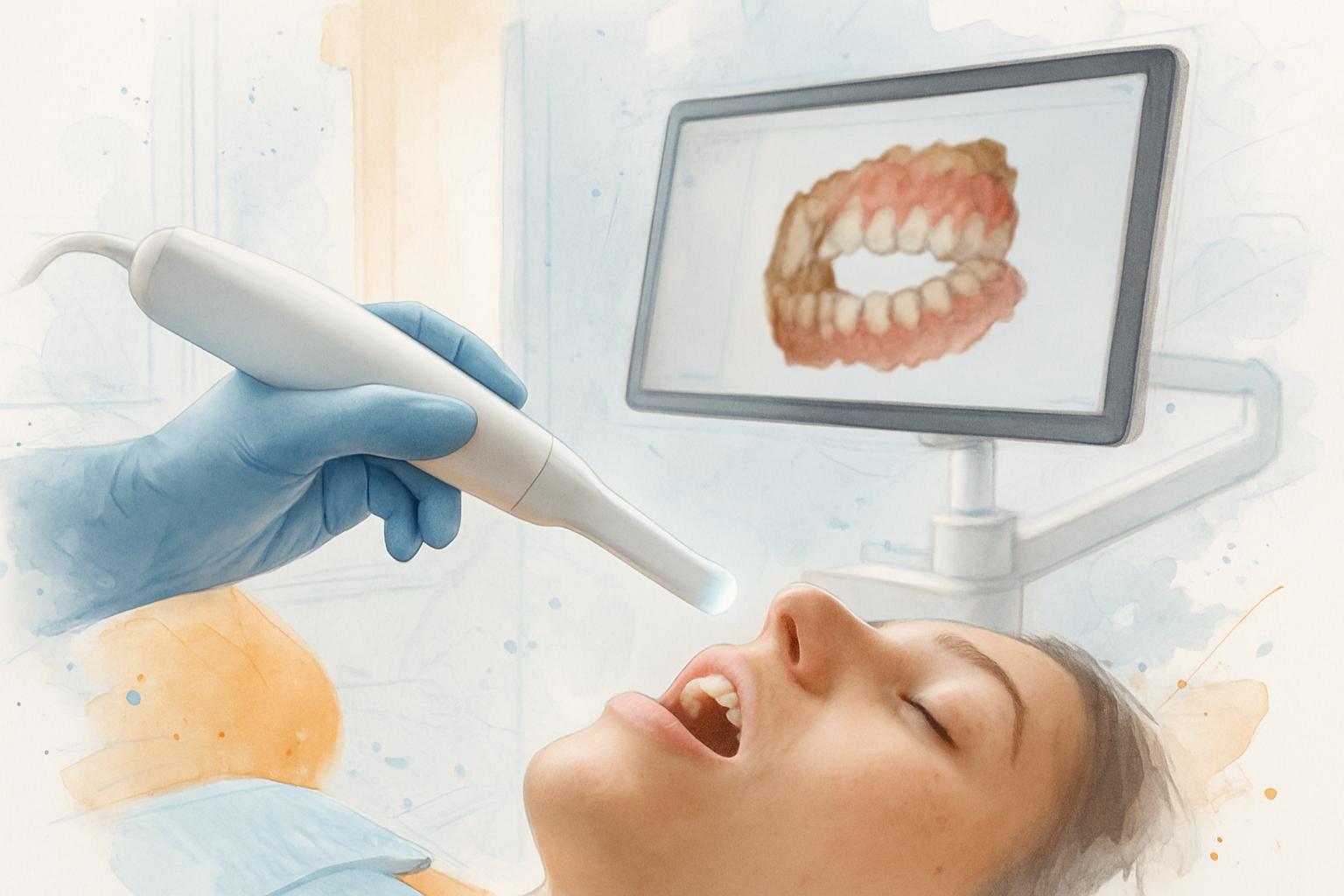
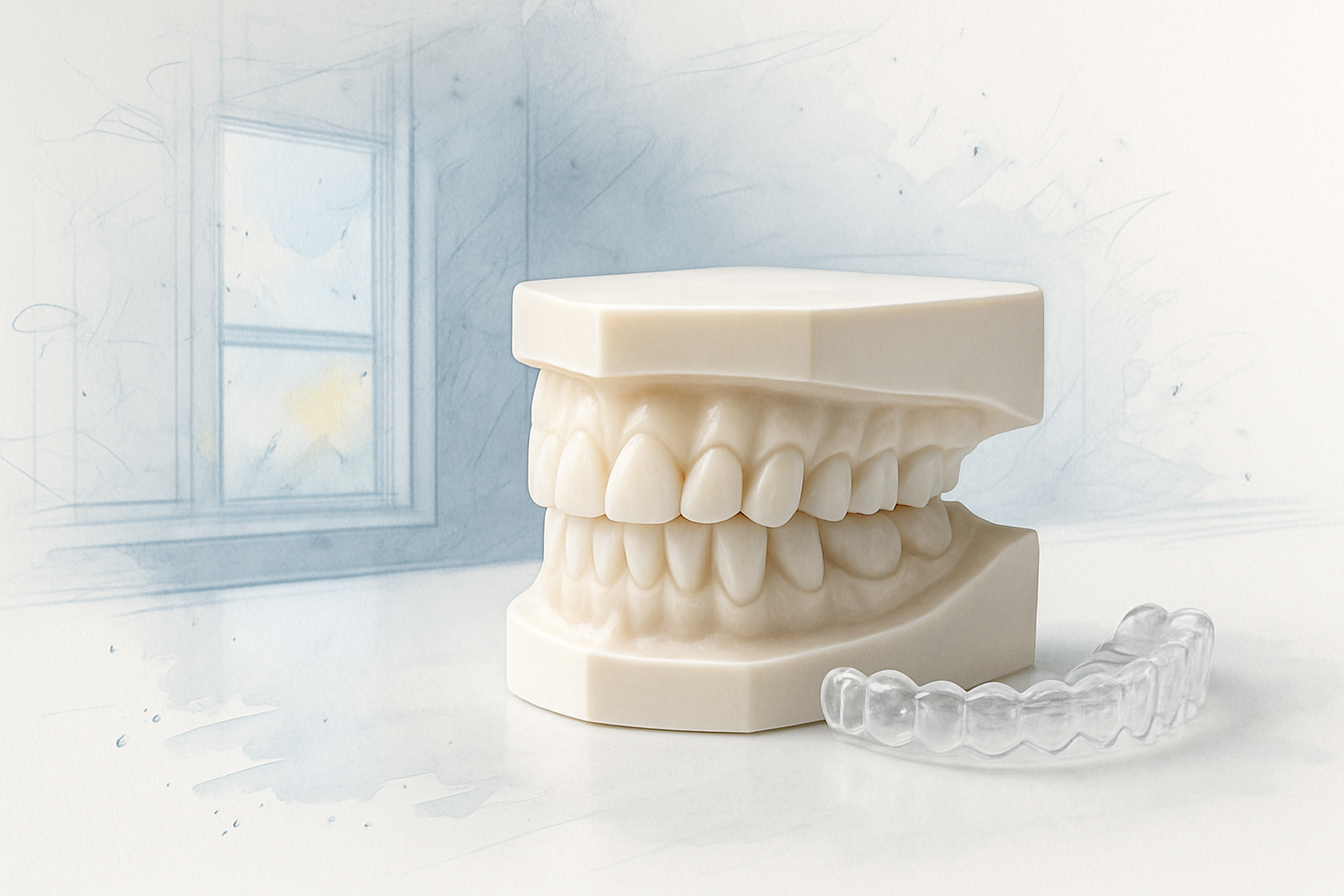
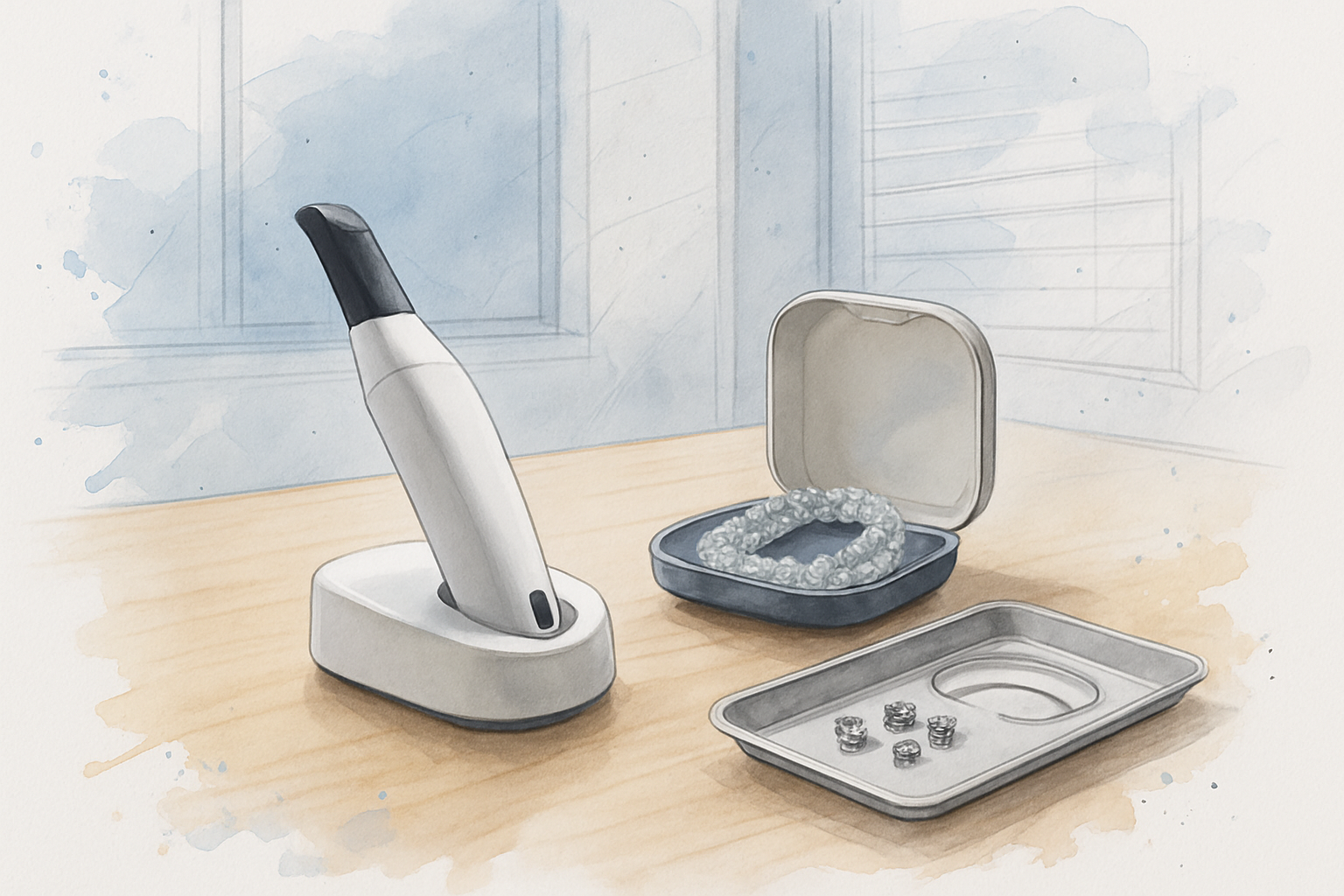
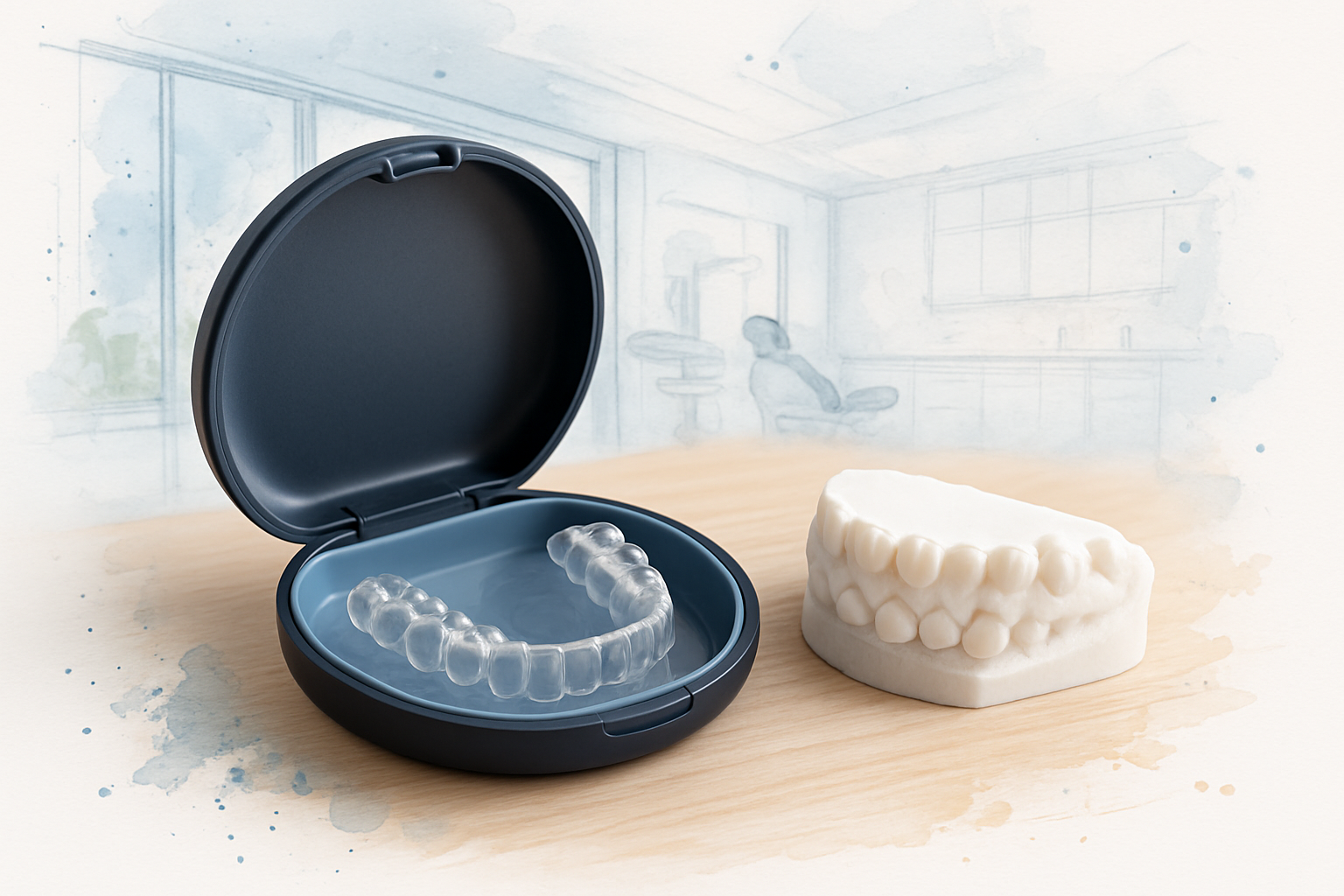
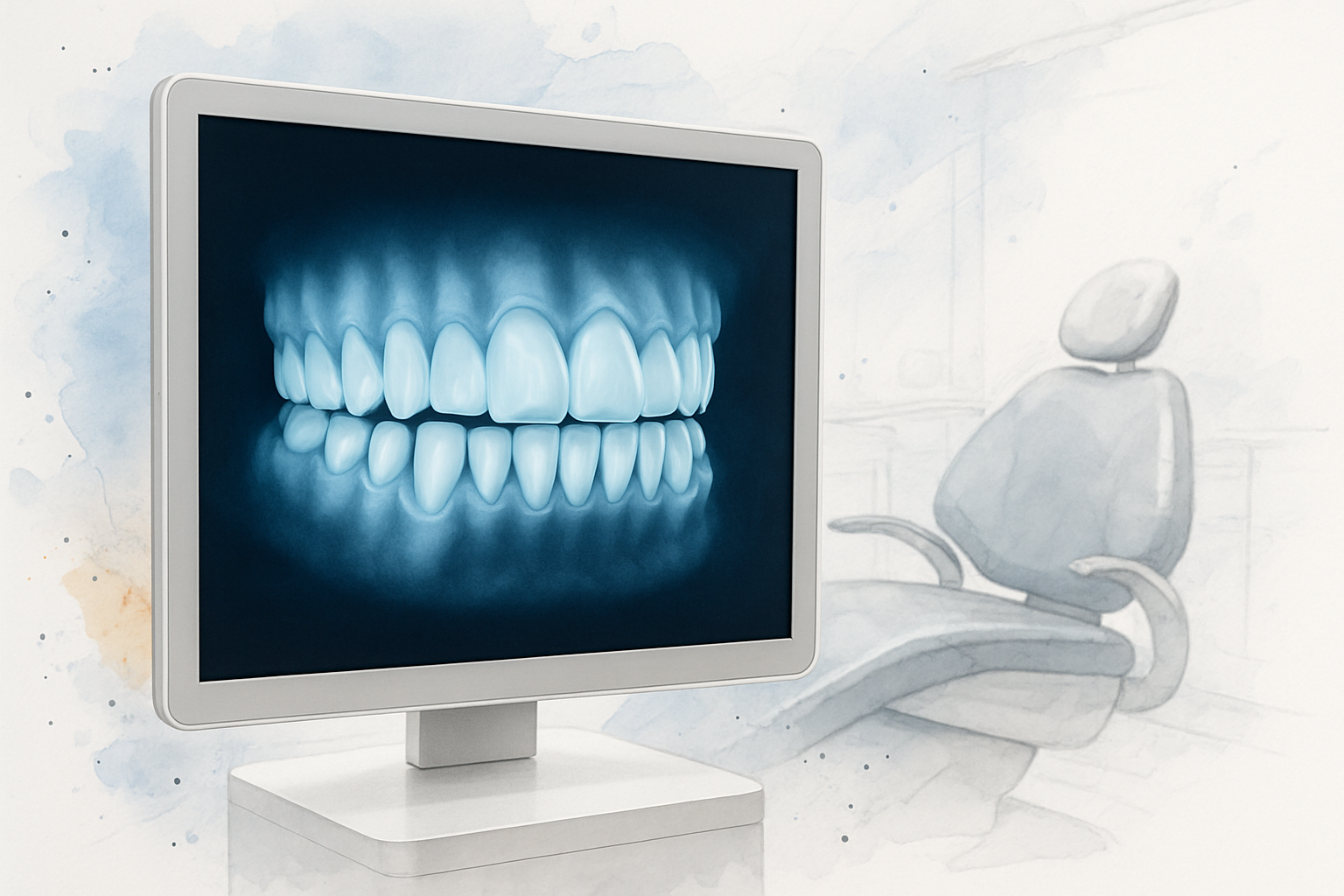
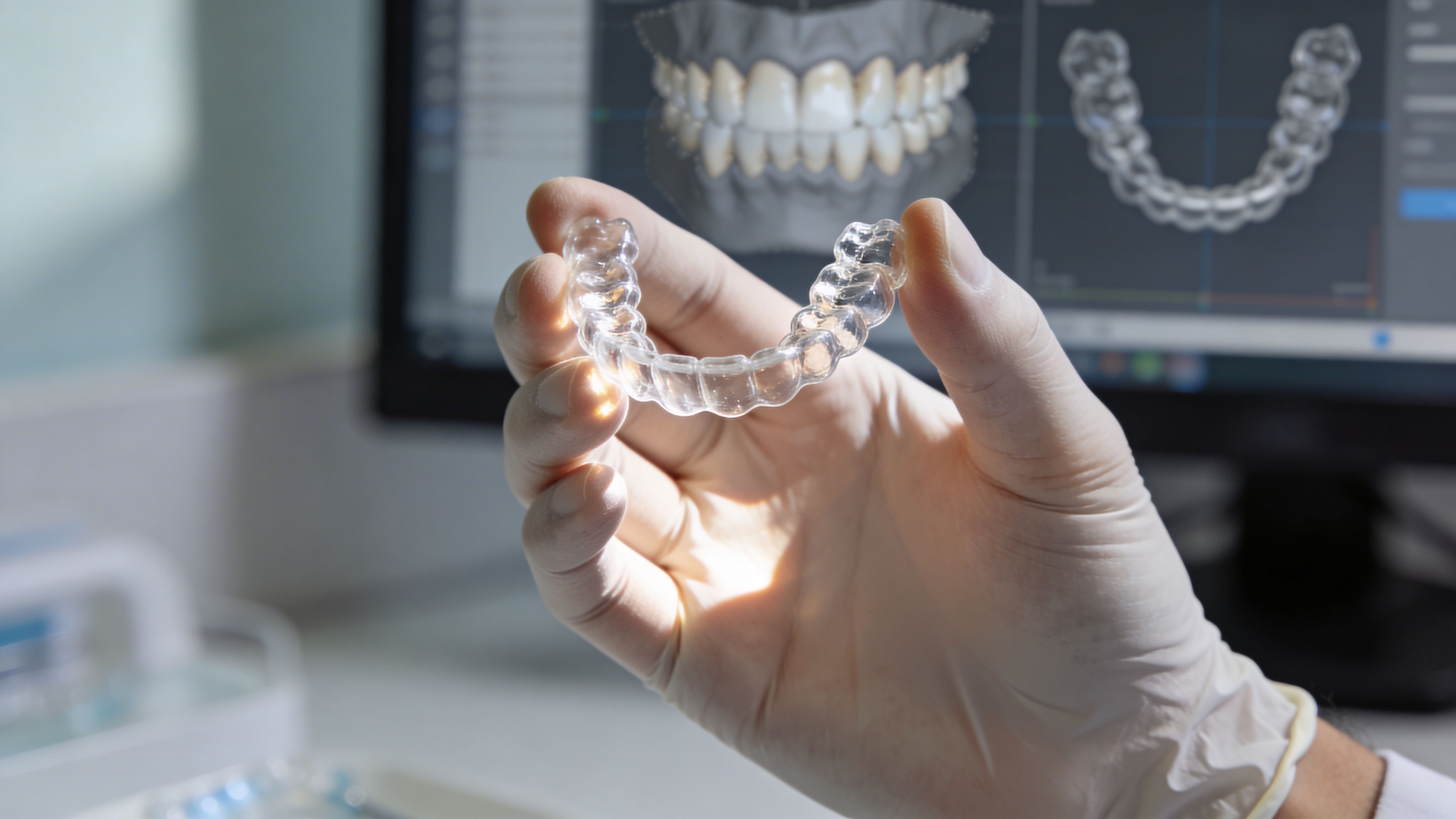
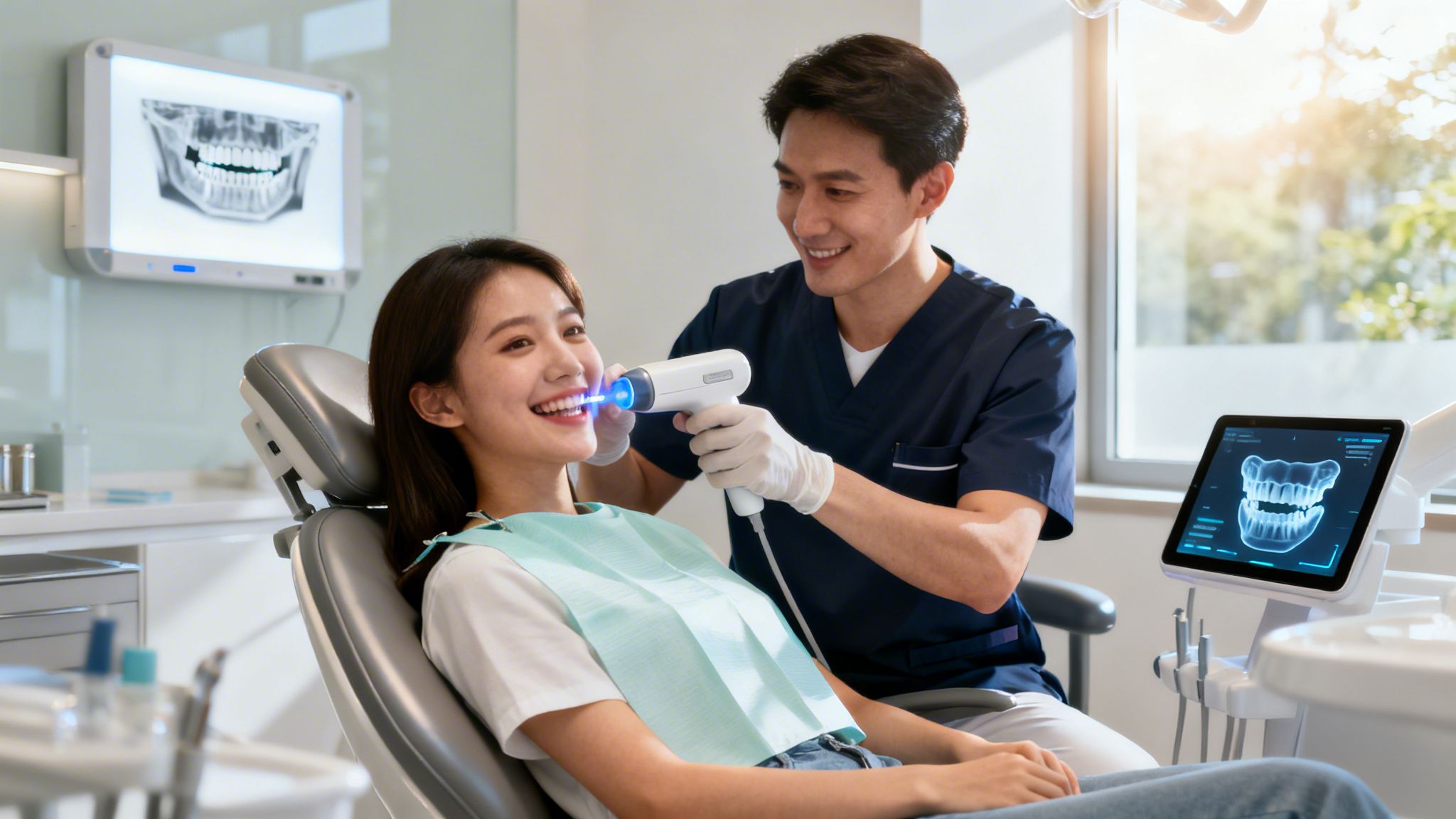
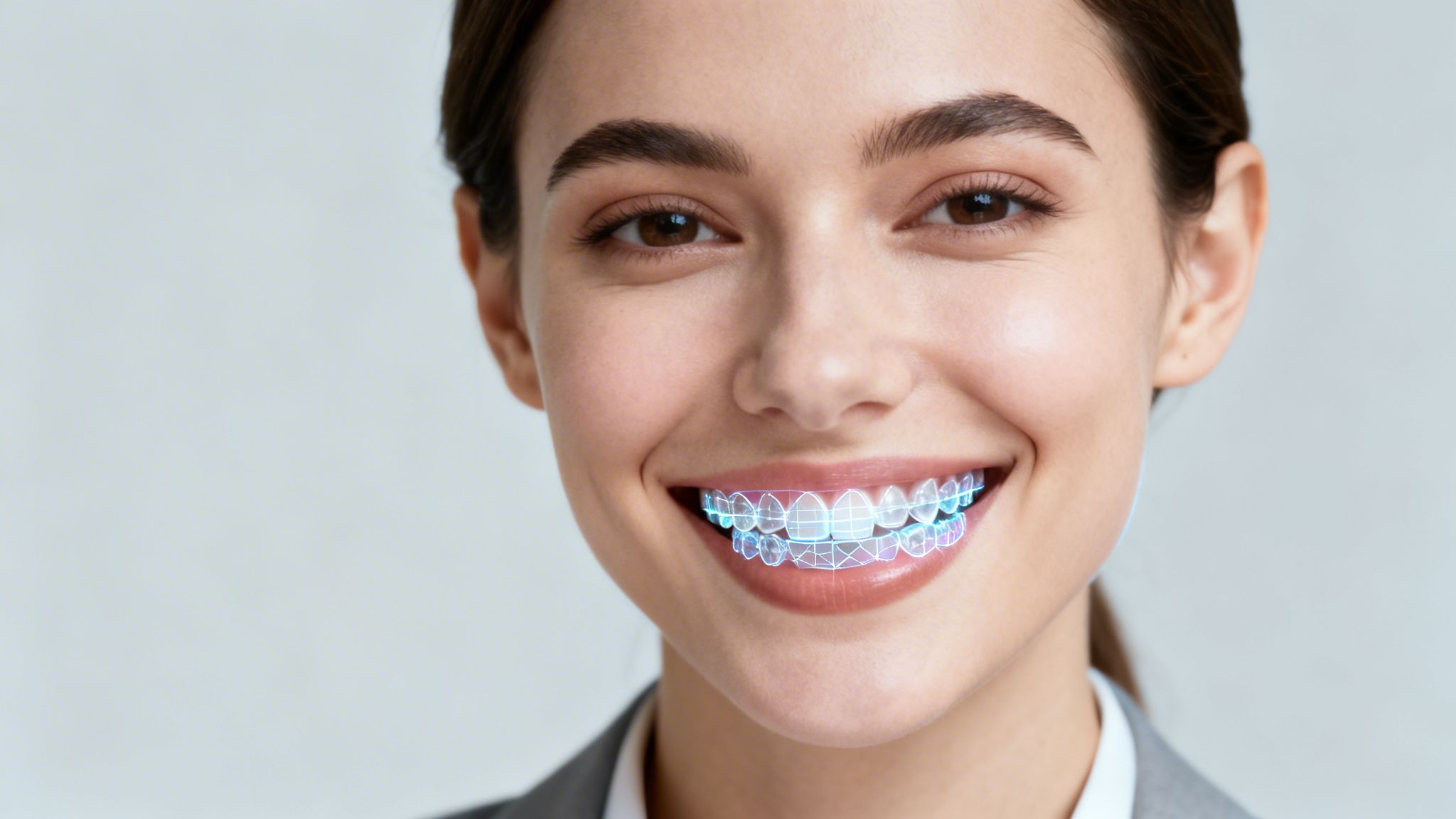
Digital scanners and digital X-rays can make the first phase of care smoother. Instead of traditional impressions, the office can create a detailed 3D model of your teeth and bite with less mess and less guesswork. That gives the orthodontist a clearer starting record and makes it easier to explain crowding, spacing, bite issues, and expected tooth movement in a way patients can follow.
That clarity helps with trust.
Parents want to know whether the treatment plan is thoughtful. Teens want to know how long this will take. Adults want fewer surprises. A practice that can show you your scan, walk you through the plan, and explain what checkpoints they will use usually runs a more transparent process. If you want a closer look at the patient benefits of these tools, this guide to modern orthodontic technology in Huntington Beach is a helpful reference.
Questions to ask about the treatment process
Ask how the office tracks progress, not just how it starts treatment.
A good consultation should answer questions like:
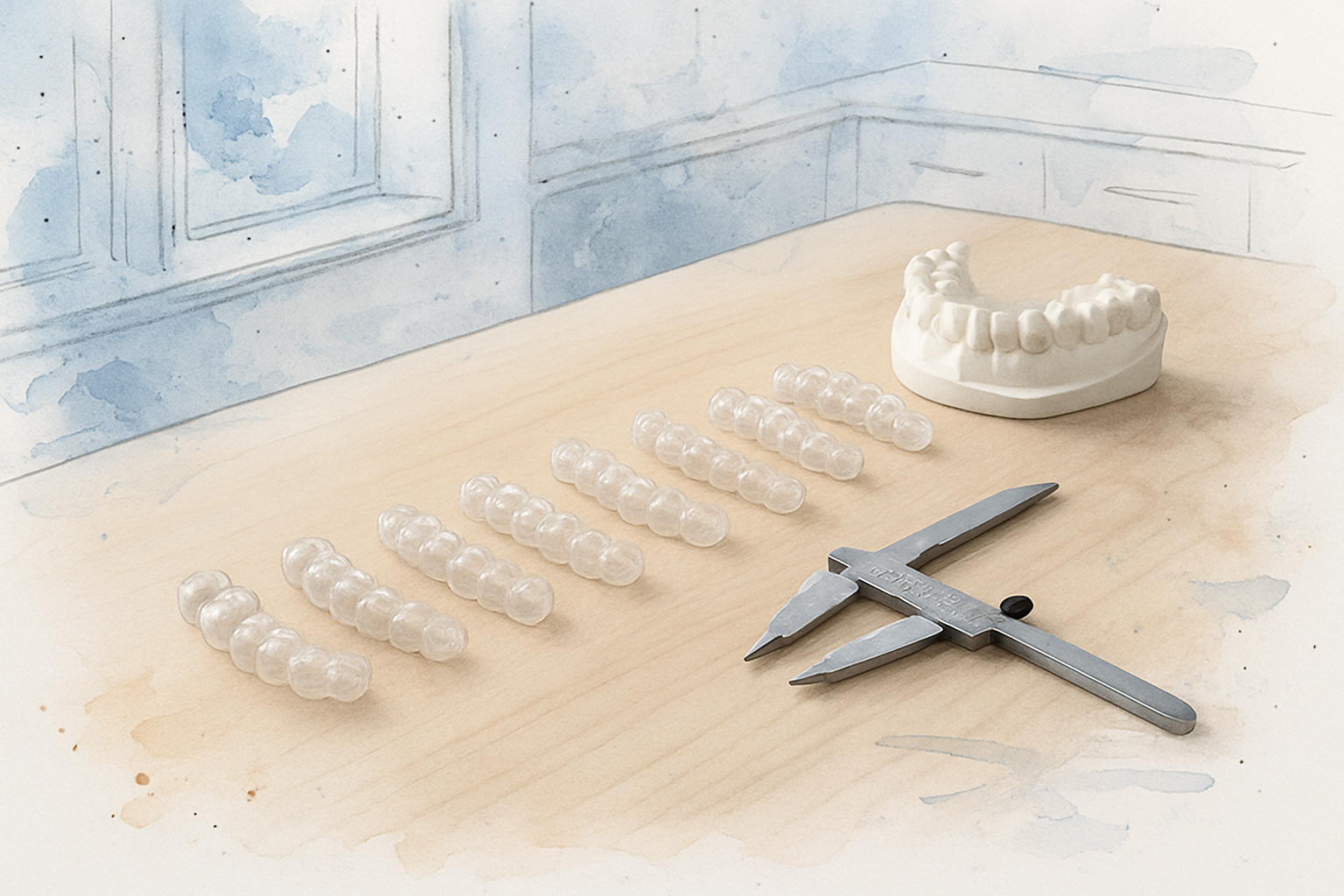
- How will you measure progress over time? Ask whether the doctor uses updated scans, photos, bite checks, or X-rays at specific milestones.
- What usually slows treatment down? Broken brackets, missed visits, inconsistent elastic wear, and aligners that are not worn as directed should be discussed early.
- How often will I be seen? The visit schedule affects school, work, travel, and how quickly small problems are caught.
- What happens if teeth are not moving as expected? You want to hear a clear process, not a vague promise.
These answers reveal how the office communicates under real conditions. That matters more than a flashy scanner sitting in the corner.
Signs the office is set up well behind the scenes
The treatment experience depends on systems patients do not always notice at first. Scheduling, reminders, charting, imaging, and follow-up all shape whether care feels smooth or stressful. An office with strong systems is usually better at keeping treatment on schedule, catching issues early, and explaining changes before they become frustrating. For a broader look at how practice systems support patient care, this overview of software for dentists offers useful context.
Practical advice: Choose an orthodontist who can show your starting point, explain the plan in plain language, and tell you how they will keep treatment on track from the first visit to the last.
Review Patient Experiences and Real Results

Reviews help, but only if you read them the right way. A star rating alone does not tell you much about what it feels like to be a patient for many months.
What to look for in reviews
Look for patterns in the comments, not just praise.
Pay attention to whether people mention:
- Communication: Did the team explain things clearly?
- Respect: Did adults feel heard and did children feel comfortable?
- Consistency: Were appointments organized and follow-up dependable?
- Transparency: Did patients understand what was happening and why?
This matters in a place like Huntington Beach, where practices often serve a wide mix of families, teens, professionals, and multilingual households. A strong office should make different kinds of patients feel welcome.
If you want a broader look at how to think about online reviews, that resource gives a helpful lens for spotting meaningful trends instead of isolated comments.
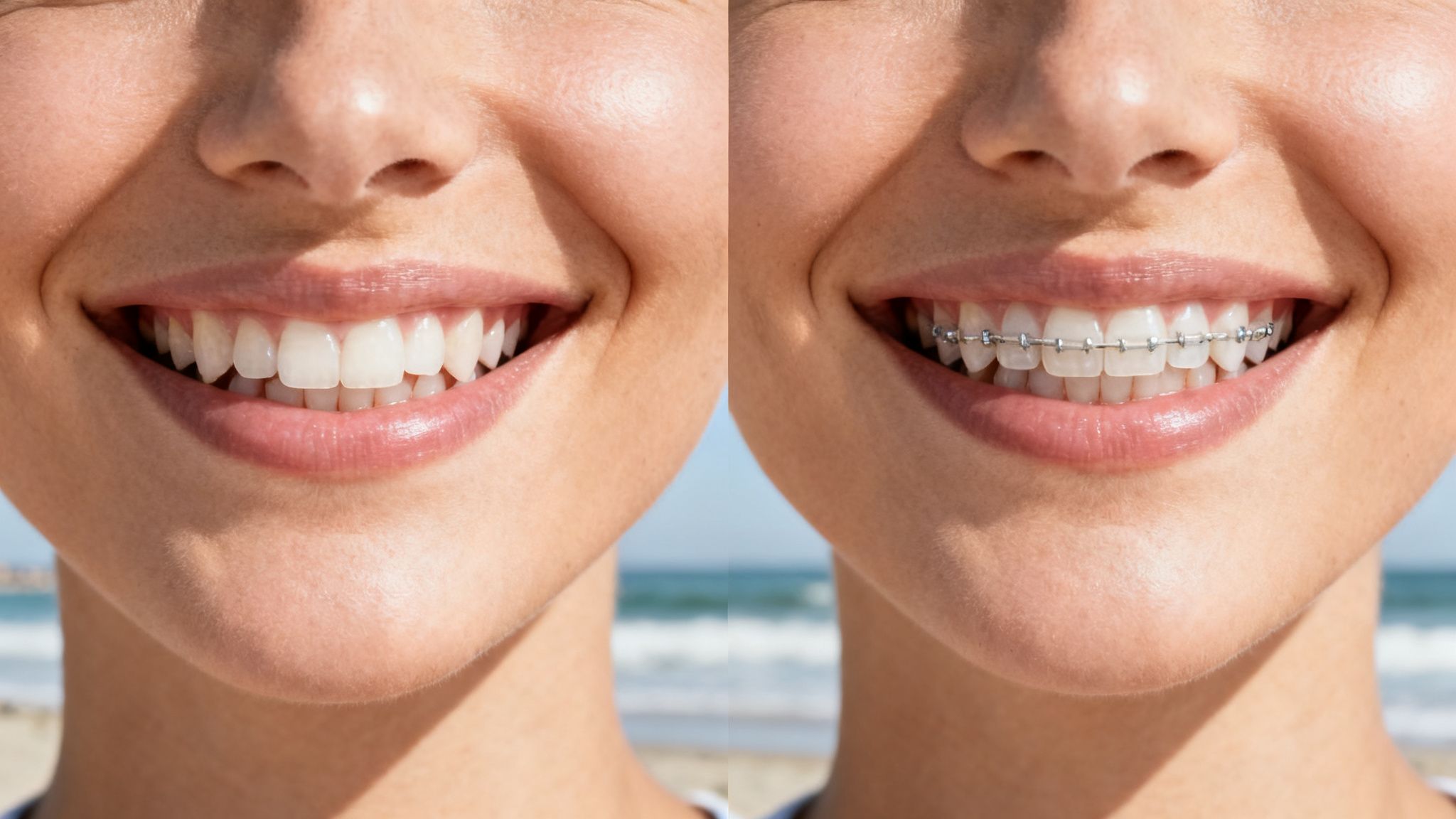
Before and after photos should show range
Photos can be useful when they show more than perfect cosmetic cases. Look for variety in age, starting point, and smile shape.
A trustworthy gallery may include:
- a younger child with crowding
- a teen with spacing or bite correction
- an adult who wanted a more subtle treatment option
That range suggests real experience across the community, including neighborhoods like Wintersburg and Talbert Village.
The consultation is where everything comes together
Bring a short list of questions and compare how each office answers them.
Try these:
- What is my estimated timeline?
- What could extend treatment in my case?
- How will you track progress?
- What is included in the fee?
- Which treatment do you recommend, and why not the others?
Good answers are specific, calm, and easy to understand. Vague answers usually lead to frustration later.
Understand Costs Insurance and Your Consultation
What will treatment really cost, how predictable is the timeline, and will the office explain both in plain language?
Those questions matter as much as the braces themselves. Families in Huntington Beach are not only choosing an appliance. They are choosing a practice they can trust for months, sometimes years, of visits, updates, and decisions.
Ask for a clear fee breakdown
A useful consultation should leave you with a written understanding of what you are paying for and what could change later. The goal is not just a price quote. The goal is fewer surprises.
Ask for specifics such as:
- What is included in the total fee: office visits, appliances, adjustments, retainers, and follow-up care
- How insurance is handled: whether the team verifies benefits, files claims, and explains your estimated out-of-pocket cost
- What payment options are available: monthly plans, down payment expectations, and any fees tied to financing
- What happens if treatment changes: whether refinements, appliance repairs, or extended care affect the fee
That level of detail helps parents comparing treatment for more than one child. It also helps adults who want to budget carefully before starting.
A realistic timeline builds trust
Timeline discussions should sound thoughtful, not scripted. The American Association of Orthodontists explains that treatment length varies by the complexity of the bite problem, growth, and patient cooperation. You can review the AAO’s patient guidance at https://www.aaoinfo.org.
A trustworthy office should explain your estimated treatment time, what could slow it down, and how progress will be monitored. Missed appointments, broken brackets, poor elastic wear, and inconsistent aligner use are common reasons cases take longer. An honest answer here usually tells you a lot about how that office communicates once treatment begins.
Ask one direct question: What usually causes delays for patients like me, and how do you help prevent them?
Bring up the day-to-day details early
The consultation is also the right time to ask about practical issues that affect daily life. Clear answers here reduce stress later.
Topics worth covering include:
- First-week comfort: what soreness is normal and how the office recommends managing it
- Food restrictions: what to avoid with braces and what changes with aligners
- School, work, and scheduling: how long typical visits take and how often they are needed
- Urgent problems: who to call for a broken bracket, poking wire, or lost aligner
- Language support: whether your family can receive instructions and consent information in the language you understand best
For families sorting through coverage before they commit, this guide on does insurance cover braces can help you ask better insurance questions at the consult.
Leave with confidence, not pressure
A strong consultation should make the process feel more predictable. You should understand the treatment plan, the likely timeline, the financial terms, and the office’s communication style.
If the conversation feels rushed or vague, pay attention to that. Orthodontic treatment is a long relationship. Clear answers on cost and expectations usually reflect clear care throughout the case.
Frequently Asked Questions
How do I know if my child should see an orthodontist yet?
A first evaluation around age seven is a good checkpoint for many children. That does not mean treatment starts right away. It gives the orthodontist a chance to check growth, crowding, and bite development early.
Are braces always better than Invisalign?
No. It depends on your bite, your goals, and how reliable you are with daily care. Some patients do better with fixed braces, while others do well with removable aligners.
How uncomfortable is braces treatment?
Most patients feel pressure or soreness after adjustments or when starting a new stage of treatment. That usually improves as the mouth adapts. Your orthodontist should explain what is normal and when to call the office.
Will braces affect school, sports, or work?
They can affect your routine at first, but individuals typically adjust quickly. Teens in sports may need to discuss mouthguard use, and adults may want to choose a less noticeable option based on work needs.
How often will I need appointments?
Appointment timing varies by treatment type and how your teeth are moving. During your consultation, ask how often visits are usually scheduled and what happens if you miss one.
What should I ask about cost?
Ask what is included in the treatment fee, how insurance is handled, and whether financing is available. It is also smart to ask about retainers and any follow-up care so you understand the full commitment.
Can adults still get braces or aligners?
Yes. Adults constitute a significant portion of orthodontic patients, as noted in an earlier source. Adults often choose treatment for appearance, bite function, or relapse from earlier treatment.
Ready to take the next step with a team that values clear communication, modern treatment, and personalized care? Contact Magic Fox Orthodontics at 17041 Beach Boulevard Suite 101, Huntington Beach, CA 92647, call (714) 594-5777, or email info@magicfoxsmiles.com to schedule your free consultation. Dr. Jeremy and Dr. Melissa proudly serve Huntington Beach, Fountain Valley, Oak View, Goldenwest, Wintersburg, Downtown Huntington Beach, Talbert Village, Newland, and Adams.