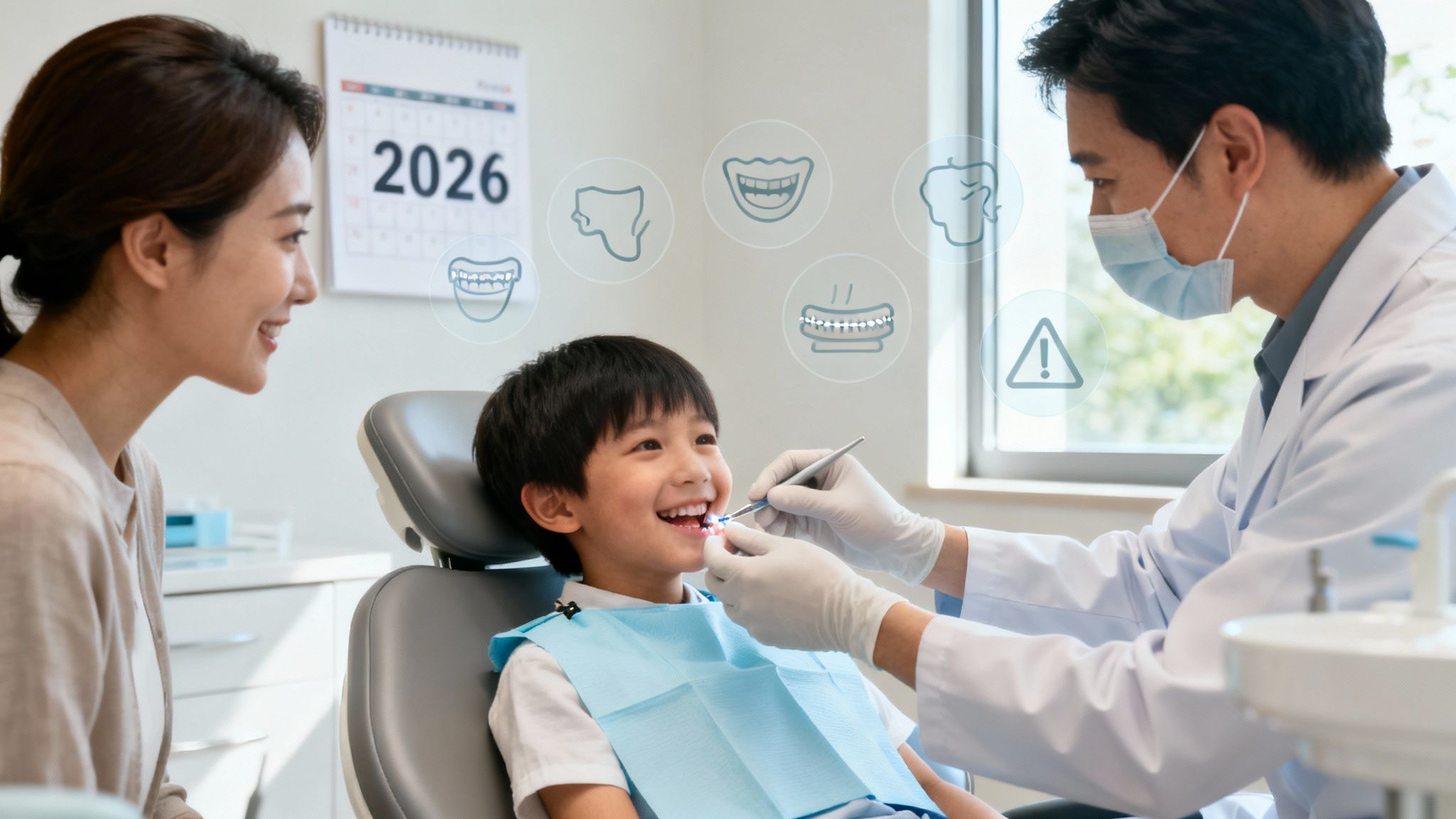
Why Wait? 5 Reasons to Book an Ortho Check by Age 7 in 2026
As a parent, you’re always planning for your child’s future. One of the most important milestones, however, is often overlooked: their first orthodontic check-up. Many families in Huntington Beach and Fountain Valley think that braces are a teenage concern, but waiting that long can miss a critical window for simpler care.
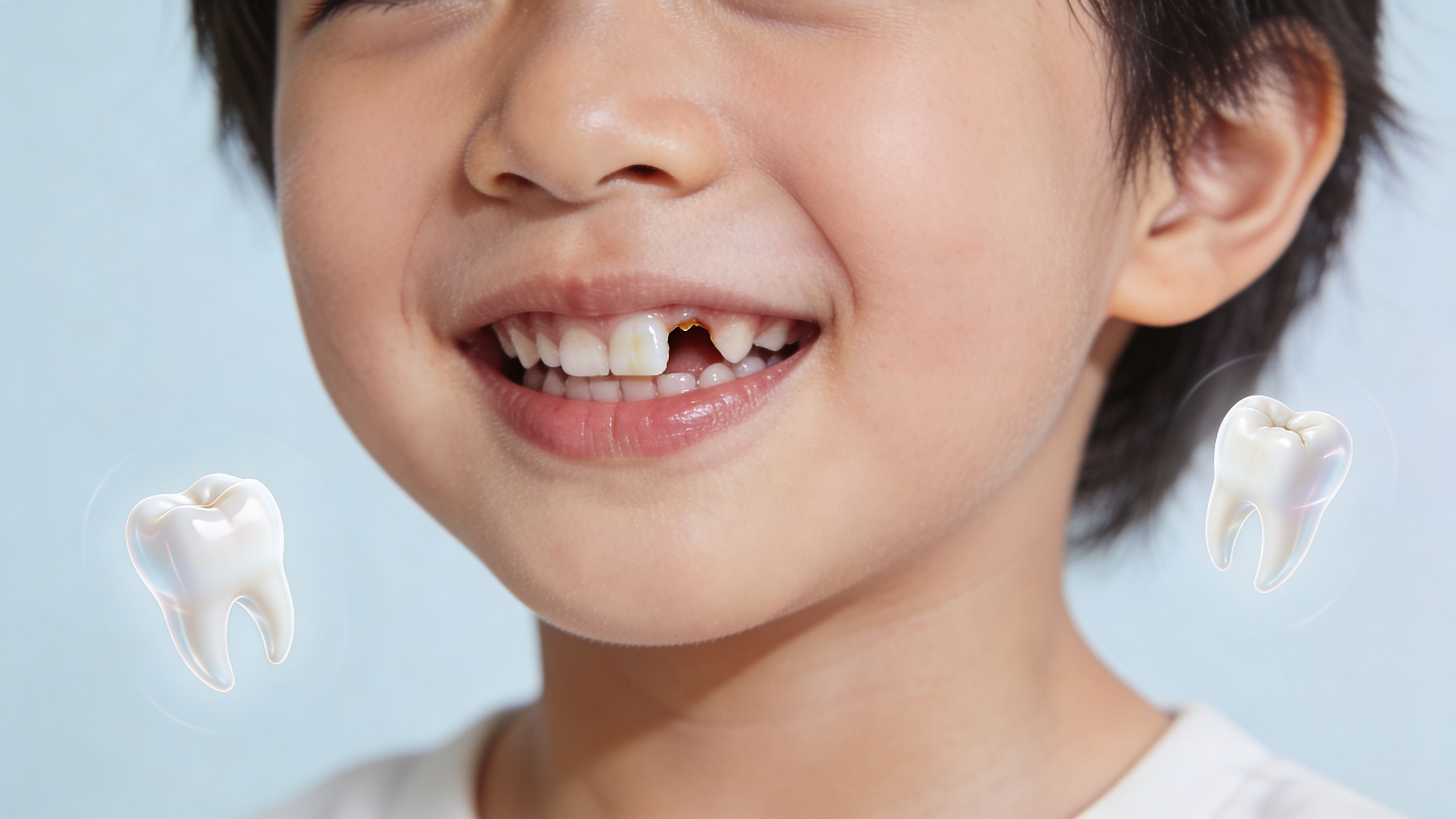
The American Association of Orthodontists recommends a first visit by age 7, and for good reason. At this age, a child’s jaw is still developing and their first adult molars have typically come in. This gives an orthodontist a clear picture of how their smile is taking shape. This visit isn't about getting braces right away; it's about smart planning.
An early check is a gentle, stress-free way to understand your child's growth and catch potential issues early. A quick visit can help guide jaw growth and sometimes even prevent the need for more complex treatment later on. This article explains the top 5 reasons to book an ortho check by age 7 in 2026, giving you the information you need for your child’s long-term health.
1. Catch Problems Before They Grow
To a parent, a child’s smile might look perfectly fine. However, some of the biggest orthodontic issues are not about crooked teeth, but about the bite—the way the upper and lower jaws fit together. By age 7, an orthodontist can reveal issues like crowding, bite alignment, and jaw development long before they become more complex to treat.
This unique stage offers a window of opportunity for an orthodontist to identify subtle yet serious bite problems, or malocclusions. Spotting these misalignments early is a key reason to book an ortho check by age 7 in 2026. This allows for a preventive approach rather than a corrective one later on.

Why Early Bite Detection Is Crucial
Catching bite problems early is about preventing more complex health issues down the road. An untreated bite problem can lead to complications that are harder and more expensive to fix.
- Preventing Uneven Growth: A crossbite, where upper teeth sit inside the lower teeth, can force the jaw to shift to one side when chewing. If left uncorrected, this can lead to permanent, uneven jaw growth.
- Avoiding Future Surgery: An emerging underbite can sometimes be guided back into a proper growth pattern with a simple appliance. Waiting too long might mean jaw surgery is the only solution in the late teens.
- Protecting Teeth and Joints: A deep overbite can cause the upper front teeth to wear down the lower front teeth. It can also contribute to jaw joint (TMJ) problems later in life.
Key Insight: An early orthodontic check is less about getting braces and more about checking the foundation of your child's jaw and bite. This simple visit can stop small issues from becoming big problems.
Real-World Scenarios in Our Community
Here in Orange County, we see how early visits make a difference. For a young patient from the Goldenwest neighborhood with a crossbite, a simple palate expander can widen the upper jaw in just a few months. For a child in Fountain Valley showing signs of an underbite, we can use an appliance to encourage proper jaw growth, potentially avoiding the need for more invasive treatments.
Actionable Tips for Parents
Even if your child’s teeth look straight, it’s smart to schedule a consultation. Here’s what you can do:
- Schedule a "Look-See" Visit: Book a no-pressure evaluation. The goal is assessment, not immediate treatment.
- Note Family History: Mention if parents or siblings had braces for bite issues, as genetics play a big role.
- Observe Oral Habits: Tell the orthodontist about habits like thumb-sucking or mouth breathing.
An early check-up provides peace of mind and a clear plan for your child's future oral health. To better understand this developmental stage, you can learn more about why age 7 is the recommended age for a first orthodontic visit.
2. Guide Jaw Growth and Development
Many parents believe orthodontic care only starts around age 9 or 10, but experts recommend the first visit happen by age 7. At this age, a child's jawbones are still growing and are remarkably pliable. This growth phase presents a unique opportunity for an orthodontist to guide the development of the upper and lower jaws.
This process uses special appliances to influence the direction and rate of jaw growth. It is one of the most powerful tools in orthodontics and a key reason to book an ortho check by age 7 in 2026. By acting while the jaw is still developing, an orthodontist can often correct issues that might otherwise require surgery once growth is complete.

Why Early Growth Guidance Is So Important
Using a child's natural growth is far more effective and less invasive than trying to fix skeletal issues after the fact. Early guidance helps create a healthy foundation for a lifetime of stable smiles.
- Correcting Jaw Size Mismatches: If the upper jaw is too narrow, it can cause crowding and crossbites. A palatal expander can gently widen the jaw in a few months.
- Guiding Forward Growth: For children with a small lower jaw, an appliance can encourage the jaw to grow forward into a more balanced position.
- Preventing Future Extractions: By creating enough space in the jaw early on, the need to extract permanent teeth later is often greatly reduced.
Key Insight: Early orthodontic treatment is often "jaw treatment" first and "tooth treatment" second. Guiding jaw growth while a child is young can simplify or even eliminate the need for more extensive orthodontic work later.
Real-World Scenarios in Our Community
In our Huntington Beach practice, we often use growth guidance to achieve great results. A child from the Oak View community with a narrow palate can benefit from a simple expander, which prevents adult teeth from getting stuck or severely crowded. For a patient in Wintersburg with a developing underbite, we can use an appliance to help the upper jaw grow forward, creating a more harmonious facial balance without surgery.
Actionable Tips for Parents
Understanding how your child’s growth can be used is empowering. Here’s what you can discuss with your orthodontist:
- Ask About Growth Potential: Ask about your child’s specific growth pattern and how an appliance might help.
- Discuss Realistic Expectations: Talk about how guiding growth can improve your child's profile and smile.
- Understand Your Role: Successful growth guidance relies on patient cooperation. Make sure you understand how your child needs to wear their appliance.
By addressing jaw development early, you set your child up for a healthier, more stable bite. To understand more about this approach, you can learn more about our early interceptive orthodontic services.
3. Shorten or Avoid Braces Later
One of the best reasons for an early check is that it can make future treatment quicker and easier. With the right timing, early orthodontic care can guide jaw growth and create room for incoming teeth. Sometimes, this can even prevent the need for braces entirely.
By age 7, an orthodontist can make a good prediction about future crowding. This early evaluation provides a crucial opportunity to manage space issues before they become severe. An orthodontic check by age 7 in 2026 is a smart step that allows for simple, timely treatments that can make a big difference.
Why Early Space Management Matters
Managing dental crowding early is about creating a healthier and more stable foundation for a lifetime. When permanent teeth don't have enough room, they can become impacted (stuck in the jawbone) or come in crooked.
- Guiding Teeth into Place: Simple steps can make a huge difference. Using a space maintainer after the early loss of a baby tooth, for instance, saves that spot for the permanent tooth.
- Creating More Room: A narrow upper jaw is a main cause of crowding. A palatal expander can gently widen the jaw while it's still growing.
- Reducing Treatment Complexity: Addressing crowding early often means that if braces are needed later, the treatment will be shorter and simpler.
Key Insight: Early orthodontic care isn't about rushing into braces; it's about smart space management. Think of it as reserving a parking spot for each permanent tooth before the lot gets full.
Real-World Scenarios in Our Community
Here in Huntington Beach, we help families with these developmental stages every day. For a 7-year-old from the Oak View community who lost a baby molar too soon, a small space maintainer can prevent a future crowding issue. For another young patient in Wintersburg with a narrow palate, a simple expander can create the space needed for their permanent teeth to erupt straight.
Actionable Tips for Parents
If you're concerned about crowding, here's how you can be proactive:
- Protect Baby Teeth: Good oral hygiene is key. Baby teeth act as natural space holders for the permanent teeth.
- Discuss Space Management: During your visit, ask the orthodontist about your child's space needs and what options are available.
- Ask About the Future: Inquire about the chances of future extractions if you choose to wait versus starting early care now.
By taking these steps, you can help ensure your child's permanent teeth have the best chance to erupt into a healthy, aligned smile. You can learn more about what causes tooth crowding and how to address it.
4. Make Early Visits Fun and Stress-Free
Certain childhood habits, like thumb-sucking or mouth breathing, may seem harmless. However, when these habits continue past a certain age, they can change the development of a child's teeth and jaws. By age 7, an orthodontist can identify these habits and their effects, providing a chance to step in before permanent damage occurs.
At Magic Fox Orthodontics, Dr. Jeremy and Dr. Melissa specialize in making young patients feel at ease. Their gentle, no-pressure evaluations help parents understand their child’s development and treatment needs without rushing into decisions. This approach makes the first visit a positive experience.

Why Correcting Habits Early Is Essential
Correcting harmful oral habits is about more than just straight teeth; it's about helping your child develop healthy oral function for life. If left unchecked, these habits can lead to serious dental issues.
- Preventing Open Bites: Thumb-sucking often causes an "open bite," where the front teeth don't meet when the back teeth are closed. This can affect speech and chewing.
- Guiding Proper Jaw Growth: Chronic mouth-breathing can lead to a high, narrow palate and dental crowding because the tongue isn't resting in the right position.
- Avoiding Tooth Protrusion: Persistent thumb-sucking can push the upper front teeth forward, creating what is commonly known as "buck teeth."
Key Insight: Stopping a harmful oral habit early can often guide a child's development back on track naturally. This can sometimes reduce the need for extensive braces in the future.
Real-World Scenarios in Our Community
In our Huntington Beach and Fountain Valley communities, we help families address these habits proactively. For a child from the Oak View area who still sucks their thumb at age 6, we might recommend a simple appliance that makes the habit less satisfying. For another patient in Wintersburg struggling with a tongue-thrust, we can help retrain their tongue and swallowing patterns, preventing an open bite from forming.
Actionable Tips for Parents
Helping your child break a habit requires patience and a supportive plan. Here’s how you can help:
- Provide Positive Reinforcement: Praise your child for their efforts to stop the habit rather than punishing them.
- Discuss Habit-Breaking Appliances: Ask your orthodontist if a custom appliance could help gently discourage the behavior.
- Identify Underlying Causes: Work with your pediatrician to address issues like allergies that may cause mouth breathing.
Understanding the link between these habits and your child’s dental future is a powerful step. You can read about understanding the importance of early orthodontic care for kids.
5. A Quick Visit Today Means a Healthier Smile Tomorrow
Even if no treatment is needed right away, that first visit is incredibly valuable. It gives your orthodontist a "baseline" to track your child's dental and skeletal development. This is a key reason to book an ortho check by age 7 in 2026, as it shifts the focus from reacting to problems to smart, long-term health planning.
This initial record allows an orthodontist to monitor changes over time with precision. It helps them predict future treatment needs and develop a complete plan. This offers peace of mind and better planning for the future.
Why a Developmental Baseline Is a Game-Changer
Having a clear starting point helps your orthodontist make the best decisions at the right time. They can see exactly how the jaw is growing, how teeth are coming in, and how the bite is changing.
- Optimal Treatment Timing: A baseline helps identify the perfect time to begin treatment. For some children, this means starting a simple intervention right away. For others, it means actively monitoring growth and waiting.
- Reduced Treatment Complexity: By tracking development, an orthodontist can act before a minor issue becomes a major one. This often leads to shorter overall treatment times.
- Cost-Effective Care: Preventing complex problems from developing can also reduce the overall cost of orthodontic care. A simple appliance used at age 8 may eliminate the need for more extensive work later.
Key Insight: The first orthodontic visit at age 7 isn't about rushing into braces. It’s about creating a developmental blueprint that helps your orthodontist provide the most effective treatment at the perfect time.
Real-World Scenarios in Our Community
In our Huntington Beach practice, establishing a baseline has proven invaluable for local families. We might see a child from the Oak View neighborhood and monitor their growth over a few years. This helps us confirm if their jaw is growing enough to fit the teeth naturally, thereby avoiding unneeded treatment.
For another patient in Wintersburg, an early x-ray might reveal a stuck canine tooth. With this baseline knowledge, we can track its path and plan a simple intervention to guide it into place, preventing a complex surgical procedure down the road. This provides families with predictability and peace of mind.
Actionable Tips for Parents
To make the most of this long-term planning, think of yourself as a partner in your child's orthodontic health.
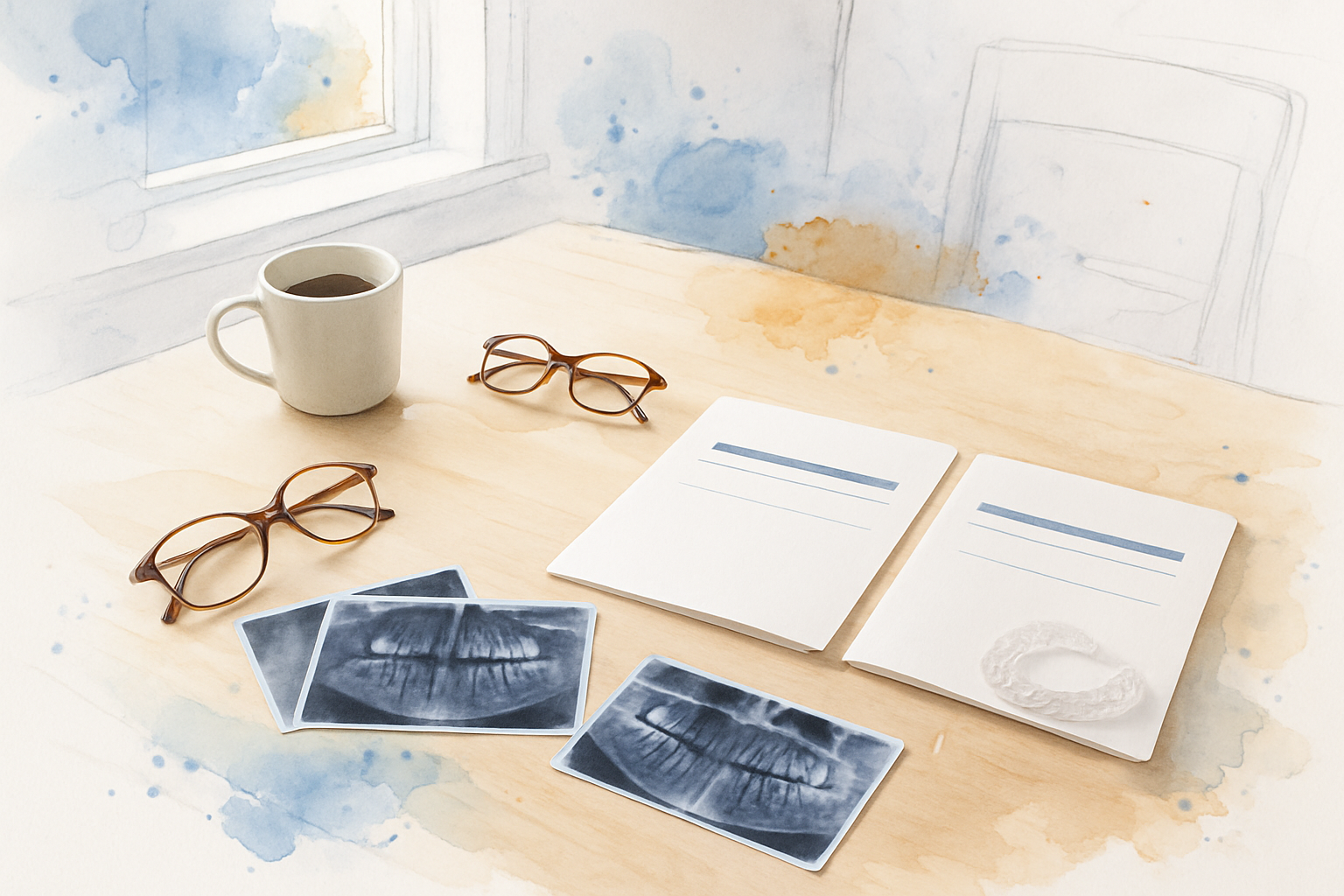
- Request Your Records: Ask for copies of x-rays and photos from the first visit for your own files.
- Attend Monitoring Visits: If the orthodontist recommends "observation," keep these appointments. They are crucial for tracking growth.
- Discuss the Long-Term View: Ask your orthodontist about the potential treatment timeline and what growth patterns would signal the need to start treatment.
This early evaluation provides a roadmap for a healthy, beautiful smile. To better understand how orthodontists time treatments, you can learn more about when to start orthodontic treatment.
Frequently Asked Questions
1. Does my child need a referral from a dentist for an ortho check?
No, you do not need a referral. You can schedule a complimentary evaluation directly with Magic Fox Orthodontics at any time if you have concerns about your child's teeth or jaw development.
2. What happens during the first orthodontic visit at age 7?
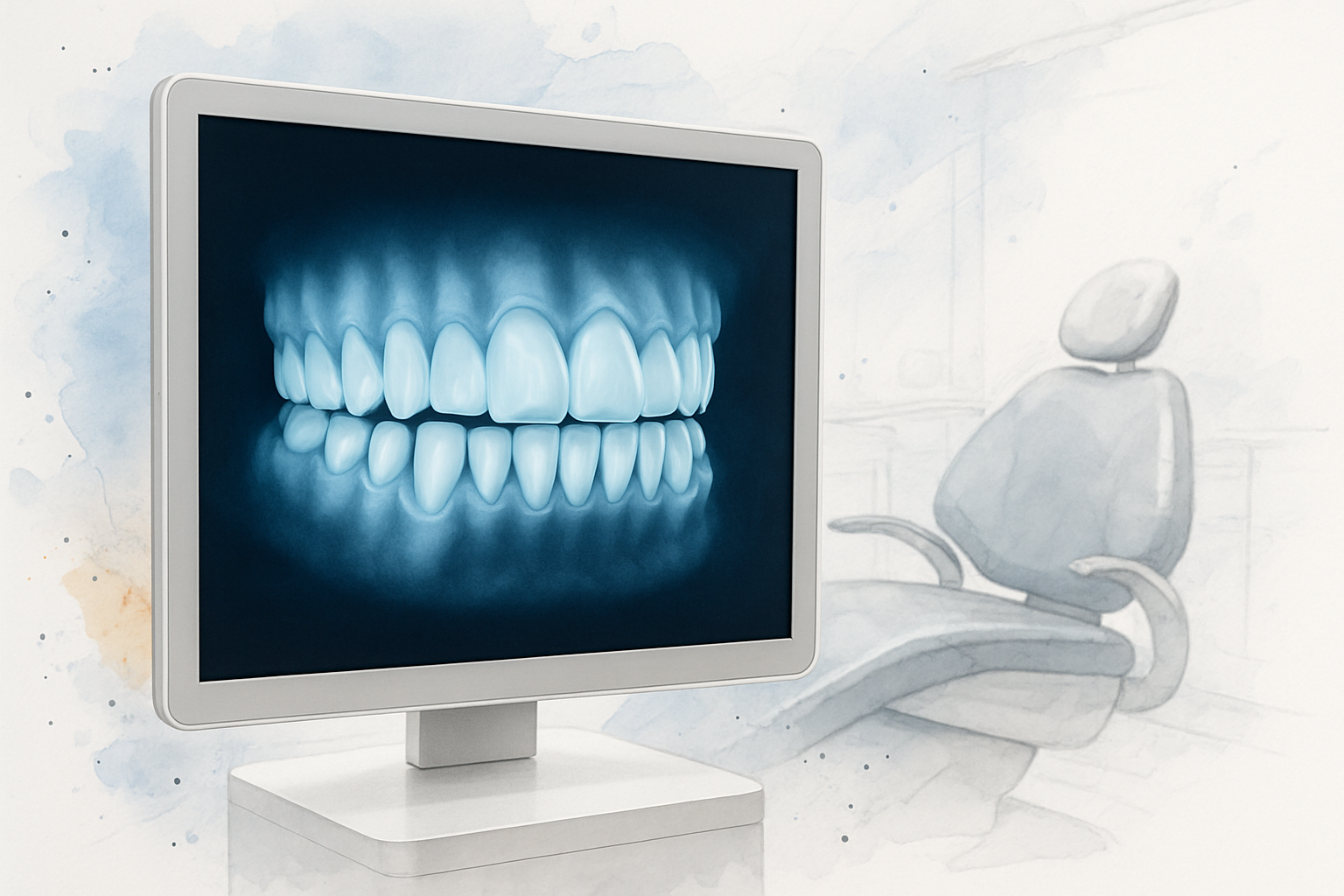
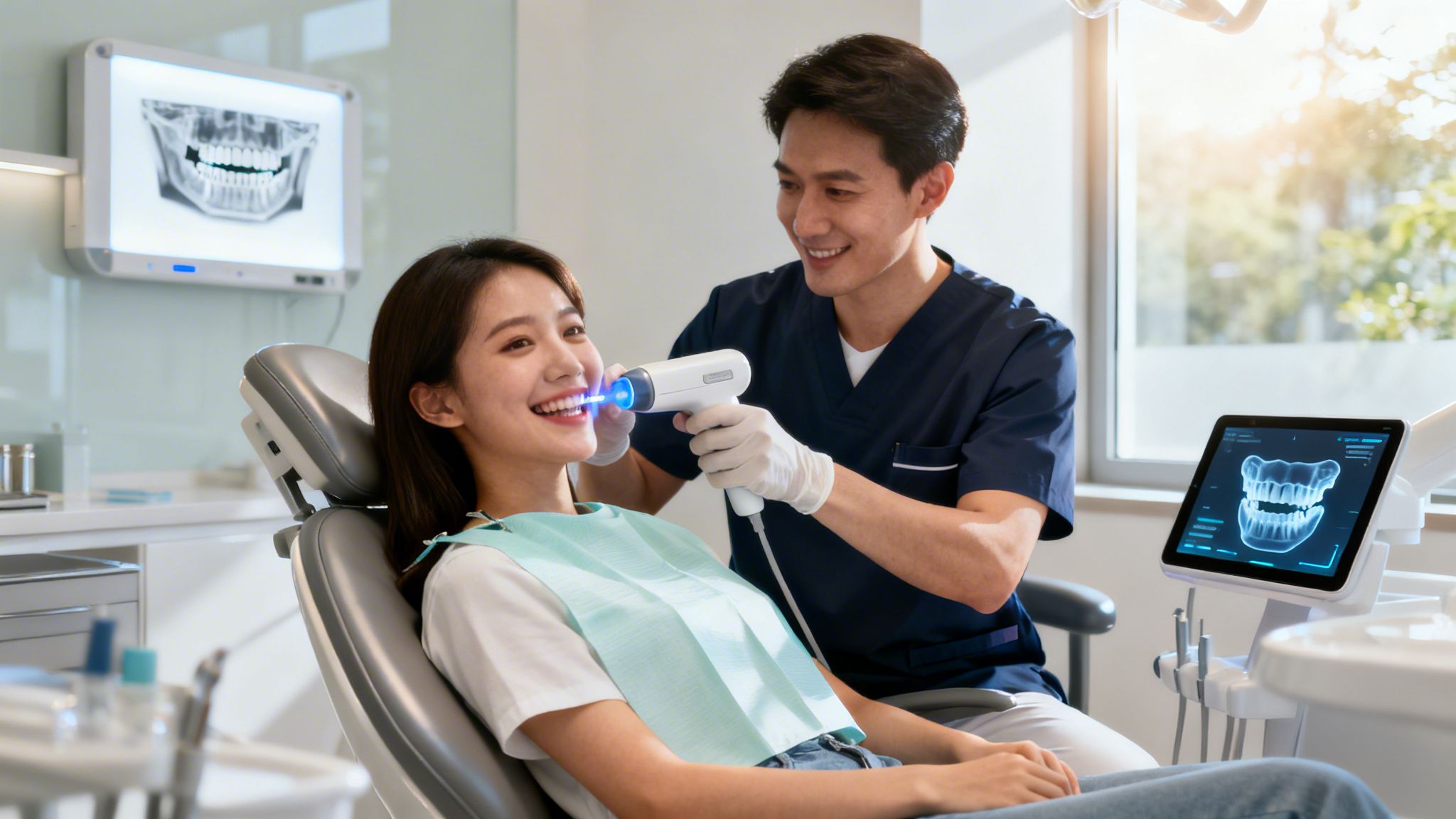
The first visit is simple and stress-free. Dr. Jeremy or Dr. Melissa will perform a visual examination of your child's teeth and bite, possibly take some photos or a panoramic x-ray, and discuss their findings with you in a clear, easy-to-understand way.
3. Will my child get braces at their first visit?
It is very rare for a 7-year-old to get braces. The main goal of this visit is to evaluate growth and development, identify any potential issues early, and determine the best time to start treatment, if any is needed at all.
4. How much does an early orthodontic evaluation cost?
At Magic Fox Orthodontics, we offer complimentary early evaluations for children in the Huntington Beach and Fountain Valley areas. This initial consultation is provided at no cost to you.
5. What is "two-phase" treatment?
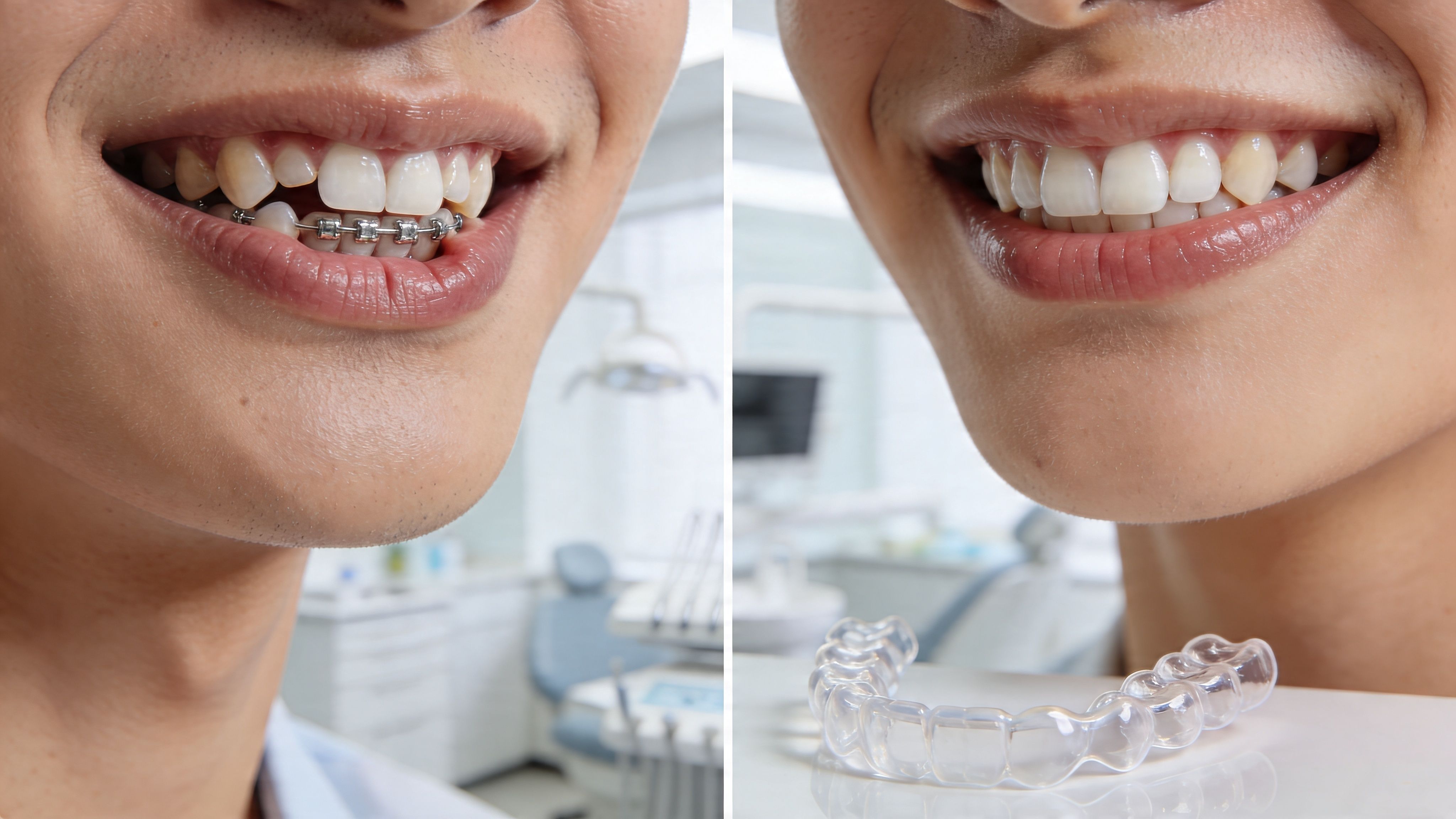
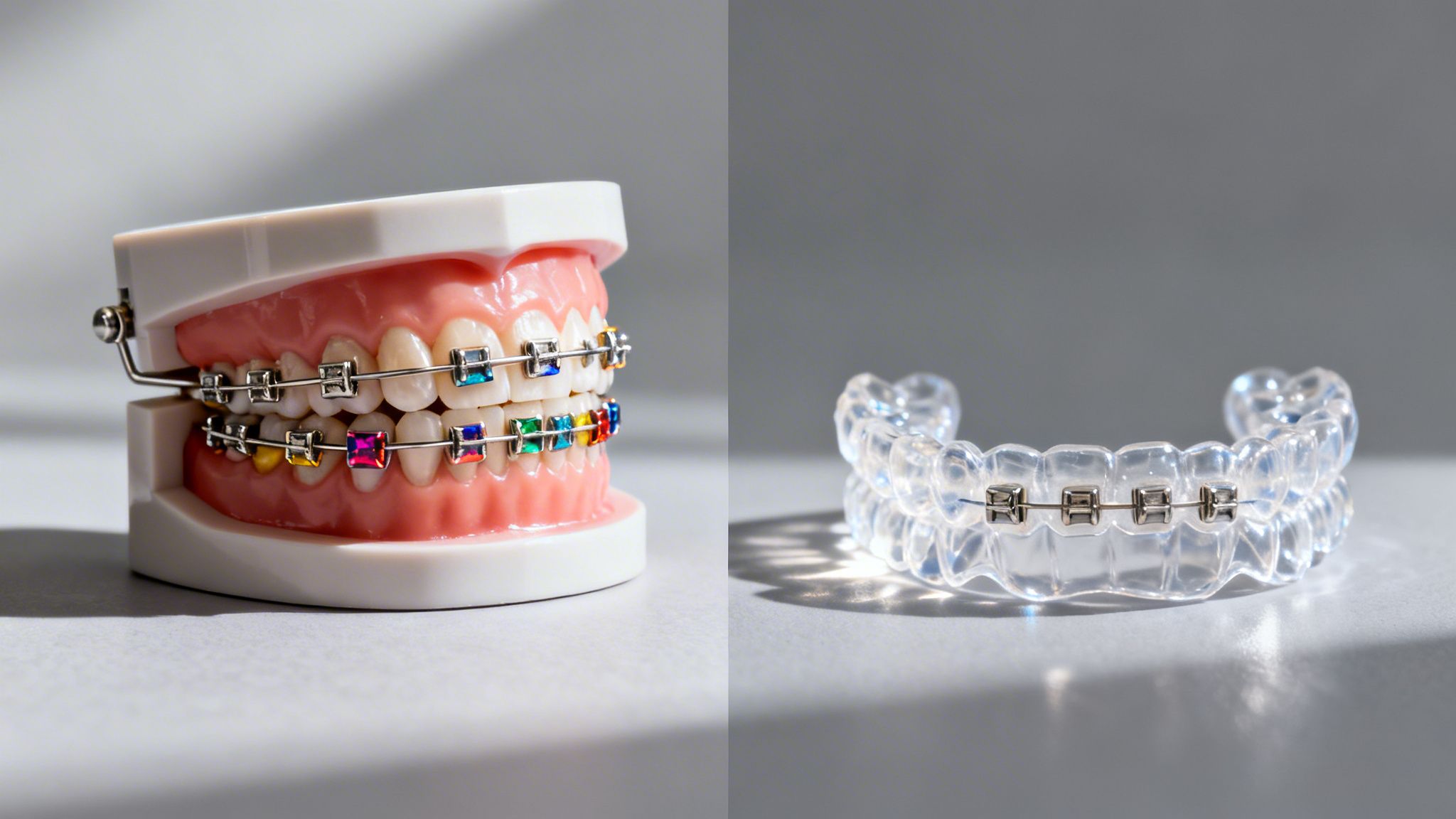
Two-phase treatment involves a first phase of early intervention (like an expander) to address jaw growth or crowding issues, followed by a second phase (usually braces or Invisalign) once most adult teeth are in. An early check-up helps determine if this approach would benefit your child.
Let's Talk About Your Child's Smile
Navigating your child's developmental milestones can feel overwhelming, but ensuring they have a healthy, confident smile doesn't have to be. As we've explored, the 5 reasons to book an ortho check by age 7 in 2026 are about proactive wellness. This early visit is your best tool for identifying bite issues, guiding jaw growth, and correcting habits before they lead to more complex problems.
Waiting until all permanent teeth are in can mean missing a critical window of opportunity. An evaluation at age seven allows an orthodontist to use your child’s natural growth to create space, improve alignment, and potentially reduce the duration or even the need for future treatment. It's a simple, preventative step that provides a clear roadmap for your child's oral health.
At Magic Fox Orthodontics, we want families in Huntington Beach and Fountain Valley to feel empowered. Our practice is built on creating a welcoming environment where kids feel safe and parents feel informed. We understand that finding trusted local care is a top priority for families in neighborhoods from Goldenwest to Oak View.
This first check-up is an investment in your child’s long-term health. You gain a professional partner who will monitor their development and recommend action only when it’s truly beneficial. You’re not committing to braces; you’re committing to being informed.
Ready to give your child the best start for a confident, healthy smile? Schedule a complimentary, no-pressure evaluation with the friendly team at Magic Fox Orthodontics. If you’re in Huntington Beach or Fountain Valley, Magic Fox Orthodontics offers complimentary early evaluations for children ages 7 and up. Book a visit and get expert guidance tailored to your child’s needs.