How Many Baby Teeth Do You Lose? A Parent's Guide
Here's the simple answer every parent is looking for: your child will lose all 20 baby teeth. Think of it as nature’s way of making room for a stronger, permanent smile. This is a key step for healthy jaw development.
Your Child Will Lose All 20 Baby Teeth
Each of those little baby teeth, also called primary teeth, has an important job. They act as placeholders, guiding the bigger adult teeth into their correct spots. As your child grows, their jaw creates the space needed for a full set of adult teeth.
Watching this process is a big part of your child’s development. For parents here in Huntington Beach, knowing what to expect can make the whole experience less mysterious and more exciting.
This process isn't always smooth for everyone. An estimated 530 million children worldwide have untreated cavities in their baby teeth. This can cause teeth to fall out too early and disrupt the path for adult teeth. (Source: FDI World Dental Federation's site).
For most kids, losing teeth happens naturally between ages 6 and 12. It’s a sure sign that their smile is growing up right along with them.
The Tooth Loss Timeline From Ages 6 to 12
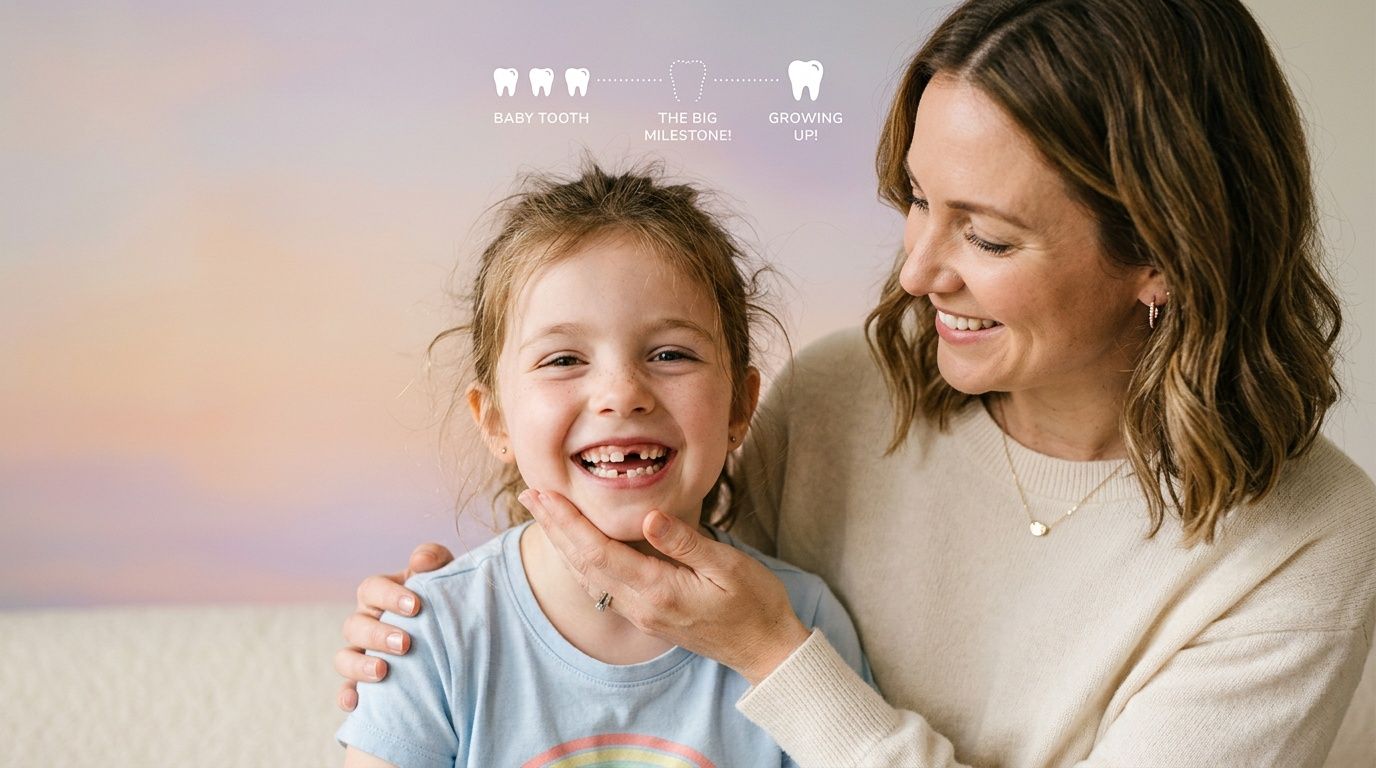
That first wiggly tooth is a huge milestone! It marks the start of a years-long change from baby teeth to a full set of permanent ones. This process usually kicks off around age 6 and wraps up by age 12.
While every child's timing is different, there's a pretty standard pattern. Knowing this roadmap helps you understand what’s normal. It also helps you know when to check in with an orthodontist, a common step for families in Huntington Beach and nearby Fountain Valley.
The Typical Order of Tooth Loss
A neat fact is that baby teeth usually fall out in the same order they came in. The process starts at the front and slowly works its way to the back.
Here's a simple chart breaking down the typical order and timing:
Typical Order of Baby Tooth Loss
This table is a great guide, but remember, a little variation is perfectly normal. Don't worry if your child is a bit ahead or behind schedule.
This timeline visualizes the entire journey, from a baby's gummy smile to a full set of adult teeth.
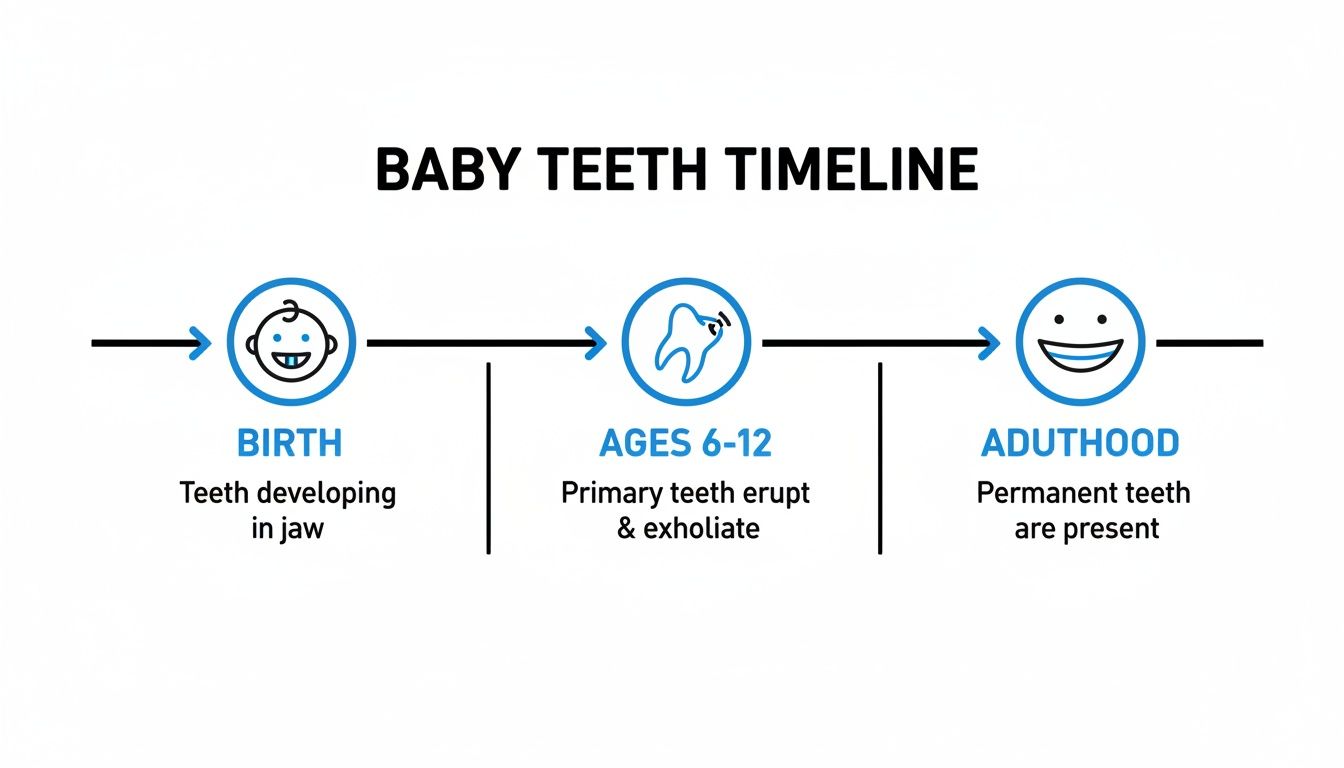
As you can see, the years between 6 and 12 are when all the action happens! It’s a busy time for the Tooth Fairy in neighborhoods like Goldenwest and Oak View.
Knowing this timeline helps parents feel more confident. Small variations are normal, but if you notice big delays, it's worth a look.
If you see teeth falling out in an unusual order, it could signal an issue like a missing permanent tooth or crowding. You can learn more in our guide on when do baby teeth fall out. It's always best to consult with an orthodontist if you have concerns.
Knowing When a Baby Tooth Is Ready to Go
So, how can you tell when a tooth is ready to come out? The most obvious clue is the classic "wobble." This happens because the permanent tooth underneath is dissolving the baby tooth's root to clear a path.
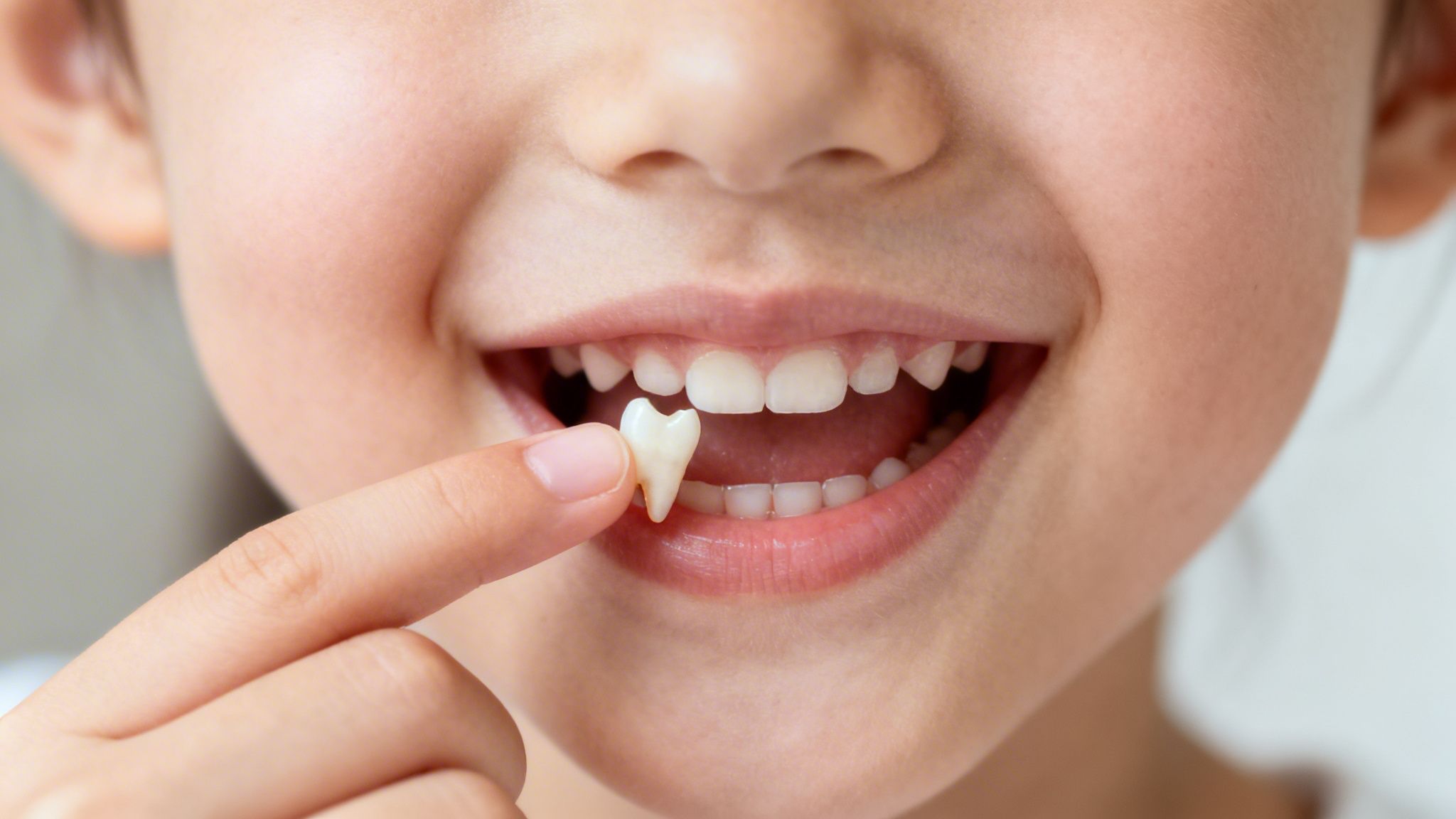
It’s an exciting time, but the best thing you can do is let nature take the lead. Forcing a tooth out too early can be painful and damage the gum tissue.
Gentle Encouragement Is Key
Encourage your child to gently wiggle the tooth with their tongue or a clean finger. This tiny movement is often enough to help it along without any fuss. Another great tip is to give them a crunchy snack like an apple or carrot.
Here’s what to do once the tooth is out:
- Have your child rinse with warm salt water to clean the area.
- If there’s a little bleeding, apply gentle pressure with a small piece of gauze.
- Most importantly, celebrate this fun milestone and get ready for the Tooth Fairy!
The goal is to make losing baby teeth a positive experience. If a tooth is causing a lot of pain, a quick check-up can provide peace of mind.
Potential Red Flags When Losing Baby Teeth
Losing baby teeth is a normal part of growing up, but sometimes things don't go as planned. Watching for a few key signs can help your child's permanent smile get the best start.
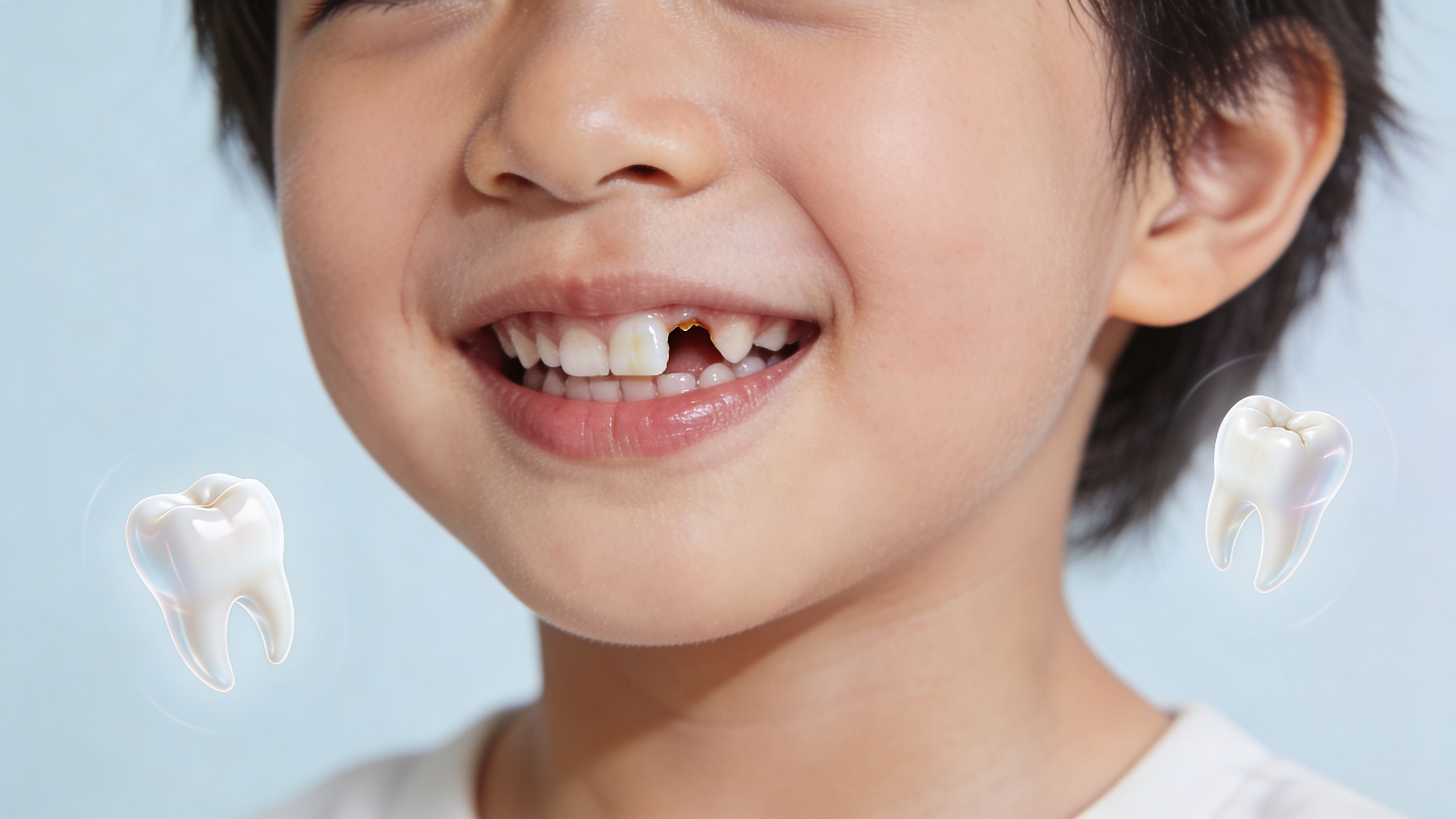
One common issue is a baby tooth getting knocked out too early from an accident or decay. When that placeholder is gone, other teeth can drift into the empty spot. This can cause crowding when the permanent tooth tries to come in.
When to Take a Closer Look
Significant tooth decay is a major reason for early tooth loss. Over 17% of U.S. children aged 6-9 have untreated cavities. (Source: U.S. Oral Health Surveillance Report). This can sometimes lead to an extraction before the tooth is ready to fall out on its own.
The opposite problem is also important: a stubborn baby tooth that won’t fall out. This can block the permanent tooth underneath. It might force the adult tooth to come in at a weird angle.
A baby tooth lost too early or that stays too long can disrupt the alignment of your child's smile. Early orthodontic monitoring helps ensure everything stays on track.
If a tooth is lost too soon, we might recommend a space maintainer to hold the spot open. Learn more about what are space maintainers in our guide. Addressing these issues early often makes future treatment much simpler.
Why an Early Orthodontic Visit Is So Important
Tracking when your child loses their 20 baby teeth is great, but an early orthodontic check-up gives a deeper look at their future smile. The American Association of Orthodontists suggests a child’s first visit around age 7. At this age, a mix of baby and adult teeth lets an orthodontist spot issues with jaw growth early.
During this visit, we check more than just the teeth. We look at how the jaws are developing and make sure there’s enough room for adult teeth. For families in the Wintersburg area, this is a great step for long-term oral health.
Spotting Problems Before They Grow
Early screening helps us identify potential bite misalignments, or what we call malocclusion. We can address these issues while the jaw is still growing and easier to guide. This can prevent the need for more complex treatments later on.
While losing 20 baby teeth is natural, decay can cause problems. In the US, 1 in 5 kids aged 6-8 have untreated decay in their baby teeth. (Source: findings on childhood dental health). This can lead to early tooth loss and orthodontic issues.
This early visit isn't about rushing into braces. It's about smart planning to guide jaw development and correct issues before they get worse.
By taking this step, we can create a clear path for permanent teeth to come in straight. For a detailed look, read our guide on what parents should know about early ortho checks.
Making Tooth Loss a Positive Milestone
That first wiggly tooth is a big deal for a kid. As a parent, you can frame this as a positive and exciting event. Fun things like welcoming the Tooth Fairy or tracking lost teeth can make it feel like an achievement.
This is also a great time to focus on good oral hygiene. You can explain how important it is to keep gums healthy for the new permanent teeth. A gentle rinse with warm salt water after a tooth falls out can soothe the area.

Losing teeth is a big change, and there are great ways for supporting children through life's transitions. Making these moments special helps build a positive attitude about dental health. We’ve shared more tips on how to smile confidently all season long in our other posts.
Frequently Asked Questions
You probably still have a few questions. As an orthodontist, I've heard just about everything from parents in our Huntington Beach office. Here are a few quick answers to common concerns.
What should I do if my child swallows a baby tooth?
First, don't panic. It happens more often than you think and is completely harmless. The tooth will simply pass through their system in a day or two without any issues. The Tooth Fairy is usually very understanding!
Why do permanent teeth look bigger and more yellow?
This is a great question. Adult teeth are larger because they are built for a grown-up jaw. They also have a thicker layer of yellowish dentin under the enamel, which makes them look darker next to baby teeth.
When is the right time for a first orthodontic visit?
The American Association of Orthodontists recommends a first check-up around age 7. This early visit isn't about getting braces right away. It's about checking your child’s jaw growth and permanent teeth to spot potential issues early on.
What happens if a baby tooth is knocked out too early?
If a baby tooth is lost early due to an accident or decay, it's a good idea to see a professional. We may suggest a space maintainer to hold the spot open. This prevents other teeth from drifting into the gap and ensures the permanent tooth has room to come in correctly.
Is it okay to pull a loose baby tooth?
It's best to let a loose tooth fall out on its own. You can encourage your child to wiggle it gently with their tongue. Pulling it too early can be painful and damage the gums.
Ready to transform your smile? Contact Magic Fox Orthodontics in Huntington Beach today to schedule your free consultation! The expert team at Magic Fox Orthodontics is here to help families in Huntington Beach, Fountain Valley, and the surrounding areas. Contact us today at (714) 594-5777 or visit https://www.magicfoxsmiles.com to get started.