Veneers, Whitening, or Braces First? Sequencing a Smile Reset in Fountain Valley
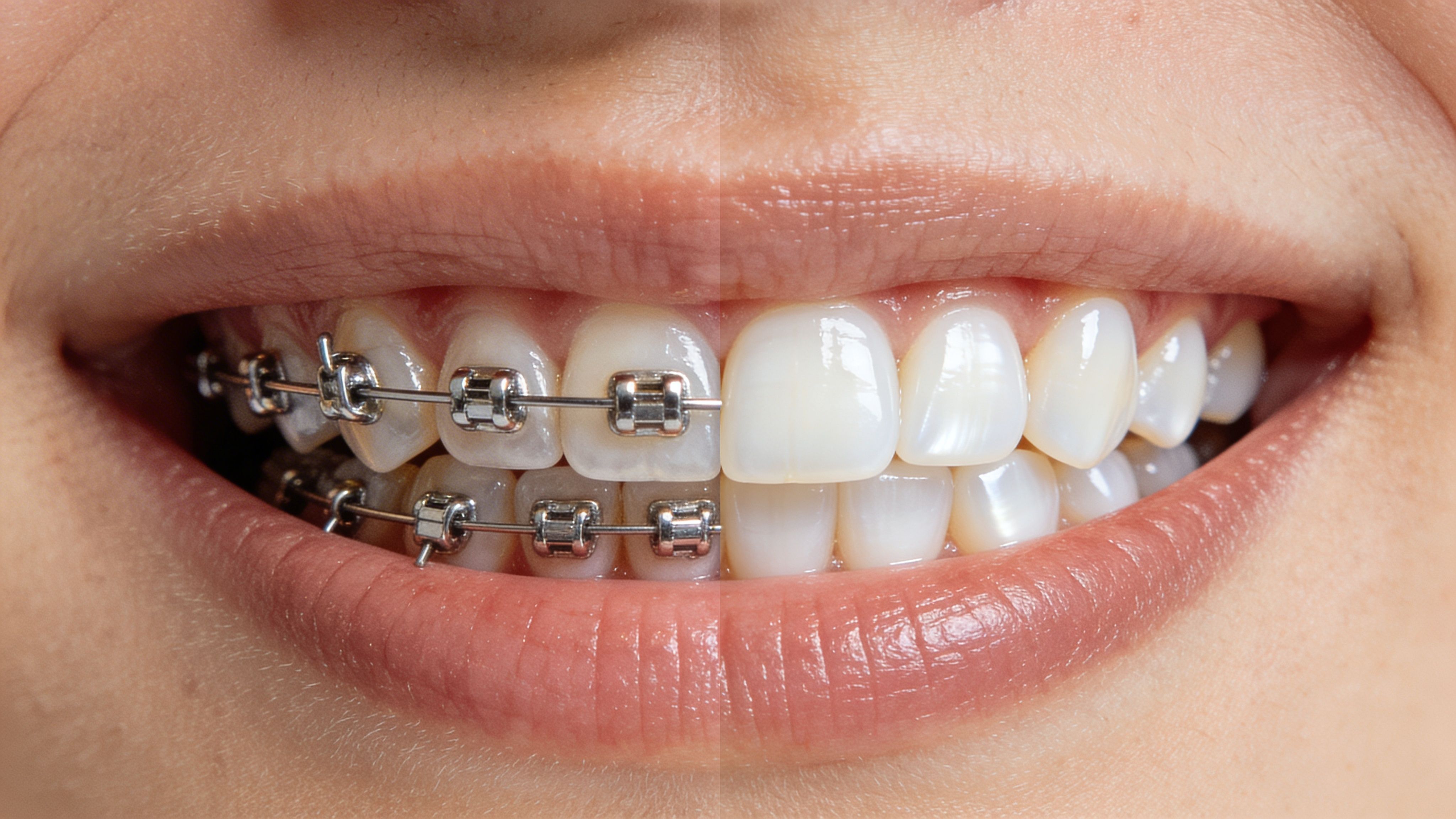
If you're deciding between braces, whitening, or veneers, the standard sequence is orthodontics first, whitening second, veneers last. That order usually gives the best and most lasting result because it fixes position before color, and color before any final ceramic work.
A lot of people in Fountain Valley start in the same place. They look in the mirror and see more than one issue at once. Maybe the teeth are a little crowded, a little darker than they used to be, and one or two edges look worn or chipped. The confusing part isn't understanding what each treatment does. The confusing part is knowing where to begin.
That's where treatment order matters. If you get the sequence wrong, you can spend time and money on something that later has to be adjusted, worked around, or replaced. If you get it right, each step makes the next one easier and more precise.
Planning Your Smile Reset Journey
Individuals typically don't walk into an orthodontic office saying, “I need treatment sequencing.” They say something much more human: “I want my smile to look better, but I'm not sure what comes first.”
That question comes up because many dental pages in Fountain Valley explain what veneers or whitening do, but rarely answer the practical question of treatment order. The result is a lot of uncertainty about whether to whiten before matching veneers, or whether to straighten crowded teeth before any cosmetic work, as noted in this local discussion of veneer treatment questions.
Why the order matters
Think of a smile reset like renovating a kitchen. If the cabinets are crooked, you don't choose the final paint color and install the backsplash first. You square the structure, then you refine the finish.
Teeth work the same way. Their position, bite, and spacing influence how bright they look, how restorations fit, and how natural the final smile feels. Patients often focus on the most visible concern first, usually color or shape, but the most visible concern isn't always the best first step.
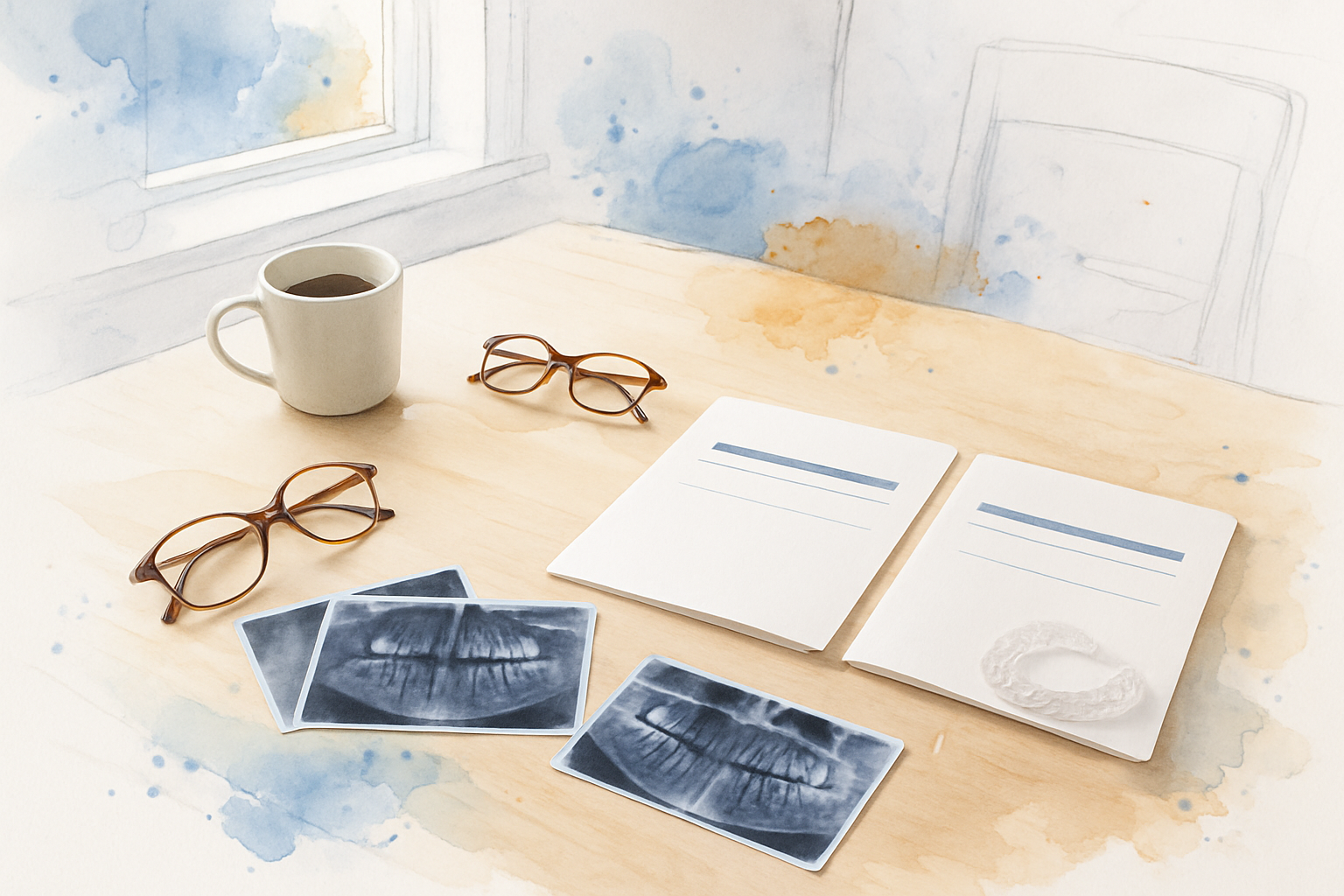
A good treatment plan doesn't just ask what bothers you most today. It asks what sequence will still make sense years from now.
That's why these conversations need to be clear, not rushed. Good clinical care depends on good explanation, and that's part of why effective patient communication strategies matter so much in treatment planning.
A better starting question
Instead of asking, “Do I want veneers, whitening, or braces?” ask this:
- If your teeth are crowded or your bite feels off, start with alignment.
- If your teeth are straight but darker than you want, whitening may be the first useful step.
- If your alignment is already where it should be and the remaining issue is shape, chips, or surface appearance, veneers may be the finishing phase.
For a closer look at how orthodontists think through the beginning of that process, this article on the first step in a smile makeover is a helpful companion.
Building the Foundation with Orthodontics
When a smile reset includes both orthodontics and veneers, braces or aligners should almost always come first. Tooth position has to be stable before final ceramic restorations are designed, or you risk poor fit, compromised aesthetics, or having to replace the veneers after teeth move. That standard workflow is outlined in this review of whether braces or veneers should come first.

Why straightening comes first
The house-foundation analogy works because it's accurate. Orthodontics sets the structure. Once teeth are aligned correctly, the dentist can see the true spacing, edge position, and smile line. Before that, you're designing around a moving target.
In practice, that means three things often improve after orthodontics:
Tooth position
Crowded or rotated teeth can make a smile look uneven even when the teeth themselves are healthy.Bite relationship
If upper and lower teeth don't meet well, cosmetic work can look fine in a photo but feel wrong in daily function.Space distribution
Small gaps or overlapping areas can often be corrected with movement rather than covered with thicker restorative material.
What goes wrong when veneers come too early
Veneers can hide some misalignment, but they don't replace orthodontics when the underlying issue is crowding, bite, or tooth rotation. If you try to use veneers as a substitute for moving teeth into better positions, the restorations may end up looking bulky or harder to keep clean.
Practical rule: If teeth still need to move, don't lock in the final shape yet.
That's especially true when the goal is a natural result. Well-positioned teeth usually allow more conservative cosmetic work later. Poorly positioned teeth often force the restorative dentist to “work around” problems that should have been corrected first.
Which orthodontic tools fit this step
At this stage, the method depends on the case and the patient's routine. In our area, adults often ask whether they can do this discreetly, while teens and parents may prioritize durability or simplicity.
Typical options include:
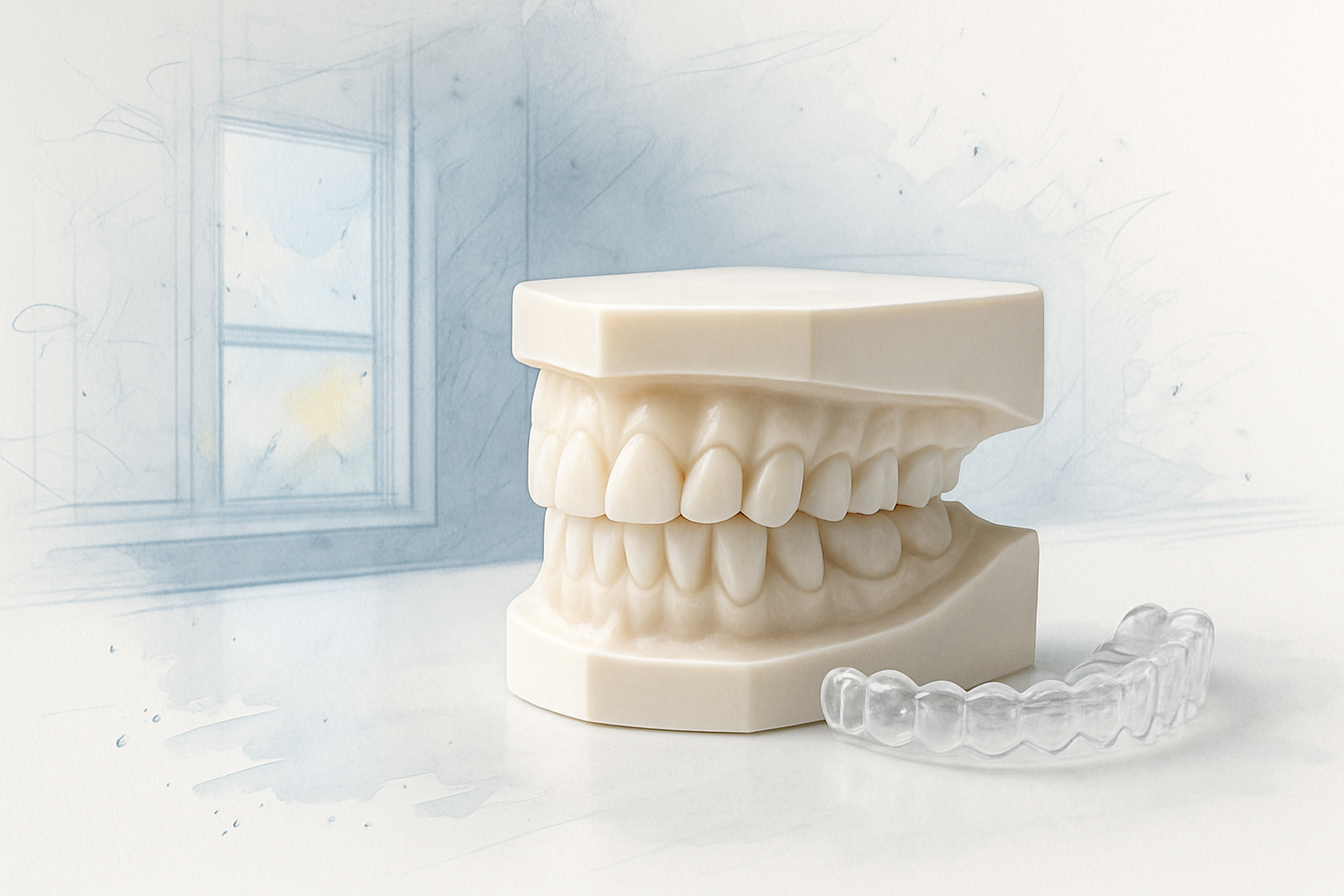
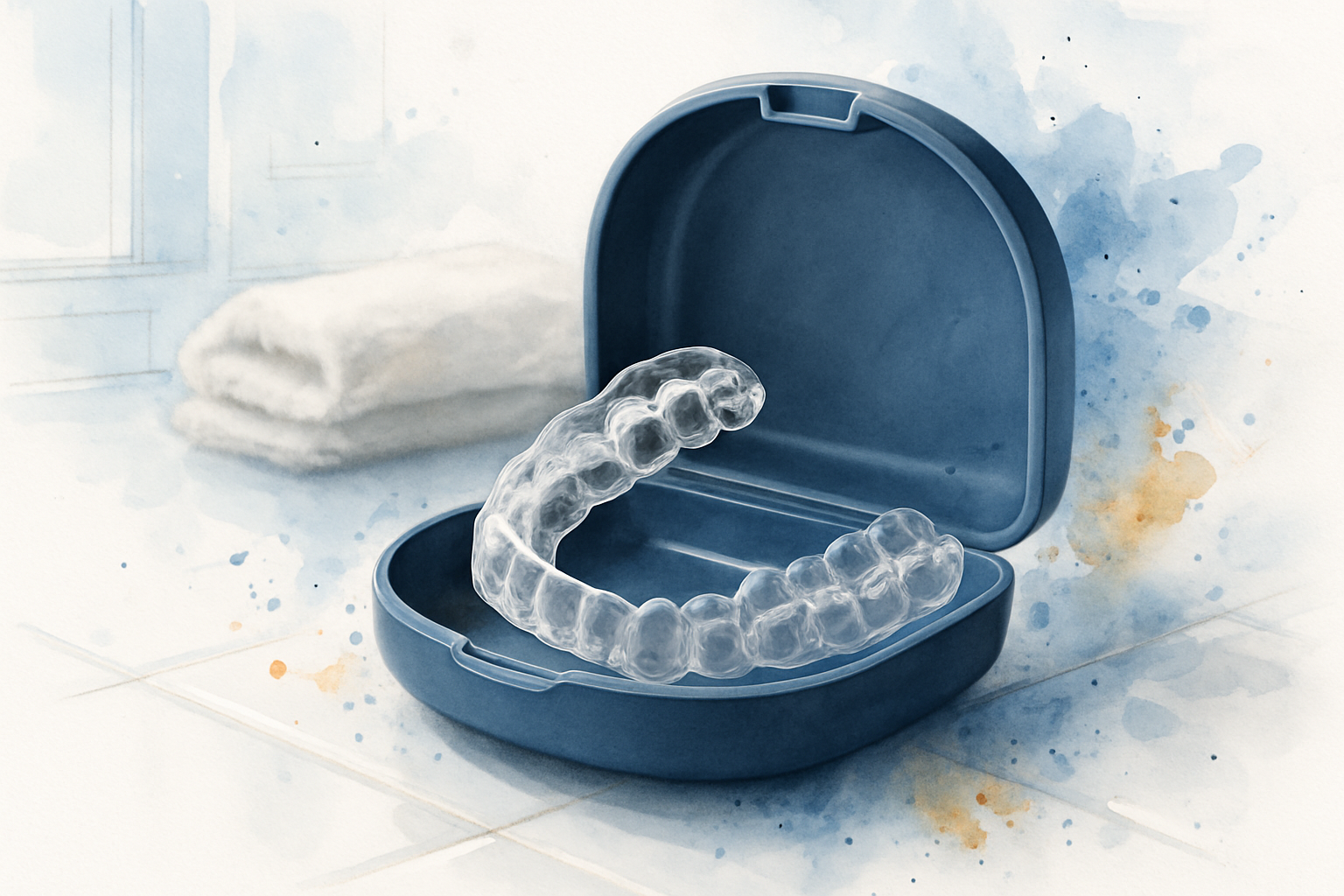
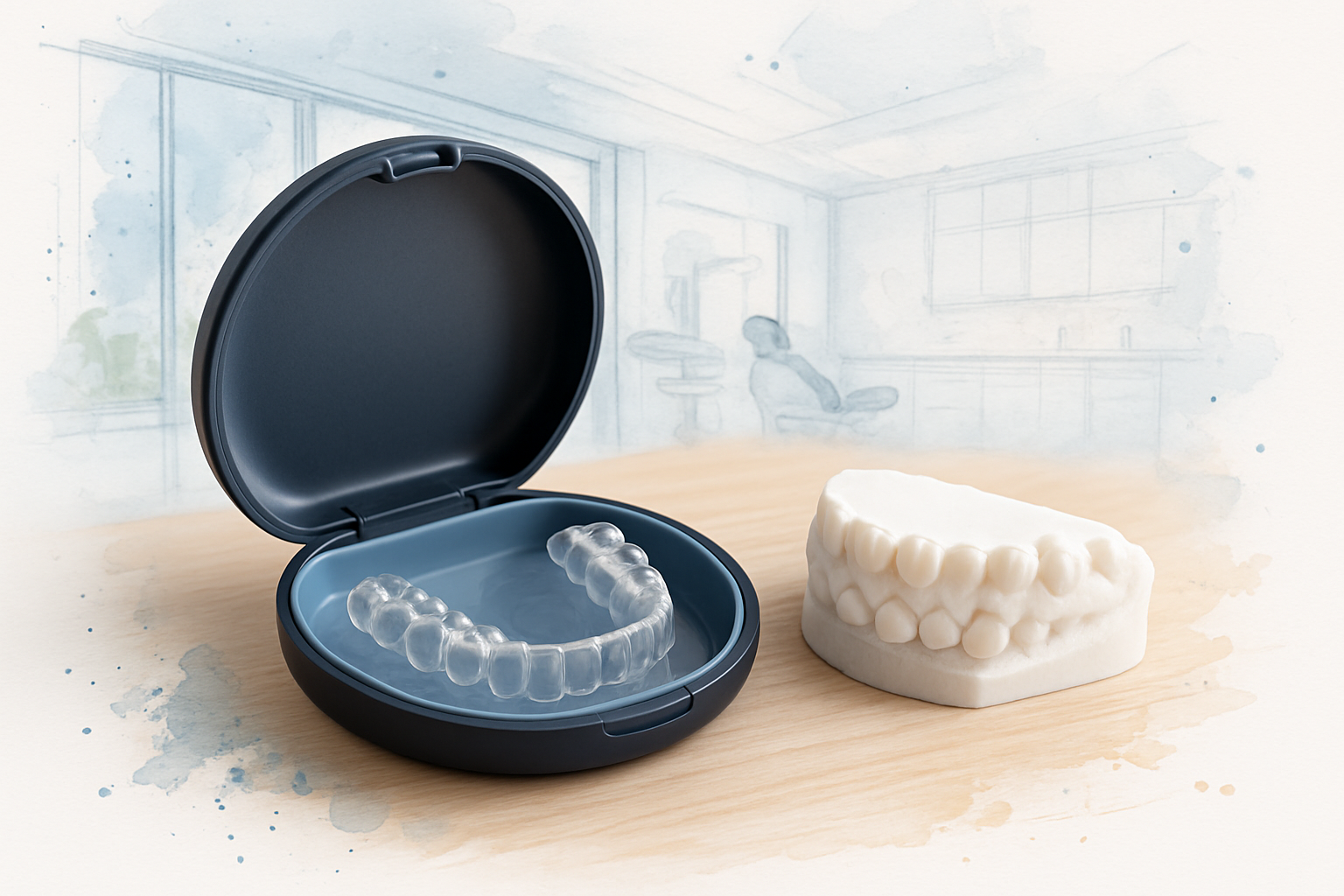
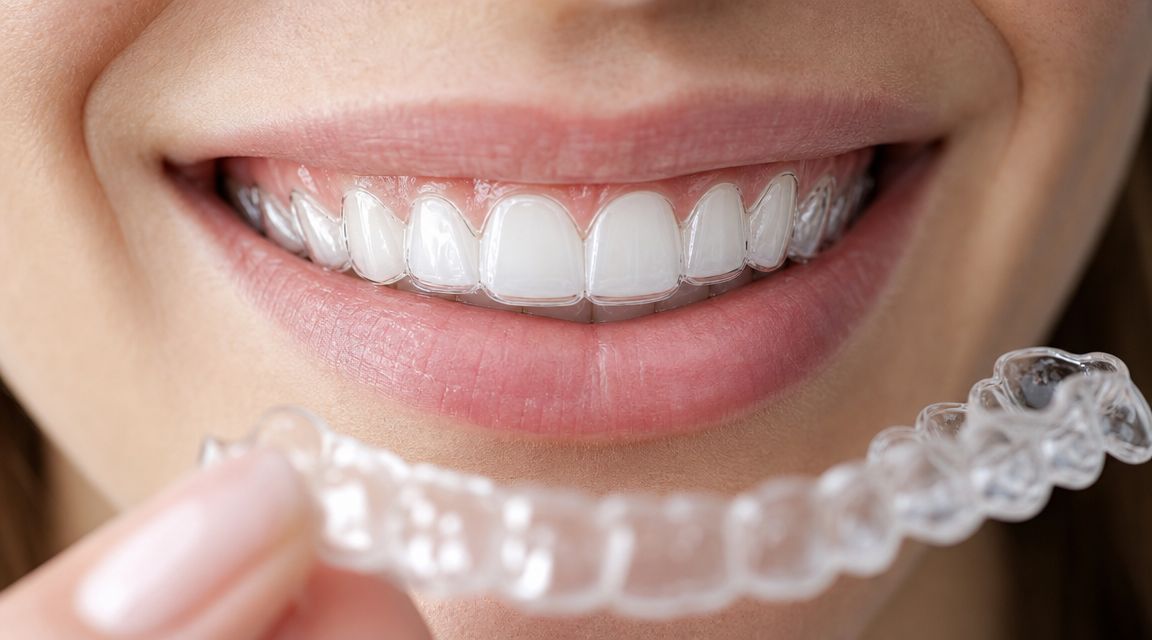
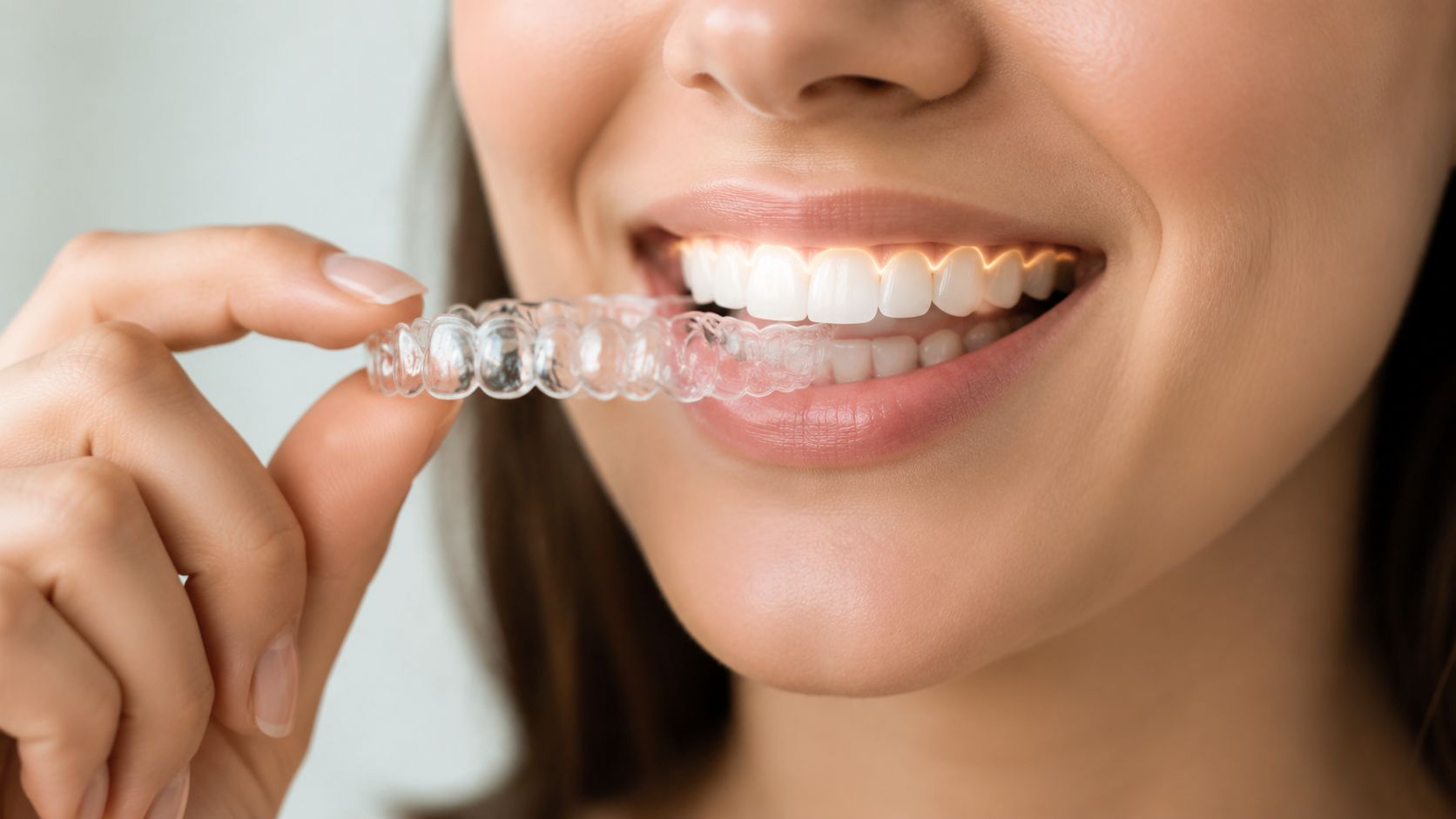
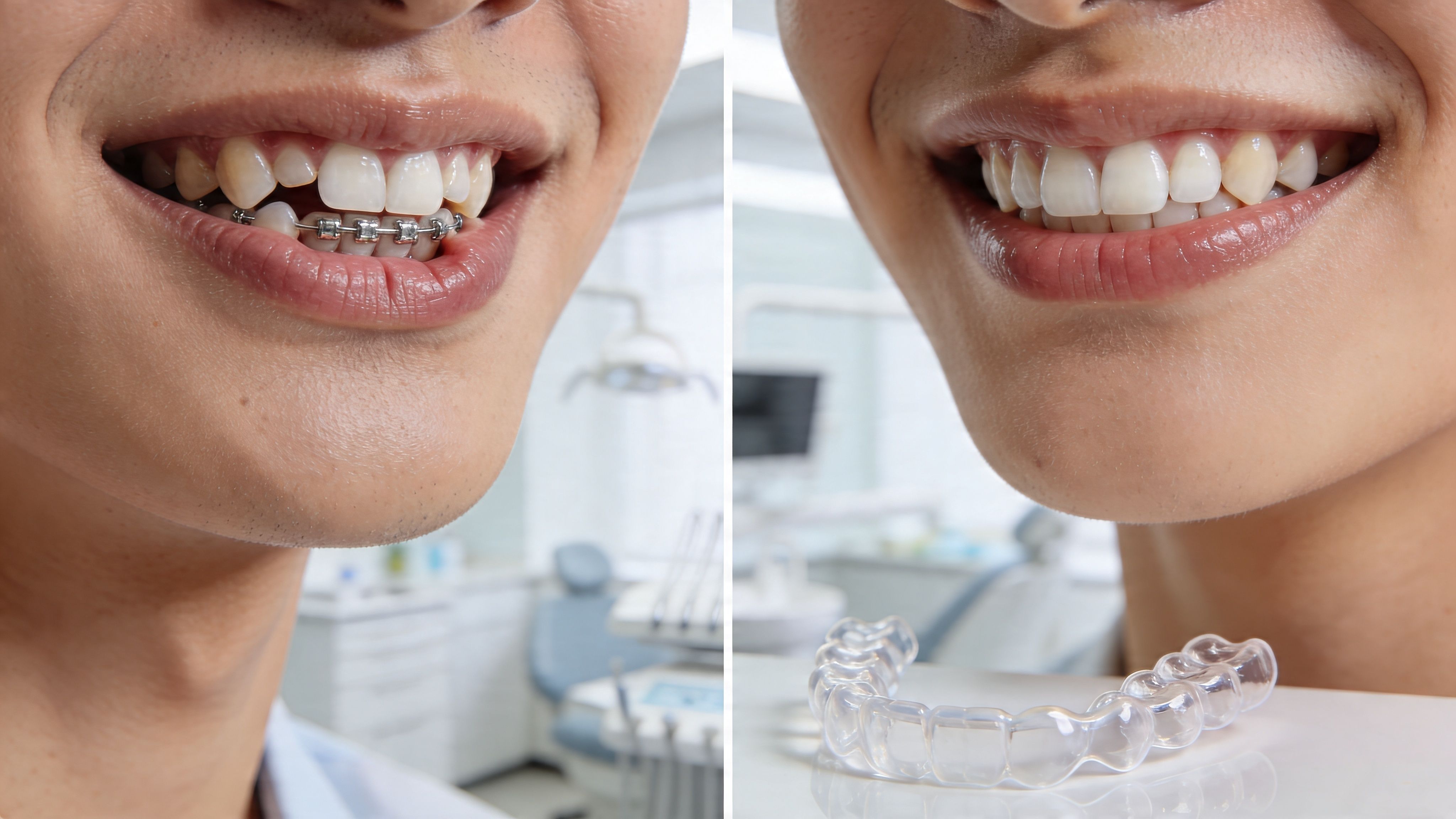
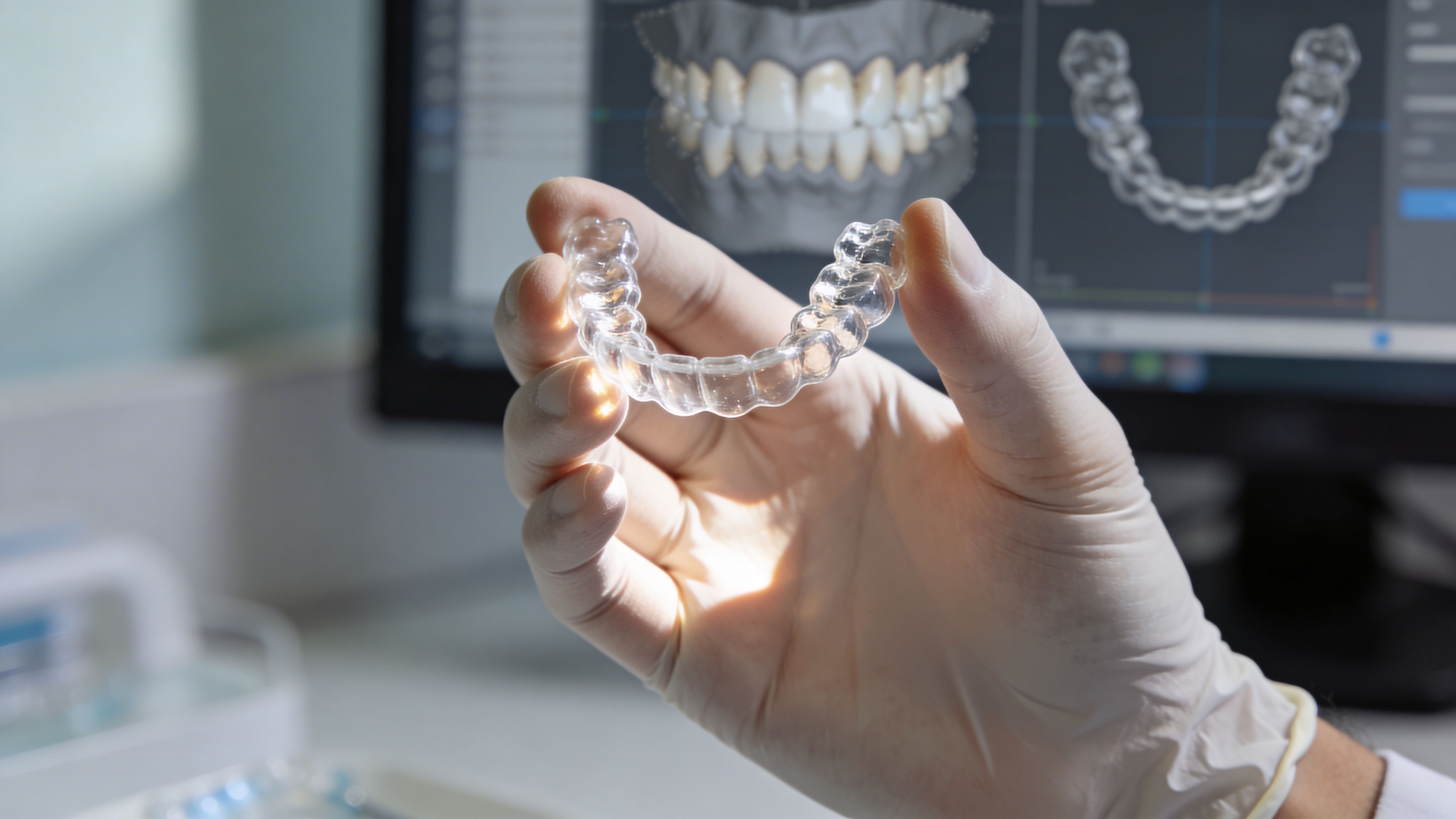
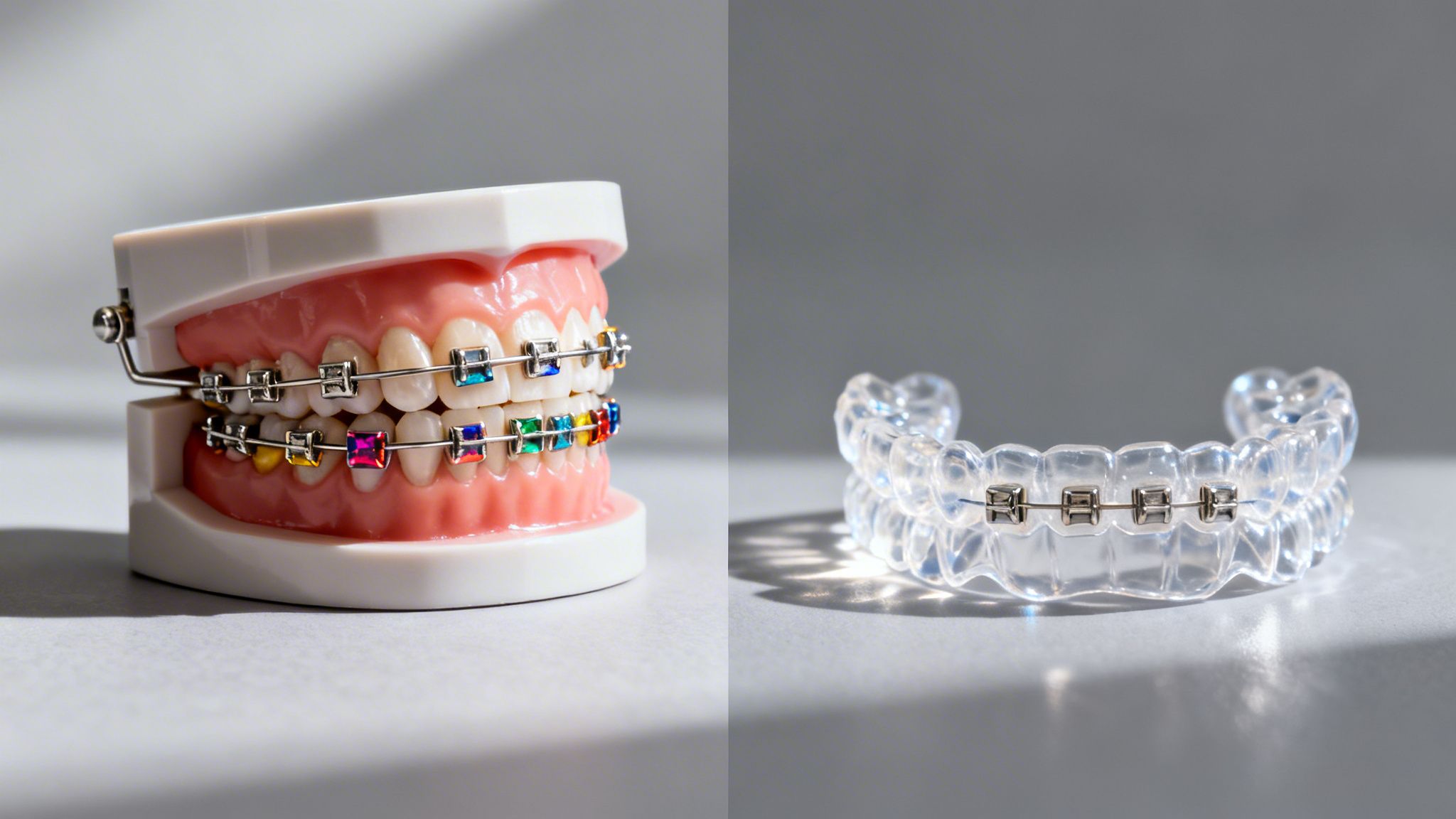
- Invisalign clear aligners for patients who want a removable approach and can stay consistent with wear
- Iconix esthetic brackets for patients who want fixed treatment with a softer look than traditional metal
- Traditional metal braces for reliable full-time control without needing to remember trays
If you want a deeper explanation of why this stage supports everything that follows, this piece on how orthodontics becomes the foundation of a smile makeover walks through the logic well.
Timing Your Teeth Whitening for Best Results
Whitening belongs in the middle of the sequence, not at the beginning and not after veneers are placed. Once the teeth are aligned and stable, whitening can brighten the natural enamel before any final shade matching is done.
Teeth whitening is also widely used. One industry review says it is the most common cosmetic dental procedure, with about 19% of U.S. adults having received professional whitening, and projects the global market will reach $10.6 billion by 2030. That broad use supports its role as a common middle step in a smile journey, as described in this review of cosmetic dentistry statistics and whitening trends.

Why whitening works best after orthodontics
Alignment changes how light hits the teeth. A tooth that looked dark while rotated inward may look quite different once it's facing forward correctly. A smile that looked uneven in color can appear more balanced after the teeth are leveled and lined up.
That's why early whitening can be misleading. You may brighten teeth before seeing their final arrangement, then realize the overall smile still doesn't look the way you expected.
Why whitening should happen before veneers
Veneers don't whiten like natural teeth. If someone places veneers first and later wants a brighter smile, the natural teeth may lighten while the veneers stay the same shade. That creates mismatch, especially near the front of the smile.
The cleaner sequence is simple:
- Finish alignment
- Whiten the natural teeth to the desired shade
- Match any future veneers to that settled color
If veneers are part of the plan, whitening first gives the dentist a stable color target instead of a guess.
A lot of patients ask what life looks like right after active tooth movement ends. This overview of how braces are removed from teeth helps explain that transition period before final cosmetic decisions are made.
Applying the Finishing Touches with Veneers
Veneers make the most sense when they are treated as the final refinement, not the shortcut. Historically, that fits their purpose. Modern dental veneers trace back to 1928, when Dr. Charles Pincus created thin porcelain shells for actors' on-screen smiles. One recent industry summary also says veneers have grown in popularity by 250%, with about 8% of Americans having them, which reinforces their role as a mainstream cosmetic finishing option rather than a substitute for orthodontic alignment, as described in this look at the history of dental veneers.
What veneers do well
Once teeth are in good position and the shade is where you want it, veneers can refine details that braces and whitening won't solve on their own.
They're often used for concerns like:
- Chipped edges
- Minor shape differences
- Small residual gaps
- Discoloration that won't respond well to whitening
- Uneven front tooth proportions
In other words, veneers are excellent at finishing the visible surface. They're not designed to correct the underlying arrangement of the teeth in the arch.
Why the earlier steps make veneers better
A well-sequenced plan usually allows veneers to be more conservative and more believable. The dentist doesn't have to make them overly thick to disguise crowding. The contacts between teeth are easier to design. The smile line is more predictable.
That's why I often explain veneers as the last piece of tailoring. You alter the structure first, choose the final color second, and then fine-tune the visible details. Doing that in reverse usually creates compromise.
Veneers look most natural when they're placed on teeth that are already in the right place.
Patients who want to see how orthodontic planning and cosmetic finishing can work together may find this article on smile makeovers in Fountain Valley useful. To see real customer stories and learn more about Magic Fox Orthodontics, visit their success stories page.
Common Patient Scenarios and Treatment Paths
The phrase “veneers, whitening, or braces first” sounds like one question, but in real life it's several different questions depending on the starting point. The right answer changes with the problem you're trying to solve.
For adult smile resets, there's a real tradeoff between a fast cosmetic fix and a more stable long-term plan. Whitening can give quick visual improvement, but if it's done before alignment, the result can be temporary and visually misleading. Staging treatment with orthodontics first preserves enamel and improves long-term aesthetics, as discussed in this local perspective on adult Invisalign and smile planning.
Three common examples
Here are the treatment paths I most often find helpful to explain.
| Patient Scenario | Primary Goal | Typical Sequence |
|---|---|---|
| Teen with crowding | Create a healthy bite and straighter alignment | Orthodontics, then retention |
| Adult with mild crookedness and yellowing | Improve appearance without overtreatment | Orthodontics, then whitening |
| Adult with wear, chips, and bite issues | Rebuild function first, then appearance | Orthodontics, retention, then restorative finishing |
Scenario one: the teen with crowding
A teenager from Fountain Valley comes in because the front teeth overlap and cleaning is getting harder. The family may notice the smile first, but the bigger issue is the bite and the long-term arrangement of the teeth.
In that case, the sequence is usually straightforward. We focus on orthodontics using traditional metal braces, Iconix esthetic brackets, or Invisalign clear aligners, depending on the case and the patient. After alignment is complete, retention keeps the teeth stable.
Whitening and veneers usually aren't the main discussion here. The important work is building a healthy framework early.
Scenario two: the adult with mild crookedness and staining
This is one of the most common adult situations. The person doesn't necessarily want a dramatic makeover. They just want their smile to look cleaner, brighter, and less tired.
The temptation is to whiten first because it seems fast. But if the front teeth are slightly rotated or uneven, straightening them first often changes the entire appearance of the smile. After that, whitening can lift the color more evenly.
Sometimes the most conservative cosmetic plan is also the one that looks the most natural.
In many of these cases, veneers aren't needed at all.
Scenario three: the adult with worn teeth and a bite problem
This patient often says, “My teeth look short,” or “My bite feels off,” or “I'm chipping the same edges over and over.” Here, cosmetic concerns and functional concerns are tied together.
The logical sequence is to correct the bite and alignment first. Once the teeth are positioned properly, the general dentist can evaluate whether veneers or other restorative work are appropriate to rebuild worn surfaces and improve appearance.
That staged approach avoids putting pretty surfaces on top of an unstable bite.
Are There Exceptions to the Standard Sequence
Yes. The standard sequence is still the default, but real patients don't always fit neatly into a template. Good planning means knowing when the rule applies and when the case needs adjustment.

When the sequence may need tailoring
Sometimes a patient already has veneers and now needs orthodontic treatment because the bite has changed or crowding has returned. Orthodontic treatment can still be possible, but the existing porcelain needs careful handling.
Other exceptions include situations where a temporary restoration is needed during treatment to maintain space or improve appearance while teeth are moving. In those cases, the key is coordination. The orthodontist and the restorative dentist need to work from the same map.
What doesn't change, even in exceptions
Even when the sequence is adjusted, the principle usually remains the same: final cosmetic work should be based on stable tooth positions whenever possible.
That's the part patients sometimes miss. An exception doesn't mean the order no longer matters. It means the team has to think more carefully about timing, protection, and what should be temporary versus final.
A patient with a more involved bite or alignment problem may also wonder whether aligners can manage it or whether fixed braces are the better tool. This discussion of whether Invisalign is as effective as braces for complex cases is useful when the plan needs to be individualized.
The best sequence is not the fastest one. It's the one that avoids creating a new problem while solving the old one.
Your Smile Reset Questions Answered
Can I whiten during braces or aligner treatment
With braces, whitening during active treatment usually creates uneven results because the bracket-covered areas won't respond the same way as the exposed enamel. With aligners, some patients assume it's simple because the trays are removable, but the better answer is still to wait until tooth movement is complete and the smile has settled.
That gives you a more even, more accurate result.
Can veneers fix crooked teeth by themselves
Sometimes they can mask very minor irregularities, but they're not a replacement for orthodontics when teeth are crowded, rotated, or poorly positioned in the bite. Trying to “fake straightness” with veneers alone can lead to restorations that look bulky or require more enamel reduction than necessary.
If the primary problem is position, move the teeth first.
What if I only care about color
If your teeth are already well aligned and the bite is stable, whitening may be enough. Not every patient needs a full smile reset. Some people need structure. Others only need brightness.
That's why diagnosis matters more than trends.
How do I know whether I'm a whitening case or a veneer case
Ask what remains after alignment and whitening are complete. If the main concerns are still chips, shape differences, or surface appearance that whitening won't fix, veneers may be the right finishing step. If the teeth look healthy and well proportioned after straightening and whitening, veneers may be unnecessary.
The simplest plan that solves the underlying problem is usually the smartest one.
Orthodontic treatment planning should feel clear, not mysterious. If you want a practical starting point and to learn how different cases are evaluated, Magic Fox Orthodontics provides information on Invisalign clear aligners, Iconix esthetic brackets, and traditional metal braces for patients in Huntington Beach and Fountain Valley who are sorting through these exact sequencing questions.