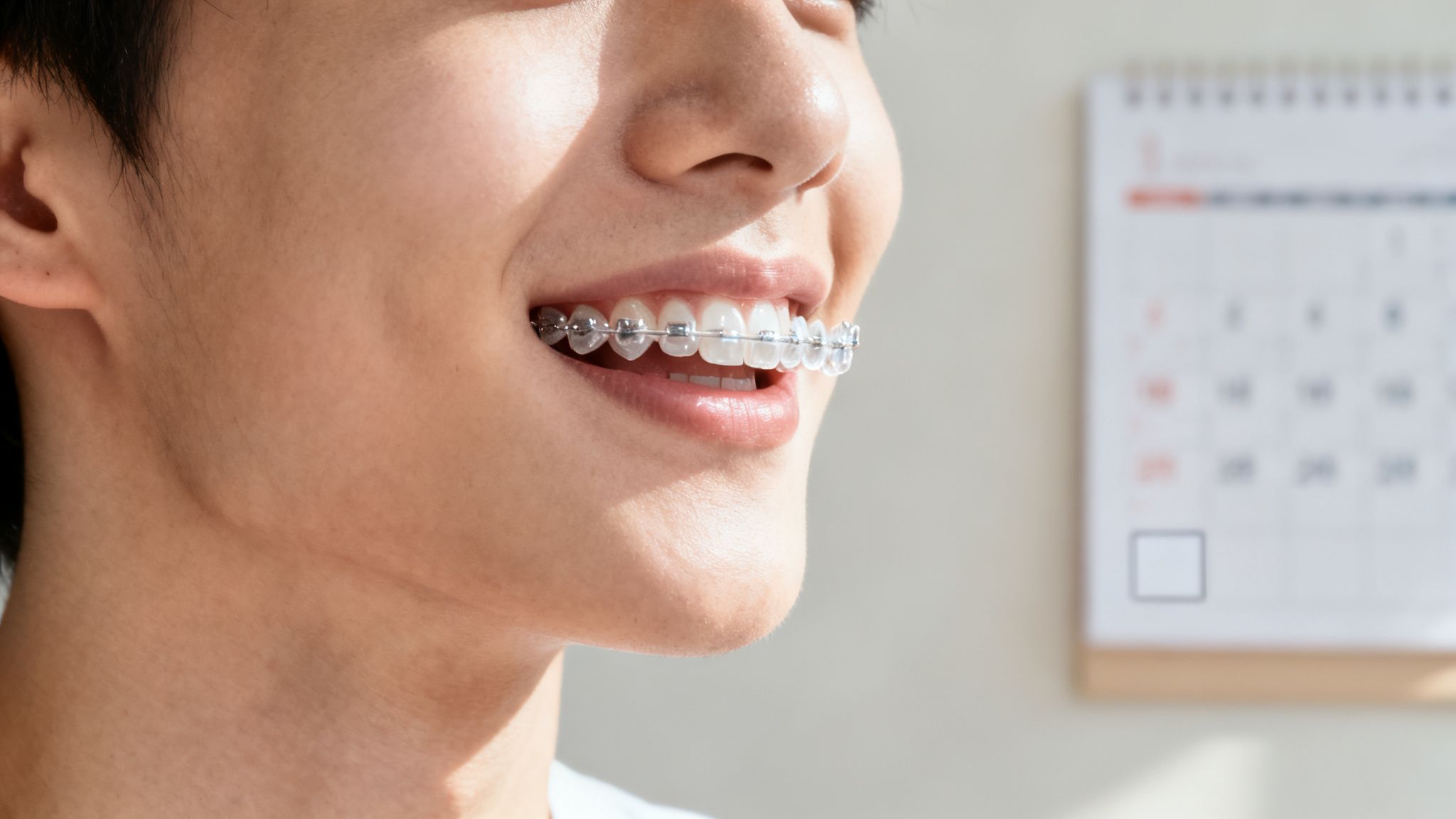
What Do Huntington Beach Patients Do When Braces Start to Hurt?
Direct Answer: Most braces soreness peaks in the first three to five days after placement and fades on its own. Soft foods, warm salt-water rinses, and over-the-counter pain relief handle the majority of it at home.
The most common call we get after a braces placement appointment isn't about scheduling, it's from a parent asking why their kid's mouth is sore, or from a patient wondering whether what they're feeling is normal. The answer, almost every time, is yes. Soreness after braces go on is expected, and understanding the pattern takes most of the worry out of it.
Patients from across Huntington Beach, from the Oak View neighborhood over to Goldenwest and down Beach Boulevard, go through this same adjustment period. It doesn't mean something went wrong. It means the teeth are responding exactly the way they should.
This article breaks down what's actually happening, what you can do about it at home, and the specific situations where you should stop managing it yourself and pick up the phone instead.
Why Braces Cause Soreness, and When It Peaks
When brackets and wires go on for the first time, your teeth aren't used to pressure being applied in a controlled, sustained direction. The soreness you feel is the result of that pressure working, the bone around each tooth is literally remodeling itself so the tooth can move. According to the American Association of Orthodontists, this biological process is what makes orthodontic treatment work, and mild discomfort is a predictable part of it.
For most patients, the pattern looks like this:
- Days 1-3 after placement: the most noticeable soreness, especially when biting down
- Days 3-5: pressure eases as the teeth begin to settle
- After each adjustment visit: a shorter version of the same cycle, usually one to two days of mild tenderness
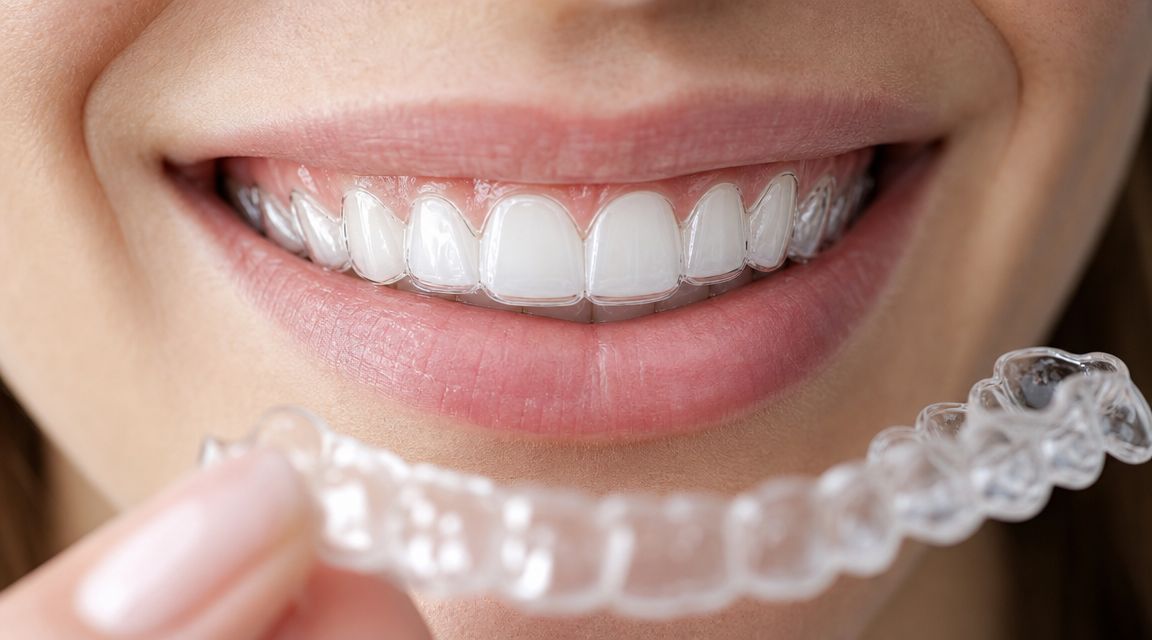
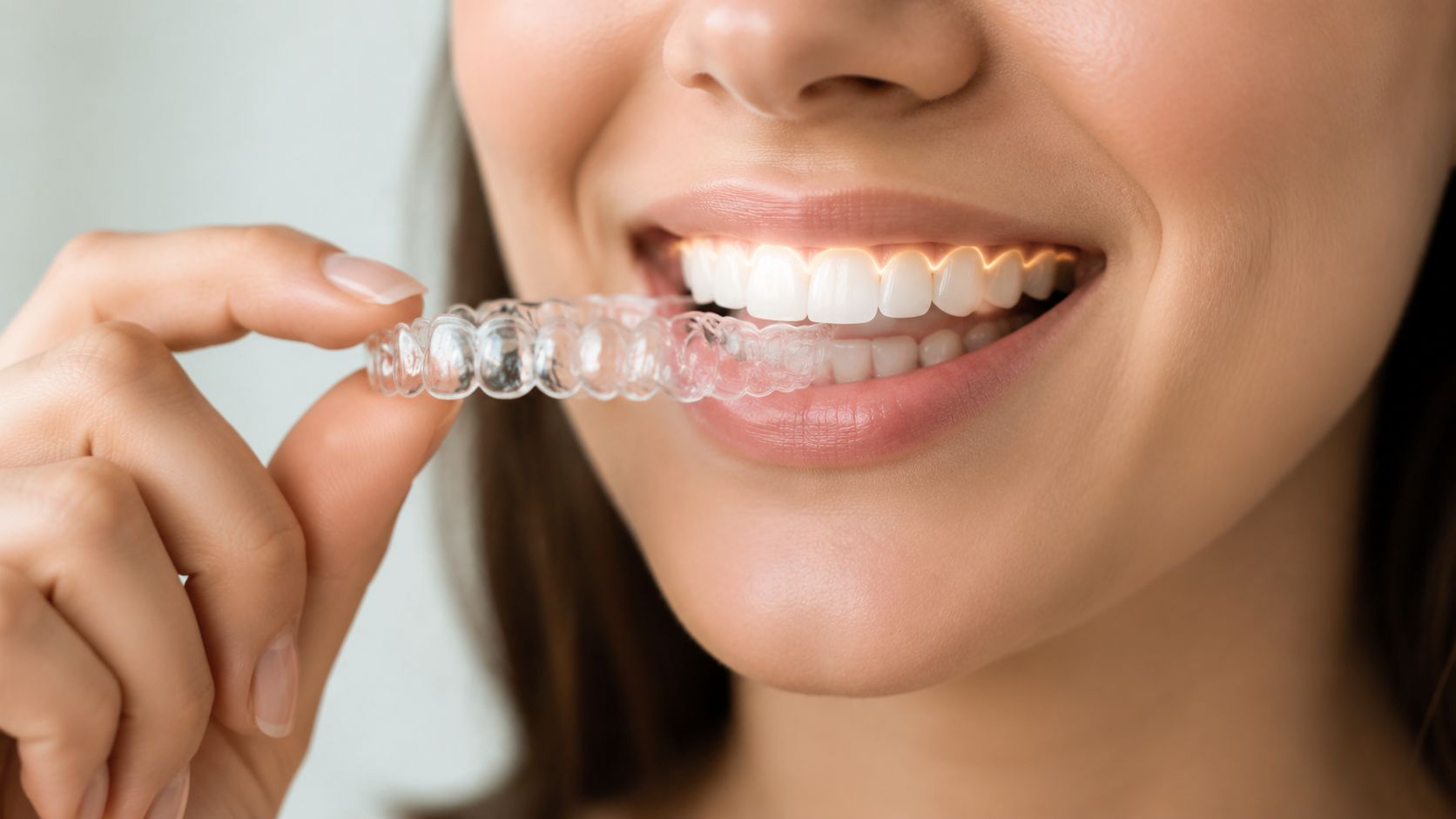
- After new Invisalign trays: a day or two of pressure, particularly in the first 24 hours
It's worth knowing that the first week is typically the worst of it. Patients who push through that initial period almost always find that subsequent adjustments are easier to manage. I've seen this pattern hold true whether someone is 14 years old in a Goldenwest family or an adult in their 40s starting Invisalign for the first time.
For more on what the braces process actually involves, that page walks through the timeline in plain terms.
The At-Home Toolkit That Actually Works
You don't need anything fancy to get through the first few days. The patients who handle soreness best are the ones who come prepared, and the prep list is short.
Soft foods for the first three to five days are the single biggest comfort factor. Think:
- Yogurt, applesauce, and smoothies
- Warm soup and broth (not hot enough to loosen brackets)
- Scrambled eggs and soft pasta
- Mashed potatoes and soft-cooked vegetables
- Ripe bananas and soft fruit
Avoid anything that requires biting hard or chewing aggressively until the initial soreness fades. The best foods to eat with braces is a fuller guide if you want specifics by food category.
Warm salt-water rinses are simple and genuinely helpful. Dissolve about half a teaspoon of regular table salt in eight ounces of warm water and rinse for about 30 seconds. This can reduce minor tissue irritation and help soothe any spots where a bracket edge is catching the inner cheek.
Cold compresses applied to the outside of the cheek for 10-15 minutes at a time can take the edge off swelling-related tenderness, especially the first day or two.
Over-the-counter pain relief, ibuprofen or acetaminophen, used exactly as directed on the label and appropriate for the patient's age and weight, is completely fine for short-term use during these adjustment windows. We're not talking about masking a problem here; we're talking about a legitimate tool for a predictable, temporary discomfort.
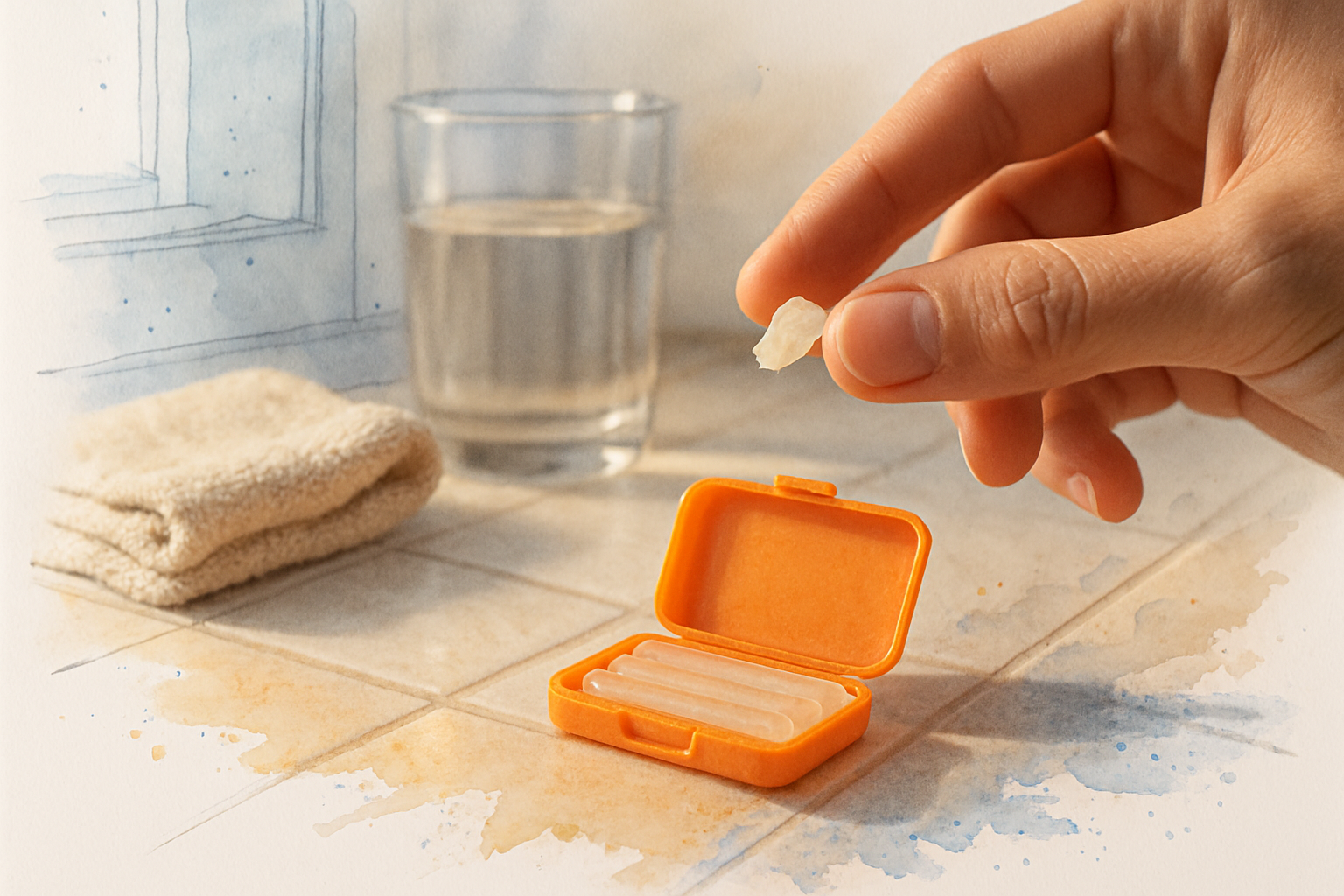
Orthodontic wax belongs in every patient's bathroom. If a bracket edge or wire end is rubbing the inside of your cheek, roll a small piece of wax between your fingers until it's soft, then press it over the offending spot. It won't fix anything permanently, but it prevents the irritation from getting worse while you wait for your next appointment.
Braces Soreness: What's Normal and What's Not
This infographic summarizes the soreness timeline and the key decision points between managing at home versus calling the office.

Invisalign Soreness Is a Little Different
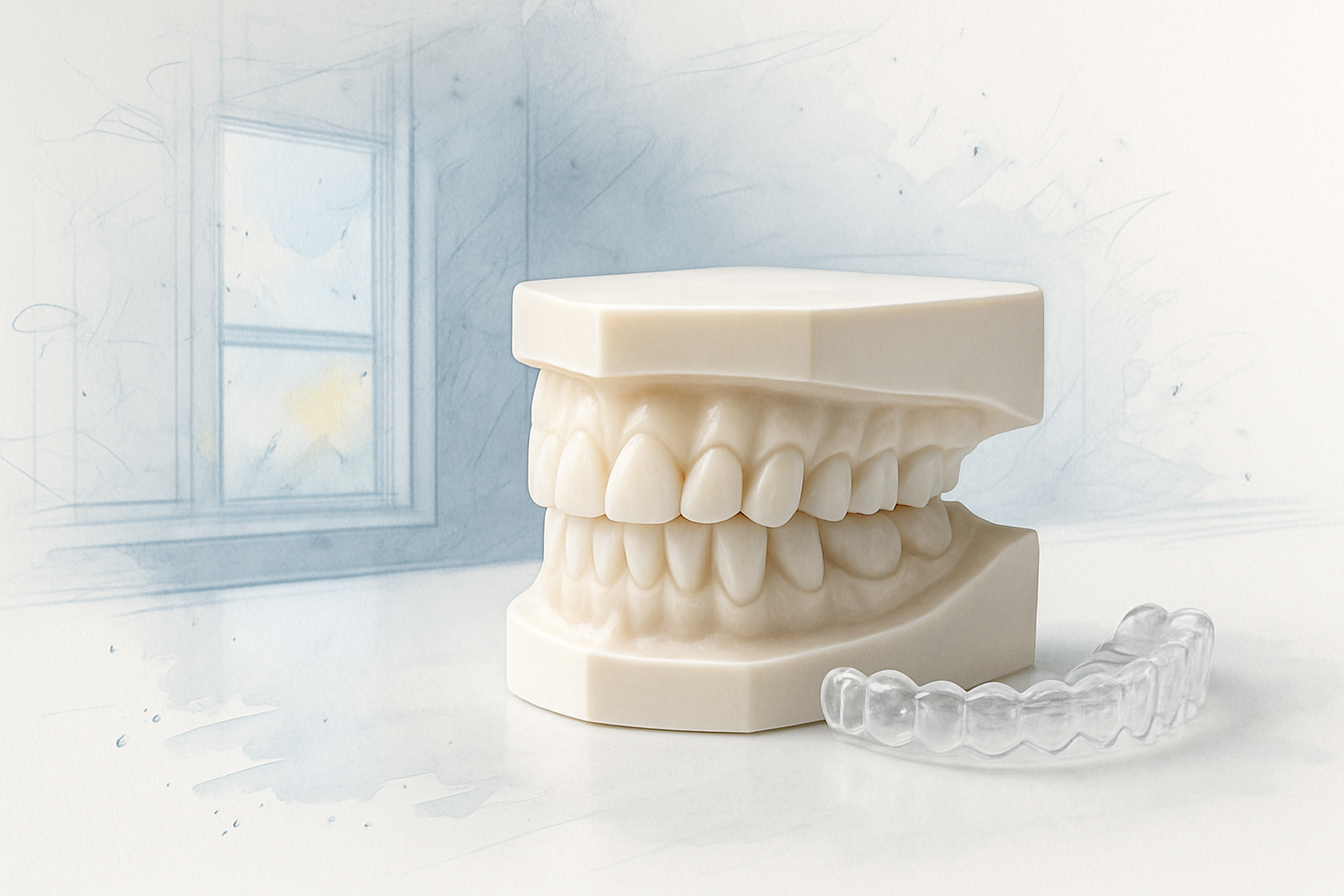
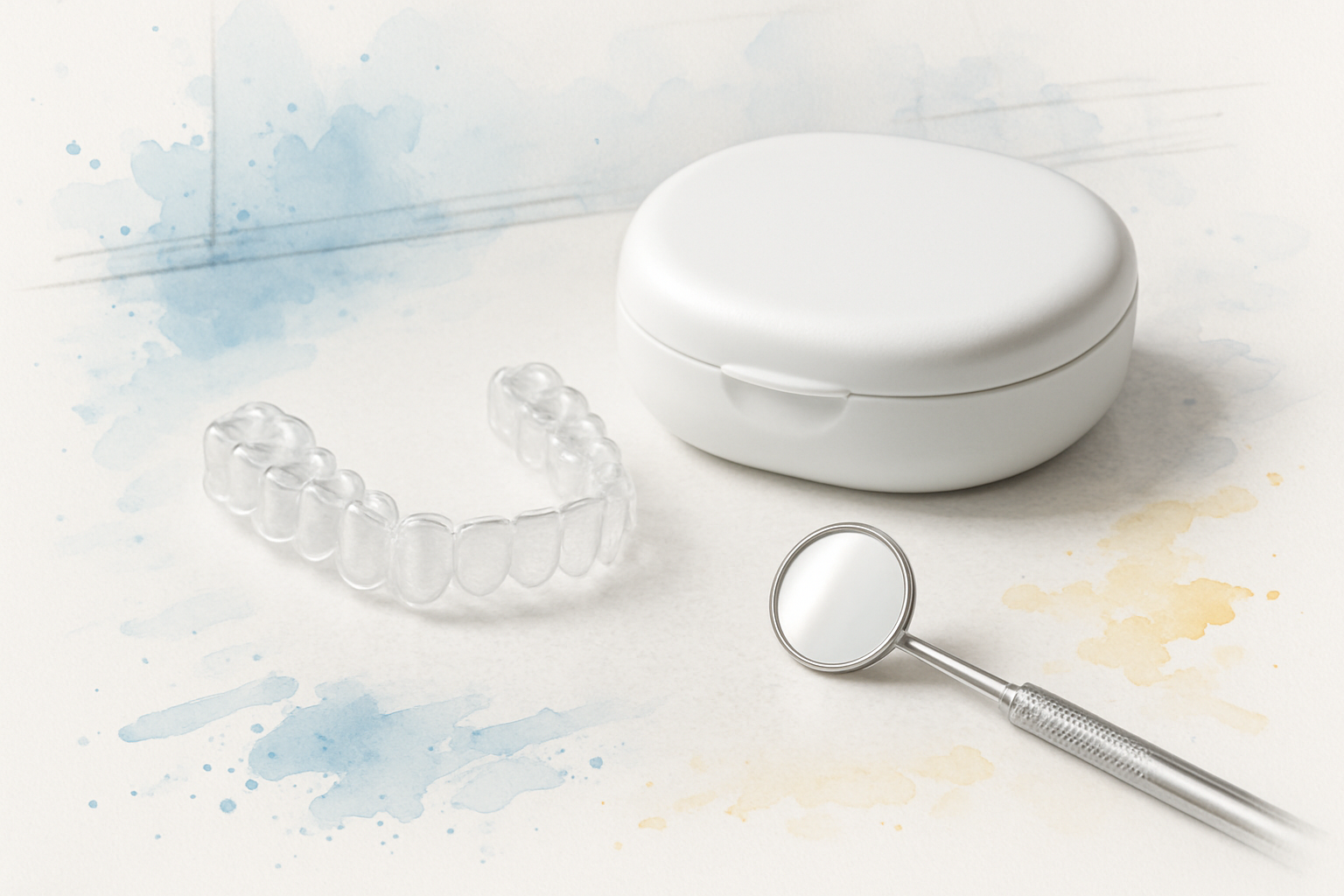
Patients who choose Invisalign in Huntington Beach experience a version of the same thing, but the triggers are different. Instead of a single big adjustment, Invisalign introduces pressure in smaller increments every time you move to a new tray.
The first one to two days after switching trays is the most common time to feel noticeable pressure. This is normal. For most patients it's milder than traditional braces soreness, but it's still real and worth anticipating.
A few things that come up specifically with clear aligners:
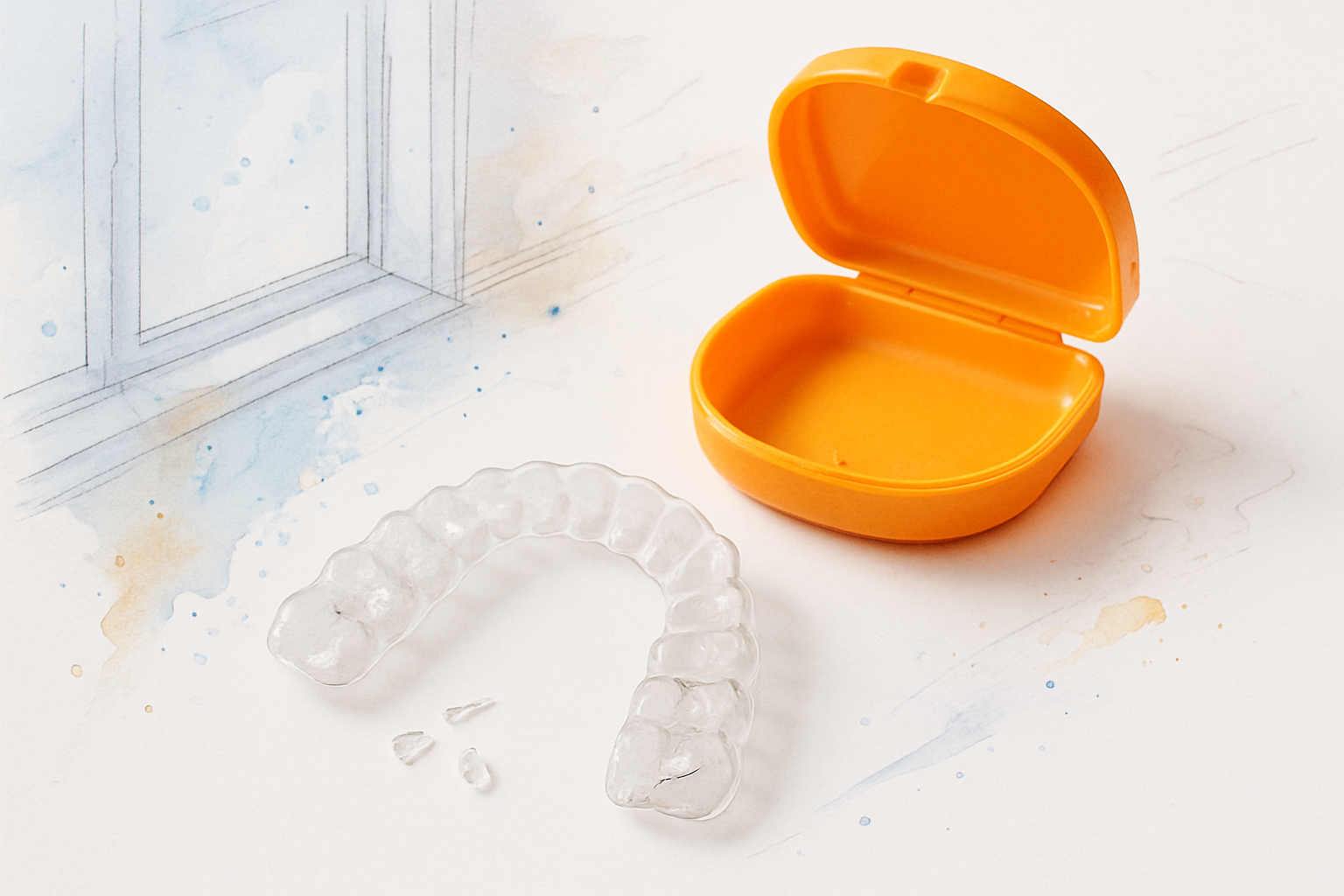
- Rough tray edges can irritate the gums or cheeks, especially on a new tray. A small piece of orthodontic wax on the edge usually resolves this. If the edge is consistently sharp across multiple trays, that's worth mentioning at your next visit so it can be smoothed.
- Tight fit on a new tray is expected and means the tray is working. If a tray feels so tight it won't seat fully, don't force it, call us first.
- A lost attachment (the small tooth-colored dot bonded to a tooth) doesn't usually cause pain, but it does affect how the tray tracks. That's a call-the-office situation, not a wait-and-see one.
Wearing trays for the recommended 22 hours a day actually helps manage soreness, because removing trays frequently allows teeth to drift back slightly before being repositioned again with each insertion. Consistent wear makes the adjustment smoother.
Quick Reference: Common Discomfort Scenarios
Use this as a fast guide to know whether something needs same-day attention or can wait.
| Situation | Normal? | What to Do |
|---|---|---|
| Soreness days 1-5 after braces placement | Yes | Soft foods, salt rinse, OTC pain relief as directed |
| Tenderness 1-2 days after adjustment | Yes | Same at-home toolkit, it passes quickly |
| Pressure first day or two of a new Invisalign tray | Yes | Wear consistently, OTC pain relief if needed |
| Bracket edge rubbing the cheek | Common | Apply orthodontic wax; mention at next visit |
| Poking wire wax won't cover | No | Call the office, same-day fix usually possible |
| Broken bracket | No | Call the office to schedule a repair |
| Sharp pain lasting more than 4-5 days | No | Call the office, do not wait it out |
| Bleeding that doesn't stop | No | Call the office immediately |
When to Stop Managing It Yourself and Call
The at-home toolkit handles the majority of what braces patients feel. But there are specific situations where self-treating is the wrong move.
Call the office when:
- A wire is poking the back of your cheek or gum and wax won't stay in place. This is a quick fix in the chair but can cause a real sore if ignored over a weekend.
- A bracket breaks or comes loose. It won't hurt badly, but a loose bracket means that tooth isn't being moved correctly, and prolonged delays can affect your treatment timeline.
- You notice a lost Invisalign attachment. These small anchors guide specific tooth movements, without them, your tray may not be doing what it should.
- Sharp pain lasts more than four to five days after an adjustment or new tray. Soreness that doesn't fade on schedule is worth a conversation.
- Any bleeding that doesn't stop within a few minutes. Gum sensitivity during braces treatment is common; ongoing bleeding is not.
For patients in the Oak View and Wintersburg areas who worry about what happens on a Friday afternoon, here's what I'd say: the practice has built a reputation for getting urgent issues seen quickly, same-day in most cases. That's not a marketing line; it's what patients consistently describe in reviews, and it's why families across Huntington Beach and Fountain Valley don't end up suffering through a weekend with a poking wire.
You can also learn more about how orthodontic emergencies are handled, that page explains what qualifies as urgent and how to get in touch after hours.
Frequently Asked Questions About Braces Soreness
Is it normal for my teeth to hurt so much I can't bite down after braces go on?
Yes, and it's one of the most common things patients call about after their first appointment. Biting pressure on newly bracketed teeth is uncomfortable for most people in the first two to four days. Stick to very soft foods during that window and it will ease. If biting is still painful after five or six days, give us a call.
Can I take ibuprofen before an adjustment appointment to get ahead of the soreness?
You can, as long as ibuprofen is appropriate for you and you follow the dosing directions on the label. Taking it about an hour before your appointment can reduce the tenderness that follows. Just don't make a habit of masking pain that lasts longer than the expected adjustment window, that's information we need to know about.
My Invisalign tray feels really tight this morning, is something wrong?
A tight new tray is almost always a sign it's working correctly. That said, if the tray won't fully seat no matter how long you try, or if it feels significantly different from your previous trays, call us before assuming it's fine. A tray that doesn't fit properly won't move your teeth the right way.
What do I do about a poking wire on a Saturday when the office is closed?
First, try covering it with orthodontic wax, that's a genuine short-term fix for many wire situations. If the wire has shifted far enough that wax won't hold, a clean fingernail clipper (sterilized) can sometimes clip a small overhang at the very end, but only if you can see it clearly and the access is safe. Most importantly, call the office first thing Monday morning, or if the pain is significant, check for contact information on the website for after-hours guidance. In most cases, these are same-day fixes once you're in the chair.
My child says their braces hurt every single day, should that be happening?
Daily, ongoing soreness between adjustments is not typical. Mild sensitivity here and there is normal, but if your child is uncomfortable every day, it's worth calling us to describe what they're experiencing. It could be a wire or bracket issue that's easy to fix, or something that needs Dr. Jeremy or Dr. Melissa to take a closer look.
Does Invisalign hurt less than braces?
Generally, patients report that Invisalign pressure is milder than the soreness following traditional braces placement or a wire adjustment. But 'less' doesn't mean 'none', you will feel pressure, especially in the first day or two of each new tray. The experience varies by person and by how much movement each tray is doing. Neither option is pain-free, but both are manageable with the right preparation.
Questions About What You're Feeling? We're Here.
If you're a patient of ours and something doesn't feel right, the best move is always to call rather than guess. Dr. Jeremy and Dr. Melissa personally handle every adjustment, so when you describe what you're feeling, the person on the other end of that conversation actually knows your case. You can reach Magic Fox Orthodontics at 714-594-5777 or visit magicfoxsmiles.com to send a message or request an appointment.