Can You Eat Ribs With Braces? Safe BBQ Tips
Quick Answer
Yes, you can eat ribs with braces if the meat is very tender, cut off the bone, and eaten in small pieces. The safest rule I give patients is simple: if you have to tug, bite hard, or twist the rib to get the meat off, skip that approach. If you want more everyday meal ideas, start with these best foods to eat with braces.
You’re at a cookout, someone hands you a plate of ribs, and your first question is whether one bite will bend a wire or pop off a bracket. That concern is reasonable. I tell patients they usually do not need to avoid ribs completely, but they do need to change how they eat them.
The short answer to can you eat ribs with braces is yes, with preparation and good technique. Tender rib meat can work. Biting directly into ribs on the bone is the part that raises the risk.
That Backyard BBQ Smell and Your New Braces
Ribs are one of those foods that create confusion because the problem isn’t always the meat itself. Trouble usually starts when someone bites, pulls, or twists meat off the bone with their front teeth.
That’s where brackets and wires take the hit. If you’ve just started treatment, or you’re sore after an adjustment, ribs can go from manageable to risky very quickly.
A lot of families in Huntington Beach and Fountain Valley run into this with summer cookouts, leftovers, and restaurant BBQ. If you need more day-to-day eating guidance beyond ribs, this guide to smarter eating with braces in Orange County homes is useful.
Tender meat can be fine. Biting into bone-attached meat with braces is where problems start.
The Real Risks of Biting Into Ribs With Braces

Ribs become a problem when your teeth are used like tools to tear meat off the bone.
In practice, the issue is force and angle. Braces can handle normal chewing. They do not handle sudden pulling, twisting, or biting into a hard surface well. A rib puts all three risks in play at once, especially if you go after it with your front teeth.
What usually gets damaged
With ribs, I worry less about the sauce and more about how the bite happens. The common problems are:
- Loose brackets after the front teeth catch bone, gristle, or tough connective tissue
- Bent wires from pulling meat sideways instead of chewing a cut piece
- Tooth soreness and gum irritation because moving teeth are already under pressure
- Food packed around brackets when stringy meat gets trapped and is hard to brush out
Sometimes a bracket breaks cleanly. Other times it just shifts enough to feel different later that night.
Why rib bones create more risk than soft, cut meat
A piece of boneless, tender meat lets you control the bite. A rib does not. Once the bone is involved, people tend to clamp down, tug, and rotate their jaw to get the meat free. That is exactly the kind of motion that can pop a bracket loose.
I tell patients this chairside all the time. If you have to pull to finish the bite, your braces are taking more stress than they should.
Here’s the practical difference:
| Situation | Risk level | Why |
|---|---|---|
| Meat removed from the bone and cut into small pieces | Lower | Chewing stays controlled and brackets avoid direct contact |
| Very tender rib meat chewed with back teeth | Lower | Back teeth handle pressure better than front brackets |
| Pulling meat off the bone with your teeth | High | Sideways force can loosen brackets or shift a wire |
| Biting directly into the rib bone | High | Hard contact can chip, bend, or dislodge orthodontic hardware |
When I’d tell a patient to skip ribs that day
Some situations are not worth testing.
I’m more cautious if you had an adjustment in the last day or two, if anything already feels loose, or if the ribs are chewy, charred, or stuck tight to the bone. Patients who naturally bite with their front teeth also run into trouble faster, even when they are trying to be careful.
Practical rule: If the meat does not come off cleanly with a fork and knife, skip that rack and choose something softer.
How to Safely Eat Ribs Without Damaging Your Braces
The definitive answer to can you eat ribs with braces is here. You don’t need to avoid them automatically. You need to change how you eat them.

A survey of orthodontists reported that pulling rib meat off the bone with a fork instead of biting into it lowers the risk of damage by 75% (Smiles Hollywood on what you can eat with braces). That’s the key change.
Start with the right kind of ribs
Not all ribs are equal for braces.
Choose ribs that are slow-cooked, tender, and easy to separate from the bone. Skip ribs that are leathery, extra chewy, or require a hard tug to get a bite.
If you’re unsure, test them with utensils first. If a fork can’t lift the meat away cleanly, your braces shouldn’t be the backup plan.
Use utensils the whole time
This is one of those moments when table manners save brackets.
- Cut the meat off first. Don’t hold the rib and “just take a careful bite.”
- Trim away tough edges. Cartilage, charred bits, and stringy sections are common trouble spots.
- Portion small bites. Smaller pieces are easier to control and less likely to snag on a wire.
Chew with the back teeth
Front teeth are great for biting into sandwiches and apples when you don’t have braces. During treatment, they’re not the teeth I want handling ribs.
Move the small piece to the back and chew gently with your molars. Keep it slow. The goal is controlled chewing, not tearing food apart.
If you have to pull, twist, or clamp down hard, stop and cut the piece smaller.
Be careful with sauce and cleanup
BBQ sauce doesn’t usually break braces, but sticky sauce can cling around brackets and under the wire. That means more cleanup later.
A few practical moves help:
- Keep a napkin nearby so you’re not pushing sticky sauce around with your tongue
- Rinse with water after eating if you can’t brush right away
- Brush thoroughly later, especially around the gumline and bracket edges
If you want a refresher on keeping brackets and wires clean after meals, this guide on how to care for braces covers the basics well.
Know when not to push it
There are days when even properly prepared ribs are more hassle than they’re worth.
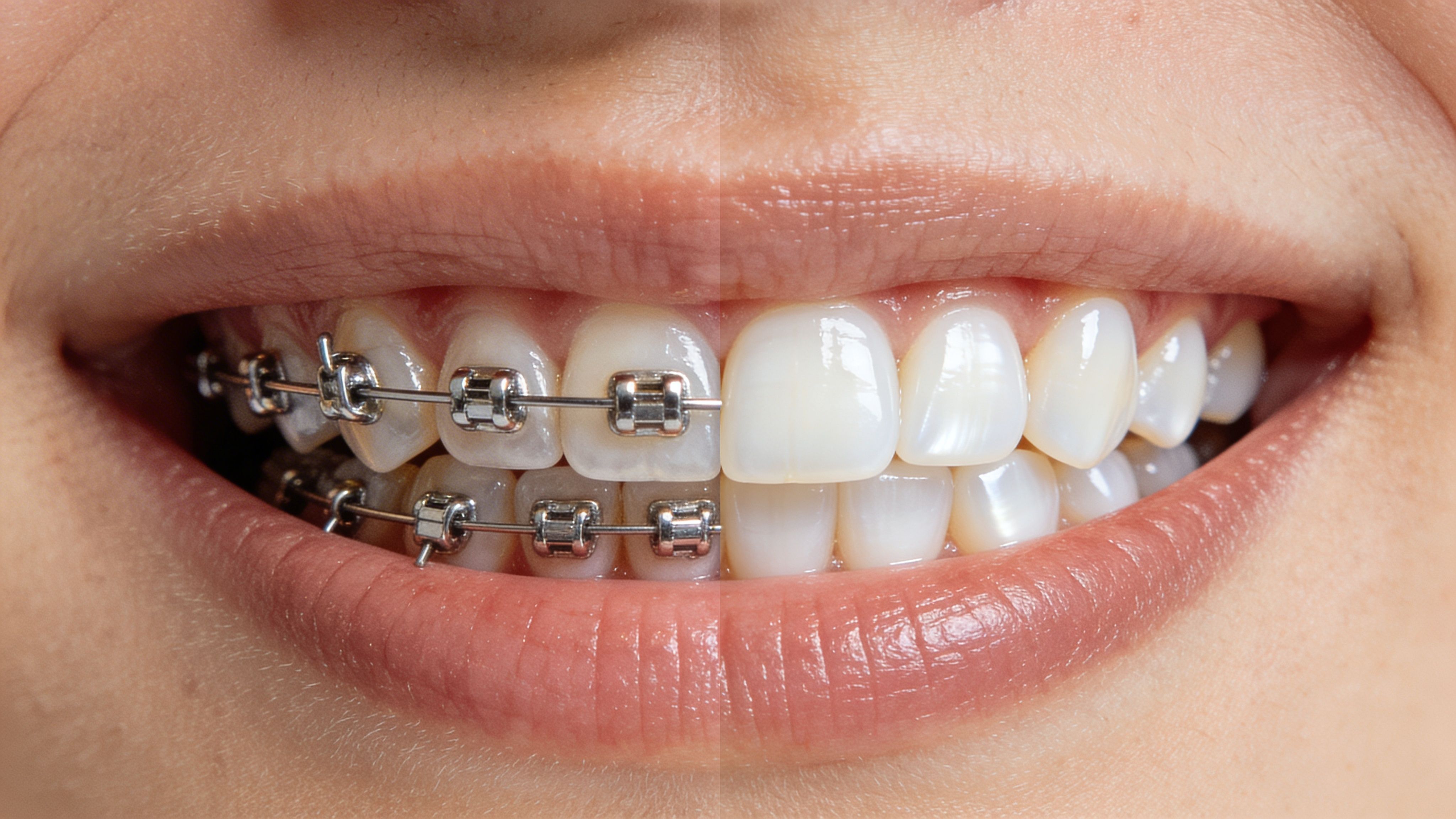
Skip them if your teeth are tender, you just had wires adjusted, or the ribs are the kind that need aggressive chewing. Patients with traditional metal braces and Iconix esthetic brackets should use the same food judgment here. Appearance is different. The eating precautions are still very similar.
Braces-Friendly Alternatives to Enjoy at Any BBQ
Sometimes the smartest move is choosing something else on the table. That doesn’t mean a boring plate.
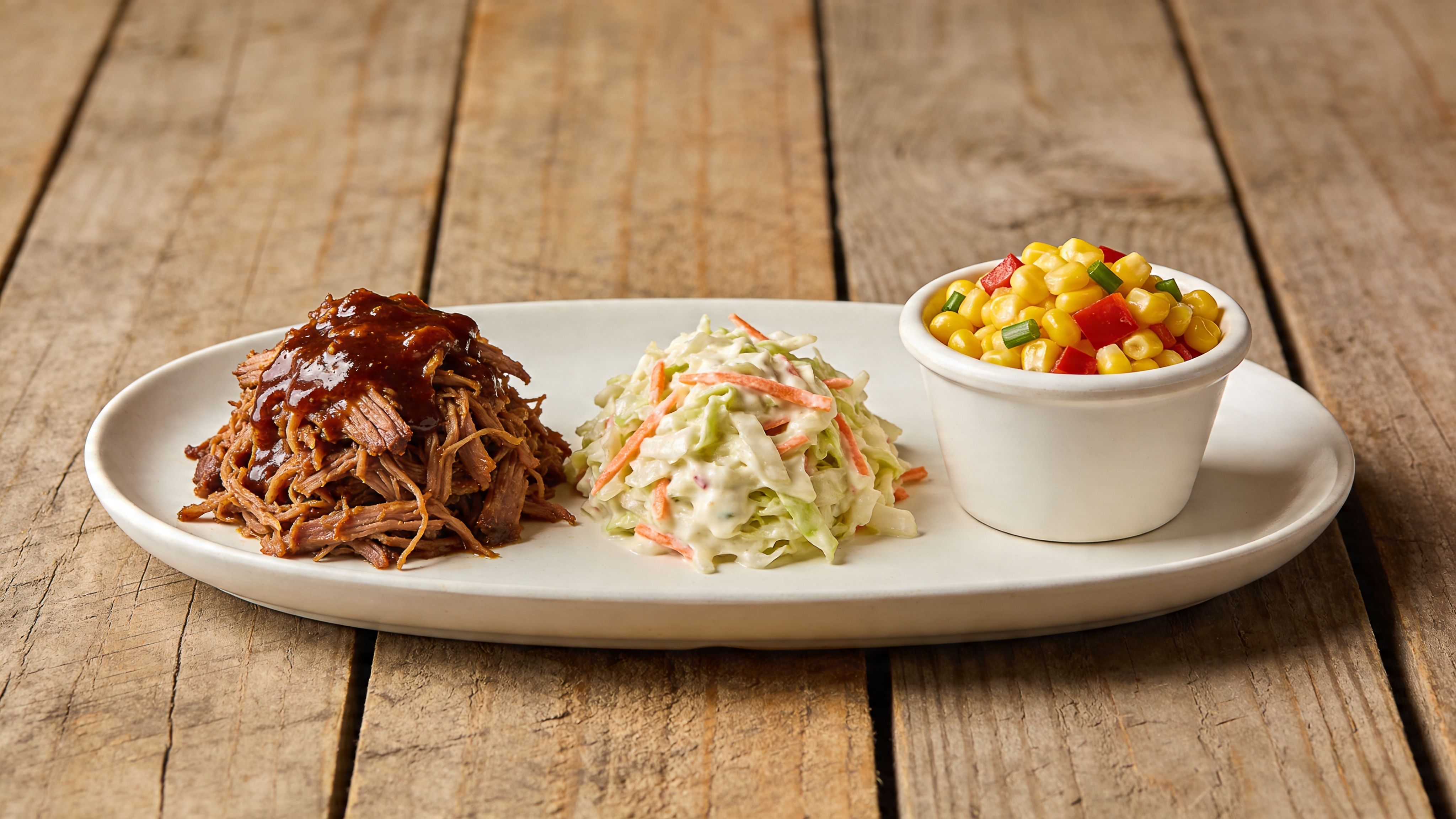
At a BBQ, I’d look for foods that are tender, easy to cut, and easy to chew with the back teeth. Good options often include pulled pork, soft brisket, boneless grilled chicken, burgers cut into pieces, mac and cheese, baked beans, potato salad, soft fruit, and cooked vegetables.
What works well on a typical BBQ plate
A safer plate might look like this:
- Pulled pork or shredded chicken if it’s moist and not crisped into tough edges
- Brisket when it’s soft, not bark-heavy and chewy
- Burger patty in pieces instead of biting through the whole sandwich
- Soft sides like macaroni and cheese, mashed potatoes, pasta salad, or coleslaw
- Dessert choices that aren’t hard, sticky, or crunchy
If the main options all look tough, side dishes can carry the meal just fine. If you want non-BBQ backup ideas for school, work, or road trips, these plant-based snack ideas can help with softer grab-and-go choices.
What I’d leave alone
A few cookout foods create the same problem as ribs because they invite biting with the front teeth or heavy chewing. Corn on the cob, very crusty rolls, hard chips, and sticky candy are common examples.
For a broader list, this guide on foods to avoid with braces is a good reference to keep handy before parties and holidays.
Frequently Asked Questions About Eating With Braces
Can I eat ribs if I just got my braces tightened?
It’s better to be cautious right after an adjustment. Teeth are often more tender then, so even soft rib meat may feel uncomfortable. If you really want them, wait until soreness settles down and use the cut-off-the-bone method.
What if the ribs are fall-off-the-bone tender?
That’s the best-case version for braces. Even then, remove the meat with utensils first and cut it into small pieces. Tender doesn’t mean you should bite directly from the bone.
Are ribs safer with Invisalign than braces?
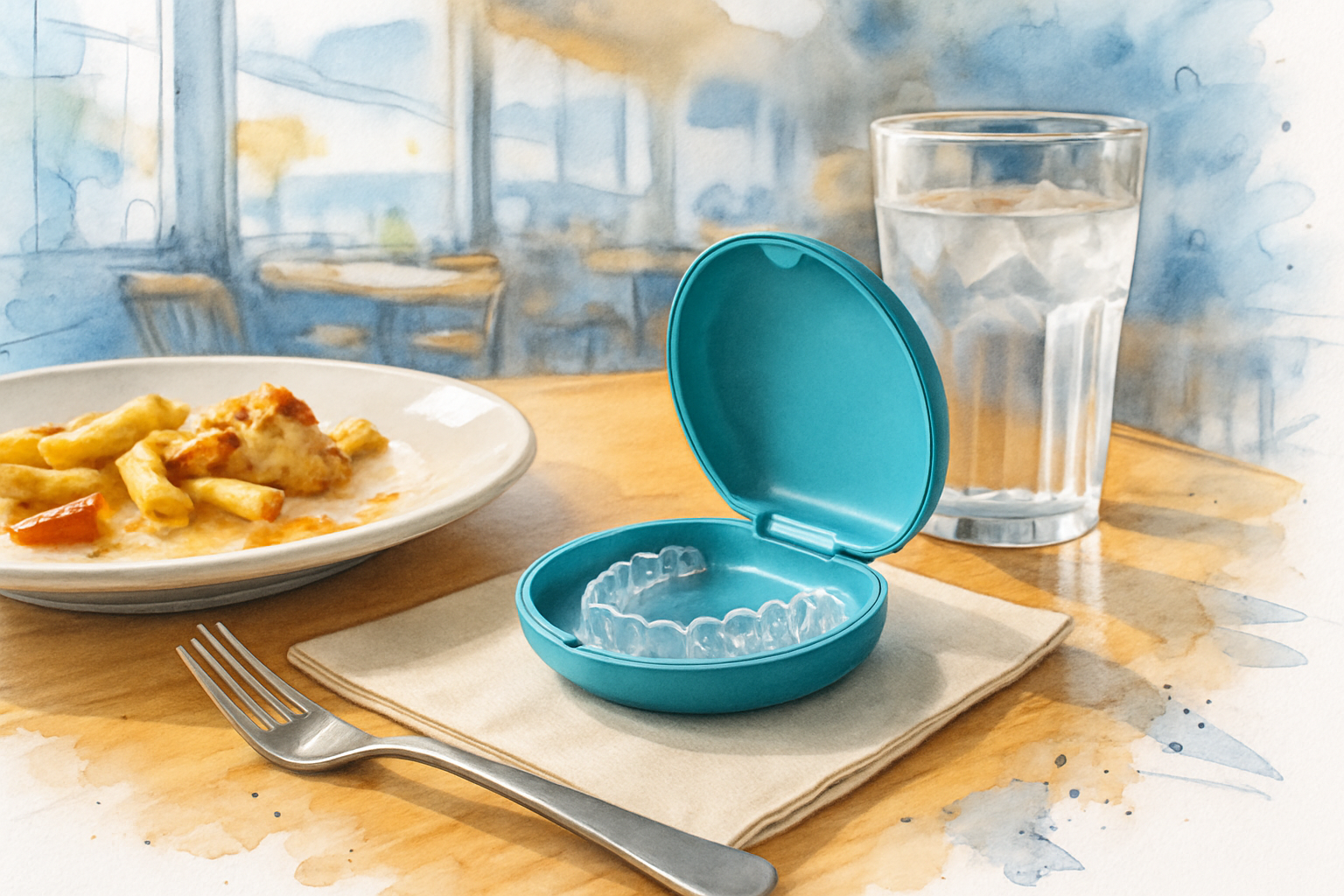
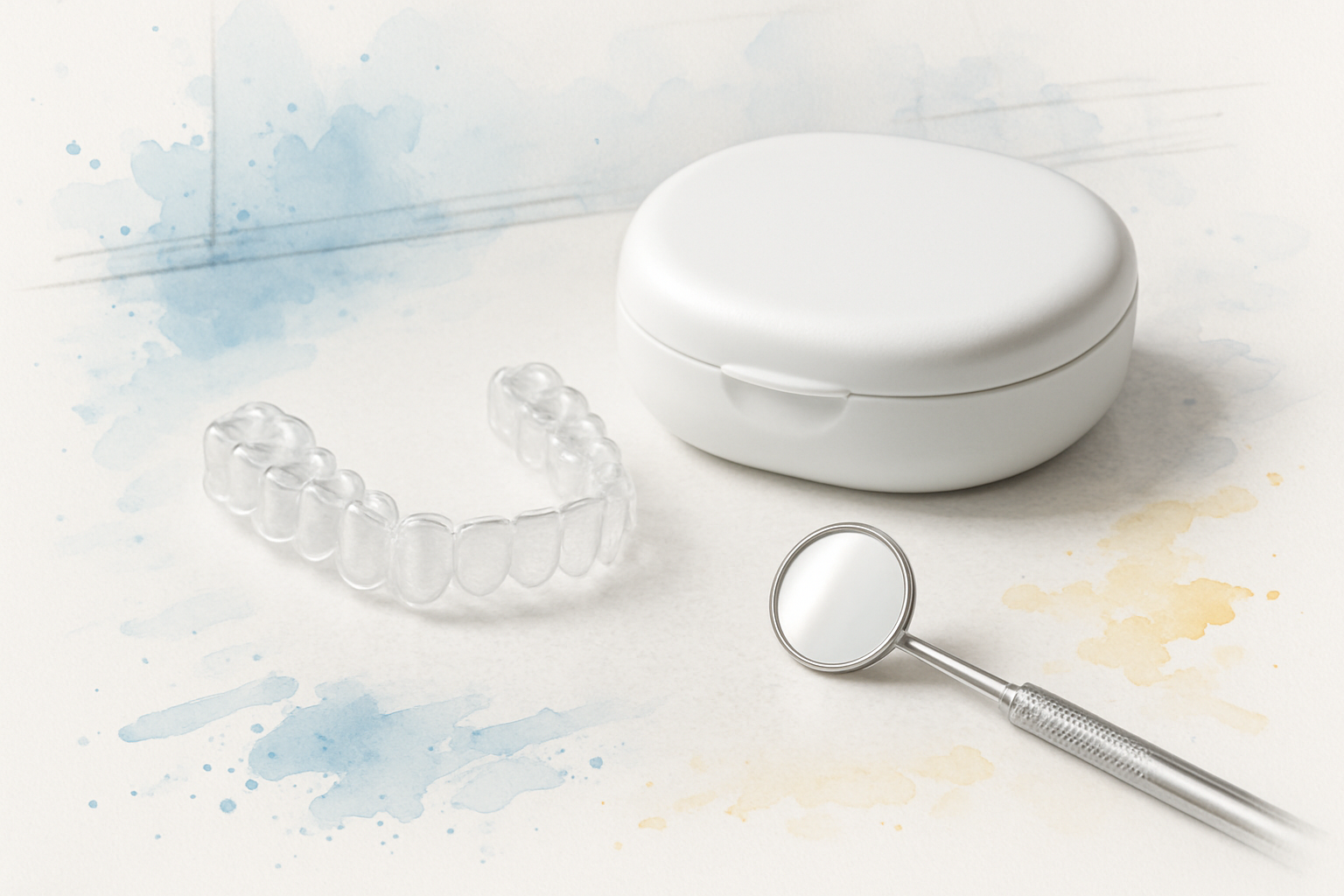
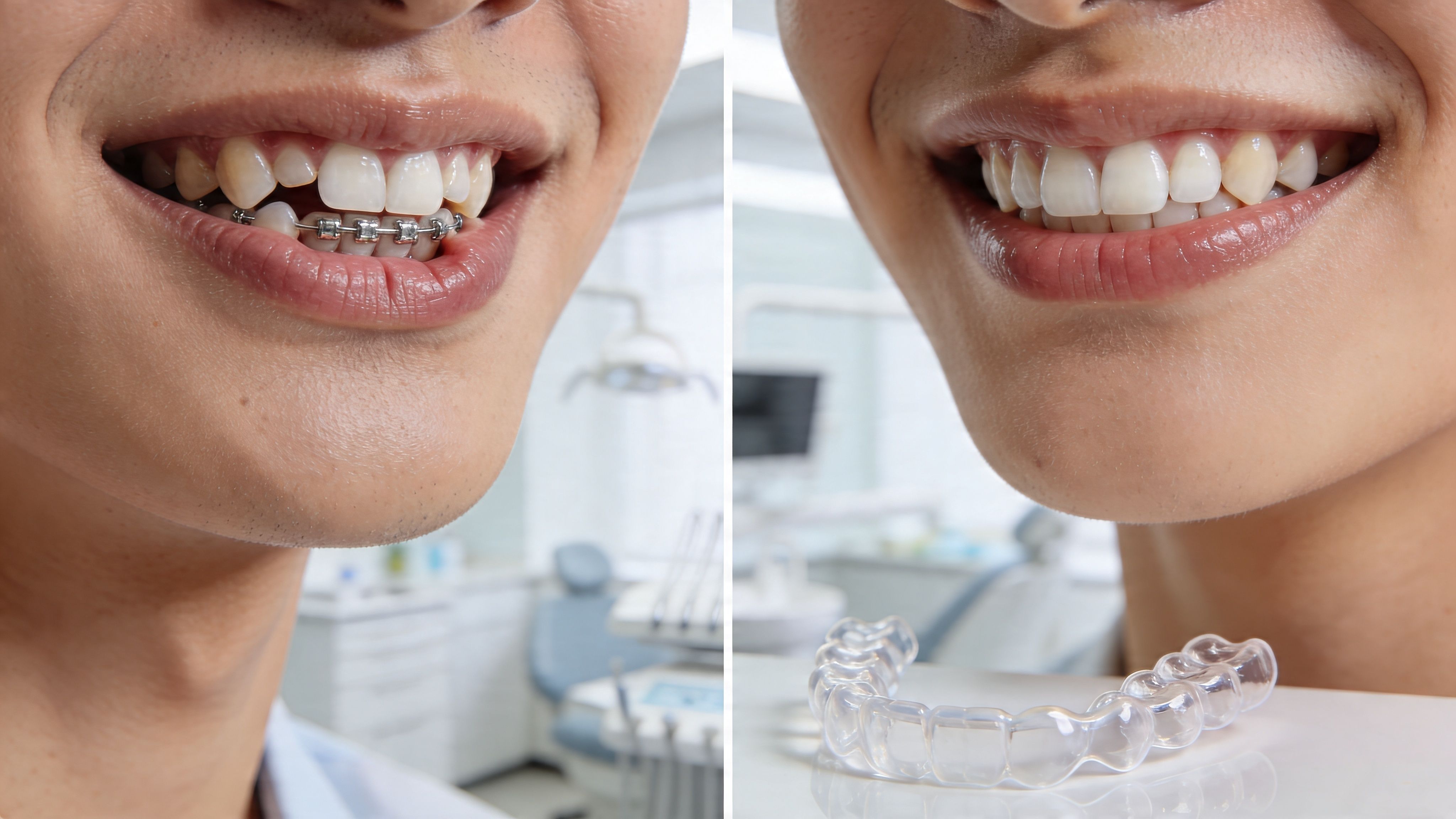
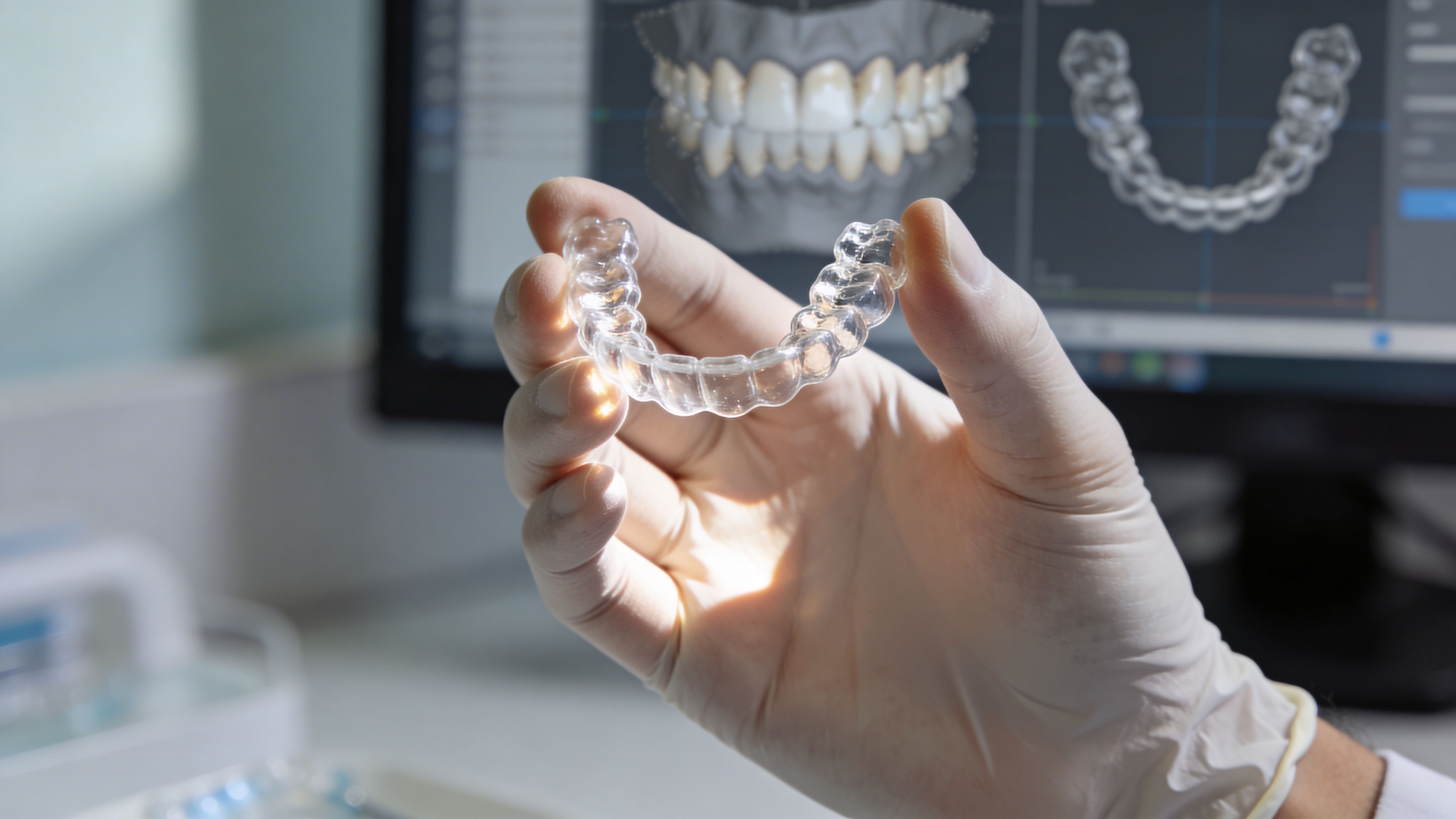
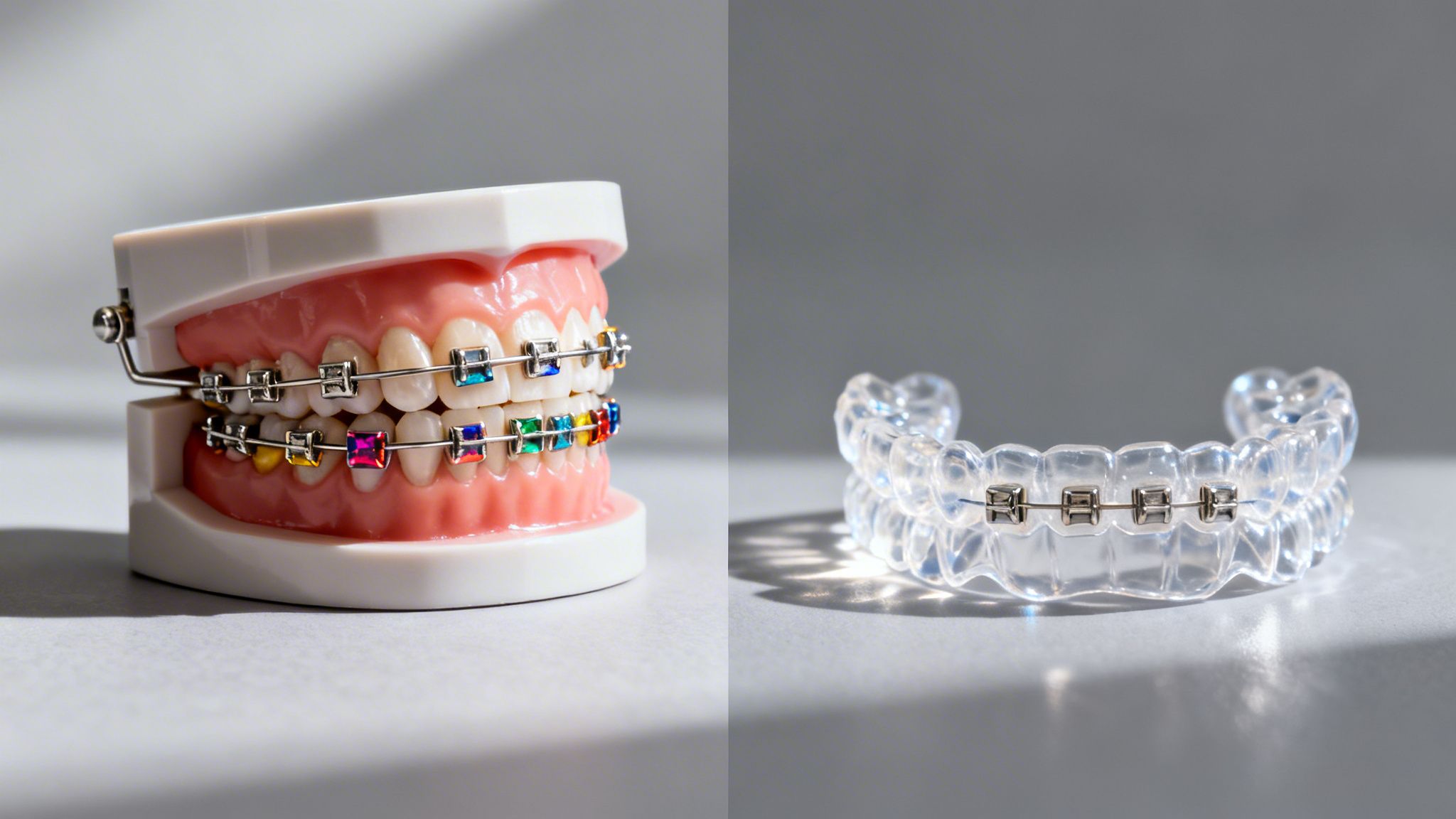
Invisalign aligners come out for meals, so there’s no bracket or wire to bend while you eat. But your teeth can still be sore during treatment, and very tough foods can still be uncomfortable. Patients should also brush before putting aligners back in.
What should I do if a bracket comes loose after eating?
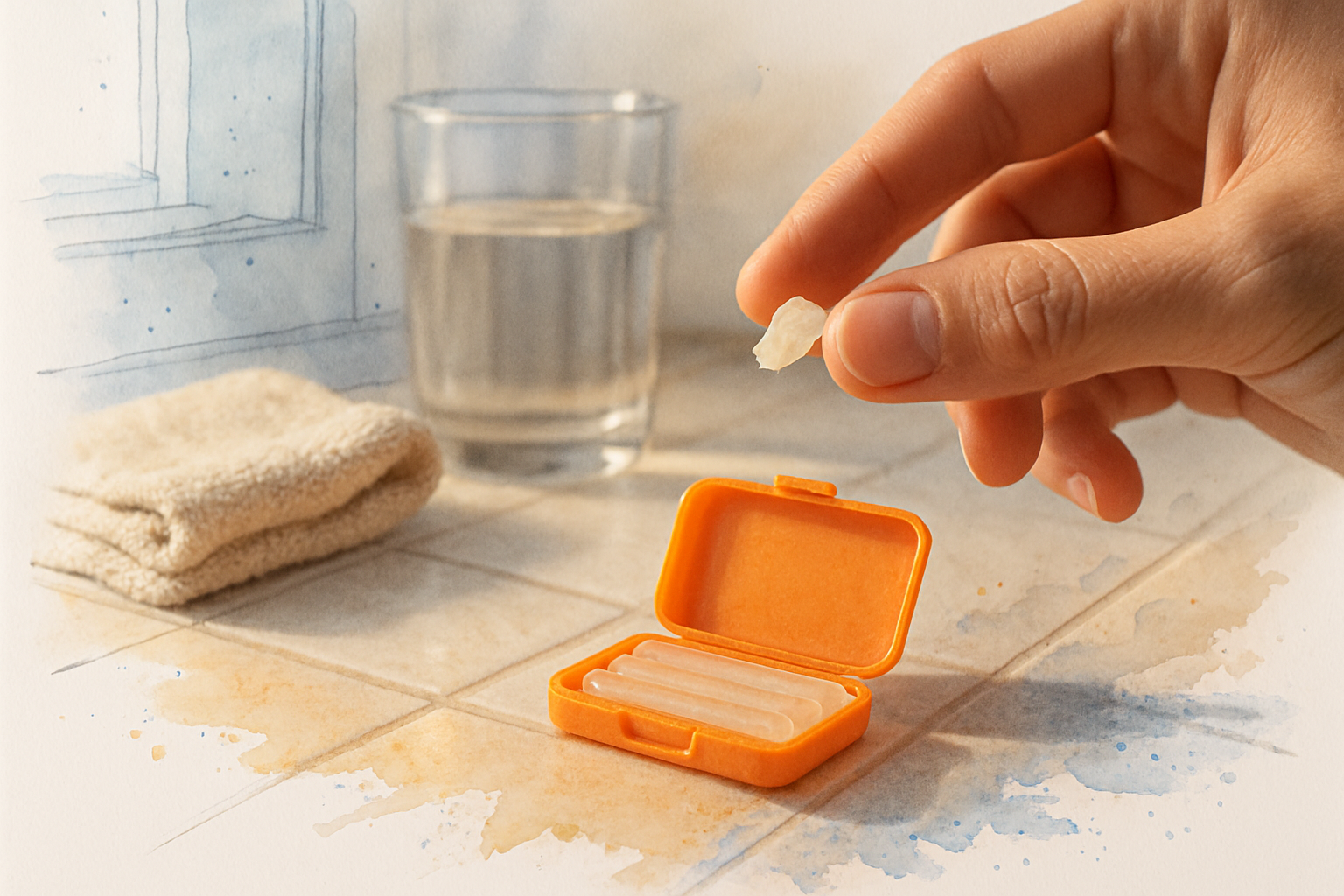
Don’t try to fix it yourself. If the bracket is still attached to the wire, leave it alone and call your orthodontist so the team can tell you the next step. If a wire is poking, orthodontic wax can help temporarily until you’re seen.
Can I eat BBQ chicken on the bone with braces?
It carries the same basic issue as ribs. The meat may be soft, but biting and pulling from the bone can stress brackets. Taking the meat off first is the safer move.
Are sauces a problem for braces?
Sauce is more of a cleaning issue than a hardware issue. Sticky or sugary sauces can sit around brackets and make brushing harder, so rinse after eating and brush well when you can.
How do I know if a rib is too tough for braces?
Use a fork and knife test. If it doesn’t separate easily, if you see stringy connective tissue, or if the surface is heavily charred and chewy, skip it. Braces do best with food that yields easily.
Get Personalized Guidance for Your Braces Journey
You don’t have to avoid every food you like during treatment. Most of the time, success comes down to preparation, texture, and eating technique. That’s especially true if you’ve been wondering can you eat ribs with braces and just wanted a straight answer that works in real life.
General advice is helpful, but your situation may be different depending on whether you’re in traditional metal braces, Iconix esthetic brackets, or Invisalign clear aligners. If you need personalized guidance, you can contact the office here. For patients who like chewing gum after meals, it’s also worth reading about best xylitol gum for teeth and then checking with your orthodontist about whether gum is appropriate for your appliance.
Sources
Azizi Orthodontics. "What Food to Avoid at BBQs While Wearing Braces." 2024. https://www.aziziorthodontics.com/blog/2024/07/what-food-to-avoid-at-bbqs-while-wearing-braces
Smiles Hollywood. "What Can You Eat With Braces?" 2022. https://smileshollywood.com/what-can-you-eat-with-braces/
If you’d like advice specific to your treatment, schedule a free consultation with Magic Fox Orthodontics. Dr. Jeremy and Dr. Melissa see patients from Huntington Beach and Fountain Valley at 17041 Beach Boulevard, Suite 101, Huntington Beach, CA 92647. Call (714) 594-5777 or visit magicfoxsmiles.com. Office hours are Monday through Friday, 9:00 AM to 5:00 PM, and Saturday, 8:00 AM to 2:00 PM.