Does Medicaid Cover Braces for Kids in California?
Quick Answer
Yes, Medicaid (known as Medi-Cal in California) can cover braces for children under 21, but only when treatment is “medically necessary.” This means braces are approved to fix a severe oral health problem that affects chewing, speaking, or overall dental function—not for purely cosmetic reasons. An orthodontist must document the issue for state approval.
When you notice your child’s teeth might need straightening, questions about cost are often the first thing on your mind. If your family is covered by Medi-Cal, you may be wondering: does Medicaid cover braces for kids? The process can feel confusing, but getting a clear answer is the first step toward a healthy smile for your child.
In California, children's dental benefits are part of the Medi-Cal Dental Program, also known as Denti-Cal. While this program offers comprehensive dental care, braces are only covered if they are deemed medically necessary. This means they must correct a functional problem, not just improve the appearance of your child's smile.

What "Medically Necessary" Means for Braces Coverage
The term "medically necessary" is the key to understanding how Medi-Cal decides on braces coverage. It separates a cosmetic preference from a genuine health need that impacts your child's well-being.
For example, a slight gap or minor crookedness is usually considered cosmetic. However, a severe bite problem that prevents your child from chewing properly or causes jaw pain is a functional health issue that Denti-Cal is designed to address. More information on general Medicaid dental benefits work for children can be found online.
How Denti-Cal Measures Medical Necessity
To ensure fairness, Denti-Cal uses a standardized scoring system called the Handicapping Labio-Lingual Deviations (HLD) Index. An orthodontist evaluates your child’s bite and teeth, assigning points for specific issues.
If the total score meets a certain threshold, the case is automatically considered medically necessary and approved for coverage. This system removes subjectivity and focuses on measurable oral health problems.
Common Conditions That Qualify for Coverage
While every child's situation is different, certain conditions frequently score high enough on the HLD Index to qualify for coverage.
- Severe Crowding: When teeth are so crowded that proper brushing and flossing are impossible, increasing the risk for decay and gum disease.
- Impacted Teeth: A tooth (often a canine) is stuck in the jawbone and cannot erupt naturally.
- Severe Overjet or Underbite: When the upper or lower jaw protrudes significantly, affecting bite function or causing trauma to teeth or gums.
- Deep Impinging Overbite: The lower front teeth bite into the roof of the mouth.
- Crossbite: Upper teeth bite inside the lower teeth, which can cause jaw-shifting and excessive tooth wear.
A consultation is the only way to know for sure if your child's case will qualify, a topic we touch on in our guide about what parents should know about early ortho checks.
The Step-by-Step Approval Process for Denti-Cal
The process for getting braces approved through Denti-Cal involves a formal request called a prior authorization in healthcare. This is simply the official approval needed from the state before treatment can begin.
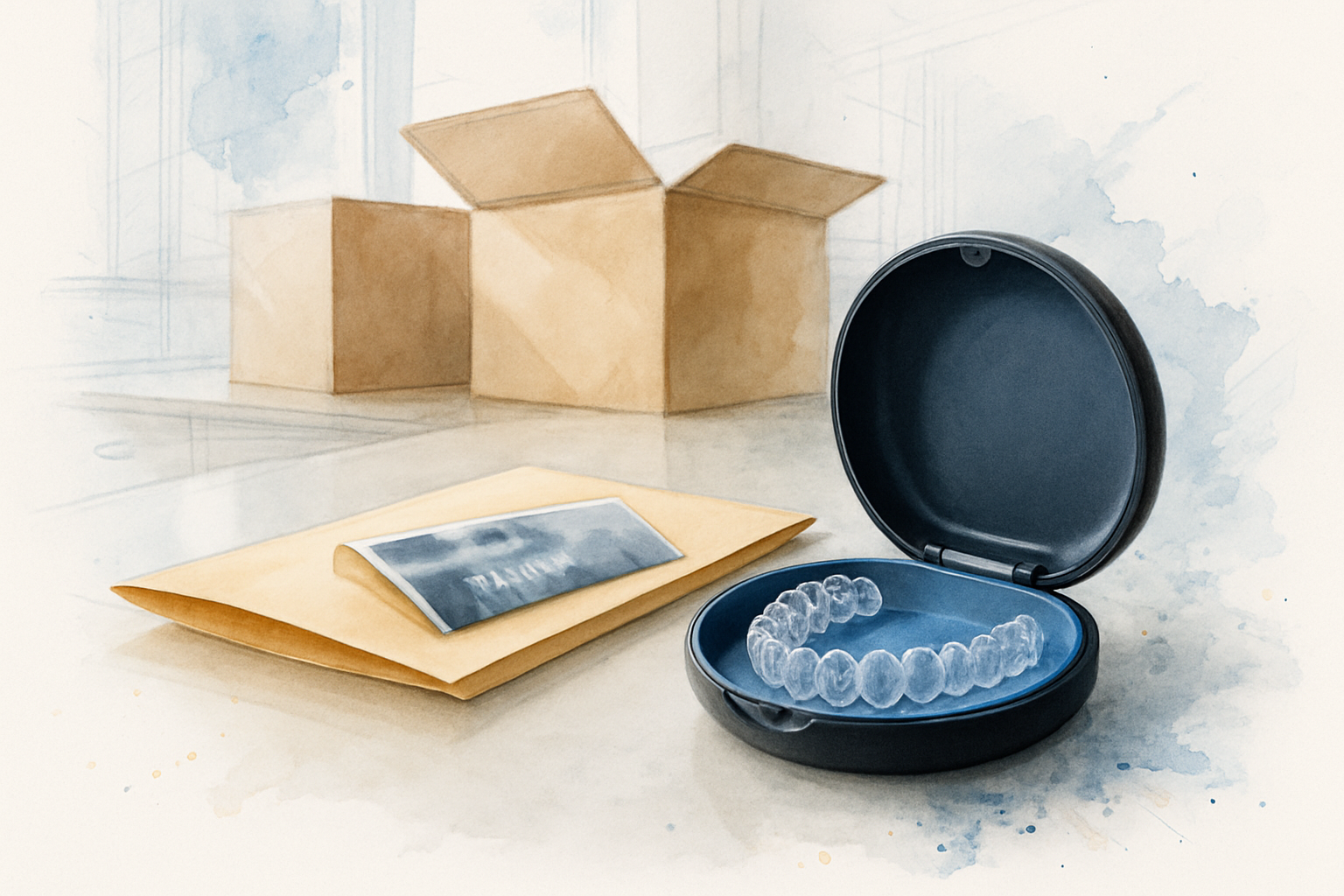
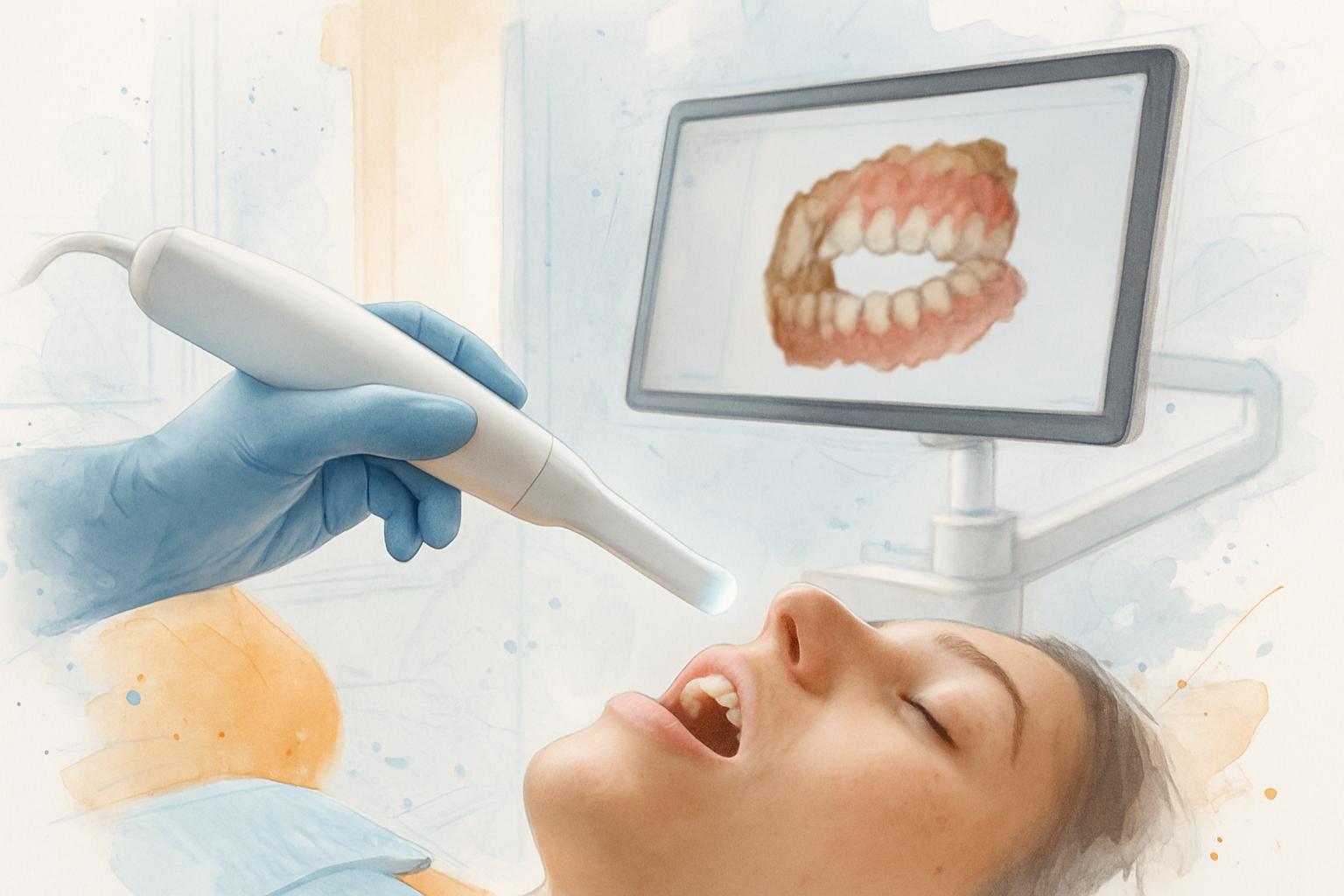
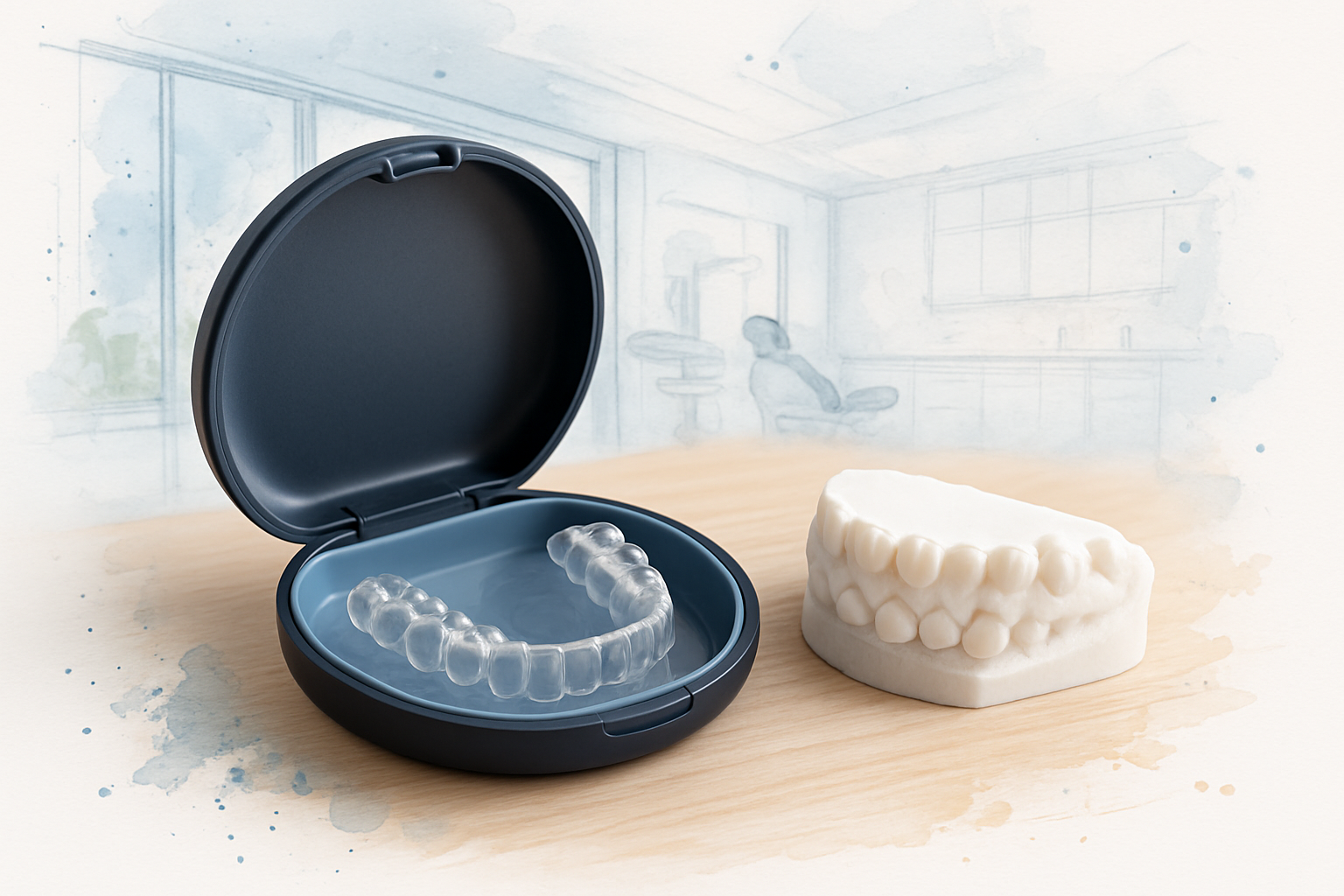
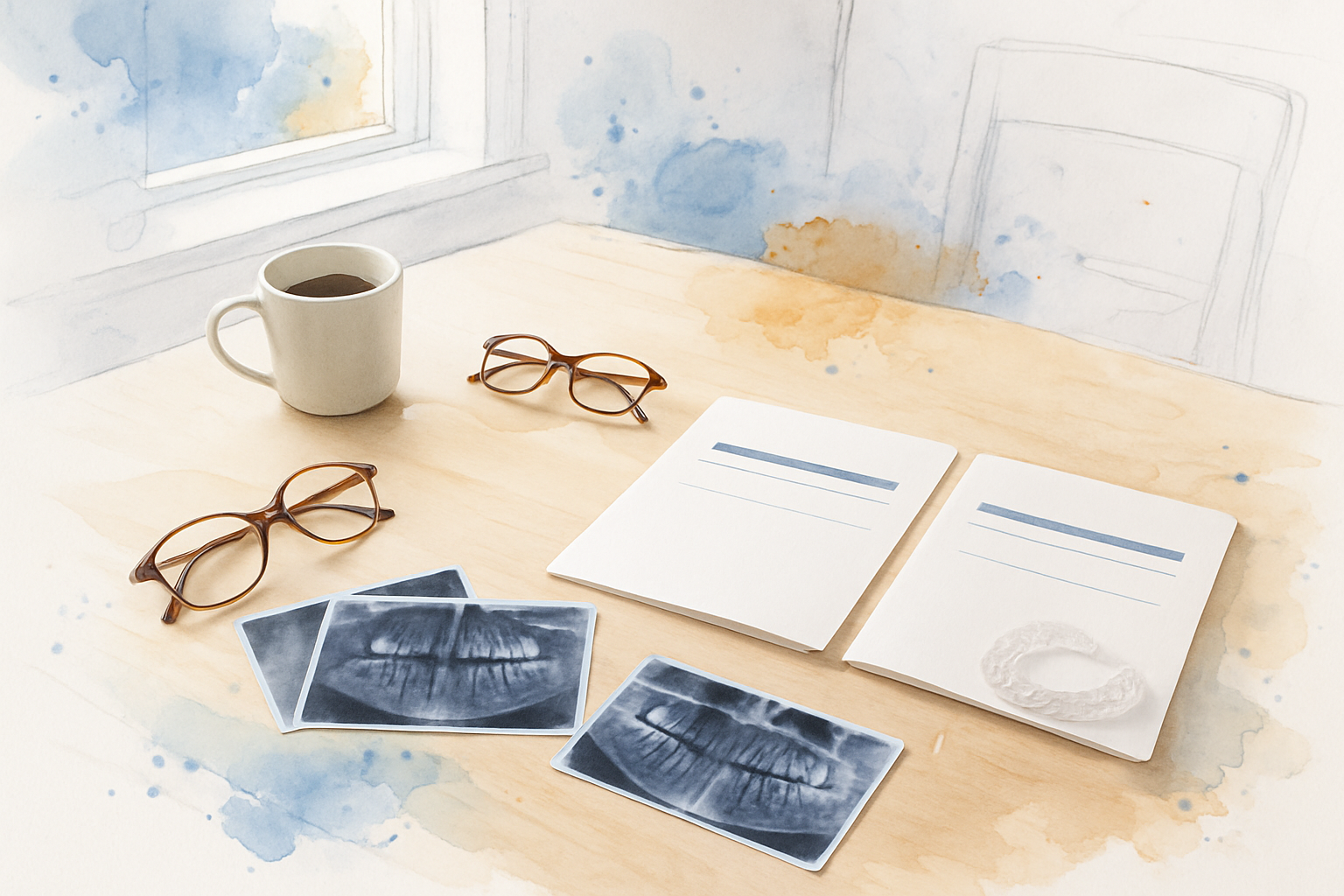
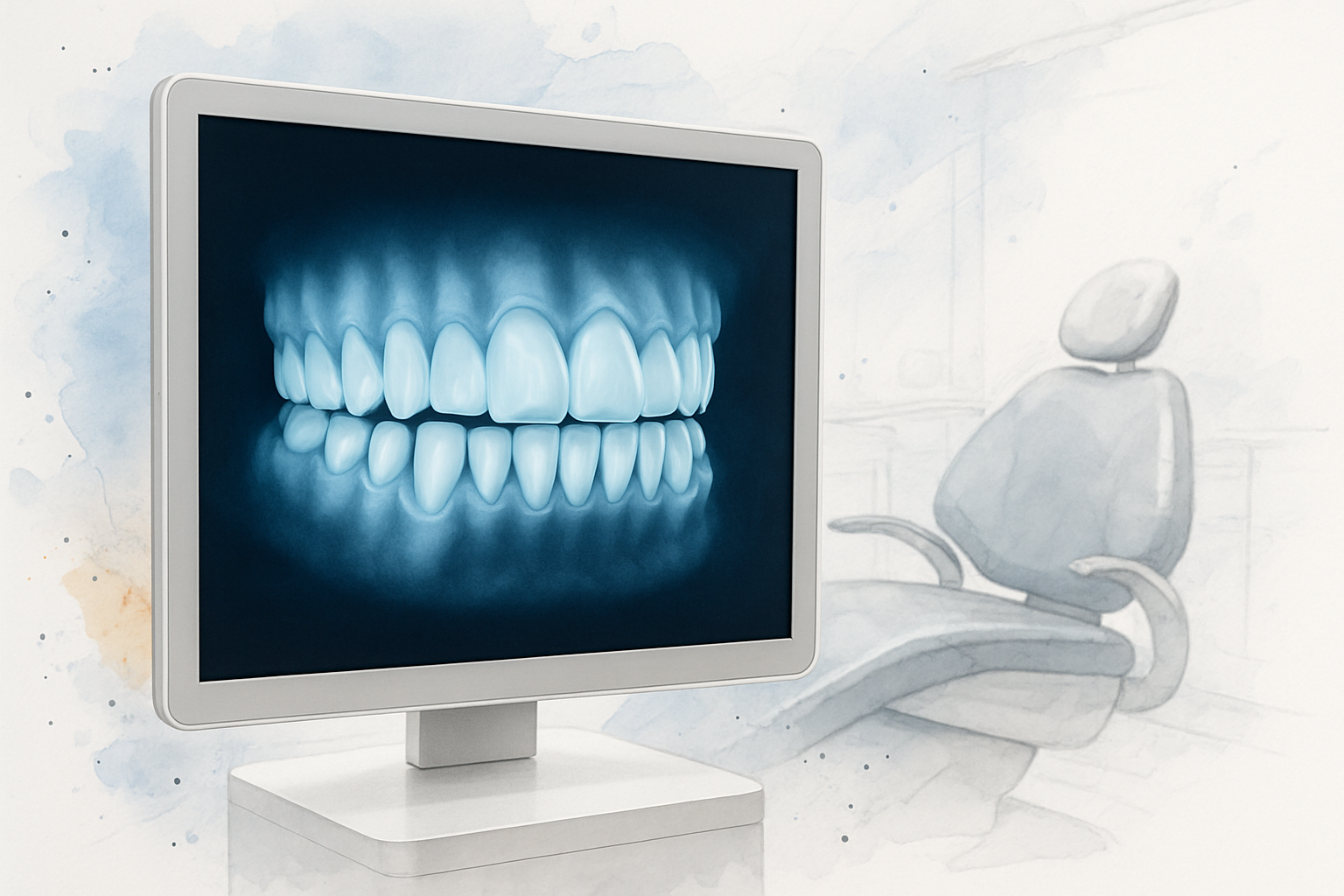
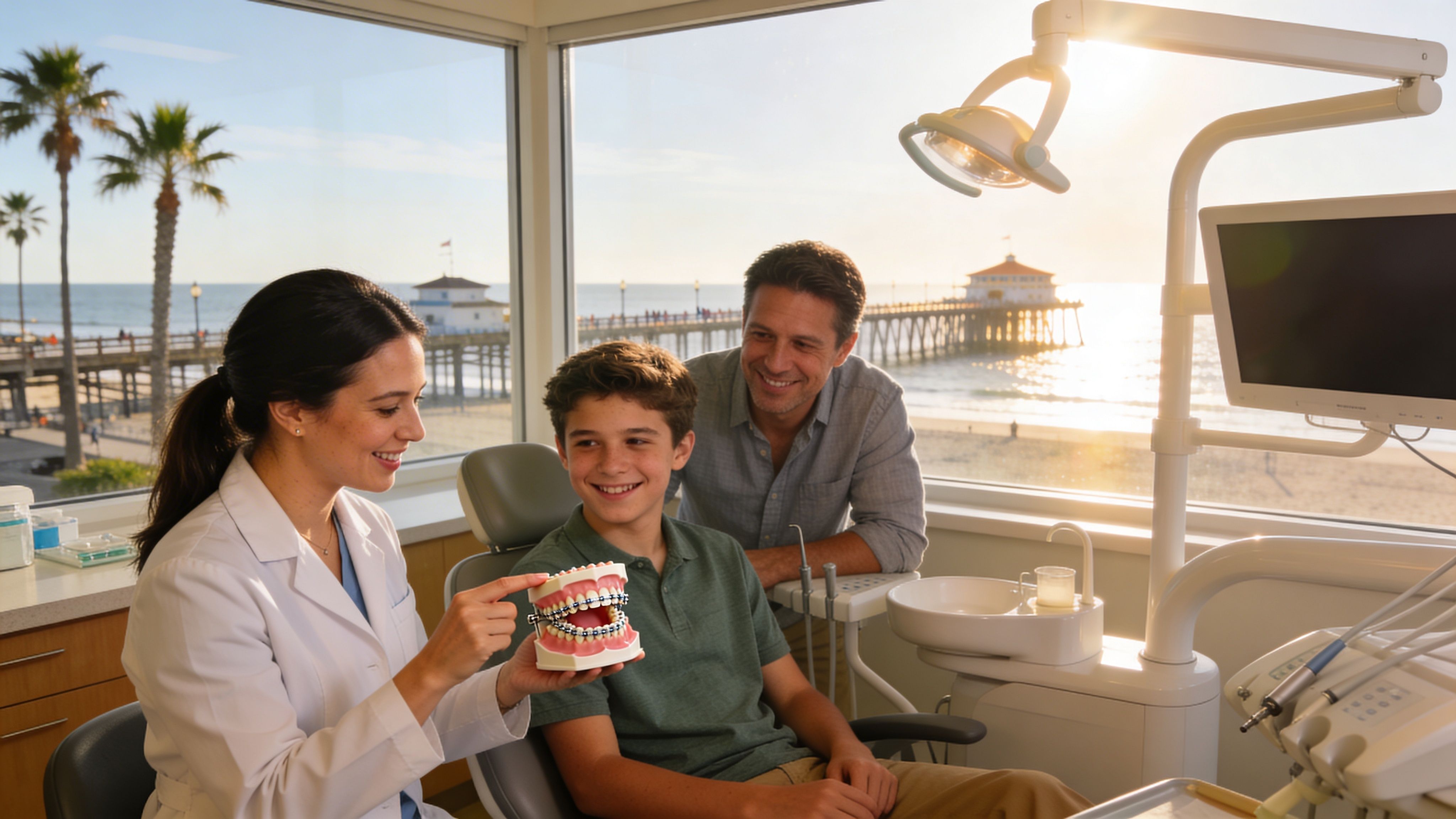
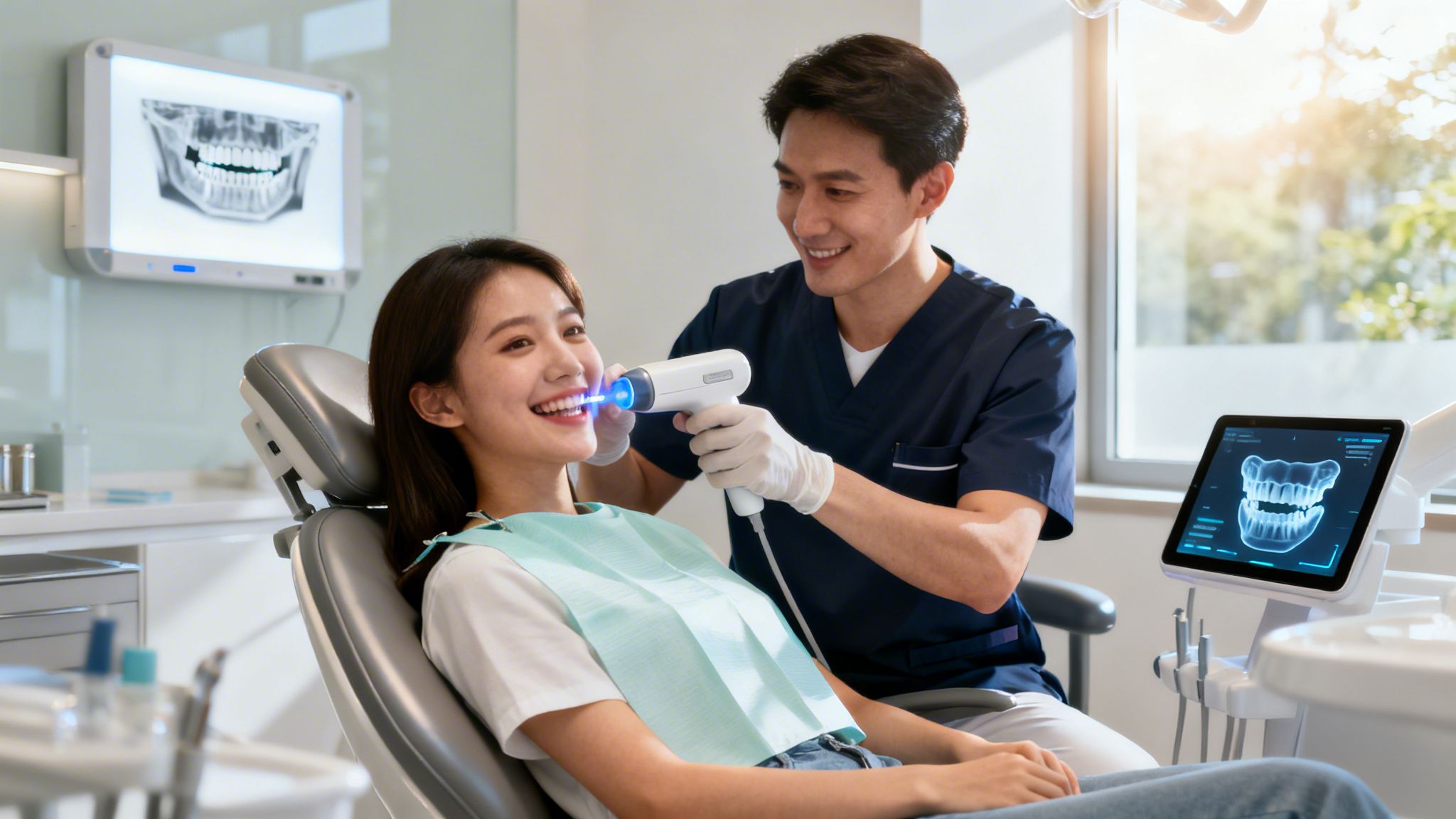
The journey starts with a consultation at a Denti-Cal-enrolled orthodontist, like our office in Huntington Beach. We gather records, including X-rays, photos, and models of your child’s teeth. This information is submitted to Denti-Cal with a detailed report explaining why treatment is medically necessary based on the HLD Index score.

Denti-Cal's clinical reviewers then assess the case. If approved, we can start right away. If denied, you have the right to appeal the decision, and our team can help you understand the next steps. Once approved, the treatment itself follows a standard path, which you can read about in our overview of the orthodontic treatment process.
Why Denti-Cal Might Deny Coverage for Braces
Receiving a denial from Denti-Cal can be frustrating for families. The most common reason is that the case did not meet the "medical necessity" standard according to the HLD Index score.
Even if an orthodontist believes braces are beneficial, Denti-Cal's reviewers may decide the condition is primarily cosmetic and doesn't pose a significant long-term health risk. For example, moderate crowding or small gaps often don't score enough points to qualify for coverage, as explained by resources like BracesWorld.com.
Another reason for denial can be incomplete or incorrect paperwork. The prior authorization process is very specific, and any missing information can lead to a rejection. This is why working with an orthodontic office experienced in the Denti-Cal system is so important.
What to Do if Denti-Cal Denies Coverage

If Denti-Cal denies coverage for your child’s braces, don't feel discouraged. Many families in this situation find a different path to get their child the care they need. Research shows that a significant portion of orthodontic costs are paid out-of-pocket, indicating many people find ways to manage the expense. You can read the full research on orthodontic costs and insurance for more context.
At Magic Fox Orthodontics, we are committed to making treatment accessible. We offer flexible in-house financing and work with you to create a payment plan that fits your family’s budget. These plans spread the cost over time into manageable monthly payments.
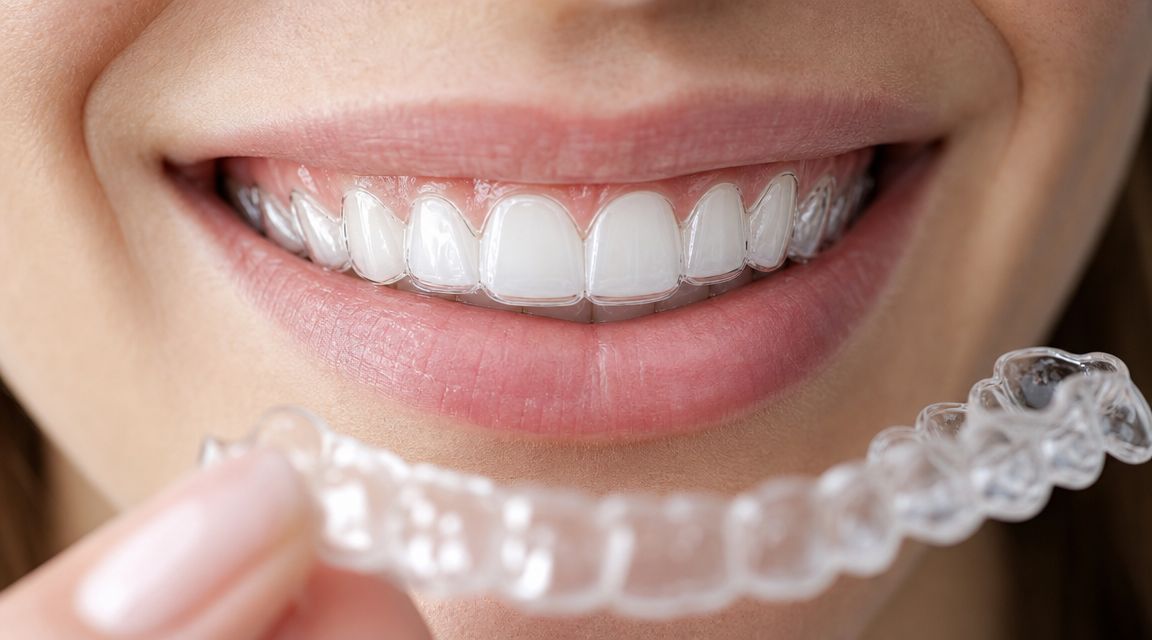
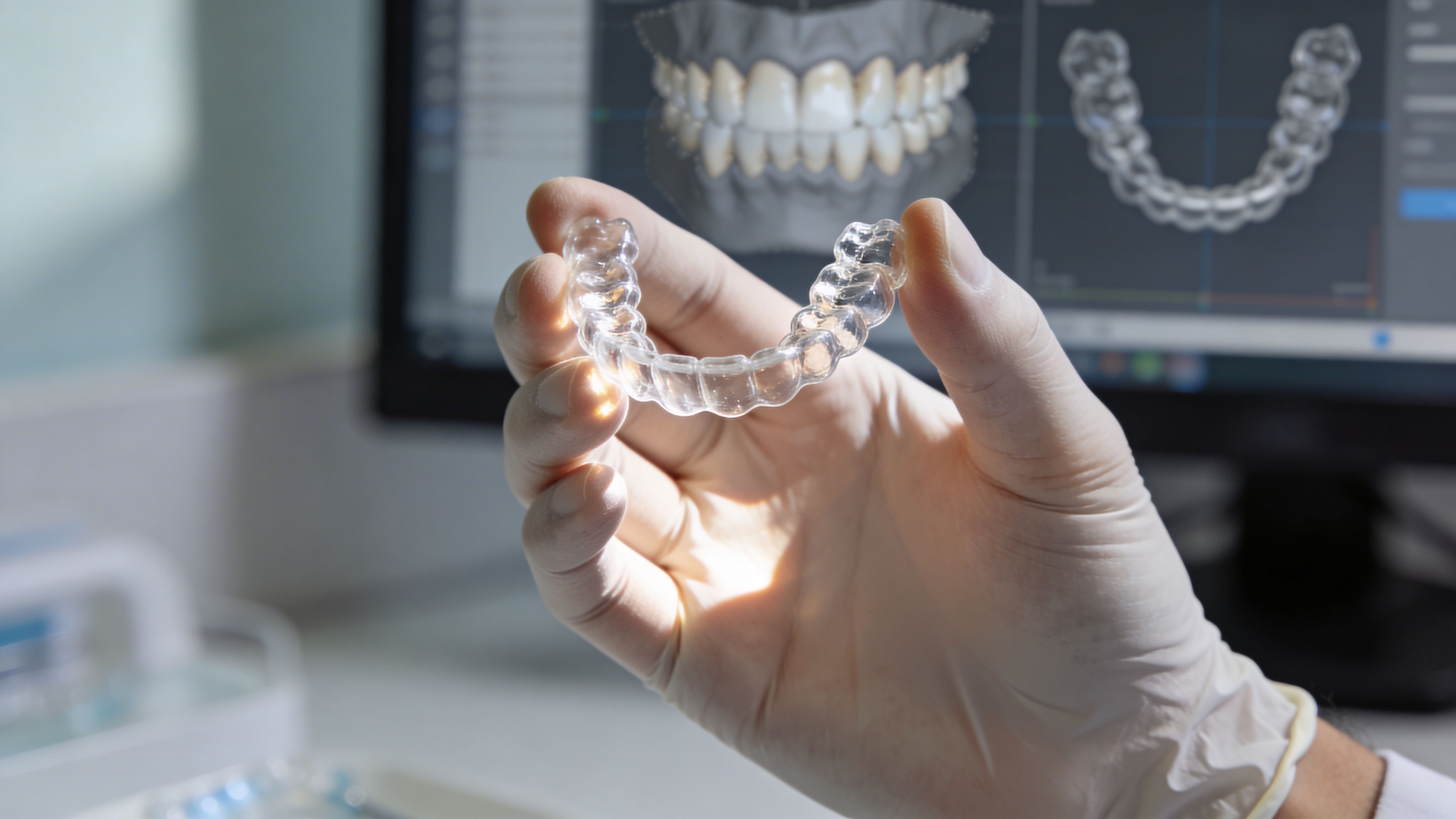
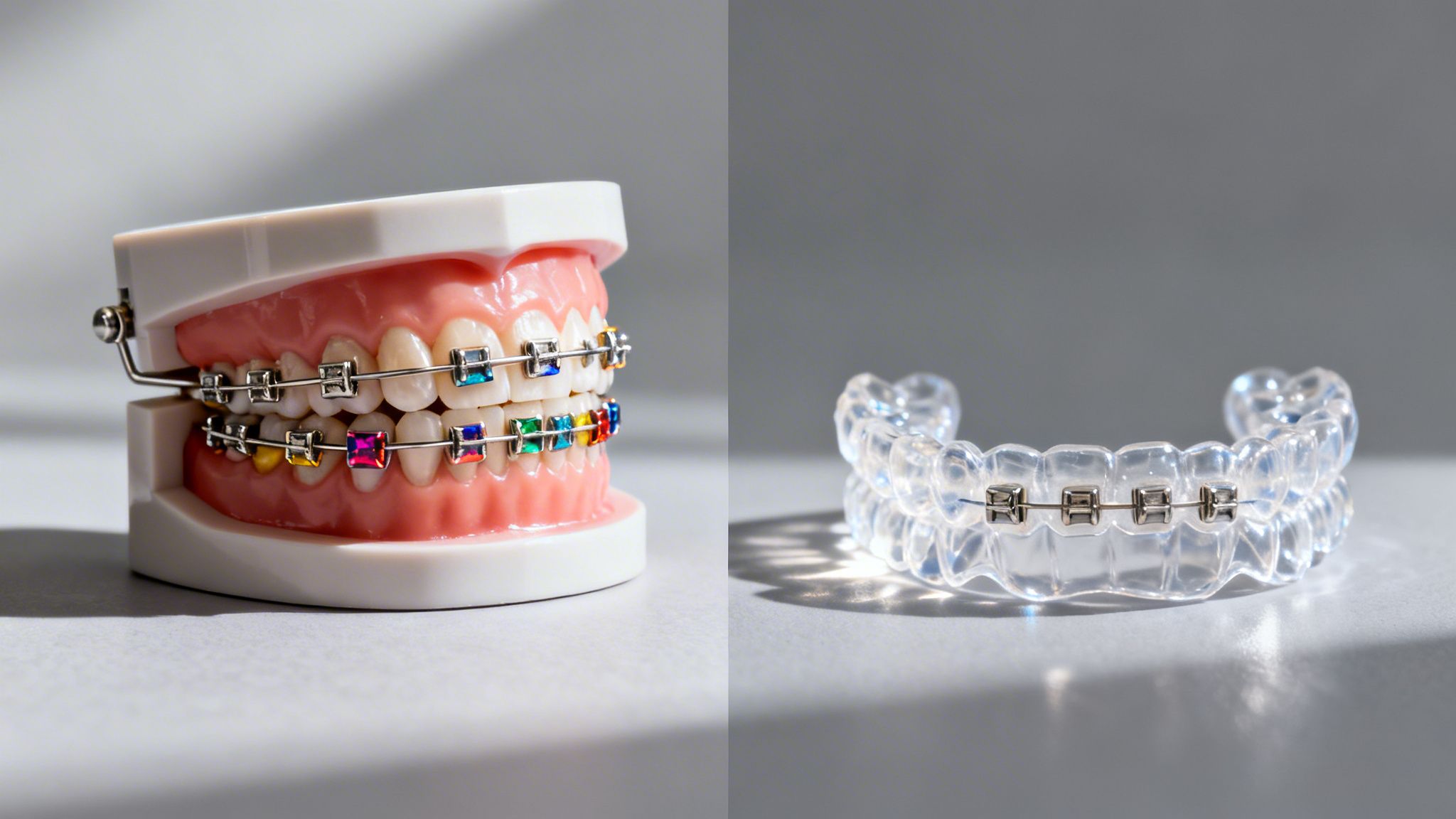
During your free consultation, we can review all your options, from traditional metal braces to clear Invisalign aligners or Iconix aesthetic brackets. We will explain the costs clearly and build a financial plan that works for you. You can also explore our guide on finding affordable braces in Huntington Beach.
Frequently Asked Questions About Medi-Cal and Braces
How long does the Denti-Cal approval process take?
The Denti-Cal prior authorization process typically takes 4 to 8 weeks from the time we submit the paperwork. This can vary depending on their caseload. Our team will keep you updated throughout the process.
Does my child's dentist have to refer us to an orthodontist?
No, a referral is not required. You can schedule a consultation directly with a Denti-Cal enrolled orthodontist to have your child evaluated for braces.
What if my child gets approved but I want a different type of braces?
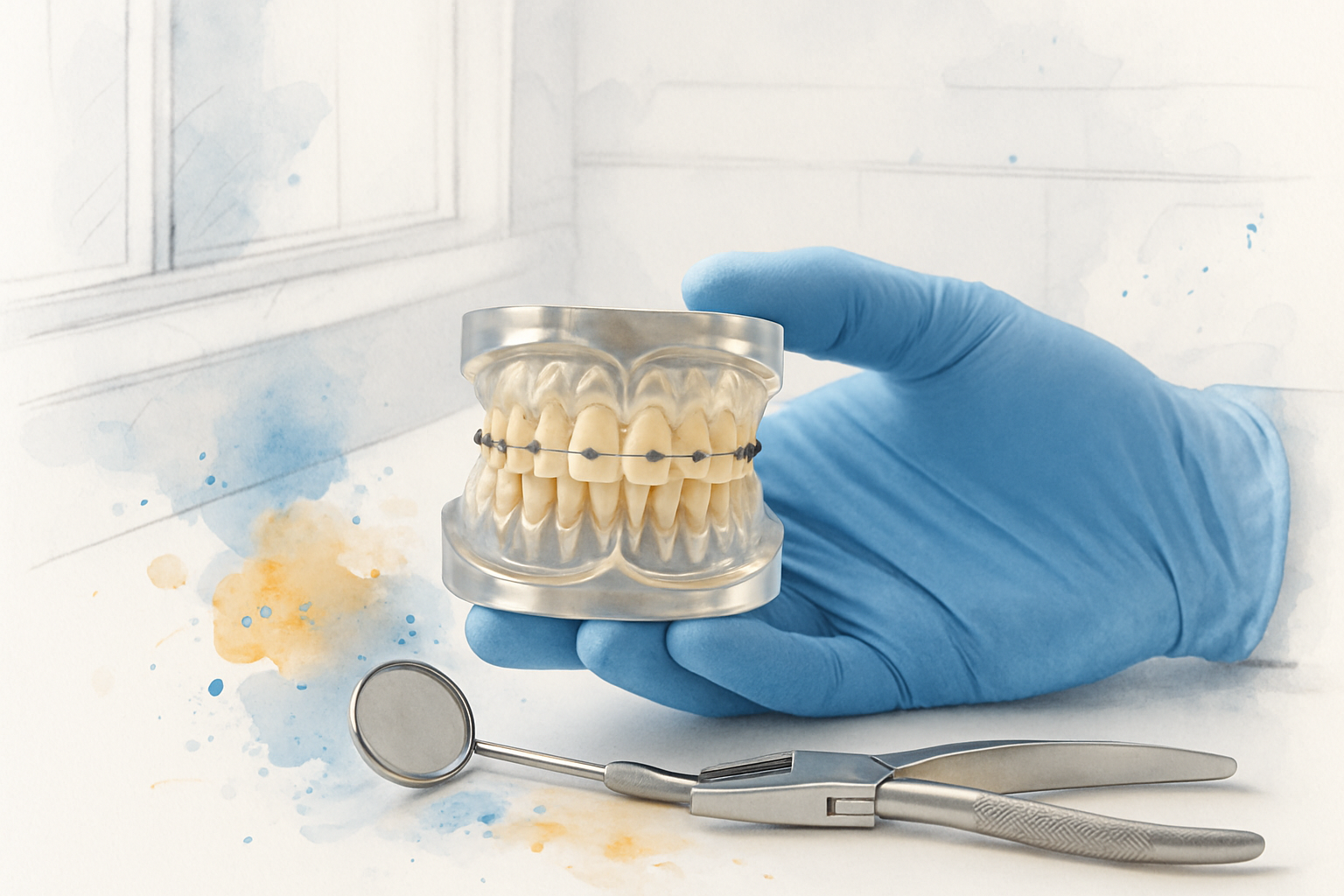
Denti-Cal typically covers standard metal braces. If you prefer another option, such as our Iconix esthetic brackets or Invisalign aligners, we can discuss the additional cost and apply the covered amount toward the treatment of your choice.
Does Denti-Cal cover braces for adults?
No, unfortunately, Denti-Cal orthodontic coverage is limited to children under 21 who meet the medical necessity requirements. Orthodontic treatment for adults is not a covered benefit.
Can I appeal a denial from Denti-Cal?
Yes, you have the right to appeal a denial. The process involves submitting additional information or requesting a new review. Our office can provide guidance on how to navigate the appeals process if this situation arises.
Are there other ways to pay for braces if we're denied?
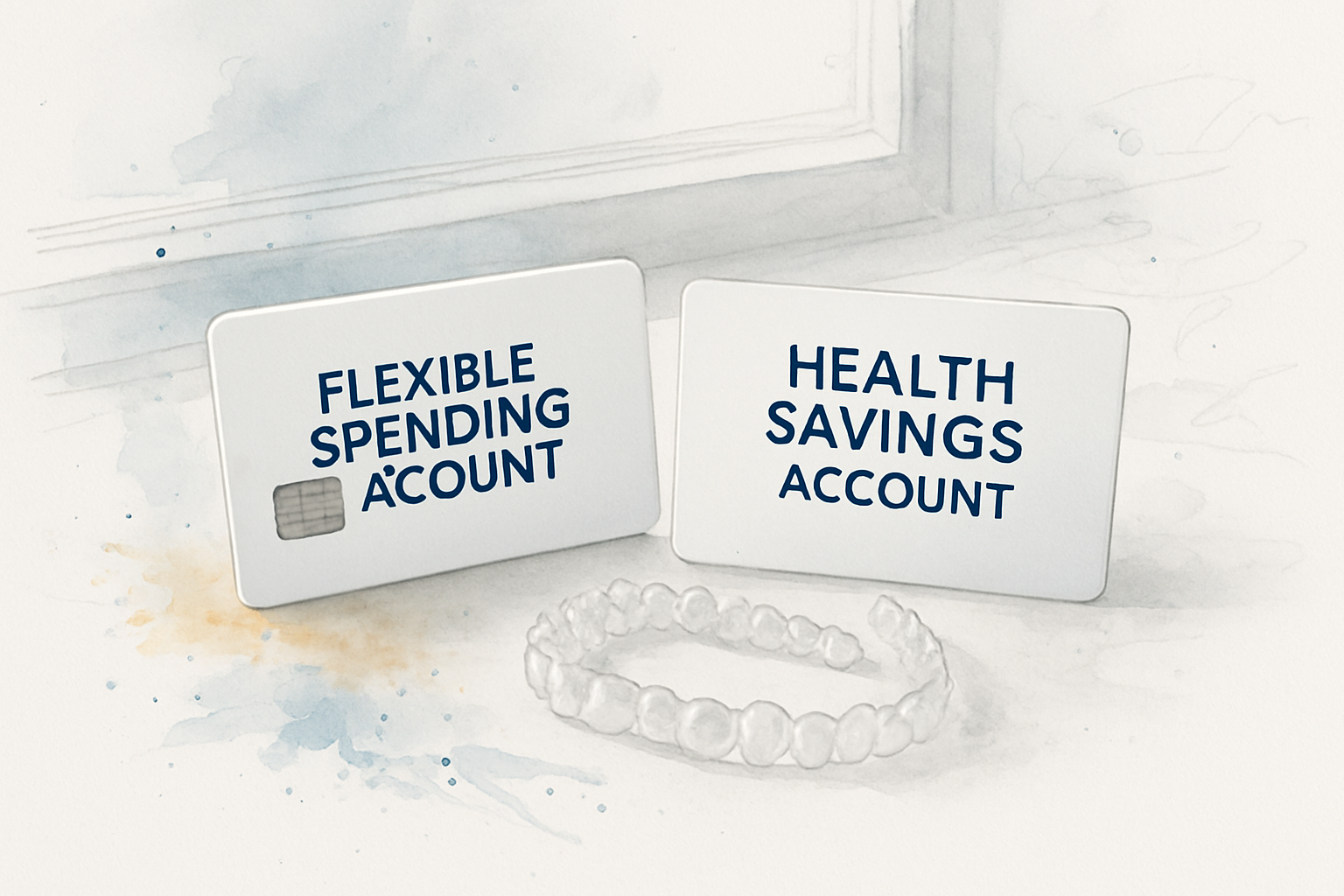
Yes. Many families use our flexible in-house financing plans to make treatment affordable. You can also use funds from a Flexible Spending Account (FSA) or Health Savings Account (HSA), which we discuss in our post on using FSA funds for orthodontics.
Get Clear Answers for Your Child’s Smile
Figuring out if Medicaid covers braces for kids can be a complex process, but you don’t have to do it alone. The best way to get a clear answer is to schedule a free, no-pressure consultation with an orthodontic team that understands the Denti-Cal system.
Dr. Jeremy and Dr. Melissa serve families throughout Huntington Beach and Fountain Valley. We will evaluate your child's needs, explain your options, and help you find a path to a healthy, confident smile.
Contact Magic Fox Orthodontics to get started:
(714) 594-5777 | 17041 Beach Boulevard, Suite 101, Huntington Beach, CA 92647 | magicfoxsmiles.com
Hours: Monday–Friday 9:00 AM–5:00 PM | Saturday 8:00 AM–2:00 PM