Does Phase 1 Treatment Mean Paying for Braces Twice?
Direct Answer: Usually no. Phase 1 is scoped and priced as limited treatment, not a full case. Most families find the combined cost lands closer to one full treatment than to double it.
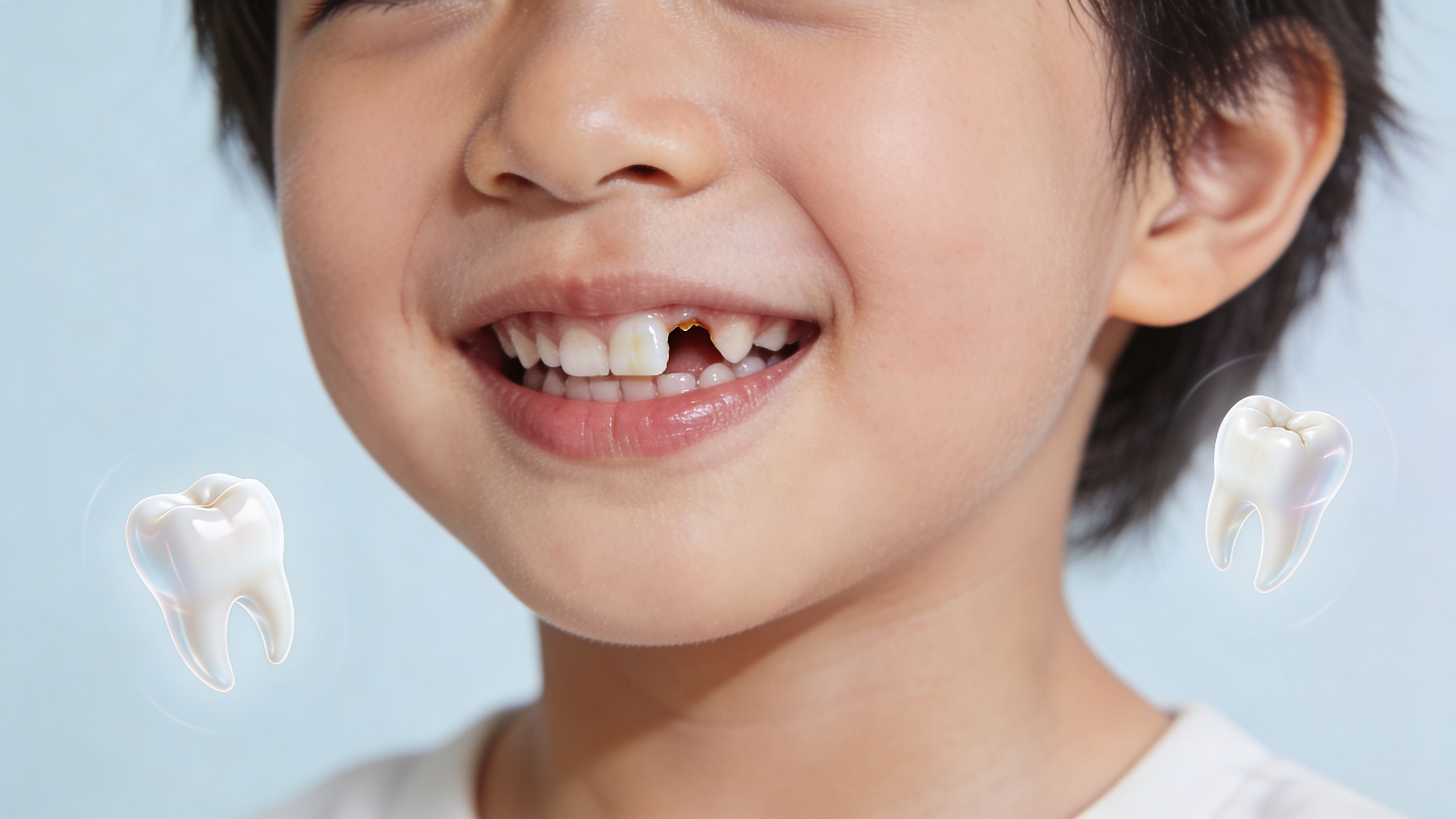
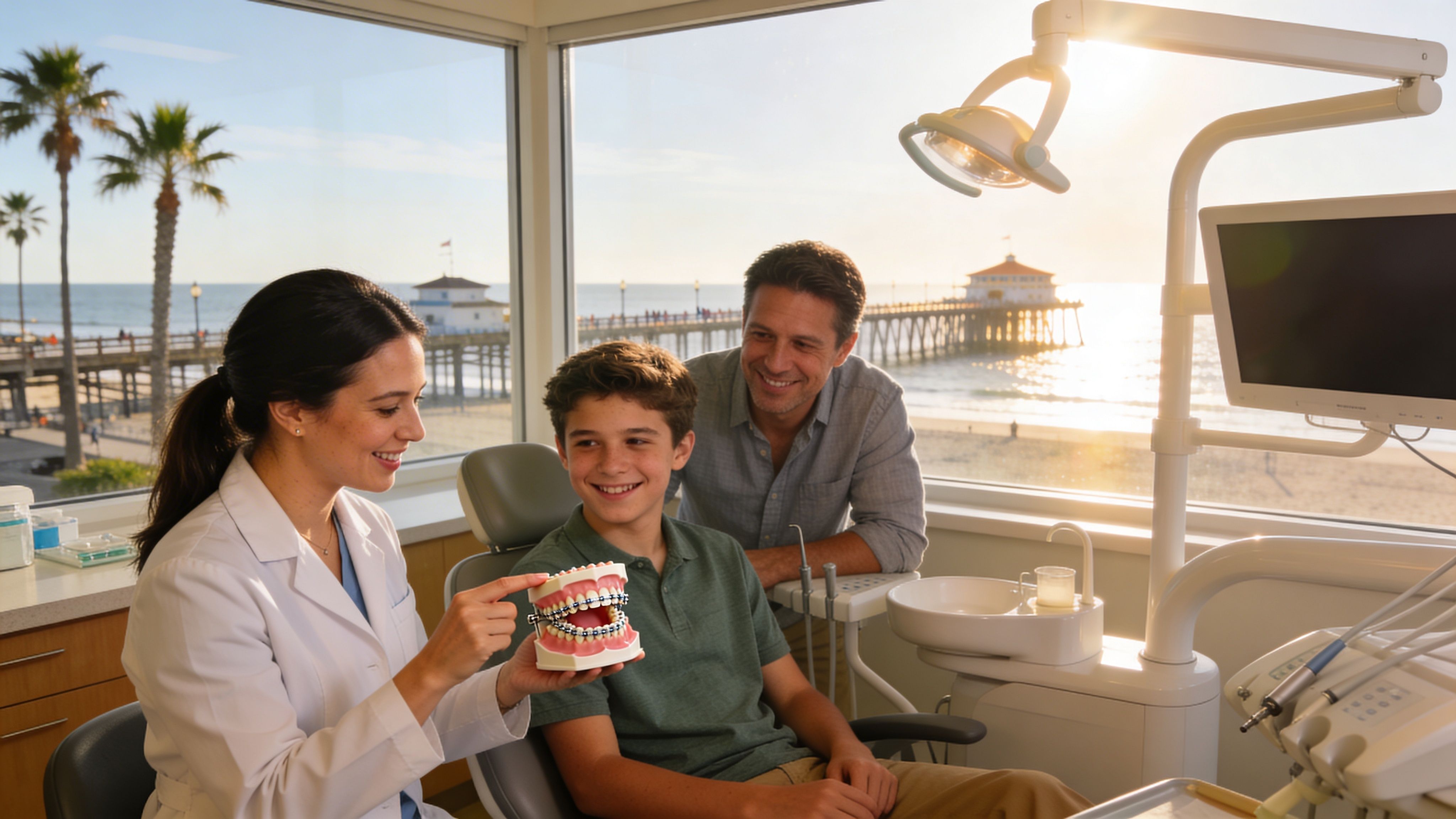
Your family dentist looks at your seven year old, says the words "early treatment," and hands you a referral. And before you even reach the car, you are doing math in your head.
If we start braces now, do we just turn around and pay for braces all over again at thirteen? That is the question I hear most from parents in Huntington Beach and Fountain Valley, and almost nobody asks it out loud on the phone.
So let's answer it directly. Below I walk through what Phase 1 is actually scoped to do, how the fees stack (or do not), and the one insurance detail that trips up more families than anything else.
Why a Phase 1 Referral Feels Like a Surprise Bill
Most parents come in already braced for the worst number. Their oldest kid had braces, or their neighbor's kid did, and they have a rough figure in their head for what full treatment runs in Orange County.
So when someone suggests treatment at age seven or eight, the brain does the obvious thing and doubles it. That is a reasonable fear, and I would rather address it head on than dance around it.
Here is what makes the fear inaccurate: Phase 1 and full treatment are not the same product. They have different goals, different lengths, and different fee structures. Comparing them as two identical purchases is like comparing a targeted repair to a full remodel.
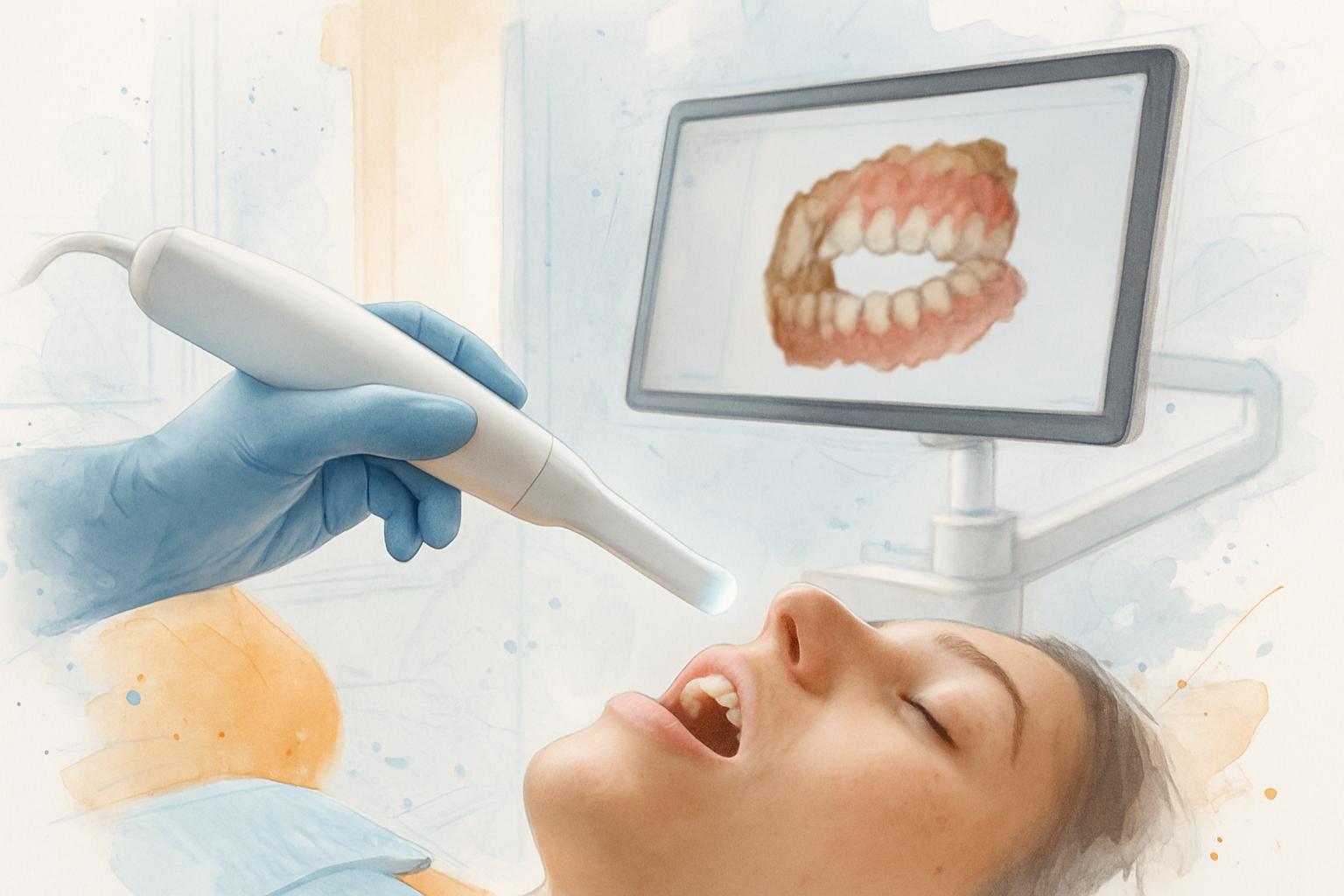
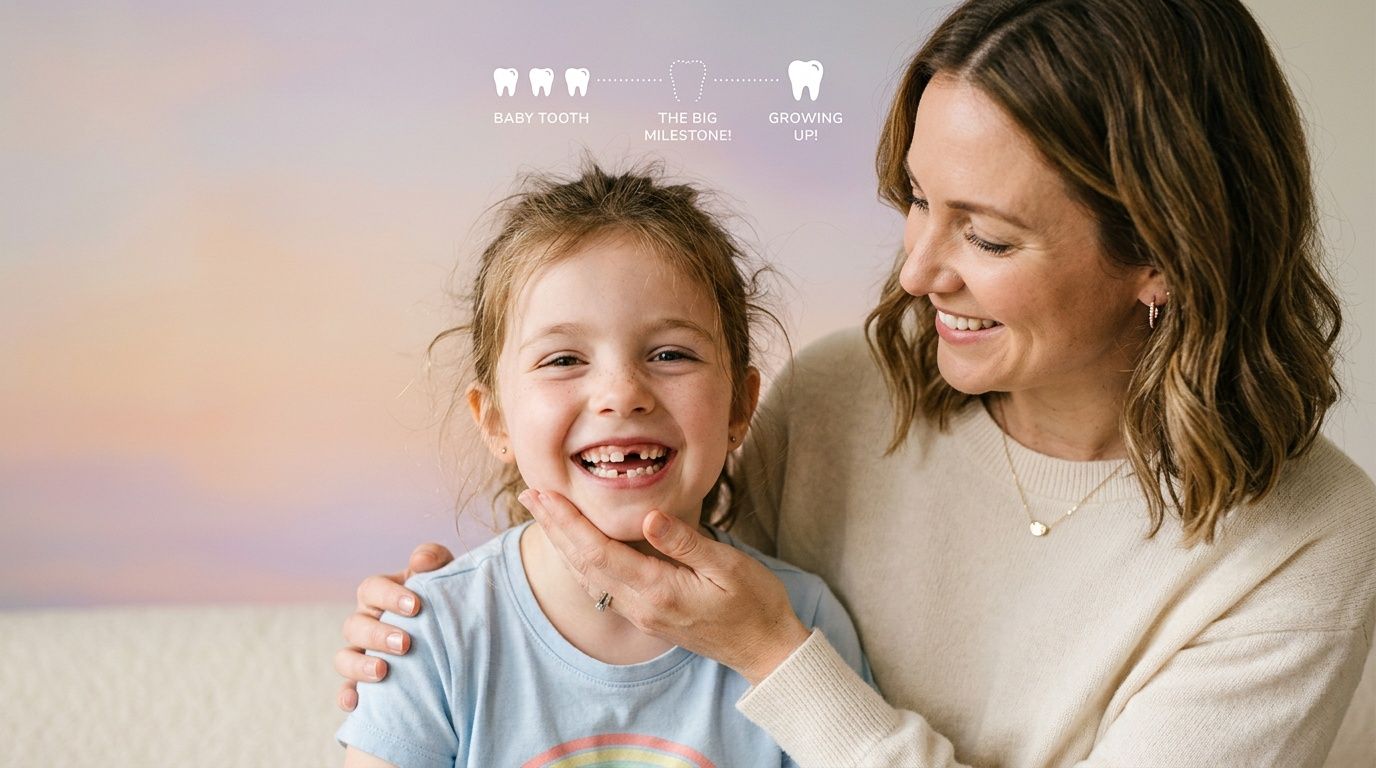
A referral is also not a verdict. Plenty of the kids I see after a dentist referral do not start anything. They get looked at, measured, photographed, and sent home with a recall visit in a year.
What Early Interceptive Orthodontics Is Actually Scoped to Do
Early interceptive orthodontics uses a window that closes. While a child's jaw is still growing, we can change how it grows. Once growth slows down, we can only move teeth.
So Phase 1 targets a short list of specific problems, not general crookedness:
- Crossbites, where upper and lower teeth meet in the wrong relationship and push growth off track
- Severe crowding with no realistic room for adult teeth to come in
- A bite that is actively damaging teeth or gum tissue
- Habits or spacing issues that get harder to correct after growth slows
What it is not: a first attempt at straightening every tooth. Phase 1 is deliberately limited in both scope and length. We fix the structural problem and stop.
And here is the honest part. Phase 1 does not promise your child will skip braces later. Most kids who go through early treatment still need some form of treatment in their teens, because adult teeth are still arriving.
Any office that tells you early treatment guarantees no braces later is overselling. What Phase 1 buys is a simpler, shorter, less complicated second round, and in some cases it prevents extractions or surgery down the road.
How the Money Actually Works Across Two Phases
I cannot quote you a number in an article, and any office that publishes one without seeing a mouth is guessing. But I can explain the structure, because the structure is what answers your question.
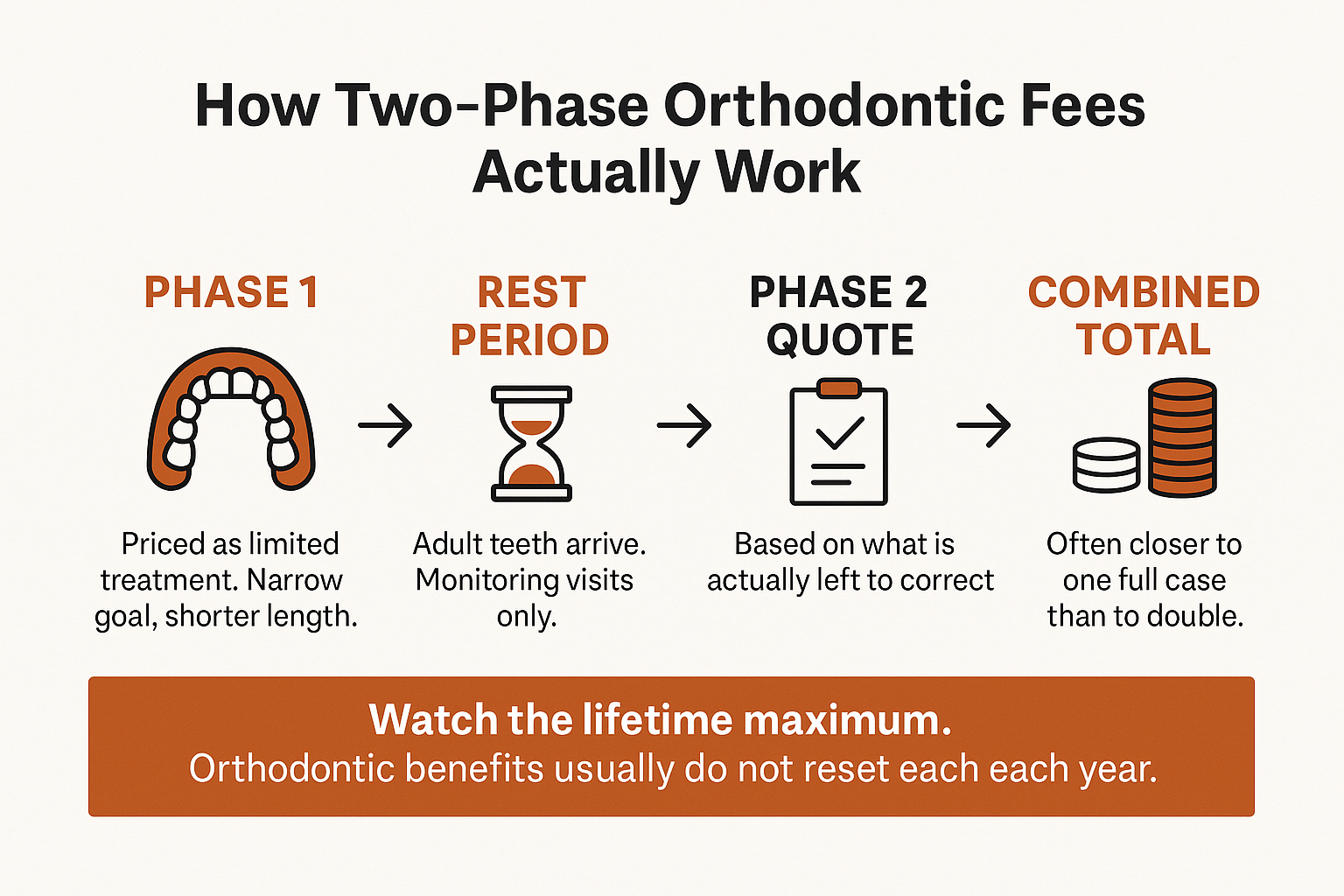
Phase 1 is typically scoped and priced as limited treatment, not full treatment. Fewer appointments, fewer months, a narrower goal. The fee reflects that.
When a second phase happens later, it is quoted based on what is actually left to do, and after a successful Phase 1 there is often less to do. Many practices in Orange County also credit or discount the second phase for existing patients, so it is worth asking directly how a specific office handles that.
What that means in plain terms: you are usually not looking at two full fees stacked on top of each other. Families often find the combined investment lands closer to one full case than to double.
Cost drivers that actually move the number, in both phases:
- How complex the problem is and how long treatment runs
- Whether appliances, aligners, or brackets are used
- How many adjustment visits the plan requires
- Retainers and follow-up after each phase
If you want the broader picture on what goes into orthodontic fees, we broke that down in why orthodontic treatment costs what it does. For your family's actual figure, you need a consultation and a look at your plan.
The Insurance Detail Most Parents Miss
This is the piece I wish more parents checked before their first visit, because it genuinely changes the math.
Most dental plans handle orthodontics with a lifetime maximum, not an annual one. It is a single pot of money per person, for their entire life on that plan, and it does not reset every January the way regular dental benefits do.
So if you use part of that benefit during Phase 1, that portion is gone when Phase 2 comes around. It does not refill.
That is not a reason to skip early treatment when a child genuinely needs it. It is a reason to know the number before you decide, so you are planning with real information instead of assumptions.
Three things to look up in your own plan documents:
- The orthodontic lifetime maximum amount per covered person
- Whether the plan covers dependents under a certain age at all
- Whether it is a PPO plan, since many offices, ours included, work with PPO plans but not HMO plans
Call the number on the back of your card and ask those three questions. It takes about ten minutes and it removes most of the anxiety from the consultation.
How the Two-Phase Fee Structure Really Works
Here is the fee and benefit flow that most parents picture wrong, laid out in order.
Phase 1 vs. Full Treatment at a Glance
The two are built for different jobs. This is the clearest way I know to show the difference.
| Phase 1 (Early Interceptive) | Full Treatment | |
|---|---|---|
| Typical age | Roughly 7 to 10, while jaws are still growing | Usually 11 and up, once most adult teeth are in |
| Main goal | Correct a specific structural problem | Align the full bite and all permanent teeth |
| Scope | Deliberately limited | Whole-mouth |
| Length | Shorter, often several months to about a year | Commonly longer, varies by case |
| How it is priced | As limited treatment | As a full case |
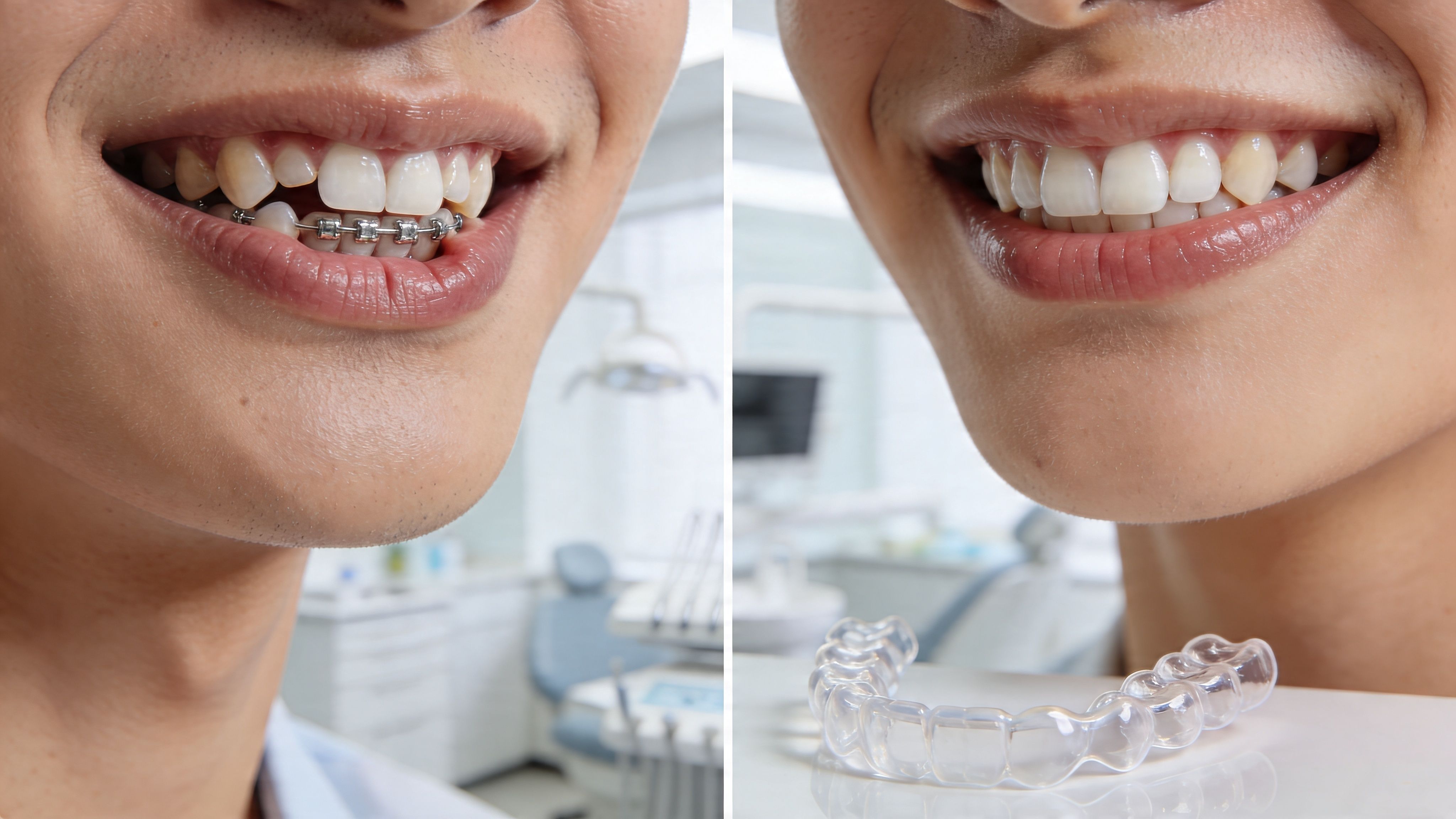
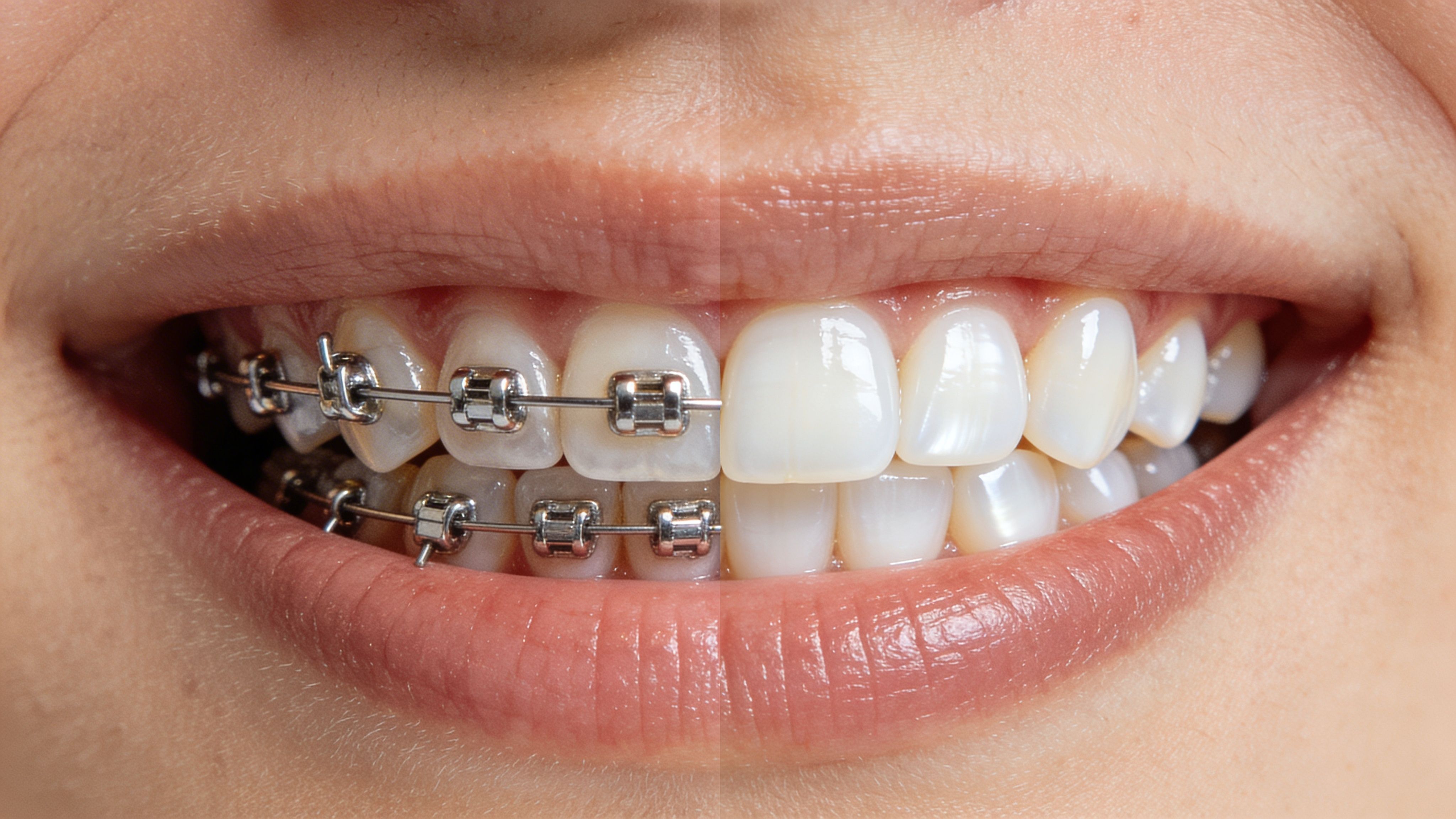
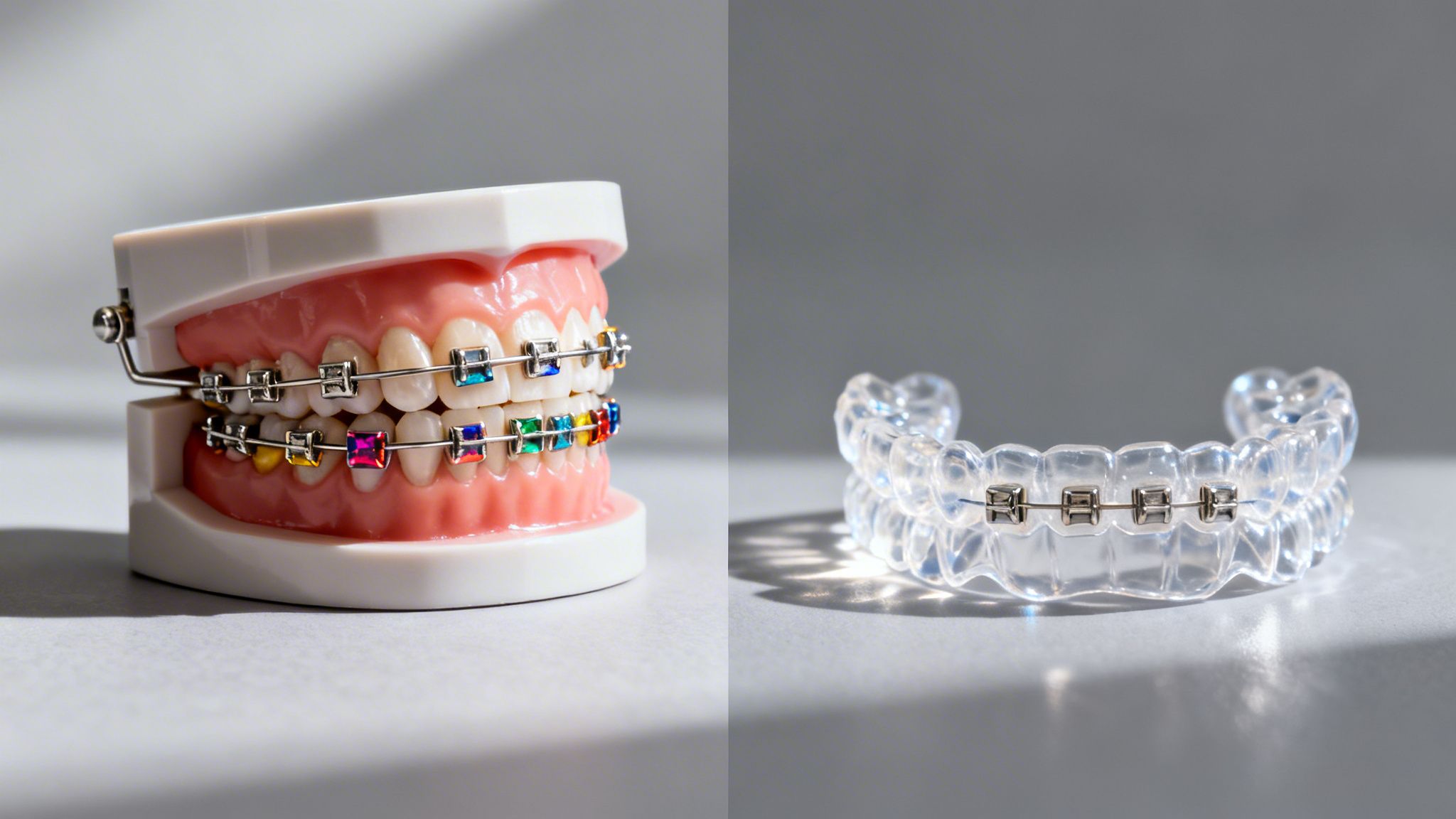
| Common options | Invisalign First, appliances, partial braces | Metal braces, Iconix champagne-colored brackets, Invisalign |
The Honest Cost of Waiting
I do not think fear is a good reason to start treatment. But I also do not think it is fair to only talk about the cost of acting without the cost of waiting.
Some problems get more expensive and more complicated after growth slows. Crossbites and severe crowding are the two that come to mind first, because once the jaw is done growing, the tools available to fix them get more invasive.
Other findings at age seven are genuinely a wait-and-watch situation. A gap, a slightly rotated tooth, a bite that looks off but is tracking normally for that age.
The most useful thing an early evaluation buys is a decision, not a treatment plan. You walk out knowing which category your child is in.
The American Association of Orthodontists recommends a first orthodontic check by age seven for exactly this reason. Not because seven year olds need braces, but because seven is when the growth picture becomes readable.
And plenty of kids leave that first visit with nothing but a recall appointment in a year. That is a normal, common, completely legitimate outcome, and if it applies to your child, you should hear it said plainly. We wrote more about that in how early braces exams prevent bigger problems.
If You Are Picturing a Mouth Full of Hardware on a Nine Year Old
A lot of parents picture bulky metal appliances when they hear early treatment, and that picture is out of date for many cases.
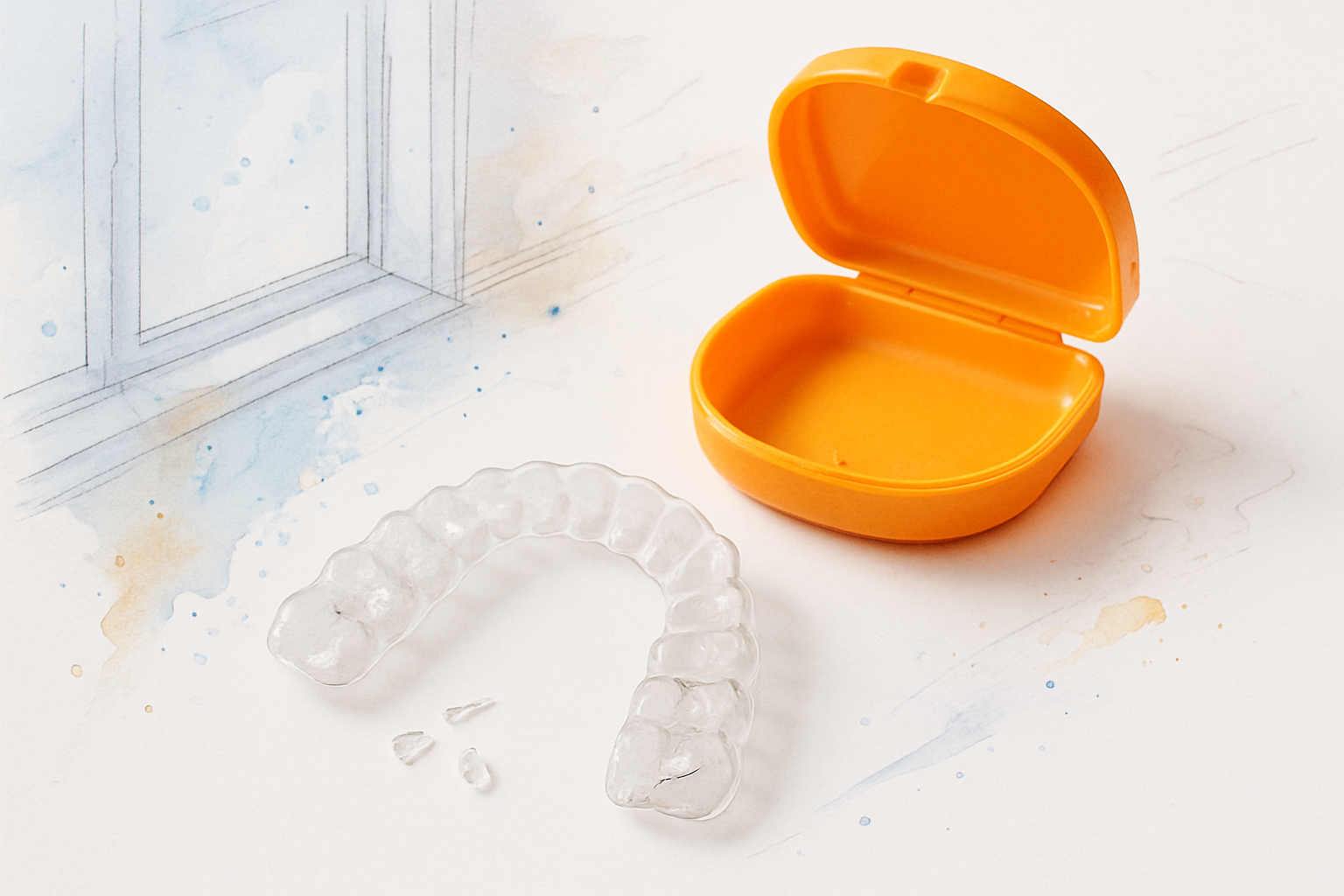
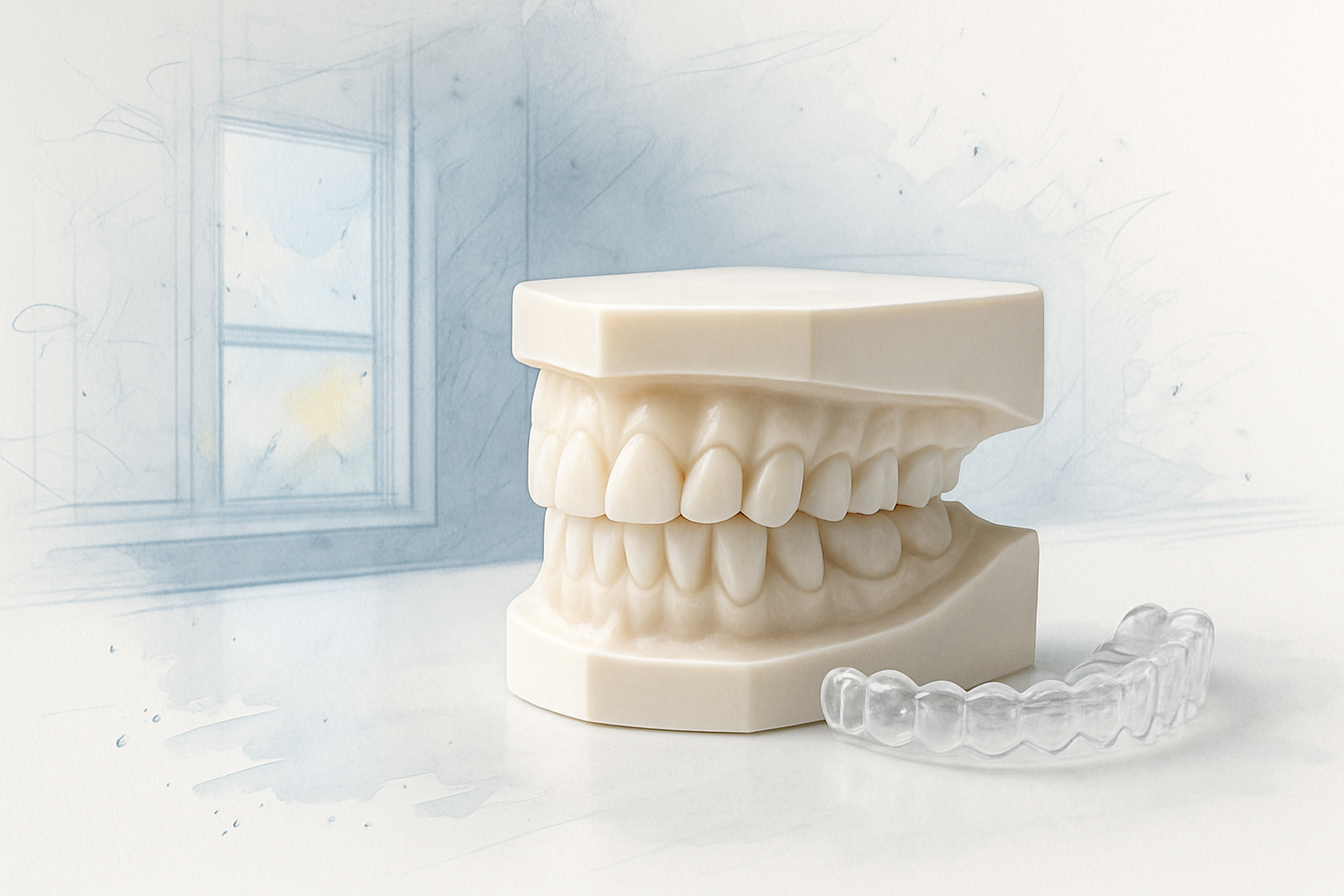
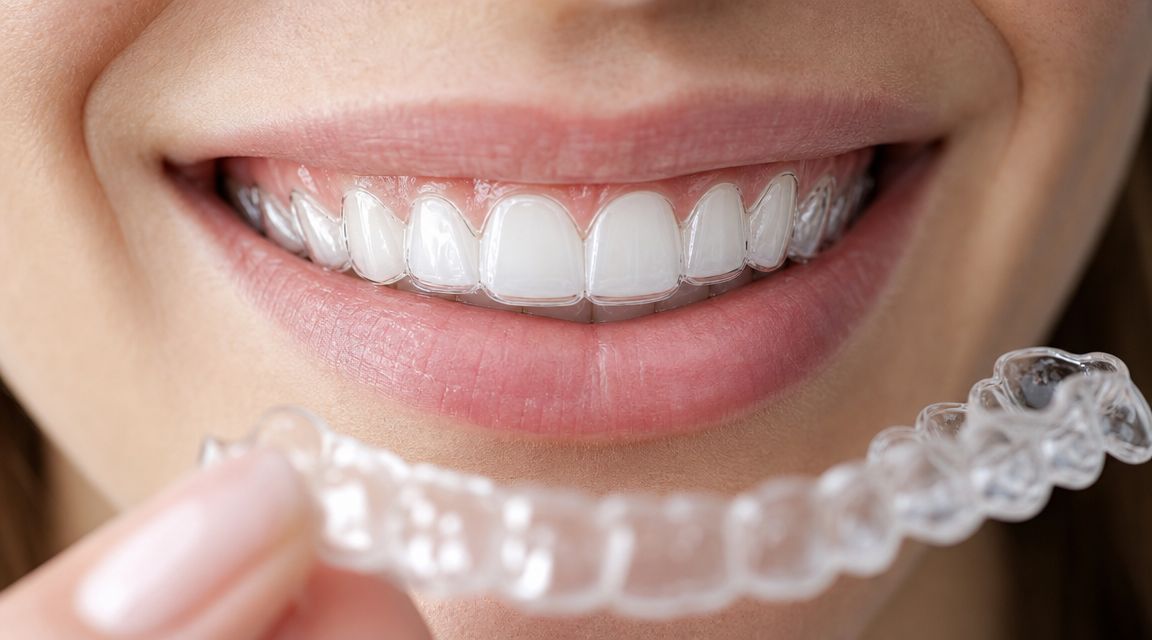
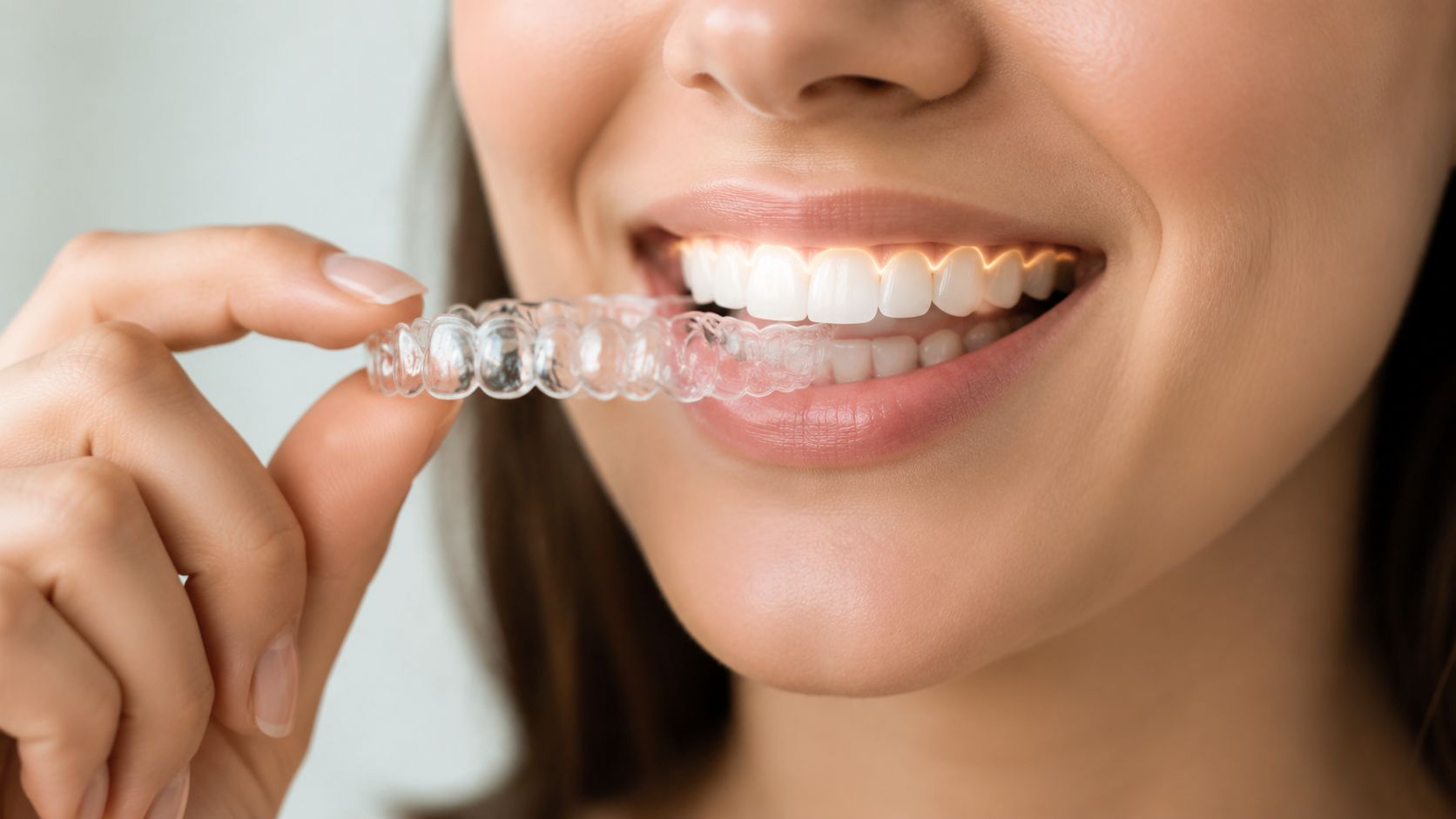
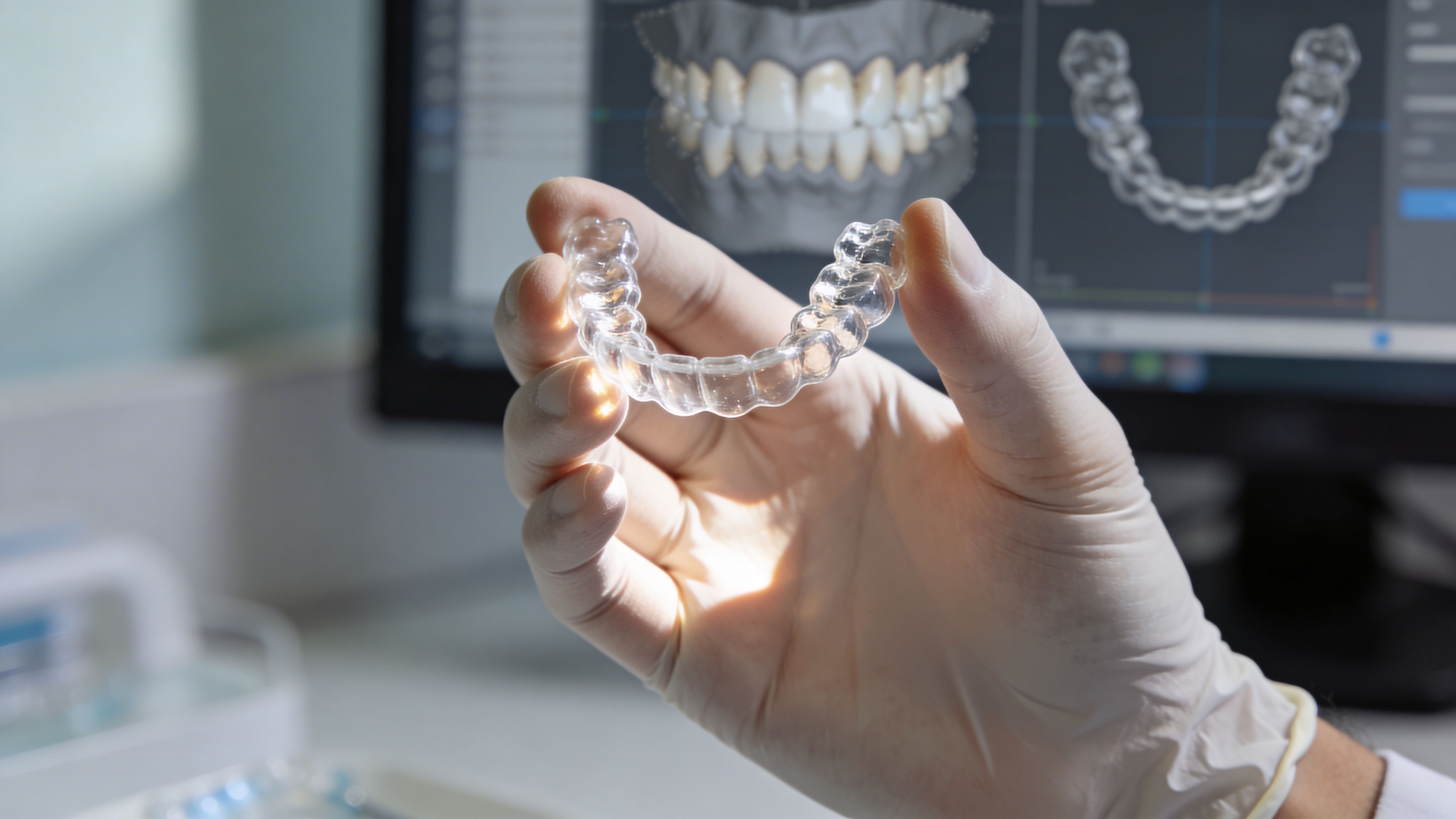
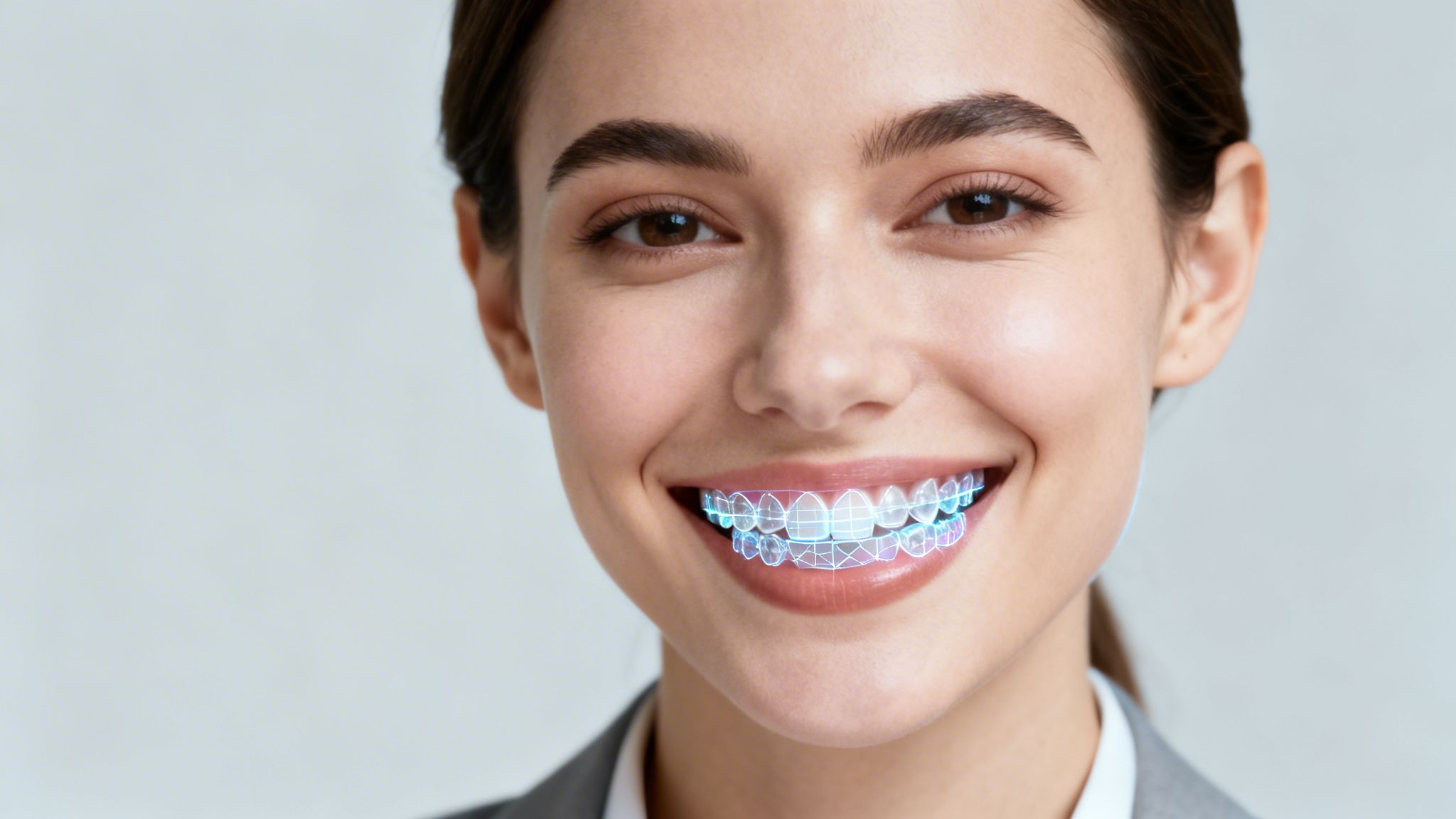
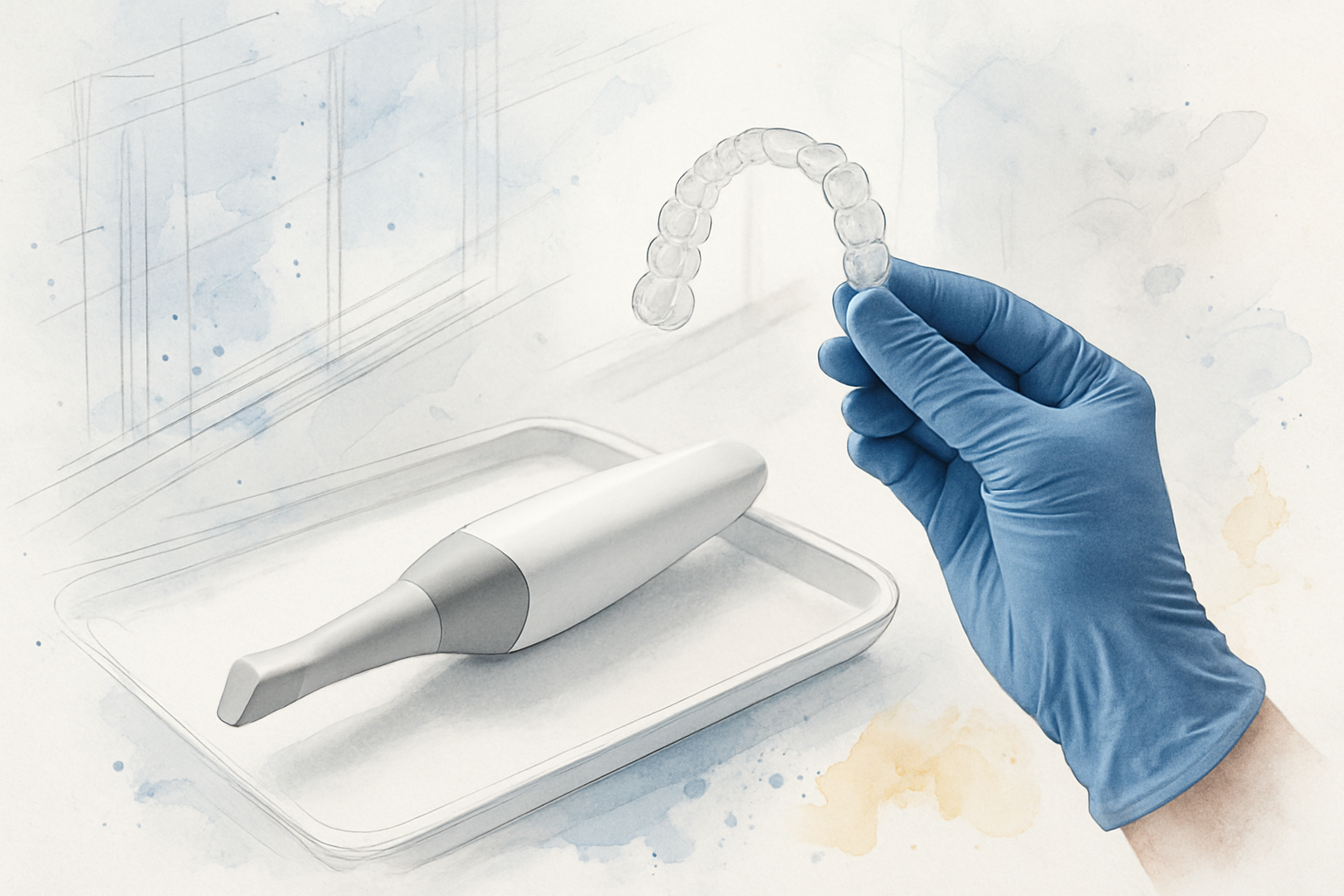
Invisalign First is designed for younger patients in Phase 1. It can help guide jaw development and create space for incoming teeth using clear, removable aligners instead of bulky appliances.
For a nine year old who plays club soccer in Fountain Valley or is already self conscious in a classroom, that changes the conversation quite a bit.
That said, I am not going to tell you it is the better option across the board. Some early problems still call for fixed appliances, and the right choice depends on what we see on the scan, not on preference.
When a second phase comes later, teens have their own range: traditional metal braces, Invisalign, or Iconix champagne-colored brackets for a more subtle look. Dr. Jeremy and Dr. Melissa walk through the trade-offs of each rather than steering families toward one. If you want the fuller comparison, see how to choose the right treatment option.
A Local Timing Note for Families Planning Ahead
One practical thing I have noticed with families across Oak View, Newland, and Talbert Village: timing matters more to parents than they expect.
Huntington Beach and Fountain Valley school calendars put winter break in late December, and that is when a lot of parents prefer to start anything that involves a few days of adjustment. Fewer missed school days, fewer complaints about a sore mouth during a spelling test.
January is also when a fresh benefit year resets for many plans, which can matter for the non-orthodontic parts of your coverage even though the orthodontic lifetime max does not reset.
This is not a deadline. It is just a planning frame, and it is why fall consultations tend to fill up faster than any other time of year on Beach Boulevard.
Frequently Asked Questions About Phase 1 Treatment Costs
If my child does Phase 1, are they guaranteed to skip braces later?
No, and be careful with anyone who tells you otherwise. Most children who complete Phase 1 still need some treatment as teens, because adult teeth are still coming in. What early treatment often does is make that second round shorter and simpler, and in some cases it avoids extractions or more involved procedures later.
Does using insurance for Phase 1 leave nothing for Phase 2?
It depends on your plan's lifetime maximum. Since orthodontic benefits are usually a one-time lifetime amount rather than a yearly reset, whatever you use in Phase 1 reduces what is available later. Check the exact figure with your carrier before your consultation so you can plan around it.
Is an early evaluation a commitment to start treatment?
Not at all. It is a fact-finding visit. Many families leave with a recall appointment and nothing else, which is a normal outcome at age seven or eight.
What if my child only has one crooked tooth? Do we need the whole thing?
We hear a version of this constantly, usually phrased as "it is just a minor issue, I do not think we need full braces." Limited and focused treatment options exist and are priced accordingly, so a consultation is how you find out which category you are actually in rather than assuming the biggest plan.
How long does Phase 1 usually last?
It varies by case, but Phase 1 is intentionally short compared to full treatment, often running several months to about a year. After that comes a monitoring period while adult teeth arrive. There is more detail in our breakdown of how long orthodontic treatment actually takes.
Want a Straight Answer About Your Child's Phase 1 Question?
A fair number of the families who come see us in Huntington Beach arrive as second opinions, after feeling rushed somewhere else, and more than a few end up hearing that less treatment is needed than they expected. That is the whole point of a first evaluation: it is fact-finding, not a commitment. Dr. Jeremy and Dr. Melissa are available for consultations for families throughout Huntington Beach and Fountain Valley at 714-594-5777 or magicfoxsmiles.com, whenever you are ready to get the picture clear.