Are Clear Aligners Safe Without an Orthodontist in Fountain Valley?
Direct Answer: Clear aligners can be unsafe without an orthodontist because no one is monitoring your bite, bone, or root health — problems that don't show up in a selfie but can cause real, lasting damage.
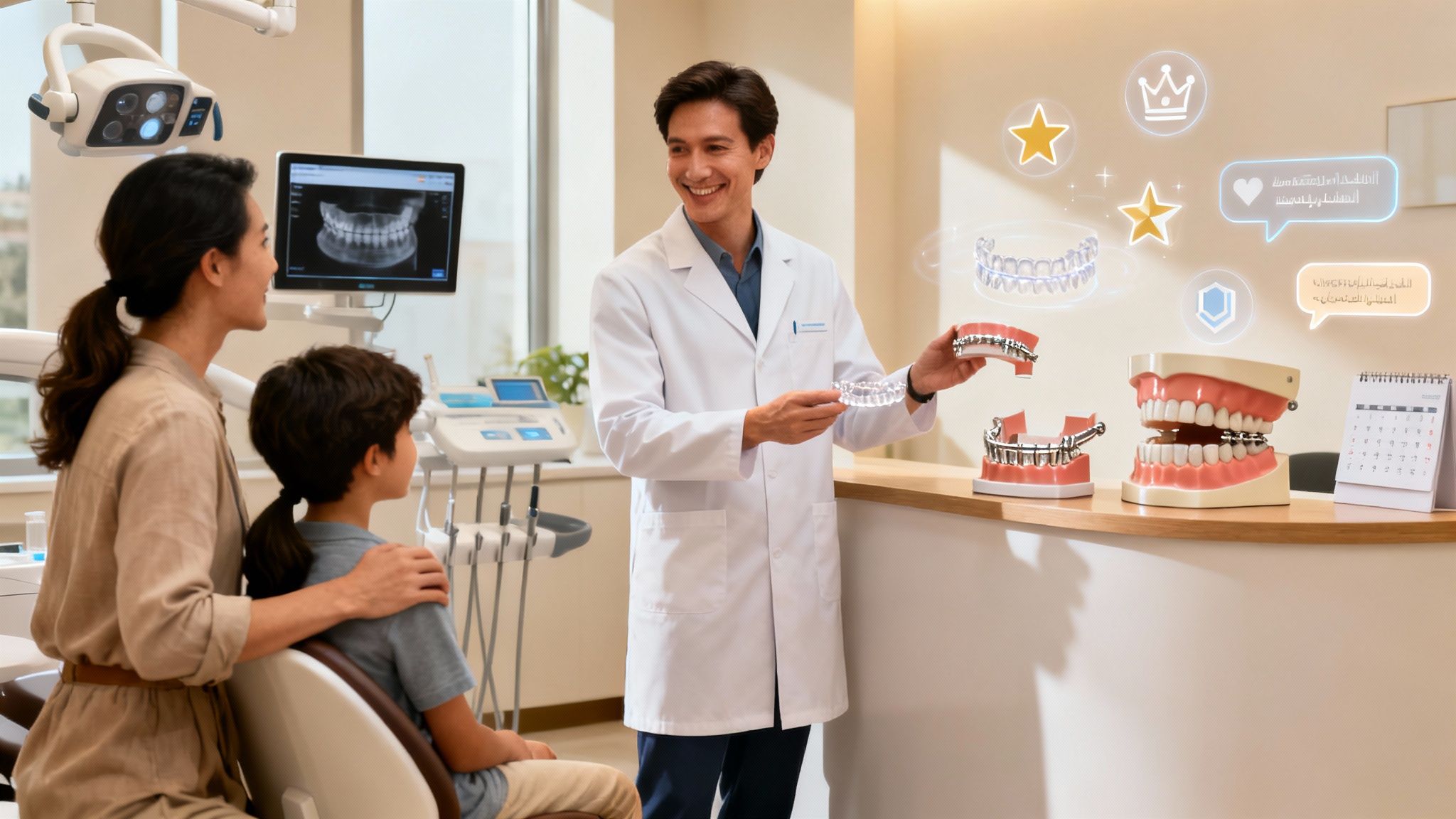
Clear aligners are everywhere now — ads on your Instagram feed, kits mailed to your door, and countertop displays at dental offices all over Orange County. If you're in Fountain Valley or anywhere nearby, you've probably wondered whether skipping the orthodontist is a reasonable shortcut or a genuine risk.
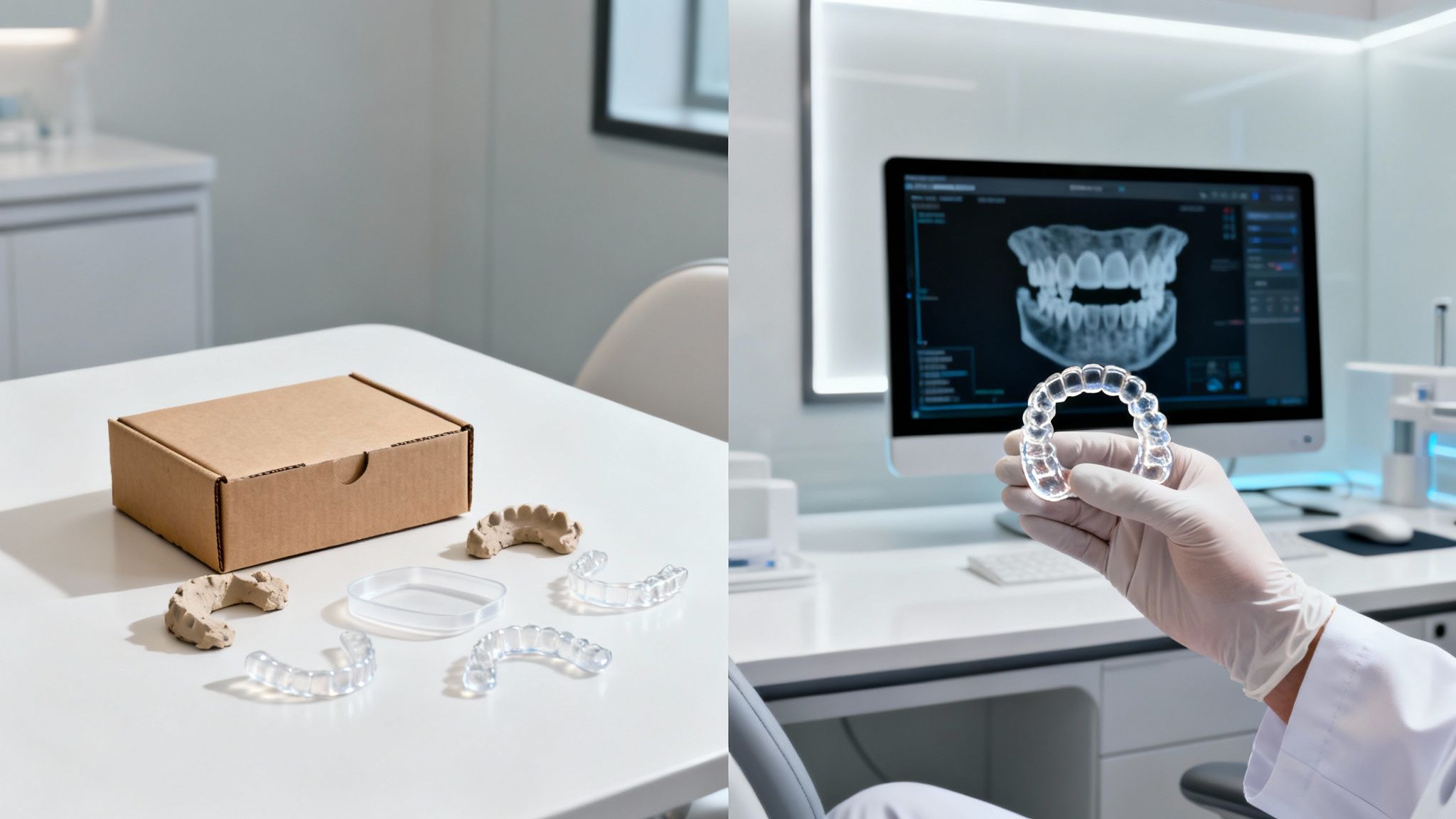
I get why the question comes up. The pitch from mail-order companies sounds simple: take impressions at home, get aligners shipped to you, skip the appointments. For someone who just wants to straighten things out — as I hear patients say all the time — the appeal is obvious.
But what actually changes when a licensed orthodontist is involved? That's the question worth answering carefully, because the difference isn't just about branding. It comes down to what gets checked before a single tray ever goes in your mouth — and what happens when something doesn't go according to plan.
What Doctor-Led Aligner Therapy Actually Includes
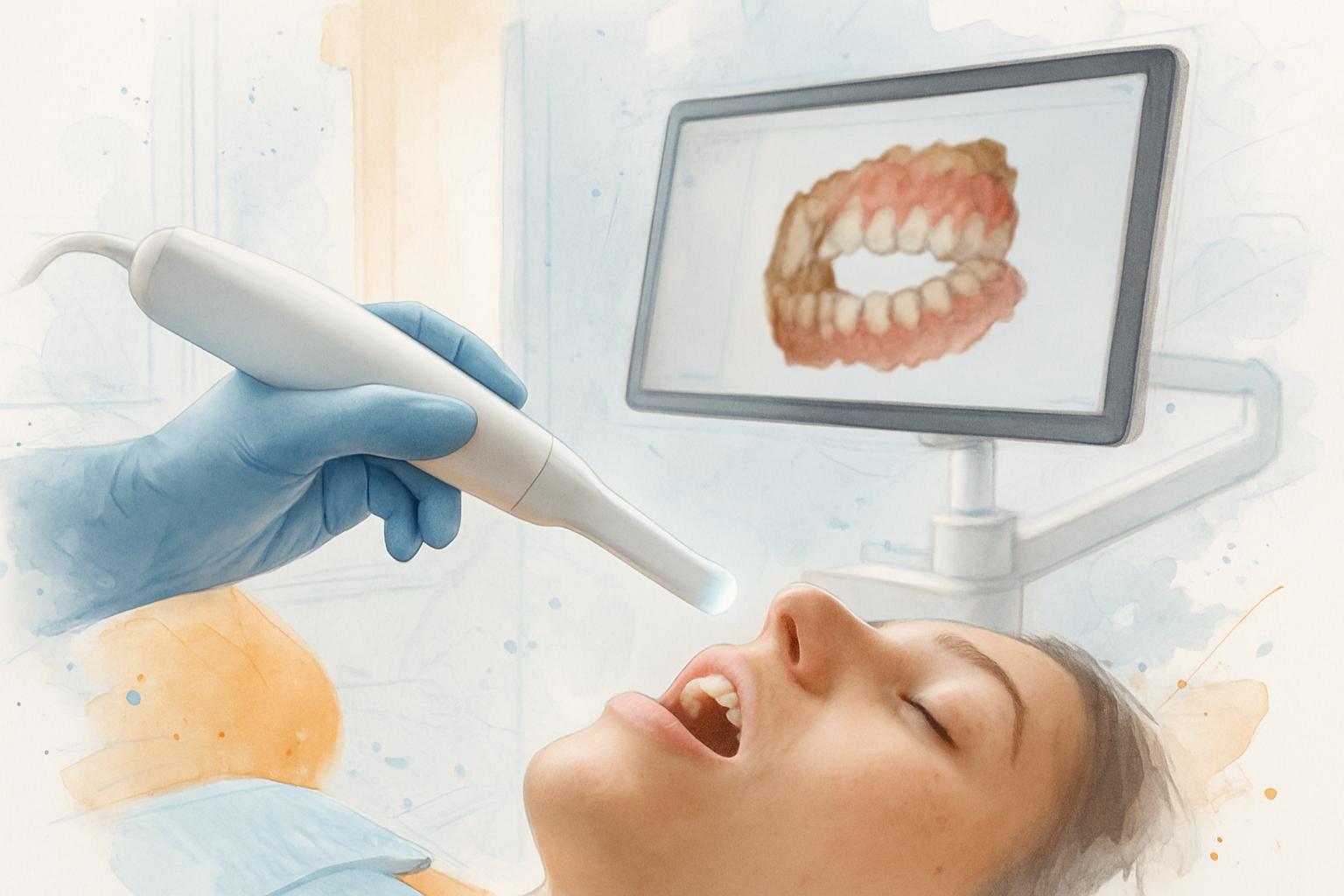
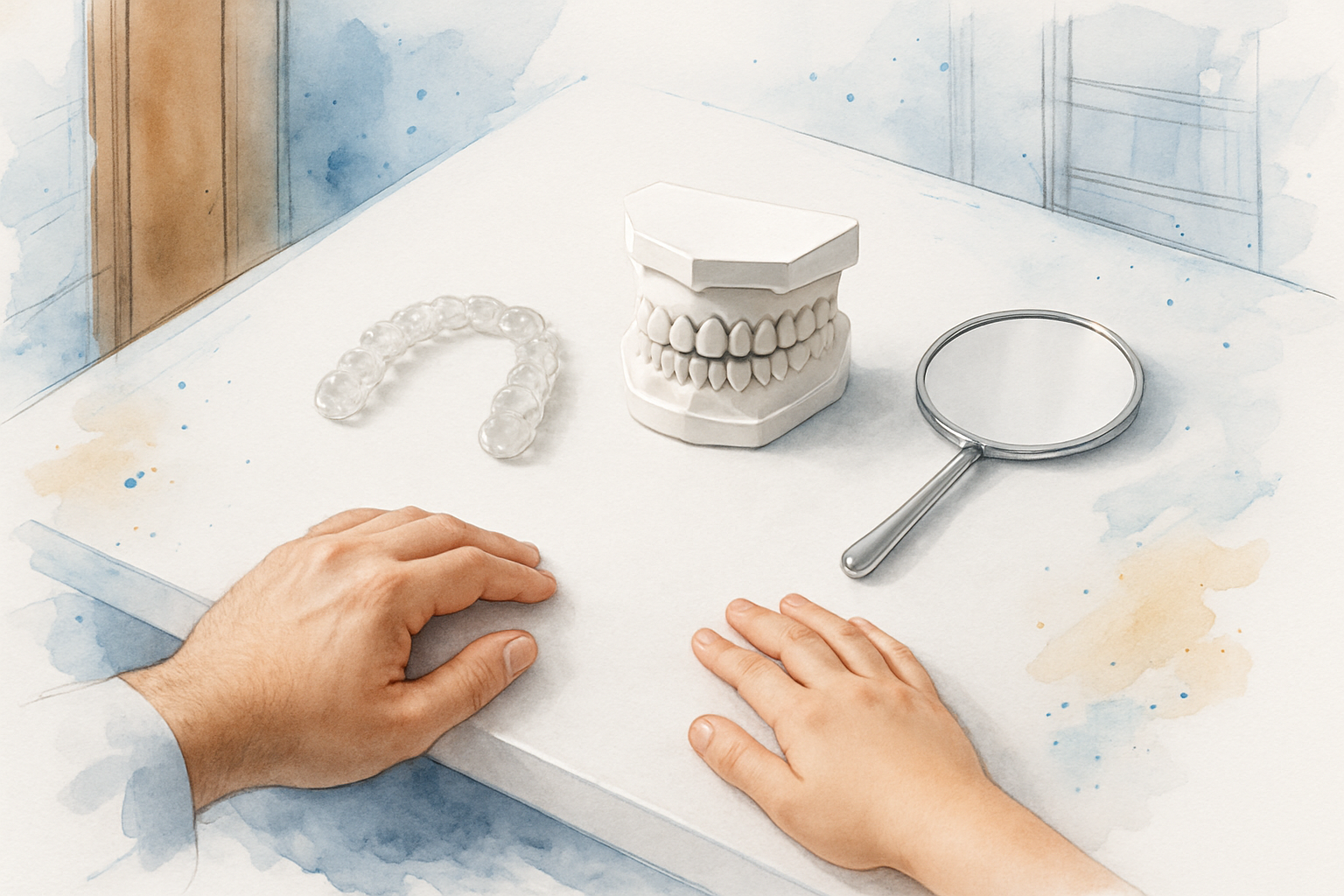
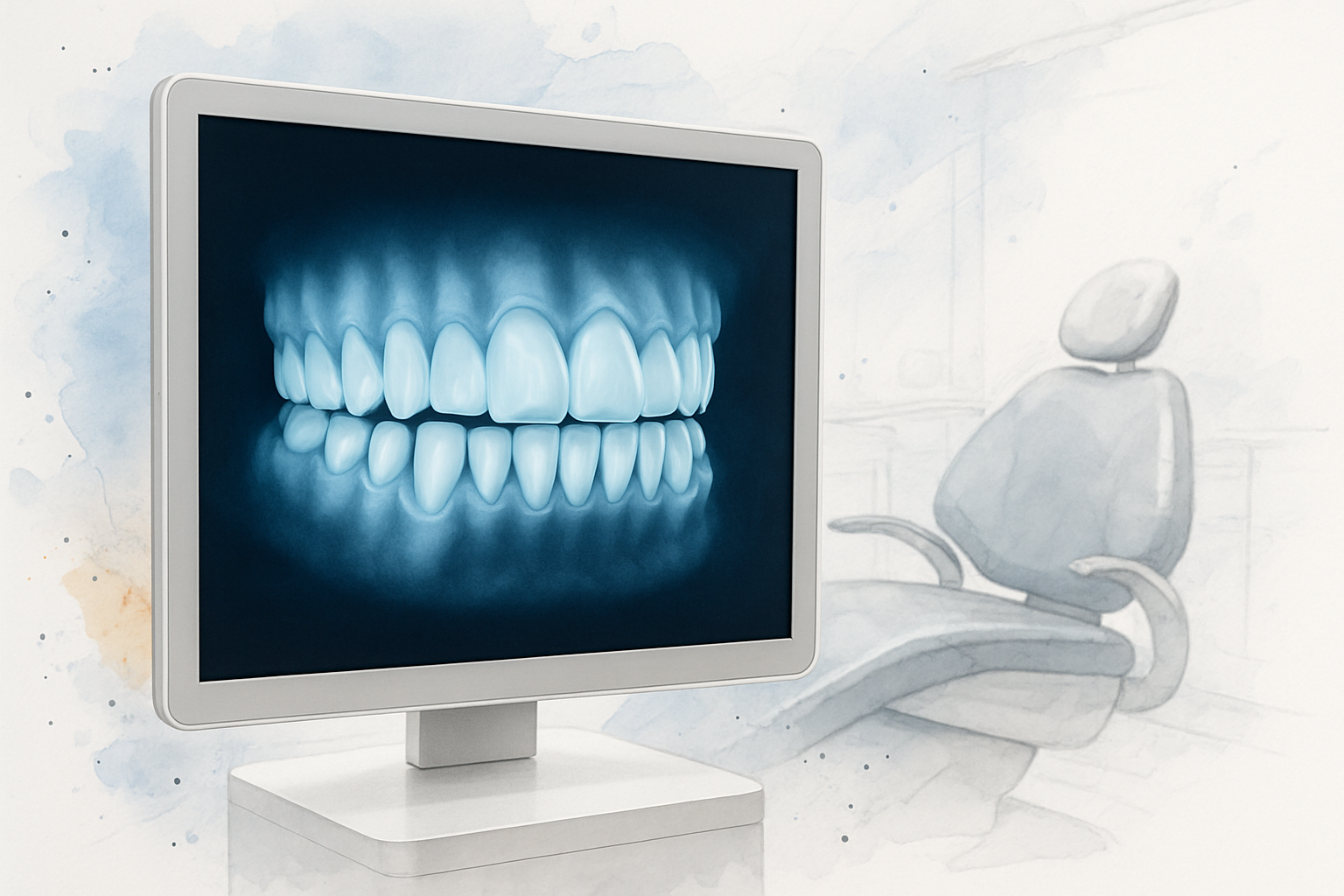
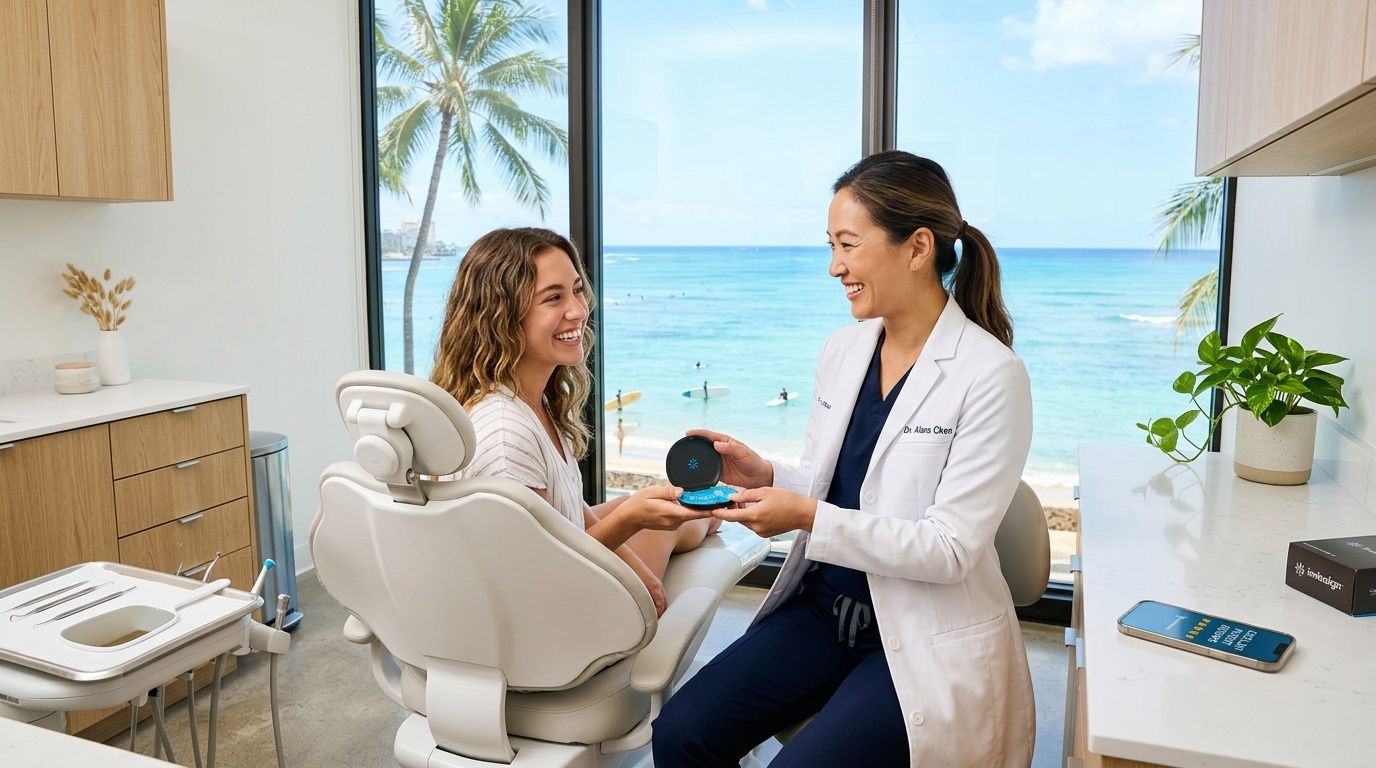
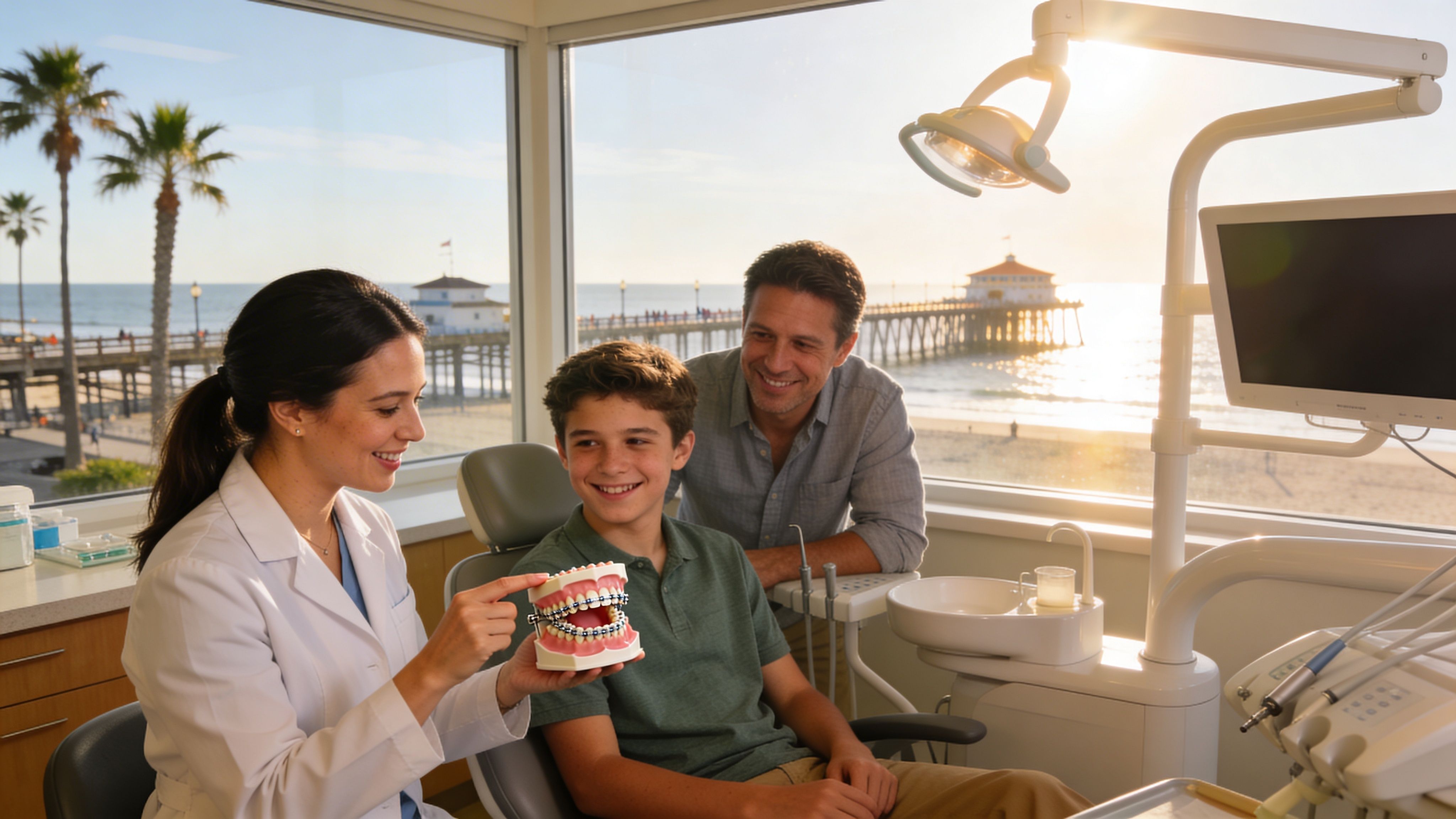
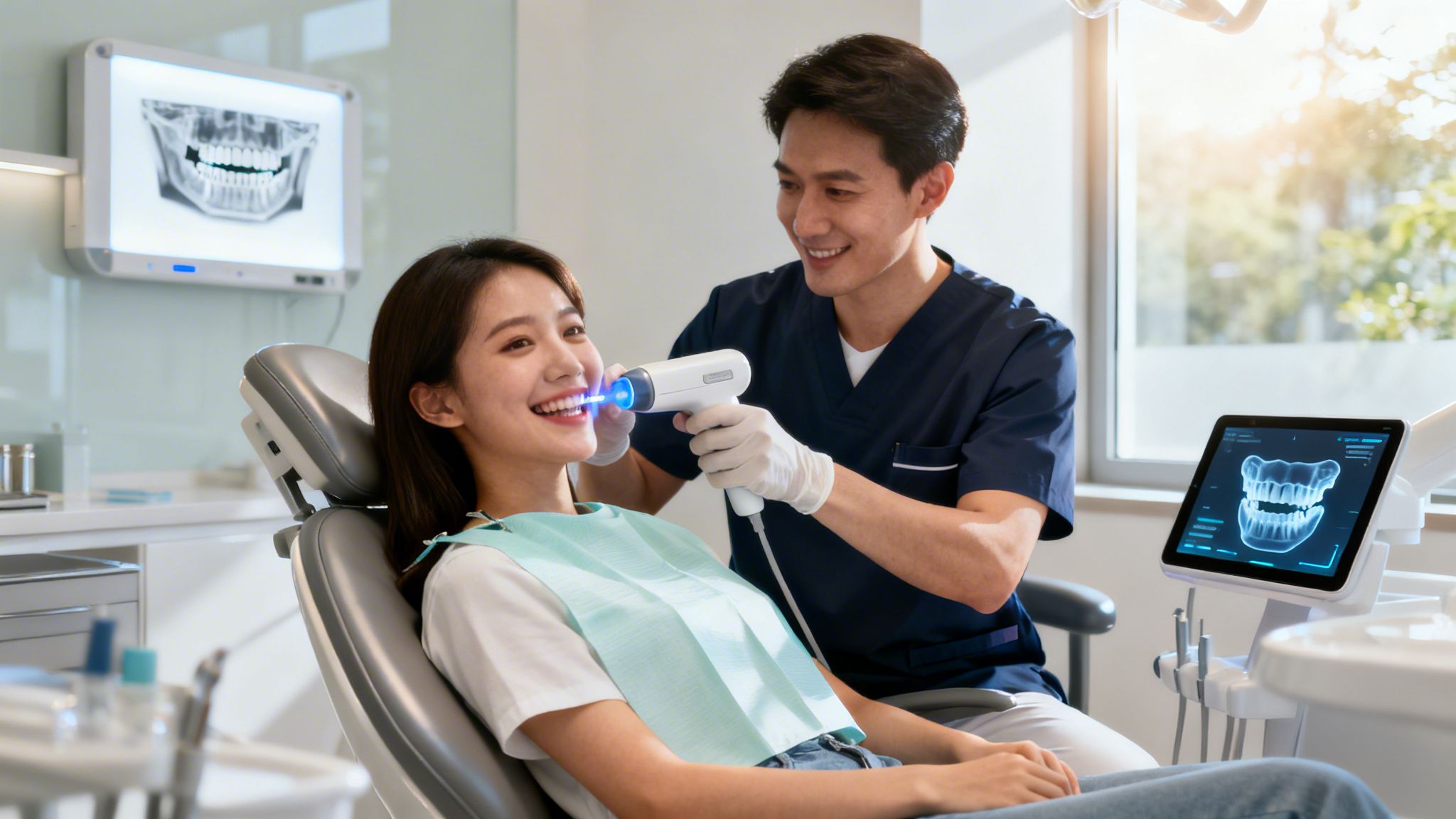
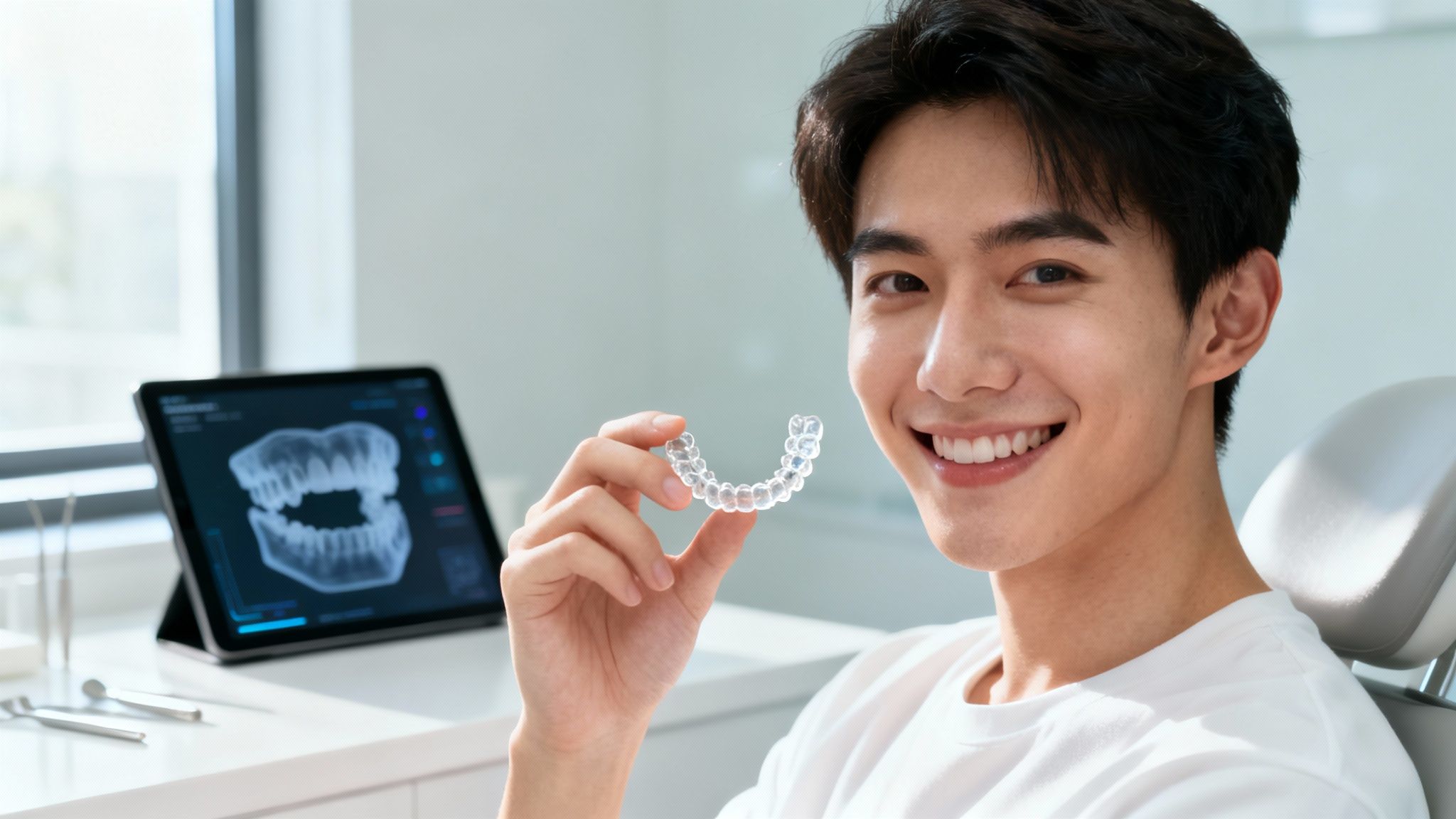
When Dr. Jeremy or Dr. Melissa evaluates someone for clear aligners, the process starts long before any treatment plan is made. A proper orthodontic workup includes several diagnostic steps that mail-order options simply don't do:
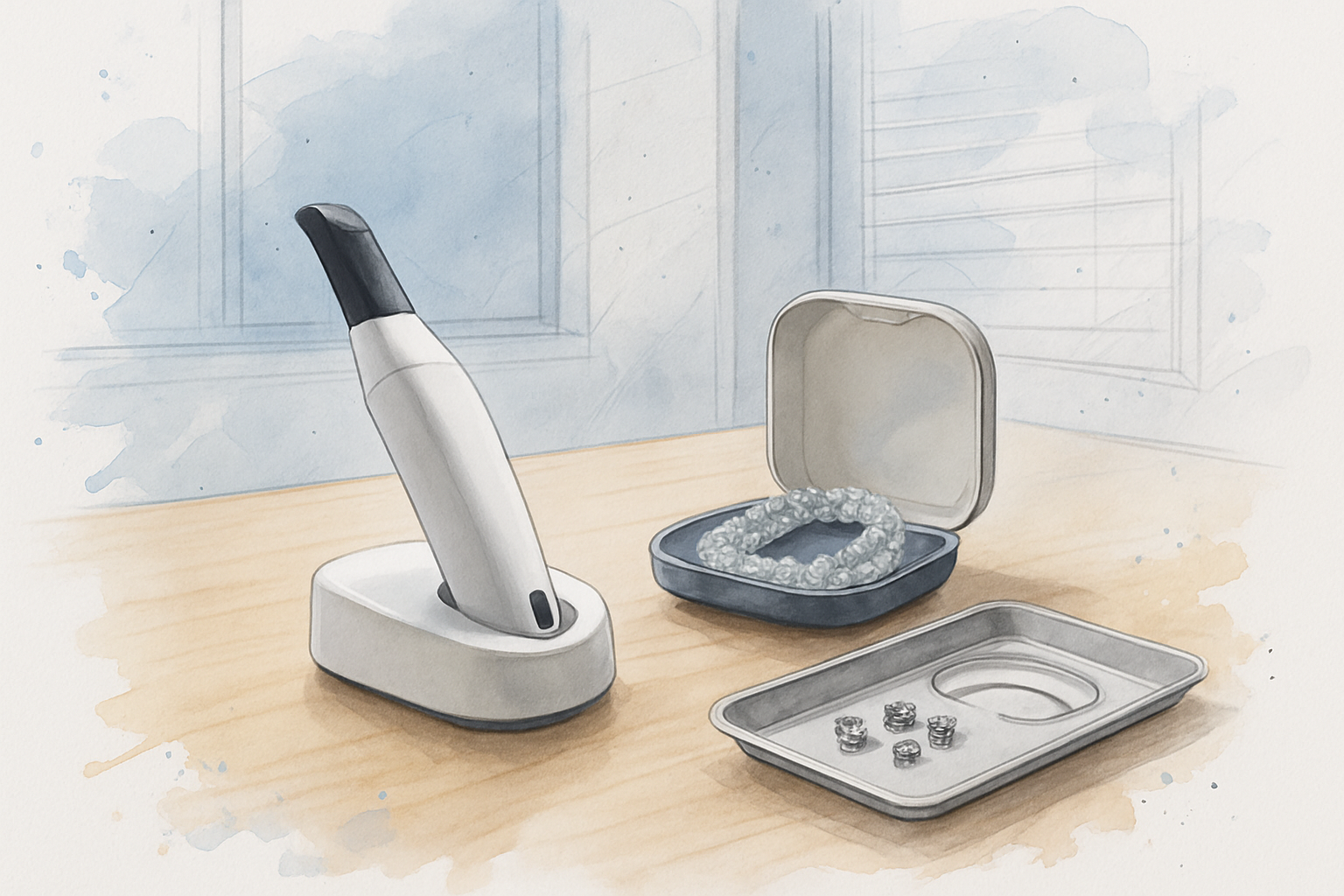
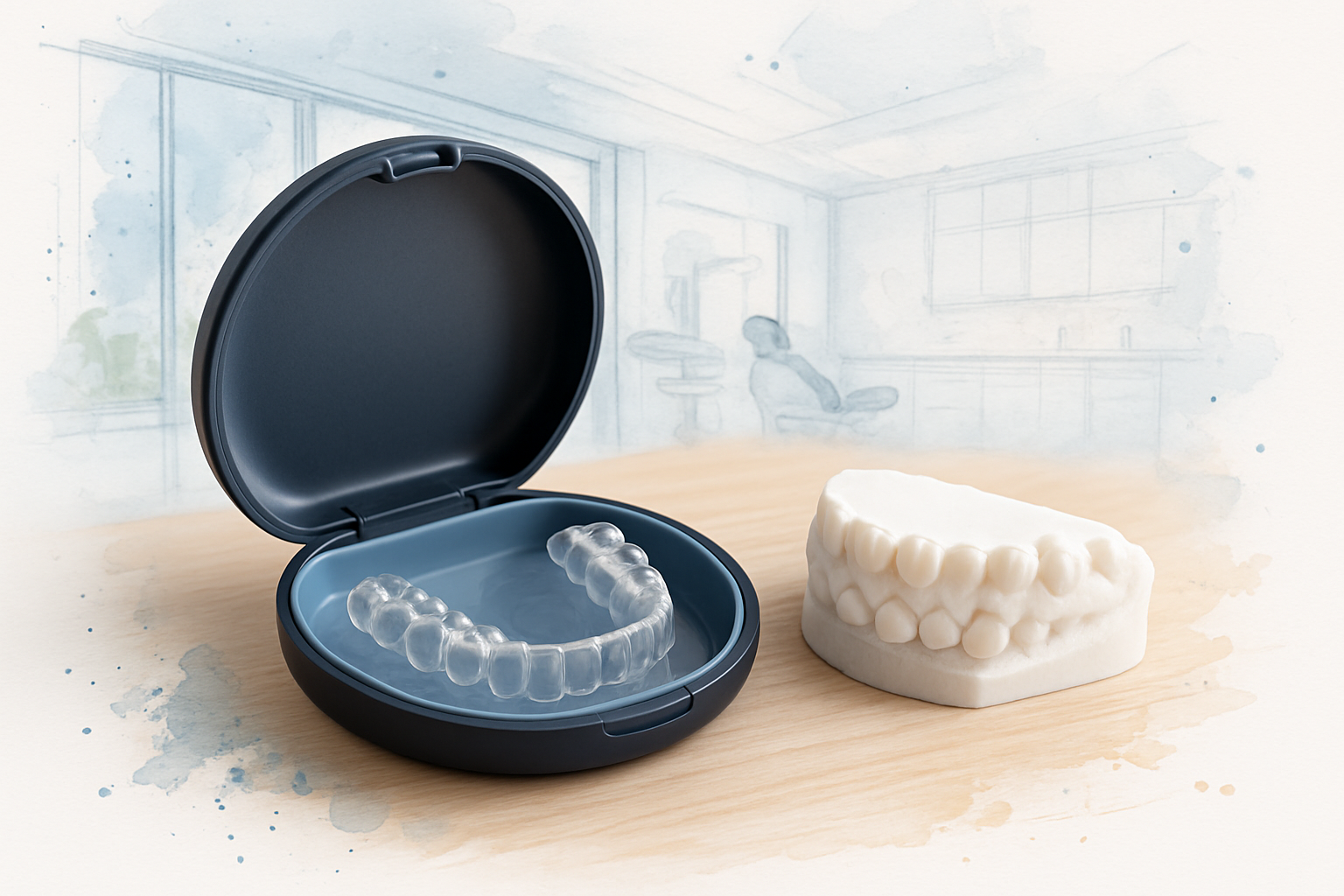
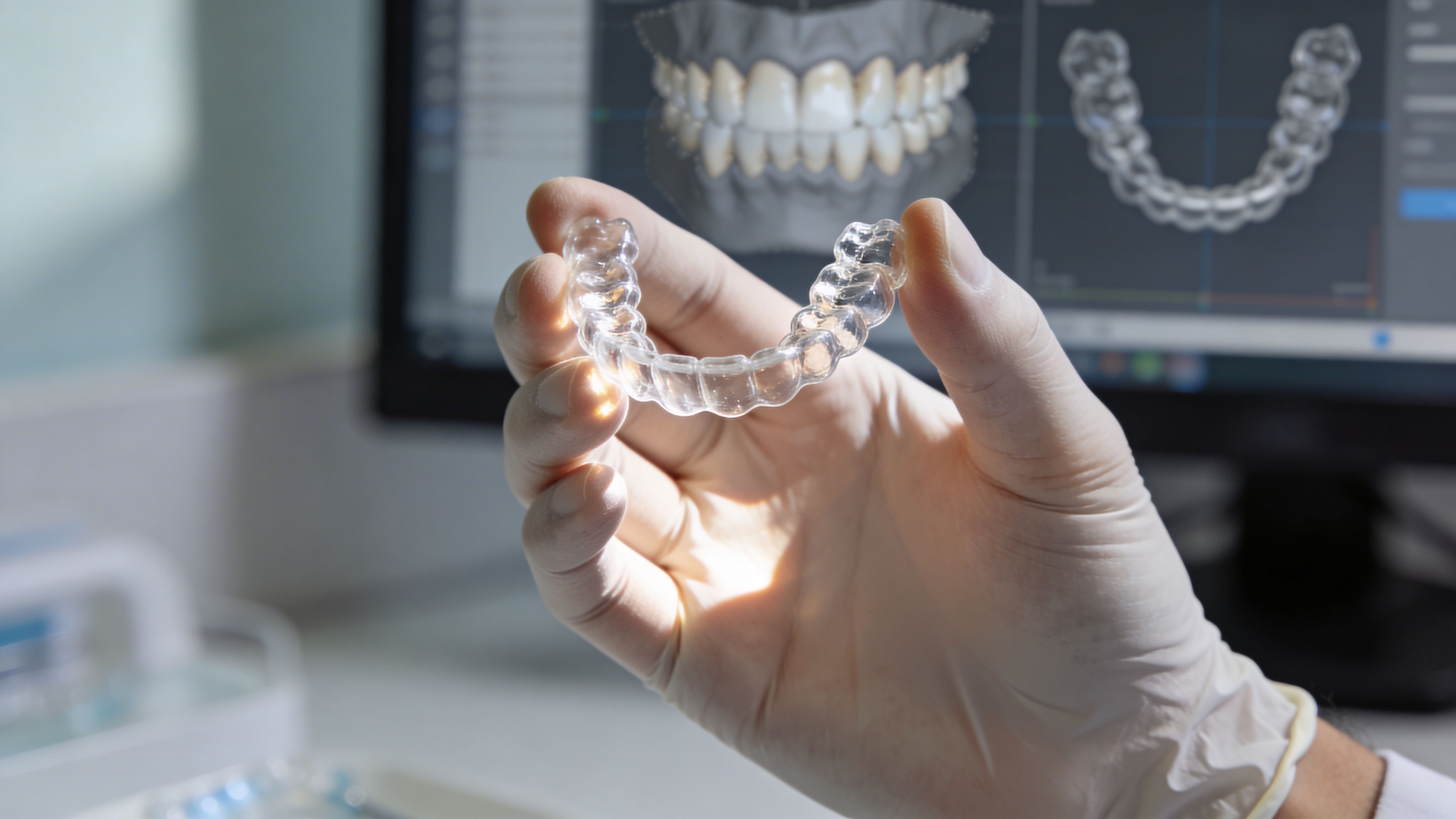
- Full digital scan of the teeth and bite — not just impressions, but a precise 3D model
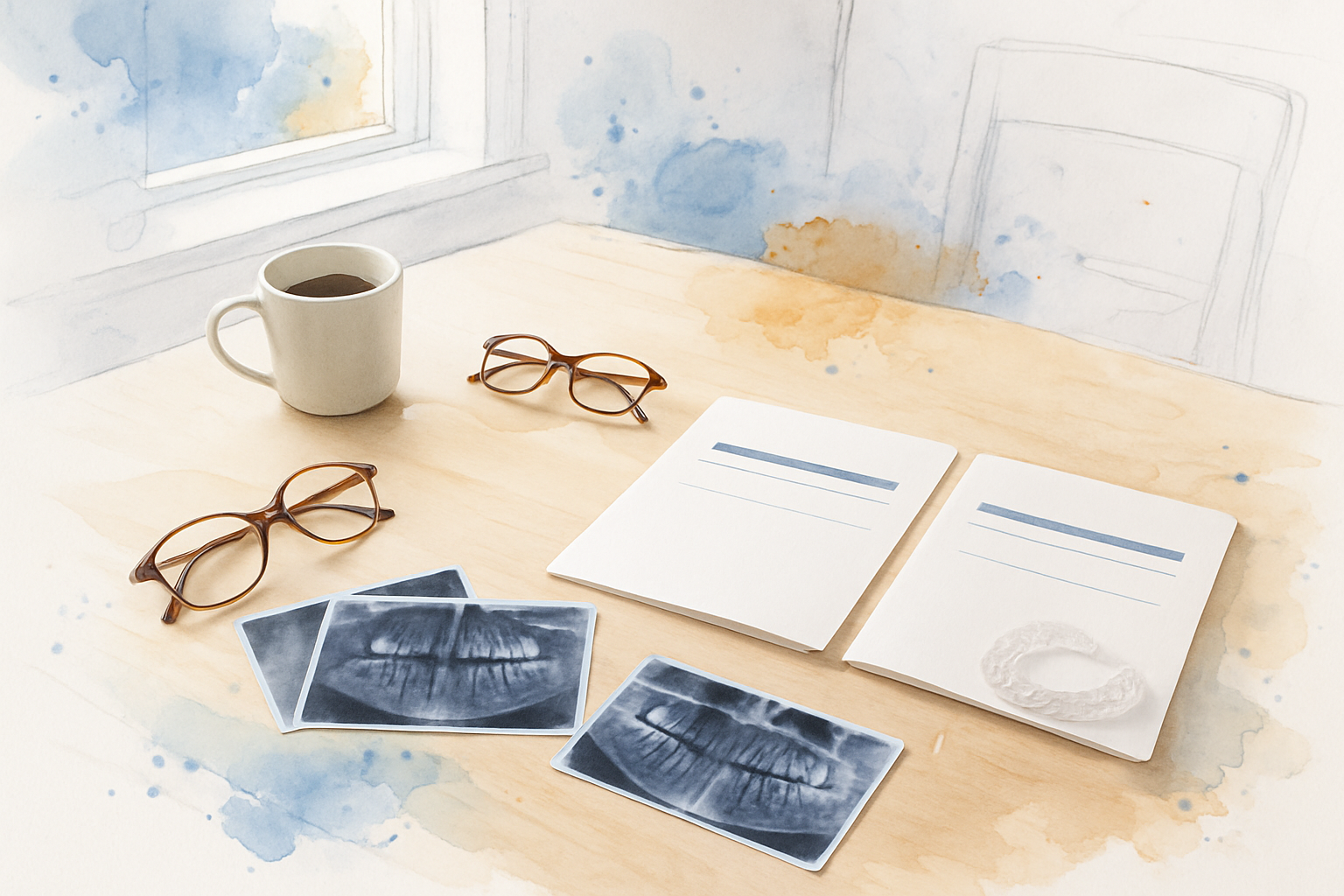
- X-rays, including a panoramic image that shows root positions, bone levels, and any hidden issues
- Clinical photos to document the starting point and assess facial symmetry
- Bite analysis — how the upper and lower teeth fit together, including overbite, underbite, crossbite, and spacing
- Candidacy screening to determine whether aligners are the right tool for your specific case
That last one matters more than most people realize. Aligners are excellent for mild-to-moderate crowding, spacing, and many bite issues — but some cases involve skeletal patterns or significant rotations that require a different approach. An orthodontist will tell you that upfront. A mail-order company, for obvious reasons, often won't.
The diagnostic step isn't a formality. I've seen cases where a patient came in after months of DIY aligner use, and X-rays revealed root resorption — a shortening of the tooth roots that doesn't hurt but can compromise teeth long-term. That's not something you'd catch without imaging.
For Fountain Valley patients, this is also a practical point: you can learn more about what our Fountain Valley orthodontic services include before deciding what kind of evaluation you want.
The Practical Realities Patients Ask About — Attachments, Refinements, and Wear Time
Even when someone has already decided to go the doctor-supervised route, there are three things that come up constantly in consultations. It's worth being straight about all of them.
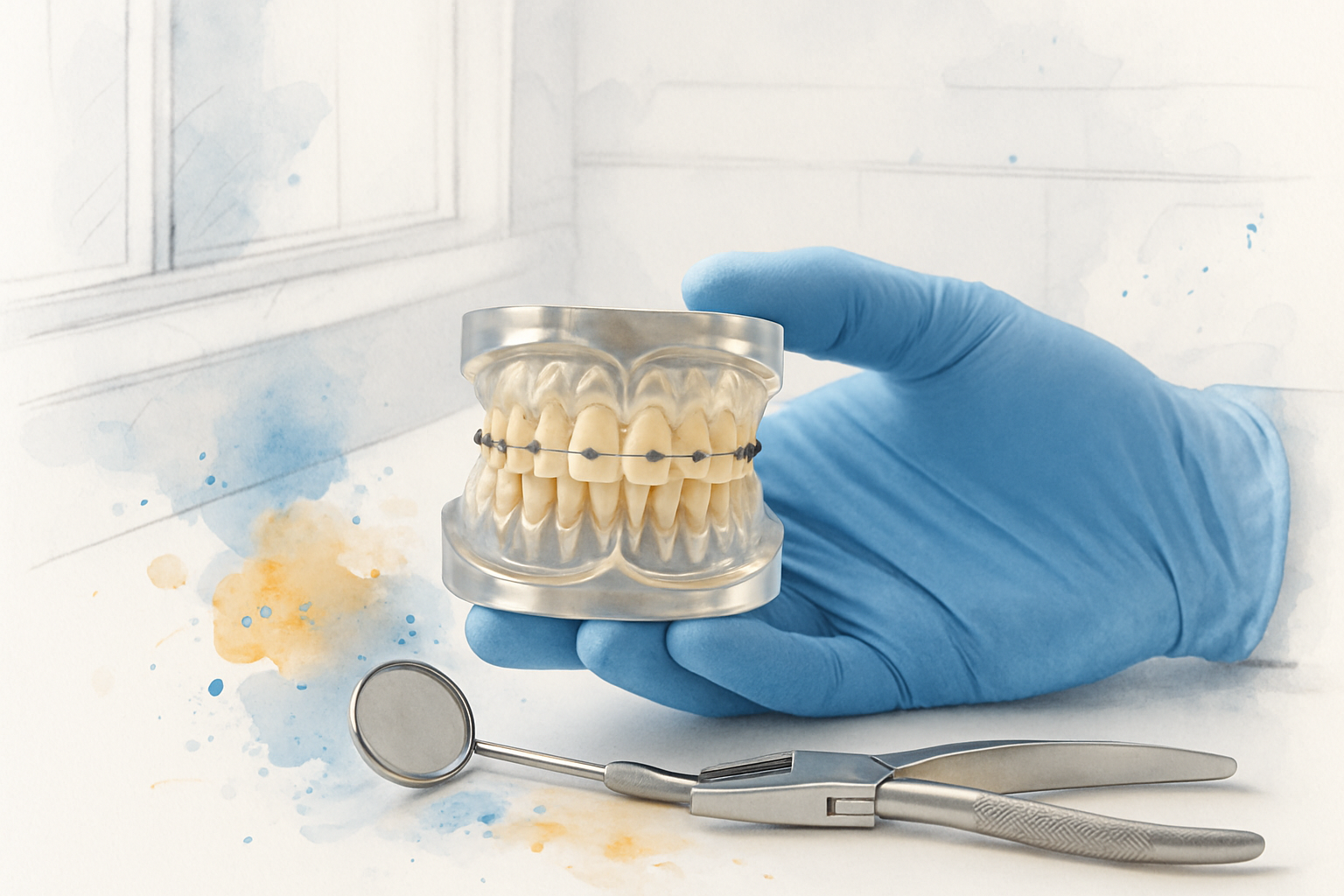
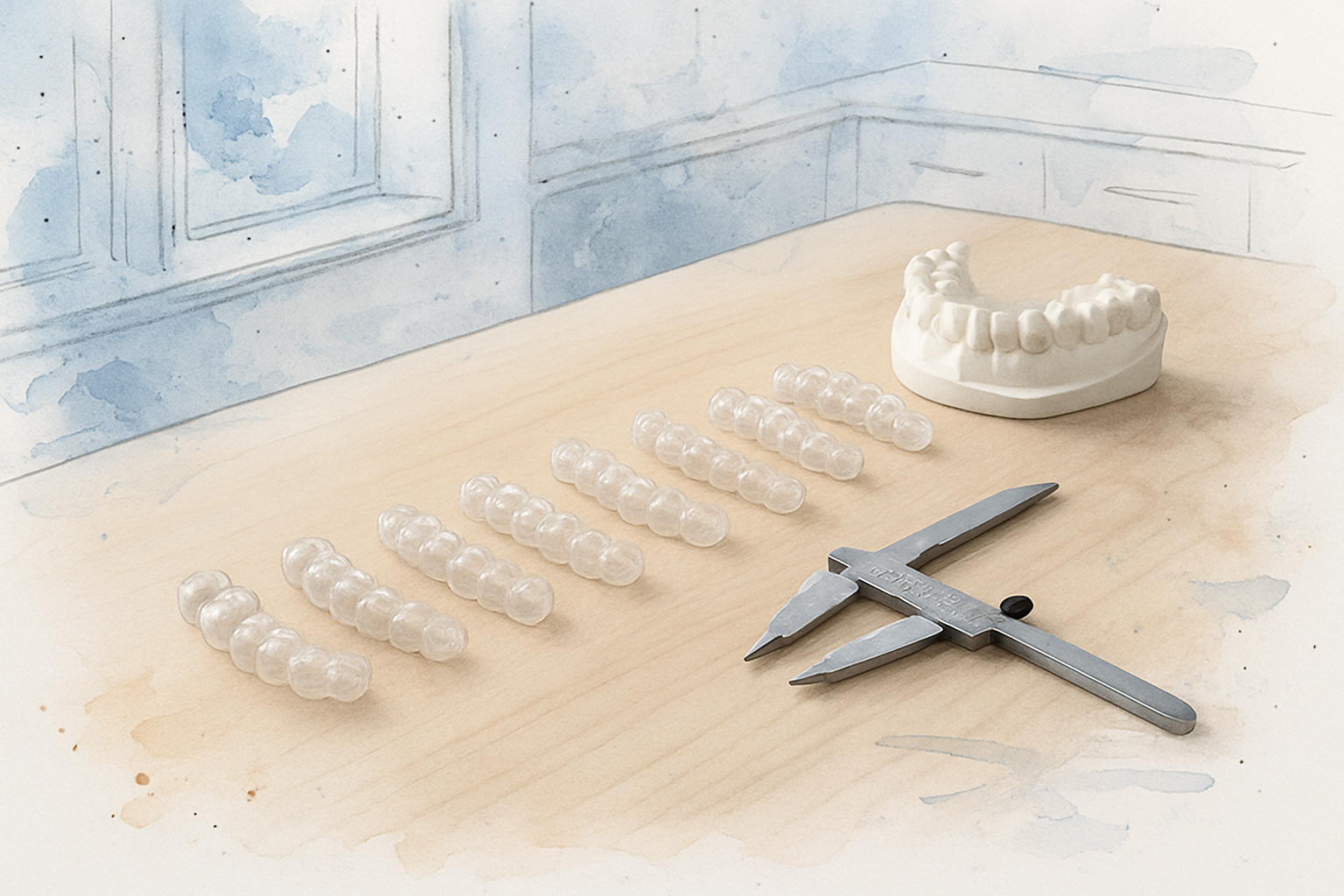
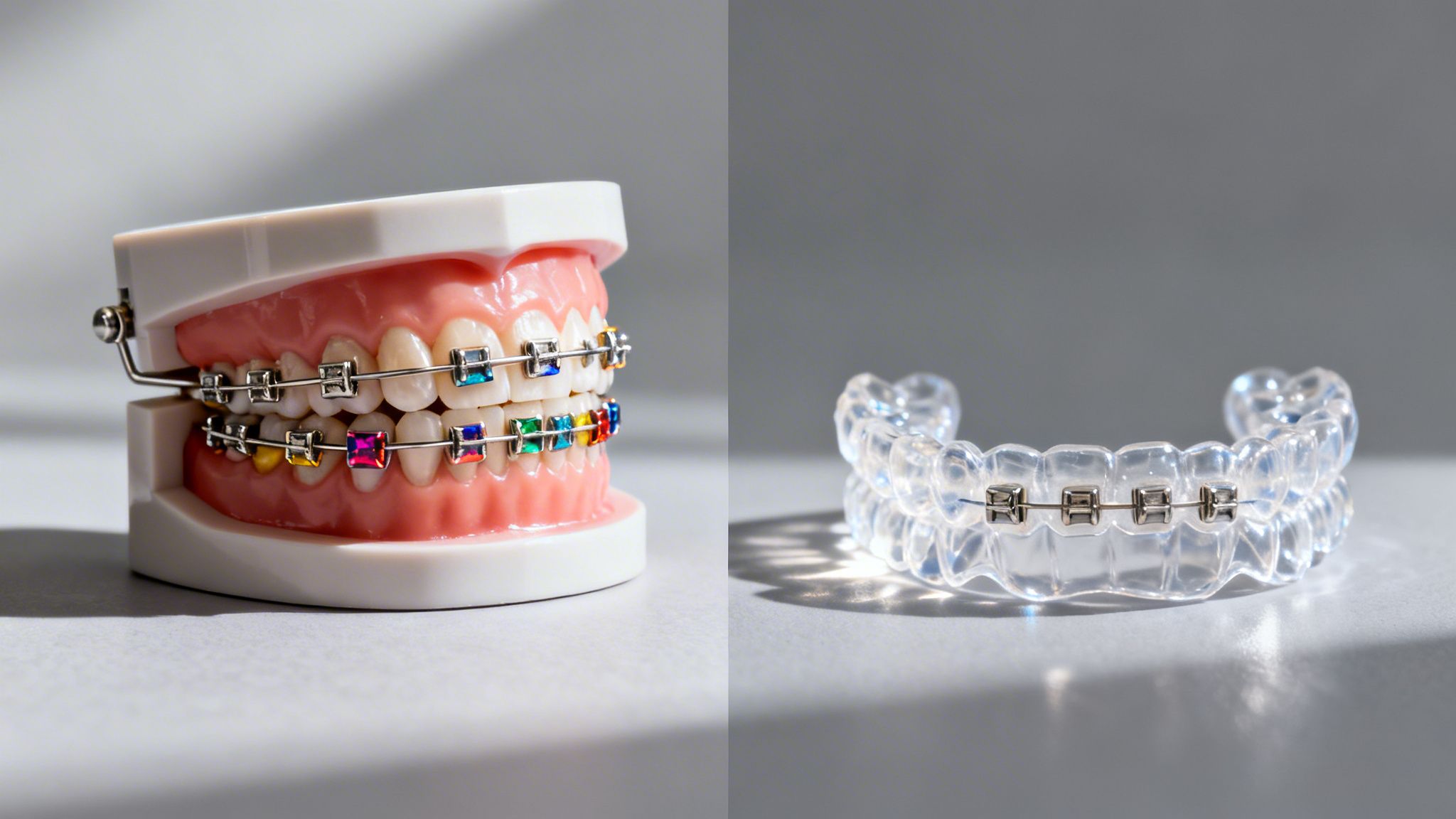
Attachments are small tooth-colored bumps bonded to specific teeth to help aligners grip and rotate them correctly. If your treatment needs them — and many cases do — they're barely noticeable to most people, but they do change the look of your aligners slightly. They're not a problem, just something to know going in.
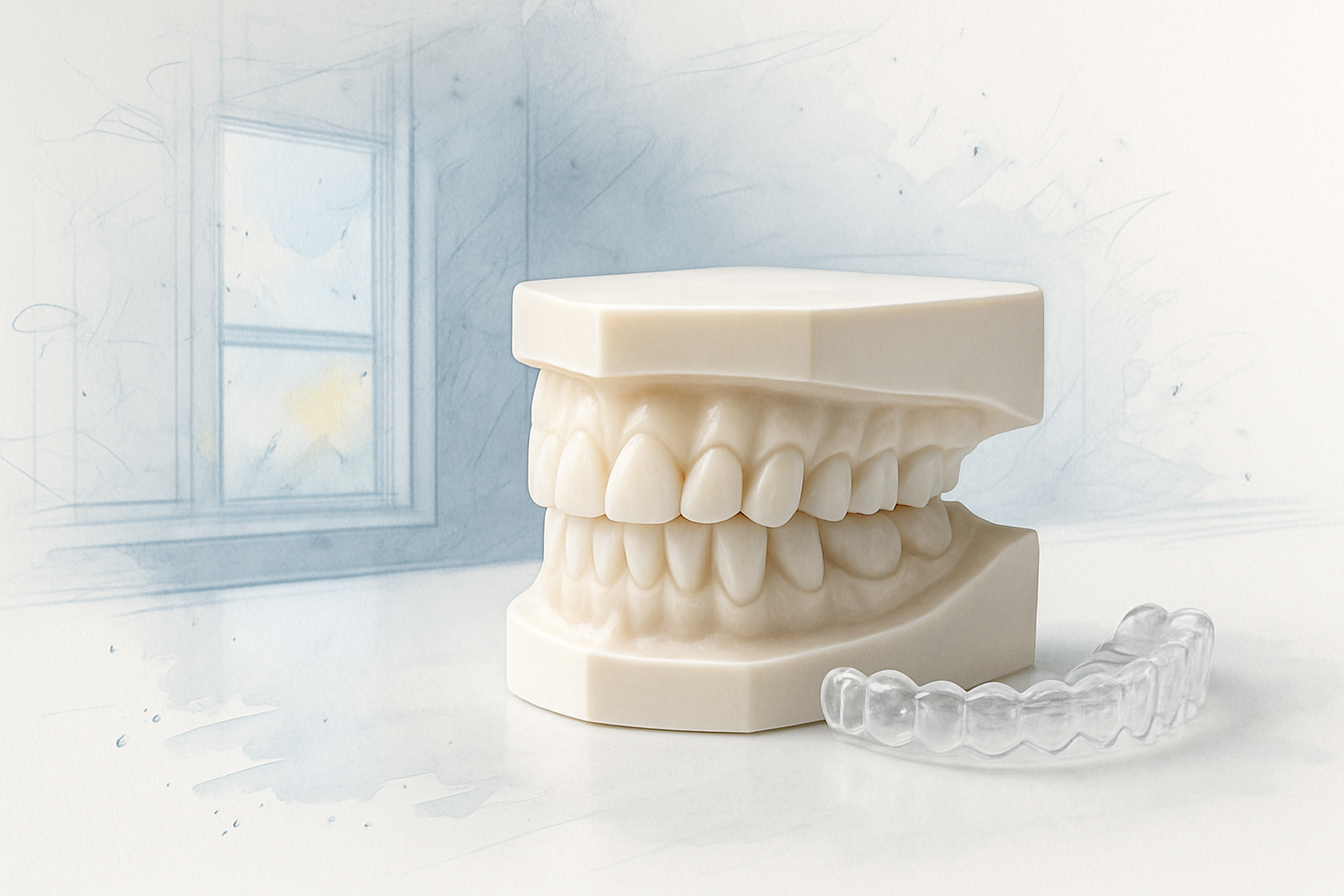
Refinements are additional sets of aligners ordered partway through treatment when the teeth need more movement than the original plan accounted for. I want to be clear: refinements are not a sign that something went wrong. Teeth are living tissue anchored in bone, and they don't always move on a precise schedule. Refinements are a normal, planned part of how aligner therapy works — they're how an orthodontist corrects course. Mail-order products don't have a built-in mechanism for this.
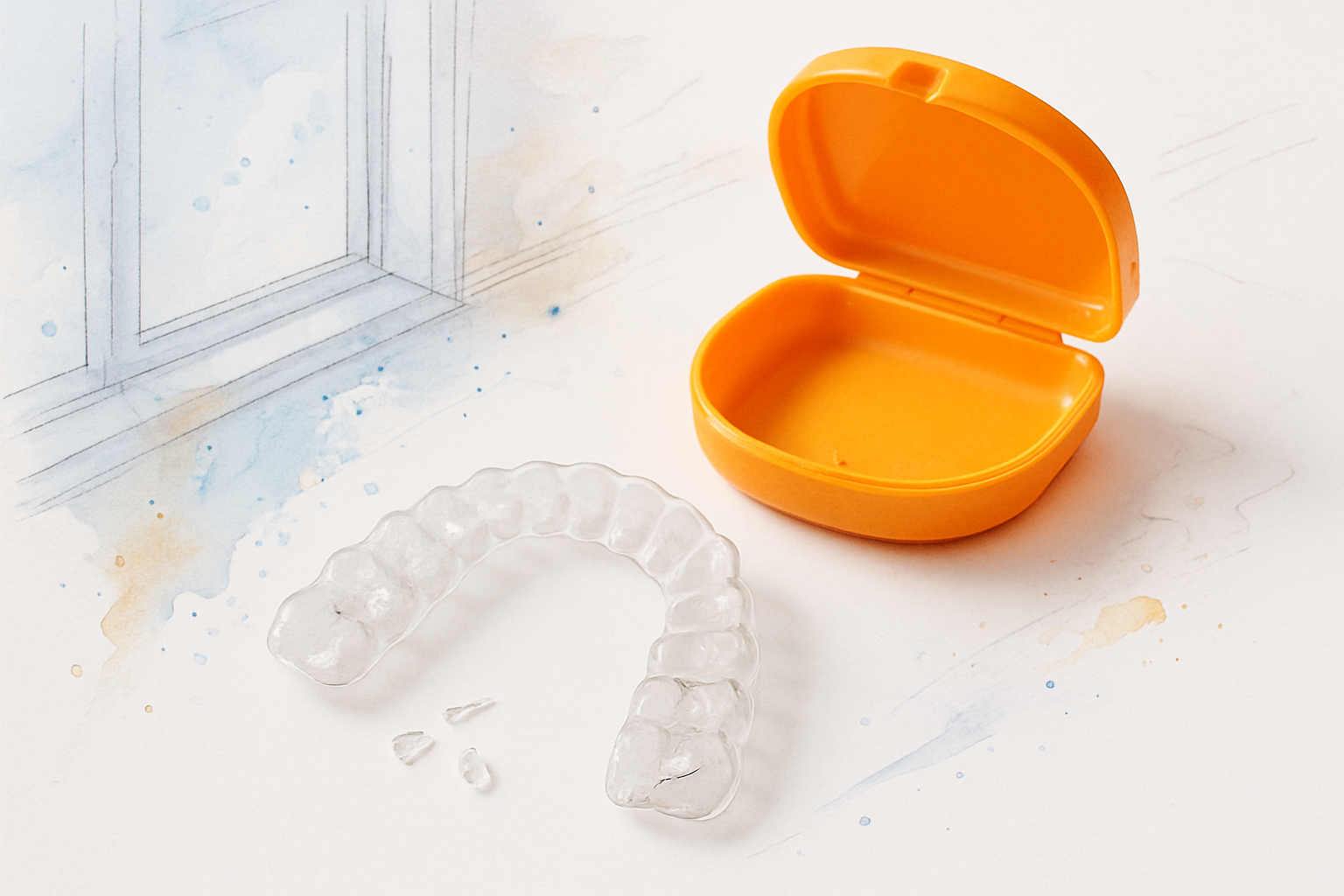
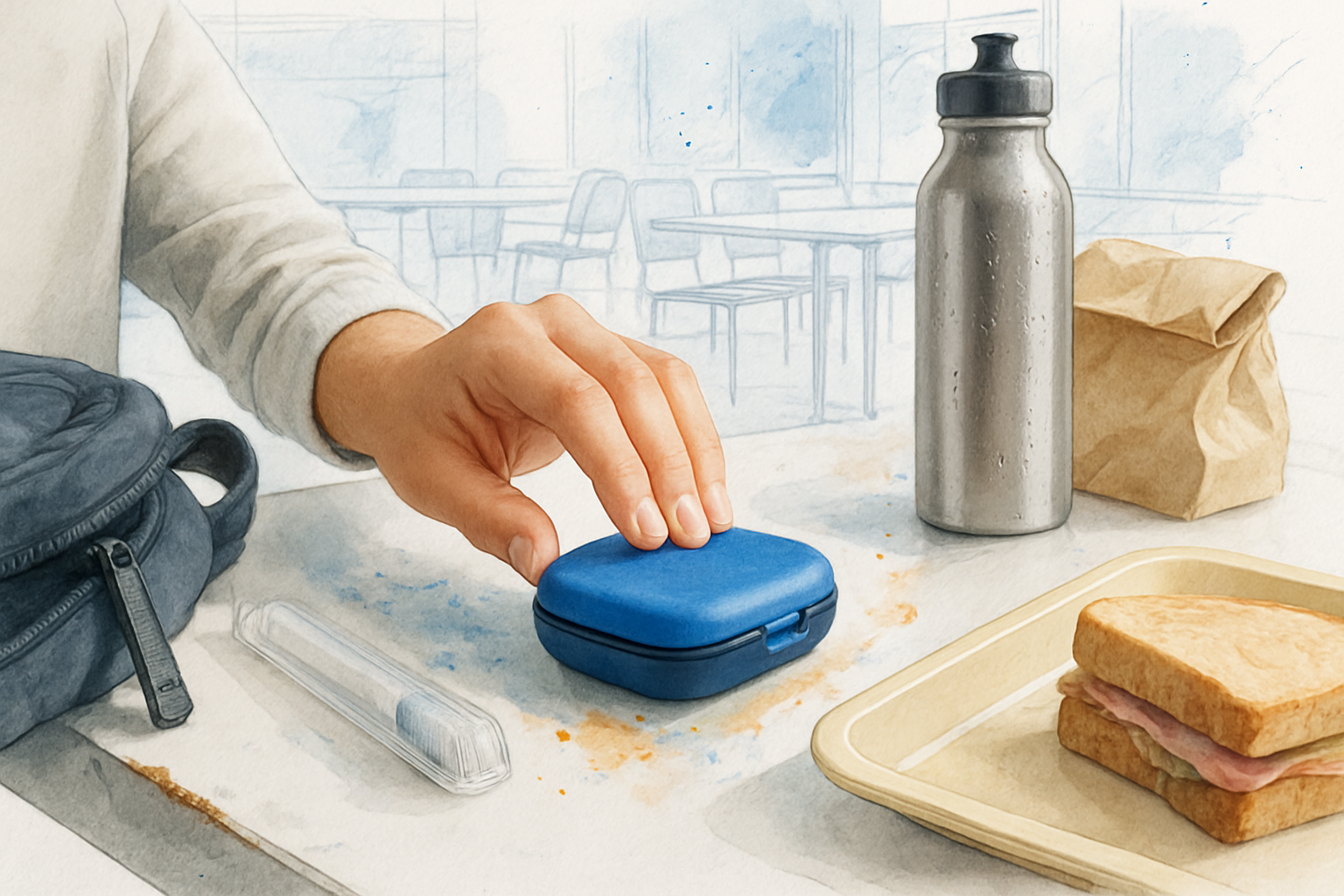
Wear time is the one that requires the most honesty. Aligners need to be worn for roughly 20 to 22 hours a day to stay on track. That's real. If you're traveling, in a lot of meetings, or eating out frequently — like a lot of adults in the Fountain Valley and Huntington Beach area — you need a plan for keeping up with it. Falling behind by even a few days per tray can push your timeline out by weeks.
This is one of the reasons in-person check-ins matter. When Dr. Jeremy or Dr. Melissa sees you for a progress visit, they can tell whether your teeth are tracking correctly before you get too far into a tray series that isn't working. You can also read about what staying on track with Invisalign actually looks like in practice if you want more detail on the day-to-day side.
Doctor-Led vs. Mail-Order Aligners: What's Actually Different
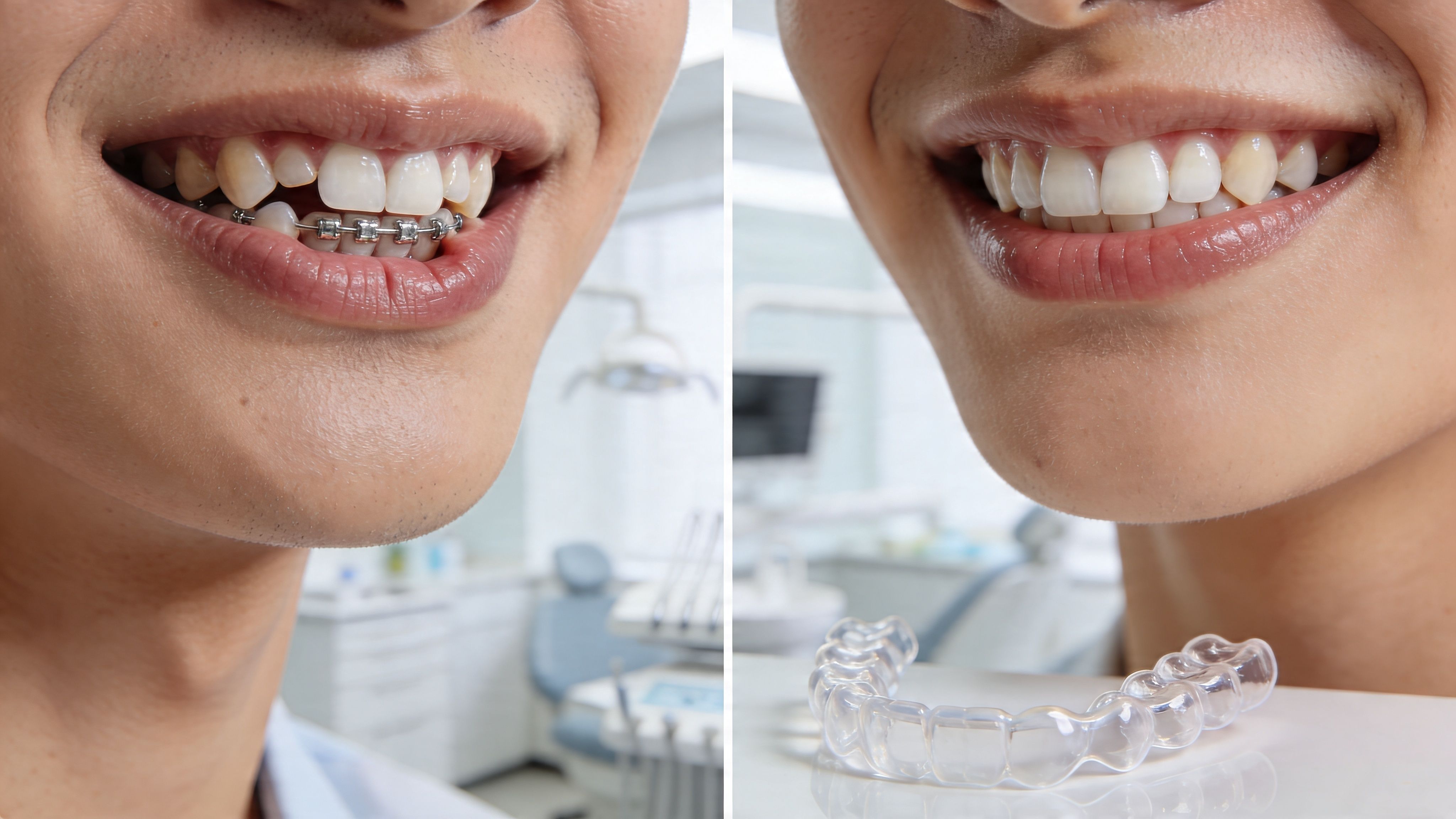
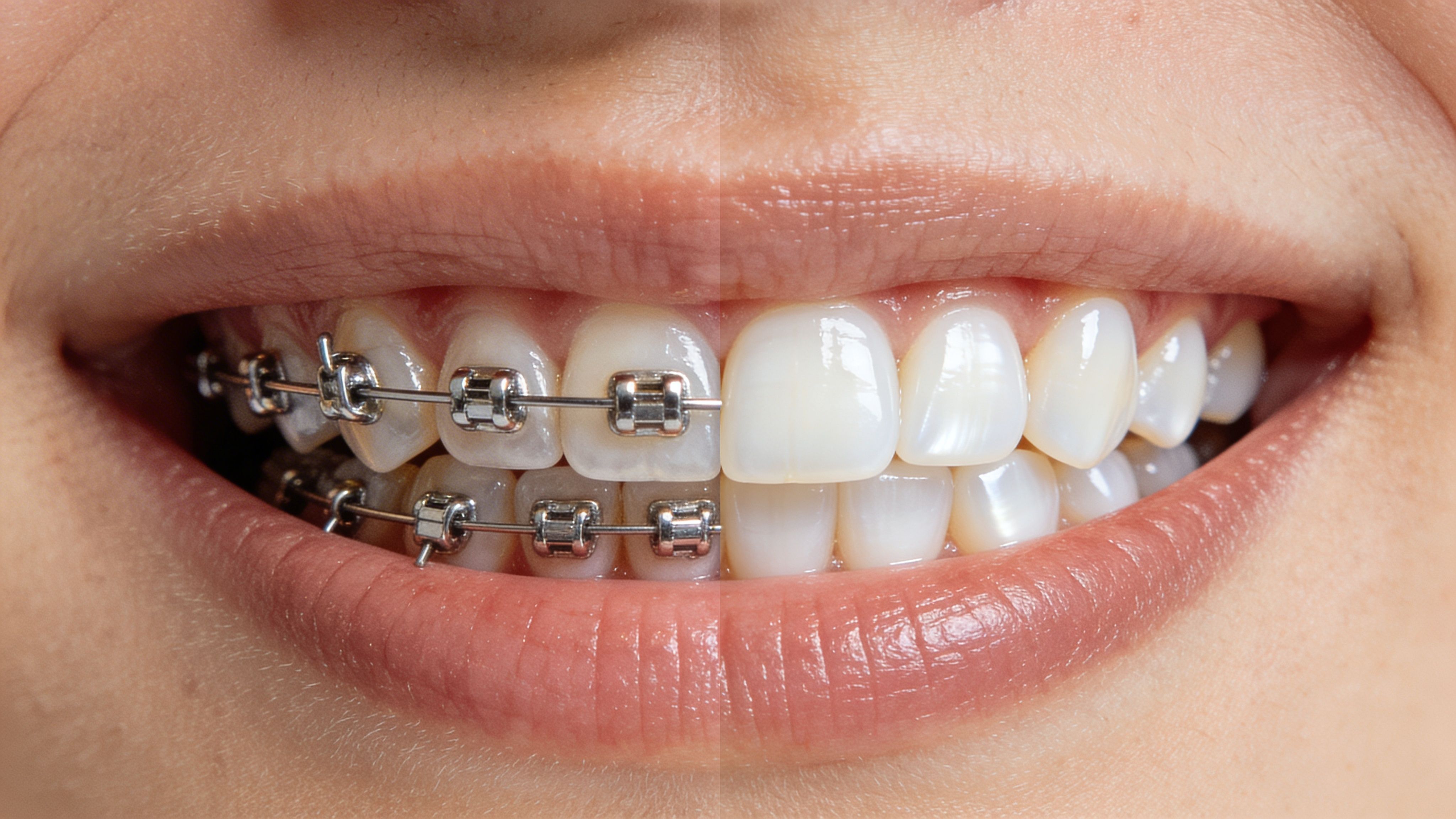
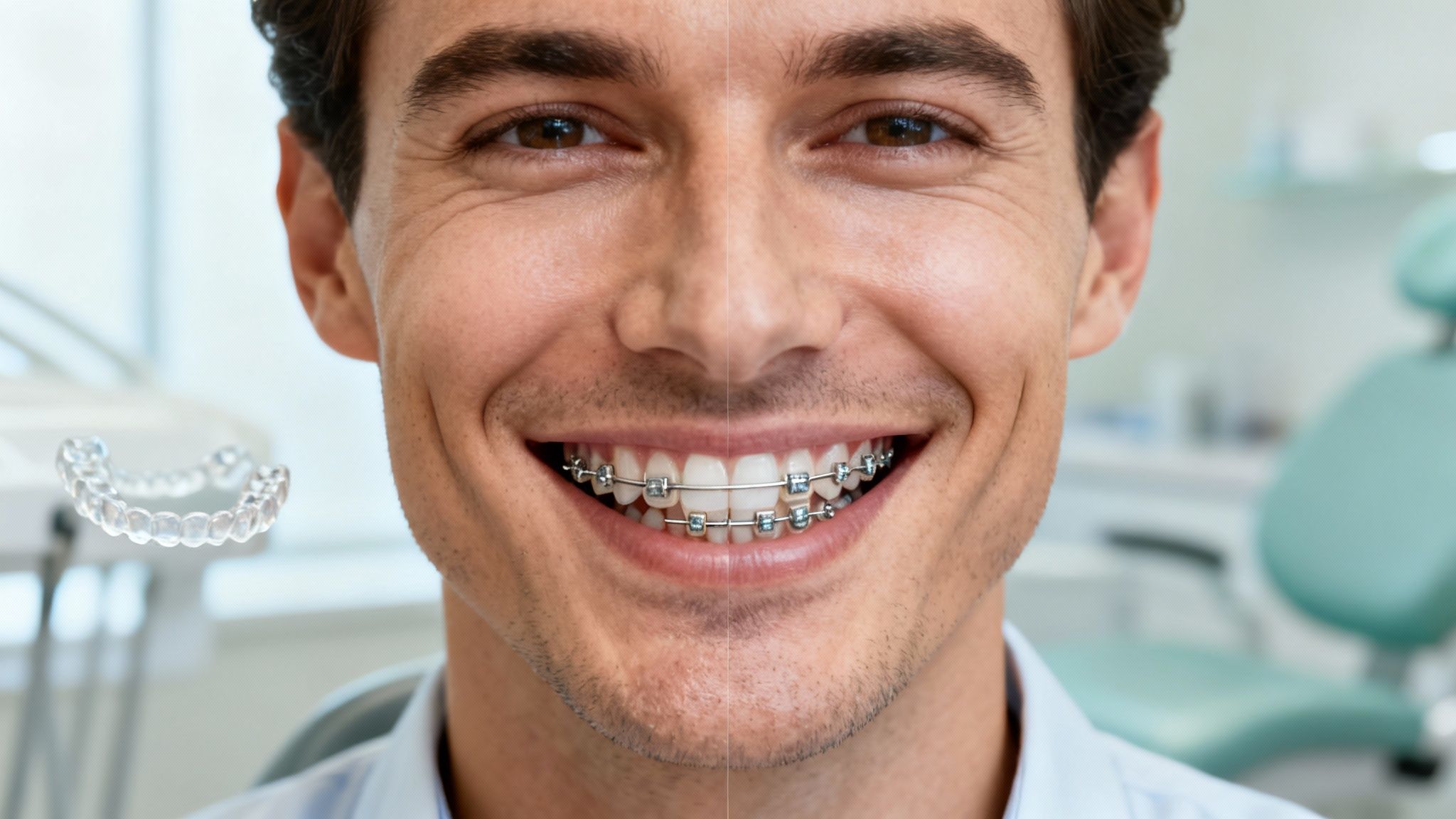
This breakdown shows the key differences between orthodontist-supervised aligner treatment and mail-order options — specifically the steps that affect safety and long-term outcomes.

What Aligners Can and Can't Fix: A Realistic Guide
One of the most common questions I hear is whether aligners can handle a specific problem. Here's a straightforward breakdown — though an in-person evaluation is always the only way to know for certain what your case needs.
| Condition | Aligners Often Work Well | May Need a Different Approach |
|---|---|---|
| Mild-to-moderate crowding | Yes — this is a core aligner strength | Severe crowding may need brackets |
| Spacing and gaps | Yes — aligners close most gaps well | Very large gaps may take longer or combine approaches |
| Overbite | Yes — many overbites respond to aligners | Deep bite cases vary; orthodontist evaluates |
| Crossbite | Depends on severity and tooth position | Skeletal crossbites often need more intervention |
| Significant rotations | Mild rotations yes, with attachments | Severe rotations are harder to manage with aligners alone |
| Underbite | Some cases, yes | Skeletal underbites may require additional treatment the orthodontist will discuss |
Why Local Access Matters More Than the Price Gap
Mail-order aligner companies often lead with cost. And yes, the upfront price can look lower than what a doctor-supervised plan costs. But the comparison breaks down when something goes wrong — or when treatment just isn't progressing the way it should.
One of the things Fountain Valley patients mention specifically is not wanting to drive into Los Angeles for anything routine. Having a local office on Beach Boulevard means that if a tray feels off, a tooth is tracking poorly, or you lose an aligner on a work trip, you can come in that week instead of waiting weeks for a remote review and a mailed replacement.
We've had patients come to us after starting mail-order aligners elsewhere — some of them turned away by other offices because of crowns, complex dental history, or cases that got labeled as "too complicated." What we've found, consistently, is that a proper in-person evaluation changes the picture. Sometimes the case is more manageable than it looked. Sometimes it genuinely needs a different approach — and we'll tell you that plainly.
That's something reviewers have pointed out: Dr. Jeremy and Dr. Melissa recommend less treatment, not more, when that's what the case actually calls for. If aligners aren't the right tool for what you're dealing with, you'll hear that at the consultation — not six months into a plan that wasn't going to work anyway.
You can also explore how clear aligner options have grown across Fountain Valley and Huntington Beach if you want context on how the local market has changed and what that means for your options.
Frequently Asked Questions About Clear Aligners and Orthodontic Supervision
Can my regular dentist supervise my aligner treatment instead of an orthodontist?
General dentists can offer Invisalign, and many do it well for straightforward cases. But an orthodontist spends an additional two to three years in specialty training focused entirely on tooth movement, bite correction, and jaw development. For anything beyond simple crowding or spacing, that extra training makes a meaningful difference in how the case is planned and managed. If you're unsure which route fits your situation, a consultation with an orthodontist will give you a clear answer. You can also read a detailed breakdown of the difference between a dentist and an orthodontist for more context.
How much do orthodontist-supervised aligners cost compared to mail-order?
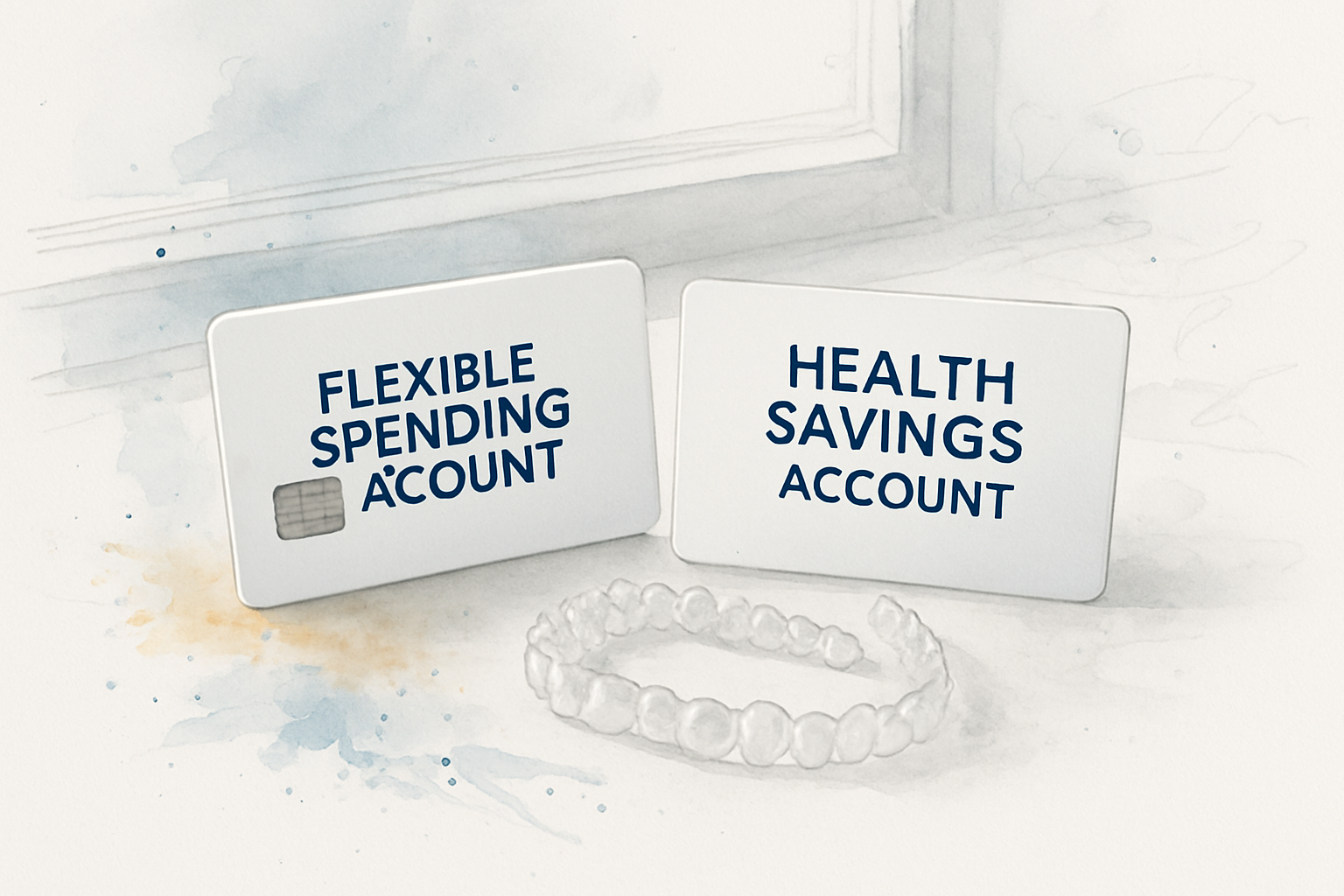
Mail-order aligner programs typically run somewhere in the range of a few hundred to around $2,000, depending on the company and the case length. Doctor-supervised Invisalign through an orthodontic practice generally costs more — the range varies based on case complexity, length of treatment, and whether refinements are needed, and prices across Orange County practices can differ considerably. The cost difference is real, but so is the difference in what's included: X-rays, in-person monitoring, attachments, and refinements. For exact pricing based on your actual case, an in-person consultation is the only honest way to get a number.
What happens if my aligners stop fitting correctly mid-treatment?
With a doctor-supervised plan, you come in. Dr. Jeremy or Dr. Melissa checks whether the teeth have drifted from the predicted position, and if so, they order refinements or adjust the plan. With a mail-order product, your options are more limited — most involve photos and remote reviews that can take weeks to resolve. Having a local office in Huntington Beach means a fitting issue doesn't turn into a months-long delay.
Are there cases where aligners genuinely won't work?
Yes — and a good orthodontist will tell you upfront rather than putting you through a treatment that won't deliver what you're hoping for. Significant skeletal issues, severe rotations on certain teeth, and some bite patterns involving the back teeth are cases where traditional braces or a combined approach often performs better. The honest answer is that aligners are excellent for a wide range of cases, but they're not the right tool for every situation. That's exactly why a proper evaluation — with X-rays and a bite analysis — matters before committing to anything.
I was turned away by another office because of my dental history. Should I still try?
Yes — absolutely worth a second opinion. We hear this regularly, including from people who have crowns on their front teeth or other complicating factors. A different evaluation can change the conclusion entirely, and some cases that look complicated initially are more manageable once Dr. Jeremy or Dr. Melissa reviews the full clinical picture in person.
How often do I actually need to come in during aligner treatment?
Most aligner patients come in roughly every 6 to 10 weeks, depending on their progress and where they are in treatment. The appointments are usually short — often under 30 minutes. For patients coming from Central Fountain Valley, Talbert Village, or nearby neighborhoods, the Beach Boulevard location is a quick stop rather than a major commitment.
Ready to Find Out If You're a Good Candidate for Aligners?
If you're in Fountain Valley, Huntington Beach, or anywhere nearby — including Oak View, Goldenwest, or Newland — Dr. Jeremy and Dr. Melissa offer consultations that include a full clinical review, not just a conversation. They personally manage every aligner plan and will give you a straight answer about what your case actually needs. You can reach Magic Fox Orthodontics at 714-594-5777 or visit magicfoxsmiles.com to get started.