Can You Use HSA for Orthodontics? A 2026 Guide
Quick Answer
Yes. You can use HSA funds for orthodontics when the treatment is medically necessary, such as correcting bite problems, crowding, or jaw function issues. That often includes traditional braces, Invisalign, and retainers. If you're also comparing coverage, this guide on whether insurance covers braces can help.
If you're looking at braces or Invisalign and wondering how to pay for it without straining your budget, this question usually comes up early. Can you use HSA for orthodontics is one of the most practical things to sort out before treatment starts, especially for parents and adults trying to plan ahead in Huntington Beach or Fountain Valley.
Understanding How to Use HSA for Orthodontics
Orthodontic treatment is generally considered a qualified medical expense under IRS rules when it treats health-related problems, not when it's done only for appearance. IRS Publication 502 is the key rule behind that. In plain terms, if treatment is addressing bite issues, crowding, or jaw function, HSA funds can usually be used for it, as explained in this overview of orthodontics HSA eligibility.

What the IRS is really looking at
The simplest way to think about it is this. An HSA is meant for healthcare expenses, and orthodontics often falls into that category because it can improve how the teeth and jaws function.
That matters when teeth are hard to clean because of crowding, when a bite is off, or when jaw alignment creates wear or discomfort. Those are health issues, not just cosmetic concerns.
Practical rule: If your orthodontist is treating function, bite, or oral health, you're usually in much stronger shape for HSA use than if the goal is appearance alone.
Basic HSA requirements
Using HSA funds also depends on whether you qualify to have an HSA in the first place. IRS rules generally require that you have an HSA-compatible high-deductible health plan, are not on Medicare, and are not claimed as someone else's tax dependent.
That part isn't orthodontic-specific, but it matters. If you're unsure, check with your HSA administrator before treatment starts so you know how your account handles payments and reimbursements.
What Orthodontic Treatments Are HSA-Eligible
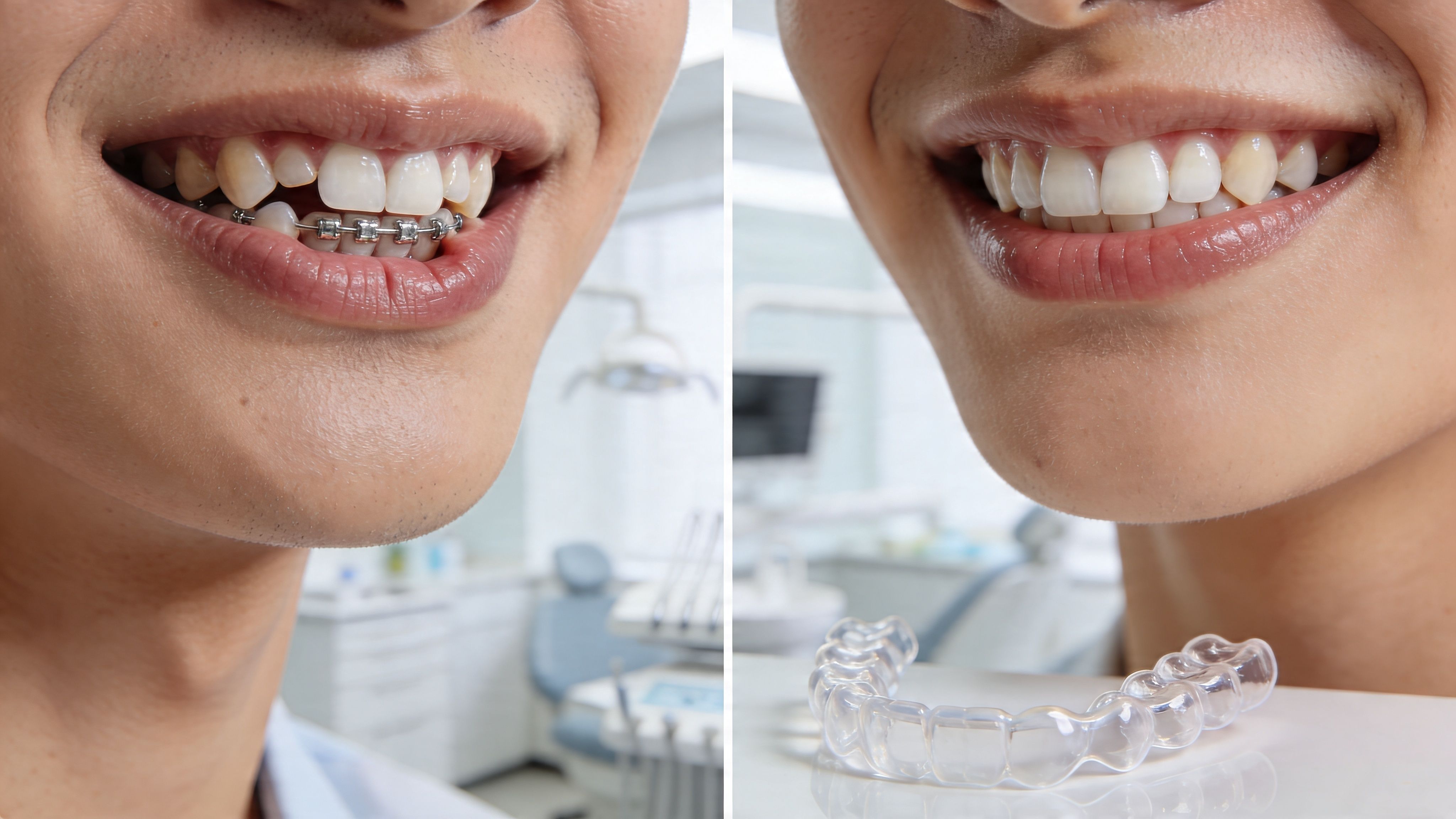
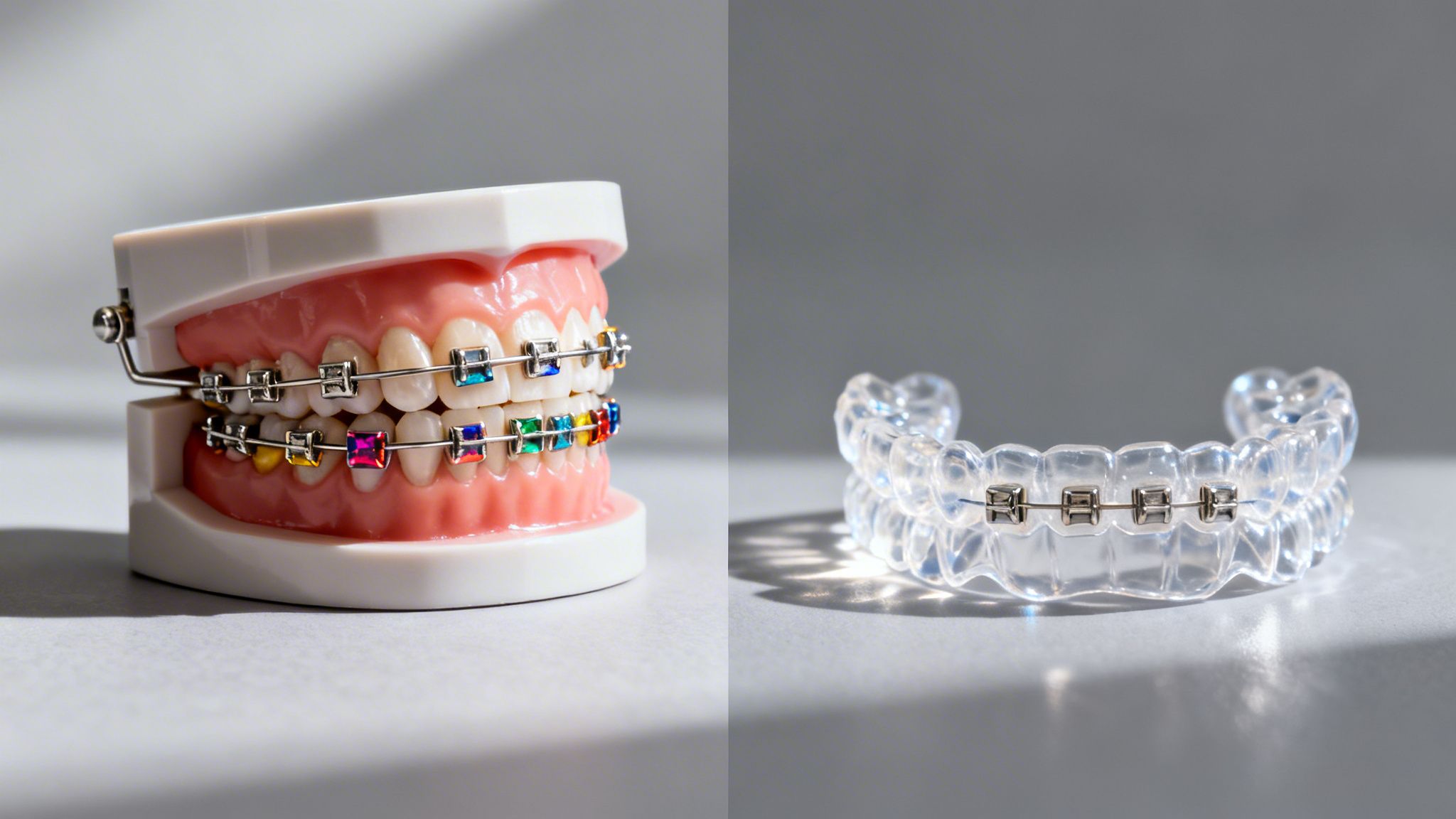
At our office, patients usually want to know whether their actual treatment choice qualifies, not just whether orthodontics does in theory. In most medically necessary cases, HSA funds can be used for traditional metal braces, Iconix esthetic brackets, Invisalign clear aligners, diagnostic records, and retainers connected to treatment.

Traditional braces and Iconix brackets
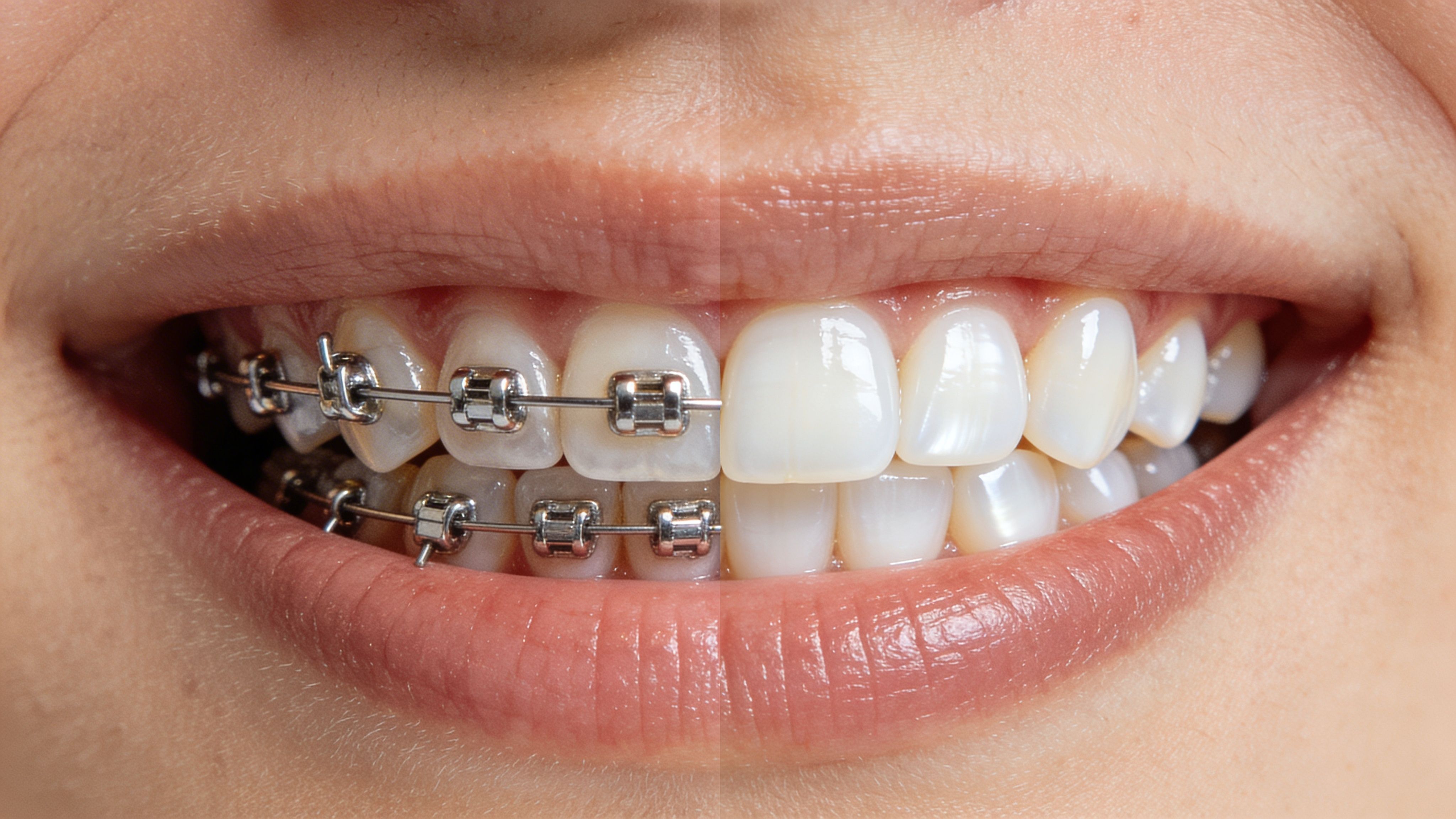
If a child or teen has crowding, spacing, or a bite problem, traditional braces are commonly part of medically necessary care. The same logic applies to Iconix esthetic brackets. They are still braces, and the qualifying issue is the reason for treatment, not the color or look of the brackets.
Invisalign clear aligners
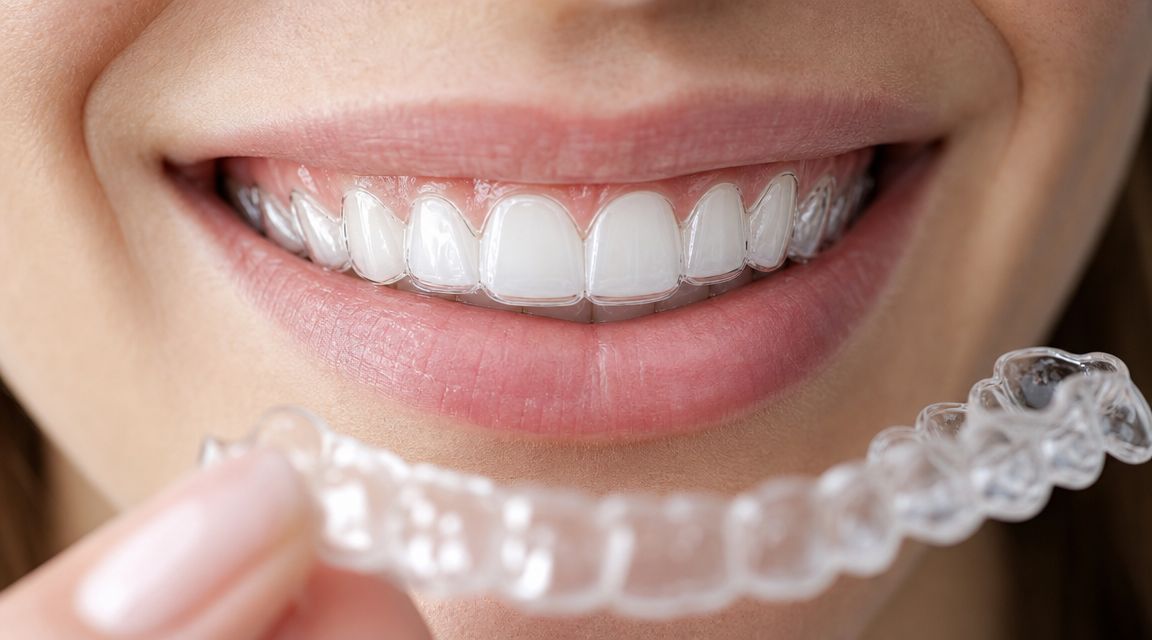
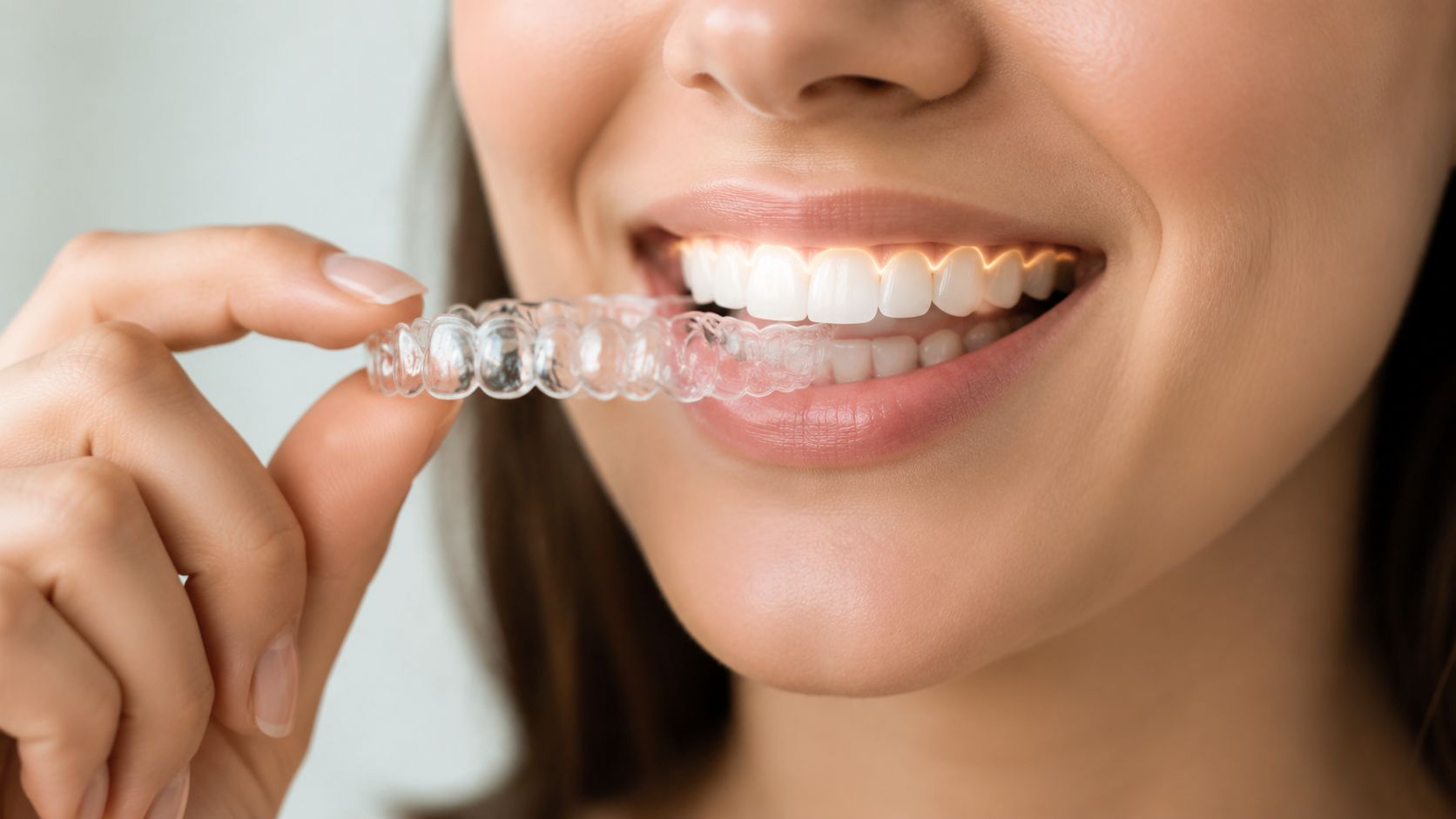
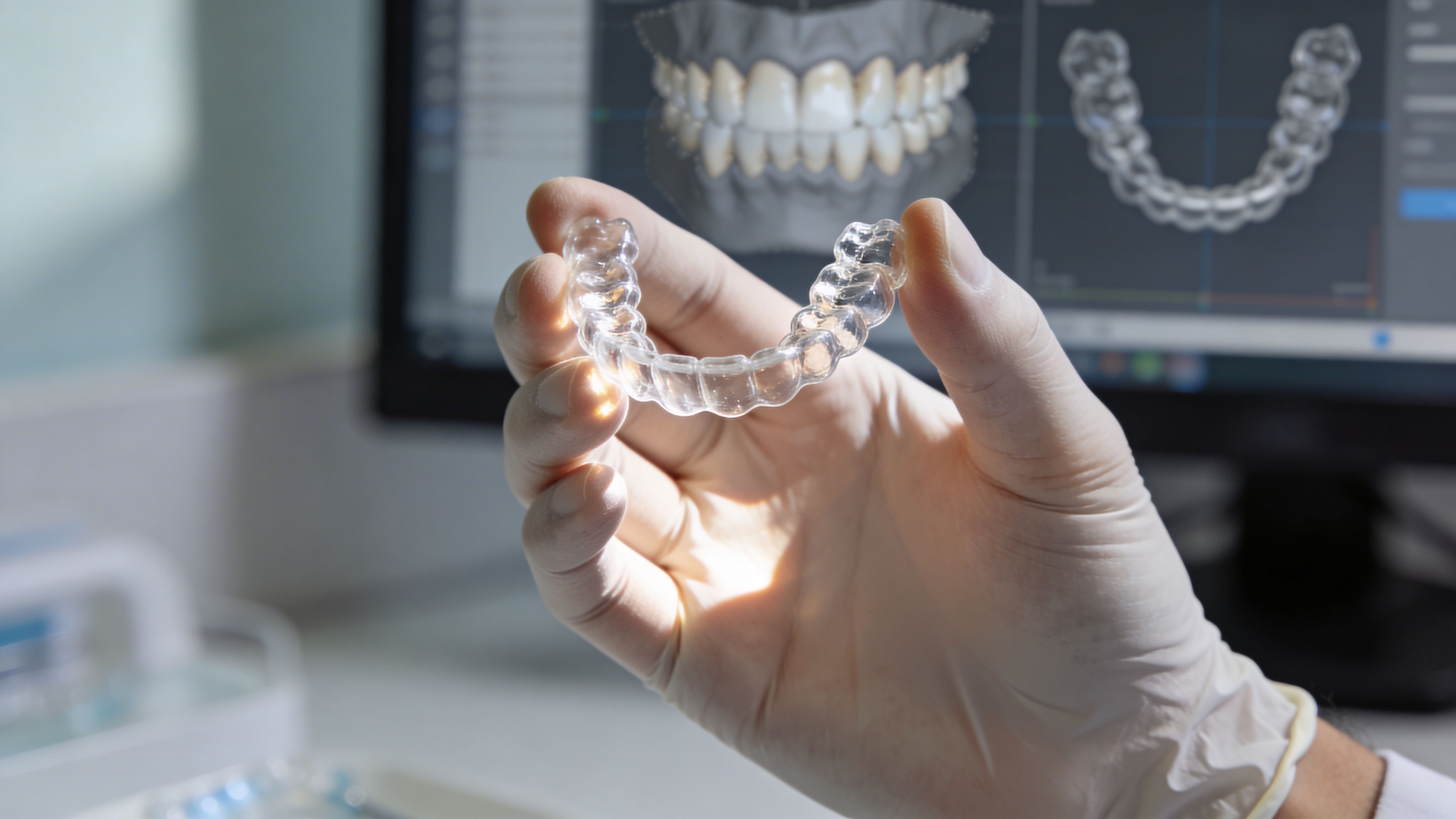
Adults often ask about Invisalign first because they want a lower-profile option. HSA eligibility usually follows the same rule here. If Invisalign is prescribed to correct alignment or bite issues that affect oral health or function, it can generally be paid for with HSA funds.
If you're weighing treatment options and timing, our page on Invisalign cost for adults can help you think through the financial side in a more practical way.
Other parts of treatment that may count
Orthodontic care isn't just the appliance itself. Patients often use HSA funds for related parts of treatment, including:
- Records and diagnostics: scans, X-rays, and other records used to plan treatment
- Active treatment visits: adjustment or aligner check appointments tied to the treatment plan
- Retainers: retention after treatment when prescribed as part of maintaining the result
For readers also looking at the broader tax side of healthcare spending, this overview of 2026 medical expense tax deductions gives useful background.
Medically Necessary vs Purely Cosmetic Care
Confusion usually starts here. Orthodontics often improves appearance, but HSA eligibility depends on whether the treatment is addressing a real dental or jaw problem.

What usually supports medical necessity
When teeth are crowded, they can be harder to clean well. According to a summary of IRS-based eligibility and clinical support, untreated malocclusions can raise the risk of periodontal problems, and a 2019 meta-analysis reported significantly higher odds of gingival inflammation in crowded dentitions versus aligned ones, supporting orthodontic treatment as preventive care in many cases, as discussed here by White Oak Dental's HSA eligibility explanation.
That doesn't mean every case gets approved automatically. It does mean orthodontic treatment is often tied to oral health and function in a way the IRS recognizes.
What tends to be harder to support
A very minor alignment change done only to improve appearance can be more difficult to justify with HSA funds. The issue is not whether the smile looks better afterward. The issue is whether the treatment is being prescribed to treat or prevent a health problem.
When patients ask whether their case is "cosmetic," the real question is whether the teeth and bite are affecting function, cleaning, wear, or comfort.
Clear communication matters here, especially for families reviewing paperwork in a second language. If that process ever feels confusing, resources discussing the consequences of poor medical translation show why precise wording and documentation matter so much in healthcare.
Your Step-by-Step Guide to Paying with an HSA
Most patients use their HSA in one of three ways. They either pay directly with their HSA card, pay themselves and request reimbursement later, or apply HSA funds toward a larger upfront payment if they prefer to handle treatment costs earlier.

Option one using your HSA card at the office
This is the simplest route. If your HSA administrator provides a debit card, you can often use it for eligible orthodontic charges just like any other healthcare payment card.
You still need to keep records. Even if the card goes through, your administrator may later ask for documentation showing what the payment was for.
Option two paying first and reimbursing yourself
Some patients prefer to pay out of pocket and submit for reimbursement later. That can work well if you're coordinating timing with payroll contributions or account balances.
For that route, keep an itemized receipt and your treatment paperwork. If you've never looked closely at what an itemized document should include, this guide to creating itemized receipts is a useful reference.
Option three prepaying part or all of treatment
Orthodontic treatment often runs over many months, and some families choose to make a larger upfront payment using available HSA funds. That approach can be practical when the treatment plan and service dates are clearly documented.
Keep this paperwork: treatment plan summary, itemized receipts, any insurance breakdown, and any note explaining why treatment is medically necessary.
For patients thinking through payment structures more broadly, our post on braces without breaking the bank and payment options covers the common ways families organize treatment costs.
HSA vs FSA for Orthodontic Treatment
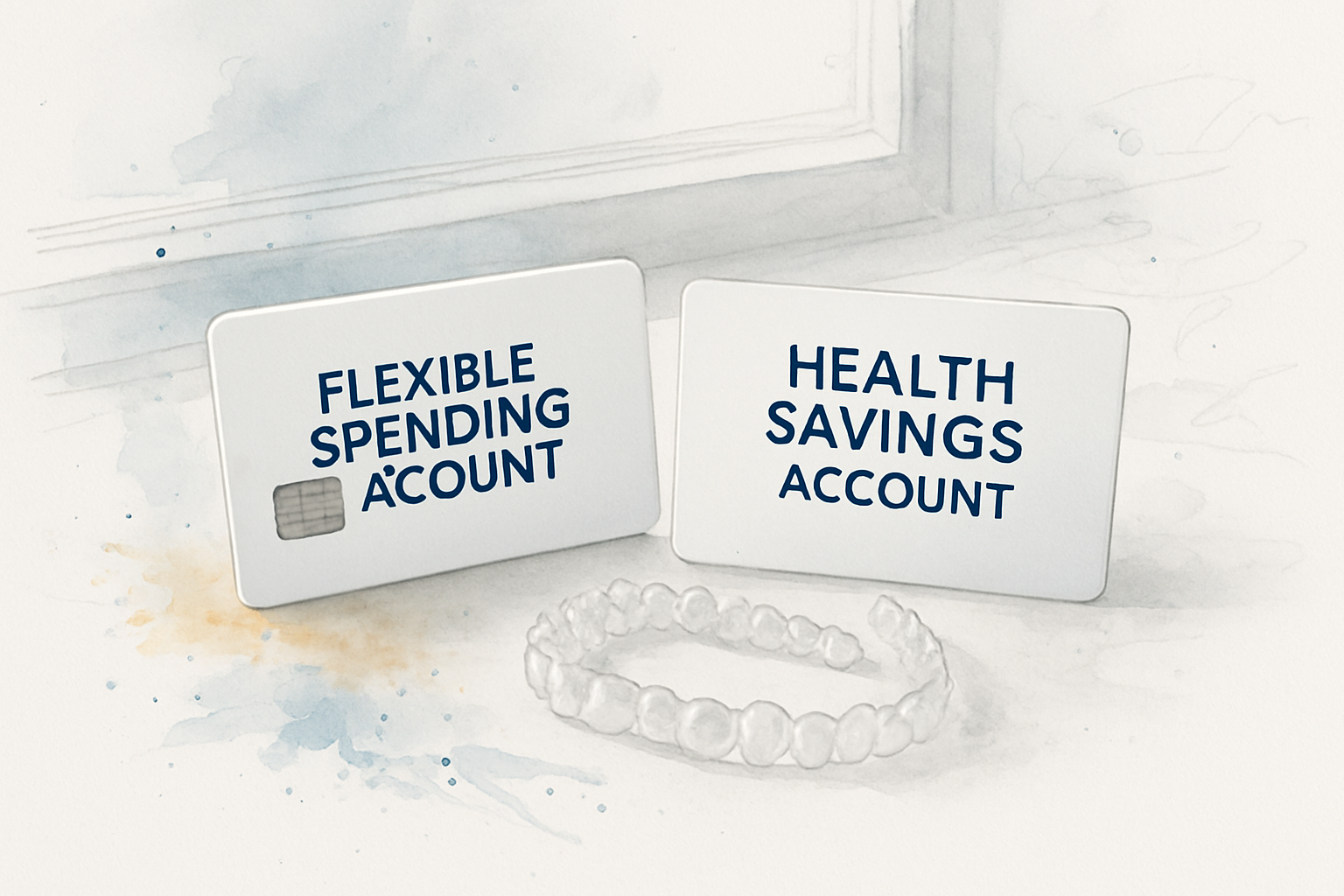
HSA and FSA funds can both come up in orthodontic planning, but they don't work the same way. The biggest difference for most families is that HSA funds generally stay with you and can roll over, while FSA rules are often more time-sensitive and tied to your employer.
HSA vs. FSA for Orthodontics
| Feature | Health Savings Account (HSA) | Flexible Spending Account (FSA) |
|---|---|---|
| Who owns it | You own the account | Usually connected to your employer plan |
| Rollover | Funds generally roll over | Plan rules are often use-it-or-lose-it or time-limited |
| Plan requirement | Usually requires an HSA-compatible high-deductible health plan | Does not work the same way as an HSA |
| Orthodontic use | Often used for eligible braces or Invisalign expenses | Often used for eligible braces or Invisalign expenses |
| Planning style | Useful for longer-term saving | Useful when you need to use funds within your plan period |
Why this matters for families
If you're planning treatment for a child and you know care may start later, an HSA can give you more flexibility because the funds remain available from year to year. An FSA can still be helpful, but timing matters more.
If you also have FSA funds and are trying to decide whether to begin treatment before a benefits deadline, this article on starting braces or Invisalign before 2026 FSA deadlines may help you sort out the timing.
Practical Tips for Magic Fox Orthodontics Patients
Paperwork is where HSA claims usually go smoothly or get delayed. The best thing you can do is ask for complete records at the start, not after you've already paid and are trying to recreate the file.
Ask for the right documents up front
For orthodontic HSA use, request these items before treatment begins or at the time of payment:
- An itemized receipt: this should show what you paid for and when
- A treatment plan summary: especially helpful if treatment is paid in phases or partly in advance
- A Letter of Medical Necessity if needed: this can help support that treatment is functional, not purely cosmetic
Documentation matters because unsubstantiated claims can be rejected. This discussion of using an HSA for braces and requesting a Letter of Medical Necessity explains why it helps to get that letter early when there is any question about medical necessity.
What tends to work best in real life
Families usually do better when they keep one folder, paper or digital, for every orthodontic payment and document. Don't rely on being able to pull it all together months later.
If you have questions about treatment timing, payment structure, or what to request for your records, Magic Fox Orthodontics can provide treatment summaries and itemized receipts that patients can use when working with their HSA administrator. If you're comparing affordability more broadly, our guide to affordable braces in Huntington Beach may also help.
If English isn't your first language
Financial paperwork can be stressful even when the treatment decision is easy. If your household speaks Spanish or Vietnamese, ask for help reviewing the treatment plan and payment paperwork carefully so you know what to submit and what to keep.
A denied claim often comes down to missing documents, not the treatment itself.
Frequently Asked Questions About Using an HSA for Orthodontics
Can I use HSA money for Invisalign?
Usually, yes, when Invisalign is being used to correct a bite or alignment problem that affects oral health or function. The main issue is medical necessity, not whether the appliance is removable or discreet.
Can I use my HSA for my child's braces?
In many cases, yes, if your child is an eligible dependent and the treatment qualifies as a medical expense. If you have account-specific questions, check with your HSA administrator before treatment starts.
Are retainers HSA-eligible too?
Retainers are often part of orthodontic treatment and are commonly treated as eligible when they are prescribed as part of maintaining the correction. Keep the receipt and any treatment record that shows the retainer is part of care.
What if I pay out of pocket first?
You may be able to reimburse yourself later if the expense is eligible and you keep proper documentation. Save the itemized receipt, treatment plan, and any supporting paperwork from your orthodontist.
Can I prepay for braces with HSA funds?
Some patients do make larger upfront payments when their treatment plan is clearly documented. The key is having records that show what was paid, what services the payment relates to, and when treatment is scheduled.
What happens if my HSA claim is denied?
Start by finding out why. Most denials are easier to address when you can provide missing documents, such as an itemized receipt or a Letter of Medical Necessity from the orthodontist.
Start Your Smile Journey Today
If you're still asking can you use hsa for orthodontics, the short answer is often yes, but the details matter. The treatment reason, your account rules, and your paperwork all need to line up. We help patients sort through those practical questions every day so the financial side feels more manageable, not more confusing.
If you'd like clear answers about braces, Invisalign, payment options, or how HSA funds may apply to your treatment, schedule a free consultation with Magic Fox Orthodontics. You can meet with Dr. Jeremy or Dr. Melissa at 17041 Beach Boulevard, Suite 101, Huntington Beach, CA 92647. Call (714) 594-5777 or visit magicfoxsmiles.com. Office hours are Monday through Friday 9:00 AM to 5:00 PM and Saturday 8:00 AM to 2:00 PM.