Long Beach Dental and Orthodontics: Expert Care
Quick Answer
If you're comparing long beach dental and orthodontics options, it makes sense to look beyond the nearest office and focus on who does orthodontics all day, every day. Long Beach families have strong choices locally and nearby, and many find that a short trip to Huntington Beach is worth it for focused care, modern treatment options, and a clear treatment plan. See the areas served by nearby orthodontic specialists.
You’re probably looking for answers that feel practical, not promotional. If you’ve searched for long beach dental and orthodontics, you’re likely trying to sort out who treats kids well, what works for teens, whether Invisalign fits adult life, and whether the drive to Huntington Beach is worth it.
It can be. The right orthodontic office should make the decision simpler by showing you your options clearly, explaining trade-offs transparently, and building a plan that fits real life.
Why Long Beach Residents Choose a Specialist Orthodontist
A lot of Long Beach patients start with the same question. Is the best option the closest office, or the one most focused on orthodontic care?

For many families, the short drive to Huntington Beach is worth it because orthodontics is the practice's primary focus. That changes how problems are evaluated, how treatment is timed, and how clearly your options are explained. It also matters when the goal is not just straighter teeth, but a healthy bite that will hold up well over time.
If you want a plain explanation of training and scope, this overview of the difference between an orthodontist and a dentist is a good place to start.
What that looks like for a child
Parents usually notice something specific. Crowding. A crossbite. Front teeth that do not line up the way they should.
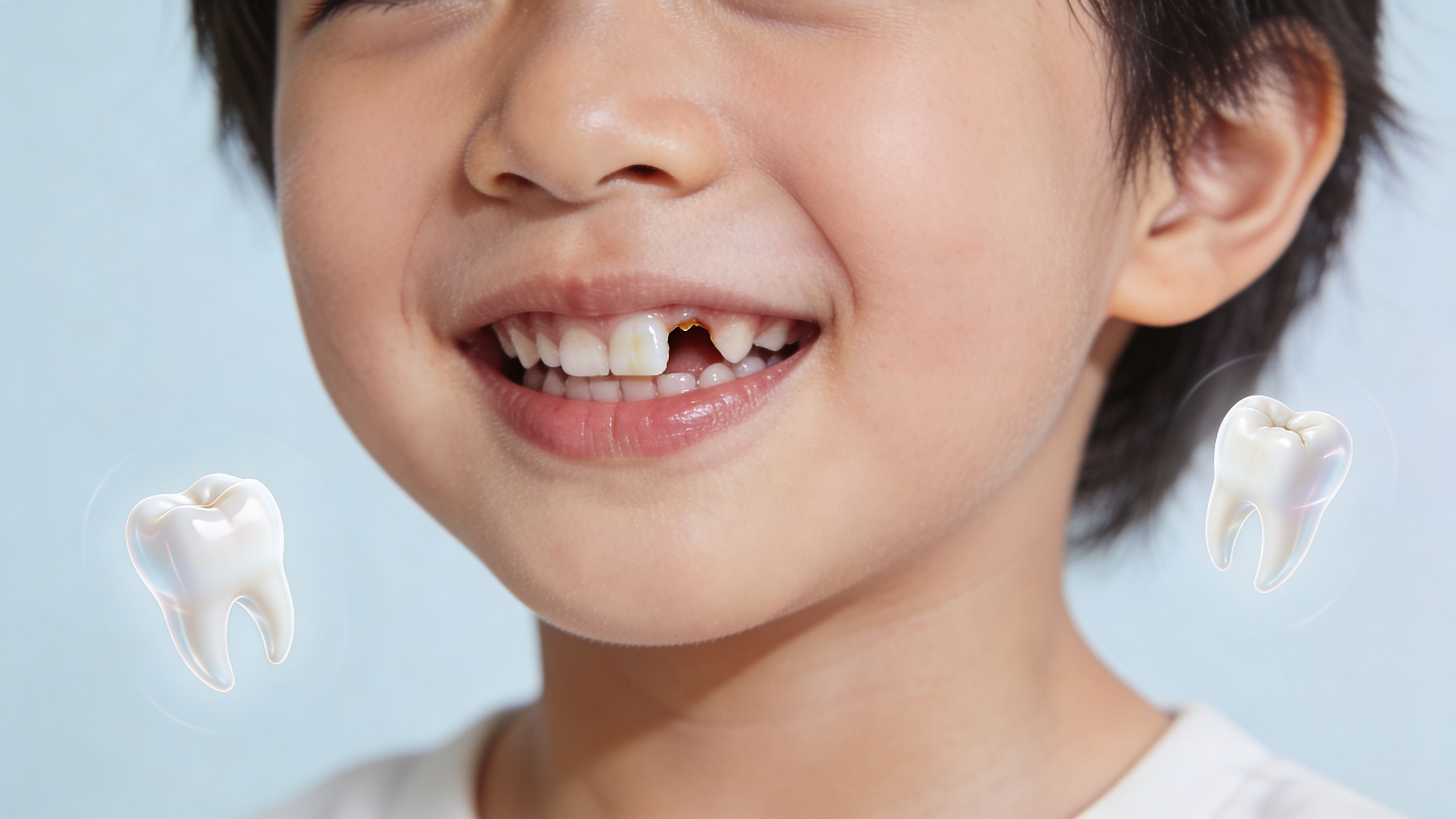
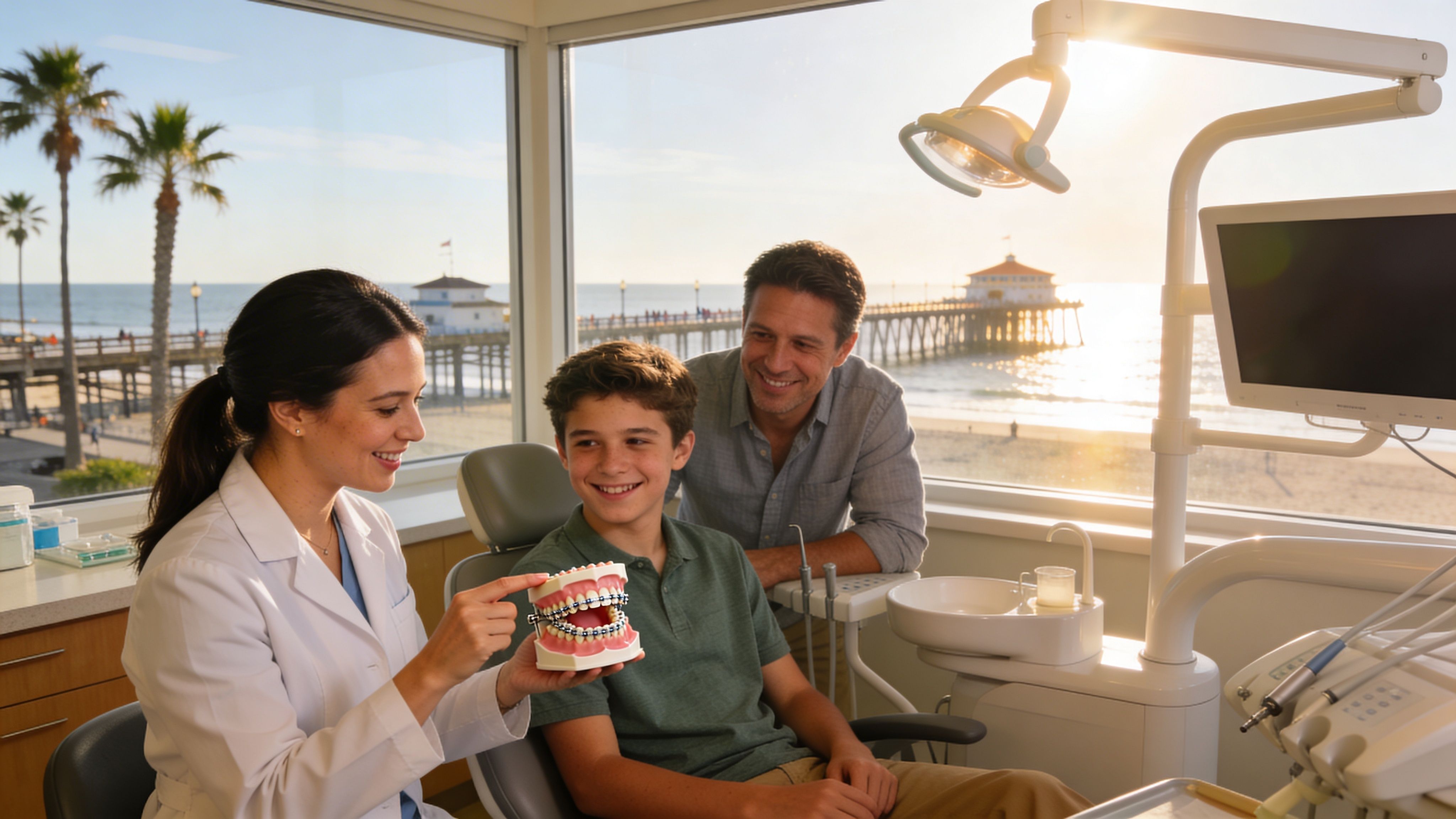
A specialist evaluates more than the visible problem. The exam includes eruption sequence, jaw growth, bite relationship, airway considerations when relevant, and whether treatment now will help or only add time and expense. In some children, early treatment is the smart move. In others, observation is better, with scheduled check-ins so treatment starts at the right stage instead of too soon.
That timing judgment matters.
What that looks like for a teen
Teen treatment has to work in real life. School, sports, band, yearbook photos, brushing habits, and follow-through all affect which option makes sense.
A specialist orthodontic office can usually sort that out faster because these decisions come up all day. A teen who wants a lower-profile look may be a good fit for Invisalign or esthetic braces. Another teen may get a better result with metal braces because the bite correction is more demanding or compliance is likely to be inconsistent. The best choice depends on mechanics and habits together, not appearance alone.
Practical rule: The best appliance matches the bite and the patient's routine. A less noticeable option is only better if it will be worn and cared for correctly.
What that looks like for an adult
Adults often come in with more questions and less patience for vague answers. Some had braces years ago and have seen relapse. Some were told for years that they should fix a bite issue, but never had the time. Others want a more polished smile and need to know exactly what treatment will involve before they commit.
Clear planning makes the drive worthwhile. Adults usually want to understand limits, likely timeline, comfort, and how treatment will affect work and social life. A focused orthodontic practice is often better set up for that conversation because bite correction, tooth movement, and finishing details are handled every day.
Before booking, many adults also review a practice's website, forms, and treatment explanations to see whether the office communicates clearly and respects their time. If you want to see how strong practices present services in a patient-friendly way, Jackson Digital's dental marketing strategies offer a useful example of how dental offices explain care before the first call.
Your Orthodontic Treatment Options Explained
A lot of Long Beach patients arrive with the same practical question. Is it worth driving to Huntington Beach for orthodontic treatment if there are offices closer to home? It can be, especially if you want more than one good option and a specialist who can explain where each one works well, where it falls short, and what it asks of you day to day.

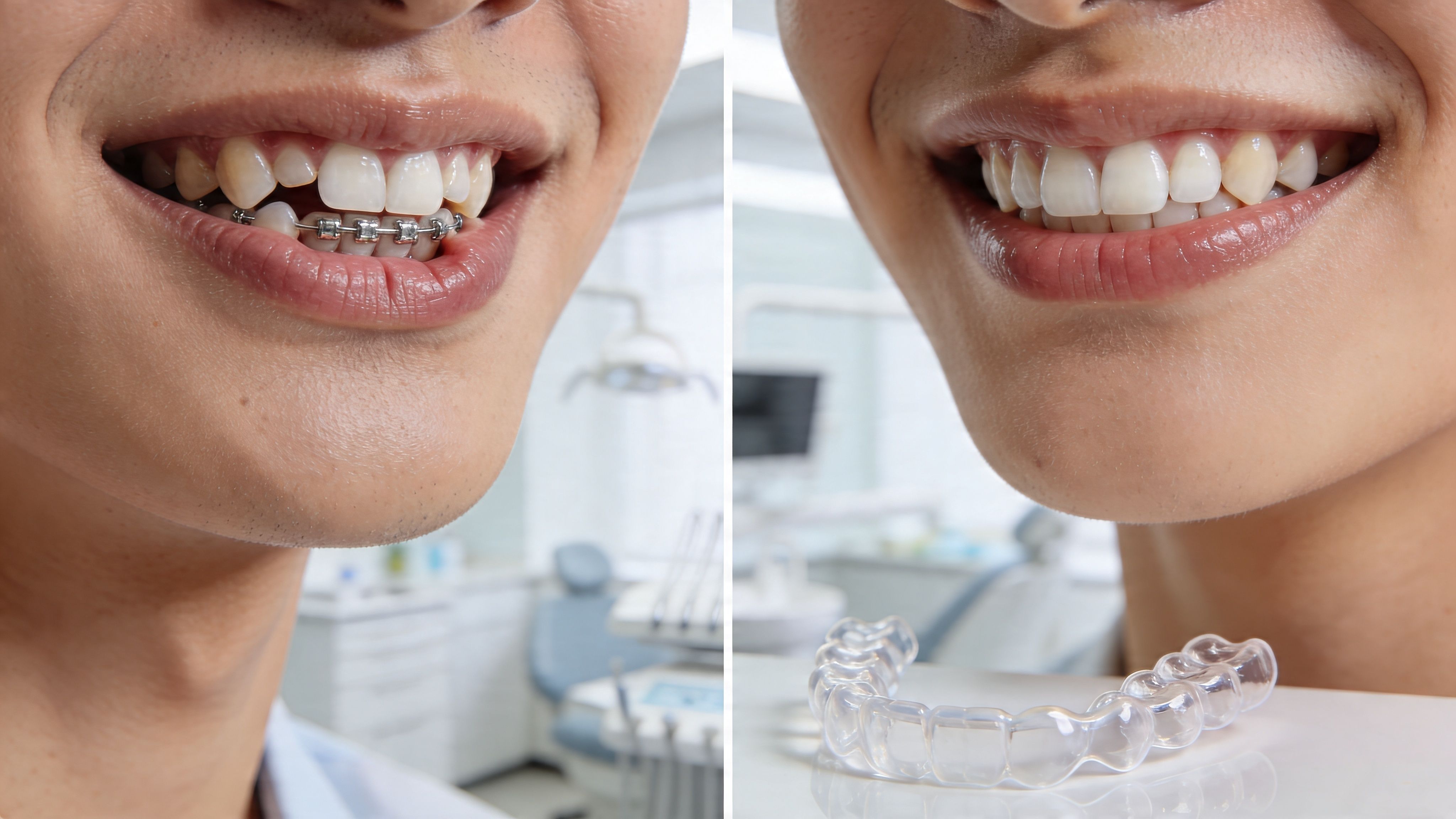
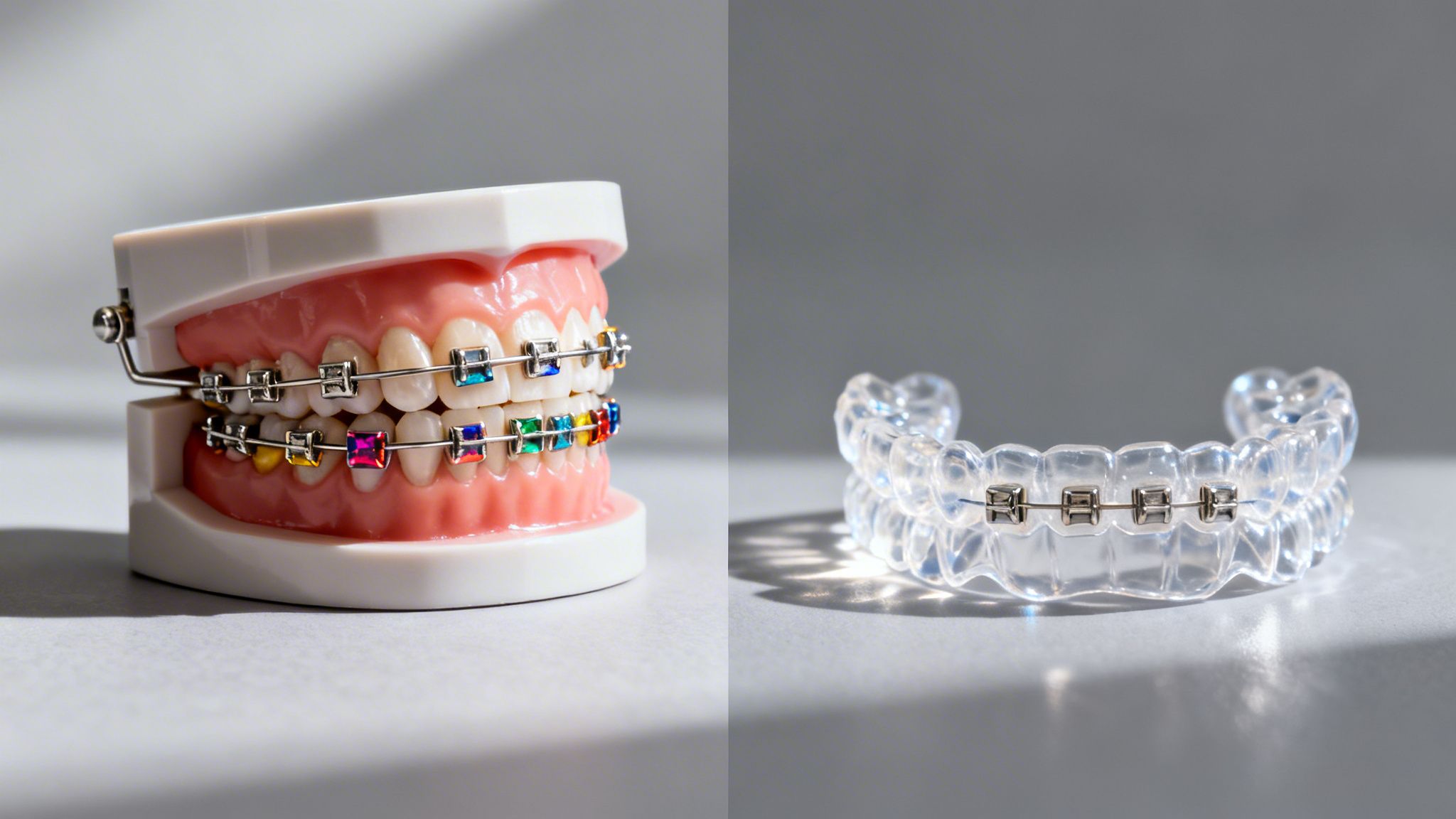
For most patients comparing treatment in a nearby specialist practice, the primary decision is between Invisalign, Iconix esthetic brackets, and traditional metal braces. All three can produce excellent results. The right fit depends on bite complexity, appearance preferences, and how consistently you can follow instructions outside the office.
Invisalign for flexibility and a lower-profile look
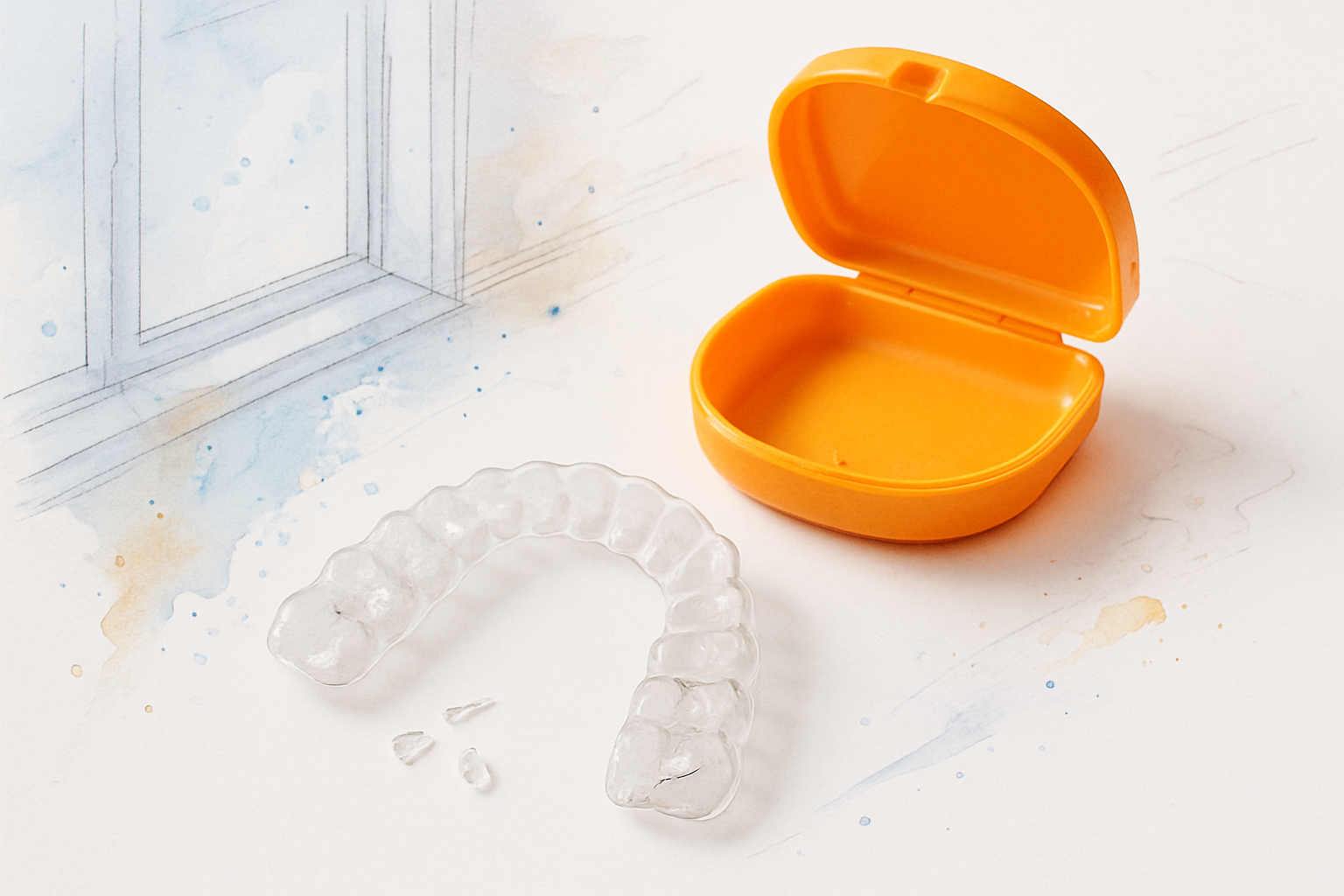
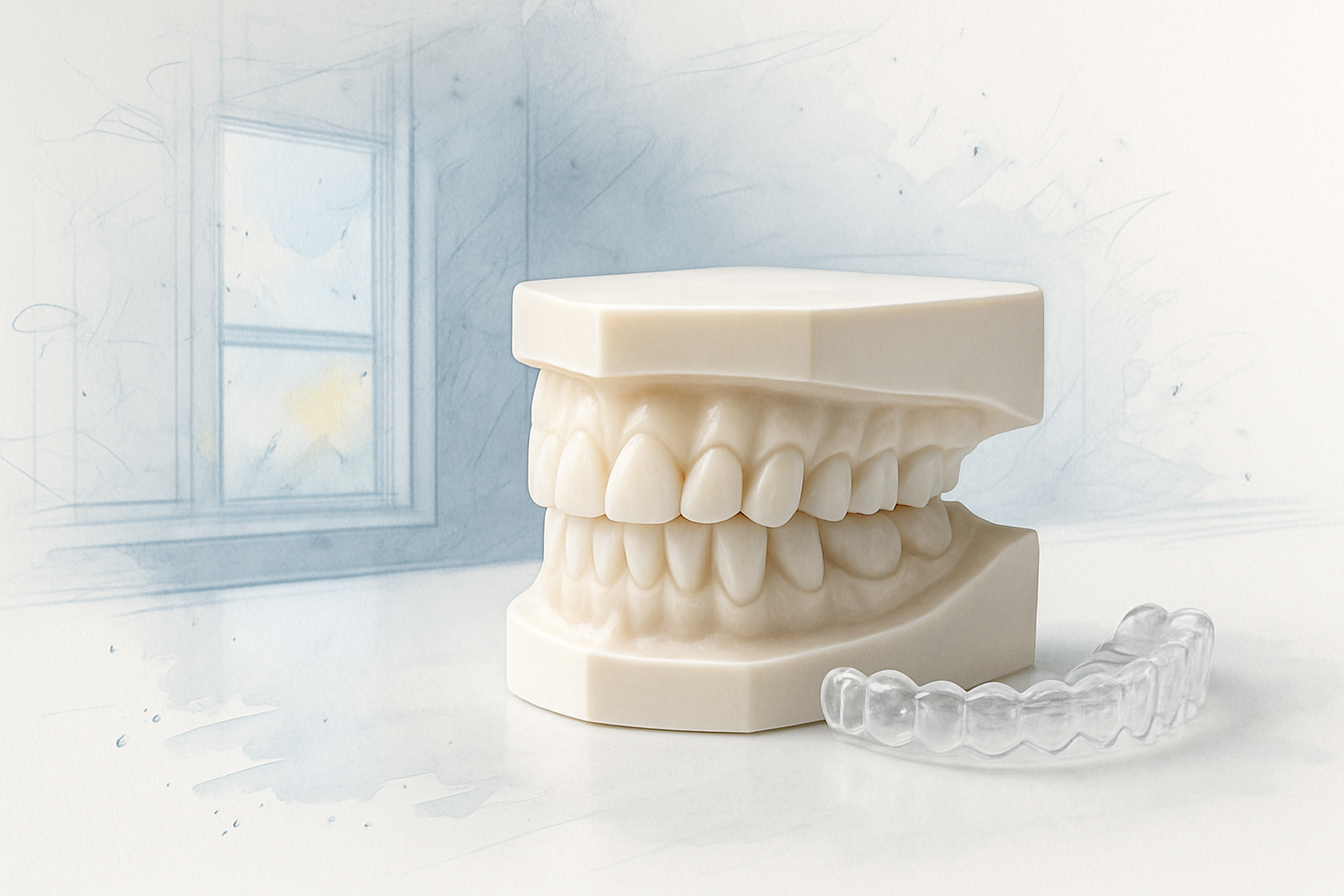
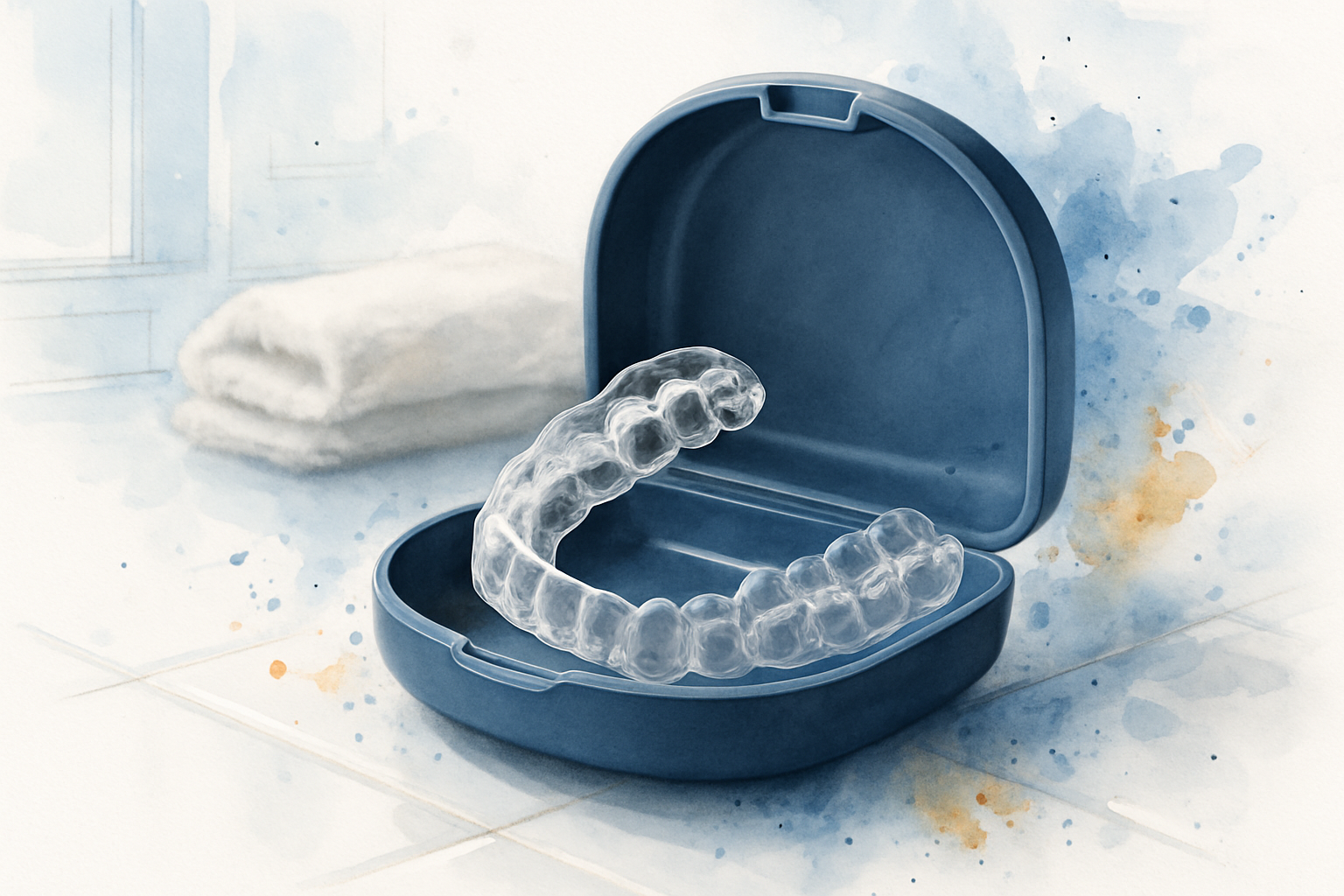
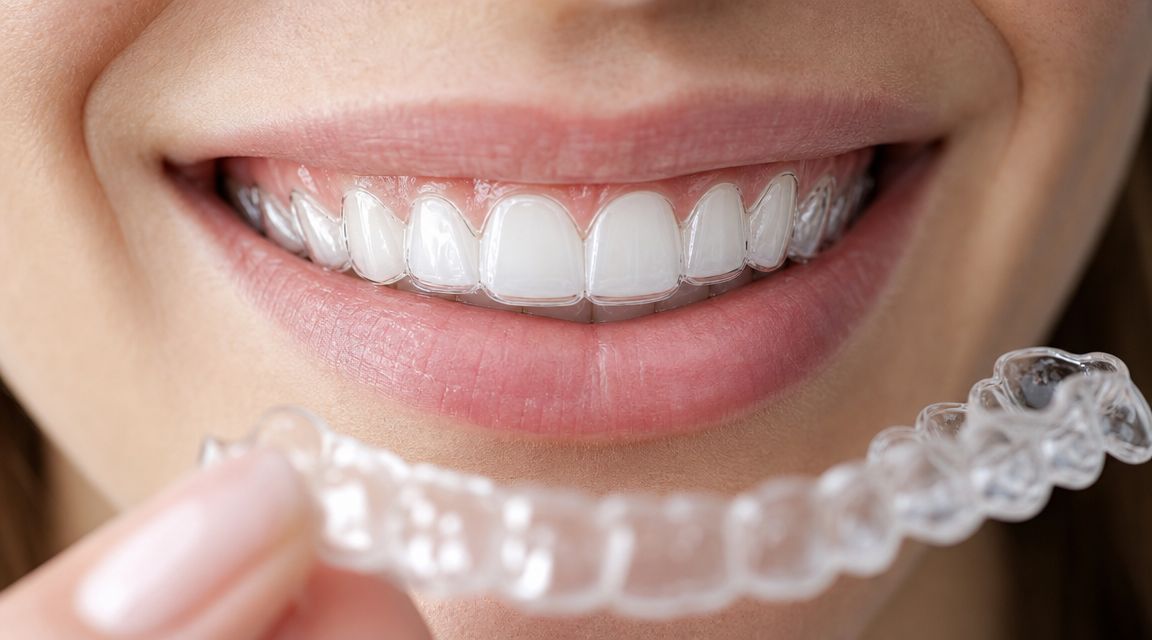
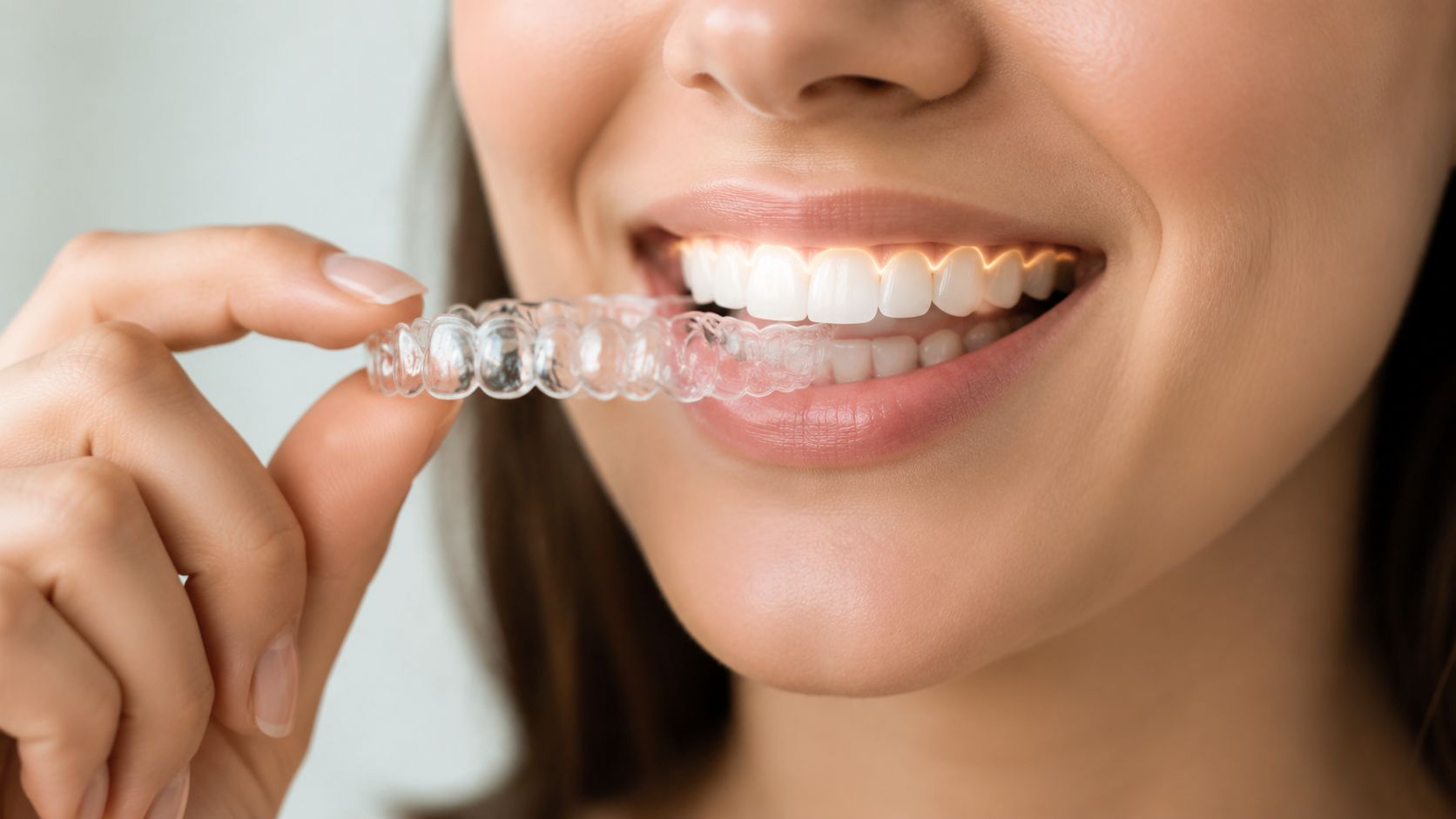
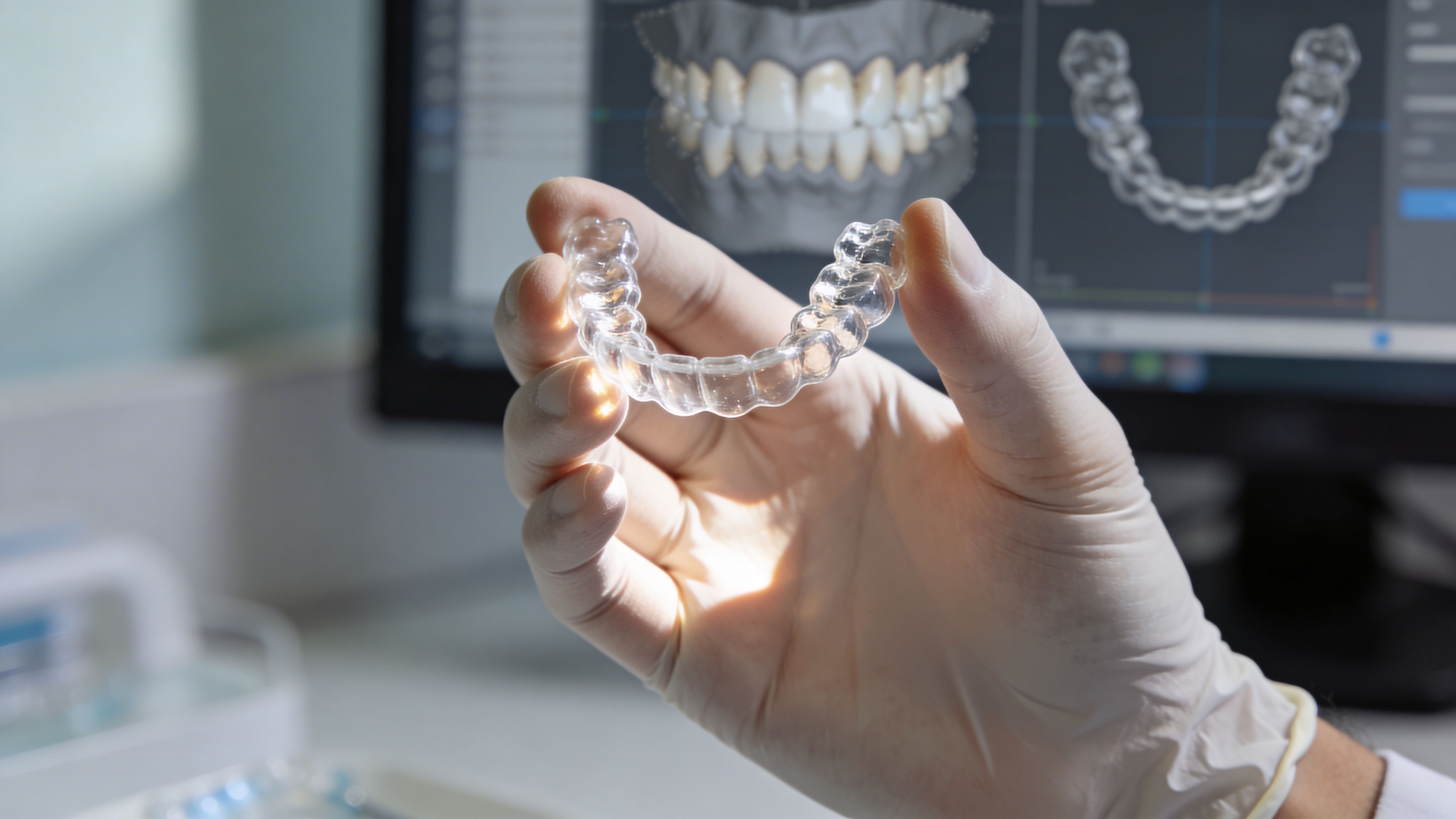
Invisalign appeals to adults and teens who want treatment that is less noticeable in meetings, school, and photos. The trays come out for meals and brushing, which makes hygiene easier and daily life feel more normal. That convenience is also the main trade-off. Removable treatment only works well if it is worn as directed.
This is why I ask habit questions early. Frequent snacking, forgetting things, and inconsistent routines can slow progress with aligners. Patients who are organized and motivated often do very well with Invisalign clear aligner treatment. Patients who know they would rather not think about trays all day are usually better served by a fixed appliance.
Iconix esthetic brackets for a more refined brace option
Iconix brackets sit in the middle for many Long Beach and Huntington Beach patients. They give the doctor the control of braces, but with a softer gold-toned appearance that many adults and teens find easier to wear socially than standard metal.
That balance matters. You get a fixed appliance that stays on the teeth, so treatment does not depend on remembering to reinsert trays after lunch or coffee. At the same time, the look is less stark than traditional braces. The choice often comes down to priorities. Patients who value discretion but want the reliability of a bonded appliance often feel very comfortable with Iconix.
Traditional metal braces for dependable control
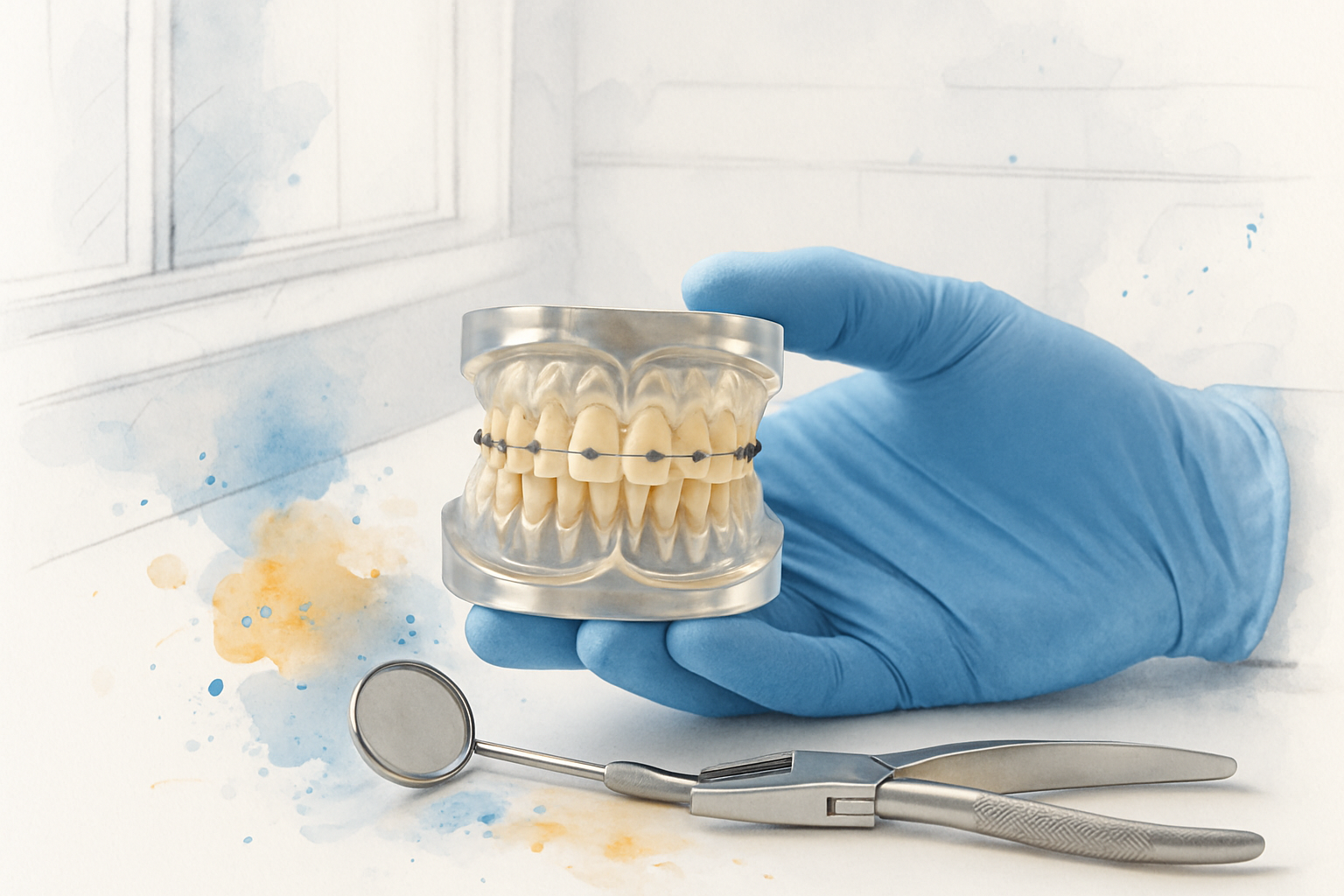
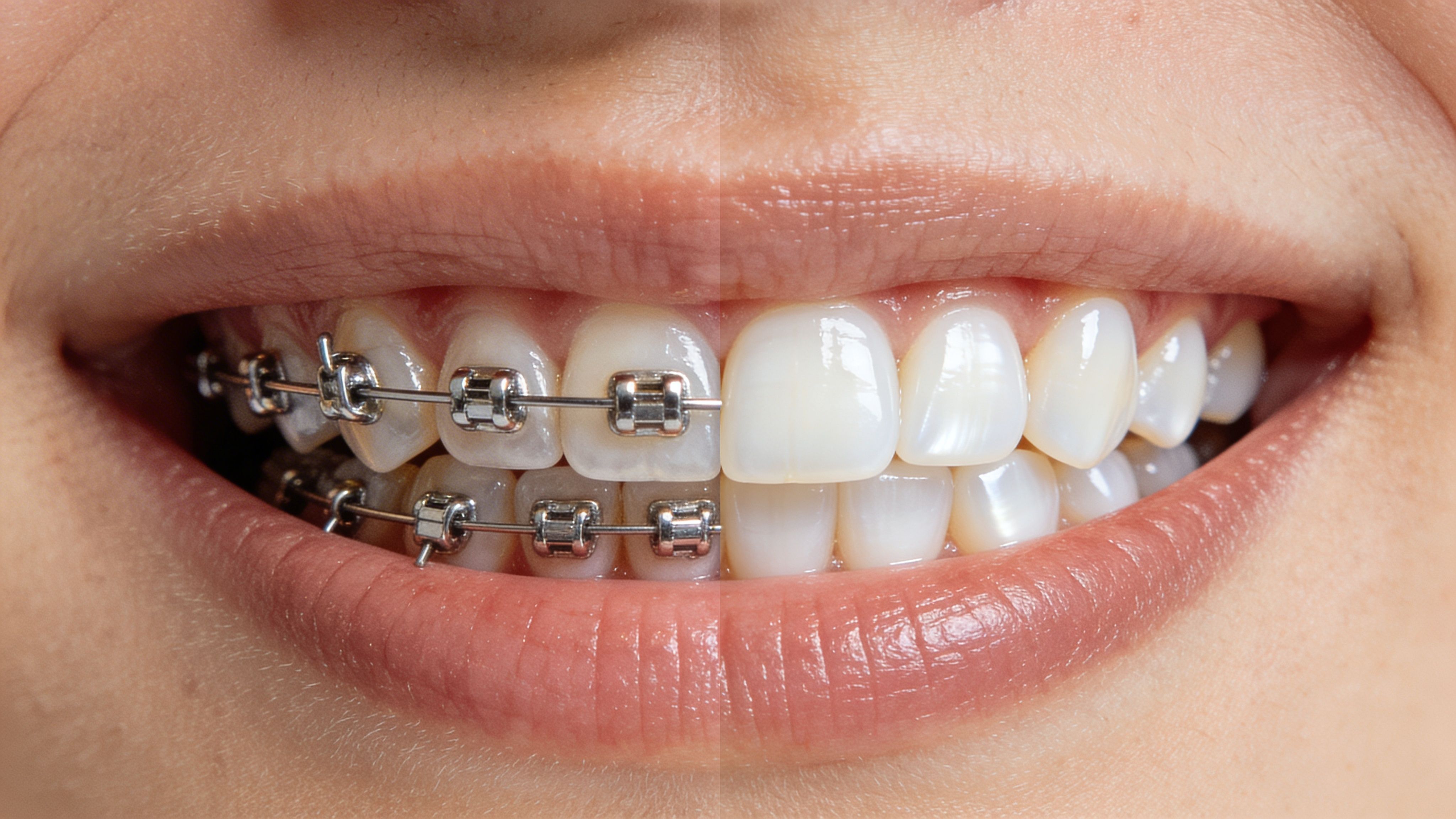
Metal braces are still one of the most effective tools in orthodontics. They are dependable, efficient, and especially useful when tooth movement needs close control.
They also remove a lot of guesswork. With braces, there is no daily decision about whether the appliance was worn enough. For children, teens, and adults with more involved bite correction, that predictability can be a real advantage. The trade-off is simple. Metal braces are the most visible option.
Comparing the options in real life
The best choice is rarely about looks alone.
A patient who wants the least noticeable treatment and has strong follow-through may be a strong Invisalign candidate. A patient who wants something subtler than metal braces but prefers not to manage removable trays may do better with Iconix. A patient with a more demanding bite problem, or one who wants a proven fixed option without worrying about compliance, may be best served with metal braces.
That is one reason many Long Beach residents choose a Huntington Beach orthodontic specialist for this decision. A focused practice can usually show you the differences clearly, explain the trade-offs directly, and recommend the appliance based on how you live, not just what sounds good in theory.
How to compare insurance and financing without getting lost
Cost matters, and it should be discussed plainly. The easiest way to keep that conversation useful is to ask a short set of direct questions during your consultation:
- Insurance benefits: Does your plan include orthodontic coverage, and will the office verify it before treatment starts?
- Payment schedule: Are payments spread across treatment, or is a larger amount due up front?
- Case complexity: What features of your bite make treatment simpler or more involved?
- Appliance choice: Does Invisalign, Iconix, or metal braces change the total fee or only the payment structure?
- Included care: What records, visits, refinements, and retainers are included from the start?
If you like to review information before your visit, these patient education resources can help you prepare sharper questions.
The Orthodontic Journey for Every Age
Age changes the goal of treatment. A child’s visit is usually about growth and guidance. A teen’s visit is often about balancing appearance and function. An adult’s visit is more likely to focus on correction, refinement, or relapse.
For children
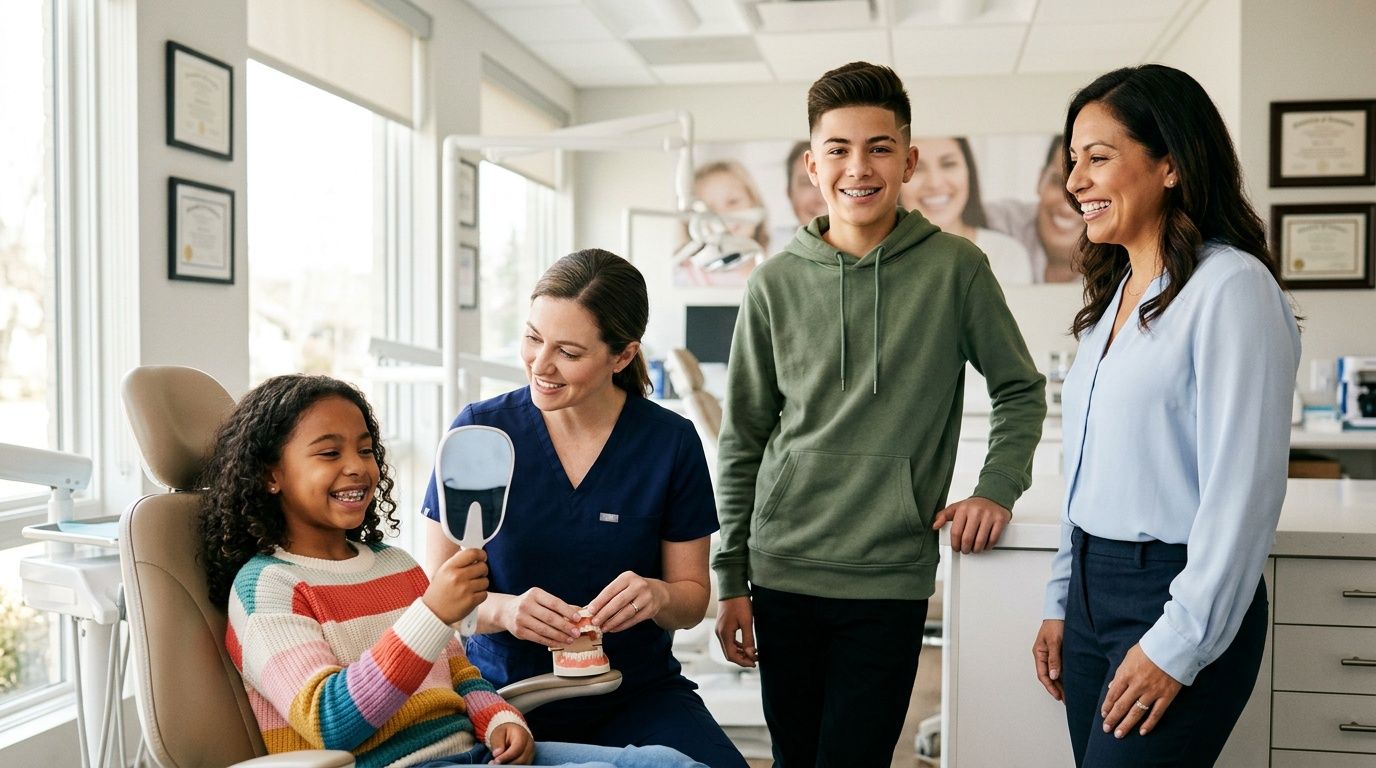
For younger patients, the first visit is often about spotting problems early enough to make treatment easier later. Digital 3D intraoral scanning can help identify bite and jaw issues in children ages 7 to 12, and these issues affect up to 15-20% of children, according to orthodontic guidance on pediatric digital scanning.
That same source notes that early interceptive treatment can increase maxillary width and may reduce the need for future surgery by 60-70% in certain severe cases. The important part for parents is not the number. It’s the timing. If a child has a developing crossbite, narrow upper arch, or clear jaw mismatch, waiting too long can remove options.
For teens
Teens usually want choices that don’t feel like a social penalty. Some do very well with Invisalign because they’ll wear aligners faithfully and appreciate being able to remove them for meals and brushing. Others are better candidates for fixed braces because school, sports, and routine make compliance less predictable.
A first visit for a teen usually includes digital records, a bite exam, a conversation about goals, and a realistic discussion of what they’ll manage well. That last part matters. An appliance only works when it fits daily life.
A teenager who wants a subtle option but forgets aligners may do better with Iconix. A teenager who wants less visibility and follows directions closely may do well with Invisalign.
For adults
Adult patients often want efficiency and discretion. They may have crowding that’s become more visible over time, spacing that bothers them in photos, or relapse after braces years ago. They also tend to ask better questions because they’re weighing treatment against work, family, and scheduling.
The first visit should feel clear, not technical for the sake of sounding advanced. You should see what the bite issue is, hear what the treatment options are, and understand why one option fits better than another. If you leave a consult with only a sales pitch and no reasoning, keep looking.
Navigating Costs Insurance and Financing
Cost matters, and most patients would rather ask about it early than pretend it isn’t part of the decision. That’s the right instinct. Orthodontic treatment is easier to move forward with when the financial conversation is direct.

A lot of Long Beach families start by checking whether a provider accepts PPO insurance. That’s sensible, especially because earlier market data shows orthodontic users often rely on private coverage. The part to remember is that insurance usually helps define the framework, but it doesn’t tell you which treatment is clinically right for you.
What to ask before you commit
Use the consultation to get practical answers, not rough guesses.
- Coverage details: Ask whether the office will review your orthodontic benefits before treatment starts.
- Monthly planning: Ask how payment plans are arranged and whether they’re structured to make treatment manageable over time.
- Included services: Ask what is part of the quoted treatment plan and what situations might affect the total.
- Family coordination: If more than one child may need treatment, ask how the office handles planning across siblings.
If you want a straightforward overview before you call, this article on whether insurance covers braces is helpful.
What usually works and what doesn’t
What works is transparency. A good office explains the financial side in plain language and gives you enough detail to compare options calmly.
What doesn’t work is making a decision based on the lowest starting number or the shortest sales presentation. If the appliance isn’t the right fit, the cheaper plan can become the more frustrating one.
Bring your insurance information, your questions, and your priorities. A useful consultation should leave you understanding both the treatment plan and how you’d pay for it.
What to Expect at Your First Consultation
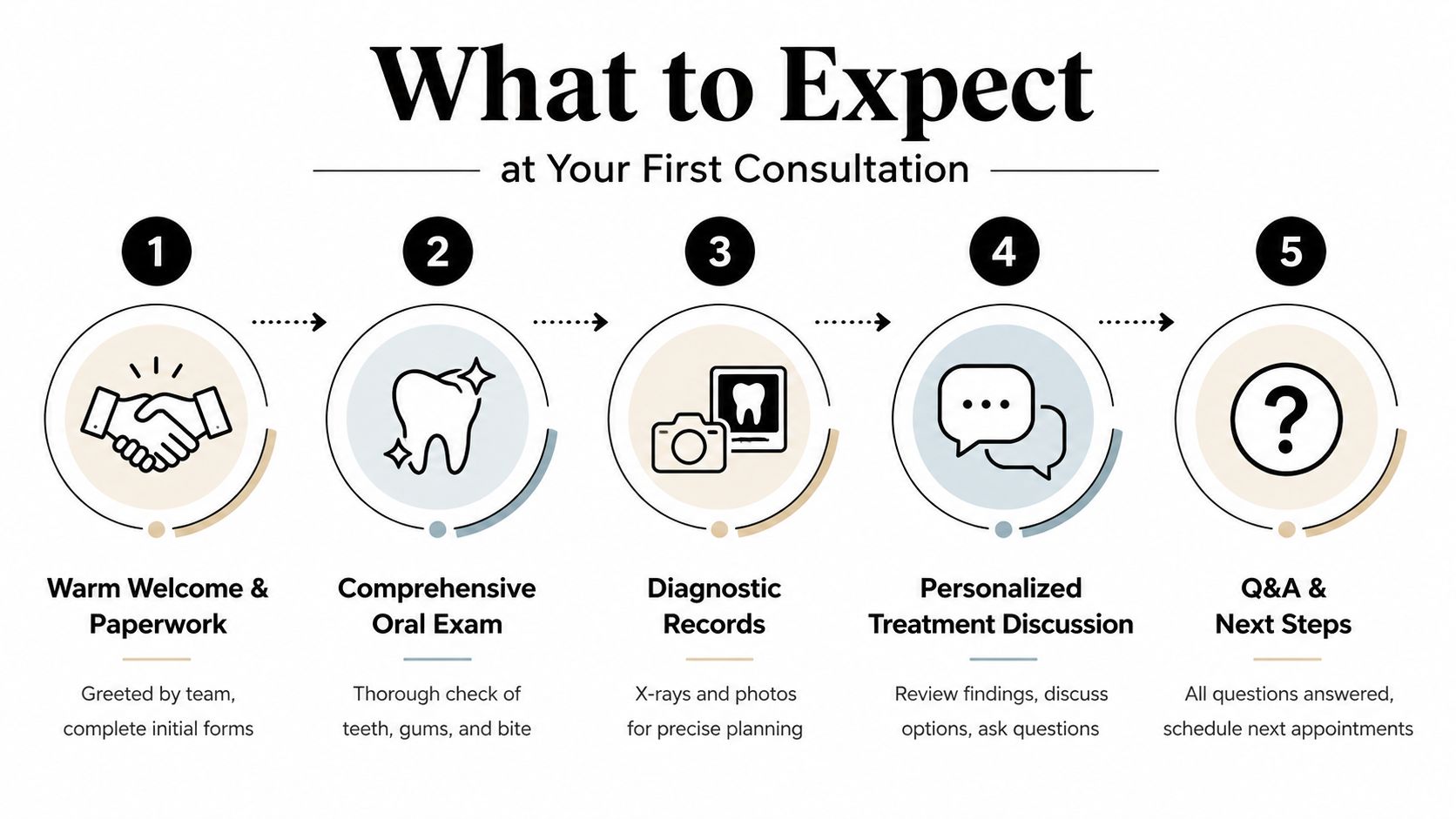
The first visit shouldn’t feel mysterious. If you’re coming from Long Beach to Huntington Beach, you want to know the trip is for a real evaluation, not a rushed pitch.
Step one is simple check-in
You’ll arrive, meet the team, and complete or confirm forms. Many offices now make that easier before you even walk in. If you’re interested in how practices are improving that side of the visit, this guide to modern patient registration forms gives a good overview.
The goal here is not paperwork for paperwork’s sake. It’s making sure the doctor has the background needed to evaluate your case properly.
Digital records make the conversation easier
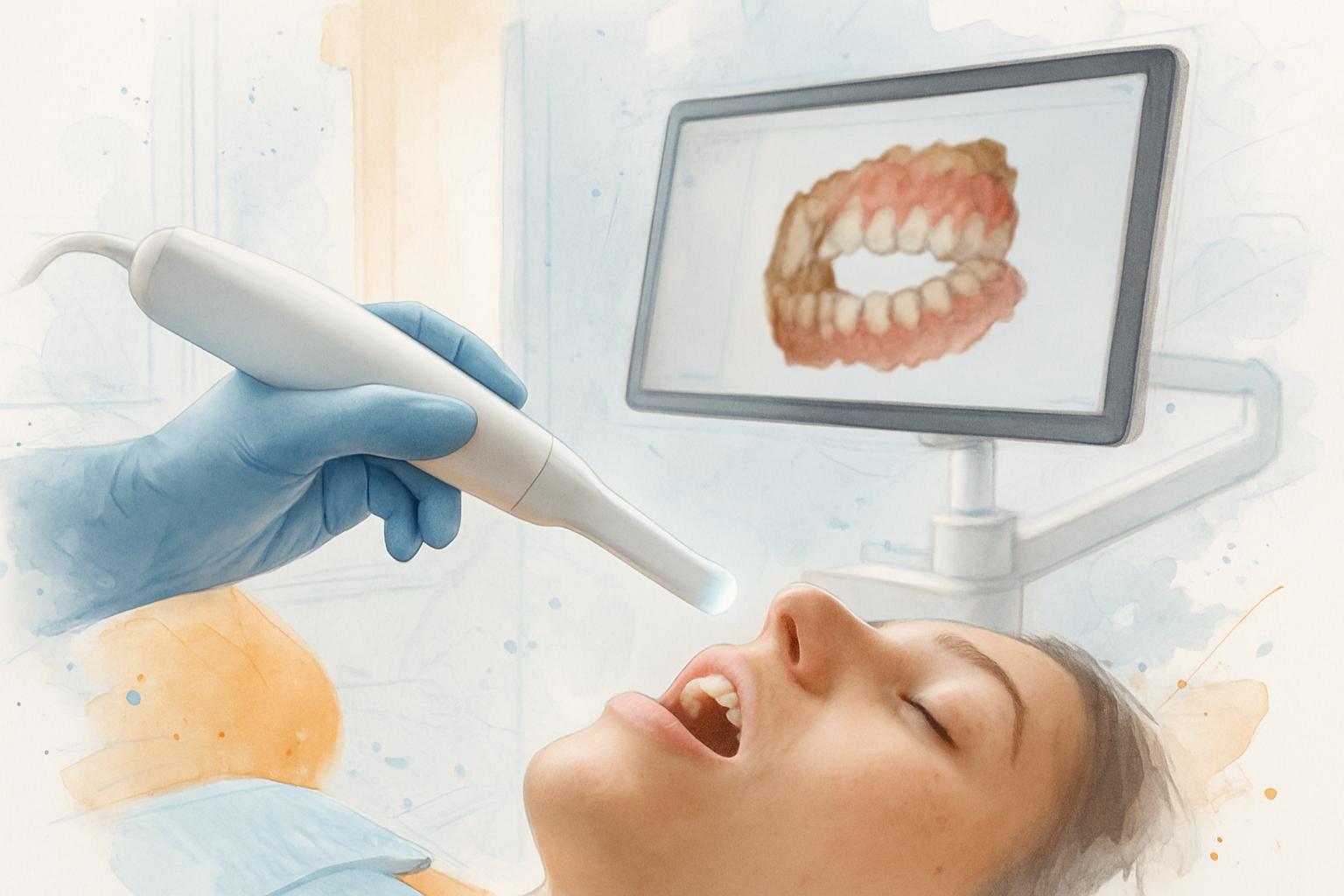
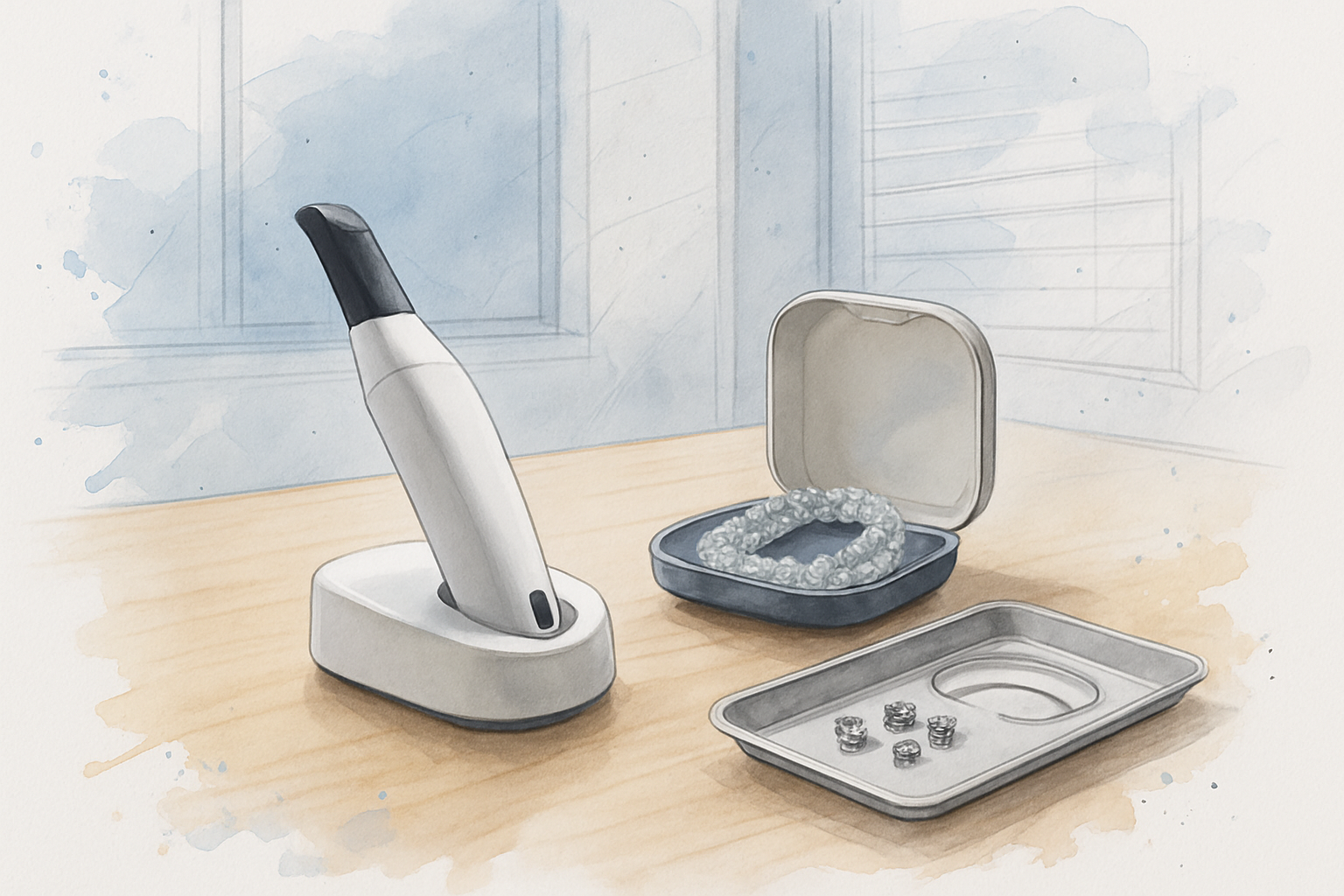
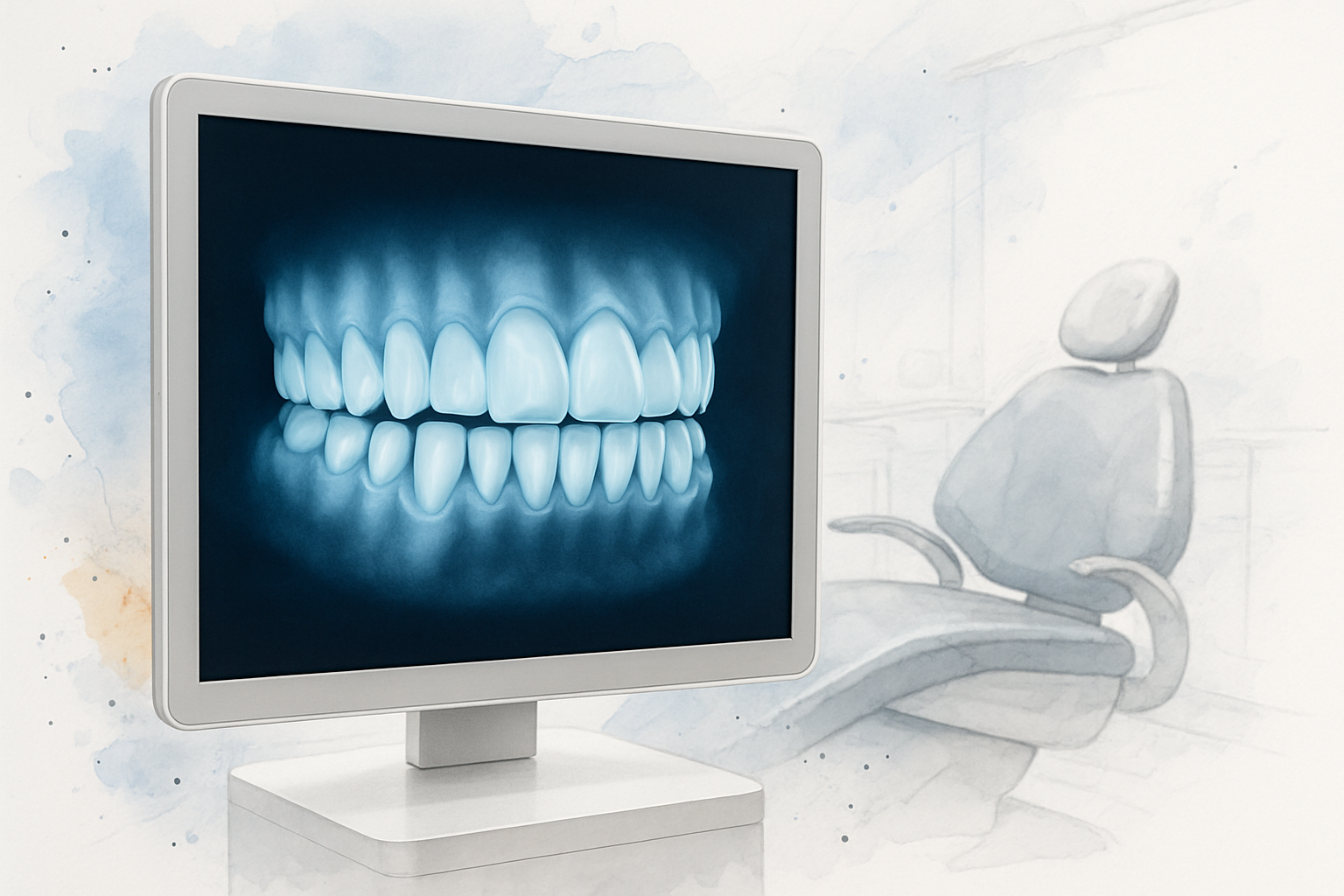
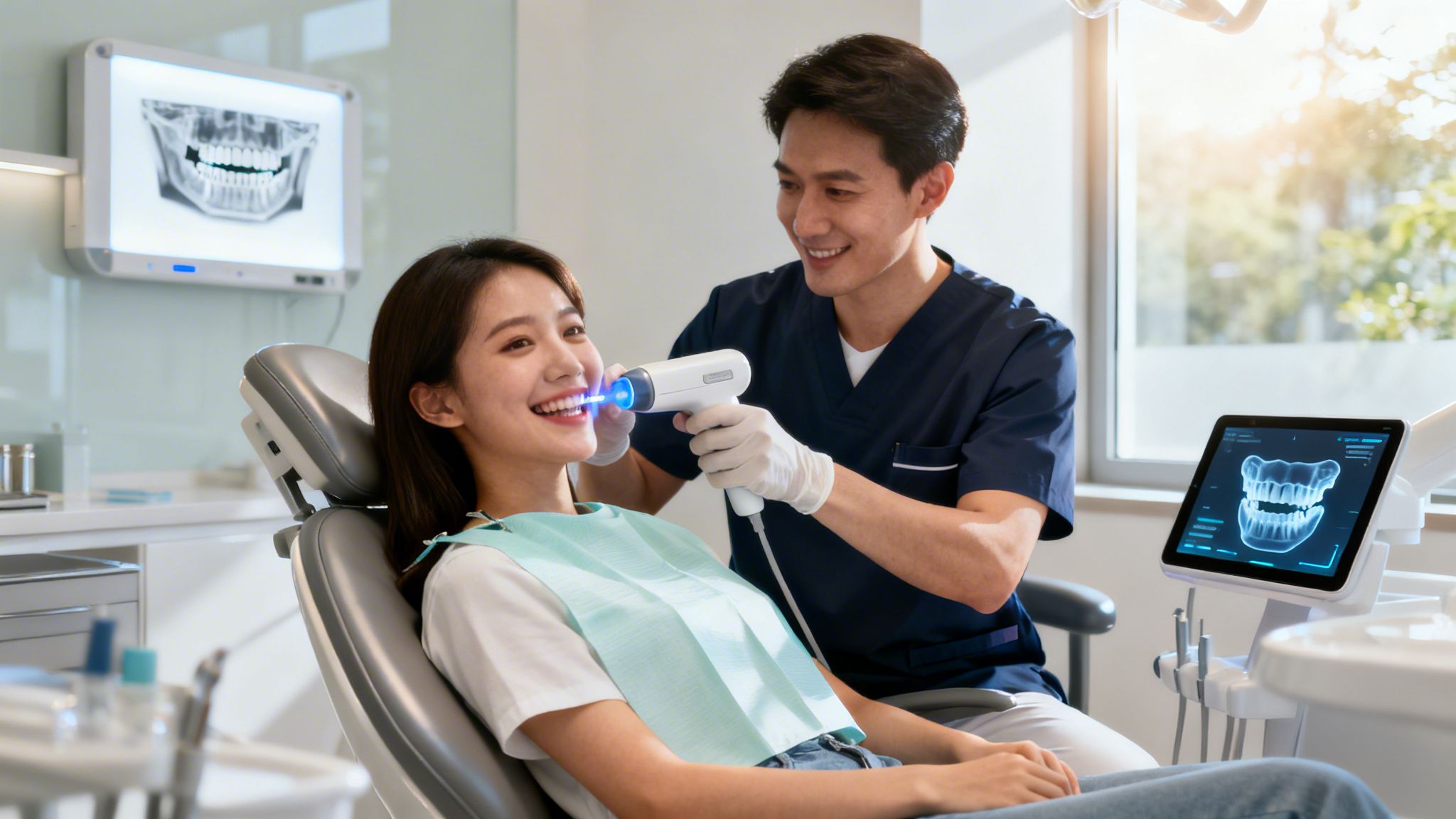
In a modern orthodontic office, the diagnostic part is usually more comfortable than patients expect. Digital scans replace the old messy impression process in many cases, and those records help the doctor show you what’s happening with your bite in a way that’s easy to follow.
That matters because patients make better decisions when they can see the issue. Crowding, spacing, overbite, crossbite, and asymmetry are easier to understand on a screen than in a verbal explanation alone.
The doctor reviews options with you
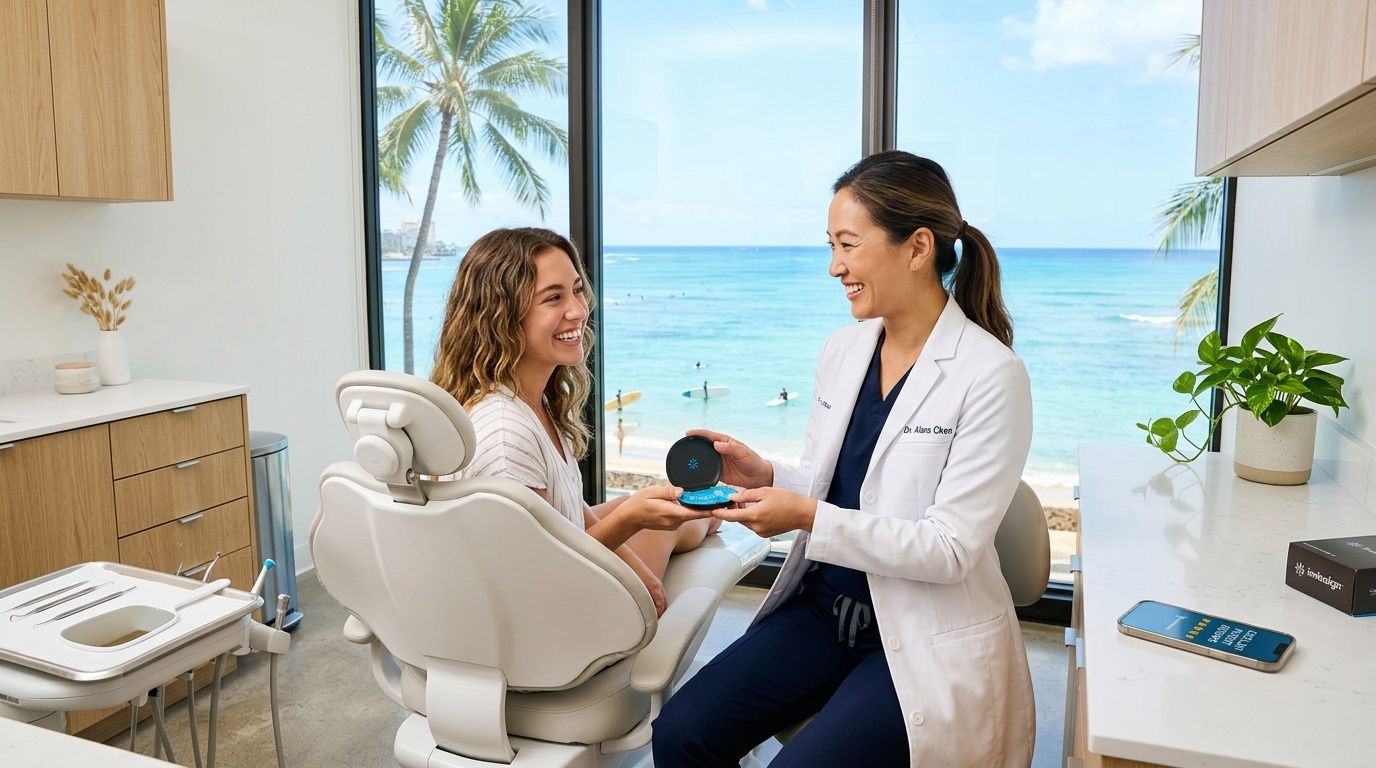
This is the most important part of the visit. Dr. Jeremy or Dr. Melissa should examine your teeth and bite, review the records, and explain which treatment options make sense for your case and why.
You should have room to ask real questions. If you’re not sure what to ask, this list of questions to ask an orthodontist can help you prepare before the appointment.
You leave with clarity, not pressure
A good consultation usually ends with a proposed treatment path, an explanation of timing, and a financial review. Some patients are ready to begin. Others need time to think it over, talk with family, or compare options.
That’s fine. The visit should lower stress, not create it.
The right consult gives you enough information to make a decision without feeling rushed into one.
Frequently Asked Questions About Orthodontic Treatment
Do I need a referral to see an orthodontist if I live in Long Beach?
No referral is usually needed to schedule an orthodontic consultation. Many patients come in directly because they’ve noticed crowding, bite issues, or shifting teeth and want a specialist’s opinion.
Is the drive from Long Beach to Huntington Beach really worth it?
For many patients, yes. If you want a focused orthodontic evaluation, clear options, and treatment that fits your lifestyle, a short drive can be a reasonable trade for more specialized care.
How do I know whether Invisalign or braces is better for me?
That depends on your bite, goals, and daily habits. Invisalign works best when you’ll wear aligners consistently, while braces can be the better choice when fixed control is more reliable.
Will treatment hurt?
Most patients feel pressure and soreness at certain points, especially when starting treatment or changing aligners. It’s usually manageable, and the office should explain what discomfort is normal and what deserves a call.
Can adults still get orthodontic treatment if they had braces years ago?
Yes. Adults often come in because teeth have shifted after earlier treatment or because something was never corrected fully the first time. A consultation can show what’s realistic now.
What should I bring to my first appointment?
Bring your insurance information, any previous dental or orthodontic records you have, and a list of questions. If you’re bringing a child or teen, it also helps to think ahead about school schedules, activities, and how treatment would fit daily life.
Your Next Step Toward a Confident Smile
If you’ve been comparing long beach dental and orthodontics options, the biggest thing to look for is clear, specialized care. You want an office that explains the why behind the treatment, respects your time, and helps you choose between Invisalign, Iconix esthetic brackets, and metal braces based on your real needs, not a script.
A consultation should leave you better informed and more comfortable with the decision, whether you’re exploring treatment for your child, your teen, or yourself.
If you’d like a free consultation with Dr. Jeremy or Dr. Melissa, Magic Fox Orthodontics welcomes patients from Huntington Beach, Fountain Valley, and nearby communities looking for thoughtful orthodontic care. Call (714) 594-5777, visit 17041 Beach Boulevard, Suite 101, Huntington Beach, CA 92647, or explore the office online at magicfoxsmiles.com. Hours are Monday–Friday 9:00 AM–5:00 PM and Saturday 8:00 AM–2:00 PM.