What Happens If You Don't Wear Your Retainer
Quick Answer
If you don't wear your retainer, your teeth can start shifting surprisingly fast. A missed day or two may only make the retainer feel tight, but after a week or more, movement can become noticeable. The longer you wait, the harder it is to keep your results without more treatment.
You put your retainer back in after skipping a few nights, and suddenly it feels much tighter than usual. That feeling is often the first sign of orthodontic relapse, which is what happens if you don't wear your retainer and teeth begin drifting out of position.
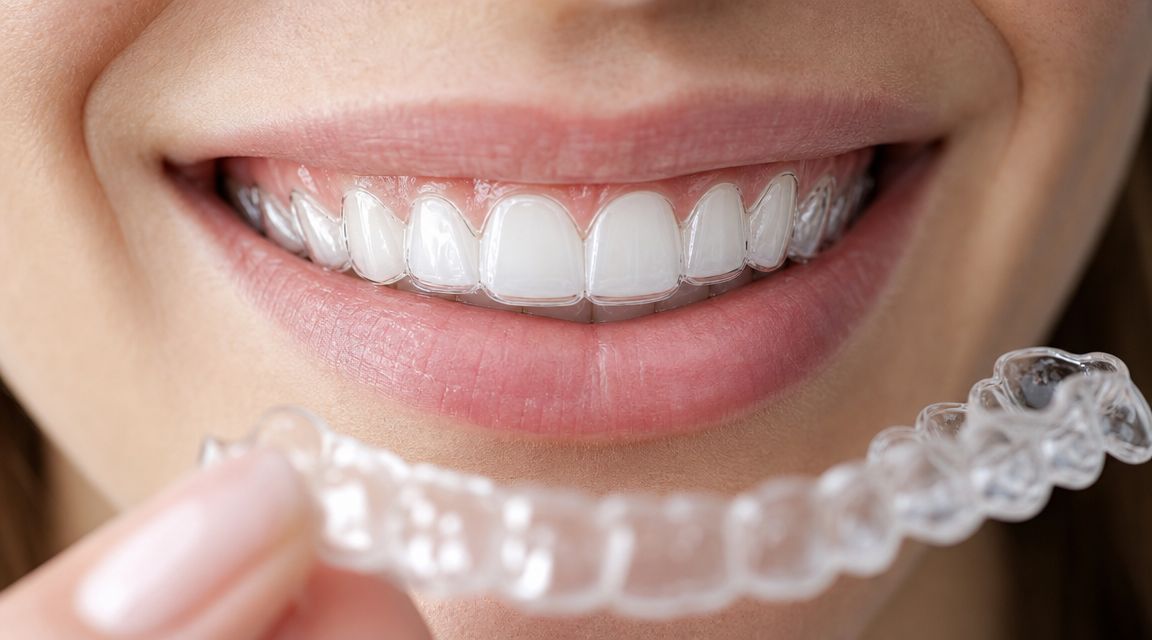
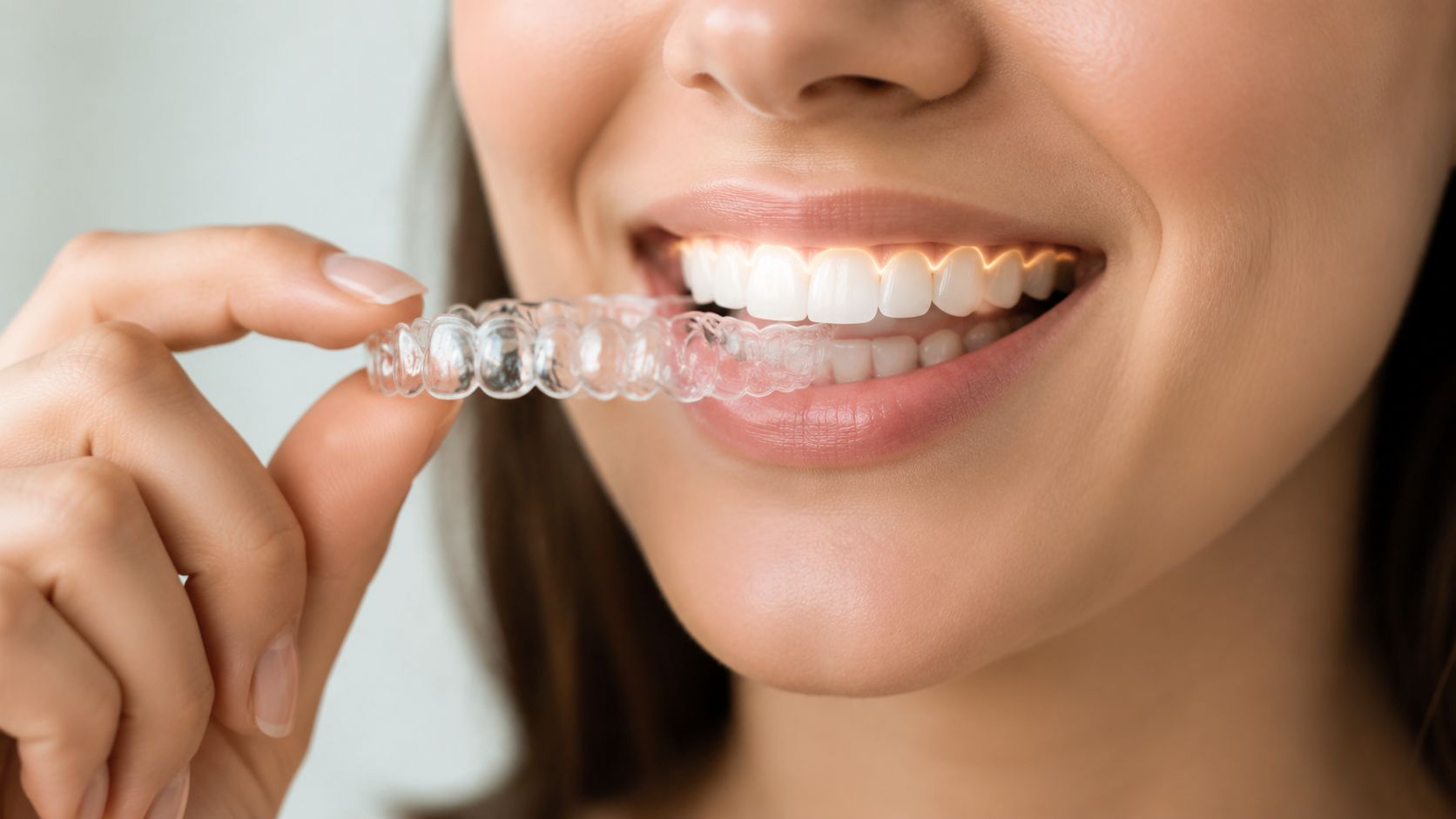
This catches a lot of people off guard. Braces or Invisalign move teeth into alignment, but retainers are what help hold that result while your mouth adapts and, over the long term, help protect your smile from natural shifting.
A Timeline of Tooth Movement Without a Retainer

Teeth don't need months to start moving. In many cases, the first change you notice is simple: the retainer feels snug, harder to seat, or mildly uncomfortable.
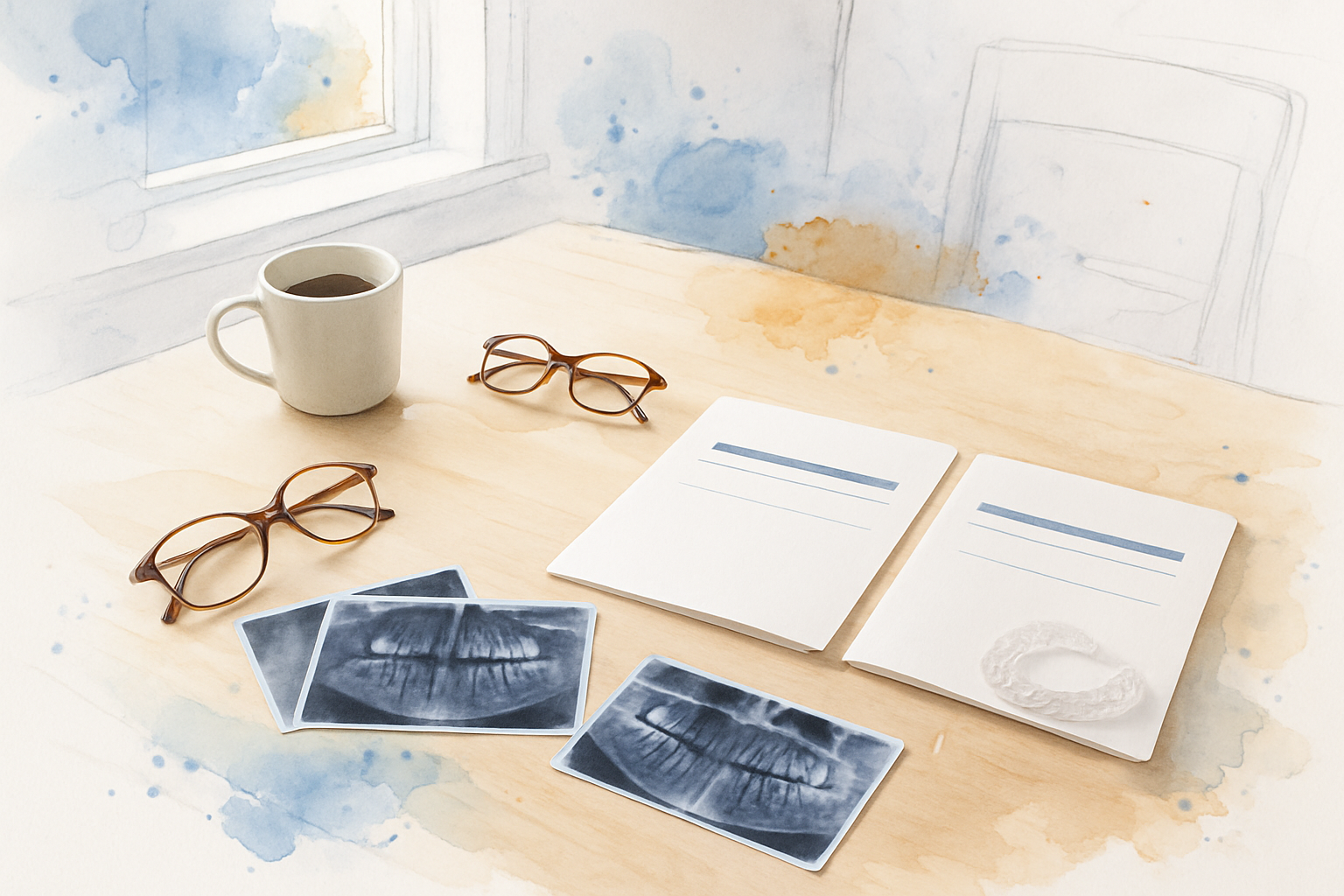
Clinical findings show that up to 70 to 90% of orthodontic cases can show long-term instability and shifting without consistent retainer use (GoodRx, 2025). If you've ever wondered why teeth seem determined to move, that's the reason lifelong retention is discussed so often in orthodontics.
What can happen at each stage
| Time Missed | What You Might Feel or See | Can the Retainer Still Be Used? |
|---|---|---|
| 1 to 2 days | Mild tightness when you put it back in | Usually yes, if it seats fully without force |
| About 1 week | More pressure, discomfort, early crowding or slight spacing | Sometimes, if it still fits properly |
| About 1 month | Visible shifting, bite changes, gaps reopening, lower front teeth crowding | Often no, or only partially |
| Several months or longer | Significant relapse and more obvious alignment changes | Often not safely |
The first few days
At 1 to 2 days without a retainer, teeth can begin very small movements. These movements won't be visible in the mirror, but they may be felt right away when trying the retainer again.
A tight retainer at this point doesn't always mean a major problem. It usually means your teeth have started to drift, and your retainer is trying to guide them back into position.
Practical rule: If your retainer still goes in fully and you're feeling pressure rather than sharp pain, act quickly. Early changes are usually easier to manage than later ones.
One week to one month
After about one week, movement often becomes more noticeable, especially in the lower front teeth. Those teeth are common trouble spots because they tend to crowd easily.
By one month, the situation can look different. Gaps may start reopening, crowding can become visible, and your bite may not feel the same when you chew. If you're seeing those signs, it's worth learning more about what causes teeth to shift, because the retainer issue is only part of the picture.
After several months
Once you get into several months without retention, the chance of needing professional correction goes up. At that stage, the original retainer may no longer fit well enough to do its job, and forcing it can create new problems.
This is the point where people often say, "I didn't think a break would matter that much." Sometimes it doesn't at first. Then one day it does.
Why Your Teeth Want to Shift Back After Braces

After orthodontic treatment, teeth aren't "locked" into place. They sit in bone and are supported by ligaments and surrounding tissues that need time to adapt to the new position.
Those tissues have a kind of memory. A simple way to think about it is a stretched rubber band that wants to pull back. In orthodontics, that pull is part of why relapse happens.
The tissue around teeth needs time
Right after braces or aligners, the supporting structures around the roots are still remodeling. That's why the first stretch after treatment matters so much. The retainer isn't just a reminder. It's part of holding the result while things stabilize.
Some patients are surprised that shifting can still happen long after treatment. That's because relapse isn't only about those first months. Everyday forces from chewing, tongue pressure, clenching, and natural aging also affect tooth position over time.
Teeth don't stay straight on their own just because they were straight once.
Some teeth are more prone to relapse
Lower front teeth are often the first place movement shows up. Rotations and crowding in that area tend to return faster than people expect.
Spacing can come back too, especially in the front. A patient may notice a tiny gap reopening before they notice anything else.
Age and growth still matter
Children, teens, and adults don't all relapse in exactly the same way. Growing jaws can change the bite and tooth positions over time, while adults still deal with normal age-related shifting.
That doesn't mean every patient needs the same retainer schedule forever. It does mean the idea that you're "done" with retention after a short period usually doesn't match reality. If you've noticed teeth moved back after braces, it usually isn't random. There are biological reasons behind it.
Your Immediate Action Plan for a Tight Retainer
A tight retainer is a warning sign, but it isn't always an emergency. What matters is whether it still fits properly and whether you're feeling pressure versus pain.
If it goes in all the way, early action may help. If it clearly doesn't fit, stop trying to force it.
If the retainer is tight but fits
Use this approach if the retainer seats fully and isn't causing sharp pain:
- Put it in as soon as you notice the issue. Waiting usually doesn't help.
- Wear it consistently as directed by your orthodontist. For some people, that may mean more hours for a short period.
- Watch for improvement. The retainer should start feeling more normal again, not worse.
- Check for sore spots or cracks. A damaged retainer won't hold teeth predictably.
This is often the window where small shifts can still be managed without a bigger correction.
If the retainer doesn't fit
If the retainer only goes on halfway, lifts off one side, or takes too much force to place, don't push it down.
Forcing a poorly fitting retainer can damage the appliance and put unhealthy pressure on teeth. It can also make it harder to tell how much movement has happened.
If a retainer doesn't seat fully, that's the moment to call. Not after another week of trying.
Know when to get professional help
Reach out if you notice any of these:
- The retainer won't fully seat
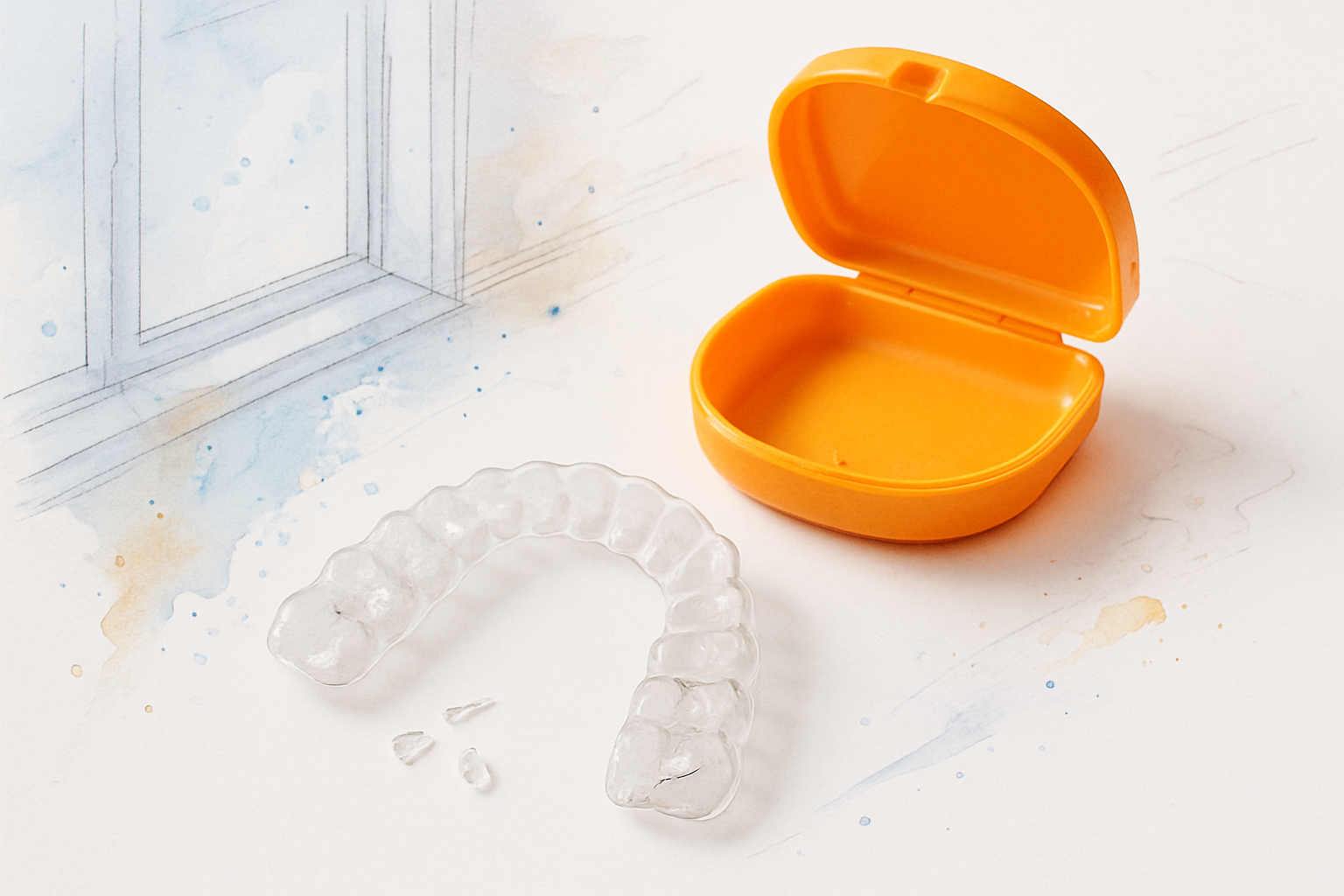
- A crack, warp, or loose area
- Visible crowding or spacing
- A bite that feels off
- Pain that seems stronger than simple pressure
If you're unsure whether this counts as urgent, a page on orthodontic emergencies can help you understand when to be seen sooner.
How We Correct Tooth Shifting and Relapse

When teeth have shifted, the right fix depends on how much movement has happened. The good news is that relapse doesn't always mean starting over from scratch.
Some cases need only a new retainer. Others need active tooth movement again.
Minor relapse
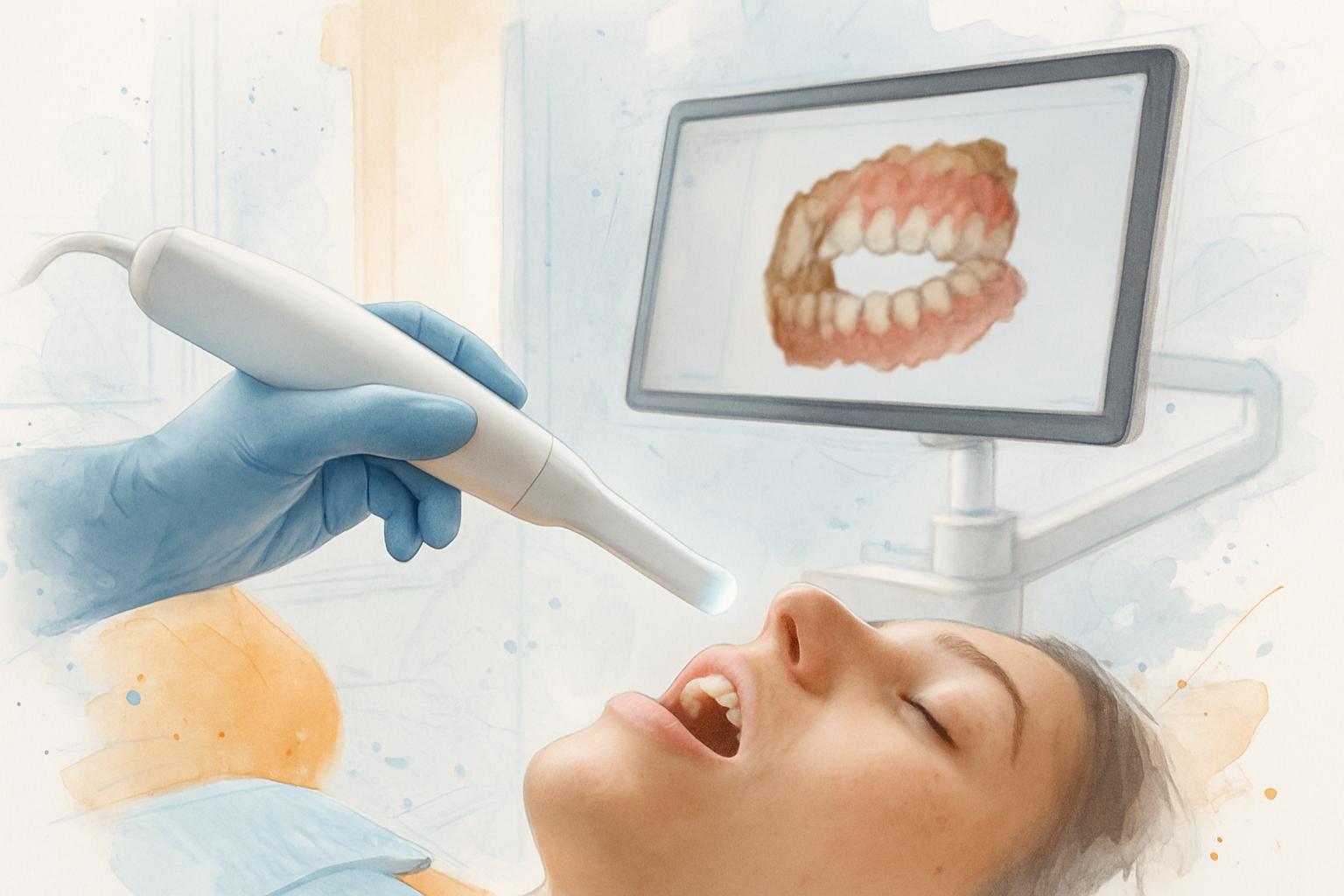
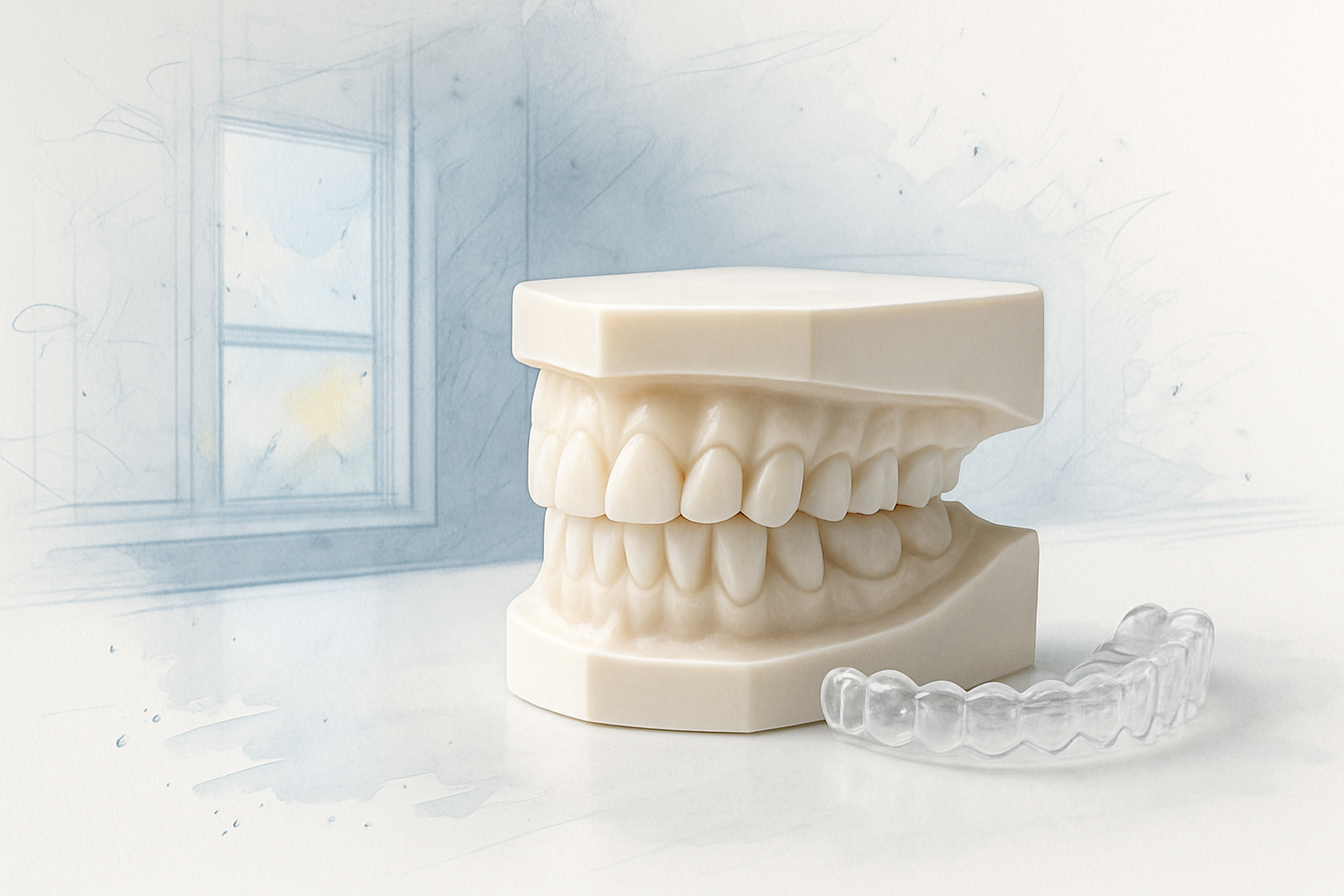
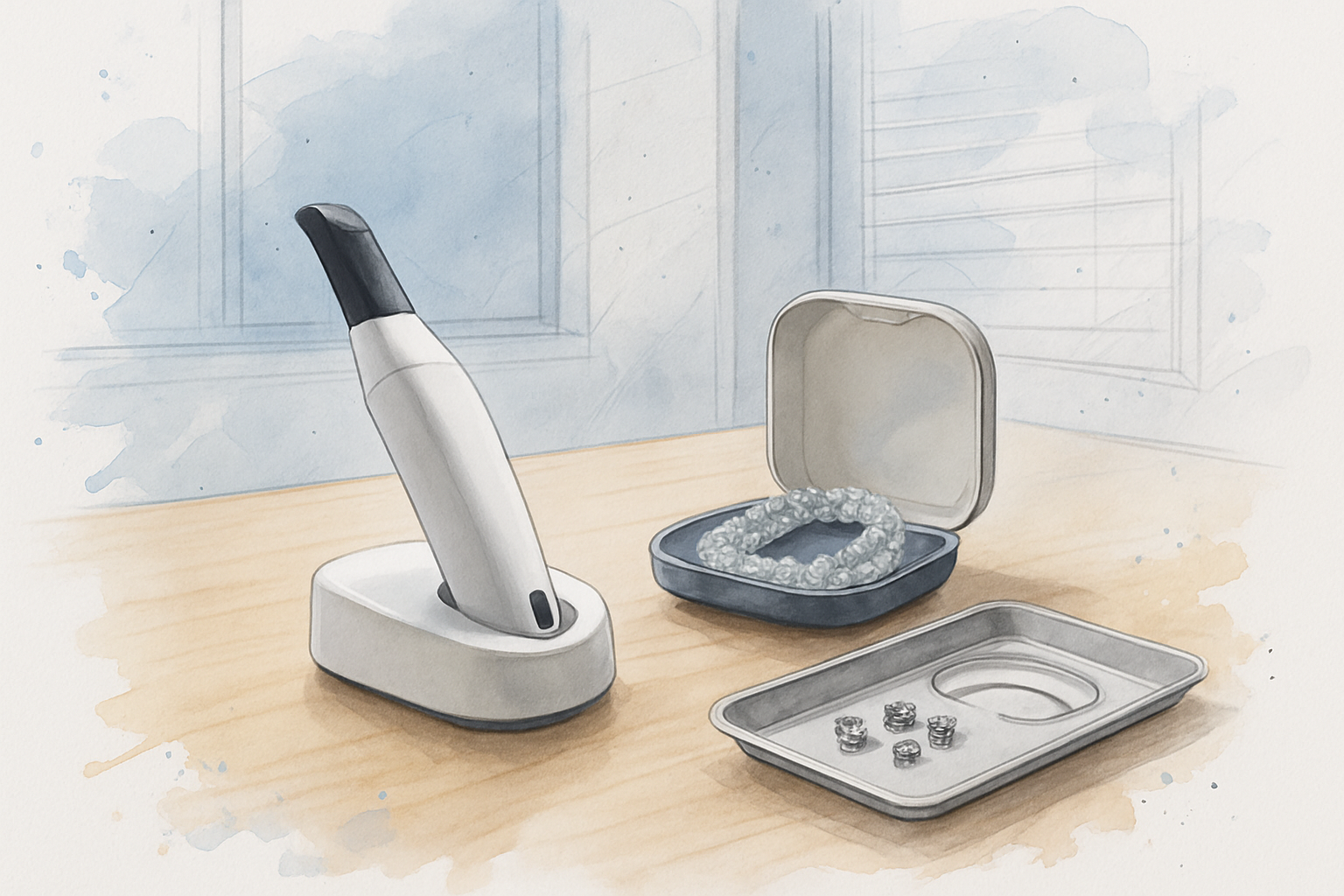
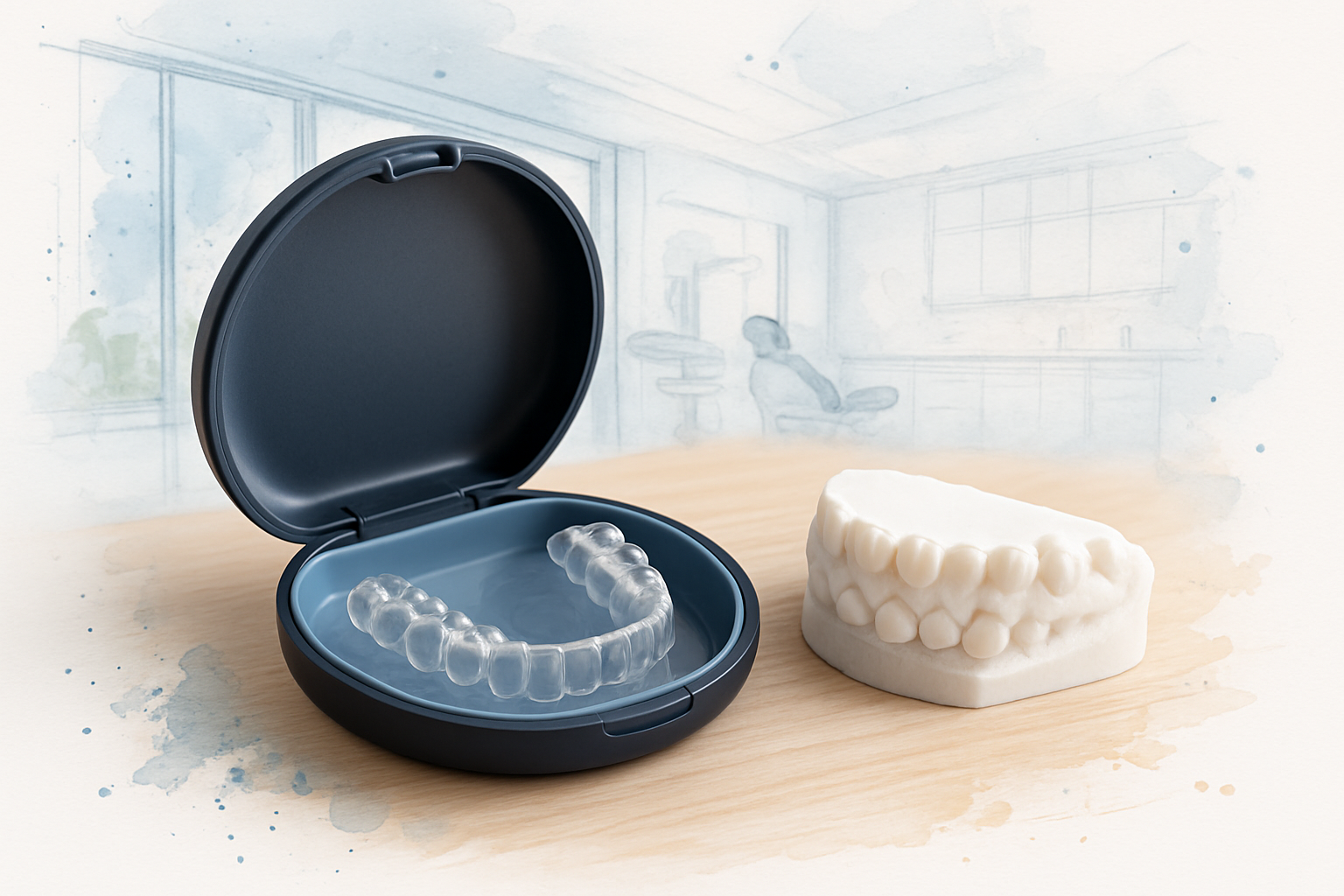
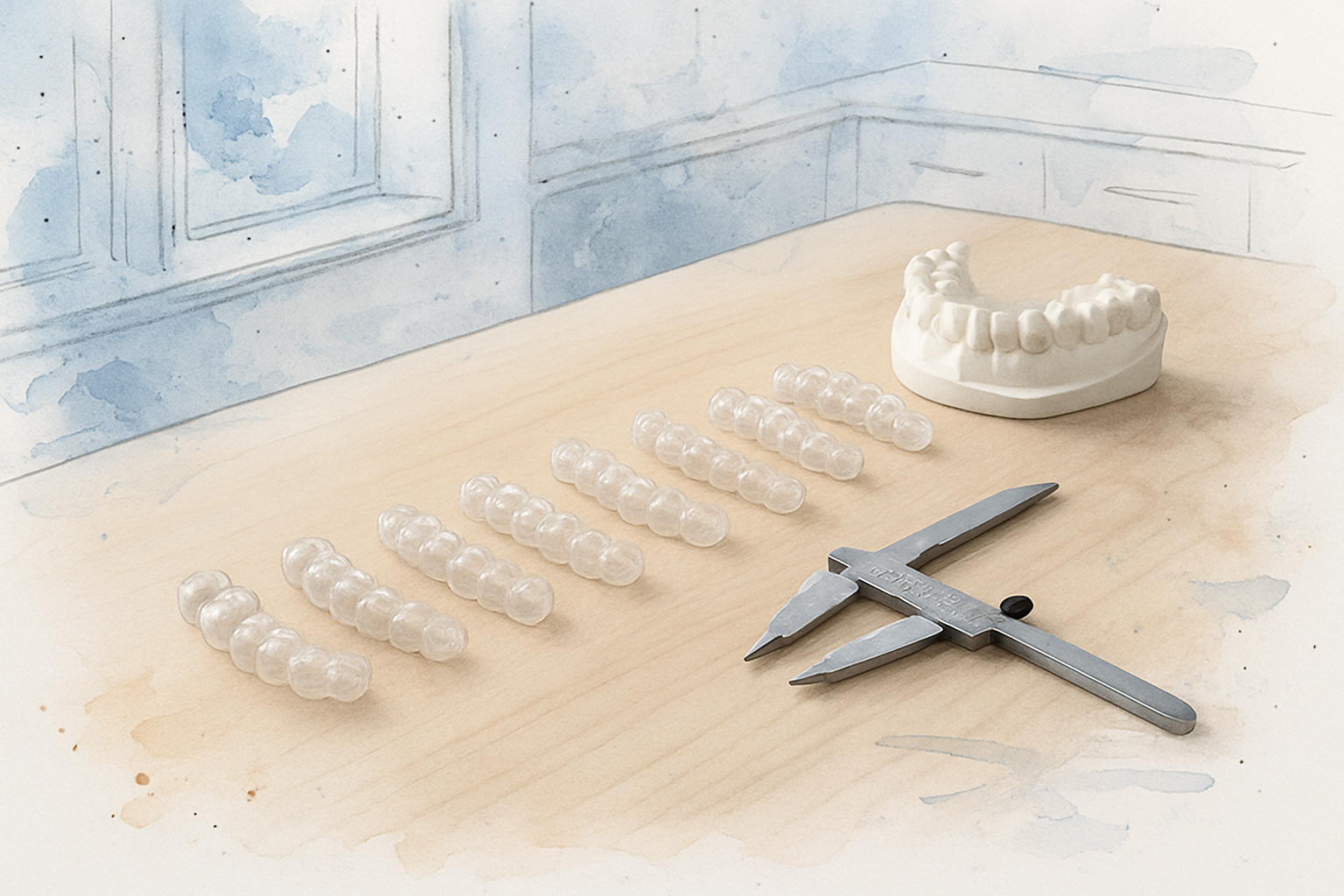
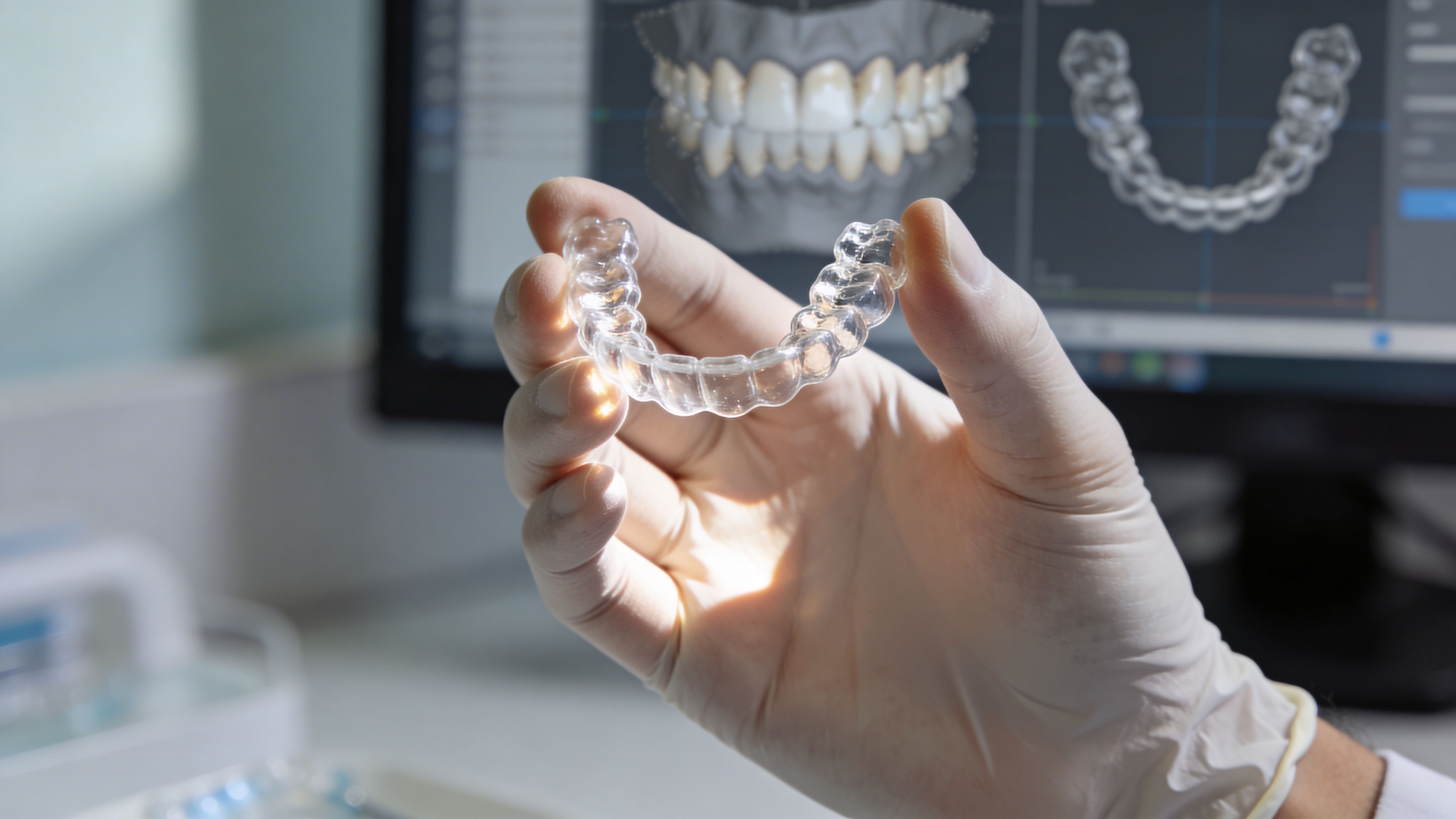
If the change is small, a new digitally scanned retainer may be enough to hold the teeth where they are or manage a very limited correction, depending on the case.
This is usually the simplest scenario. The sooner it's addressed, the more options you tend to have.
Moderate relapse
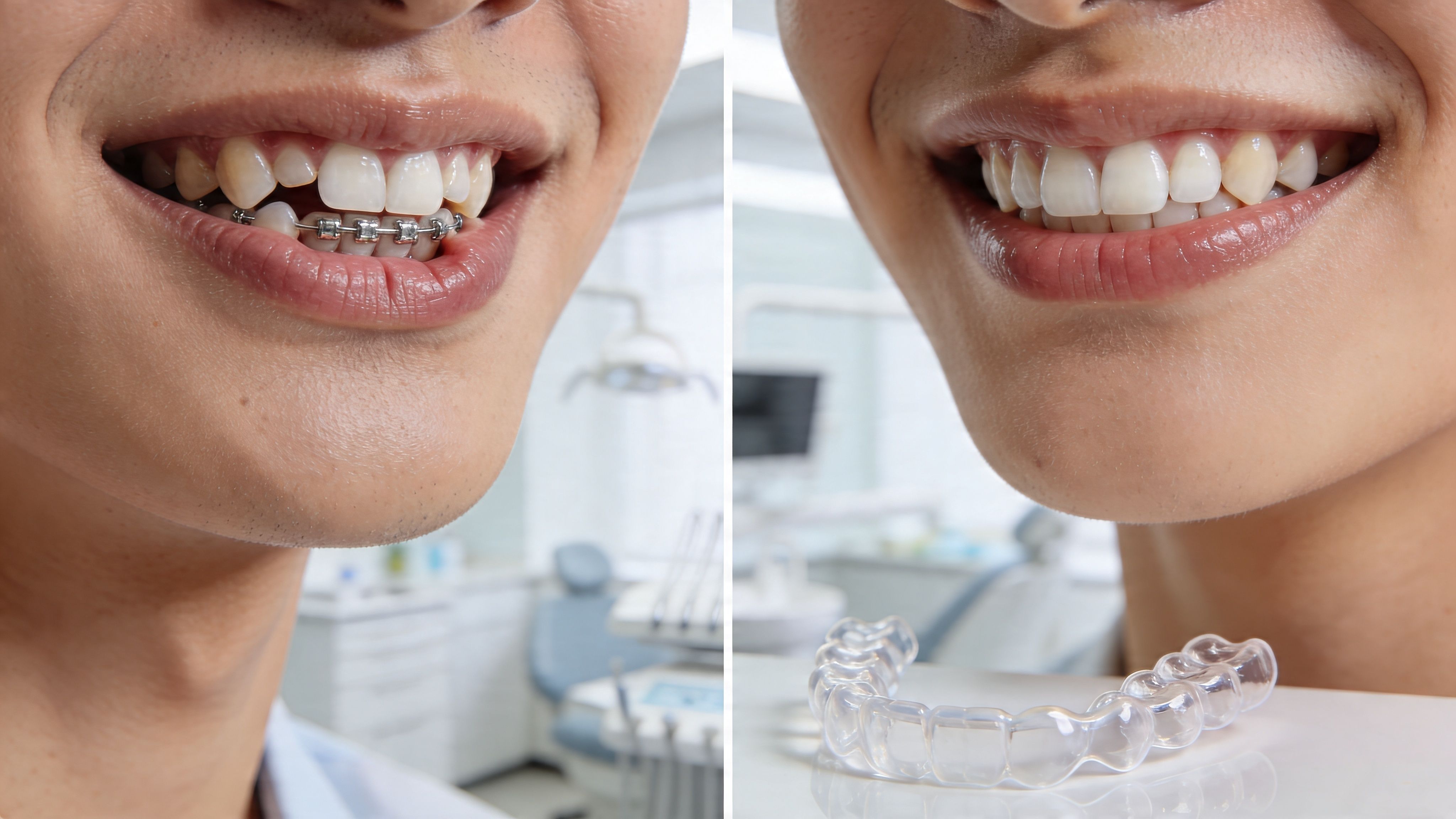
When the teeth have moved beyond what a retainer can reasonably manage, a short course of Invisalign may be the cleanest option. This is often a good fit for adults and teens who want a discreet way to correct relapse.
Small crowding, rotations, and reopened spacing can often be handled more efficiently when they're caught early. If you've noticed teeth shifted after braces, this is often the stage where aligners are worth discussing.
More significant relapse
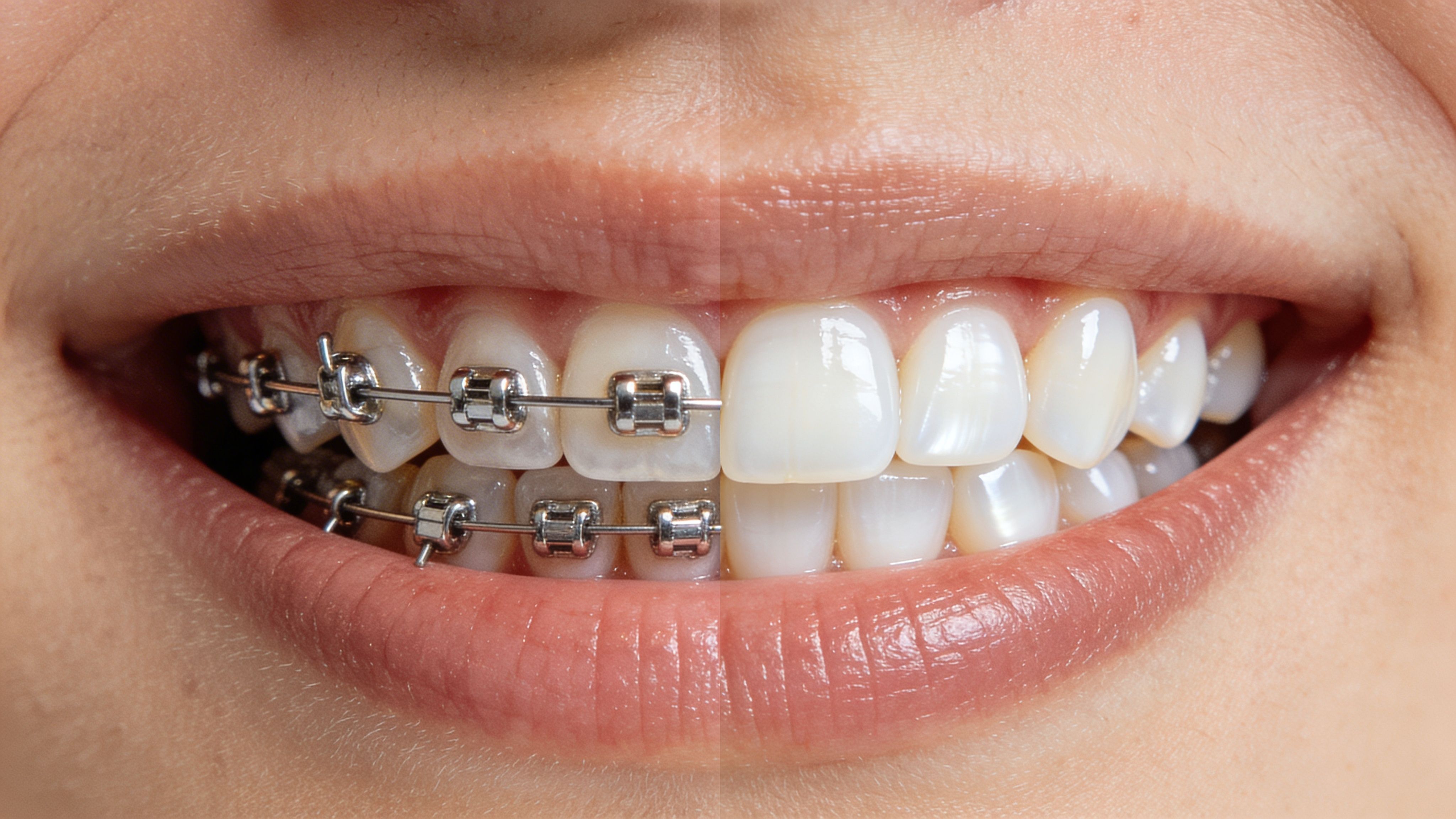
For larger alignment changes or bite problems, Iconix esthetic brackets or traditional metal braces may be the better choice. Those options give more control when several teeth have moved or when the bite needs broader correction.
This isn't a failure. It's a common situation, especially when life gets busy and retainers fall out of routine.
The easiest relapse to fix is the one caught early. Waiting usually reduces your simple options.
What doesn't work
A few things tend to backfire:
- Forcing an old retainer that no longer fits
- Wearing it "once in a while" and hoping the teeth settle back
- Ignoring bite changes because the front teeth still look acceptable
- Buying a shortcut online instead of getting an exam
Orthodontic relapse is manageable, but it needs an accurate look at what's moved and what will safely correct it.
Building a Lifelong Habit of Retainer Wear

Wearing a retainer sounds simple until real life gets involved. Travel, late nights, school routines, sports, and plain forgetfulness all get in the way.
That isn't unusual. Approximately 25% of orthodontic patients don't wear their retainers as directed, which is a leading cause of relapse that may require retreatment (Orthodontics in London Report).
Make the habit automatic
The easiest way to stay consistent is to attach retainer wear to something you already do every night.
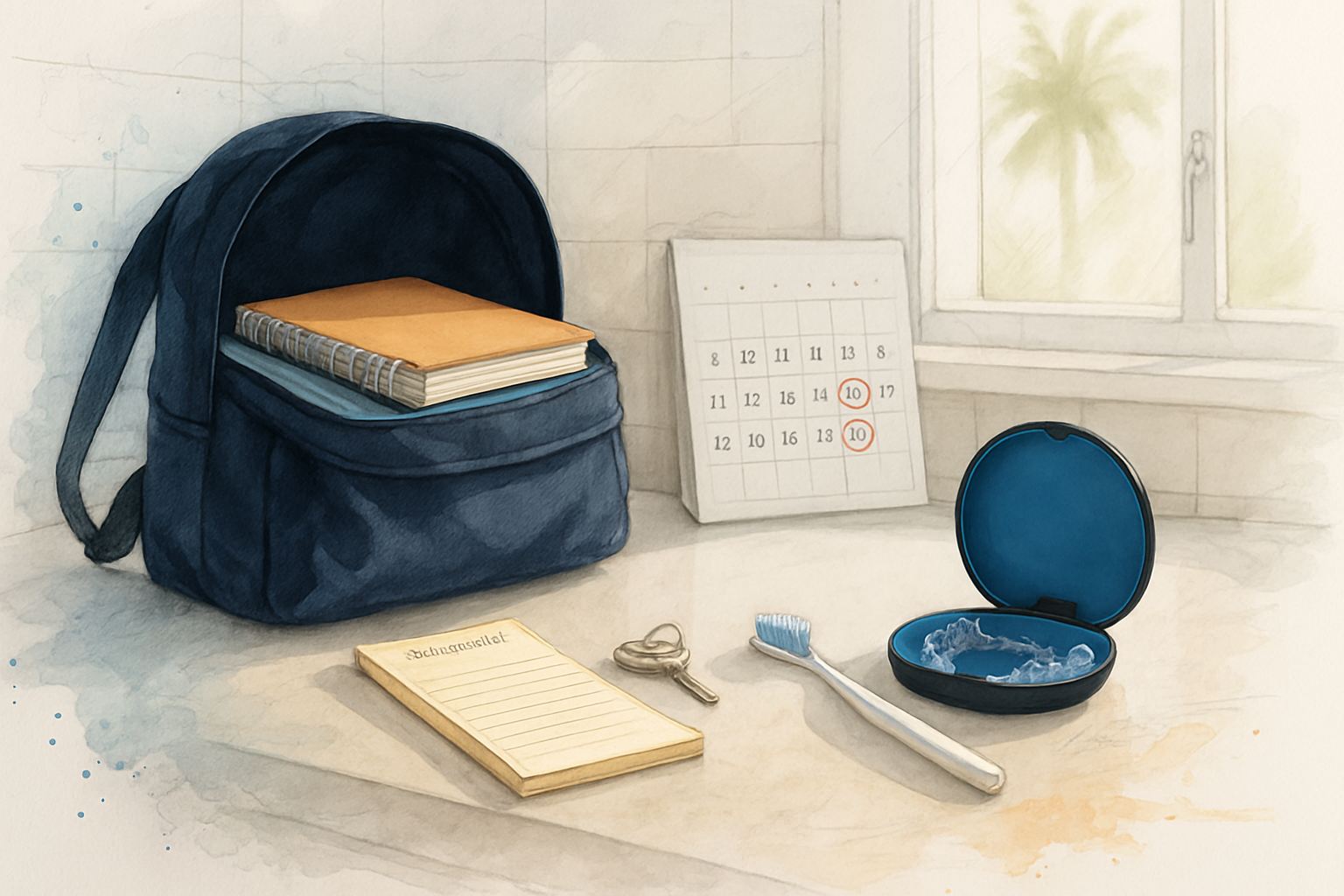
- Pair it with brushing your teeth. Brush, floss, retainer. Same order every night.
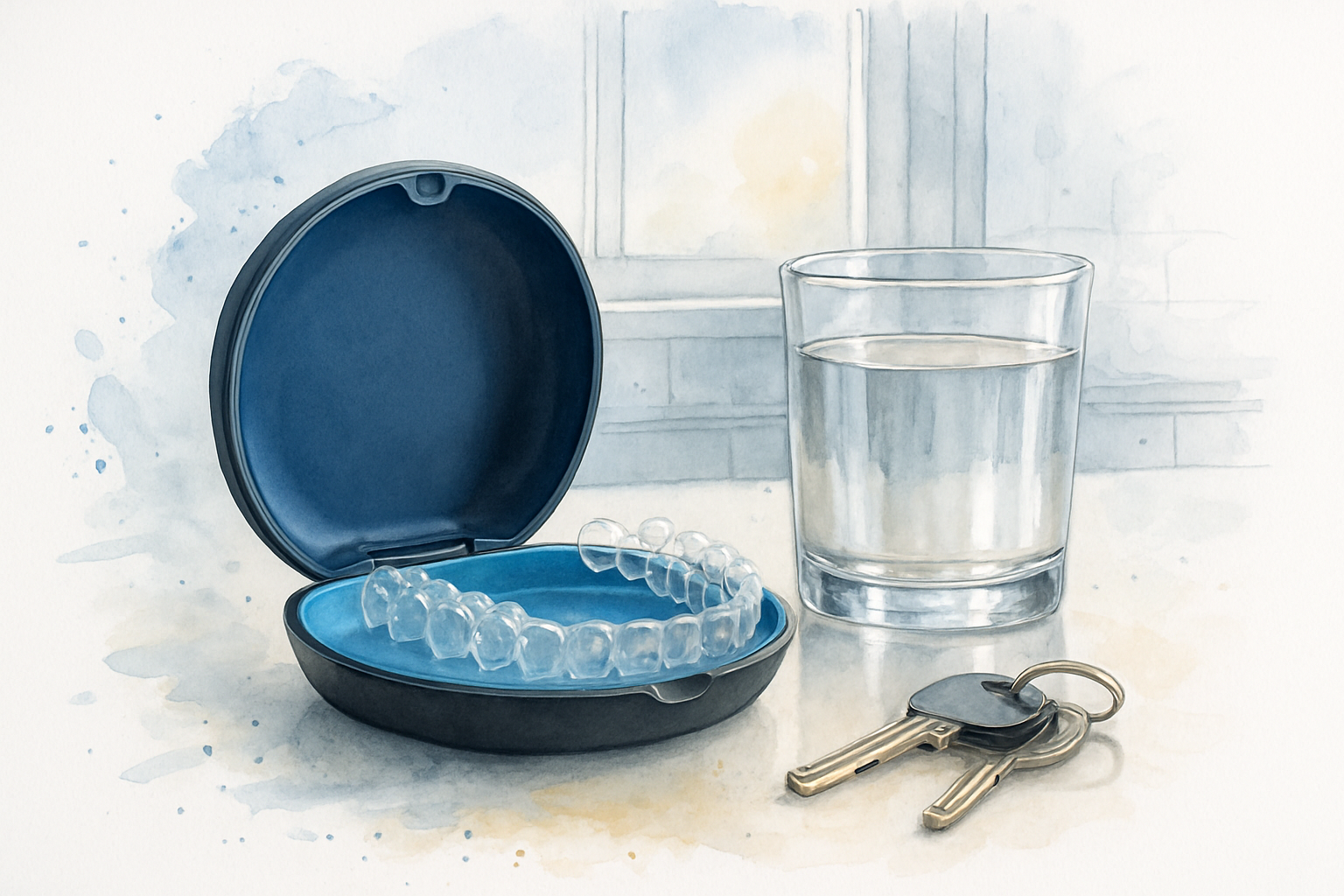
- Keep the case visible. A hidden retainer is an unworn retainer.
- Set a recurring phone reminder. This works especially well for teens and college students.
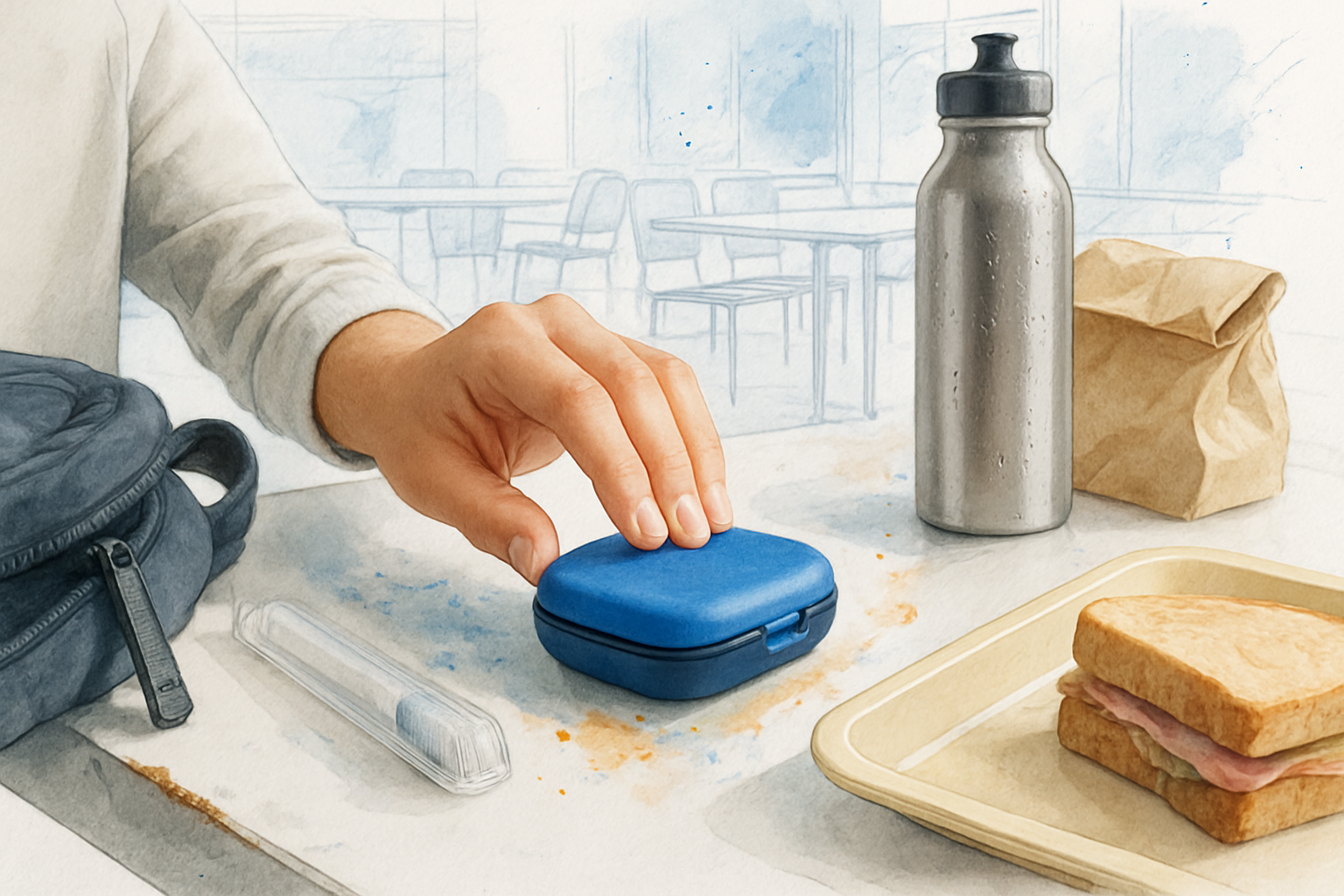
- Pack the case before overnight trips. Most lost retainers disappear during meals or travel.
If you wear clear aligners or you've completed aligner treatment, the same habit-building ideas that help with aligner consistency can help with retention too. This guide on how to stay on track with Invisalign treatment overlaps with many of the same daily routines.
Take care of the retainer itself
A retainer that smells bad, looks cloudy, or feels rough is less likely to get worn. Basic care matters.
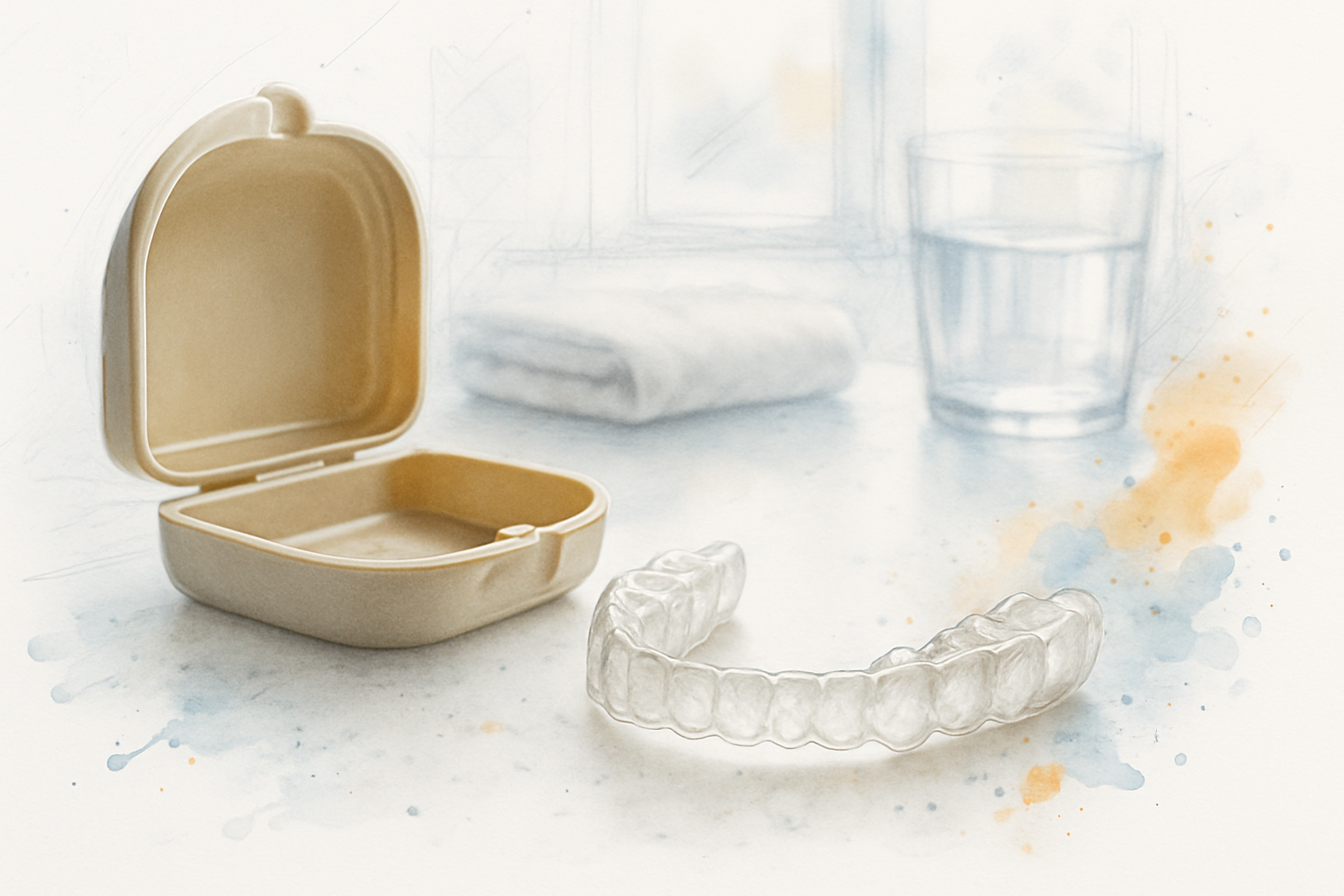
- Rinse it after removal. Don't let saliva dry on it.
- Use cool or lukewarm water. Heat can distort the shape.
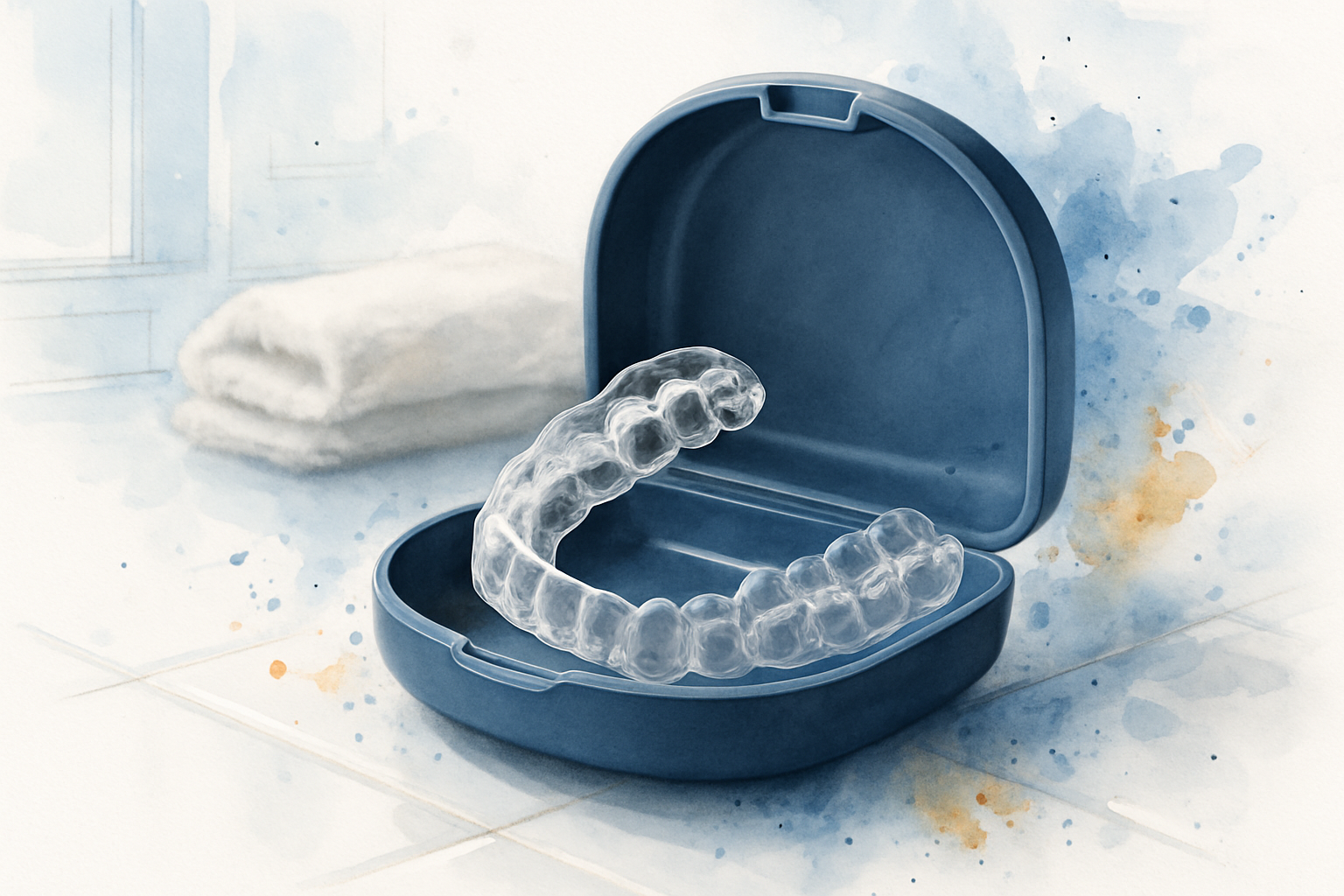
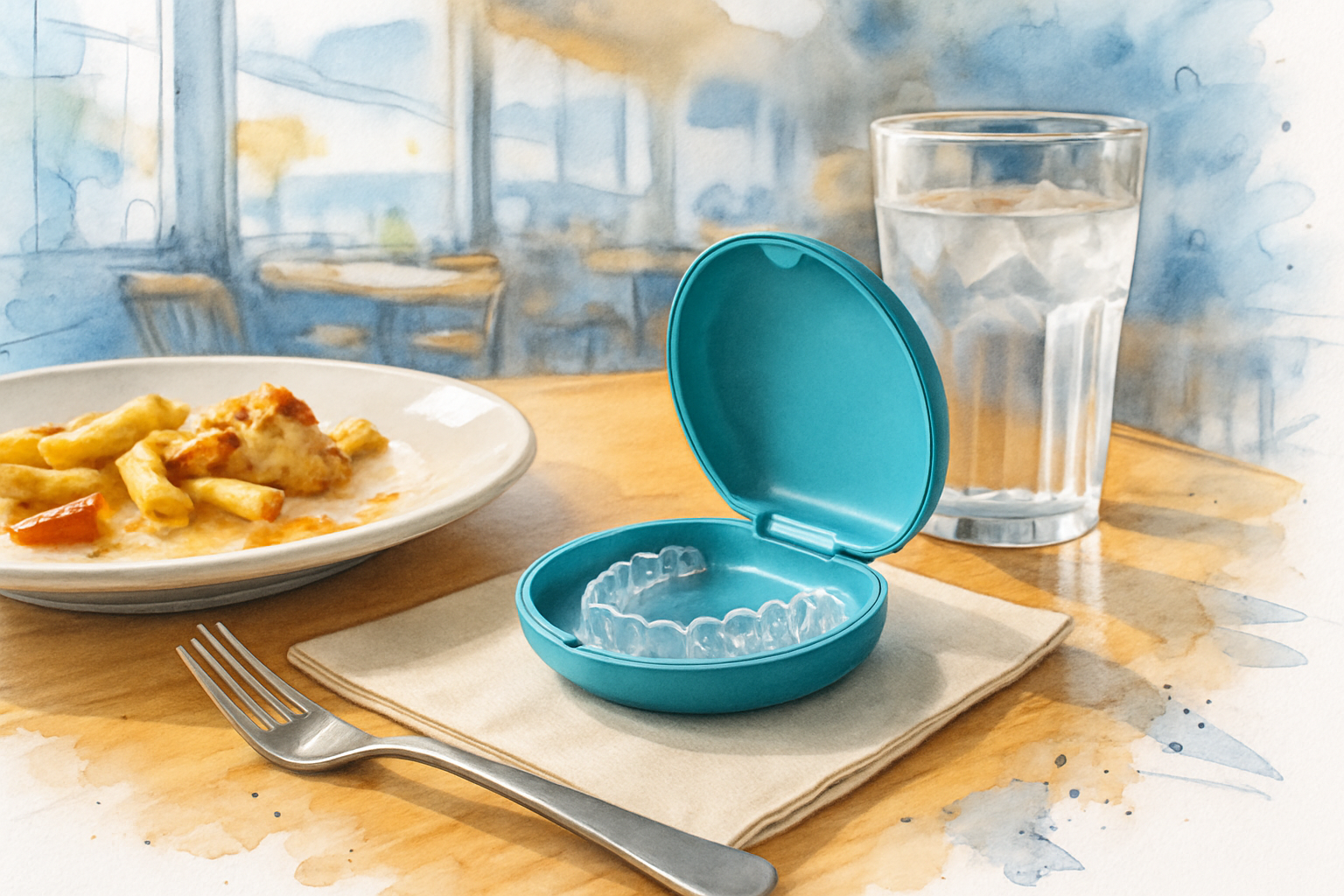
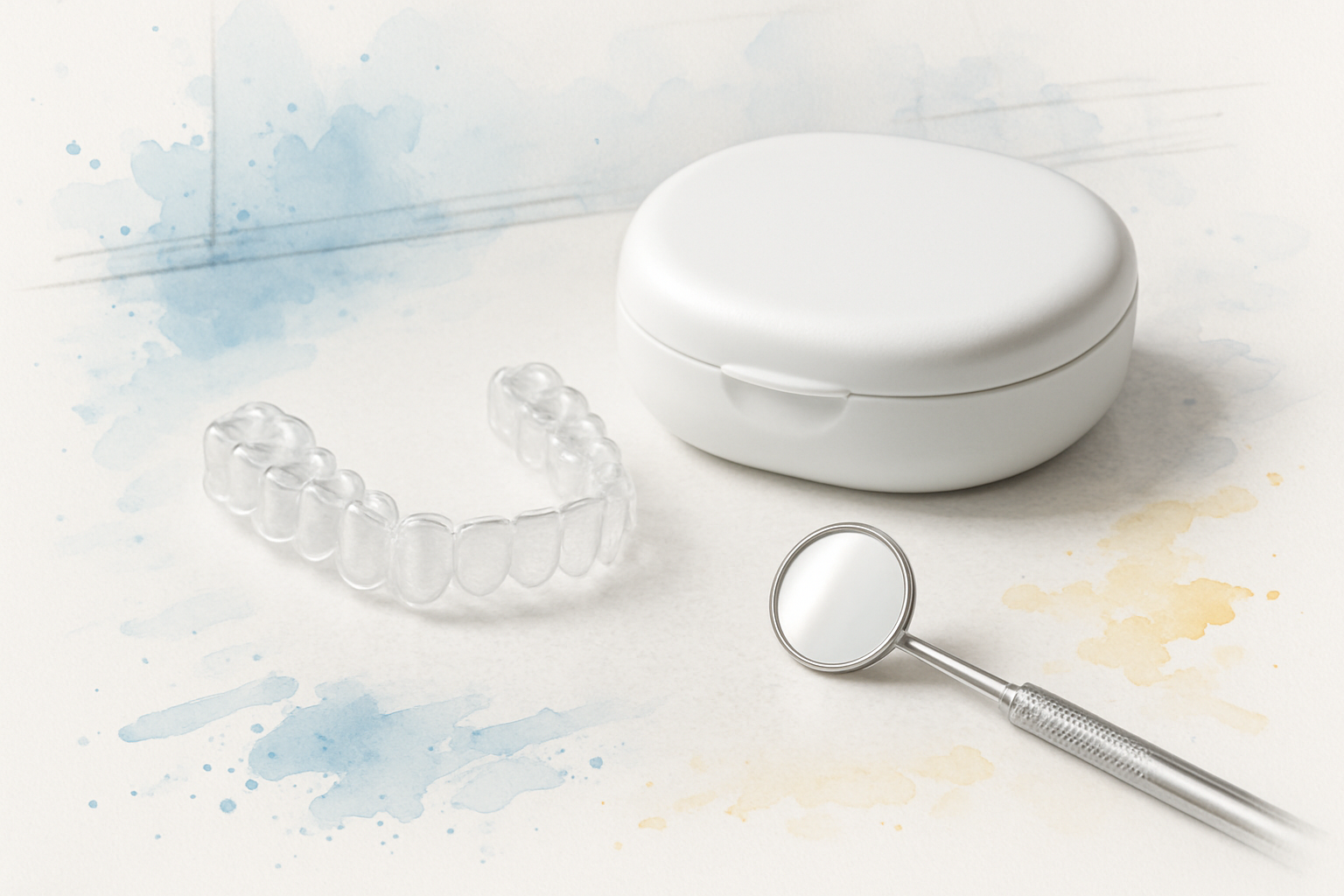
- Store it in its case. Napkins and pockets are how retainers get lost or broken.
- Bring it to checkups if asked. Fit and wear patterns matter.
For a simple patient-friendly overview of different types of retainers, that resource gives a useful general explanation of how they help hold tooth positions after treatment.
Removable and fixed retainers do different jobs
A removable retainer only works when you wear it. A fixed retainer removes the forgetfulness problem, but it still needs monitoring and good cleaning.
Neither option means you can stop paying attention. Retention is maintenance, just like brushing and flossing.
Frequently Asked Questions About Retainers and Relapse
If I skipped my retainer for a few nights, should I worry?
Not necessarily, but don't ignore it. If it still fits fully and only feels tight, start wearing it again as directed and pay attention to whether that tightness settles down.
Can my teeth really move that fast?
Yes. For some people, the first changes happen quickly enough that they notice pressure after only a short break from wear. Visible movement usually takes longer, but not always as long as people expect.
Should I force my retainer back in if it's close?
No. If it doesn't seat properly, forcing it can damage the retainer and put too much pressure on teeth. A proper exam is safer than guessing.
Will I need braces again if my teeth shifted?
Not always. Mild relapse may only require a new retainer or a limited correction, while more noticeable movement may need Invisalign, Iconix brackets, or traditional metal braces.
How long do I need to wear a retainer after braces or Invisalign?
That depends on your case, age, and bite, but in general, retention is a long-term commitment. Teeth can continue to drift over time, so many patients need ongoing nighttime wear.
What if I lost my retainer completely?
Call your orthodontist soon. The longer you go without one, the more likely your teeth are to move enough that the replacement process becomes more complicated.
Talk to Us Before a Small Shift Becomes a Big Problem
If you're dealing with a tight retainer, visible crowding, or you're worried about what happens if you don't wear your retainer, the most useful step is to get it checked early. Small changes are usually easier to manage than larger ones.
Dr. Jeremy and Dr. Melissa provide free consultations for patients in Huntington Beach, Fountain Valley, and nearby neighborhoods who want clear answers about relapse, replacement retainers, or treatment to correct shifting. A quick visit can tell you whether you need a simple fix or a more involved plan.
If you'd like a free consultation with Magic Fox Orthodontics, call (714) 594-5777 or visit 17041 Beach Boulevard, Suite 101, Huntington Beach, CA 92647. You can also learn more at magicfoxsmiles.com. Office hours are Monday through Friday, 9:00 AM to 5:00 PM, and Saturday, 8:00 AM to 2:00 PM.
Sources
GoodRx. "What Happens if You Don't Wear Your Retainer?" 2025. https://www.goodrx.com/conditions/dental-care/what-happens-if-you-dont-wear-your-retainer
Orthodontics in London. "A Startling Statistic: 25% of Patients Don't Wear Their Orthodontic Retainers as Directed." 2025. http://orthodonticsinlondon.co.uk/blogs/a-startling-statistic-25percent-of-patients-dont-wear-their-orthodontic-retainers-as-directed.html