What Is the Difference Between an Orthodontist and a Dentist
Quick Answer
TL;DR: A dentist handles overall oral health, including cleanings, fillings, and routine care. An orthodontist is a dental specialist who completes 2 to 3 extra years of residency and about 3,700 hours of focused training in tooth movement, jaw alignment, and bite correction, using treatments like braces and clear aligners (American Association of Orthodontists, 2024).
If you're trying to figure out what is the difference between an orthodontist and a dentist, you're probably dealing with a real-life question, not an academic one. Maybe your child has crowded teeth, your teen's dentist mentioned a bite issue, or you're an adult wondering whether Invisalign is something your regular dentist handles or if you should see a specialist.
The short version is simple. Your general dentist is your go-to doctor for day-to-day oral health, and your orthodontist is the specialist for tooth alignment and jaw position.
Education and Training The Foundation of Specialization
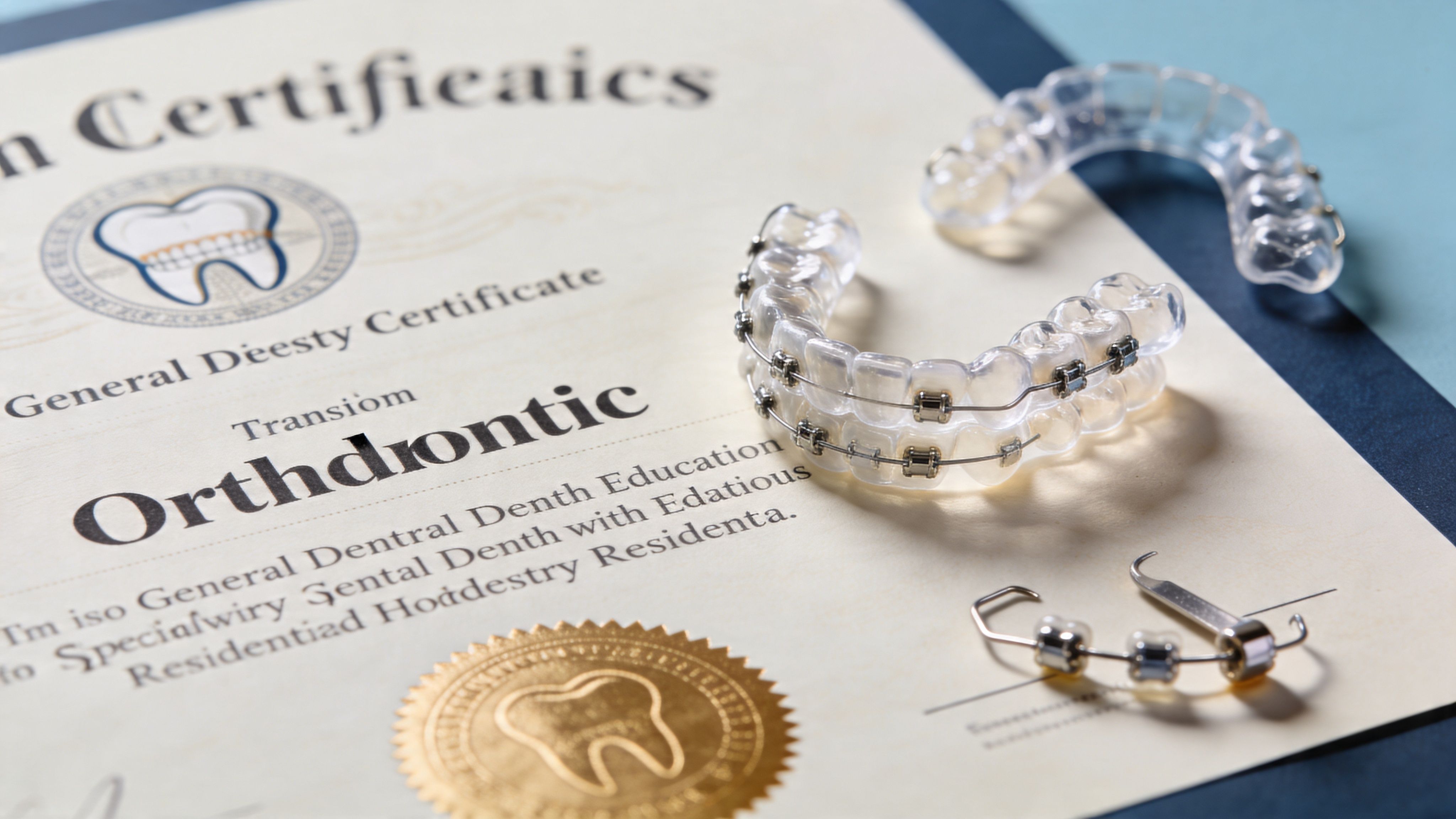
Every orthodontist starts as a dentist first. That part matters, because it means an orthodontist has already completed dental school before going further into specialty training.
The difference begins after dental school. Orthodontists complete an additional 2 to 3 years of residency with about 3,700 hours of specialized training focused on tooth movement, jaw alignment, and dentofacial orthopedics (American Association of Orthodontists, 2024).
What that extra training is actually for
That residency isn't general dental training repeated a second time. It's concentrated study and supervised treatment planning for how teeth move, how bites fit together, and how the jaws develop over time.
A family doctor and a heart specialist are both doctors, but they don't train for the same problems. In the same way, a general dentist cares for the full range of oral health needs, while an orthodontist studies alignment and bite mechanics in depth.
Practical rule: If the question is about where a tooth sits, how teeth fit together, or how the jaw is developing, that's usually orthodontic territory.
Why patients notice the difference
For patients, the training difference shows up in diagnosis and planning. Crooked teeth can look simple from the outside, but the underlying issue may involve crowding, jaw position, bite force, spacing, or how the teeth meet when you chew.
That is why specialist evaluation matters, especially for children whose mouths are still developing and for adults who want treatment that fits a busy schedule. If you're comparing providers, this guide on how to choose an orthodontist can help you know what to ask.
A dentist may notice that something is off. An orthodontist is trained to map out how to correct it.
What a General Dentist Does for Your Family

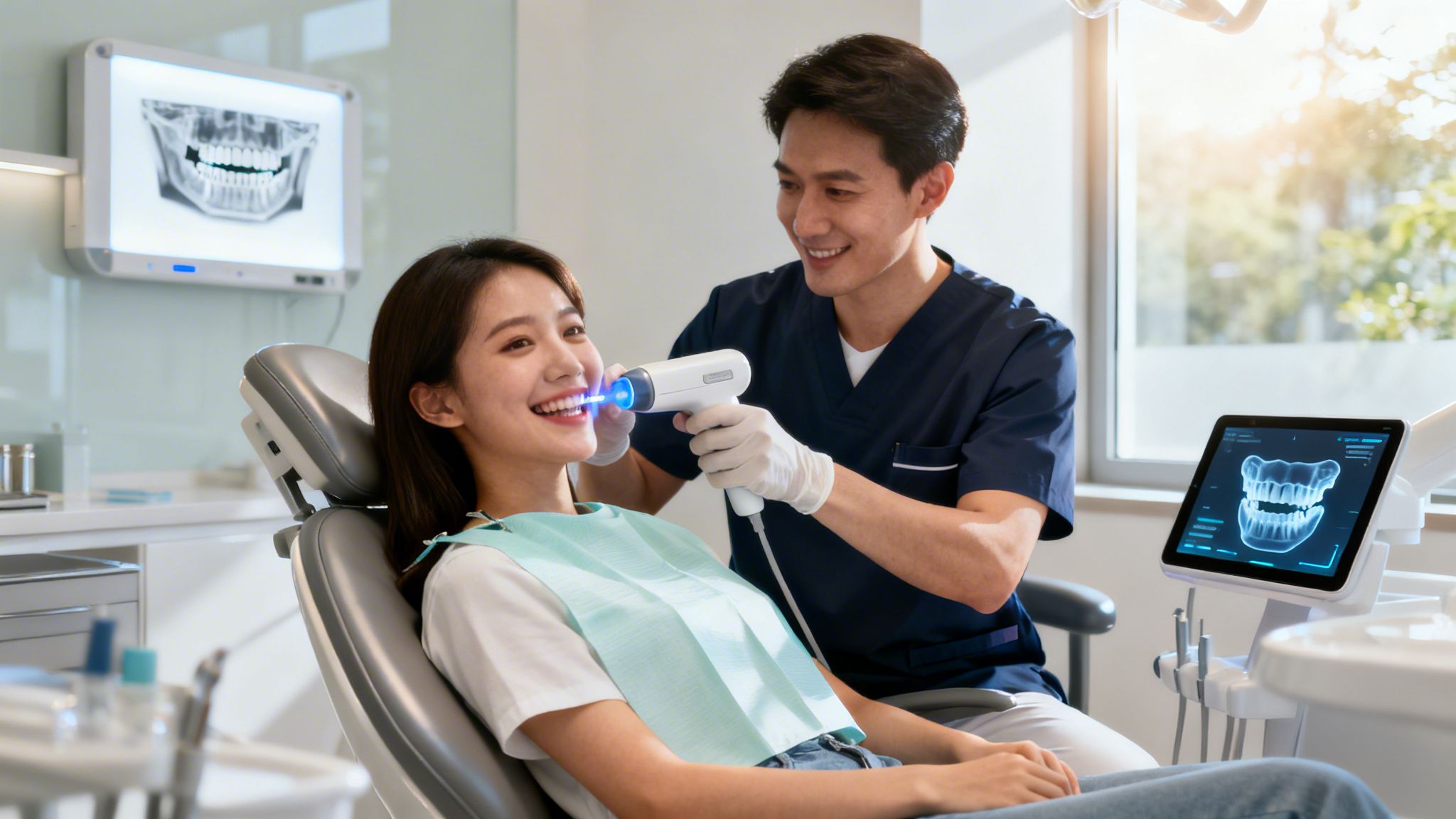
Your general dentist is the main provider for routine oral health. This is the office you call for checkups, cleanings, fillings, gum concerns, X-rays, and most common dental problems.
General dentists also perform many restorative procedures. They handle a broad range of care, including cavity fillings and root canals, and root canals have a short-term success rate of around 90% (The Smile Patio, 2024).
When your dentist is the right first call
If you're dealing with pain, swelling, bleeding gums, a broken tooth, or sensitivity, a dentist is usually the right place to start. They diagnose common oral health problems and help protect your teeth and gums over time.
Here are some everyday examples:
- Toothache or sensitivity: Call your dentist.
- Cavity or chipped tooth: Your dentist handles that.
- Routine exam and cleaning: That's standard dental care.
- Gum irritation or bleeding: A dentist evaluates the cause and treats or refers as needed.
For families who like understanding how dental offices generally work, this overview of the general dental industry gives useful background in plain language.
What dentists usually don't focus on
Dentists are trained broadly, which is exactly what makes them so valuable. But broad training is different from specialty training.
If the concern is crowding, overbite, underbite, spacing, or whether teeth are erupting in the right positions, that often moves beyond routine dental care. Good dentists catch those issues early and refer when needed. For day-to-day prevention, this article on how to improve dental health is a helpful place to start.
Your dentist protects the health of your teeth. Your orthodontist focuses on how those teeth line up and function together.
A note for parents
Parents often hear about alignment concerns during a regular dental visit first. That's common. Your child's dentist may be the first person to notice crowding, a crossbite, or a bite that isn't developing normally.
That doesn't mean something is urgent. It means it's worth having the right specialist take a closer look.
What an Orthodontist Does to Align Your Smile
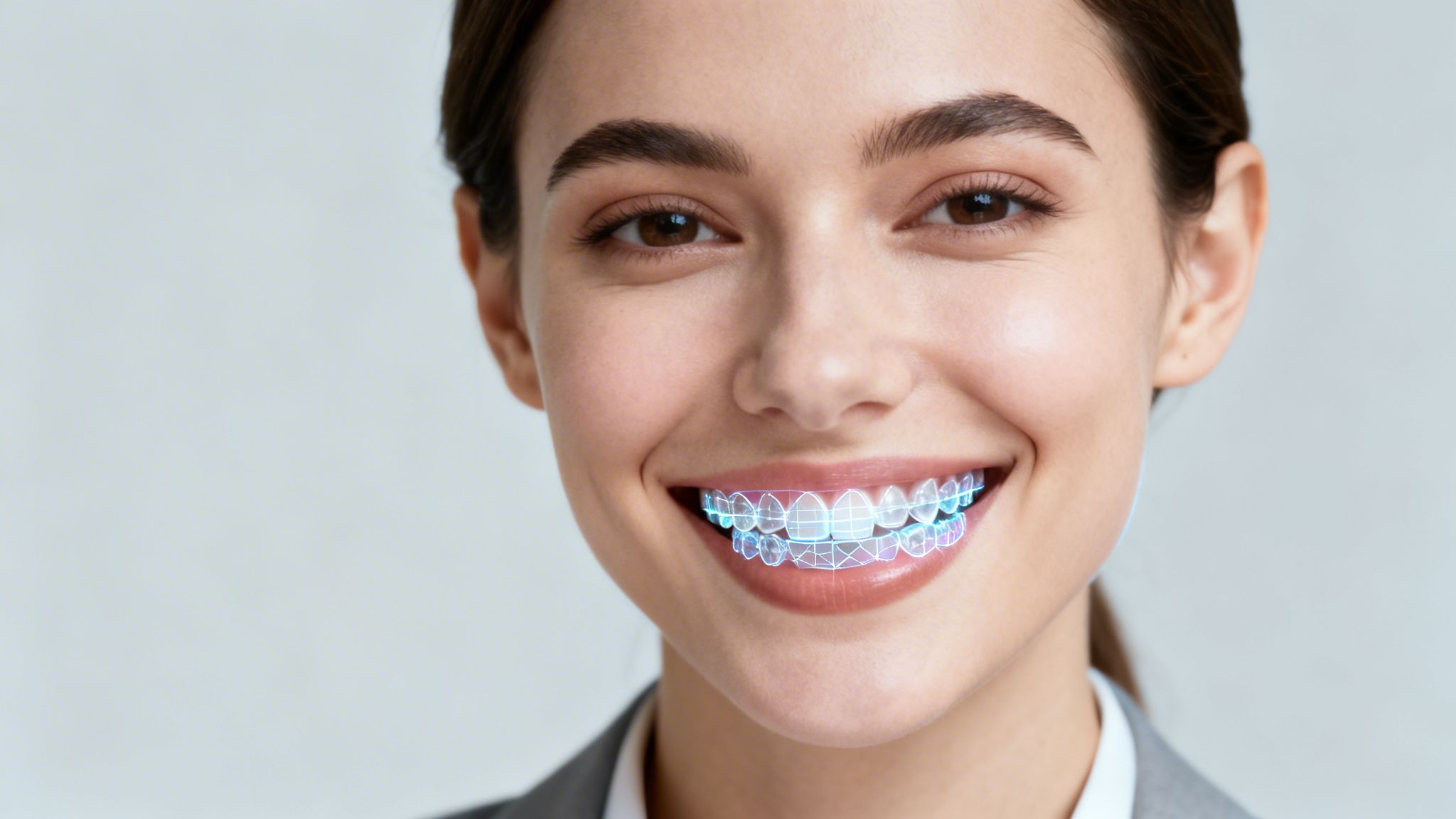
An orthodontist diagnoses and treats problems with tooth position, bite alignment, and jaw relationships. That includes crowded teeth, gaps, overbites, underbites, crossbites, and other forms of malocclusion.
This isn't only about appearance. Aligned teeth are easier to clean, bites can function more comfortably, and treatment planning is built around how your whole smile works together.
What treatment looks like
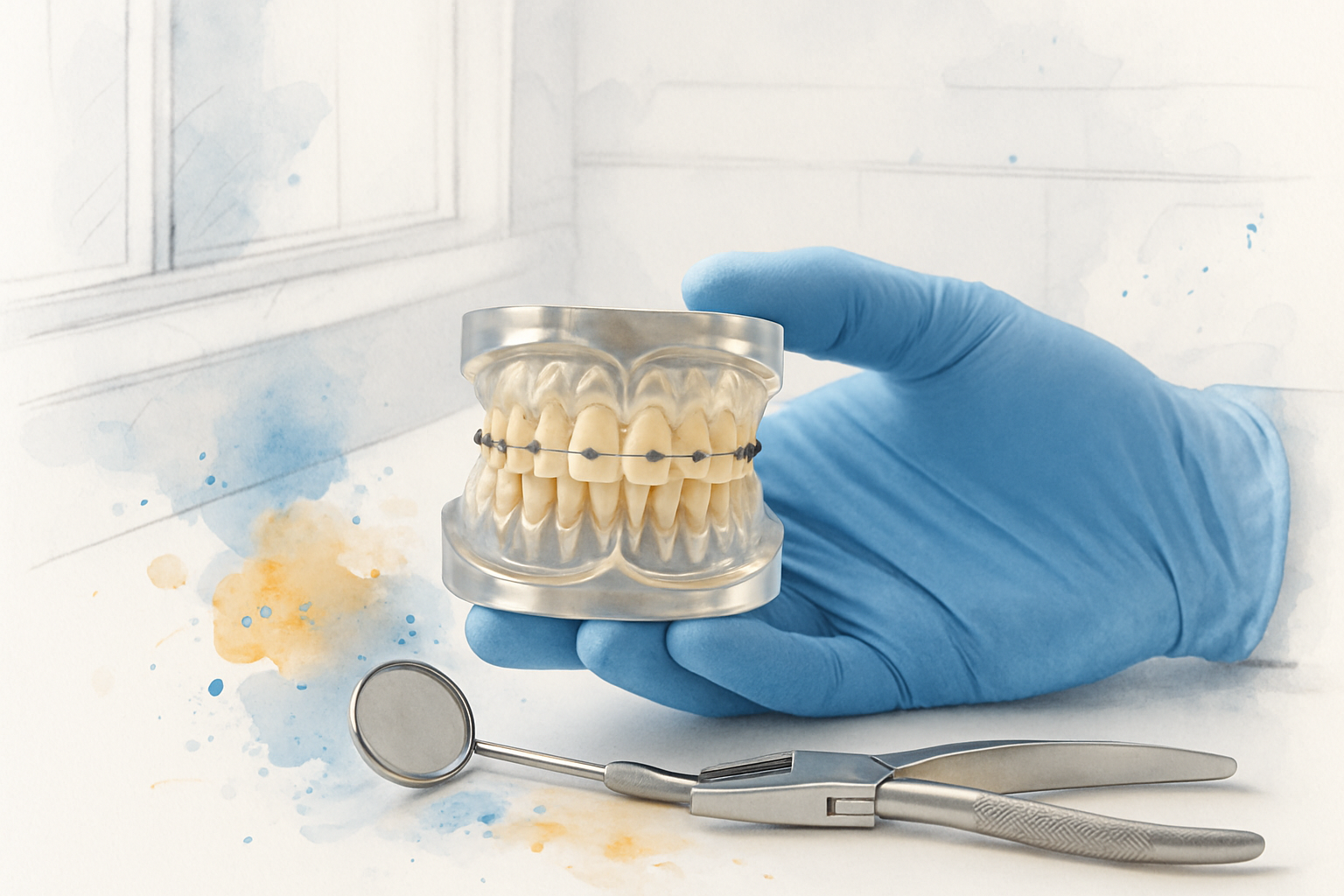
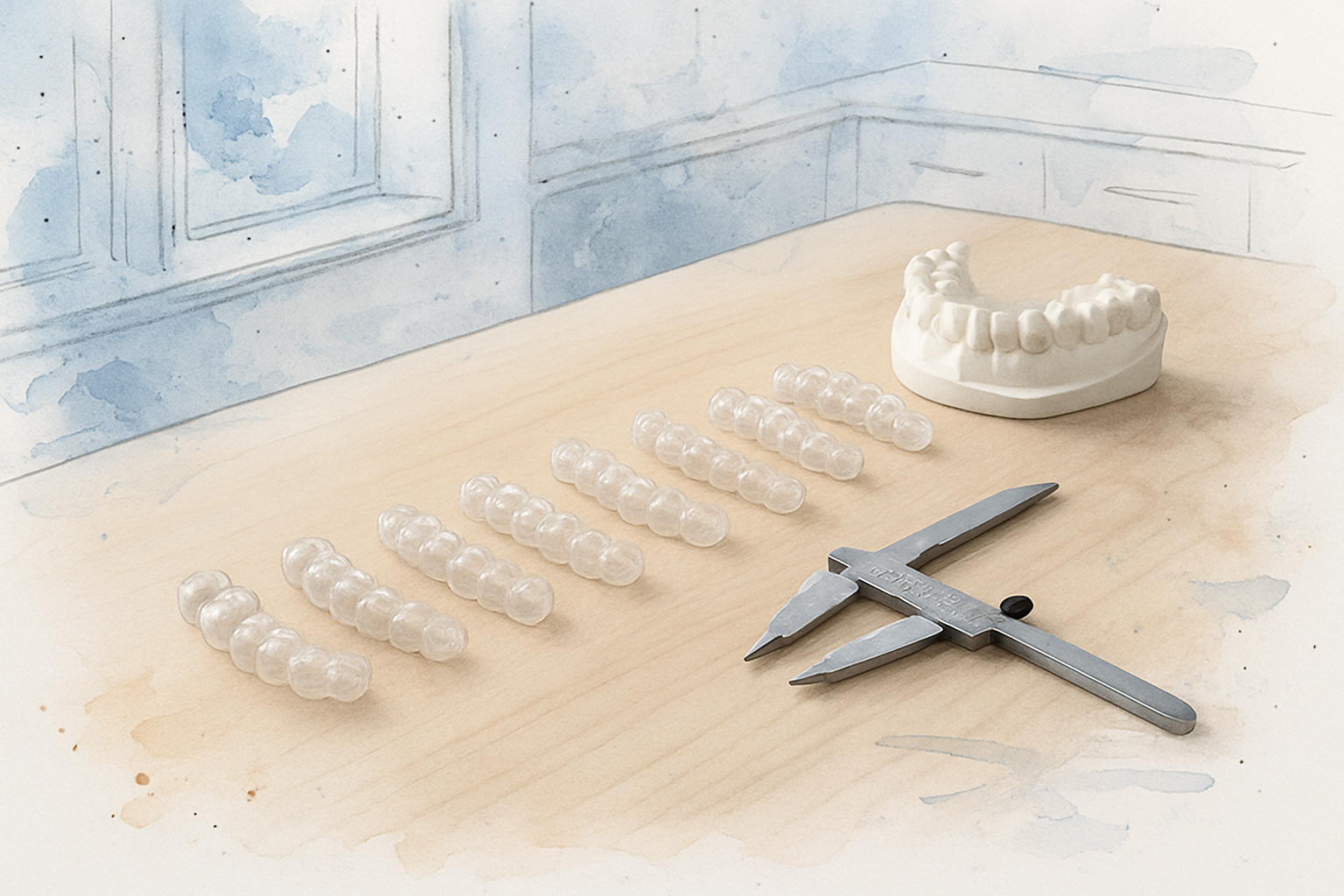
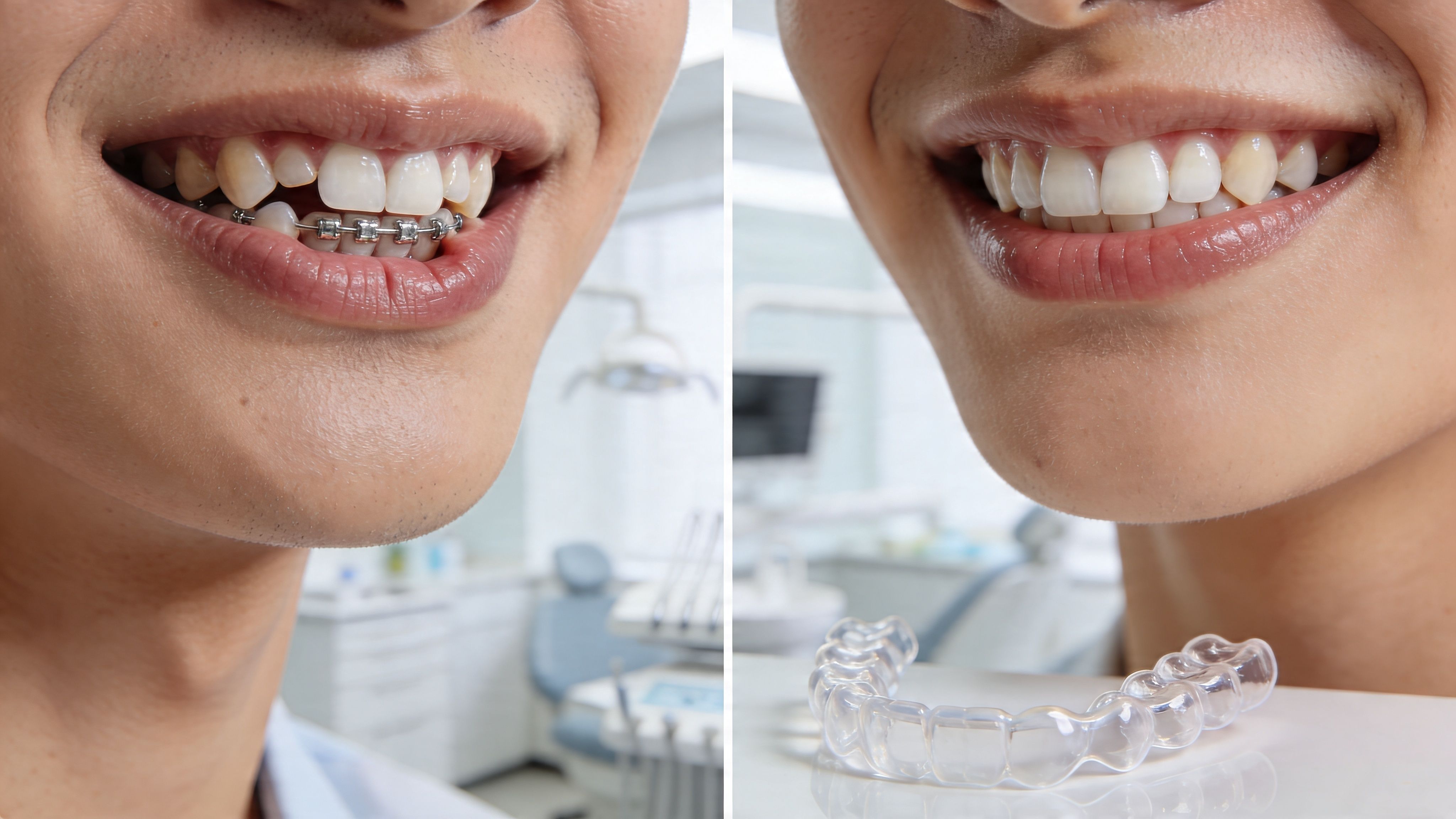
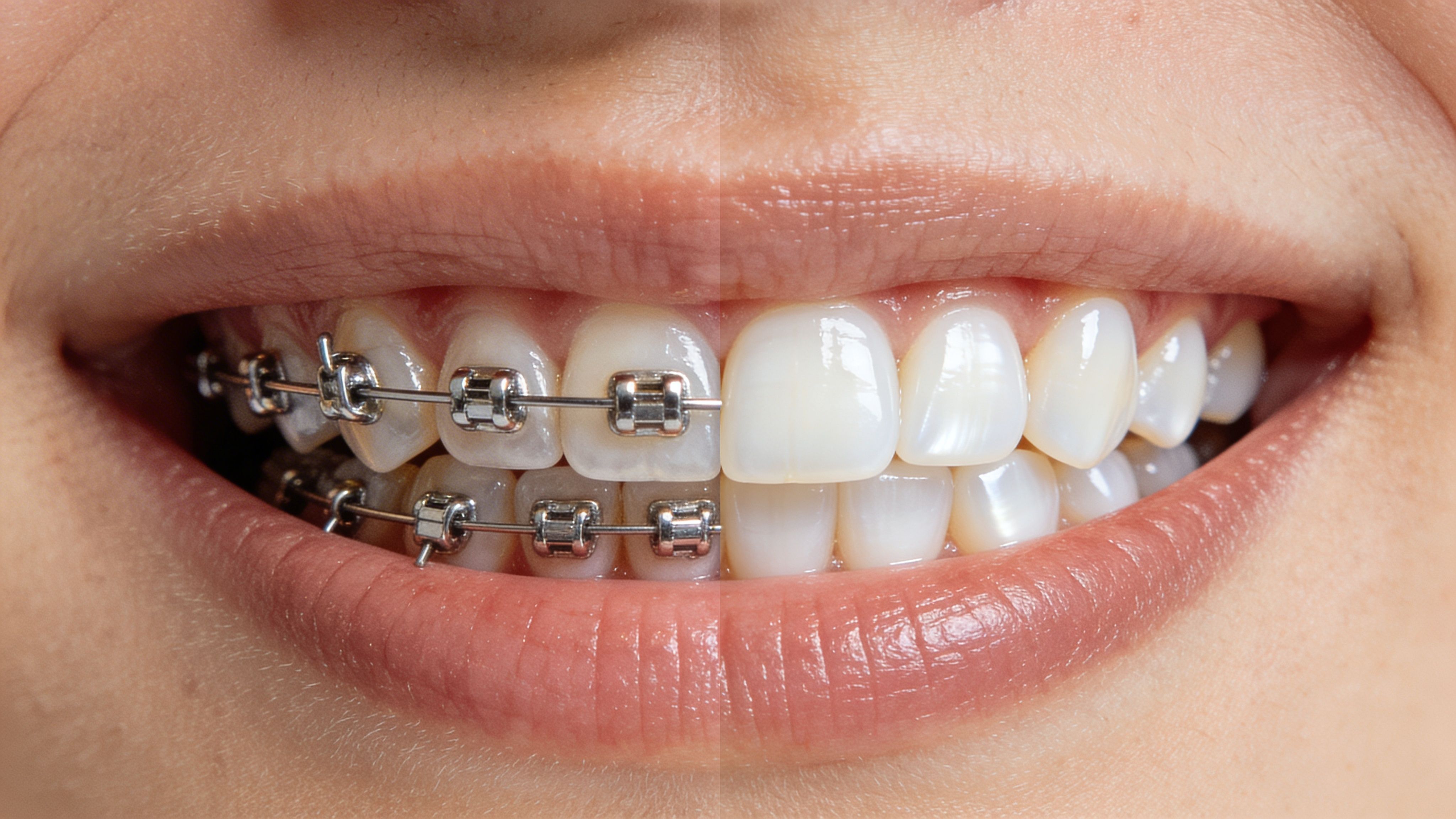
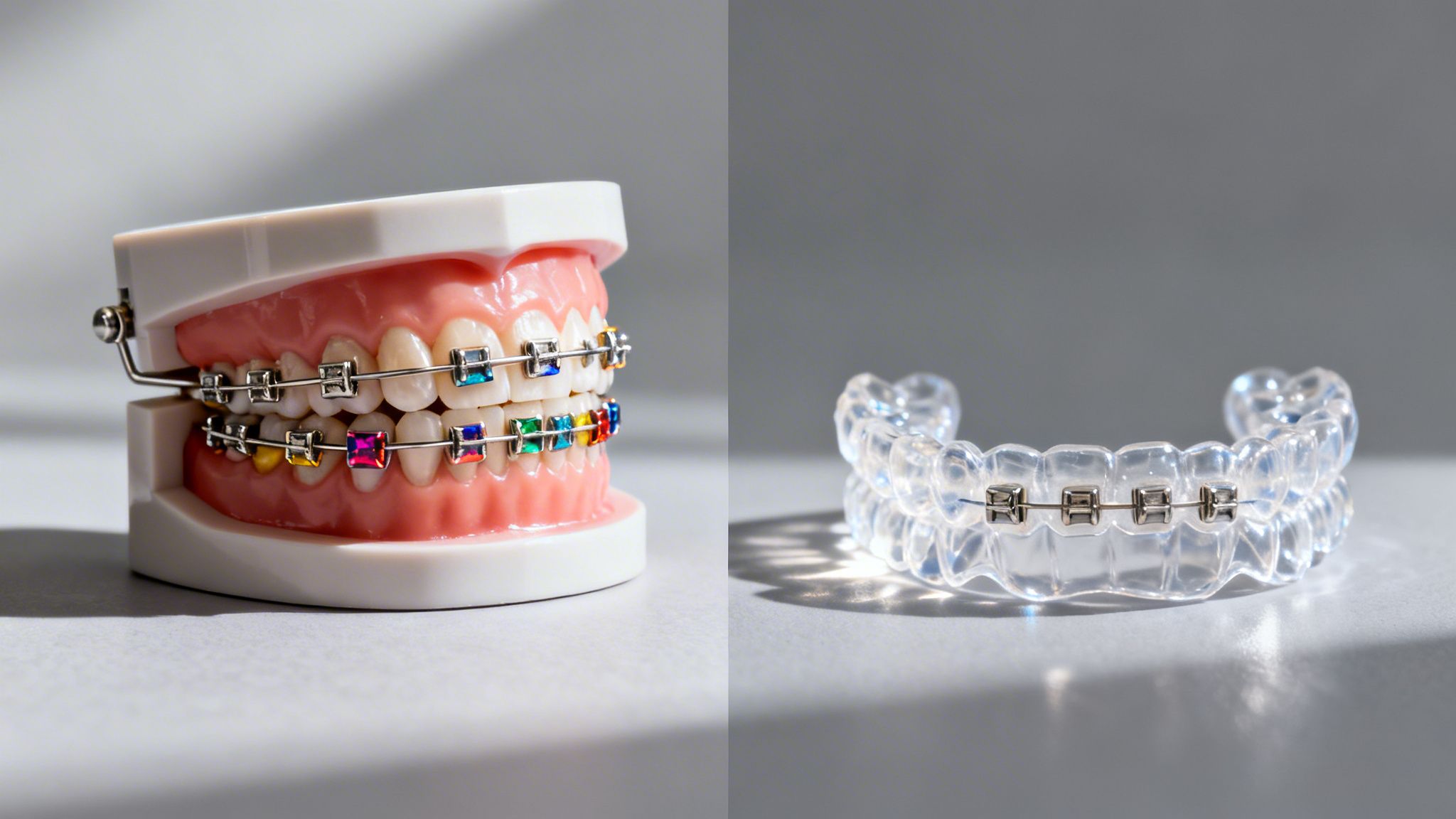
Orthodontists use appliances designed to move teeth in a controlled way. At Magic Fox Orthodontics in Huntington Beach, that includes traditional metal braces, Iconix esthetic brackets, and Invisalign clear aligners.
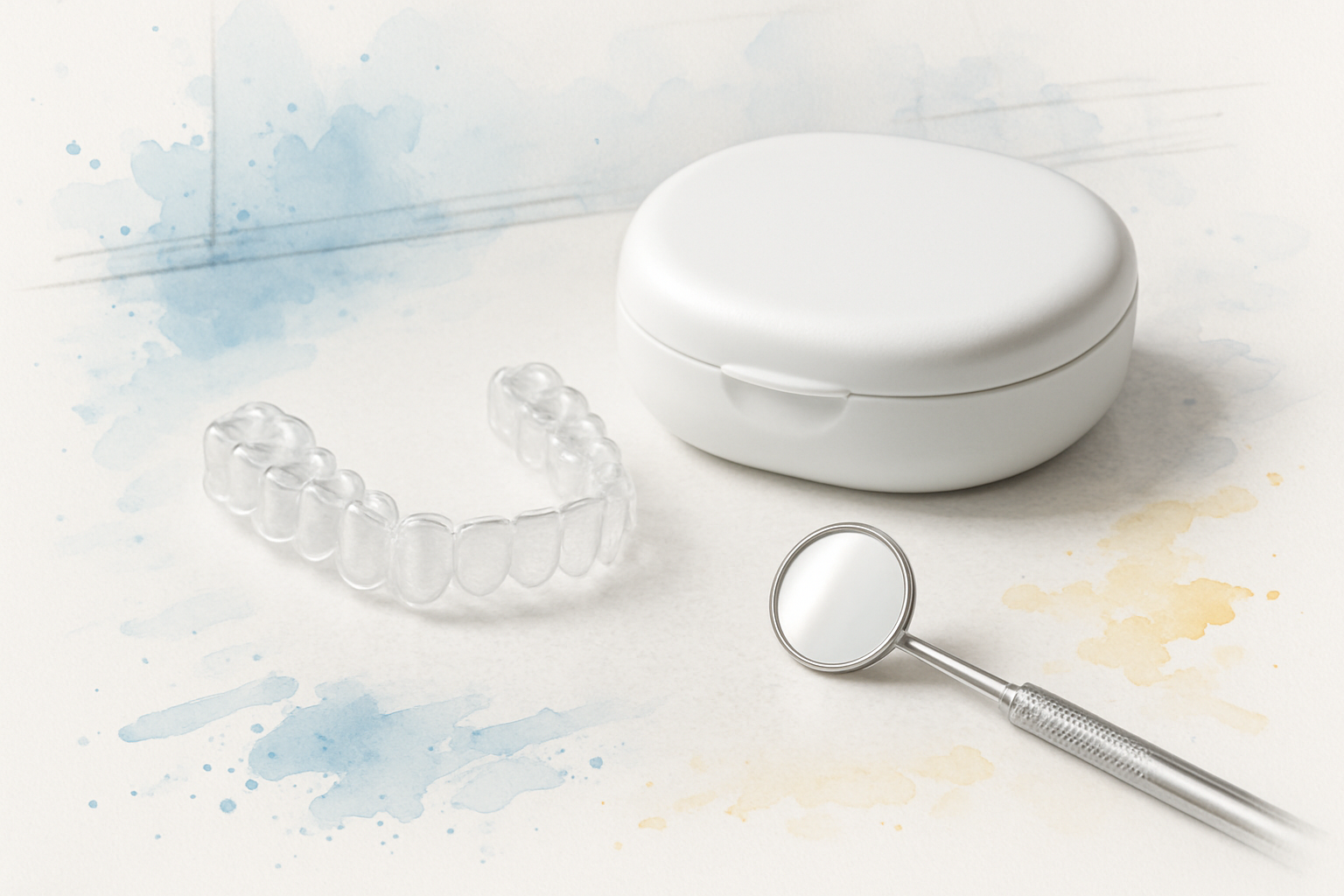
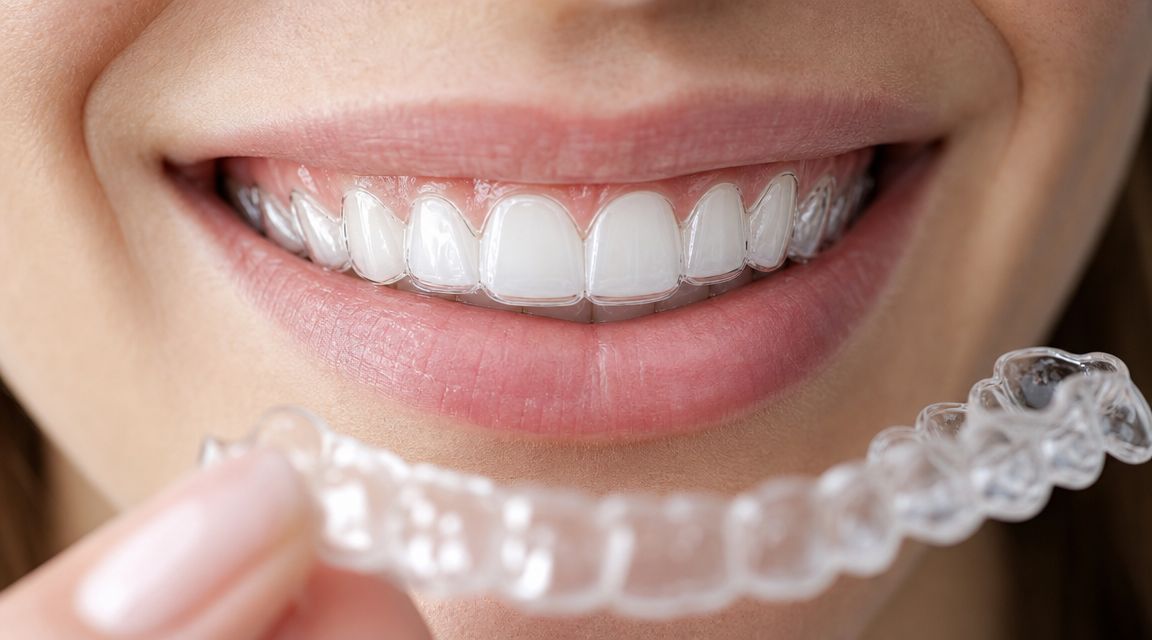
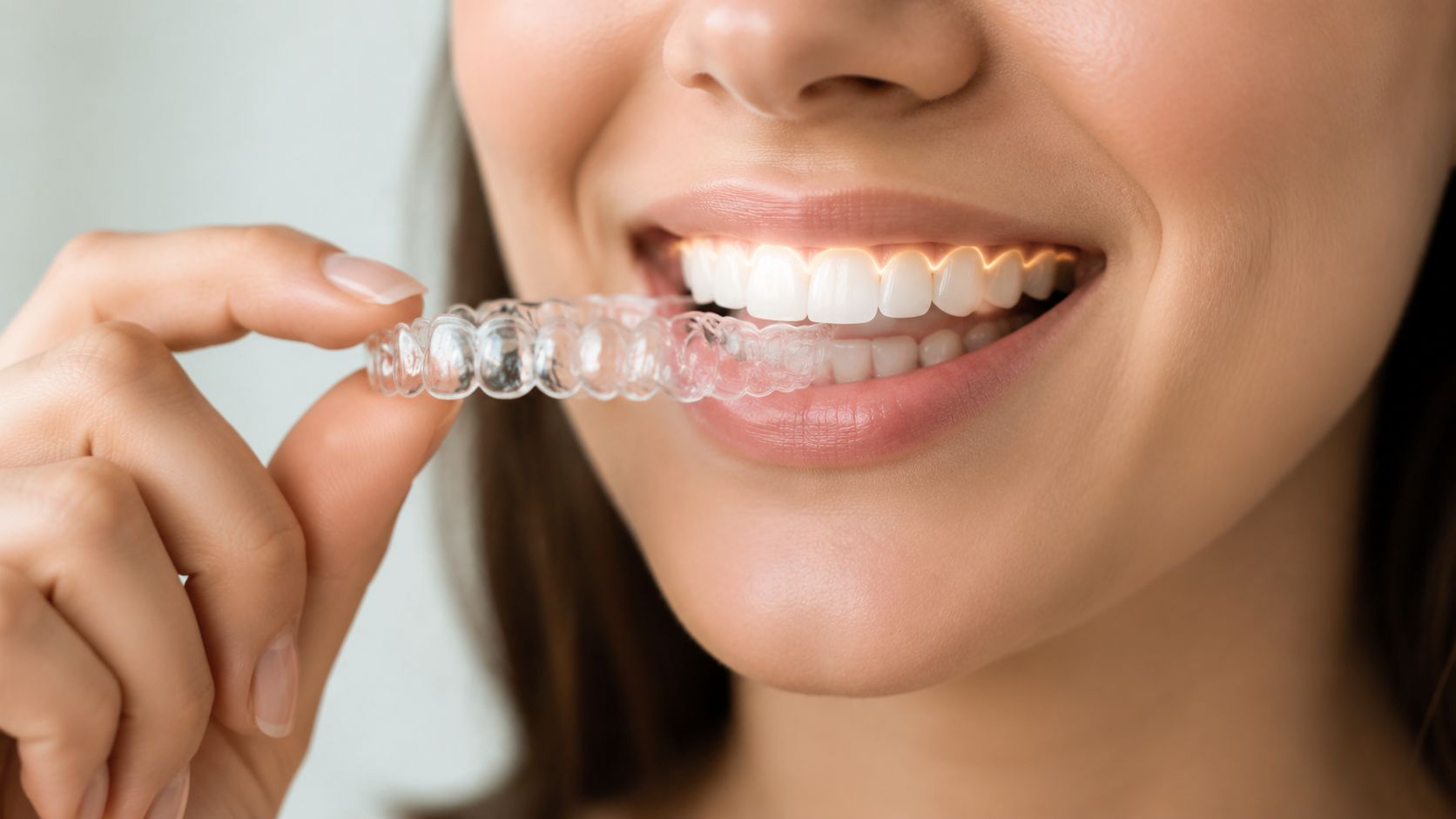
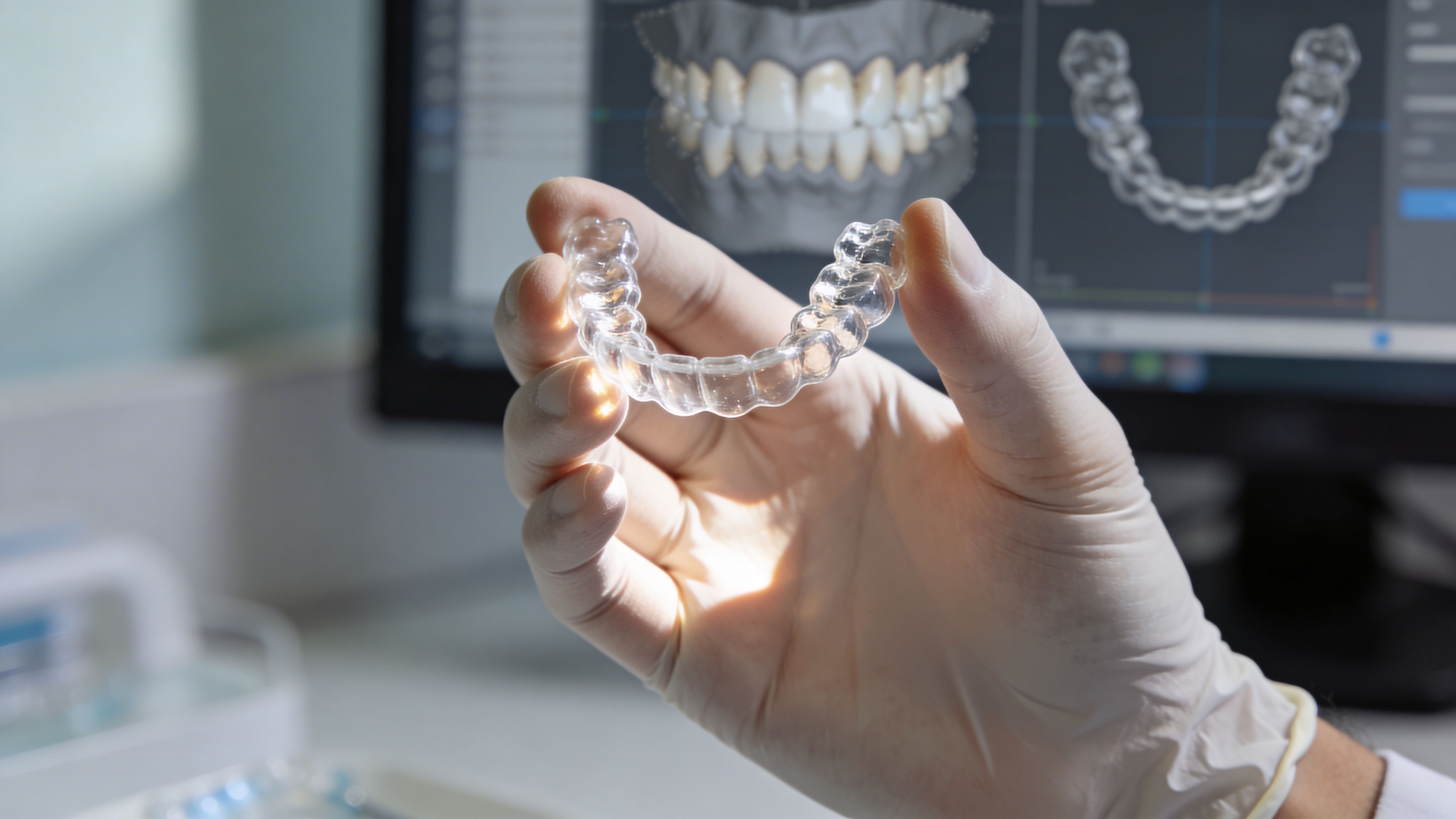
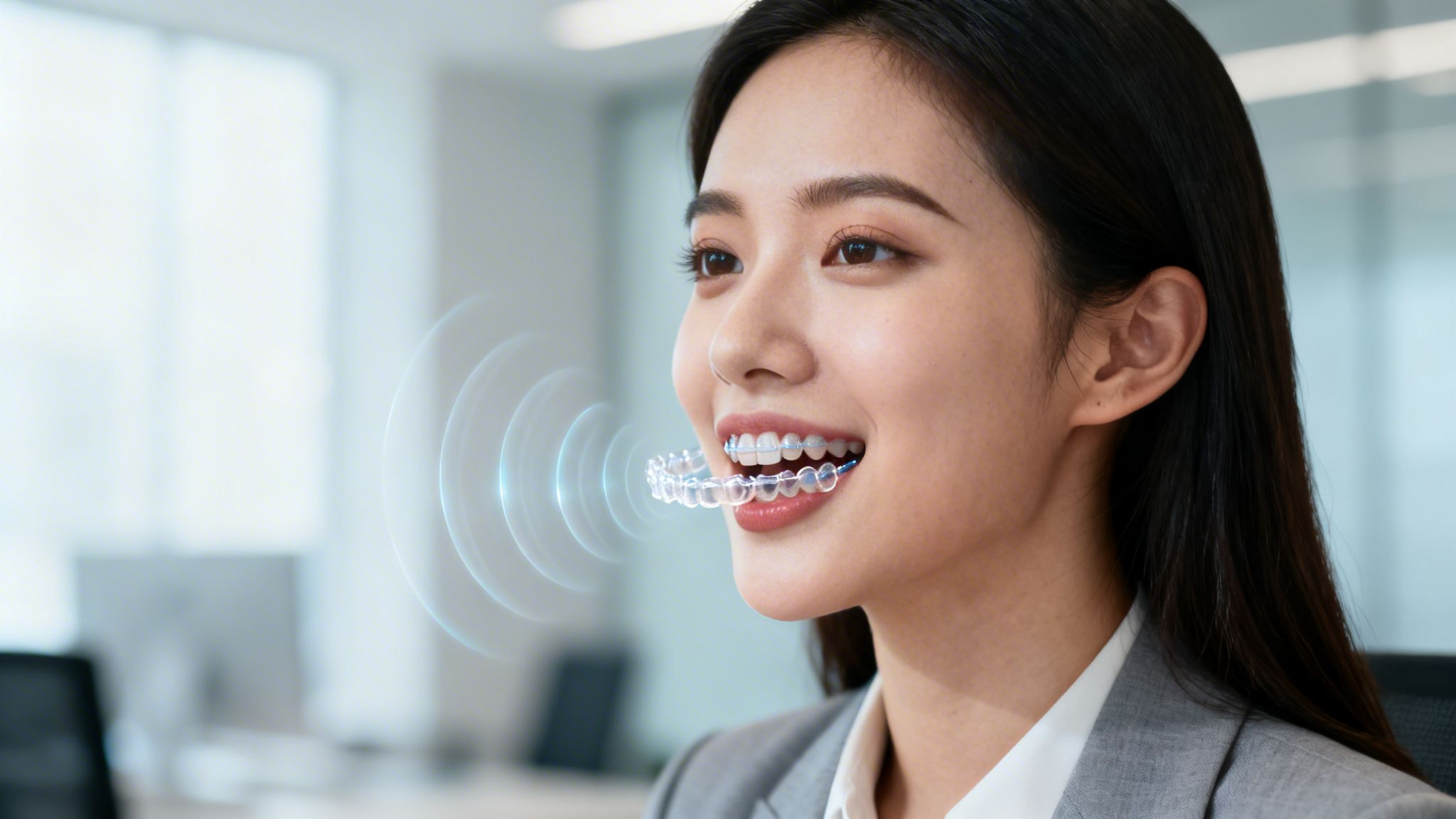
Each option fits different needs. Some patients want a removable aligner option. Some need the control that braces provide. Some adults and teens want something more subtle than standard metal, which is where Iconix brackets can be a good fit. If you're curious about aligners specifically, this explains how clear aligners work.
Why specialist care matters here
Only about 6% of dentists in the United States are board-certified orthodontists (Caspersen Orthodontics Blog, 2024). That doesn't make routine dental care less important. It shows that orthodontics is a narrower area of practice with its own training path.
When you're making decisions about moving teeth, root position, bite fit, and long-term retention, specialist planning matters. In practical terms, that means more attention to where the teeth should end up, not just whether they look straighter in the front.
A straight-looking smile and a well-functioning bite are not always the same thing.
A Practical Guide When to See a Dentist vs an Orthodontist
The easiest way to answer what is the difference between an orthodontist and a dentist is to look at the problem you're trying to solve. One handles general oral health. The other handles alignment and bite.
Call your dentist if
If the issue involves dental disease, pain, or routine maintenance, start with your dentist.
- You have a cavity
- Your gums are bleeding
- You cracked a tooth
- You need a cleaning or checkup
- You have tooth pain or swelling
This is their lane. They may treat the issue directly or refer you if they see something outside general care.
Schedule an orthodontic consultation if
If the issue is about how teeth are positioned or how the bite fits, call an orthodontist.
- Teeth look crowded or spaced apart
- The front teeth stick out
- The bite feels off
- A child is losing baby teeth but adult teeth seem to be coming in unevenly
- You had braces before and teeth have shifted
Orthodontic treatment isn't only cosmetic. Patients who received orthodontic care showed 37.7% lower adjusted odds of periodontal disease and 92.9% lower odds of tooth extraction later in life compared with people who did not receive orthodontic treatment (Caspersen Orthodontics Blog, 2024).
Guidance for parents in Huntington Beach
Parents usually ask a very practical question. Should I wait until all the baby teeth are gone?
Not always. Some bite problems are easier to identify while a child is still growing. That doesn't mean every child needs early treatment, but it does mean an early evaluation can be useful if you notice crowding, teeth coming in out of place, mouth breathing, or a bite that looks uneven. This article on the best age for braces walks through the timing in more detail.
Guidance for teens and adults
Teen treatment often focuses on both function and appearance. Adults usually want to know whether treatment can fit work, school, and daily life without drawing too much attention.
Both are reasonable concerns. A good orthodontic plan should match the person wearing it, not just the X-ray. Some cases are a good fit for Invisalign clear aligners, while others need the precision of braces.
If your main question is "Who should I see for straightening my teeth?", the answer is an orthodontist.
Your Guide to Orthodontic Care in Huntington Beach and Fountain Valley
If you're choosing orthodontic care locally, look for clear communication, specialty training, and a treatment approach that matches your age and goals. Parents often want honest guidance about timing. Adults usually want to know what will work with work meetings, social events, and everyday comfort.
It also helps to choose an office that makes the process easy to understand. You should leave the first visit knowing what the issue is, whether treatment is needed now, and what the options are.
For patients in Huntington Beach, Fountain Valley, Oak View, Goldenwest, and nearby neighborhoods, Dr. Jeremy and Dr. Melissa provide orthodontic care for children, teens, and adults. Consultations can cover crowding, spacing, bite problems, and treatment choices such as metal braces, Iconix esthetic brackets, and Invisalign clear aligners.
If you've already had treatment and still wear a retainer, good retainer habits matter too. This guide on how to care for retainers is a useful reference for keeping them clean and in good shape.
Frequently Asked Questions About Dentists and Orthodontists
Do I need a referral from my dentist to see an orthodontist?
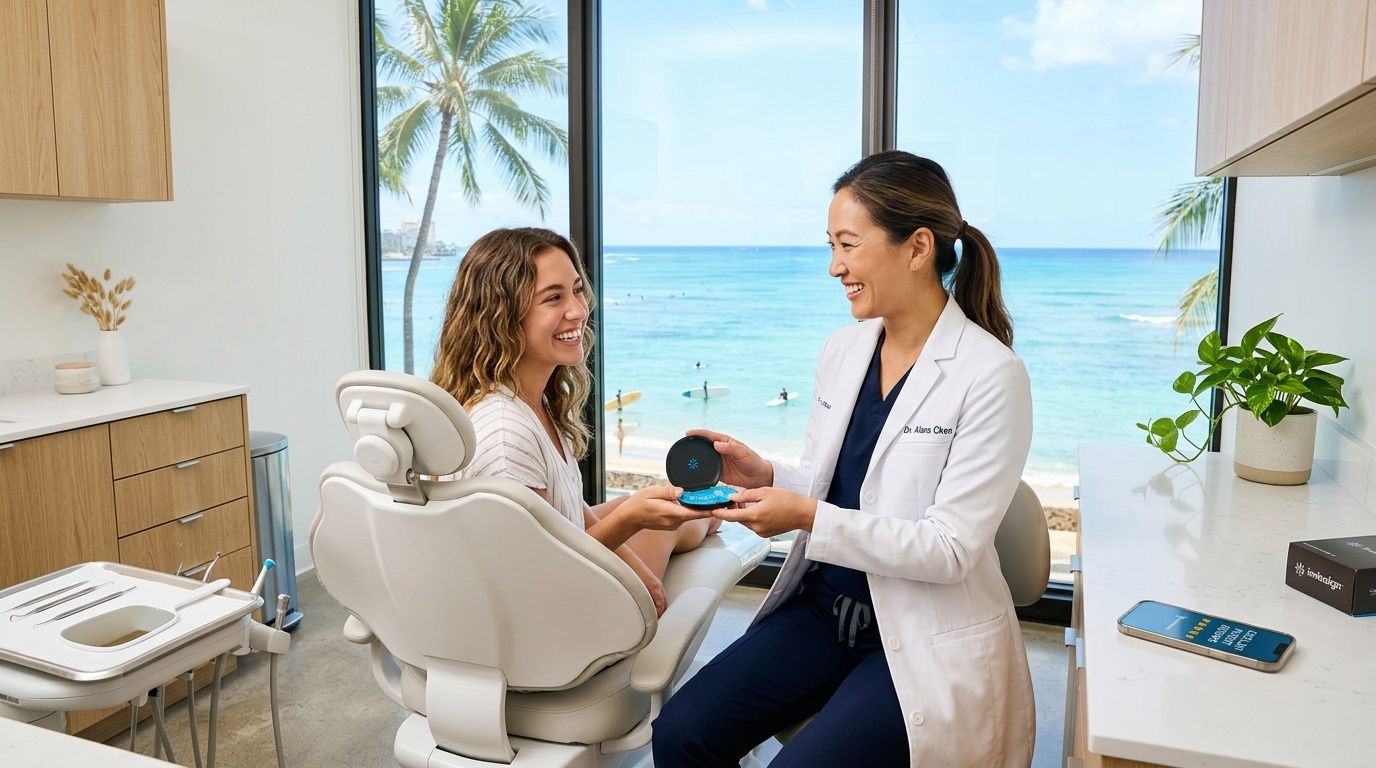
No. You can usually schedule an orthodontic consultation directly. Some patients come in after a dentist recommends it, and others want answers about crowding or bite issues.
Can a general dentist offer Invisalign?
Some do. The difference is that an orthodontist has additional specialty training focused on moving teeth and correcting bite problems, so the planning process is built around that deeper scope of care.
Is it more expensive to see an orthodontist?
Treatment costs vary by the complexity of the case, the type of appliance, and how long treatment is expected to take. The best way to get a real answer is to have your smile evaluated in person rather than guessing from a generic online estimate.
What age should my child first see an orthodontist?
If you're noticing bite or alignment concerns, it's reasonable to schedule an evaluation while your child is still growing. Early visits are often about monitoring and timing, not automatically starting treatment.
Is it too late for adults to get braces or aligners?
No. Adults start orthodontic treatment all the time. The right option depends on your teeth, bite, gum health, and what kind of treatment fits your daily routine.
If my teeth are only a little crooked, do I still need an orthodontist?
Sometimes a small cosmetic concern is minor. Sometimes a small visible issue is tied to a bigger bite problem. That's one reason in-person supervision matters, especially compared with remote-only treatment. If you're weighing that choice, read the truth about mail-order aligners and why in-person supervision still matters.
Learn More About Your Smile at a Free Consultation
Understanding what is the difference between an orthodontist and a dentist helps you make the right call for the problem in front of you. If you have questions about crooked teeth, spacing, or bite alignment, a consultation can give you straightforward answers without guesswork.
You can schedule a free consultation with Dr. Jeremy or Dr. Melissa at Magic Fox Orthodontics by calling (714) 594-5777 or visiting magicfoxsmiles.com. The office is located at 17041 Beach Boulevard, Suite 101, Huntington Beach, CA 92647. Hours are Monday through Friday 9:00 AM to 5:00 PM and Saturday 8:00 AM to 2:00 PM.
Sources
These references support the training, scope of care, and treatment differences explained above. They are useful if you want to verify who does what, how orthodontic specialty education works, and why some smile and bite problems are better handled by a specialist.
American Association of Orthodontists. Information on orthodontic specialty training, residency, tooth movement, bite correction, and dentofacial development. 2024. https://aaoinfo.org/
The Smile Patio. Overview of the day-to-day differences between general dentists and orthodontists, including preventive care, restorative treatment, and alignment concerns. 2024. https://thesmilepatio.com/orthodontist-vs-dentist-whats-the-real-difference/
Caspersen Orthodontics Blog. Discussion of long-term oral health considerations related to orthodontic treatment and specialist care. 2024. https://www.drcaspersen.com/blog/orthodontist-vs-dentist/