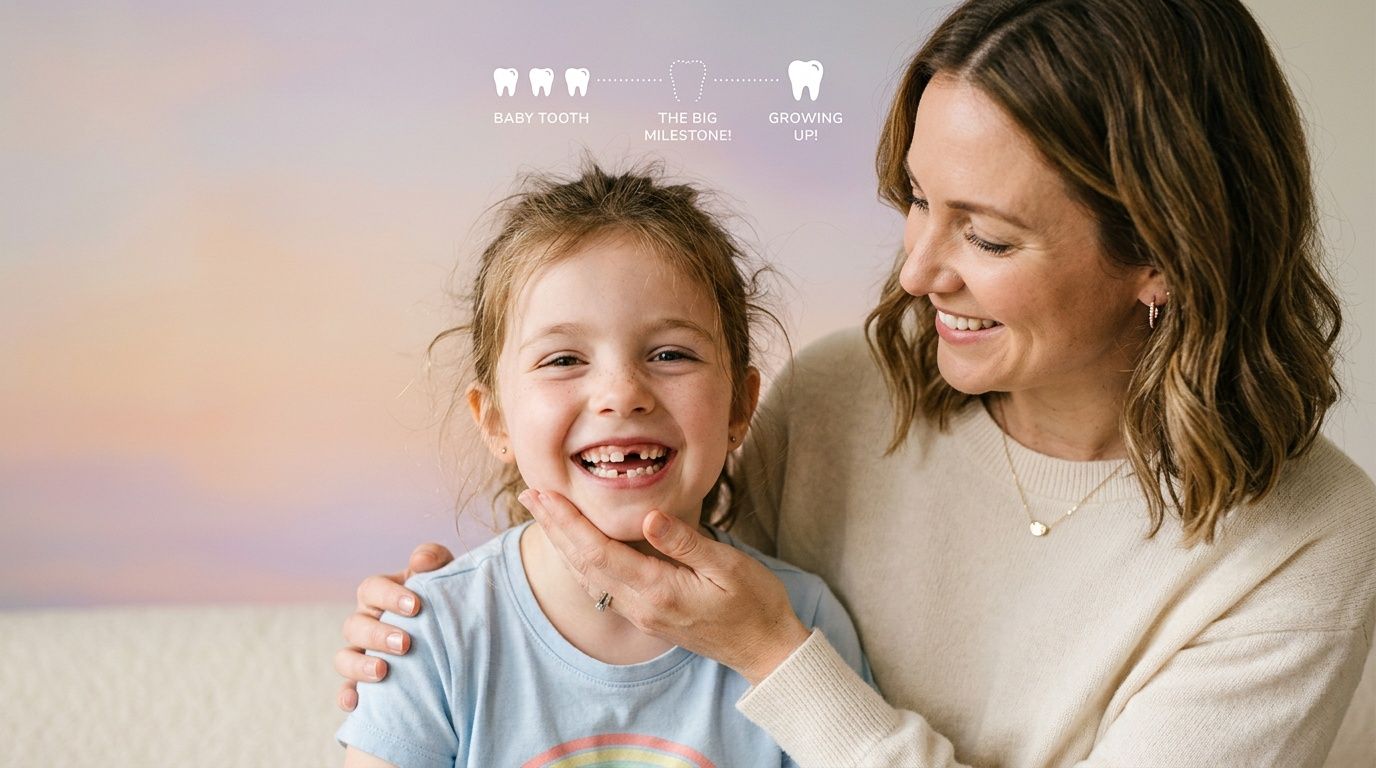
What Teeth Do You Lose? Your Child's Tooth Loss Guide
Quick Answer
Children lose 20 baby teeth in total. Most start around age 6 and finish by about age 12, but timing can vary. The teeth usually come out in a general pattern: front teeth first, then canines and baby molars. What matters most isn’t the exact birthday. It’s whether the teeth are loosening and erupting in a healthy sequence.
If you're here because your child has a loose tooth, a gap that seems to be taking forever to fill, or a baby tooth that just won't budge, you're asking the right question. Parents often want to know what teeth do you lose, when that happens, and whether their child's timing is normal.
The short version is reassuring. Baby teeth fall out because the permanent teeth underneath slowly dissolve their roots, almost like a foundation being cleared so the new tooth can move into place. Most of the time, that process is normal and healthy. The confusion usually comes from timing, sequence, and knowing when a delay is harmless versus worth checking.
The Full Schedule of Baby Tooth Loss
A child loses 20 baby teeth altogether. These are the teeth that hold space for the adult teeth and help with chewing, speech, and facial development.
The usual pattern starts with the front teeth and finishes with the baby molars. Online age charts can be useful, but they can also make parents worry when their child doesn't match them exactly.
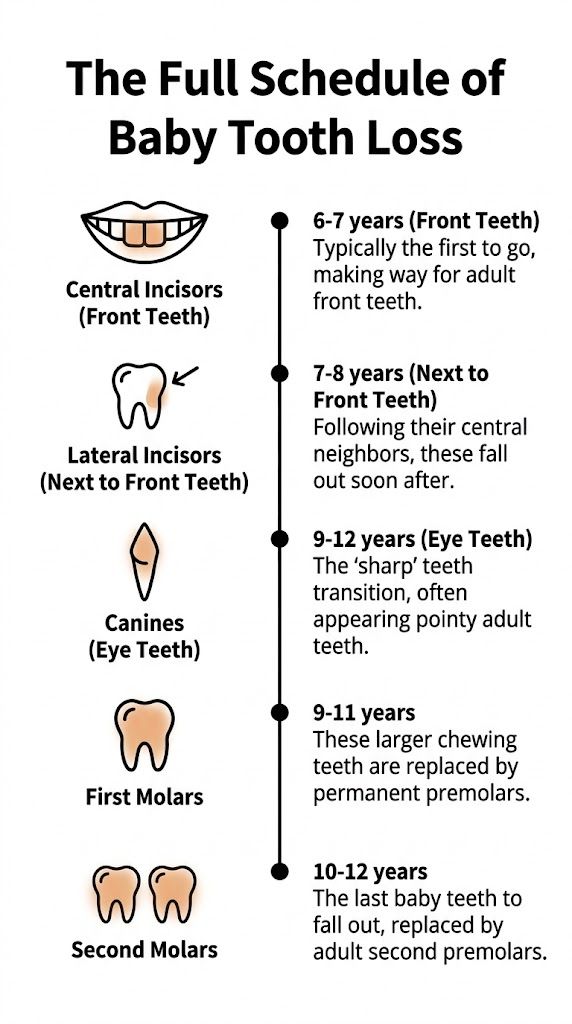
The usual order matters more than a perfect age match
A child can be early, late, or somewhere in the middle and still be completely normal. A timeline gives you a guide, not a deadline.
If you'd like a simple companion guide on sequence, this overview of the order of losing teeth is helpful for quick reference.
Baby Tooth Loss Timeline
| Tooth Name | Location (Upper/Lower) | Typical Age of Loss |
|---|---|---|
| Central incisors | Upper and lower | 6 to 7 years |
| Lateral incisors | Upper and lower | 7 to 8 years |
| First molars | Upper and lower | 9 to 11 years |
| Canines | Upper and lower | 9 to 12 years |
| Second molars | Upper and lower | 10 to 12 years |
A few parts of this chart tend to surprise parents.
First, the first permanent molars often come in around the same general stage as tooth loss, but they do not replace baby teeth. They erupt behind the baby molars, which is one reason parents sometimes think their child has "extra" teeth.
Second, canines and molars don't always trade places neatly. Some children lose baby canines before certain molars. Others lose molars first. Small variation is common.
Practical rule: If the pattern is generally moving forward and new teeth are showing up where they should, small timing differences usually aren't a problem.
What parents usually notice first
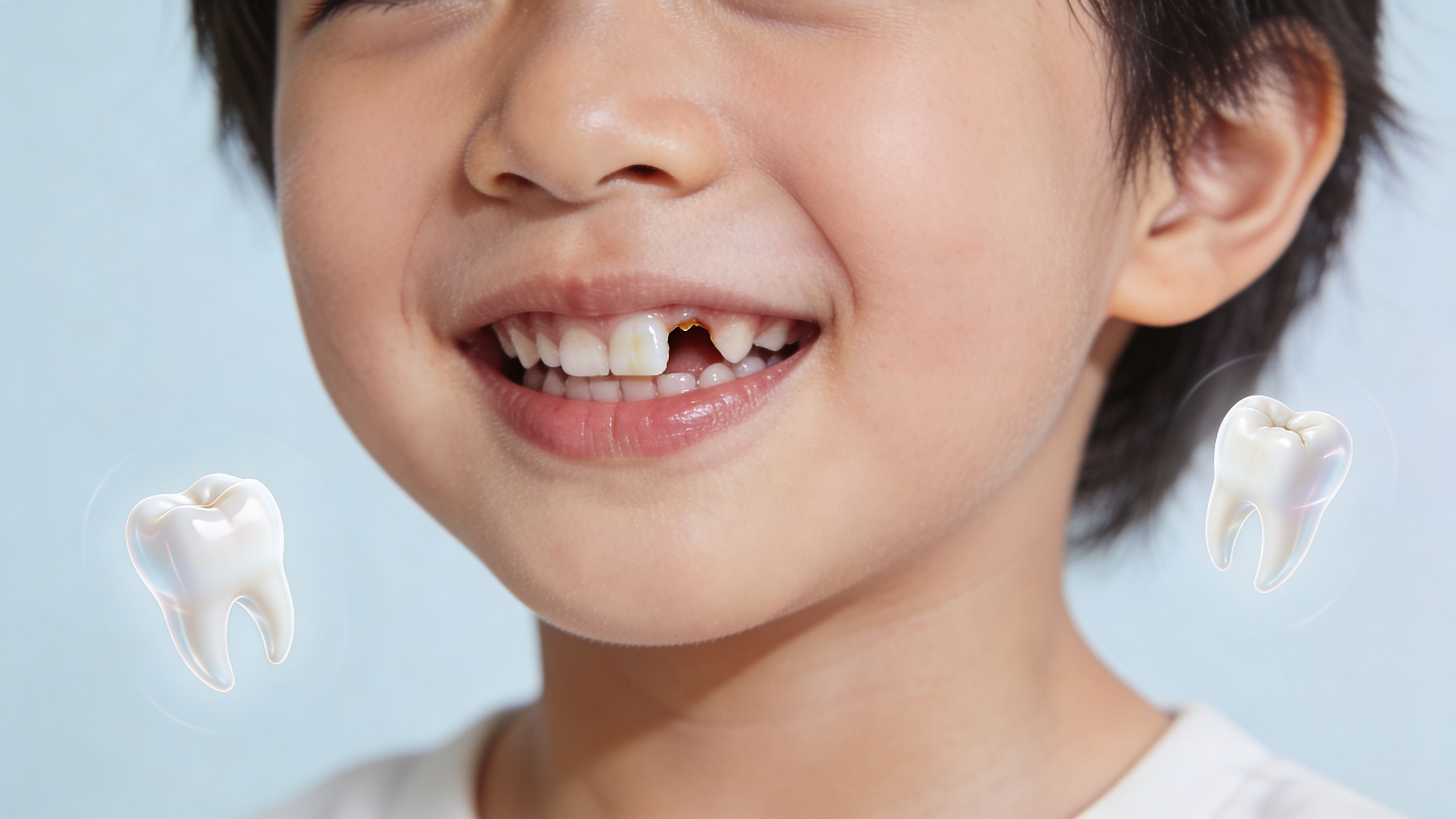
Most families first notice the lower front teeth getting loose. That's common because the lower central incisors are often among the first baby teeth to go.
Later on, the mixed stage can look messy. A child may have some baby teeth, some permanent teeth, a few gaps, and teeth that seem too large for the mouth. That stage often looks more dramatic than it really is.
Why Baby Teeth Fall Out The Natural Process
A loose baby tooth usually means the adult tooth underneath is doing its job. As the permanent tooth moves upward, the body breaks down the root of the baby tooth. When enough root is gone, the baby tooth gets wiggly and finally comes out.
Imagine a post set in the ground. If the bottom of the post slowly dissolves, it won't stay stable for long. That's why a baby tooth can feel solid one month and very loose the next.
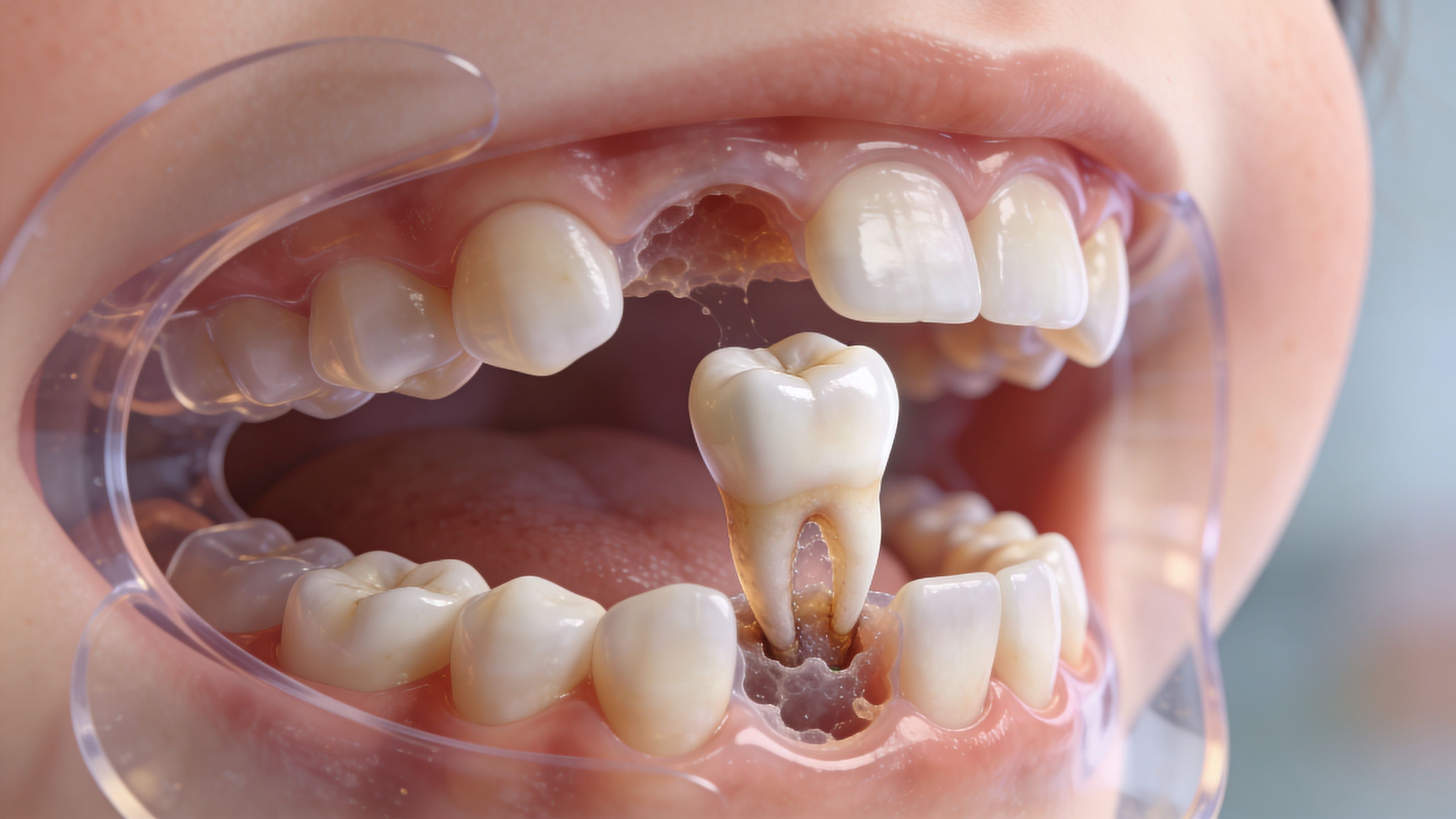
When the process is normal
Normal tooth loss often looks uneven. One side may loosen before the other. A permanent tooth may peek through before the baby tooth has fully fallen out. Mild tenderness is common, especially when chewing firmer foods.
Parents who track broader childhood development milestones often find it helpful to think of tooth loss the same way. There is a typical range, but children don't all follow the exact same calendar.
When the process gets interrupted
Two situations deserve closer attention.
- A baby tooth is lost too early. If a tooth comes out early from decay or an injury, neighboring teeth can drift into that space.
- A baby tooth stays too long. If the permanent tooth is blocked, impacted, or missing, the baby tooth may not loosen when expected.
A healthy loose tooth usually means nature is making room. Trouble starts when a space closes too early or a baby tooth remains in place even though the adult tooth should be arriving.
These aren't reasons to panic. They are reasons to get a good look at how the teeth are lining up.
Early or Late Tooth Loss Is It Normal
This is one of the biggest worries parents bring up. Their child is either the first in class to lose a tooth or one of the last, and they want to know if something is wrong.
In most cases, timing alone isn't the problem. According to Better Health Victoria on children's tooth development, it's perfectly normal for a child to lose their first tooth up to 2 years earlier or later than age 6, and girls generally lose teeth earlier than boys.

The calendar matters less than the sequence
If a child loses a tooth early but the next teeth are following a reasonable pattern, that may be completely fine. If a child is later than siblings or classmates, that can still fall within a normal range.
What orthodontists watch more closely is sequence. Are the right teeth loosening in a sensible order? Is the permanent tooth erupting where it should? Is space staying open long enough for the next tooth to come in?
Examples that often worry parents
A child might lose one lower front tooth and then wait a while for the matching one. Another child may still have a baby canine while classmates already have adult ones. On their own, those situations aren't always alarming.
Where it becomes more important is when timing changes how the teeth fit together. A baby tooth lost too early can let nearby teeth slide. A tooth that stays too long can hold up the one beneath it. In those situations, an orthodontist may discuss monitoring or a simple space-holding approach such as space maintainers.
Don't compare your child to the class photo. Compare your child to their own pattern over time.
That shift in thinking helps parents focus on the thing that matters. Not whether the first loose tooth happened on schedule, but whether the smile is developing in an organized way.
When to Call an Orthodontist Red Flags for Parents
Some tooth loss questions can wait for the next routine dental visit. Others are worth checking sooner.
The first red flag is premature loss. According to Inspired Orthodontics on early loss of primary teeth, losing a baby tooth too early can let nearby teeth drift into the space and block the eruption path for the adult tooth in up to 90% of untreated cases. That can lead to crowding and bite problems.
Red flags that deserve a closer look
A baby tooth came out after injury or severe decay
Early loss changes the space available for the adult tooth.A permanent tooth is erupting behind a baby tooth
Parents often call this "shark teeth." Sometimes it resolves naturally, but it should be monitored.A baby tooth isn't loosening while the matching tooth on the other side already changed long ago
Symmetry isn't perfect, but a big delay can be worth checking.Your child has pain, swelling, or trouble biting
A normal loose tooth may be tender. Ongoing discomfort is different.
If you're unsure whether your child fits one of those patterns, these signs your child needs an orthodontist can help you decide when to schedule an evaluation.
Why this phase matters for life after childhood
Childhood tooth loss isn't just about the next tooth coming in. It's the foundation for the adult smile.
According to the National Institute of Dental and Craniofacial Research on adult tooth loss, adults ages 20 to 64 in the United States have an average of 25.5 remaining permanent teeth out of 28, which means the average adult in that group has already lost about 2.5 teeth. The same source notes that adults ages 20 to 34 average 27.0 teeth, ages 35 to 49 average 25.5 teeth, and ages 50 to 64 average 23.4 teeth.
That doesn't mean baby tooth timing causes adult tooth loss by itself. It does mean oral development matters over a lifetime. When crowding, bite problems, and eruption issues are caught early, families often have more options and fewer surprises later.
A child's loose tooth may feel like a small event. Sometimes it is. Sometimes it's the first clue that space or eruption needs monitoring.
How Tooth Loss Affects Your Child's Future Smile
The years when a child has both baby teeth and permanent teeth are often the most useful time for an orthodontic evaluation. You can see how the jaws are growing, whether enough room exists for incoming teeth, and whether the bite is starting to shift off course.
One issue that can affect future alignment is an over-retained baby tooth. According to Kids Dental Online on retained primary teeth, the baby teeth most commonly over-retained are the upper second molars and upper canines. When a baby tooth doesn't come out on time, the permanent tooth may be missing or impacted, and early diagnosis with X-rays can reduce the risk of future malocclusion by 40% to 60%.
What an early orthodontic check helps monitor
Available space
Permanent teeth are larger than baby teeth in some areas and need the right path to come in.Jaw growth
The upper and lower jaws don't always develop at the same pace.Eruption patterns
Teeth can be on time overall but still headed in the wrong direction.
This doesn't mean every child needs treatment right away. Often, the most valuable part of an early visit is knowing whether to watch, wait, or act.
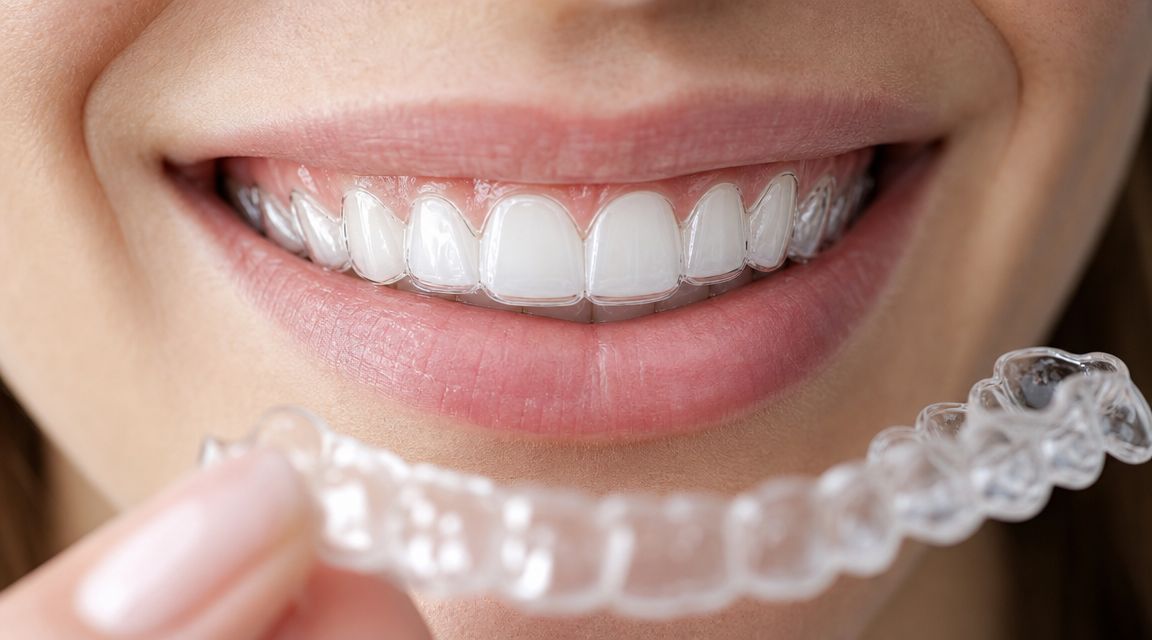
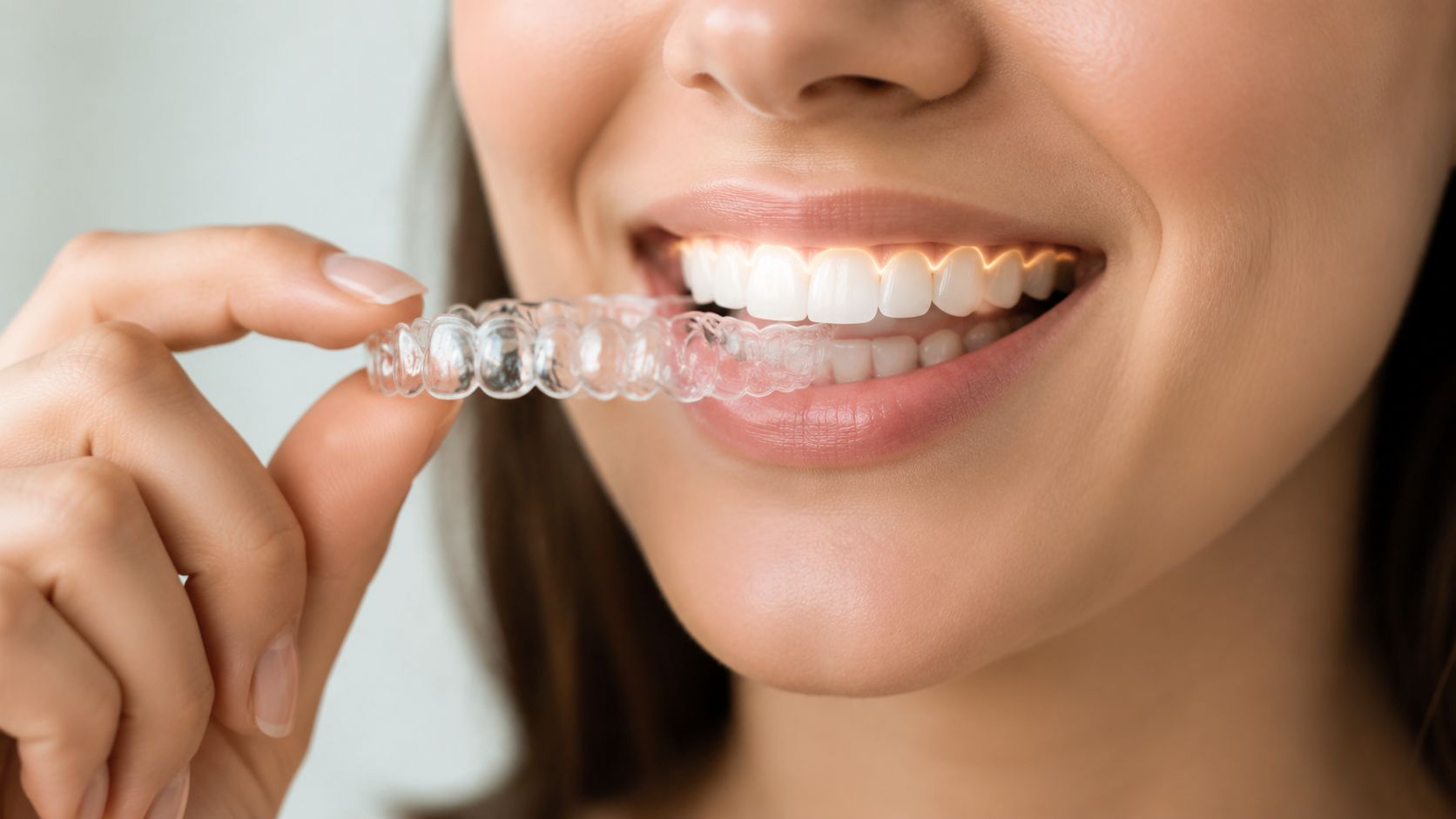
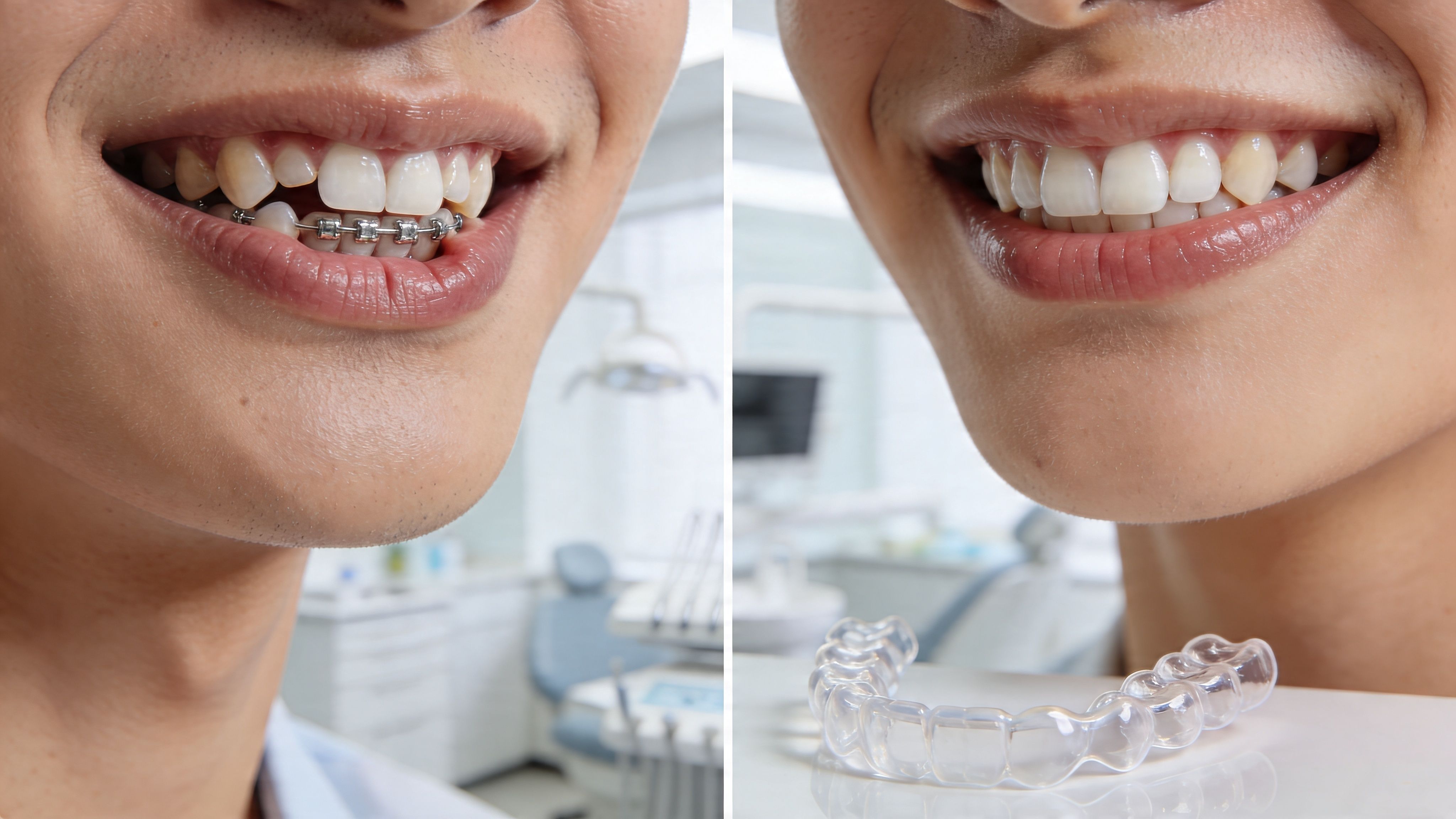
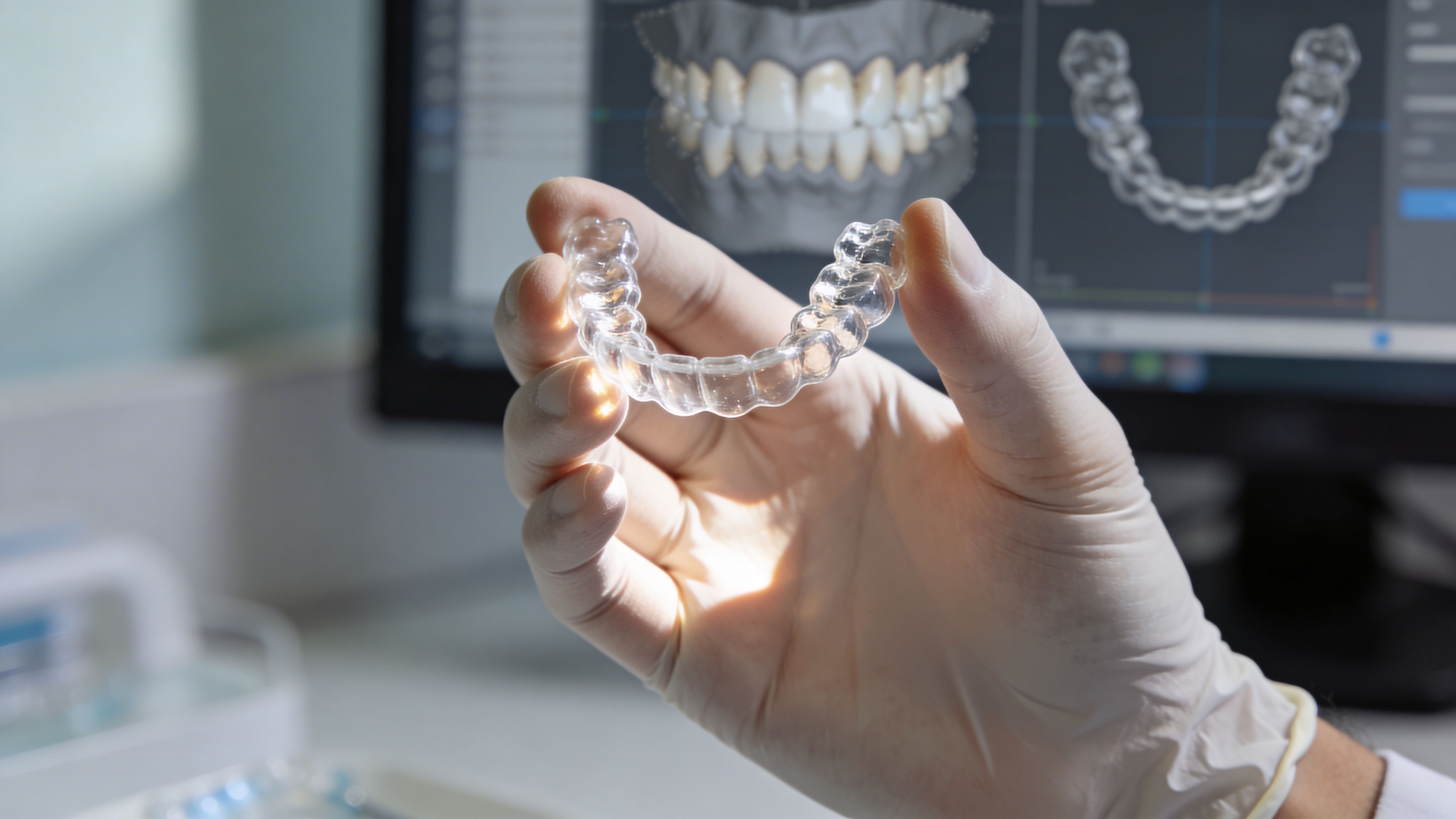
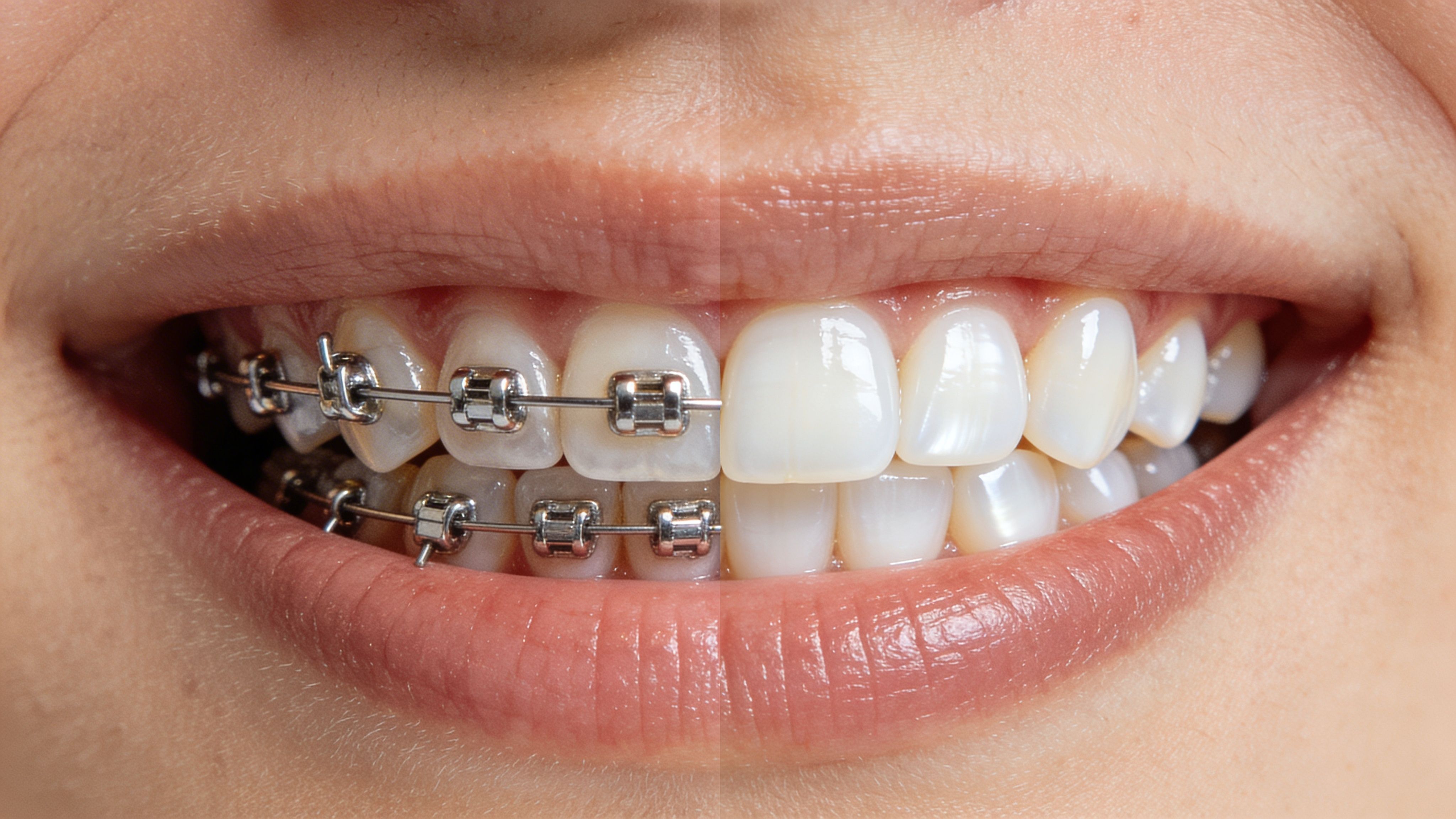
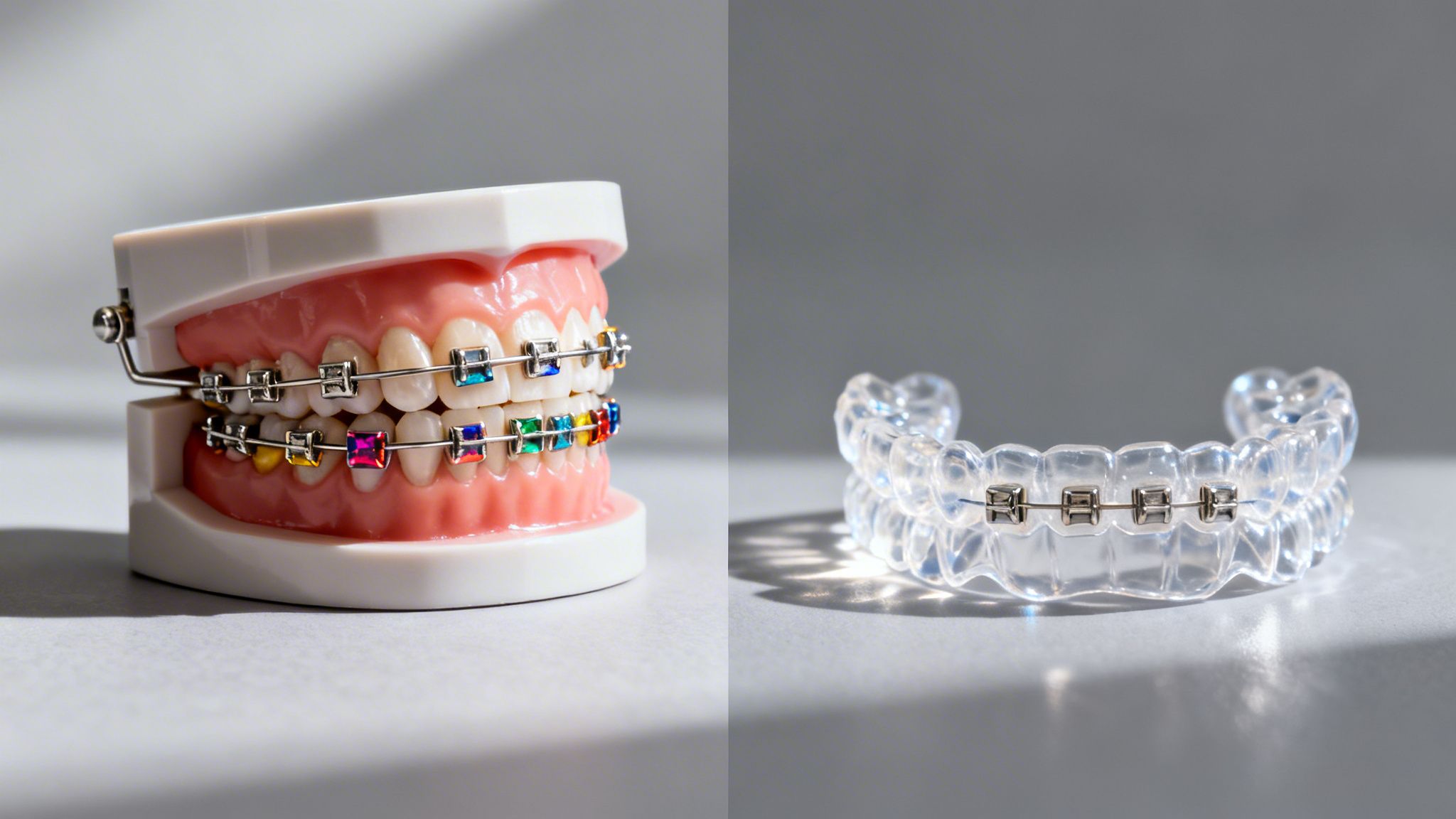
If treatment is needed later, that early information can guide decisions about traditional metal braces, Iconix® esthetic brackets, or Invisalign® clear aligners, depending on age and the orthodontic goals.
FAQ About Your Child's Teeth
What teeth do you lose first
Usually the central incisors, which are the front baby teeth, come out first. Many children start with the lower front teeth, then the upper front teeth follow.
Is it normal if my child hasn't lost a tooth by age 7
It can be. Some children lose their first tooth earlier, and some later. If the timing seems delayed or the sequence feels off, it's reasonable to have it checked.
What if a new tooth is coming in behind a baby tooth
Parents often call that "shark teeth." Sometimes the baby tooth loosens and falls out on its own, but the area should be monitored so the permanent tooth has a clear path.
Should I pull a loose baby tooth out
If it's very loose and ready, it may come out with gentle wiggling. If it resists, causes pain, or your child is upset, it's better not to force it.
What happens if my child loses a baby tooth too early
The nearby teeth may move into that space and make it harder for the permanent tooth to erupt normally. This is one reason orthodontists sometimes recommend monitoring or keeping the space open.
Do all children lose all 20 baby teeth
Yes, children typically lose 20 baby teeth. If you'd like a simple overview, this page on how many baby teeth do you lose can help.
Will my child need braces just because tooth loss seems late
Not necessarily. Late loss by itself doesn't mean braces are needed. The decision depends more on space, bite, jaw growth, and how the permanent teeth are erupting.
Your Partner in a Lifetime of Healthy Smiles
If you've been wondering what teeth do you lose, the reassuring answer is that most children follow a normal pattern even when the timing isn't exact. The key is paying attention to sequence, spacing, and any signs that a baby tooth left too early or stayed too long.
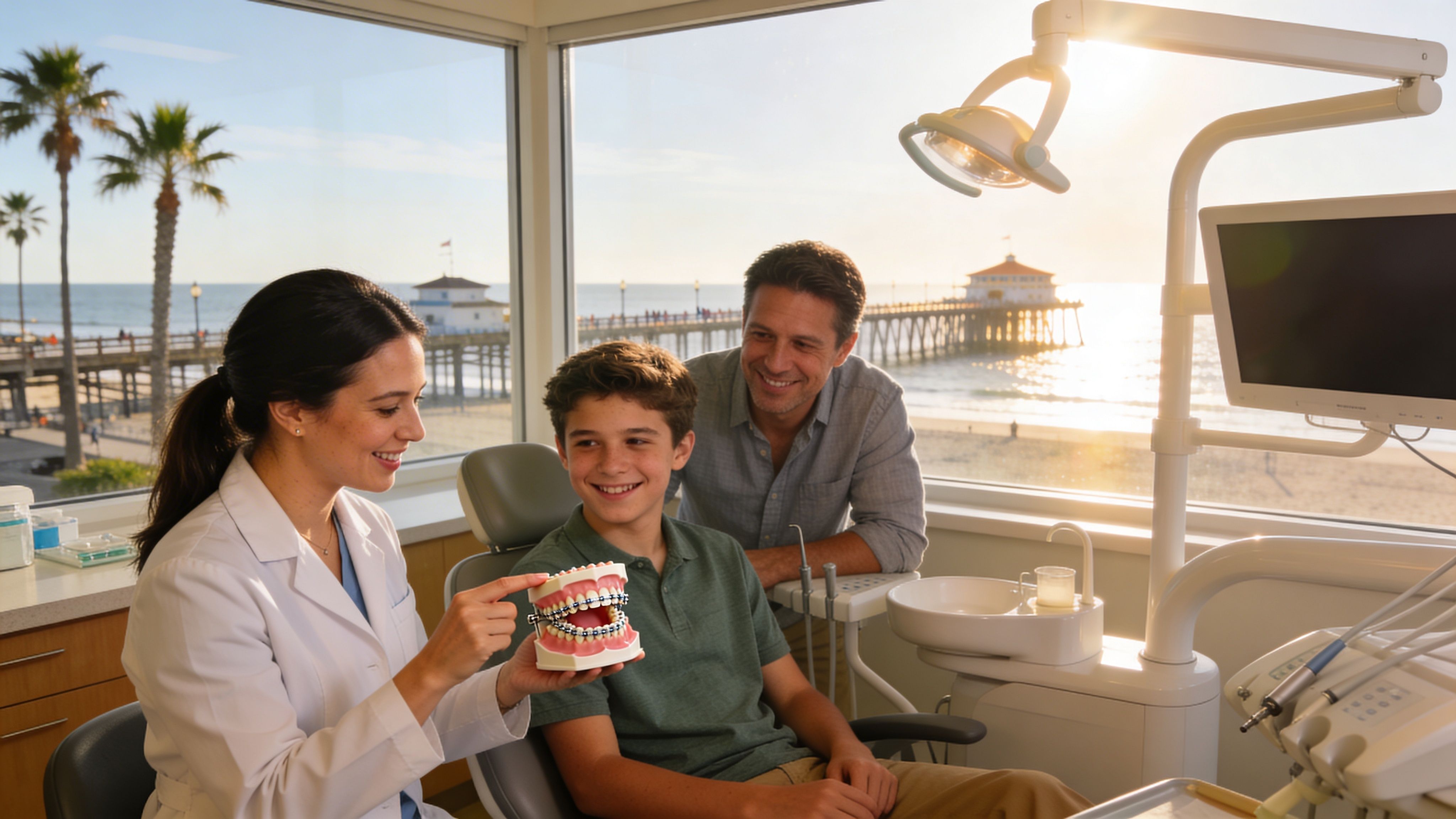
Families in Huntington Beach and Fountain Valley who want an early orthodontic opinion can learn more about finding a kids orthodontist near you. A calm, early check can answer a lot of questions and help you know whether your child's smile needs time or a closer look.
If you'd like a low-pressure, free consultation with Dr. Jeremy or Dr. Melissa, Magic Fox Orthodontics is here to help. You can call (714) 594-5777, visit 17041 Beach Boulevard, Suite 101, Huntington Beach, CA 92647, or explore more at magicfoxsmiles.com. Office hours are Monday through Friday 9:00 AM to 5:00 PM and Saturday 8:00 AM to 2:00 PM.