How to Fix Crossbite in Adults
Quick Answer
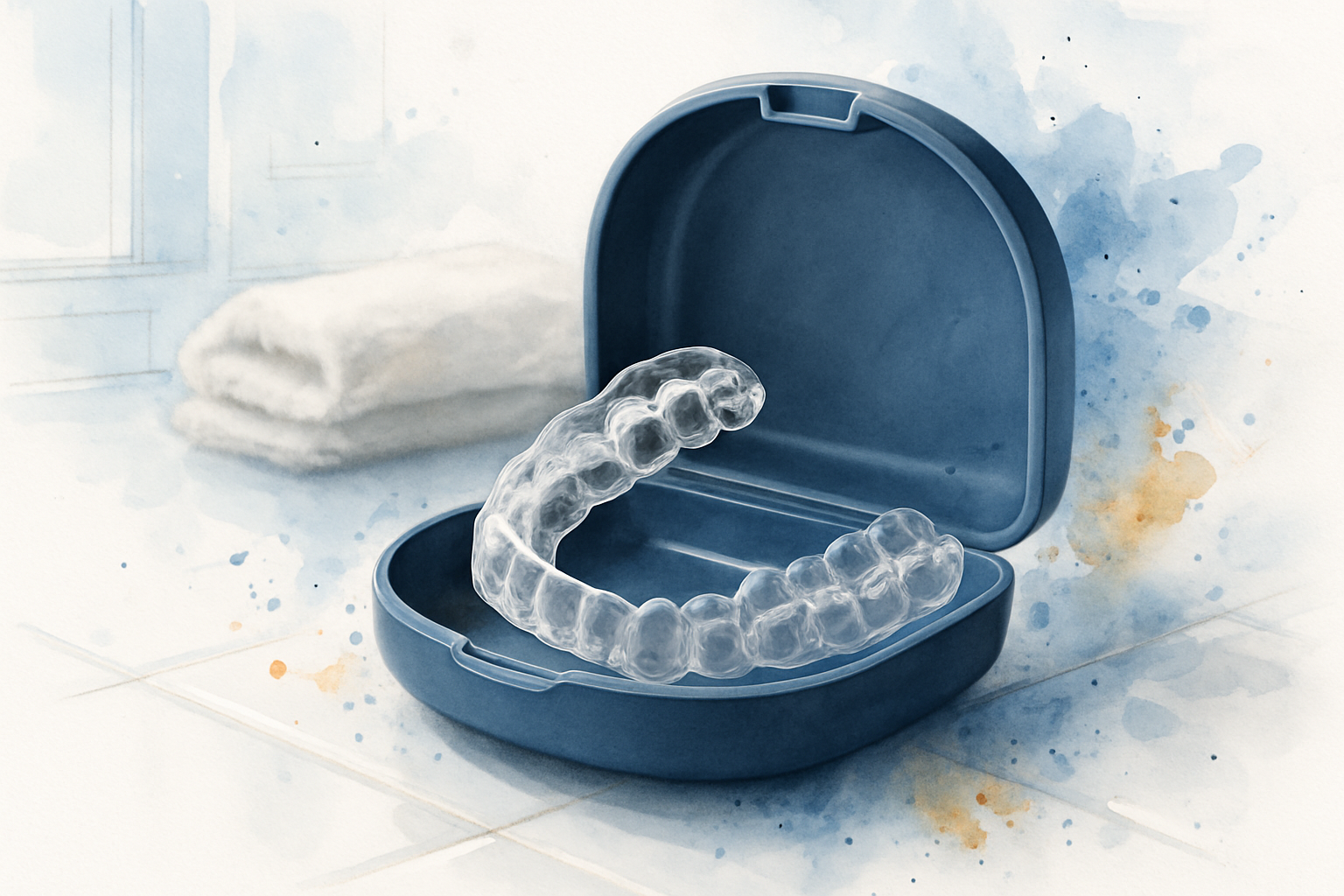
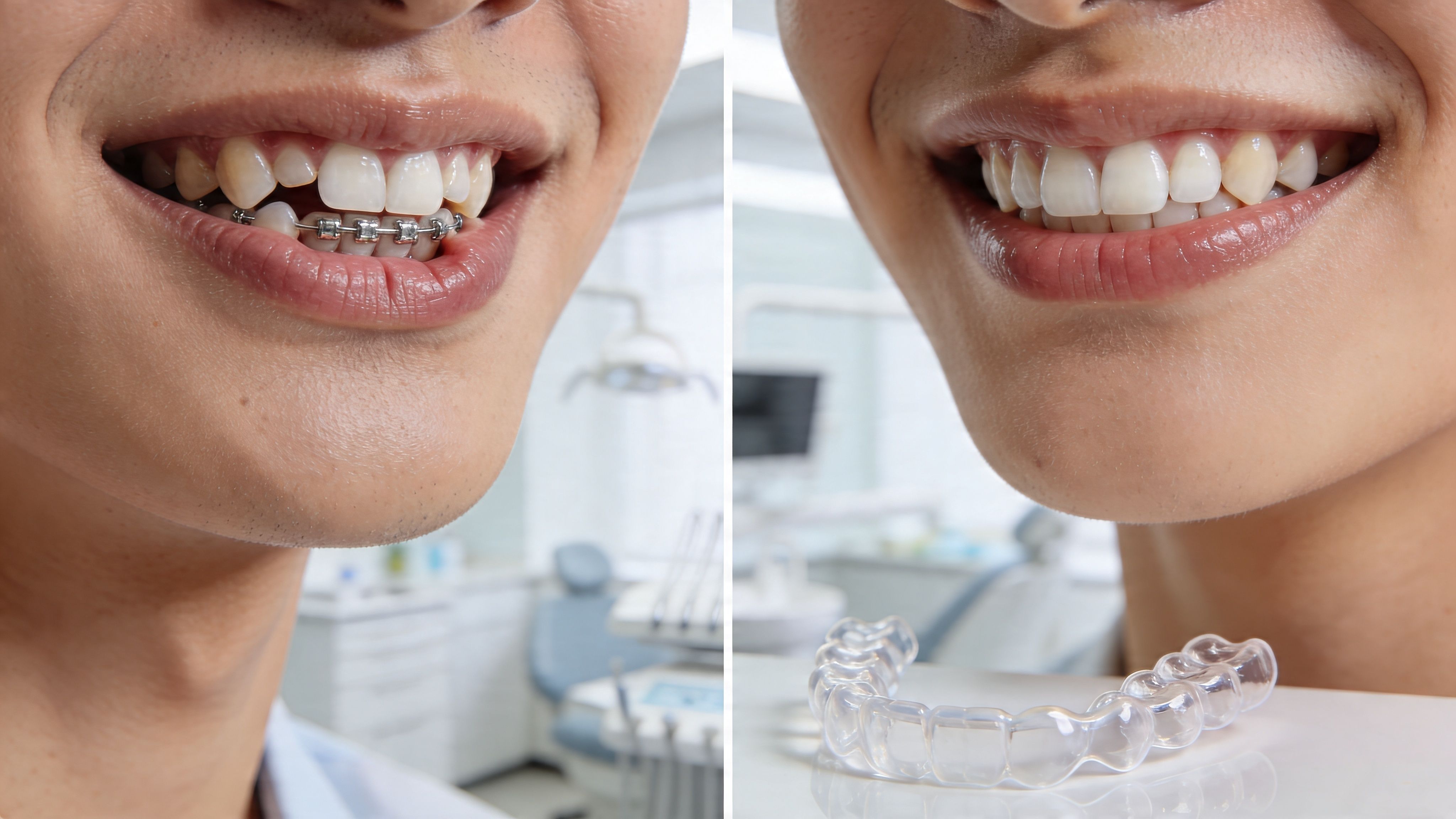
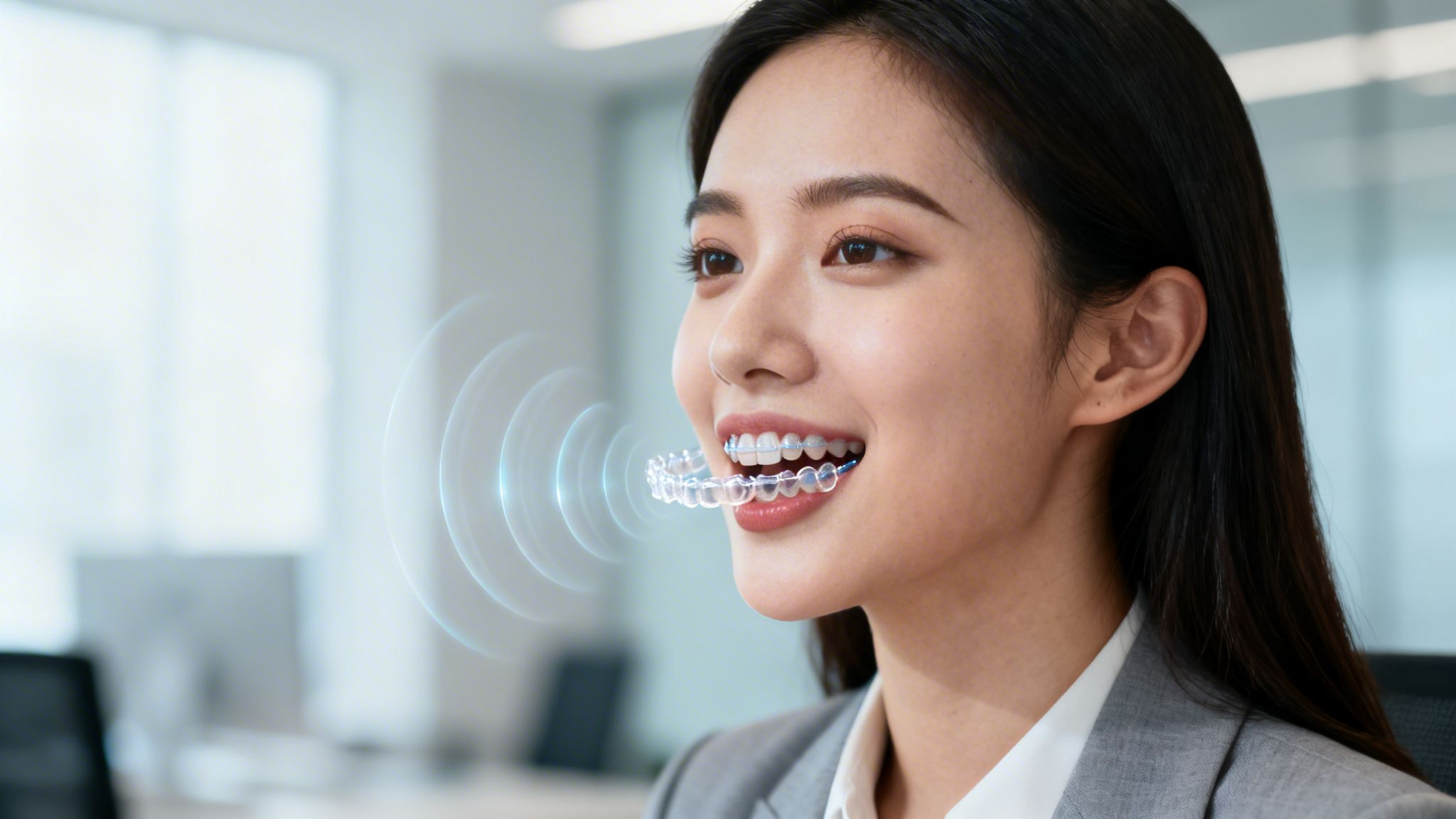
Adults can fix a crossbite with Invisalign clear aligners, braces, or a combination of expansion and braces, depending on whether the problem is tooth position, jaw width, or both. Mild dental crossbites may respond well to aligners, while more complex cases often need braces, expansion, or surgical planning. If you want to see how aligner treatment can look in real life, this overview of Invisalign crossbite before and after is a helpful starting point.
If your bite feels off when you chew, your front teeth don’t meet correctly, or your upper teeth sit inside the lowers in certain spots, you may be wondering how to fix crossbite in adults without making your life harder. That’s a common concern, especially for adults who assumed this was only something to treat in childhood.
The good news is that adult crossbite correction is very realistic. The bigger question is which path fits your bite, because leaving a crossbite alone can contribute to uneven tooth wear, gum problems, and jaw strain over time.
Understanding Your Crossbite and Its Causes
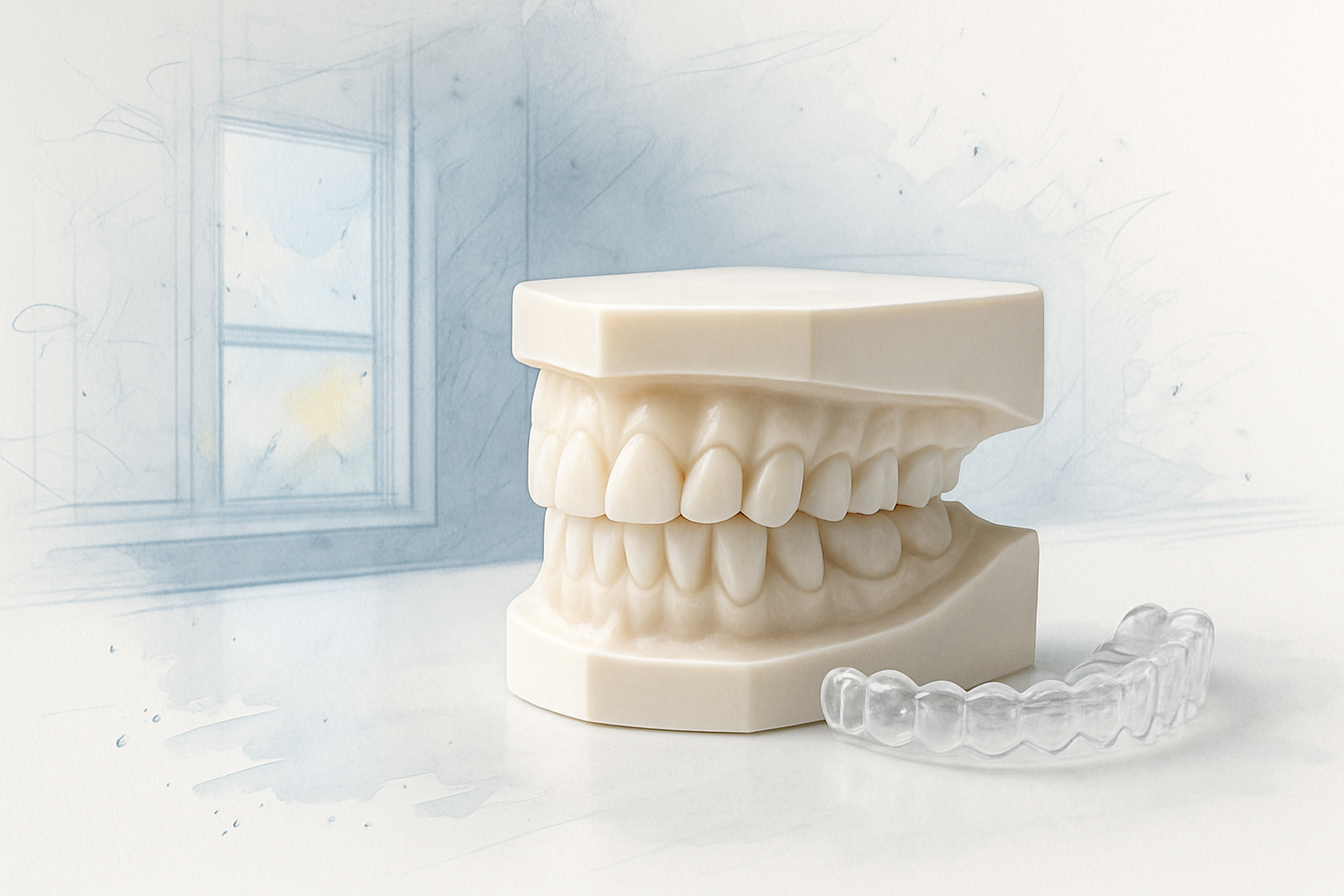
A crossbite means some upper teeth bite inside the lower teeth instead of outside them. That can involve the front teeth, the back teeth, one tooth, or a larger section of the bite.
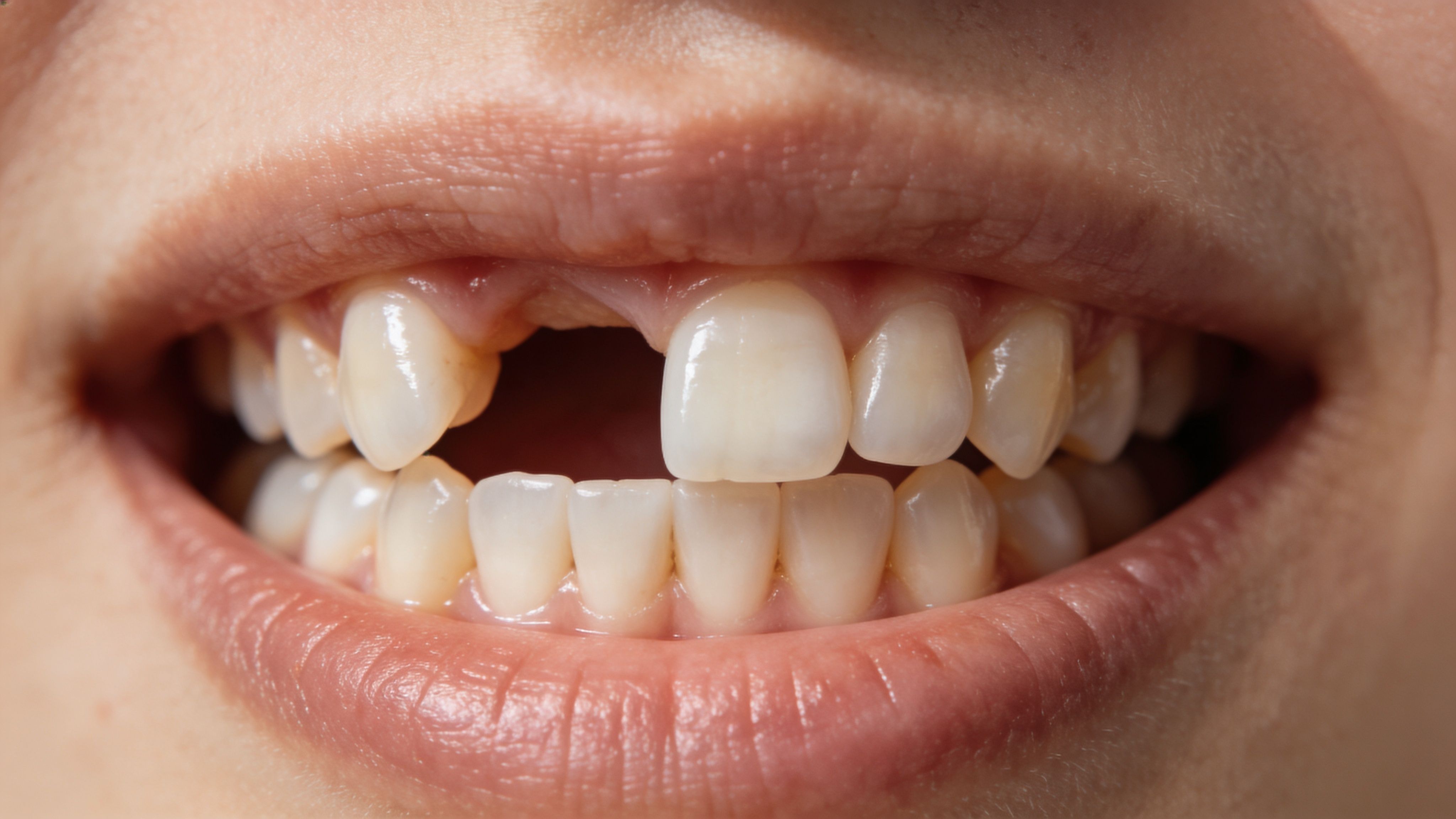
Anterior and posterior crossbite
An anterior crossbite affects the front teeth. You may notice one or more upper front teeth sitting behind the lower front teeth when you bite.
A posterior crossbite affects the back teeth. In these cases, the upper back teeth bite too far toward the tongue side compared with the lower teeth.
Dental versus skeletal crossbite
This distinction matters because it usually shapes treatment.
A dental crossbite is mainly a tooth-position problem. The jaws may be reasonably matched, but certain teeth erupted in the wrong place or shifted over time.
A skeletal crossbite involves the size or shape of the jaws themselves. A common example is a narrow upper jaw that doesn’t fit properly over the lower arch.
Clinical takeaway: If the problem is mostly tooth position, aligners or braces may be enough. If the upper jaw is too narrow, tooth movement alone may not be the right answer.
Why adults develop crossbites
Some adults have had a crossbite since childhood and never treated it. Others develop bite changes gradually after crowding, tooth loss, drifting teeth, or long-term imbalance in how the teeth come together.
During a consultation, the first job isn’t choosing braces or aligners. The first job is diagnosing the underlying issue. That usually means looking at tooth positions, arch width, how the bite shifts when you close, and whether the issue is localized or part of a larger jaw mismatch.
What we evaluate before recommending treatment
An adult crossbite workup usually focuses on a few practical questions:
Which teeth are involved
A single tooth crossbite is different from a full side of the bite being crossed.Is the problem dental or skeletal
This often determines whether simple tooth movement will be enough.How stable can the result be
The goal isn’t just to uncross the teeth. The goal is to create a bite you can keep.Are there signs of strain
Wear, gum recession, chipping, or jaw discomfort can change how urgent treatment feels.
That diagnostic step is why two adults with “a crossbite” can get very different recommendations.
Why You Should Consider Fixing a Crossbite as an Adult
A common adult scenario goes like this. You are not in pain every day, but one side of your bite feels heavier, a front tooth is wearing faster than the others, or chewing never feels fully even. That is often when crossbite treatment starts to make sense.
Appearance matters, and many adults do notice the cosmetic side first. In practice, the reason to treat is usually broader than looks. The bigger question is whether the bite is placing certain teeth, gums, or jaw joints under more stress than they can handle comfortably over time.
What can happen if a crossbite stays untreated
Crossbites do not all create the same level of risk. A small single-tooth crossbite may stay manageable for years. A broader crossbite, or one that shifts the jaw off-center when you close, is more likely to create problems that slowly add up.
Common reasons adults choose treatment include:
Uneven tooth wear
Teeth that contact too early or too heavily tend to flatten, chip, or crack sooner.Gum recession or bone strain
Teeth sitting outside their ideal position in the arch can be harder on the supporting gum tissue.Chewing on one side more than the other
Patients often adapt without realizing it, which can make the bite feel less stable.Jaw muscle fatigue or joint irritation
If your jaw has to slide into position every time you bite, the muscles and joints can become sore or tight.
I often hear some version of this in consultation: “My teeth do come together, but they don’t fit naturally.” That description is useful. It tells us the issue may be affecting function, not just appearance.
Why treatment can still be worthwhile in adulthood
Adults can absolutely correct crossbites. The trade-off is that treatment planning has to be more selective.
In children, growth gives us more flexibility. In adults, the bone is mature, so the main decision is whether the correction can be done by moving teeth safely, or whether the jaw relationship itself limits what orthodontics alone can achieve. That distinction matters because it affects stability, treatment time, and whether aligners, braces, expansion, or surgery belong in the conversation.
This is why I do not frame treatment as “Should you fix it because you are an adult?” I frame it as “What is the cost of leaving your specific crossbite alone, and what is the least invasive way to correct it well?”
For many adults, the benefit is not dramatic. It is practical. Less wear. A more balanced bite. Easier cleaning. Better comfort when chewing. If you want a broader view of those day-to-day gains, this overview of the benefits of adult orthodontics for a healthier smile is a helpful starting point.
A practical way to weigh the decision
| Concern | Leaving it alone | Treating it |
|---|---|---|
| Tooth wear | Often continues gradually | Forces can be distributed more evenly |
| Smile appearance | Usually stays the same, sometimes worsens as teeth shift | Tooth position and symmetry often improve |
| Jaw comfort | Existing strain may continue | Bite fit may feel more natural |
| Long-term maintenance | Cleaning and monitoring may stay more difficult | Alignment is often easier to maintain |
Not every adult crossbite needs aggressive treatment. Some need monitoring. Some respond well to aligners or braces. Some need a more involved plan because the jaw width or bite relationship is the underlying issue. The value of fixing it is not based on age alone. It is based on what your bite is doing now, what problems it is likely to cause next, and which treatment path gives you a result that is worth keeping.
How to Fix Crossbite in Adults Your Main Treatment Paths
The question isn’t just how to fix crossbite in adults. It’s when to use aligners, when braces make more sense, and when the bite needs something beyond tooth movement alone.

Mild dental crossbites and Invisalign
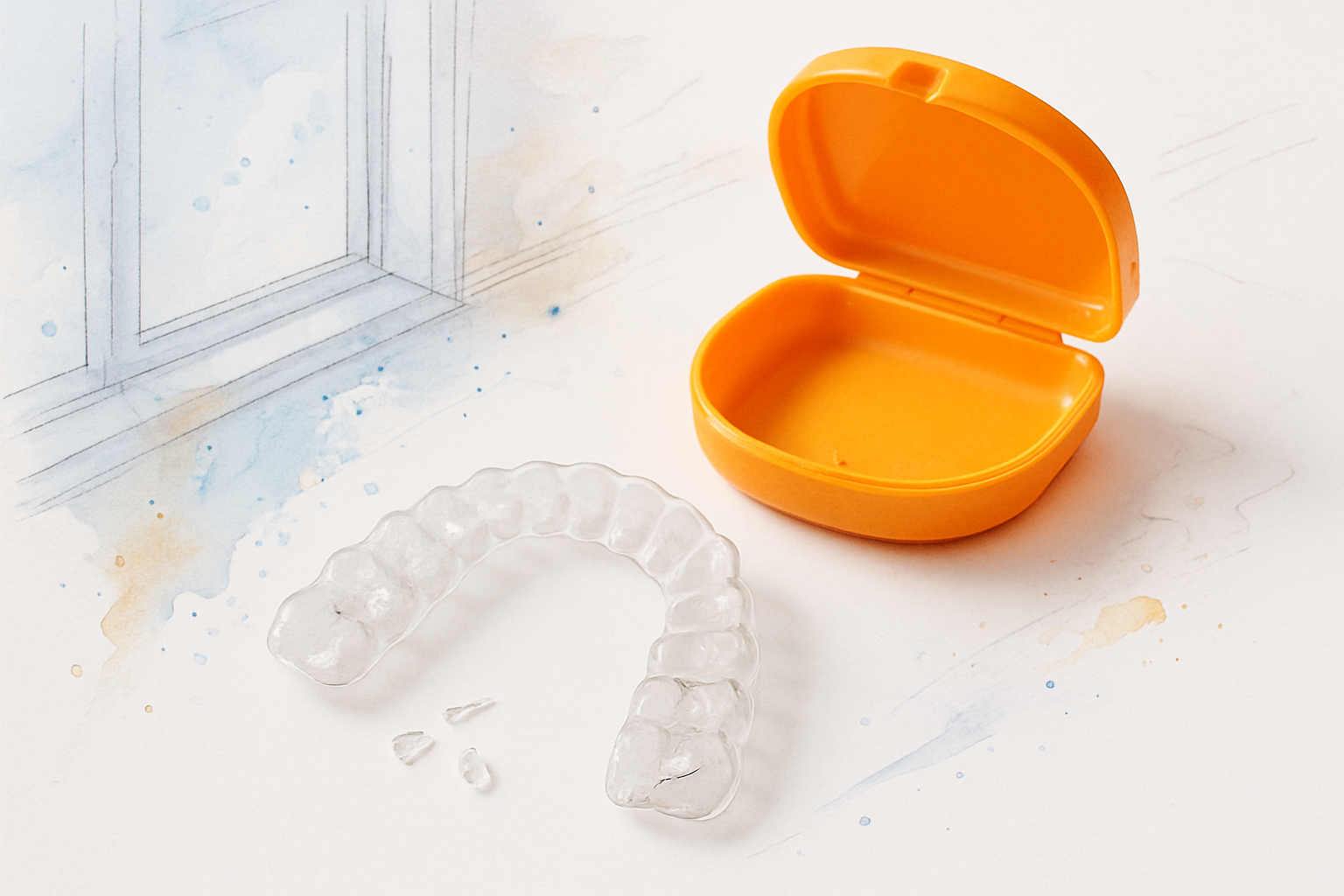
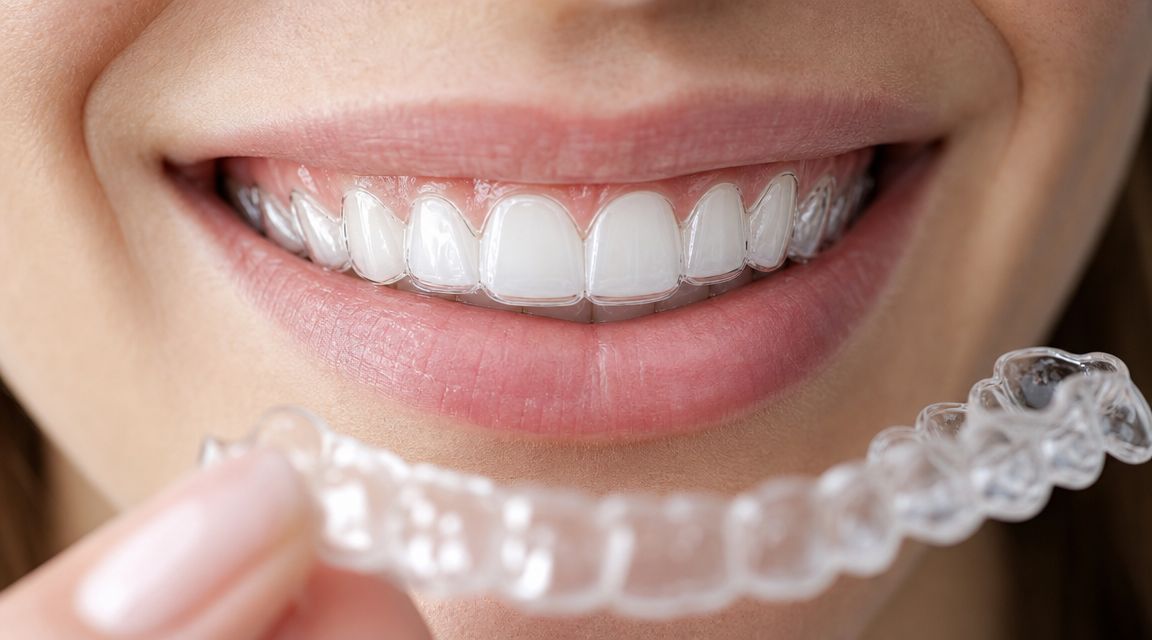
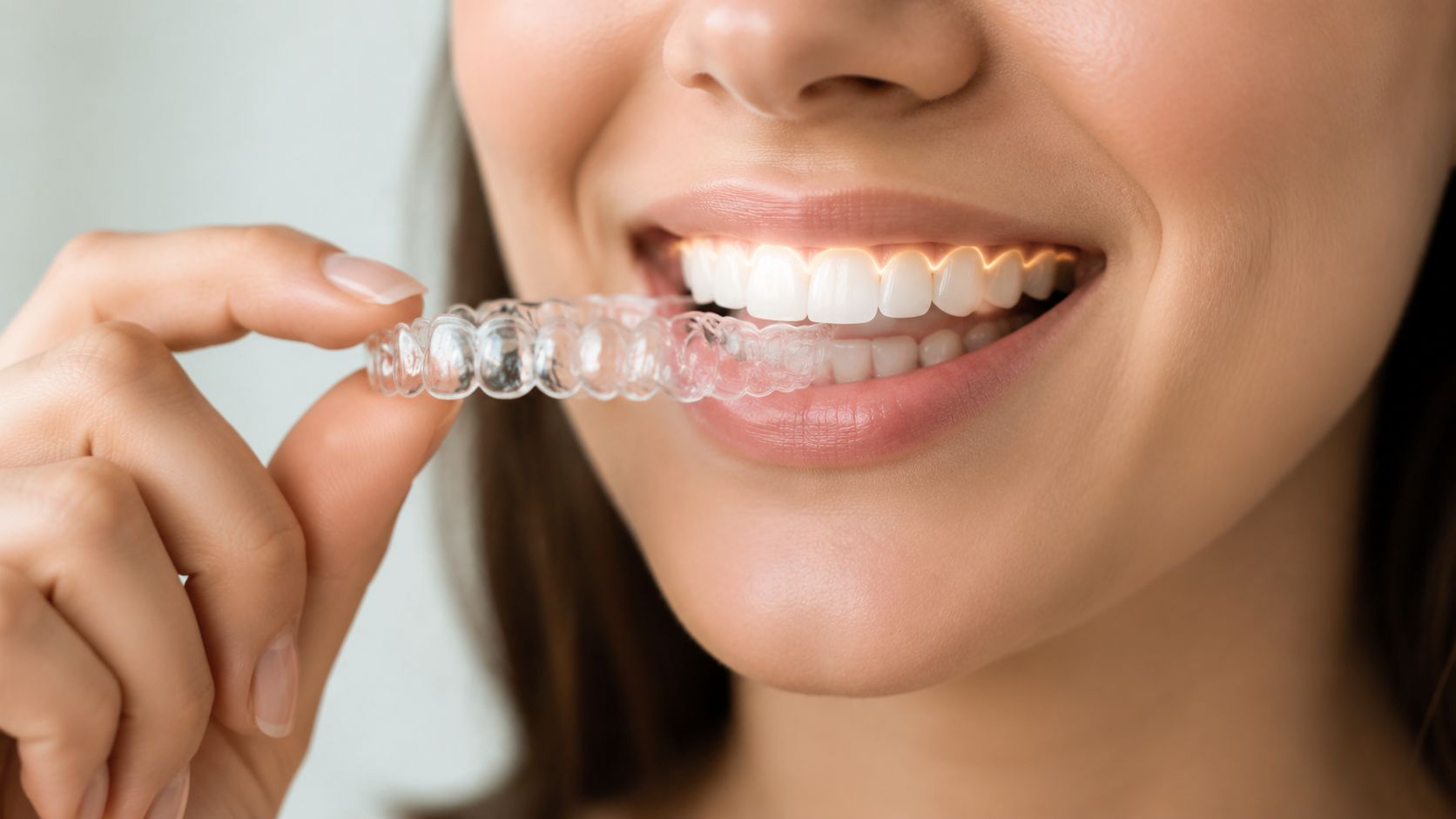
If the crossbite is mostly dental and relatively limited, Invisalign clear aligners can be a very good option. This works best when the problem is tooth position rather than a major jaw width issue.
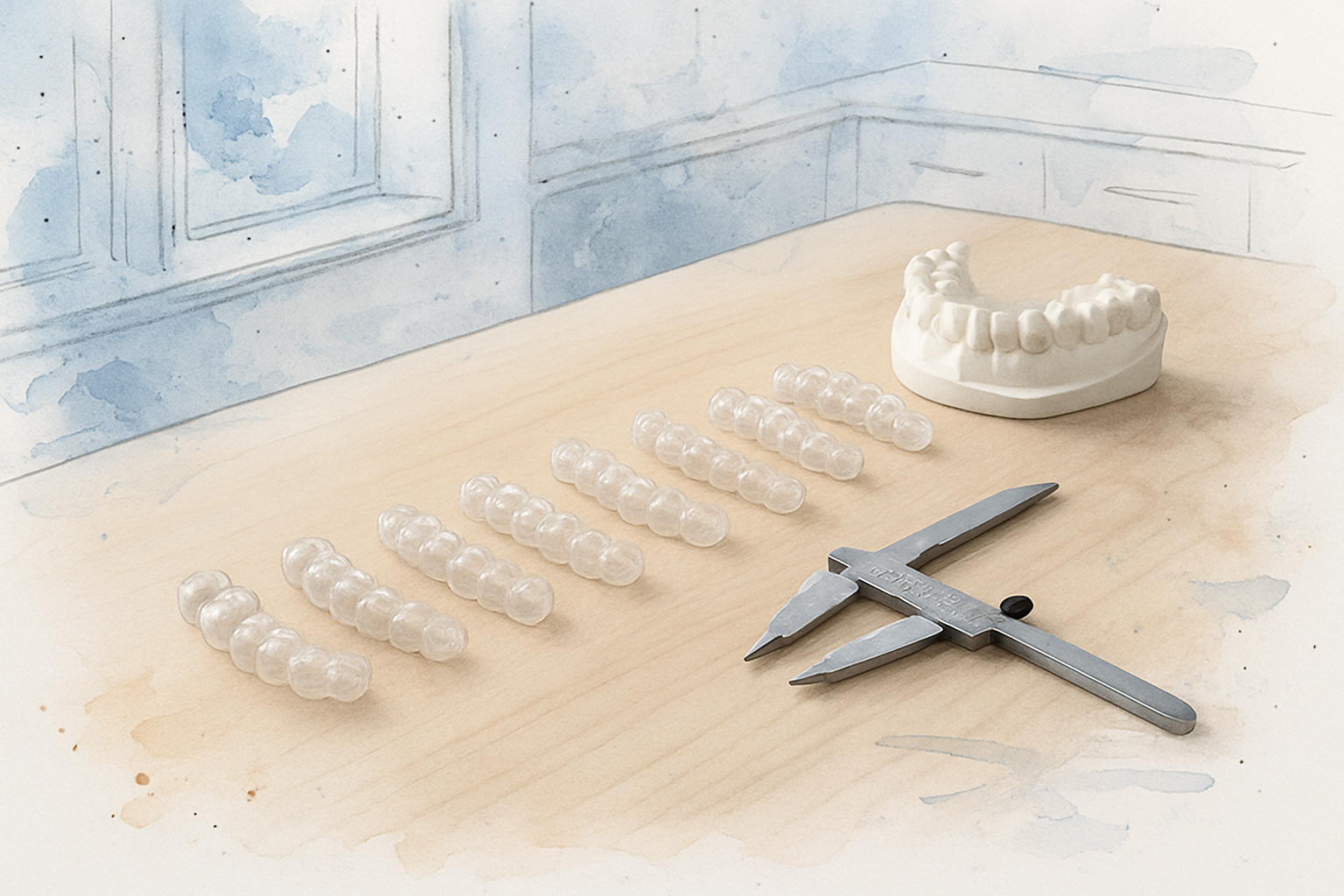
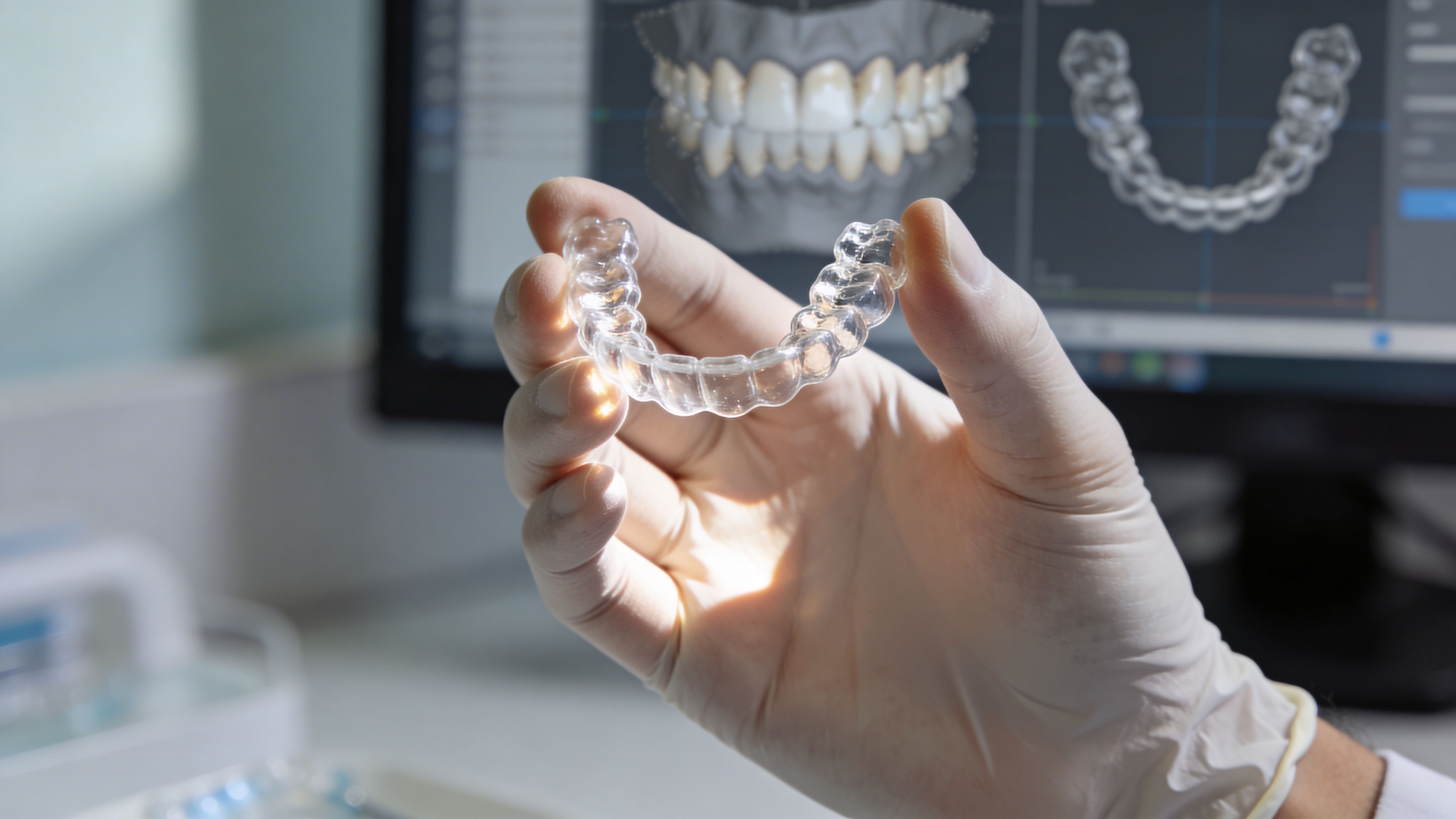
The aligner process uses a sequence of trays programmed for controlled movement. According to Invisalign’s clinical resource, adult crossbite correction with aligners for dental crossbites under 3 mm without skeletal involvement shows success rates of 82% to 88%, with an average treatment time of 12 to 18 months. That same protocol describes 14 to 20 trays per arch, changed on a 1 to 2 week wear schedule, with 0.15 to 0.25 mm movement per tray and up to 4 to 6 mm of arch expansion through attachments in appropriate cases (Invisalign crossbite treatment protocol).
There’s a trade-off. Aligners depend heavily on compliance. If you don’t wear them as directed, treatment slows down or loses precision. Adults who want flexibility for meals and brushing often like aligners, but only if they’re realistic about daily wear.
If you want a plain-language explanation of how aligner treatment works, this article on what clear aligners are is a useful overview.
Braces when control matters more
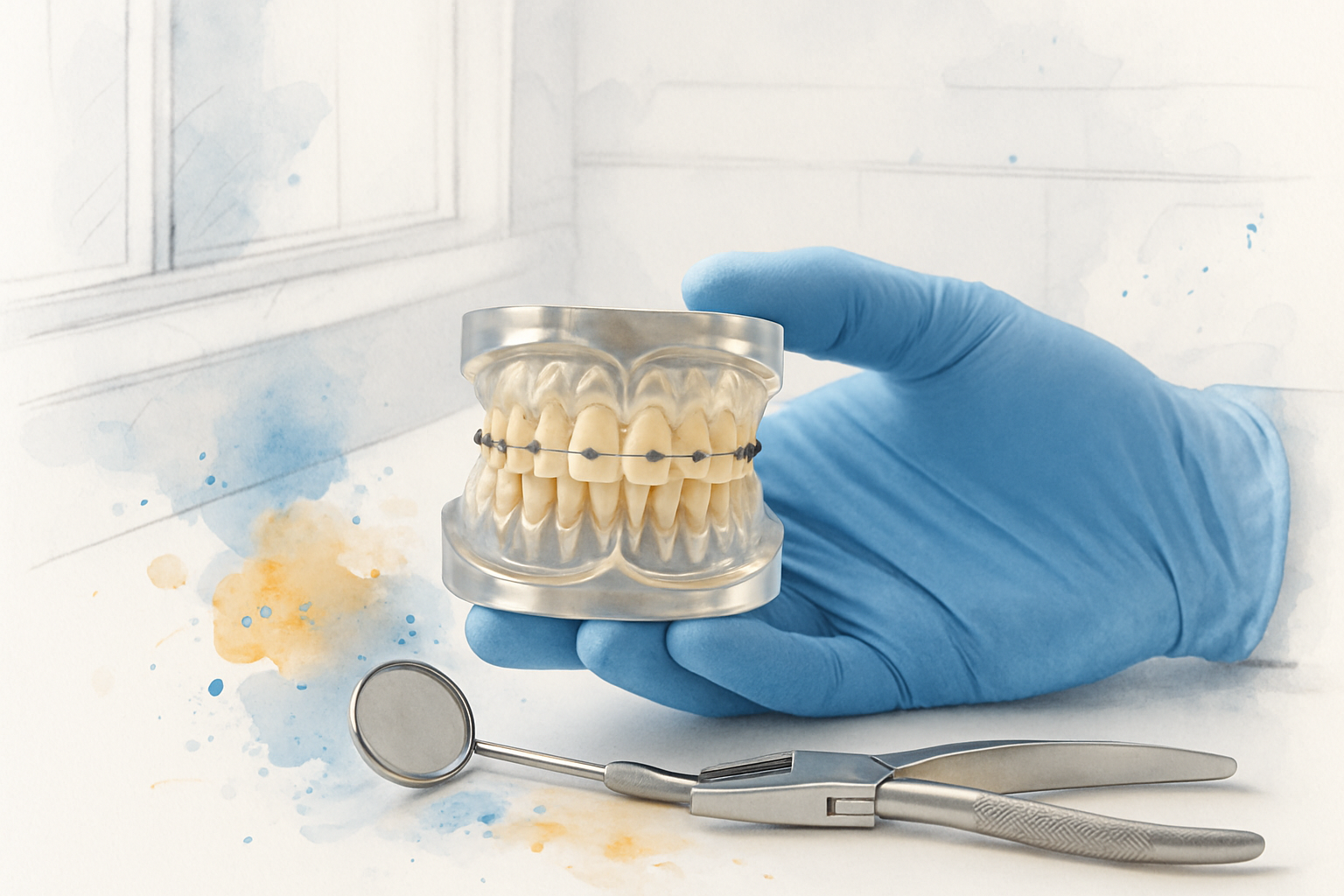
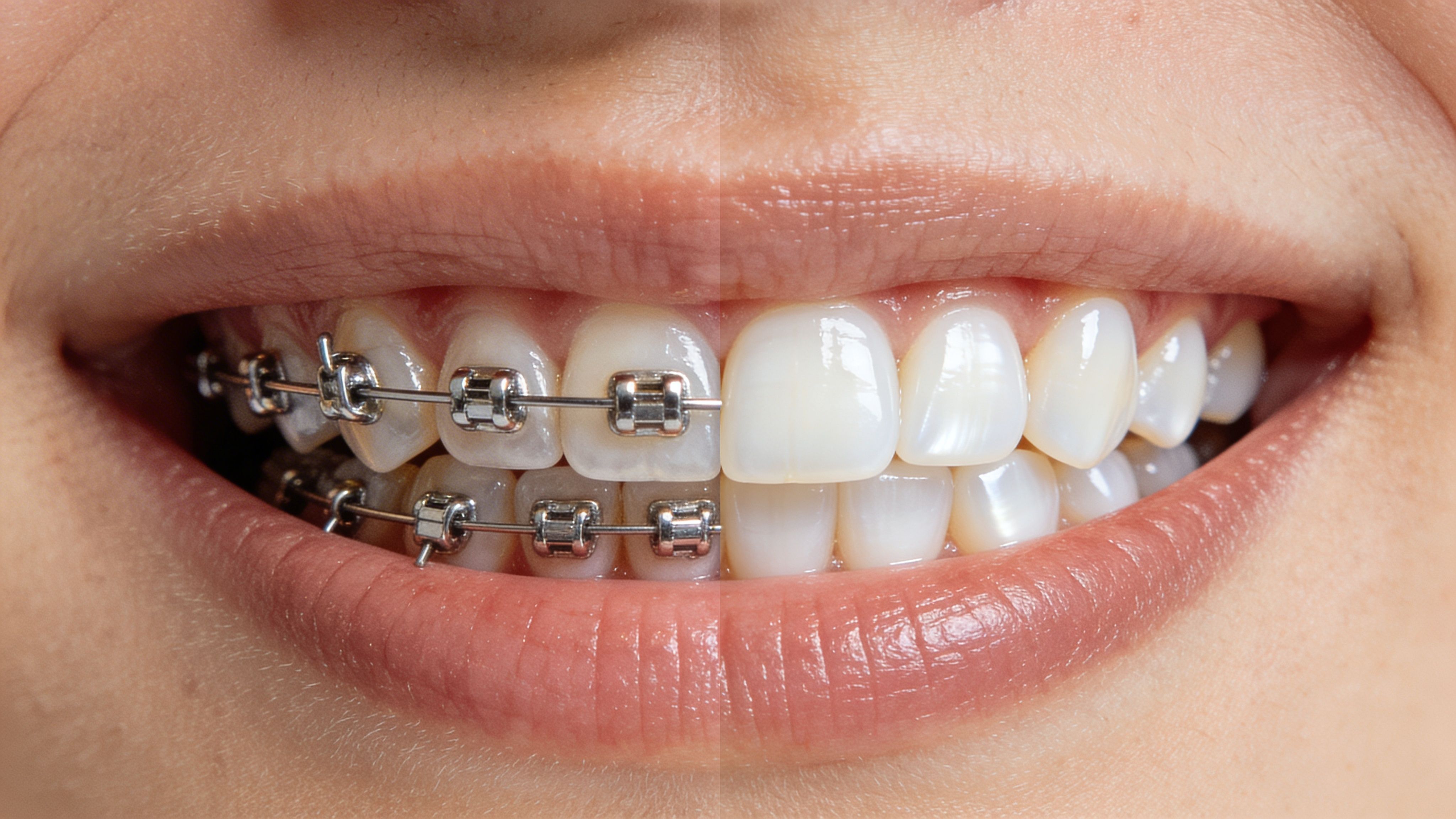
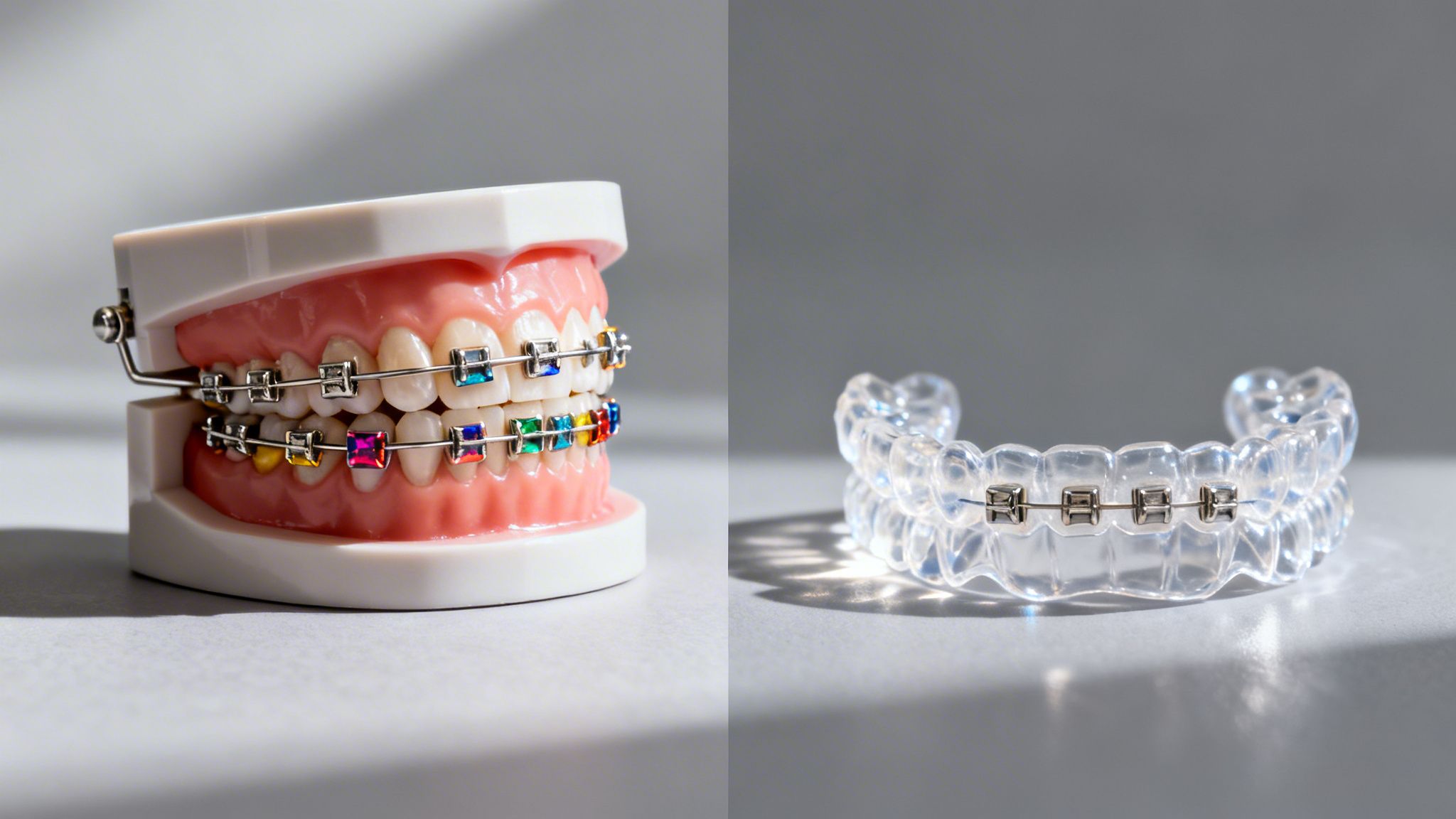
Braces are often the better choice when the crossbite involves multiple teeth, rotation, vertical issues, or a bite that needs more control from start to finish. Traditional metal braces and Iconix esthetic brackets both let us place force very precisely.
Braces earn their reputation for effectiveness in situations like these. They don’t rely on the patient remembering to reinsert a tray after meals. They also pair well with elastics when we need to guide the bite, not just line up teeth.
For adults with posterior crossbites involving expansion, one clinical protocol describes starting with a Rapid Palatal Expander or quad helix, activated daily at 0.25 to 0.5 mm per turn over 4 to 6 months, then moving into fixed braces for 12 to 24 months. That same source describes success rates of 90% to 95% for moderate to severe unilateral or bilateral cases when initiated before age 40, while also noting common pitfalls such as missed activation, early expander removal, and poor retention afterward (adult braces with palatal expansion protocol).
Practical rule: The more your case depends on exact control of tooth roots, arch coordination, and bite finishing, the more likely braces are the safer recommendation.
At practices such as Magic Fox Orthodontics, adults often choose between Invisalign, Iconix esthetic brackets, and traditional metal braces based on both diagnosis and lifestyle.
When expansion is part of the plan
If the upper jaw is too narrow, treatment may need to create width before the teeth can be aligned properly. In adults, this decision has to be made carefully because moving teeth outward is not the same thing as correcting a true width problem in the upper arch.
Evidence from a Cochrane review on posterior crossbite found strong effects for active treatment compared with observation. In the review, Hyrax expanders showed an odds ratio of 48.02 for crossbite correction compared with observation, and only 21 per 1,000 untreated patients experienced spontaneous correction compared with 511 per 1,000 treated with Hyrax across the summarized trials. The same review also reported 5.80 mm increased inter-molar distance in adolescents treated with Hyrax compared with observation (Cochrane review on posterior crossbite correction).
That doesn’t mean every adult can be treated with the same appliance used in younger patients. It does mean active correction is generally more effective than waiting and hoping the bite improves on its own.
When surgery enters the conversation
Some adults have a skeletal mismatch that orthodontics alone cannot correct predictably. In those cases, the conversation may include expansion with surgical assistance or full jaw surgery.
That recommendation usually comes up when the arches don’t fit because of jaw width or jaw position, not just because the teeth are crooked. If a patient wants to understand what a broader surgical pathway can involve, this overview of surgery for jaw realignment gives helpful general background.
The important point is simple. Surgery is not the first answer for most adults with a crossbite. But when it is indicated, it’s often the most honest and stable answer.
A typical adult timeline
Most adults follow a sequence that looks like this:
Consultation and records
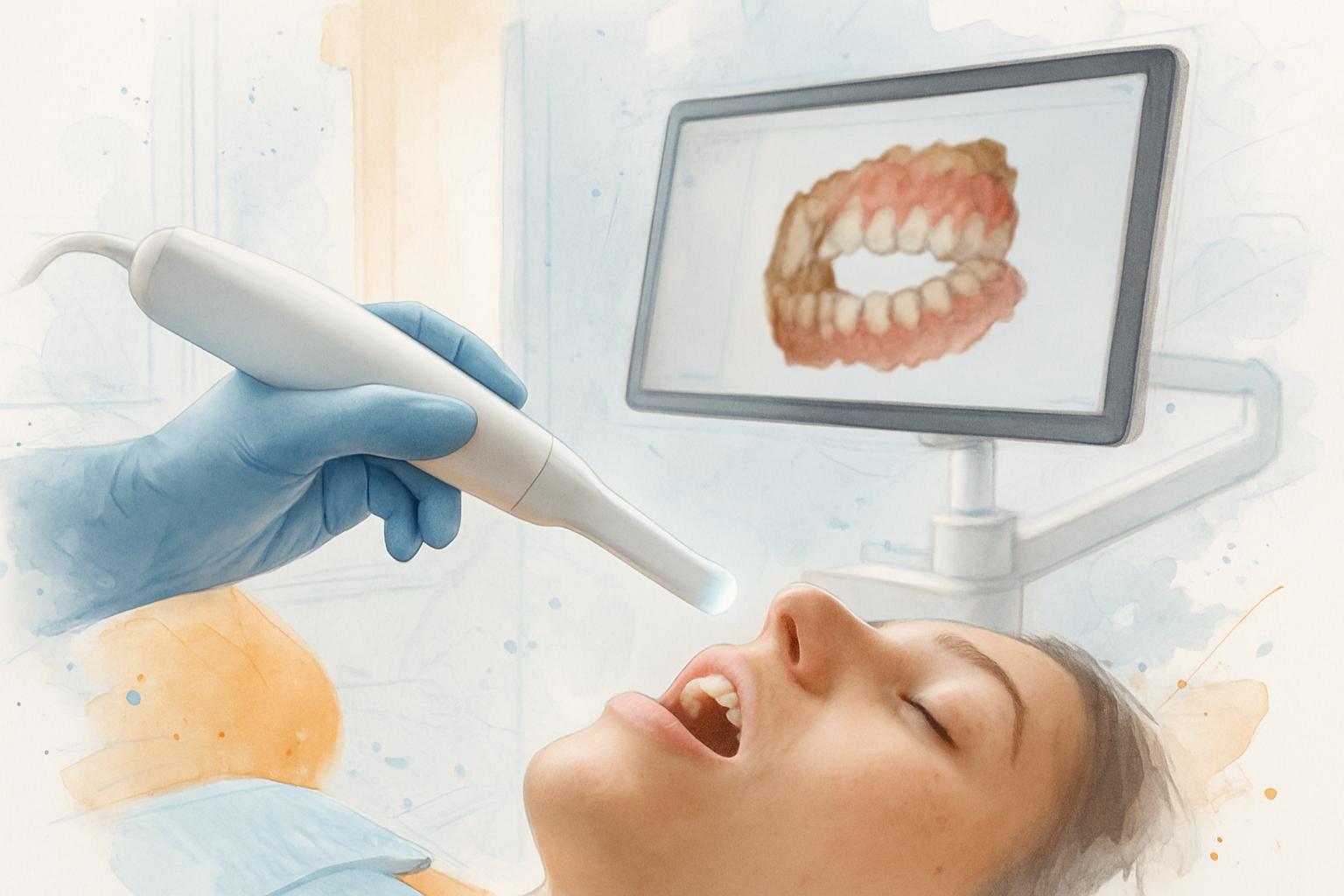
We look at the bite, take digital scans, photos, and other records as needed.Diagnosis and recommendation
We decide whether the case is mainly dental, skeletal, or mixed.Active treatment
That may mean aligners, braces, or an expansion phase before braces.Finishing the bite
Small refinements matter here. A crossbite isn't finished until the teeth fit and function well.Retention
Long-term stability is protected.
Adults often focus on getting the crossbite corrected. Orthodontists focus just as much on making sure it stays corrected.
Choosing Your Best Option A Decision Checklist
Most adults don’t need more information. They need a way to sort through the options clearly.
The questions that usually decide it
Start with the clinical side first, then the lifestyle side.
How severe is the crossbite
A mild dental crossbite may fit aligners well. A broader bite mismatch often points toward braces, expansion, or surgical planning.Do you care strongly about visibility
If appearance during treatment is a major concern, clear aligners or Iconix esthetic brackets may feel easier to live with.Can you handle removable treatment well
Aligners only work if you wear them consistently. If you know that won’t be easy, fixed braces may be the simpler option.Is the goal convenience or maximum control
Neither is wrong. You just want the treatment method that matches what your bite needs.
For a side-by-side look at these trade-offs, this comparison of adult braces vs Invisalign can help you think through daily life, appearance, and control.
Daily life questions patients ask in consultation
Some concerns don’t show up on X-rays, but they matter.
| Question | Why it matters |
|---|---|
| Will this show in photos or at work? | Aesthetic preference can affect treatment choice |
| Do I travel or eat out often? | Removable aligners can be convenient, but they require discipline |
| Am I okay with food restrictions? | Braces change eating habits more than aligners |
| Do I want the shortest practical path or the most discreet one? | Those aren’t always the same thing |
The right treatment isn’t the one that sounds nicest online. It’s the one you can actually complete well.
What about cost and discomfort
Cost depends on the complexity of the bite, how long treatment is expected to last, and whether care involves other specialists. The only reliable way to get an honest answer is an exam and treatment plan.
Discomfort is real, but it’s usually manageable. Most adults describe treatment as pressure and soreness during adjustment periods, not constant pain. The bigger challenge is often adapting to the routine, especially in the first weeks.
Your Treatment Journey What to Expect
You come in expecting to hear “braces or Invisalign,” and the first thing we talk about is whether the crossbite is dental, skeletal, or a mix of both. That answer shapes the whole plan, including whether treatment is straightforward orthodontics or whether expansion or surgery needs to be part of the conversation from day one.

The first visit and diagnosis
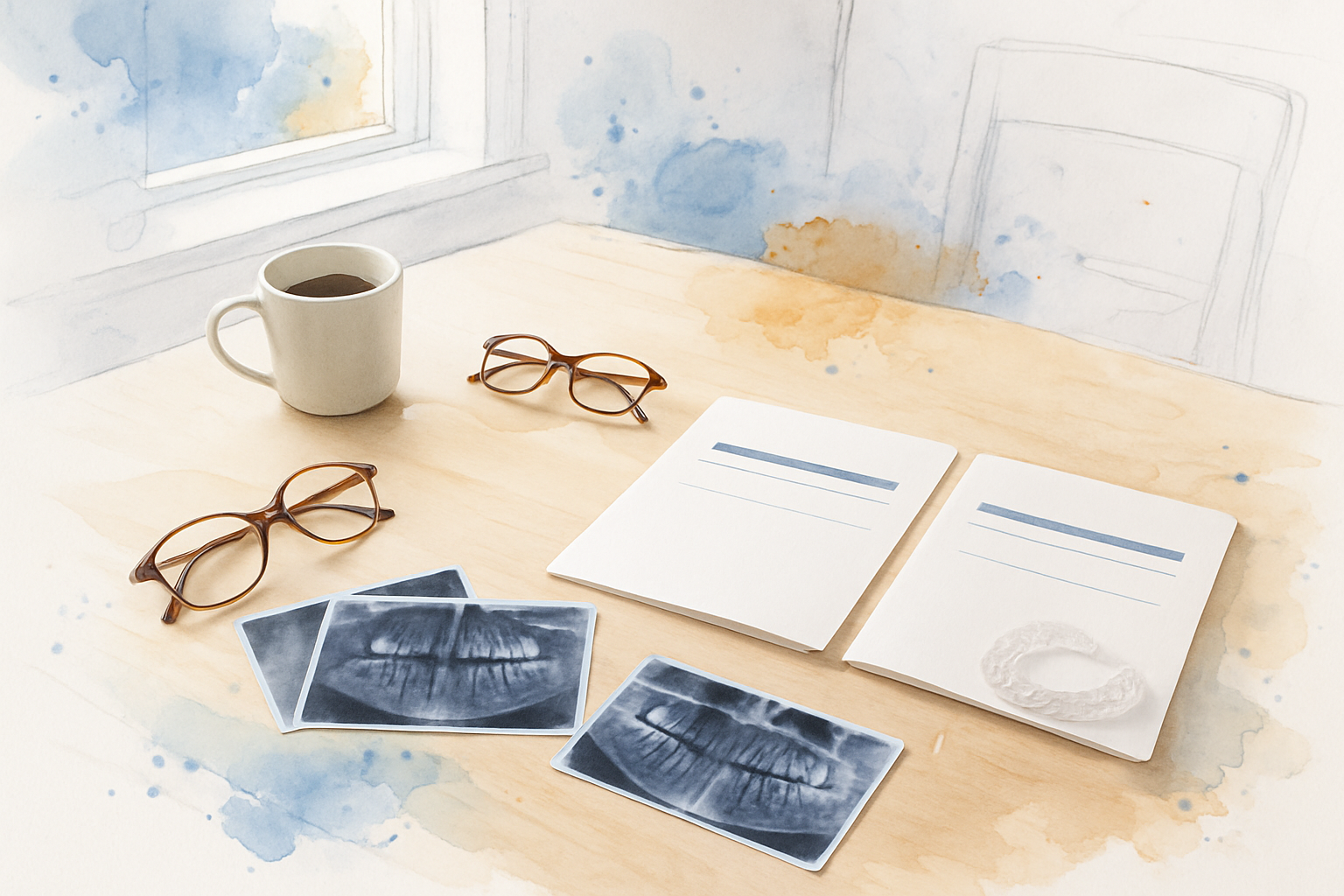
The first visit is usually more detailed than patients expect. We check how your teeth fit together, look at facial balance, review joint symptoms if you have them, and take digital records such as photos, scans, and X-rays.
This is the visit where decision-making starts.
A mild tooth-position problem can often be handled with aligners or braces alone. A narrow upper arch may point us toward expansion. A larger jaw mismatch can mean orthodontics by itself will improve things only to a point, and I would rather tell a patient that early than let them spend months in treatment headed toward the wrong finish line.
The active phase
Once the diagnosis is clear, treatment tends to follow a sequence. In adult cases that need expansion, the widening phase comes first, then tooth alignment and bite correction after that. In cases that are mainly dental, we can often start directly with aligners or braces and focus on moving the teeth into a healthier fit.
The timeline depends on what we are correcting and how your teeth respond. Some adults move through treatment with relatively few surprises. Others need refinements, bite adjustments, or coordination with another specialist. That is normal. The plan is not just about getting teeth straight. It is about getting the bite to fit in a way that is stable and functional.
If you are in aligners, expect a series of trays, regular wear at home, and periodic checks to confirm tracking. If you are in braces, expect scheduled adjustments and more in-office control over individual tooth movement. If surgery is part of the plan, orthodontic treatment usually happens before and after the procedure, with each phase serving a different purpose.
What tends to feel hardest
For many adults, the hardest part is not pain. It is adapting to the routine.
The first weeks often bring pressure, speech changes, food adjustments, or the discipline of wearing aligners consistently. Patients who do well usually know what they are working toward and understand why each phase matters. That is one reason I review the sequence clearly before treatment starts.
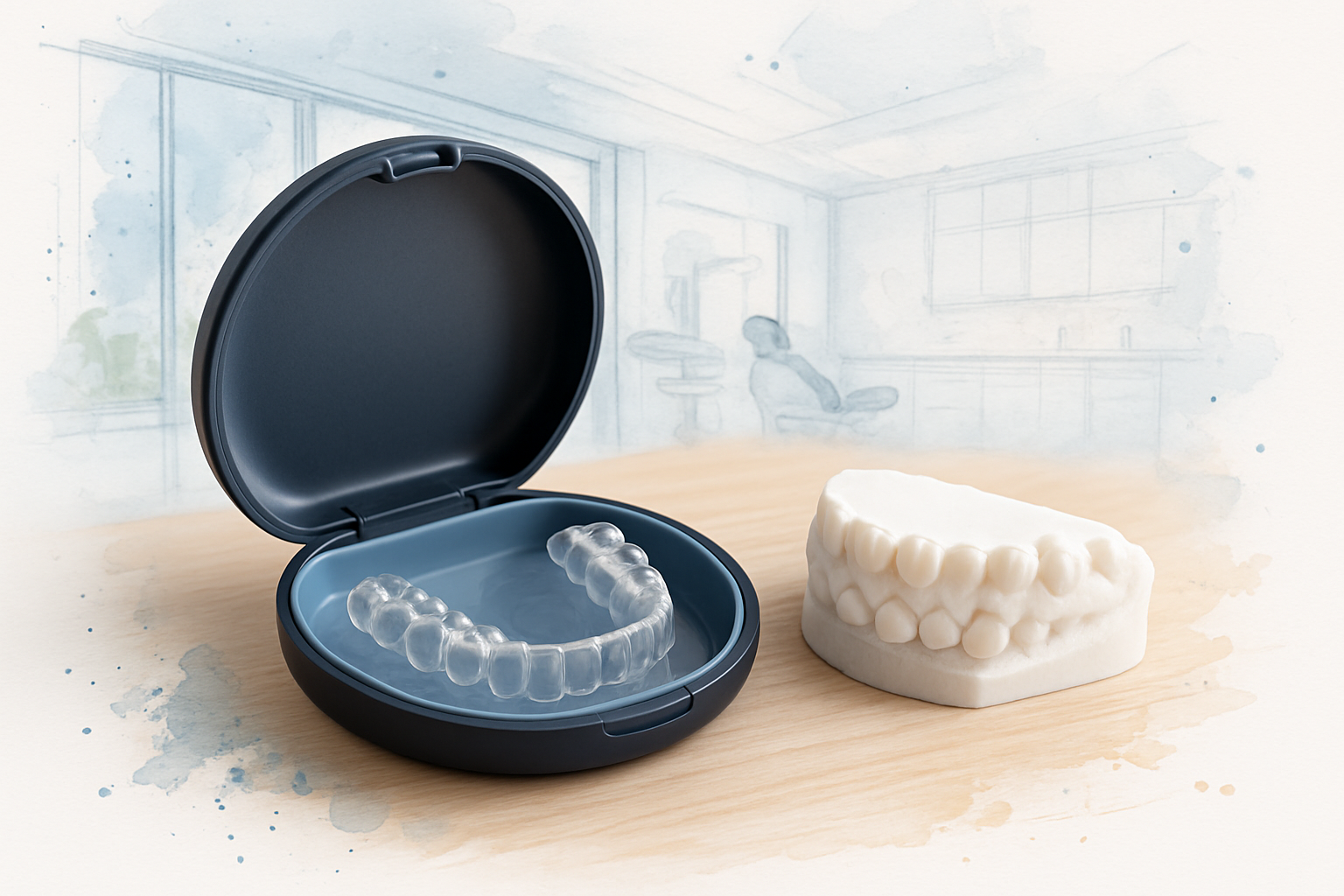
Retention also deserves plain talk. Teeth can drift. Bone and gum tissues need time to adapt to the new position. Retainers are part of treatment, not an optional extra at the end.
A good result depends on finishing well and holding the correction long enough for it to settle.
If you want a step-by-step overview of visits, appliances, and follow-up care, this guide to the orthodontic treatment process lays out the sequence in practical terms.
What adults should expect emotionally and practically
Adult treatment usually feels easier once there is a clear plan and a reason behind each recommendation. Patients handle treatment better when they know why I am suggesting aligners in one case, braces in another, or a surgical consult in a more severe bite.
That clarity matters. It helps you choose a path you can realistically follow, and it helps us set expectations about time, appearance, and the level of correction that is possible.
Frequently Asked Questions About Adult Crossbite Correction
Can crossbite be fixed in adults without surgery
Yes, many adult crossbites can be corrected without surgery. Whether that applies to you depends on whether the problem is mainly tooth position or a larger jaw mismatch.
Is Invisalign enough to fix an adult crossbite
Sometimes, yes. Invisalign is often a good fit for mild to moderate dental crossbites, but it’s not the right tool for every skeletal problem or every complex bite.
How long does it take to fix a crossbite in adults
Treatment time depends on how severe the crossbite is and what method is used. Some adults are good candidates for aligners, while others need a longer plan that includes braces or expansion.
Does fixing a crossbite hurt
Most adults describe soreness or pressure, especially after starting a new aligner or after an adjustment. It usually feels more like your teeth are being worked on than sharp pain.
Do I need braces or can I choose aligners
Sometimes you have a true choice, and sometimes the bite makes that choice for you. If the case needs more control, braces may be the safer recommendation even if you initially hoped for aligners.
Will my crossbite come back after treatment
It can relapse if retainers aren’t worn as directed. Long-term stability depends on finishing the bite properly and protecting it with retention.
Can a crossbite cause jaw pain
It can. Not every person with jaw pain has a crossbite, but an unbalanced bite can contribute to muscle strain and joint irritation in some adults.
How much does adult crossbite treatment cost
There isn’t one standard fee because treatment varies by complexity, length, and whether additional procedures are needed. A consultation is the best way to get a case-specific answer.
Start Your Journey to a Healthier Bite in Huntington Beach
You might already know something feels off. Maybe one side does more of the chewing, a few teeth are wearing down faster, or your bite has never felt stable. Many adults reach this point after years of working around the problem.
A consultation should answer one question first. What kind of crossbite are we treating?
That distinction shapes the whole plan. If the issue is mostly tooth position, aligners or braces may correct it well. If jaw structure is driving the bite problem, camouflage treatment can have limits, and surgery may be the more stable choice. Adults usually do best when they understand that decision early, before committing to a treatment option that does not match the problem.
At Magic Fox Orthodontics, Dr. Jeremy and Dr. Melissa offer free consultations to examine your bite, explain the findings in plain language, and talk through the trade-offs between aligners, braces, and more advanced treatment when needed. Spanish- and Vietnamese-speaking families are welcome.
Call (714) 594-5777 or visit 17041 Beach Boulevard, Suite 101, Huntington Beach, CA 92647. Office hours are Monday through Friday 9:00 AM to 5:00 PM and Saturday 8:00 AM to 2:00 PM.
If you are ready to get clear on your options, schedule a free consultation. You will leave knowing what is causing the crossbite, which treatment path makes sense for your case, and what the process is likely to involve day to day.