What Adults in Huntington Beach Wish They Knew Before Starting Invisalign
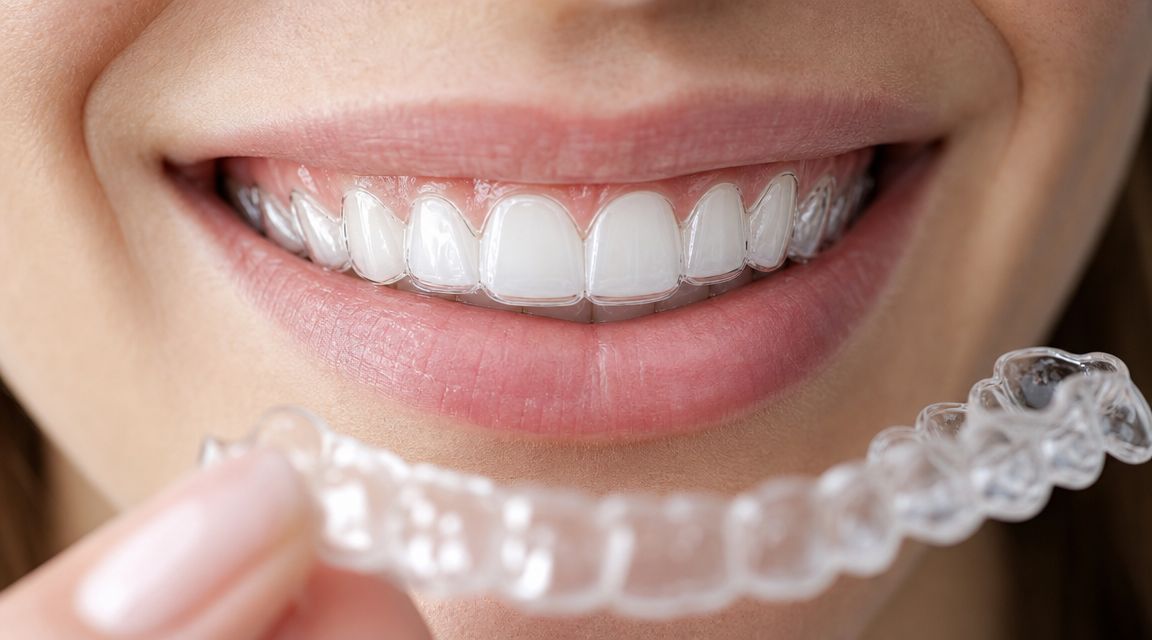
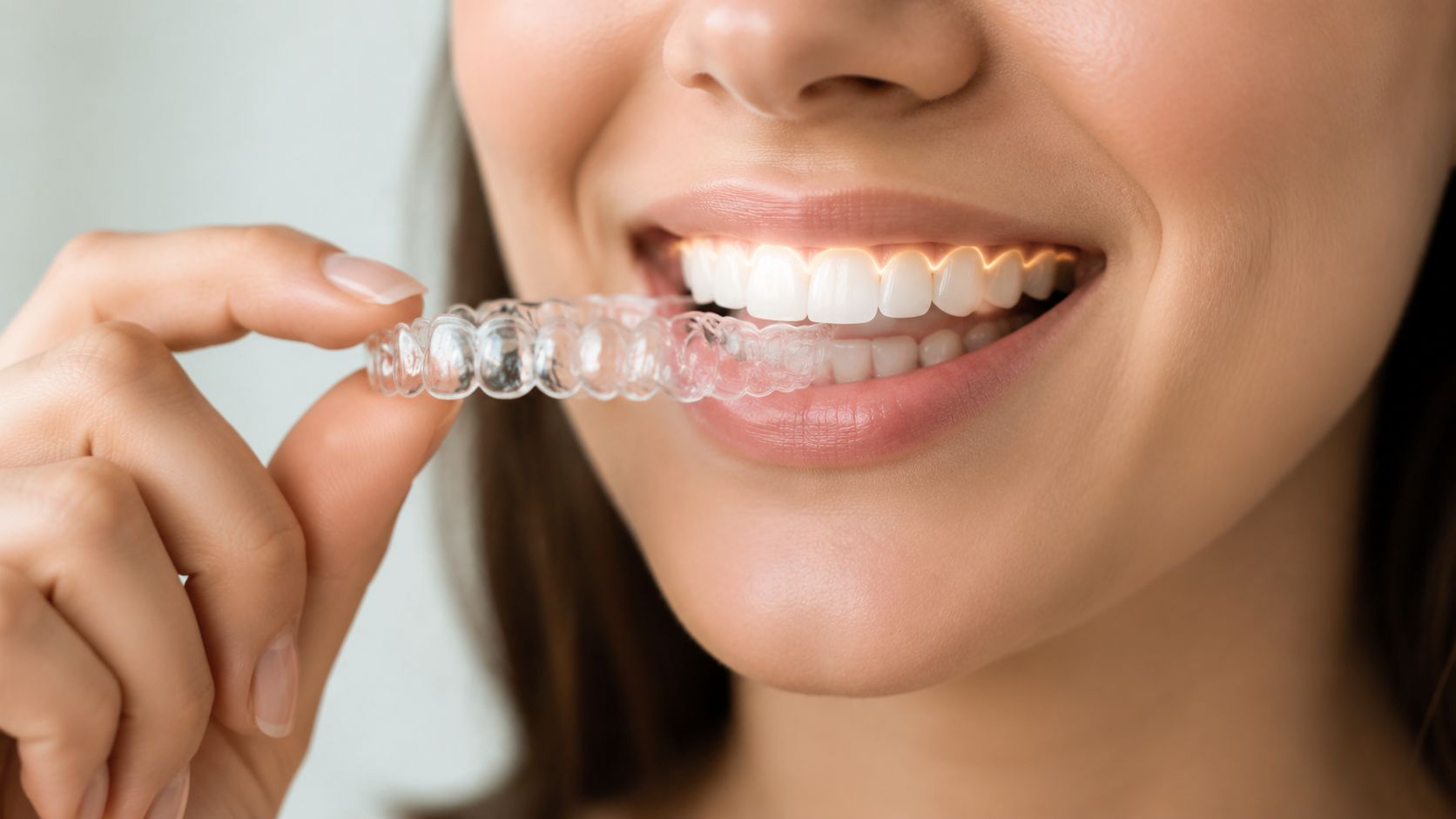
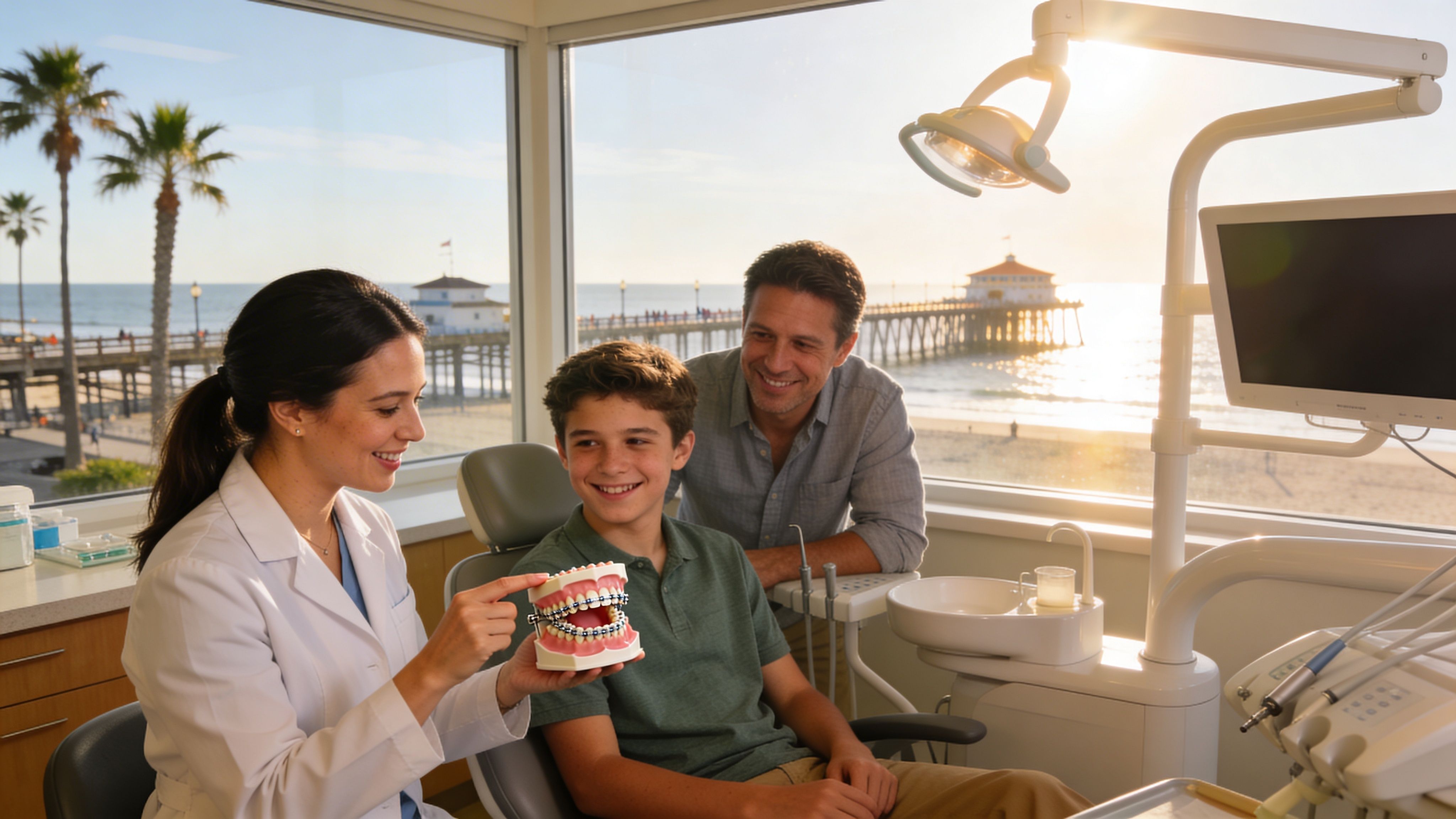
Thinking about Invisalign in Huntington Beach usually starts the same way. You want straighter teeth, you'd prefer not to wear visible braces, and Invisalign seems like the adult-friendly answer. That part is true. It's discreet, modern, and for the right patient, very effective.
What many adults don't see at first is everything between the first scan and the final result. Invisalign isn't just a clear tray system. It's a routine, a schedule, a hygiene commitment, and a long stretch of small daily decisions that add up. That's why so many adult patients say some version of the same thing after they begin: I wish I had known that sooner.
For adults in Huntington Beach and Fountain Valley, those realities often show up in very specific ways. Coffee runs, beach days, client lunches, school pickup, dinner out, and packed work schedules all make “removable” treatment both convenient and easy to misuse. The trays fit into life, but only if life is organized around them.
This guide is the practical version of what adults in Huntington Beach wish they knew before starting Invisalign. It's not a sales pitch. It's a practical trade-off list. If you understand the time, the discipline, the hygiene demands, and the long-term responsibility before you start, treatment feels much more predictable and much less frustrating.
1. Understand the True Timeline
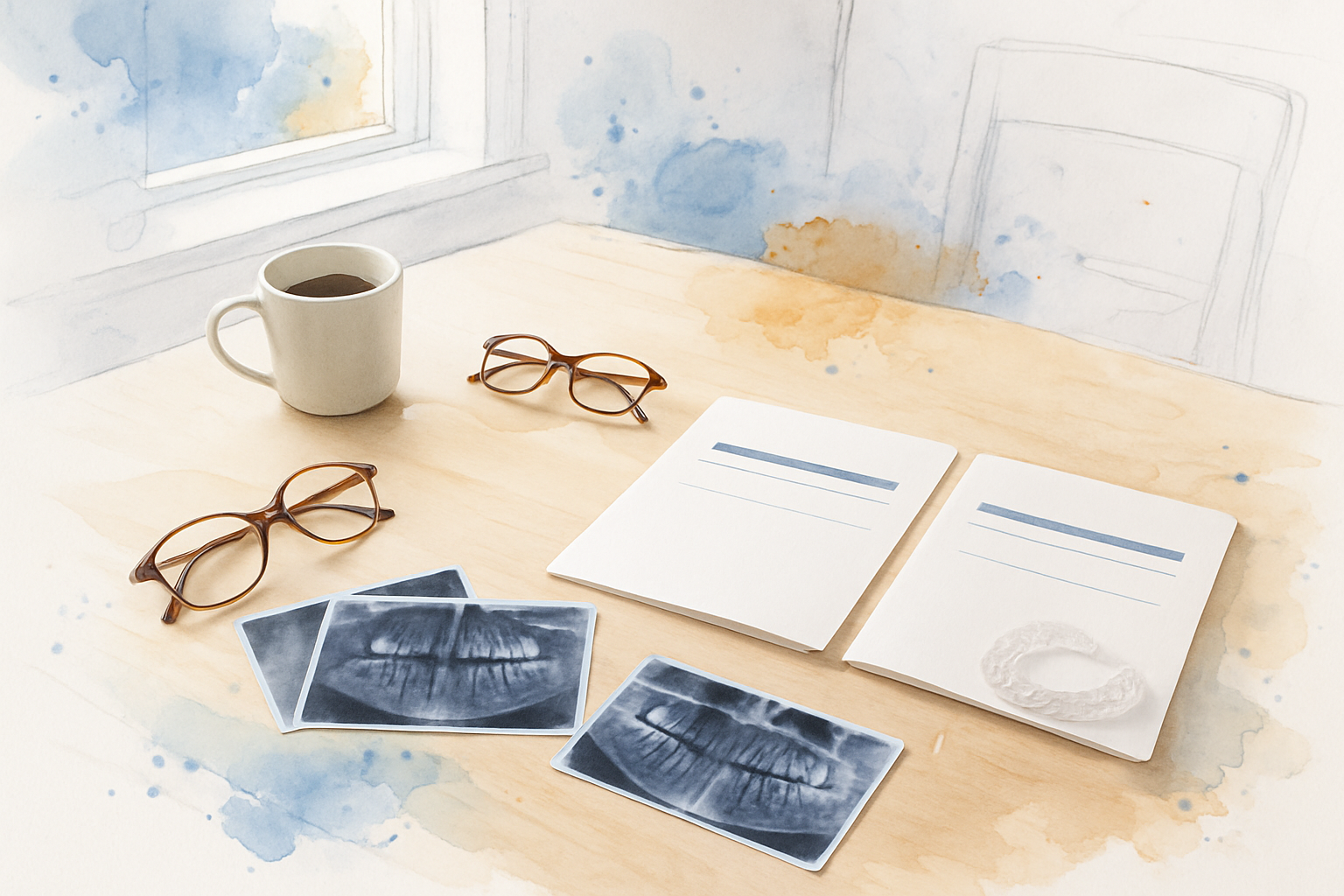
A lot of adults start Invisalign thinking of it as a fast cosmetic upgrade. In reality, it's a staged orthodontic process. Local provider guidance commonly places Invisalign at 12 to 18 months, with some minor cases around 6 months, which is very different from the idea of “a few quick trays and done.”
That timeline matters because adults often build expectations around weddings, work milestones, vacations, or family photos. If you assume your teeth will move faster than they do, the treatment can feel disappointing even when it's going exactly as planned.
Why adults get frustrated
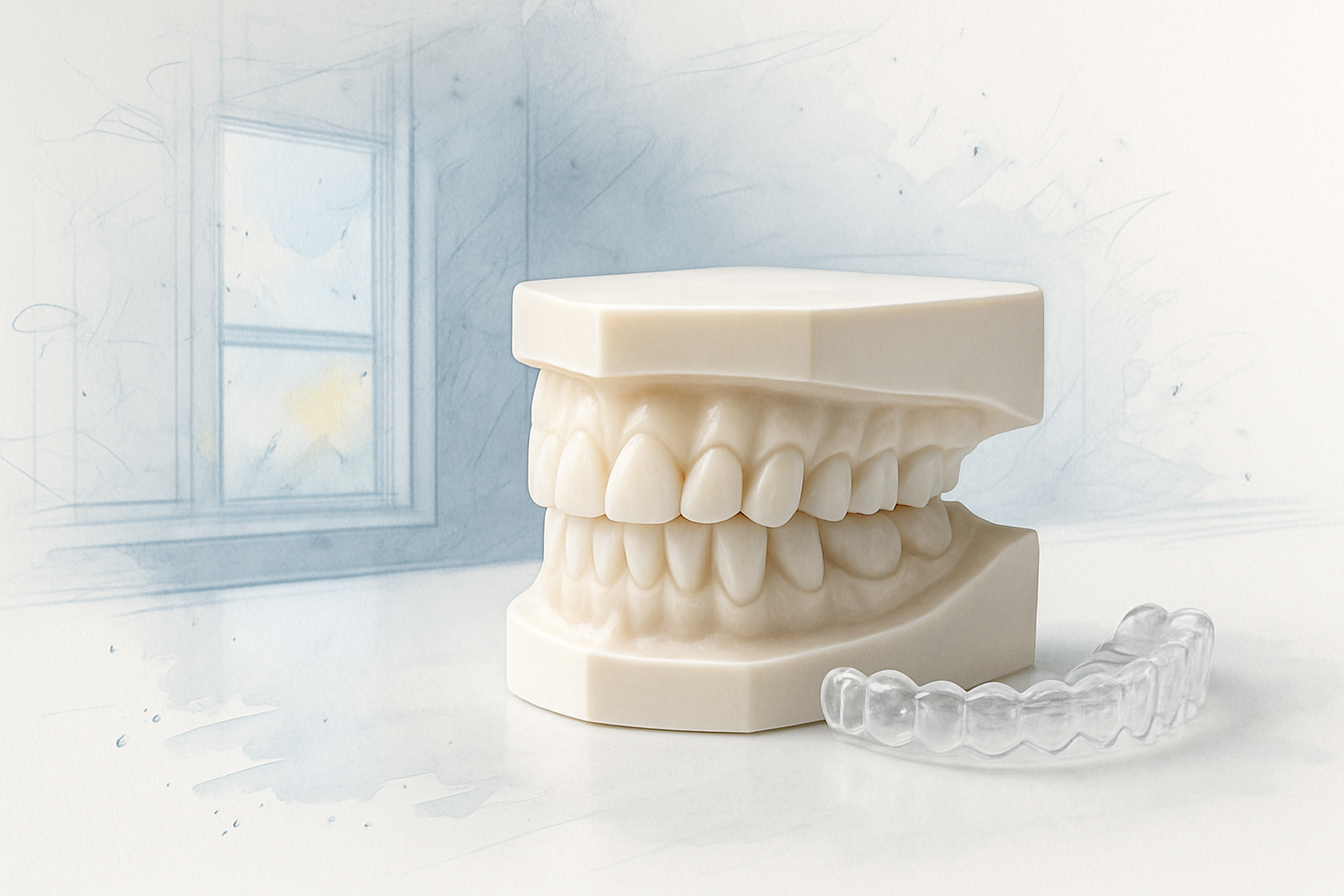
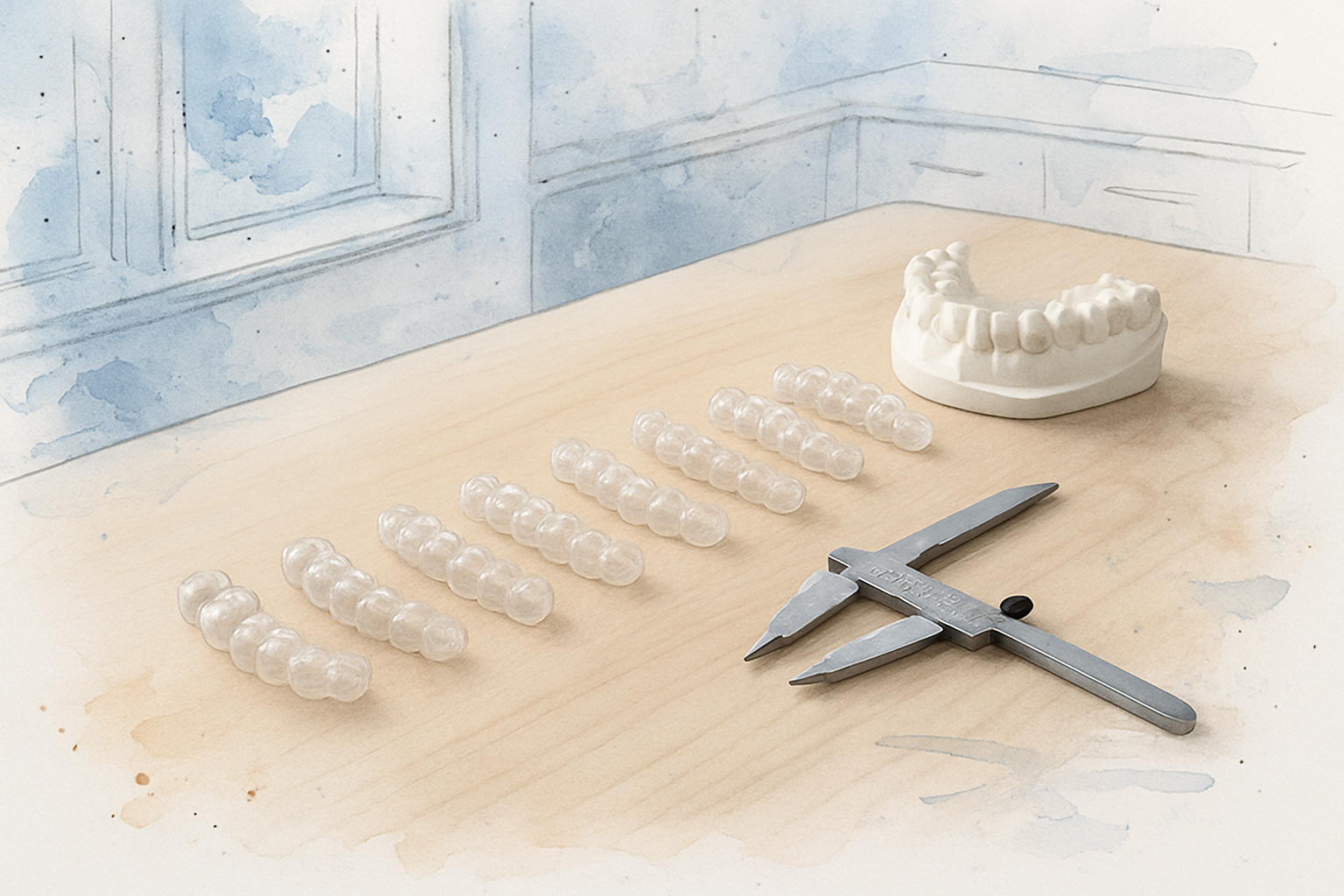
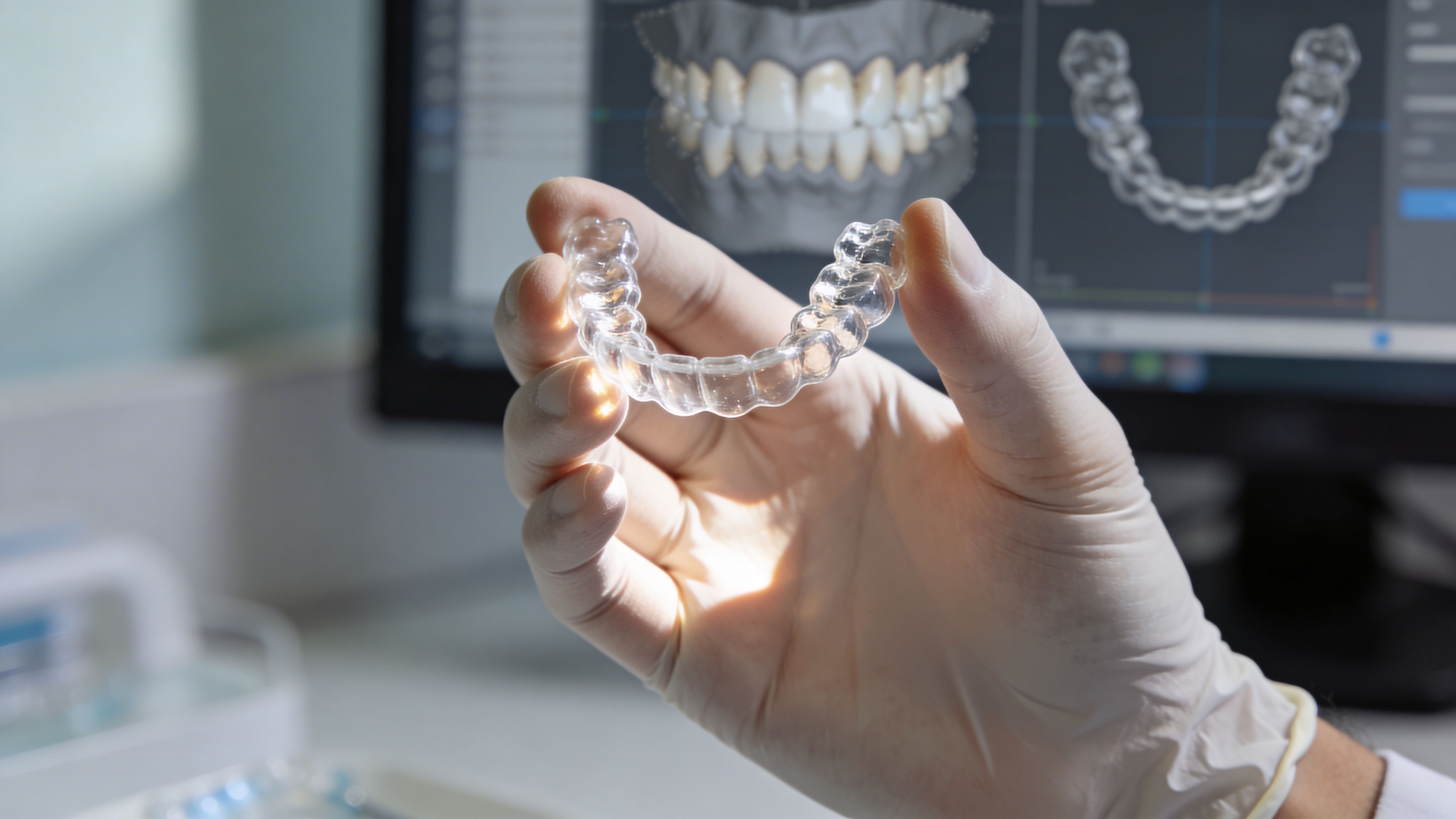
Invisalign works through a sequence of custom-made, clear plastic aligners that gradually move teeth. That means progress often looks subtle from week to week. Adults who've had shifting after earlier orthodontic treatment also tend to be surprised that correction still takes patience, monitoring, and occasional refinements.
What helps: Think of Invisalign as medium-duration treatment with checkpoints, not a quick cosmetic shortcut.
A common local scenario is the working adult who begins treatment before a major professional season, assuming they'll be finished soon. Months later, they're still in trays, but the issue usually isn't that treatment failed. It's that the original expectation was unrealistic.
Better ways to plan
A written timeline is useful, but so is planning your life around the possibility that treatment may still be active during big events. Adults who do well with Invisalign usually stop asking, “How fast can this end?” and start asking, “How do I stay consistent for the full process?”
A few practical habits help:
- Track visible change: Take monthly progress photos so subtle movement doesn't feel invisible.
- Plan around milestones: Assume you may still be wearing aligners during presentations, holidays, or travel.
- Read a timeline overview first: Magic Fox Orthodontics has a helpful breakdown of the Invisalign treatment timeline.
2. Commit to Daily Wear
If there is one issue that defines success with Invisalign, it's compliance. Invisalign's own patient guidance says aligners should be worn for 20 to 22 hours per day. Independent orthodontic guidance also emphasizes that treatment success depends on wearing aligners up to 22 hours a day, because they come out for eating, drinking, and oral hygiene.
Many adults underestimate the system. Braces stay on whether your day is organized or chaotic. Invisalign only works when you put it back in.

The real problem isn't the tray
For adults, the biggest failure point usually isn't that Invisalign can't move the teeth. It's daily behavior. Lunch meetings run long. Coffee turns into a second coffee. You snack in the car after school pickup. You take the trays out and forget to put them back in.
That's why “removable” is both Invisalign's biggest benefit and its biggest risk.
Busy adults don't usually struggle because the aligners are difficult. They struggle because the day gets away from them.
Adults in Huntington Beach often have social schedules that involve drinks, outdoor meals, and casual eating patterns. If you graze all day, Invisalign becomes much harder than it looks online.
What works in real life
The adults who stay on track tend to simplify their eating schedule and reduce unnecessary tray-out time.
- Use set meal windows: Breakfast, lunch, and dinner work better than constant snacking.
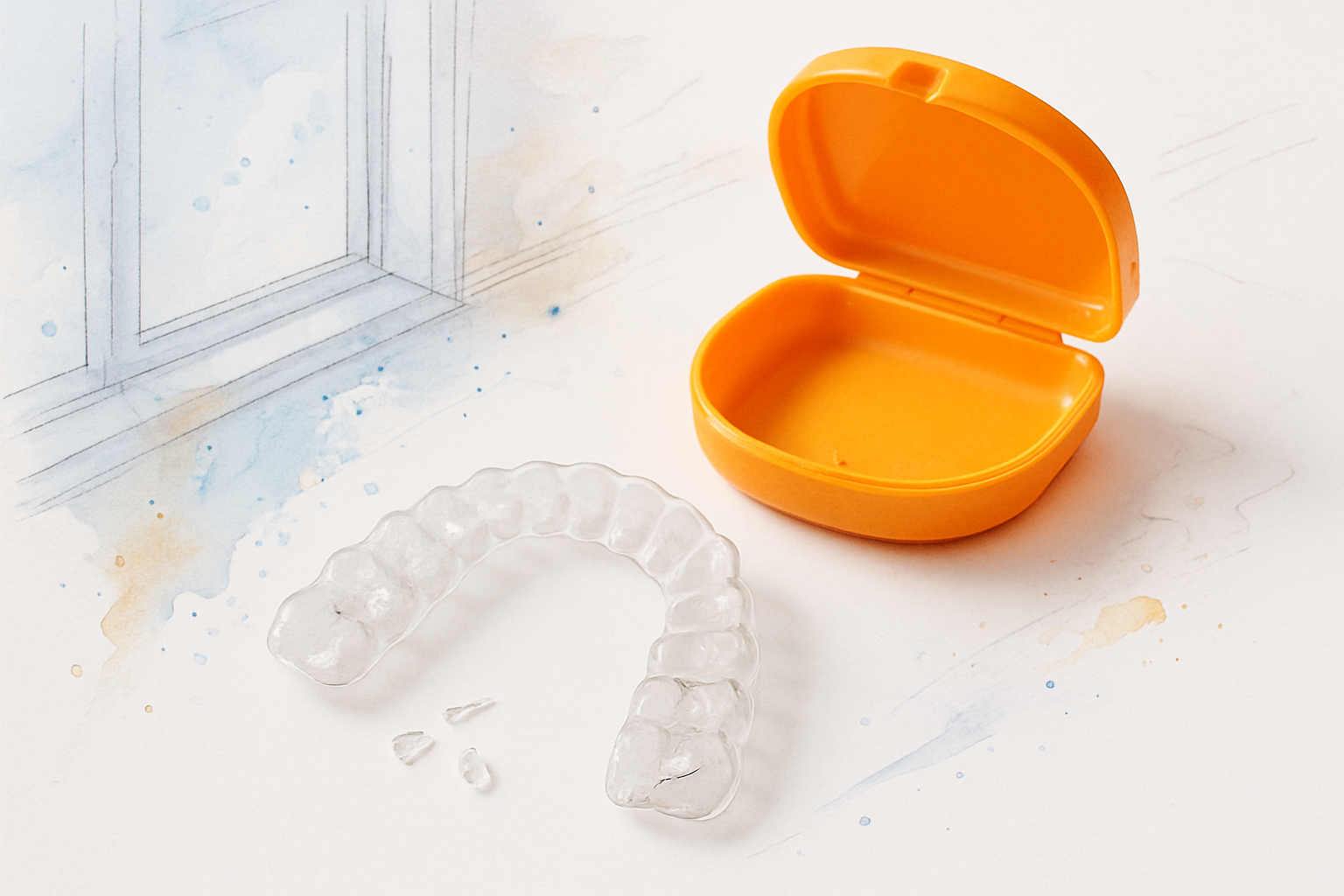
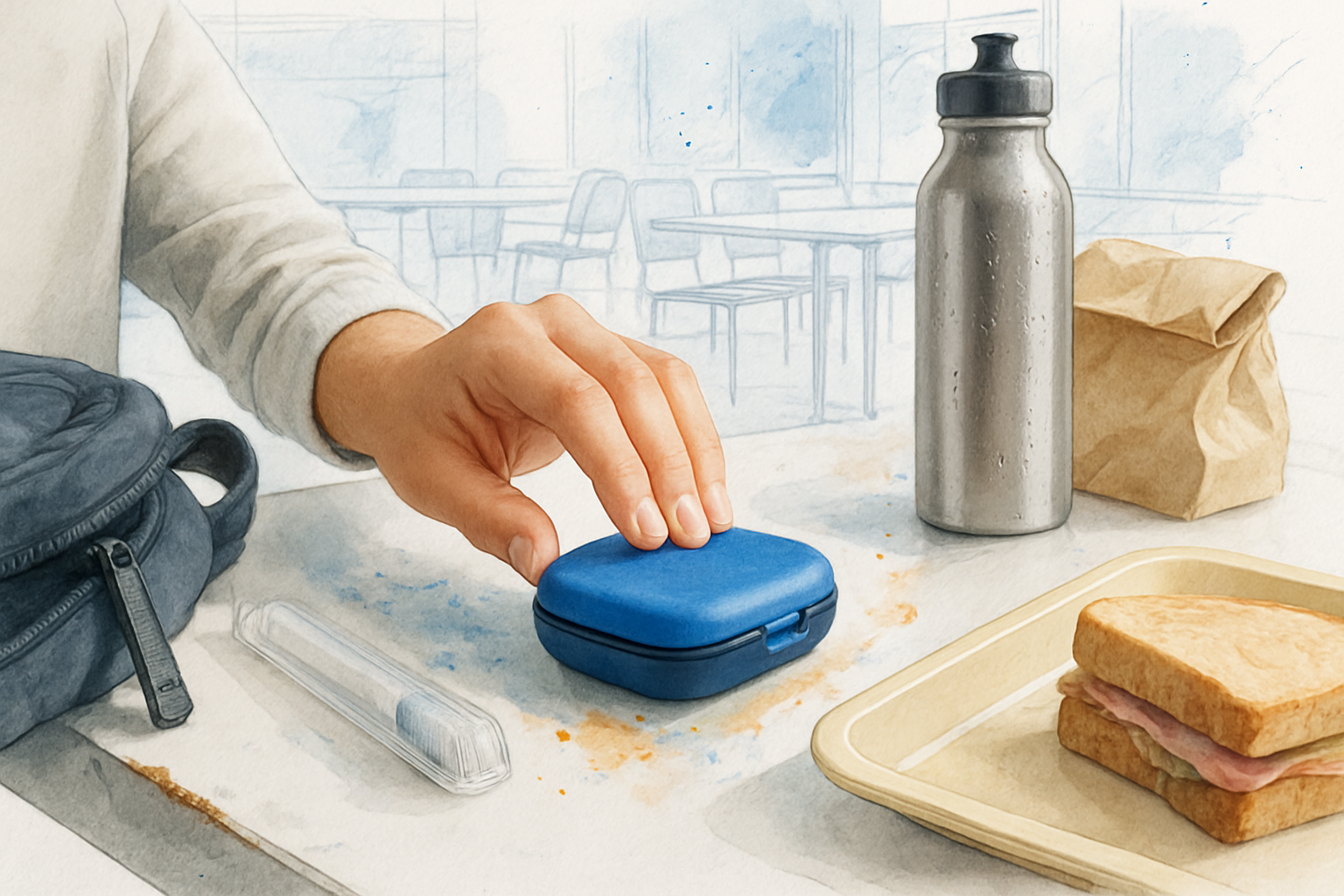
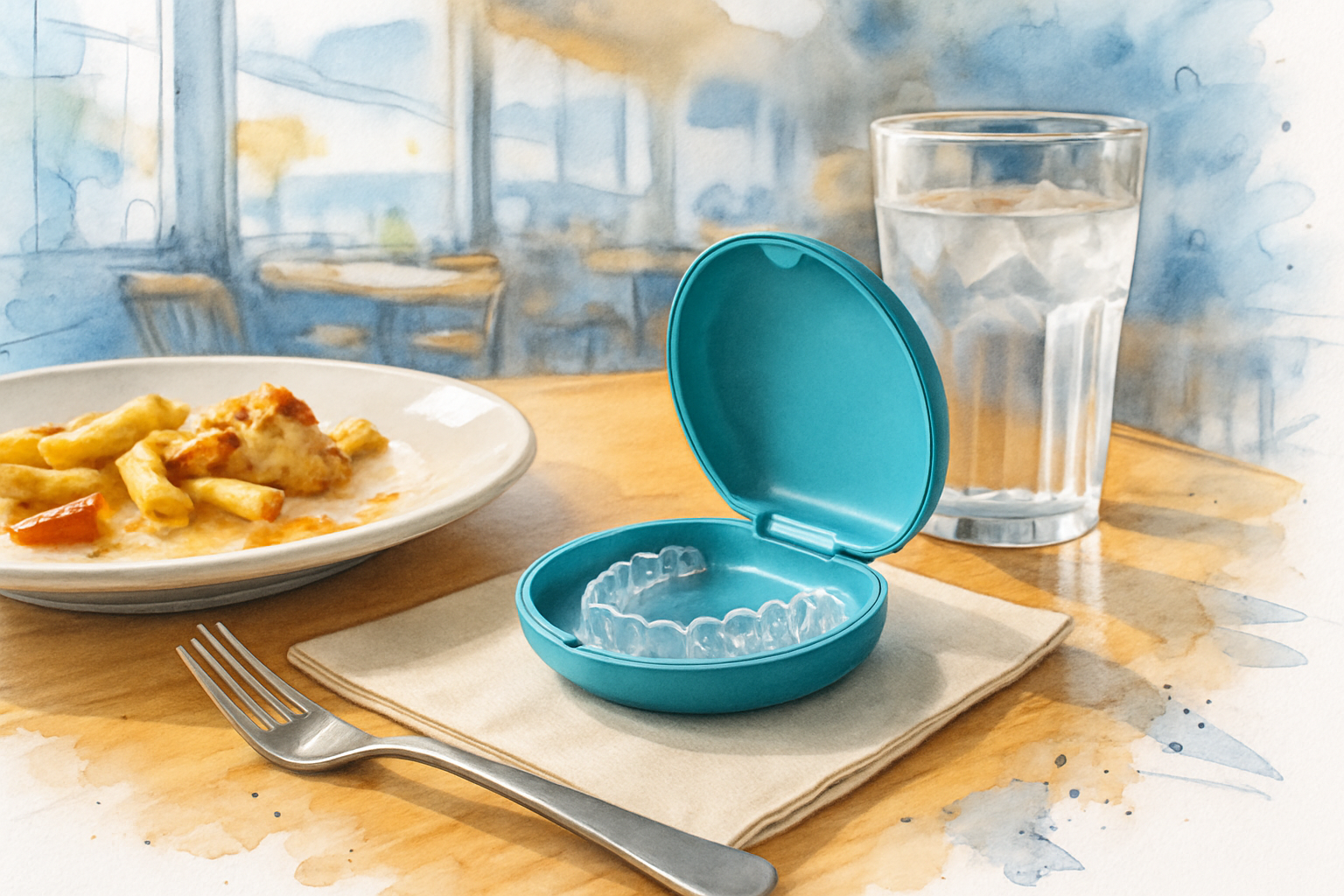
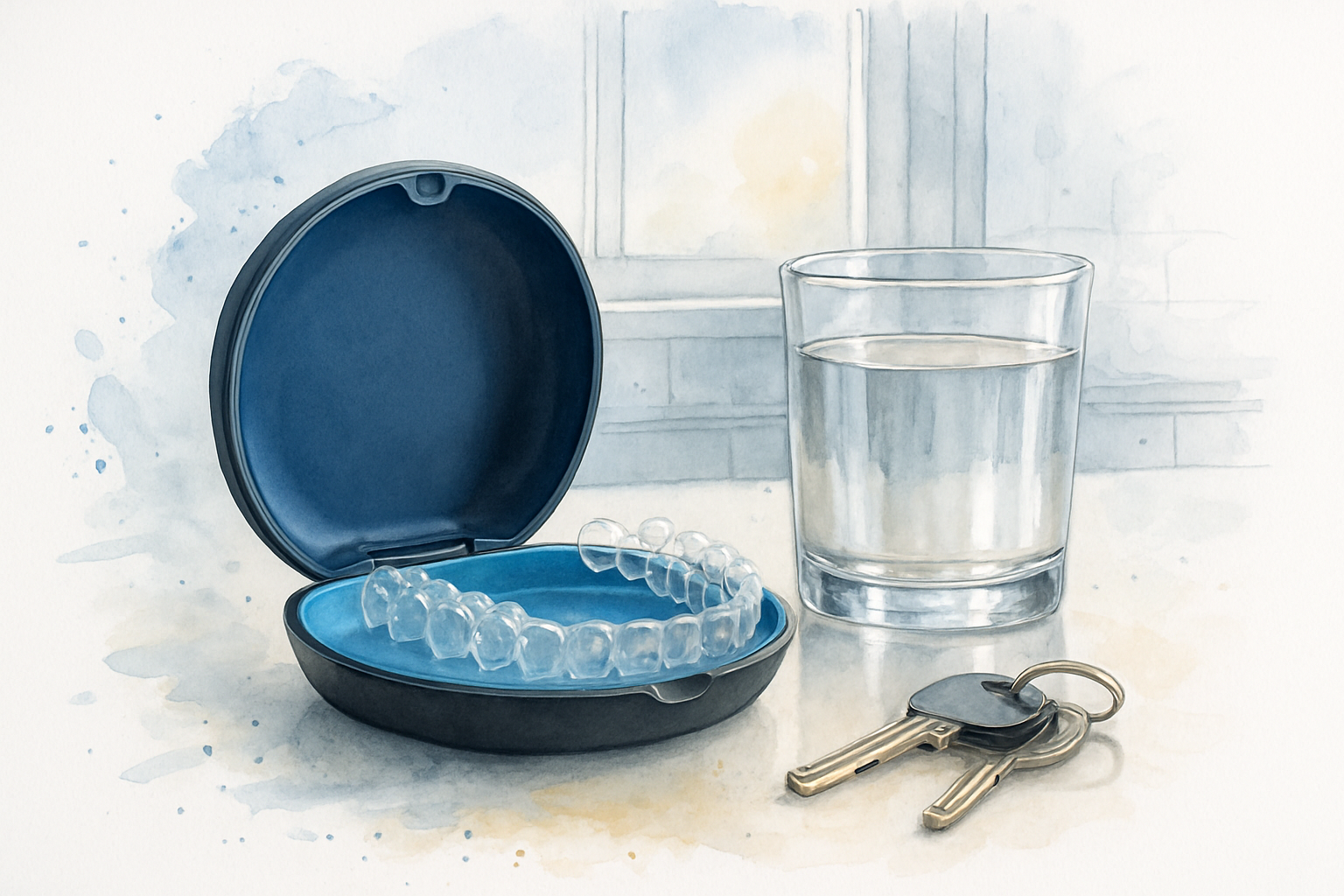
- Carry the case everywhere: Napkins and pockets are how aligners get lost.
- Use reminders: A timer on your phone helps more than good intentions.
- Start with realistic strategies: The practical tips in this Magic Fox article on how to wear Invisalign for 22 hours a day without messing up reflect the routine adults need.
3. Your Hygiene Routine Has to Change
Many adults think Invisalign will make oral hygiene easier than braces. In one sense, it does, because you can remove the trays. In another sense, it demands more from you because you have to clean your teeth well before putting the aligners back in.
If your current routine is a quick morning brush and a better effort at night, that usually isn't enough once aligners are trapping saliva and whatever was left behind against your teeth for hours at a time.

The workday is where routines break down
Most adults don't struggle at home. They struggle at work, in the car, at restaurants, or between errands. That's when “I'll brush later” starts to creep in, and later turns into putting trays back in on teeth that weren't cleaned properly.
For professionals, parents, and anyone moving around Huntington Beach and Fountain Valley all day, a portable setup matters more than motivation.
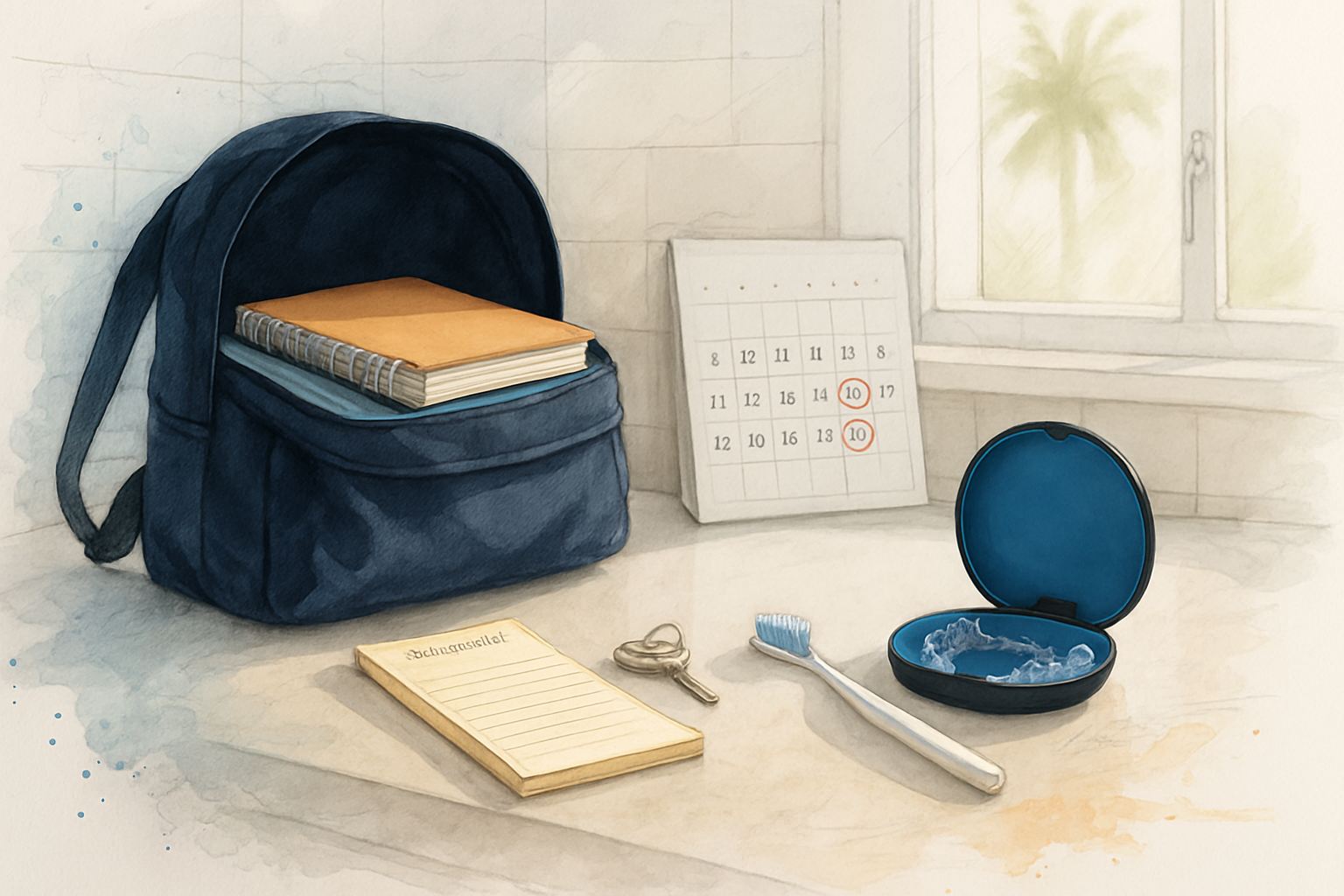
A practical work kit often includes:
- Travel toothbrush: Keep one at your desk, in your car, or in your bag.
- Floss or floss picks: Brushing alone often isn't enough after meals.
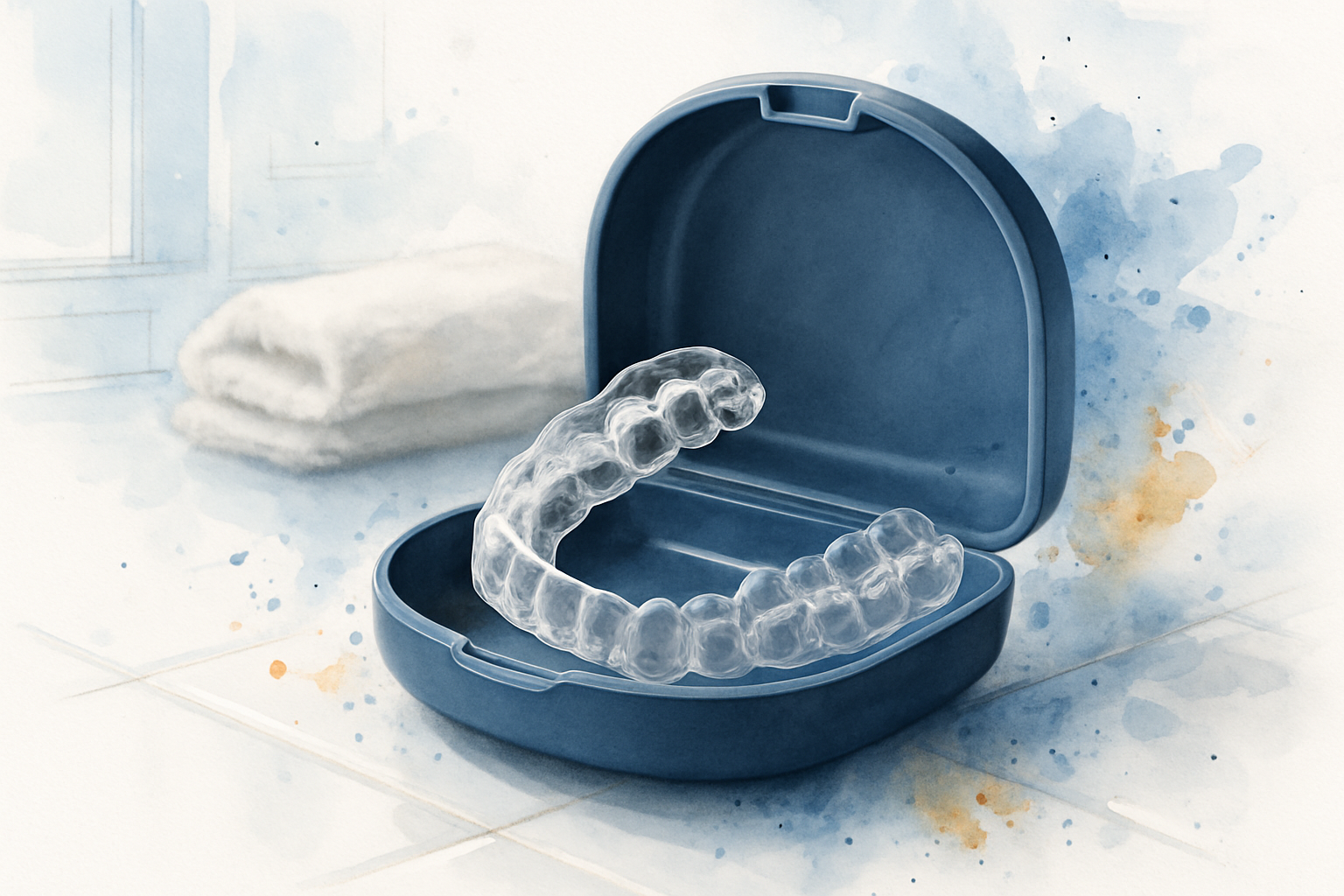
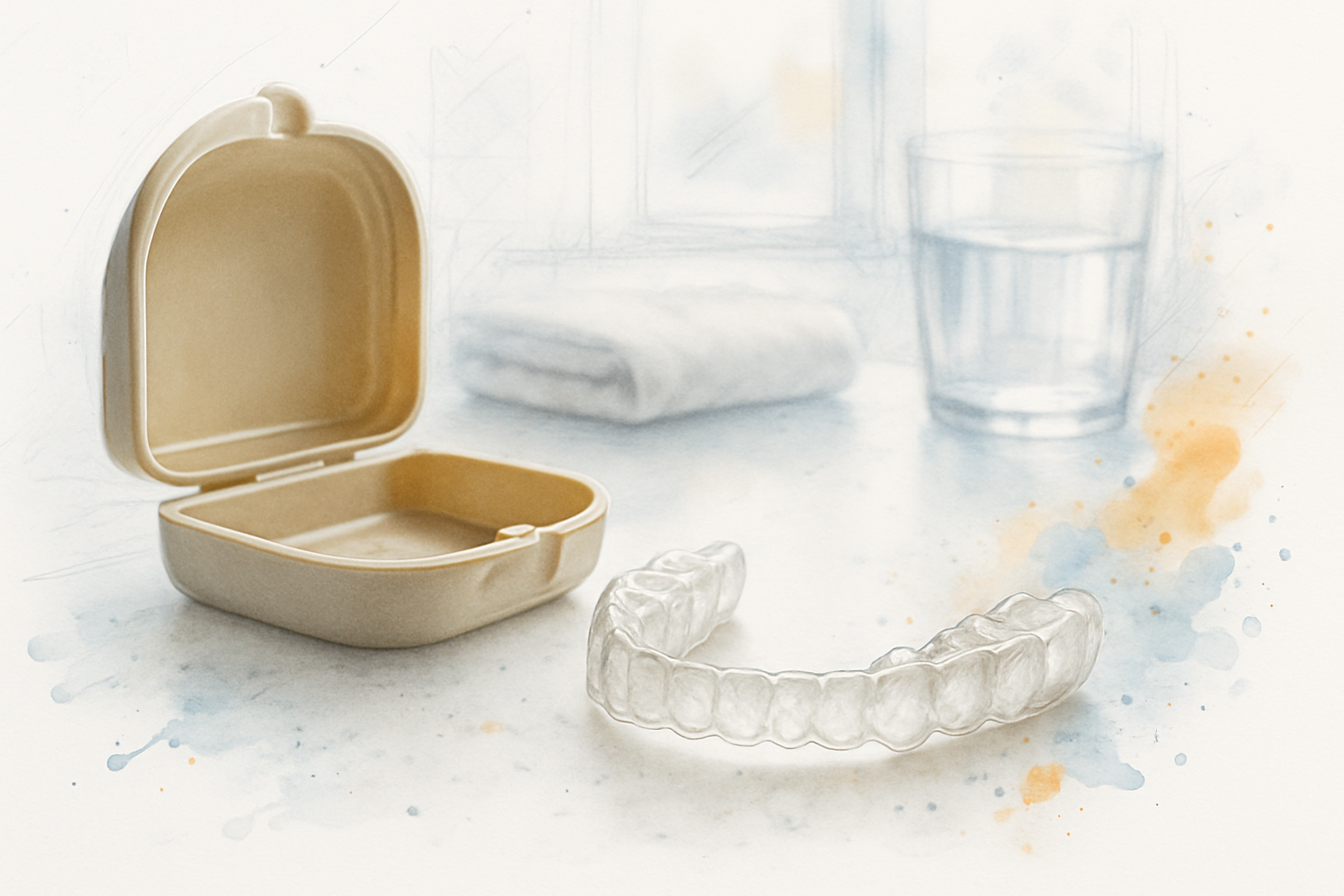
- Aligner case: It keeps trays off counters and out of napkins.
- Mouthwash for backup: Useful when you need a temporary bridge, not a replacement for brushing and flossing.
Better equipment makes compliance easier
Adults who do well with Invisalign usually stop relying on convenience-store improvising and build a system at home and on the go. A solid electric toothbrush, floss you'll consistently use, and a reliable travel kit remove friction from the routine.
Practical rule: If brushing and flossing after meals feels inconvenient now, fix that before treatment starts, not after.
If you want product-level guidance that's still easy to apply, Magic Fox Orthodontics has a useful post on expert Invisalign oral care tips.
4. The Cost Feels More Real Once You're Actually Ready to Start
A lot of adults in Huntington Beach put off Invisalign for months because the cost stays abstract until they sit down for a consultation. Then it becomes a real number, tied to a real start date, and the decision feels heavier.
That reaction is normal. Adult treatment usually competes with rent or a mortgage, child care, travel, school costs, and the other expenses that fill life in Huntington Beach and Fountain Valley. For many patients, the surprise is not that Invisalign costs money. It is how quickly the question shifts from “maybe someday” to “am I ready to budget for this now?”
What adults often miss about pricing
The fee matters, but the structure matters too. Adults should know what they are paying for before they commit. That includes records, aligners, office visits, refinements if teeth do not track as planned, and retainers after treatment if they are part of the quoted fee.
That last part matters more than people expect.
I have seen adults compare two prices that look similar at first glance, then realize one quote covers far less. A lower number is not always the better value if it leaves out steps that many adults end up needing.
There is also a practical point many people do not ask early enough. Paying for Invisalign does not make it easier to follow through. If your schedule is packed, your treatment still depends on consistent wear, follow-up visits, and good habits. Cost and compliance are separate issues.
Ask direct questions before you commit
A good financial conversation should be plain and specific. Ask what is included, what could add to the total later, whether financing is available, and what the retention phase will cost after active treatment ends.
For adults who want a clearer local breakdown, Magic Fox Orthodontics has a useful guide on Invisalign cost for adults.
In a beach city where adults spend money on appearance, health, and convenience all at once, Invisalign can be a smart investment. It still needs to fit your life on paper first. That is usually the difference between starting confidently and delaying the decision again.
5. Food, Drinks, and Social Life Need More Planning Than You Expect
This is one of the biggest gaps in most Invisalign content. People hear “just wear the trays” and assume the rest is simple. It usually isn't.
A patient narrative highlighted by Washingtonian's article on things people wish they knew before getting Invisalign describes lisping, reduced snacking, and changed beverage habits. That lines up with what adults experience every day. The trays don't just move teeth. They reshape routines.

Huntington Beach habits can work against wear time
Beach-town life is casual. That sounds like it should make Invisalign easier, but it often does the opposite. Coffee on the go, drinks with friends, quick bites between errands, and long meals outdoors create a lot of tray-out time.
Adults are often surprised by how much of their day involves sipping or snacking. With Invisalign, every one of those moments becomes a small decision. Leave the trays out longer, or clean up and reinsert them promptly.
Most adults don't quit Invisalign because it hurts. They get worn down by the repetition of taking trays out, cleaning up, and putting them back in.
What tends to work better
The adults who adapt fastest usually become more intentional about meals.
- Consolidate eating: Fewer eating windows usually mean better wear time.
- Be direct socially: A simple “I'm doing Invisalign” is enough.
- Plan coffee and drinks: If you know you'll be out, decide in advance when the trays are coming out and when they're going back in.
- Keep travel supplies close: Car, office, beach bag, and work bag are all good places for a backup hygiene kit.
This is one reason so many searches for what adults in Huntington Beach wish they knew before starting Invisalign are really about lifestyle, not mechanics. The mechanics are straightforward. The routine is where people get tested.
6. It's Comfortable Compared With Braces, Not Completely Effortless
“Invisalign is more comfortable” is generally fair. “Invisalign is pain-free” is not the way I'd frame it for adults.
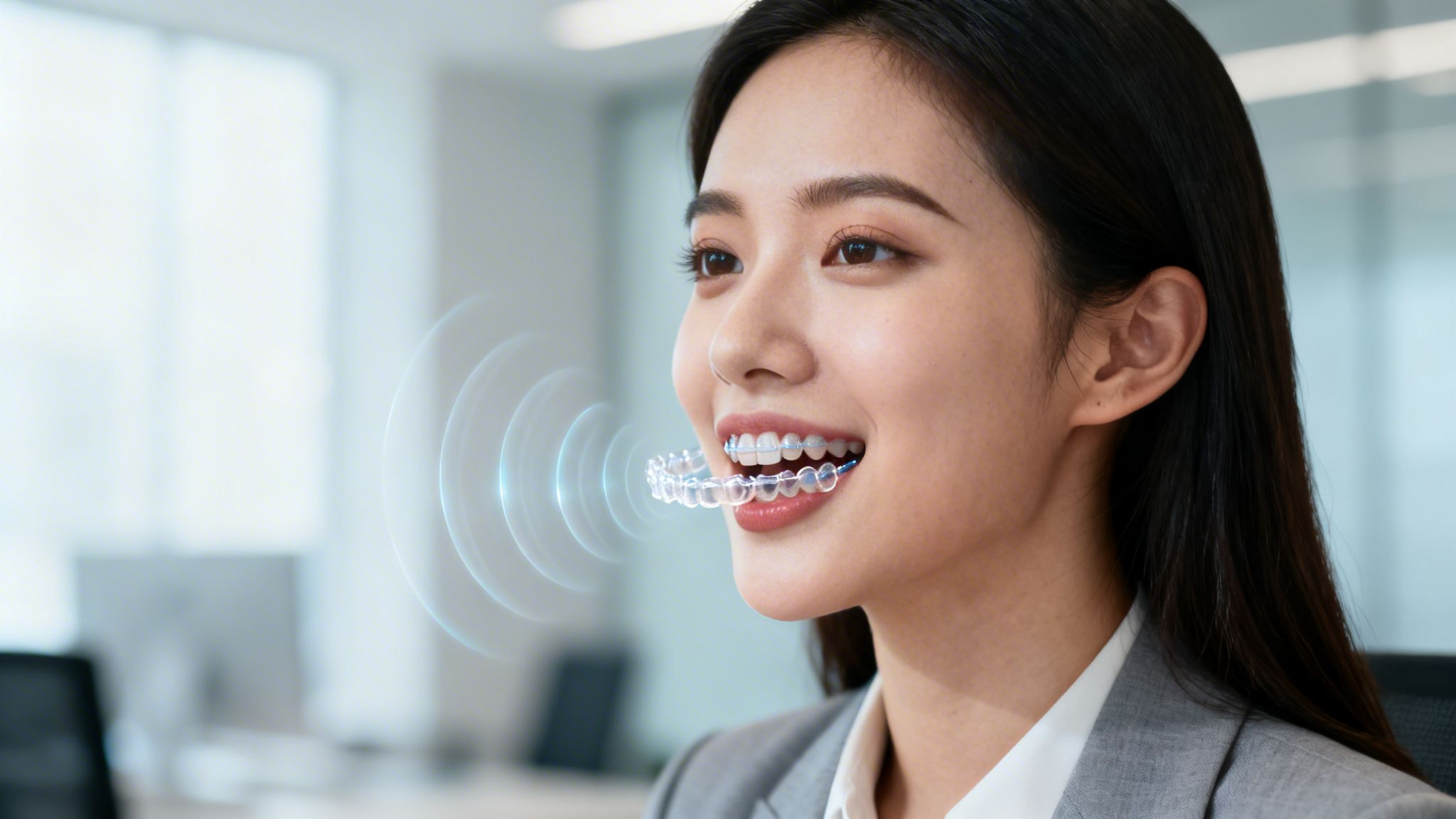
Many individuals feel pressure when they start a new tray. Some notice a temporary change in speech, especially in the beginning. Others are caught off guard by the simple awkwardness of removing aligners gracefully in public, at work, or before a meal.
The early adjustment phase is normal
Adults often interpret soreness or a slight lisp as a sign that something is wrong. Usually, it means the aligners are doing their job and your mouth is adapting. That doesn't make the first days of a new tray pleasant, but it does make them understandable.
For professionals who speak all day, this matters. If you lead meetings, work in sales, teach, or talk constantly with clients, the speech adjustment may be one of the practical issues you notice first.
A realistic Huntington Beach example is the adult who starts Invisalign right before a period packed with presentations or social events, then feels blindsided by the learning curve. The fix usually isn't complicated. Start when you can tolerate a short adjustment period and give yourself room to practice speaking with the trays in.
What usually helps
A few habits make the first part smoother:
- Change trays at night: You'll sleep through some of the initial pressure.
- Practice speaking out loud: Reading, calls at home, or repeating common work phrases helps.
- Use soft foods when needed: Especially after changing trays.
- Speak up about fit issues: If something feels sharp or clearly off, have it checked.
For sensitivity in general, some patients also find outside oral comfort guidance useful, such as these Mouthology oral care tips for sensitive teeth.
7. Retainers Are Not Optional After Invisalign
Many adults think the finish line is the day the last tray comes off. It isn't. The active movement phase ends, then retention begins.
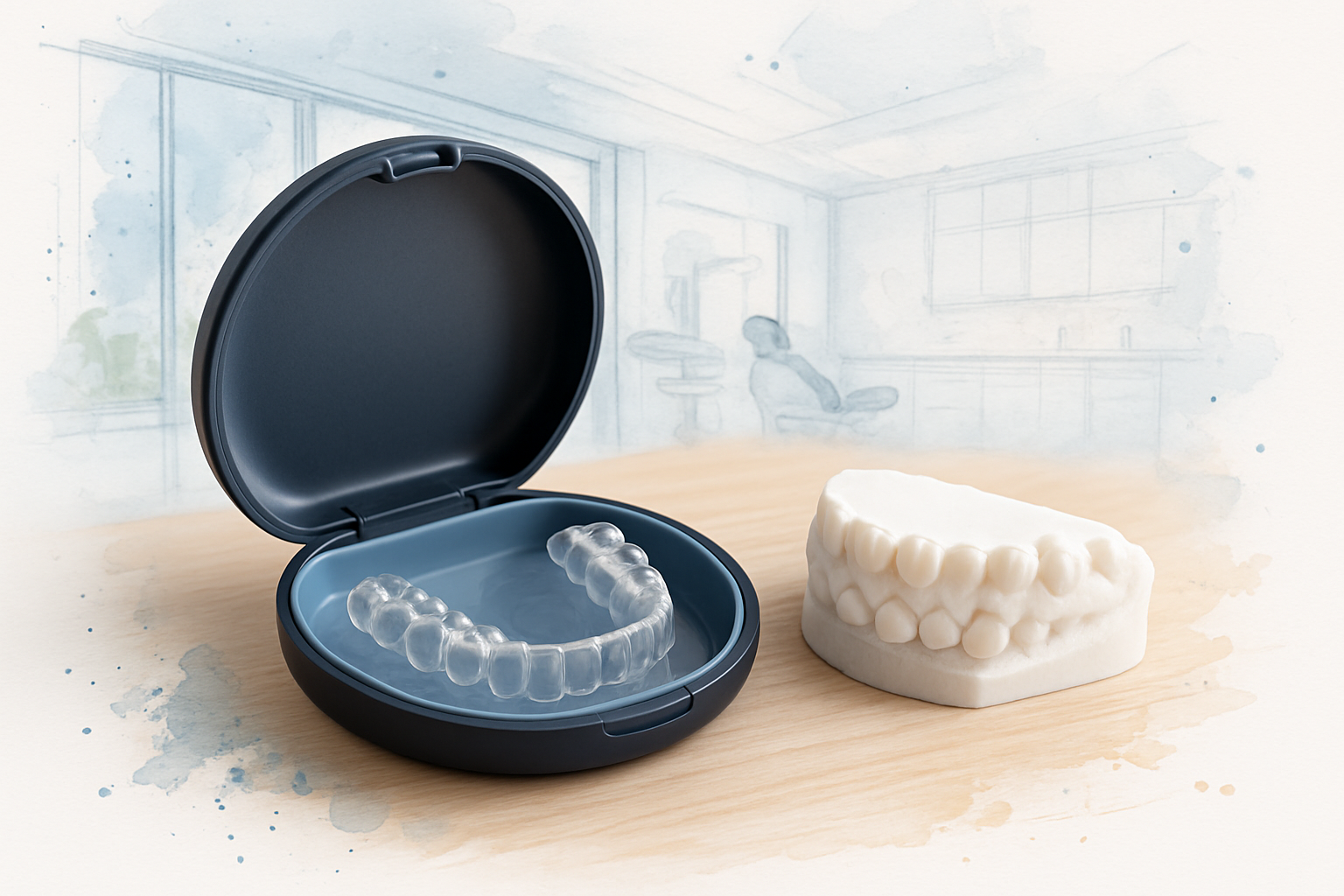
This is one of the most important expectation shifts for adults. If you invest time, discipline, and money into Invisalign, but treat retainers casually afterward, you put the result at risk. Teeth don't become permanently obedient because treatment ended.

Adults often underestimate the second commitment
Recent adult-focused coverage has pointed out a content gap around expectations, refinements, and behavior change as aligner treatment becomes more mainstream for adults of different ages and motivations, including relapse correction and long-deferred treatment. That broader perspective is reflected in this adult Invisalign discussion from Be Well Family Dental, which underscores how often people expect a simple cosmetic fix when it is a more involved orthodontic process.
Retention is part of that reality. Adults who've had relapse before are usually much more willing to take retainers seriously. Adults who've never been through orthodontics often don't realize how important the maintenance phase is until shifting starts.
Straightening teeth is one project. Keeping them there is the lifelong habit.
Think past the last tray
Before treatment starts, ask what the retention plan will look like and what kind of retainer strategy makes sense for your case. Don't wait until the end, when you're focused on being “done.”
If you want a straightforward explanation of the downside of skipping retention, Magic Fox Orthodontics covers it clearly in what happens if you don't wear your retainer.
7 Insights Huntington Beach Adults Wish They Knew Before Invisalign
| Item | 🔄 Implementation complexity | Resources required | ⭐📊 Expected outcomes | Ideal use cases | 💡 Key tips |
|---|---|---|---|---|---|
| Understand the True Timeline: Invisalign Takes Longer Than You Think | 🔄 Moderate, depends on case complexity and monitoring frequency | Time: 18–24+ months, regular ortho visits | ⭐⭐⭐⭐ Stable, long-term alignment; slower progress (⚡ low) | Adults with moderate→severe bite issues or prior relapse | Ask for a written timeline, take monthly photos, discuss bone/complexity factors |
| Commit to Wearing Aligners 22+ Hours Daily, Non-Negotiable for Adults | 🔄 Low clinical, high behavioral, strict patient discipline required | Discipline, tracking app/reminders, portable case | ⭐⭐⭐⭐ Faster, predictable results when compliant; reduces delays (⚡ medium) | Motivated adults, professionals who can consolidate meals | Consolidate meals, set reminders, carry aligner case, log wear time |
| Invest in Proper Oral Hygiene Equipment and Establish New Routines | 🔄 Low technical, moderate routine change | Electric toothbrush, water flosser, interdental brushes, extra time (10–15 min/day) | ⭐⭐⭐⭐ Prevents decay/white spots; improves treatment response | Any aligner patient, especially with prior poor hygiene | Buy quality tools, keep a portable kit, schedule 3–4 month cleanings |
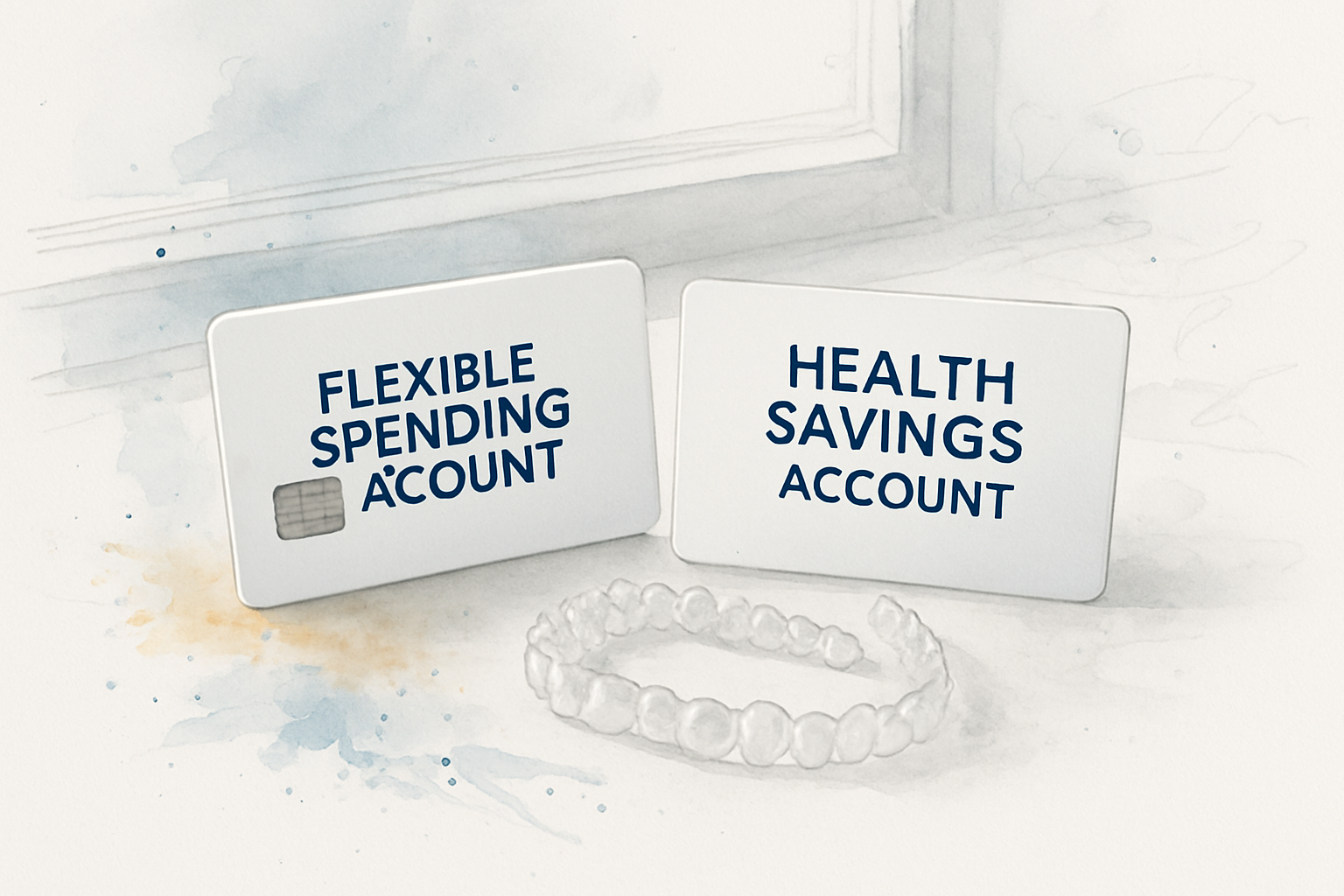
| Prepare for the Cost Reality: Invisalign Is an Investment, Not a Quick Fix | 🔄 Moderate administrative, insurance & financing complexity | $4,000–8,000+ base; replacements/cleanings/retainers extra; payment plans/HSA/FSA | ⭐⭐⭐ Long-term value for confidence/career; financial planning required (📊 significant) | Budget-conscious adults, those needing financing | Request detailed written estimate, verify insurance, explore payment plans |
| Address Lifestyle Adjustments: Food, Drink, and Social Limitations | 🔄 Moderate, requires daily planning and social adaptation | Hygiene kit, extra time for cleaning, planning for events | ⭐⭐⭐ Encourages healthier eating but can disrupt social spontaneity (📊 moderate impact) | Social diners, hospitality professionals, frequent travelers | Consolidate eating times, keep hygiene kit handy, plan menus ahead |
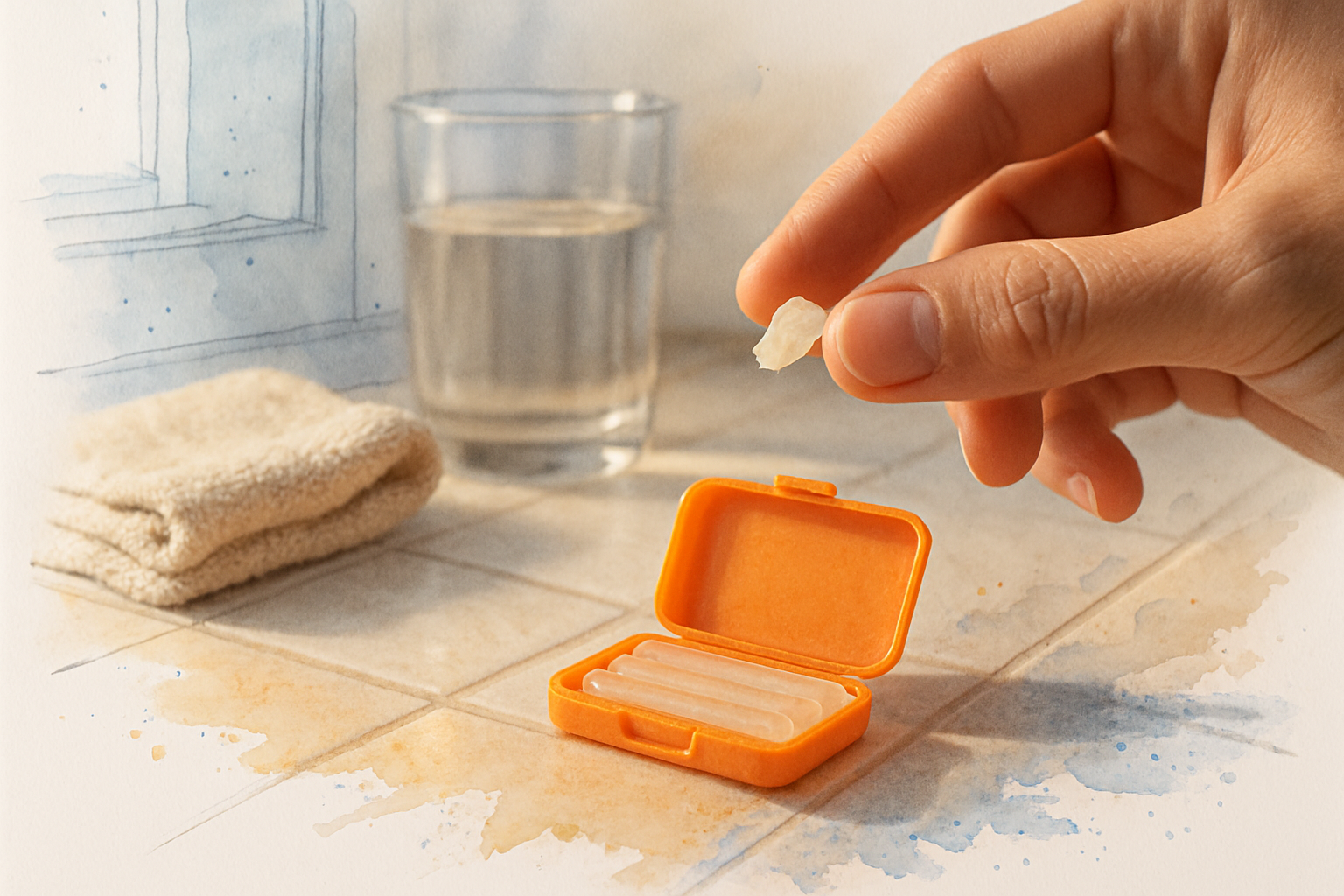
| Manage Expectations for Comfort and Adjustment: Pain, Speech, and Appearance Changes | 🔄 Low, predictable short adjustment periods | OTC pain relief, dental wax, emergency visits if needed | ⭐⭐⭐ Generally comfortable vs braces; 24–48h soreness per tray; transient speech changes | Adults expecting zero discomfort, public speakers | Take OTC analgesics, practice speech, eat soft foods after tray changes |
| Plan for Long-Term Retention: Treatment Doesn't End When Aligners Come Off | 🔄 Moderate, lifelong maintenance and follow-up | Bonded retainer ($300–500), removable retainers ($200–500), backups, ongoing checkups | ⭐⭐⭐⭐ Preserves results and prevents relapse; retention often lifelong (📊 high impact) | All post-treatment adults, especially those prone to relapse | Consider bonded + removable backup, set nightly reminders, buy extra retainers |
Your Confident Smile Starts with a Confident Decision
The adults who handle Invisalign best usually aren't the ones chasing the fastest or easiest version of treatment. They're the ones who start with a realistic picture. They know the trays need consistent wear. They understand that meals, drinks, and workdays will need more planning. They accept that a clear aligner system is still orthodontic treatment, not a passive cosmetic accessory.
That mindset changes the whole experience. Instead of feeling surprised by the routine, you build around it. Instead of getting discouraged by a gradual timeline, you expect steady progress. Instead of seeing retention as an afterthought, you treat it as part of protecting the result you worked for.
That's really the heart of what adults in Huntington Beach wish they knew before starting Invisalign. The treatment can fit a busy adult life, but it doesn't fit automatically. It works best when you're honest about your habits, your schedule, and your willingness to follow through every day.
For many adults, Invisalign is still the right choice. It offers low-visibility treatment, it works well for many mild to moderate cases, and it can be a strong fit for professionals and parents who want flexibility. But flexibility only helps if you use it well. Removable aligners reward discipline. They don't replace it.
If you're weighing Invisalign against braces, or trying to decide whether now is the right time, focus less on marketing language and more on your real daily life. How often do you snack? How many coffees do you sip over hours? How predictable is your schedule? How likely are you to wear a retainer after treatment ends? Those answers matter more than commonly expected.
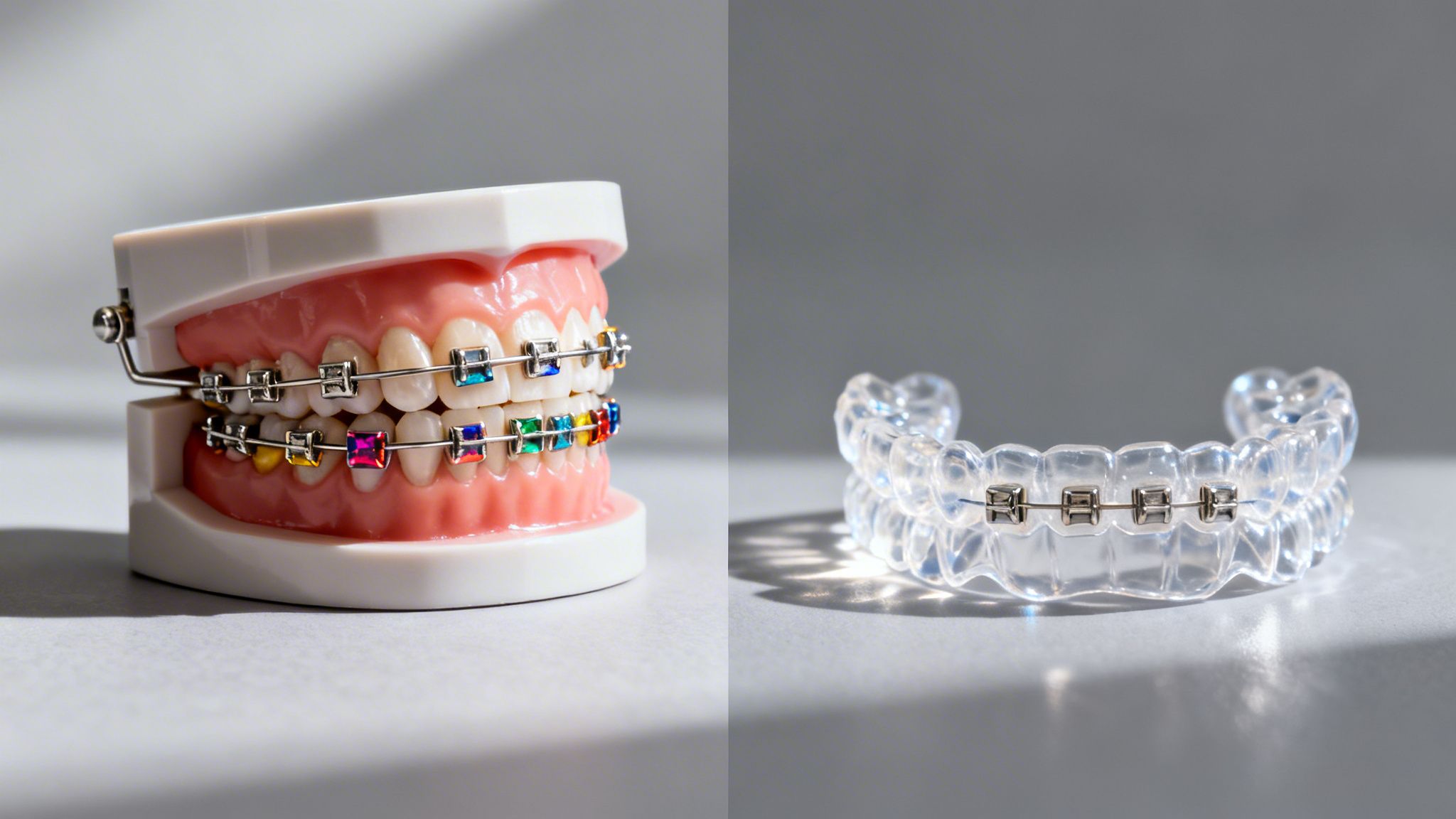
For adults in Huntington Beach and Fountain Valley who want a local orthodontic opinion, Magic Fox Orthodontics offers Invisalign, Iconix esthetic brackets, and traditional metal braces. The right treatment is the one that fits both your orthodontic needs and the way you live.
If you're comparing options and want a local practice that can walk you through Invisalign with clear expectations, Magic Fox Orthodontics serves Huntington Beach and Fountain Valley from 17041 Beach Boulevard, Suite 101, Huntington Beach, CA 92647. Dr. Jeremy and Dr. Melissa provide orthodontic care for adults, teens, and families, with office hours Monday through Friday from 9:00 AM to 5:00 PM and Saturday from 8:00 AM to 2:00 PM.