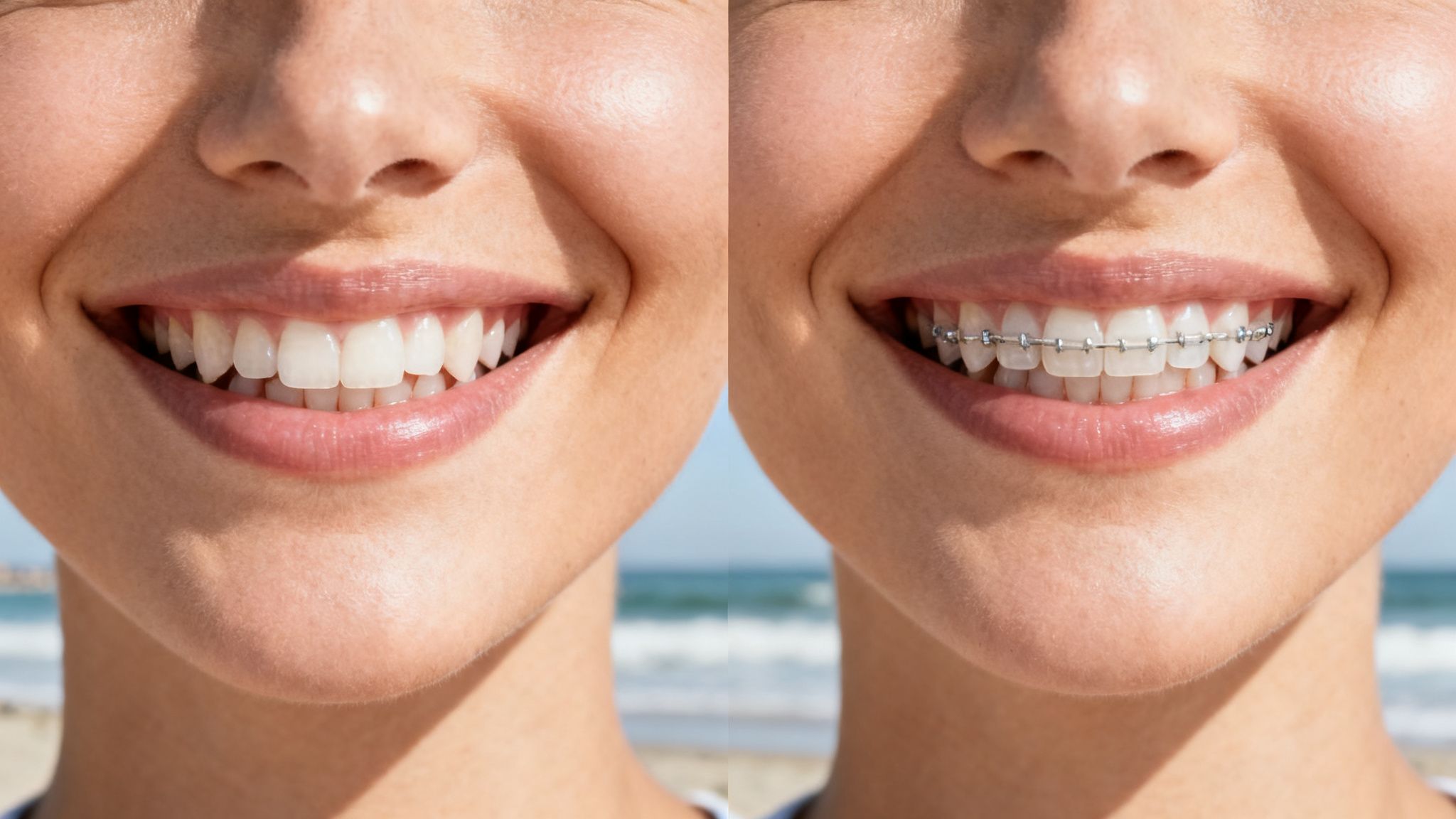
Your Child Has a Mix of Baby and Adult Teeth. Now What?
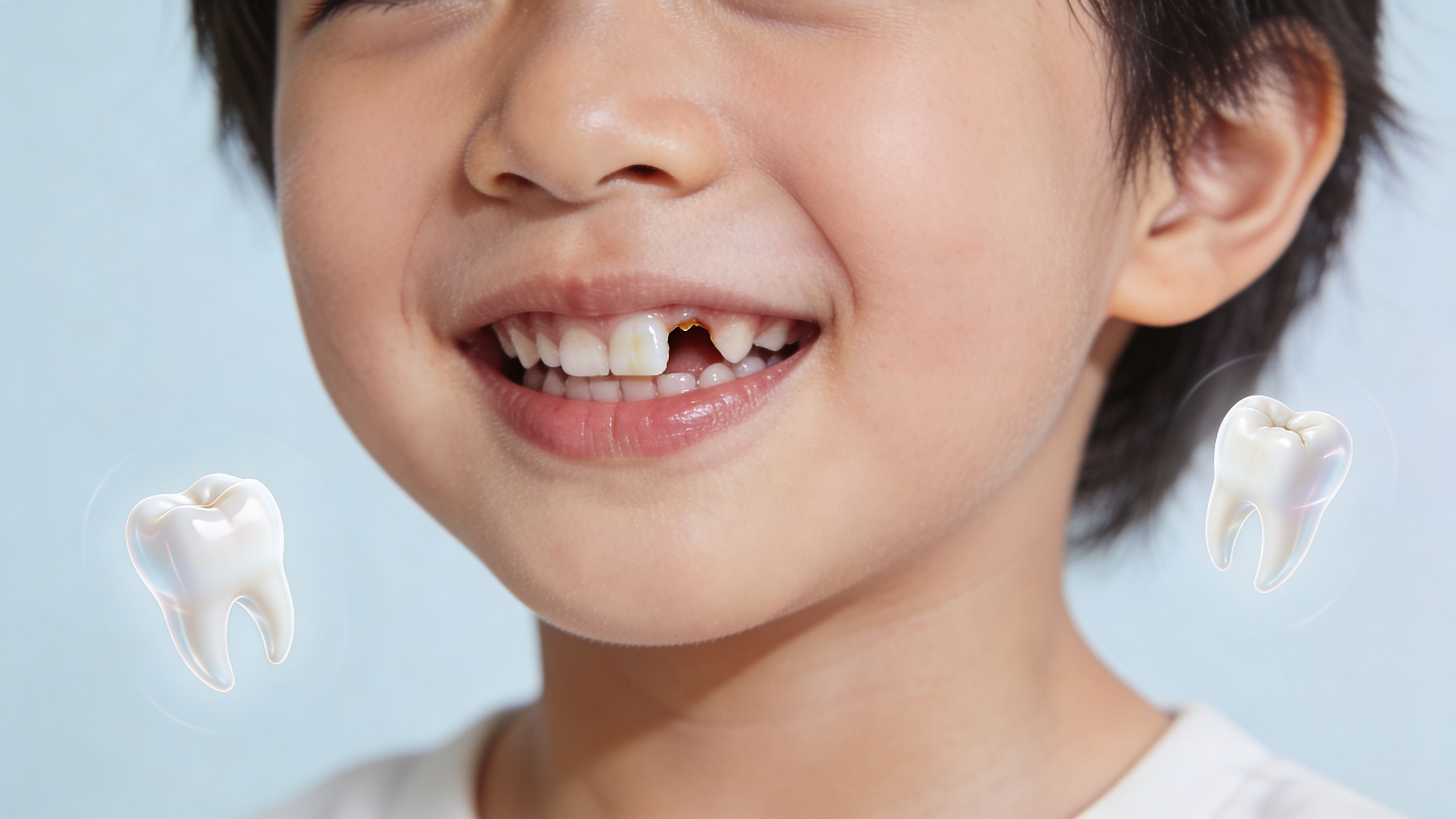
Direct Answer: A mix of baby and adult teeth around age 7 is the right time for a first orthodontic evaluation, not necessarily treatment. An orthodontist can spot jaw and bite problems while bones are still growing and easiest to guide.
I hear some version of this every week: a parent calls because their child's dentist mentioned they should "see an orthodontist soon," and the parent has no idea whether that means next month or next year, whether it's urgent, or whether their seven-year-old is about to get a mouth full of metal. The confusion is completely understandable, because dentists don't always explain what that referral actually means.
The short answer is that it usually isn't urgent in the way a toothache is urgent. But it does matter. Families throughout Huntington Beach and Fountain Valley, from Oak View to Talbert Village, are often surprised to learn that an evaluation at age 7 is really a growth checkpoint, not an automatic path to braces. The bones in a young child's jaw are still soft and responsive, which means problems caught now are often much easier to address than the same problems caught at 14.
In this article I want to walk you through what that mixed-dentition window actually means, which conditions genuinely benefit from Phase 1 treatment, and how to think about timing if you have more than one child at different stages.
What the Age 7 Evaluation Is Actually For
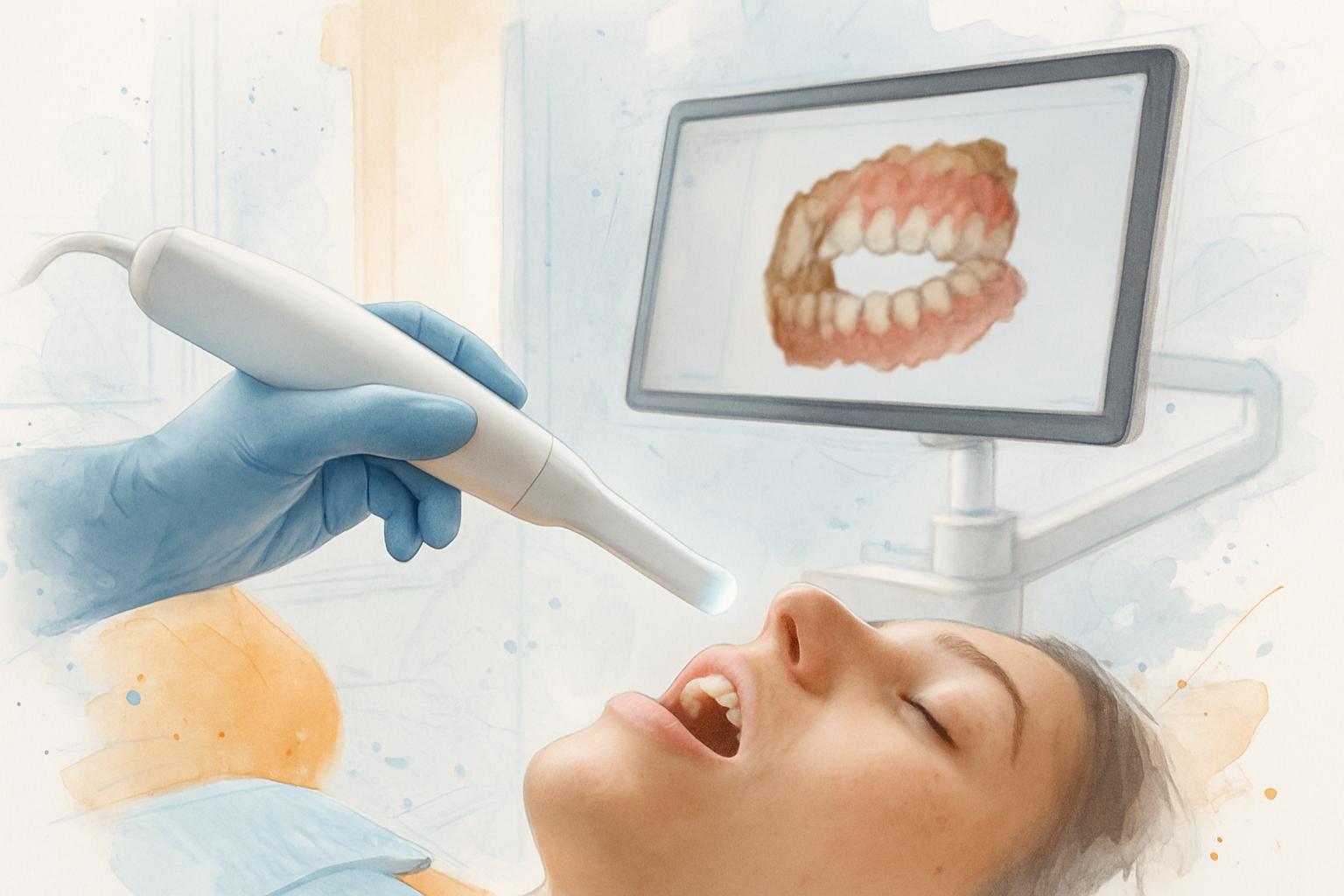
The American Association of Orthodontists recommends that every child have a first orthodontic evaluation no later than age 7. That recommendation exists for a specific reason: around that age, most kids have a mix of baby teeth and incoming permanent teeth that gives an orthodontist a clear window into how the jaw and bite are developing.
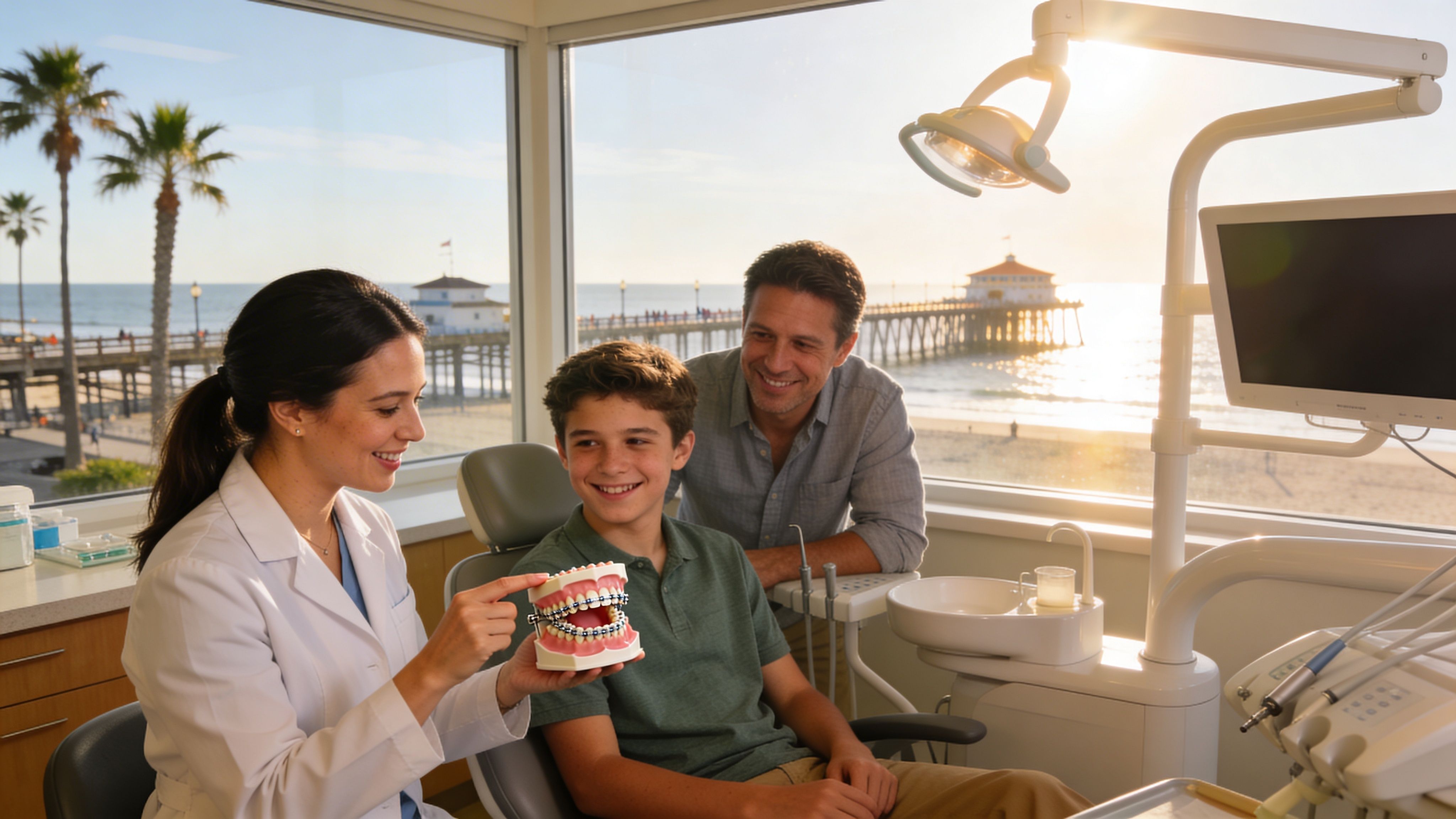
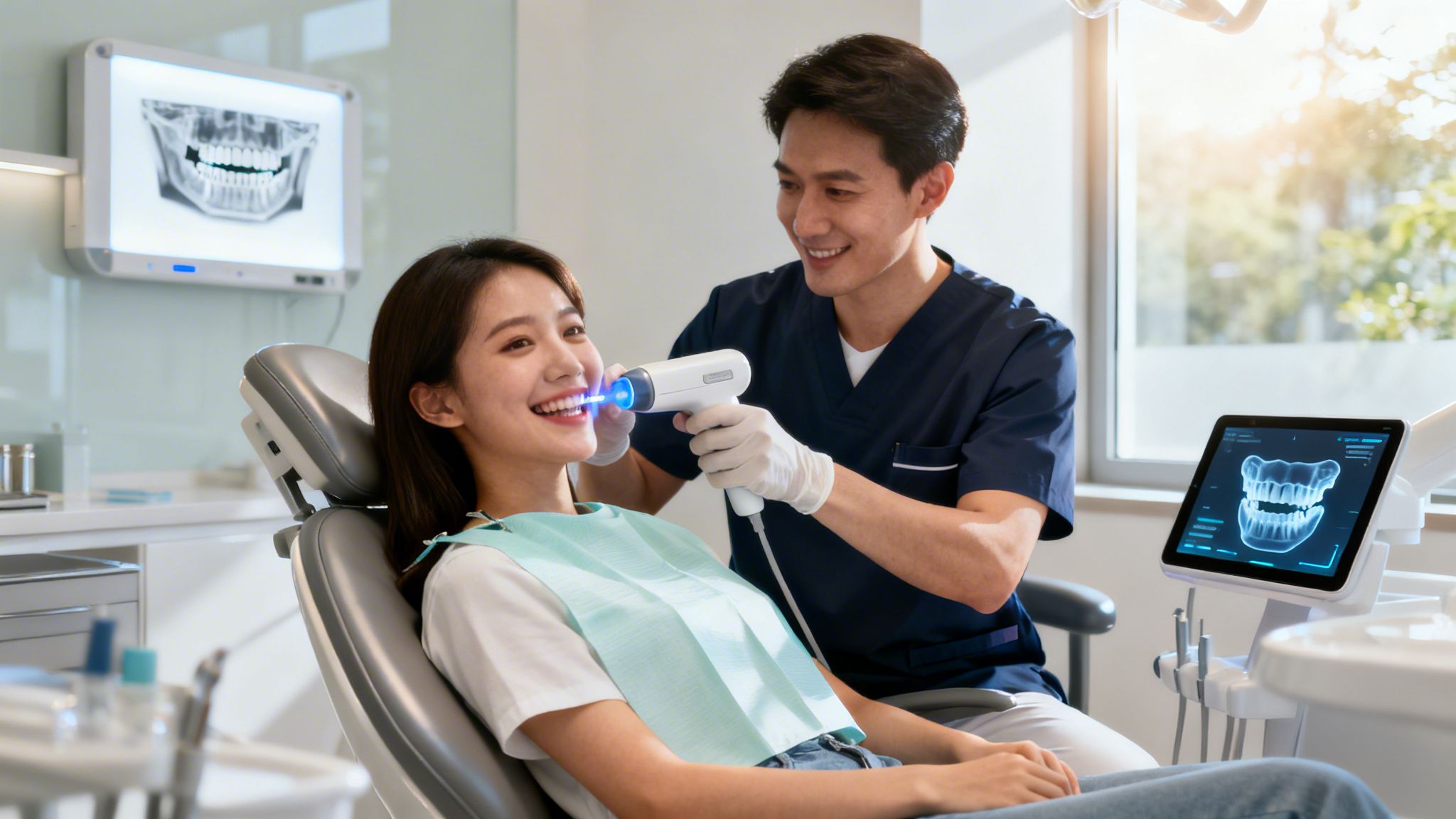
At this stage, Dr. Jeremy and Dr. Melissa can look at things a dentist typically isn't trained to assess in depth:
- Whether the upper and lower jaws are growing in proportion to each other
- Whether there is enough space for permanent teeth to come in without serious crowding
- Whether the bite is developing correctly, or whether a crossbite, underbite, or deep bite is forming
- Whether any baby teeth are being held in place too long, which can block incoming permanent teeth
The honest truth is that most kids who come in at age 7 don't need any treatment yet. They get a clear picture of where things stand, and we set a monitoring schedule. But for the fraction who do have a developing problem, catching it now can make a real difference in what treatment looks like later.
As CHOP confirms, Phase 1 orthodontic treatment typically occurs between ages 6 and 9 during this mixed dentition phase, when the jaw is still flexible enough to respond to gentle guidance. Waiting until all permanent teeth are in often means working against bone that has already finished forming.
Which Problems Actually Benefit From Early Treatment
Not every crowding or spacing issue needs Phase 1 intervention. Part of what I want parents to understand is that watching and waiting is a completely legitimate plan for many kids. The evaluation isn't about finding reasons to treat, it's about identifying the specific situations where acting now produces a better result than acting later.
The conditions that tend to respond well to Phase 1 treatment include:
- Underbites, where the lower jaw is growing forward of the upper. One parent who called described her daughter's situation as crowding combined with an underbite, and that combination is a textbook early-intervention candidate. Jaw growth problems are far easier to address while the bones are still growing.
- Crossbites, where upper teeth sit inside the lower teeth on one or both sides. Left untreated, crossbites can lead to uneven jaw development as the child grows.
- Severe crowding when there clearly isn't enough room for incoming permanent teeth. Guiding jaw width early can sometimes create space naturally, which may reduce the need for extractions later.
- Habits like prolonged thumb-sucking or tongue-thrusting that are actively affecting jaw shape.
Conditions that often can wait include mild crowding, small gaps, and minor spacing issues that may self-correct as more permanent teeth come in. Dr. Jeremy and Dr. Melissa take a conservative approach, if monitoring is the right call, that's what we'll recommend.
For parents who want more background on what an early evaluation involves, our article on what parents should know about early ortho checks covers the process in plain terms.
Phase 1 vs. Phase 2: How the Two Stages Work Together
This infographic breaks down the difference between Phase 1 and Phase 2 orthodontic treatment, and how early intervention can affect the second stage.

What Invisalign First Means for Younger Patients
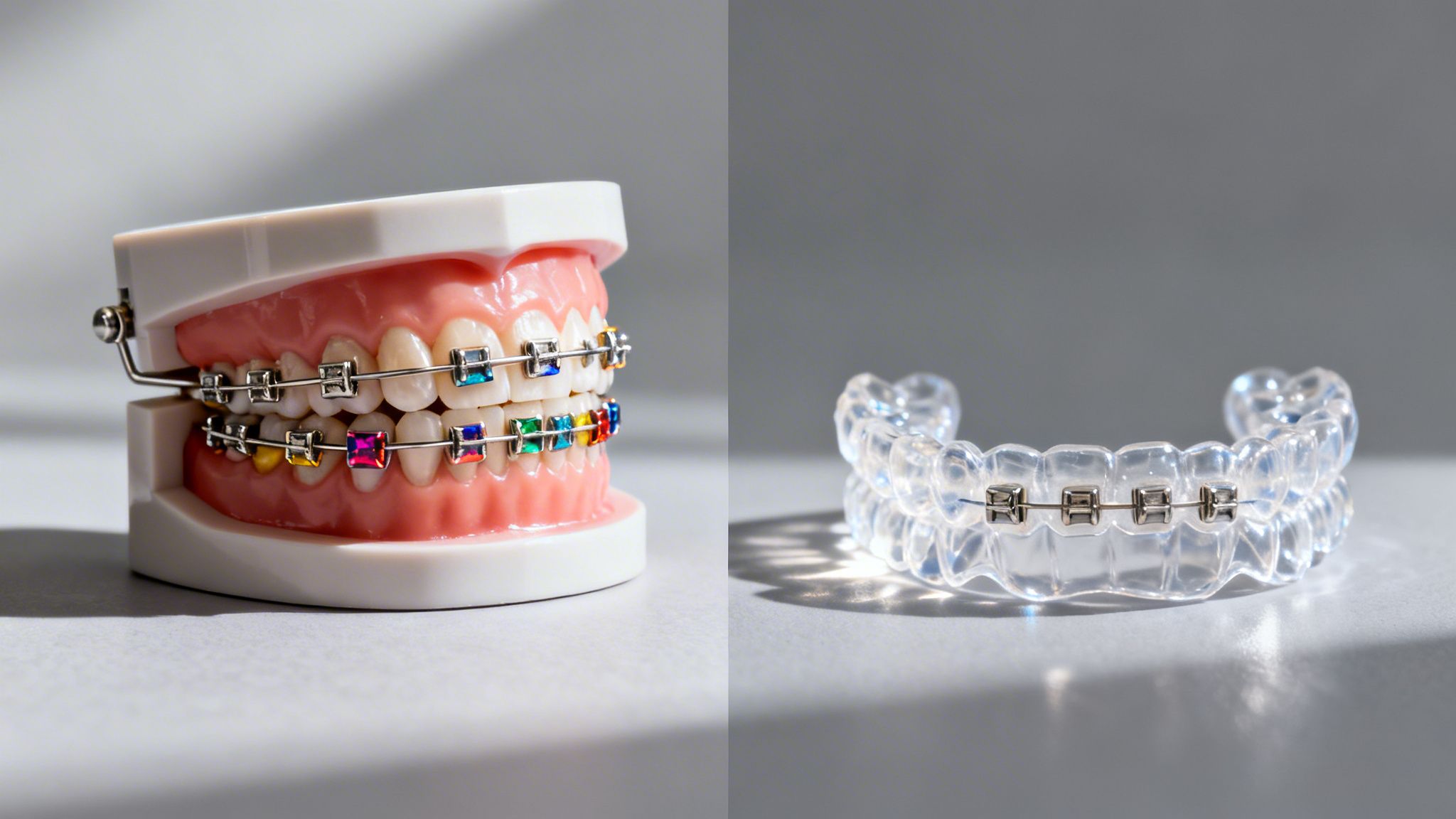
When parents picture early orthodontic treatment, they often imagine the big metal expanders and partial braces they saw on kids in the 1990s. That mental image makes a lot of parents hesitant, and I completely understand why, nobody wants to put a seven-year-old through something uncomfortable and disruptive.
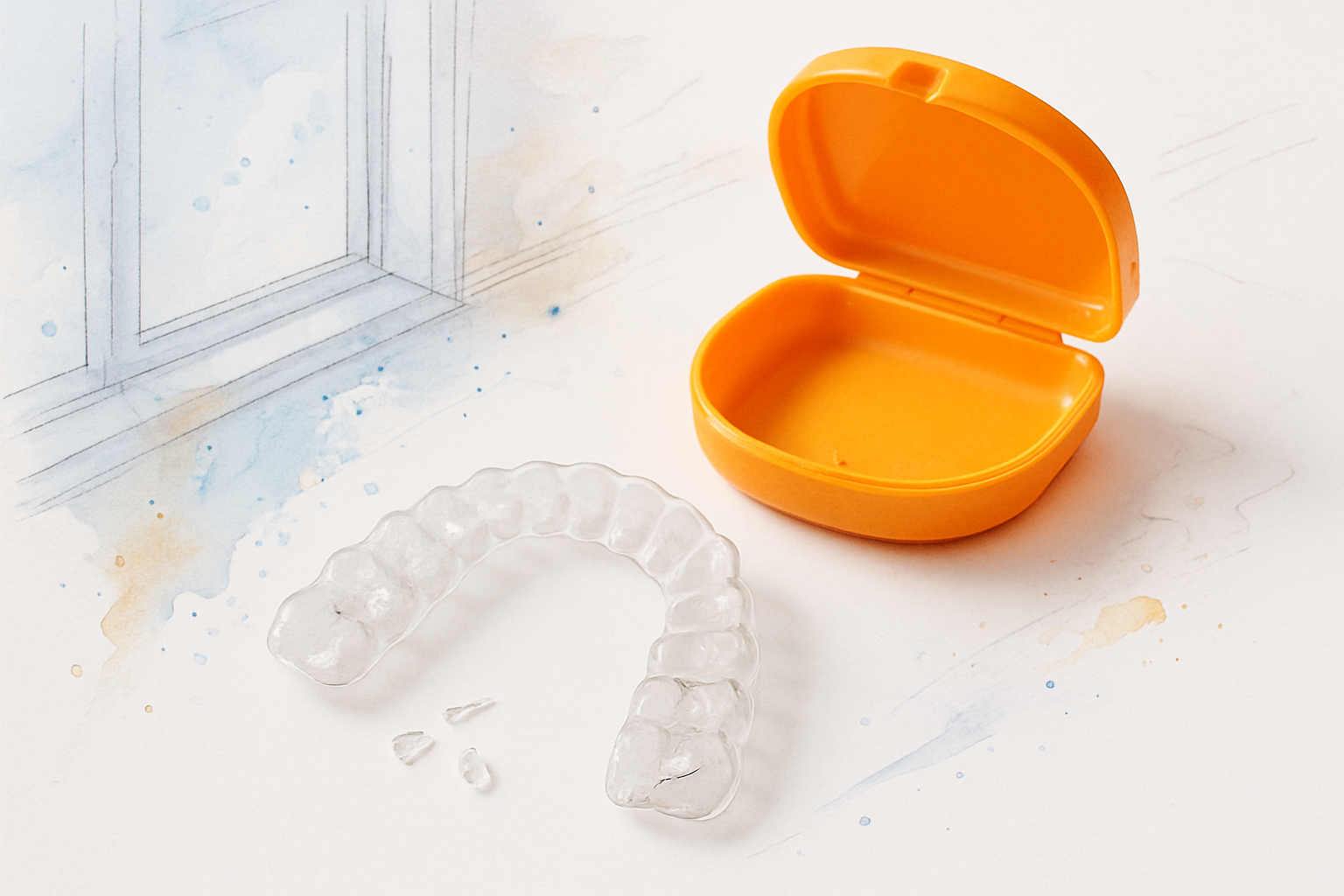
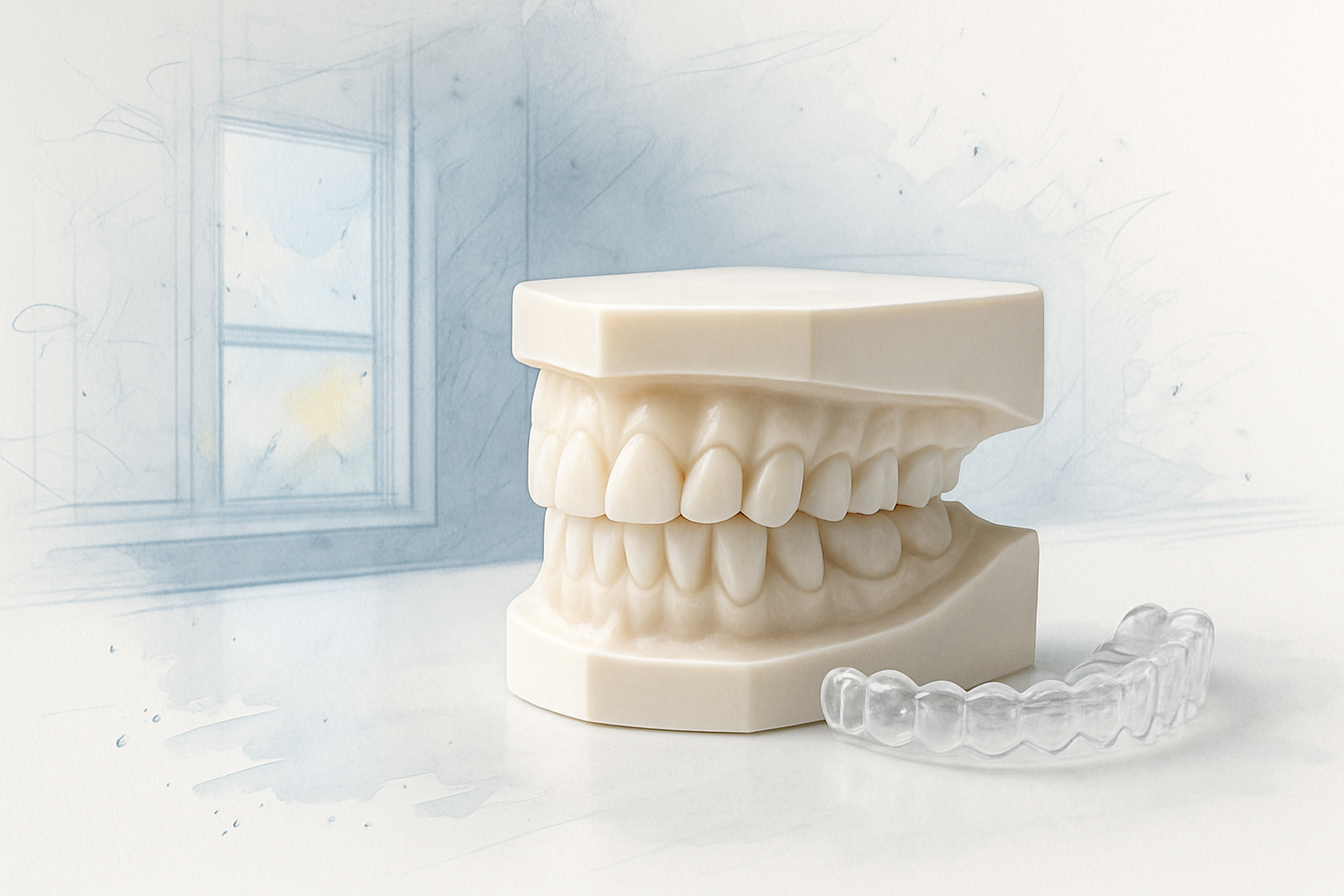
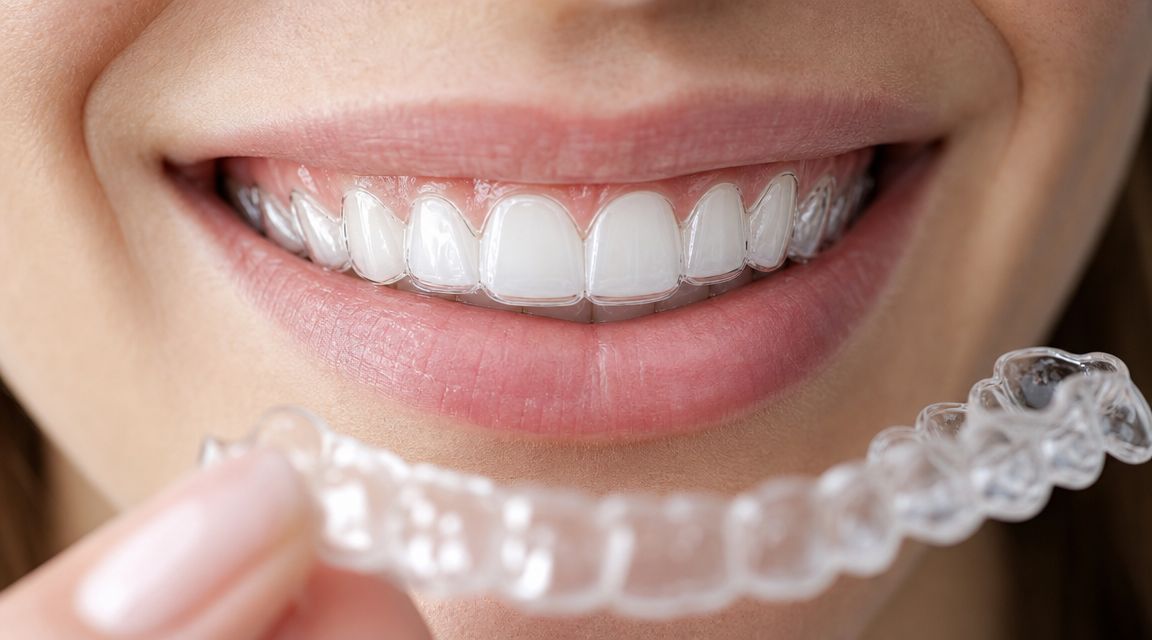
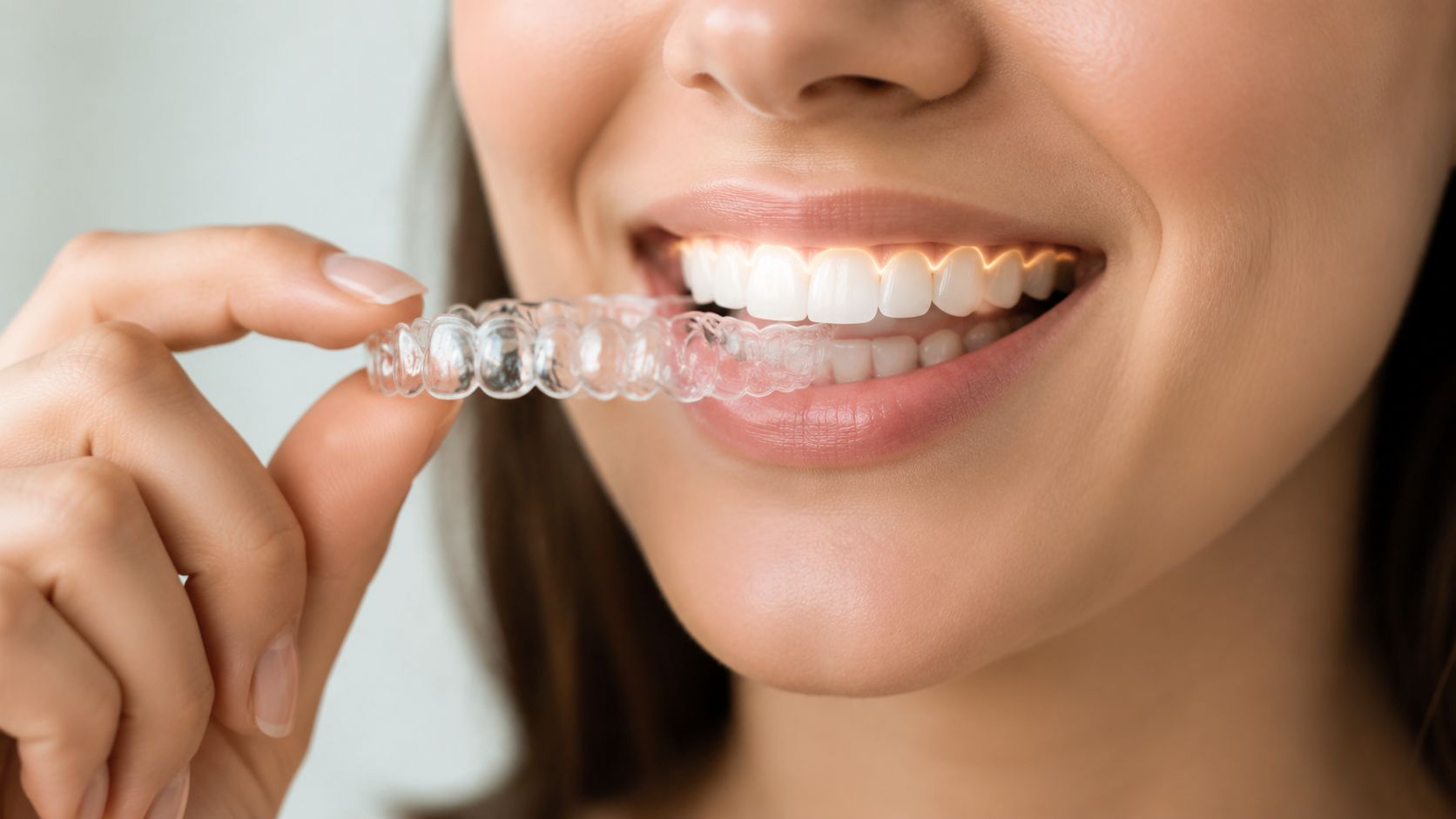
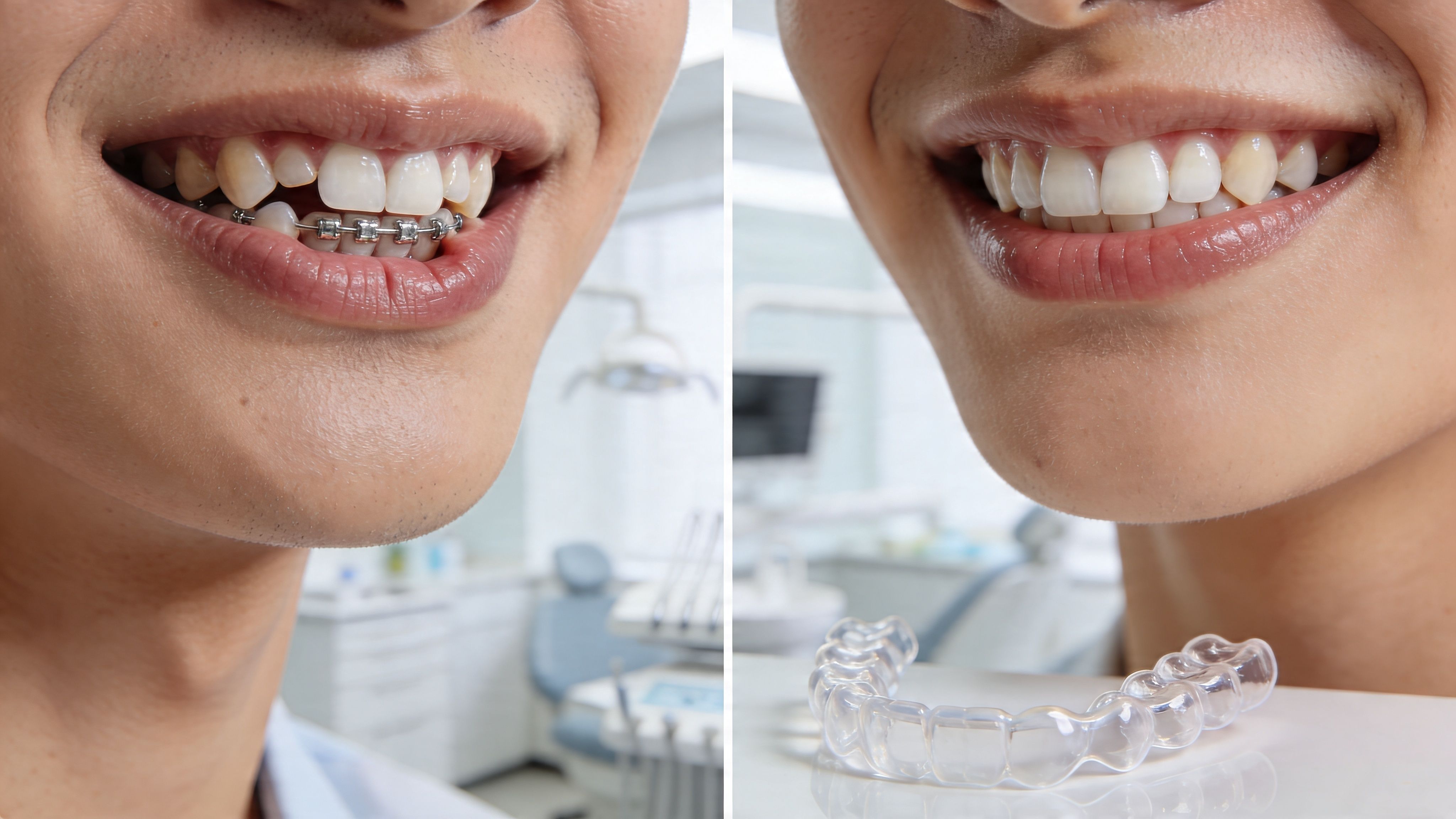
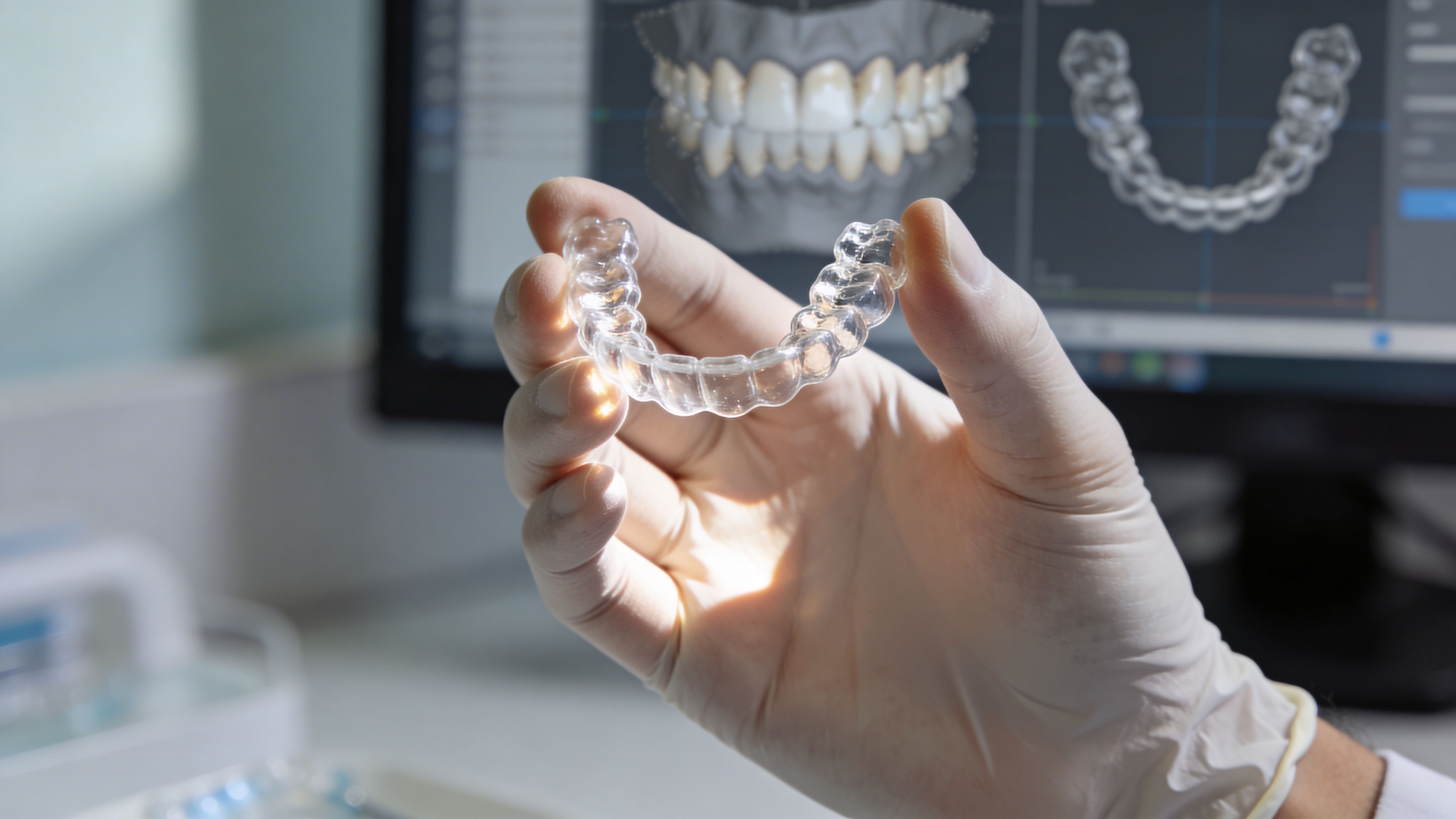
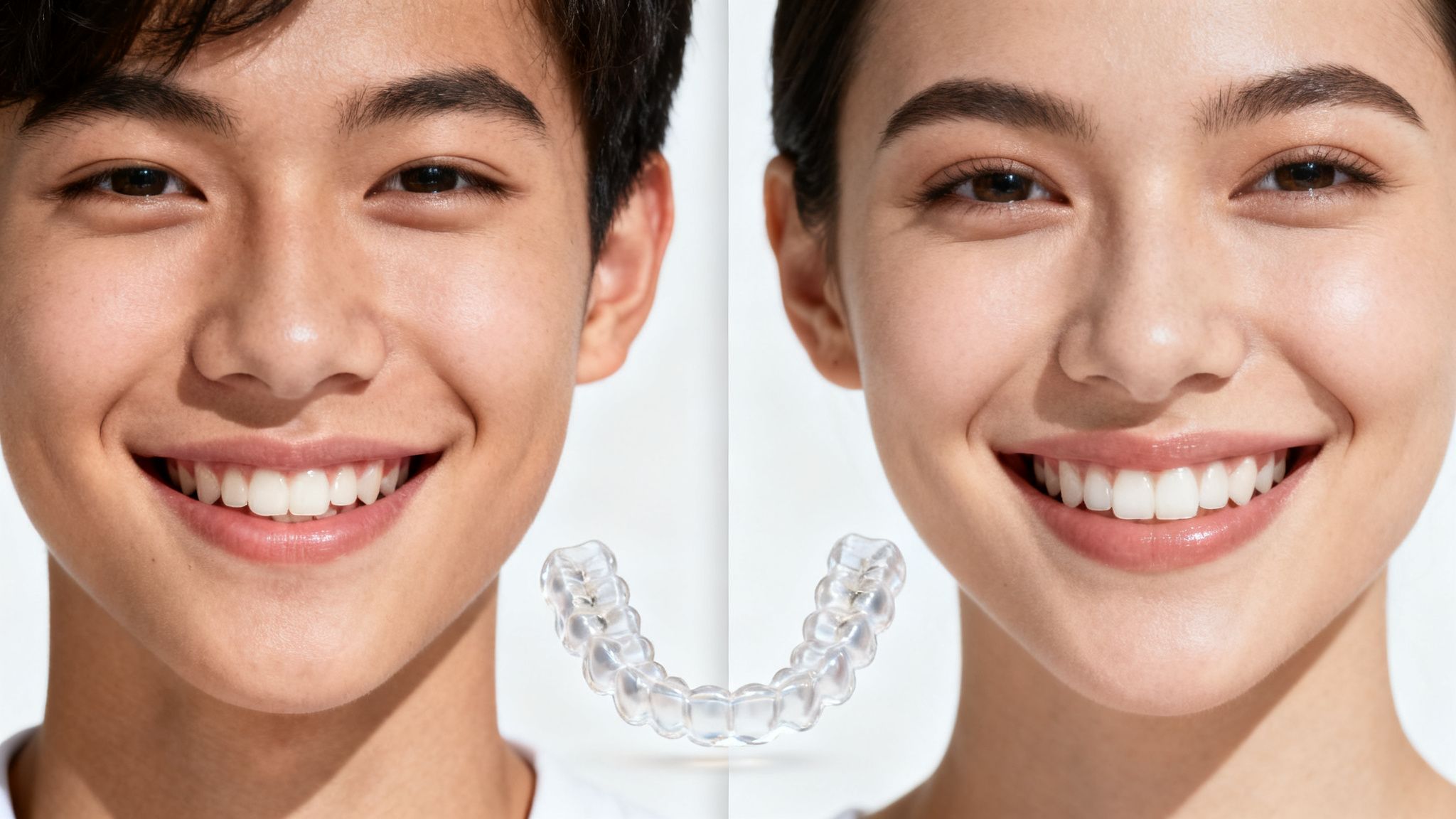
Invisalign First is one option we offer for younger patients who qualify for Phase 1 treatment. These are clear aligners designed specifically for growing mouths, not scaled-down versions of adult Invisalign. They can help guide jaw development and create room for incoming permanent teeth without the hardware that many parents picture.
For kids in neighborhoods across Goldenwest and Newland who are already self-conscious about their appearance, the clear aligner format can make treatment feel much less intimidating. There are no wires to poke, no bulky palate expanders to navigate, and the trays can be removed for eating and brushing.
That said, Invisalign First isn't the right fit for every Phase 1 case. Some bite issues respond better to other approaches, and that's something Dr. Jeremy and Dr. Melissa assess individually during the evaluation. Our early interceptive orthodontics page has more detail on what Phase 1 treatment can look like.
The takeaway for parents: the options available today are meaningfully different from what you may have experienced as a child. A Phase 1 evaluation is a chance to find out what's actually needed, not a commitment to the most intensive approach.
Phase 1 Treatment: What Conditions Are Watched vs. Treated Early
This is a general framework based on what I see most often, your child's specific situation may differ, and only an in-person evaluation gives a complete picture.
| Condition | Typical Approach | Why Timing Matters |
|---|---|---|
| Underbite | Often treated in Phase 1 | Jaw direction is easiest to redirect while still growing |
| Crossbite | Often treated in Phase 1 | Can cause uneven jaw growth if left too long |
| Severe crowding | May benefit from early guidance | Creating space early may reduce need for extractions later |
| Mild crowding | Usually monitored | May self-correct as permanent teeth come in |
| Small gaps or spacing | Usually monitored | Often resolves naturally through normal development |
| Prolonged thumb habit affecting jaw | May warrant early intervention | Habit is actively reshaping developing bone |
If You Have More Than One Kid at Different Stages
We regularly see families from Central Fountain Valley and Adams book back-to-back appointments for siblings at different ages, a 12-year-old and a 9-year-old, for example. It's one of the most common scenarios in our practice, and it's worth addressing directly because the timing conversation is different for each child.
A 9-year-old who is still in the middle of losing baby teeth is in a completely different window than a 12-year-old who has most of their permanent teeth already. For the younger child, the Phase 1 evaluation tells us whether there's a jaw or bite issue developing that benefits from early guidance. For the older child, we're usually talking about whether they're ready for comprehensive orthodontic treatment, braces, Invisalign, or another approach, as they approach the classic teen treatment window.
Bringing both kids in the same day is practical, and it also gives parents a clear picture of where each child stands so you aren't making decisions in the dark. The evaluation is low-stakes in the most genuine sense: no discomfort, no commitment, and a clear answer about whether treatment is needed now, later, or not at all.
For context on what the teen treatment window looks like, our article on when a Fountain Valley teen should start orthodontic treatment walks through how that timing decision works.
Frequently Asked Questions About Phase 1 Orthodontics
My child is 7 and their teeth look fine to me. Do they still need an evaluation?
Yes, and here's why: many of the things an orthodontist is looking for at age 7 aren't visible to the naked eye. Jaw width, bite alignment, and the path of incoming teeth all require an experienced eye and sometimes X-rays to assess properly. A child whose smile looks fine from the outside can still have a developing crossbite or jaw imbalance that benefits from early attention. The evaluation takes very little time and gives you a real answer either way.
Does a Phase 1 evaluation mean my child will definitely need treatment?
Not at all. The majority of children who come in for a Phase 1 evaluation don't need any treatment right away. They leave with a monitoring plan and a clearer sense of what to expect. Early evaluation is about identifying the kids who do benefit from intervention, not finding ways to treat every child who walks in the door.
How much does Phase 1 treatment cost in Huntington Beach?
Phase 1 treatment costs vary depending on what's involved and how long treatment runs. Many orthodontic insurance plans include some coverage for Phase 1 treatment, and flexible payment plans are typically available to spread costs over time. The best way to get an accurate picture is to come in for an evaluation, Dr. Jeremy and Dr. Melissa can give you a specific breakdown based on what your child actually needs.
If my child does Phase 1 treatment, will they still need braces as a teen?
Possibly, yes. Phase 1 treatment addresses specific developing problems, jaw width, bite direction, space for incoming teeth, but it doesn't replace Phase 2 treatment in most cases. What it can do is make Phase 2 shorter, simpler, and sometimes less invasive. In a smaller number of cases, early intervention addresses the problem thoroughly enough that Phase 2 treatment is minimal or unnecessary. Your child's specific situation determines what Phase 2 will look like.
Is Invisalign First appropriate for a 7-year-old?
It depends on the case. Invisalign First is designed for growing patients and can be a good fit for kids who qualify for Phase 1 treatment and whose bite issues can be addressed with aligners. Not every Phase 1 case is the right fit for it, some conditions respond better to other approaches. Dr. Jeremy and Dr. Melissa evaluate each child individually and recommend the option that matches what the child's mouth actually needs.
What should I bring to my child's first orthodontic evaluation?
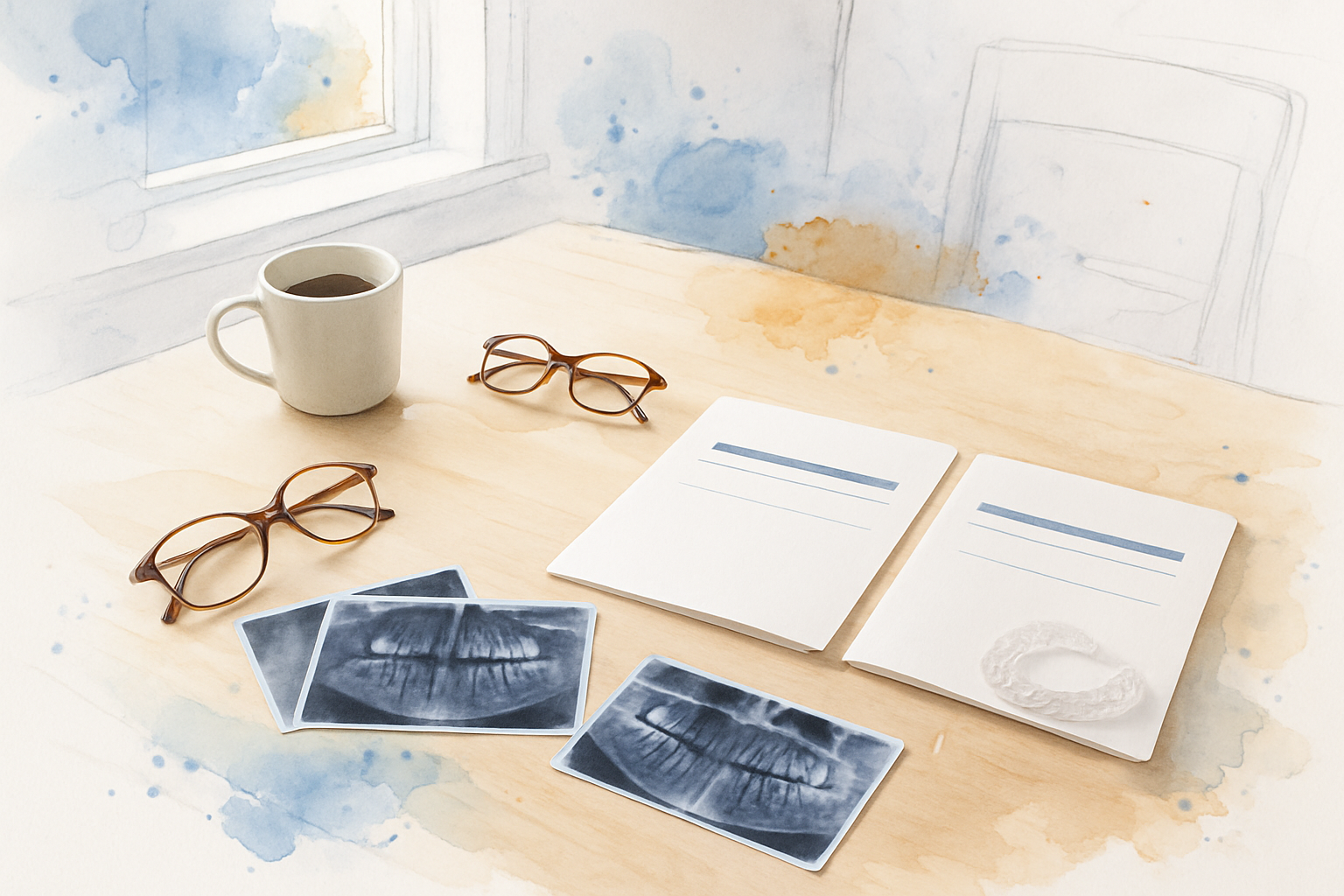
Bring any recent dental X-rays if your dentist took them in the last year, it may save your child from needing a duplicate set. Bring your insurance card if you have orthodontic coverage. Most importantly, bring any questions you have written down. Parents often leave thinking of questions they forgot to ask, and Dr. Jeremy and Dr. Melissa genuinely want to walk you through everything before you leave.
Ready to Get a Clear Answer About Your Child's Development?
If your child's dentist has mentioned an orthodontic referral, or if you've noticed crowding, a bite that seems off, or teeth coming in at unexpected angles, an evaluation is the right next step. Magic Fox Orthodontics is located on Beach Boulevard in Huntington Beach, convenient for families throughout Fountain Valley, Oak View, Wintersburg, and the surrounding communities. Call us at 714-594-5777 or visit magicfoxsmiles.com to schedule a consultation with Dr. Jeremy and Dr. Melissa, no commitment, just a clear picture of where your child stands.