How Long Does Orthodontic Treatment Actually Take?
Direct Answer: Most orthodontic treatment takes anywhere from six months to about two years, depending on case complexity, the treatment type, and how consistently you follow through on your end.
The most common question I hear before someone commits to treatment isn't about cost. It's about time. Will I still be in braces at next summer's beach photos? Will my teenager have brackets on at high school graduation? Will I be wearing aligners at my sister's wedding in eight months?
Those are completely fair questions — and the honest answer is that treatment length varies more than most people expect. I've seen cases wrap up in six months. I've seen others take closer to two years. That range isn't vague by accident. It reflects real differences in how each patient's teeth and bite respond to movement, and no two mouths are the same.
What I want to do in this article is walk you through the two or three variables that actually drive your timeline. Understanding them won't just manage your expectations — it'll help you stay on track from day one.
The Variable Most People Don't Expect: Their Own Daily Habits
When I tell Invisalign patients that their own behavior is the single biggest driver of their timeline, a lot of them look surprised. They assume the treatment type is what matters most. It's not.
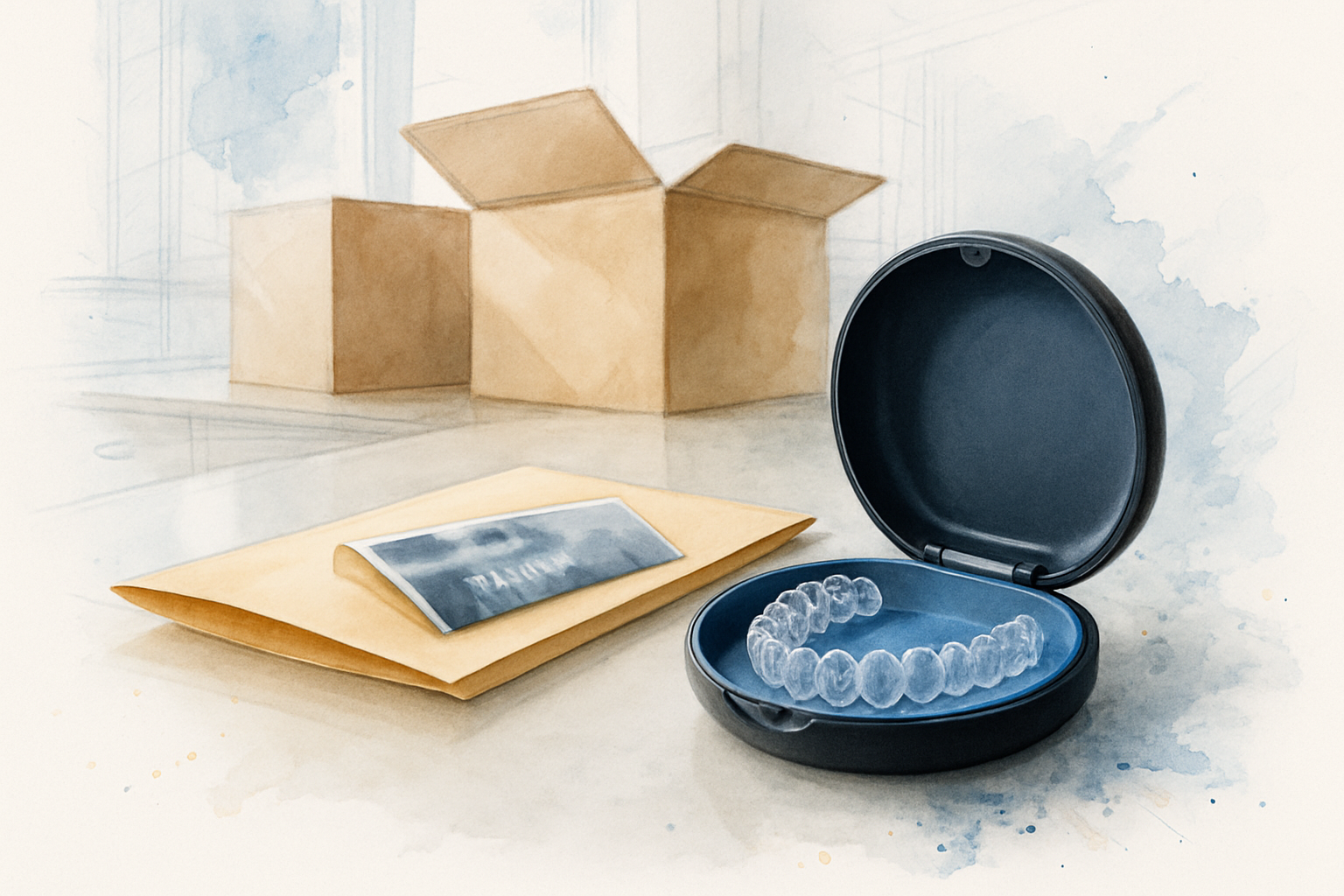
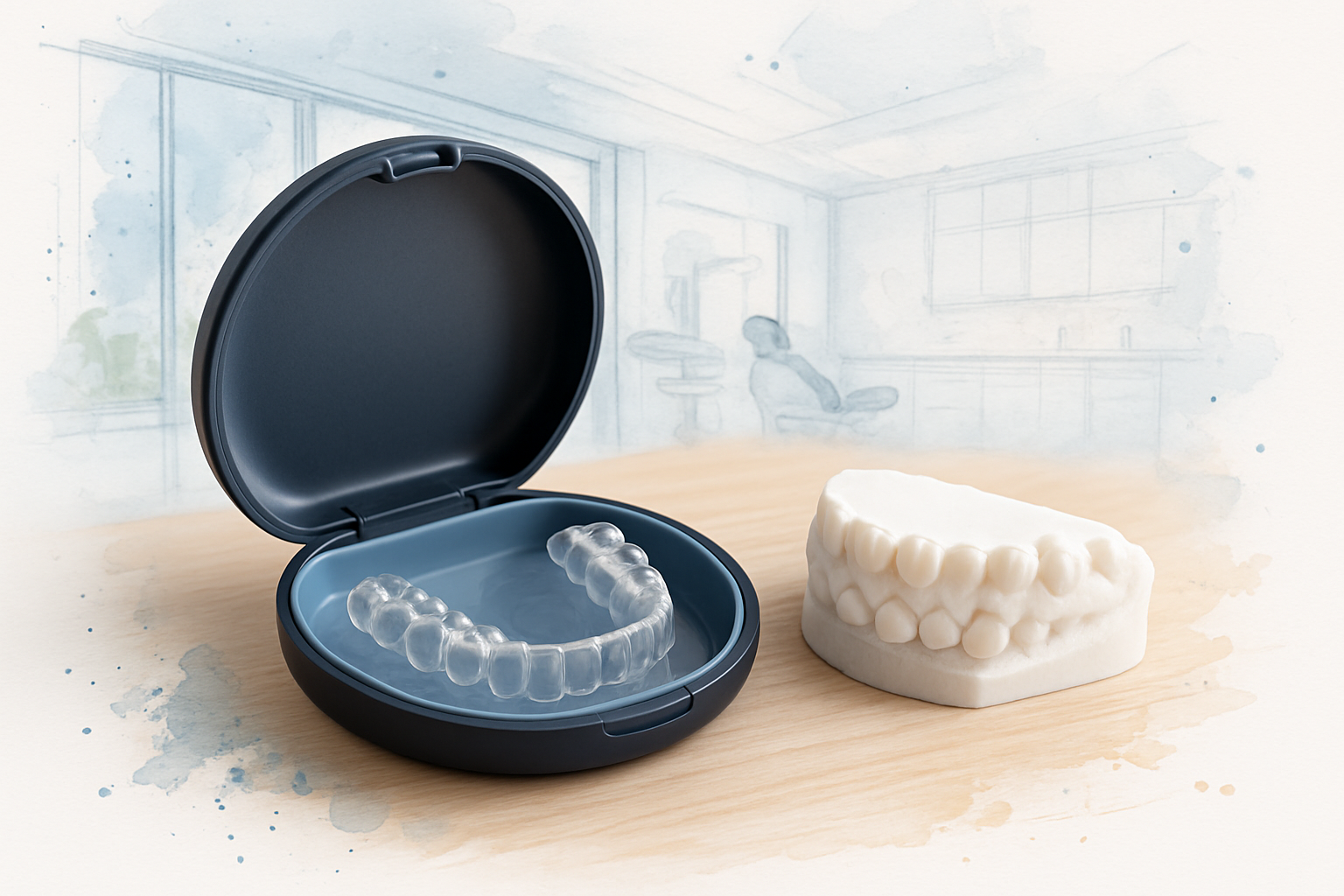
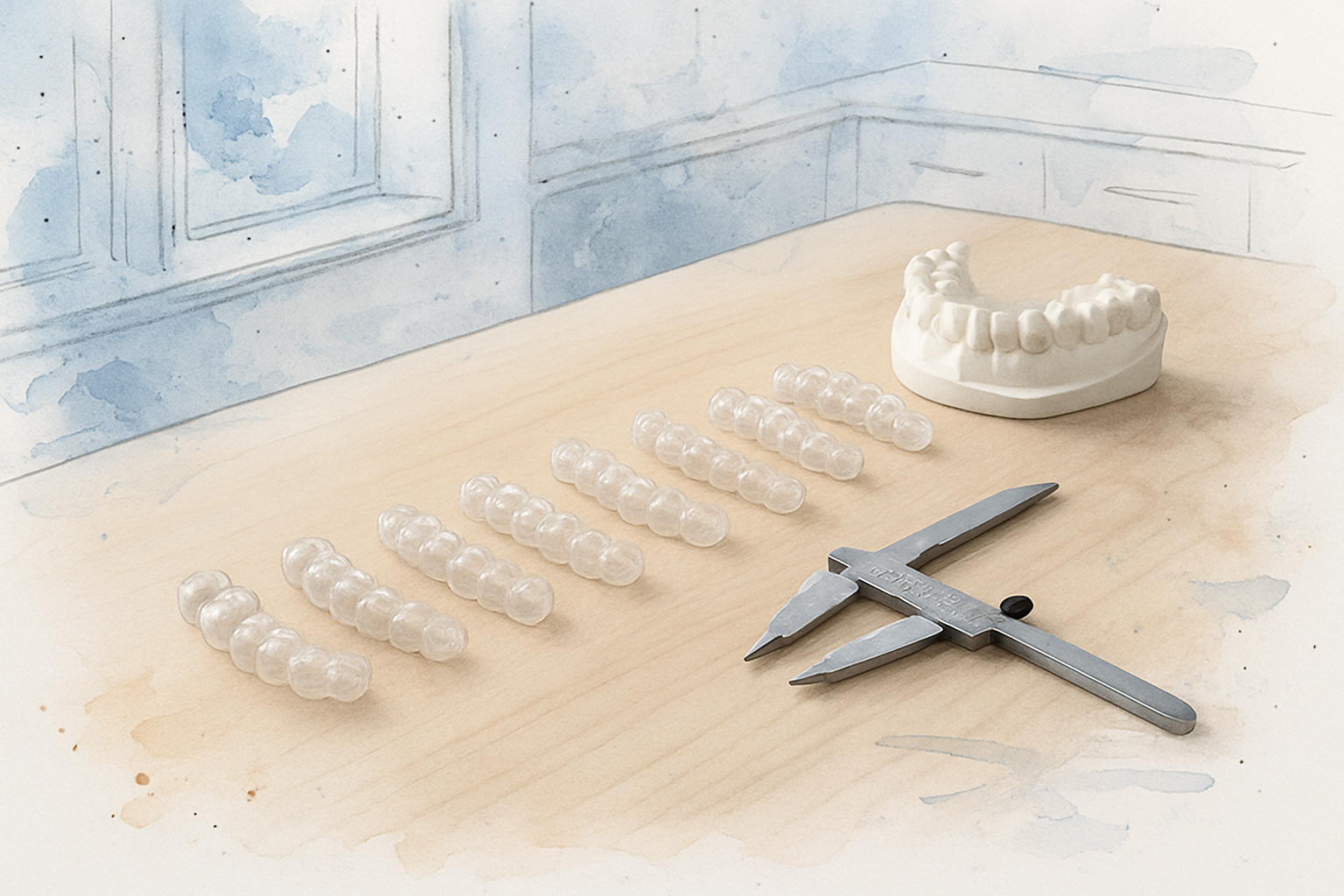
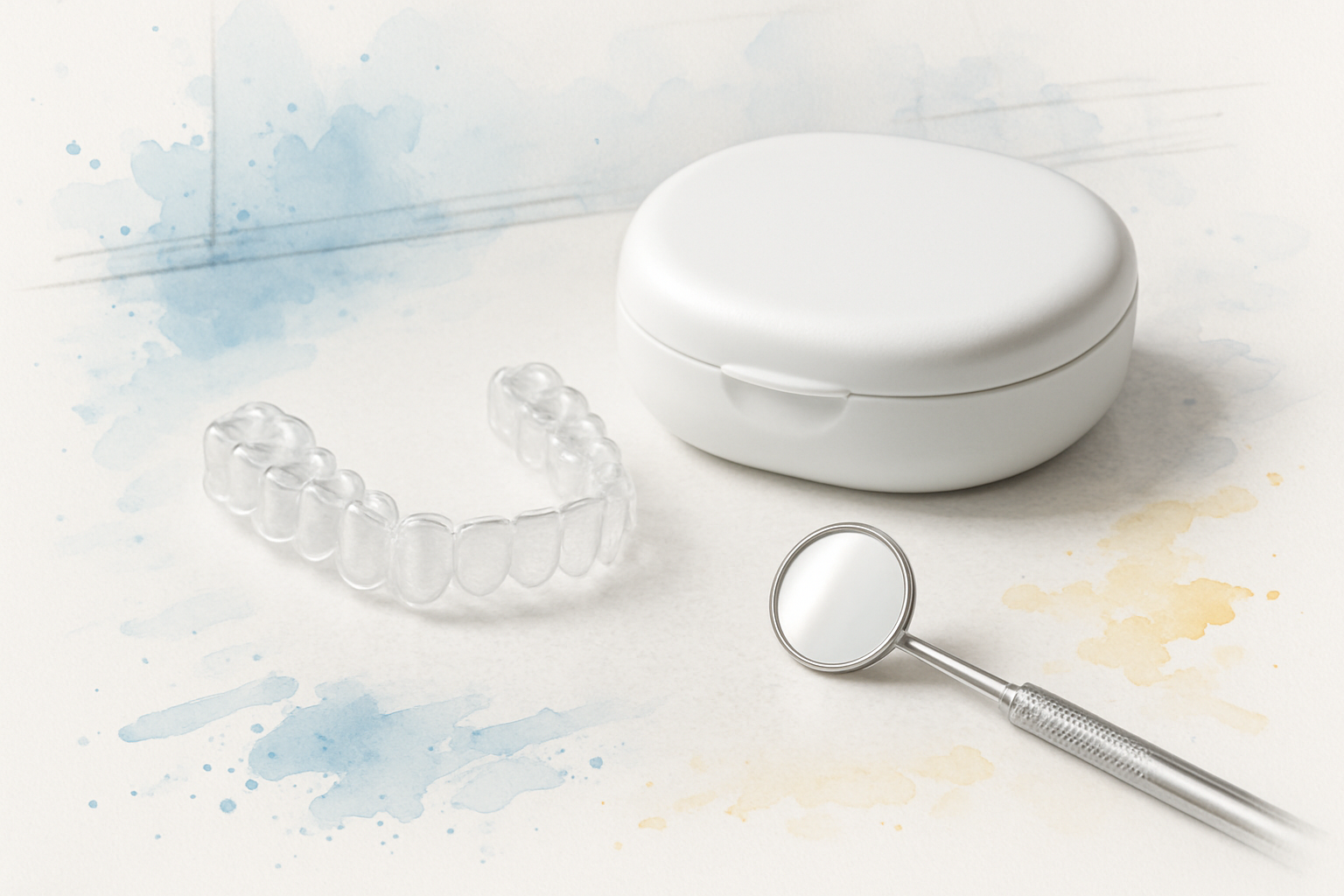
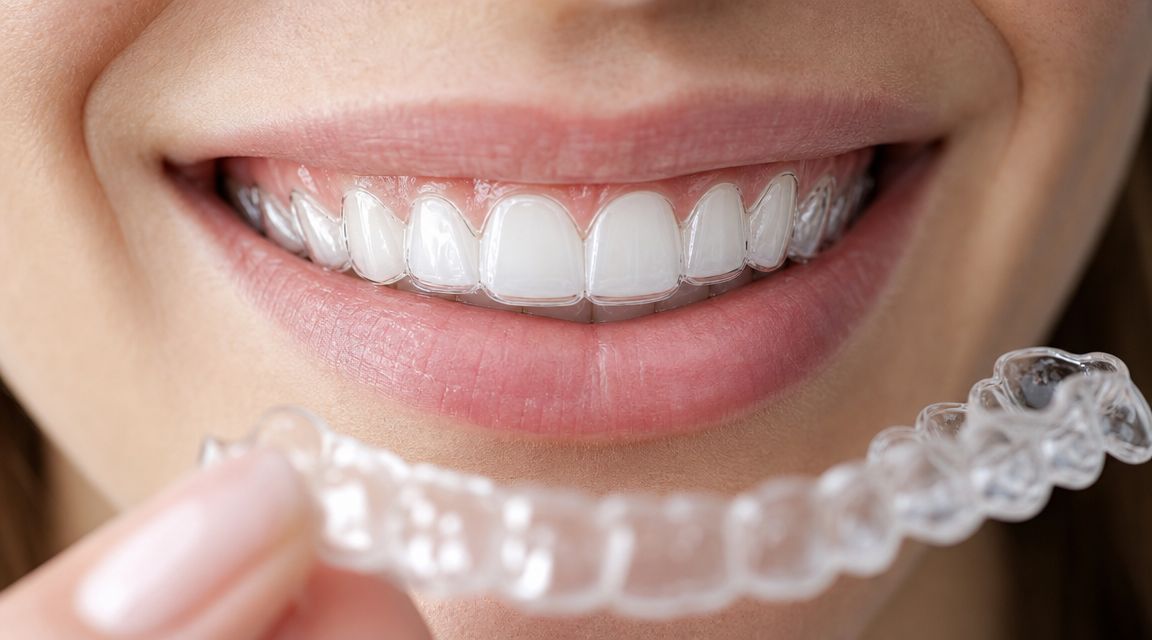
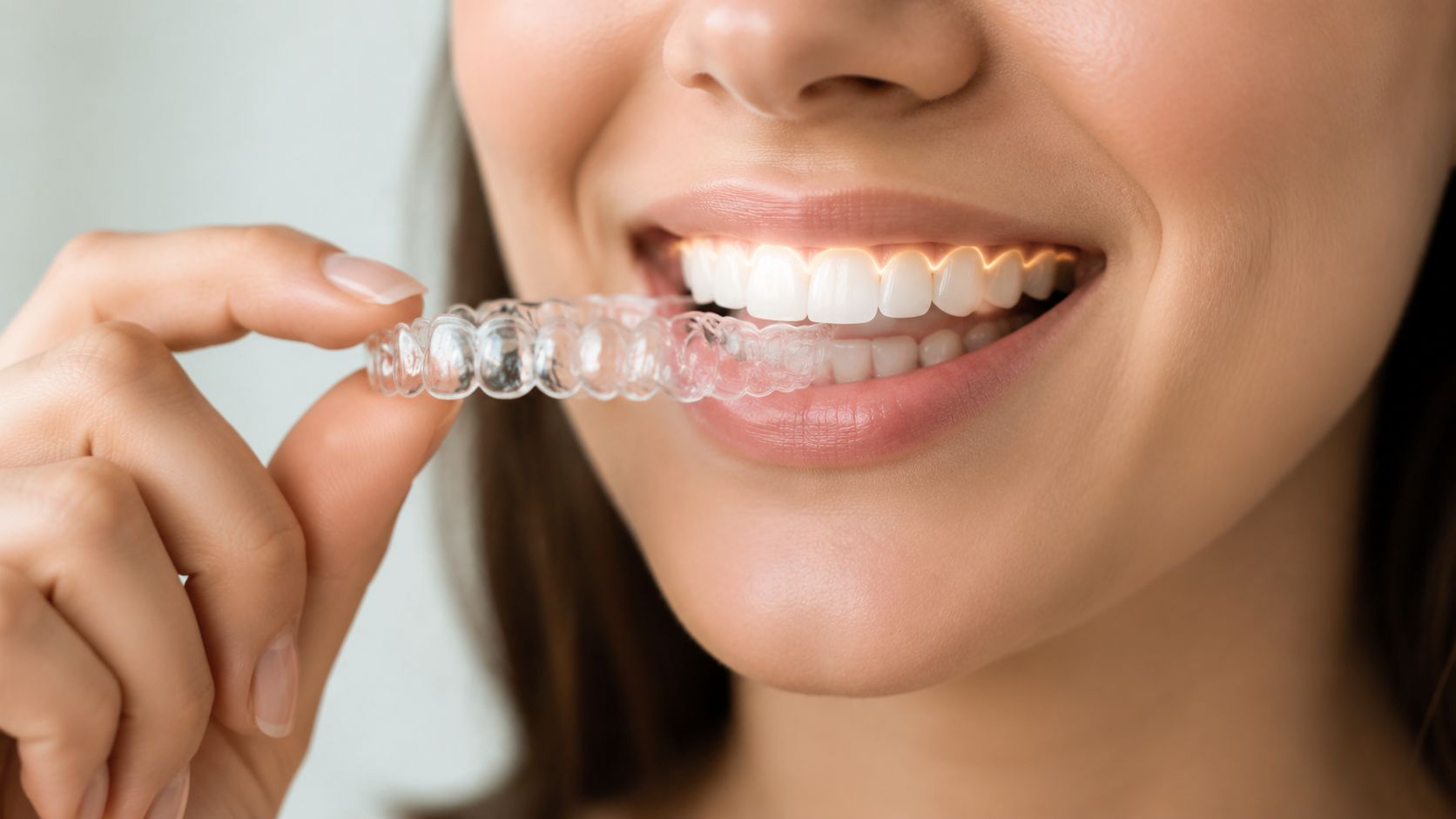
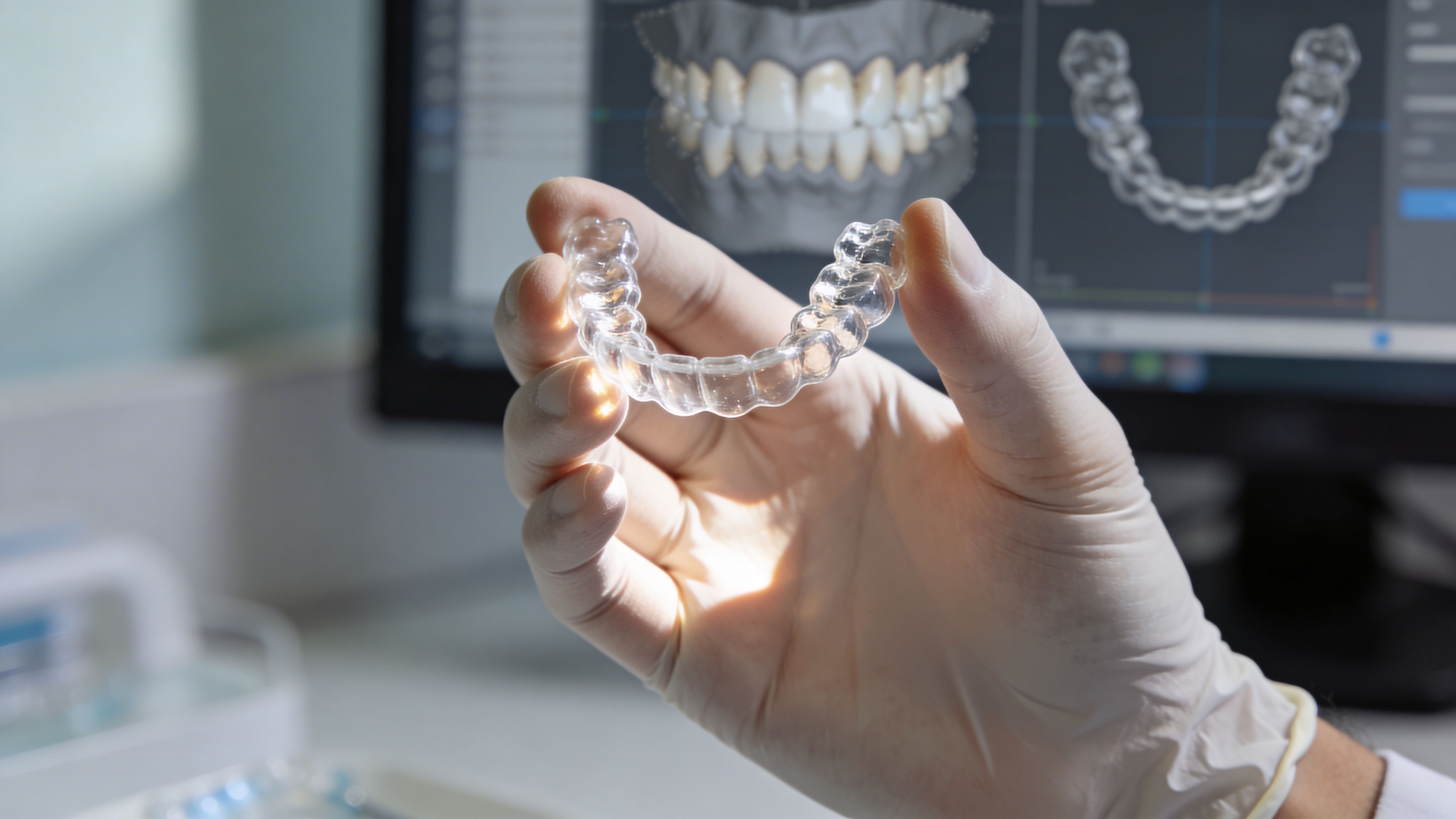
Invisalign works on a schedule. Each set of aligners is designed to move your teeth a specific amount before you switch to the next tray. If you're wearing them 20 to 22 hours a day, that schedule holds. If you're taking them out for long stretches — meals that stretch into hours, social situations, forgetting to put them back in — your teeth aren't moving on plan. The most common reason Invisalign timelines run longer than projected isn't the case complexity. It's under-wearing.
Braces patients aren't off the hook either. The two big culprits I see:
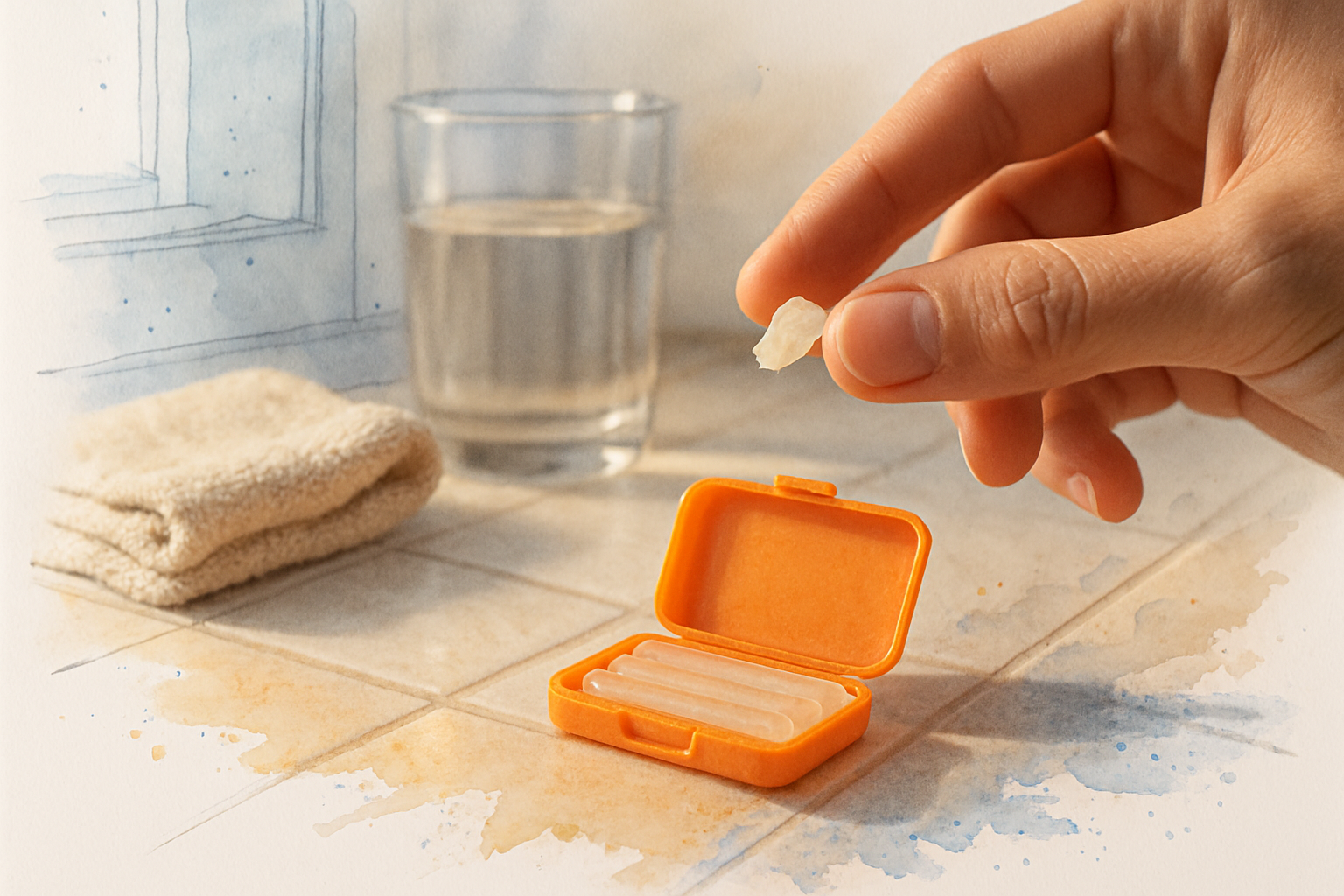
- Breaking brackets by eating foods they were told to avoid — think hard candies, ice, crusty bread
- Skipping rubber bands, which are often doing specific bite-correction work that nothing else can replicate
Every broken bracket adds an unexpected appointment and can set back tooth movement by days or weeks. Every skipped rubber band is a day the bite isn't being corrected.
The treatment plan Dr. Jeremy and Dr. Melissa design for you is precise. But it can only move teeth as fast as you allow it to. Patients who take that seriously from the start tend to finish on schedule — sometimes even a little ahead. You can read more about what causes delays in orthodontic treatment if you want to go deeper on this.
Case Complexity: The Clinical Side of the Timeline Equation
Patient behavior is the biggest variable within your control. Case complexity is the biggest variable that isn't.
A mild crowding case — a few slightly overlapping teeth — and a moderate bite correction are fundamentally different clinical problems. One requires moving a handful of teeth a short distance. The other might involve reshaping how your upper and lower jaws relate to each other. Those cases don't take the same amount of time, and they shouldn't.
Here's something that often surprises adult patients: adult bone is denser than teenage bone, which means teeth tend to move somewhat more slowly once you're past your growing years. It's not dramatic — we're not talking about doubling your treatment time — but it's real, and a good orthodontist will account for it in the estimate they give you rather than letting it catch you off guard later.
The American Association of Orthodontists notes that comprehensive orthodontic treatment typically accounts for factors like jaw development, bite relationship, and tooth movement distance when projecting timelines — which is exactly why an in-person evaluation gives you a far more accurate picture than any online estimate.
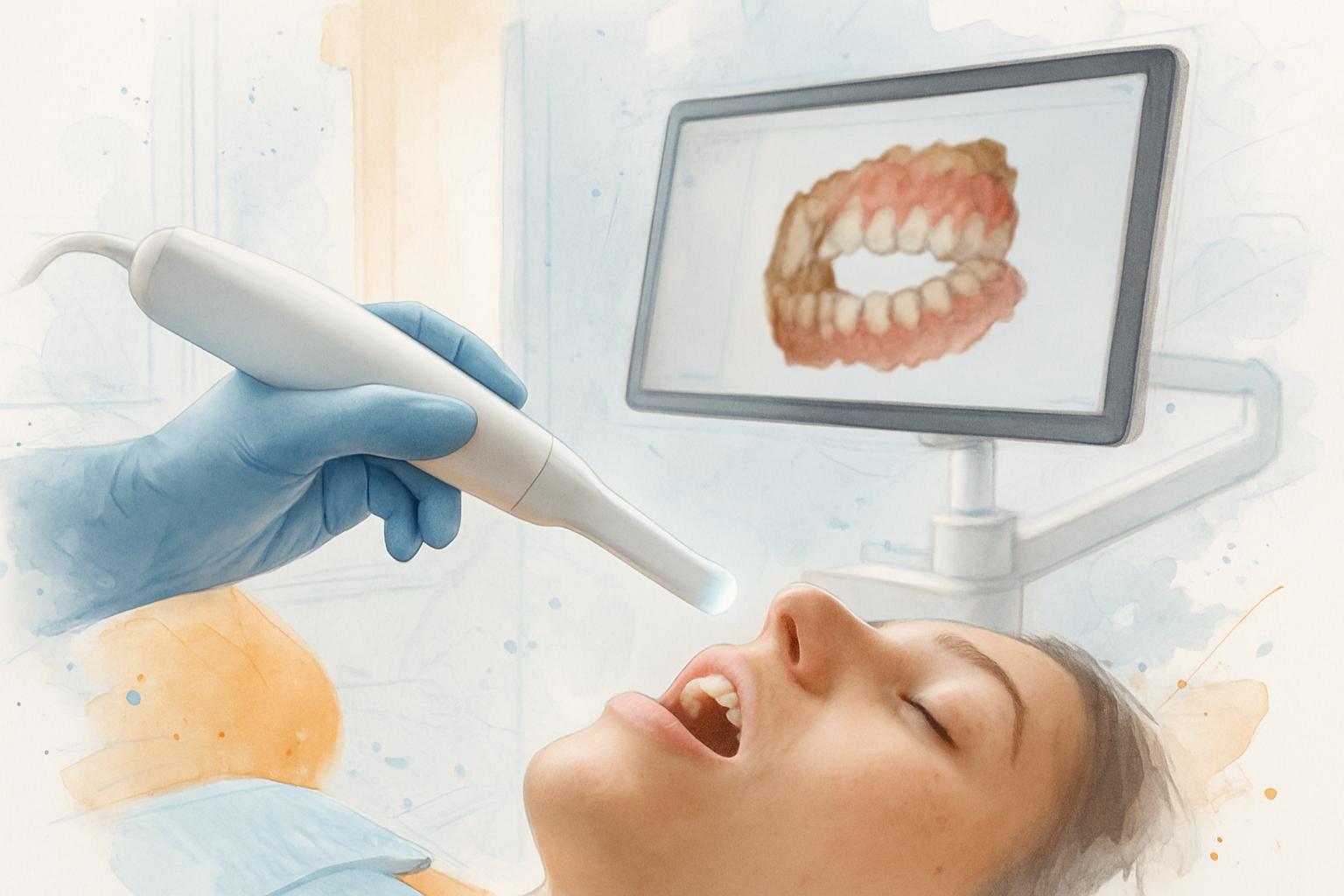
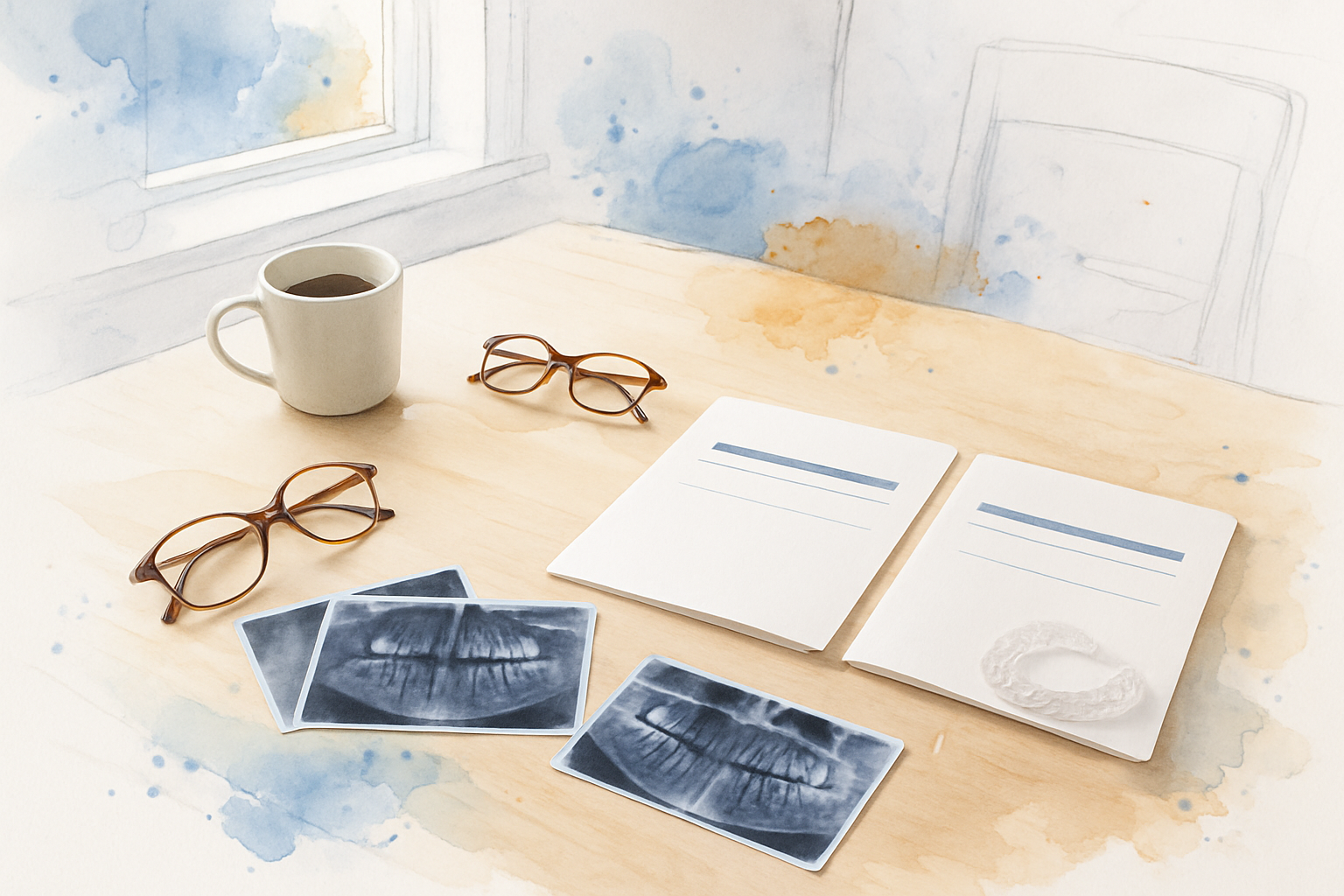
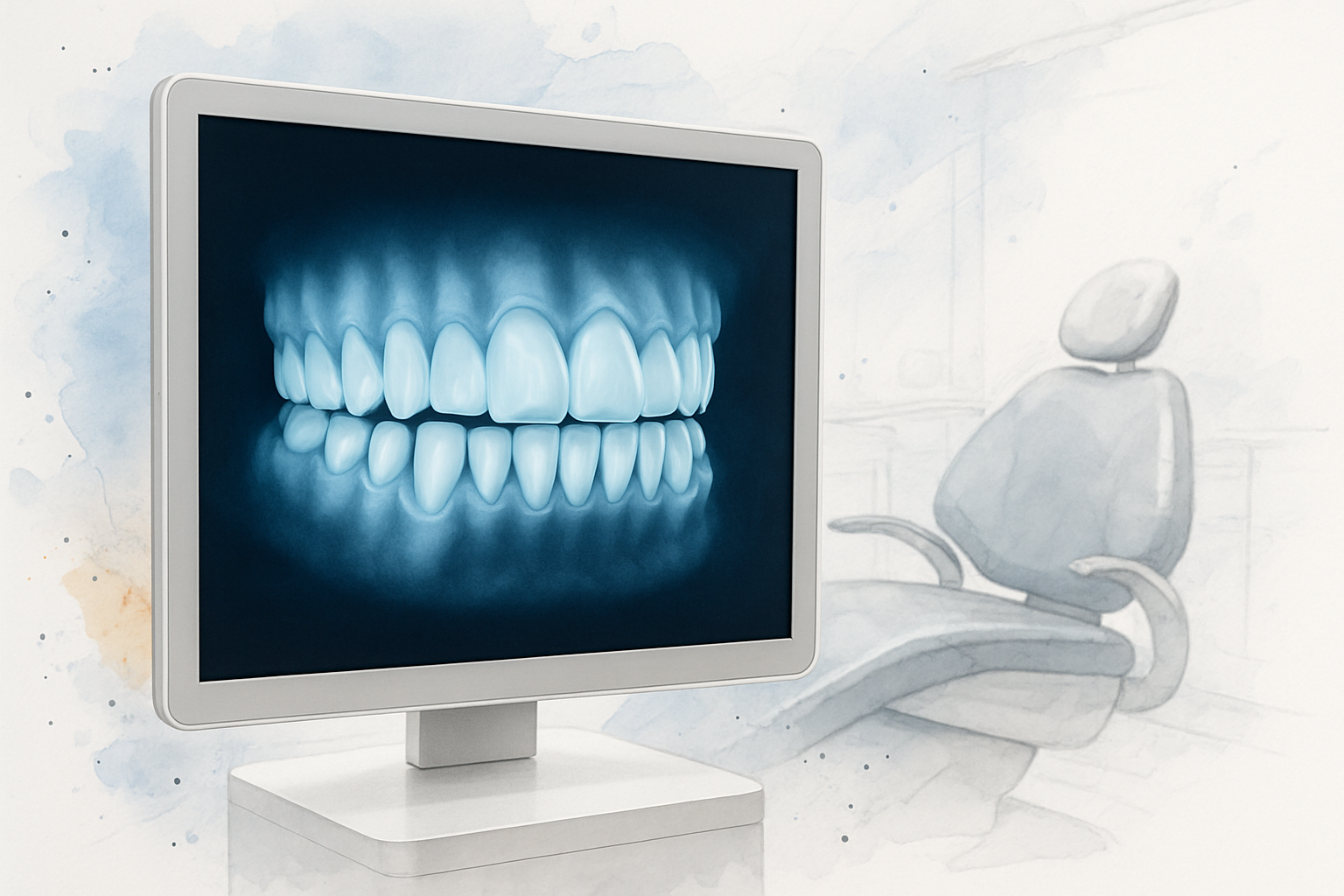
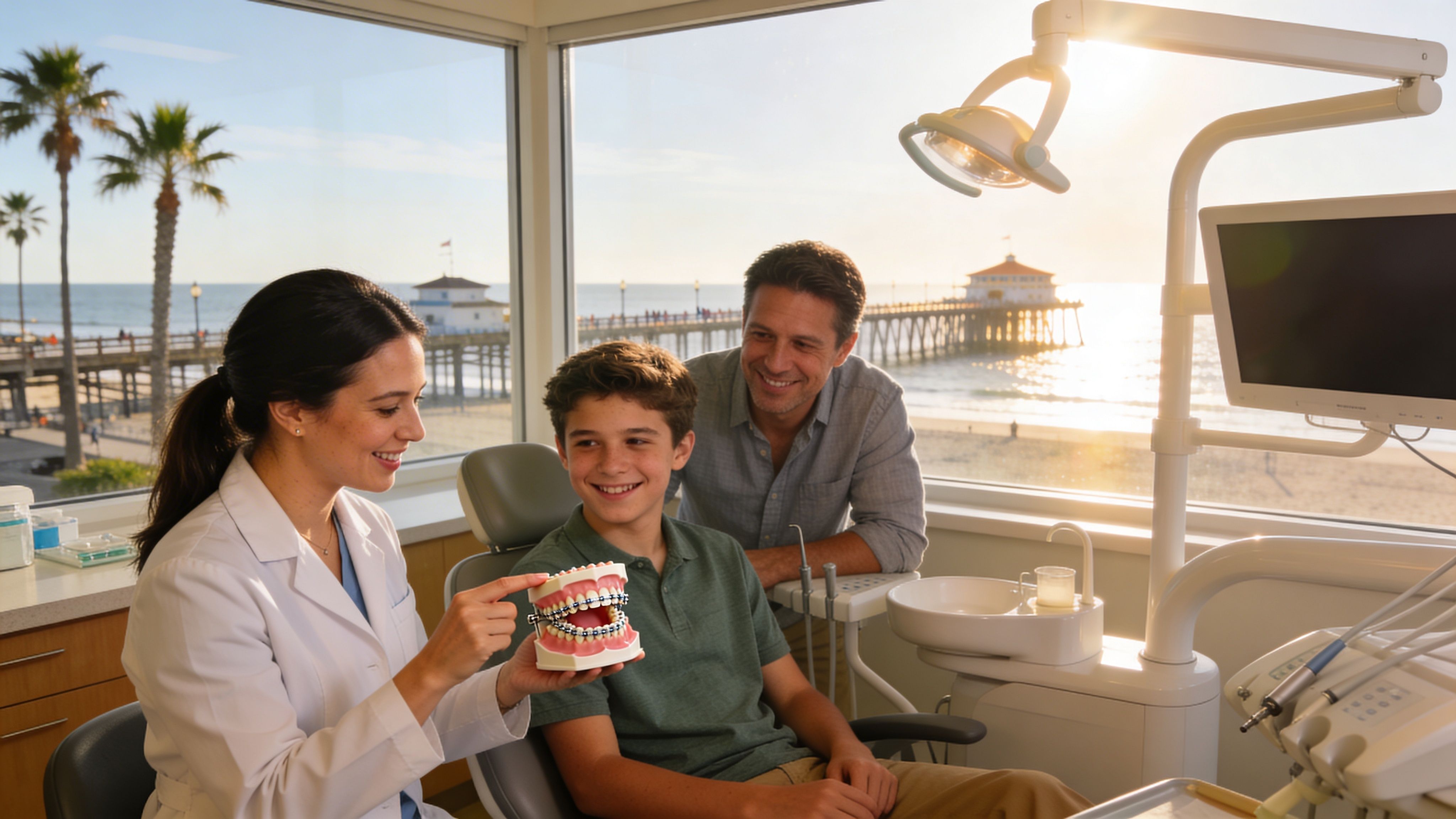
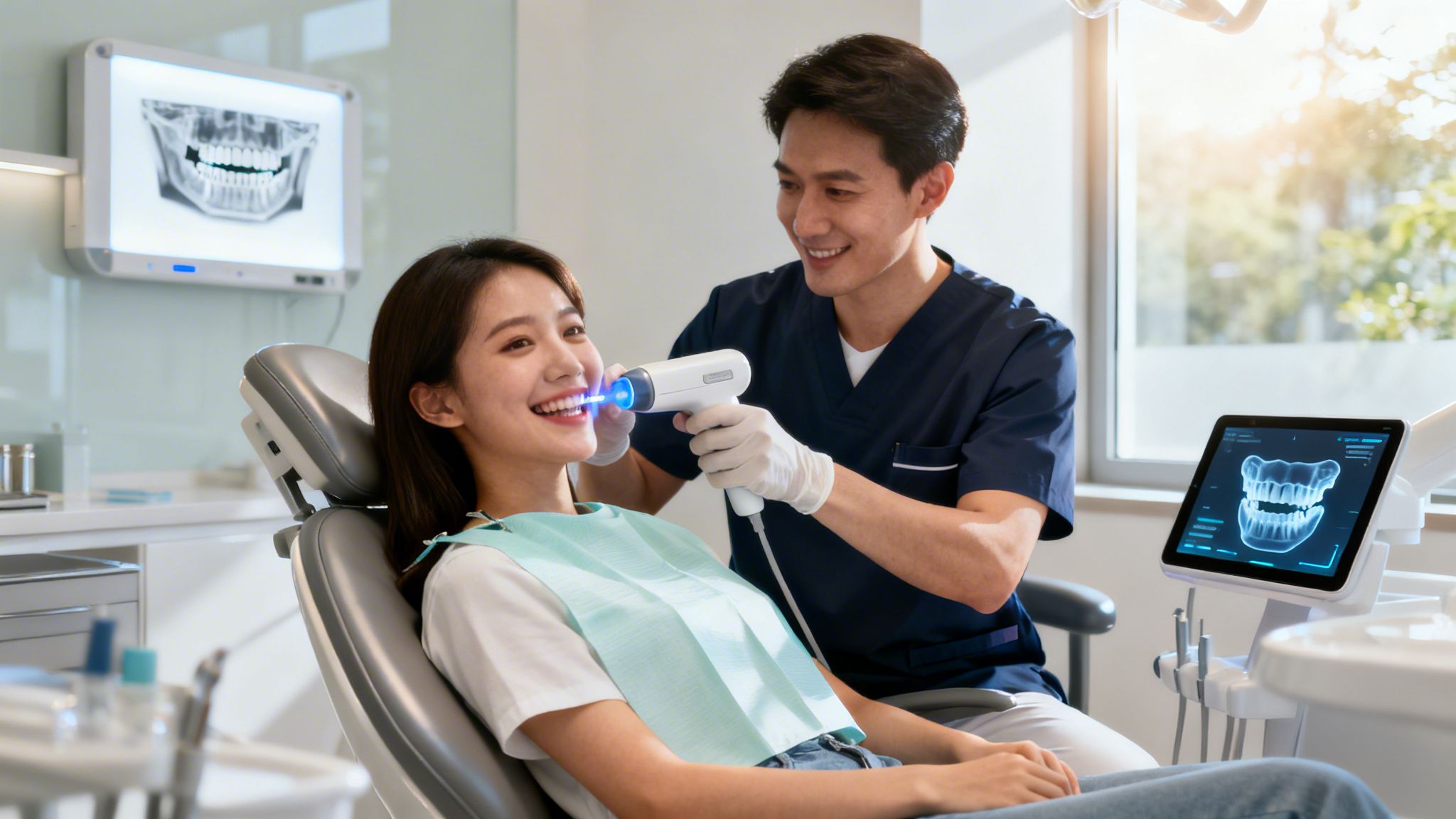
At Magic Fox Orthodontics, Dr. Jeremy and Dr. Melissa use digital imaging and a thorough clinical evaluation to tell you what your specific case actually involves before you commit to anything. That clarity at the start makes the whole process feel less stressful — and it keeps patients from being blindsided at the six-month mark.
Treatment Timeline at a Glance: What to Generally Expect
These are general ranges based on typical case types. Your actual timeline depends on your specific bite, the treatment you choose, and how consistently you follow through. Dr. Jeremy and Dr. Melissa will give you a personalized estimate at your consultation.
| Case Type | Typical Treatment Range | Key Timeline Factor |
|---|---|---|
| Mild crowding or minor spacing | 6–12 months | Consistent aligner wear or bracket care |
| Moderate crowding or bite correction | 12–18 months | Case complexity, bone density in adults |
| More complex bite issues | 18–24+ months | Amount of tooth and jaw movement required |
| Focused touch-up (minor relapse) | Varies — often shorter than full treatment | How much has shifted and what needs correcting |
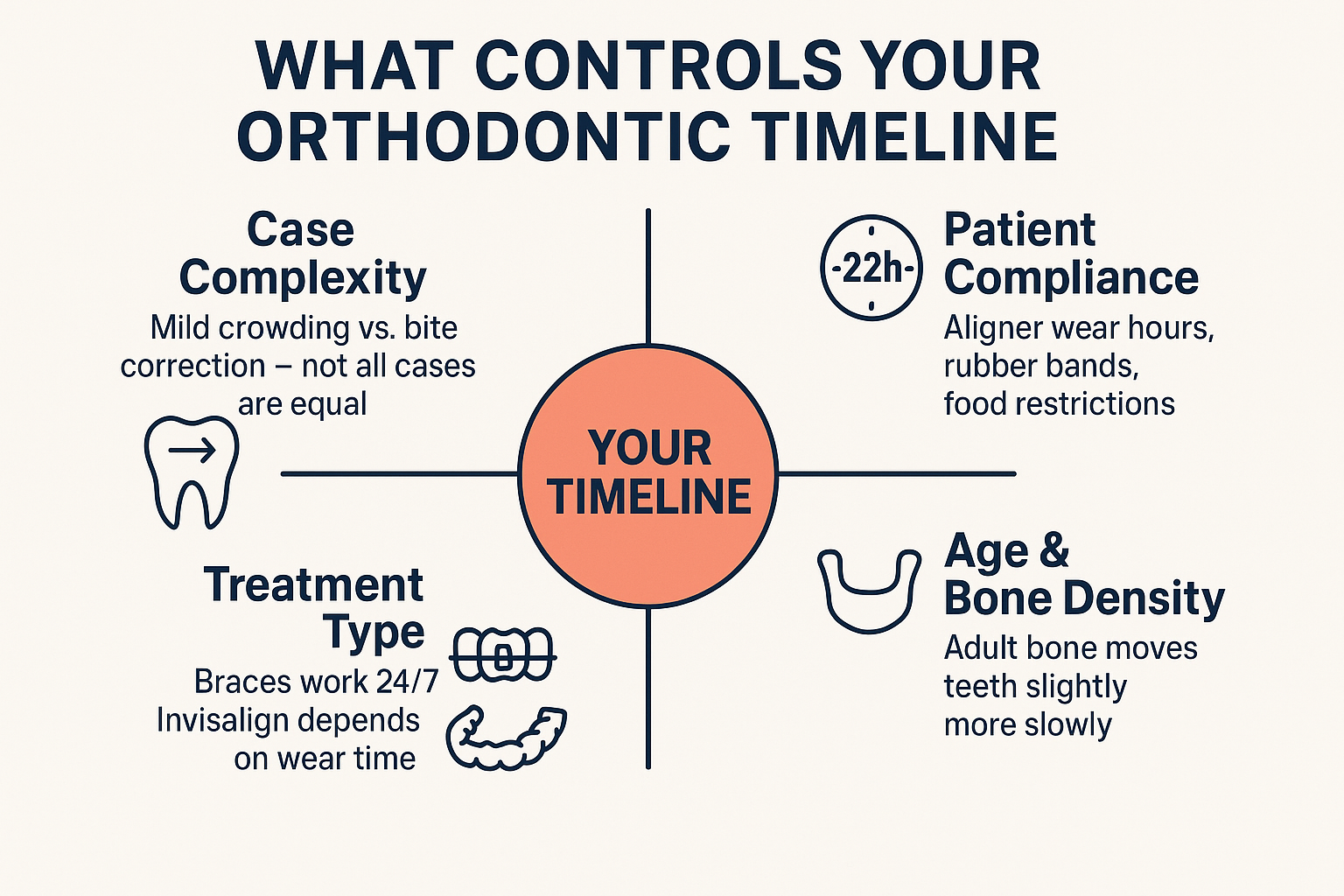
What Actually Controls Your Orthodontic Timeline
Here's a quick visual breakdown of the two main forces that determine how long your treatment takes — and where your own choices fit into the picture.
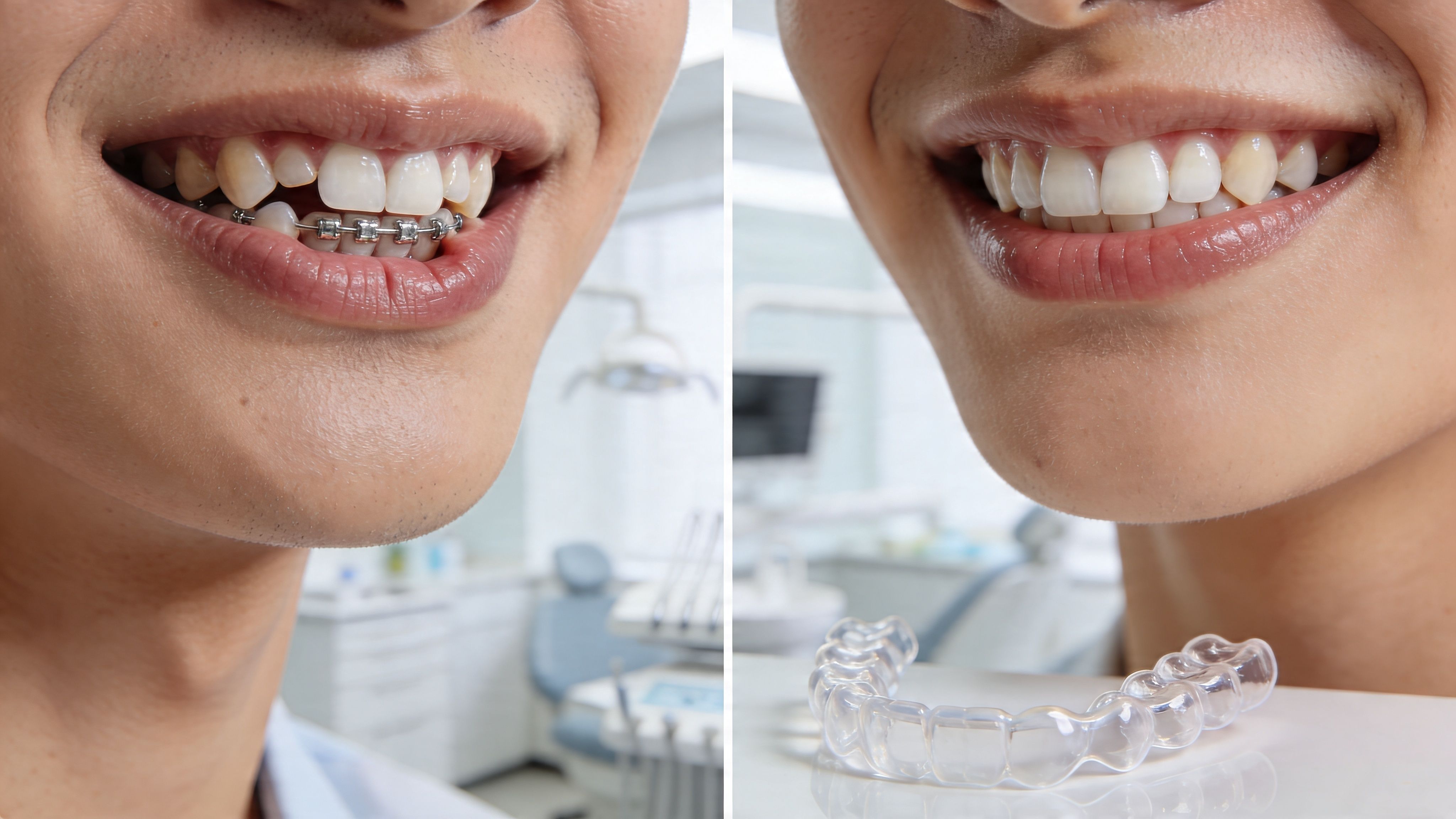
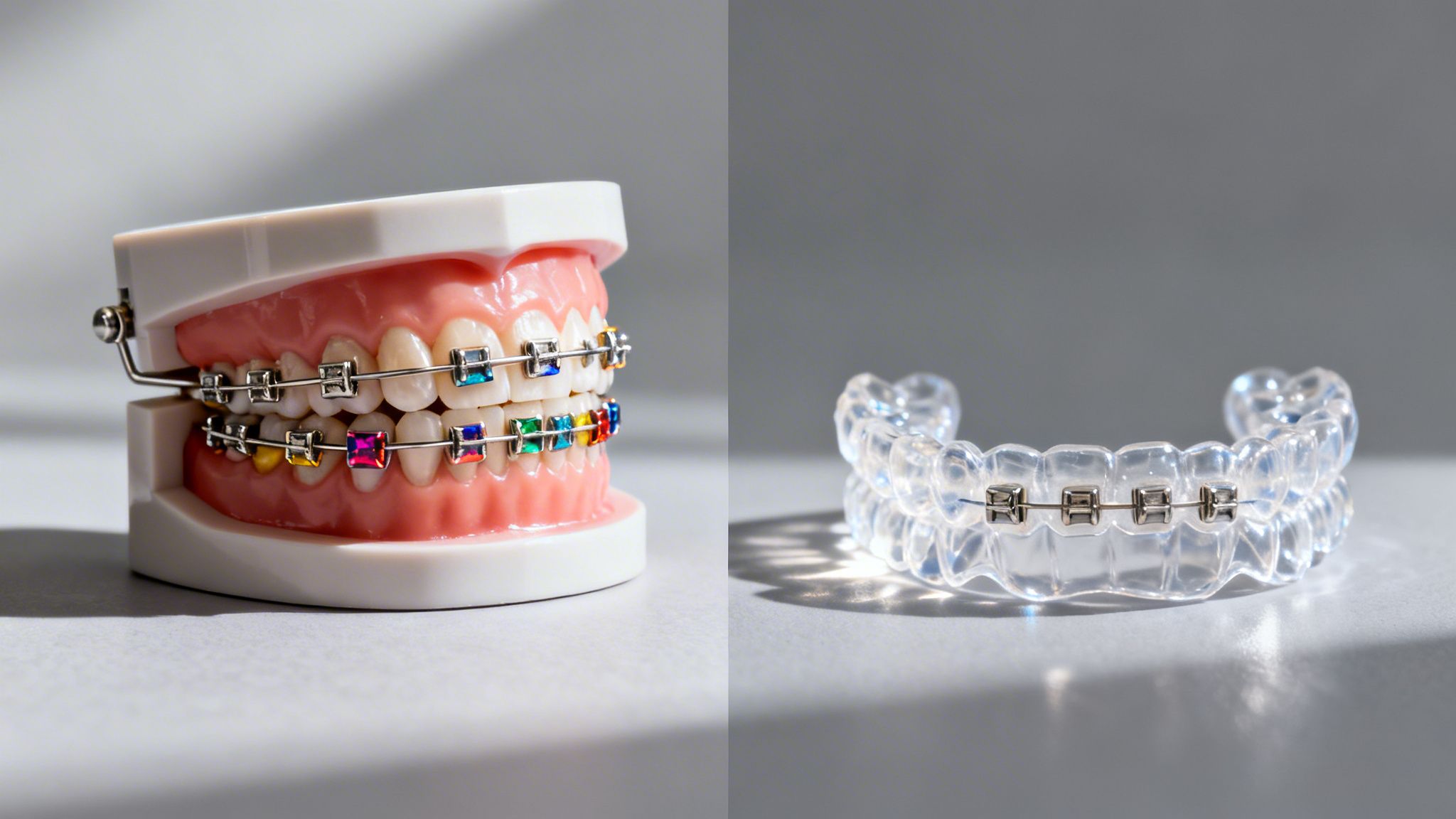
Braces vs. Invisalign: Which One Is Actually Faster?
This question comes up constantly, and the answer is genuinely — it depends on the case and the patient.
Invisalign can be faster for mild to moderate cases. Some patients with straightforward crowding or spacing finish in as little as six months. But that speed is completely conditional on consistent wear. An Invisalign patient who wears their trays 18 hours a day instead of 22 will almost certainly take longer than projected.
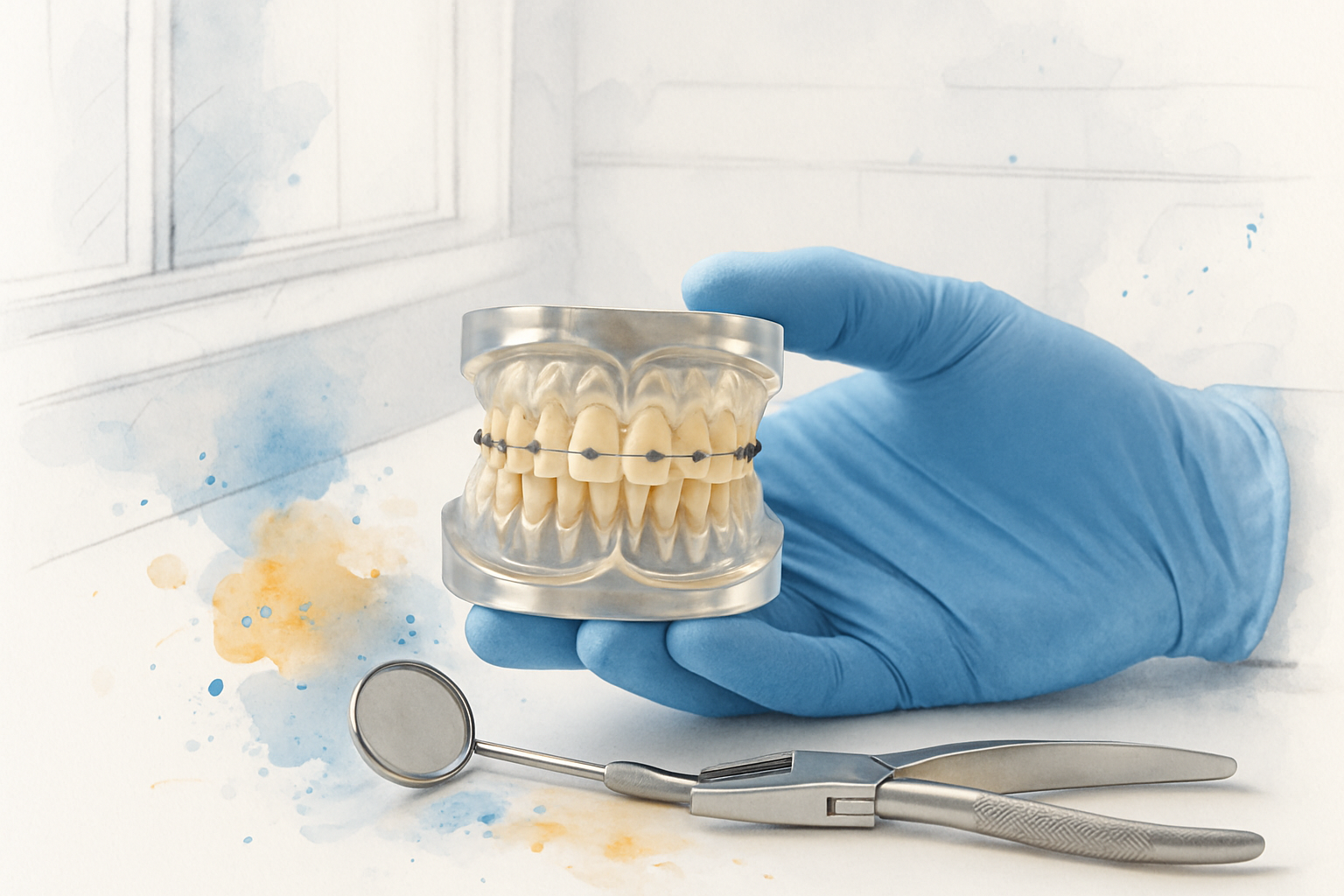
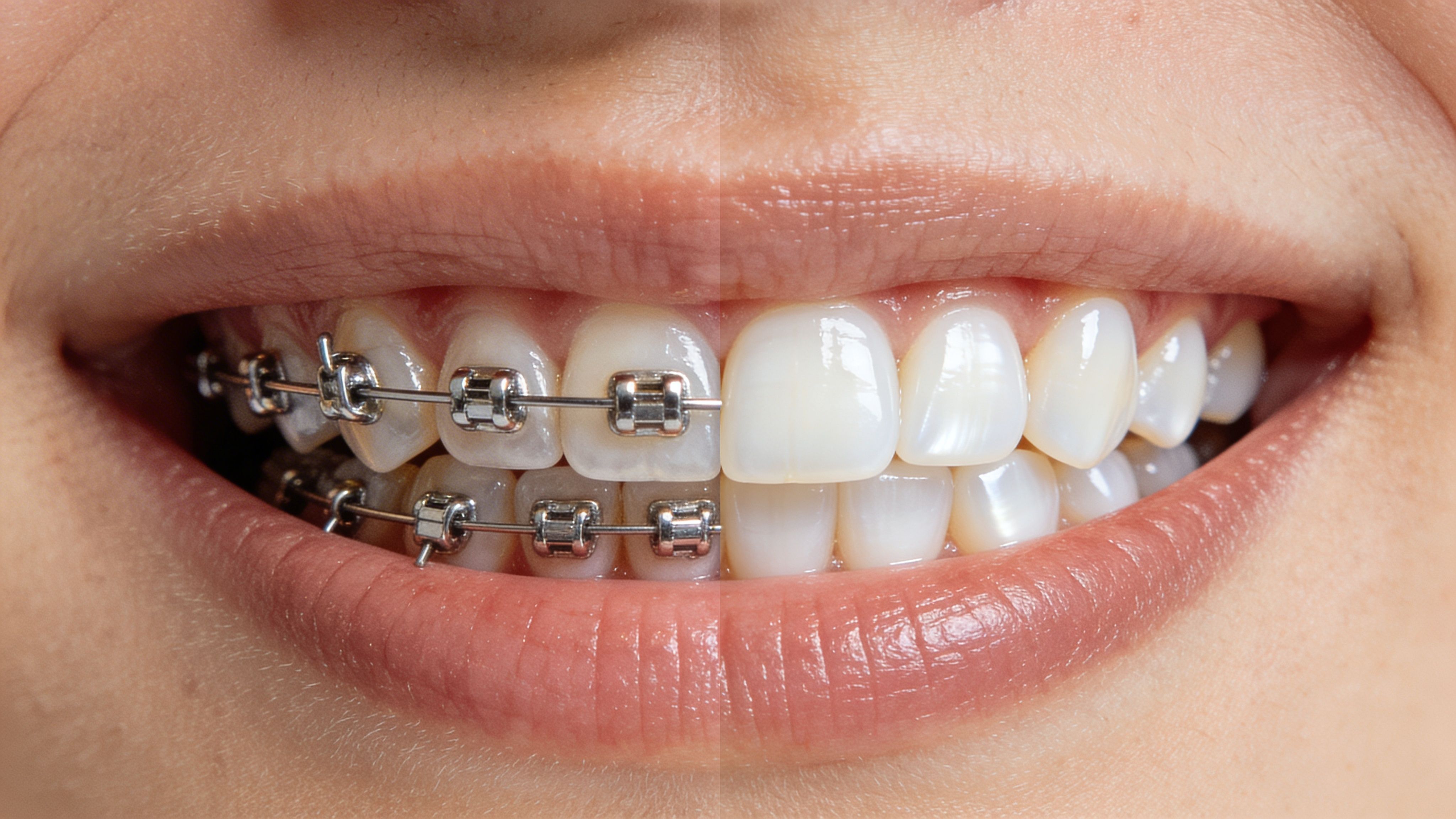
Traditional metal braces, because they're fixed to your teeth, work 24 hours a day regardless of what you do. That predictability makes them the more reliable path for patients with more complex bite issues — or for patients who honestly know they'll struggle with the discipline of a removable appliance. There's no judgment in that. Knowing yourself is part of choosing the right treatment.
So the question isn't really "which is faster" — it's "which will perform more predictably for my specific case and my specific habits?" That's a conversation worth having with Dr. Jeremy and Dr. Melissa rather than deciding based on a general rule.
For teens, Invisalign for teens in Huntington Beach is worth exploring — and for adults weighing the comparison more carefully, adult braces vs. Invisalign goes into more detail on both sides.
When You've Already Had Braces — and Your Teeth Moved Back
One situation I see more than people might expect: adults who had braces as teenagers, didn't wear their retainers consistently, and now find their teeth have shifted. It's one of the most relatable orthodontic stories out there.
For someone in this situation, the idea of going back into full comprehensive treatment can feel like too much — too much time, too much commitment, too much money for what feels like a small problem. And for some of those patients, it genuinely is too much. The correction they need isn't a full treatment plan; it's targeted work on one or two specific things.
Starting in July 2026, Magic Fox Orthodontics offers a focused touch-up treatment designed exactly for this. It's not comprehensive orthodontics — it's a more limited, goal-specific option for patients who've had previous treatment and only need to address what's shifted. Whether that's right for you depends on what the evaluation shows, but it's worth knowing the option exists before you assume you need to start over entirely.
If you're curious whether touch-up treatment applies to your situation, or if you'd benefit from a second opinion before deciding, a consultation is the right first step.
Frequently Asked Questions About Orthodontic Treatment Length
Is there any way to speed up my treatment?
The most effective thing you can do is follow the plan exactly. For Invisalign patients, that means wearing aligners 20 to 22 hours every single day and switching trays on schedule. For braces patients, it means wearing rubber bands as directed and avoiding foods that break brackets. There's no shortcut that replaces consistent compliance — but consistent compliance genuinely does keep treatment on the faster end of the projected range.
Am I too old to start orthodontic treatment?
No. We treat patients well into their 70s — and one of our reviewers started treatment at 76 and described her results as 'awesome.' Adult bone does move slightly more slowly than teenage bone, but that's a factor Dr. Jeremy and Dr. Melissa account for in your treatment plan upfront — not something that disqualifies you. You can read more about adult orthodontics and what to expect.
My child has crowding and an underbite — how long would treatment take for them?
Cases involving both crowding and a bite issue like an underbite involve more tooth movement than a simple crowding case, so the timeline is generally longer. But the honest answer is that it depends on the specifics — how severe the underbite is, whether your child is still in a growth phase, and which treatment path makes the most sense. An evaluation with digital imaging gives you a real answer rather than a guess.
What happens if I don't wear my Invisalign aligners enough?
Your teeth won't move on schedule, and your next set of trays may not fit properly. At that point, refinements — additional trays made to get back on track — may be needed. This adds time and, depending on your treatment agreement, may add cost. Under-wearing is the most common reason Invisalign takes longer than the original estimate.
Does the consultation give me a real timeline estimate, or just a general range?
At Magic Fox Orthodontics, the consultation includes digital imaging and a clinical evaluation of your actual bite and tooth position. Dr. Jeremy and Dr. Melissa use that to give you a personalized estimate based on your specific case — not a generic range pulled from a brochure. Patients who come in with clear questions about timeline tend to leave with clear answers.
I had braces years ago and my teeth shifted. Do I need to start all over?
Not necessarily. For patients who only need to correct one or two specific things — rather than a full bite reconstruction — the focused touch-up treatment available starting July 2026 may be a more appropriate and less time-intensive option. Whether that applies to you depends on what the evaluation finds.
Ready to Get a Real Answer for Your Specific Case?
If you're in Huntington Beach, Fountain Valley, or the surrounding neighborhoods — Oak View, Goldenwest, Talbert Village — and you've been putting off this conversation because you weren't sure what you were committing to, the consultation is exactly the right place to start. Dr. Jeremy and Dr. Melissa will walk you through what your case actually involves, how long it's likely to take, and what you can do to stay on track. You can reach Magic Fox Orthodontics at 714-594-5777 or visit magicfoxsmiles.com to get on the schedule.