How Hard Is It to Wear Invisalign 22 Hours a Day, Really?
Direct Answer: For most motivated patients, 22 hours a day is manageable after a week or two of adjustment. It leaves about two hours for eating and brushing, so it takes real routine, not willpower alone.
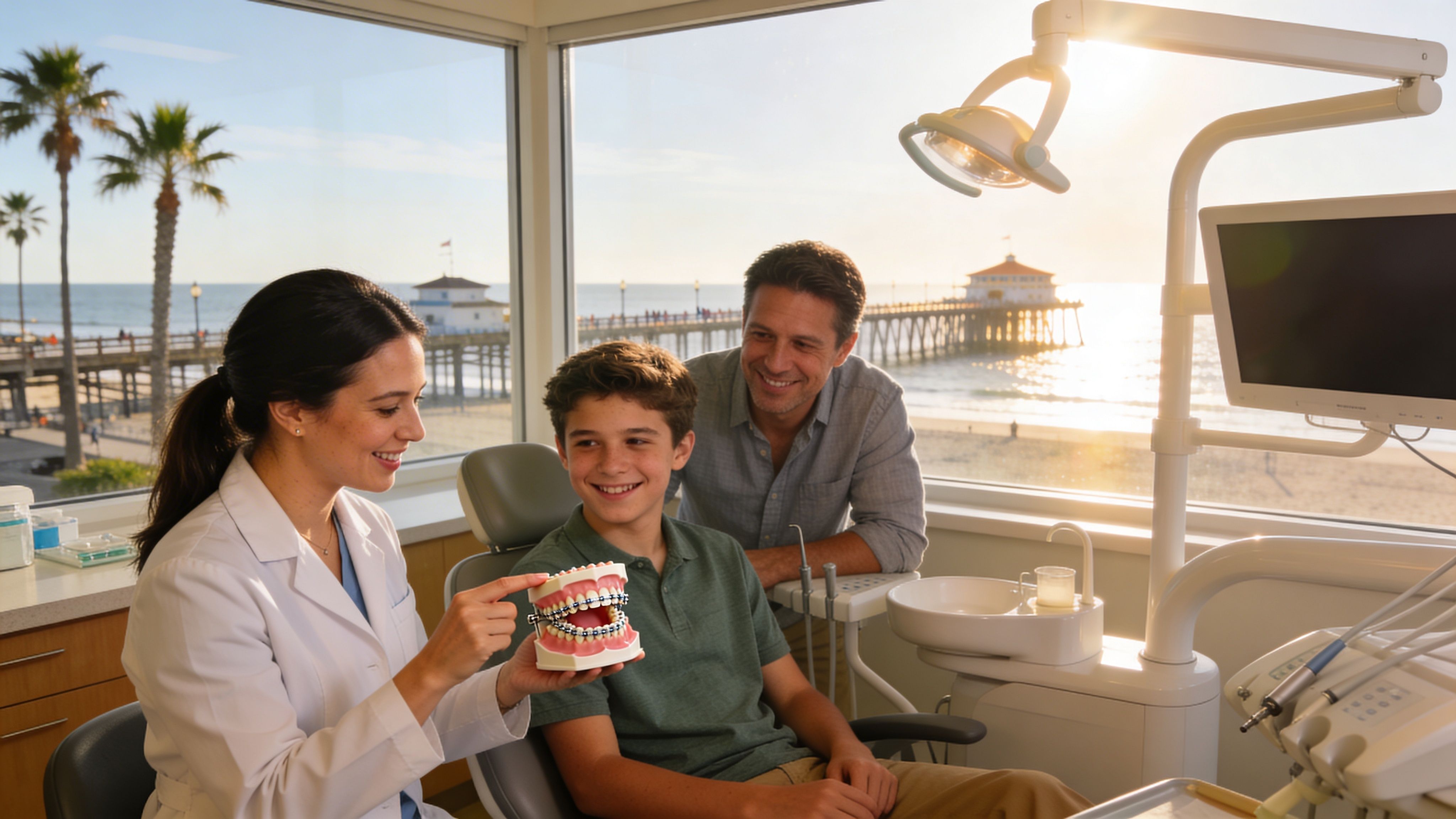
Almost every week, someone sitting in our consult room on Beach Boulevard asks me some version of the same question: can I really keep these things in for 22 hours a day?
It is a fair question, and I never brush it off. 22 hours means you get about 2 hours out of your day for eating, drinking anything other than water, and brushing. That is tighter than most people picture when they first hear "removable."
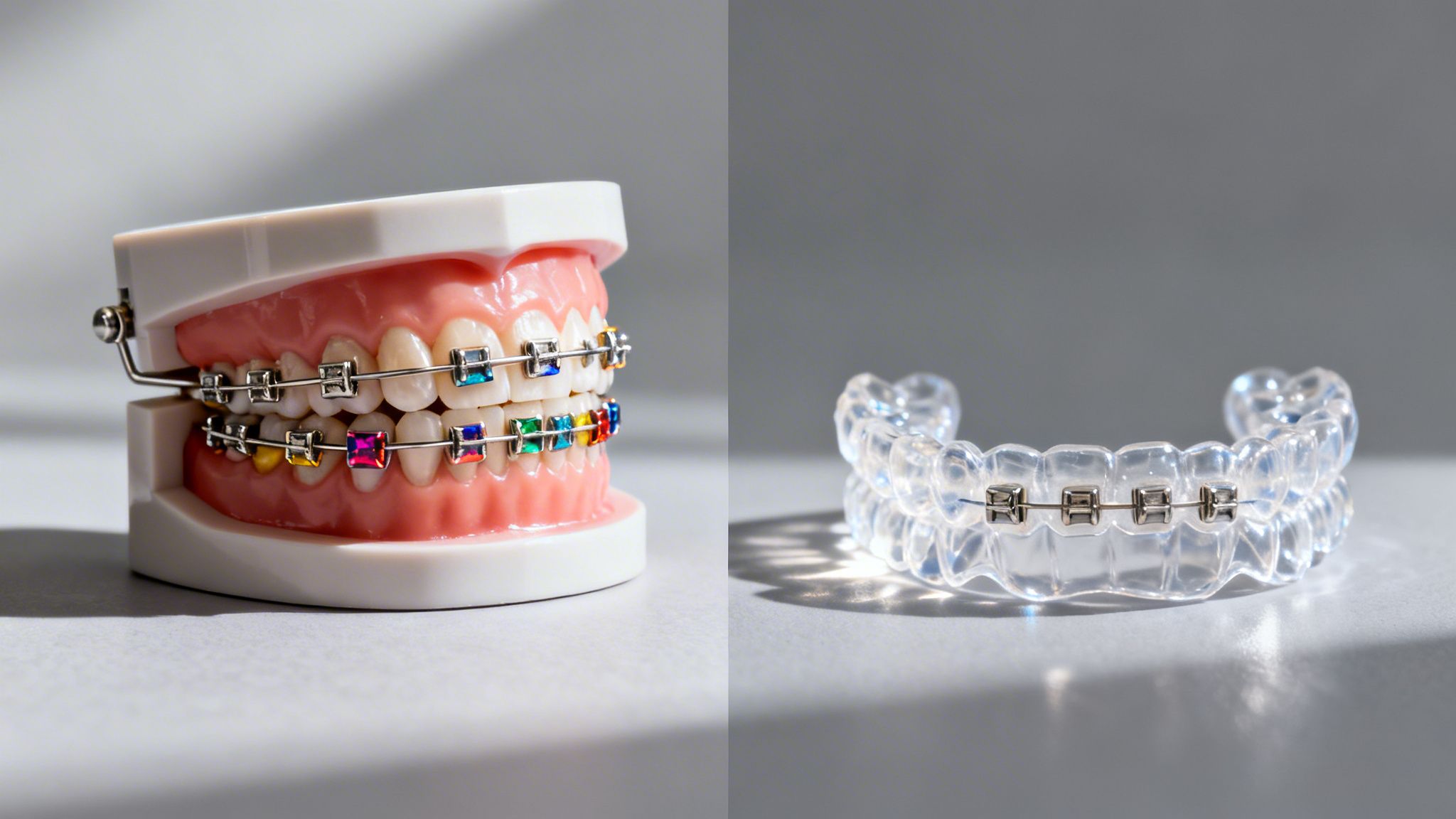
So here is the honest version. I will walk through what those two hours actually get used up on, the habits patients in Oak View, Goldenwest, and Central Fountain Valley use to make it work, and when a fixed option like metal braces or Iconix esthetic brackets is genuinely the smarter call.
What 22 hours a day actually looks like
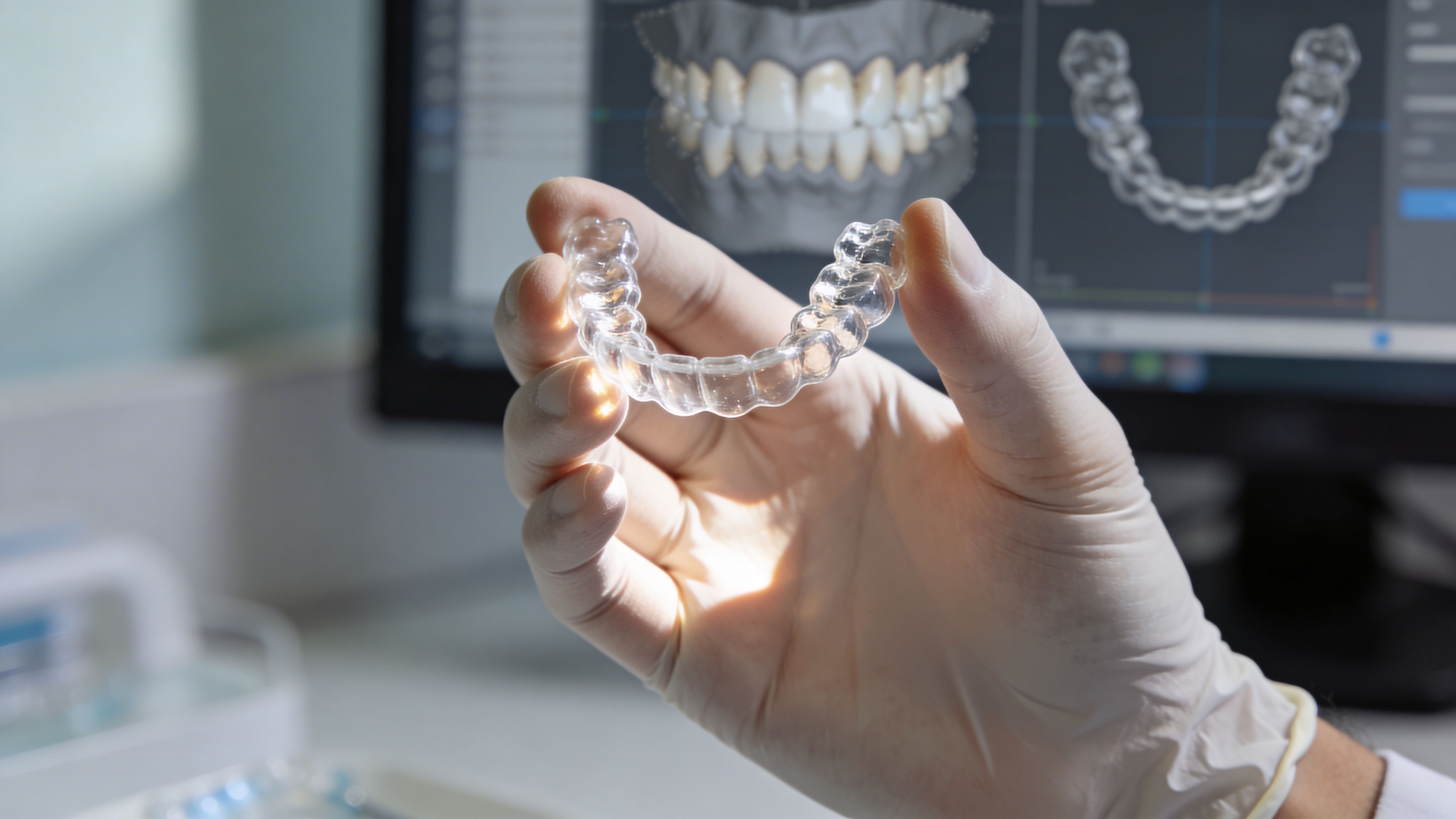
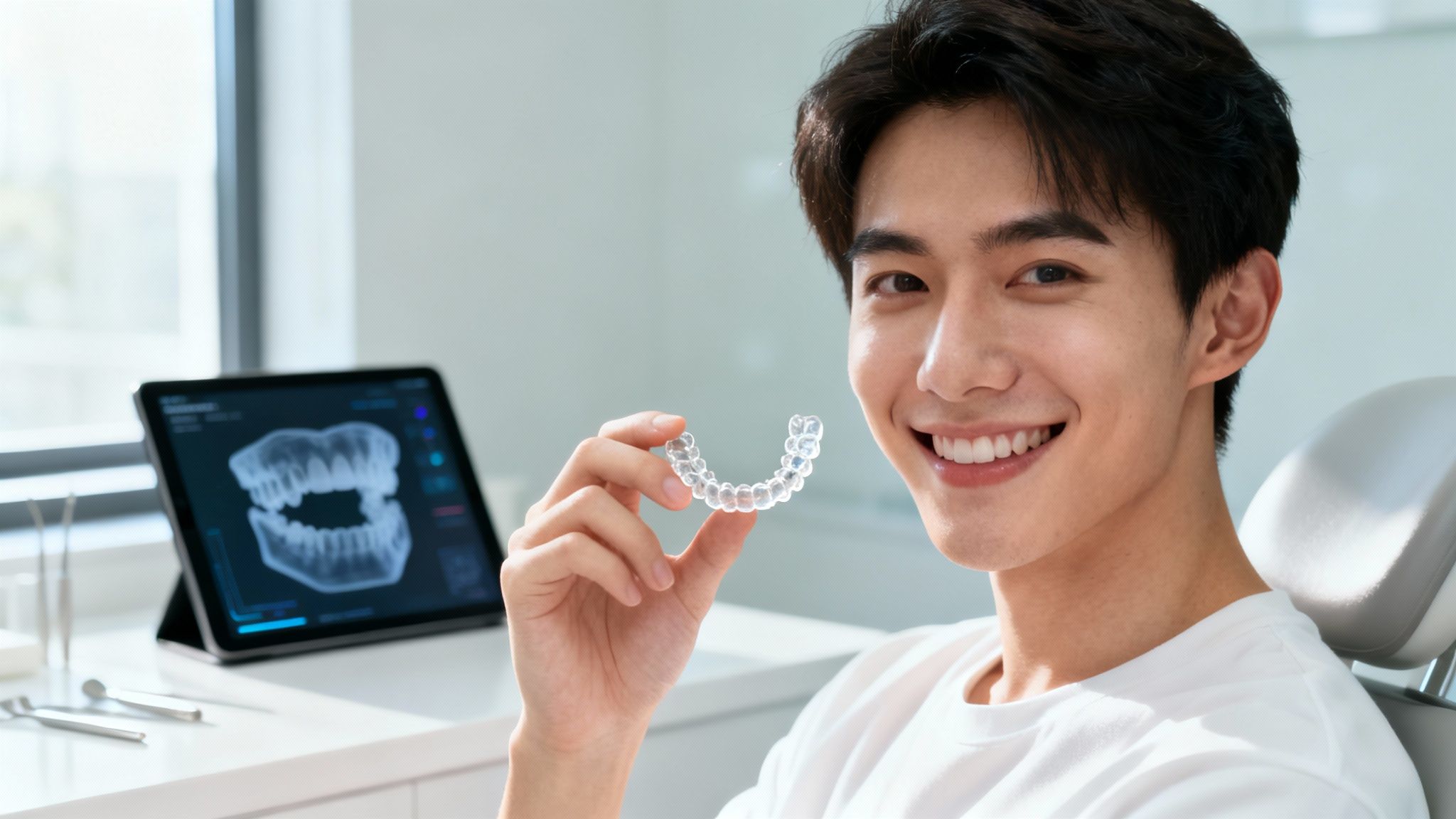
Invisalign's own guidance is 20 to 22 hours of daily wear. Aligners move teeth by applying steady pressure, so the trays only do their job while they are in your mouth.
When you do the math on a normal weekday, the two hours go fast. Breakfast, lunch, dinner, and brushing after each one adds up before you have touched a single snack.
The patients who struggle are not lazy. They are usually people whose day naturally includes a lot of small eating windows:
- Teens who graze, hitting a snack after school, then again at practice, then again at home
- Adults who drink coffee slowly all morning at their desk instead of in one sitting
- Athletes who need fuel and water breaks through a long practice or a weekend tournament
- Client-facing professionals who pop trays out before a presentation and forget them for an hour
- Frequent travelers whose eating schedule changes with every trip
None of that makes someone a bad candidate. It just means we need to talk honestly at the consult about what your actual day looks like, not the idealized version of it.
Where the two hours usually goes
This is a realistic weekday breakdown I sketch out for patients so the number stops feeling abstract. Your day will look different, but the pattern holds.
| Daily activity | Rough time out | What trips people up |
|---|---|---|
| Breakfast plus brushing | 20 to 25 minutes | Coffee sipped over an hour instead of finished |
| Lunch plus brushing | 25 to 30 minutes | Short breaks with no sink nearby |
| Dinner plus brushing | 30 to 40 minutes | Family dinners and restaurant meals that run long |
| Snacks or a smoothie | 15 to 30 minutes | Two or three small snacks quietly eat the whole margin |
| Total out of mouth | About 2 hours | Anything past that starts pushing your finish date |
The first two weeks are the real hurdle
In my experience, compliance is not a willpower problem. It is a logistics problem, and it gets solved in the first week or two.
That early stretch is when you figure out where the case lives, how to get through a work lunch, and how to remember to brush before the trays go back in. New aligners also feel tight and speech can feel a little odd for a day or so, which is normal and settles down.
What I hear most often after that first month is surprise. Patients tell me they stopped thinking about it, the same way you stop thinking about your seatbelt.
One patient put it simply in a review: "Genuinely feel so good about my smile now." That did not come from perfect discipline on day one. It came from a routine that got boring in the best way.
I will not promise it is effortless. I will say that most motivated patients find a rhythm, and the ones who do not usually tell me later they already suspected they would struggle.
The habits that make wear time work day to day
These are the specific things I coach patients on, because they solve the moments where wear time actually gets lost.
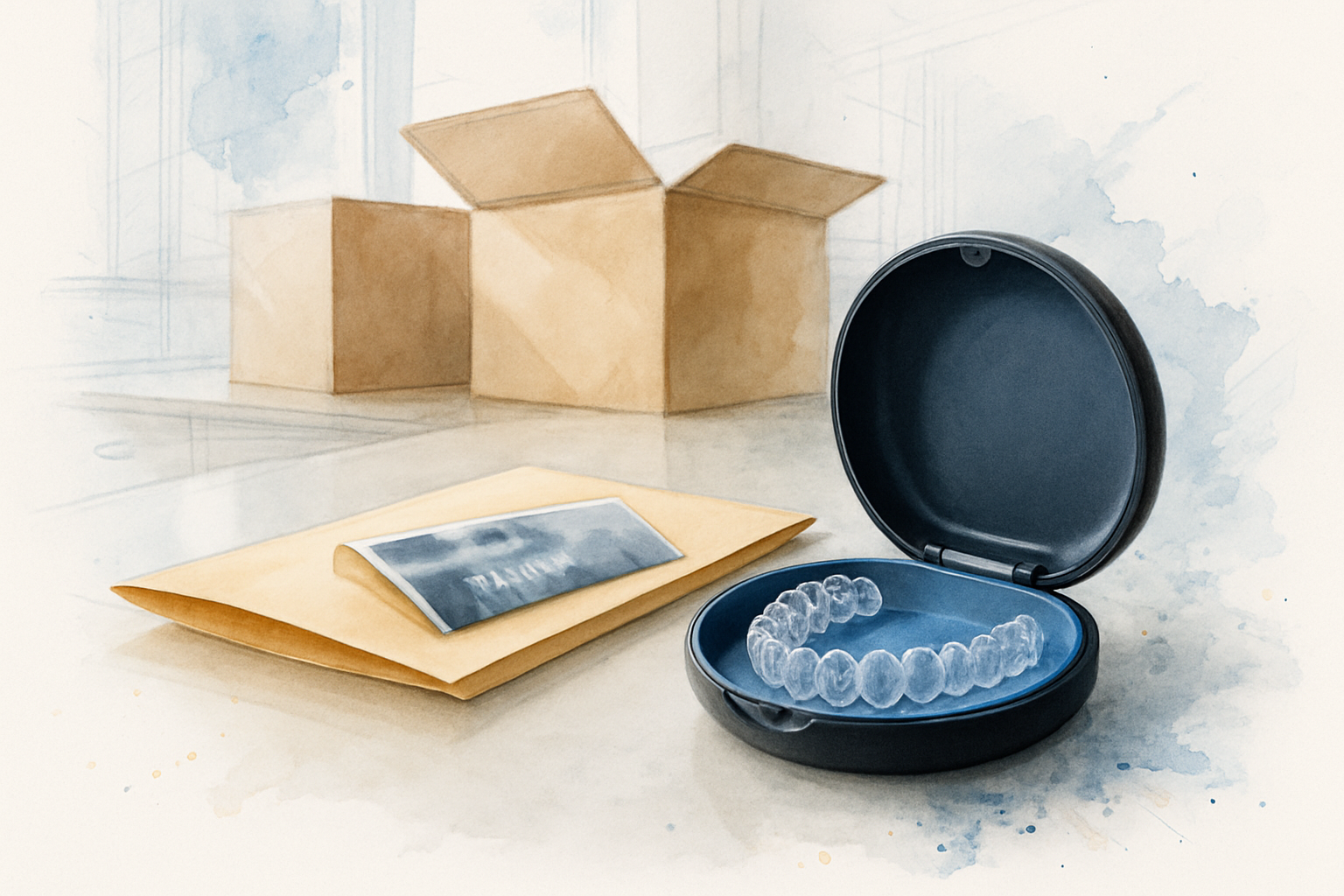
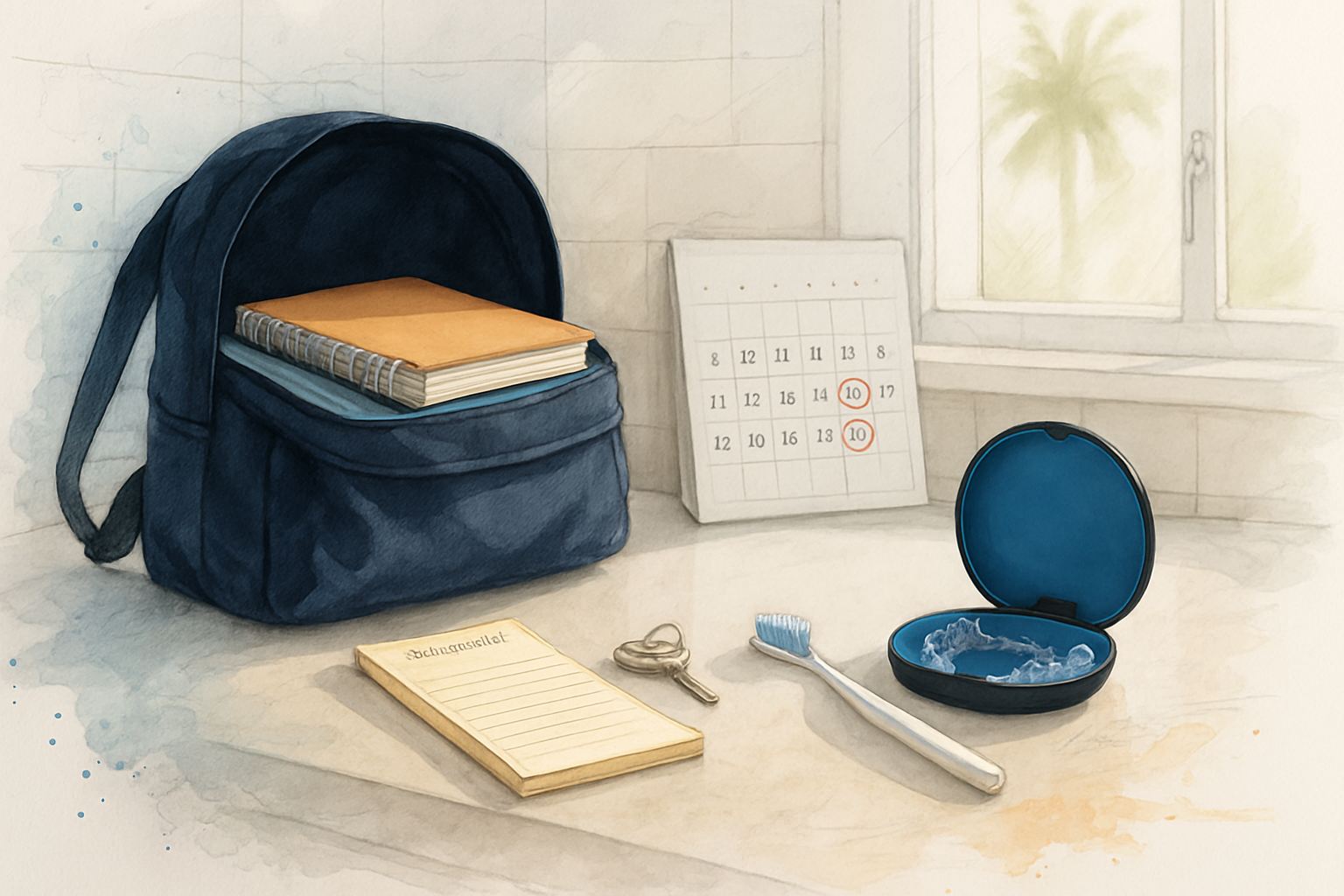
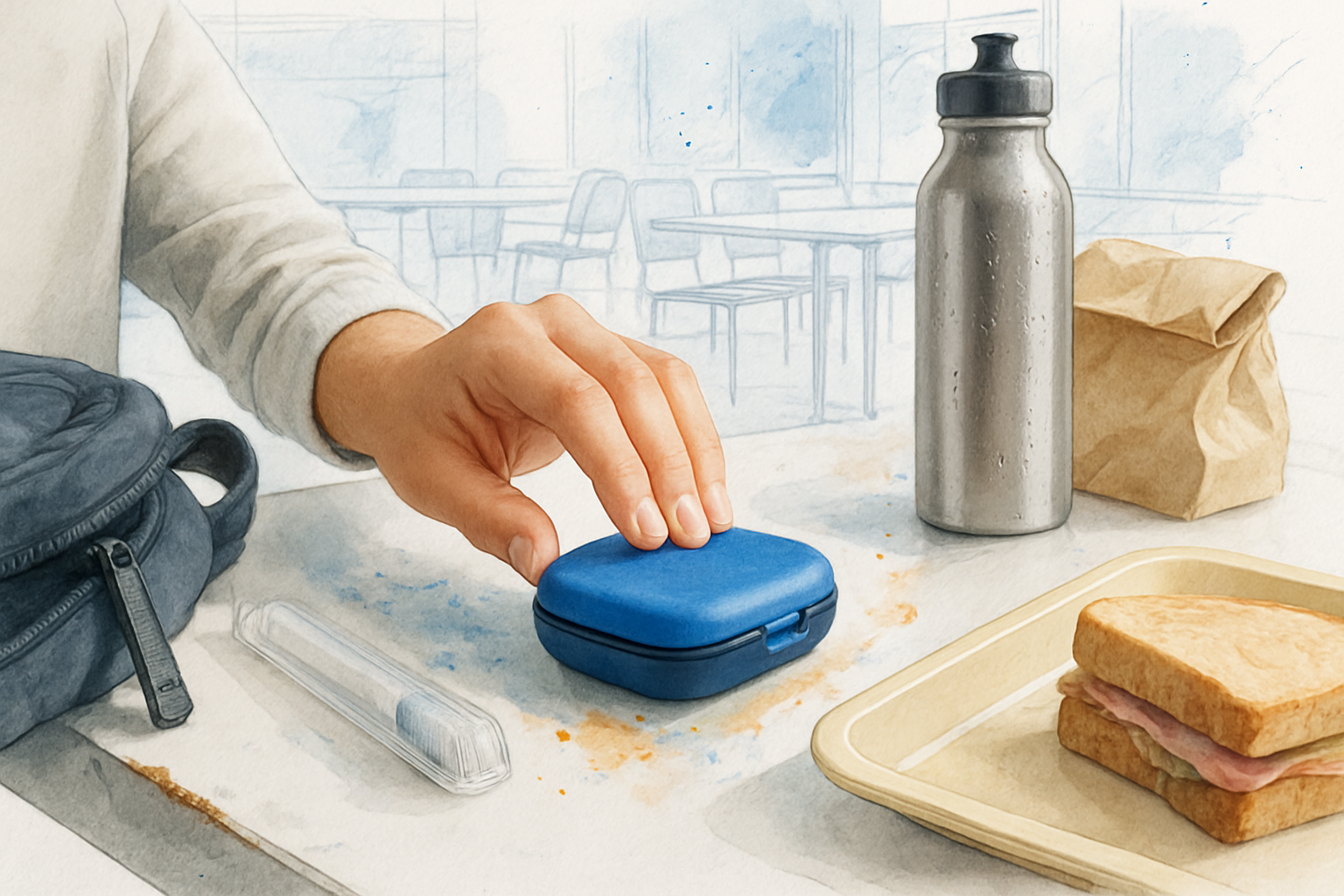
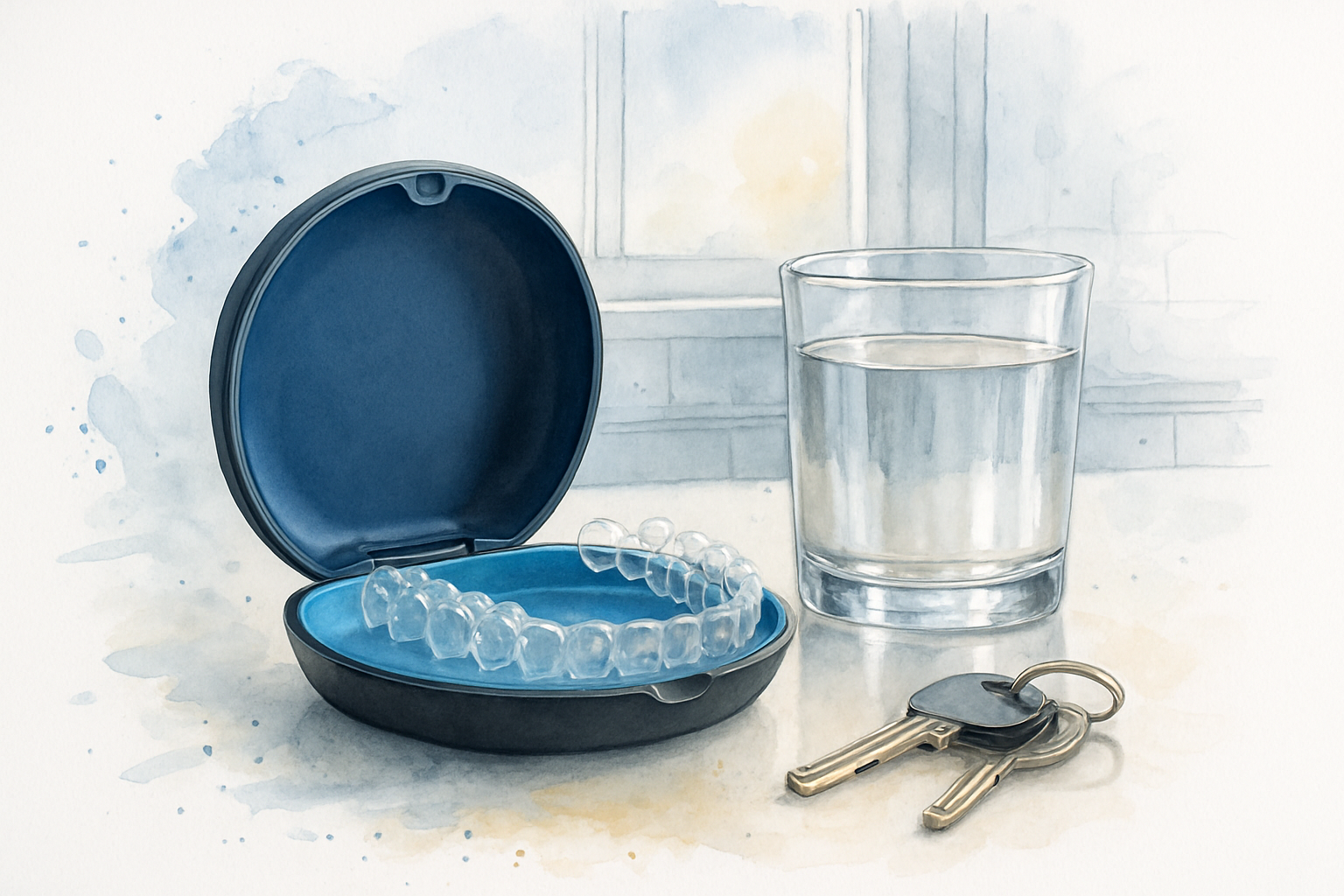
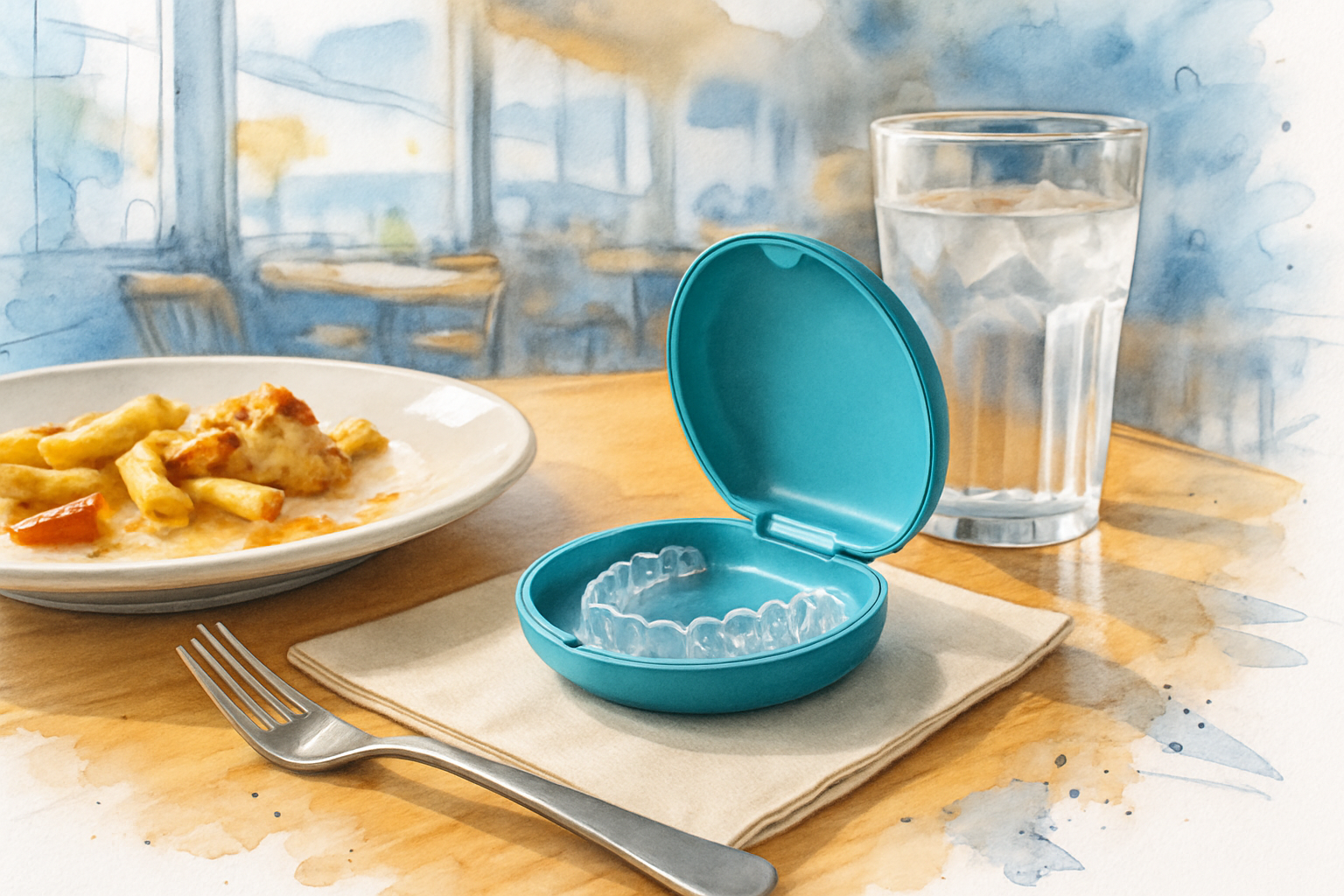
- The case rule: trays never touch a napkin. Napkin-wrapped aligners get thrown away, and a replacement tray means a delay. Keep a case in your bag, your car, and your desk drawer.
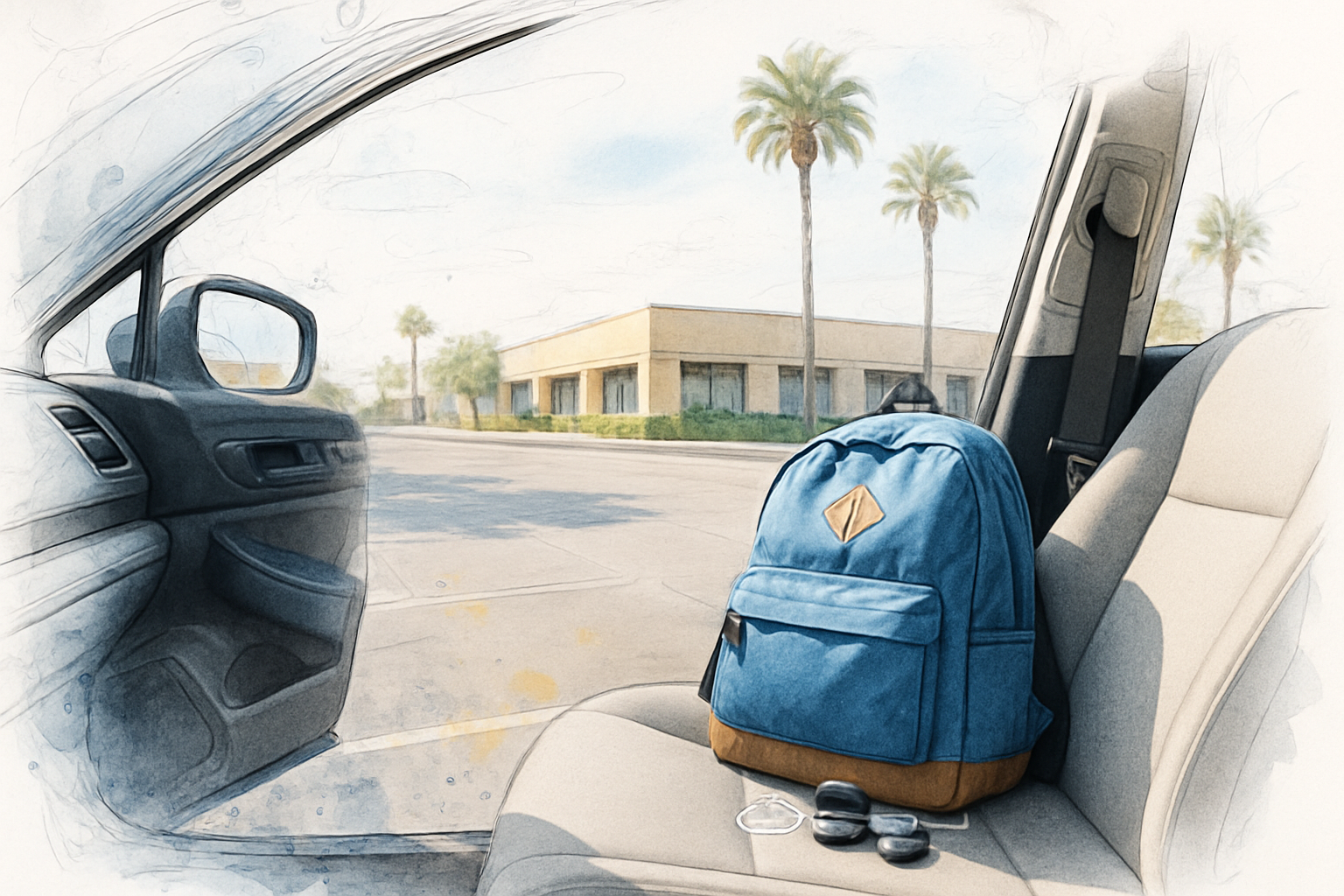
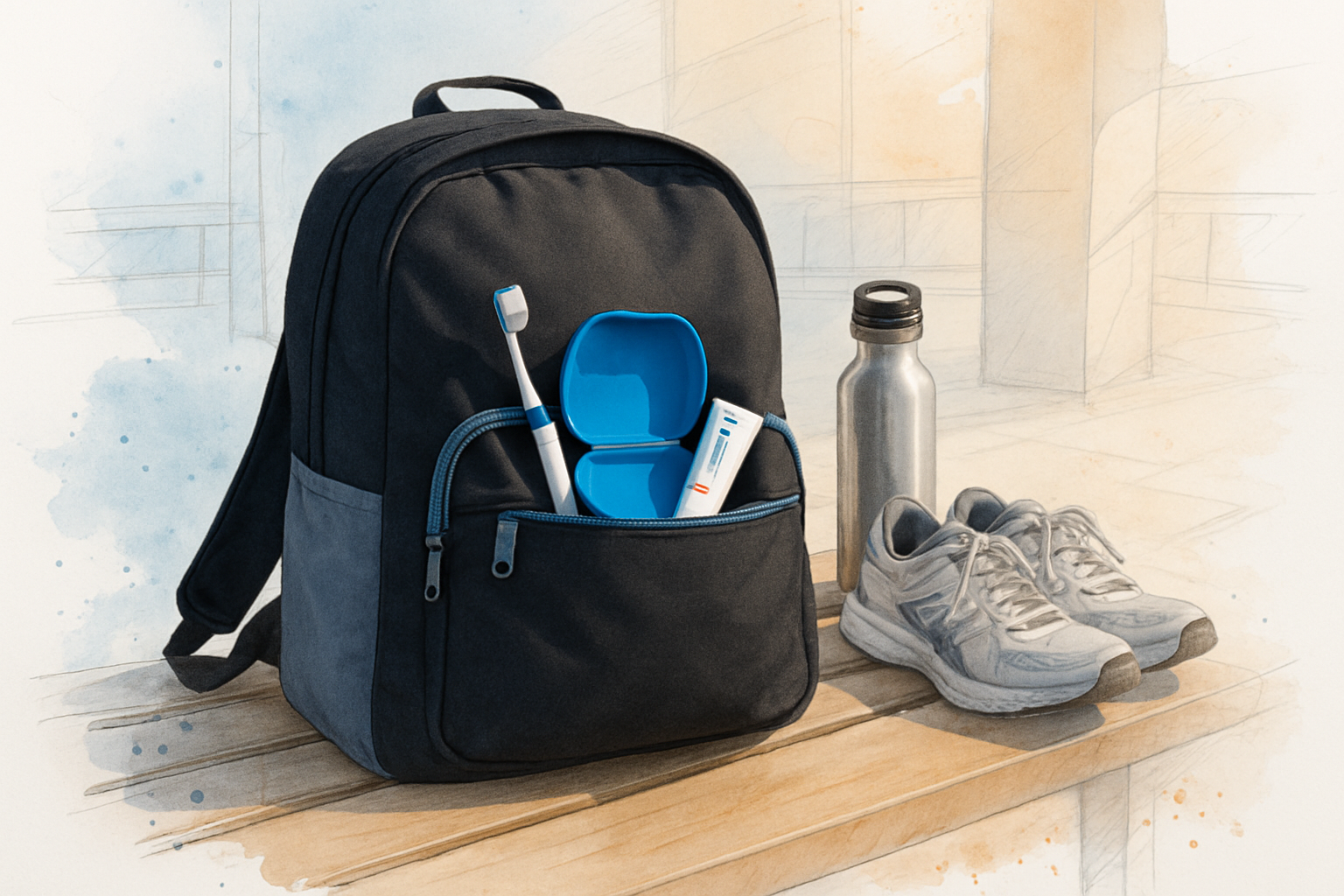
- Brush before you reinsert, every time. Food trapped under a tray sits against your enamel for hours. A travel brush and a small tube of toothpaste in the backpack or glovebox makes this realistic.
- Set a timer when you sit down to eat. A 30-minute phone timer keeps a long dinner in Downtown Huntington Beach from turning into a 90-minute gap.
- When you cannot brush, rinse hard with water and reinsert anyway. Time in the mouth matters more than a perfect cleaning, and you can brush properly later.
- Bank extra wear on quiet days. Sundays and slow work days are where you make up for a Friday night that ran long.
- Front-load your eating window. Some patients eat all their meals and snacks inside an 8-hour stretch and keep trays in the rest of the day. That single change fixes most grazing problems.
If you want the fuller version of this routine, we broke it down step by step in how to wear Invisalign for 22 hours a day without messing up.
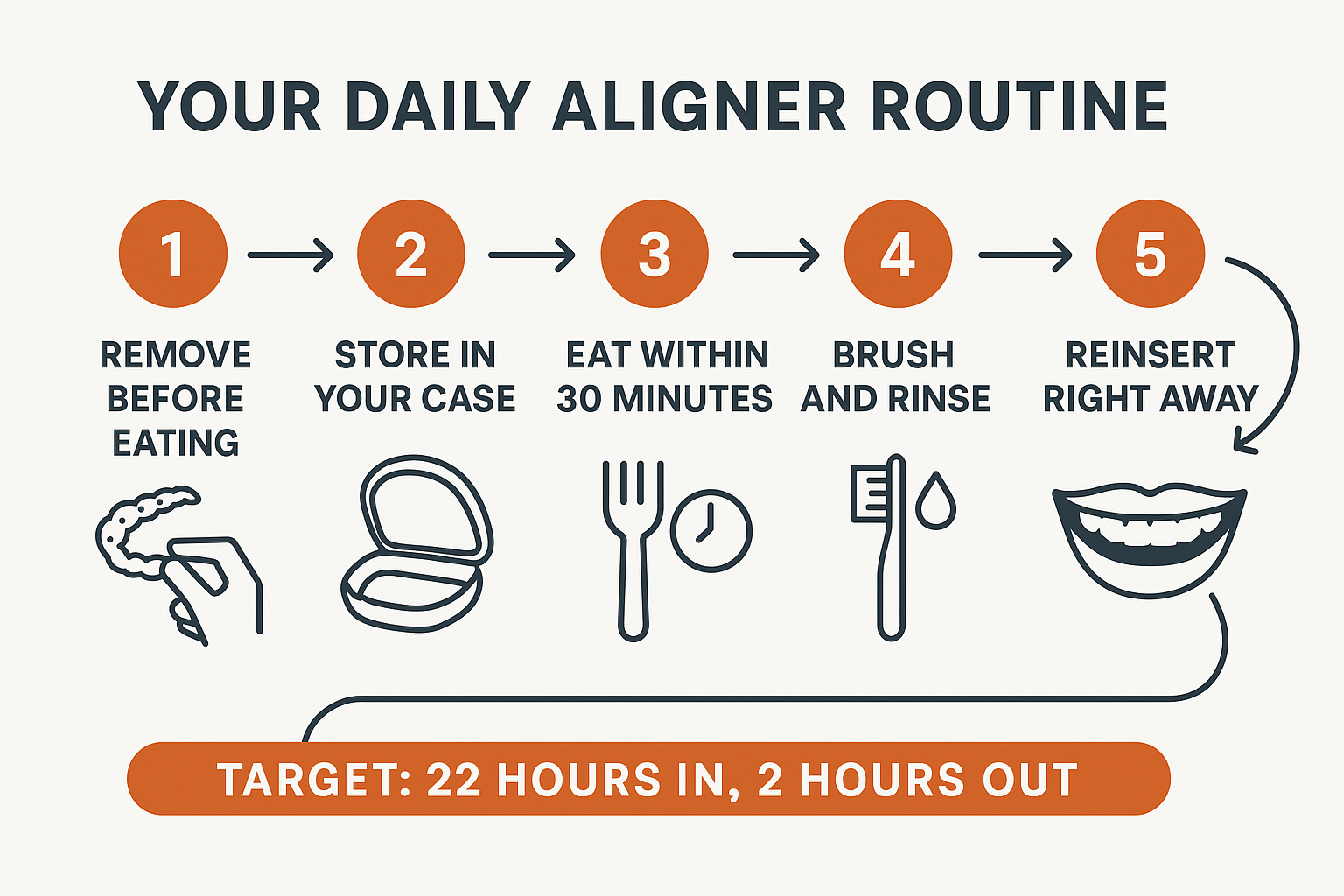
The daily aligner routine, start to finish
Here is the loop patients settle into once the habit clicks. It takes about five minutes per meal.
Teens and compliance: what parents actually need to know
Parents make up a big share of the calls we take, and this is usually their first worry. It is a legitimate one, because a teen's motivation moves around.
School lunch, after-school snacks, sports practice at a park near Talbert Village, and hanging out with friends all create moments where trays come out. The risk is not that a teen refuses to wear them. The risk is that they come out at 12:15 and go back in at 3:00.
Invisalign Teen aligners include compliance indicator dots that fade with normal wear. When we check them at an appointment, we can see whether the trays have been in as much as they should be.
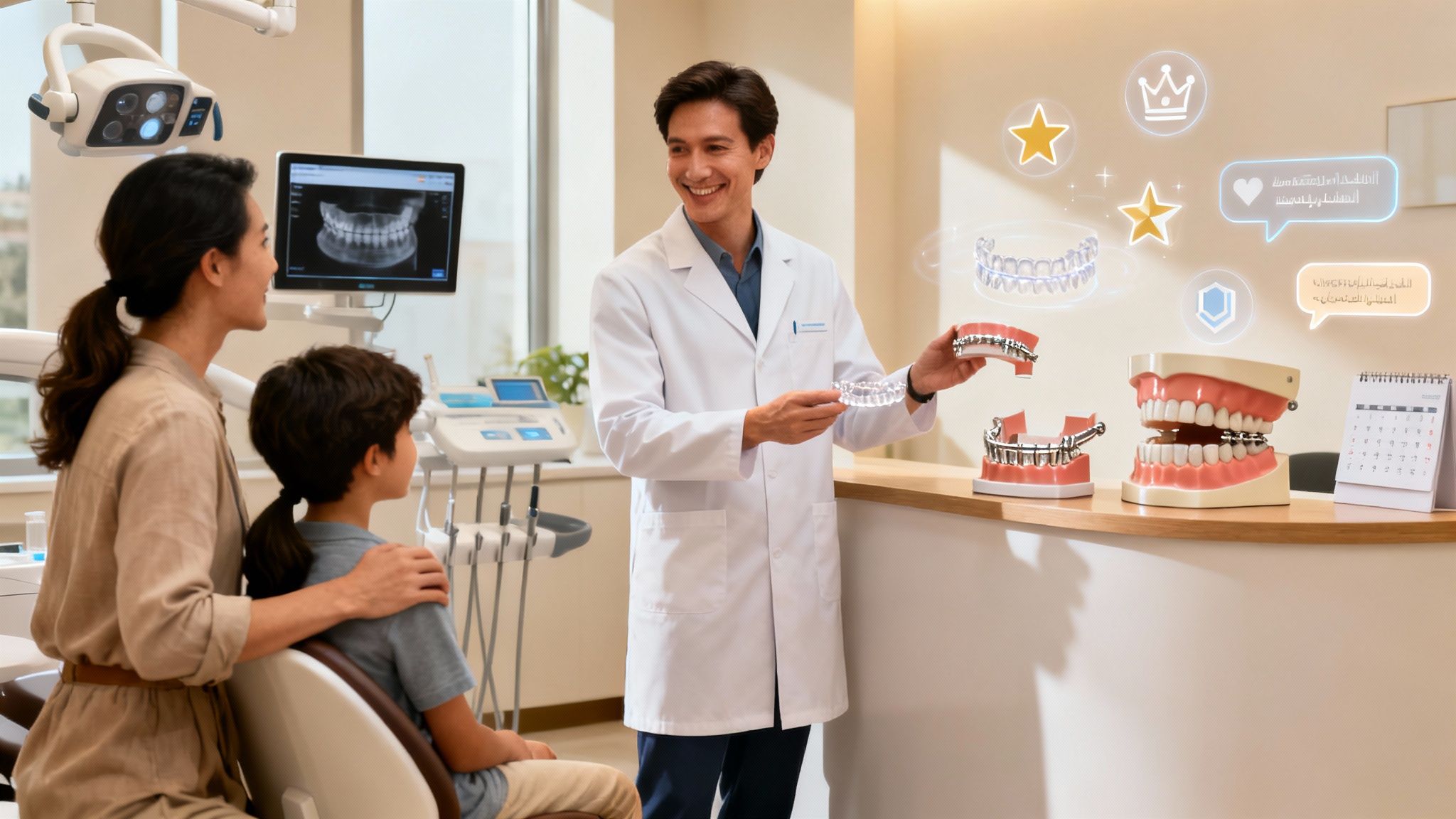
I like this feature because it takes the argument out of the house. Instead of nightly reminders, you have an objective read at the next visit, and Dr. Jeremy or Dr. Melissa can have a straightforward conversation with your teen directly.
My honest guidance to parents: if your teen already keeps track of their gear, their homework, and their retainer, aligners are usually a good fit. If keeping track of things is a daily battle, read Invisalign or braces, what's best for your teen before you decide.
When braces or Iconix is the more honest choice
This is the part some offices skip, and I think that is a mistake. Fixed braces work whether or not you remember anything.
For certain people, that is a real advantage rather than a consolation prize:
- Frequent travelers whose schedule and eating windows change constantly
- People who genuinely graze all day and know they will not change that
- Younger patients who are not ready to manage removable trays yet
- Anyone who has tried a nightly retainer before and lost track of it
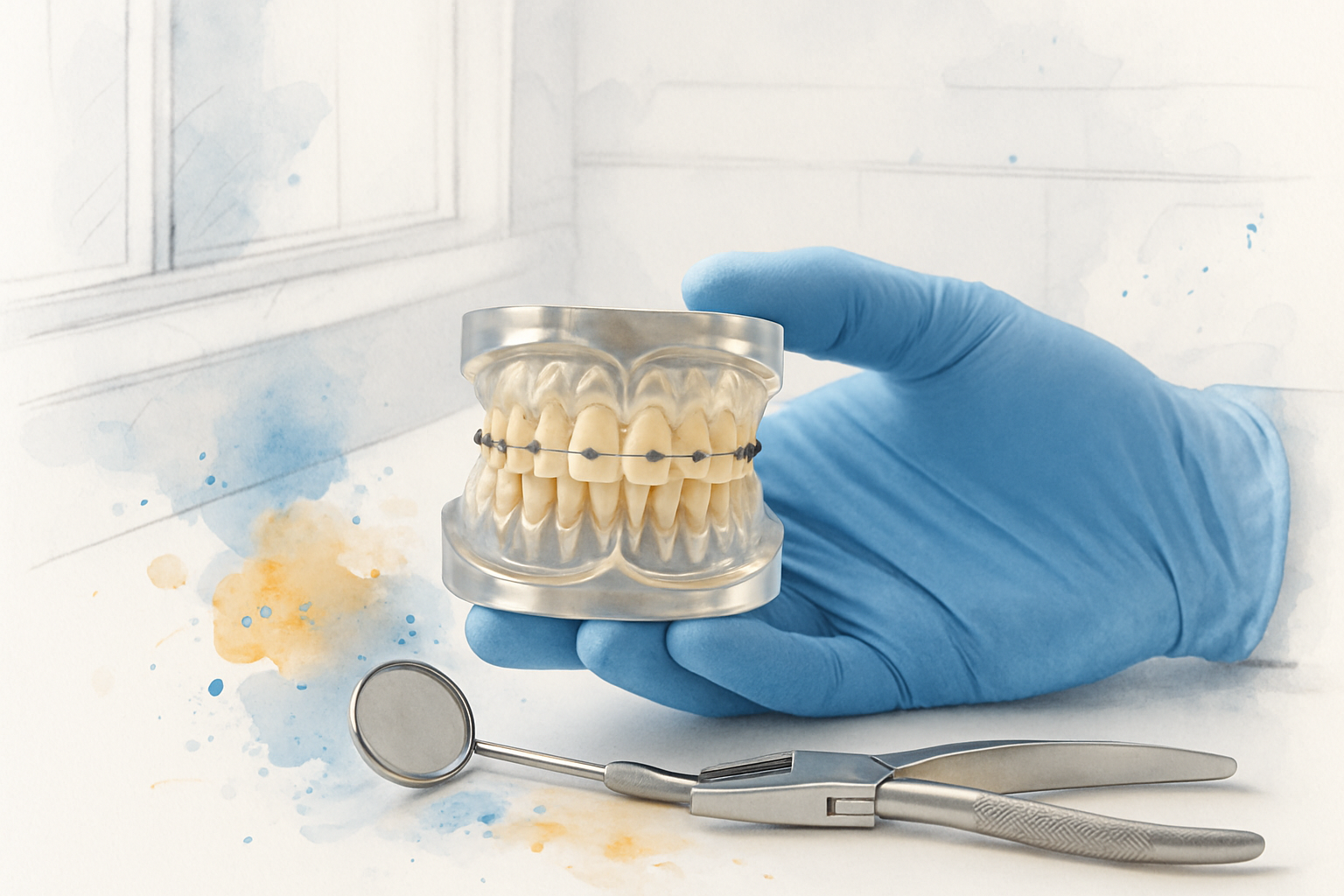
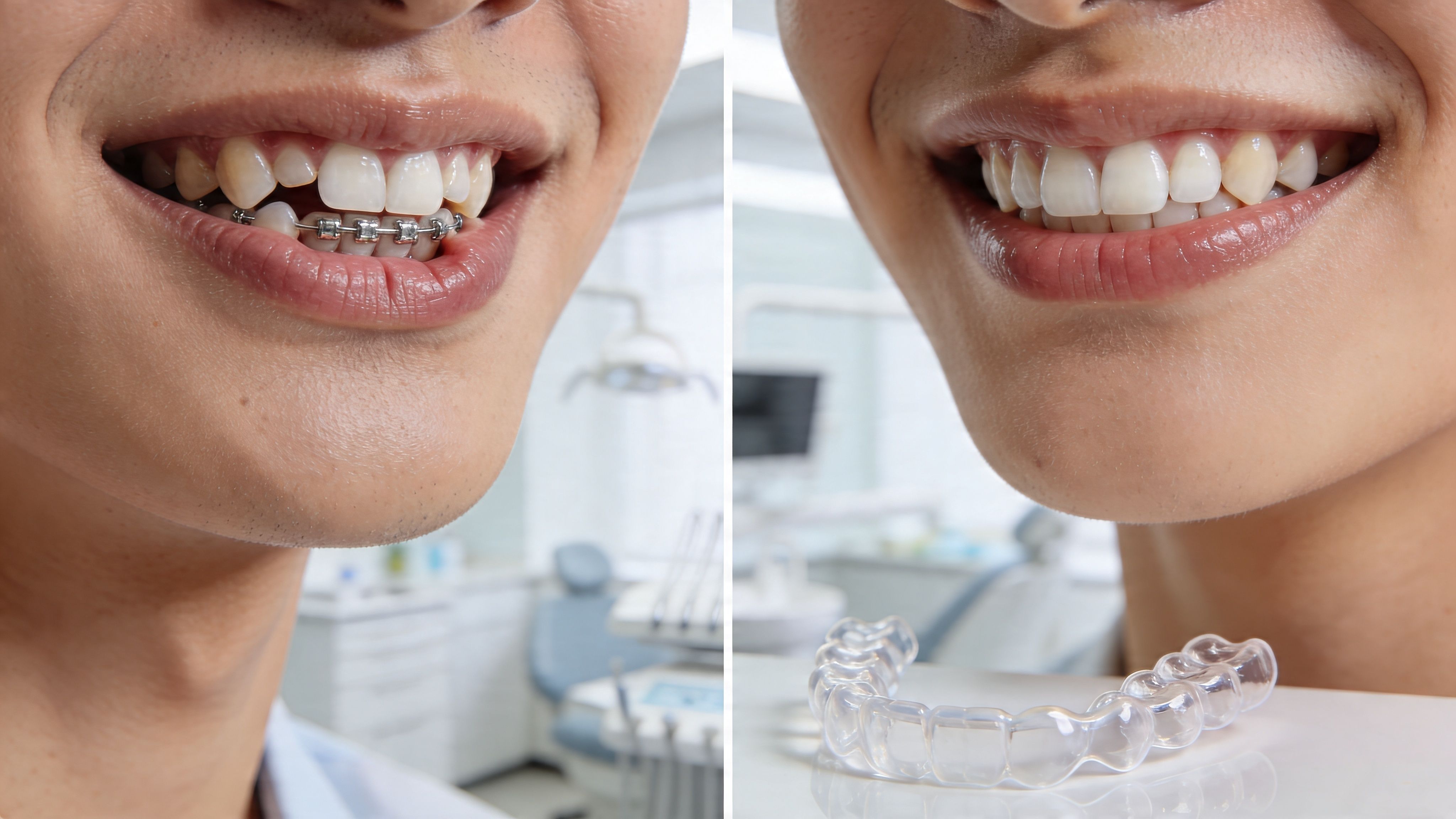
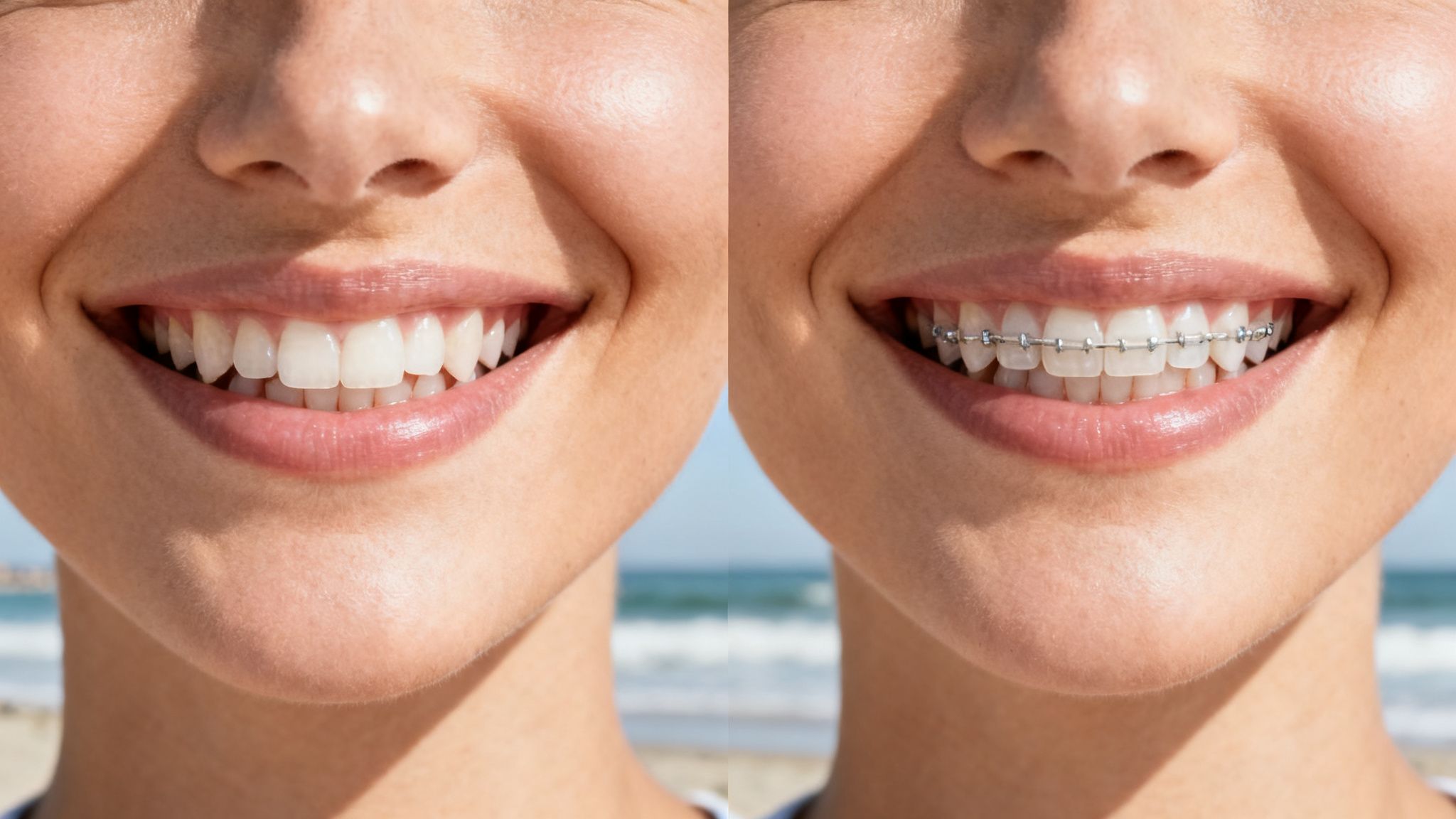
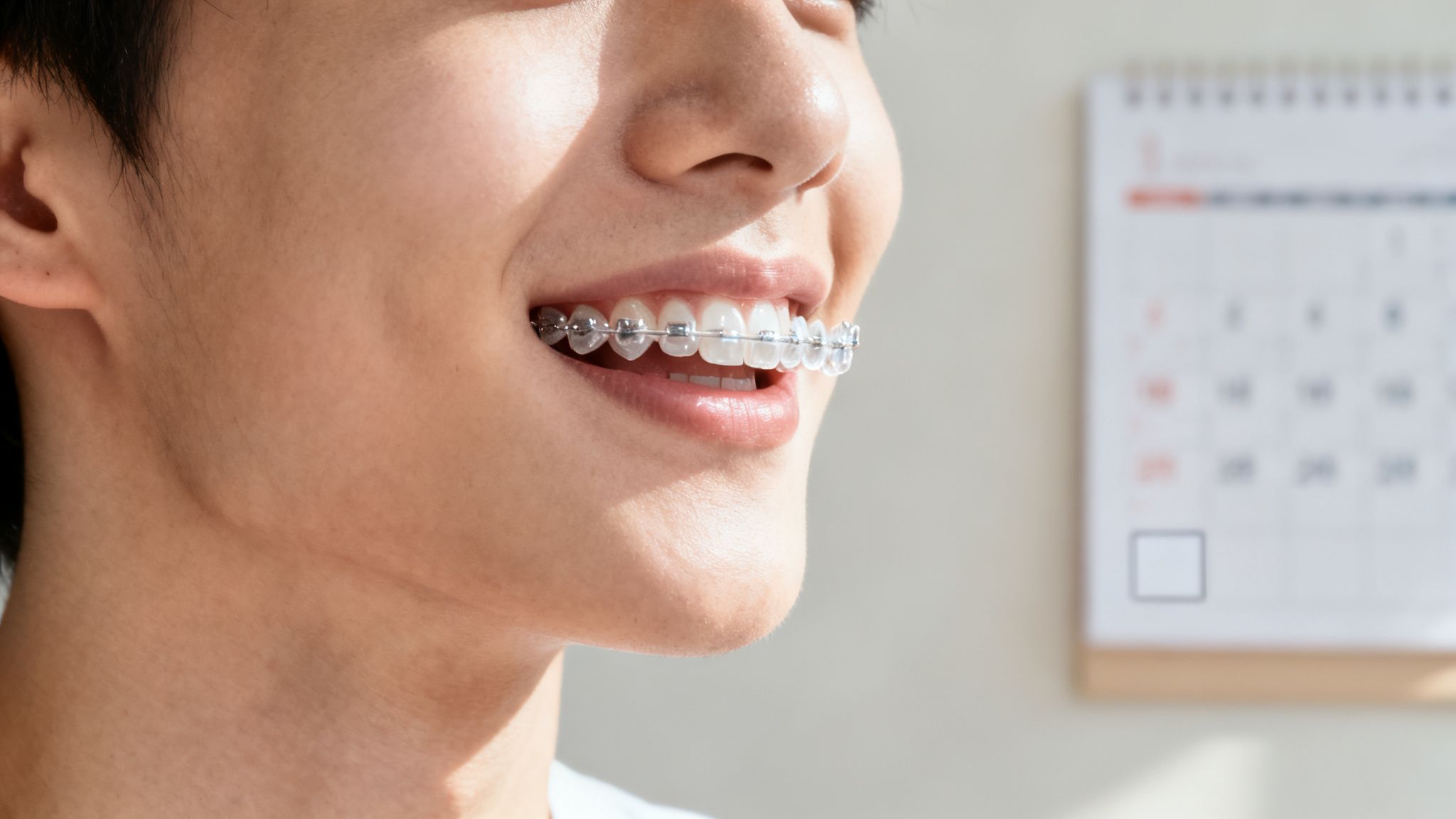
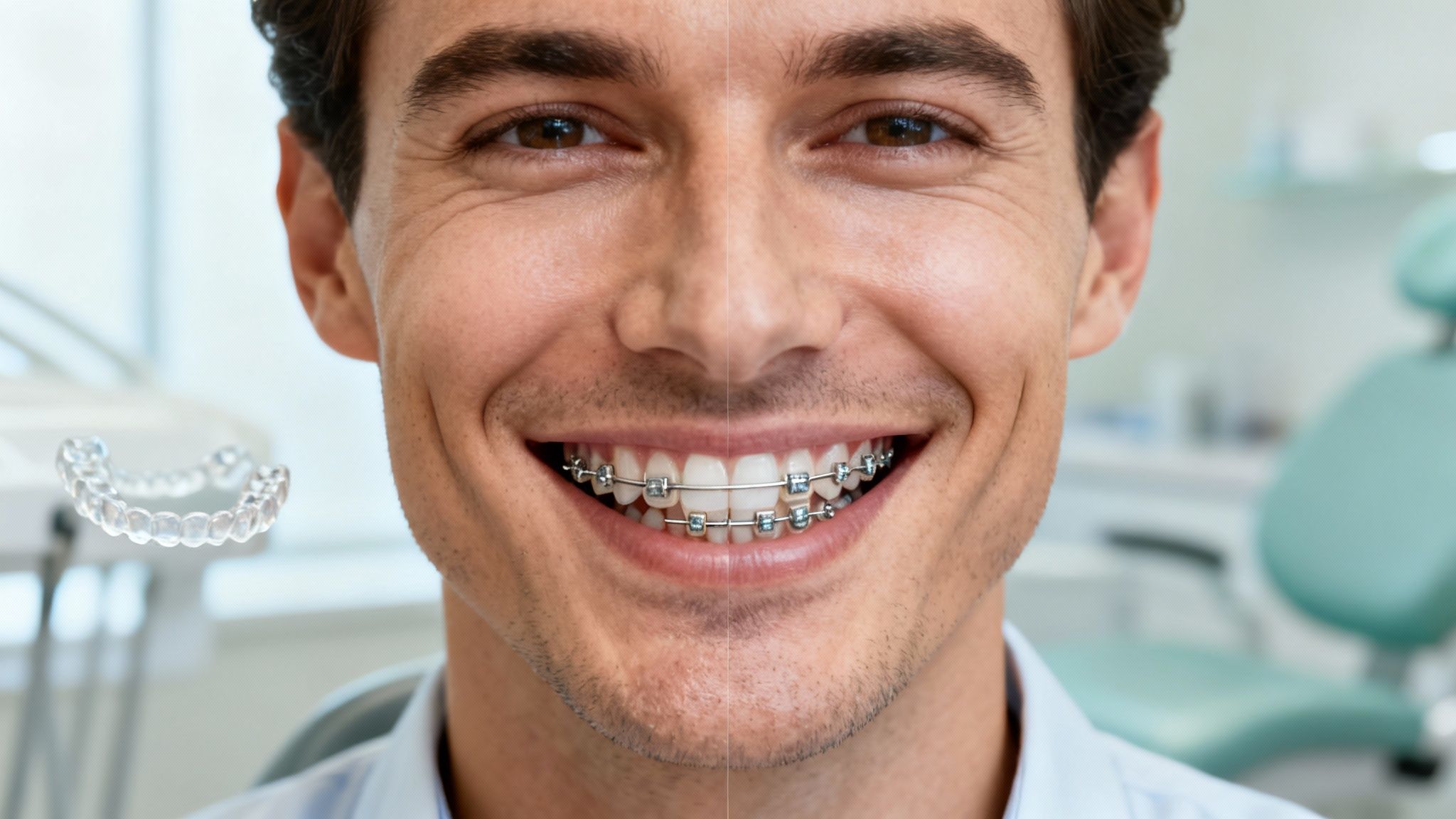
Traditional metal braces are efficient and reliable. Iconix esthetic brackets are a champagne-colored option that reads far more subtle than standard silver, which matters to teens and to adults in client-facing work.
I am not steering anyone away from clear aligners. Both paths can get you to a healthy smile. The right one depends on your actual life, and that comparison is laid out in more detail in our look at adult braces versus Invisalign.
Frequently Asked Questions About Invisalign Wear Time
What happens if I only wear my aligners 18 or 19 hours a day?
Your teeth still move, just slower and less predictably. In practice that usually means staying in each tray longer and a finish date that drifts out by weeks or months. It is recoverable, and we would rather you tell us honestly at your visit than try to make up the difference by jumping ahead a tray.
Can I take my aligners out for a presentation or a work meeting?
Yes, and plenty of adults do. The trick is putting them back in the moment you sit down, not at the end of the day. Most patients find that after a couple of weeks they stop wanting to remove them at all, because the trays are hard for other people to notice.
Do I have to brush every single time before I put them back in?
Ideally yes, because food trapped under a tray sits against your teeth. When there is no sink available, rinse thoroughly with water and reinsert anyway. Keeping the wear time is the priority, and you can brush properly at your next chance.
I only want to fix one or two teeth. Do I still need 22 hours a day?
We hear this a lot from adults who feel their issue is minor. Wear time expectations are similar because the aligners still need consistent pressure, but the overall treatment is often much shorter. Since July we have also offered focused touch-up treatment for patients who want to correct one or two specific things, and it is priced differently than full treatment. A consultation is the only way to know what your case actually needs.
Am I too old to be worrying about this?
No. We treat patients well into their 70s, and one of our patients left a review at age 76 encouraging others to come in. Adults often turn out to be the most consistent with wear time, because they chose treatment for themselves.
Still deciding whether 22 hours a day fits your life?
The most useful thing you can do is talk through your actual daily schedule with someone who plans these cases, because the answer really does depend on your routine and your goals. Dr. Jeremy and Dr. Melissa see patients from Wintersburg to Newland to Central Fountain Valley, and consultations are available at our Beach Boulevard office if you would like a personalized look at your options. You can reach us at 714-594-5777 or at magicfoxsmiles.com when the timing feels right.