Old Brackets Still Stuck on Your Teeth Years Later? What Removal Involves
Direct Answer: An orthodontist can remove old brackets or aligner attachments even if another office placed them. The visit involves an exam, lifting the hardware off, then polishing the leftover bonding material off your enamel.
You started orthodontic treatment at some point. Then life happened, and the brackets or clear aligner attachments never came off. Months turned into years, and now you are not sure who would even take the case.
I hear from people in this exact spot more often than you would guess, from Oak View to Talbert Village. The old office closed, the family moved, the mail order aligner company disappeared, or there was simply never a good month to deal with it.
Here is what I want you to know up front: an orthodontist can remove hardware they did not place. You do not owe anyone an explanation for the gap, and this is a fixable afternoon, not a judgment call on how you have lived your life.
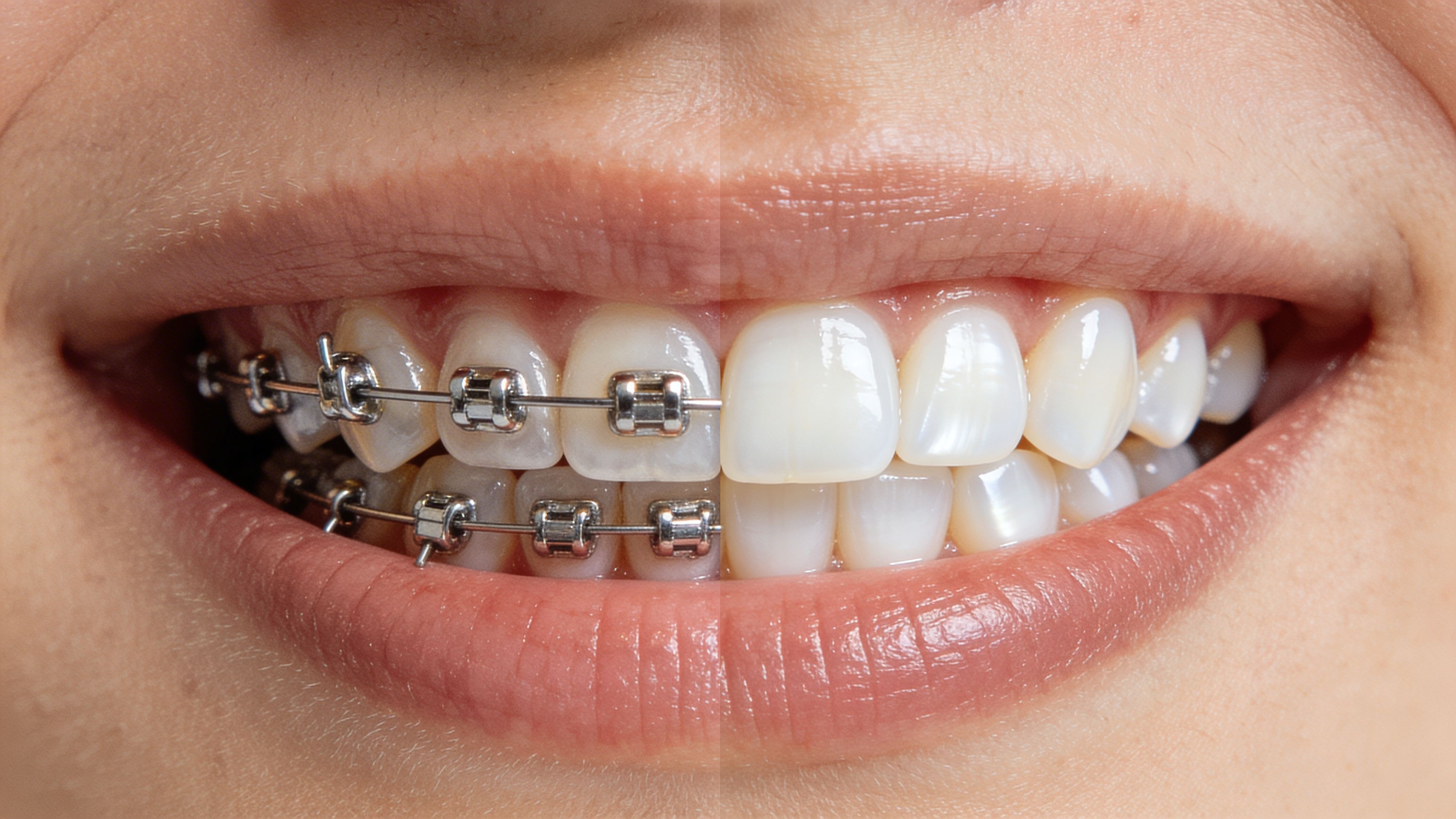
Old orthodontic brackets or attachments still on teeth is a common situation
One message that came through our website form from a local adult said it about as plainly as it can be said:
"I have my old brackets from my invisiline still attached. haven't been able to get them off due to family issues within the years."
That message is not unusual. Other people reach out describing treatment that stalled when they moved out of the area, when a prior provider retired, or when an aligner company they had signed up with shut down and left them holding the trays.
The hardware in question usually falls into one of a few buckets:
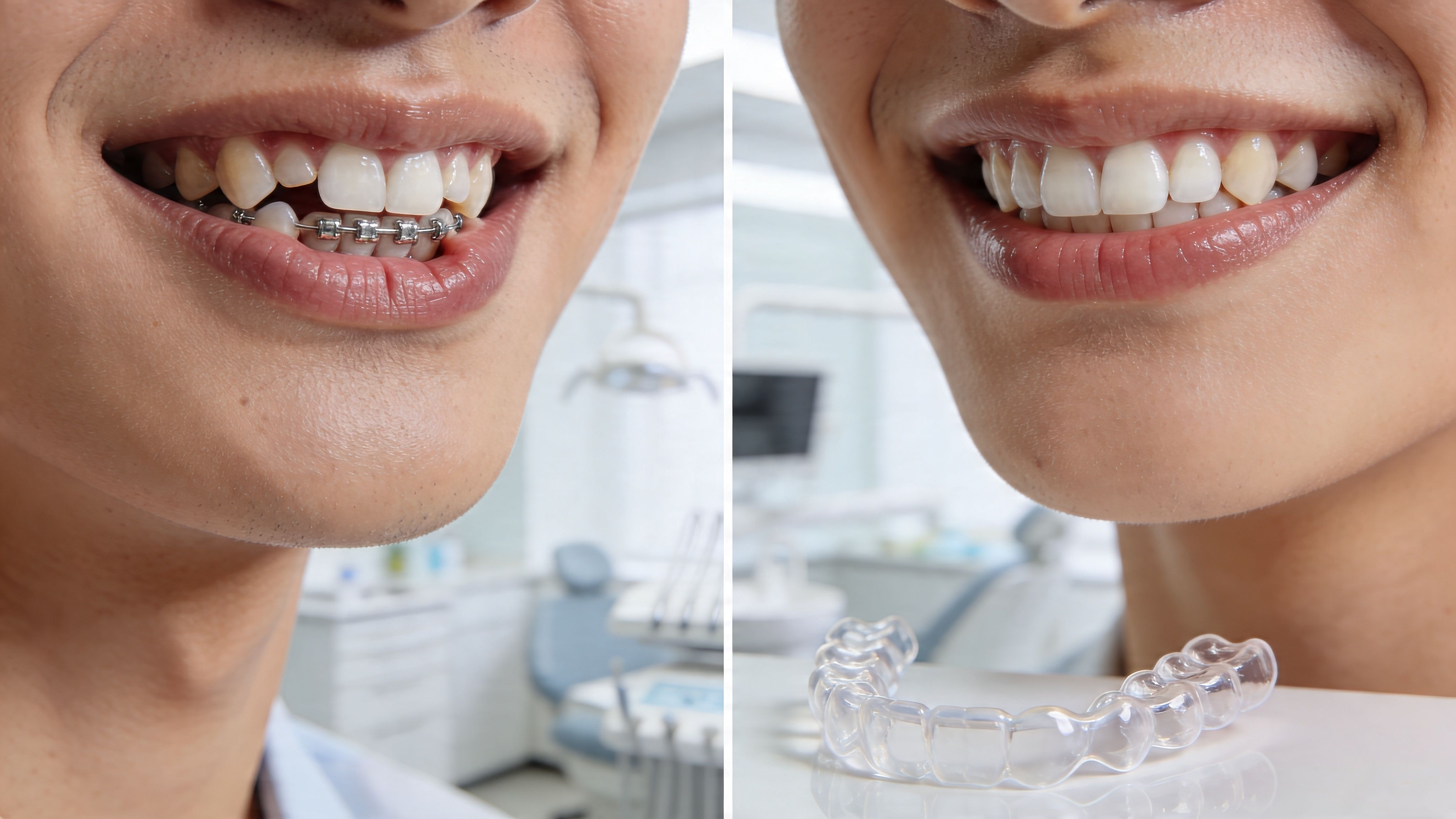
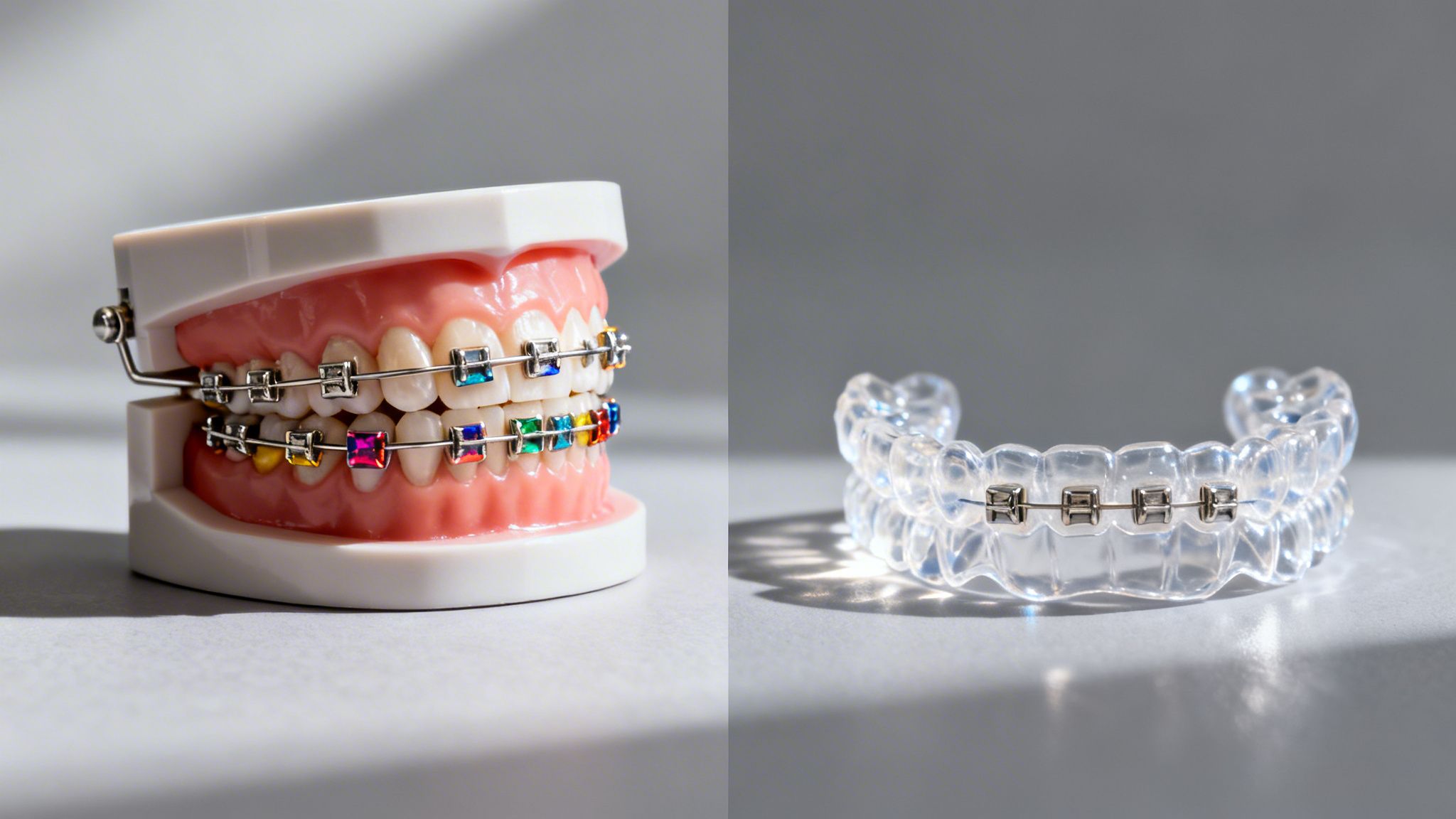
- Metal brackets with an archwire still tied in, often from treatment that stopped partway
- Loose brackets with no wire, where the wire broke or was removed and the brackets stayed
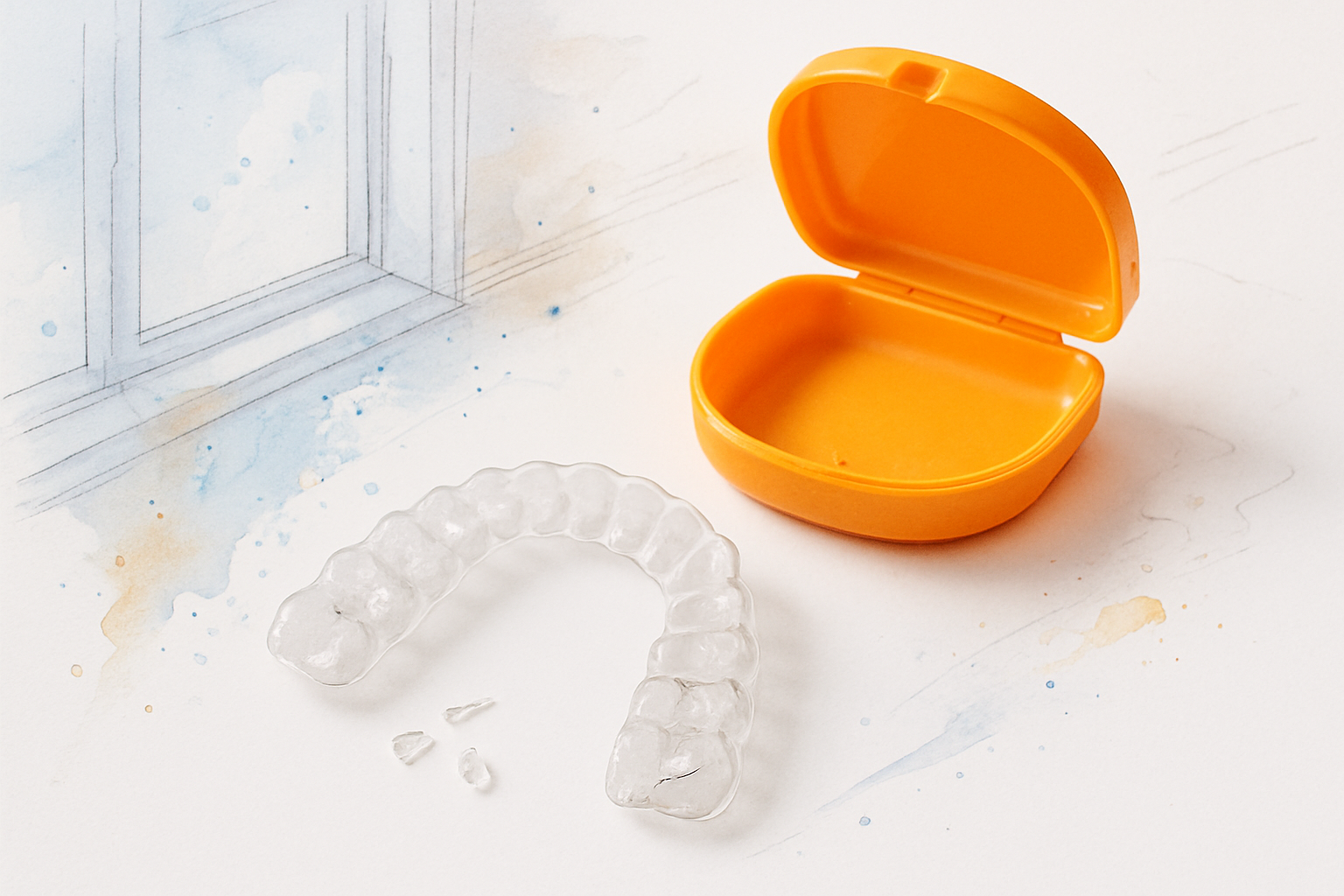
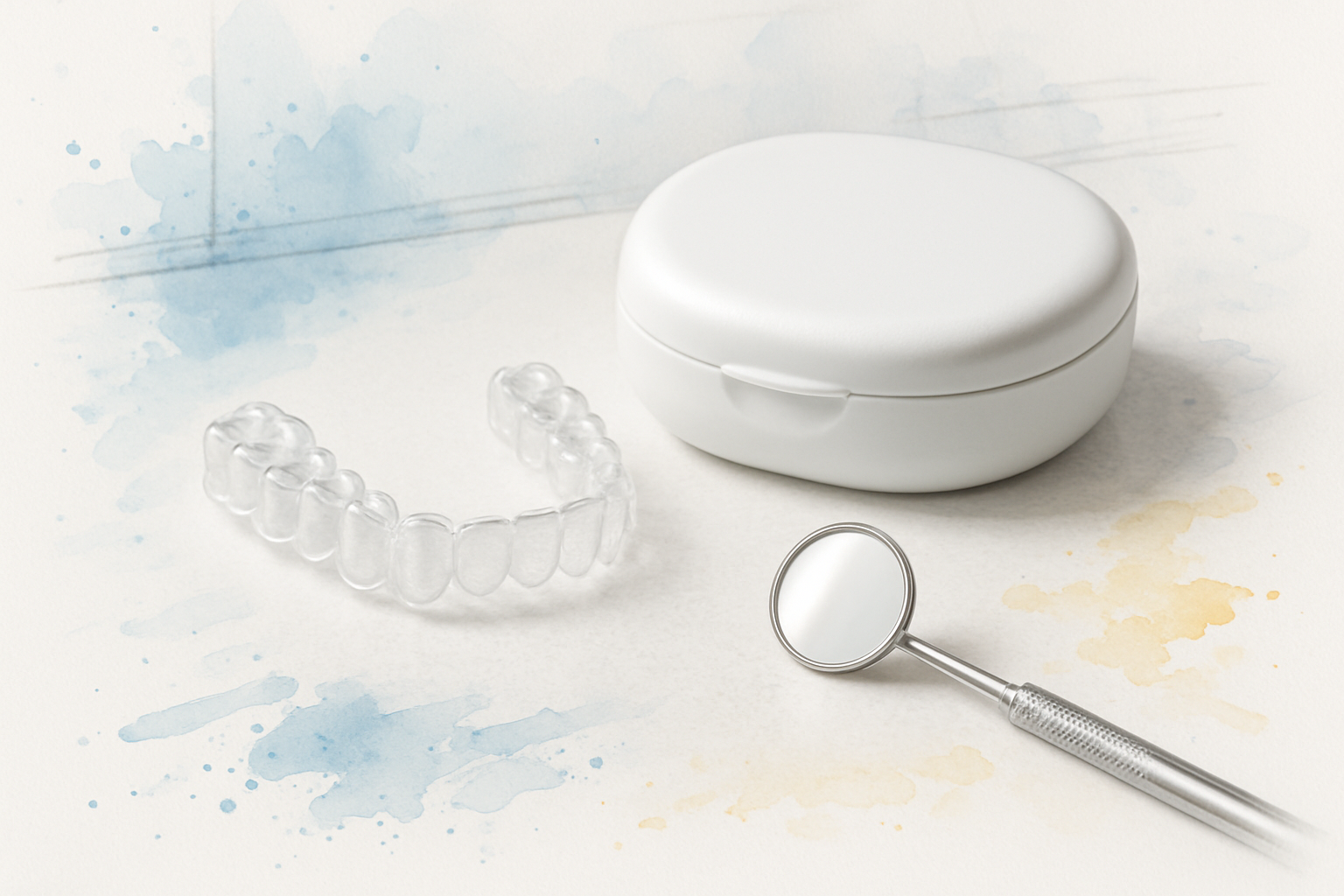
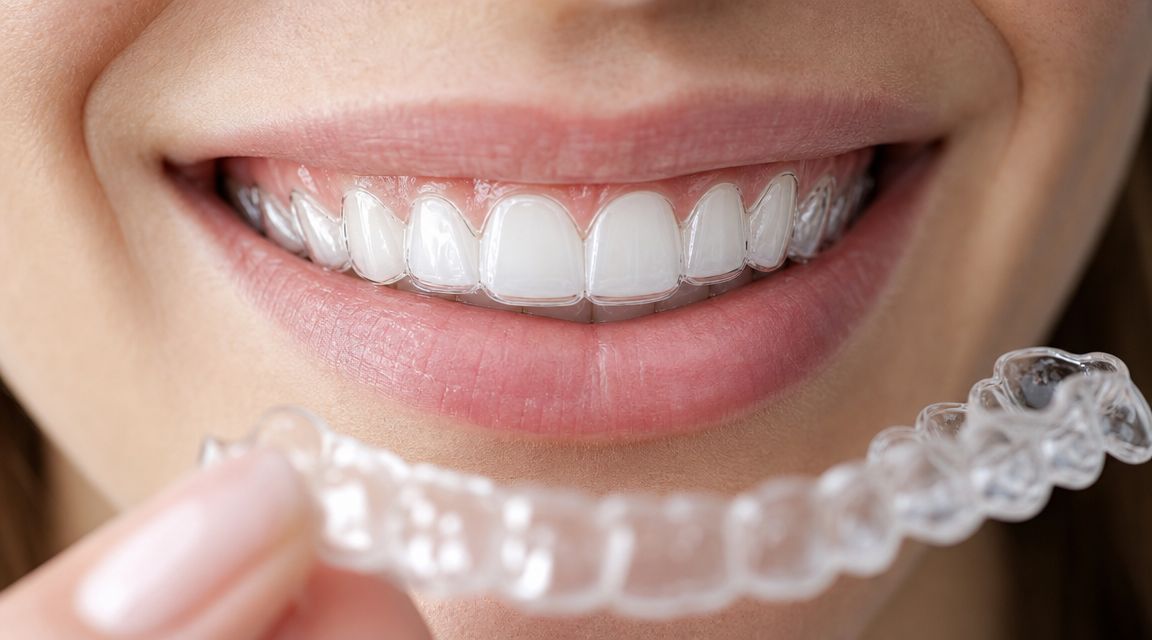
- Clear aligner attachments, those small tooth-colored bumps bonded on to help the trays grip
- A bonded retainer wire behind the front teeth that has outlived the rest of the plan
What matters is not how long it has been there. What matters is what is underneath it now, and that takes an exam to answer. Our office sits on Beach Boulevard, which keeps this a short drive for most of Huntington Beach and Fountain Valley.
What the removal appointment actually involves
The unknown is what keeps most people from calling, so let me walk through the sequence.
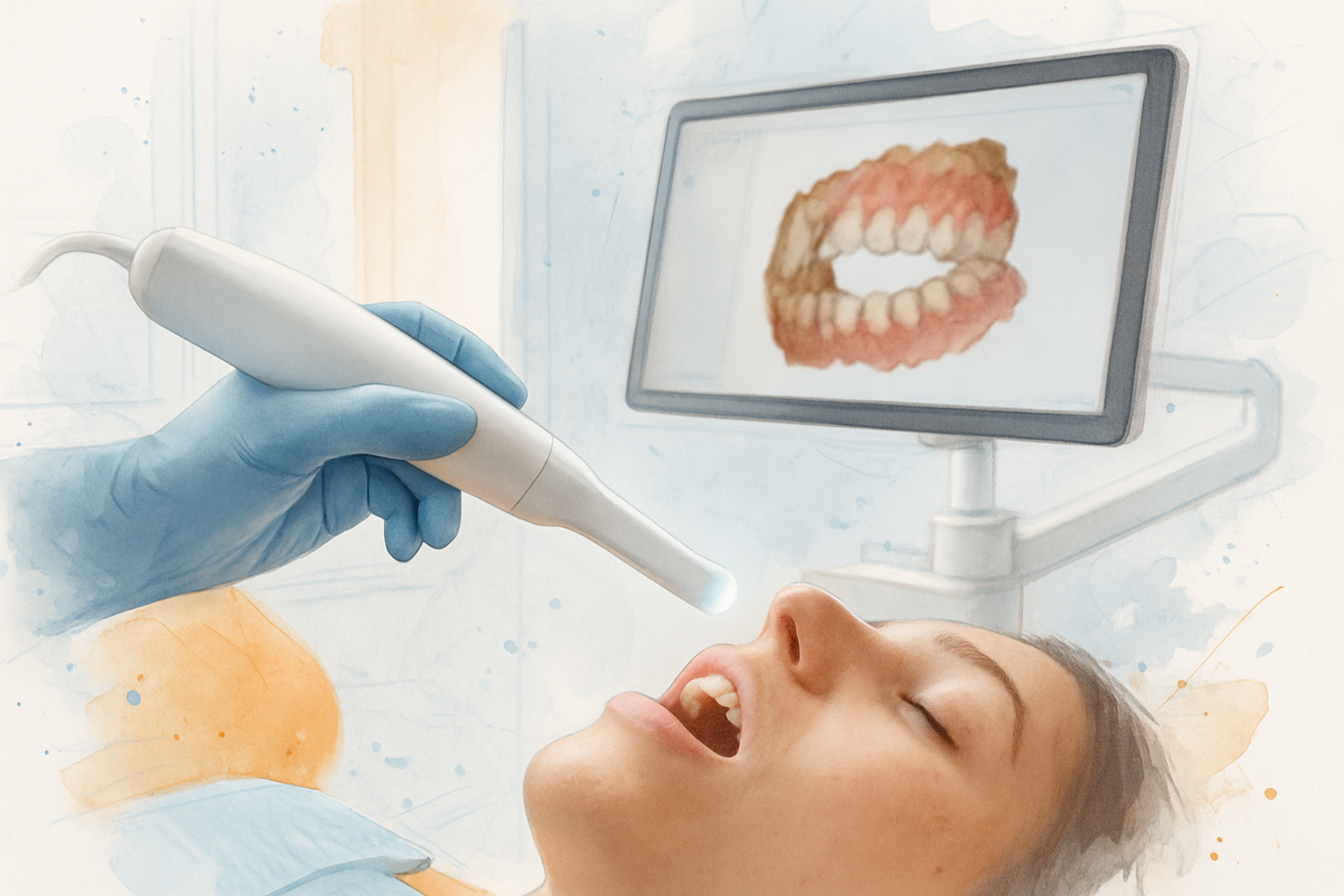
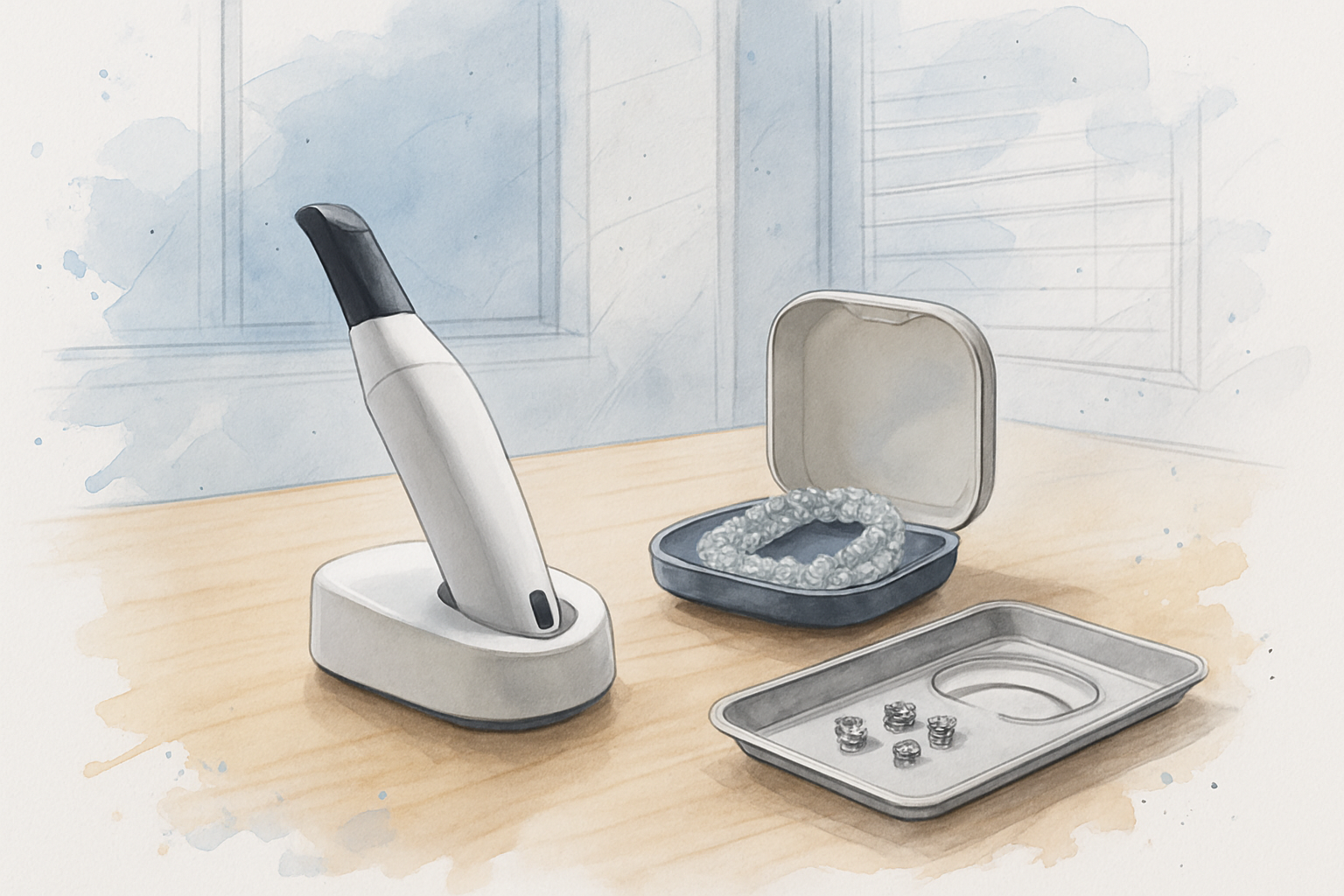
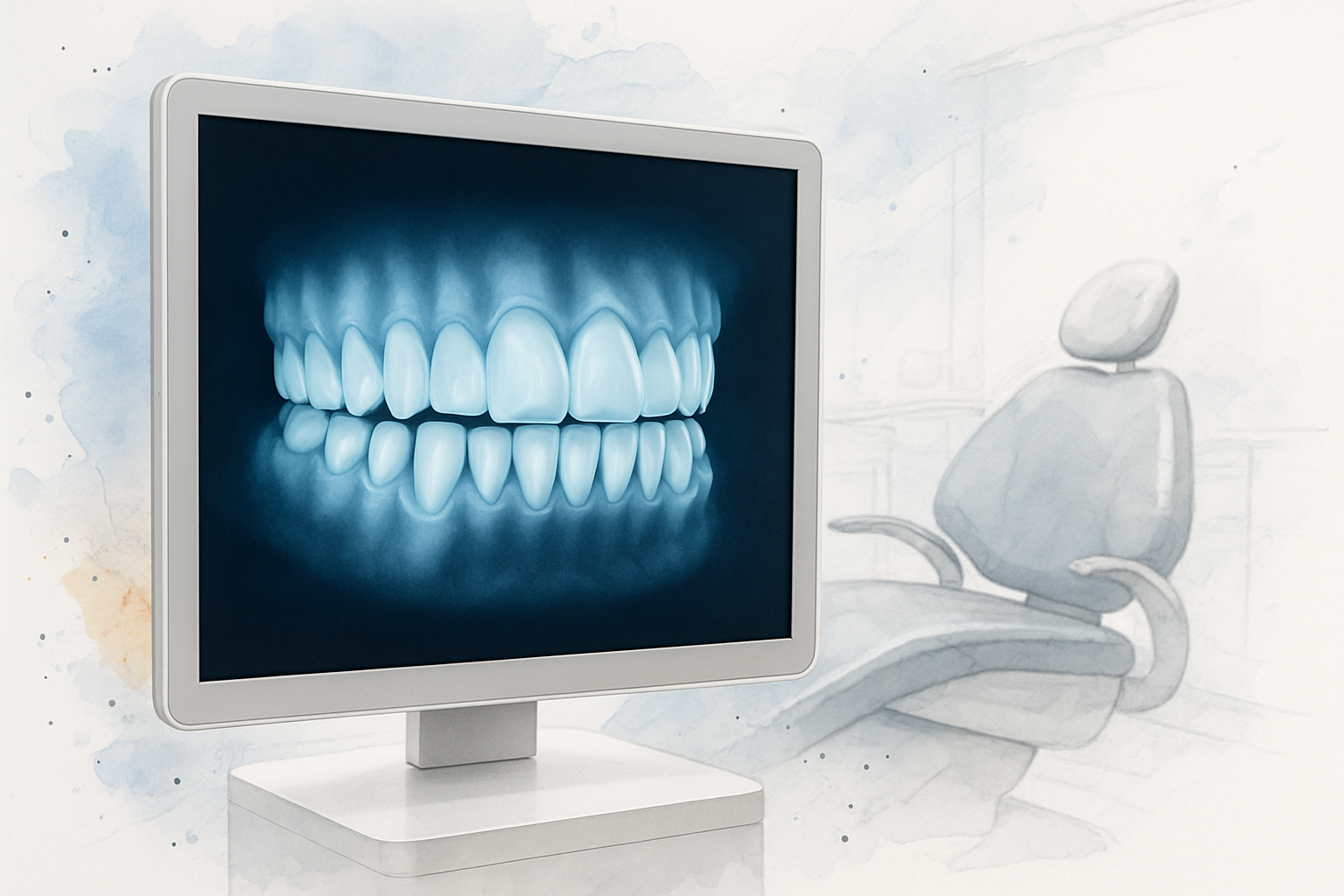
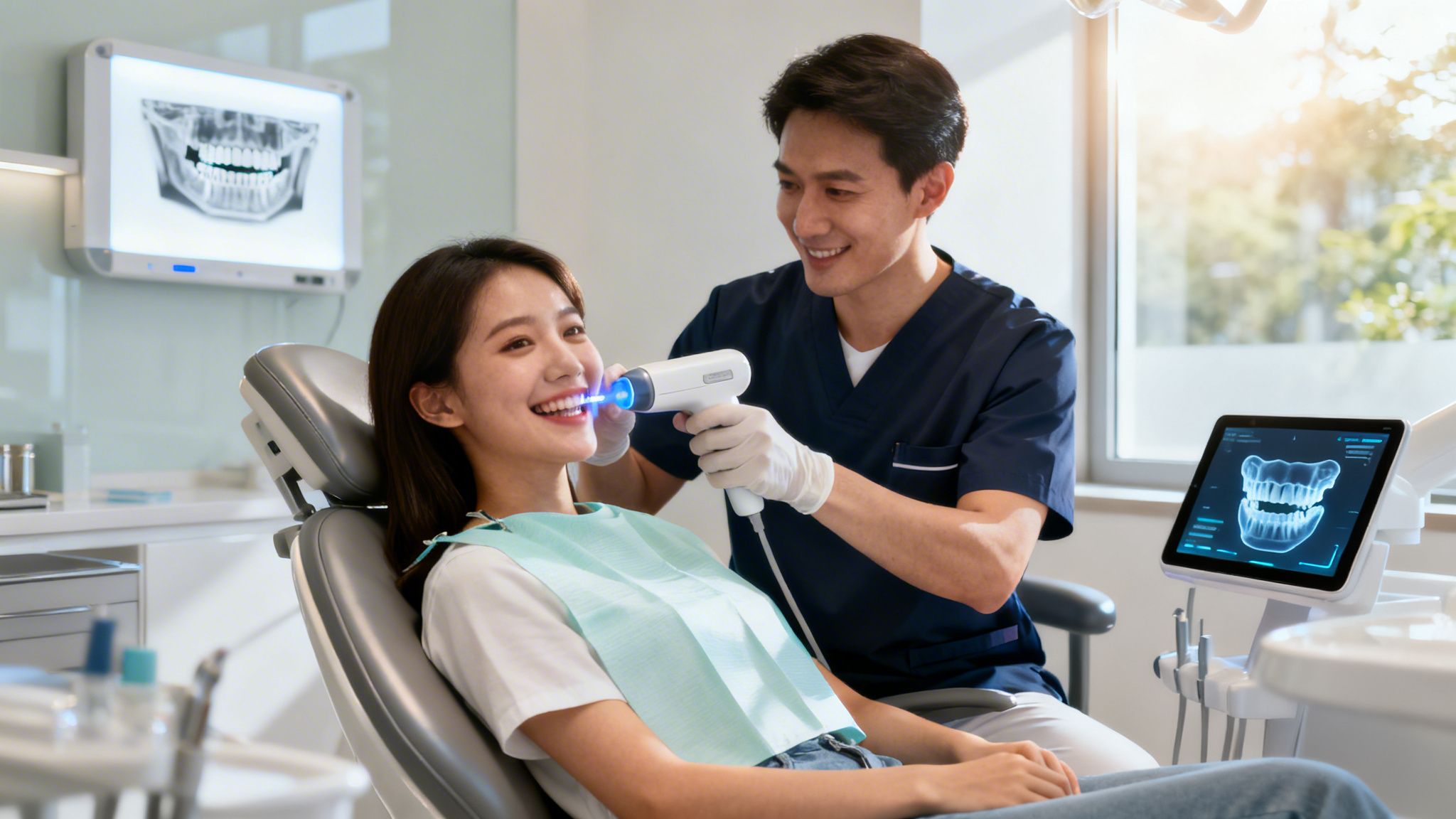
First, an exam and imaging. We look at what is bonded, how many teeth are involved, and what the teeth and bite have done since treatment stopped. We use a digital scanner rather than a tray of impression material, which patients consistently tell us is a relief.
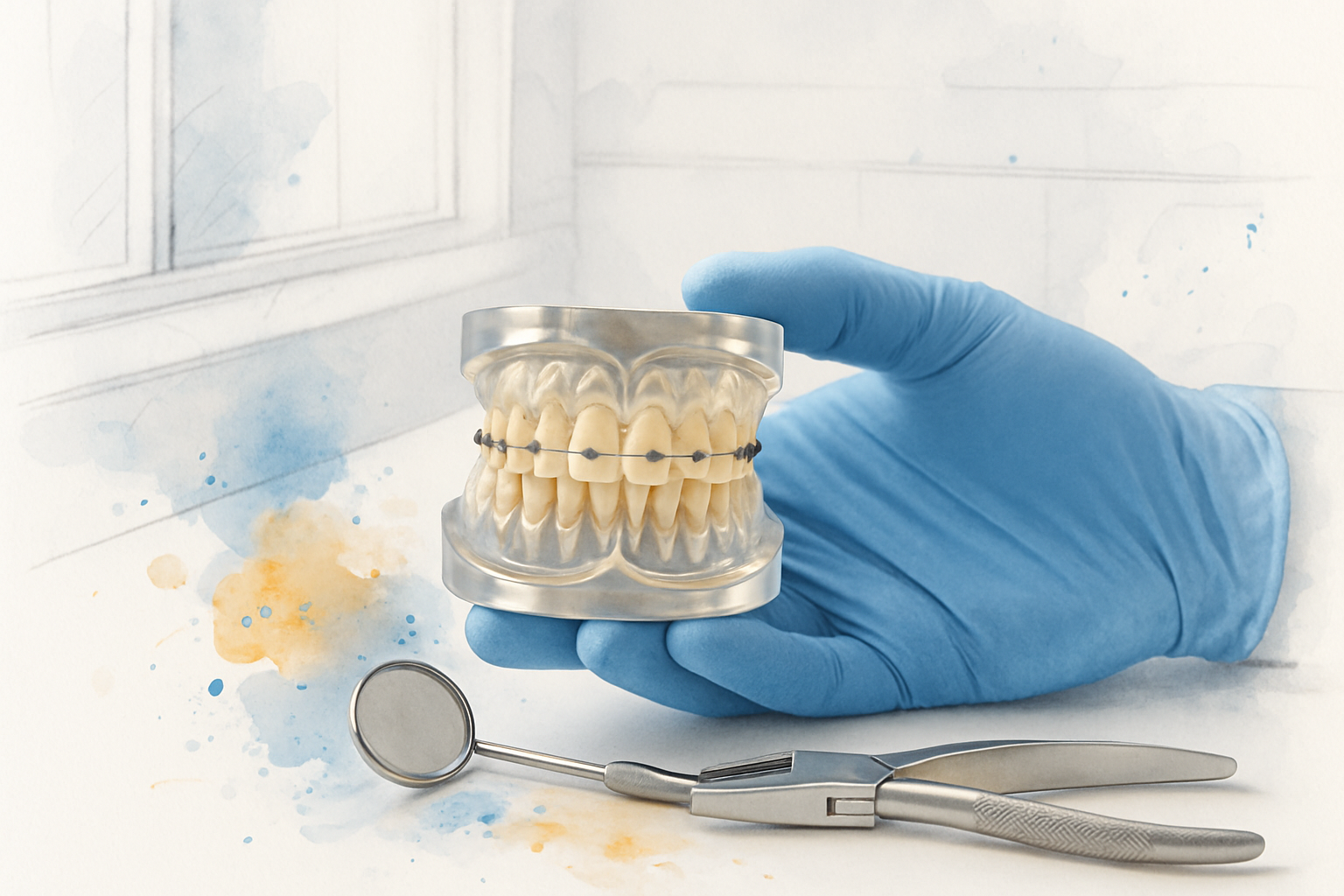
Second, the hardware comes off. Brackets and attachments are lifted off the enamel with instruments designed for it. Most people describe pressure and vibration rather than pain.
Third, the cleanup. This is the slower half of the visit, and it is the part that protects your teeth. Leftover bonding material gets polished off the enamel surface in stages, and rushing that step is how enamel gets scratched.
I will not tell you removal is a one minute fix or that you will feel nothing at all. It takes patience, especially when hardware has been on for years. If you want a closer look at the mechanics, we wrote more about how braces are removed from teeth in a separate post.

What Is On Your Teeth, and What That Means for the Visit
Different hardware means a different appointment. Here is a general sense of what each type involves.
| What you have | How it looks | What removal usually involves |
|---|---|---|
| Metal brackets with archwire | Visible silver squares connected by a wire | Wire comes out first, then each bracket, then polishing every bonded tooth |
| Loose brackets, no wire | Scattered squares, sometimes only a few teeth | Faster bracket step, polishing still needed on each tooth |
| Clear aligner attachments | Small tooth-colored bumps, easy to miss | Less to lift off, but the polishing step is just as careful |
| Bonded retainer wire | Thin wire behind the lower or upper front teeth | Wire and adhesive removed together, then polished smooth |
Why the cleanup matters as much as popping the brackets off
This is the part people quietly dread, and I understand why. The enamel under a bracket has been covered for a long time, and the adhesive around the edges has been collecting things that whole time.
Peer reviewed research hosted by the National Library of Medicine notes that residual adhesive and composite left behind after brackets come off can lead to bacterial plaque buildup and a compromised appearance. In plain terms, leaving the glue on is worse than the brackets themselves.
That same website message asked about getting the brackets off and "cleaning" in the same breath, which tells me those two questions arrive together in most people's heads. Here is the order that makes sense:
- Hardware and bonding material off first, done by an orthodontist
- A routine cleaning and decay check next, done by your general dentist
- Then a conversation about whether anything still needs straightening
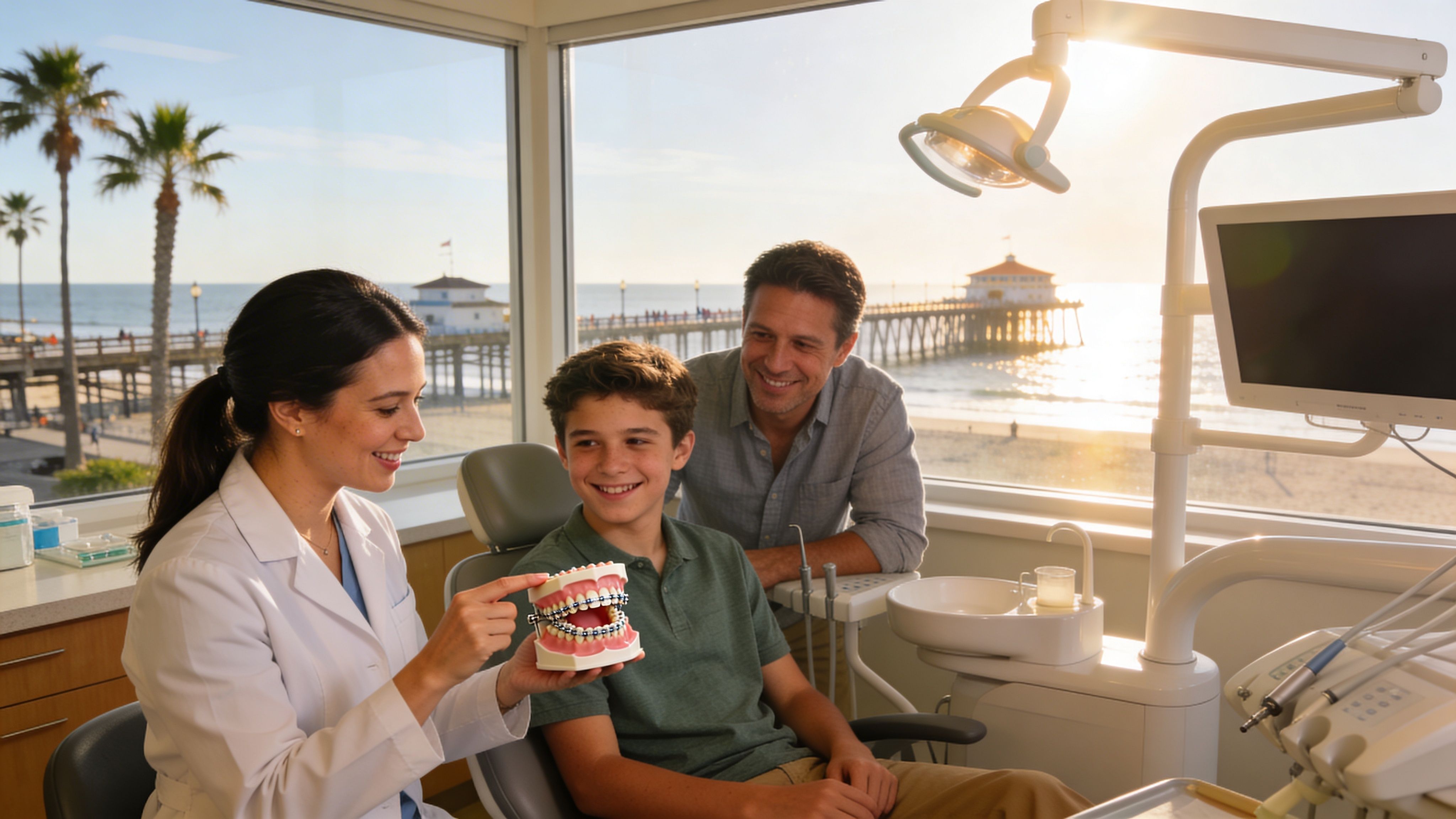
We stay in our lane on this. Dr. Jeremy and Dr. Melissa will handle the orthodontic hardware and the enamel cleanup, then point you toward a family dentist for the rest if you do not already have one.
The Removal Visit, Step by Step
A quick look at how a removal and cleanup appointment is sequenced from start to finish.

What drives the cost of removal and cleanup
I know the worry underneath this question. People assume that admitting they walked away from treatment will lead to a lecture and a bill for full treatment all over again.
Removal and cleanup is scoped and priced on its own, separate from any new treatment. Asking for that number on the phone is a completely normal request, and nobody at the front desk will think less of you for leading with it.
What actually moves the price:
- How many teeth still have hardware on them
- What kind of hardware it is, since a full arch of metal brackets with a wire is a longer visit than a handful of aligner attachments
- Whether records or imaging are needed, which depends on whether you also want a plan going forward
- Whether the visit is removal only or doubles as a planning consultation
Costs for this kind of visit vary widely across Orange County, and anyone who quotes you an exact figure sight unseen is guessing. We can give you a real number once we have seen or scanned your mouth. If you are budgeting, it is also worth checking whether you can use an HSA for orthodontic costs.
Three realistic paths after the hardware is off
Once everything is off and your teeth are clean, you have a decision to make. You do not have to make it that day.
Hold what you have. If your teeth landed in a reasonable spot before treatment stopped, a retainer may be all you need. Teeth drift, and understanding why teeth shift helps explain why this is not optional long term.
Fix one or two specific things. Since July we have offered focused touch up treatment for people who want one tooth addressed and do not want a full plan. Adults open with some version of this all the time.
Start comprehensive treatment. If the bite has drifted meaningfully since things stopped, full treatment may be the honest answer.
If you do go that route, the options fit different lives rather than ranking against each other:
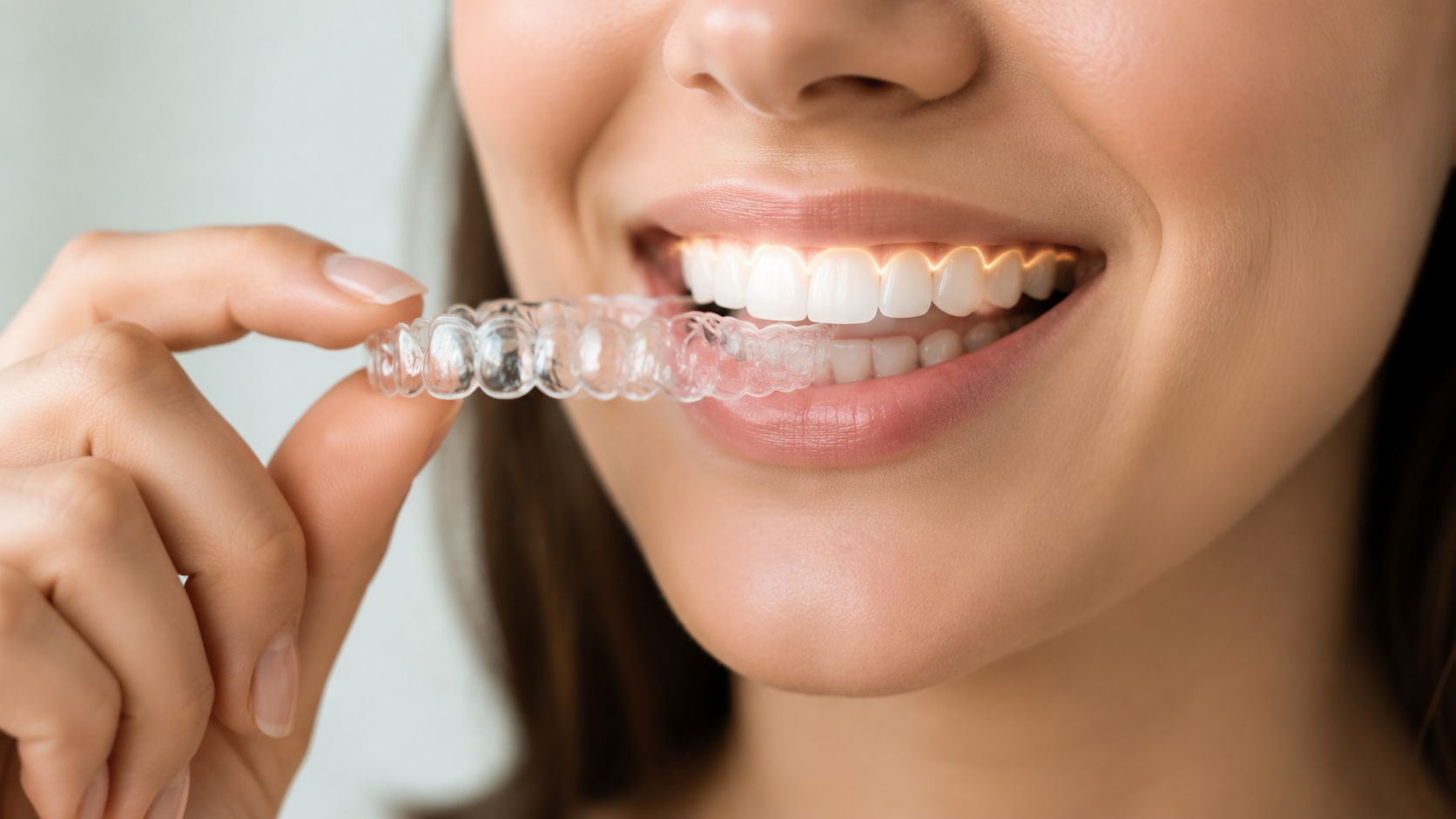
- Invisalign clear aligners, removable and discreet, which matters if you are in meetings all day
- Champagne-colored Iconix brackets, a more subtle look than silver while still being fixed to the teeth
- Traditional metal braces, dependable and often the most cost-effective route
Booking the removal visit and deciding about treatment later is completely fair. A doctor who explains why each path fits or does not fit your case is doing the job right.
Frequently Asked Questions About Removing Old Orthodontic Hardware
Will you remove brackets another orthodontist put on?
Yes. An orthodontist can remove hardware they did not place, and you do not need records from the prior office to get it off. Records help if you want a treatment plan afterward, but they are not required just to debond.
Does it hurt to have old brackets taken off?
Most people describe pressure and vibration rather than sharp pain. Teeth that have had hardware on them a long time can feel a little tender afterward, and the polishing step is more tedious than uncomfortable. I will not promise you feel nothing, because that would not be honest.
How long does the appointment take?
It depends on how many teeth have hardware and what kind. The brackets themselves come off relatively quickly. The cleanup and polishing is usually the slower half of the visit, and it is the part worth being patient about.
Do I need a dental cleaning before or after removal?
After. The sensible order is hardware off first, then a cleaning and decay check with your general dentist, then a conversation about whether anything still needs straightening. Trying to clean around old brackets is a losing battle.
Am I too old to restart treatment?
No. We treat patients well into their seventies, and one of our reviewers put her age right in her review before saying how happy she was with her results. If you are curious about where adults fit in, our page on adult orthodontics covers it.
Thinking About Finally Getting That Old Hardware Off?
We take cases other offices started, and the consultation is doctor led, so Dr. Jeremy or Dr. Melissa is the one looking at your teeth rather than handing you off. One patient put it this way: "He's honest, transparent, and makes sure you understand each step of the process," wrote Christine D. If you want to ask what a removal and cleanup visit would involve for your situation, consultations can be arranged by calling 714-594-5777 or through magicfoxsmiles.com, and the Beach Boulevard office is a short drive from Goldenwest, Newland, and Central Fountain Valley.