Both Your Kids Need Braces: What Huntington Beach Parents Sort Out First
Direct Answer: Yes, two siblings can be seen at one consultation visit. Each child gets their own records and scan, then you hear both findings in one conversation. Plan for a longer appointment.
Your dentist looked at both kids at the same checkup and said the same thing twice. One needs braces now, the other needs "a look." And suddenly you are doing math on two treatment plans, two school pickups, and one family budget.
I talk to parents in this exact spot every week. Most of them are not asking whether orthodontics works. They are asking whether they can pull this off without burning two separate afternoons driving down Beach Boulevard.
So let me answer the logistics first, then walk through the parts that surprise parents most: why siblings almost never need the same treatment at the same time, how benefits actually apply per child, and whether to start them together or stagger them.
Can You Book Braces for Two Kids at the Same Time?
Yes. Sibling consultations get scheduled together all the time, and it is one of the most common requests that comes through our website form. Parents write in asking for a daughter and a son together. We have had parents book for 12 year old twins.
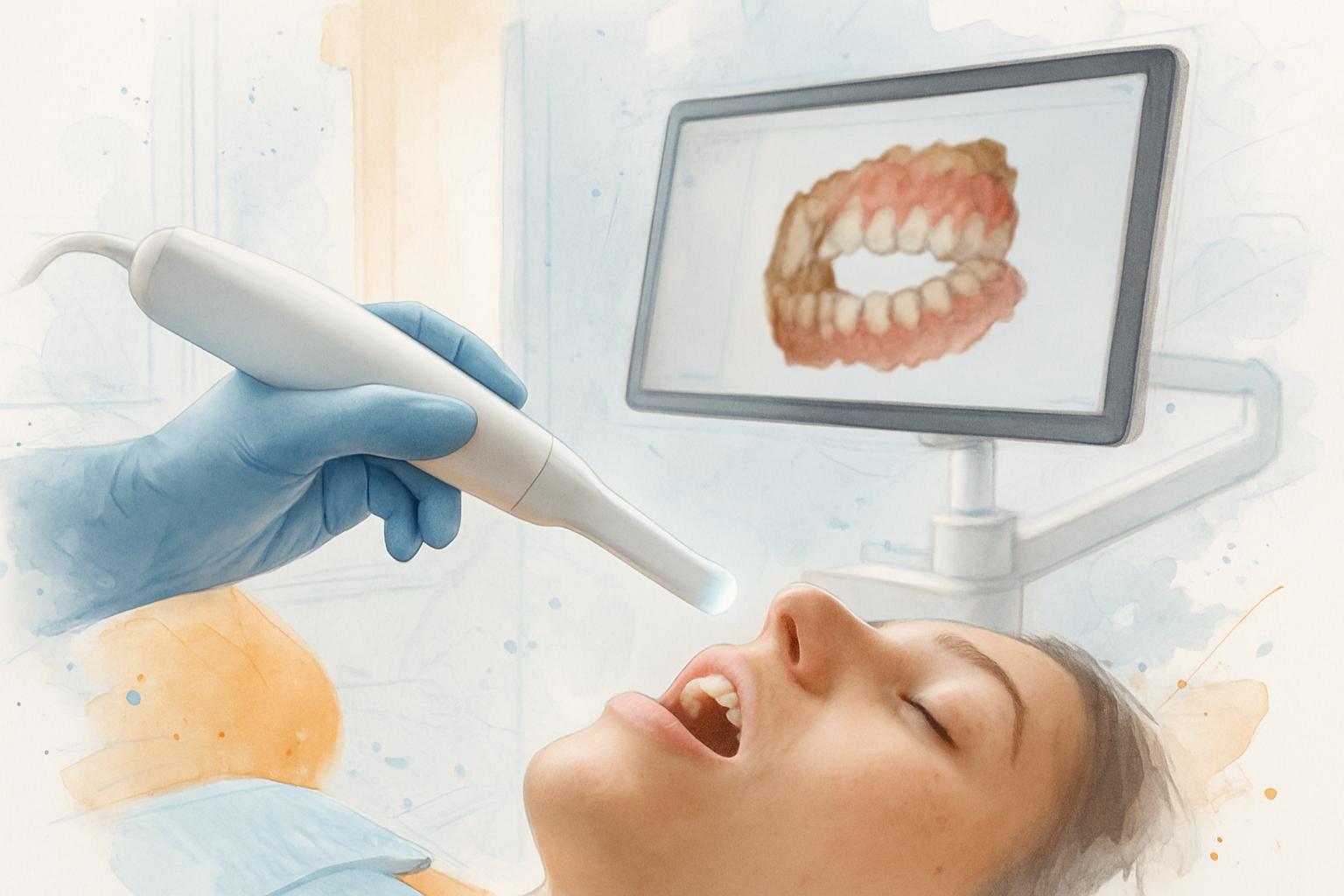
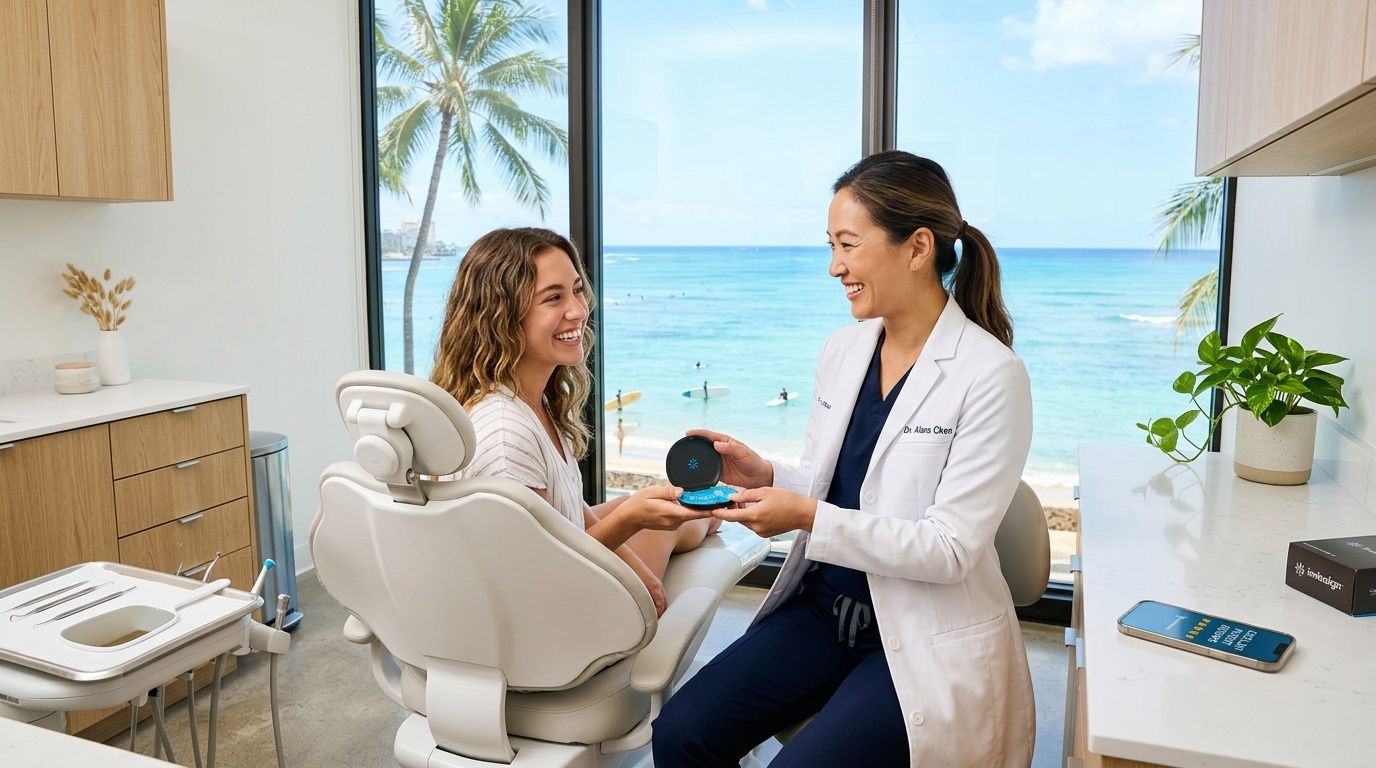
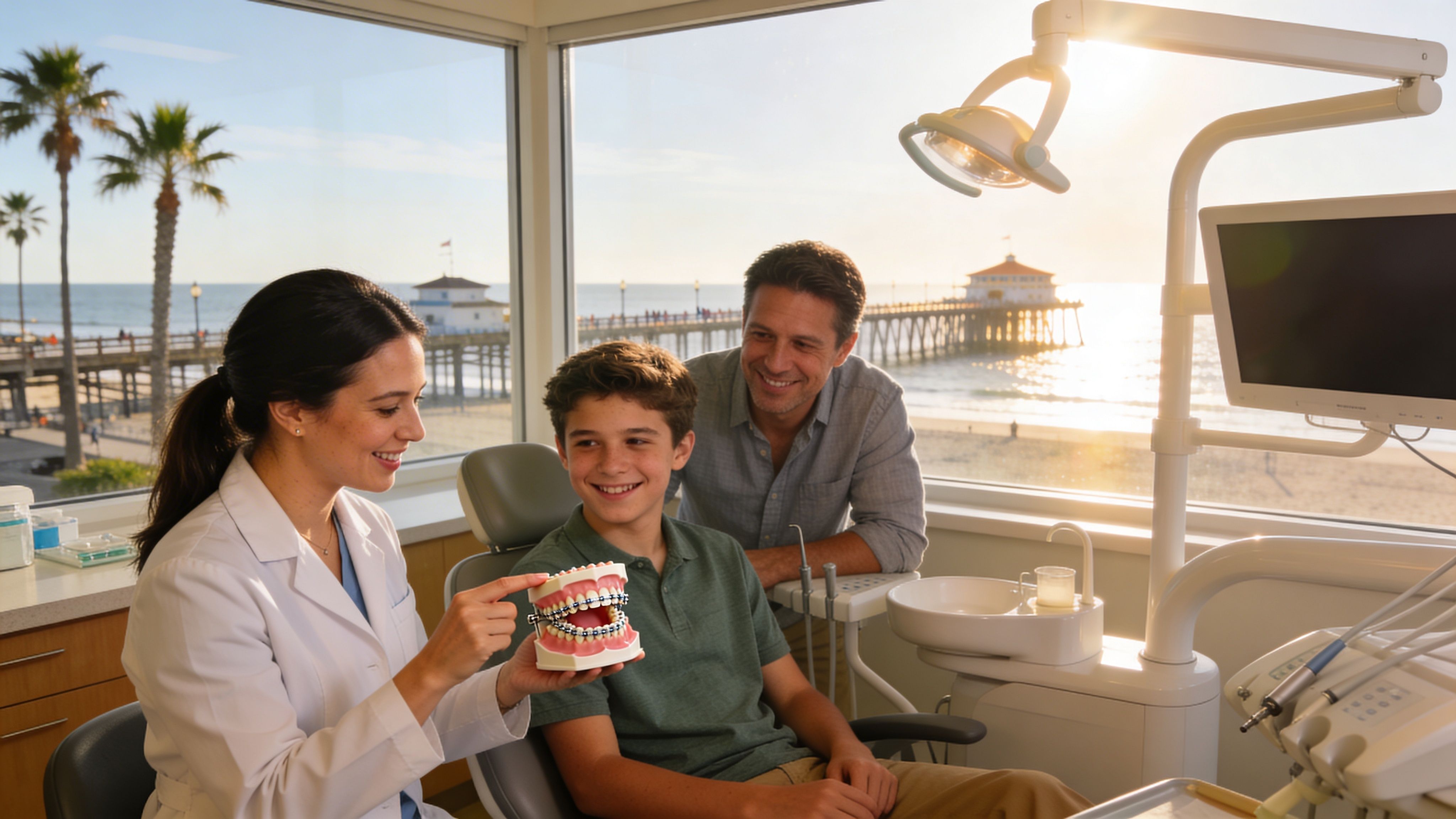
Here is what that visit actually looks like. Each child gets their own records, which means their own photos, their own digital scan, and their own imaging. There is no shortcut on that part, because treatment planning for one child tells you nothing about the other.
What does get combined is the conversation. Dr. Jeremy or Dr. Melissa reviews both kids' findings with you in one sitting, so you are not repeating yourself or sitting through the same explanation twice.
That is why a two child visit runs longer than a single child visit, but not double the length. Budget roughly an hour and a half rather than two separate hour-long trips.
When you call, three things make the scheduling go smoothly:
- Say upfront that it is two children, not one, so the front desk blocks enough chair time
- Ask for an after school slot or a Saturday, which at our Beach Boulevard office is by appointment
- Ask to be put on the cancellation list if the first opening is further out than you want
That last one matters. Scheduling availability has been one of our top recurring phone questions for months running, and parents who ask about the waitlist often get in sooner.

Your Two Kids Probably Won't Need the Same Thing Right Now
This is the part that throws parents. You bring in a 9 year old and a 13 year old expecting two sets of braces, and you leave with one treatment plan and one recommendation to check back in a year.
That is normal. It does not mean the younger one got skipped or the older one got oversold.
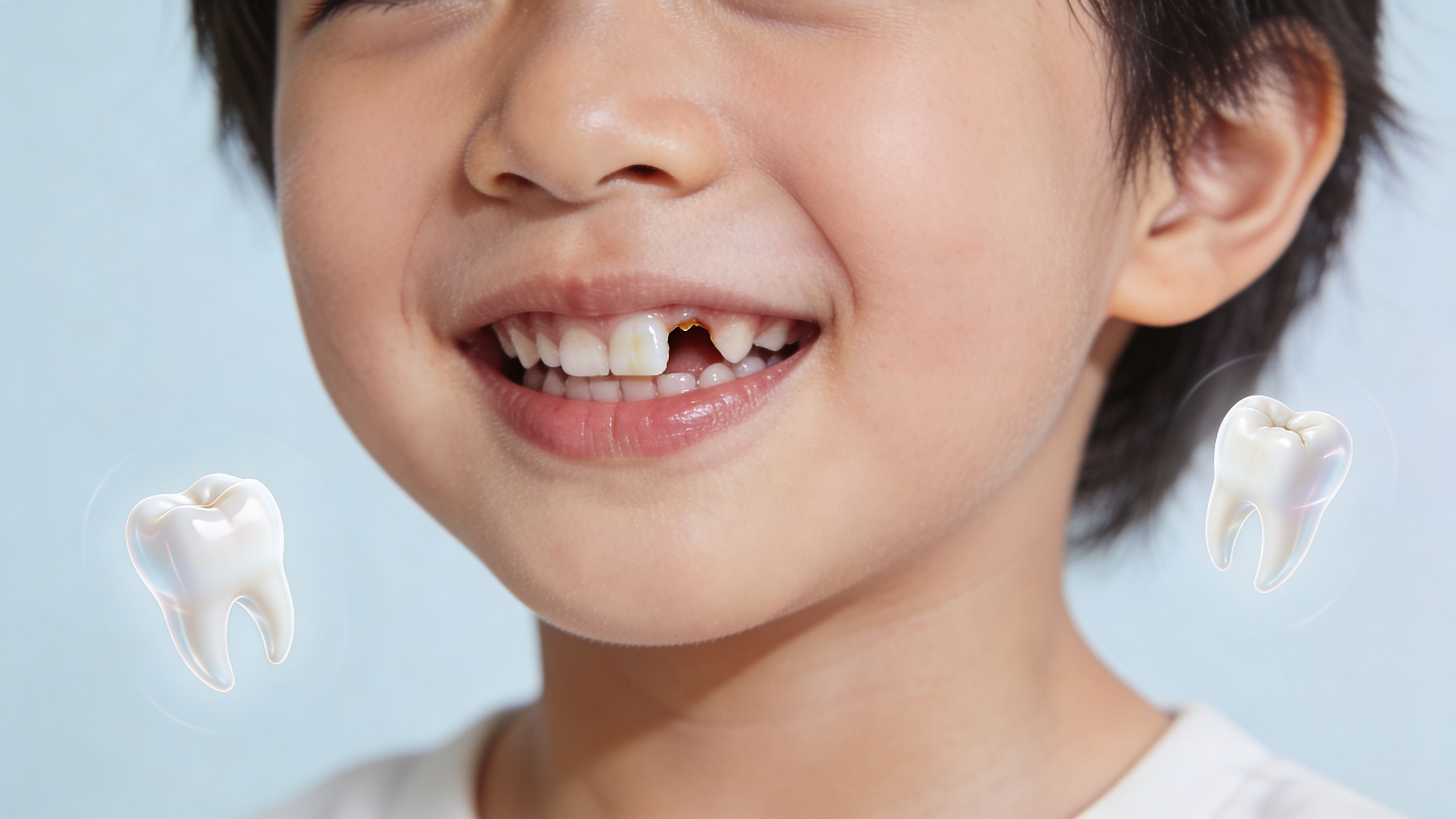
The American Association of Orthodontists recommends a first orthodontic evaluation no later than age 7. At that age we are not usually looking to put on braces. We are watching how the jaw is growing and whether there is room for the permanent teeth that are still coming in.
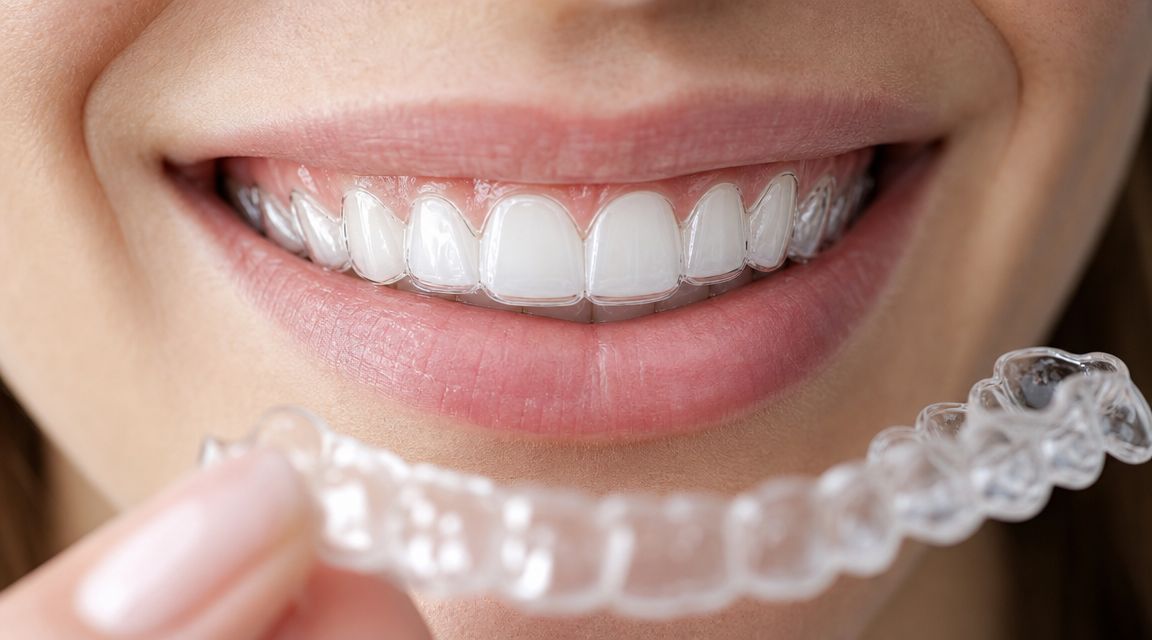
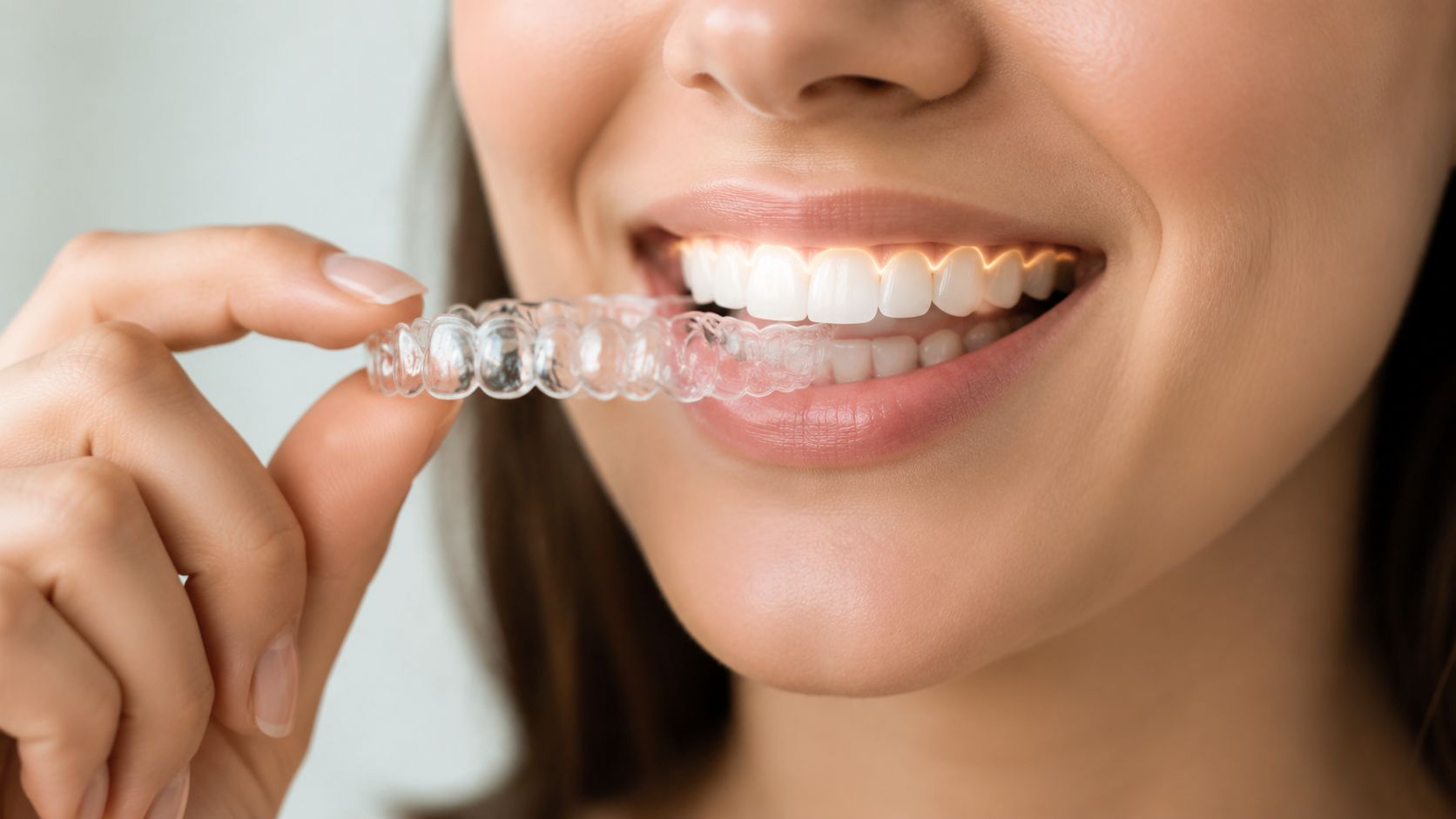
A good share of those evaluations end in monitoring, not treatment. Some end with a short early phase, which is where something like Invisalign First for Phase 1 comes in, guiding development without a mouthful of bulky hardware.
Meanwhile the older sibling may have most of their adult teeth in and be ready for full treatment today.
Parents ask me all the time whether an evaluation at 6 or 7 is really necessary yet. My honest answer: bringing the younger one along does not commit you to anything. Being told to wait is a real outcome, and it is a common one. One local parent wrote in about a 6.5 year old with a slight underbite, which is exactly the kind of thing worth looking at early even if nothing starts for years.
What a Two Child Consultation Visit Looks Like
Here is the order of events when siblings come in together, so you know what to expect before you walk through the door.

How Benefits Work When Two Kids Need Treatment
The single most common mistake I see parents of two make is assuming one family benefit covers both children. It usually does not work that way.
Orthodontic coverage is almost always applied per person, not per household. That means each child typically has their own separate allowance, and one child using theirs does not drain the other's.
Before you call anyone, pull up your plan documents and look for these exact terms:
- Lifetime orthodontic maximum, and whether it is listed per covered person
- Dependent age limit, which tends to matter most for an older teen
- Waiting period, which can affect when it makes sense to start each child
- Coinsurance percentage for orthodontic services specifically
- Whether a second plan in the household coordinates benefits
Cost questions come up unprompted on our phones constantly. One caller put it as plainly as it gets: they just wanted to know the cost and whether there were payment plans.
I am not going to put numbers in a blog post, because two siblings can land in very different places. What drives the difference between them is real: case complexity, how long treatment runs, and whether one child needs a short early phase versus full comprehensive treatment.
The practical move is to have both children's coverage verified in one conversation rather than two. If you want more background first, our posts on whether insurance covers braces and on using FSA and HSA dollars cover the mechanics in more detail.
Start Both Kids Together, or Stagger Them?
Most of the time, clinical readiness decides this for you. If the younger one is not ready, there is nothing to stagger.
But when both kids genuinely are ready, this becomes a real kitchen table decision. Here are the factors I would weigh:
- Appointment load. Two kids in active treatment means two sets of adjustment visits. The upside is that siblings can often be seen back to back in one trip.
- Benefit years. If an older teen is approaching a dependent age cutoff, that can push their start date up.
- The school calendar. Huntington Beach and Fountain Valley schools break in late December, which is the natural window to get a kid through the first awkward week of new braces without missing class.
- Your own bandwidth. Two kids adjusting to new appliances in the same week is a lot of soft foods and a lot of questions.
One thing worth knowing: the heaviest week is the first one. After that, adjustment visits tend to be short and spaced out, which is why families who start two kids together often find it easier than they expected.
If timing is your main hangup, our piece on starting braces around the school calendar walks through the windows that work best for local families.
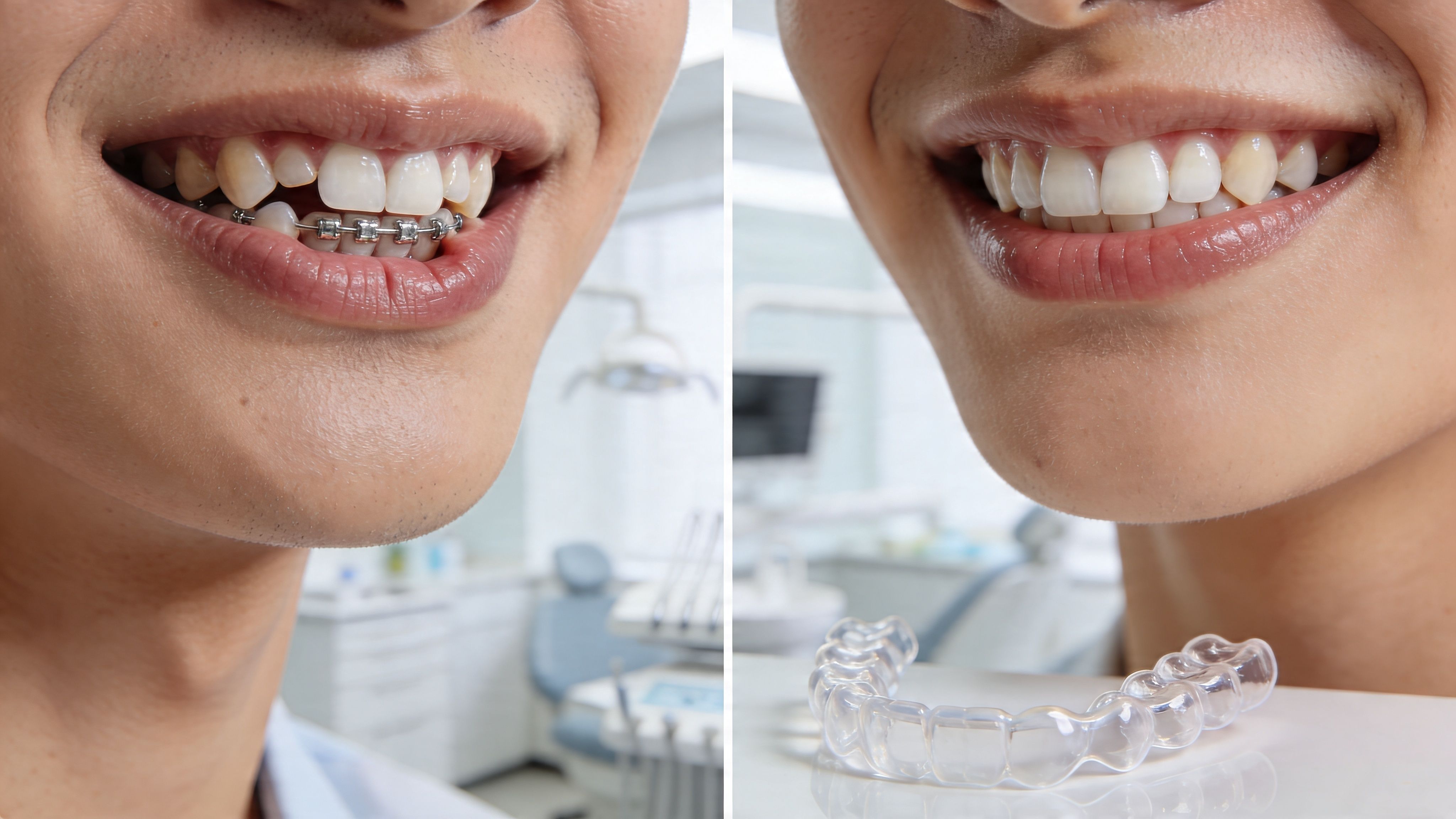
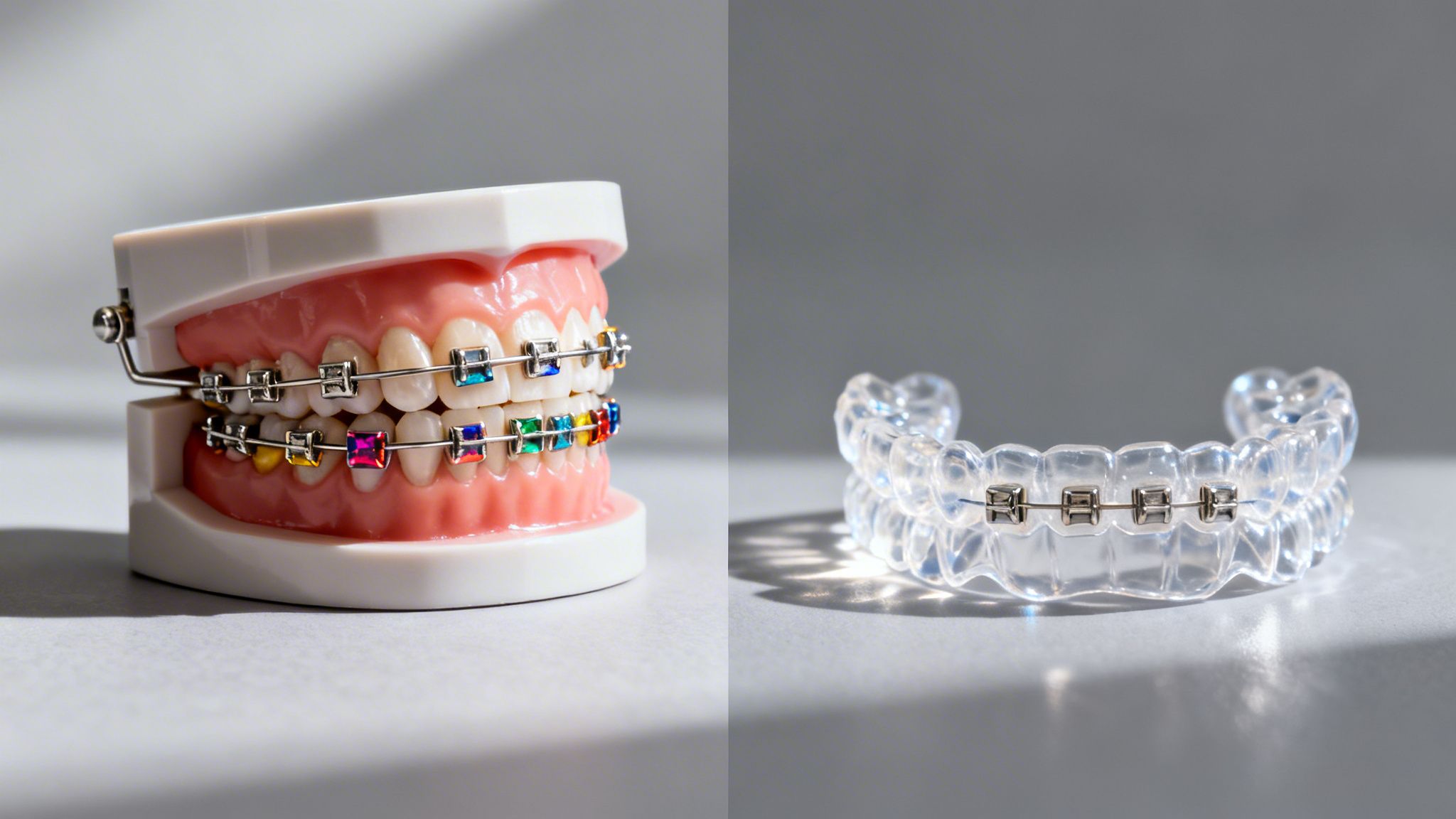
When One Kid Wants Blue Ties and the Other Wants Invisible
Two siblings almost never want the same thing visually. The 10 year old is genuinely excited to pick colors every visit. The 15 year old does not want anyone to notice anything at all.
Treating that as part of the plan rather than a nice extra is what gets a teen to actually cooperate. And cooperation is the whole ballgame with some options.
There is no universally better choice here. There is a better fit for each kid.
Be Honest With Yourself About the Aligner Kid
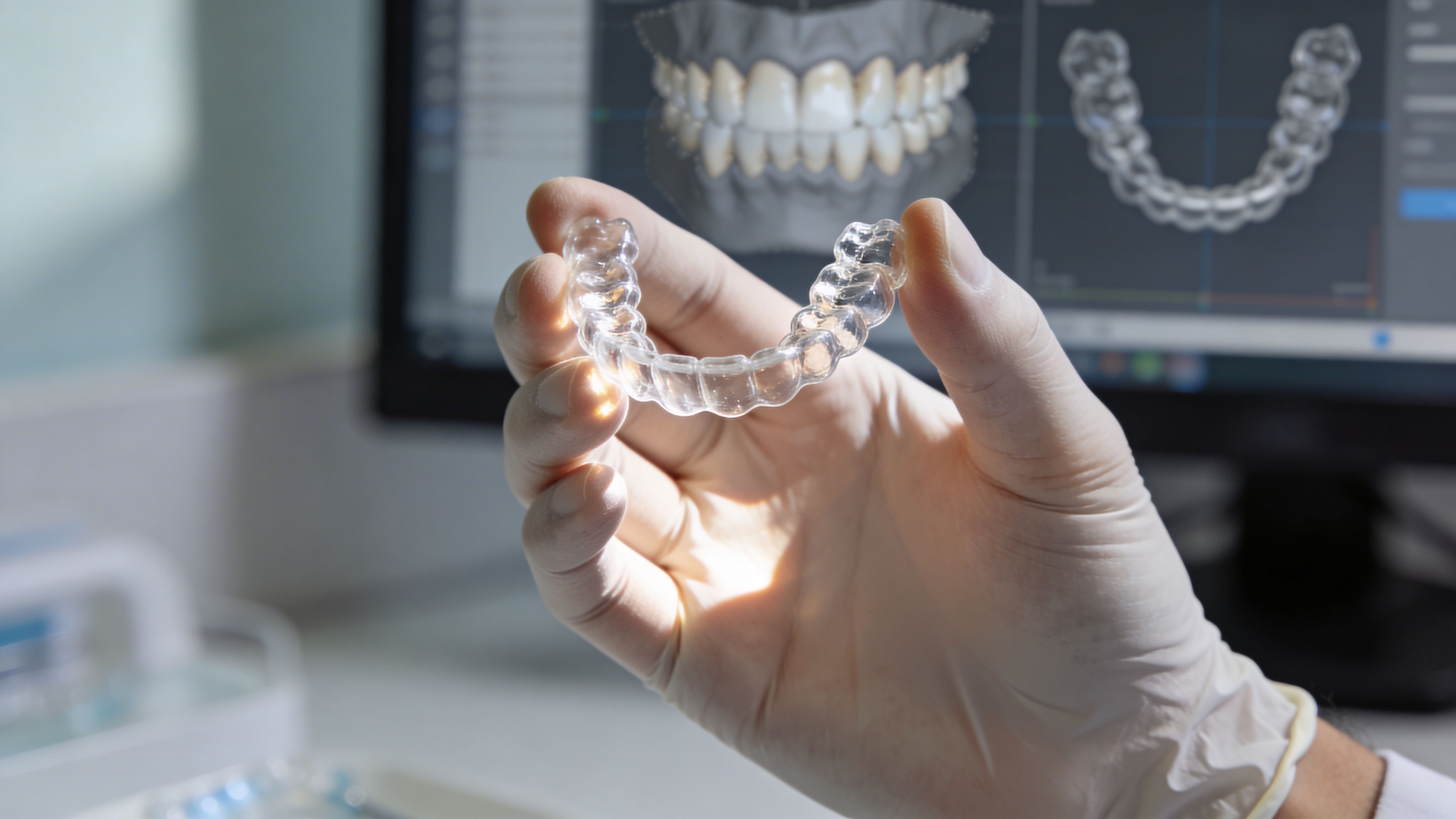
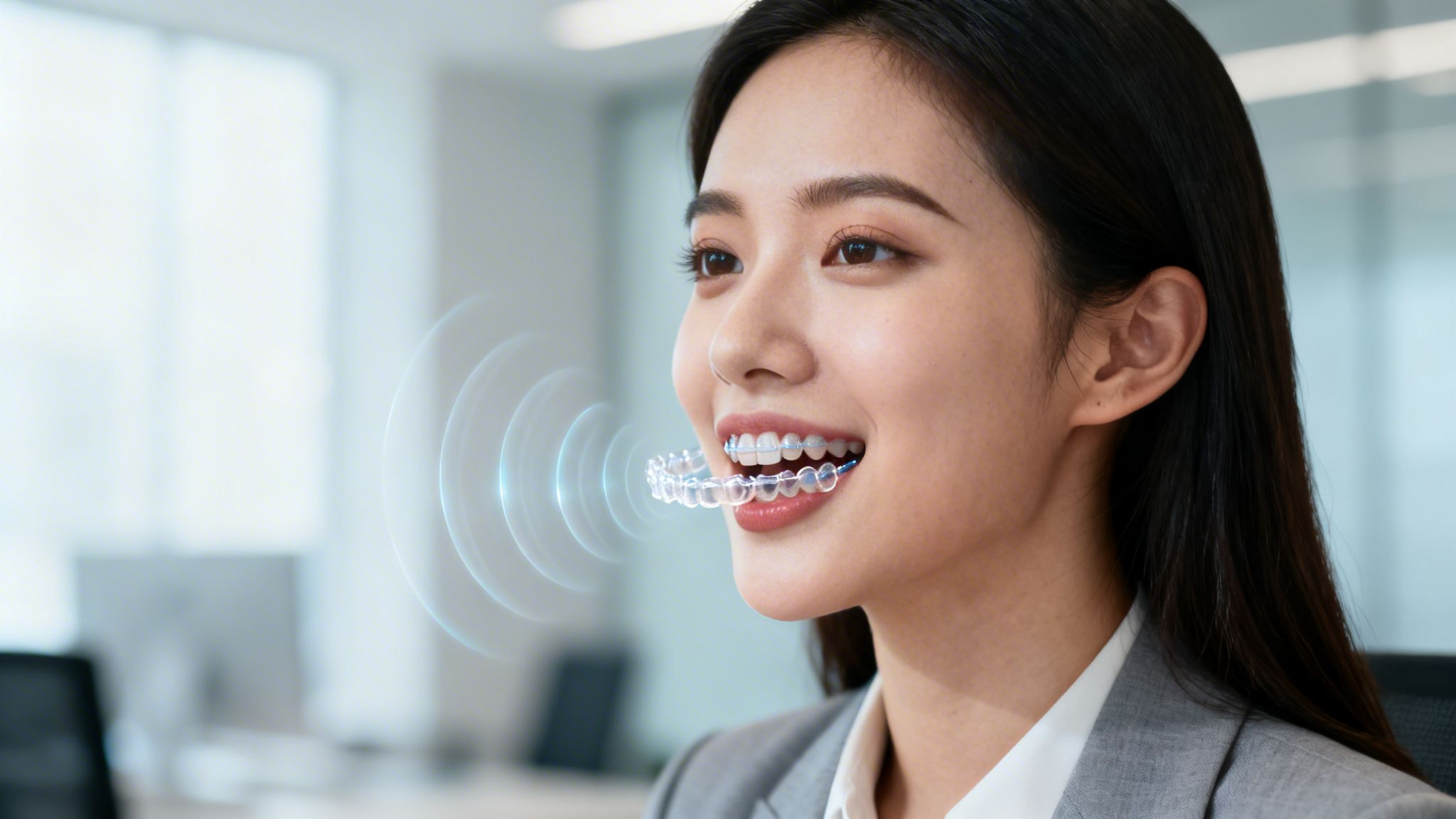
I will say the quiet part out loud. Aligners work beautifully for the right teen and poorly for the wrong one.
You already know which of your kids leaves a retainer on a lunch tray and which one puts it back in the case without being asked. That instinct is usually right, and it is worth saying out loud at the consultation.
For the sibling who wants to be less noticeable but is not ready for that level of responsibility, Iconix champagne-colored brackets tend to be the middle ground that makes everyone happy.
And if your kids split in totally different directions, that is fine. Two siblings can absolutely be in two different treatment types at the same practice, on the same visit schedule.
Frequently Asked Questions About Braces for Two Kids
Can both of my kids really be seen at the same appointment?
Yes. Just tell the front desk it is two children when you book so they block the right amount of time. Each child gets their own records and exam, then you hear both plans in one conversation.
My younger child is only 7. Is that too early to bring in?
No, and it may be exactly right. The American Association of Orthodontists suggests a first evaluation by age 7. Plenty of those visits end with "check back in a year" rather than any treatment at all, and that is a perfectly good result.
Will my insurance cover both kids, or just one?
Orthodontic benefits are usually applied per person, so each child typically has their own lifetime orthodontic maximum. Look up that term on your plan, along with the dependent age limit and any waiting period. Both kids' coverage can be verified in a single phone call.
Is it cheaper to do both kids at once?
Treatment is priced per case, not per family, so the real difference between two siblings comes down to case complexity, how long each one takes, and whether one needs a short early phase instead of full treatment. Some families do find it easier to manage one combined payment conversation. You will need a real exam on both kids to get real numbers.
Do you offer Saturday appointments for families juggling two schedules?
Saturday visits at our Beach Boulevard office are by appointment, and after school slots are the most requested times we get. Ask about both when you call, and ask to be added to the cancellation list if the first opening is further out than you need.
Can one kid get metal braces while the other gets Invisalign?
Absolutely. Different kids, different lifestyles, different plans. They can still be scheduled on the same visit days so you are only making one trip.
Thinking Through Two Kids at Once?
Families with more than one child tend to settle at one practice for the same reasons, and they are not complicated ones. Dr. Jeremy and Dr. Melissa see patients directly at appointments rather than handing them off, and the bookshelf door at the entrance gets mentioned by parents constantly, usually by the younger sibling who tagged along and did not want to leave. As one parent put it in a review: "Always a positive attitude will be returning with my other children." Sibling consultations can be arranged together at our Huntington Beach office on Beach Boulevard, convenient for families across Fountain Valley and the surrounding neighborhoods, and you can reach Magic Fox Orthodontics at 714-594-5777 or at magicfoxsmiles.com whenever you are ready to look at both kids' options.