How FSA and HSA Dollars Can Cover Braces or Invisalign Before They Reset
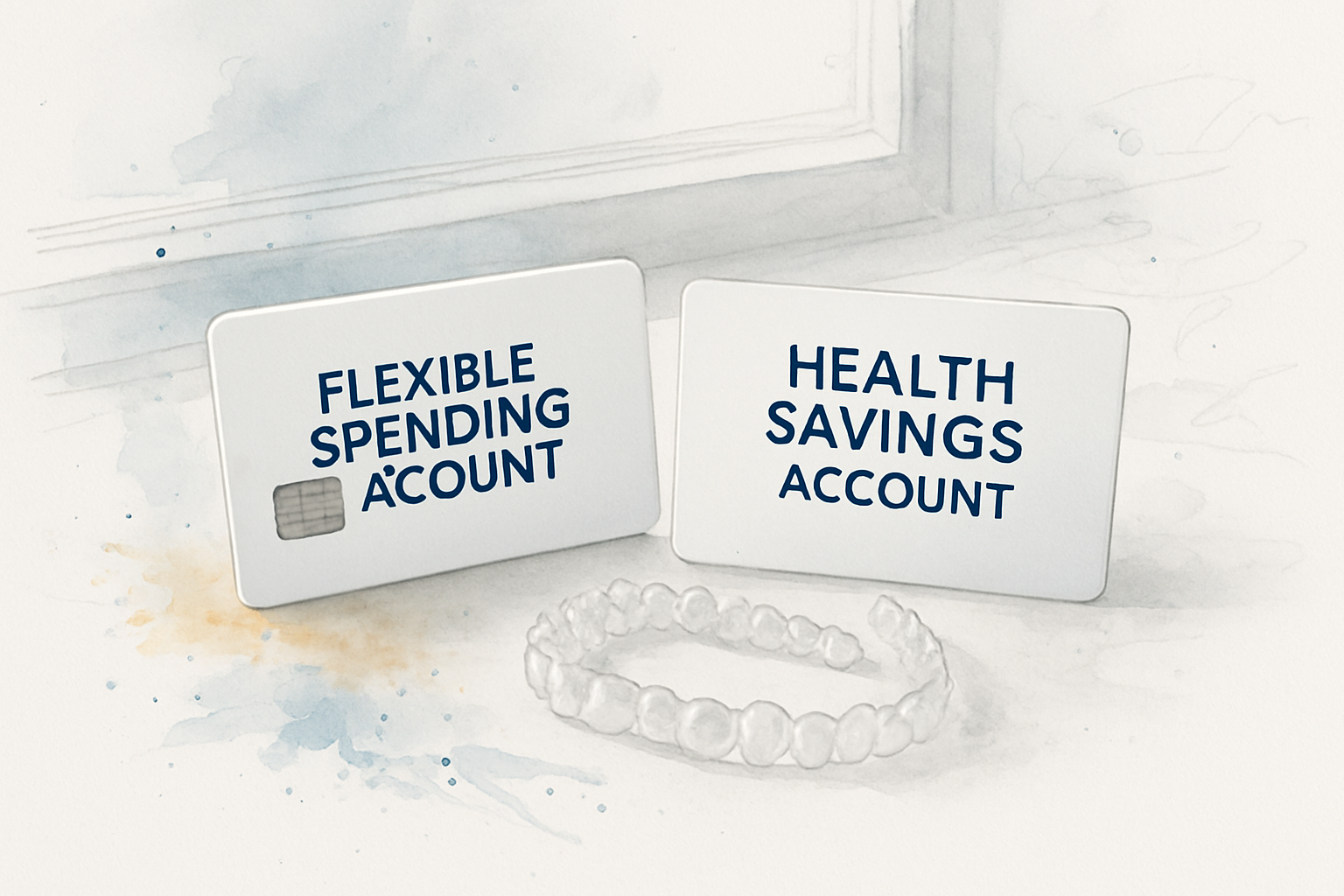
Direct Answer: Orthodontic treatment is an eligible medical expense, so FSA and HSA funds can be applied to braces or Invisalign. Starting before your plan year ends lets you spend the balance instead of losing it.
Every fall I hear a version of the same thing from adults and parents around Huntington Beach and Fountain Valley. They have a few hundred dollars sitting in a flexible spending account, they have been thinking about straightening their teeth for years, and they just found out the money disappears at the end of the plan year.
That is a frustrating way to lose real dollars. Orthodontic care counts as an eligible medical expense, so those funds could have gone toward braces or Invisalign instead of vanishing.
I want to walk you through how FSA and HSA money actually gets applied to treatment, the second benefit almost nobody checks before it resets, and why a consultation in early fall gives you a real number while you still have time to act.
What FSA and HSA Dollars Can Actually Cover for Braces or Invisalign
Both accounts work the same basic way. You set aside pre-tax money from your paycheck, then spend it on qualified medical costs.
Orthodontia is on that qualified list. The IRS spells this out in IRS Publication 502, which names orthodontia as a deductible medical expense along with dental treatment more broadly.
In practice, that means your account can typically be applied to:
- The initial down payment on braces or Invisalign
- Monthly payments during active treatment
- Records and imaging tied to your treatment plan
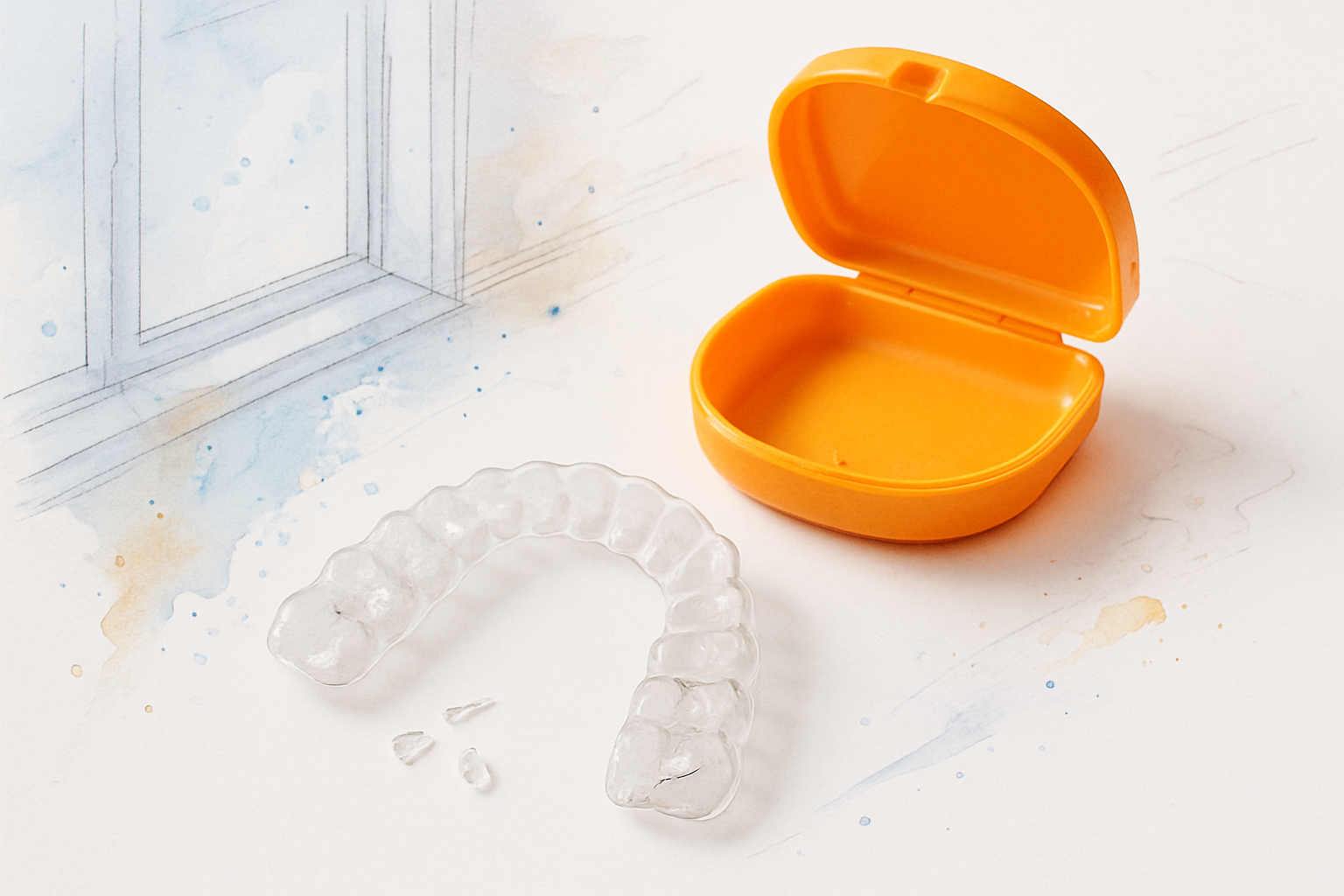
- Retainers at the end of treatment
- Replacement retainers if you lose one later
One detail catches people off guard. FSA and HSA plans generally reimburse services as they happen, not the full cost of a two-year plan paid up front on day one.
So if you have $1,200 left in an FSA and treatment starts in November, that balance usually goes toward your down payment and the first few monthly payments. The rest carries into the following plan year, when a new balance is available.
That is why timing matters more than most people expect. Starting late in the year lets you spend this year's money and next year's money on the same treatment.

The Reset Date Is Closer Than You Think
FSA and HSA accounts behave very differently at year end, and mixing them up costs people money.
An FSA is usually use-it-or-lose-it. Most plan years end December 31. Some employers add a grace period into the following spring or allow a limited carryover amount, but many allow neither, and the rules are set by your employer rather than by the government minimum.
An HSA does not expire. The balance rolls forward year after year. What resets is your annual contribution limit, so if you have been building a balance and never touched it, there is no cliff coming, just an opportunity you have not used yet.
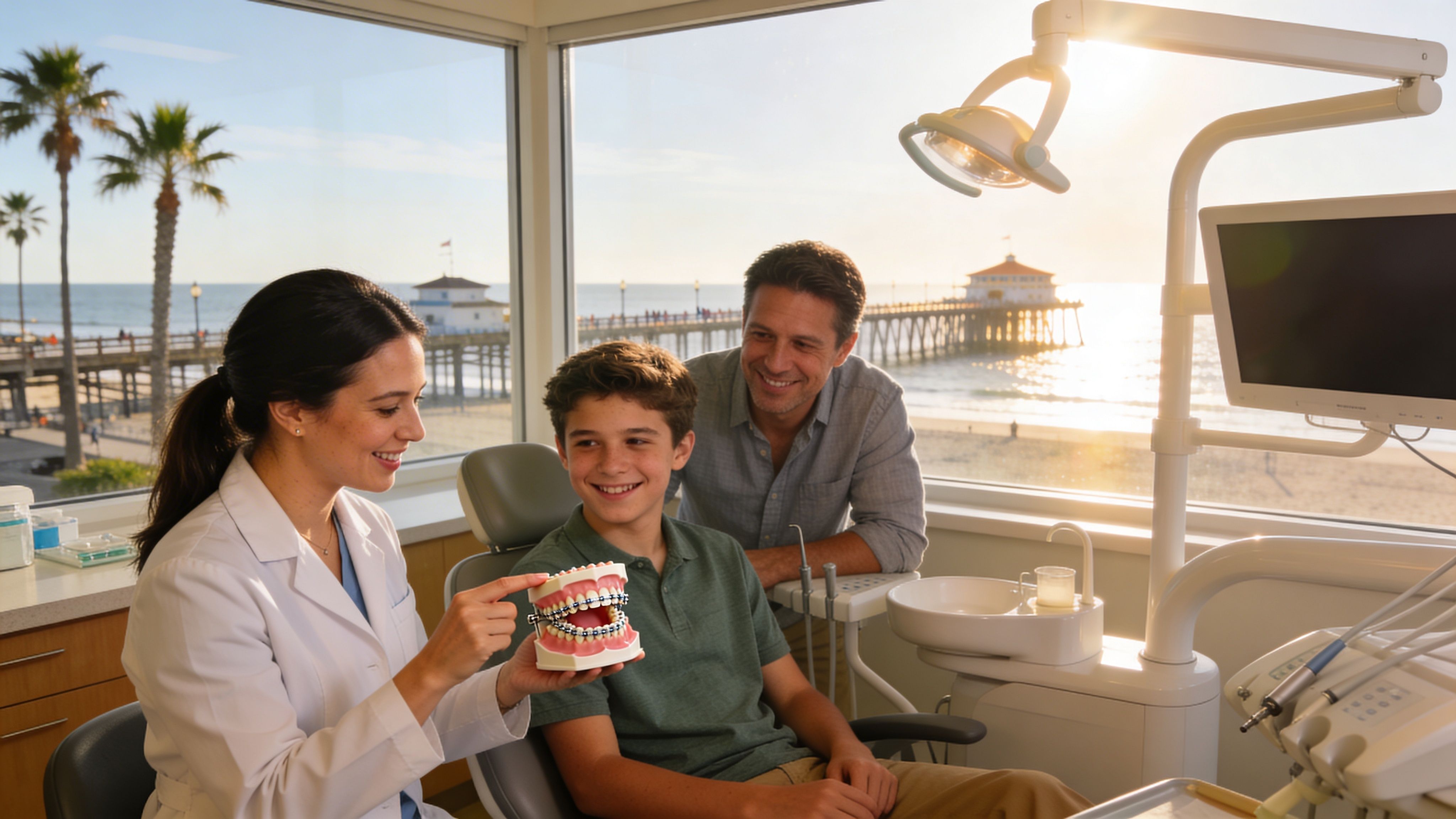
Here is the part I always point out to parents in Oak View, Goldenwest, and Central Fountain Valley. Late fall is already the busiest stretch of our year because school pictures are done, holiday breaks are coming, and kids can get used to new braces without missing class time.
If you wait until the second week of December to start calling around, you are competing with everyone else who just checked their balance. Appointment availability tightens, and a plan that needed three weeks of lead time suddenly needs three days you do not have.
FSA vs. HSA vs. Your Dental Plan's Orthodontic Benefit
These three buckets get confused constantly. Here is how each one behaves as the calendar turns over.
| Account or Benefit | How the Deadline Works | What to Check Right Now |
|---|---|---|
| Flexible Spending Account (FSA) | Often expires at the end of the plan year, with a grace period or small carryover only if your employer allows it | Your exact plan year end date and whether unused funds carry over |
| Health Savings Account (HSA) | Balance rolls over indefinitely; only the yearly contribution limit resets | Current balance and how much you can still contribute this year |
| Dental plan orthodontic benefit | Usually a separate lifetime maximum, not an annual one, and often tied to age limits | Whether orthodontics is included, the lifetime maximum, and any waiting period |
| Limited or focused treatment | No deadline of its own, but a smaller total cost fits a leftover balance better | Whether your concern is one or two teeth or a full bite correction |
The Benefit Most Families Forget: Your Lifetime Orthodontic Maximum
Insurance questions come up on roughly one in ten of our phone calls, and the most common one is simply whether we take a specific plan before anyone comes in. Fair question. But there is a follow-up question I wish more people asked.
Many dental plans carry a separate lifetime orthodontic maximum that sits completely apart from your annual dental maximum for cleanings and fillings. It is a one-time pot of money for orthodontic care, and plenty of people never find out it existed.
Callers with Delta Dental PPO, Cigna PPO, and MetLife ask about this all the time, and the answer genuinely varies by employer group, not just by carrier. Two neighbors on Adams can both have Delta Dental and have very different orthodontic coverage.
What I would check before the year turns over:
- Whether your plan includes orthodontics at all
- The lifetime orthodontic maximum amount, if there is one
- Any age cutoff that applies to dependents
- Whether a waiting period has to pass before benefits kick in
- How the benefit pays out, since many release funds in monthly installments rather than all at once
Stacking matters here. Your orthodontic benefit and your FSA or HSA are two different sources, and using both together often changes what your monthly number looks like. Our post on how insurance handles braces coverage breaks that down further.
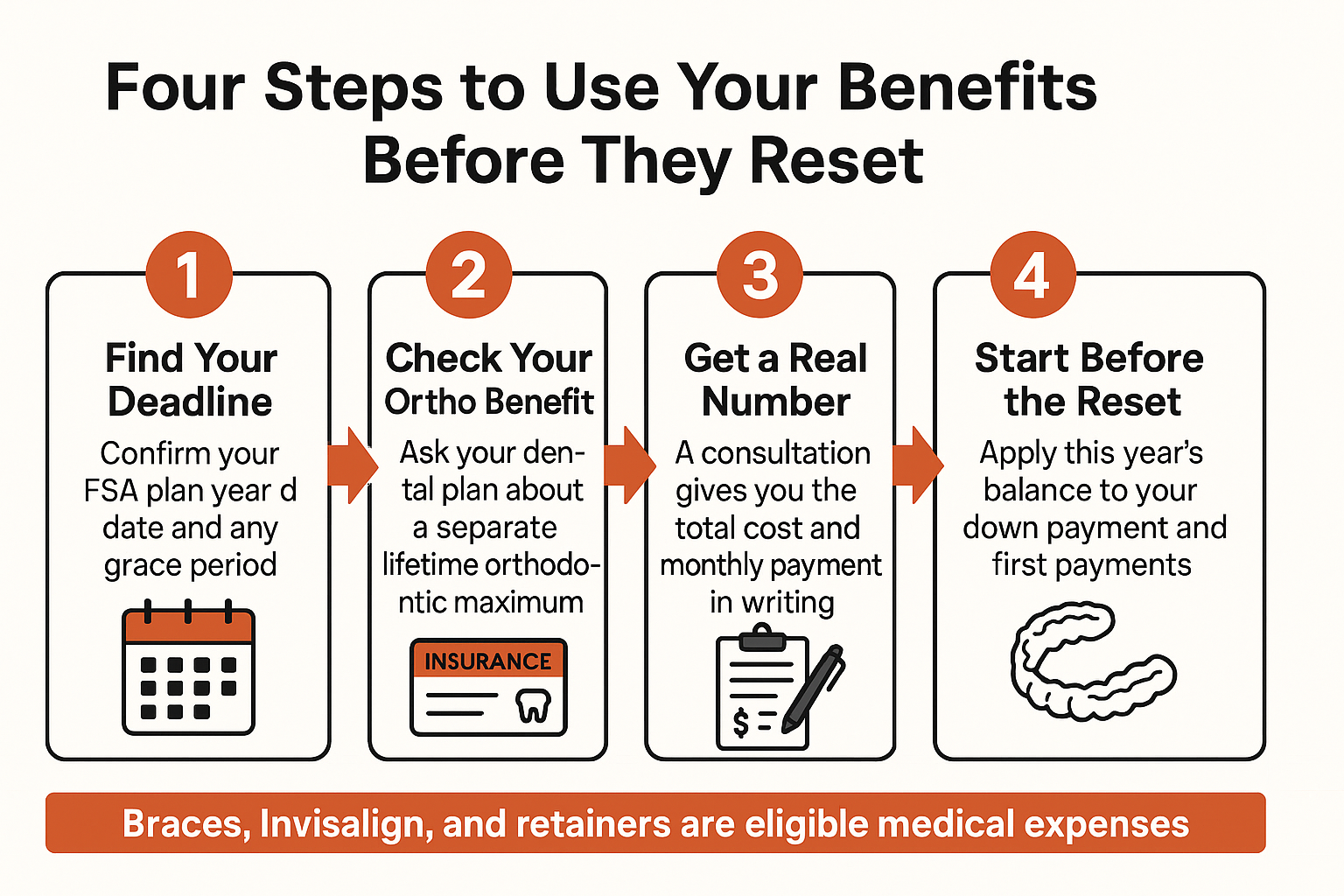
Four Steps to Use Your Benefits Before They Reset
This is the order I would follow if you want to spend down a balance without rushing the treatment decision.
Limited Treatment: A Smaller Way to Spend a Leftover Balance
A good number of the adults who reach out to us are not asking for years of braces. They describe one thing that bothers them, usually mild crowding on the lower front teeth, and they want to know if there is a shorter option.
There often is. Focused touch-up treatment addresses one or two specific concerns rather than repositioning the whole bite, and because the scope is smaller, the total investment and the timeline are usually smaller too.
That makes it a natural fit for a leftover FSA balance. A shorter plan can sometimes be covered largely or entirely by benefits you already have, without signing up for a multi-year commitment.
I want to be straight with you about the tradeoff. Focused treatment works when the underlying bite is stable and the issue is limited. If your bite is contributing to the crowding, Dr. Jeremy and Dr. Melissa will tell you that at the consultation rather than sell you a short plan that will not hold.
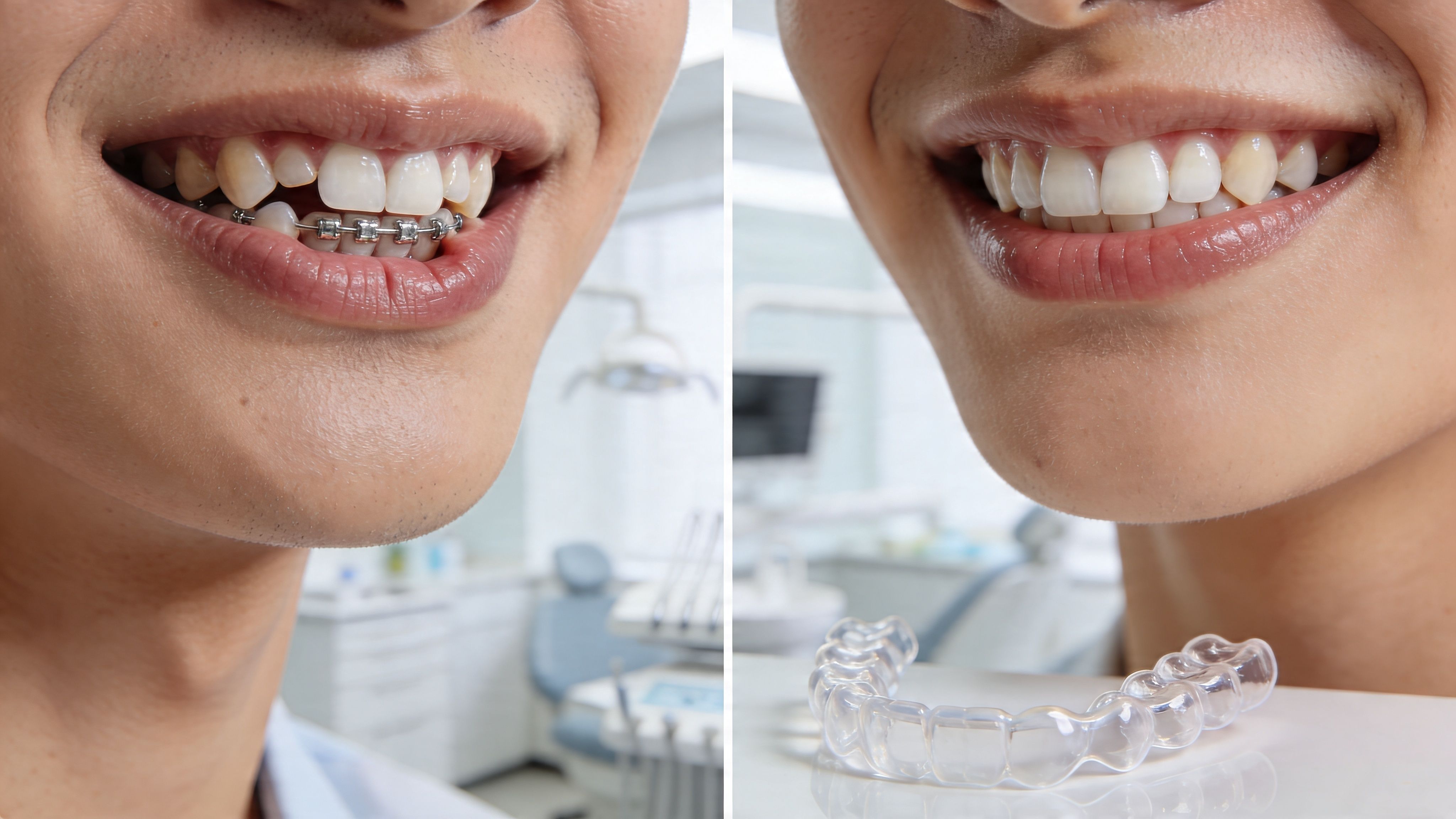
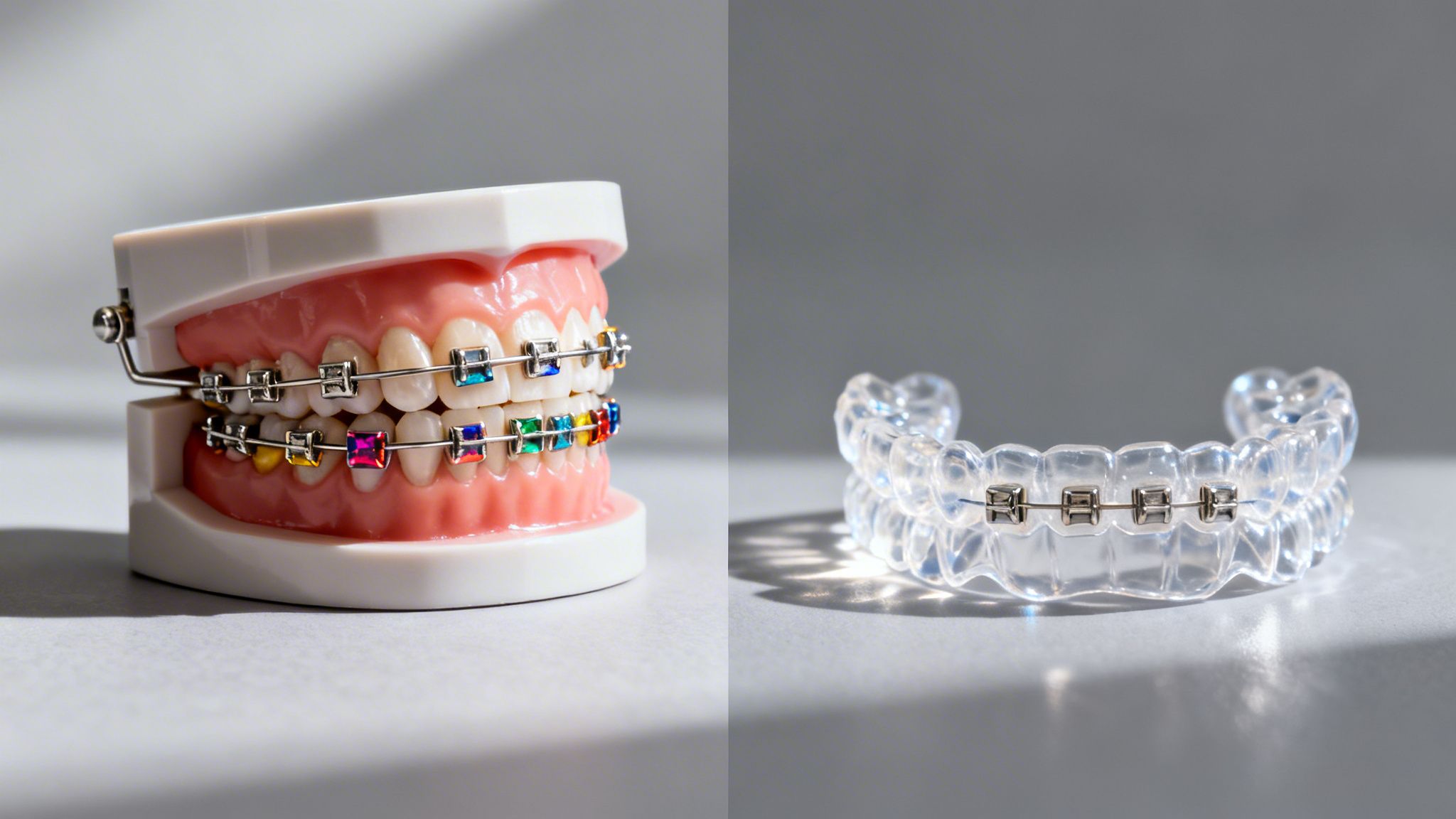
That honesty is the whole point of a personalized treatment plan. Some people leave with a six month option, some leave understanding why full treatment makes more sense, and both groups leave knowing exactly why. If you are still weighing the format, our comparison of adult braces and Invisalign is a useful next read.
Why the Consultation Is the Step That Unlocks Everything
Cost questions come up on our calls constantly, and I understand why. Nobody wants to submit a benefits claim based on a guess.
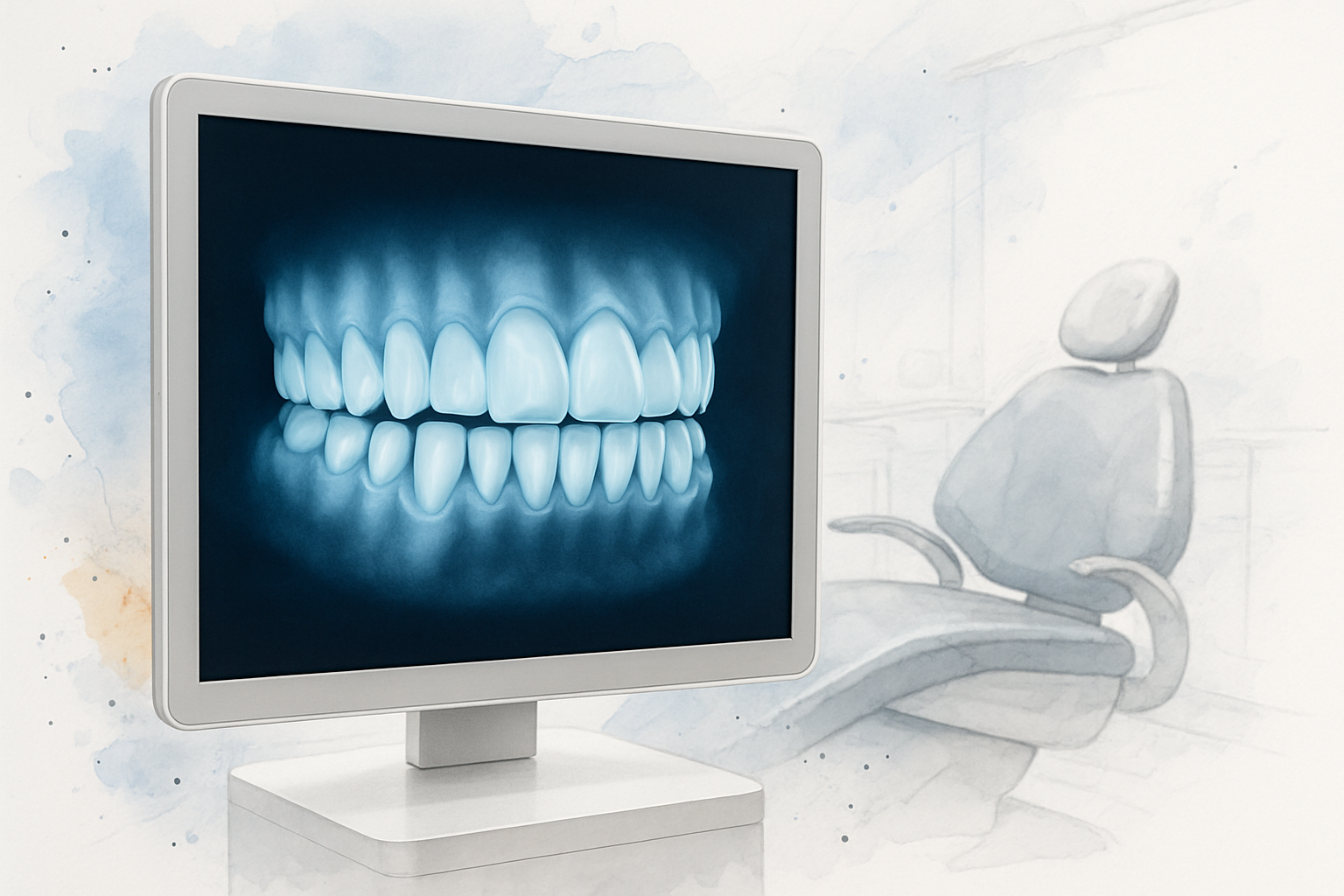
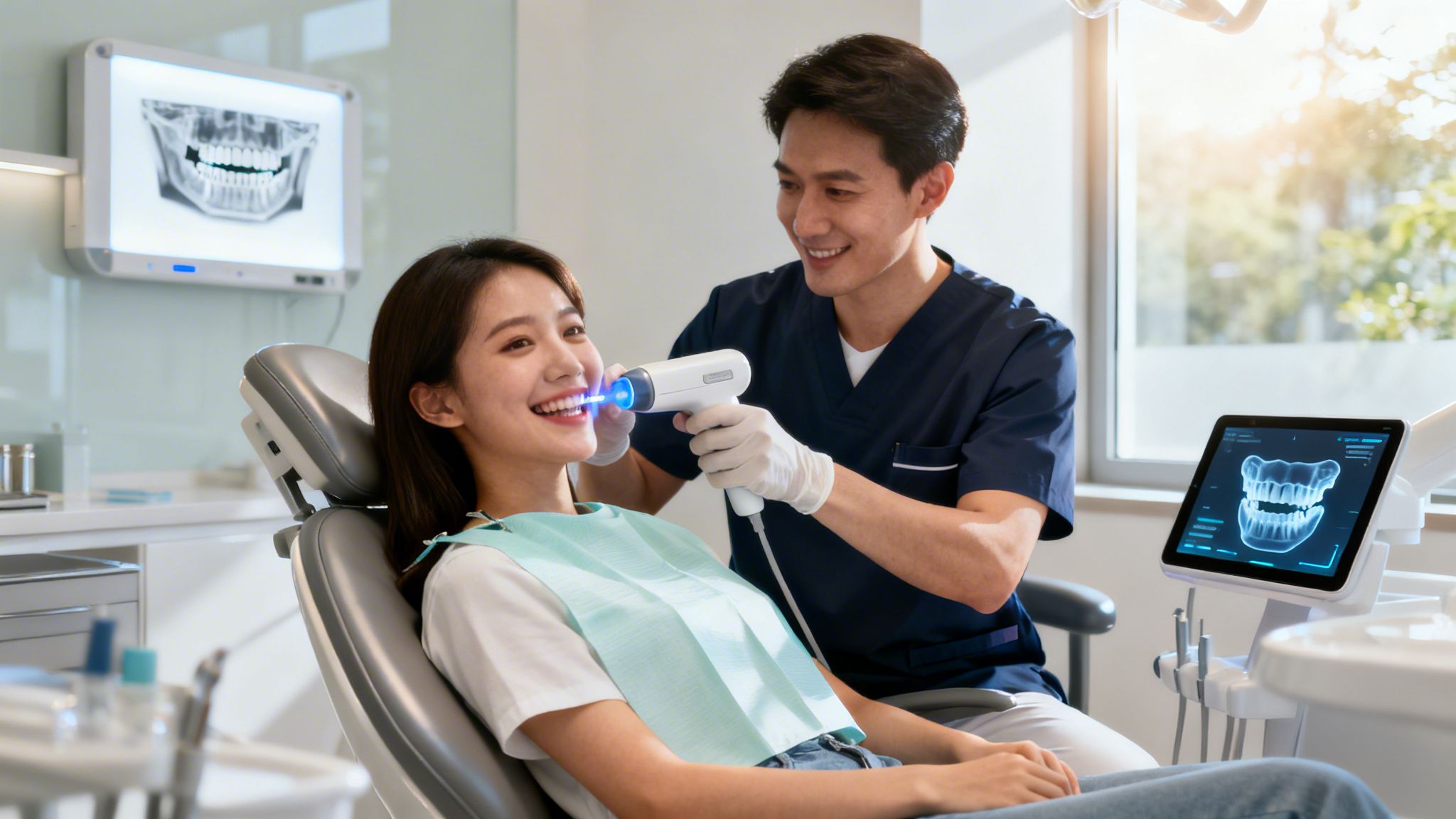
A consultation is where the guessing stops. You get imaging, a look at what is actually happening with your teeth, and a written treatment plan with a total cost and a monthly payment. That is the document your FSA administrator wants and the number your spouse wants before you commit.
For our practice, a new patient consultation is complimentary, and it takes about an hour. Coming from Wintersburg, Downtown Huntington Beach, Talbert Village, or Newland, you are looking at a short drive down Beach Boulevard, which is part of why families who are shopping around tend to fit us in early.
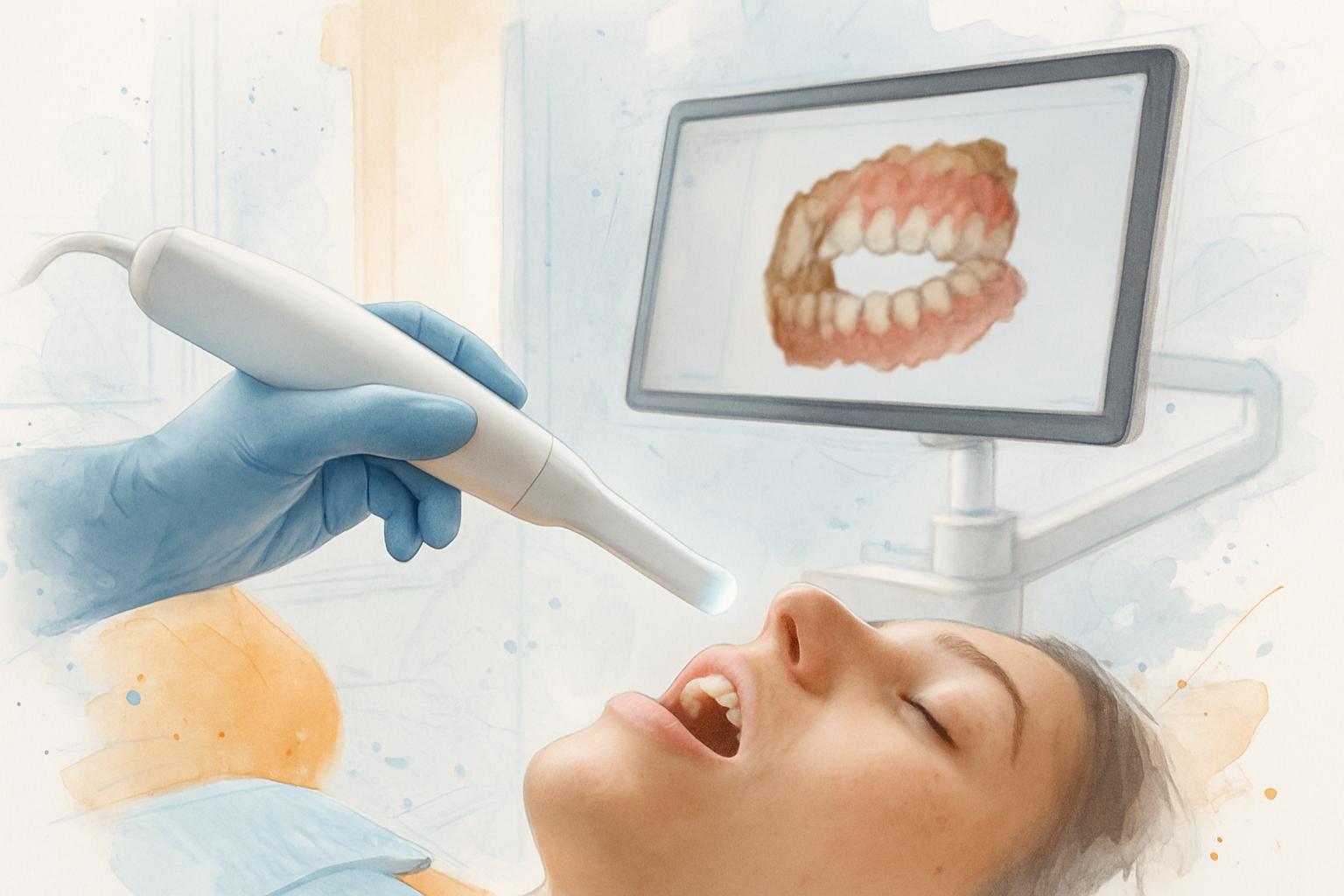
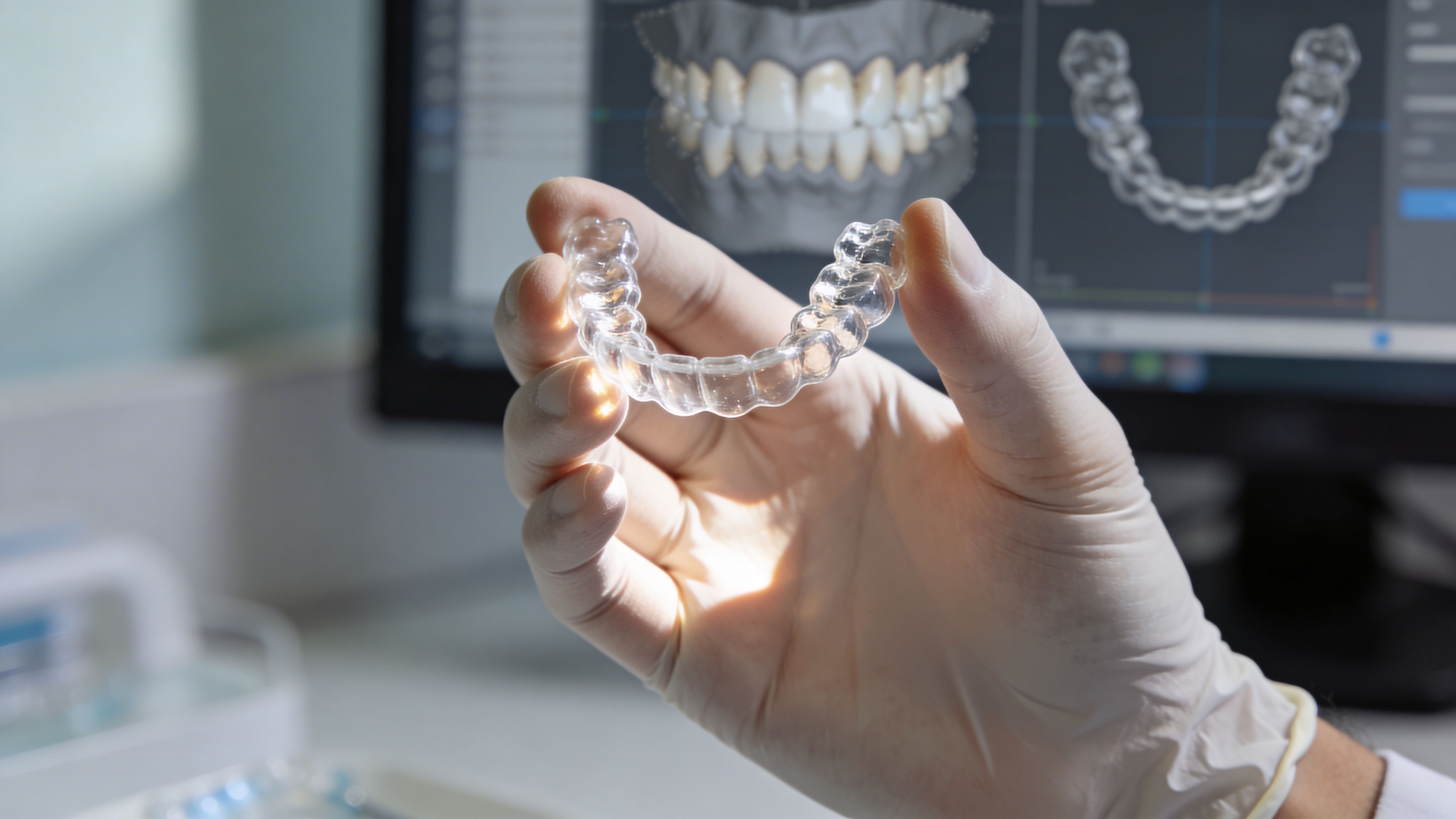
One more thing worth knowing. Modern orthodontics has moved past the old impression trays. We use digital scanning, and the reaction I get most often is relief that there is no putty involved.
If you are comparing formats and want a sense of how the numbers differ, our breakdown of Invisalign cost versus braces cost covers the factors that move the total up or down. Every case is priced on what your teeth actually need, so treat any published range as context rather than a quote.
Frequently Asked Questions About Using FSA and HSA Funds for Orthodontics
Can I pay for my child's braces with my FSA even if the treatment lasts two years?
Yes. Most plans reimburse orthodontic costs as they are incurred, so this year's balance typically goes toward the down payment and early monthly payments, and next year's contributions pick up from there. Ask your plan administrator how they handle multi-year orthodontic contracts, because a few allow you to submit the full contract amount up front.
Is the consultation free, and will I get an actual cost before my FSA resets?
New patient consultations at our office are complimentary, and you leave with a real treatment plan and a real number rather than a ballpark. That is exactly what you need to submit to a benefits administrator or to decide whether to start before December.
What if I have an HSA instead of an FSA? Should I still start now?
HSA funds do not expire, so there is no cliff. But your annual contribution limit resets, and starting treatment now means the money you set aside this year and next year both go toward the same plan.
I am in my 50s. Is it too late for me to use these benefits on treatment?
Not at all. We treat patients well into their 70s, and one of our reviewers put it plainly at 76 years old: "My smile is awesome!!" Age limits show up in dental insurance for dependents, not in your ability to have teeth moved, so it is worth asking about your plan's specific terms.
Do you work with Medi-Cal for orthodontic treatment?
We work with a range of plans, including Delta Dental PPO, Cigna PPO, MetLife, and Medi-Cal, and coverage depends on your specific plan and whether the case meets the criteria your plan uses. The fastest way to get a straight answer is to call with your plan details in hand so we can look at it with you.
Want to know what your benefits actually cover before the year turns over?
If you have a balance sitting in an FSA or HSA and a question about whether your plan includes an orthodontic maximum, a consultation is the fastest way to turn that into real numbers. Magic Fox Orthodontics is on Beach Boulevard, convenient and local for families across Huntington Beach and Fountain Valley, and we work with plans including Delta Dental PPO, Cigna PPO, MetLife, and Medi-Cal. Consultations with Dr. Jeremy and Dr. Melissa can be arranged at 714-594-5777 or at magicfoxsmiles.com when you are ready to look at your options.