Is Your Teen a Good Fit for Invisalign? Here Is What to Consider
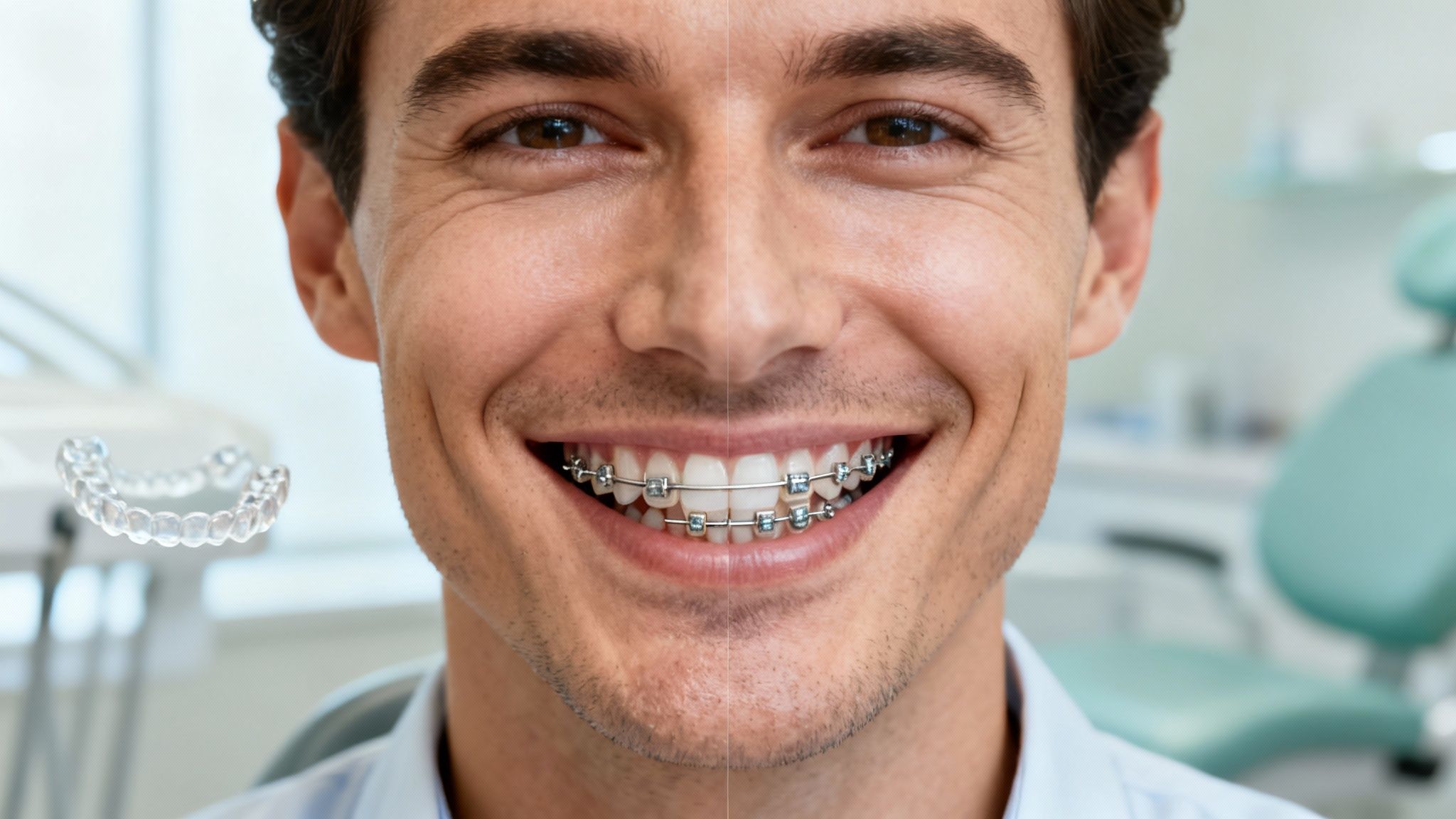
Direct Answer: A teen is a good Invisalign fit when the case is mild to moderate and the teen can wear trays 20 to 22 hours a day. Forgetful or contact-sport teens often do better with braces.
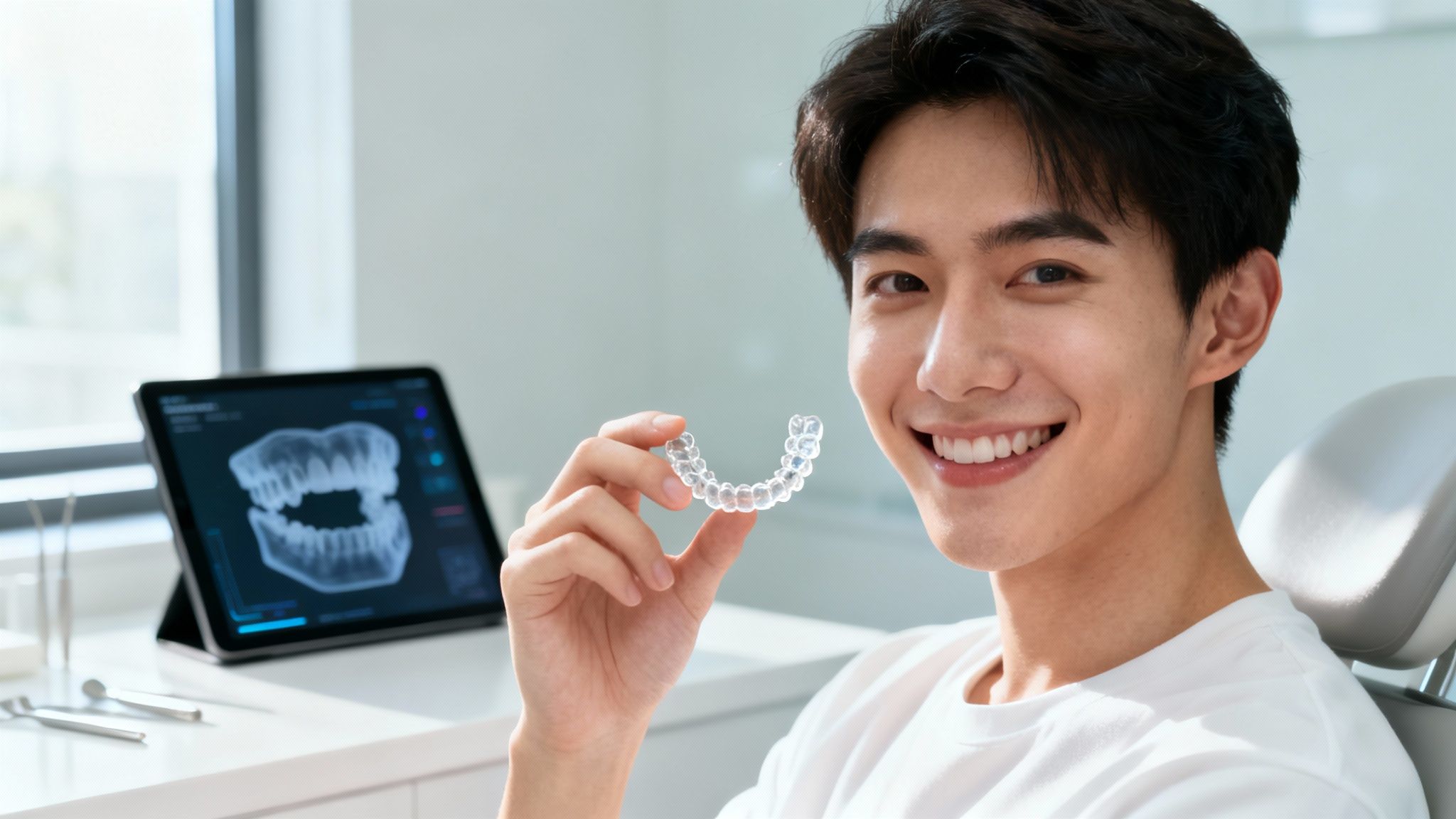
Most parents who reach out to us about Invisalign for their teenager are not asking whether it works. They already know it does. What they are really asking is whether their kid, the one who leaves a retainer in a lunch bag or forgets a sweatshirt at practice, will actually wear the trays.
That is a fair question, and I hear it constantly from families across Oak View, Goldenwest, Downtown Huntington Beach and Central Fountain Valley. It deserves an honest answer instead of a sales pitch.
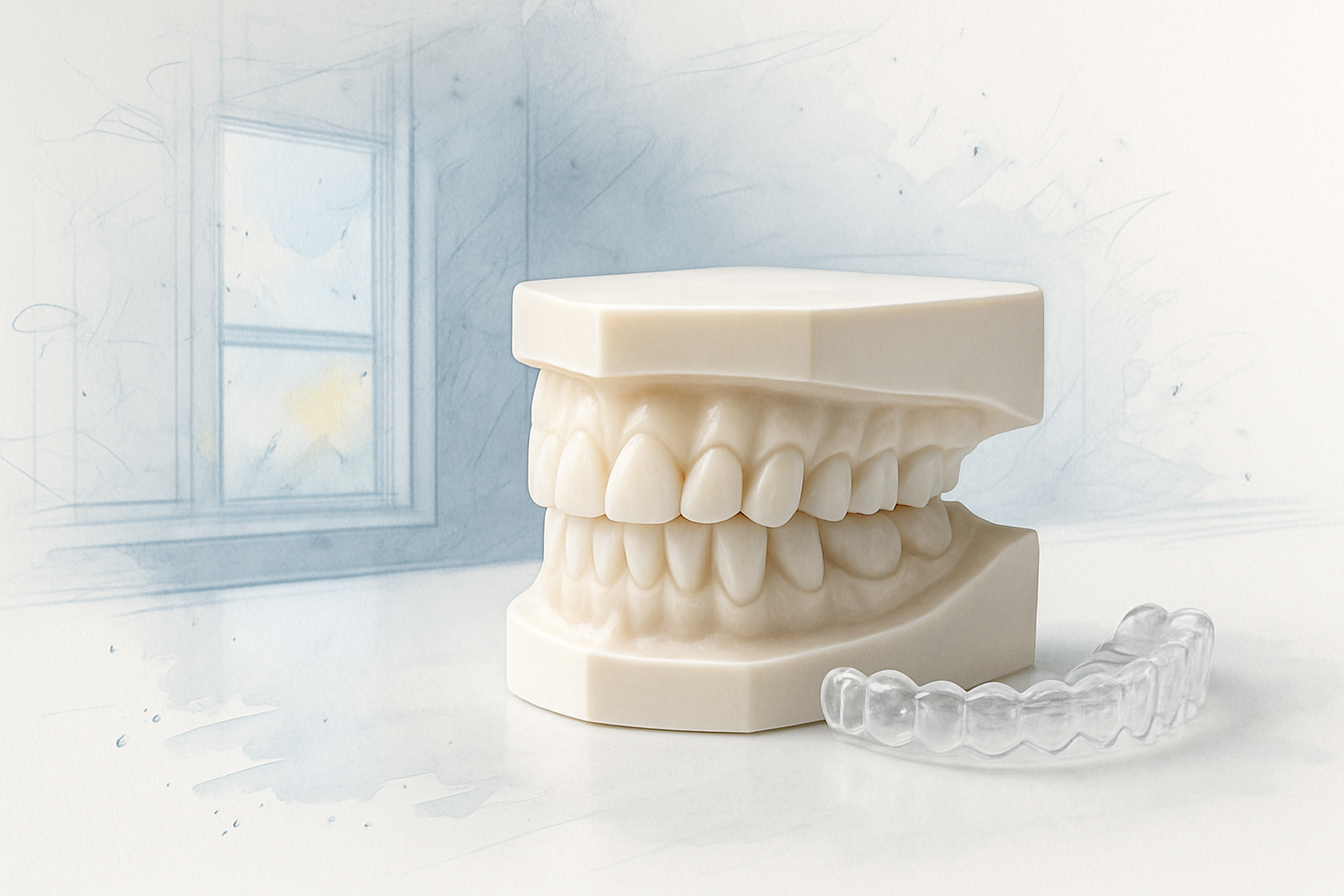
So let me walk you through the three things that actually decide whether Invisalign for teens is the right call: the daily wear math, how the teen version of the product is built, and what the clinical picture says. By the end you will know which questions to bring to a consultation.
The Wear Time Math Nobody Explains Clearly
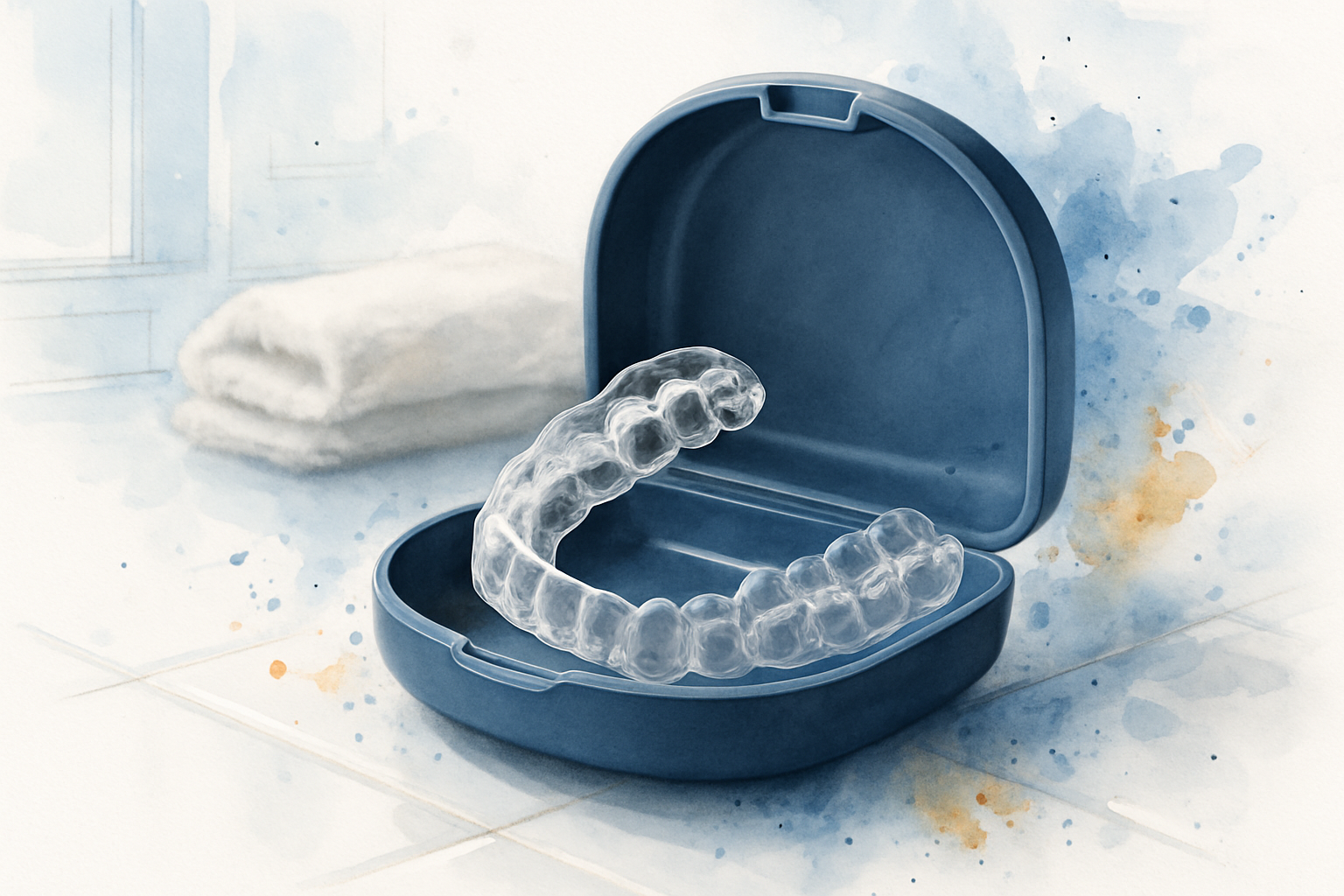
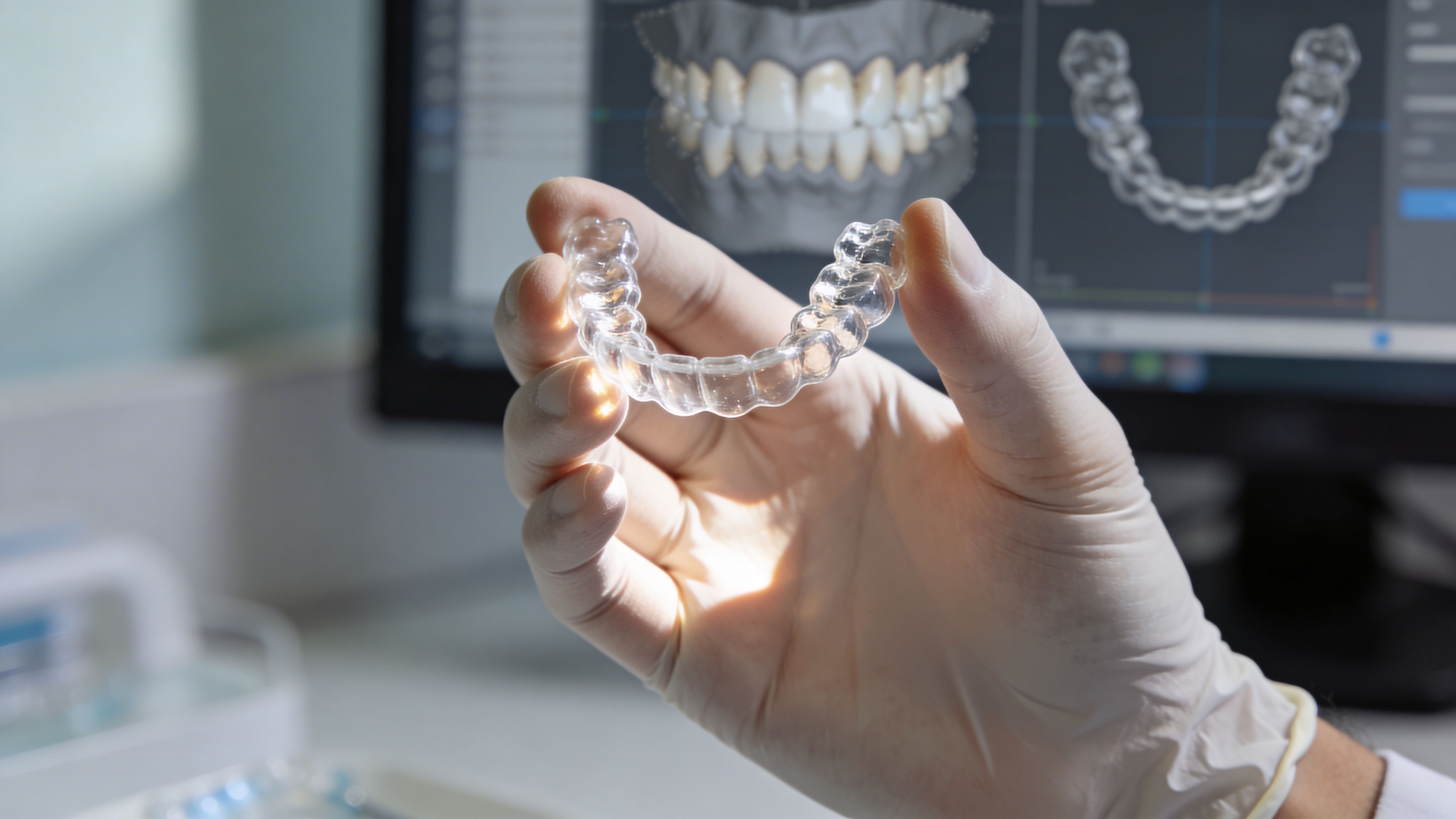
Invisalign moves teeth on a schedule, and that schedule assumes 20 to 22 hours of wear every single day. Do the subtraction and you are left with 2 to 4 hours for all meals, snacks, anything to drink other than water, and brushing.
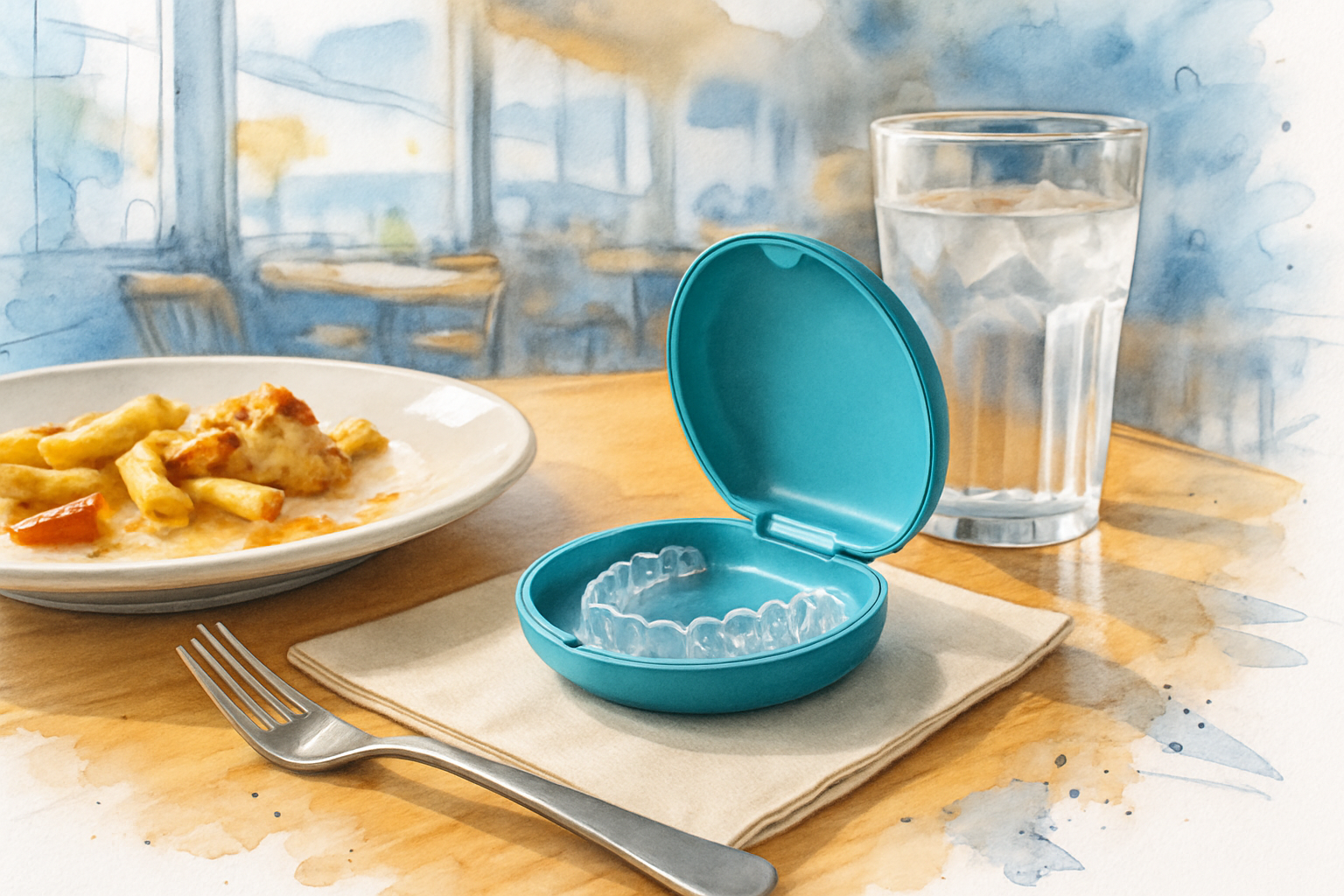
That sounds generous until you picture a real school day. Lunch, a snack after class, a boba run with friends, dinner, and suddenly the trays have been out for five hours.
When that becomes a pattern, here is what happens:
- Teeth stop tracking with the aligner, so movement slows down
- Appointments get stretched out and the treatment timeline grows
- Additional aligner sets are sometimes needed, which can add both time and cost
None of that is a disaster. But it is the difference between finishing on schedule and finishing several months late.
This is why I would rather have a blunt conversation about routines up front than six months into treatment. A teen who already remembers a phone charger, a water bottle and a mouthguard without being reminded usually handles aligners fine. A teen who needs three reminders to take out the trash may need a different plan, and there is nothing wrong with that.
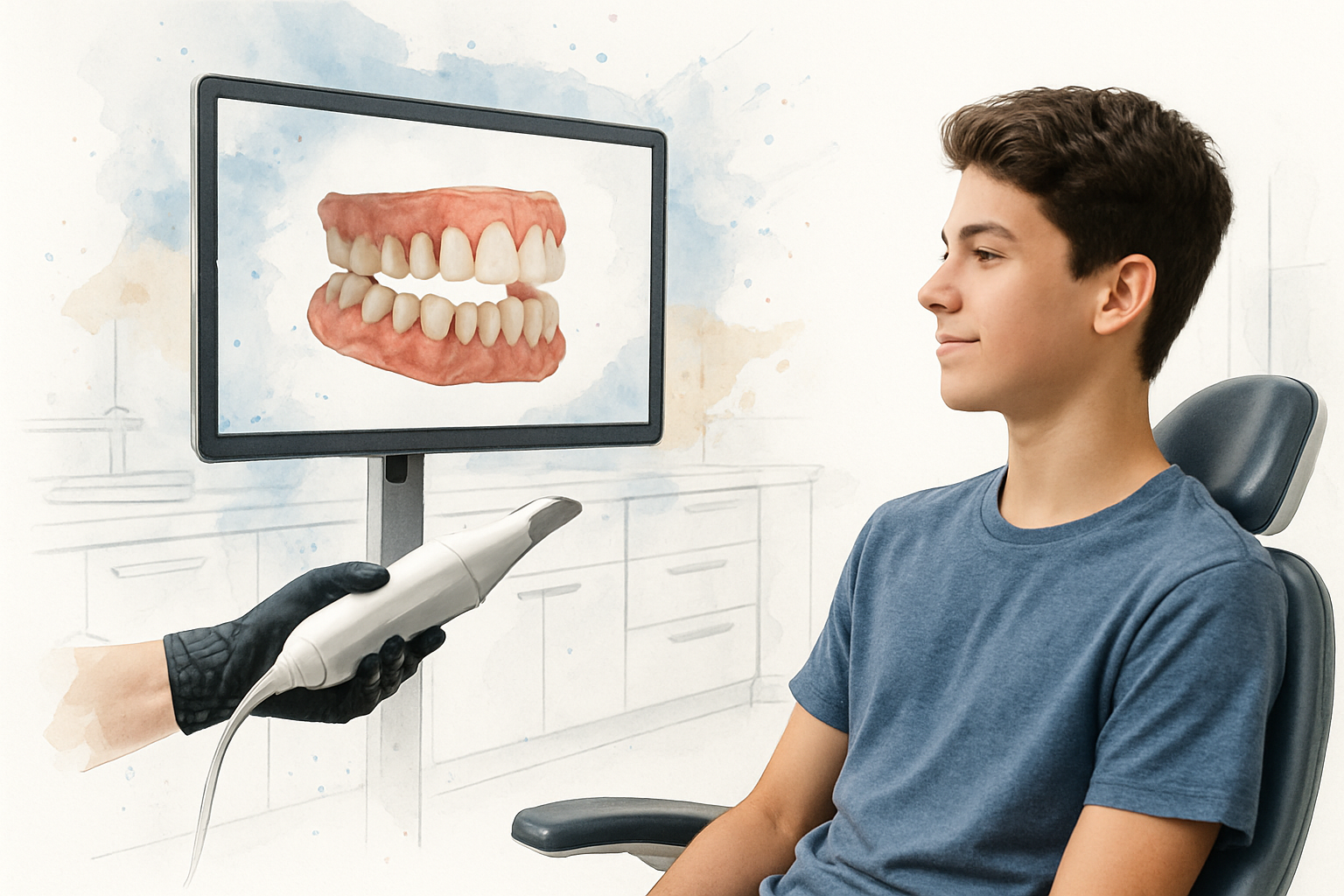
Invisalign Teen Is Not Just the Adult Product With a New Label
This trips up a lot of parents. The teen version is engineered for a mouth that is still changing, and the differences matter.
- Eruption tabs. These are small spaces built into the trays that leave room for teeth that have not fully come in yet. That means treatment can start before every adult tooth has arrived.
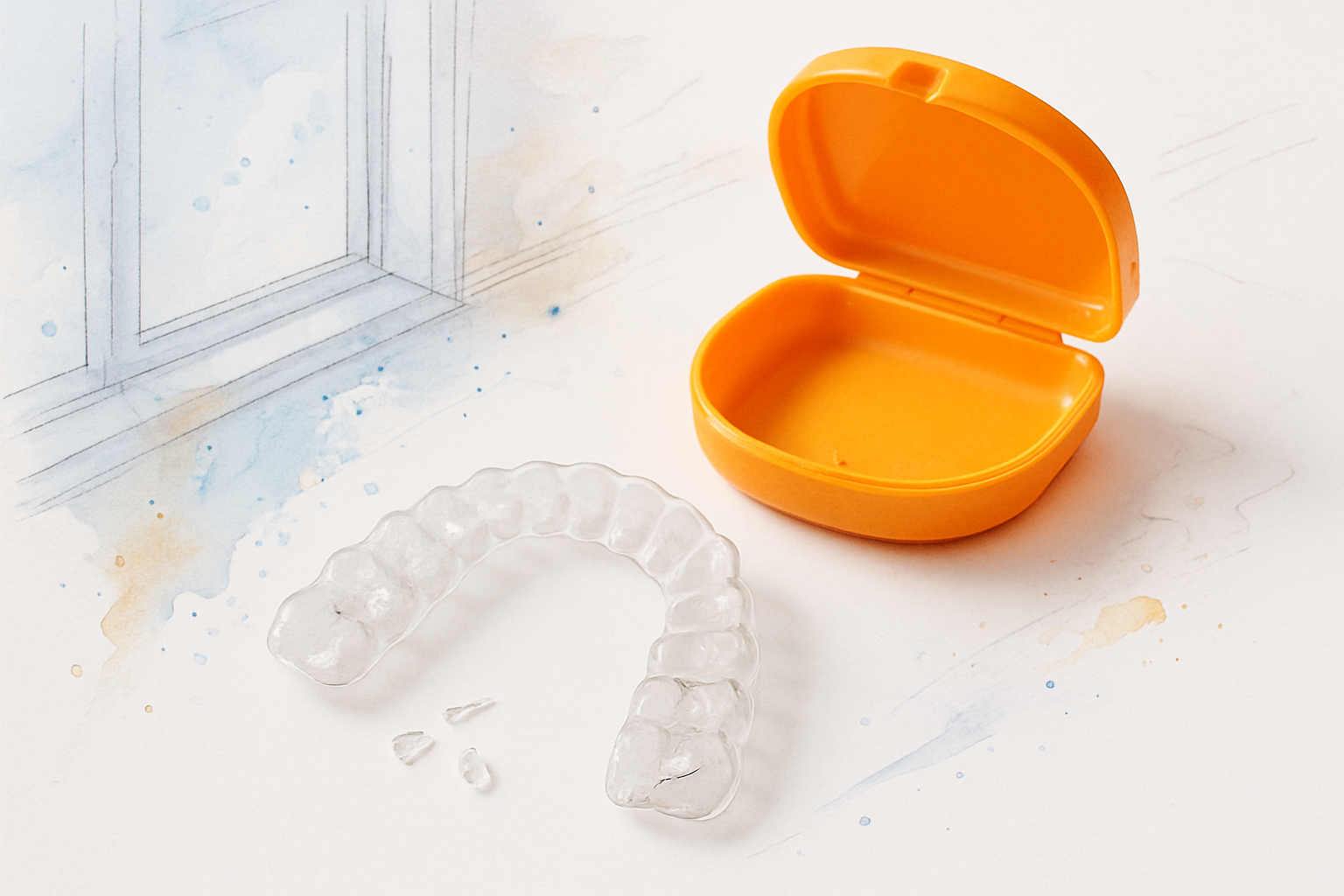
- Up to six replacement aligners included. Trays get lost in backpacks and cracked in gym bags. Having replacements built into the plan takes the panic out of it.
- Compliance indicators. Small blue dots on the back of each tray fade toward clear as they get worn. You can glance at them and know whether your teen is hitting the daily requirement.
That last one is the feature parents thank me for most. It turns a nightly argument into a five second check.
I have watched it change the whole dynamic at home. Instead of "did you wear them today," the tray answers the question itself, and the teen owns the result. If you want the fuller picture on how families here weigh aligners for kids and teens, we covered it in more depth in our guide to clear aligners for teens in Huntington Beach.
Signs Your Teen Is Ready, and Signs to Talk Through First
Here is the quick gut check I walk parents through before we look at a single X-ray.
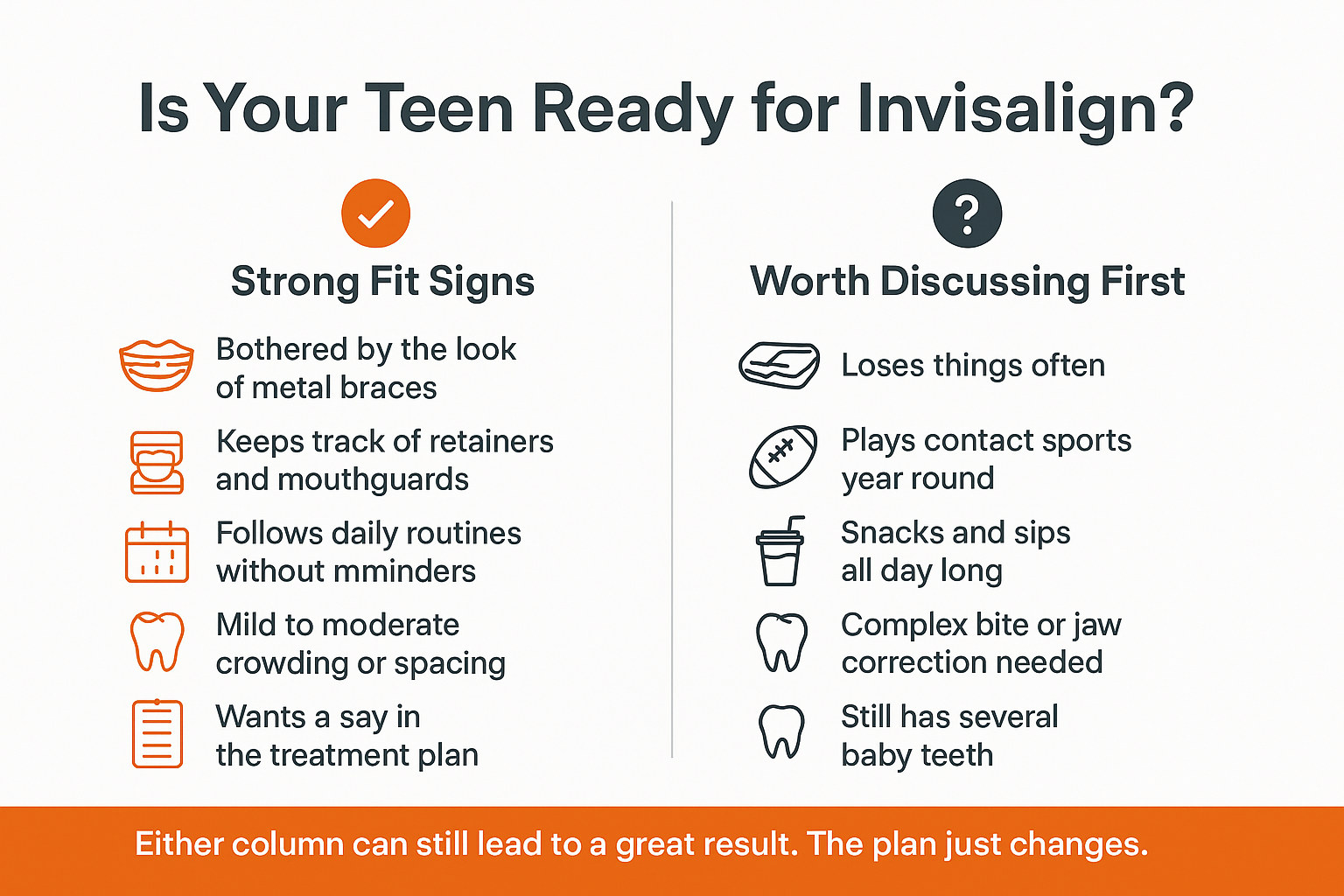
Personality and Lifestyle Matter as Much as the Teeth
I want to be clear about something: none of the items in that right hand column disqualify a teen. They just change the conversation.
Take contact sports, which is a big one in this area. A teen playing water polo, football or lacrosse is pulling trays out for every practice and every game, and a mouthguard cannot go over aligners. Add that up across a season and the wear time gets tight.
A teen who genuinely dislikes how metal braces look, on the other hand, often becomes the most compliant patient in the office. Motivation does a lot of the work.
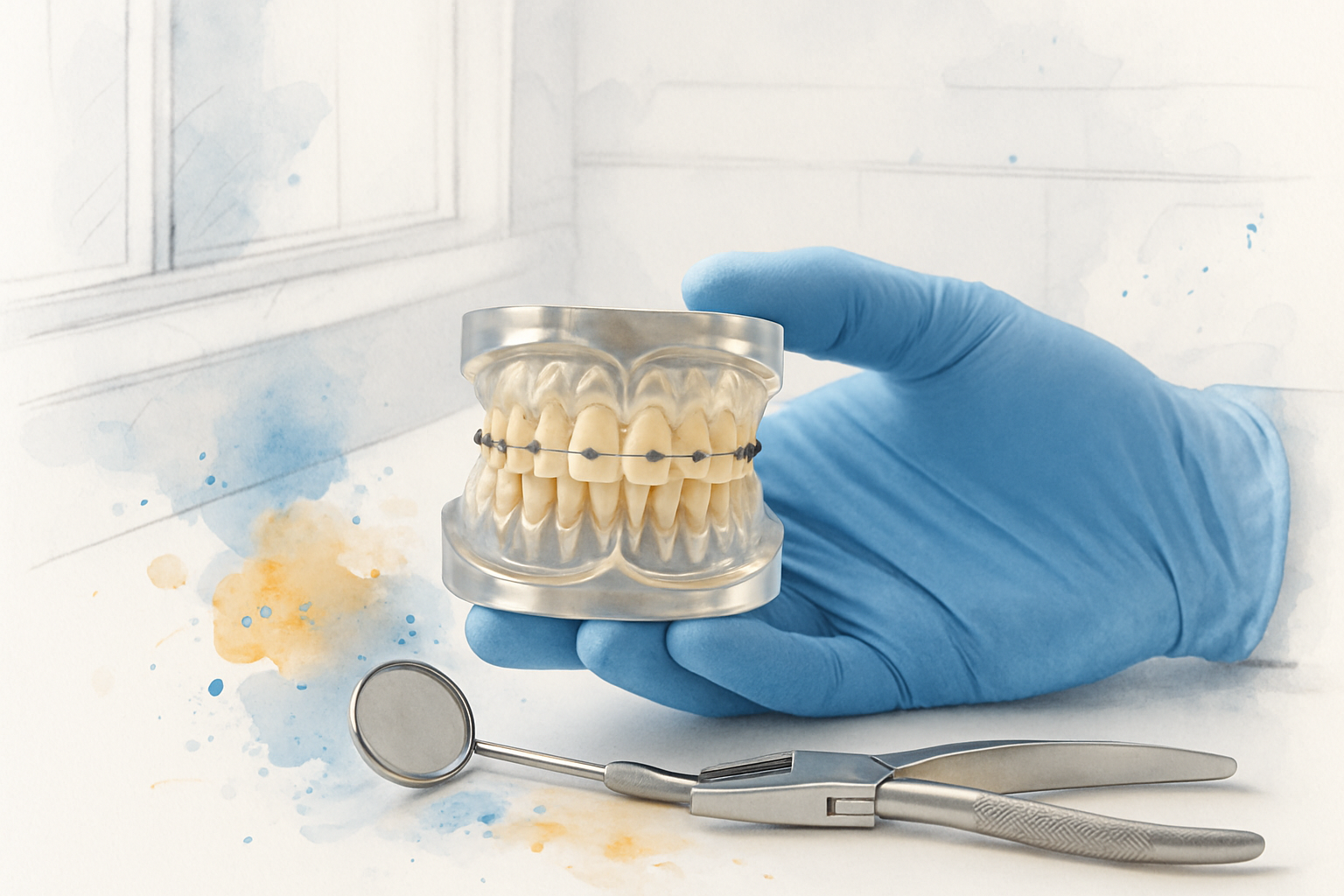
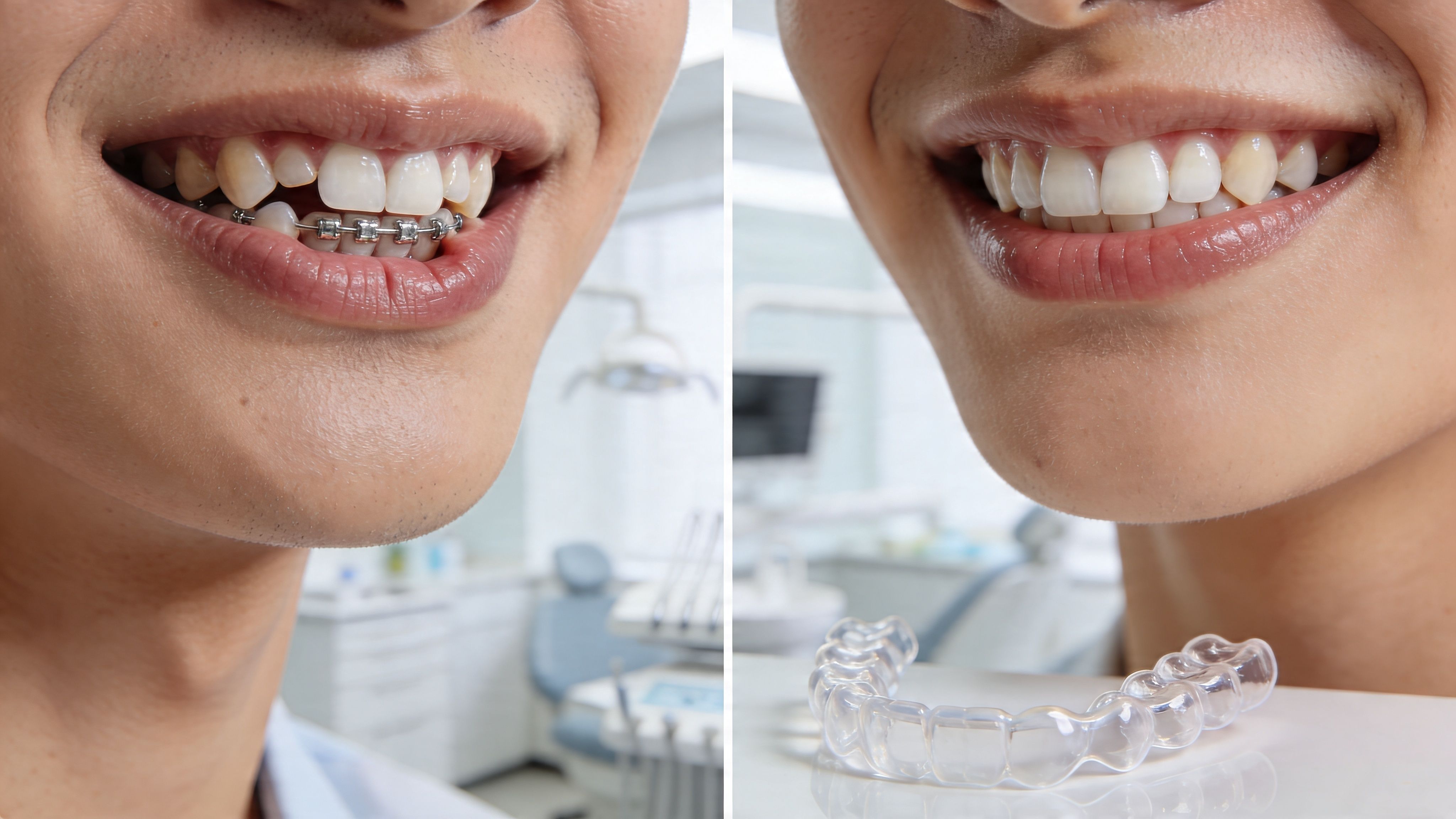
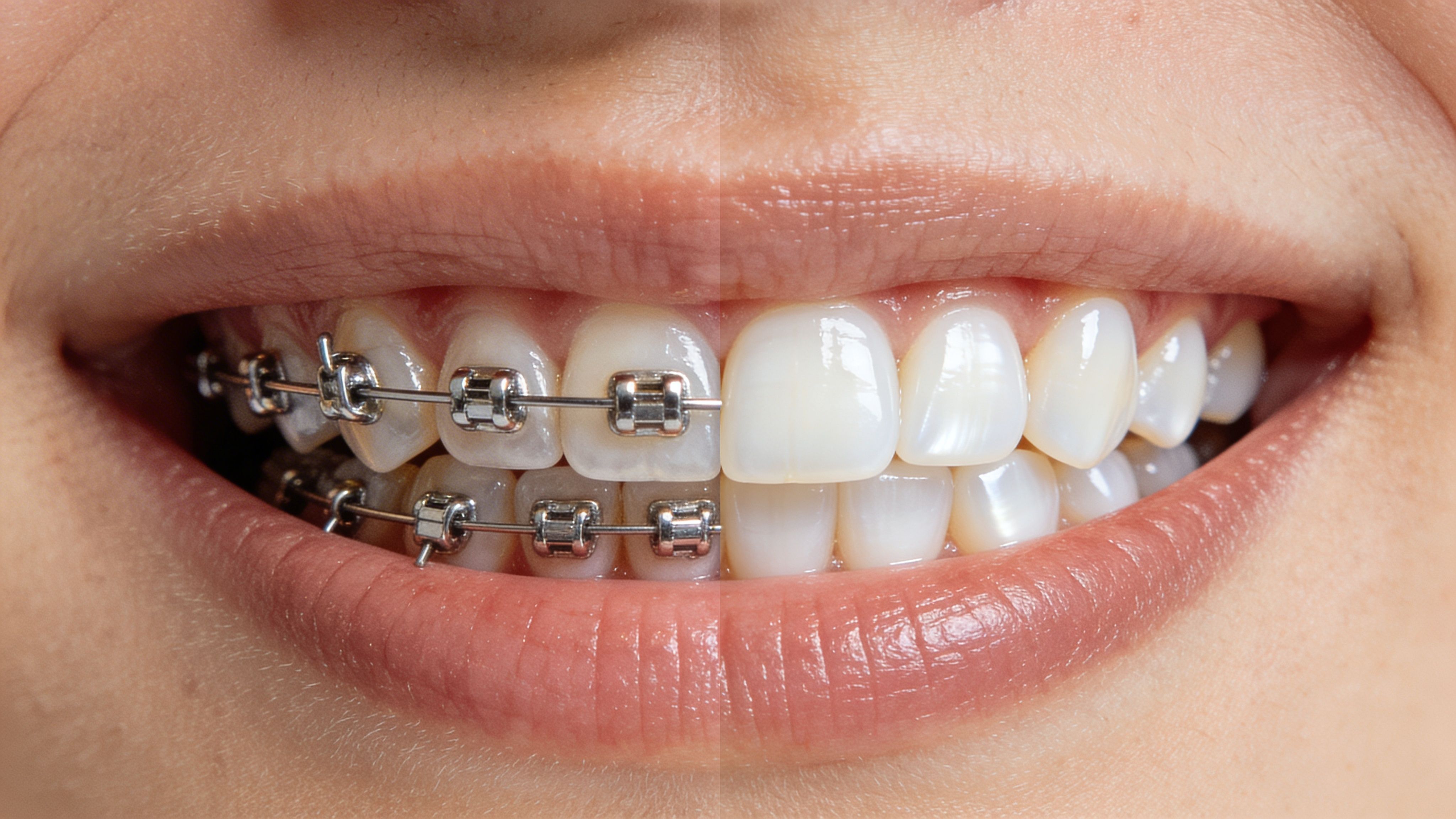
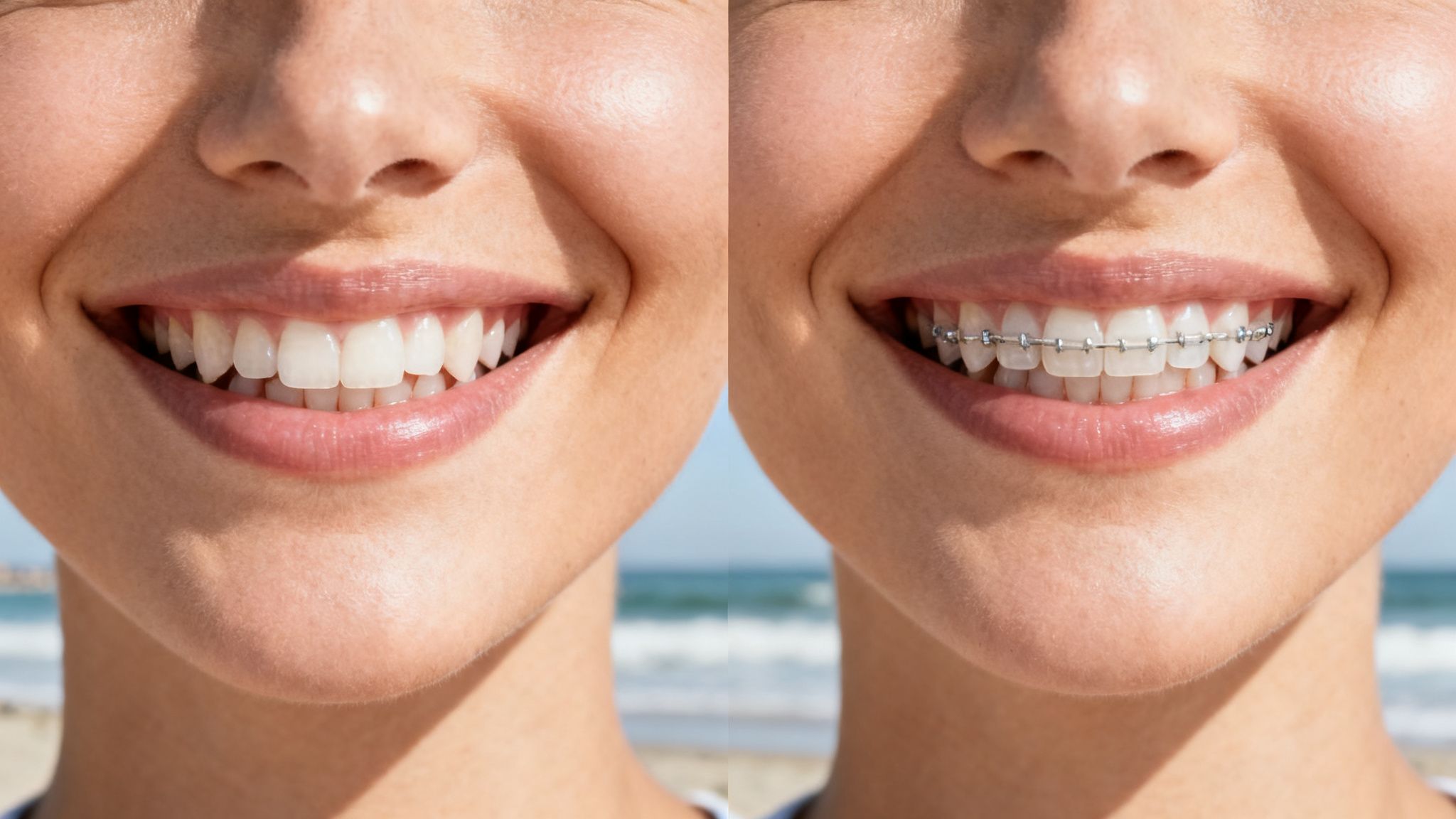
And if the removable format is a hard no, fixed braces are still an excellent path. Braces require zero compliance because they never come out, which is exactly why they suit some teens better. For teens who want something fixed but more subtle than standard silver, Iconix champagne-colored brackets sit right in the middle. There is no ranking here, only fit. Our side by side breakdown of Invisalign or braces for your teen goes deeper on the trade-offs.
Three Teen Options, Side by Side
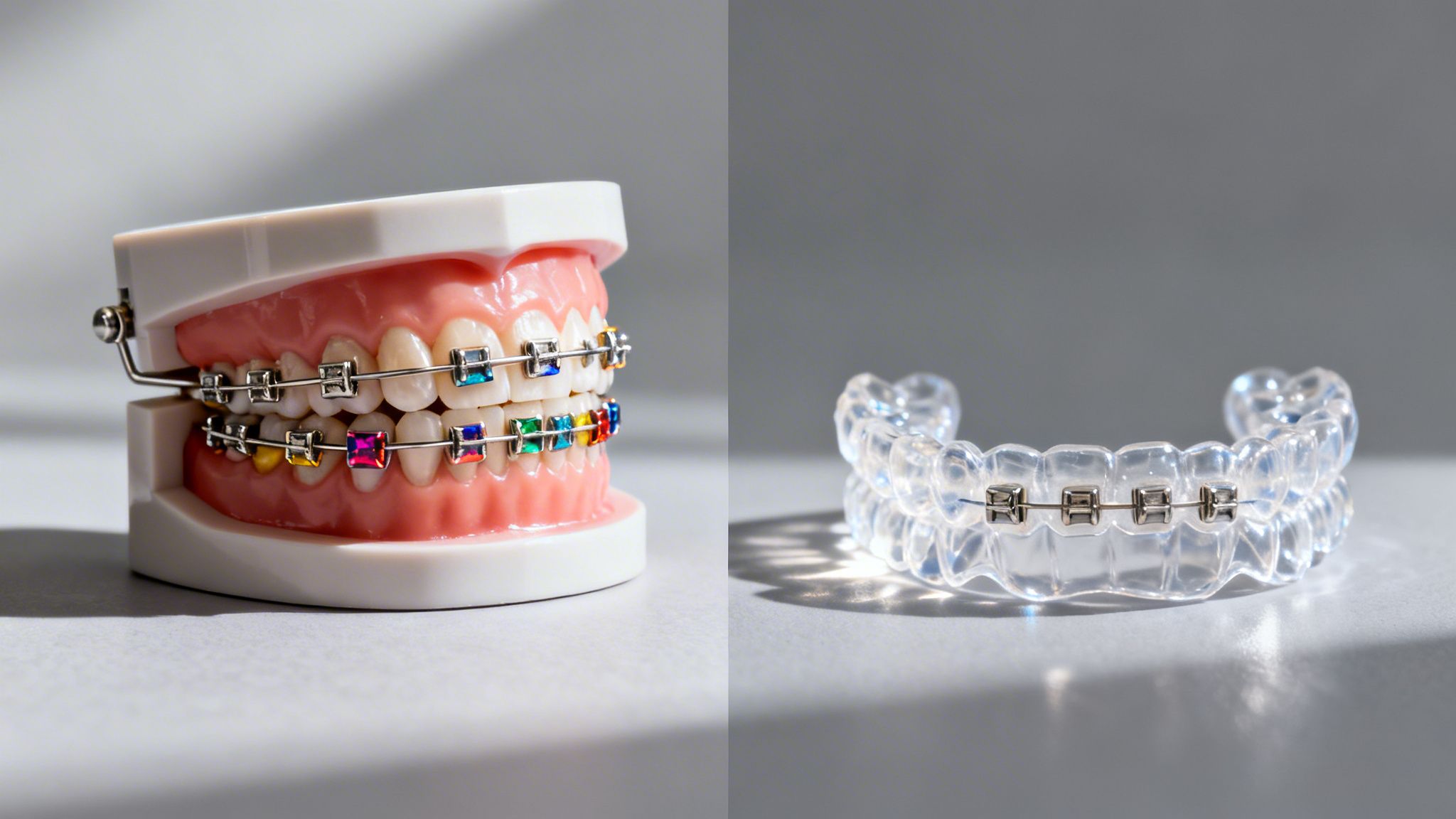
This is the comparison I sketch out for parents on the consultation room screen. Every column has real advantages.
| Option | Often suits the teen who... | Trade-offs to weigh |
|---|---|---|
| Invisalign clear aligners | Is self-motivated, self-conscious in photos, and wants no diet restrictions | Requires 20 to 22 hours of daily wear; trays can be lost; may not fit complex jaw corrections |
| Traditional metal braces | Would struggle with a removable appliance, or has a more involved bite issue | Most visible option; some foods off limits; brushing takes more effort |
| Iconix champagne-colored brackets | Wants a fixed appliance that looks noticeably more refined than silver | Still visible up close; same food and hygiene adjustments as metal braces |
The Clinical Picture Still Decides a Lot
Several parents in Oak View and Goldenwest have asked me the same two questions this year. Can Invisalign handle crowding plus a bite problem? And can a younger teen who still has some baby teeth start now?
The honest answer to both is that it depends on what we see in the scan and imaging, not on a general rule.
Aligners handle mild to moderate crowding, spacing, and many common bite issues well. More involved jaw corrections and very young patients sometimes point toward metal braces instead, or toward early Phase 1 treatment.
For younger kids, Invisalign First is designed to guide jaw development and make room for incoming teeth without bulky appliances. That is a different conversation than teen treatment, and it starts earlier. The American Association of Orthodontists recommends a first orthodontic check by age 7, and you can read their reasoning at the AAO.
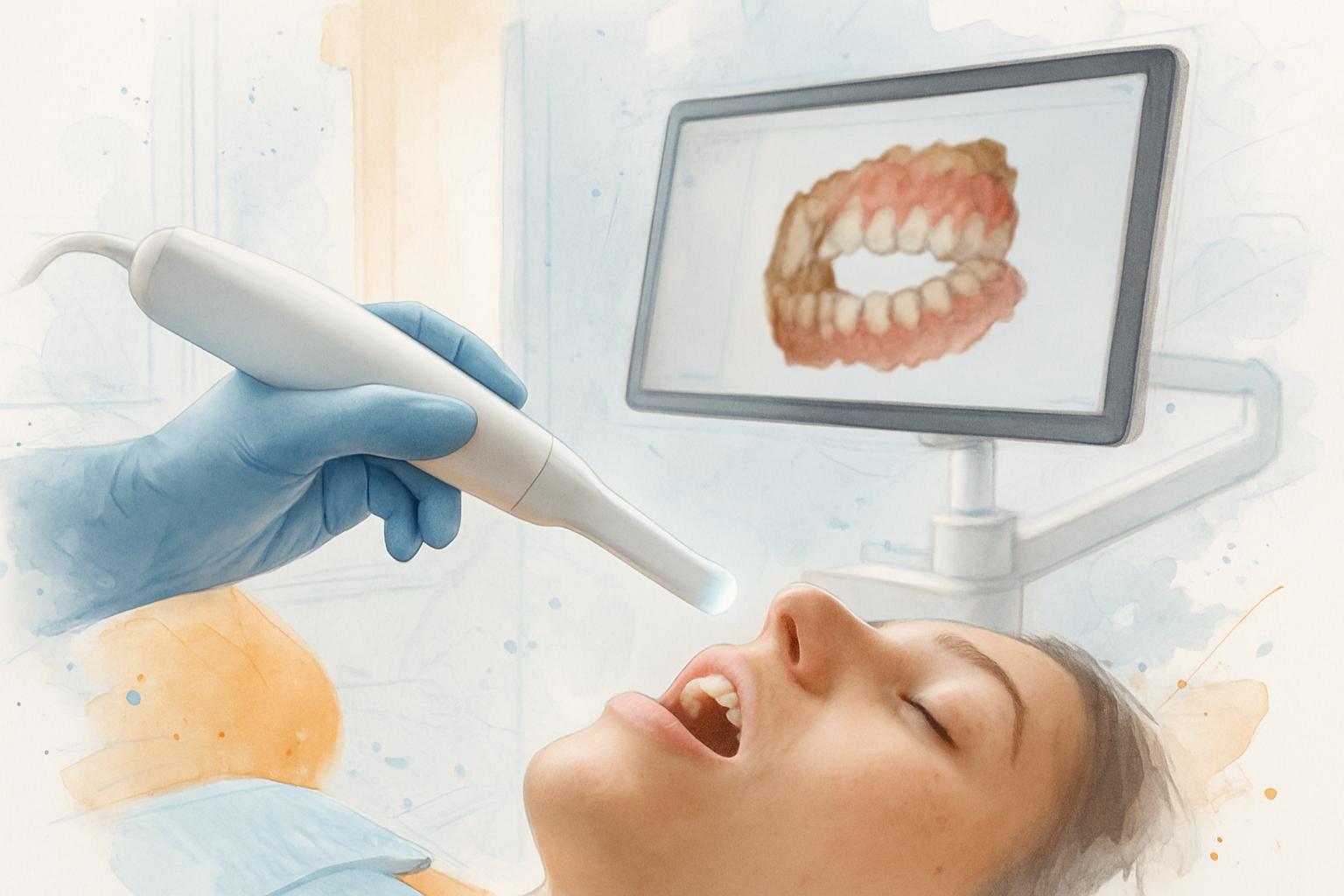
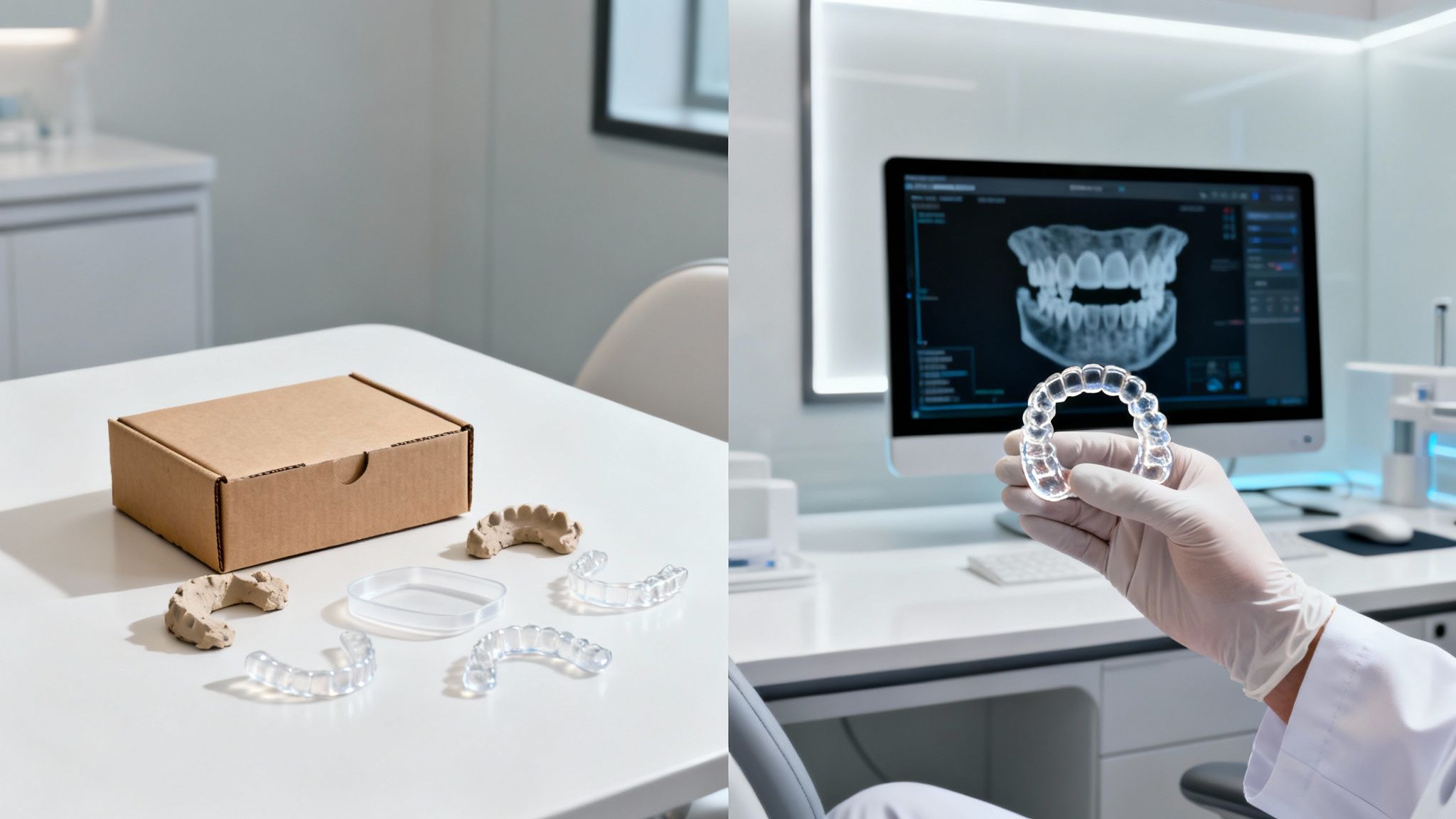
This is also why a real evaluation beats an online quiz. A digital scan, imaging and a look at growth stage tell us things a photo never will.
What the Consultation Should Actually Cover
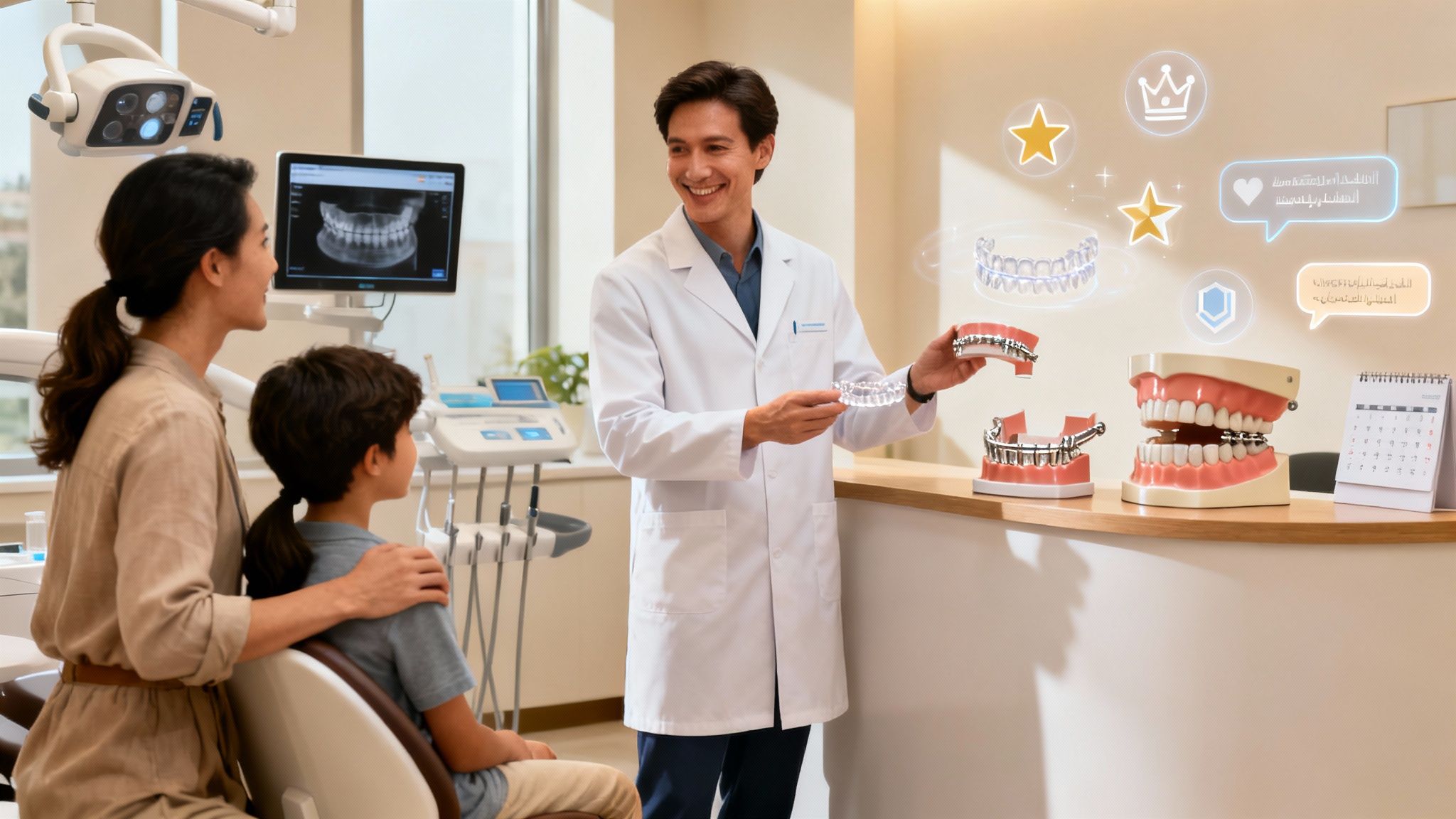
When Dr. Jeremy and Dr. Melissa see a teen for the first time, the clinical exam is only half of it. The other half is a conversation about the kid's actual life: what sports they play, how their school day is structured, how they feel about their smile, and how motivated they are to follow a routine.
That conversation is what makes the recommendation trustworthy. One parent put it this way in a review: "Dr. Jeremy was so knowledgeable and took his time explaining everything, and made sure I understood what was going on with my son's teeth." That is the bar.
Cost comes up at this visit too, and it should. Teen orthodontic treatment in Orange County generally falls within a range rather than one fixed number, and the biggest drivers are case complexity, expected treatment length, and which appliance you choose. Insurance benefits and monthly payment options also shift what a family actually pays, so ask about both. We break down what drives teen Invisalign cost and how FSA and HSA dollars apply if you want to read up before you come in.
Our office sits on Beach Boulevard, which keeps things convenient and local for families throughout Huntington Beach and Fountain Valley, including Talbert Village, Newland and Adams. Short drives make a real difference when you are coming in every several weeks for a year or more.
Frequently Asked Questions About Invisalign for Teens
How long does Invisalign usually take for a teenager?
Most teen cases run somewhere in the range of 12 to 24 months, though simpler cases finish sooner. The single biggest variable is wear time, so a teen who stays at 22 hours a day tends to land at the shorter end of their estimate.
What happens if my teen loses an aligner?
It happens more often than you would think, which is exactly why the teen product includes up to six replacement aligners. Call the office, hold onto the previous tray, and we will tell you whether to step back a set or move forward while a replacement is ordered.
Can my teen play sports with Invisalign?
Yes, but the trays come out and a mouthguard goes in. For a teen in a year-round contact sport, that is worth mapping out at the consultation, because the daily hours have to come from somewhere.
My teen only has one crooked tooth. Do they need full treatment?
Not necessarily. We hear a version of "I just have a minor issue, I do not think I need full braces" pretty regularly, and starting in July we offer focused touch-up treatment for patients who want to correct one or two specific things. A consultation is the way to find out which category you are in.
Will the compliance indicators really tell me if my teen is wearing them?
They give you a reliable read. The small blue dots on each tray fade toward clear with consistent wear, so if they are still bright blue late in a tray's cycle, the hours are not adding up. It is not a lecture, just information both of you can see.
Still Not Sure Which Option Fits Your Teen?
If you are weighing aligners against braces for your teenager, a consultation is the fastest way to replace guessing with a real answer based on their teeth, their growth stage and their daily routine. Dr. Jeremy and Dr. Melissa see families from across Huntington Beach and Fountain Valley and take the time to talk through all of it, including cost and timeline. When you are ready, consultation times are available at 714-594-5777 or at magicfoxsmiles.com.