Essix, Vivera, or a Bonded Wire: Which Retainer Fits Your Life?
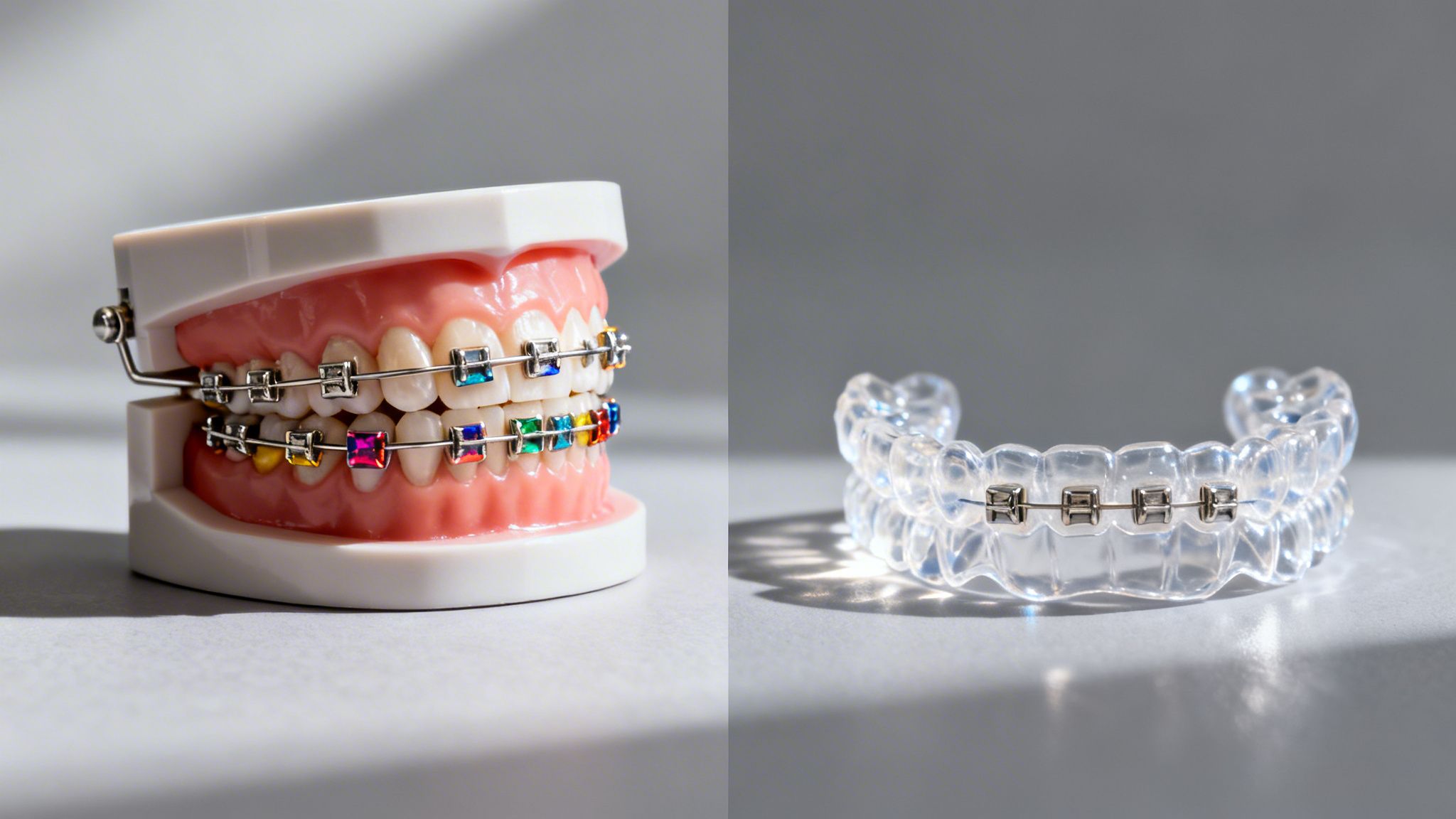
Direct Answer: Essix is a single thin clear retainer, Vivera is the same idea ordered as a multi set with backups, and a bonded wire is glued behind your front teeth and works nonstop.
If you finished braces or aligners and someone handed you a retainer, you probably got a name for it and not much else. Then a year or two goes by, the thing cracks or disappears, and you start wondering whether you need the same one again or a different type entirely.
This question comes up on our phones constantly. Retainers are the single most repeated topic callers from Huntington Beach and Fountain Valley bring up after treatment ends, and most of them are stuck on the same fork in the road.
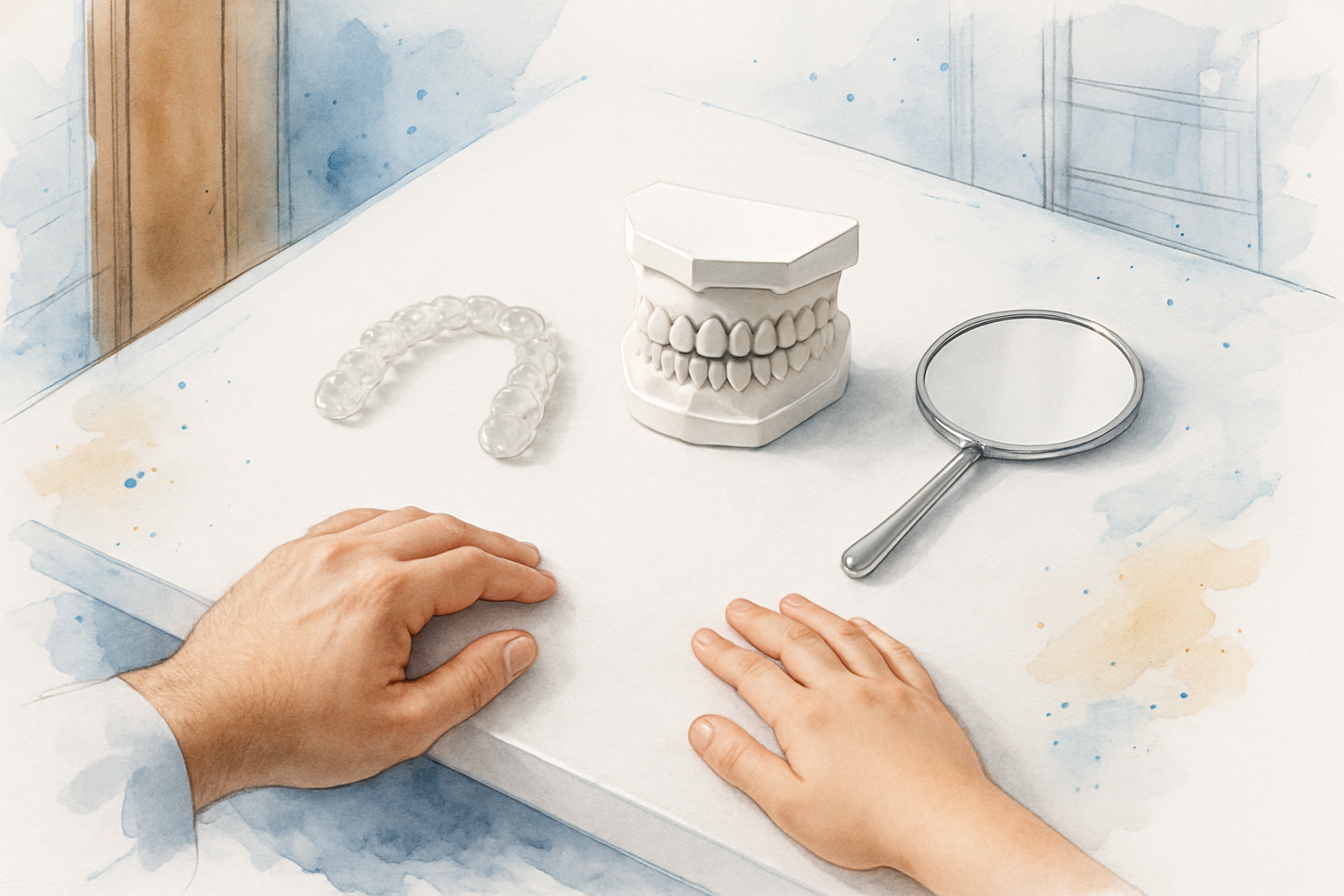
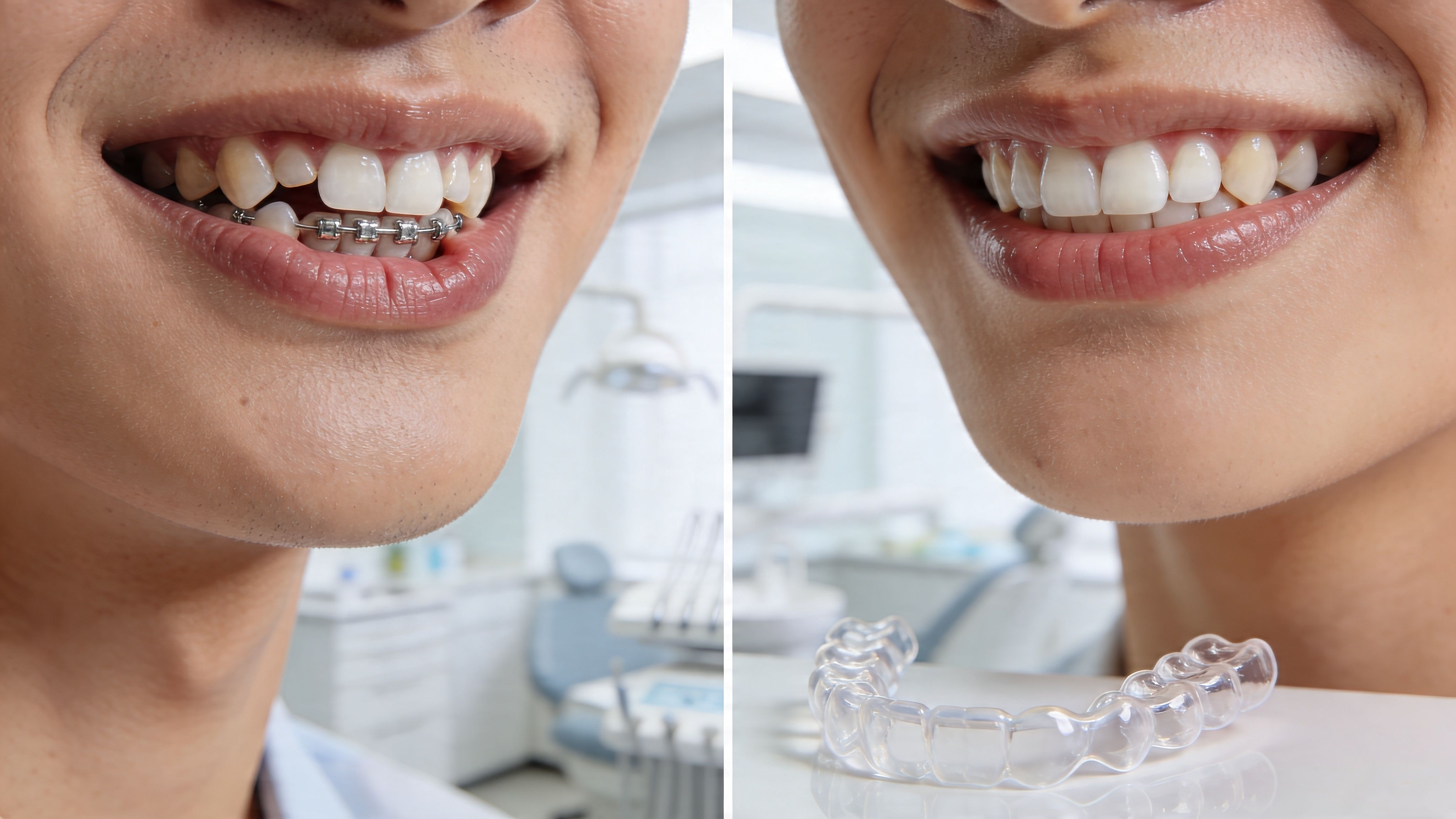
There are really three choices: a thin clear plastic retainer (Essix), a clear set ordered in multiples (Vivera), and a thin wire bonded behind your front teeth. None of them is the winner. They just fit different lives, and I want to walk you through which is which.
The three types of retainers after braces, in plain words
The American Association of Orthodontists splits retainers into two families, removable and fixed, and removable ones come in wire and clear varieties while a fixed retainer is a thin custom wire bonded behind the teeth. Everything you are deciding between lives inside those two categories.
Here is the short version of each:
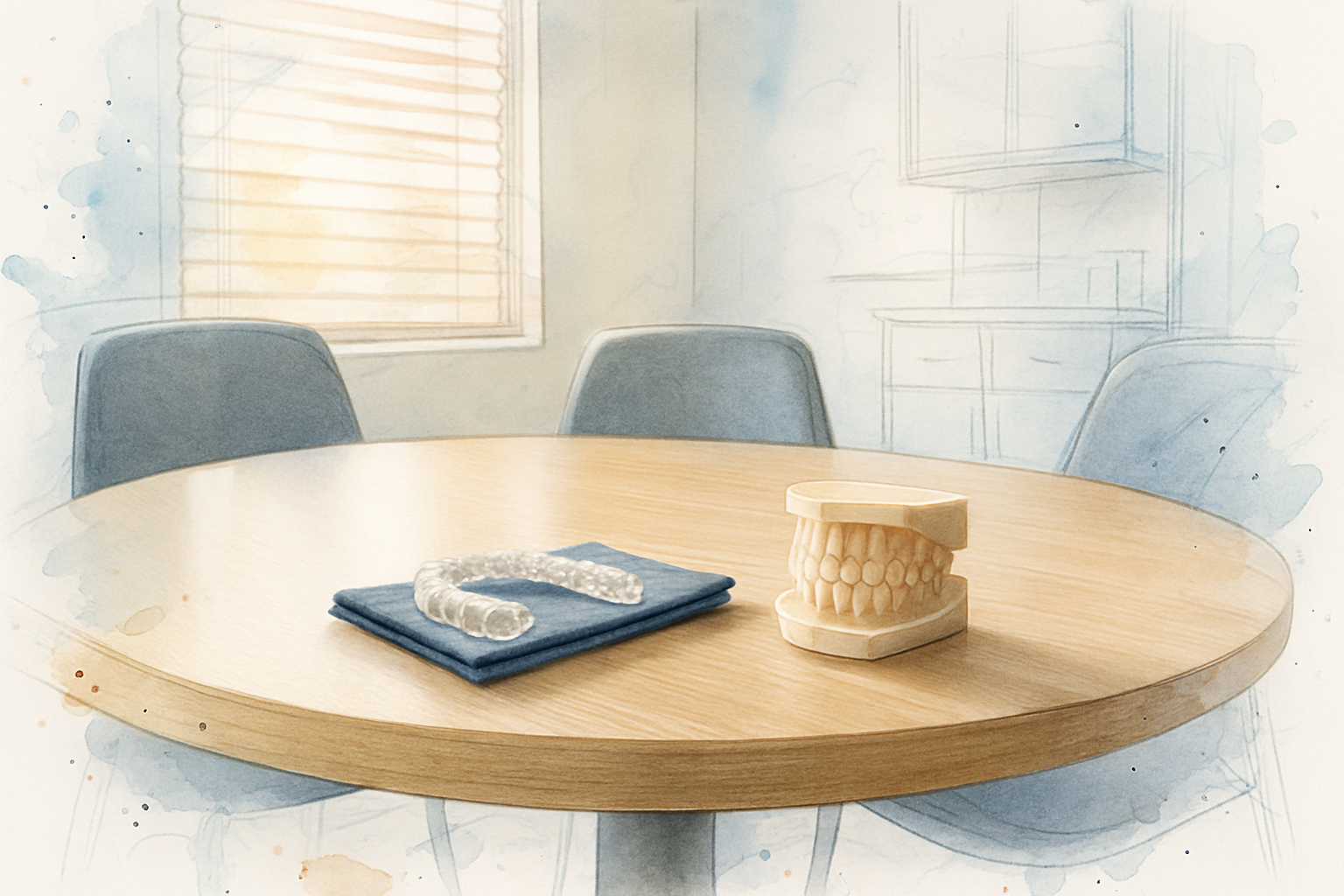
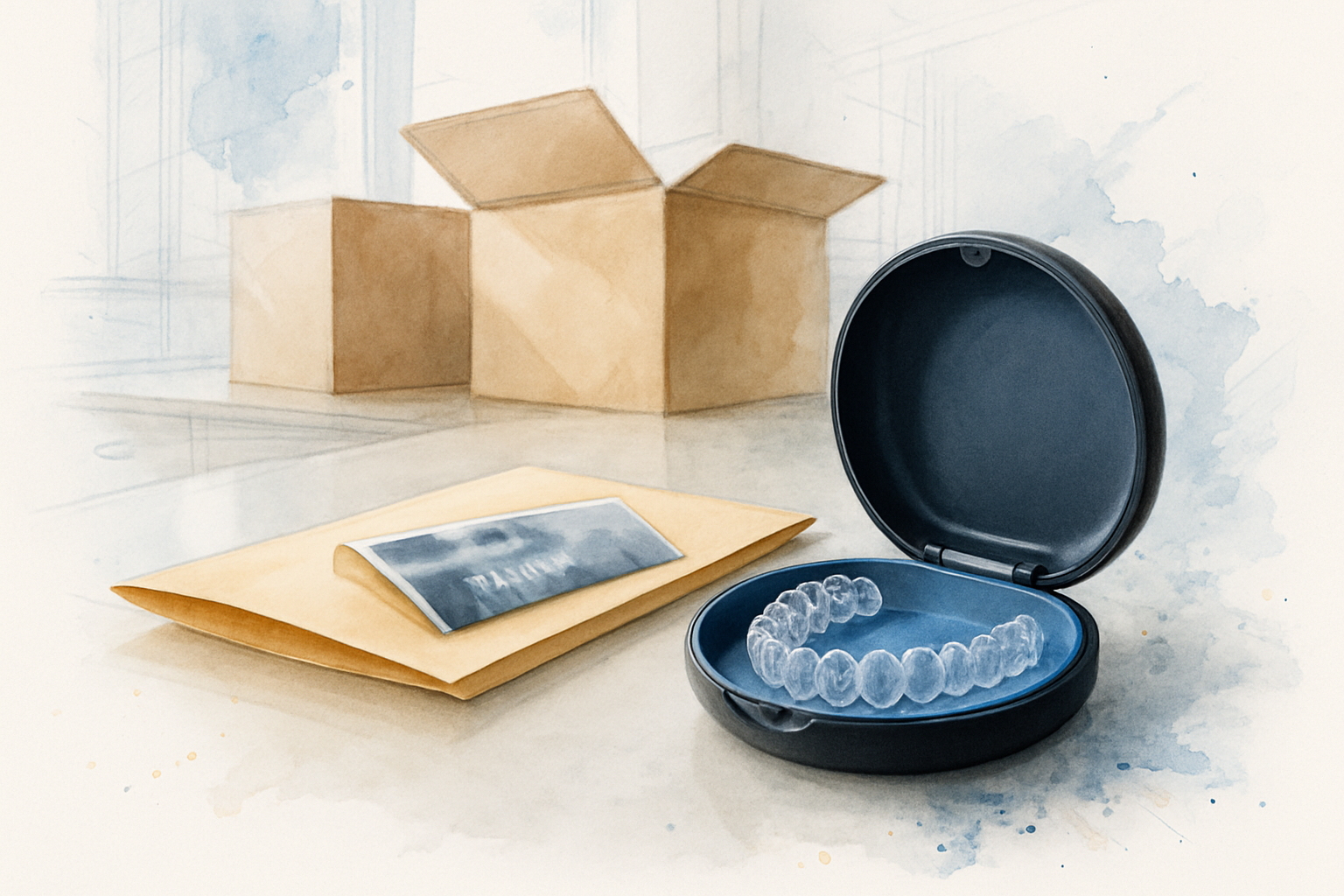
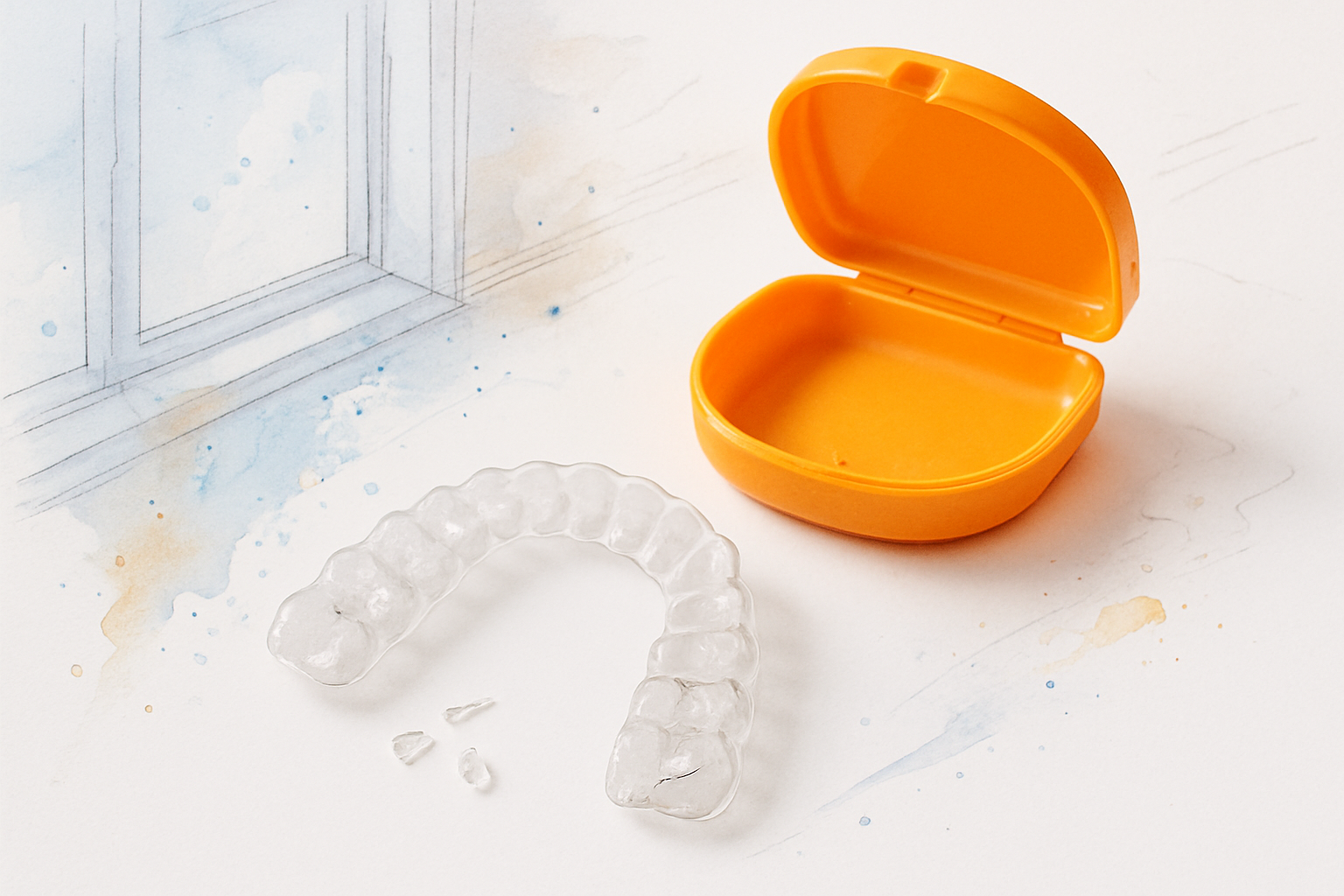
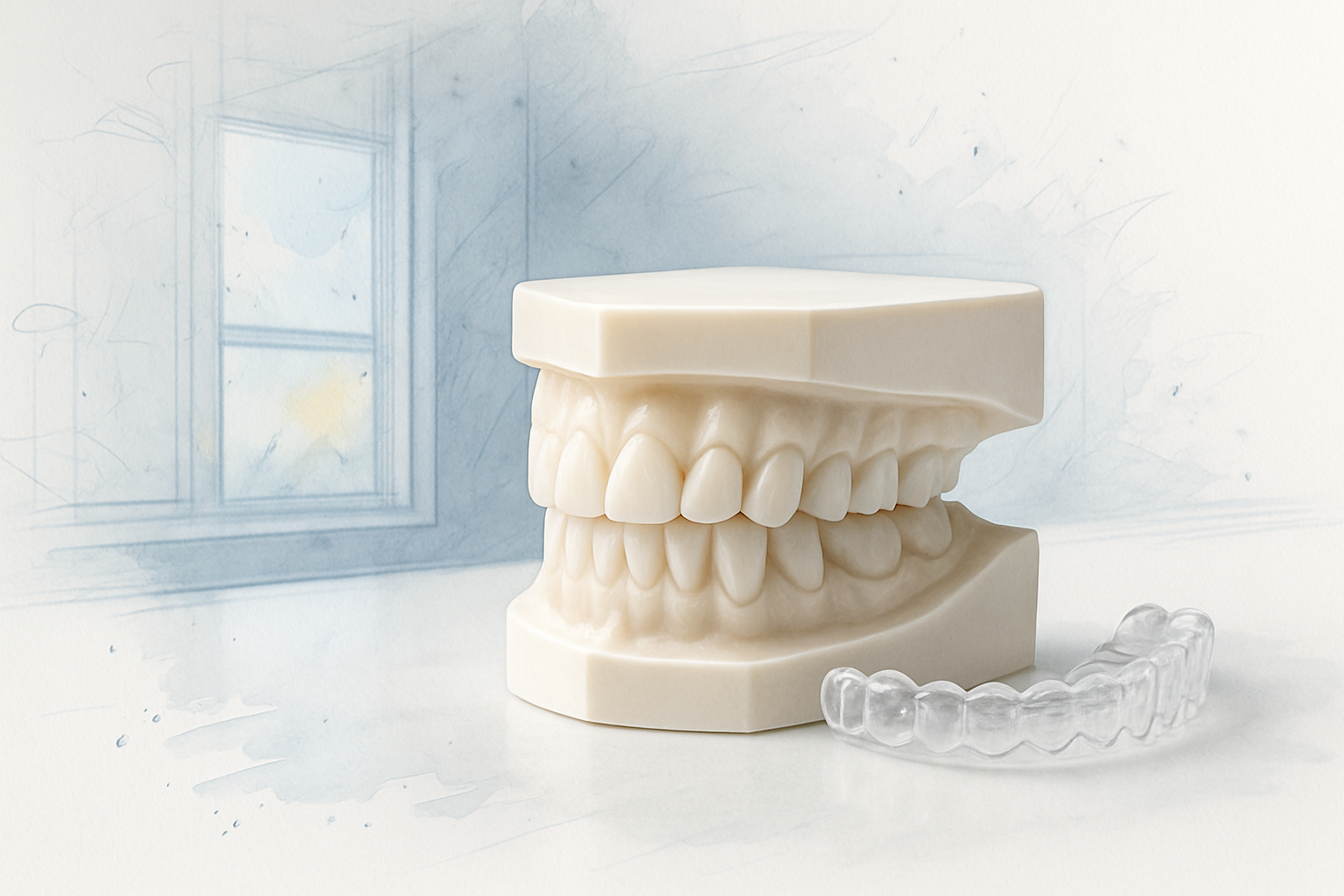
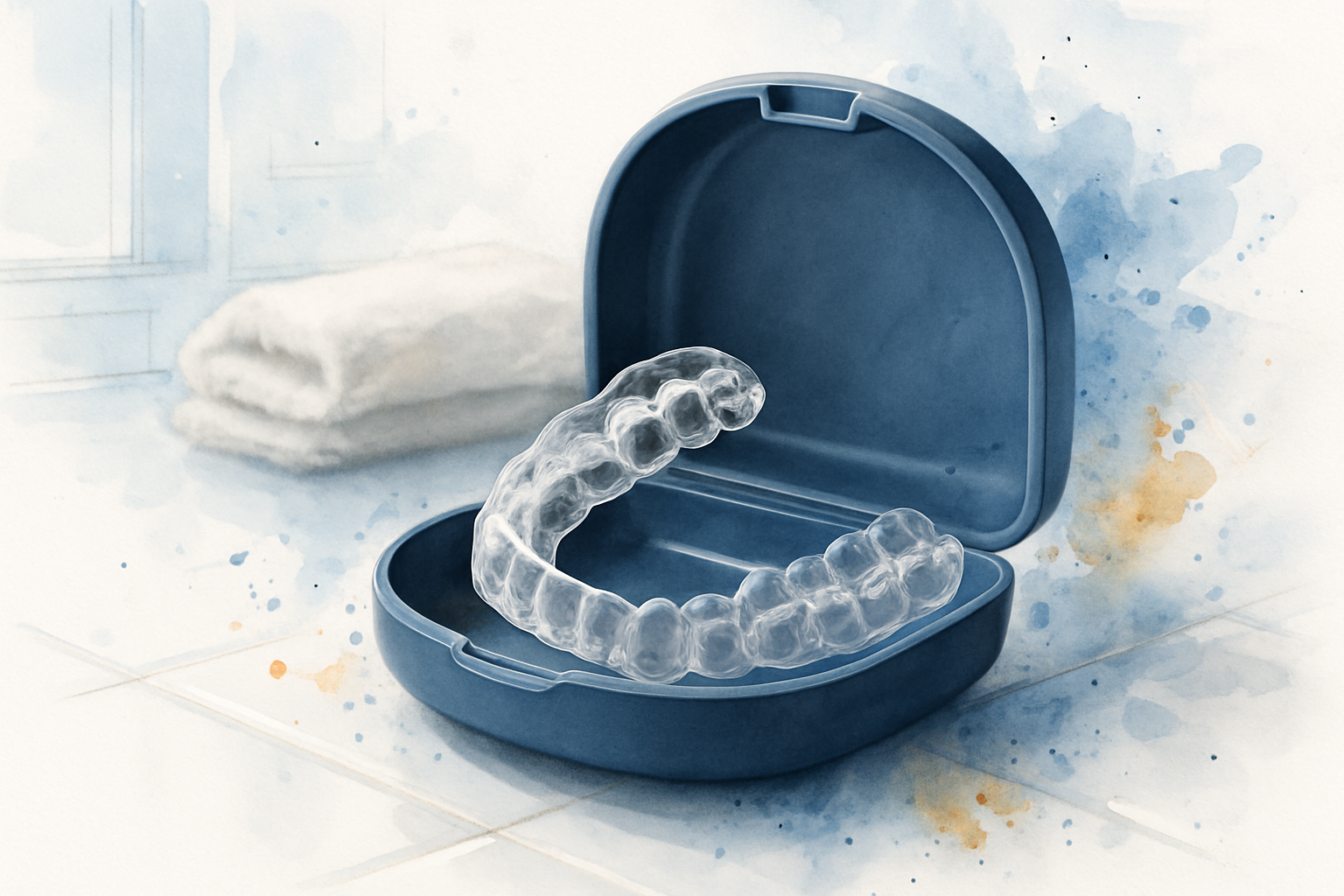
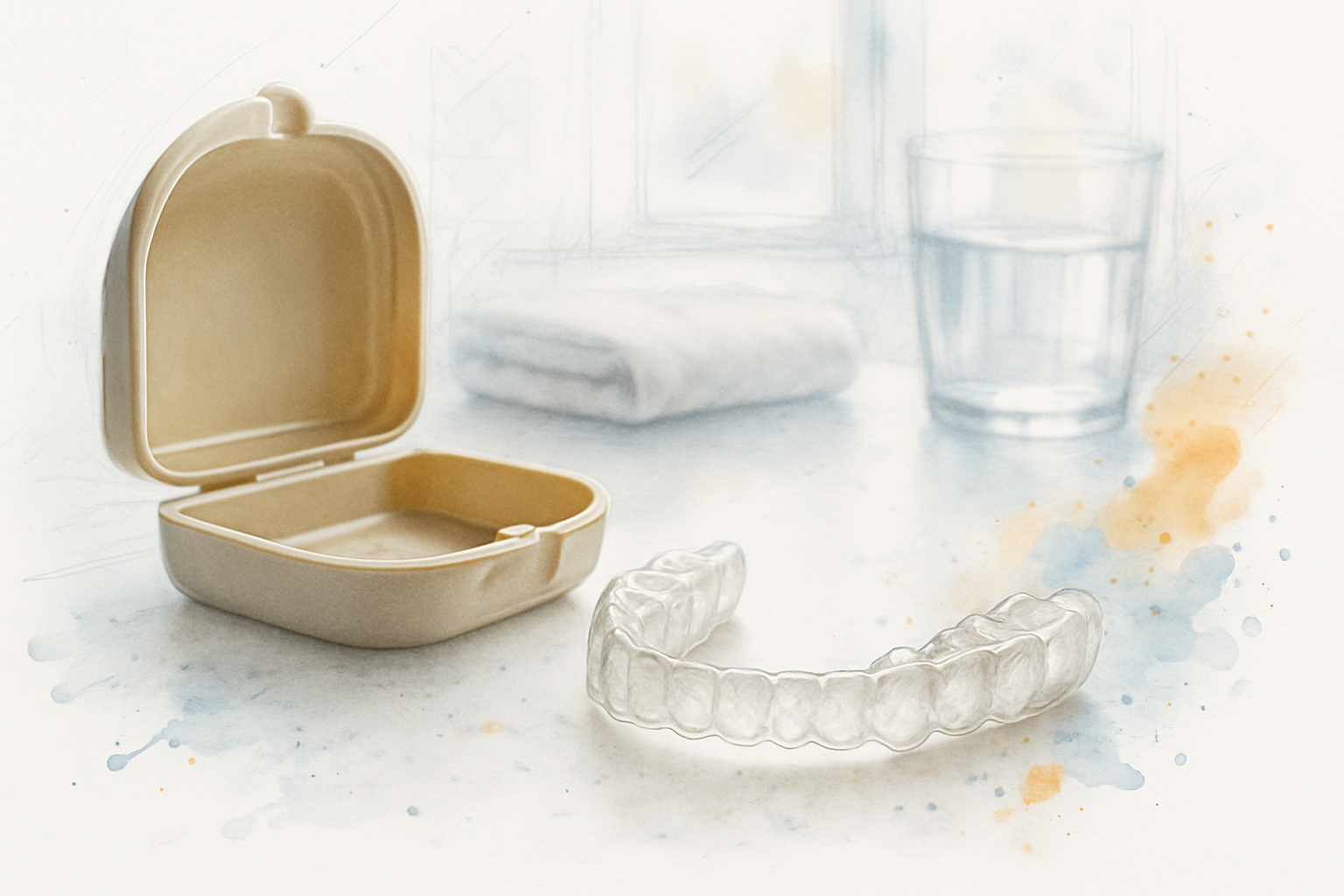
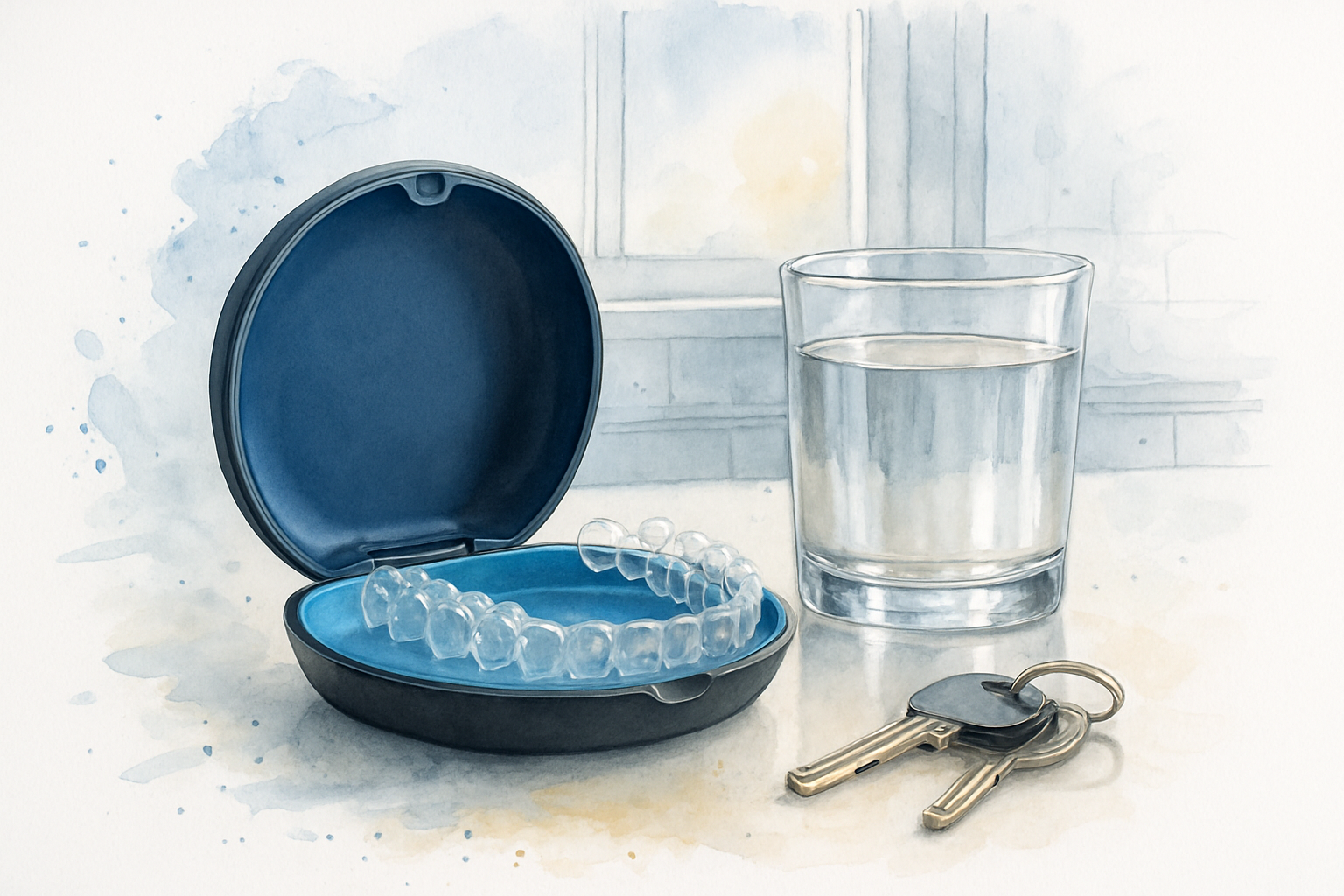
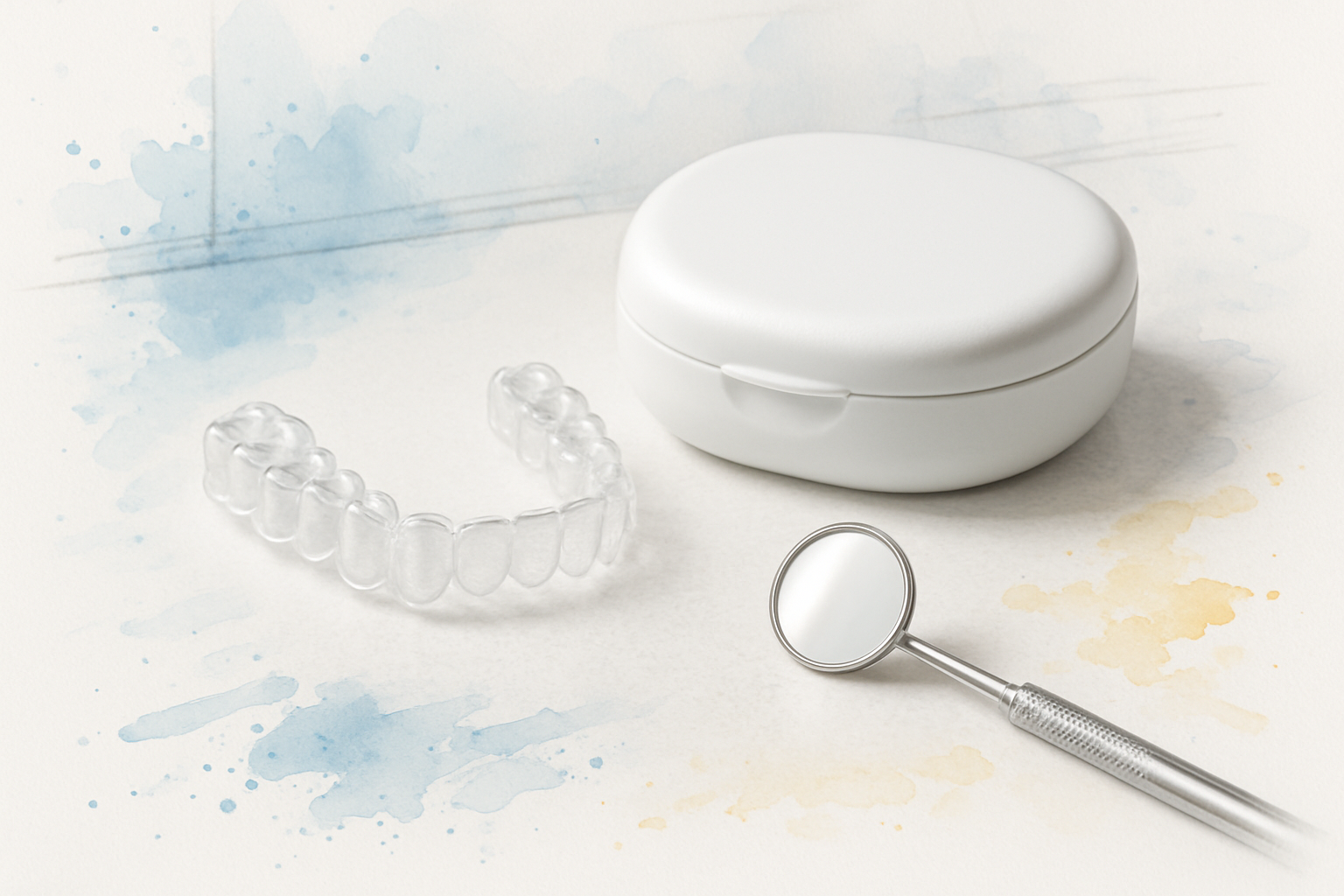
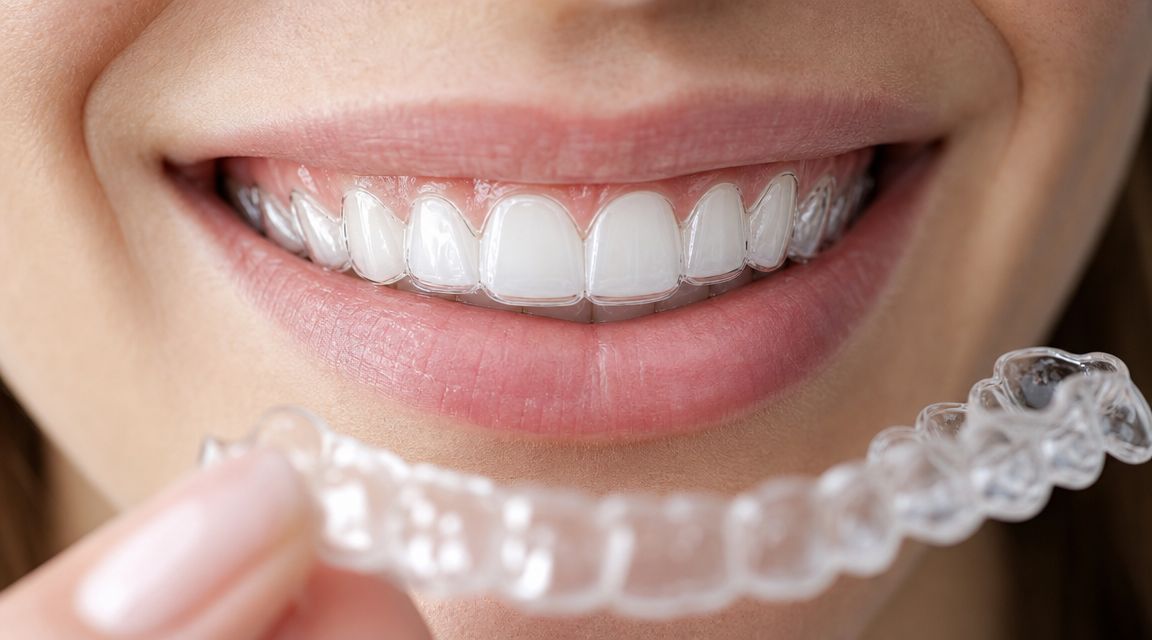
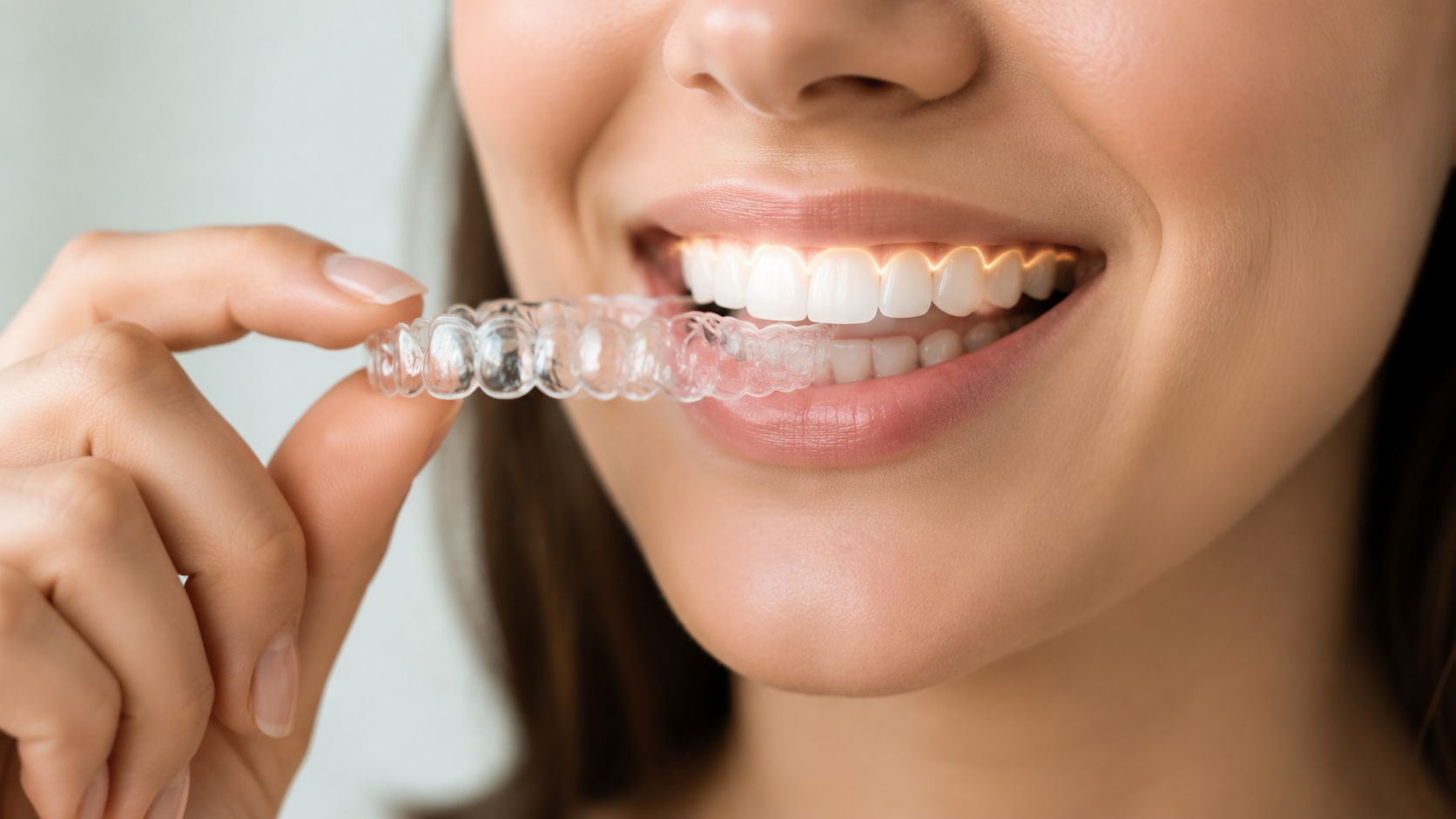
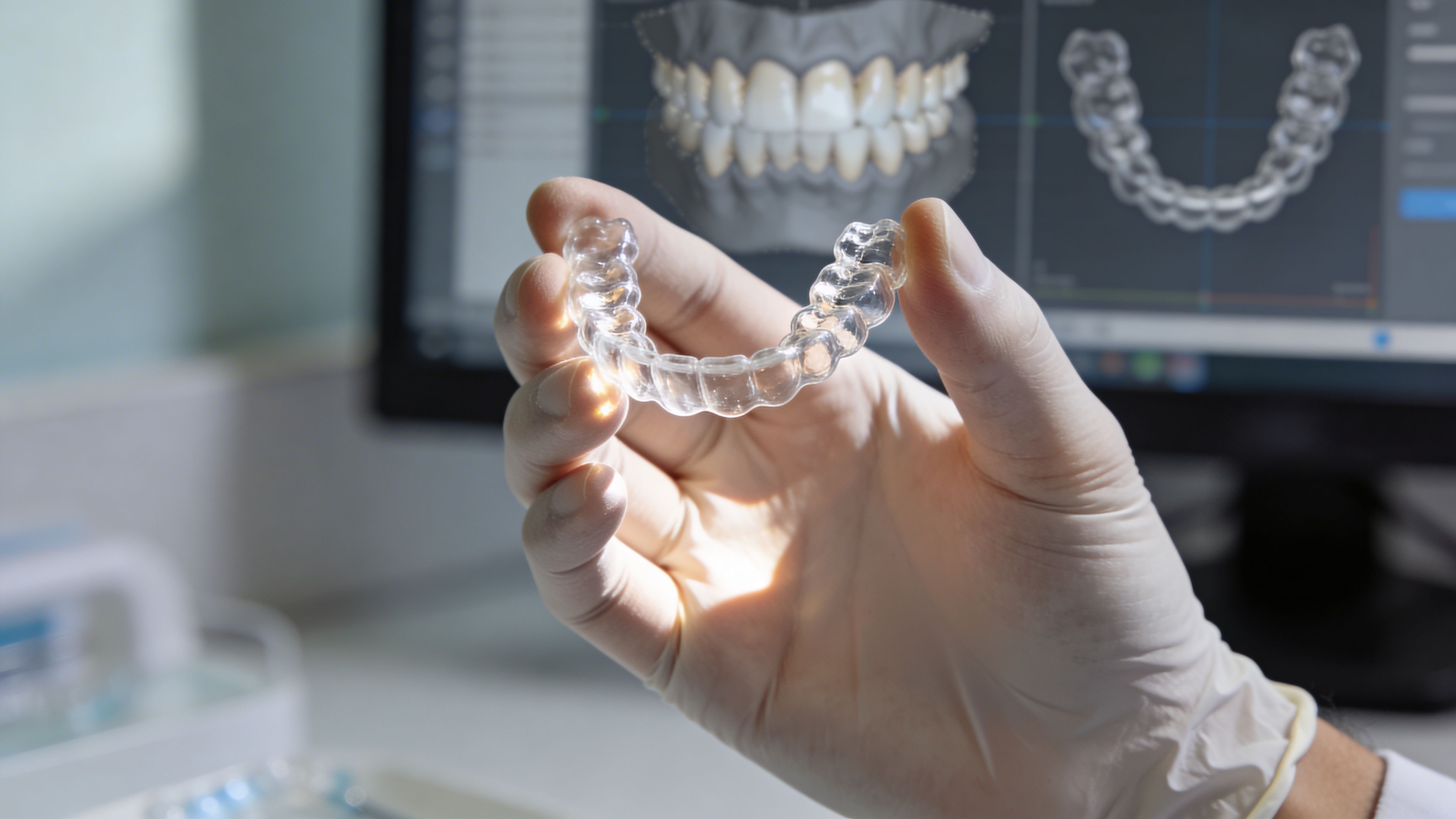
- Essix style clear retainer: a single molded piece of clear plastic that snaps over your teeth. You take it out to eat, you put it back in at night.
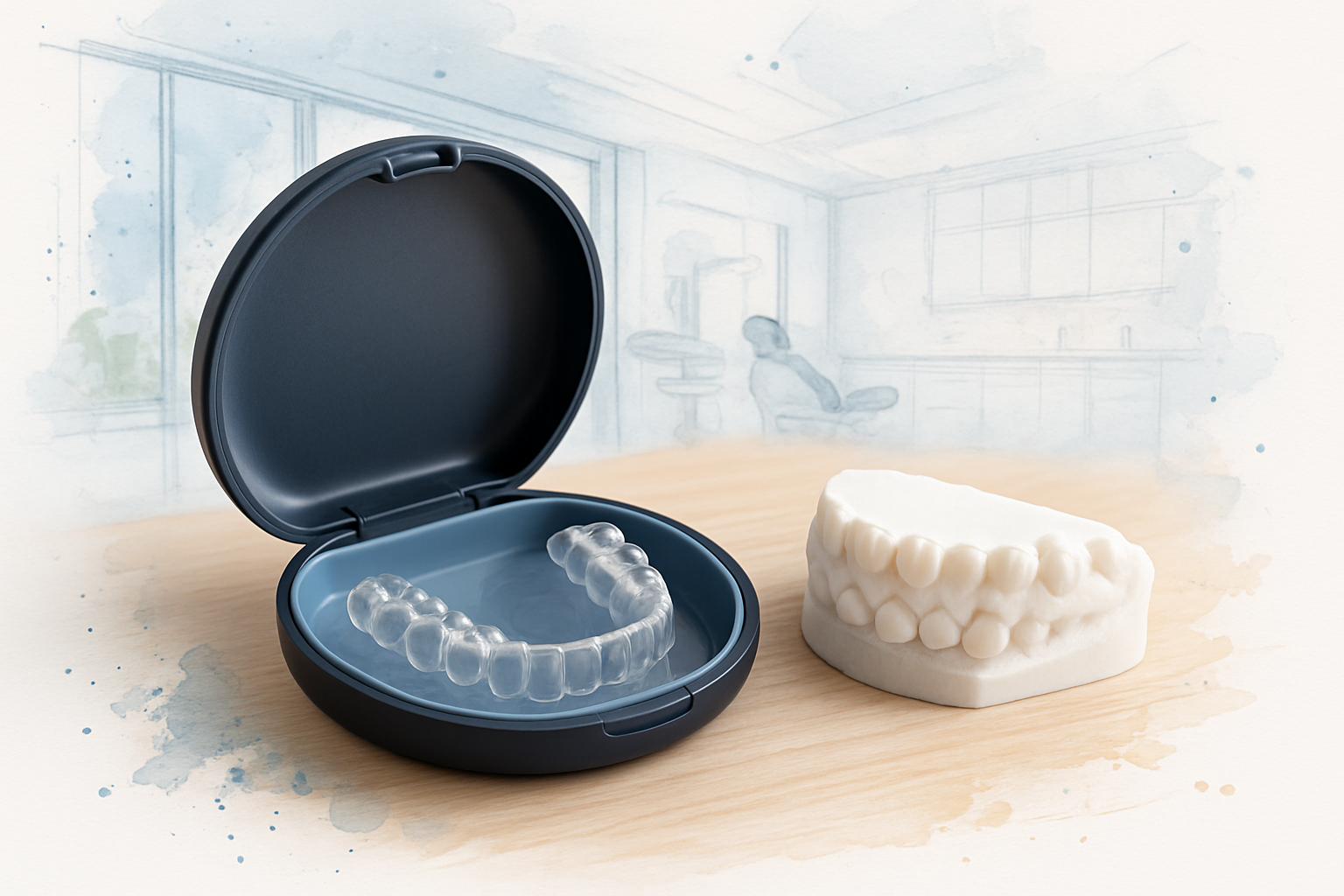
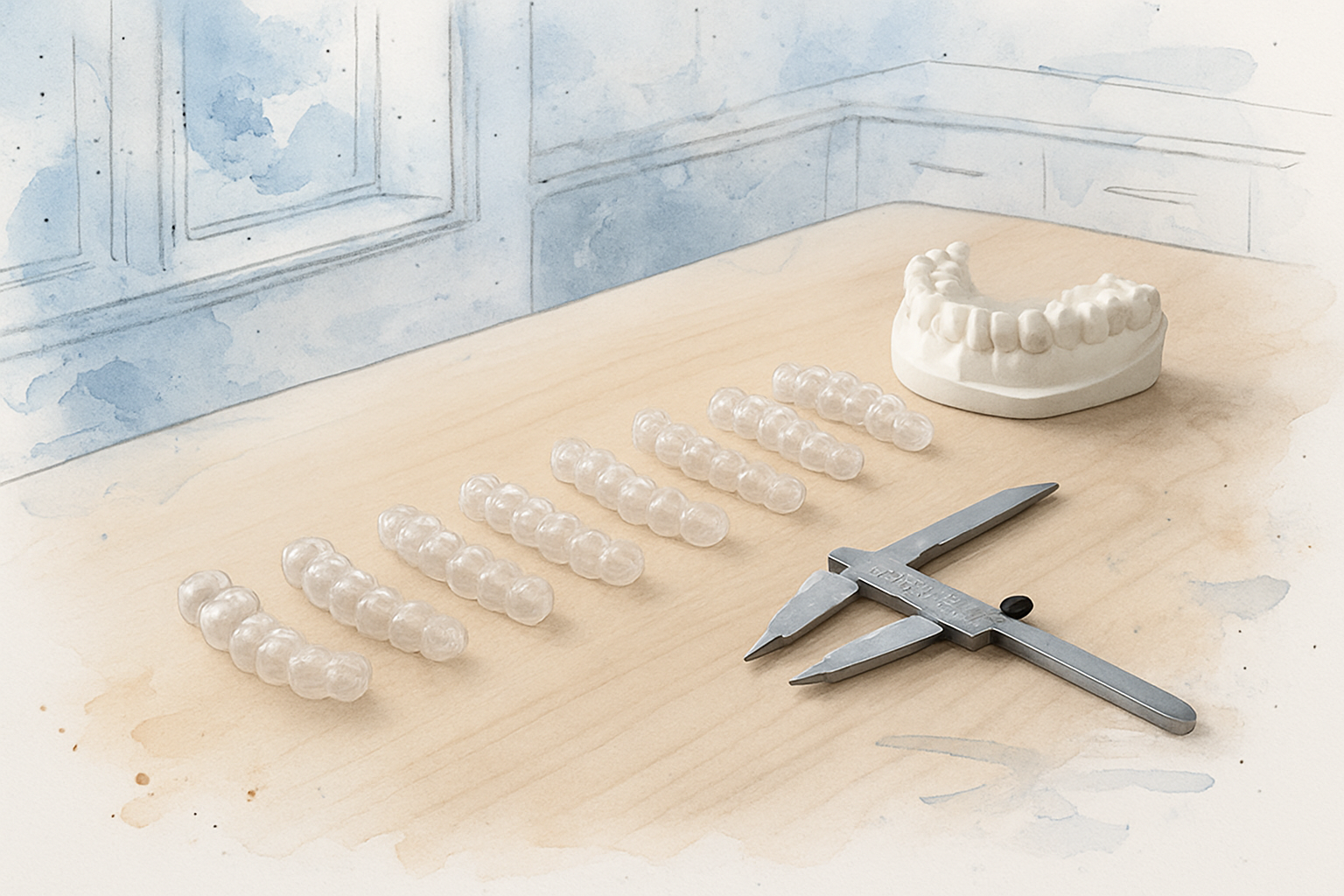
- Vivera style clear retainers: same clear, removable idea, but ordered as a set of several identical retainers at once. You rotate through them and you always have a spare in the drawer.
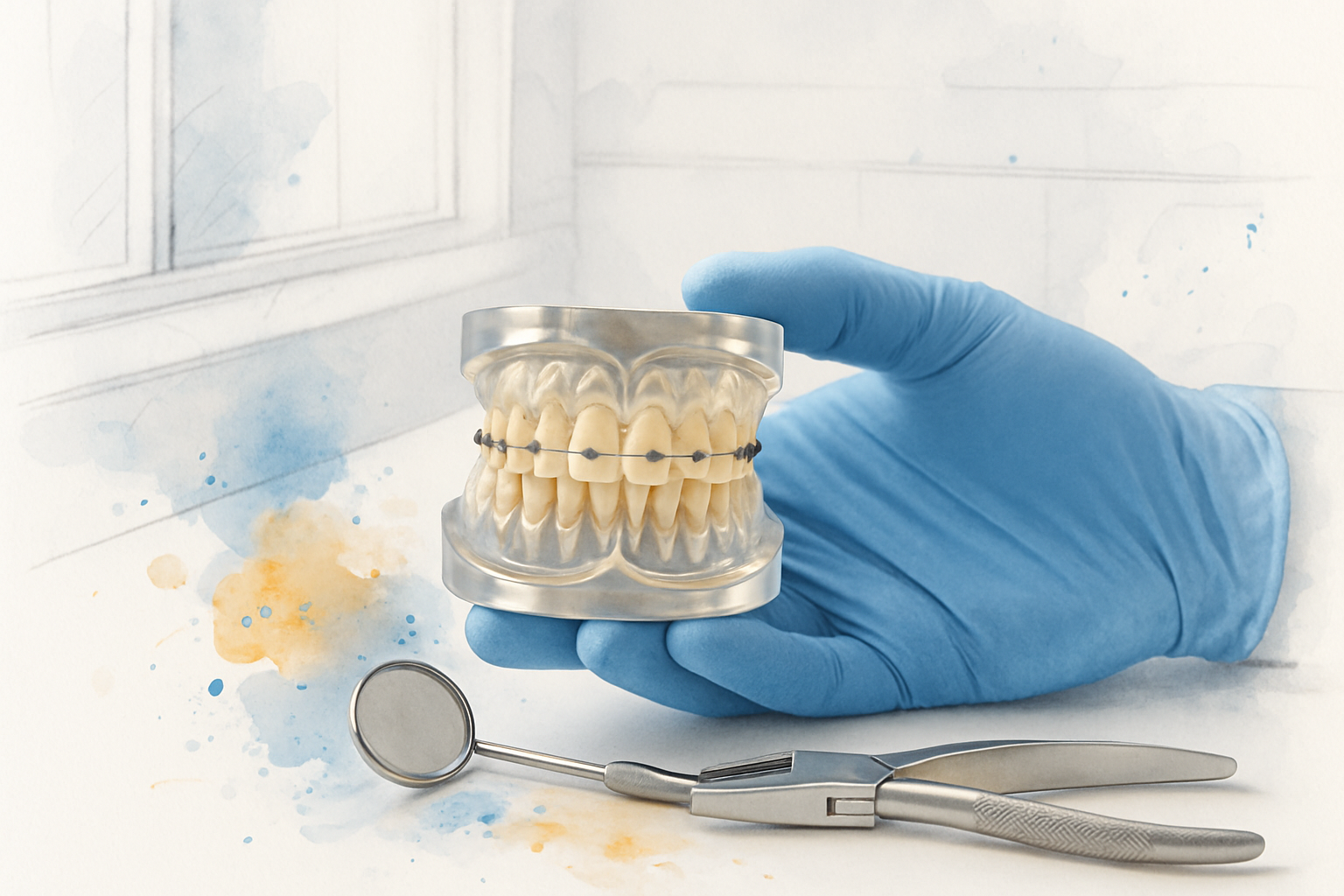
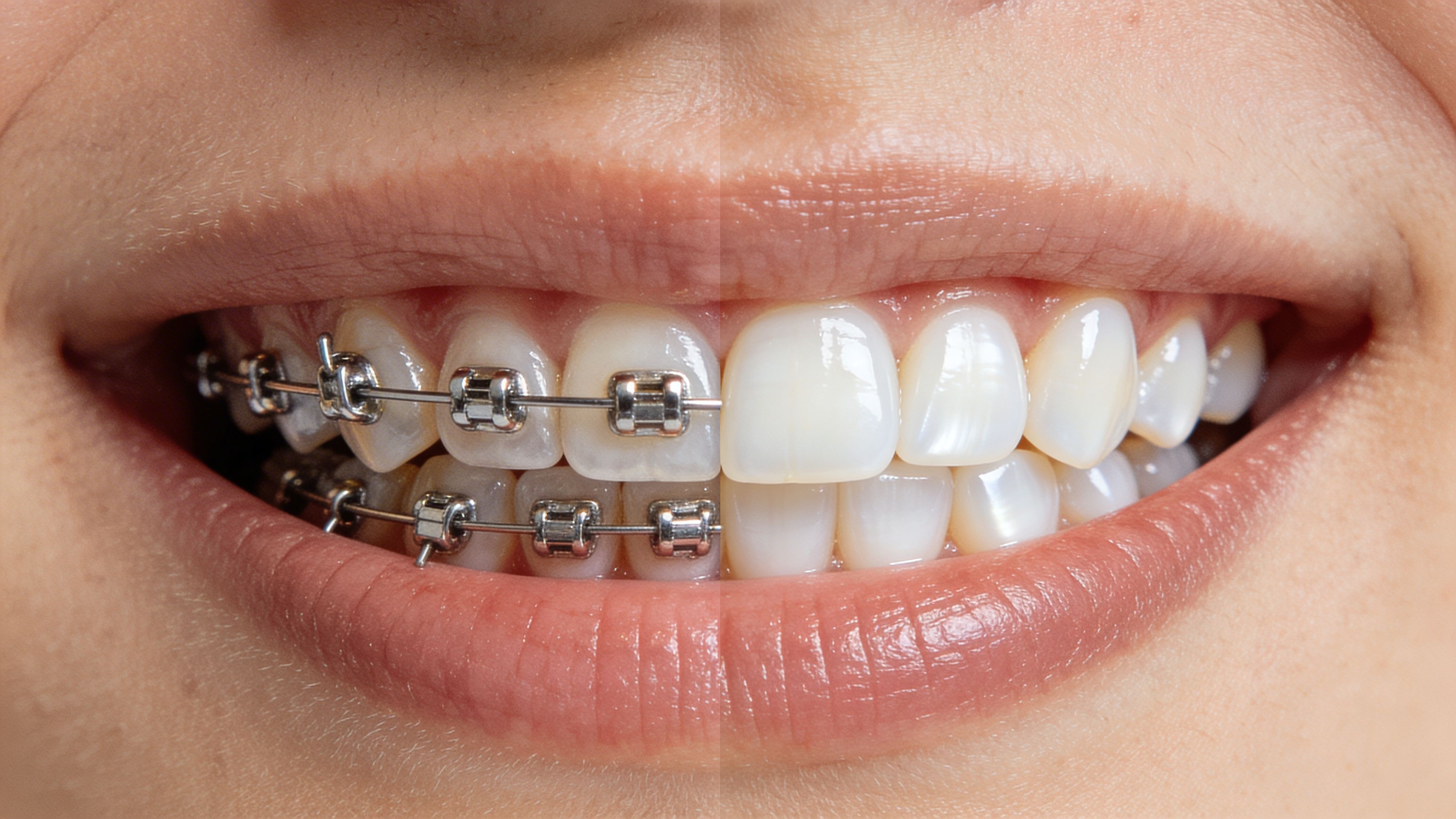
- Bonded wire (fixed retainer): a thin custom wire cemented to the back of your front teeth, usually the lower ones. You do not take it out, and nobody can see it when you smile.
The real decision is not about materials. It is about how reliable you are with a nightly habit, how often you lose small things, and how much you want to think about this five years from now.

Clear retainers: easy to wear, easy to lose
Clear retainers are popular for obvious reasons. They are nearly invisible, they feel familiar if you finished with aligners, and most people adjust to sleeping in them within a week.
The catch is physical. Thin plastic is thin plastic, and it does not love heat, pressure, or paper napkins.
I have heard every version of this story from families around Oak View, Newland, and Downtown Huntington Beach:
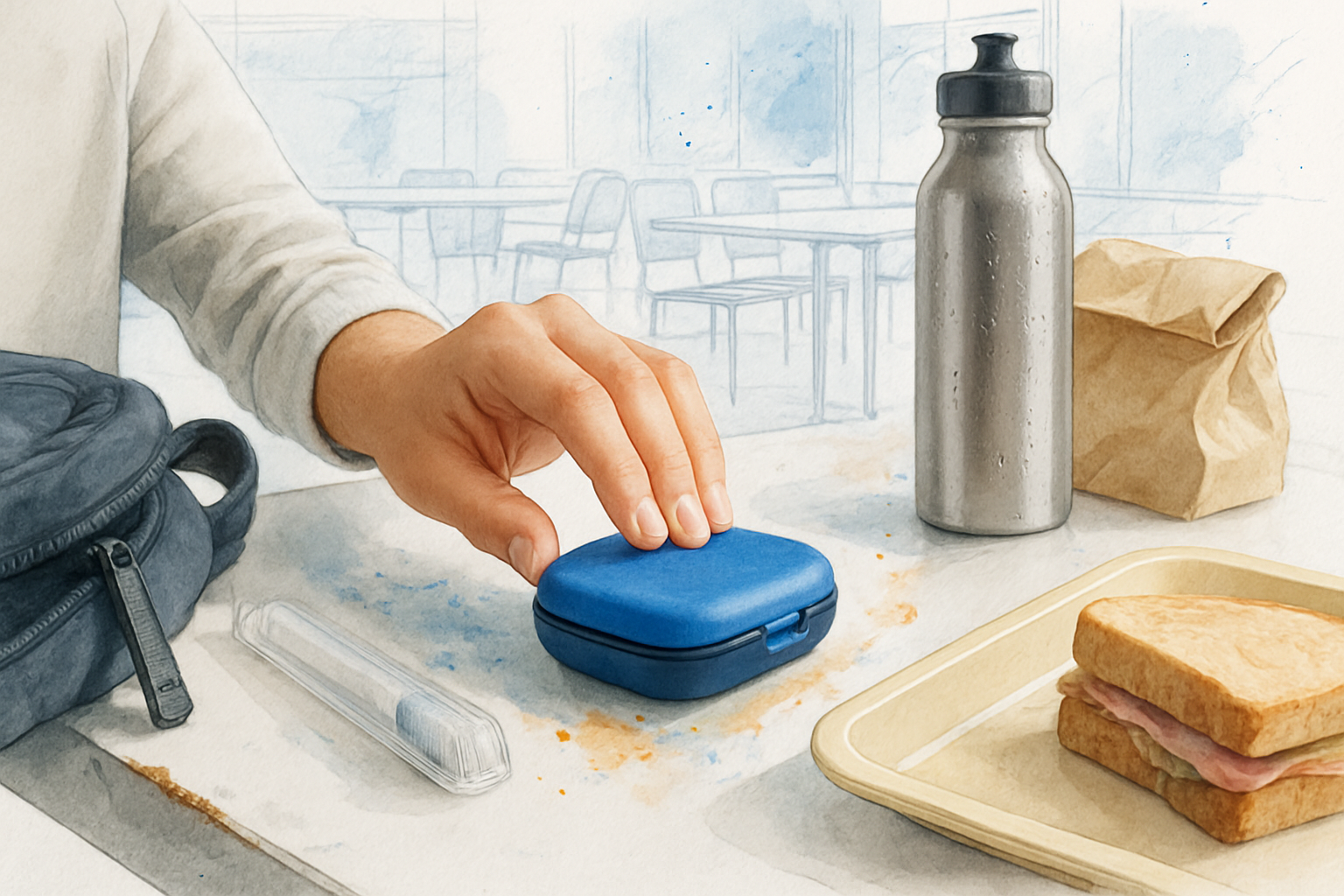
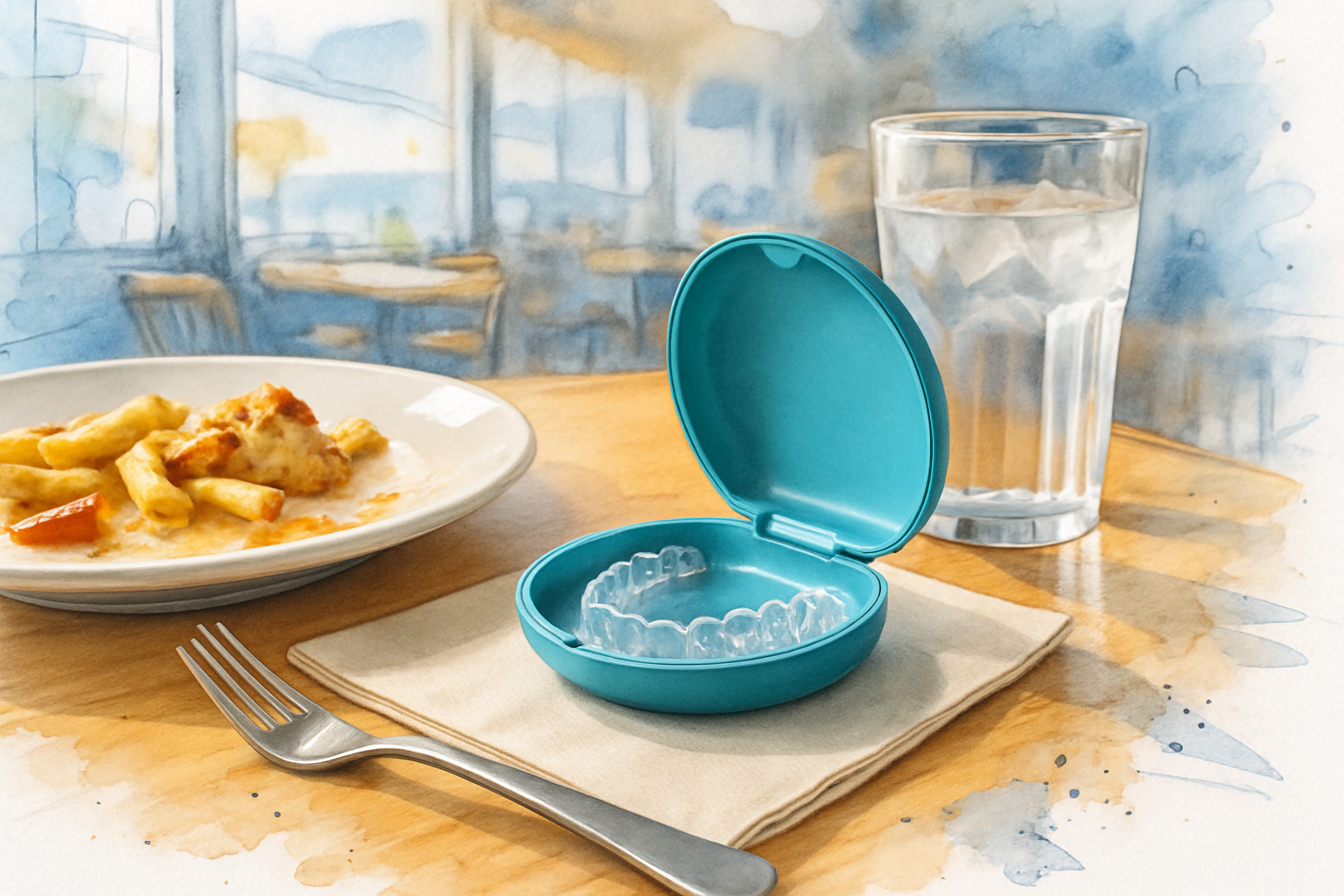
- Wrapped in a napkin at lunch and thrown out with the tray
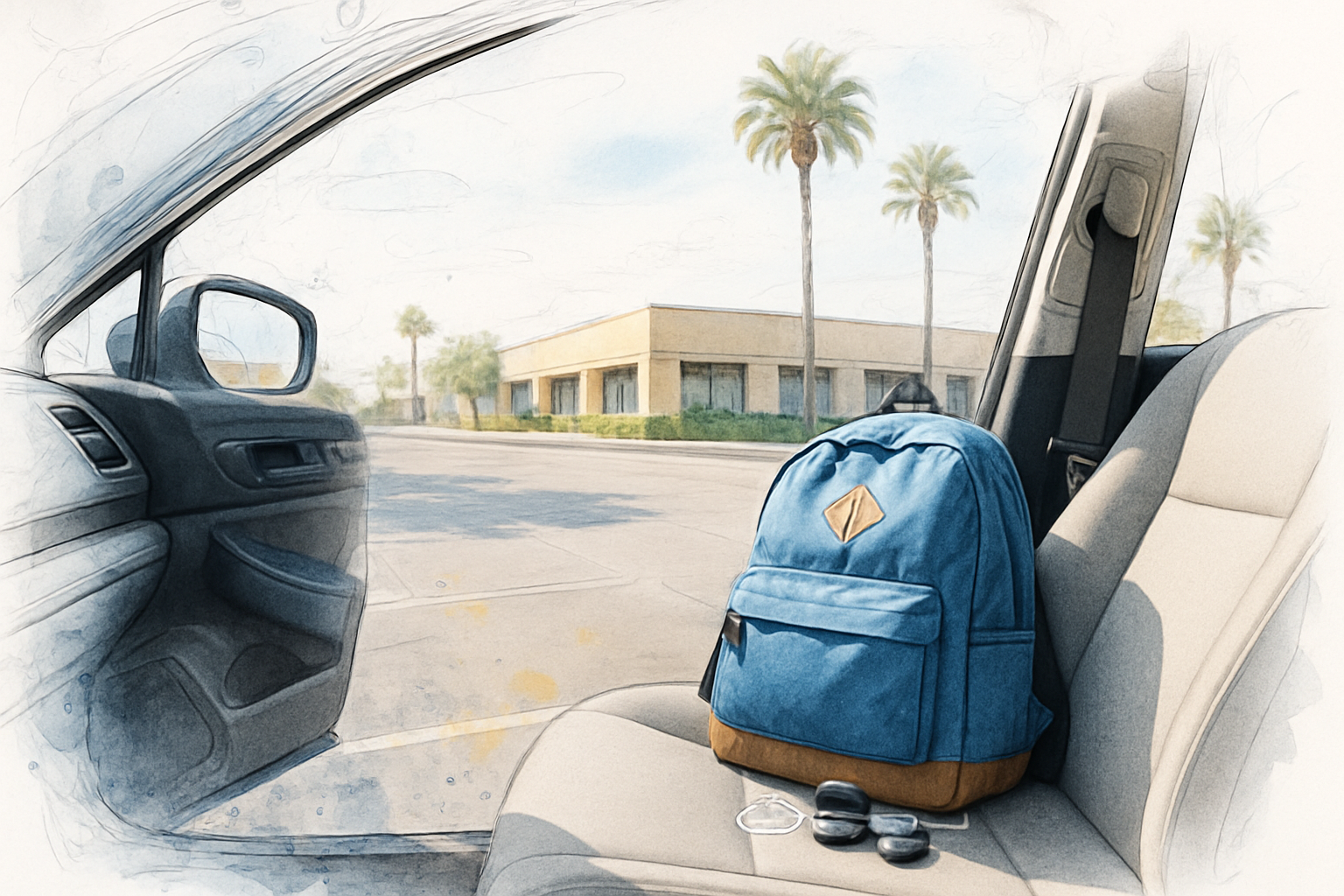
- Left on the dashboard on Beach Boulevard in July and pulled off warped
- Chewed by the dog within 48 hours of getting it
- Packed in a suitcase and never seen again after a move
A parent called us not long after relocating here because their son had lost his retainer and they needed a new one fast. That call is not unusual. Lost and damaged retainers are one of the most common reasons people reach out at all.
So when you are weighing clear plastic, do not just ask whether you like how it looks. Ask honestly how your last three pairs of sunglasses are doing.
Why some patients order a multi set instead of one retainer
That is exactly the gap a Vivera style multi set order fills. Instead of one retainer that has to survive years of daily handling, you get several identical copies made from the same scan.
What that changes in practice:
- A lost retainer stops being an emergency. You open the next one that night instead of waiting on a new order.
- Your teeth never go unsupported. The riskiest stretch is the gap between losing one and replacing it.
- The math shifts over time. You pay more at the start, but the per retainer cost is usually lower than buying singles one crisis at a time.
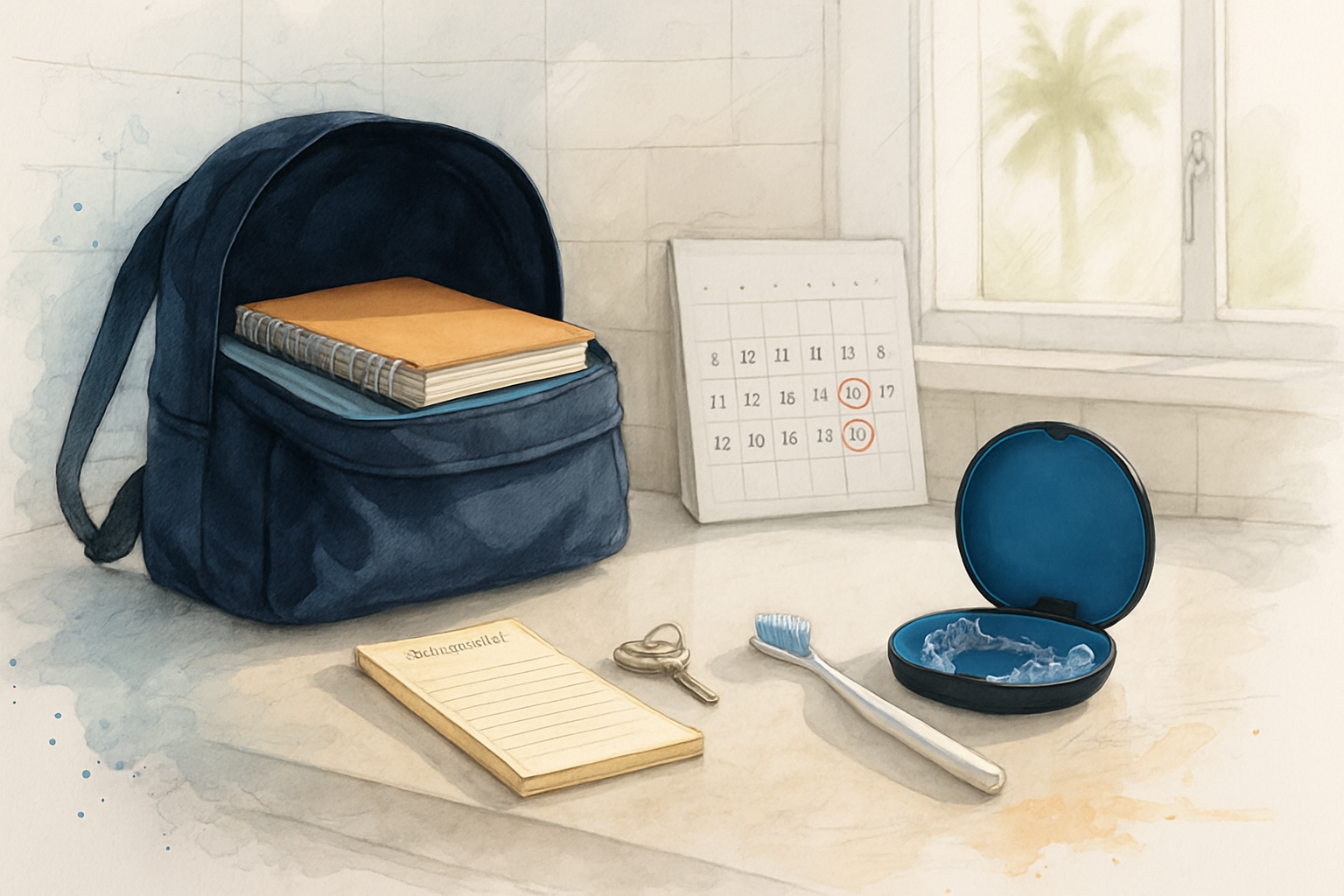
I tend to bring this up with two groups. Teens, because backpacks and school lunches are rough on small plastic objects. And adults who have already replaced a retainer once and never want to pay twice for the same mistake.
If you are someone who keeps the same water bottle for three years, a single retainer is probably fine. If not, a set with backups is worth asking about.
A quick way to match a retainer to your habits
This breakdown lines up the three options against the habits and worries that usually decide the answer.

The bonded wire: nothing to remember, but not zero upkeep
A bonded wire solves the one problem removable retainers cannot. You cannot forget to wear it, because it never comes out.
It sits behind the lower front teeth in most cases, it is invisible when you talk and smile, and it holds those teeth steady around the clock. For people who know they are not going to be consistent with a nightly routine, that is a real advantage, not a small one.
The honest trade is maintenance. Flossing takes a threader or a water flosser and a little patience, and the wire itself can come loose at a bond point years down the line.
That is not a crisis, it is a phone call. We hear from patients fairly often about a loose permanent retainer wire, and it is worth getting looked at promptly rather than waiting to see what happens.
One more thing people do not expect: a bonded wire on the bottom does not do anything for your top teeth. Plenty of patients end up with a wire below and a clear retainer above, which is a perfectly normal combination rather than a compromise.
Essix vs Vivera vs bonded wire at a glance
Use this as a starting point for the conversation, not as a verdict. The right answer depends on your teeth and your routine.
| Retainer type | Tends to suit | The honest trade-off |
|---|---|---|
| Essix clear retainer | Patients who want something invisible and do not mind a nightly habit | Thin plastic warps in heat and is easy to lose or toss by accident |
| Vivera multi set | Teens, travelers, and anyone who has already replaced a retainer once | Costs more up front even though the per retainer cost is usually lower |
| Bonded wire | People who know they will not stay consistent with nightly wear | Needs a floss threader and can come loose at a bond point over time |
| Wire plus clear combo | Patients whose lower teeth need constant support and upper teeth need holding | Two things to manage instead of one |
What actually drives retainer cost
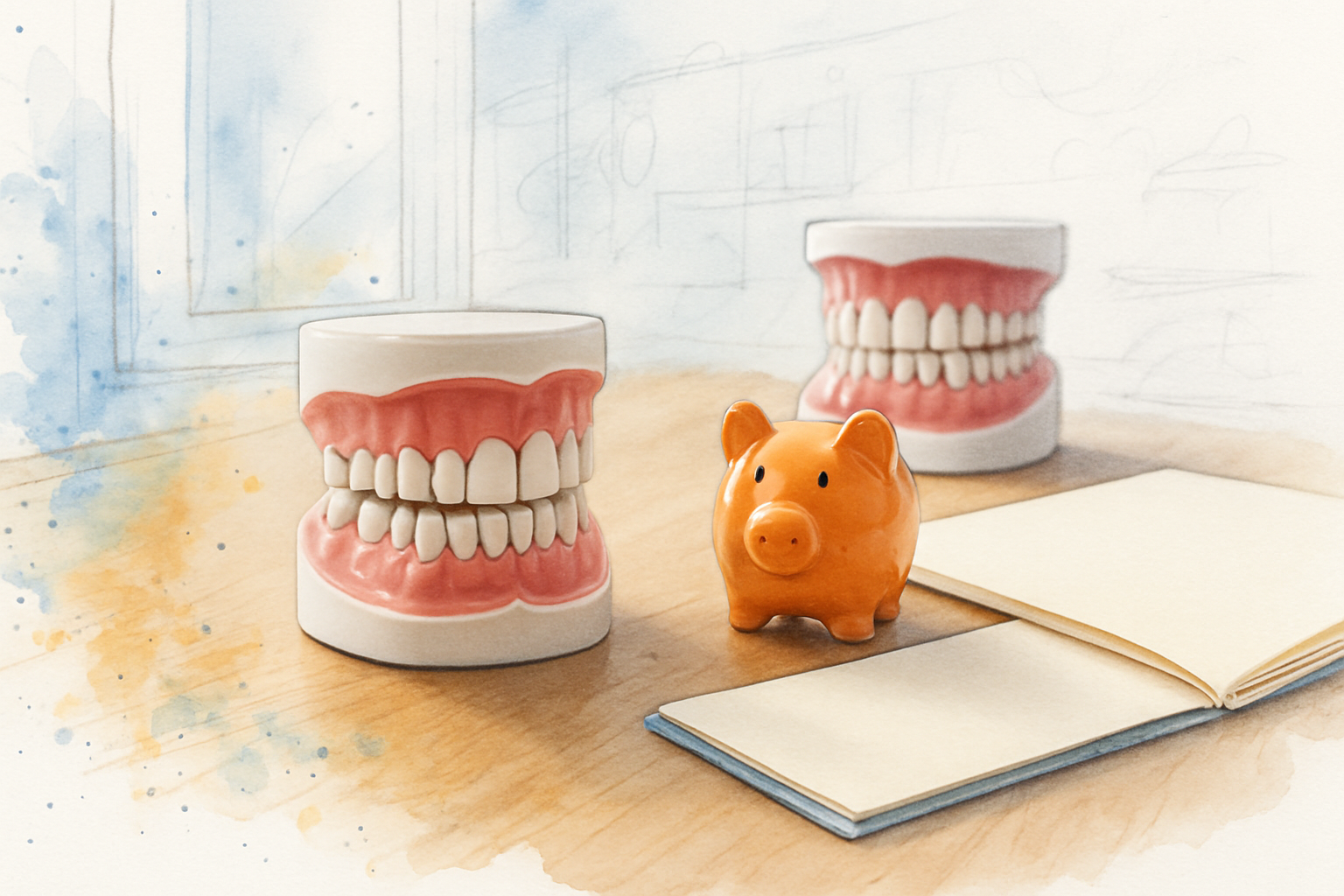
"How much does a retainer cost, and what are my options?" is one of the most common questions our front desk fields, and it comes from both finishing patients and people whose braces were done somewhere else years ago.
I am not going to post a number here, because a number without context is how people end up surprised. What I can do is tell you what moves it:
- One arch or both. Upper only costs less than upper and lower.
- Which type and system. A single clear retainer, a multi set order, and a bonded wire are priced differently and are not interchangeable.
- Single or multi set. Ordering backups raises the up front total and usually lowers what you spend per retainer over the years.
- Whether usable records exist. If your teeth have not moved much and your records are current, that is a simpler visit than starting from scratch.
- Your dental plan. Coverage for retainers often works differently than coverage for active treatment, so it is worth asking your plan directly.
Across Orange County you will see a wide spread quoted for all of this, and that spread is real. A number that means anything comes from an exam, not a website.
How the choice actually gets made
Here is what I want you to take away: you do not pick a retainer off a menu. The type gets chosen after someone looks at how your teeth sit today.
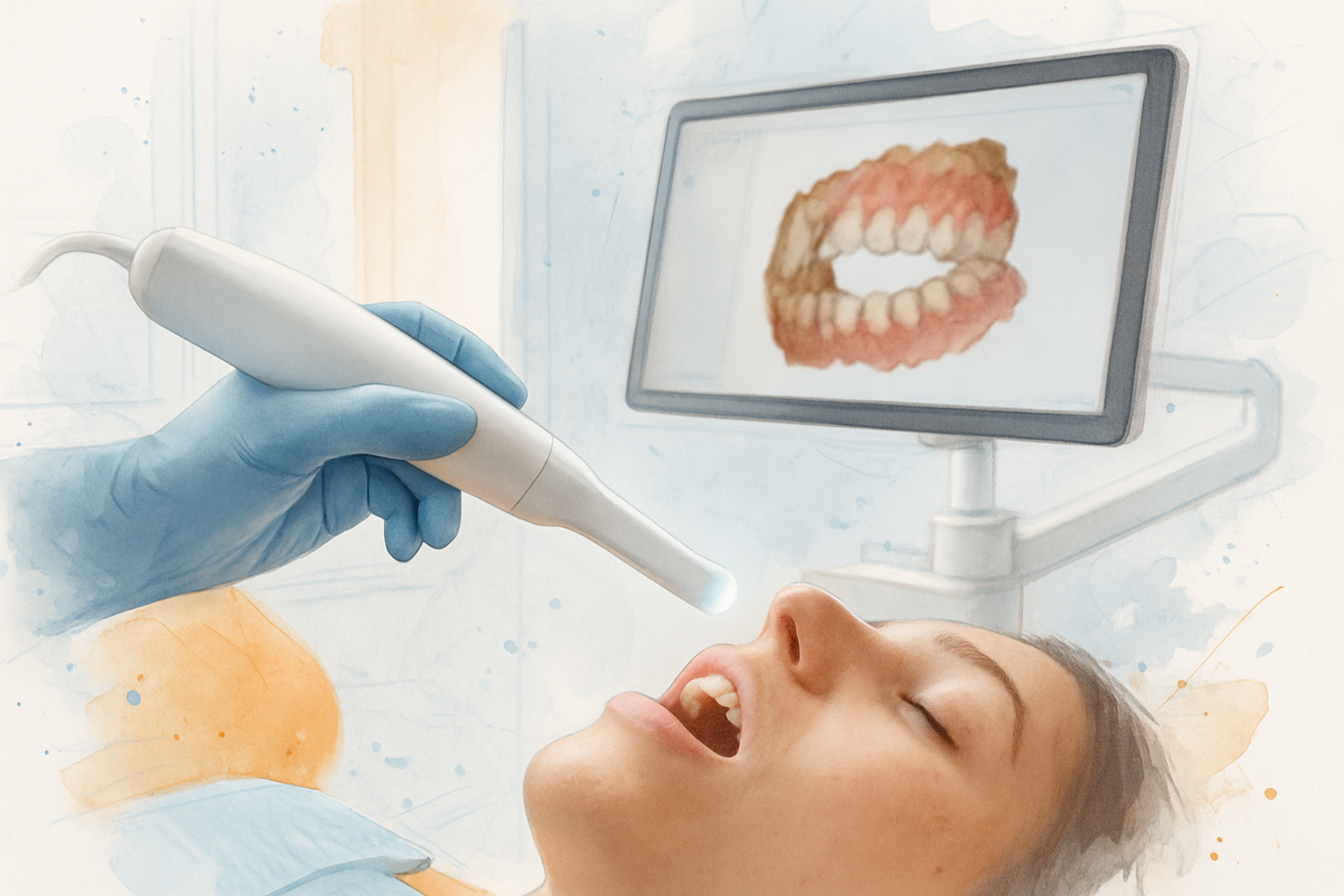
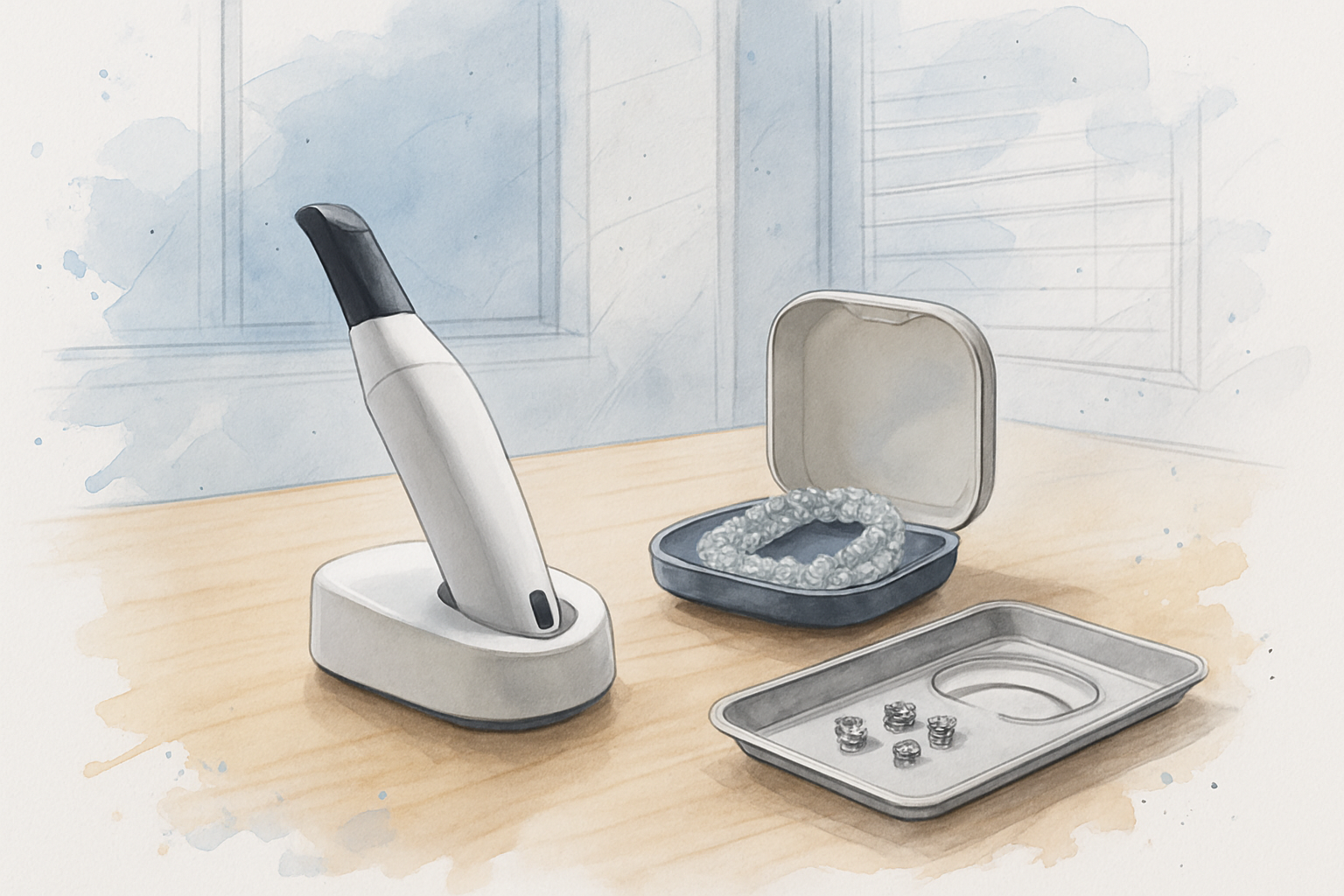
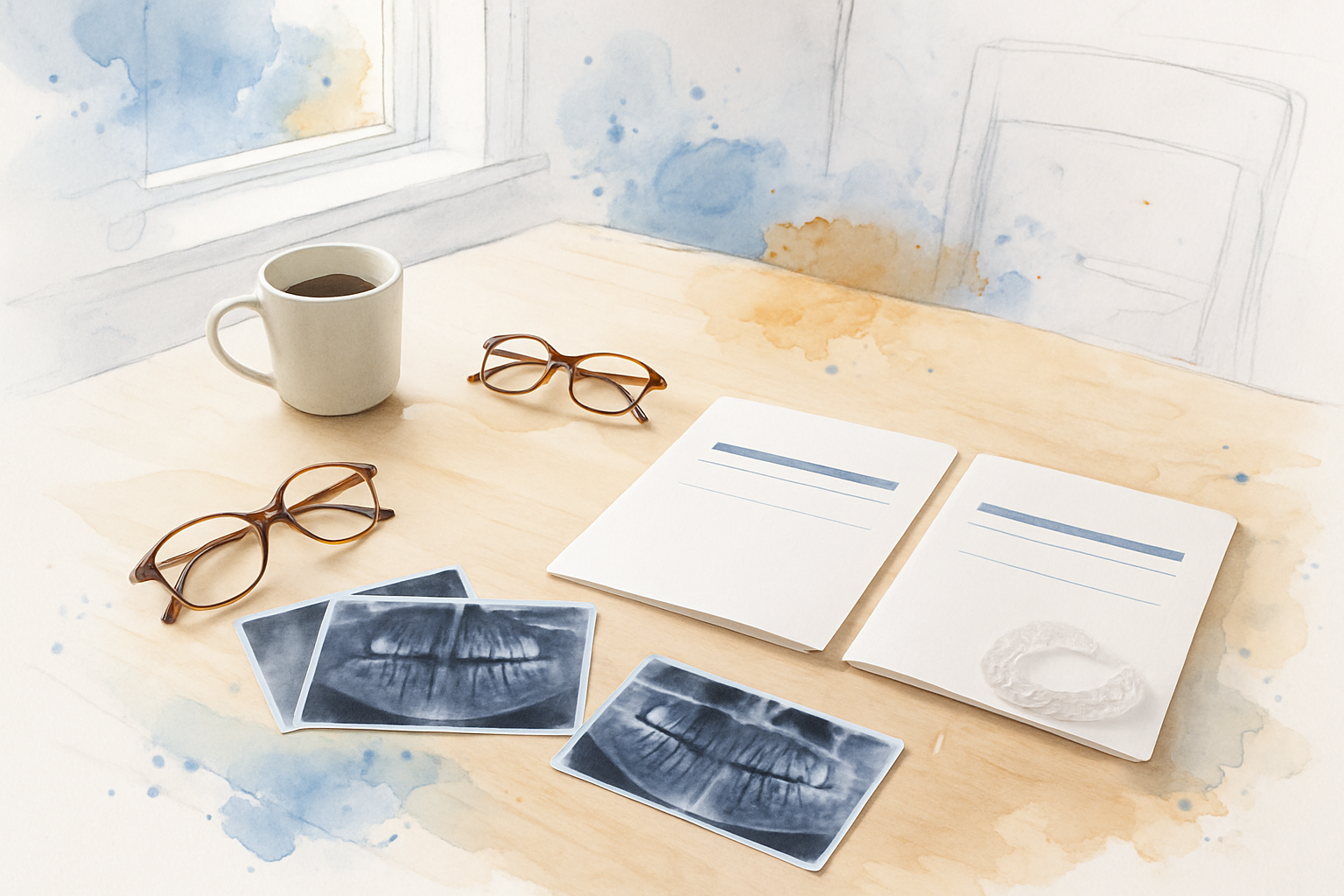
A retainer visit is short and pretty undramatic. We look at your current alignment, take a quick digital scan instead of the old putty trays, and then talk through which option matches your habits.
One patient put it this way in a review: "I thought it was really cool how they didn't have to take a physical mold of my mouth to make my retainer!" That reaction comes up a lot.
And if you stopped wearing yours, nobody here is going to lecture you about it. We see people whose braces were done at a different office a decade ago, people who had aligners somewhere else, and people who have not thought about teeth that shifted after braces until a photo made them notice. You are welcome regardless of where you started.
Frequently Asked Questions About Retainer Types
What is the actual difference between Essix and Vivera?
They are the same basic idea, a clear plastic retainer you wear at night. The practical difference is that Vivera is ordered as a multi set, so you get identical backups instead of a single retainer. If you lose one, you open the next.
Does a bonded wire mean I never need a removable retainer again?
Usually not. A wire bonded behind your lower front teeth holds those specific teeth, and it does nothing for your upper arch or your back teeth. Many patients run a wire on the bottom and a clear retainer on top, which is a normal setup.
How long do I have to keep wearing a retainer?
Longer than most people expect. Teeth keep shifting gradually throughout life, so retention is generally treated as a long term habit, not a finish line. The good news is that most adults settle into nights only and barely think about it.
My braces were done at another office years ago. Can I still get a retainer here?
Yes, and this is a large share of the retainer calls we get, especially from people who recently moved to the area. We will look at where your teeth are now rather than where they were, and go from there.
My old retainer feels tight when I put it in. Is that normal?
Some tightness after a short break can be normal, but a retainer that will not seat or that hurts is telling you something changed. Do not force it. That one deserves a quick look before you keep wearing it.
Not sure which retainer fits your routine?
Dr. Jeremy and Dr. Melissa see patients from across Huntington Beach and Fountain Valley for retainer questions, including people whose original braces were done somewhere else entirely. The office is on Beach Boulevard, easy to reach from Goldenwest, Talbert Village, and Central Fountain Valley. If you want a straight answer about which type suits you and what it would cost in your case, you can reach us at 714-594-5777 or at magicfoxsmiles.com.