Are Wisdom Teeth Really Why Your Bottom Teeth Shifted After Braces?
Direct Answer: Probably not. Research has not found a consistent link between wisdom teeth and lower front crowding after braces. Continued jaw growth and stopped retainer wear are the more likely causes.
You ran your tongue across your bottom front teeth and felt it. One tooth sits a little behind the others, or two of them overlap now in a way they did not when your braces came off. And the first thing almost everyone says is blame the wisdom teeth.
I hear this one constantly from adults across Huntington Beach and Fountain Valley. It makes sense on the surface, because the timing lines up almost perfectly. But the timing is a coincidence, not a cause.
Here is my position after seeing a lot of these cases: the wisdom teeth are usually not the villain. The more likely story is a lower jaw that kept growing into your twenties and a retainer that quietly stopped getting worn, and that combination is common enough that it should not feel like a personal failure.
Do wisdom teeth cause crowding after braces? What the research actually says
The theory sounds logical. Wisdom teeth push forward from the back, the pressure travels up the arch, and your front teeth get squeezed together.
Researchers have tested that idea for decades. A systematic review published through the National Library of Medicine looked at whether the presence or the removal of third molars meaningfully changes front tooth crowding after orthodontic treatment. The conclusion was that there is no consistent link.
That means two things for you:
- Keeping your wisdom teeth is not a reliable predictor of lower front crowding
- Removing them is not a reliable way to prevent or reverse it
- People with no wisdom teeth at all still get late lower crowding
So why does everyone believe it? Because late lower crowding tends to show up in the late teens and twenties, which is exactly the window when wisdom teeth erupt. Two things happening at the same time look like cause and effect.
If you want the broader version of this, I wrote more about what causes teeth to shift and why it keeps happening long after treatment ends.

The two things that actually moved your bottom teeth
Your lower jaw kept growing. Jaw growth does not stop neatly at age 16 when the braces come off. The lower jaw often keeps developing forward and slightly upward into the early twenties, and sometimes past that.
When the lower jaw drifts forward a hair and the upper teeth stay put, the lower front teeth get nudged back and tip inward. There is only so much room along that curve, so they overlap. This happens slowly, a fraction of a millimeter at a time, which is why you notice it one random Tuesday years later.
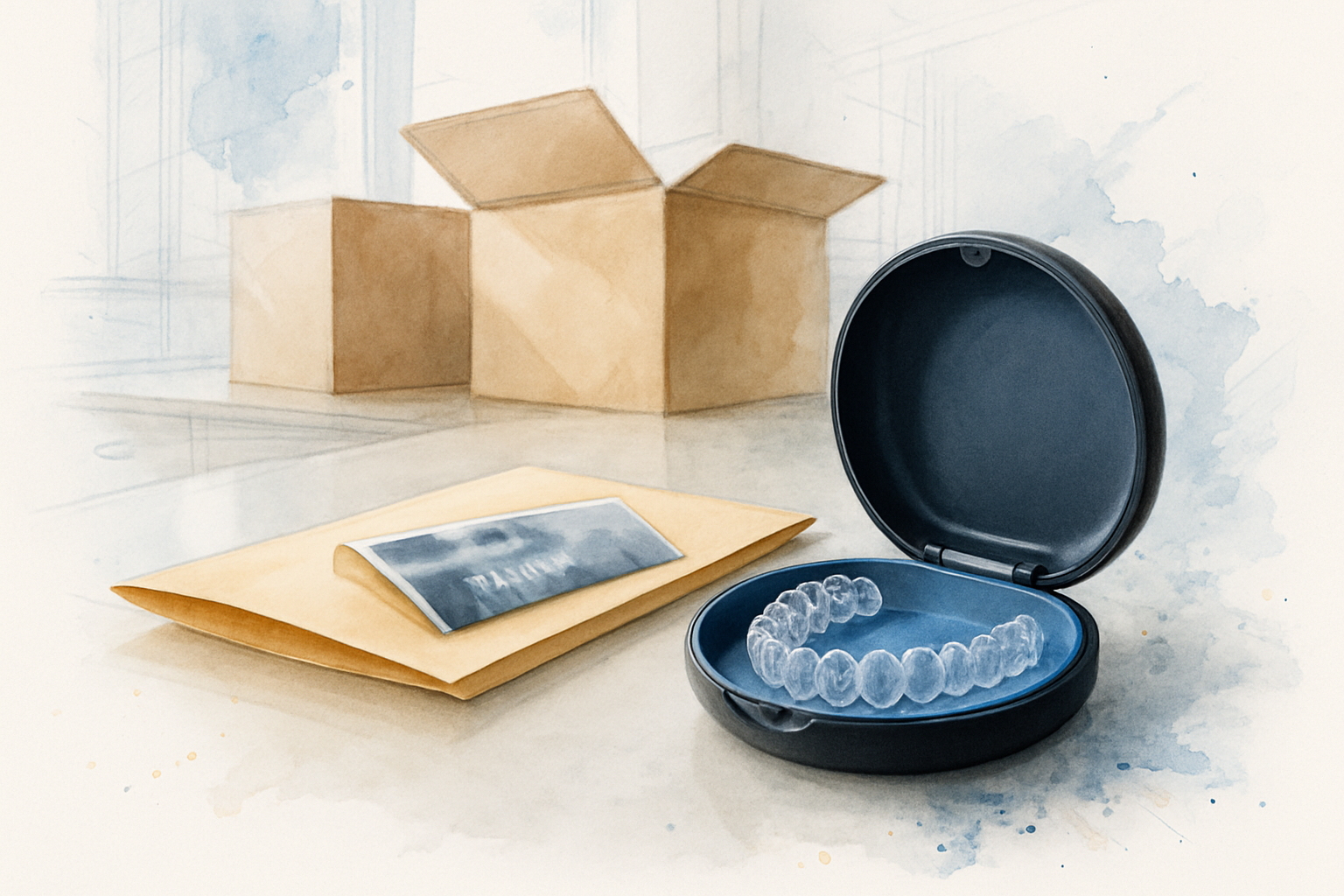
Your retainer stopped getting worn. This is the other half, and I want to be honest without turning it into a lecture. Almost nobody wears a retainer at 25 the way they did at 16.
It usually goes like this:
- The retainer breaks or gets thrown out in a napkin at a restaurant
- You skip a few nights, then a few weeks, and nothing seems to happen
- Months later it feels tight, so you stop trying to force it
- A year after that, the teeth have settled into a new position
Teeth are held in place by ligaments, not cement. Those fibers have memory and they pull. A retainer is the only thing that keeps answering back, which is why teeth shift after braces when retainer wear stops.
If the wisdom teeth do need to come out, that is a separate conversation
I want to draw this line clearly, because the two decisions get tangled in people's heads and we get calls from folks who are not sure who to even ask.
Wisdom teeth may need to come out for their own reasons, like decay risk, pain, infection, or the fact that they are impacted. That evaluation belongs with your general dentist or an oral surgeon, and it is their call to make.
Alignment and retention are a different visit entirely. An orthodontist looks at where your teeth sit now, compares it to where they finished, and figures out what to do about it. You do not have to resolve the wisdom tooth question before you ask about the crowding.
Why Lower Teeth Crowd Again: Myth vs. Likely Cause
This breaks down the common belief next to what the evidence actually supports.

The practical fork: a new retainer, or a short focused touch-up
This is the part most people do not know, and it is the reason I think the fear around this topic is worse than the reality.
A lot of relapse is partial. One or two teeth moved a couple of millimeters and everything else is still sitting where it finished. The fix is usually far shorter than your original treatment was.
There are generally two paths:
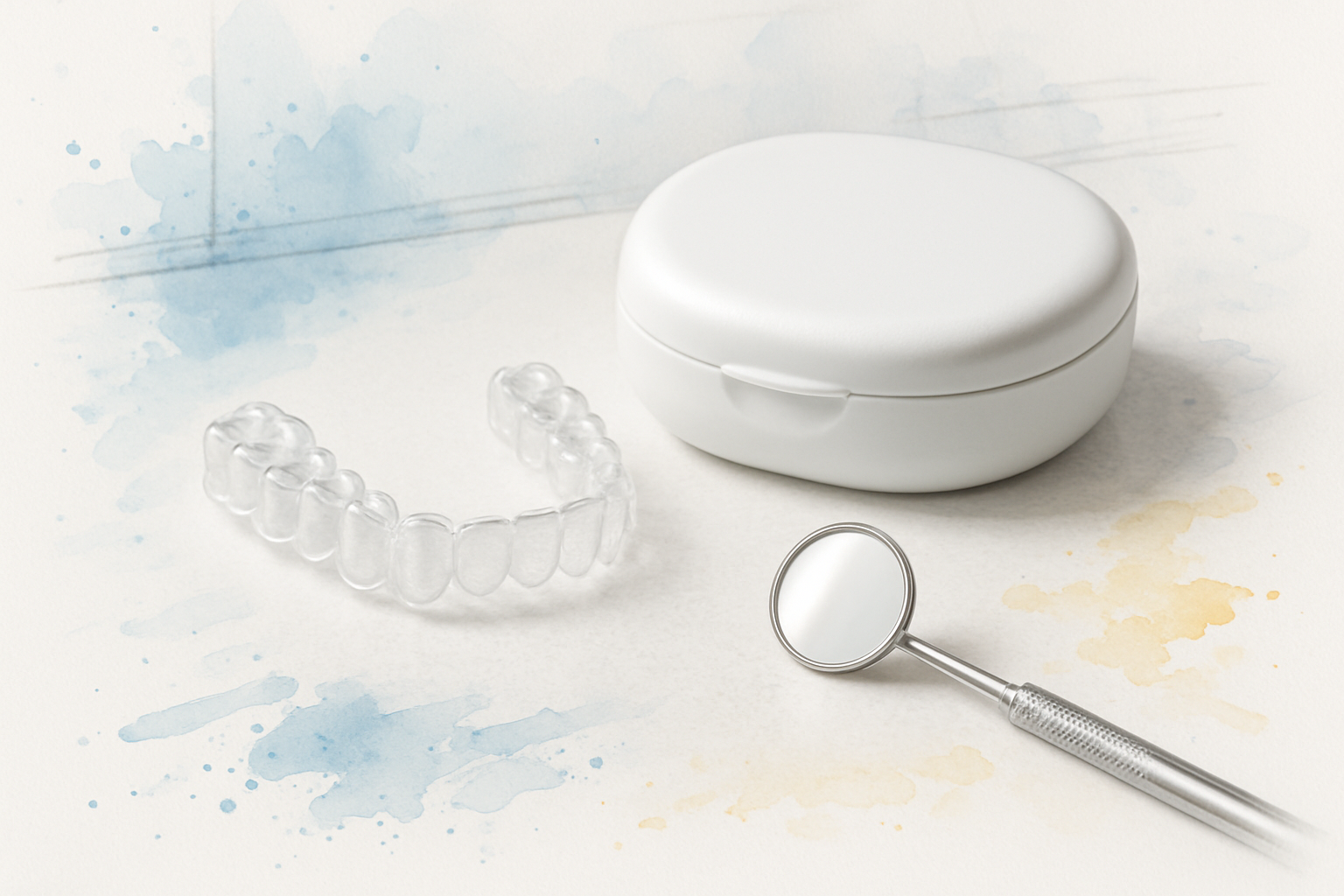
- A replacement retainer. If the teeth have barely moved and your bite is still solid, a new retainer may be the entire answer. It holds what you have and stops the drift from continuing.
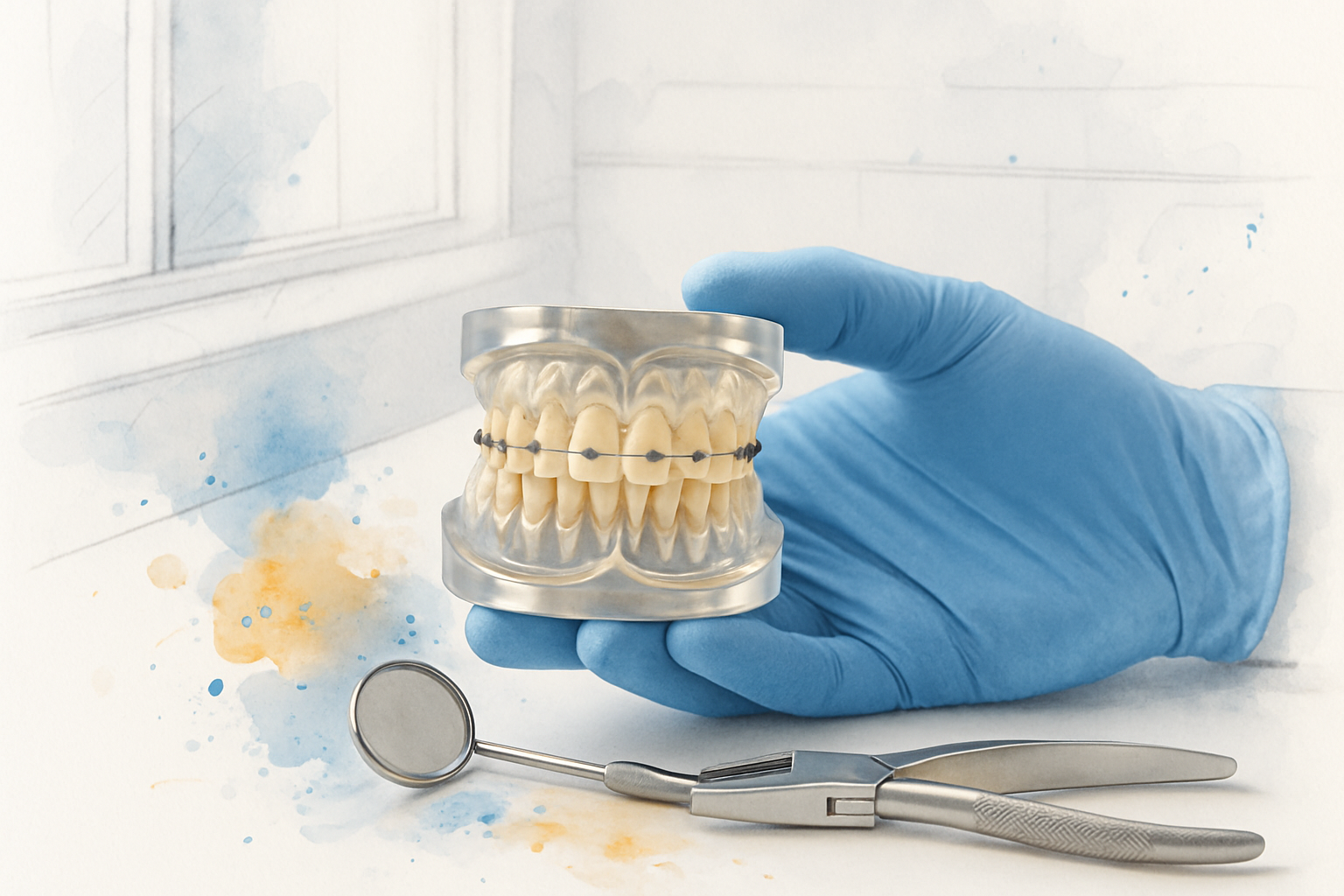
- A focused touch-up. If one or two teeth have drifted past what a retainer can hold, a short run of clear aligners or brackets can bring them back, then a retainer keeps them there. We added focused treatment for exactly this kind of one or two tooth concern, because so many people only want that and nothing more.
The only way to know which one you need is to compare where the teeth sit now against where they finished. A photo will not tell you that, and neither will running your tongue over them.
Retainer replacement cost comes up on our phones almost every month, and the honest answer is that it depends on the retainer type and whether the teeth still fit the old shape. Costs also vary by how far things have drifted and which path makes sense, so an exact number has to come from an exam. If you are weighing whether you even need full treatment, one or two crooked teeth do not always require it.
Which path fits which situation
A rough guide to how these two options usually sort out. Your own exam may land differently.
| What is going on | Likely path | Typical time commitment |
|---|---|---|
| Teeth look the same, retainer broke or was lost recently | Replacement retainer | One scan visit plus pickup |
| Slight rotation on one lower tooth, bite unchanged | Replacement retainer or very short touch-up | Weeks, not years |
| Two lower front teeth now overlap noticeably | Focused touch-up, then a retainer | Months, far shorter than original treatment |
| Bite feels different, upper and lower both changed | Full evaluation before deciding | Depends on the exam |
| Wisdom teeth hurting or impacted | General dentist or oral surgeon, separate visit | Not an orthodontic decision |
What the evaluation looks like, start to finish
For most people the unknown is a bigger barrier than the cost. So here is the order it usually goes in.
- We talk first about what you noticed, when you noticed it, and whether you still have the original retainer
- We pull up your old records if you have them, or whatever your previous office can send
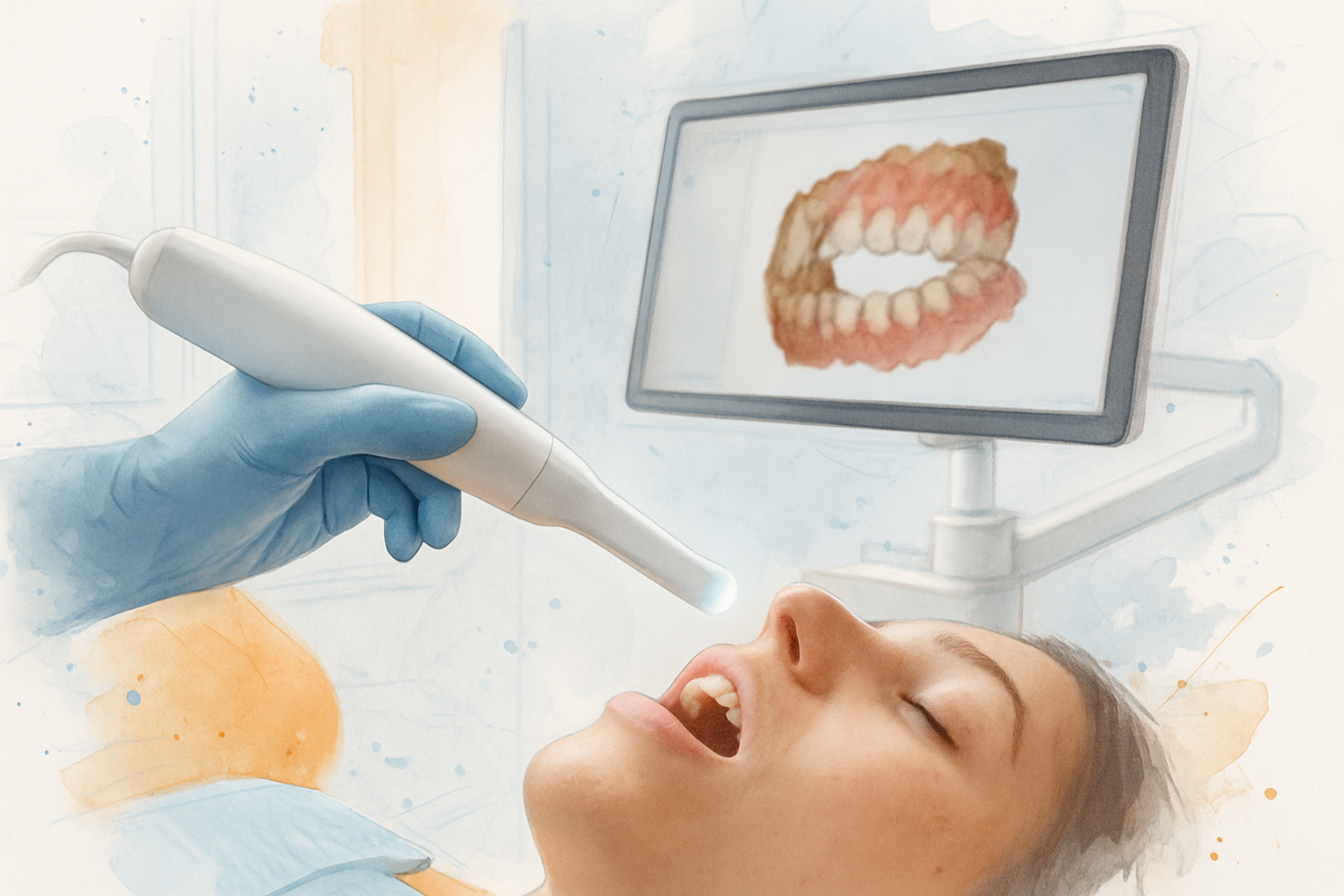
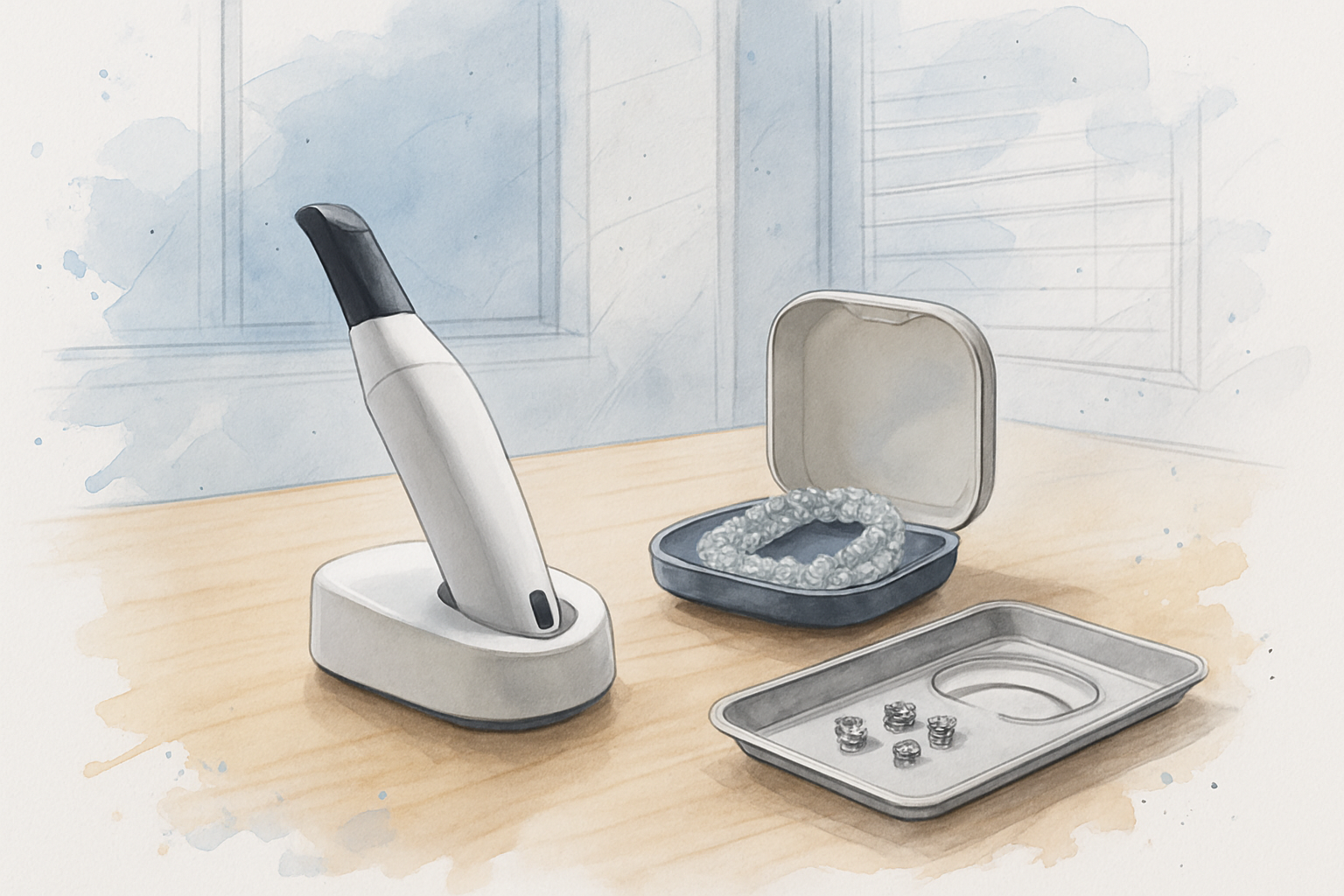
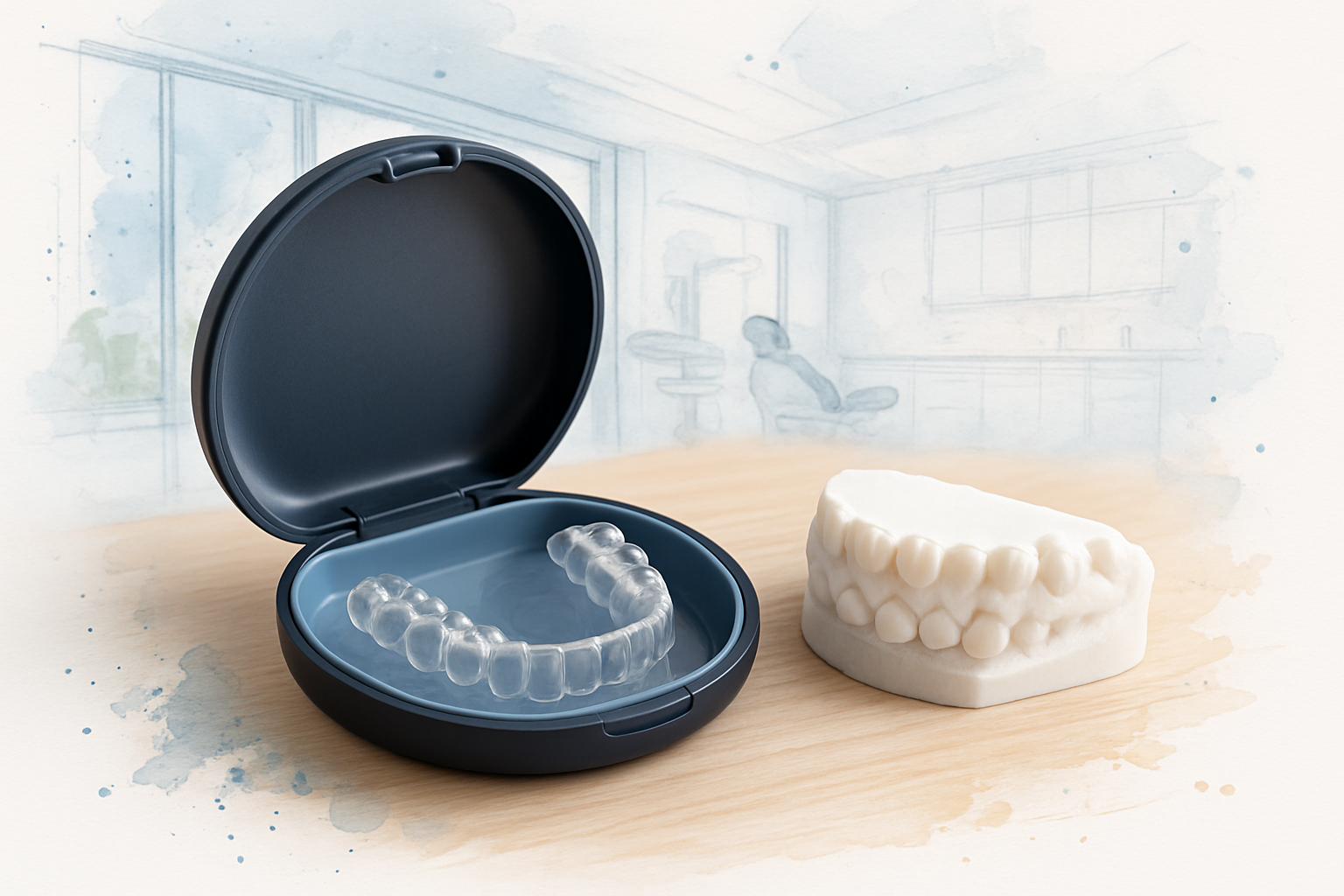
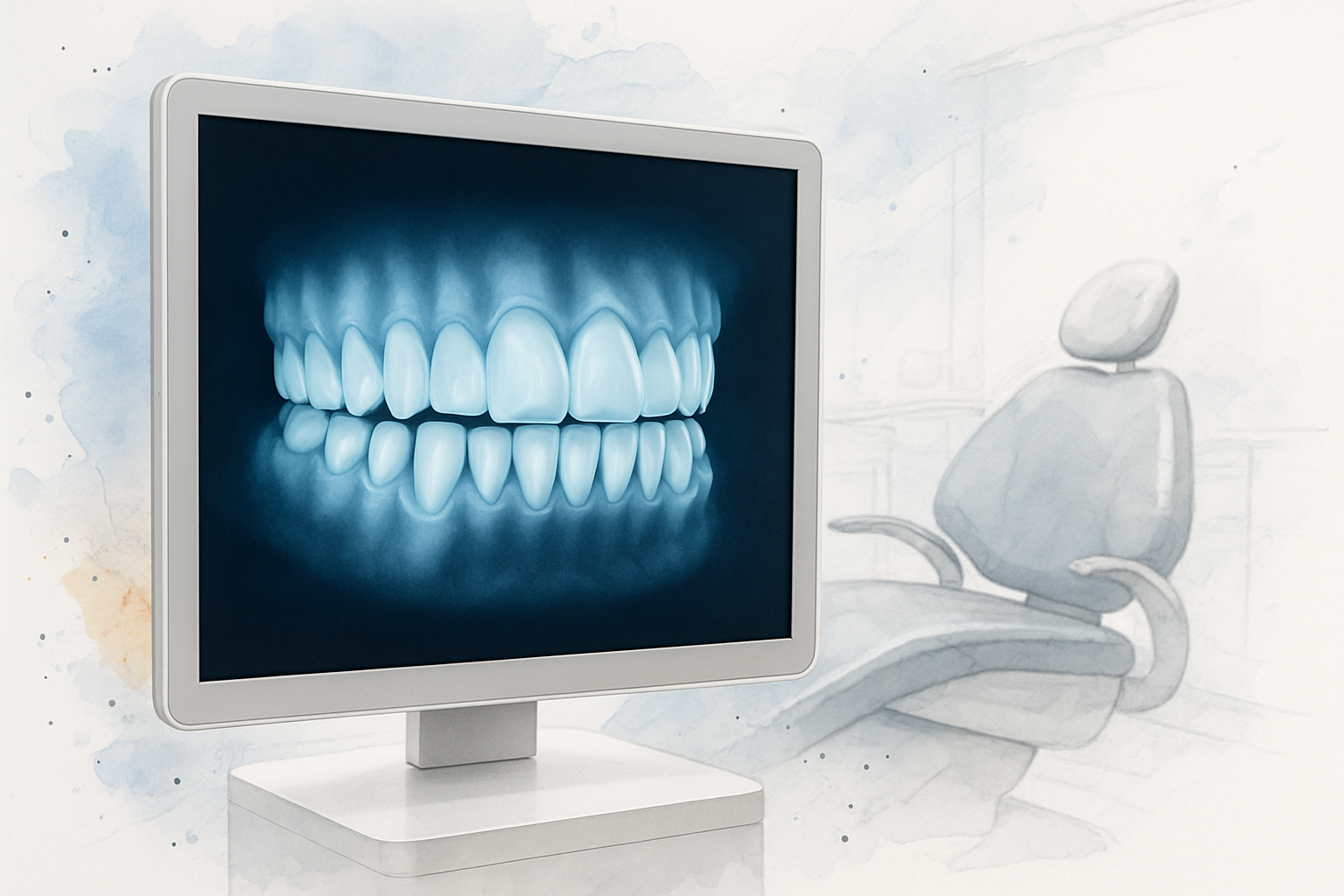
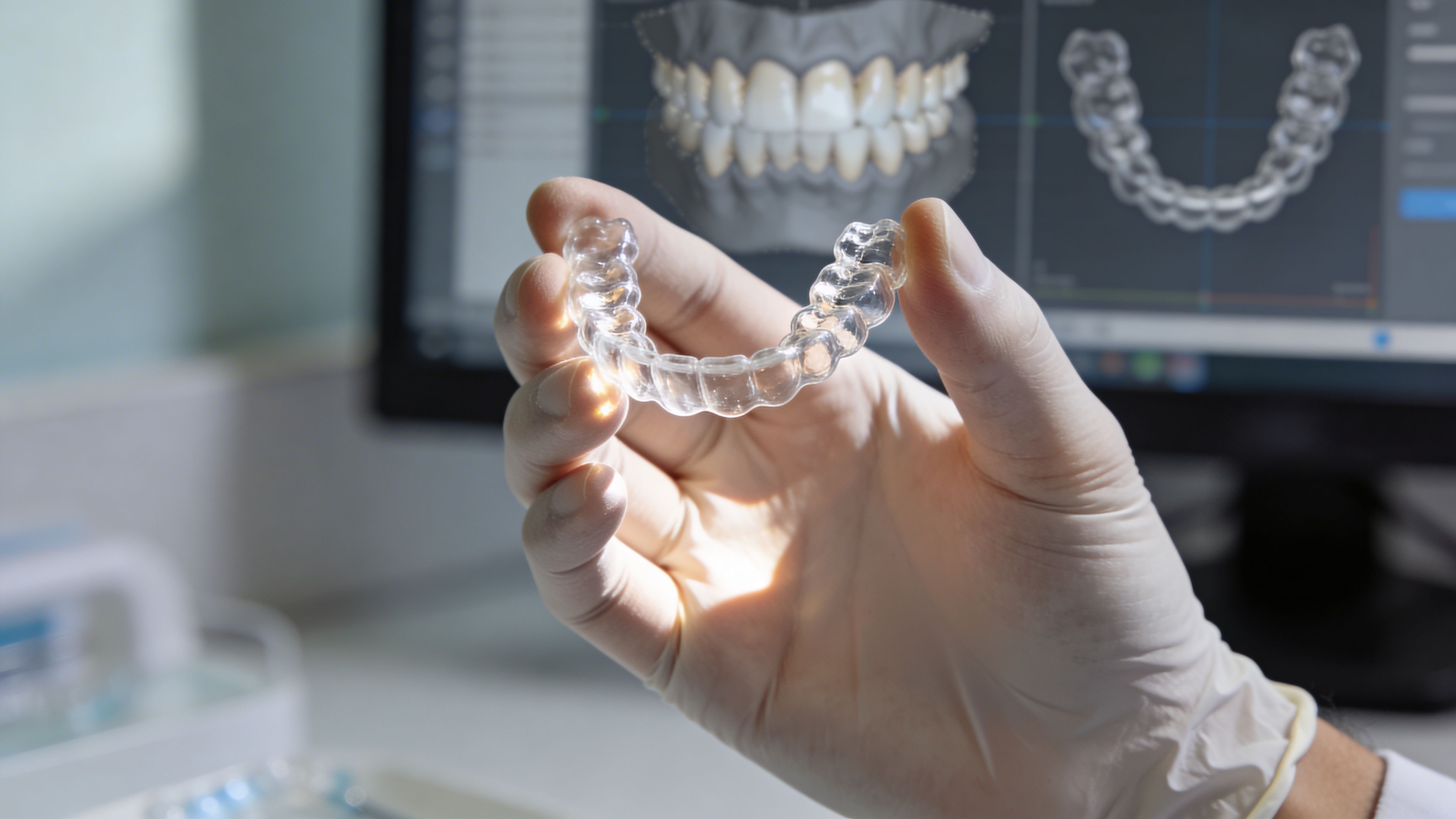
- We take a digital scan, no physical mold and no gagging on impression material
- We put the scan next to where your teeth finished and measure the actual difference
- Dr. Jeremy and Dr. Melissa walk you through what they are seeing on the screen before anyone talks about a plan
The no-mold part surprises people more than anything else. One patient put it plainly in a review: "I thought it was really cool how they didn't have to take a physical mold of my mouth to make my retainer!"
Nobody can quote you a plan or a price from a photo or a phone call. The number comes from what the scan shows, and that is a feature, not a stall.
This is an adult issue here, not a teenager issue
If you are quietly wondering whether you will be the oldest person in the waiting room, you will not be.
Huntington Beach and Fountain Valley both have a median age right around 44, and roughly one in five residents is 65 or older. Someone in Talbert Village or Oak View who had braces in high school and is now in their fifties is an ordinary patient on Beach Boulevard, not an unusual one.
We treat patients well into their seventies. One reviewer wrote at 76 that she would recommend anyone at any age come in to improve their smile. Healthy teeth move at any age, and the biology of tooth movement does not check your birthday.
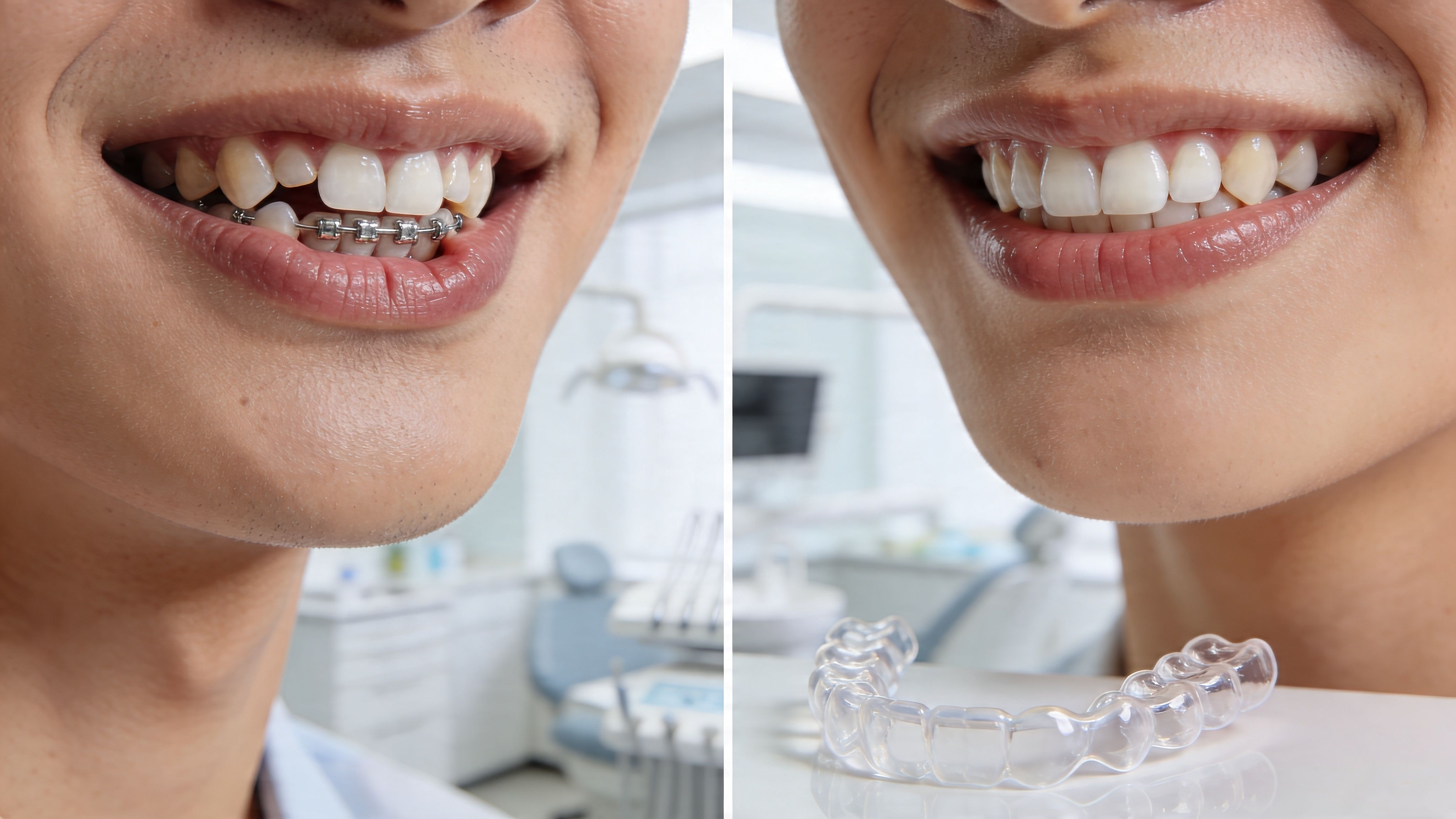
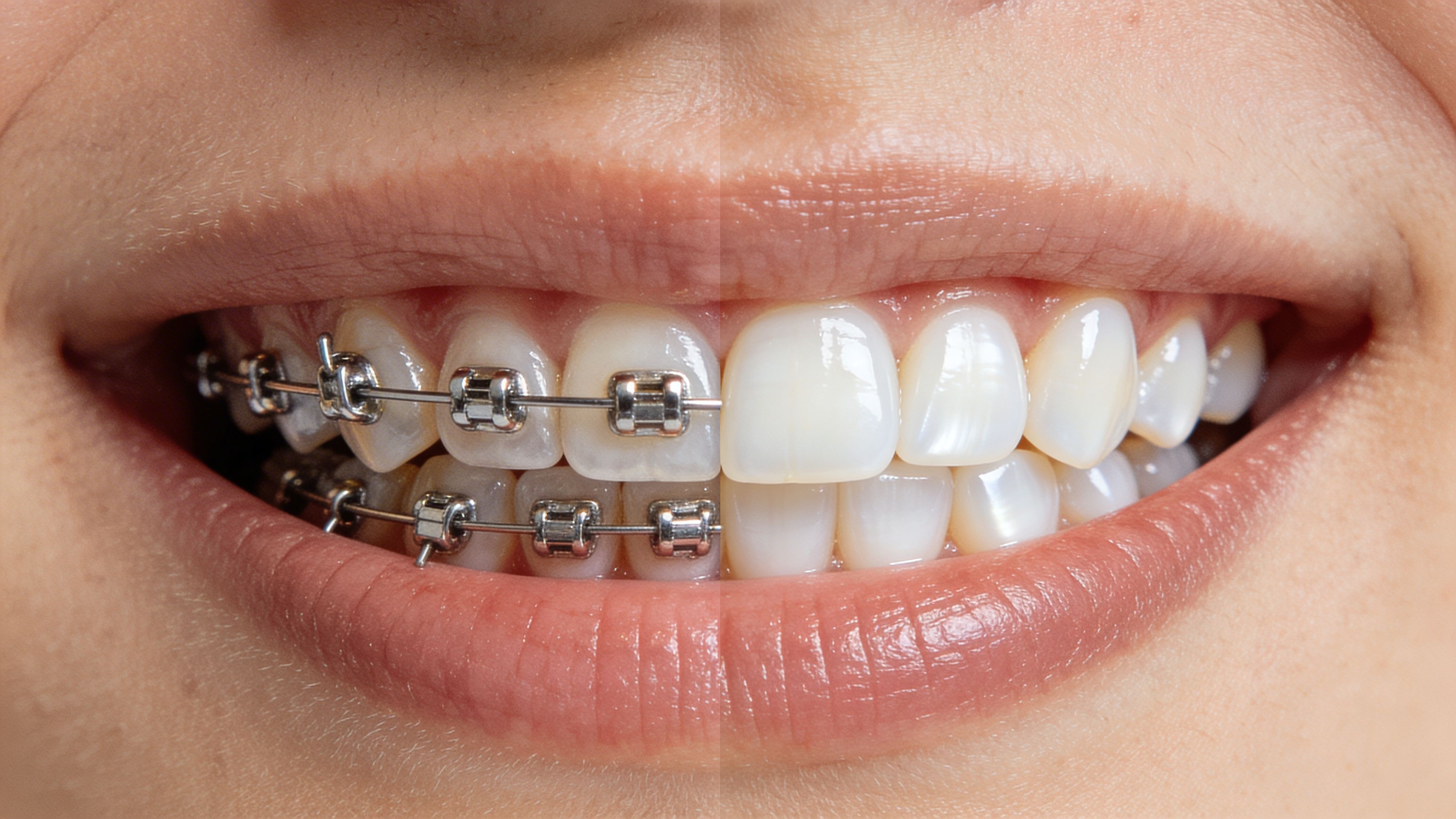
If the self-conscious part is what is holding you back, adults getting braces is far more normal than it feels, and discreet options exist for people who do not want it visible at work.
Frequently Asked Questions About Wisdom Teeth and Shifting Teeth
If I get my wisdom teeth removed, will my bottom teeth straighten back out?
No. Removal does not reverse crowding that already happened, and the research does not support it as a way to prevent future crowding either. If the wisdom teeth need to go for their own reasons, that is a valid decision on its own, just not an alignment fix.
My retainer does not fit anymore. Can I still force it on?
Please do not. A retainer that no longer seats properly is telling you the teeth have moved past what it was built to hold, and forcing it can put uneven pressure on individual teeth. Bring it with you so we can see how far off it is.
How much does a replacement retainer cost?
It depends on the retainer type and whether your teeth have moved enough that a fresh scan and a new design are needed. Costs vary quite a bit between a straight replacement and a touch-up followed by a retainer, so the honest answer comes from the exam rather than from a blog post.
Do I have to start my whole treatment over?
Usually not. Most relapse we see is partial, involving one or two teeth that drifted a few millimeters, and a short focused treatment handles it. Full treatment comes back into the picture mainly when the bite itself has changed, not just the front teeth.
I had braces at a different office. Can I still come in?
Yes. Transfer and finished-elsewhere patients are common. Bring whatever records you can get from the original office, but we can work from a current scan if those records are long gone.
Will wanting the smallest possible fix annoy the orthodontist?
Not even a little. Wanting the smallest sensible option is a completely legitimate reason to come in, and several patients have told us they chose us after being told honestly that they needed less treatment than somewhere else had recommended.
Wondering whether your bottom teeth need a retainer or a touch-up?
Dr. Jeremy and Dr. Melissa see patients themselves at every visit, and they will tell you straight when a replacement retainer is the whole answer. Our office sits on Beach Boulevard and we see patients from across Huntington Beach and Fountain Valley, from Goldenwest and Newland to Central Fountain Valley. Consultations can be arranged at 714-594-5777 or at magicfoxsmiles.com whenever you are ready to get a real look at what moved.