Why Orthodontic Treatment Costs What It Does in Huntington Beach
Direct Answer: Orthodontic pricing reflects diagnostic scans, a custom treatment plan, materials, 18 to 24 months of specialist visits, and retainers. Insurance usually pays a lifetime maximum, and most offices spread the rest over monthly payments.
Almost every week, someone calls our office on Beach Boulevard and asks some version of the same question before anything else: what is this going to cost me, and can I pay it monthly?
I get why. Between housing costs in Huntington Beach and everything else a family juggles, a multi-year health decision with a four-figure price tag deserves a straight answer, not a shrug.
So let me walk you through what actually drives the number. We will cover what you are paying for, how orthodontic insurance benefits really work, and why two quotes for the same smile can be thousands of dollars apart.
What you are actually paying for in orthodontic treatment
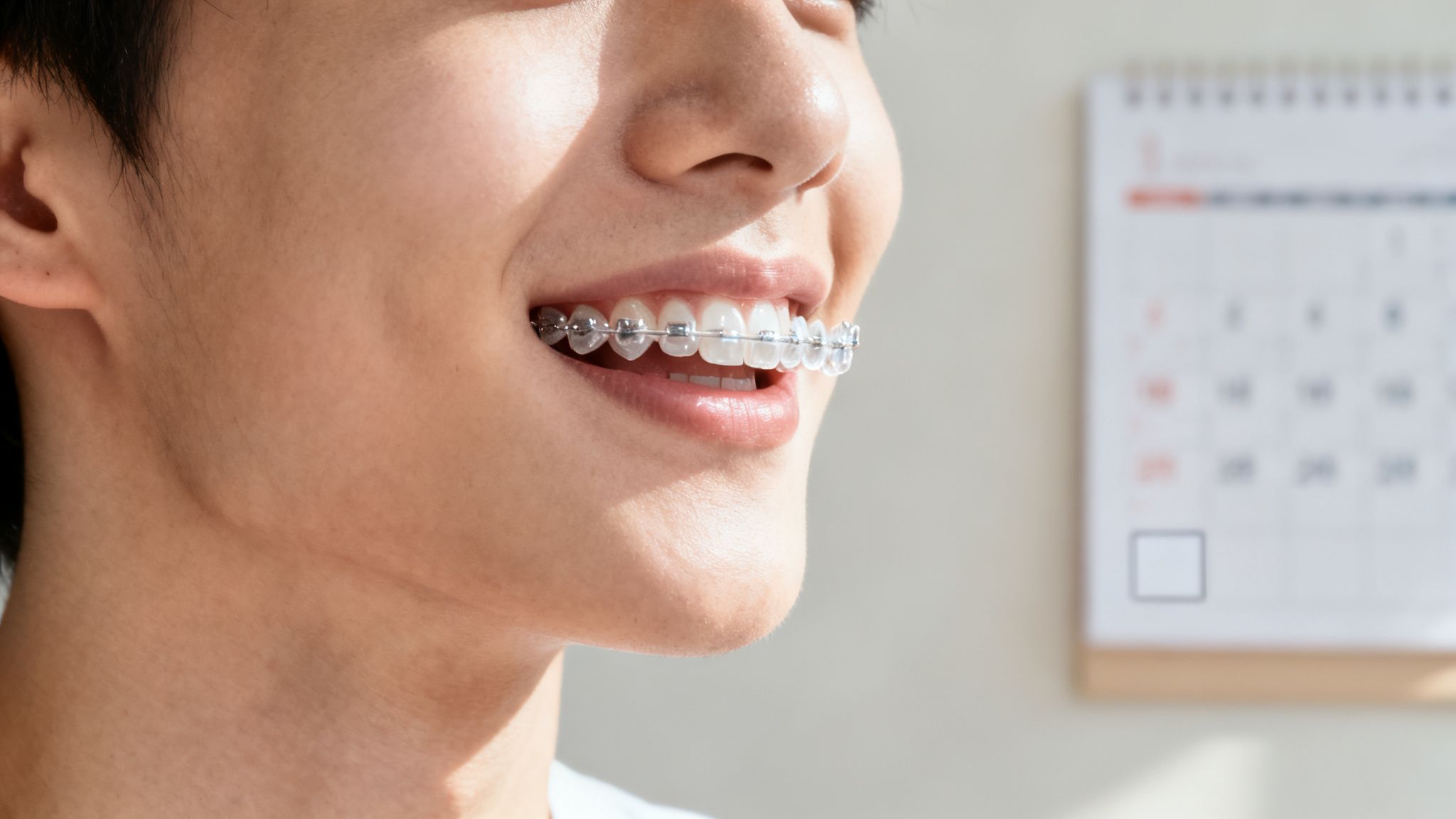
Here is the shift that helps most people: you are not buying hardware. You are buying 18 to 24 months of professional oversight, and the brackets or aligners are just the tools used along the way.
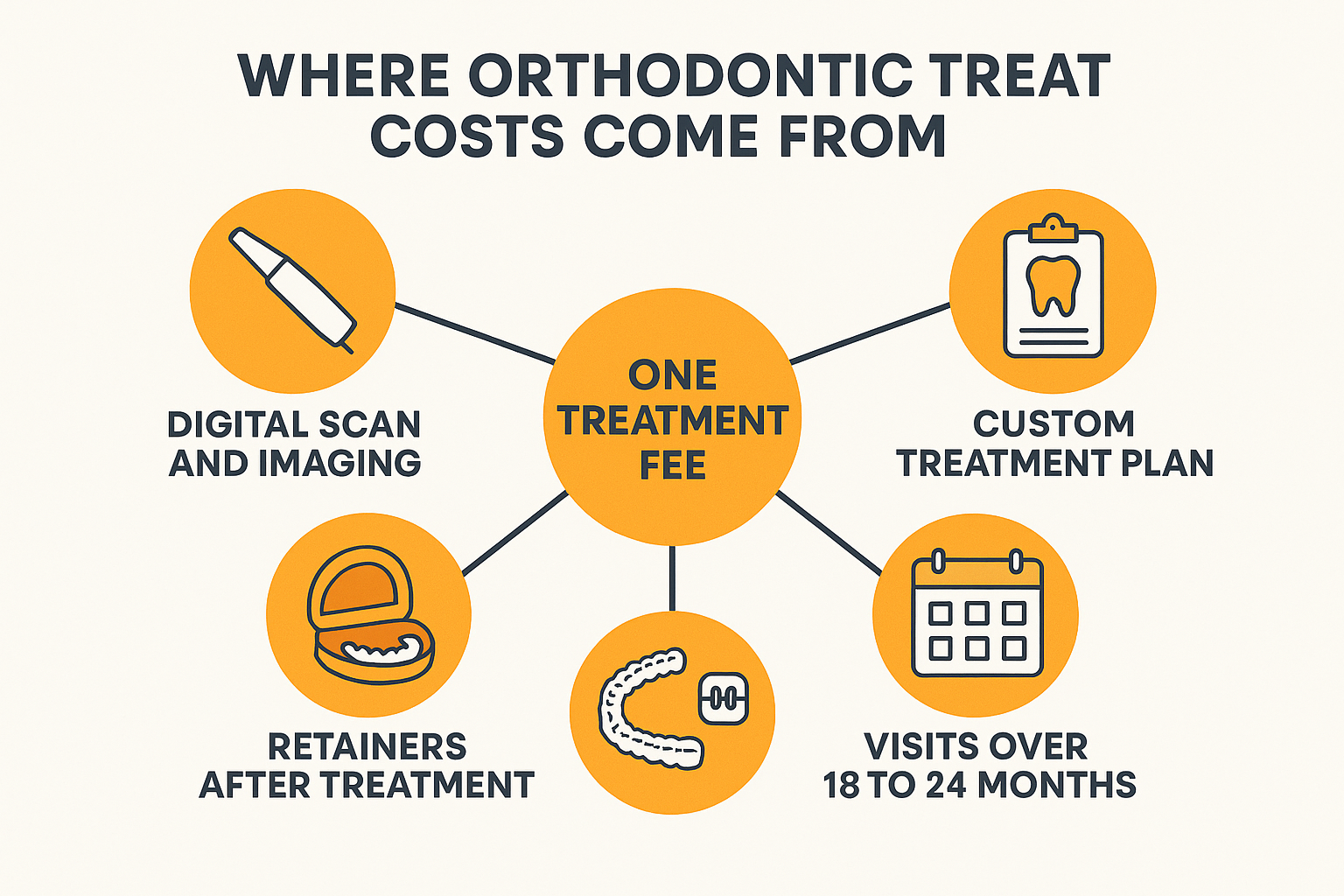
A typical comprehensive case includes:
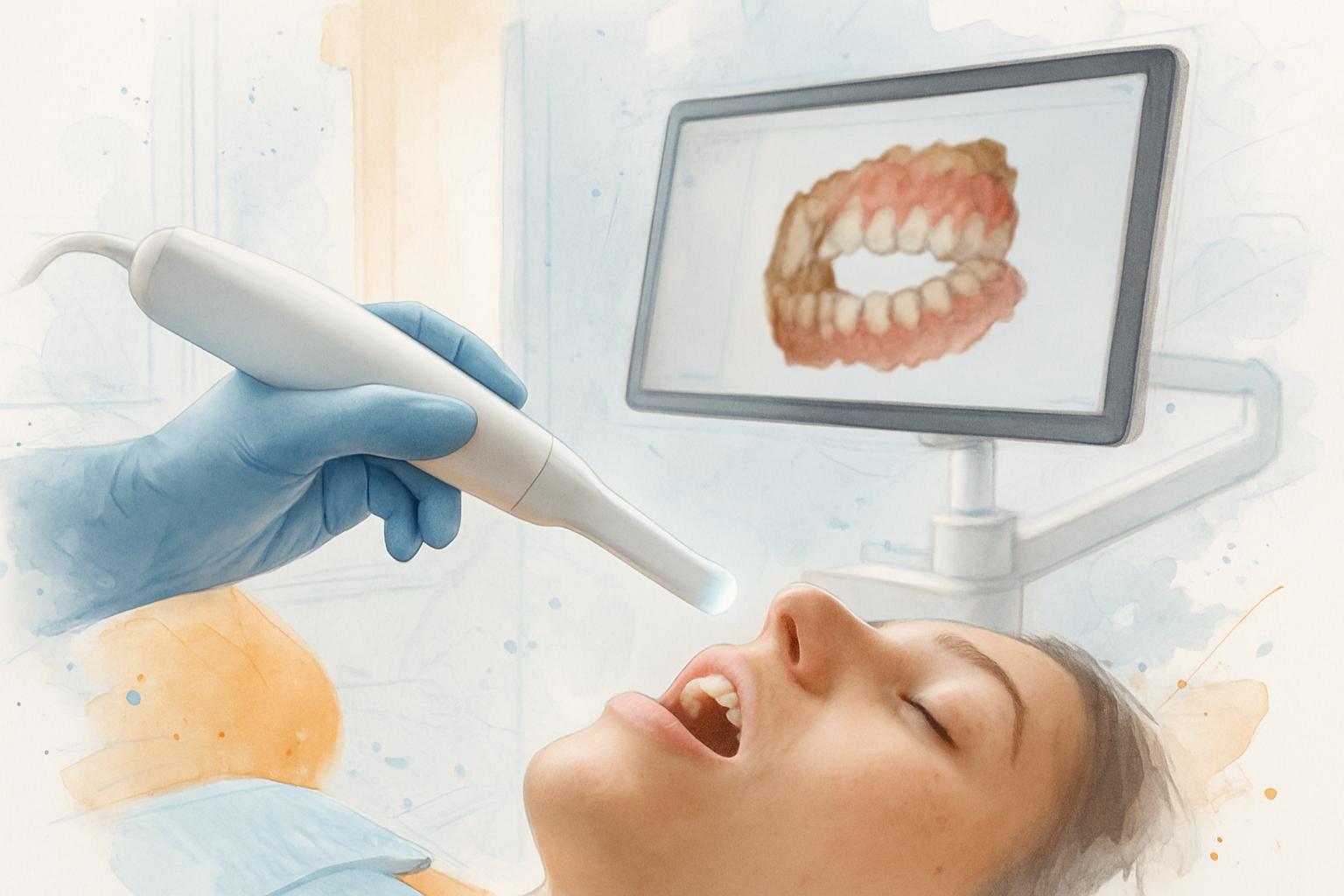
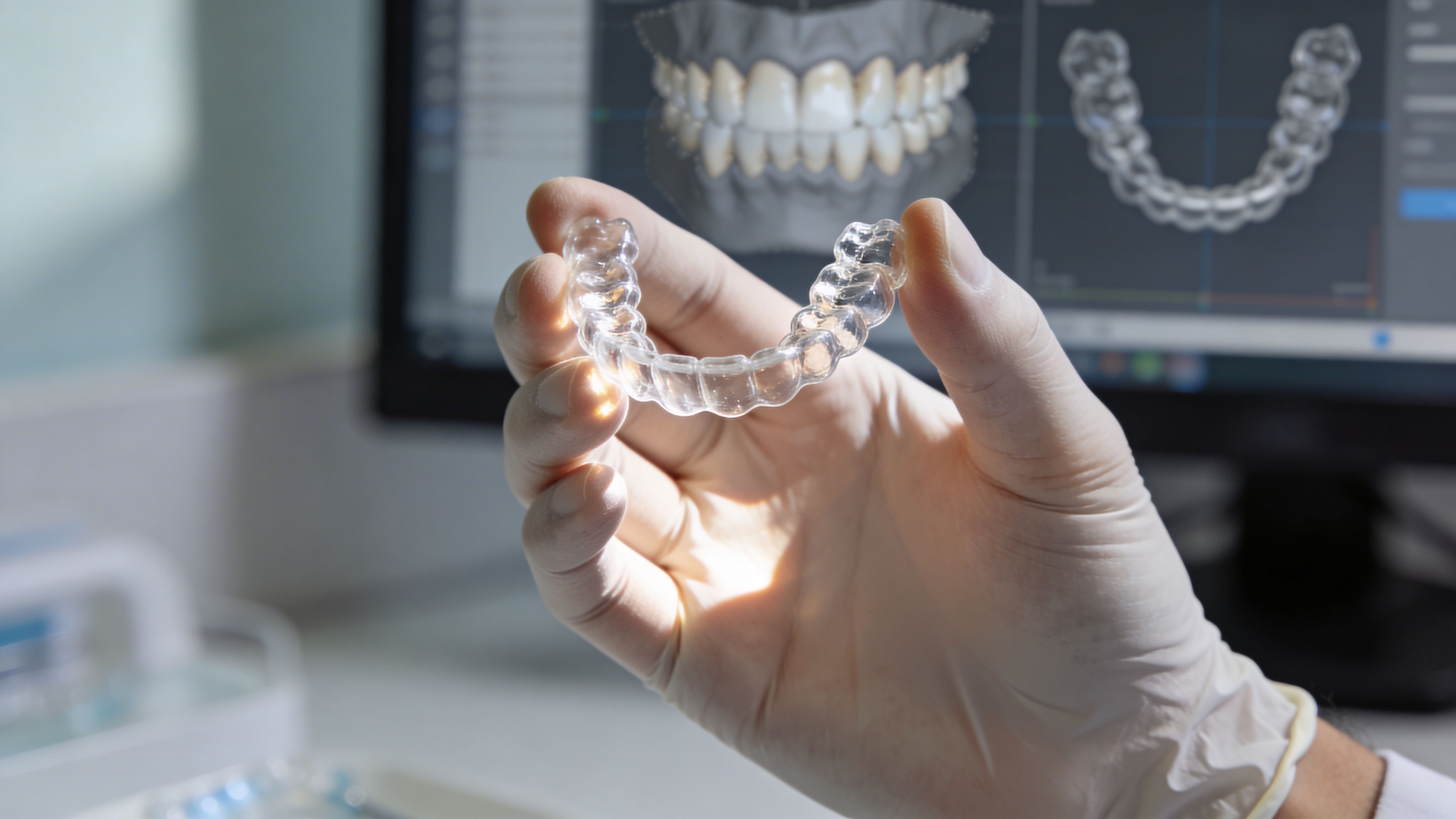
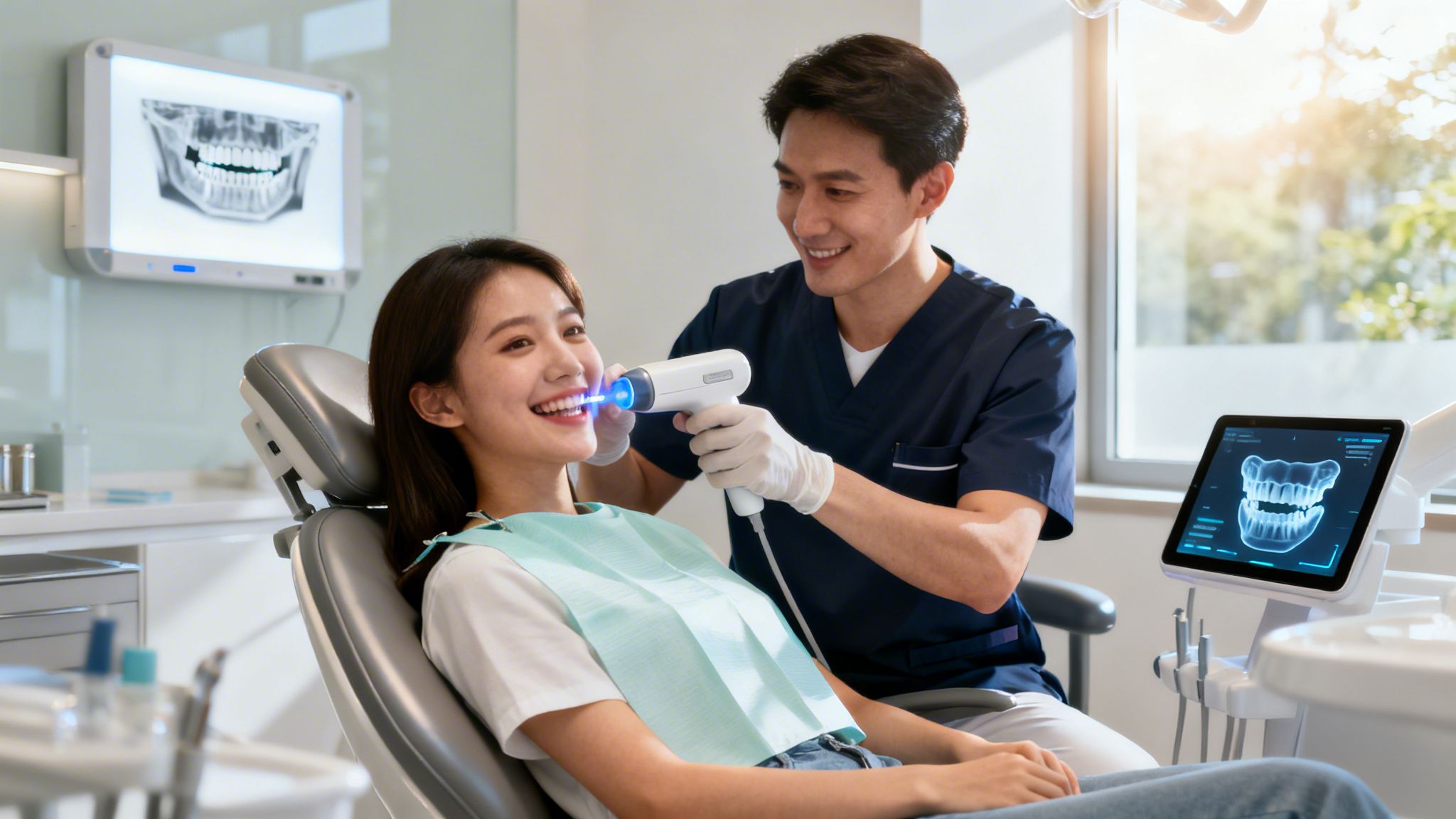
- Diagnostic records. A digital scan of your teeth and imaging of your jaw and roots. No goopy molds, which patients mention as a relief more often than you would think.
- The treatment plan itself. Dr. Jeremy and Dr. Melissa map out how each tooth needs to move, in what order, and how the bite should finish. This is the part that takes real training.
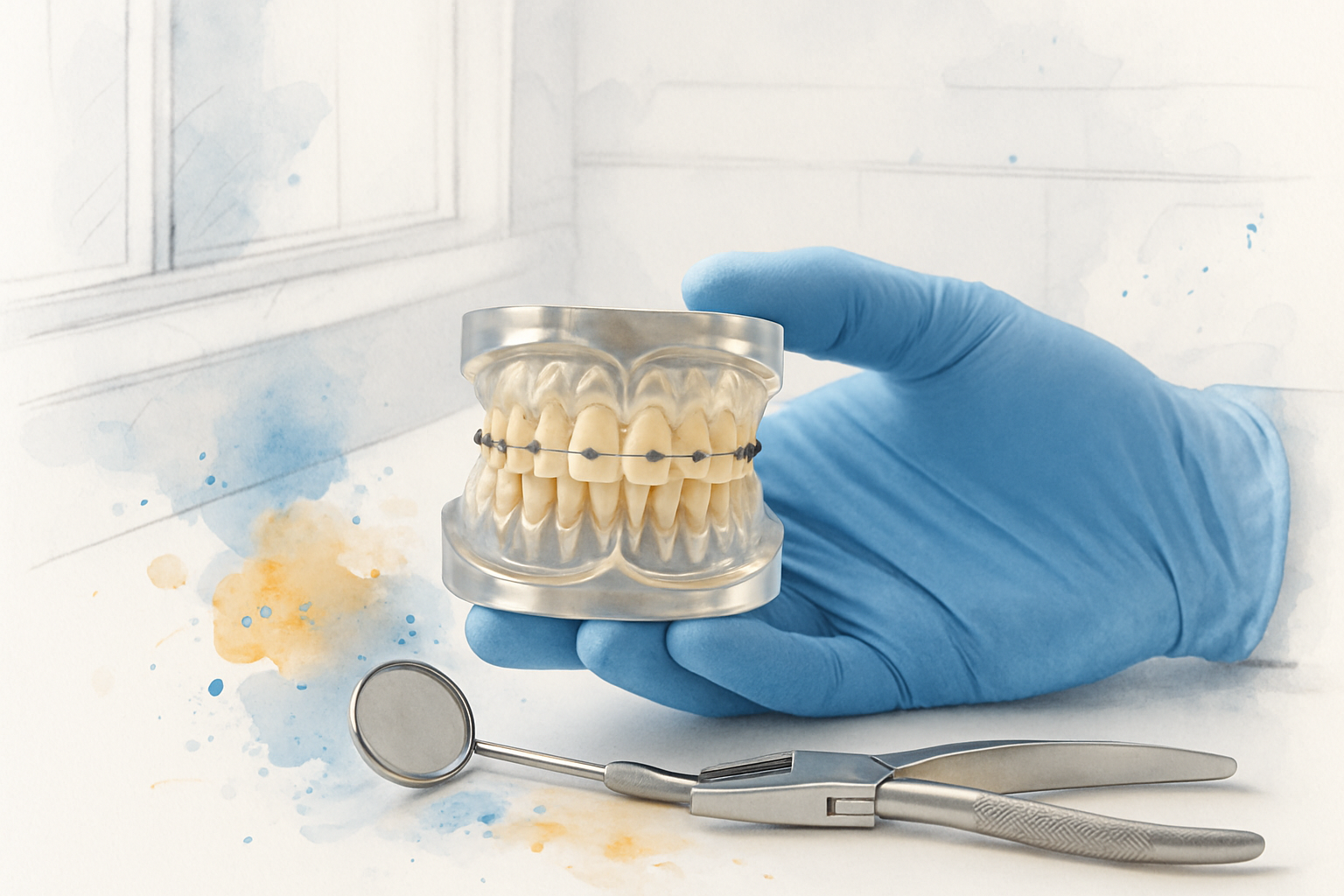
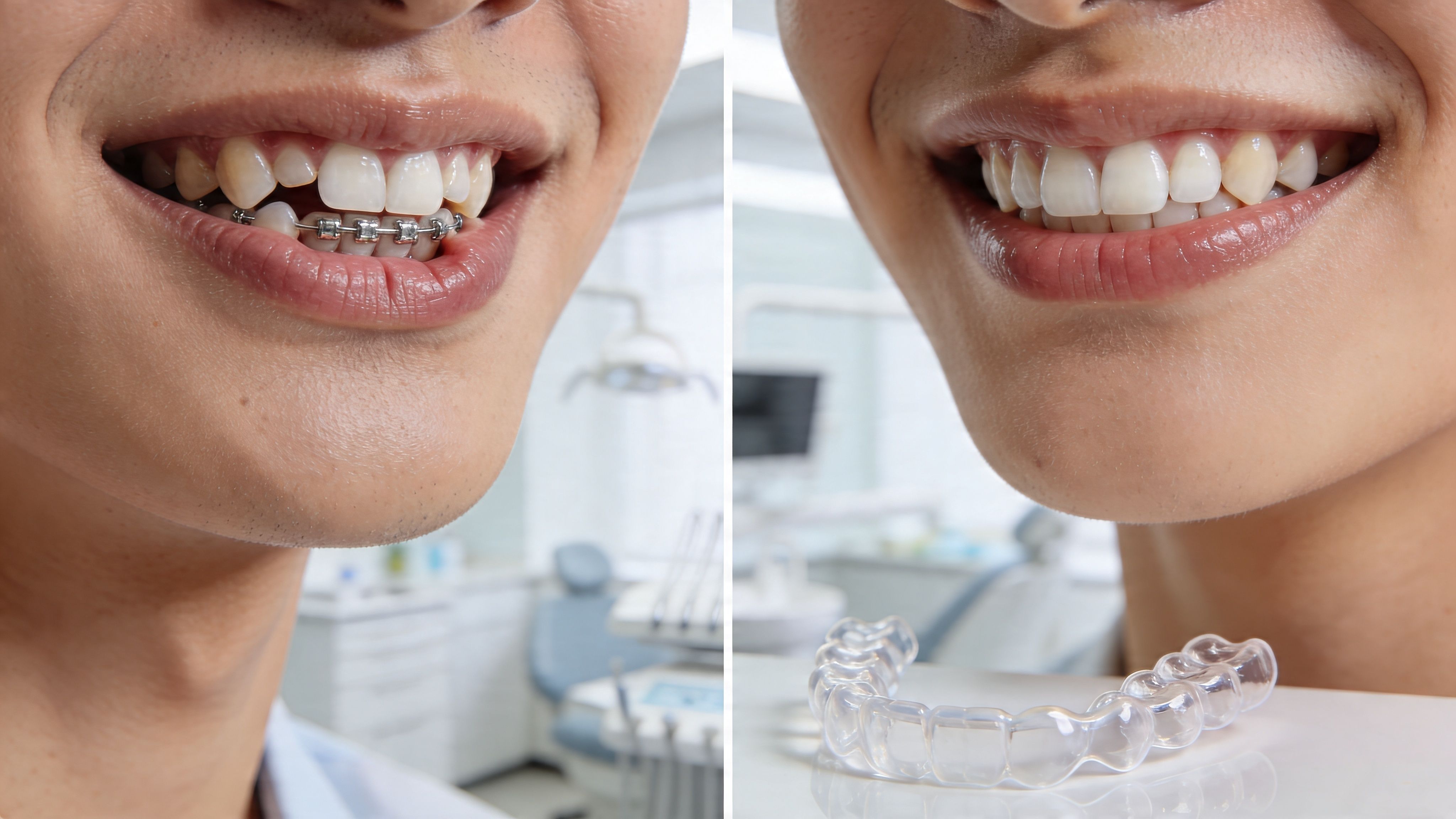
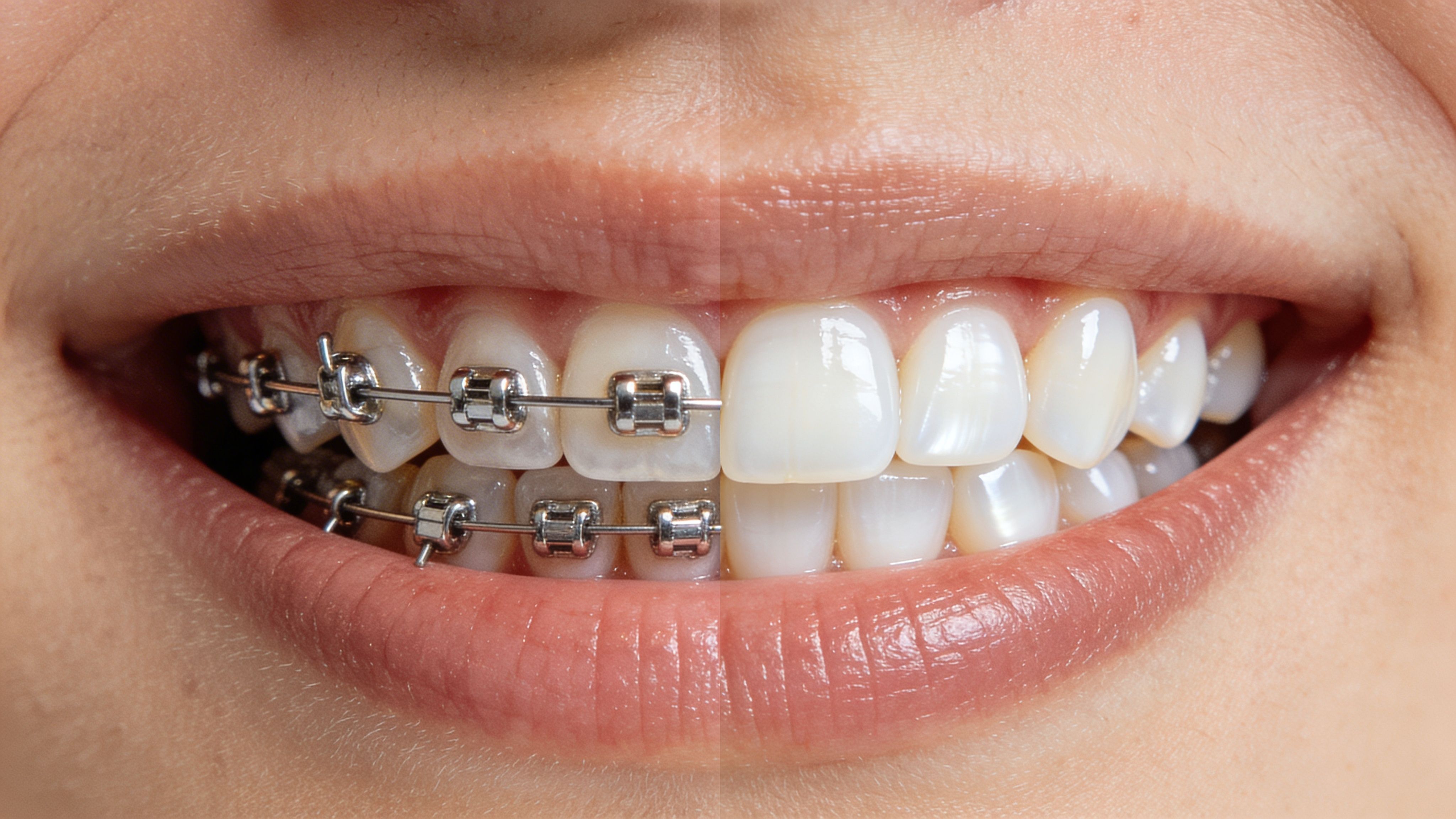
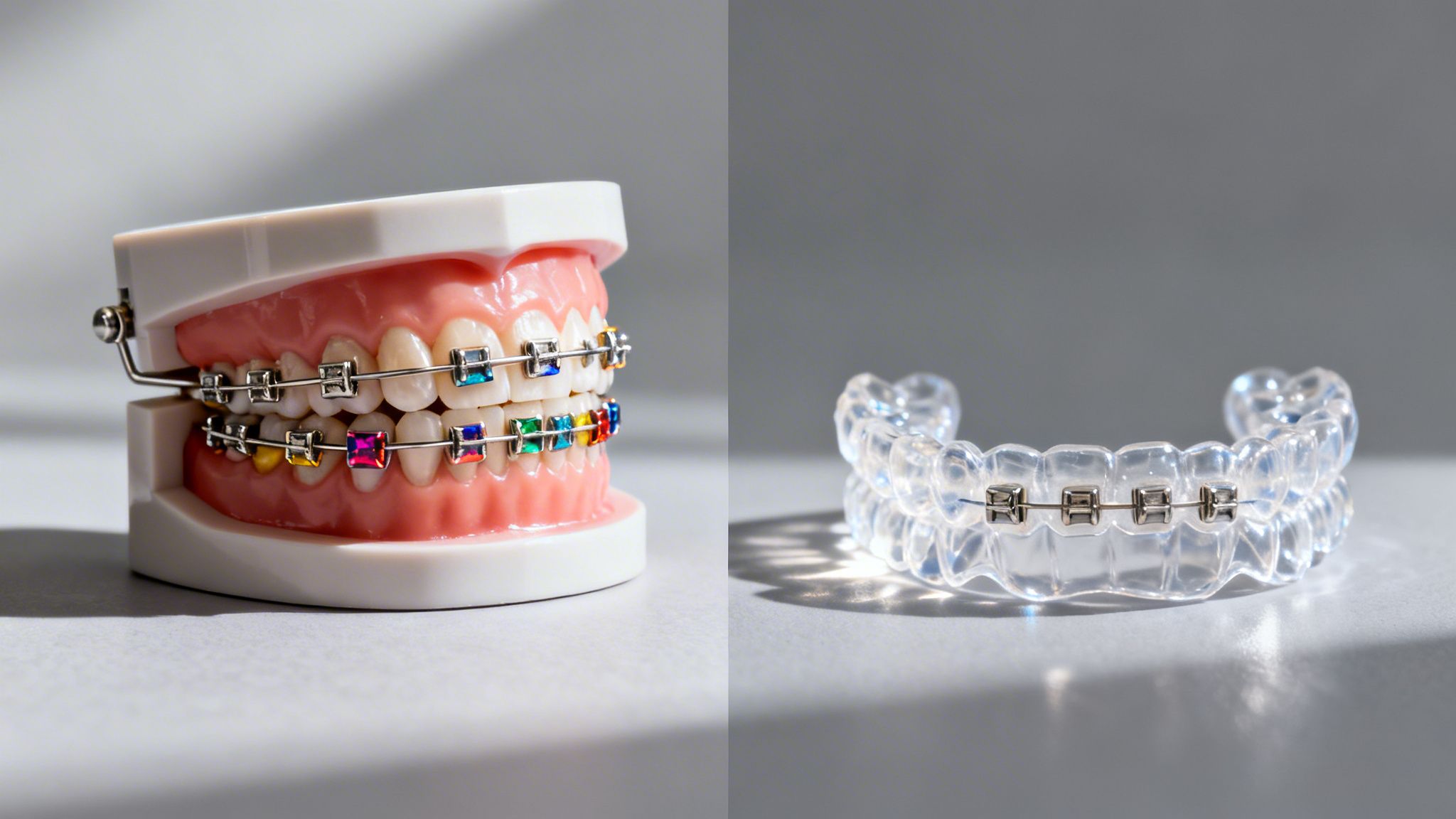
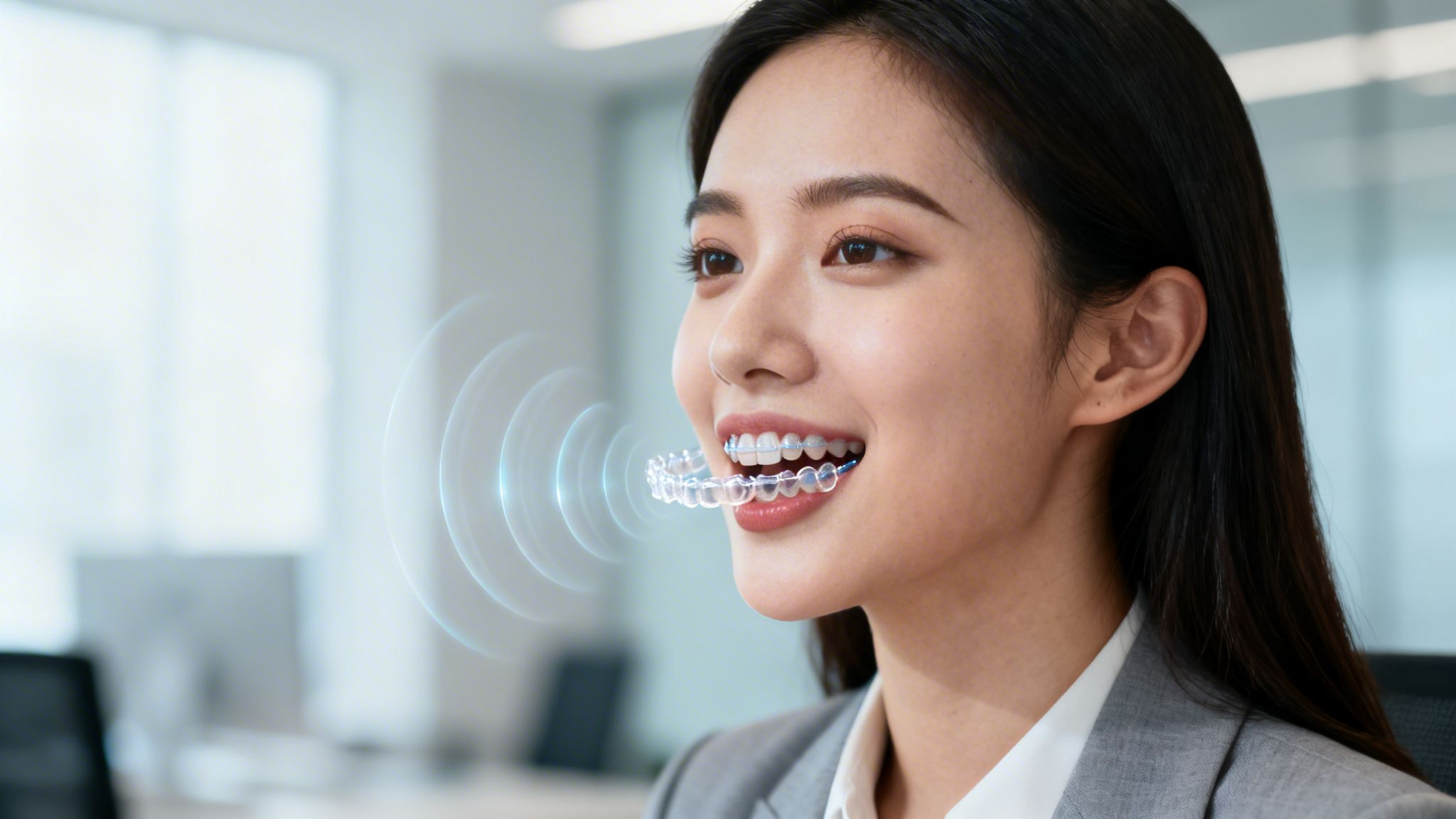
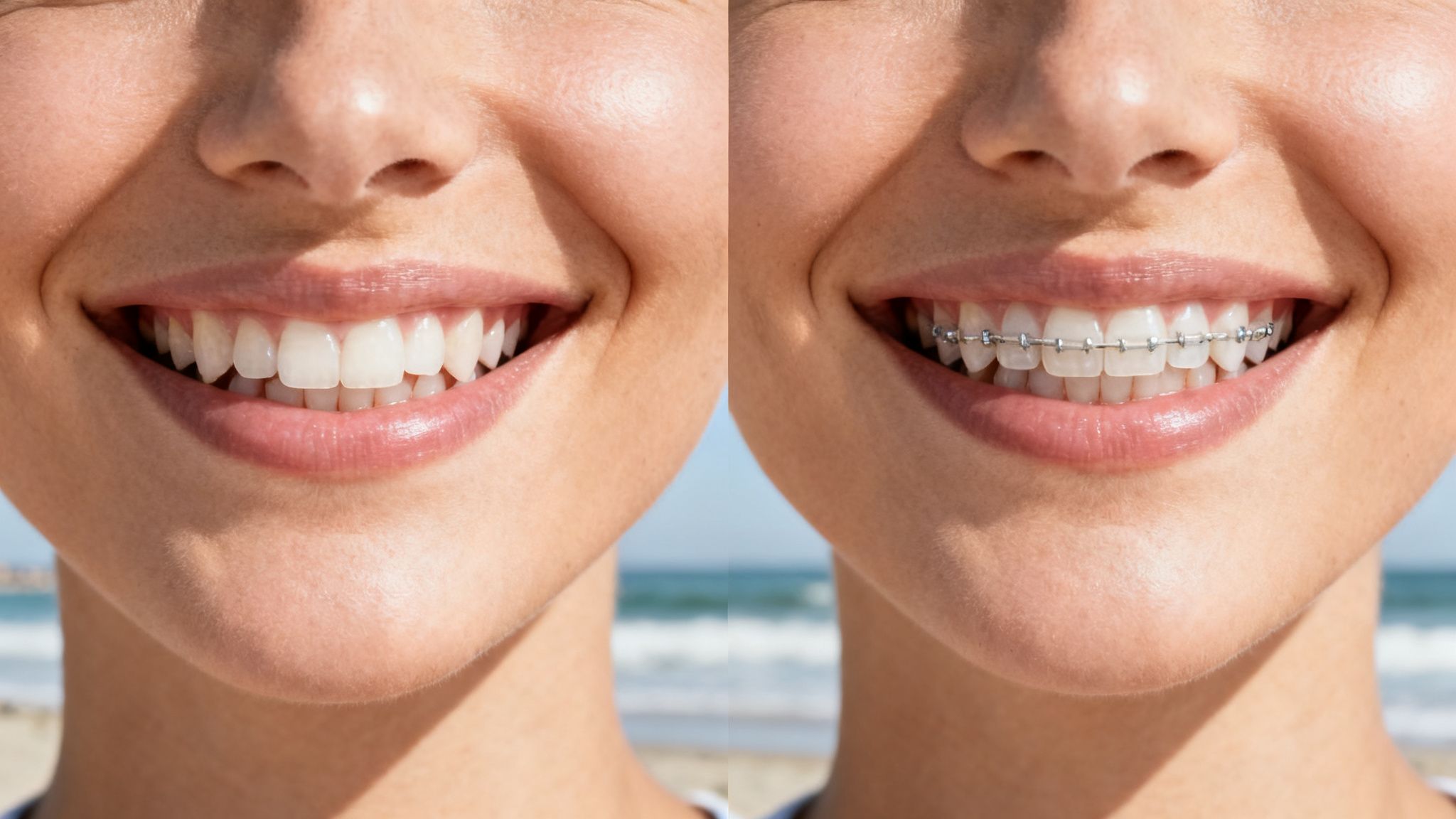
- Materials. Metal brackets, champagne-colored Iconix brackets, or a full series of Invisalign trays, plus wires and attachments.
- Every visit in between. Adjustments, tray checks, progress scans, and the occasional loose bracket repair.
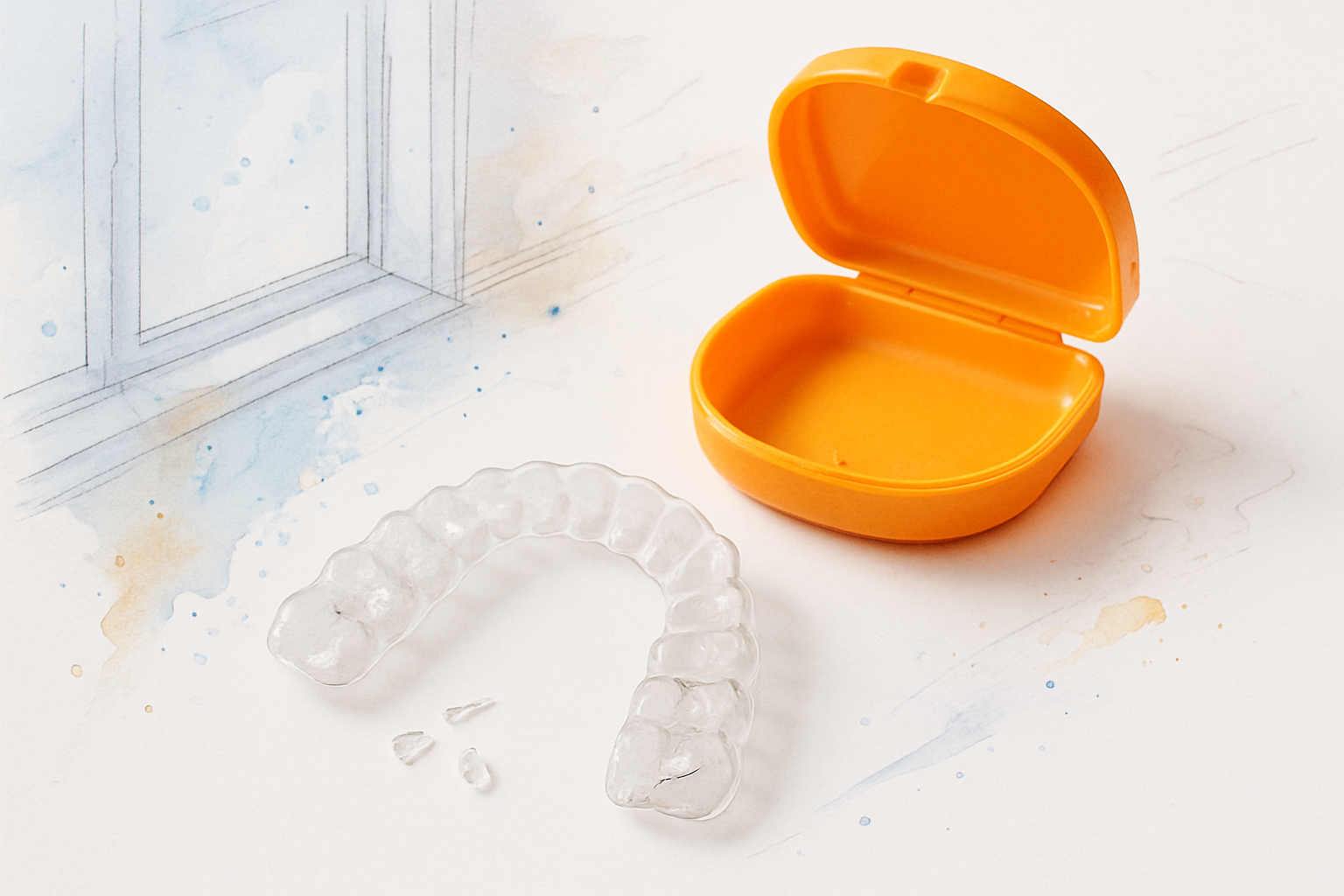
- Retainers. Teeth drift. Retention is part of the result, not an add-on you can skip.
When you divide the fee across two years of appointments, it starts to look less like a purchase and more like a long-term service agreement with a specialist. That framing matters when you are comparing options.
Where the money actually goes
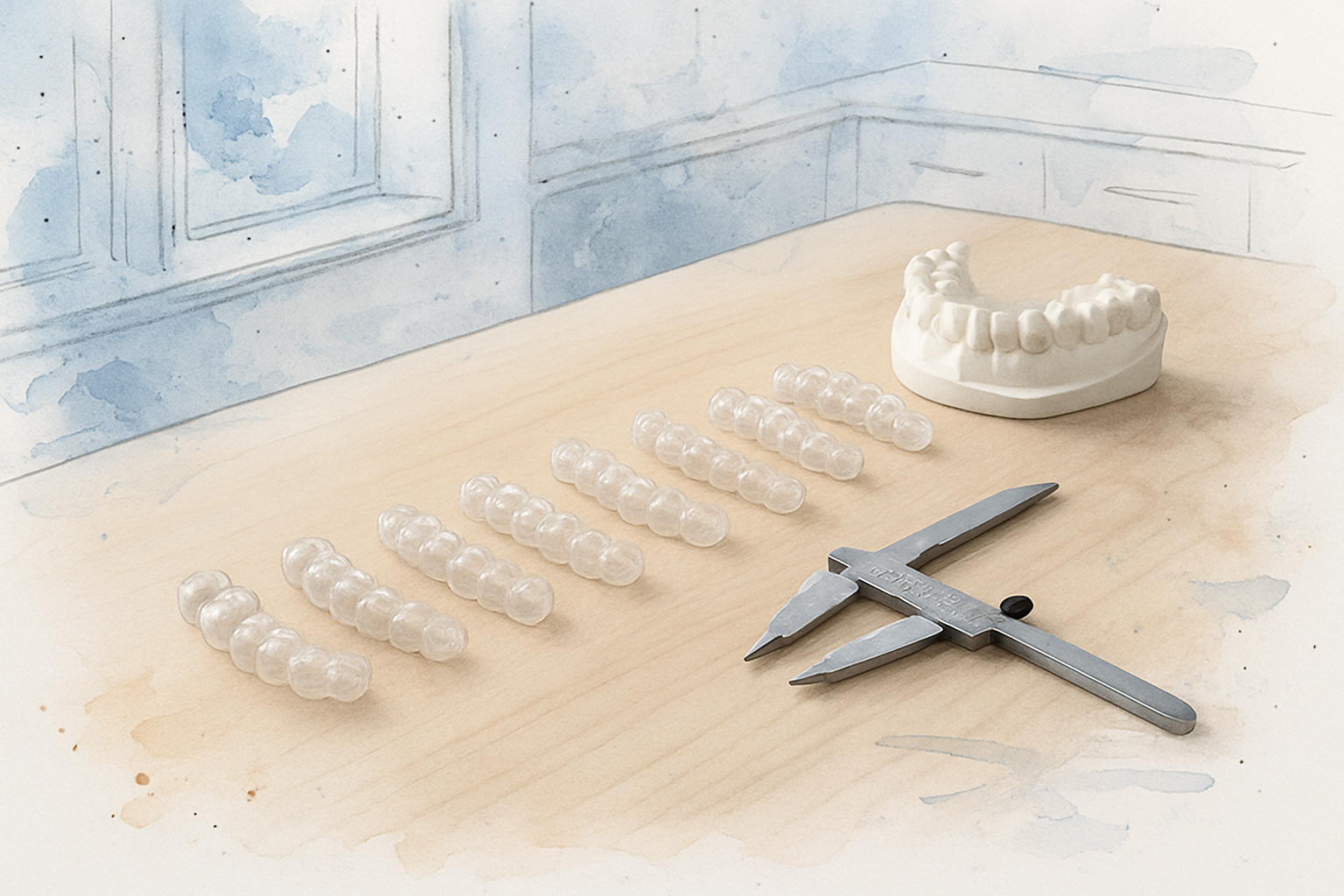
This breakdown shows the five pieces bundled into a single orthodontic treatment fee.
How orthodontic insurance benefits work (and where people get tripped up)
This is the single biggest source of confusion I see. Callers ask about Delta Dental PPO, Blue Shield, Cigna, and CalOptima, and many assume orthodontics works like a cleaning or a filling. It does not.
Most dental plans handle orthodontics as a lifetime maximum, not an annual one. That means a fixed dollar amount per covered person, for their whole life, regardless of whether they choose braces or clear aligners.
A few things worth knowing before you call anyone:
- Lifetime maximums vary a lot by plan. Many land somewhere in the low four figures, but yours could be higher or lower. Your benefits booklet or HR contact will have the real number.
- Plan type matters. Orthodontic specialty offices generally work with PPO plans. HMO plans usually do not apply the same way, so check which one you have first.
- Age limits are common. Some plans only cover dependents under a certain age, which catches adult patients off guard.
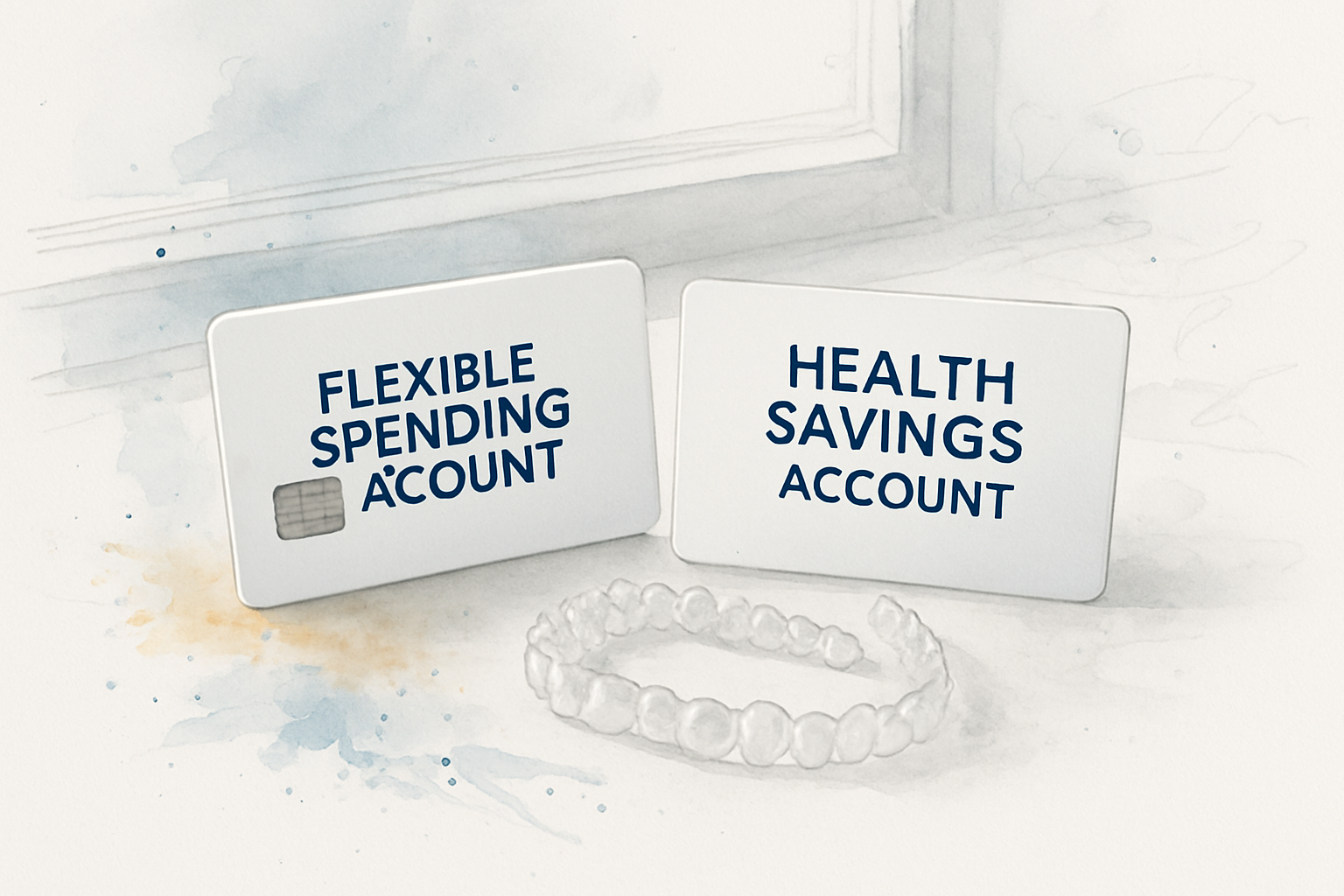
- HSA and FSA funds usually apply. The IRS lists orthodontia as a qualifying medical expense in Publication 502, which means pre-tax dollars can cover a meaningful chunk.
We can verify your benefits before you ever sit in the chair. If you are running up against a year-end deadline, this piece on not letting your orthodontic benefits go unused explains the timing.
What moves the price up or down
Two patients in the same Fountain Valley neighborhood can get very different quotes. These are the factors behind that.
| Factor | Why it affects cost | Typical direction |
|---|---|---|
| Case complexity | Rotating and uprighting teeth or correcting a bite takes more visits and more planning time | Higher |
| Treatment length | A 30 month case means more appointments and more oversight than a 12 month case | Higher |
| Comprehensive vs. focused treatment | Fixing one or two specific things is a smaller scope than full correction | Lower |
| Appliance choice | Metal braces, Iconix brackets, and Invisalign carry different lab and material costs | Varies |
| Level of oversight | Specialist-led care with in-person monitoring costs more than a mail-order tray program | Higher |
| Retention plan | Some fees include retainers and follow-up; some quote them separately | Varies |
Why one quote is thousands more than another
Several people who call us have already gotten quotes elsewhere and cannot figure out why the numbers are so far apart. It is a fair question, and the answer is usually not that someone is overcharging.
The biggest variable is who is running your case and how often they look at it. Direct-to-consumer aligner programs and some general dentist supervised programs keep costs down by reducing in-person oversight. Fewer visits, fewer adjustments, less hands-on monitoring.
An orthodontist has completed two to three additional years of specialty residency focused only on tooth movement and jaw growth. In our practice, Dr. Jeremy and Dr. Melissa see patients at every appointment, which is the thing parents from Oak View and Goldenwest tell us they notice most.
The other variable is scope. A quote for a 12 month limited case is not comparable to a quote for a 24 month comprehensive case, even if both say "Invisalign" on the page. Before you compare two numbers, make sure you are comparing the same treatment. Our breakdown of what drives Invisalign pricing goes deeper on that.
Monthly payments change the math more than people expect
When someone hears a full treatment total, the reaction is usually sticker shock. When they hear the monthly figure, the conversation changes completely.
A lump sum payment is rarely required. Most orthodontic offices across Orange County structure treatment with a down payment and monthly installments spread across the treatment period, and many offer plans with no interest. Third-party health financing is another common route.
A few practical points:
- Insurance benefits are usually applied first, then the balance is divided into monthly payments.
- HSA and FSA dollars can be layered on top, which lowers the effective cost further.
- Starting sooner sometimes costs less, because early issues caught around age 7 can be simpler to correct than the same issue at 14.
One patient who finished braces with us wrote that the plans were affordable even while she was between jobs. That is the practical reality most families are working with, and it is why we talk numbers openly at the consult instead of after.
If you only want one thing fixed, say so
A recurring theme in our calls: "I just have a minor tooth issue, I do not think I need full braces." Adults especially assume orthodontics is all or nothing.
It is not. We offer focused touch-up treatment for patients who want to correct one or two specific things rather than commit to comprehensive care. That is a smaller scope, a shorter timeline, and it is priced accordingly.
This comes up constantly with people who had braces years ago, stopped wearing a retainer, and watched a couple of lower teeth shift back. Coming in to find out what you actually need does not commit you to anything, and it beats guessing. If you are weighing your options, this guide to choosing the right treatment option is a good next read.
Frequently Asked Questions About Orthodontic Cost and Financing
Does dental insurance cover braces or Invisalign?
Often, at least partly. Orthodontic coverage usually comes as a lifetime maximum benefit rather than an annual one, and it typically applies the same whether you choose braces or clear aligners. Plan type and age limits matter, so it is worth having your benefits verified before your consultation.
Do I have to pay for the whole thing upfront?
Almost never. Most treatment is structured as a down payment plus monthly installments across the treatment period, and no-interest options are common in Orange County. The specific numbers depend on your case, which is why they come from the consultation rather than a webpage.
Can I use my HSA or FSA for orthodontics?
Yes. The IRS counts orthodontia as a qualifying medical expense, so pre-tax dollars can be applied toward treatment. Many patients combine insurance benefits, HSA or FSA funds, and a monthly plan to bring the out-of-pocket number down.
Does adult treatment cost more than treatment for a teen?
Not automatically. Cost tracks complexity and length, not age. Adult cases can take longer when bone has fully matured or when teeth have shifted over decades, but plenty of adult cases are straightforward. We treat patients well into their 70s, and one patient at 76 left a review about how happy she was with her smile.
Why is an orthodontist's quote higher than an online aligner kit?
You are paying for in-person specialist oversight at every stage. An orthodontist completes years of residency devoted solely to moving teeth and guiding jaw growth, and monitors progress with scans and adjustments along the way. Mail-order programs cut cost by cutting that supervision, which works out fine for some people and creates problems for others.
Is the consultation the right place to ask about money?
It is the only place you will get real numbers for your specific case. Bring your insurance information, ask about the lifetime maximum, ask what the monthly figure looks like, and ask whether retainers are included in the fee.
Ready to see real numbers for your own case?
Every quote depends on your teeth, your bite, your timeline, and your plan, which is why a blog post can explain the factors but not the figure. If you live in Huntington Beach or Fountain Valley and want to sit down with Dr. Jeremy and Dr. Melissa to go through your options and what they would cost, our office on Beach Boulevard is open weekdays and available Saturdays by appointment. You can reach us at 714-594-5777 or at magicfoxsmiles.com whenever you are ready.