A Slight Underbite at Age 6: Wait and See, or Get It Checked?
Direct Answer: Get it looked at. An early orthodontic evaluation at age 6 or 7 is about information, not treatment, and "nothing to do yet, let's recheck in a year" is a common and perfectly good result.
You are standing in the bathroom doorway while your six year old brushes, and you catch it for a second. The bottom front teeth sit a little ahead of the top ones. Then they close their mouth and you spend the rest of the night wondering if you just imagined it.
That is the moment most parents call us about. Not a dramatic problem, just a slight underbite and a real question: is age 6 too early to have someone look, or is waiting until the adult teeth come in the smarter play?
My answer, plainly: get it checked, and go in expecting information rather than treatment. One parent in Huntington Beach wrote in asking to get her 6.5 year old daughter "checked out for her slight underbite," and that instinct was right. Below is what that visit actually tells you, what it looks like to a nervous kid, and how families here fit it into a school year.
Why a bite difference at this age is a timing question, not a repair question
With grown adults, an underbite is a correction question. With a six year old, it is a calendar question, and those are two very different conversations.
Here is the part that makes early looks worth taking seriously. While your child is still growing and still losing baby teeth, there is a window where jaw development can sometimes be guided. Once growth slows down in the teen years, the list of options gets shorter.
That is the whole reason the American Association of Orthodontists suggests a first evaluation no later than age 7. By then, enough permanent teeth have usually arrived that we can see how the bite is heading without guessing.
A few things I want to be honest about:
- An early look does not mean early treatment. Most of the time it does not.
- Nobody can promise a specific outcome or timeline for a child who still has years of growing left.
- A "slight" underbite can stay slight, or it can become more noticeable as the adult teeth settle in. Watching tells you which.
If your child is older and you want to know what orthodontics can actually do about an underbite, that is a separate subject. Our post on non-surgical underbite correction covers it. This article stays on the young kid and the calendar.

The three honest answers an early visit can give you
The fear underneath this whole question is not really the underbite. It is walking into an office and getting talked into something expensive for a kid who is still losing baby teeth.
So let me lay out the three results an early evaluation can produce. All three are normal.
- Nothing to treat yet. The bite difference is mild, growth is still early, and there is no reason to start anything. You go home.
- Something worth watching on a schedule. We note what we saw, take a baseline, and ask you to come back in six to twelve months to compare. No appliance, no commitment.
- Something where starting earlier is genuinely easier than starting later. This is the smallest group, and when it applies, we explain exactly why timing matters before you decide anything.
That middle option is the one parents underestimate. A monitoring plan is a real plan, and it costs you an appointment a year rather than a treatment decision.
One mom put it well in a review after bringing her son in: "They addressed his orthodontic needs without making us feel pressured to start treatment right away, which we really appreciated." That is the outcome I want every parent to be able to describe.
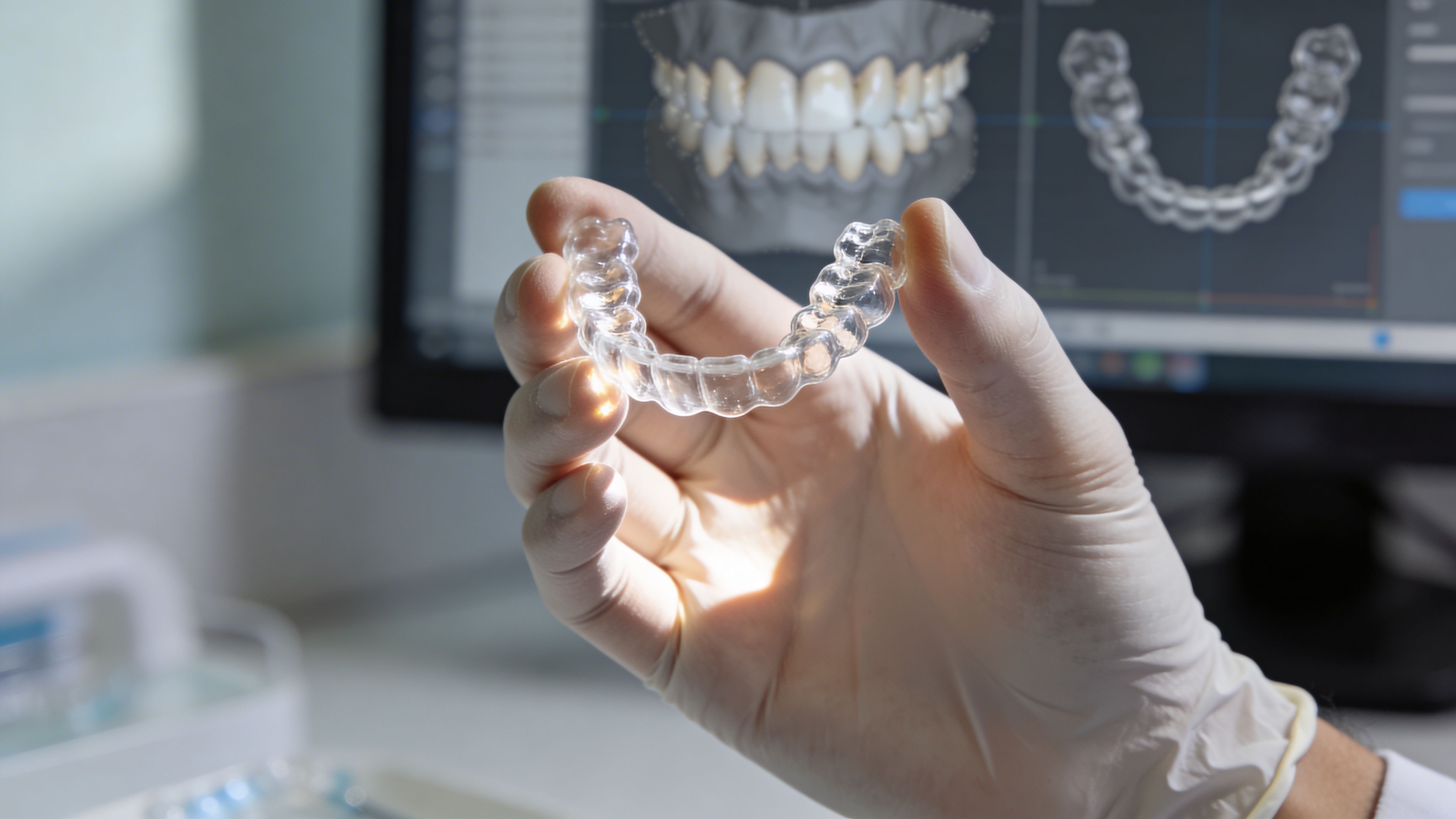
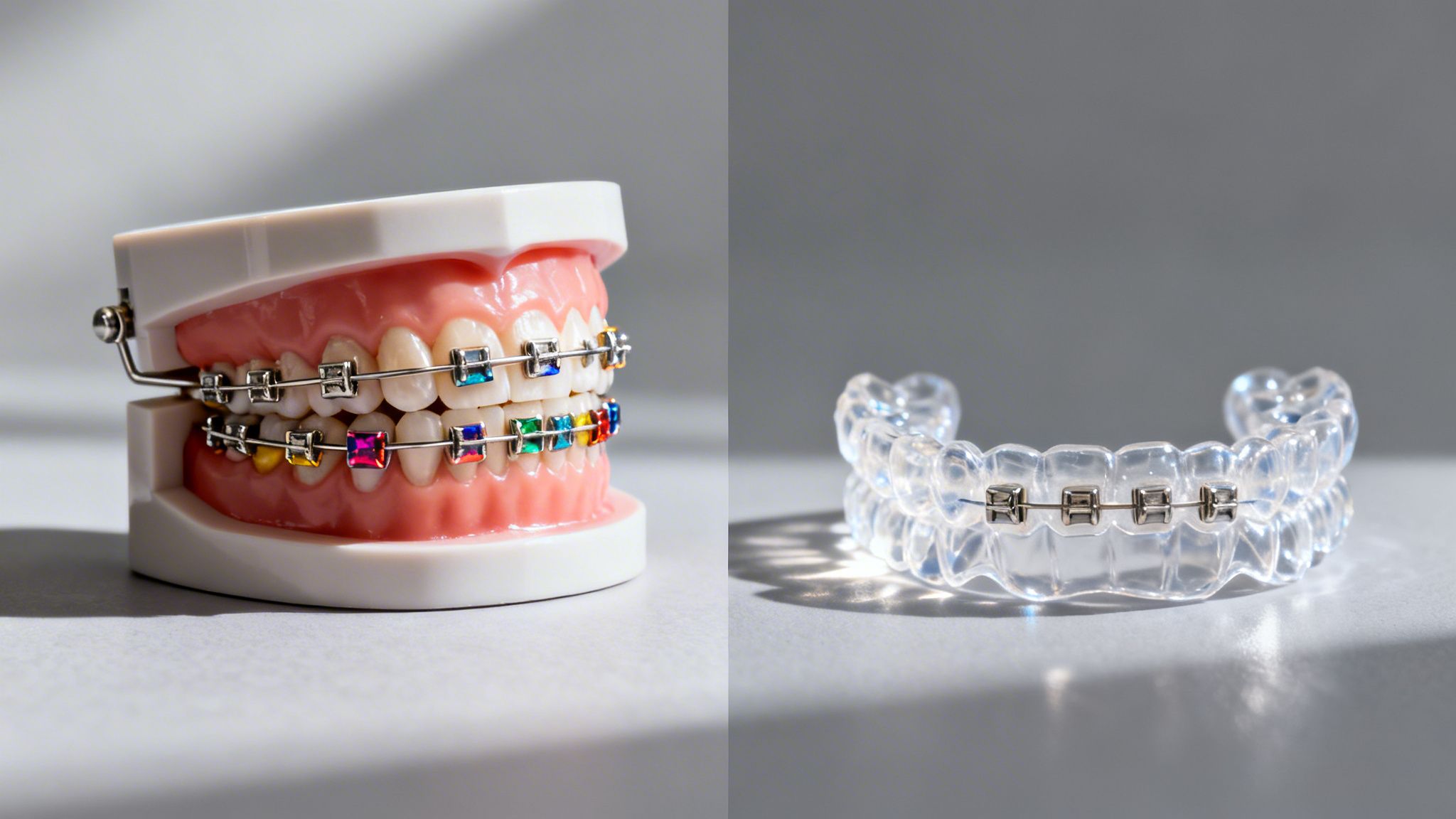
When treatment does make sense at this age, our options stay deliberately simple: early interceptive care, including Invisalign First for younger patients, which can help guide jaw development and make room for incoming teeth without bulky hardware.
What you might hear, and what it means for your family
Here is how each of those three answers usually plays out after you leave the office.
| What we find | What usually happens next | What it means for your calendar |
|---|---|---|
| Mild difference, early growth | No treatment, general reassurance | Nothing scheduled, recheck whenever you want |
| Worth tracking as teeth come in | Baseline records and a monitoring plan | One short visit every 6 to 12 months |
| Timing genuinely matters here | A conversation about Phase 1 options and why now | A decision to discuss, never one made that day |
What happens at a first visit, step by step
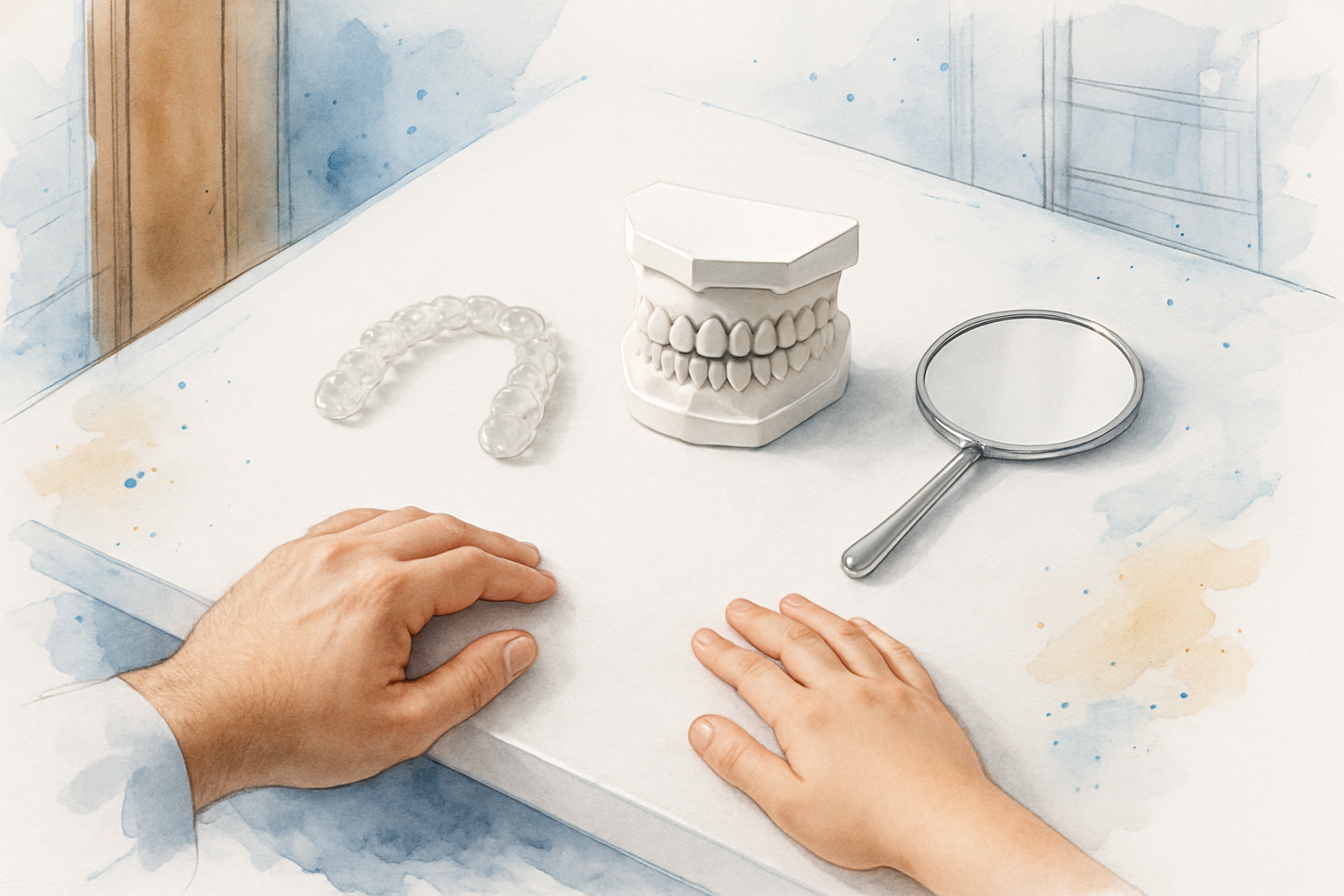
A first appointment at this age is short and low-key. This is the order it usually goes in.

What the appointment looks like through your kid's eyes
Your second worry is probably not the underbite either. It is a scared kid and a bad first impression that follows them for years.
So here is the visit from their side. They walk up to a bookshelf, the bookshelf slides open, and they walk through it. About forty percent of our reviews mention that door without anyone prompting them, and the ones that mention it most are parents of little kids.
Then it is quick:
- A look at how the top and bottom teeth come together
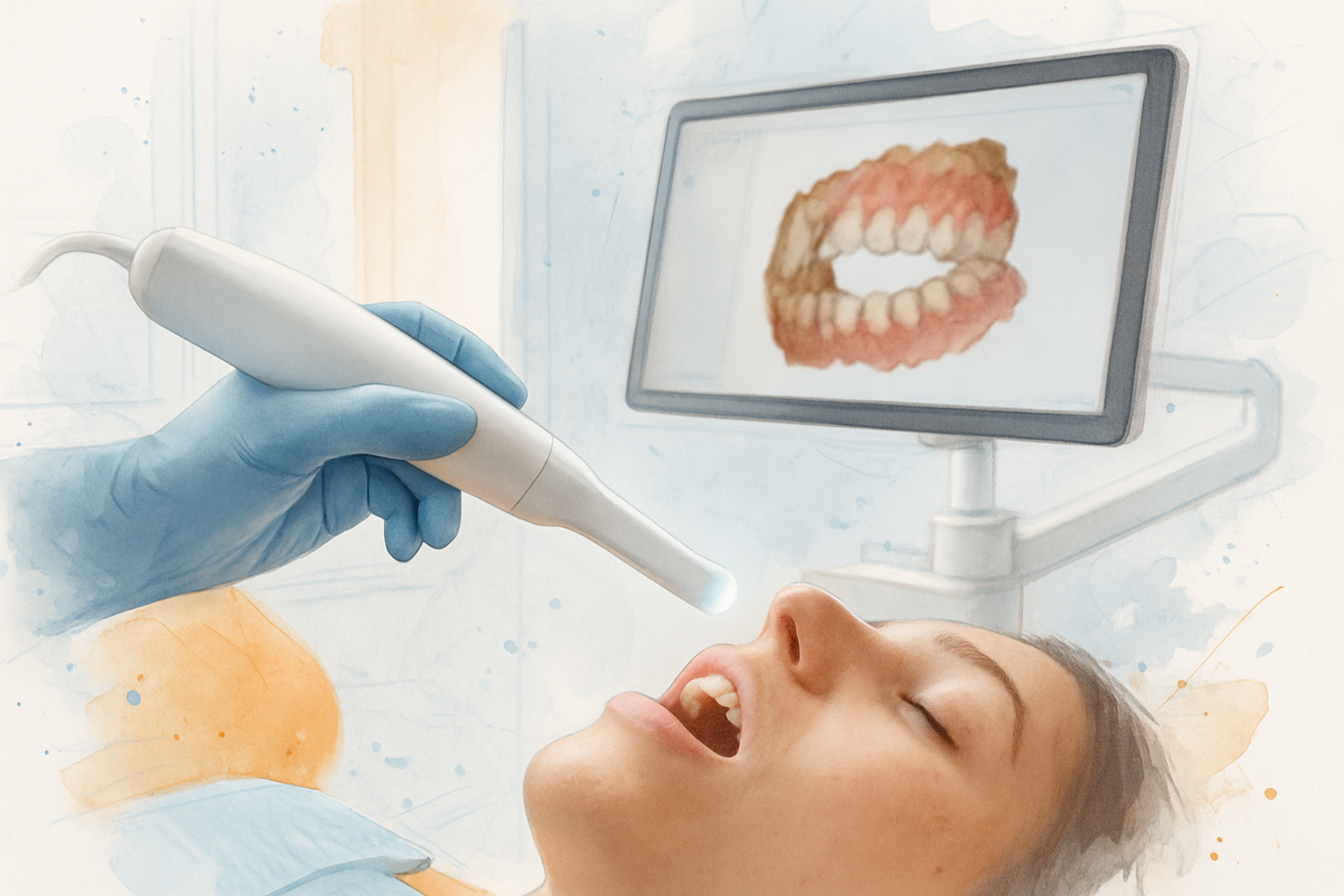
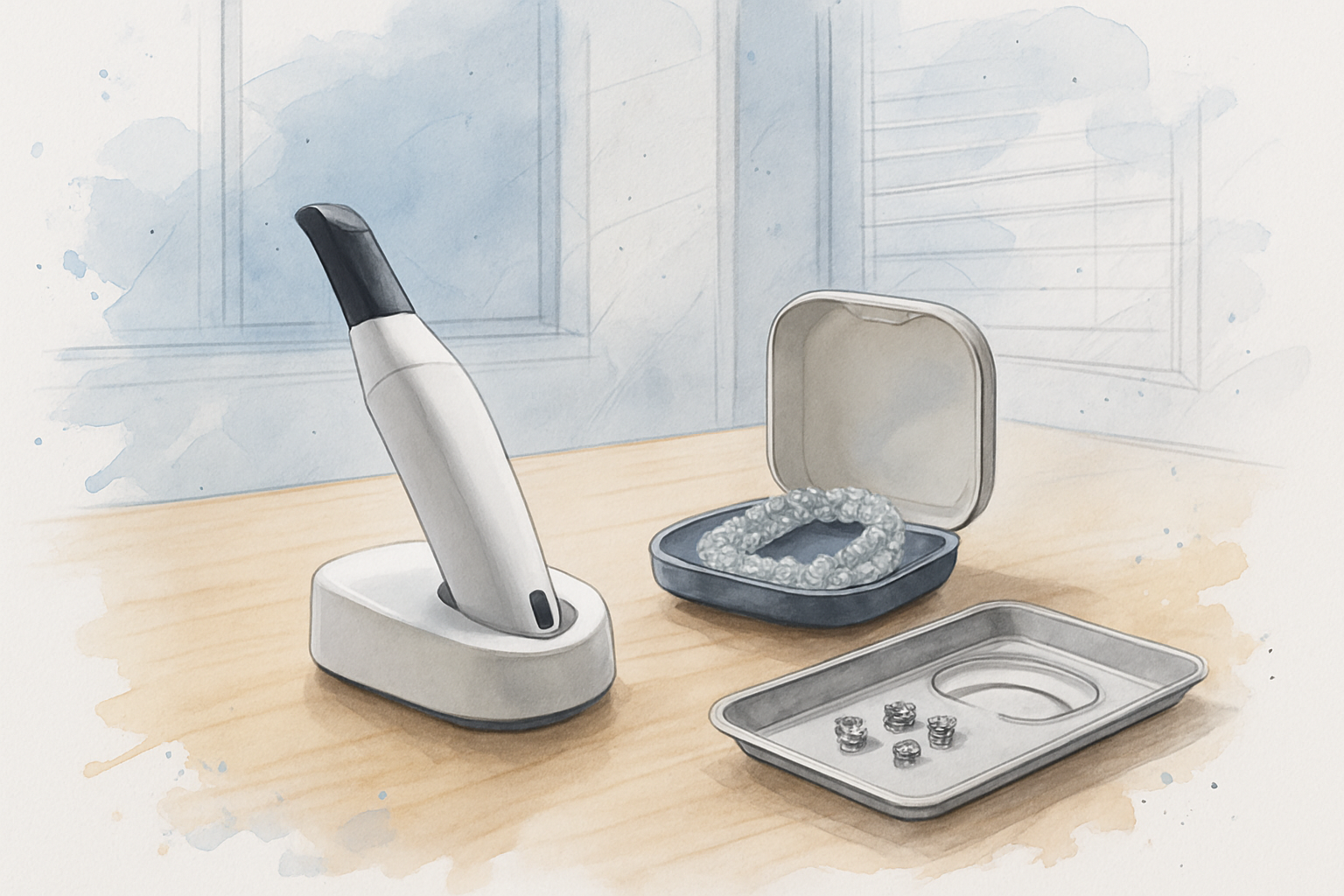
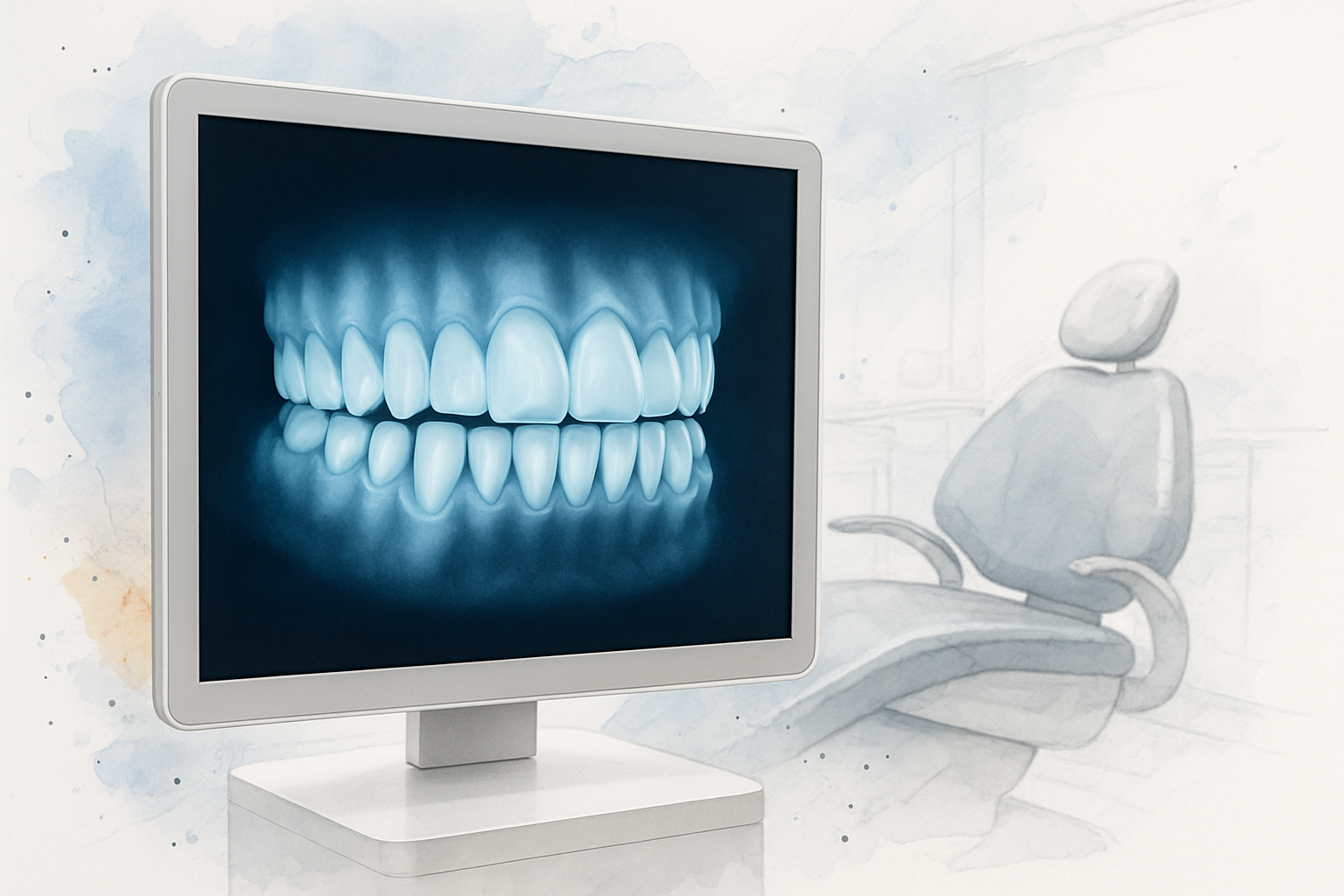
- Digital scanning instead of physical molds, so no trays of goop and no gagging
- Images, which kids tolerate far better than parents expect. One mom wrote that her son said the X-rays were "the most comfortable X-rays he's ever had done for his teeth."
- A conversation with you, in plain language, about what we saw
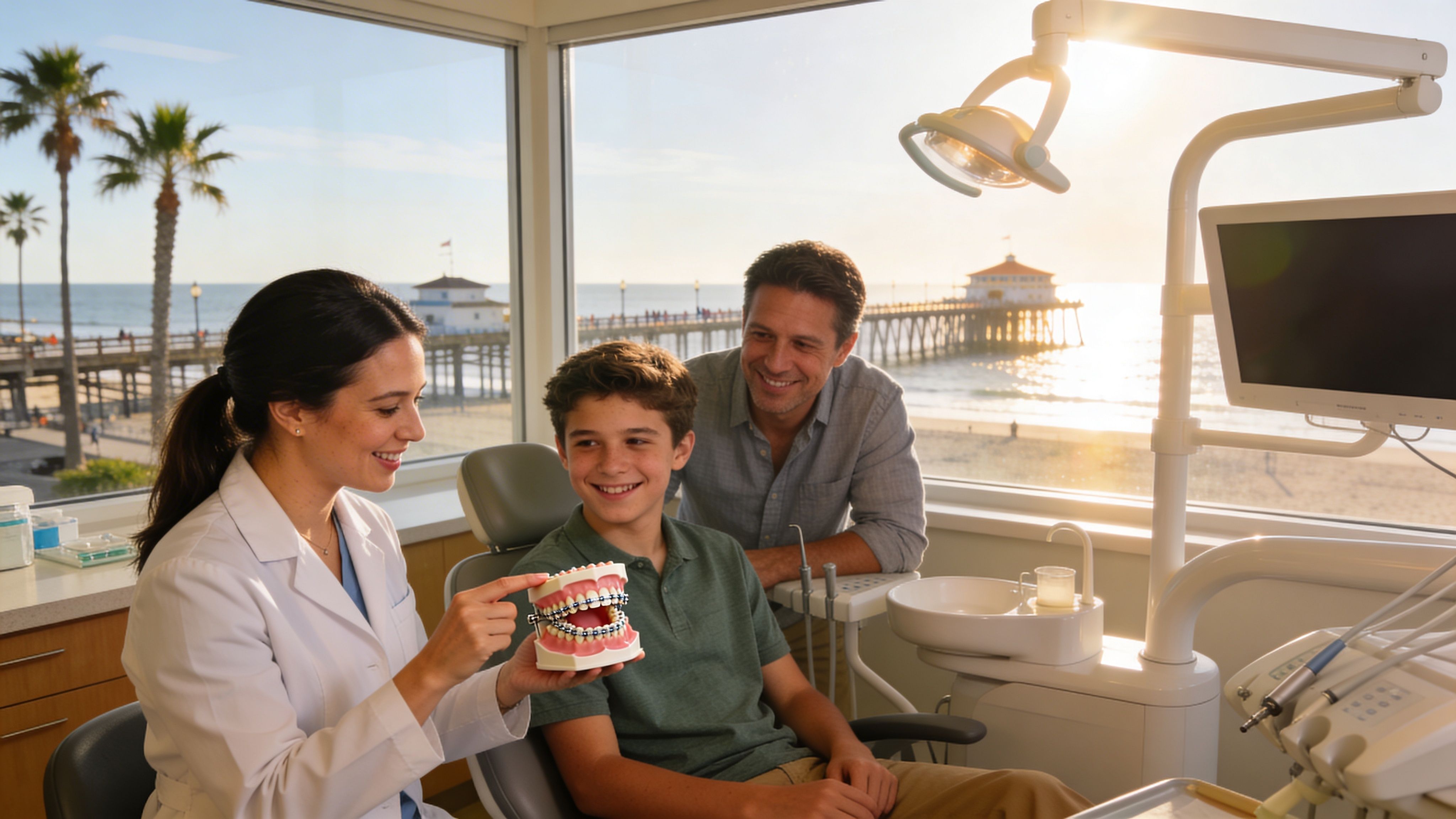
Dr. Jeremy and Dr. Melissa do the exam themselves rather than handing it off, which matters more at this age than at any other, because what we are reading is how growth is trending.
The whole thing is short. And the kid who was nervous in the parking lot in Oak View often walks out asking when they get to come back. If you want to arrive with a list, our guide on questions to ask at an orthodontic consultation is a good start.
Fitting an early evaluation into a real school year
Parents in Goldenwest, Wintersburg, and Oak View tell me the same thing, and so do the families driving up Beach Boulevard from Central Fountain Valley and Talbert Village: the schedule is the obstacle, not the appointment.
The good news is that monitoring visits are infrequent. A recheck every six to twelve months is far less disruptive than most parents picture when they hear "early orthodontics."
The less convenient news is that the popular slots go first. About one in ten callers last September asked whether anything sooner was available, and after-school times and Saturdays are what almost every family requests on our web form.
So plan around it:
- Our office keeps weekday hours of 9 to 5, with Saturdays by appointment
- If you want a winter or spring visit, ask about the calendar a few weeks ahead
- Ask about the waitlist if a cancellation slot would work for you
Thinking about the broader timeline for a child this age? Our rundown on the best age for braces covers how Phase 1 and later treatment fit together.
On cost: a slight underbite at six rarely turns into a bill at six. Fees vary by case and by what insurance or Medi-Cal covers, so ask directly rather than budgeting off a number you read online.
Frequently Asked Questions About Early Underbite Evaluations
Is age 6 too early for an orthodontist to see anything useful?
No. By age 6 or 7 the first permanent molars and front teeth are usually arriving, and that is enough to read how the bite is developing. We may see nothing that needs action, which is still a useful answer.
Will we be pressured into starting treatment at the first visit?
You shouldn't be, here or anywhere. A monitoring plan with a recheck in six to twelve months is one of the most common results at this age. If someone recommends starting right away, ask them to explain specifically why waiting would make it harder.
What if we just wait until all the adult teeth come in?
Sometimes that is exactly right, and plenty of kids do fine waiting. The catch is that you only know it was right in hindsight. An early look tells you whether waiting is safe for your child, which is the part guessing can't give you.
Does our dentist's referral mean something is actually wrong?
Not necessarily. Many referrals are precautionary, and a lot of families come to us from local dental offices simply because a dentist noticed a bite difference and wanted a specialist's read on the timing.
How long does the first appointment take?
Short. A first evaluation at this age is mostly a look at the bite, digital images, and a conversation with you. Plan around a typical after-school window and you will be fine.
Thinking about having your child's bite looked at?
Dr. Jeremy and Dr. Melissa see young patients for early evaluations at our Beach Boulevard office, a short drive for families across Huntington Beach and Fountain Valley. If you'd like a look at your child's bite, our team is reachable at 714-594-5777 or at magicfoxsmiles.com whenever the timing suits your family's schedule.