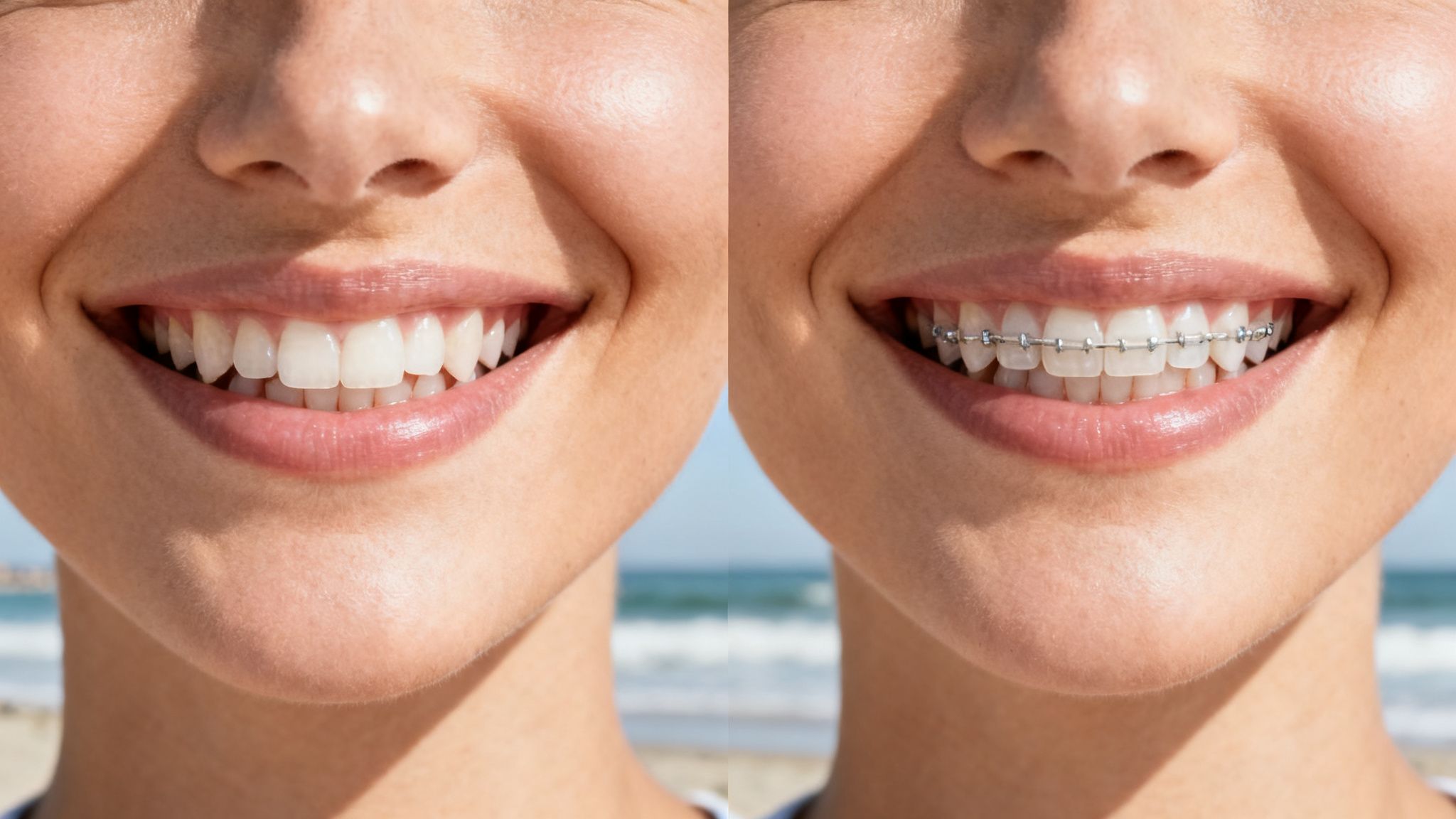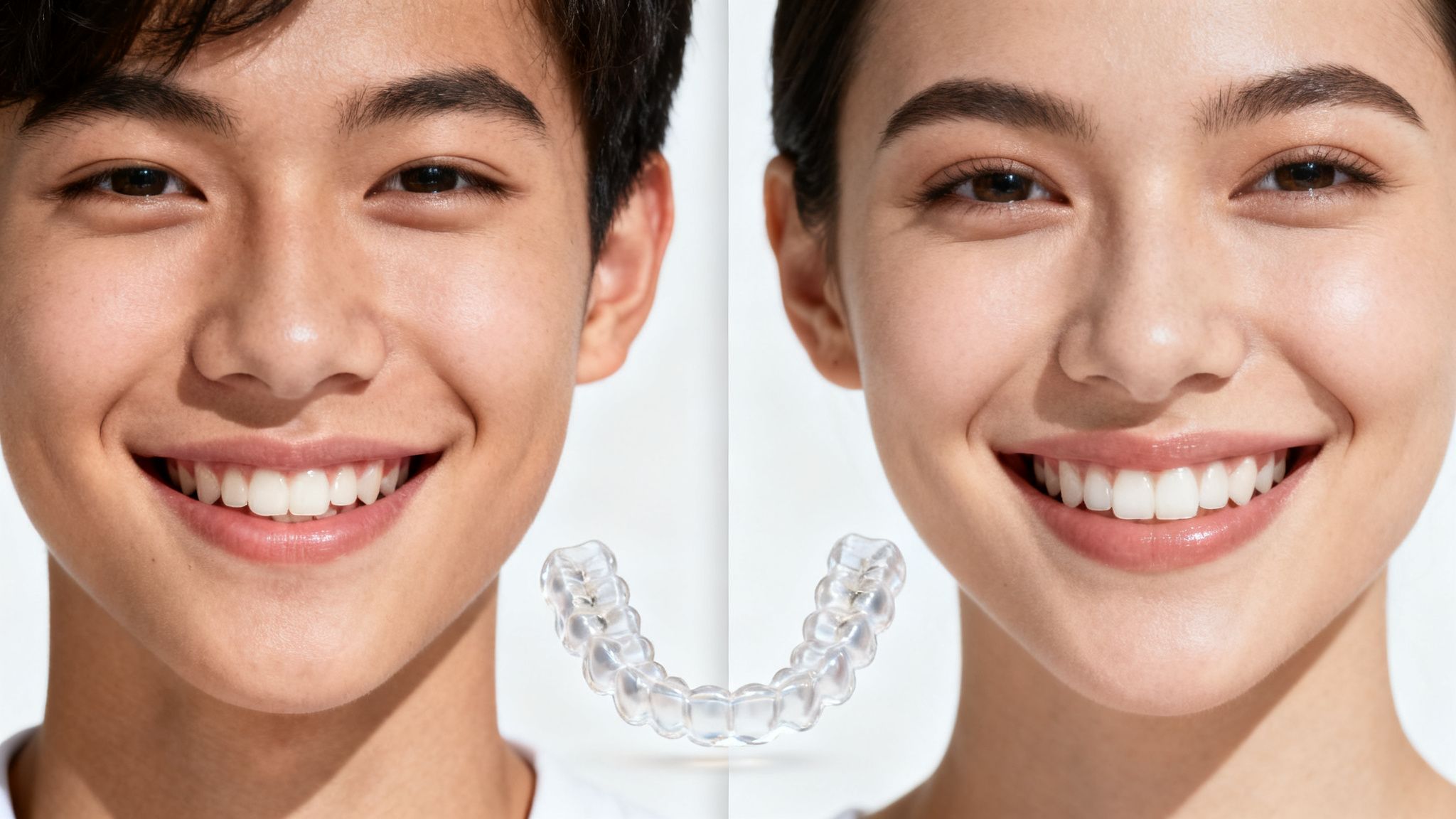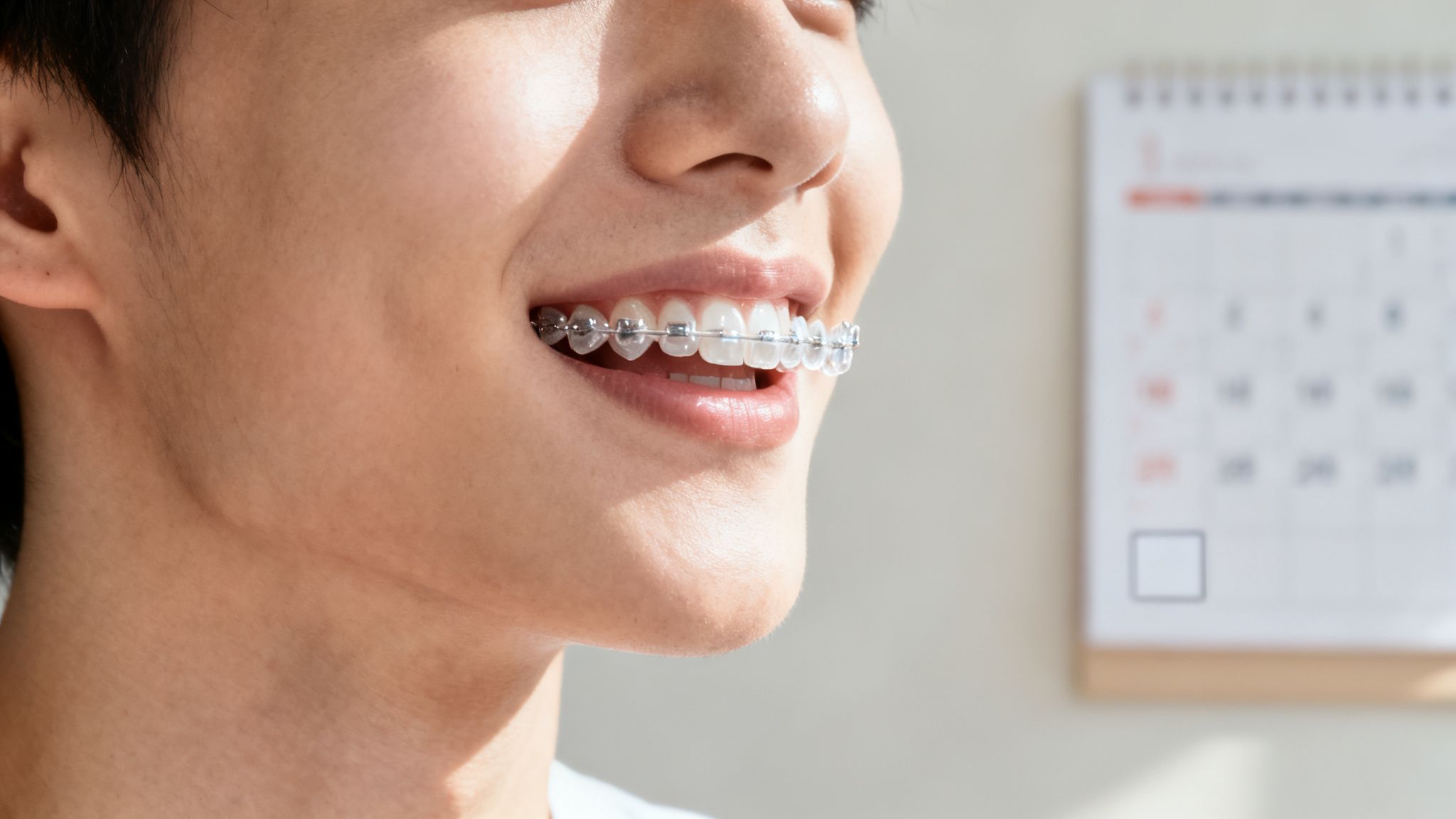
What Is Invisalign First and Who Actually Needs It?
Direct Answer: Invisalign First is a clear aligner system for kids roughly ages 6 to 10 who still have baby and permanent teeth. It widens the arches to make room for incoming adult teeth.
Your dentist mentions crowding at a routine cleaning. Or you look at your 8 year old's front teeth coming in and think, that does not look like it has anywhere to go. Then someone says the word Phase 1 and you have no idea if that means treatment now or treatment later.
I hear this question constantly from parents across Oak View, Goldenwest, and Central Fountain Valley. The most common version is almost word for word: my child has crowding and a bite issue, what do we actually do?
So let me walk through what Invisalign First is, which kids are genuinely candidates for it, and why an evaluation at age 7 is a much lower-stakes visit than most parents expect.
What Invisalign First Actually Does
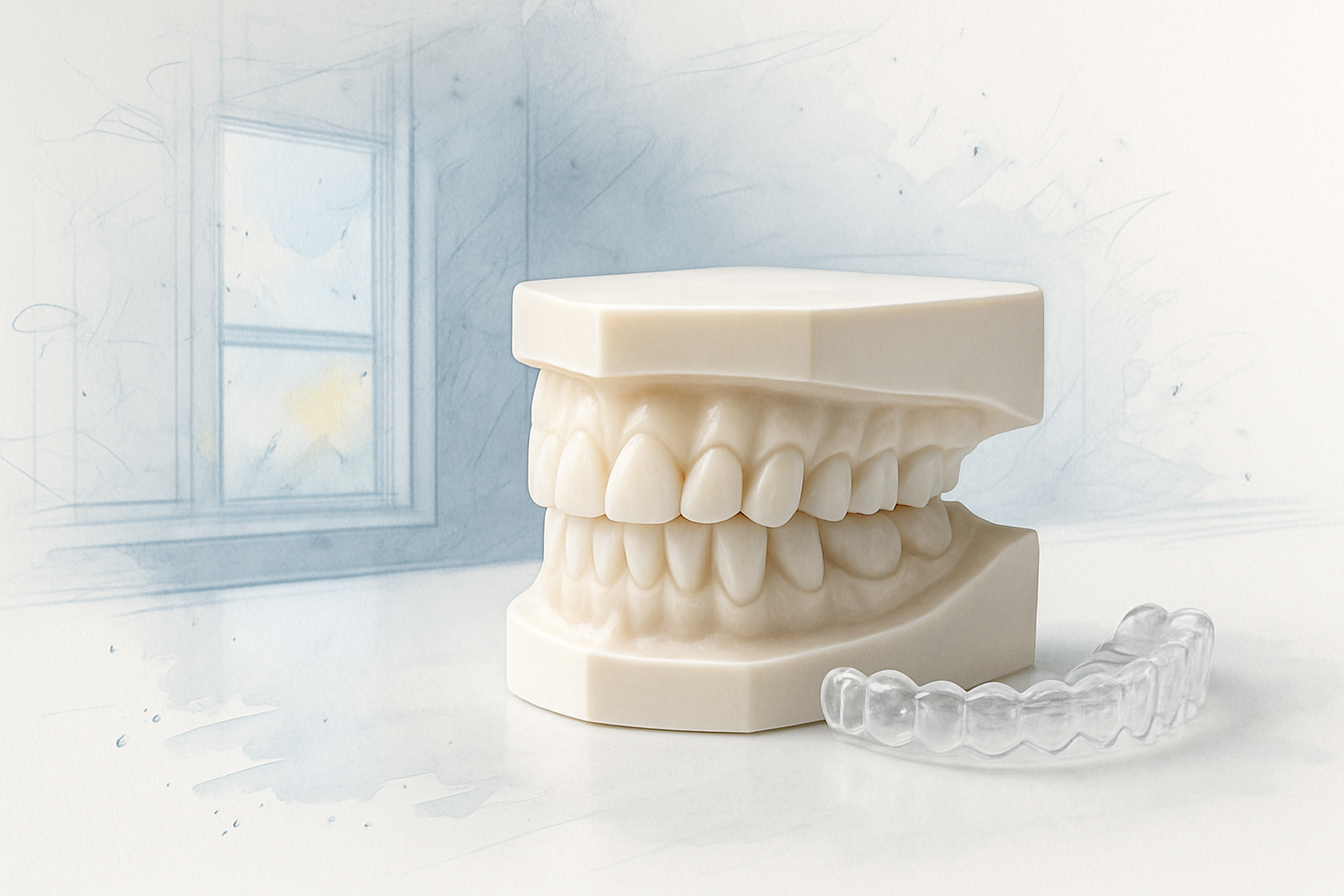
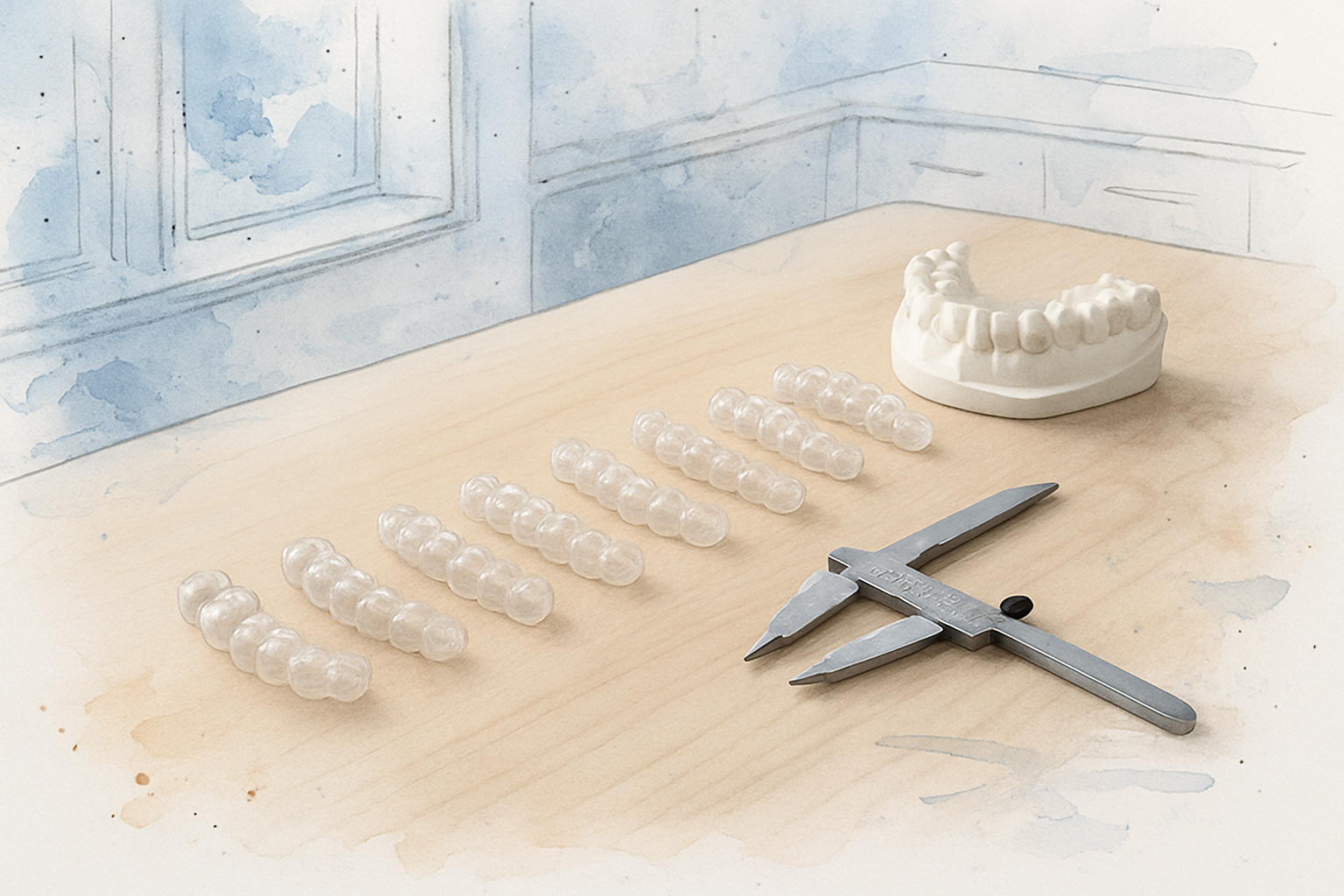
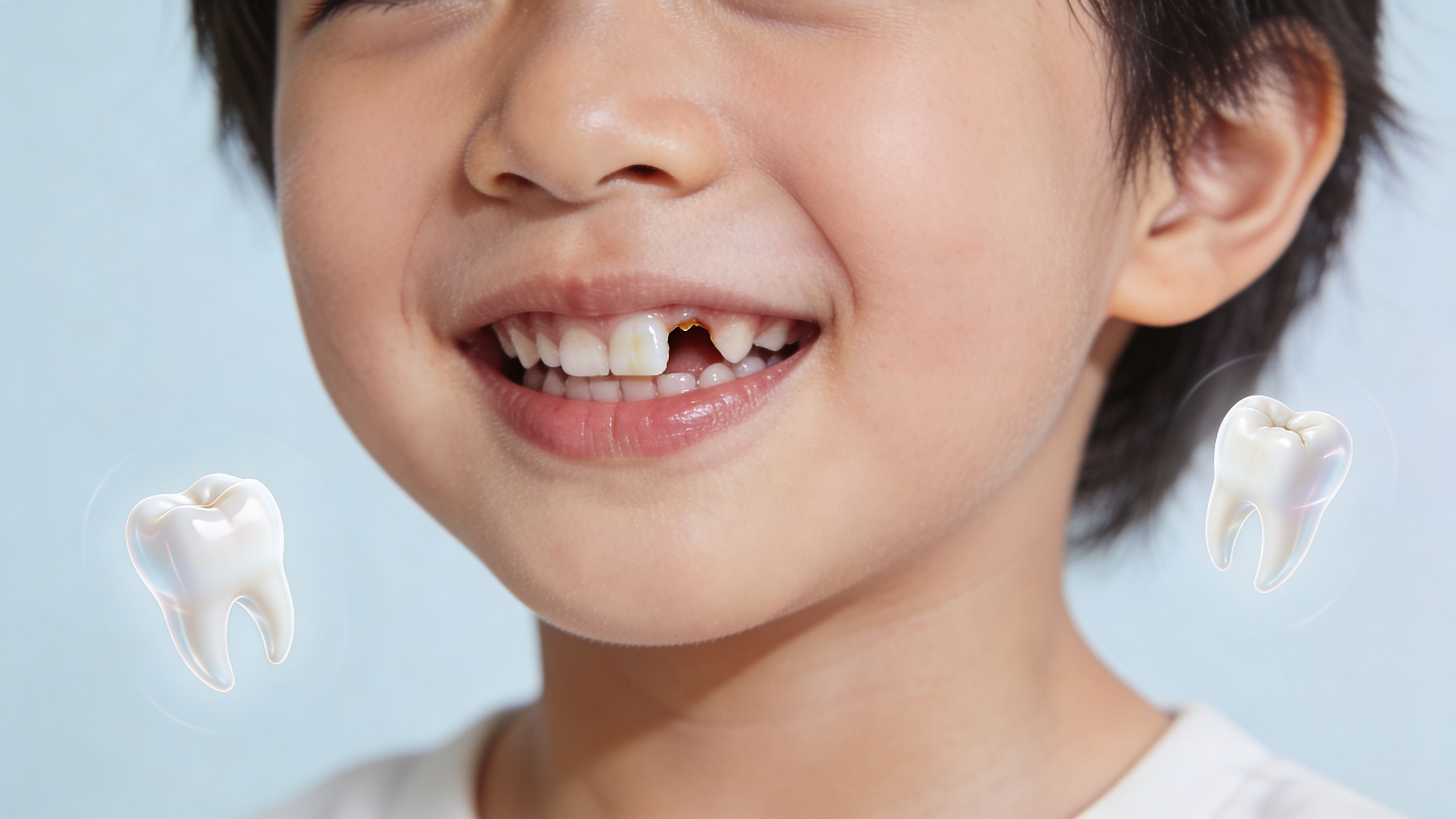
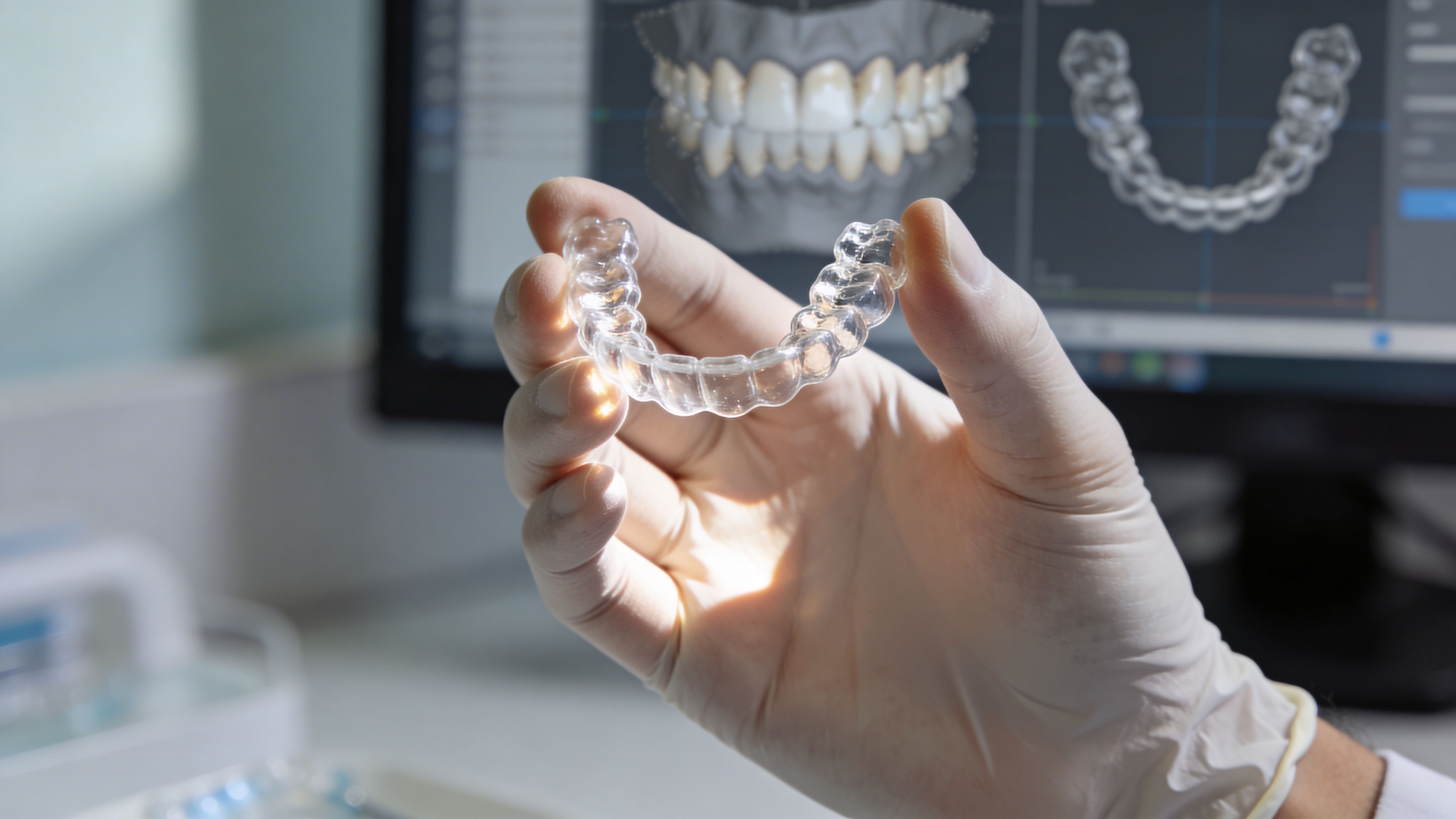
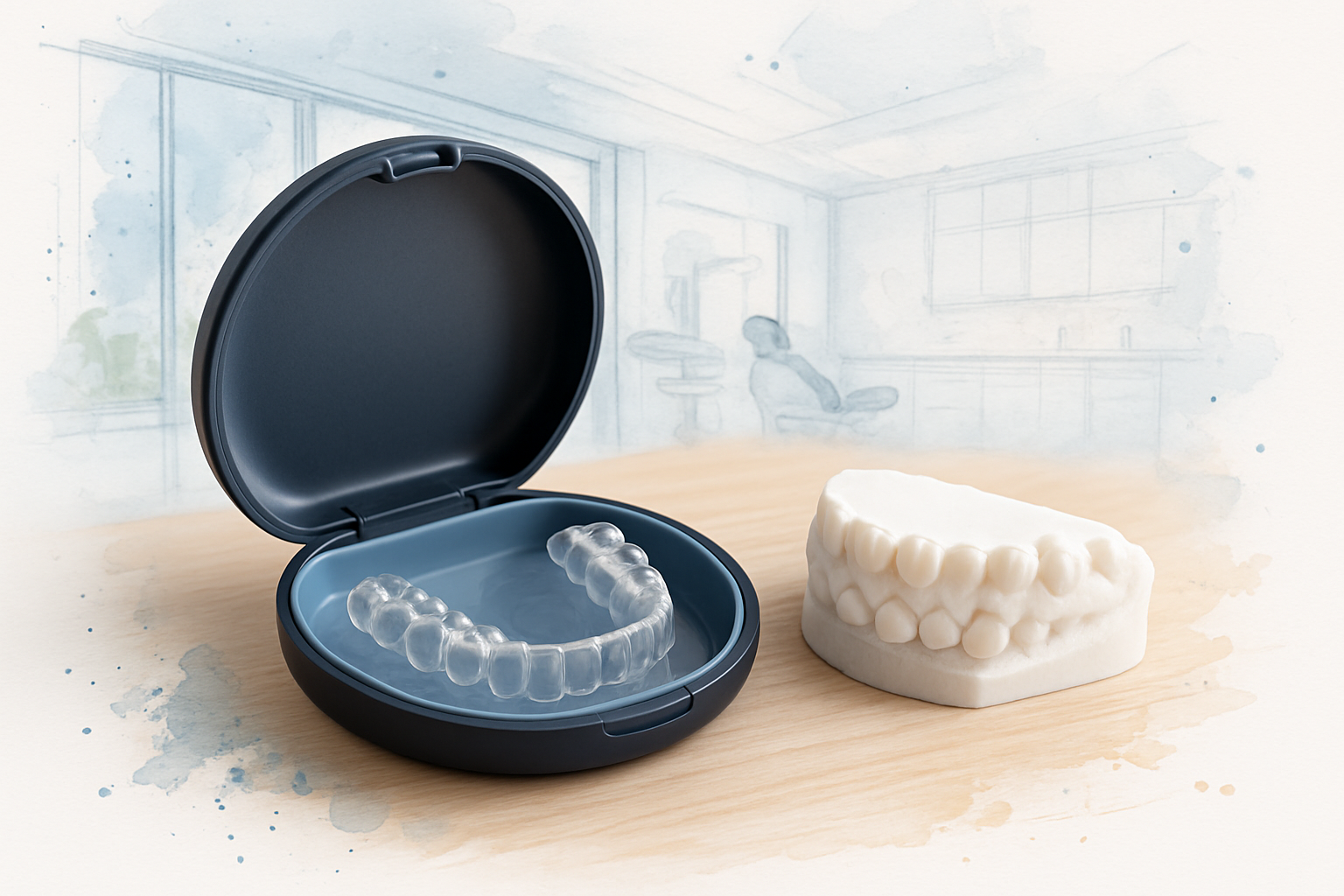
Invisalign First is not just smaller Invisalign for kids. It is a clinical tool built for a specific window of childhood development, roughly ages 6 to 10, when a child still has a mix of baby teeth and permanent teeth.
The goal at that age is not usually straightening every tooth. The goal is making room. Align Technology, the maker of Invisalign, describes the Phase 1 objective as developing the jaws and arches to create space for existing and incoming permanent teeth.
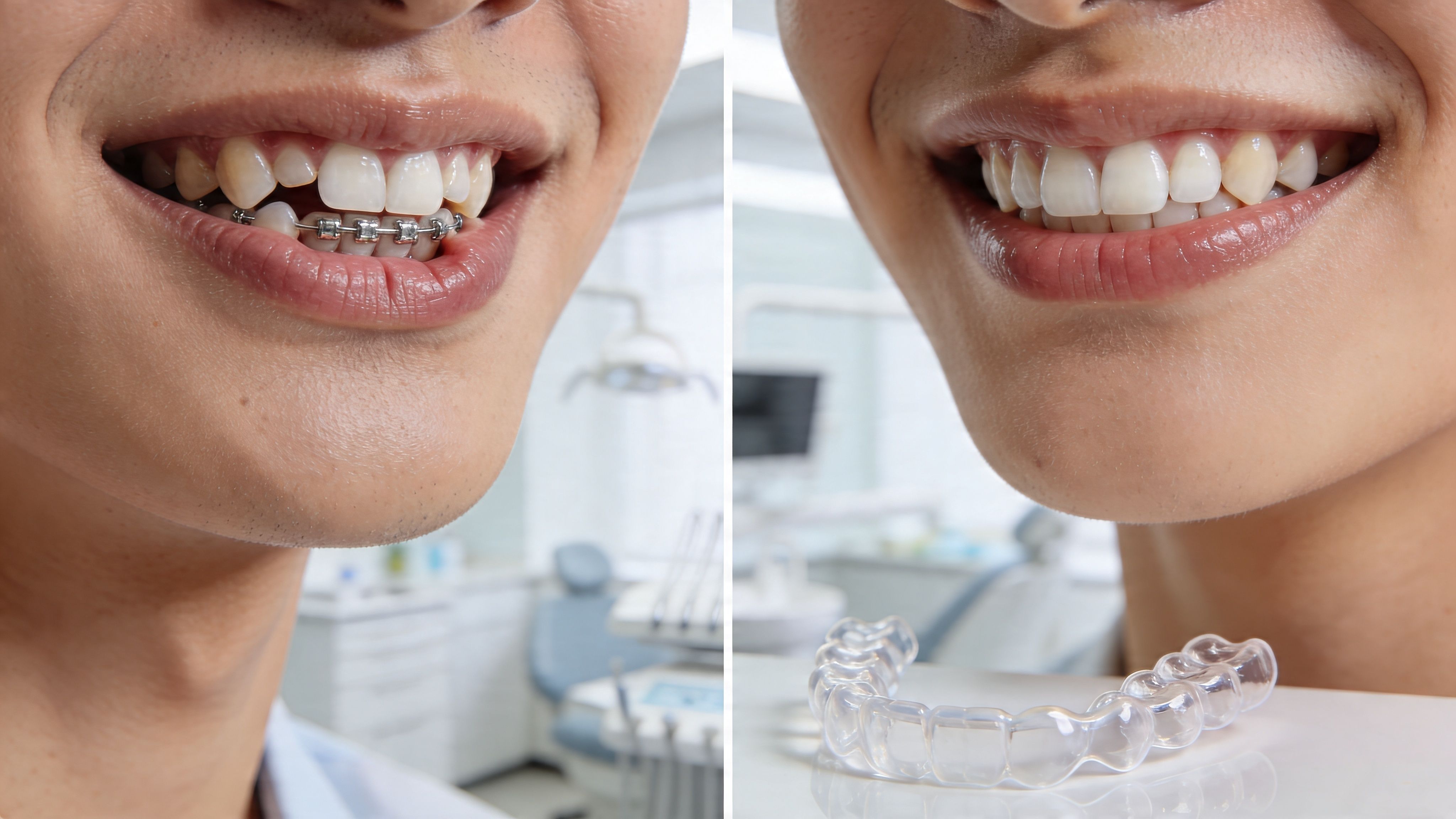
That is the same problem bulky expanders and partial braces have been solving for decades. Invisalign First just approaches it with removable trays instead of fixed hardware.
What it can help with in the right case:
- Arch width, gently expanding a narrow upper or lower arch
- Crowding where erupting adult teeth have no room
- Spacing issues that will get worse as more teeth come in
- Some bite relationships that are easier to influence while jaws are still growing
What it is not: a way to skip orthodontics later. More on that below, because it is the part parents most often misunderstand.
A growing jaw is far easier to guide than a finished one. That timing is the whole point.
The Age 7 Evaluation Is Not a Commitment to Treatment
The American Association of Orthodontists recommends a first orthodontic evaluation no later than age 7. Parents hear that and assume it means braces at 7. It does not.
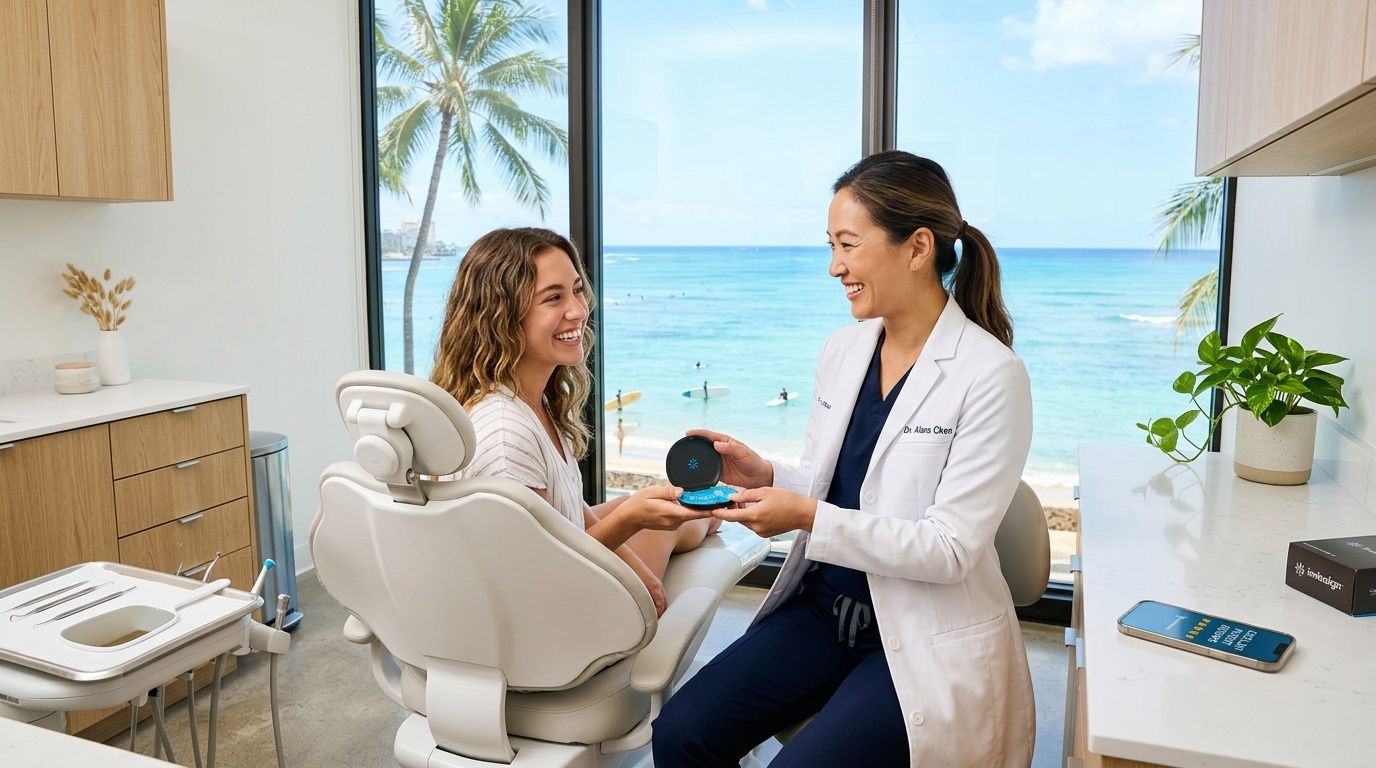
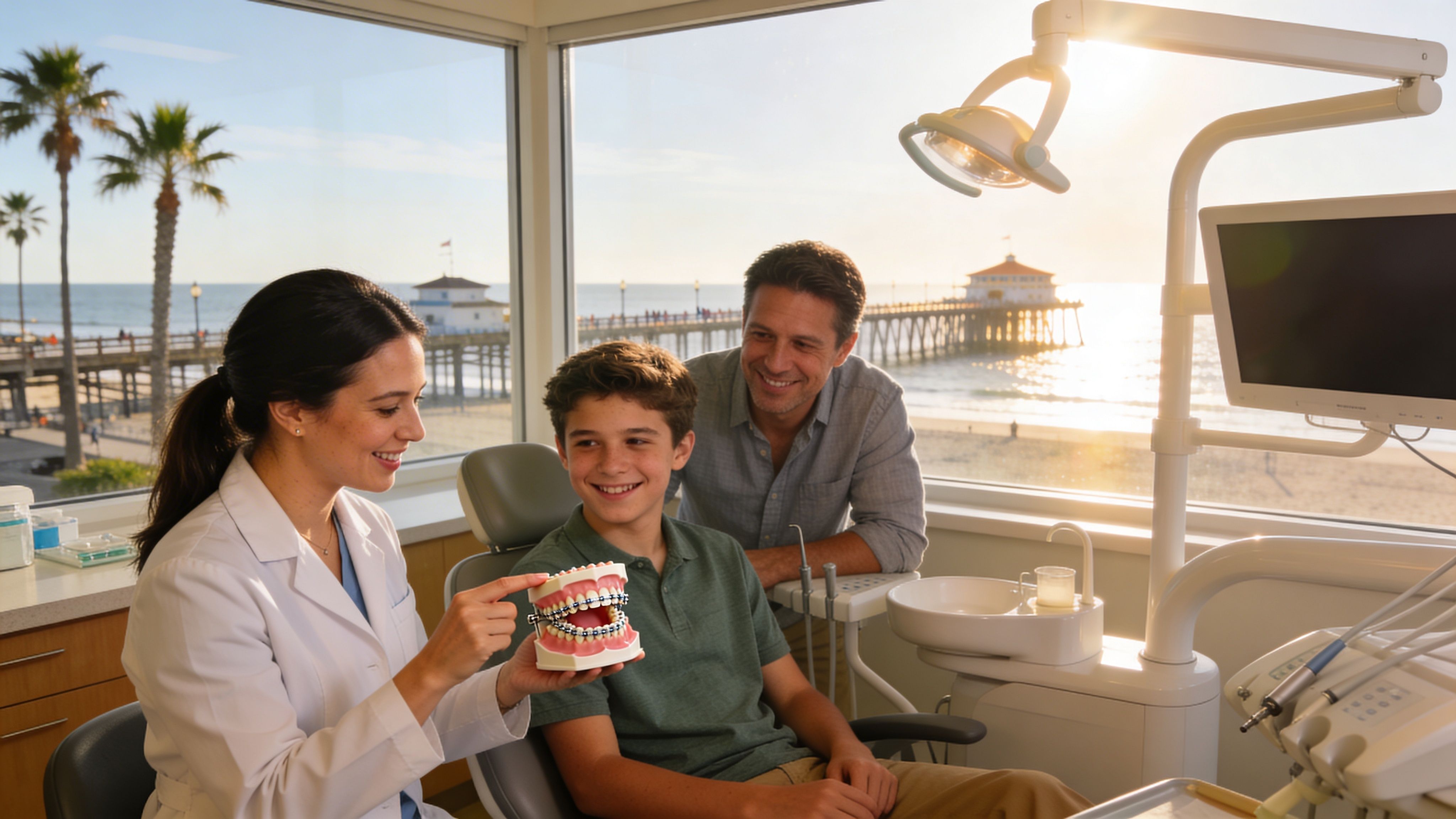
Age 7 is simply the earliest point where enough permanent teeth have arrived that Dr. Jeremy and Dr. Melissa can see the pattern that is forming. Sometimes the answer is treat now. Very often the answer is watch and check back in a year.
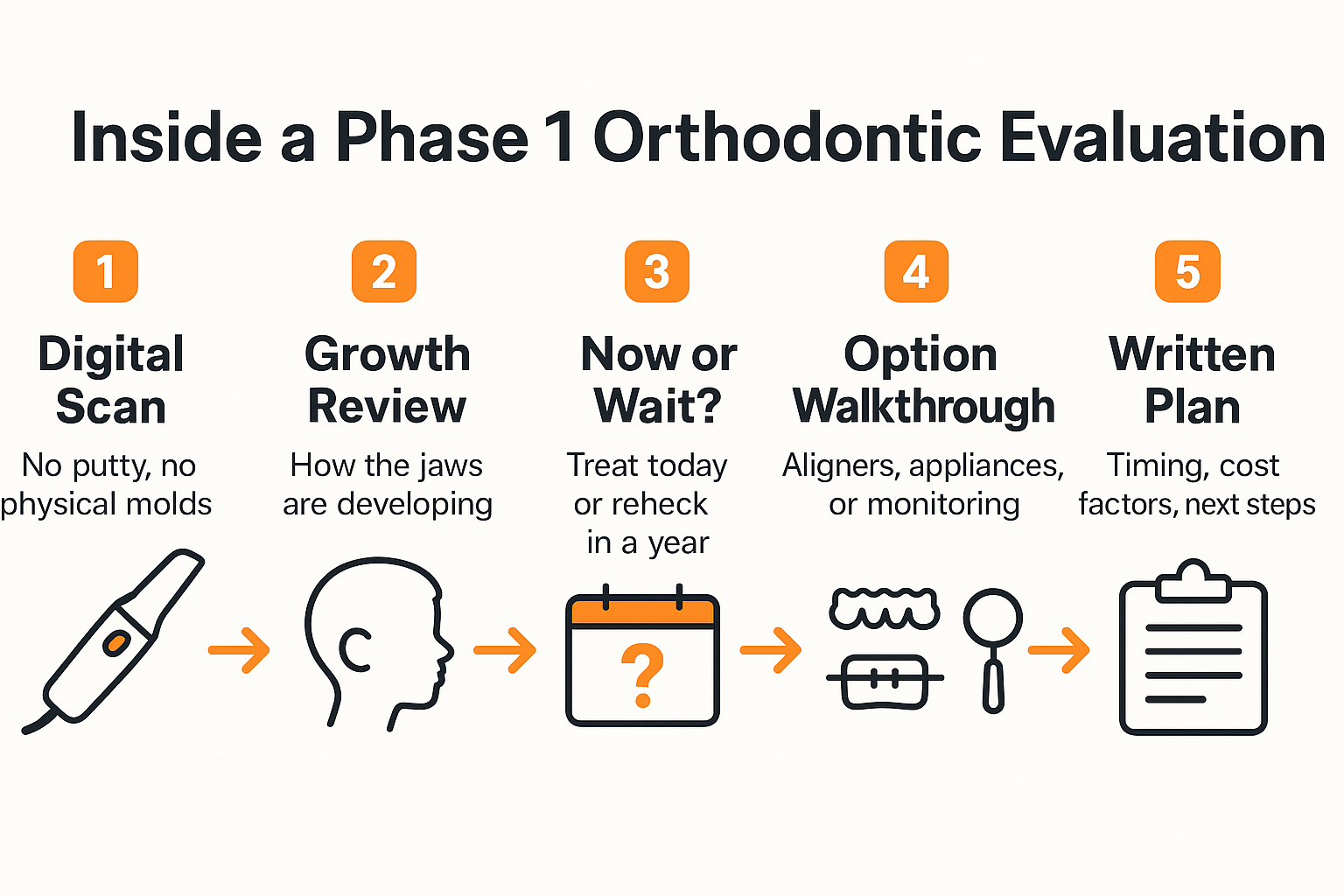
Here is what that visit actually looks like at our office on Beach Boulevard:
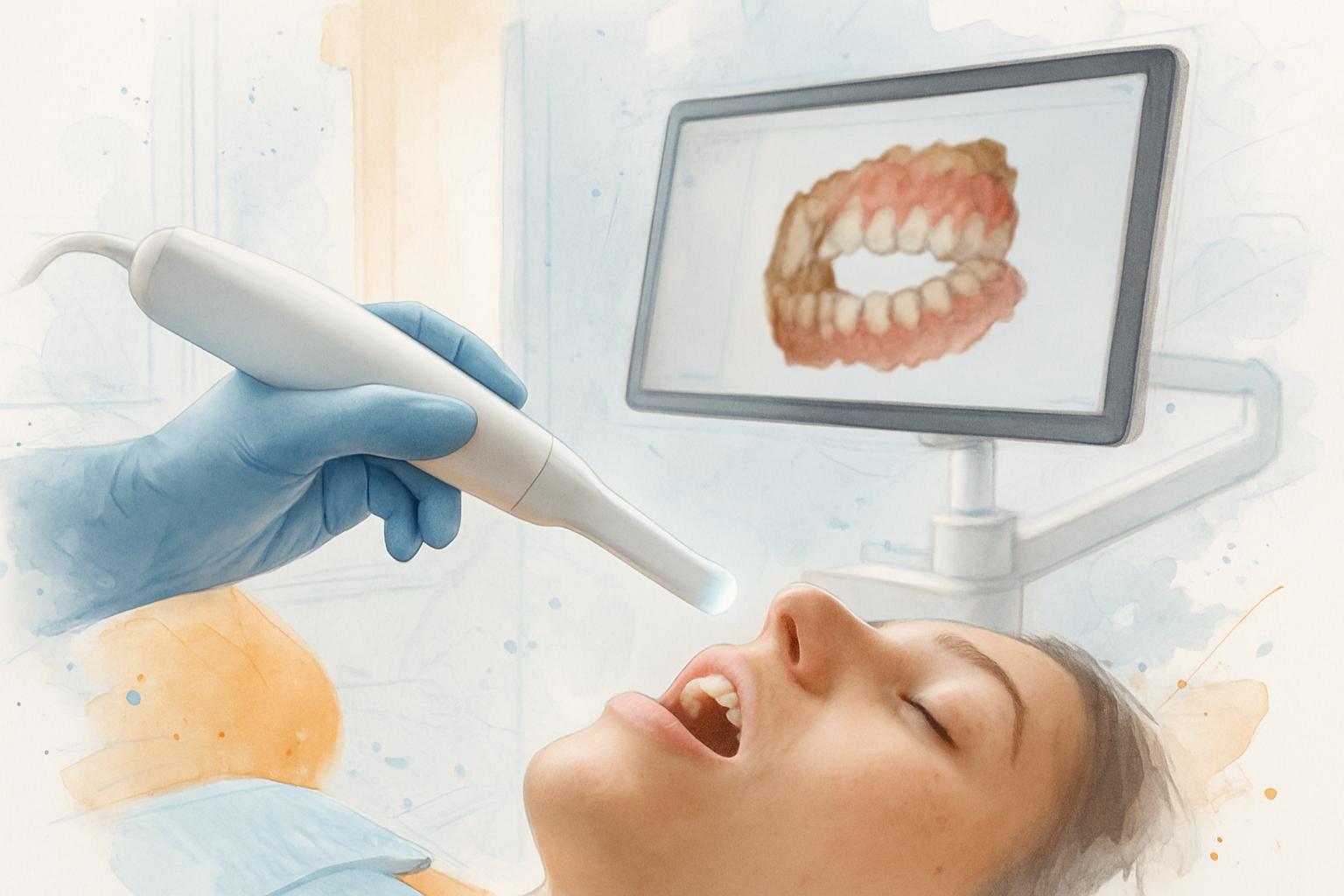
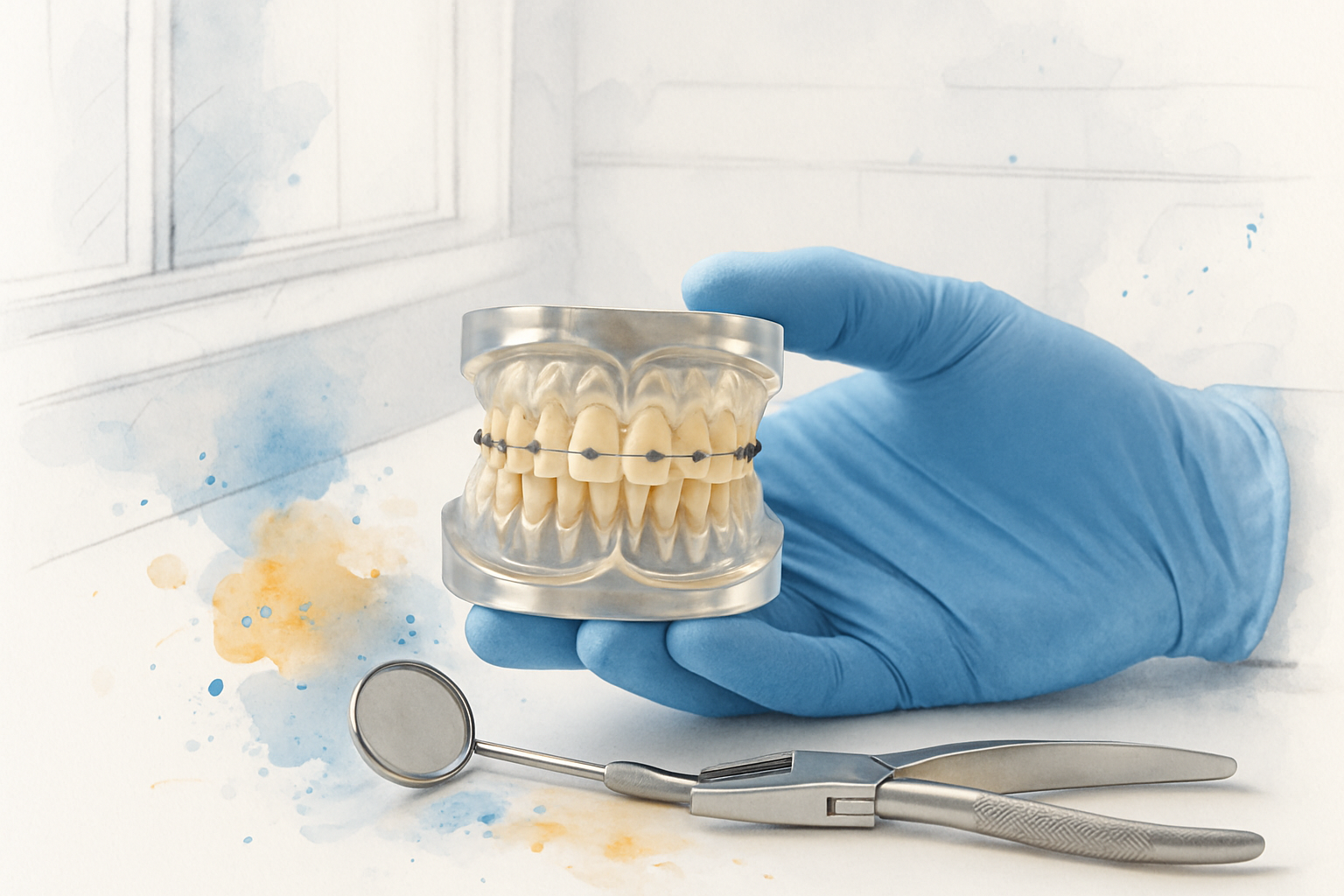
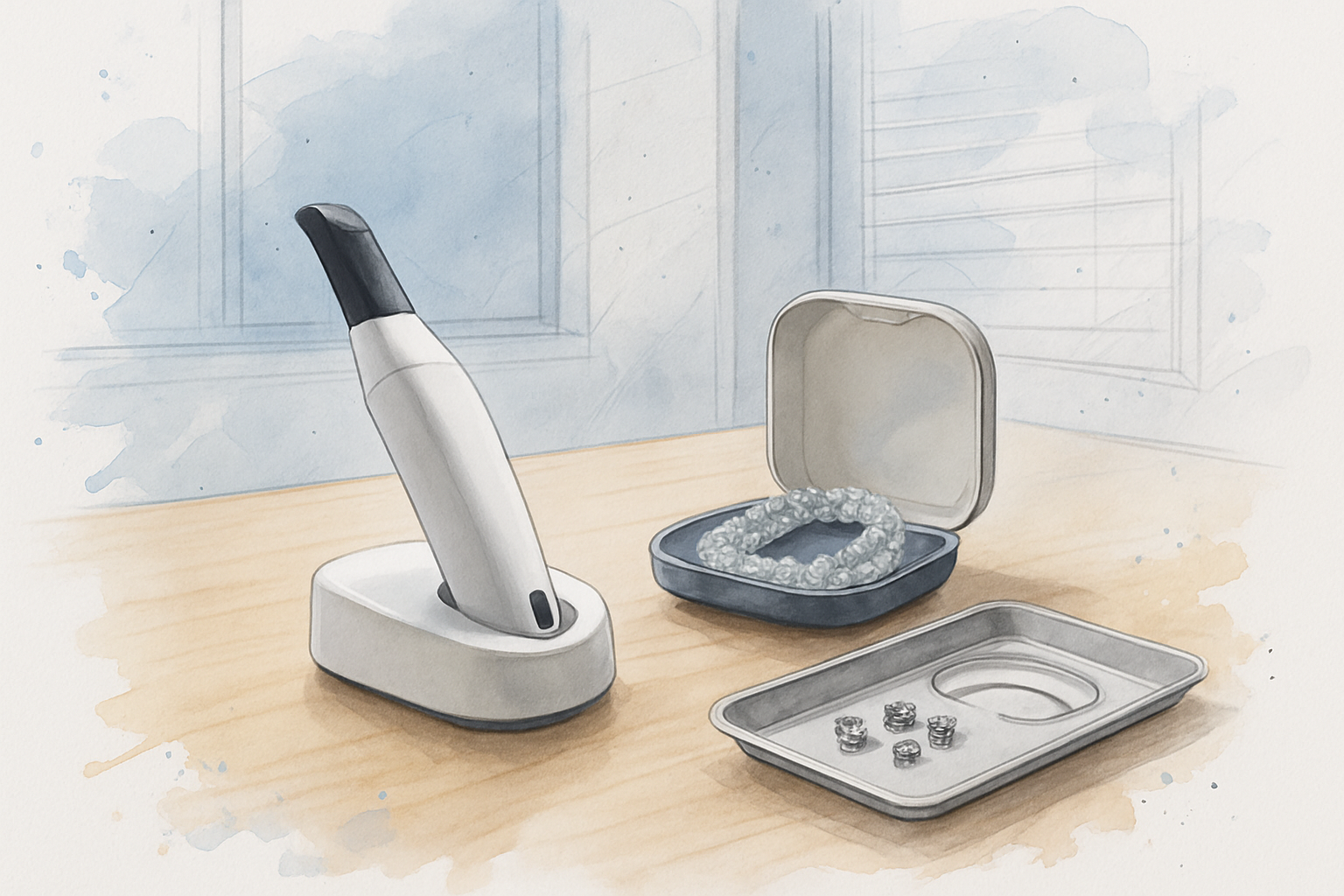
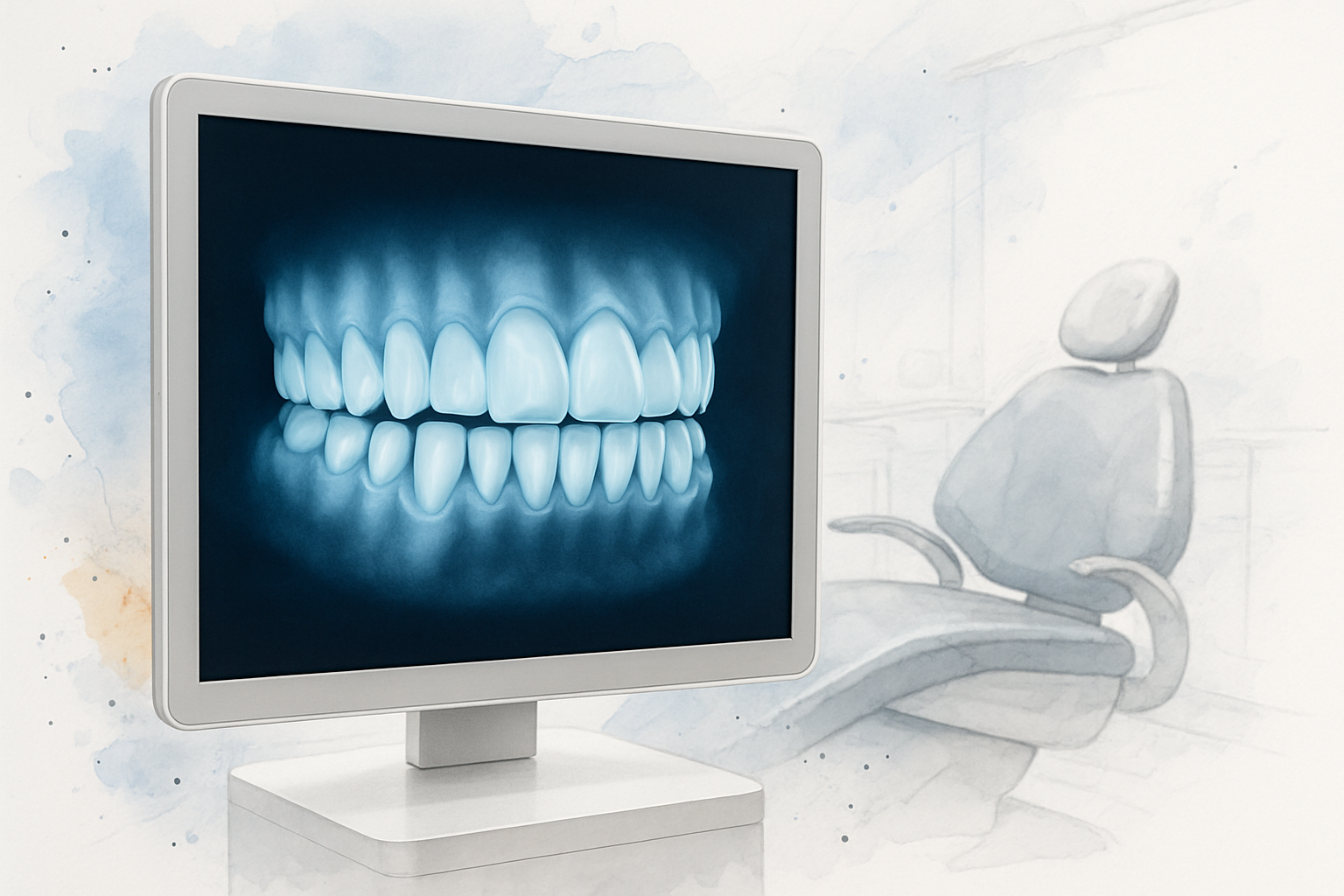
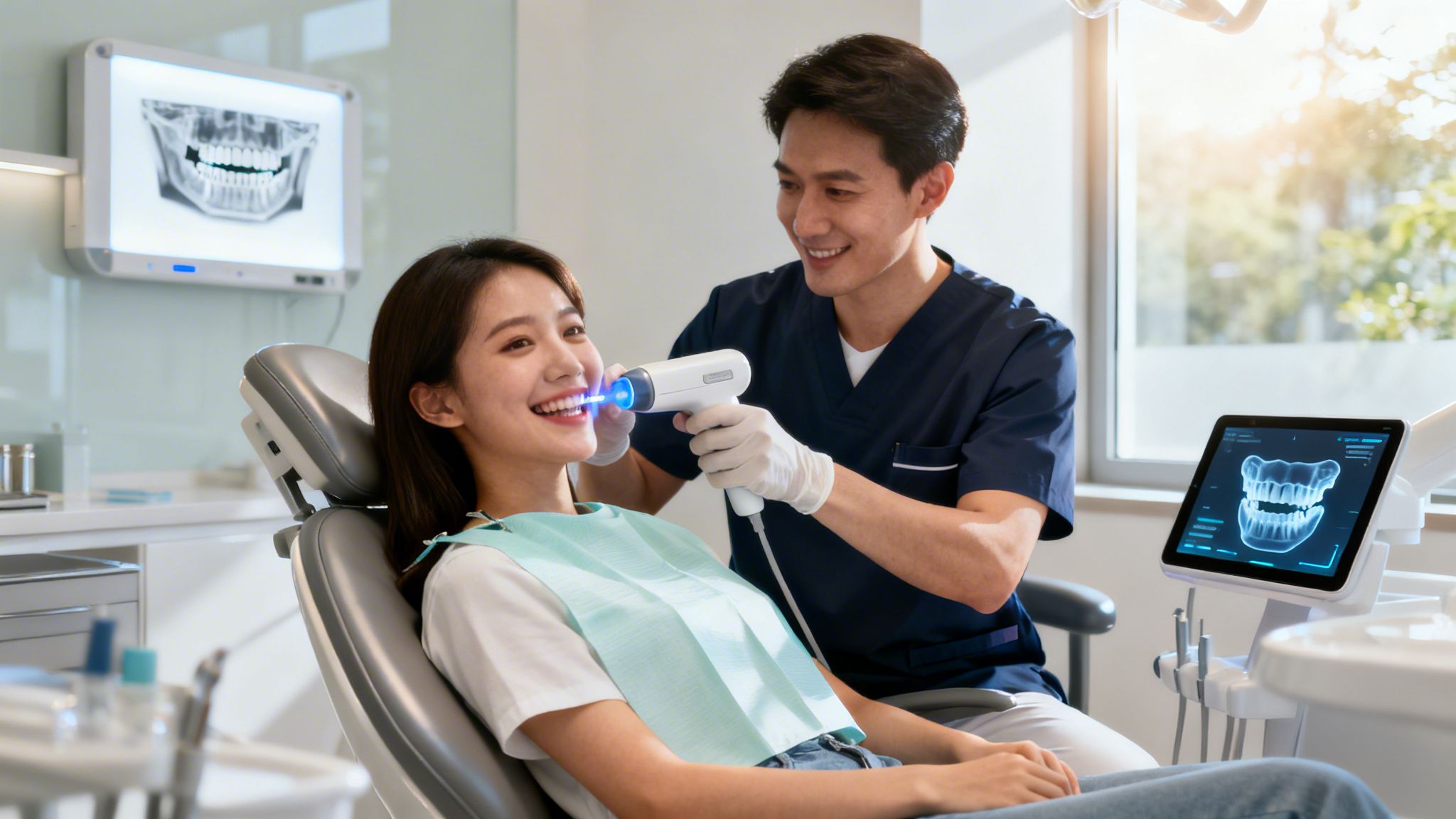
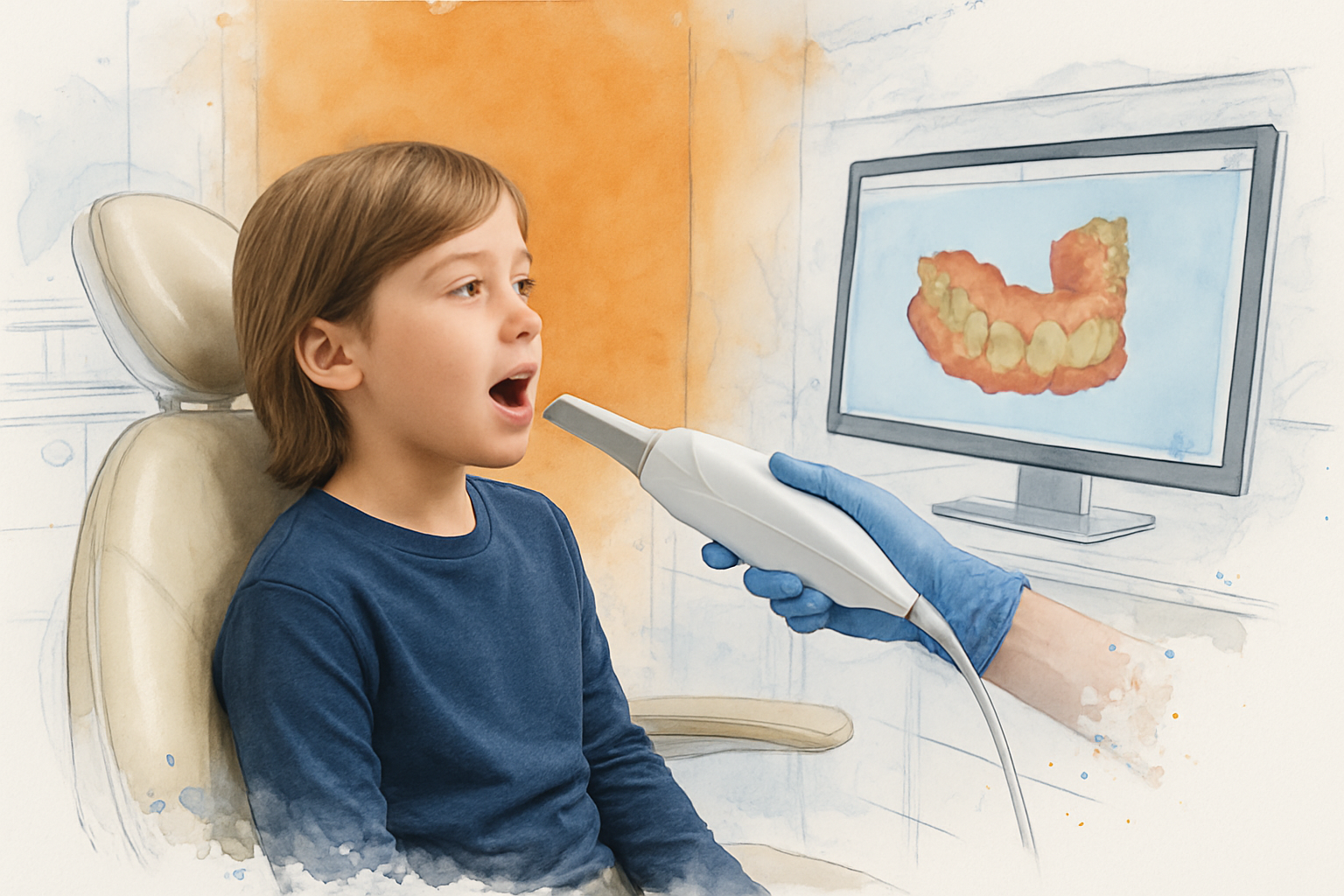
- Digital scan, no physical molds and no molding putty. Kids from Wintersburg to Talbert Village tend to be far more relaxed once they realize nothing goes in their mouth but a small camera wand.
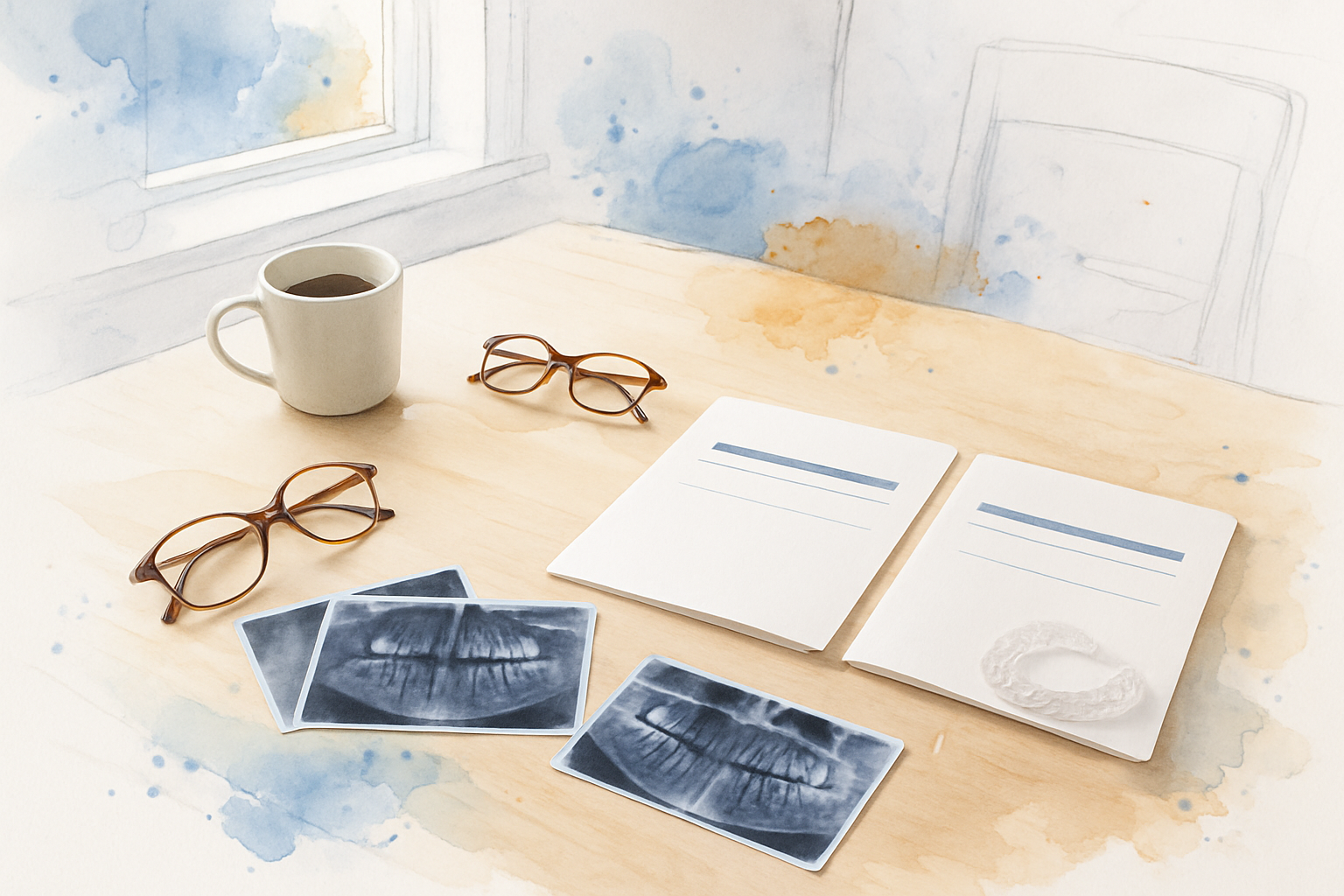
- Imaging and a look at growth, including how the jaws relate to each other
- A plain-language conversation about whether anything needs to start now or can safely wait
- A written plan if treatment is recommended, including timing and what comes after
About a quarter of our reviews come from parents comparing practices, and the thing they say most is that they left feeling informed rather than sold. That is the bar for a Phase 1 visit. You should walk out understanding your child's situation even if the recommendation is to do nothing for two years. If you want more detail on the visit itself, here is what to expect at a first orthodontic appointment.
Who Actually Needs Phase 1, and Who Can Wait
Most kids who get evaluated at 7 do not need immediate treatment. The ones who do usually show something structural that gets harder to fix later.
Signs that tend to point toward early intervention:
- A crossbite, where upper teeth bite inside the lower teeth on one side
- Severe crowding with permanent teeth erupting far out of line or getting blocked
- A narrow upper arch that pushes the bite off to one side when the jaw closes
- Early or late loss of baby teeth causing space to collapse
- Front teeth that stick out enough to be at real risk during sports, which matters more than you would think in a beach town where half the kids play something year-round
- Habits like prolonged thumb sucking that are visibly changing tooth position
And the flip side. Mild crowding in a 7 year old with plenty of growth left is often better handled later, in one round of treatment, instead of two. Two phases of treatment cost more and take more of your family's time than one, so nobody should recommend Phase 1 casually.
I would rather tell a parent from Newland or Adams to come back in a year than start their child on a plan that was not necessary.
Invisalign First Compared to Other Phase 1 Approaches
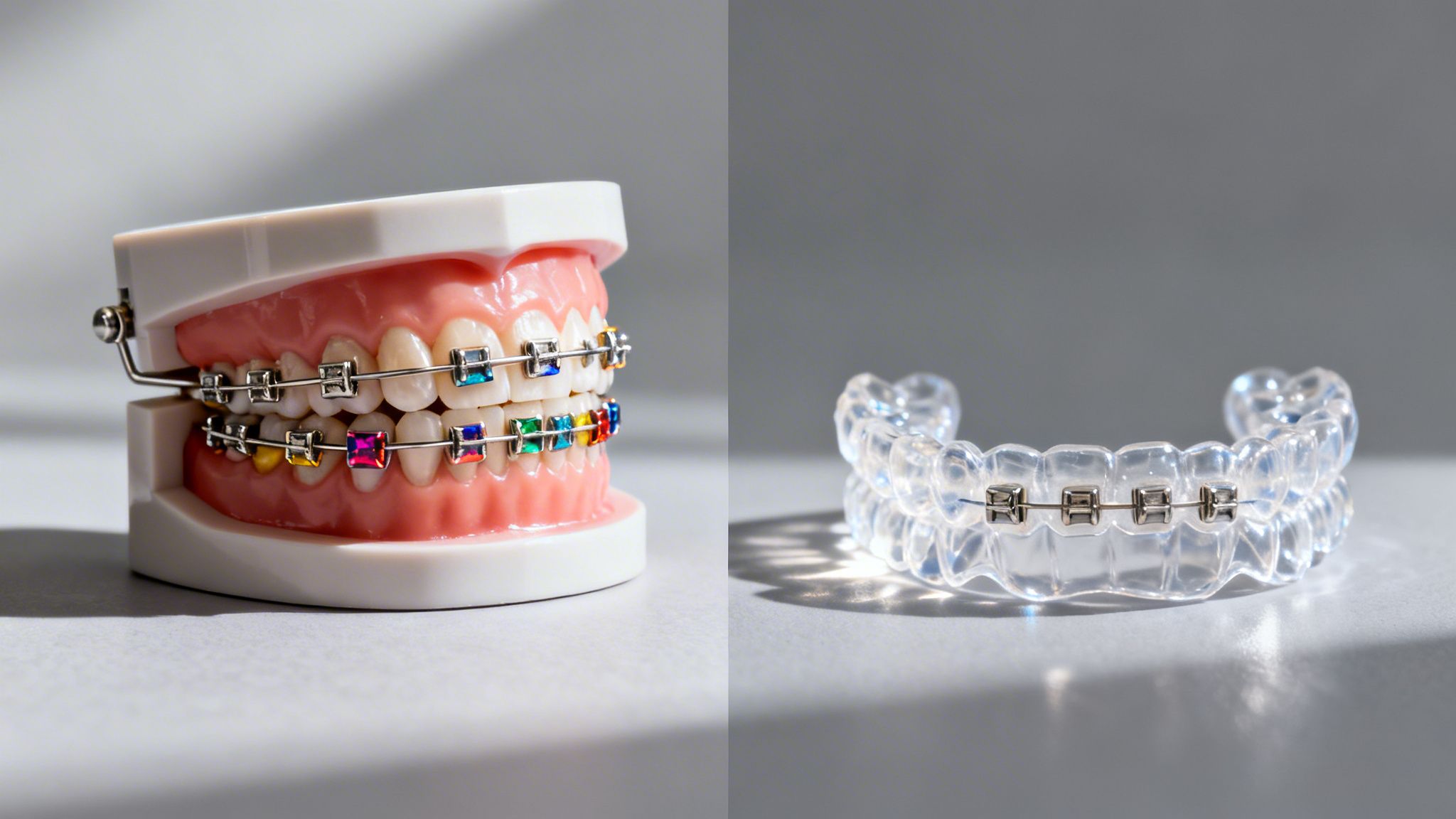
Different kids need different tools. Here is a rough comparison of how the common Phase 1 paths differ in daily life.
| Approach | Best suited for | What parents deal with daily |
|---|---|---|
| Invisalign First aligners | Kids 6-10 who can follow wear instructions with parent oversight | Tracking wear time, cleaning trays, keeping them out of napkins and backpacks |
| Fixed appliances | Kids who need constant force or who would not keep trays in | Nothing to remember, but harder brushing and some food restrictions |
| Partial braces | Targeted correction of a few specific teeth | Standard brushing adjustments, occasional loose bracket visits |
| Monitor and wait | Mild crowding with lots of growth remaining | One short check-in visit every 6-12 months |
What Happens at a Phase 1 Evaluation
This is the general flow of a first evaluation for a child around age 7, start to finish.
The Compliance Question, Answered Honestly
Here is the part that gets glossed over in most articles about Invisalign First. Aligners only work when they are in the mouth, and a 7 year old is not managing that alone.
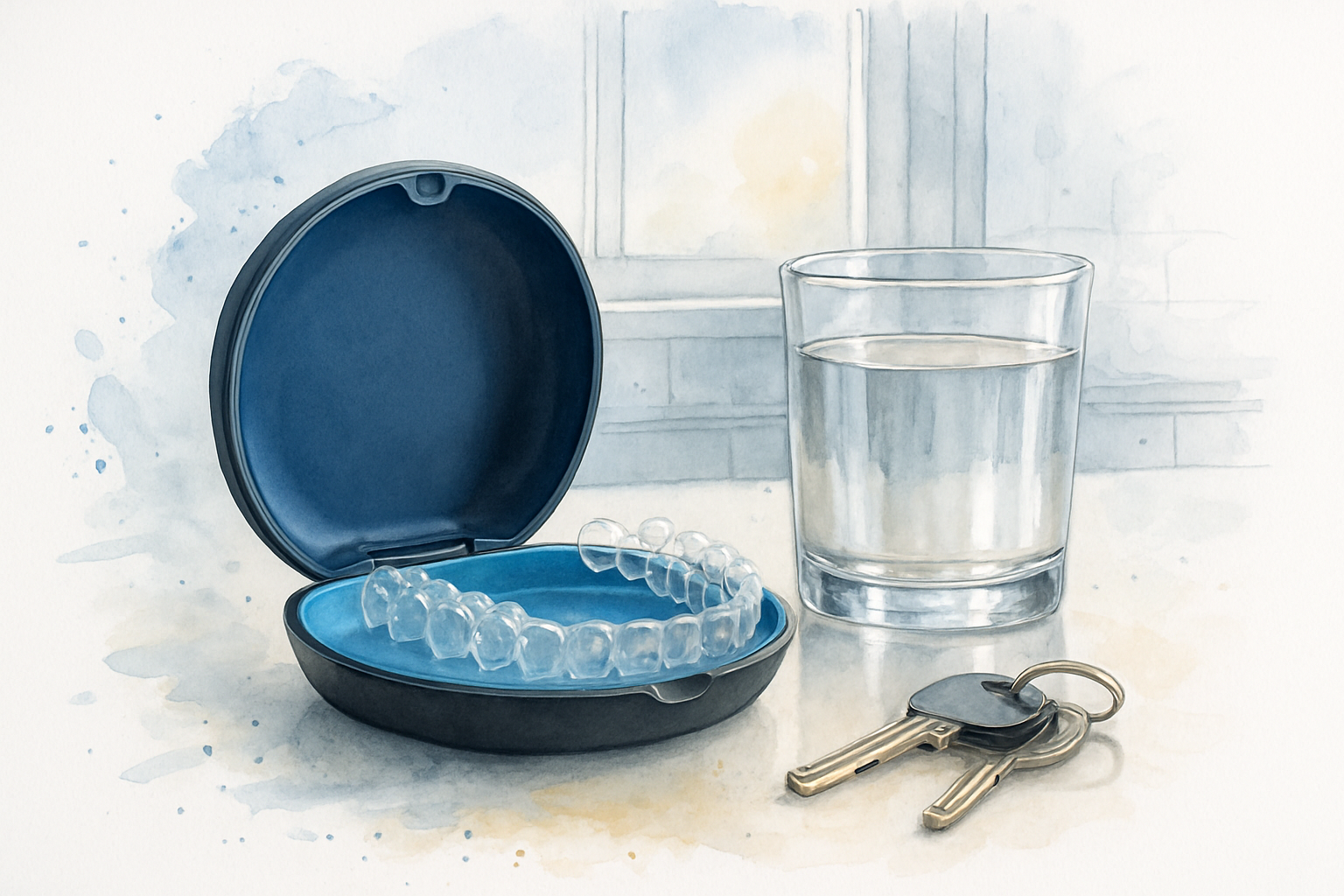
Realistically, wear time needs to be around 20 to 22 hours a day. That means the trays come out for meals and brushing, and go right back in. Which means a parent is checking, every single day, for months.
Things that trip families up:
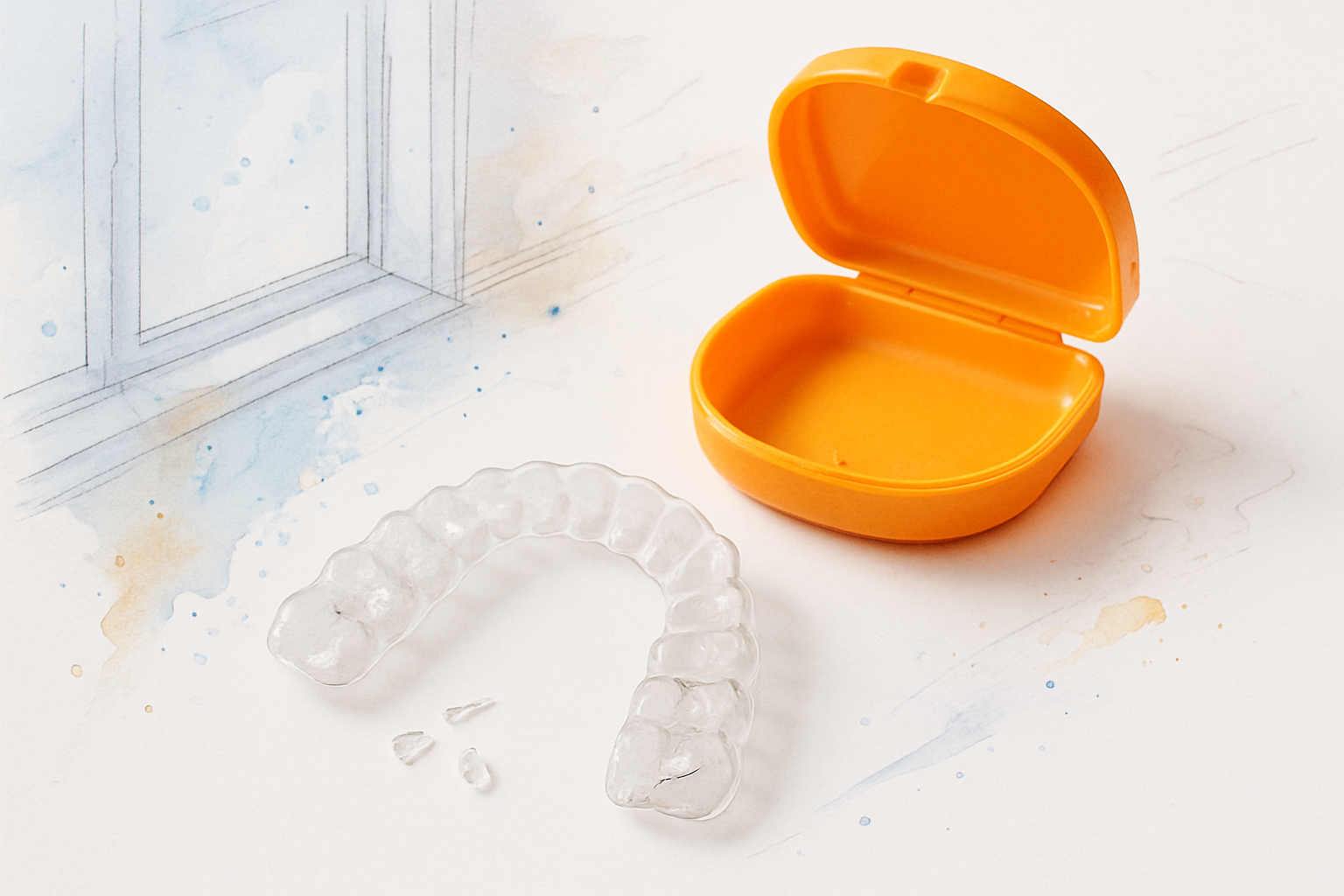
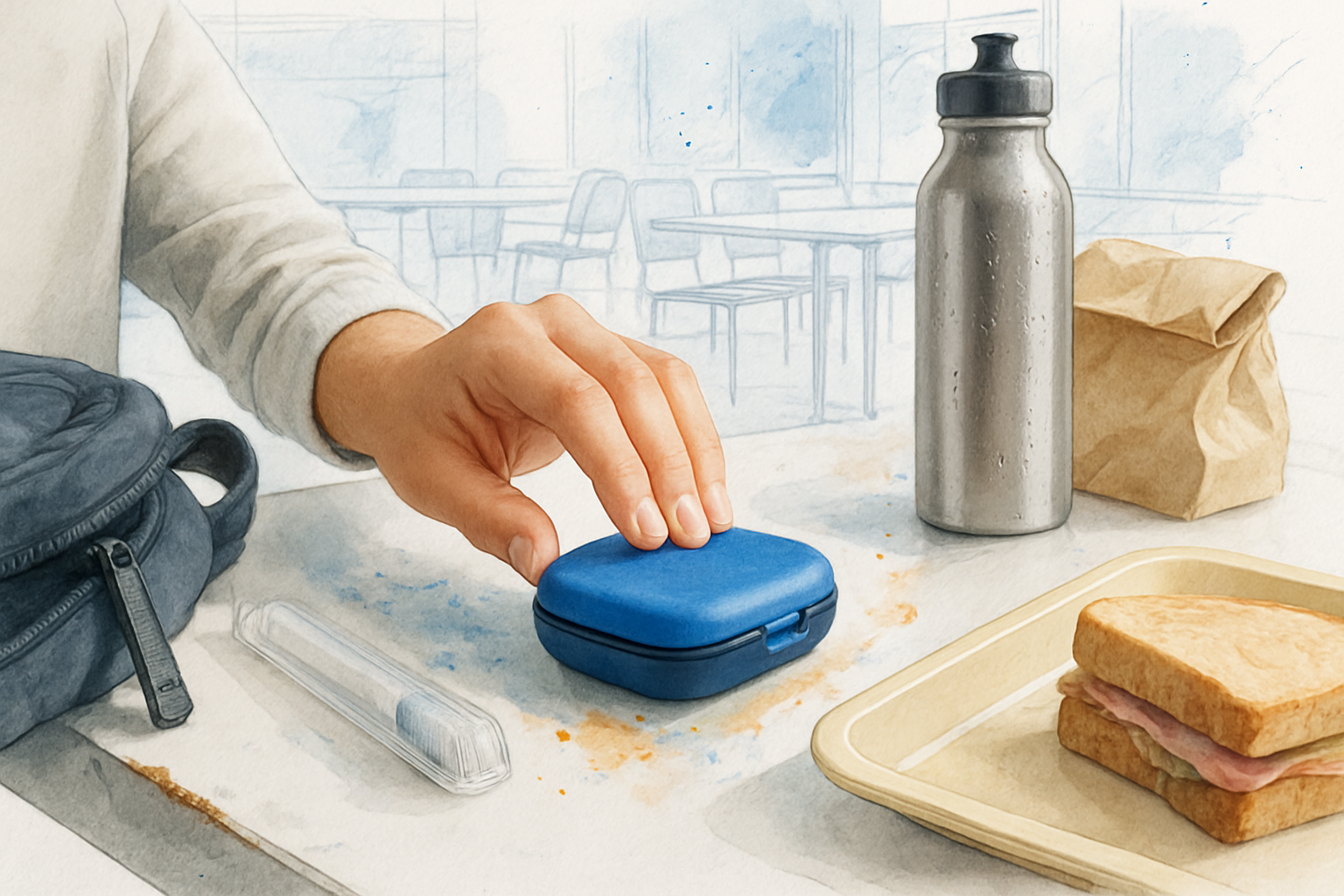
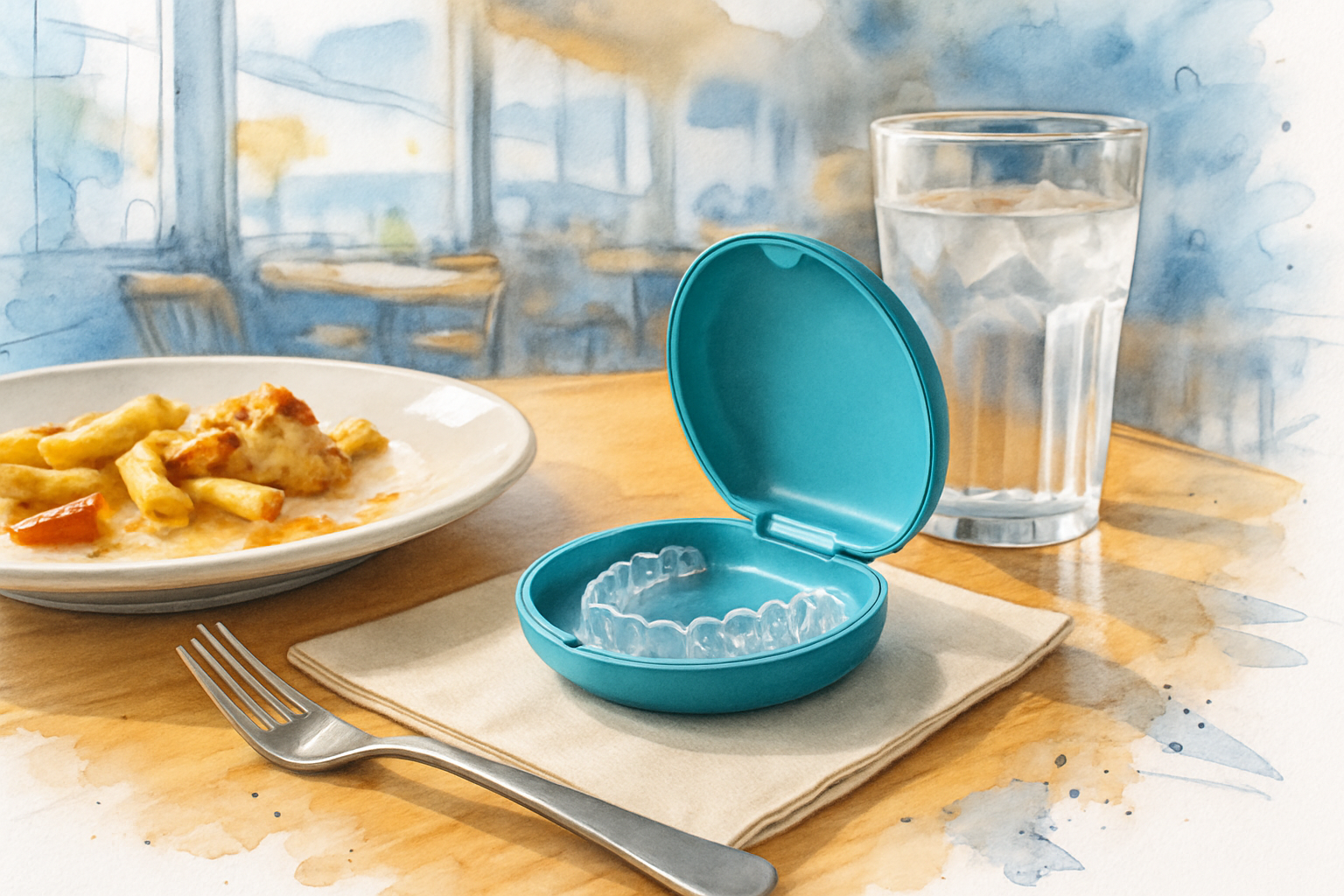
- Trays wrapped in a napkin at lunch and thrown away, which happens more than you would guess
- Skipped nights because the child was tired and nobody checked
- Sticky or sugary snacks with trays still in, which is a hygiene problem
- Trays left in a hot car on the way back from the beach
None of this makes aligners a bad choice. It just means the choice depends on your kid and your household. A child who already handles a retainer or a mouthguard responsibly is usually a strong candidate. A child who loses two water bottles a month may do better with something fixed in place.
Dr. Jeremy and Dr. Melissa look at each child individually rather than defaulting to one approach. If you are already thinking ahead to the teen years, how clear aligners work for teens covers a very different set of considerations.
What Happens After Phase 1, and What It Costs
Phase 1 typically runs somewhere in the range of 9 to 18 months, depending on the problem being corrected. Then comes a resting period while the remaining permanent teeth come in, often a couple of years with periodic checkups.
Many kids then need a shorter Phase 2 in the early teens to finish alignment. Anyone who tells you Phase 1 guarantees no braces later is overpromising.
On cost, I will be straight with you. Phase 1 is generally priced well below full comprehensive treatment because it is shorter and more limited in scope, but the actual number swings based on the specific correction needed, treatment length, and appliance type. Orange County pricing varies widely between practices, so a number you hear from a neighbor may not apply to your child at all.
A few things worth knowing before you compare quotes:
- Many PPO plans include a lifetime orthodontic benefit, and HMO plans are generally not accepted at specialty orthodontic offices, including ours
- FSA and HSA dollars usually apply, and timing treatment around your plan year can matter
- No-interest monthly payment plans are common in orthodontics, so the sticker price is rarely what you pay at once
For a deeper look at the variables, see what drives Invisalign pricing and how FSA and HSA funds apply to orthodontics. For an exact figure on your child, you need an evaluation.
Frequently Asked Questions About Invisalign First and Phase 1
My child is 7 and has crowding plus a bite issue. Do we start now?
Maybe, and maybe not. A crossbite or a narrow arch is usually worth addressing while the jaw is growing. Mild crowding on its own is often better handled in one round of treatment later. The evaluation is what tells you which situation you are in, and it costs you nothing but an hour.
Is Invisalign First the same as regular Invisalign?
No. It is built specifically for a mouth that still has baby and permanent teeth mixed together, with features that account for teeth still erupting. Regular Invisalign assumes a full set of adult teeth.
Will my child definitely need braces after Phase 1?
Not always, but plan for the possibility. Phase 1 handles the structural problem, and a shorter second phase in the early teens often finishes the alignment. Anyone promising you Phase 1 eliminates future treatment is not being straight with you.
What if we just wait until all the adult teeth are in?
For many kids, that is genuinely the right call. For a smaller group with crossbites, blocked teeth, or a jaw growing off-center, waiting means a harder and longer correction later, and occasionally one that involves extractions. That is exactly why the age 7 check exists.
How far is your office from Fountain Valley?
We are on Beach Boulevard in Huntington Beach, which puts us a few minutes from Central Fountain Valley and Talbert Village. Our team also speaks English, Vietnamese, and Spanish, which matters to a lot of families around here.
Still Not Sure If Your Child Needs an Evaluation Yet?
If your child is somewhere between 6 and 10 and you have been wondering whether to have someone look, that wondering is usually reason enough. Dr. Jeremy and Dr. Melissa see kids from across Huntington Beach and Fountain Valley for these evaluations, and plenty of those visits end with a recommendation to simply check back next year. You can reach our team at 714-594-5777 or at magicfoxsmiles.com whenever you want to talk it through.