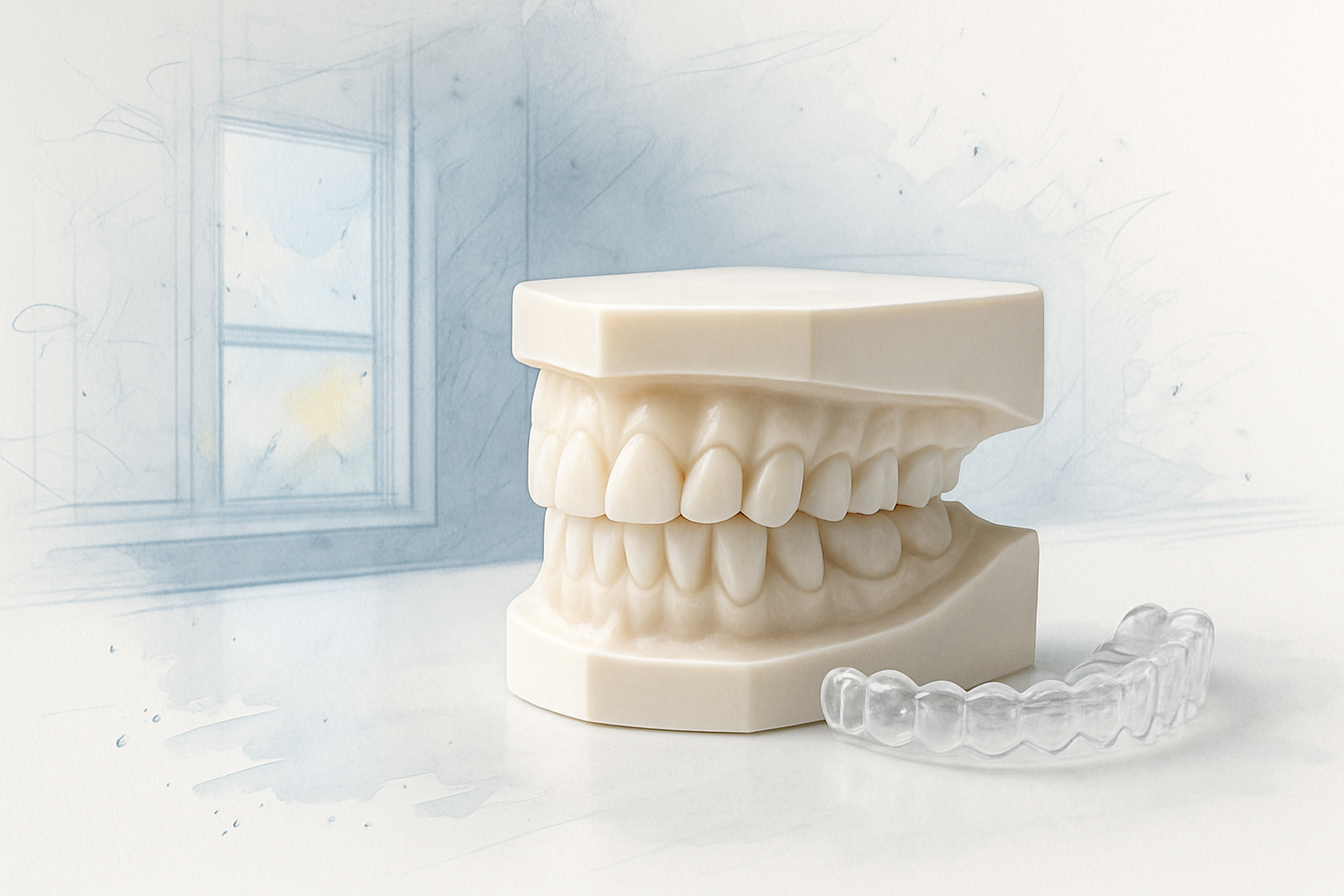
Your Retainer Does Not Fit Anymore. Here Is What That Means.
Direct Answer: A retainer that no longer fits means your teeth have moved. Retainers hold teeth in place, they do not move them back. Do not force it. Get it checked first.
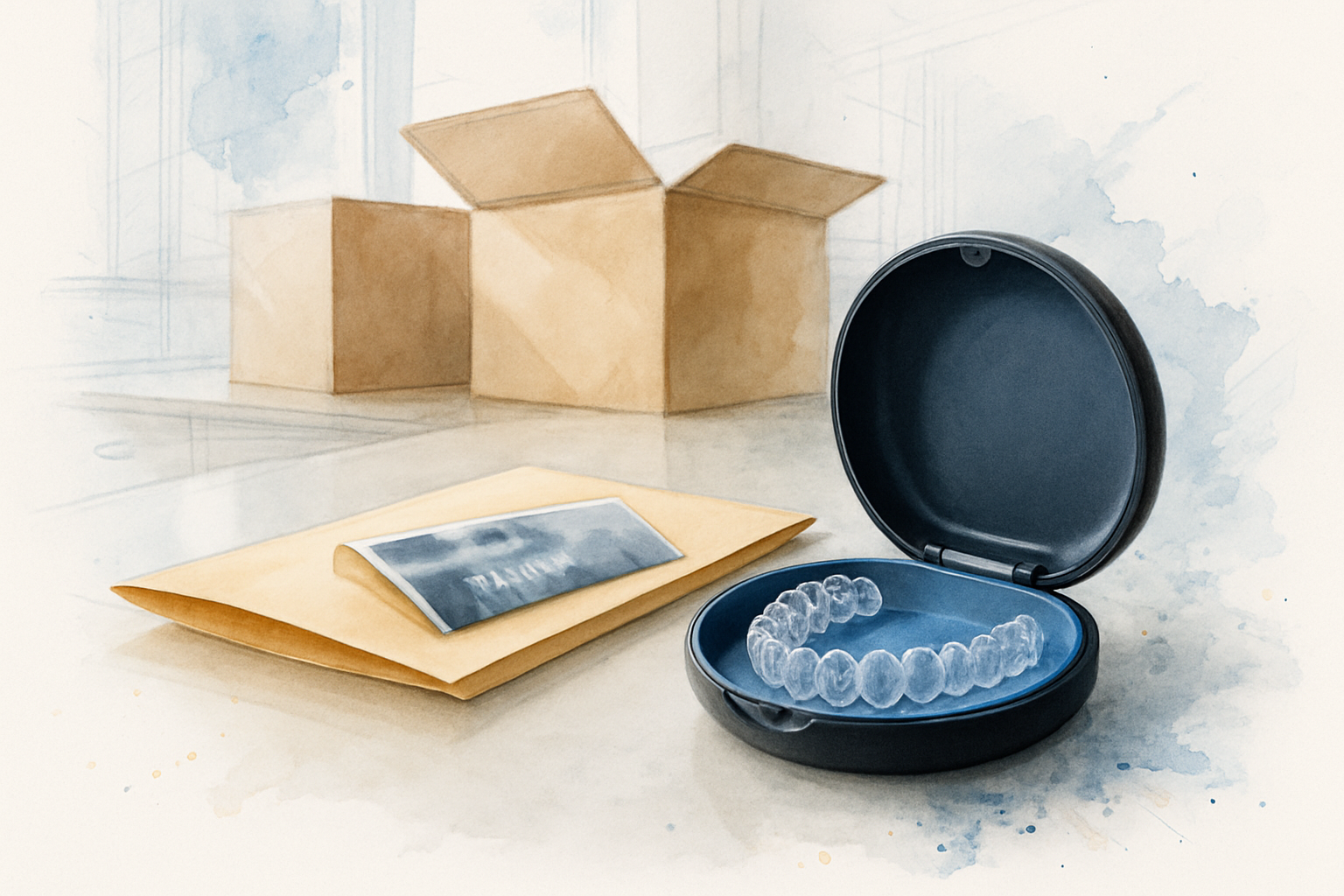
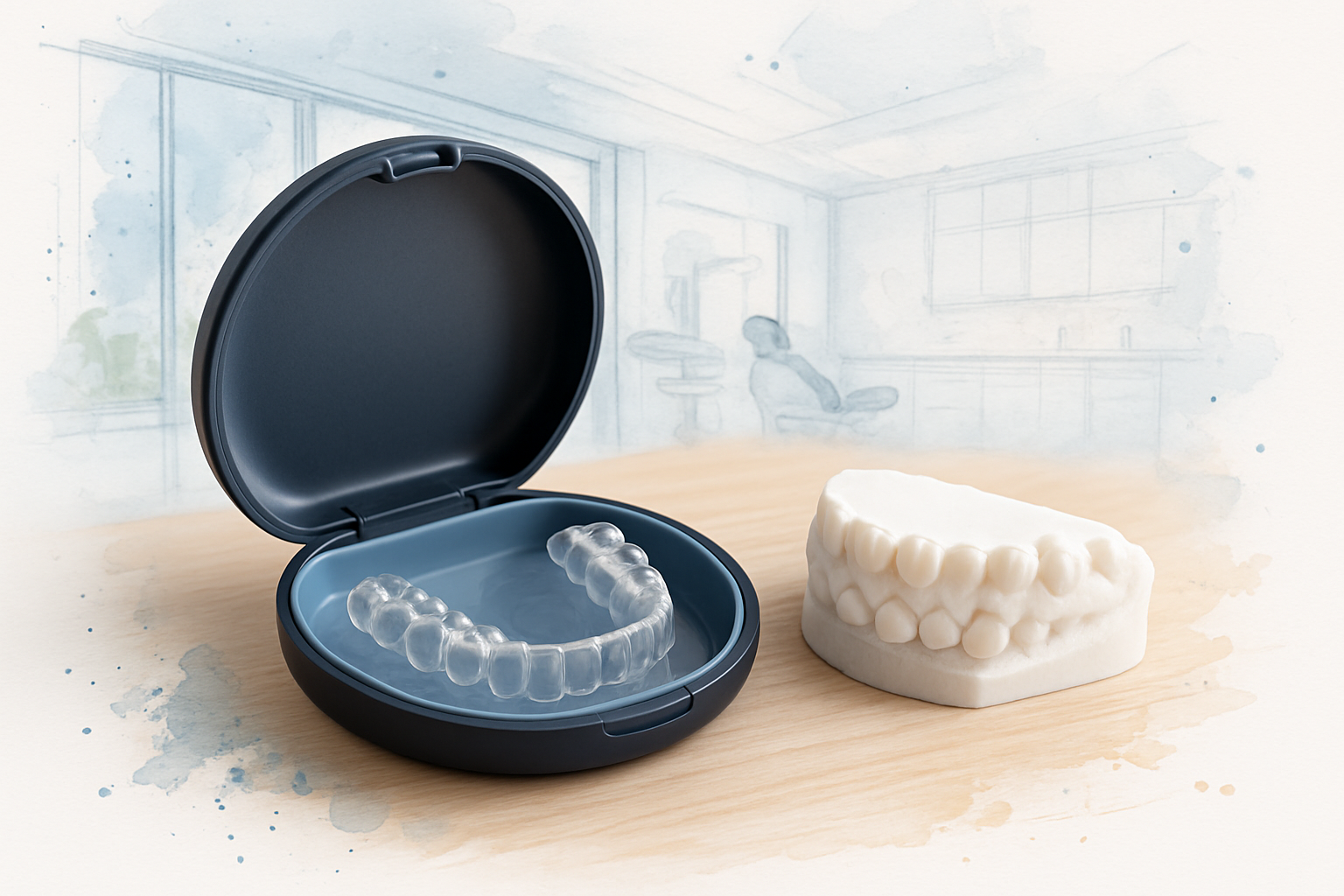
You found the retainer in a drawer. You pushed it on, it did not seat, and it hurt. So you took it back out and told yourself you would deal with it later.
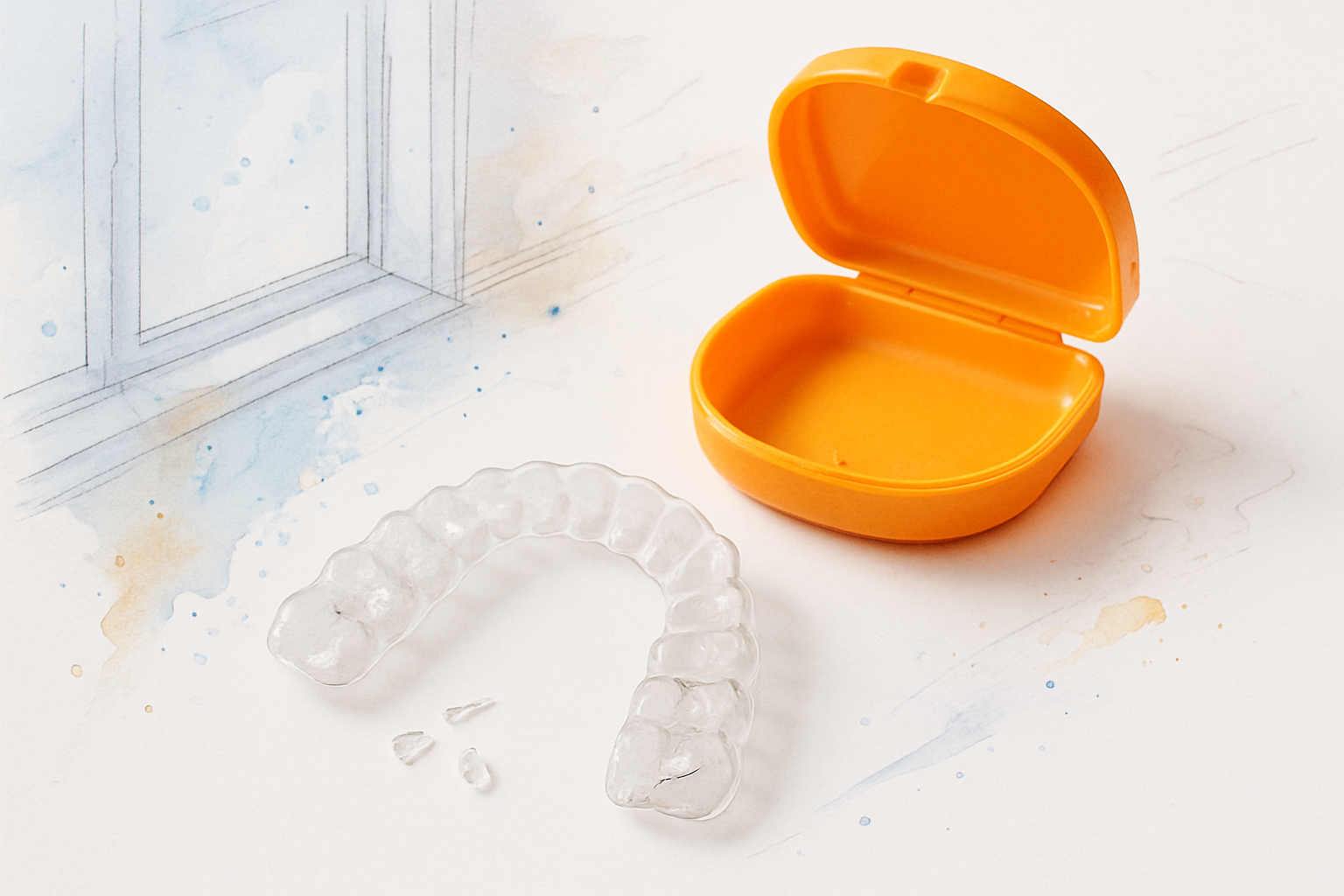
I hear some version of this almost every week. People call us describing teeth that have visibly shifted, a retainer that snaps or cracks, or a bonded wire behind the front teeth that has come loose on one end. These are not rare situations, and they are not something to be embarrassed about.
Below I want to walk you through what a retainer that no longer fits actually tells us, why orthodontic retainer teeth shifting in adults is so common, and what happens if you come in about it. No guessing, no pressure.
What a Retainer Can Do, and What It Cannot
This is the piece most people get wrong, and it is worth being clear about.
A retainer is a holding device. It keeps teeth where treatment left them. It was never designed to push teeth back into a position they have drifted away from.
So when a retainer stops seating, that is information. It means your teeth are no longer in the shape that retainer was made from.
Here is what I tell people who call about this:
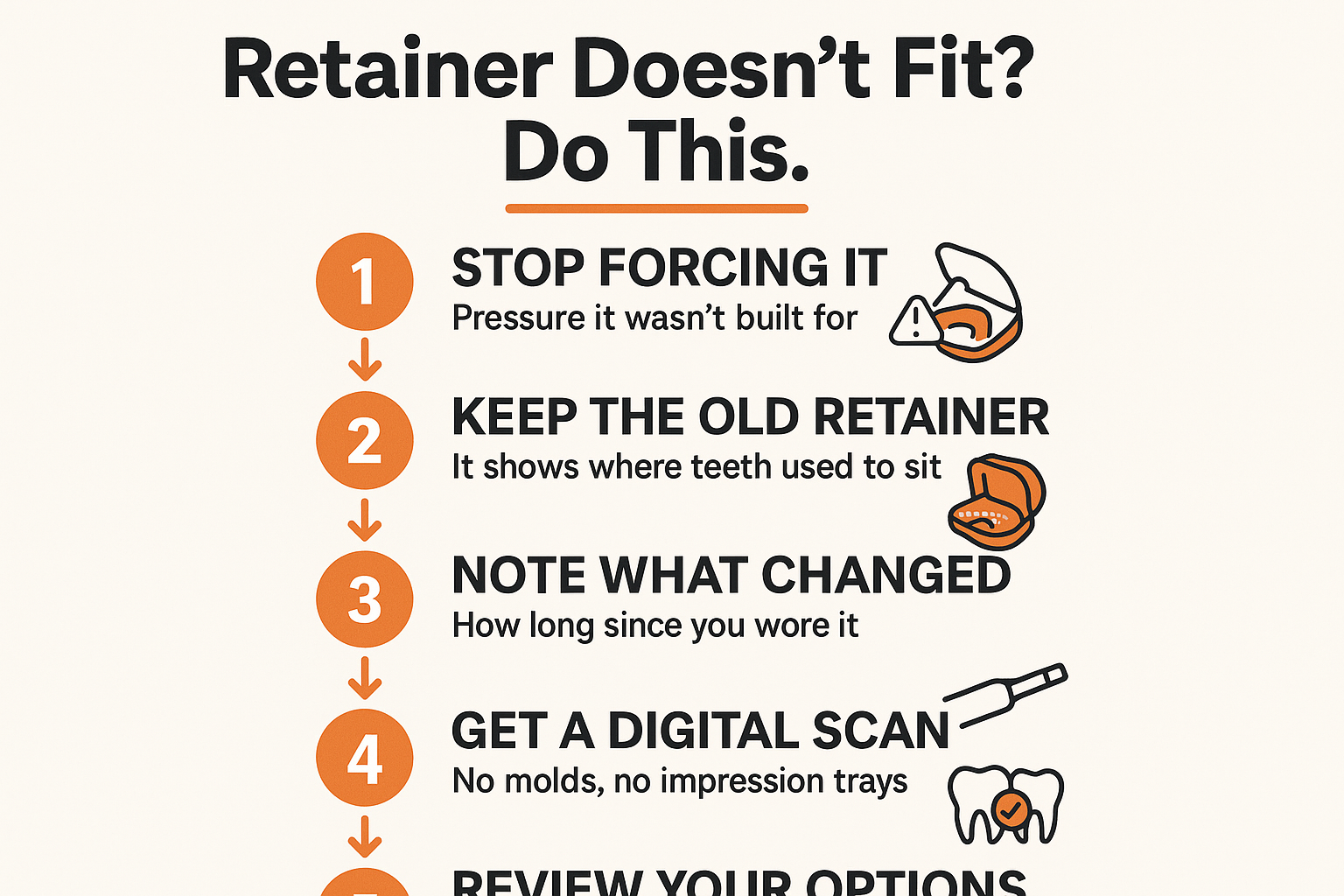
- Do not force it. Biting a tight retainer down onto teeth applies pressure to roots and bone in ways the appliance was not built to handle.
- Do not wear it "a few hours a day" to break it in. A retainer that does not fit is not going to loosen up into fitting.
- Do not warm it, trim it, or bend it. Heat warps the plastic and a bent wire pushes teeth in directions nobody planned.
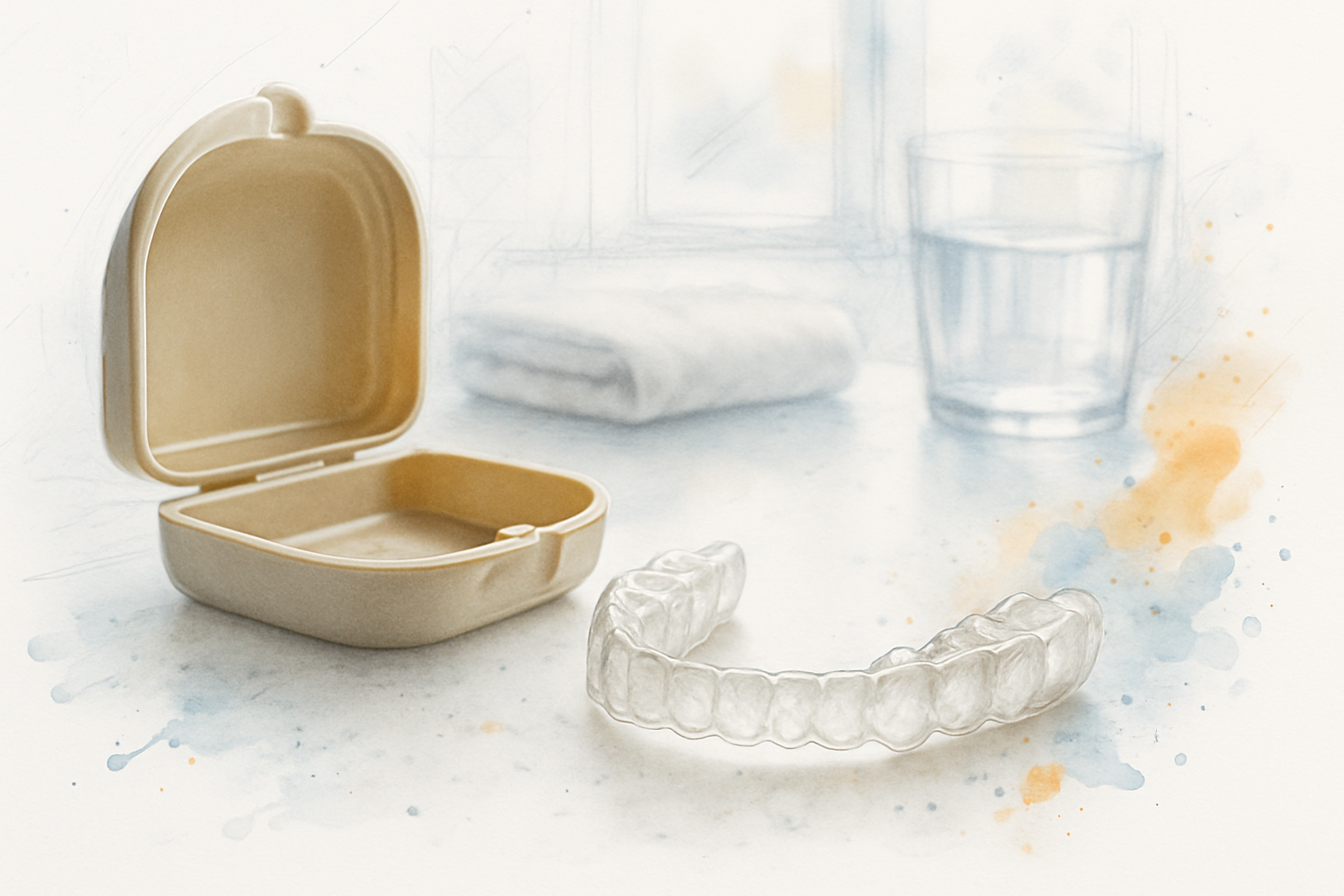
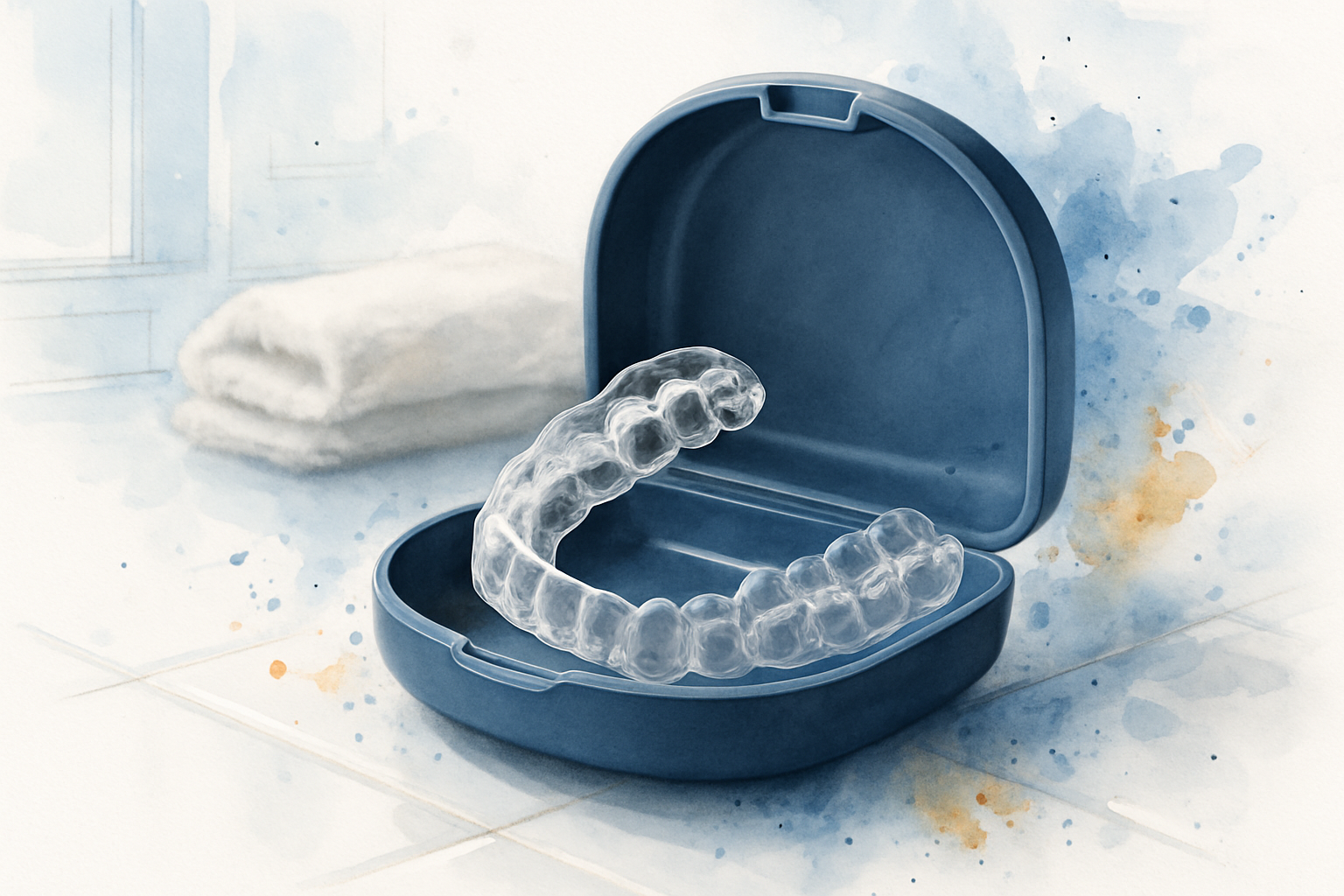
- Do keep it. Even a retainer that does not fit is useful to us. It shows where your teeth used to sit.
If the fit is only slightly snug after a short break, that can be different from a retainer that will not go on at all. That difference is exactly the kind of thing worth having someone look at rather than testing on your own teeth.
Why Adult Teeth Shift, Even Years After Braces
Some amount of movement after orthodontic treatment is extremely common. That is not a sign your braces or aligners failed.
Teeth sit in living bone. They respond to chewing forces, to normal changes in your jaw as you age, and to gum and bone changes over decades. People who wore their retainer faithfully for years still notice small changes in their 30s and 40s, most often crowding on the lower front teeth.
The American Association of Orthodontists has long recommended retainer wear as an ongoing habit rather than a short phase after treatment, and this is exactly why.
A few things that speed shifting along:
- Stopping retainer wear entirely for months or years
- A bonded wire behind the teeth that quietly came loose on one end
- Grinding and clenching that adds pressure over time
- A tooth lost or extracted, leaving space for neighbors to drift
If you want the longer version of the why, we cover it in our post on what causes teeth to shift.
Noticing movement is a reason to check in, not a reason to panic. And for a lot of adults across Fountain Valley and Huntington Beach, the check-in is the part they keep putting off, not the fix.
Retainer Does Not Fit: Your Next Steps
Here is the short version of what to do, in order, when a retainer stops seating.
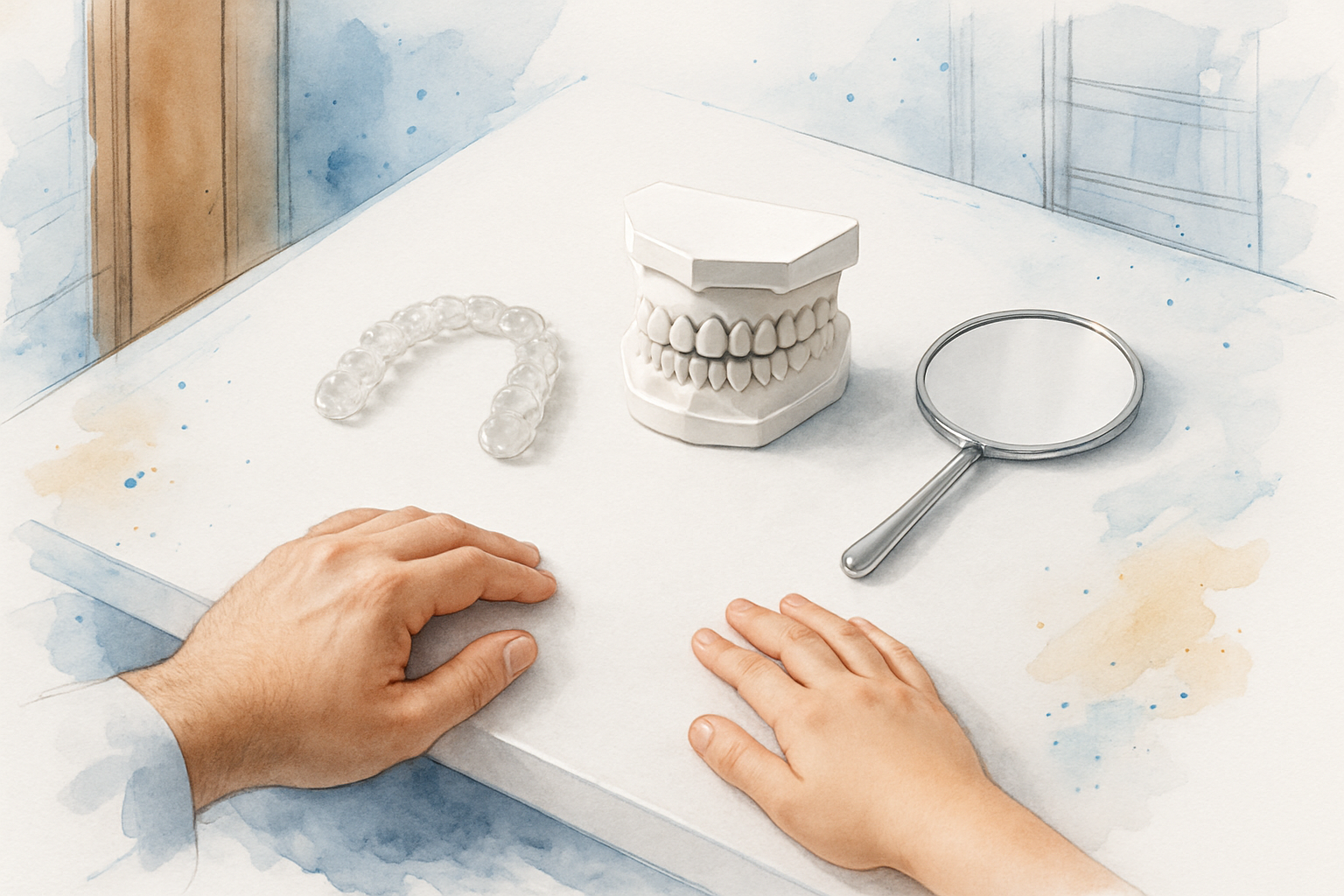
What Actually Happens When You Come In
This is the part people are most nervous about, and honestly it is the least dramatic part.
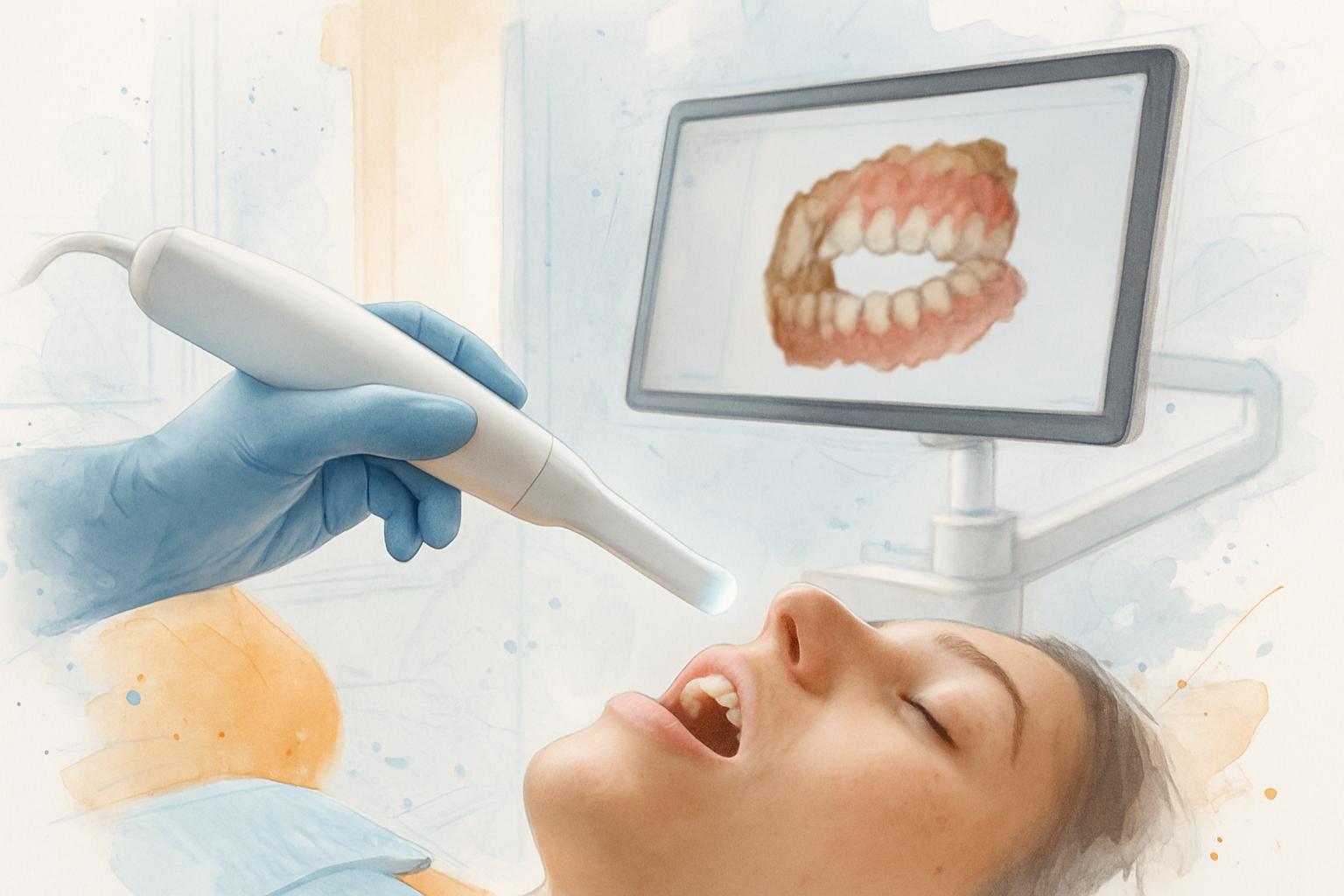
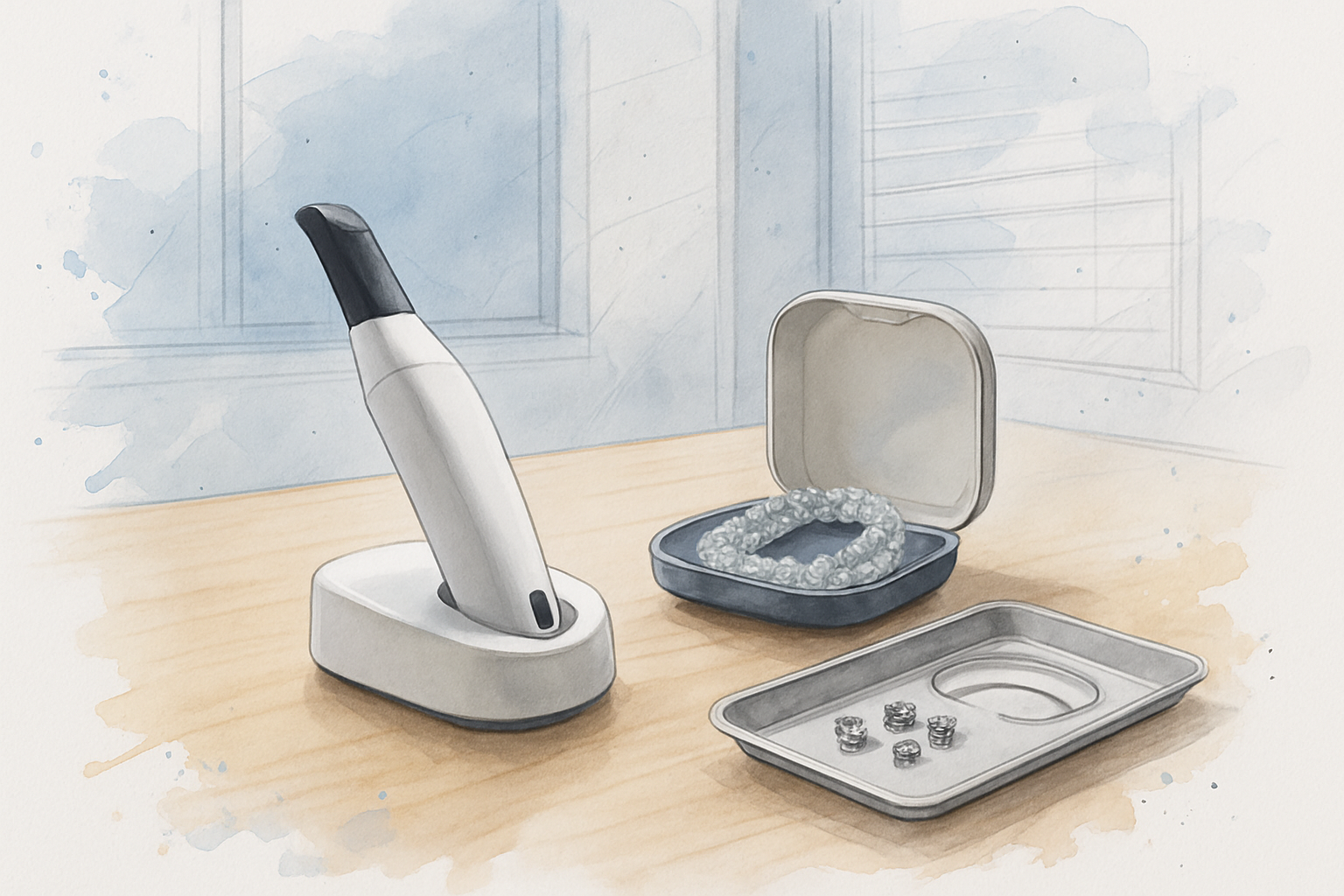
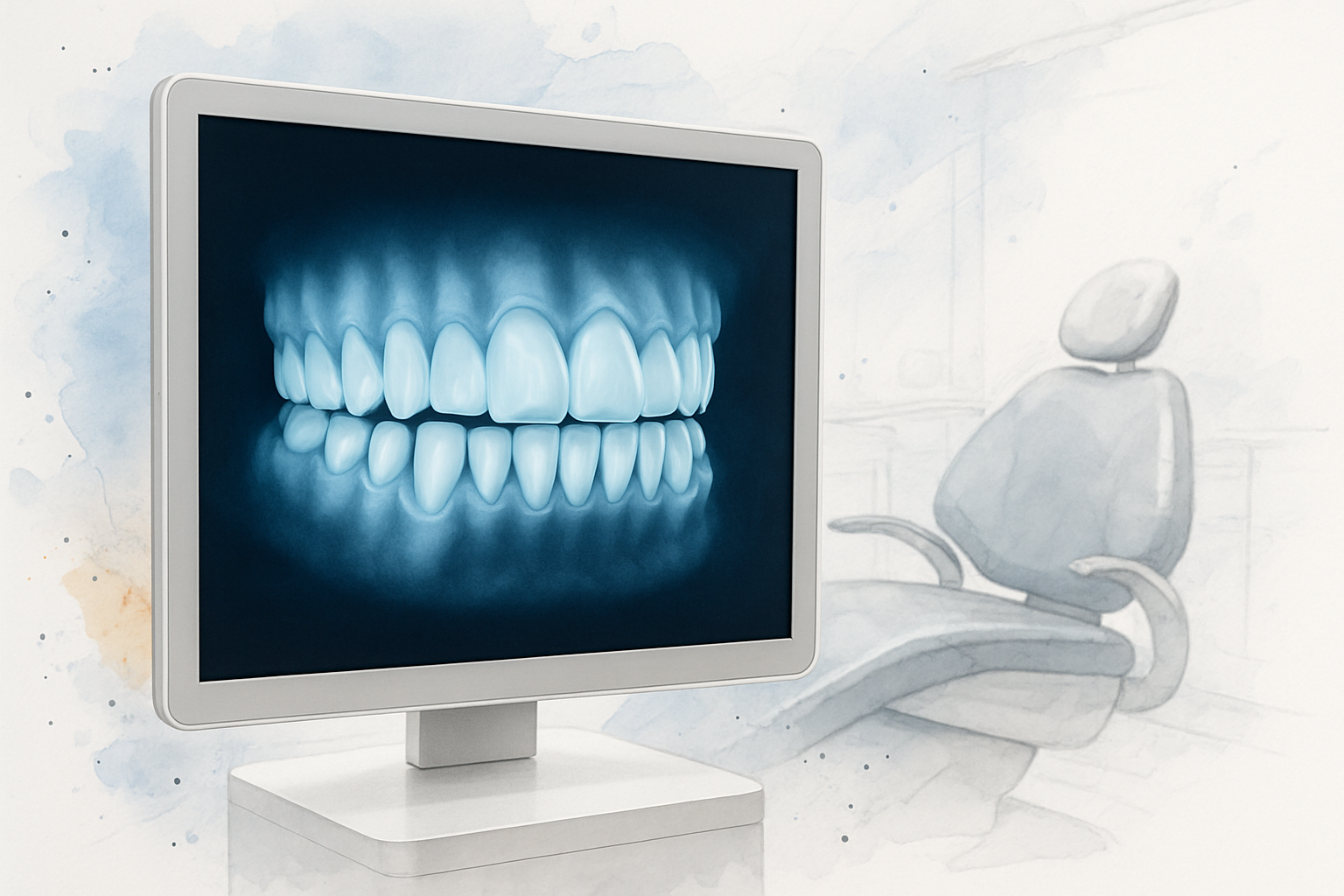
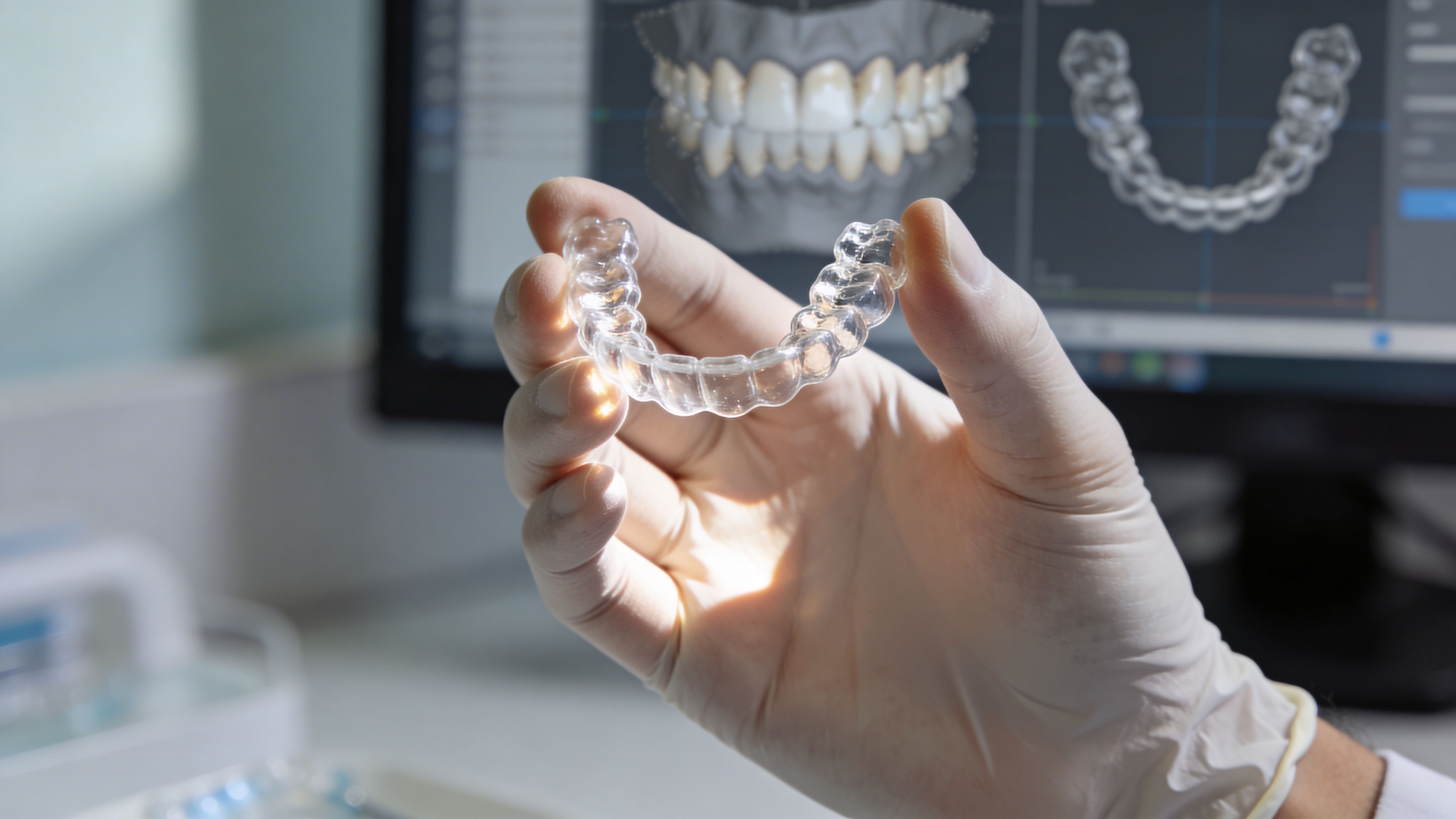
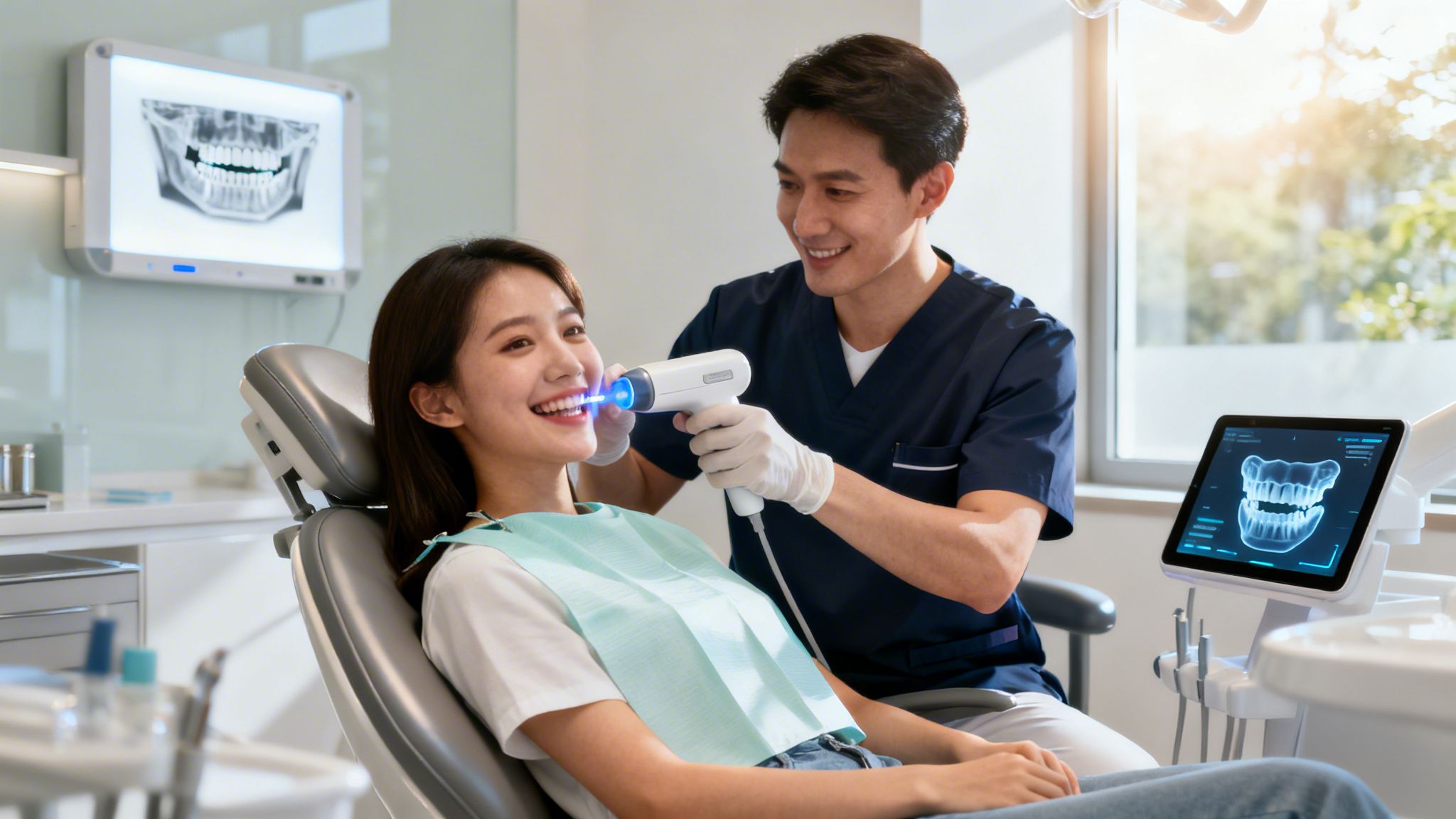
We look at your teeth, ask how long it has been since the retainer fit, and take a digital scan. No trays of putty, no gagging, no impression material. A wand maps your teeth in a few minutes.
Our patients bring this up in reviews more than almost anything else, because it is such a relief compared to what they remember. One patient described the office as "beautiful, modern, and very clean," and the scanning is part of why the visit feels different from the one they were dreading.
From that scan, one of three things is usually true:
- Your teeth are close enough to where they were, and a new retainer made from the current scan holds things steady going forward.
- A small amount of movement bothers you, and a short focused touch-up to correct one or two specific things makes sense before a new retainer.
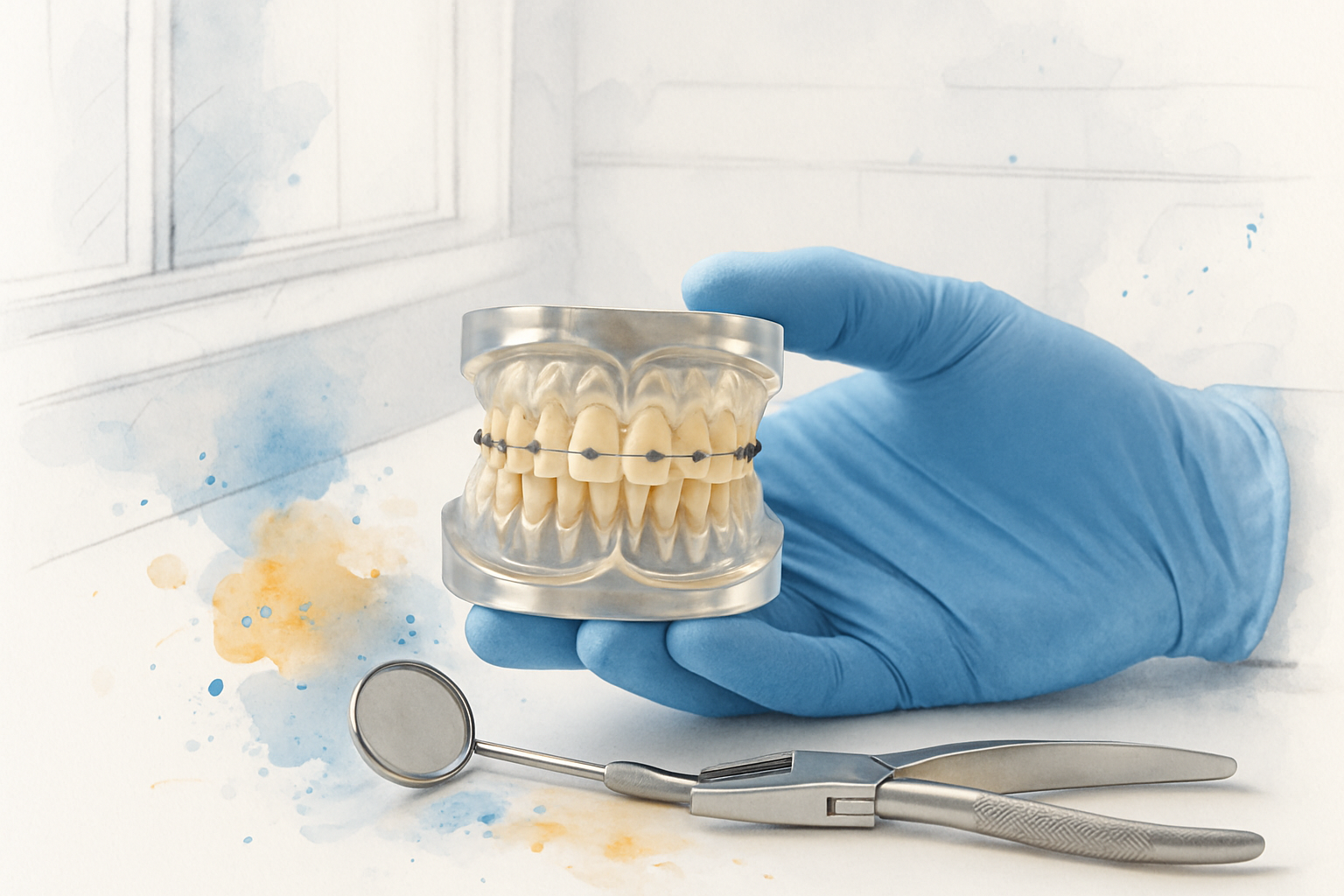
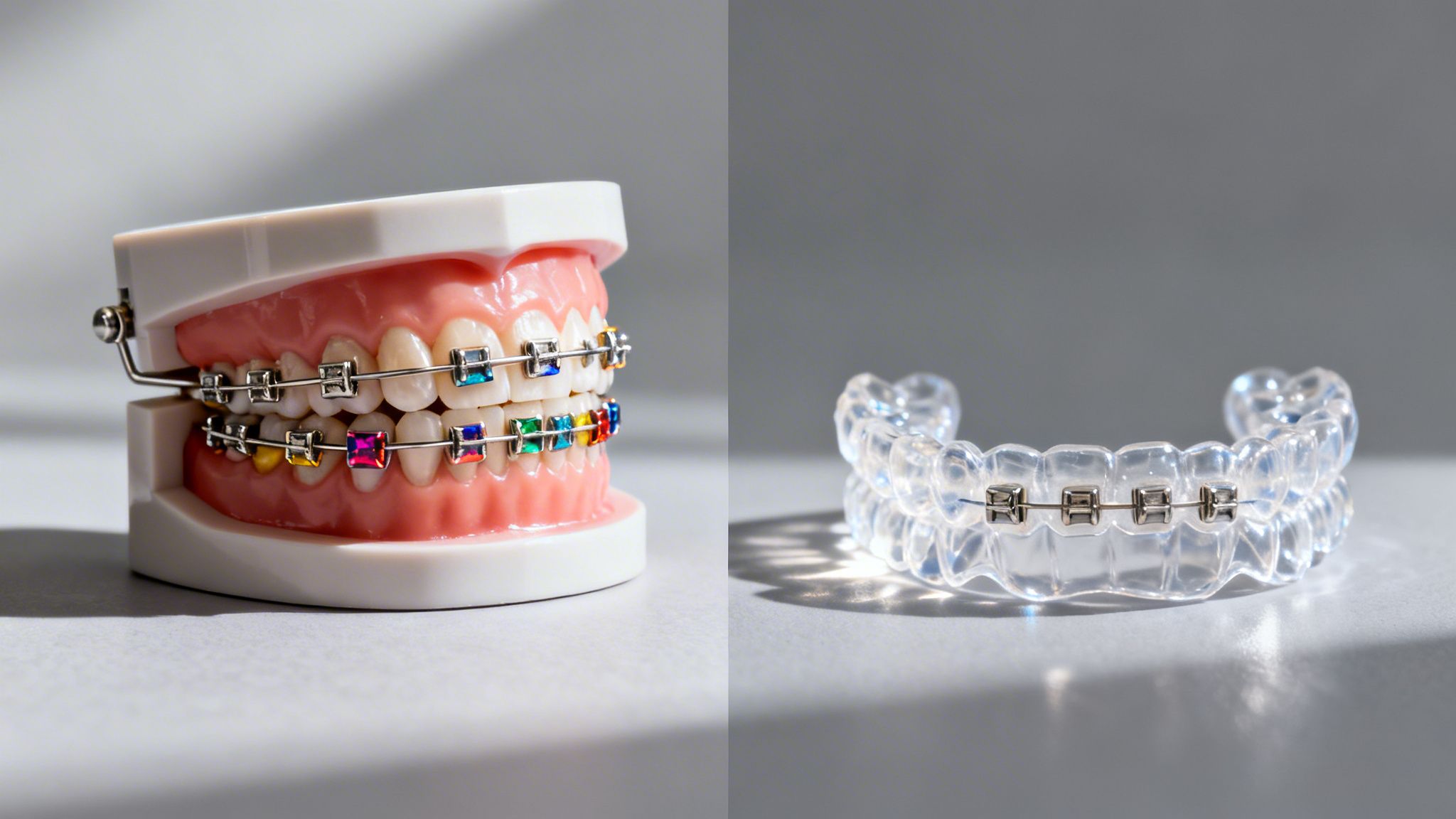
- More movement has happened than a retainer can address, and Dr. Jeremy and Dr. Melissa will walk you through what fuller treatment would involve, whether that is clear aligners, metal braces, or champagne-colored Iconix brackets.
Nobody is going to push you into option three when option one is the honest answer. Several callers a month tell us some version of "I just have a minor issue, I do not think I need full braces," and often they are right. That is worth knowing before you avoid the visit for another two years.
Three Common Retainer Situations and What Usually Follows
Every mouth is different, but most retainer calls land in one of these three buckets.
| What you are noticing | What it usually means | Typical next step |
|---|---|---|
| Retainer feels tight but still seats fully | Minor settling after a short gap in wear | Resume wear, get it checked at a visit |
| Retainer will not seat, or only covers part of the arch | Teeth have moved beyond the retainer's shape | Digital scan, then new retainer or focused correction |
| Bonded wire loose or an end poking the tongue | The bond has failed on one or more teeth | Prompt evaluation before nearby teeth drift |
| Visible crowding or a tooth turning | Movement past what a retainer can hold | Evaluation to discuss aligners or braces |
What This Tends to Cost
I cannot give you a real number without seeing your teeth, and I would not trust anyone who did over the phone. But I can tell you what drives the price.
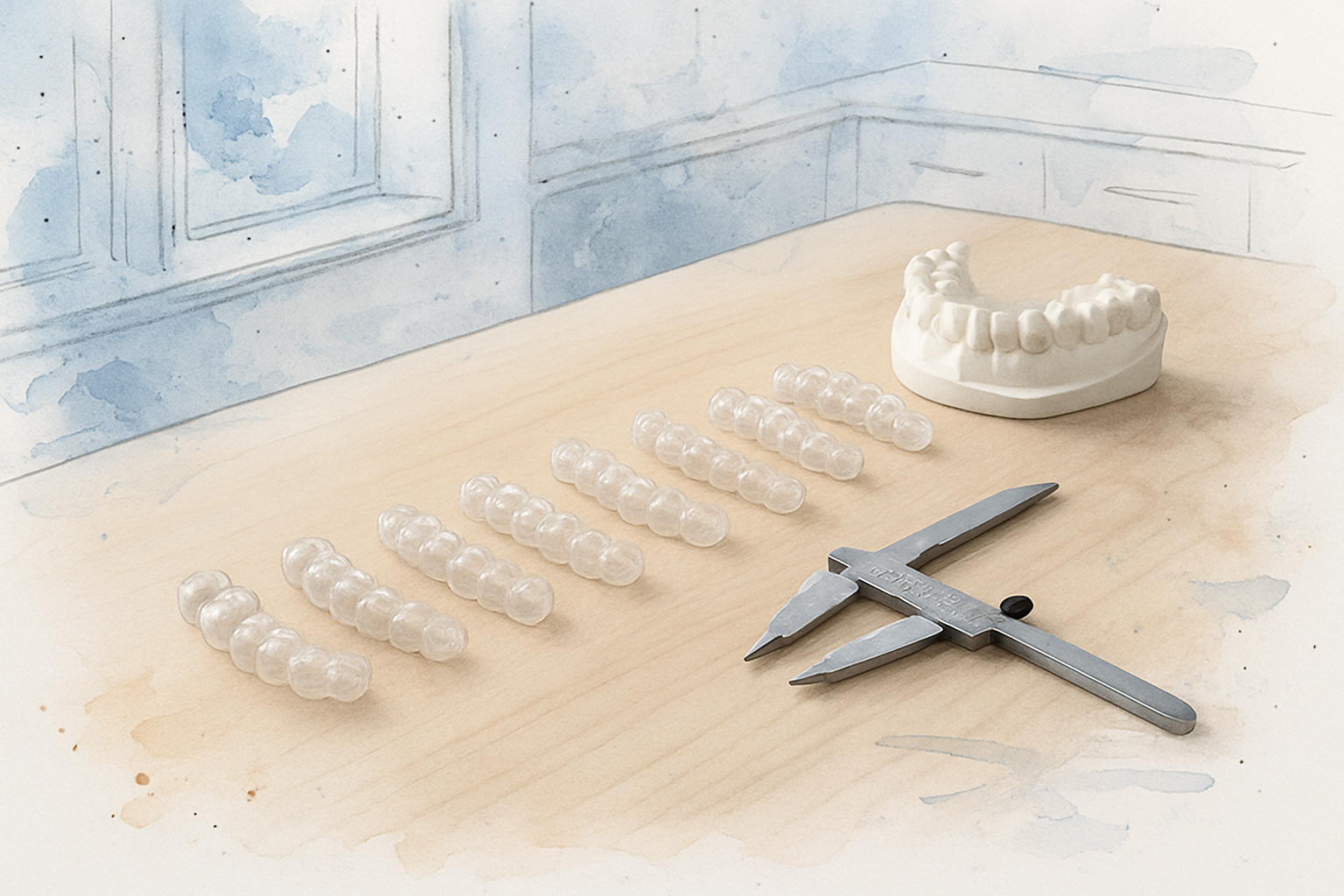
- Retainer type. Clear thermoplastic retainers and more durable brands like Vivera sit at different price points, and Vivera is often sold in multi-set packs.
- One arch or both. A single upper retainer costs less than upper and lower.
- Whether any correction is needed first. A touch-up before the retainer changes the total.
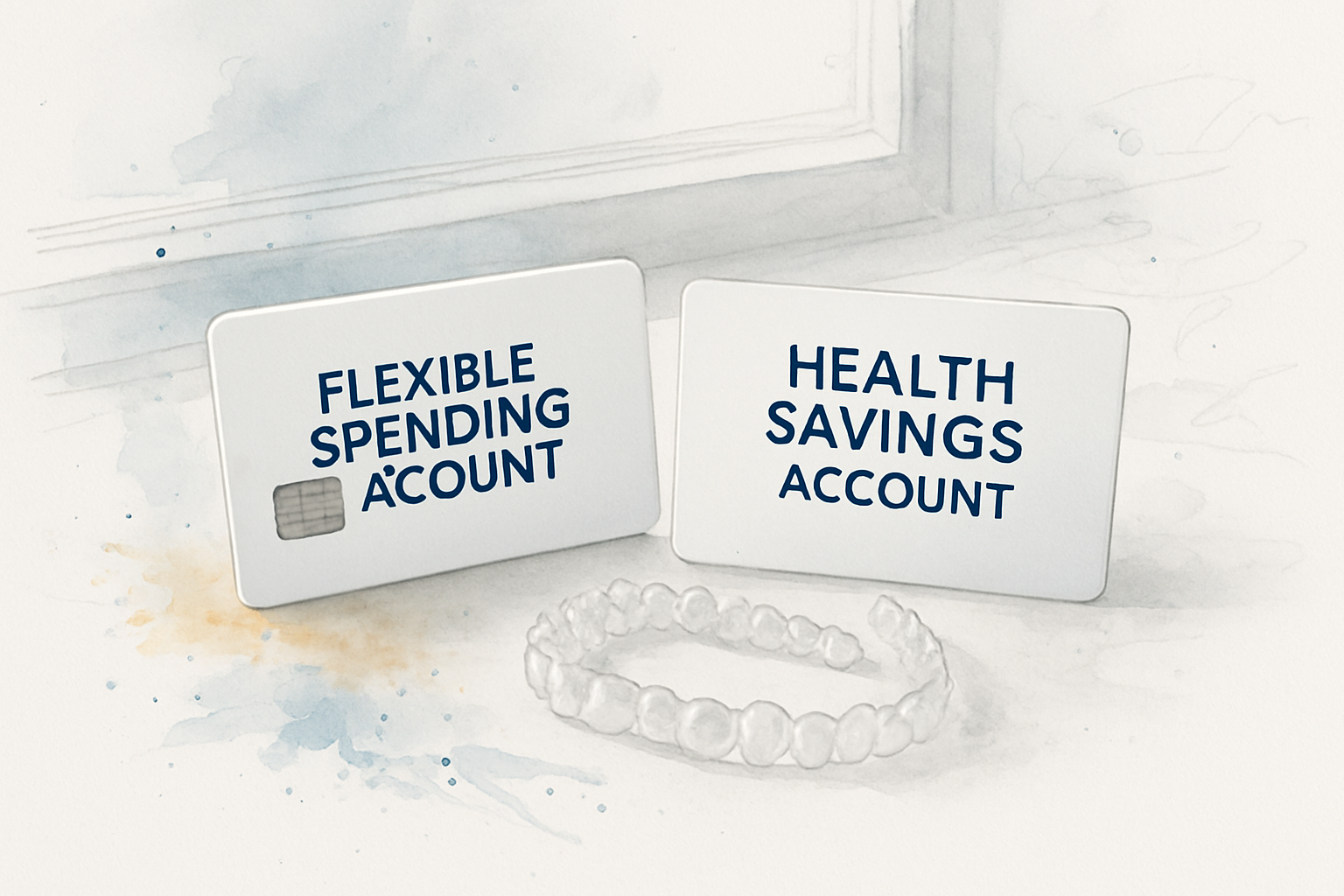
- Your plan. PPO dental plans sometimes contribute toward orthodontic services, HMO plans generally do not, and HSA dollars are often an option.
In Orange County, replacement retainers usually land in the low hundreds per arch, though that range moves with type and how many sets you buy. Focused correction sits well below full treatment. If you want the broader cost picture for adult care, we break it down in our guide to Invisalign cost for adults and in can you use HSA for orthodontics.
A consultation is the only way to get a real figure, and it is a short visit.
Frequently Asked Questions About Retainers and Shifting Teeth
Can I just wear my old retainer and force my teeth back?
No. A retainer holds teeth, it does not move them. Forcing a tight retainer puts pressure on roots and bone in a way the appliance was never designed for, and it can crack the plastic or bend the wire. Bring it in instead.
How long can I go without wearing a retainer before teeth shift?
There is no safe number. Some people drift within a few weeks of stopping, others go years with barely a change. Lower front teeth tend to move first and are usually the first thing people notice in the mirror.
My permanent retainer came loose on one end. Is that urgent?
It is worth handling soon. A loose bonded wire can irritate your tongue, and the teeth it is no longer holding can start drifting while the rest stay put. That combination is harder to correct later than it is now.
I am in my 50s. Am I too old to fix a little crowding?
No. We treat patients well into their 70s. One patient wrote that she is 76 and recommends anyone at any age come in about improving their smile. Age is not the deciding factor, the health of your teeth and gums is. Our post on whether it is too late to straighten your teeth as an adult goes deeper on this.
Do I have to commit to full treatment if I come in?
Not at all. Plenty of adults come in expecting the worst and leave with a new retainer and nothing else. Others decide a short focused touch-up on one or two teeth is enough. You will hear the options and the costs, and the decision stays yours.
Wondering what your retainer situation actually needs?
If you have been putting this off, a scan and a conversation with Dr. Jeremy and Dr. Melissa will tell you where things stand. Our office sits on Beach Boulevard, a short drive for families in Oak View, Goldenwest, Talbert Village, and Central Fountain Valley. Consultations can be arranged at 714-594-5777 or through magicfoxsmiles.com whenever you are ready.