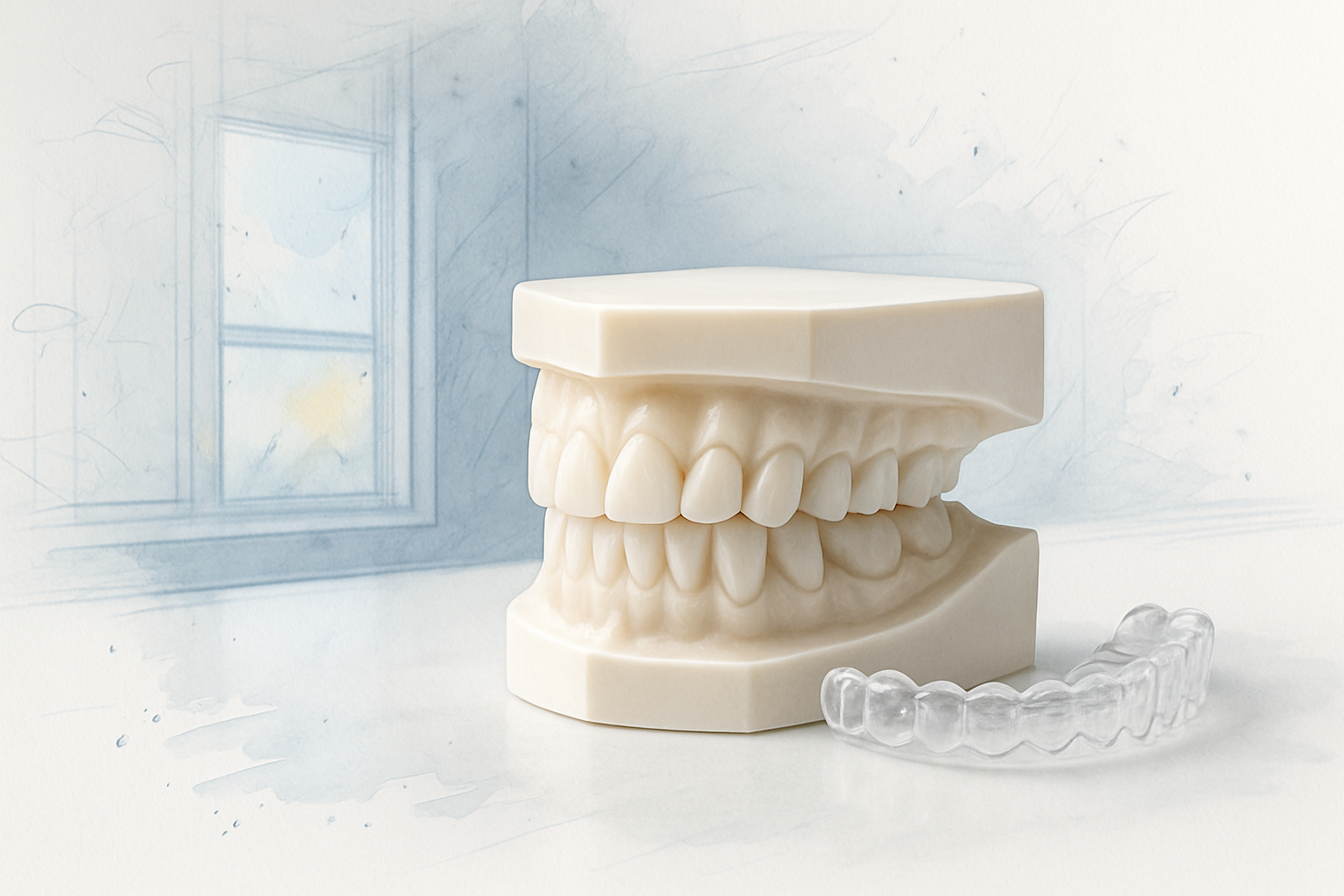
Your Bottom Teeth Disappear When You Smile. Can Invisalign Help?
Direct Answer: A deep overbite means your upper front teeth cover too much of your lower ones. Invisalign can correct many mild to moderate cases, but deeper or jaw-driven bites often need braces or elastics.
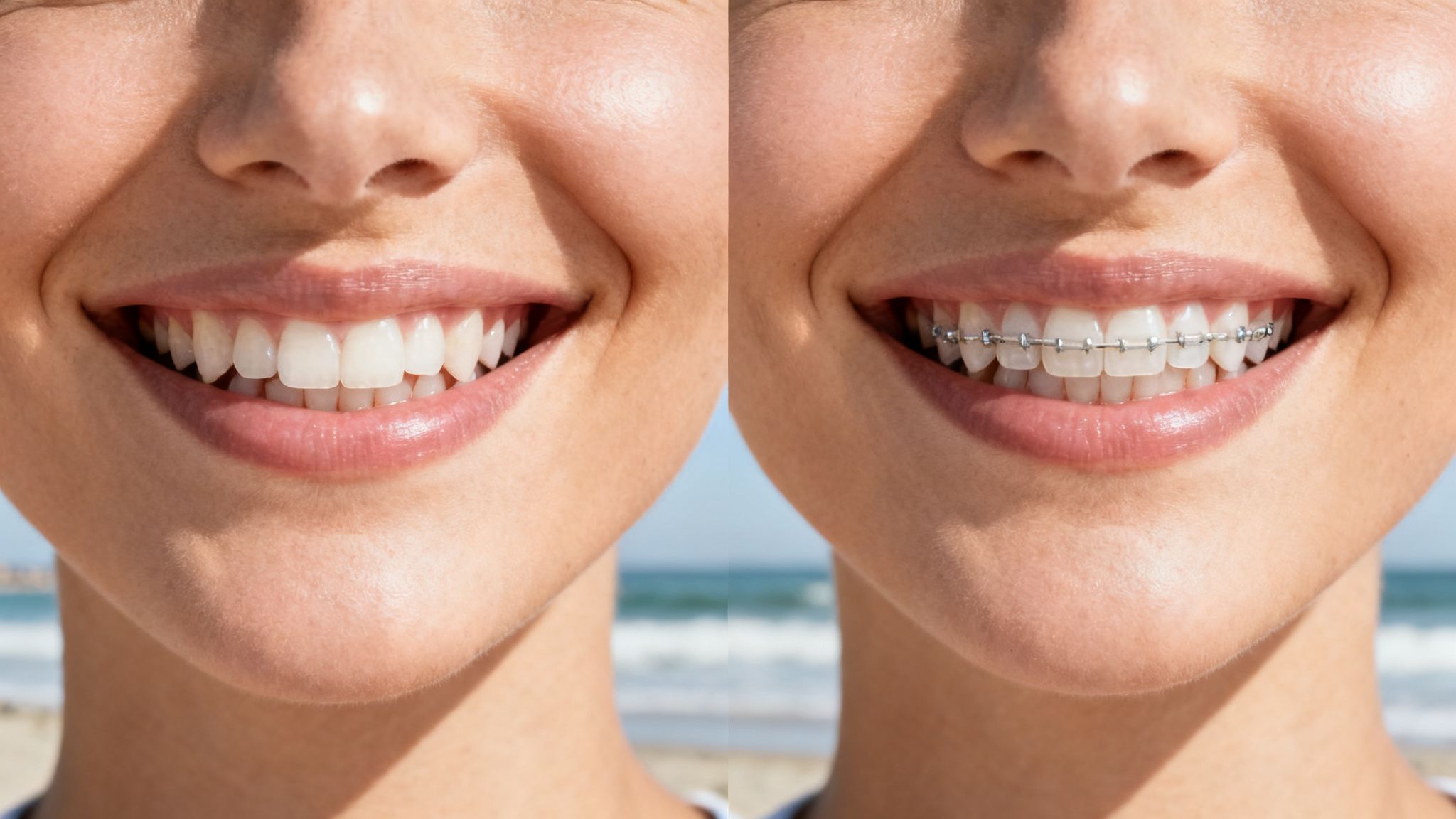
People almost never walk in and say "I have a deep bite." They say their top teeth cover most of the bottom ones when they bite down. Or they pull up a photo and point out that their bottom teeth basically vanish.
One request that came through our website said only this: they needed a consultation on overbite correction. That was the whole message. It is one of the more common things I hear from adults across Huntington Beach and Fountain Valley, and almost everyone assumes it is just a cosmetic quirk.
So let me walk through what is actually happening, whether an Invisalign overbite plan can fix it, and when clear aligners are not the right tool. I will also cover the part most people never think about: what a deep bite does to your teeth over twenty or thirty years.
What You Are Describing Is Vertical Overlap, Not Teeth Sticking Out
A little overlap is normal. Your upper front teeth are supposed to sit slightly in front of and slightly over the lower ones when you close.
A deep bite is when that vertical overlap goes too far. Instead of covering a third of the lower front teeth, the uppers cover half, most, or in some cases all of them. In deeper cases, the lower front teeth actually touch the roof of the mouth behind the upper teeth when you bite.
Here is the piece that trips people up. Overbite is vertical. Overjet is horizontal. Two different problems, two different treatment approaches.
- Overbite (deep bite): how far the upper front teeth come down over the lower ones
- Overjet: how far the upper front teeth stick out forward, ahead of the lower ones
- You can have one, the other, or both at the same time
I bring this up early because a lot of people search for one and read about the other. If your complaint is "my bottom teeth disappear," you are dealing with the vertical kind. If your complaint is "my front teeth stick out," that is a different conversation. Our post on how to fix an overbite covers the general correction options in more detail.
Overbite vs Overjet at a Glance
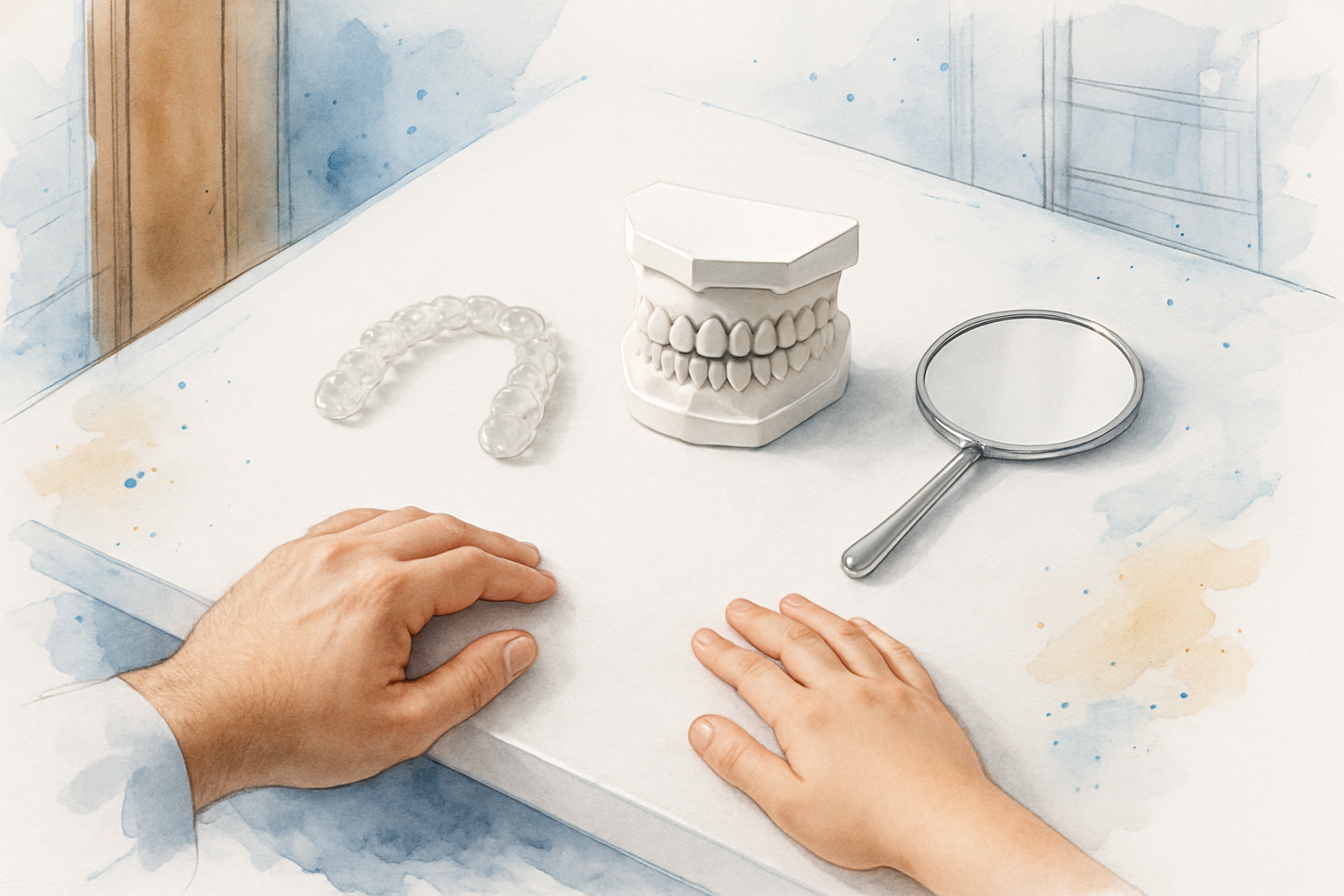
If you are not sure which one you have, this comparison usually settles it in about ten seconds in front of a mirror.
| What to check | Deep overbite | Overjet |
|---|---|---|
| Direction of the problem | Vertical, up and down | Horizontal, front to back |
| What you see in a photo | Bottom teeth hidden or barely visible | Upper front teeth angled forward |
| Common patient wording | "My top teeth cover my bottom ones" | "My front teeth stick out" |
| Where wear tends to show | Edges of lower front teeth | Upper front teeth, from impact risk |
| Typical treatment tools | Aligners with attachments, braces, elastics | Braces, elastics, aligners with elastics |

Can Invisalign Actually Correct an Overbite?
Often, yes. But the honest answer depends on why your bite is deep in the first place.
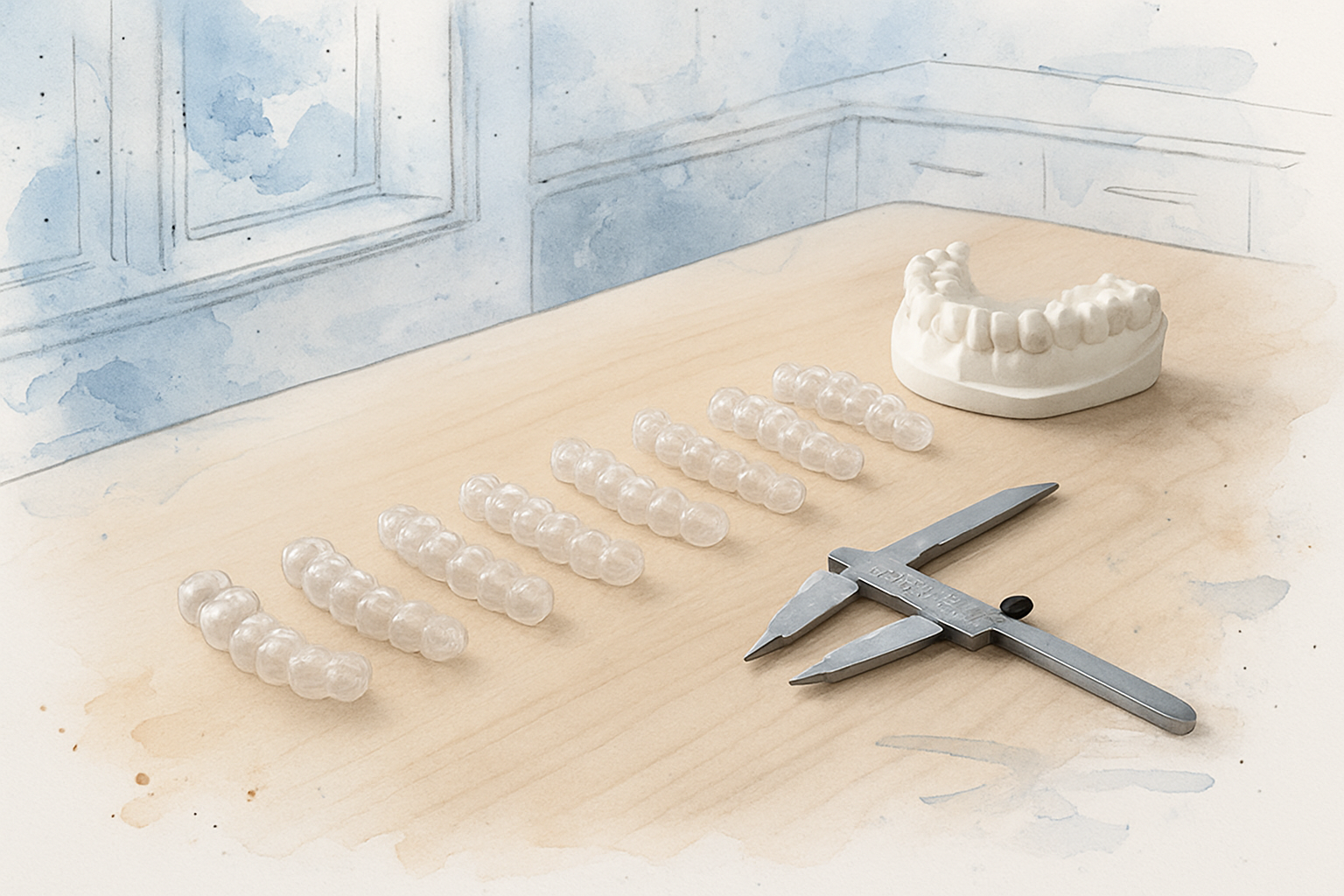
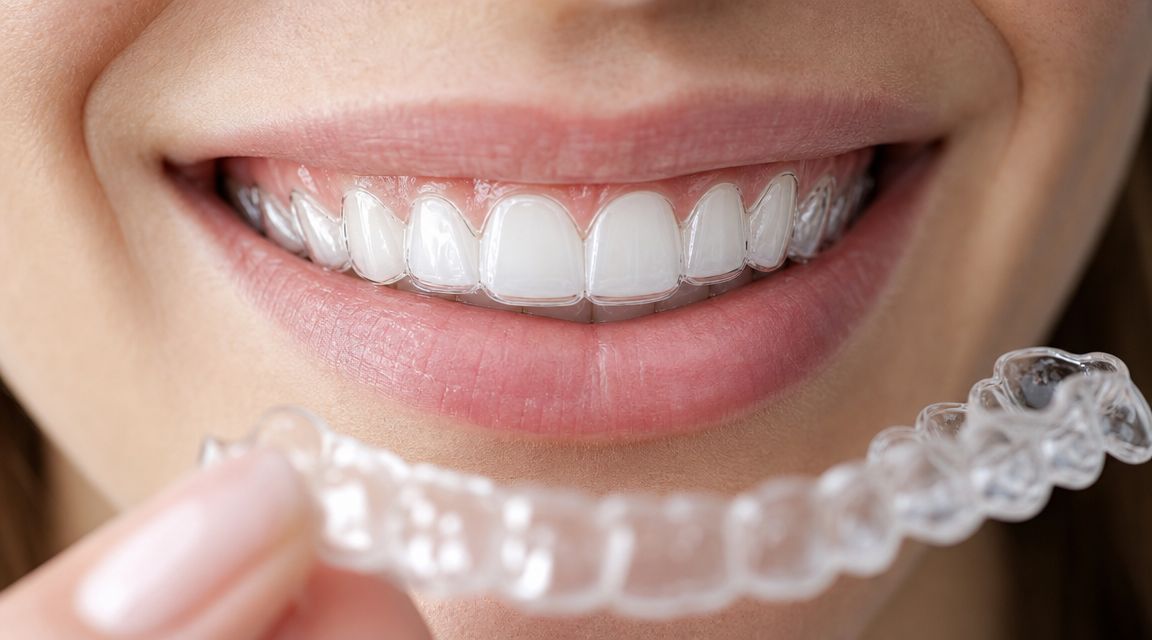
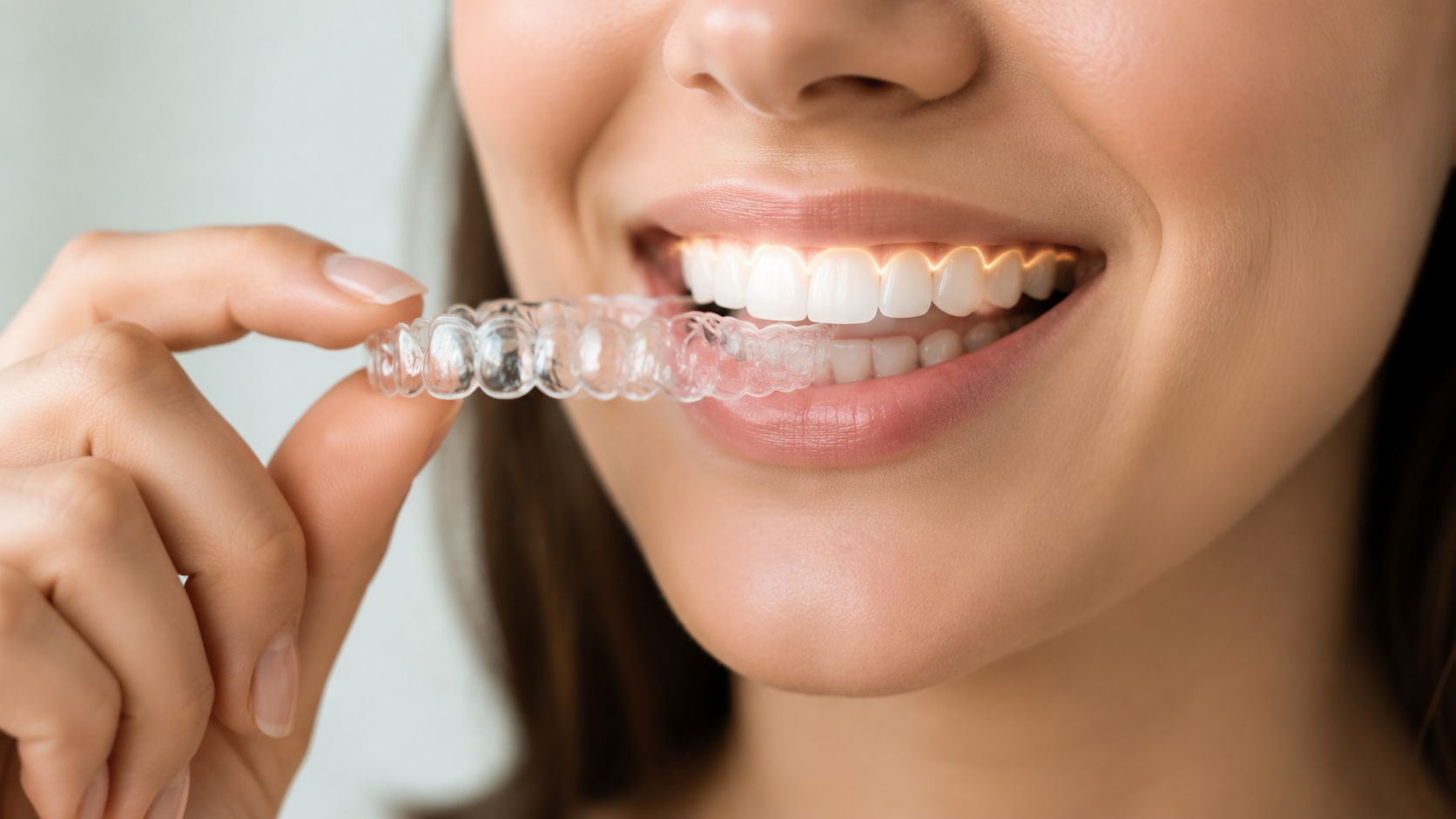
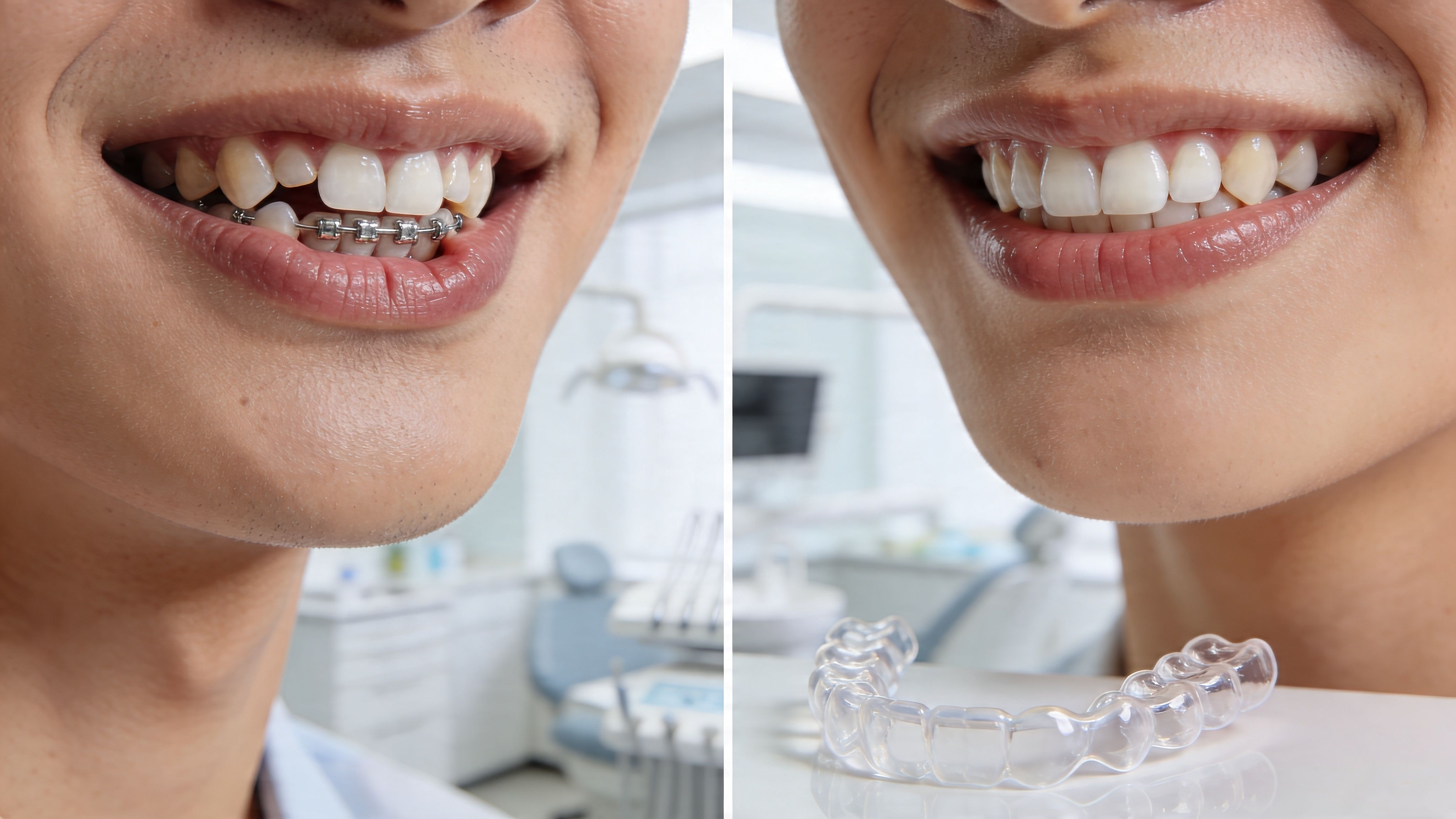
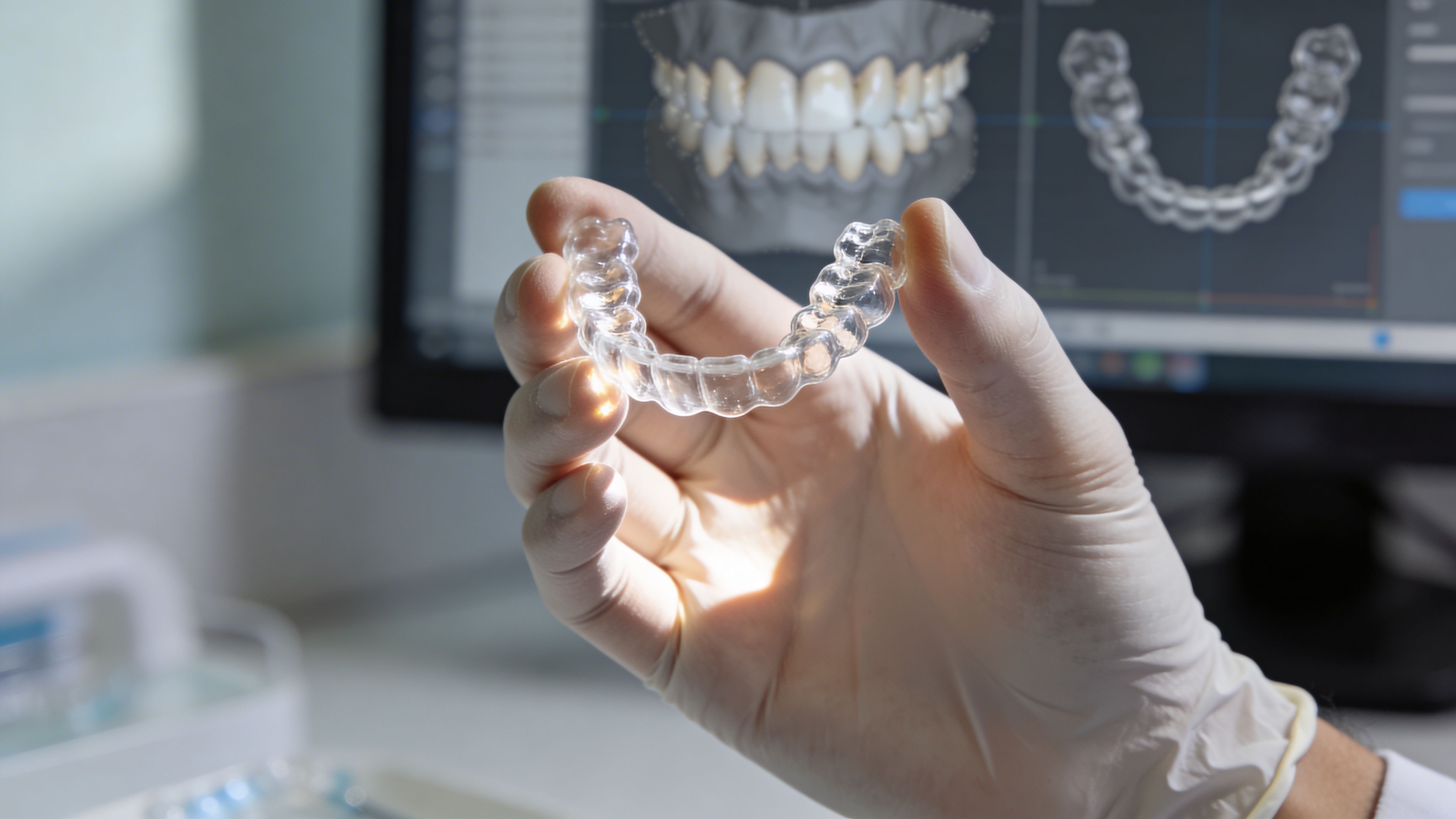
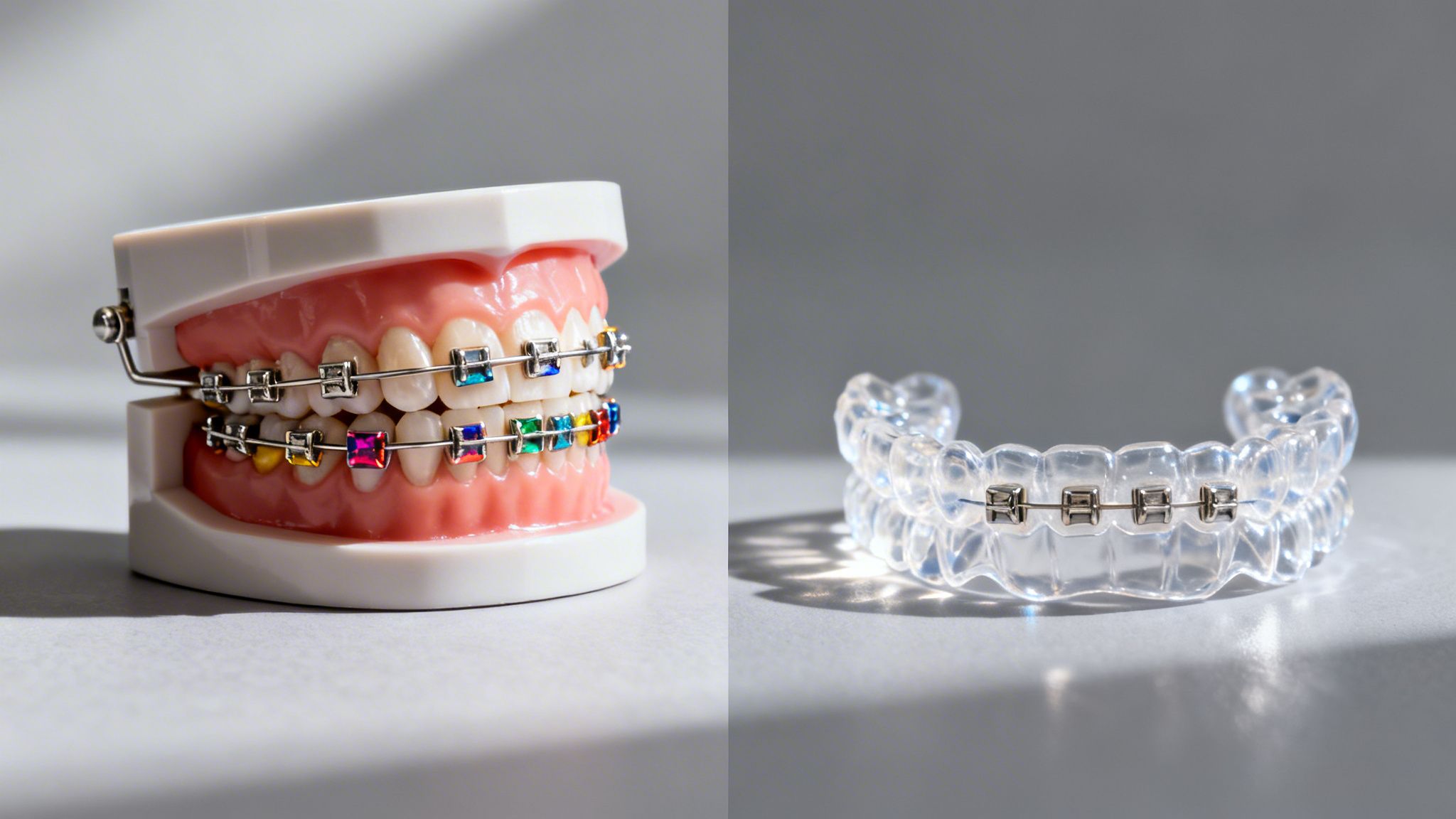
Mild to moderate deep bites frequently respond well to clear aligners. Aligners can level an uneven arch, tip teeth, and use small tooth-colored attachments to push and pull in directions plastic alone cannot manage. Staged movement over many trays is what makes that possible, and I have written more about that vertical movement in our post on whether Invisalign can bring teeth down.
What aligners cannot do is change where your jaws sit relative to each other. If the deep bite is driven by a skeletal pattern, meaning the lower jaw sits back or the growth pattern created the overlap, that case usually needs more than trays.
Cases that tend to call for braces or a longer plan:
- Severe vertical overlap where lower teeth contact the palate
- Bites driven mainly by jaw position rather than tooth position
- Large rotations or teeth that need to move a long distance
- Patients who know they will struggle with 22 hours of daily wear
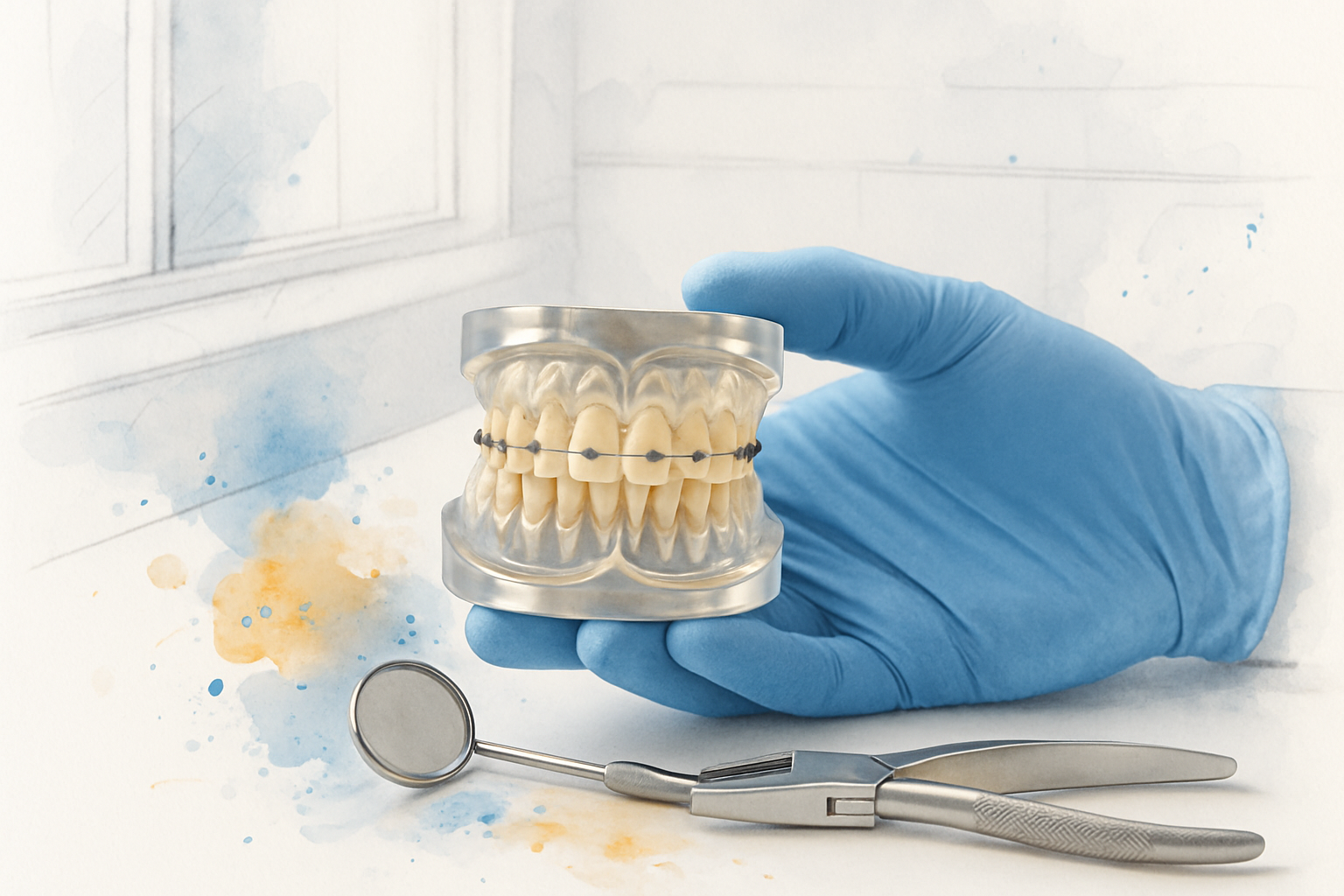
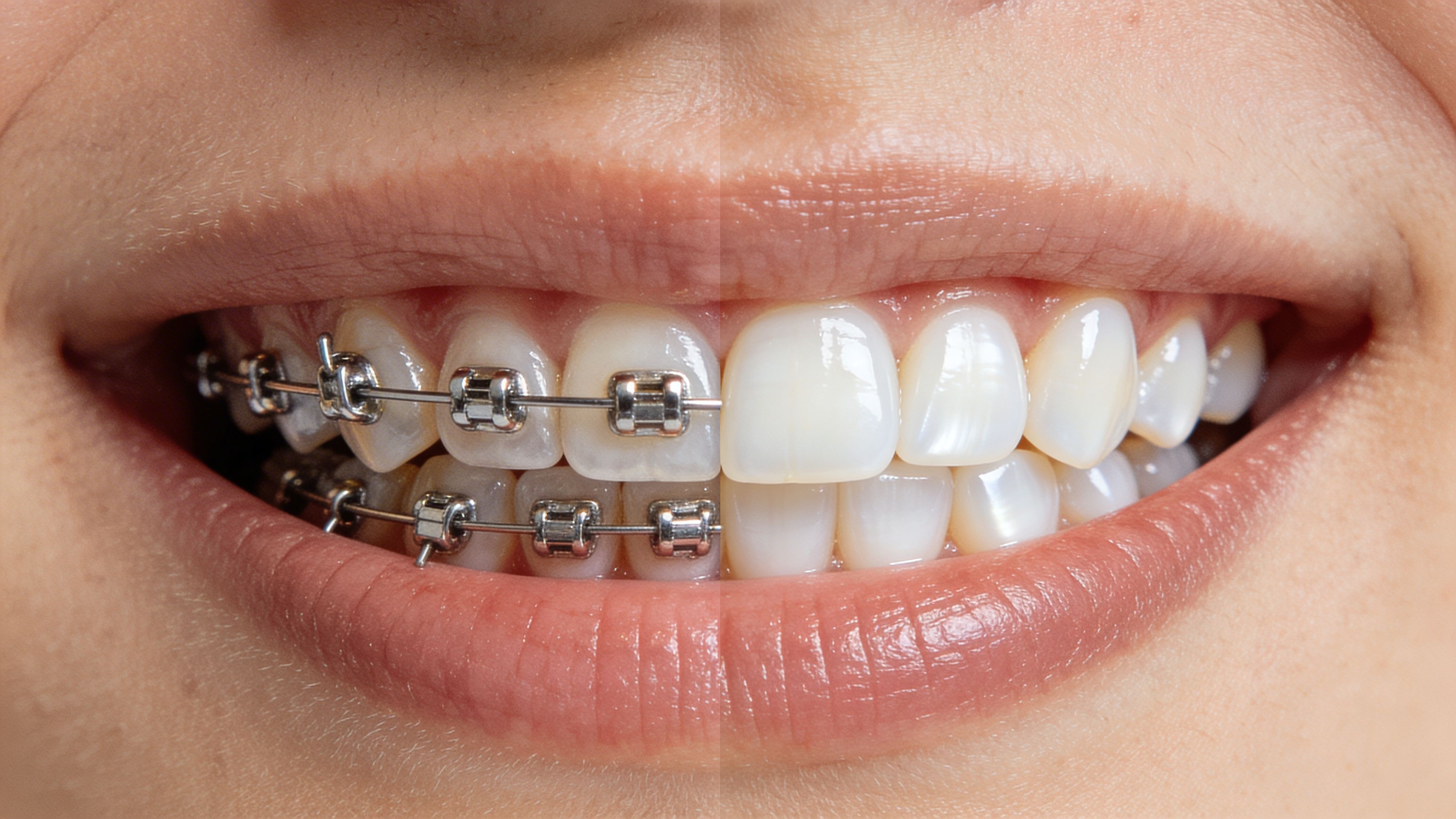
That last one matters more than people expect. Aligners only work while they are in your mouth. If your schedule or your habits make that unrealistic, fixed brackets do the work for you, and Iconix champagne-colored brackets give you a more subtle look than standard silver if appearance is the sticking point.
Neither option is better across the board. They are different tools. Our breakdown of how to know if you need braces or Invisalign walks through the trade-offs without pushing you toward one.
Which Path Does Your Bite Point Toward?
This is the rough sorting I do in my head during a first exam, before records confirm it.

The Health Reason a Deep Bite Is Worth Evaluating
Most people ask about this because of photos. That is a fine reason. But there is a longer-term reason I bring up with adults, and it is not meant to scare anyone.
When upper teeth cover the lower ones too deeply, the lower front teeth take repeated contact every time you chew and swallow. Over years, that can wear down the edges of the lower front teeth. In deeper bites, the lower teeth can also irritate the gum tissue behind the upper front teeth.
None of this happens overnight. That is exactly why an adult who has had the same bite since middle school suddenly notices new sensitivity in their forties and cannot figure out what changed. Nothing changed. Time just added up.
Huntington Beach skews a bit older than much of Orange County, and I see that in the chair. A good share of the adults I evaluate from Downtown Huntington Beach, Newland, and Adams are not dealing with a new problem, they are dealing with decades of quiet wear. Straighter, better-distributed contact also makes teeth easier to keep clean, which lines up with the general oral health guidance from the American Dental Association's consumer site.
Worn enamel does not grow back. That alone makes a bite worth having looked at, even if you decide to do nothing about it right now.
How Long It Takes, and Whether Anyone at Work Will Notice
These are the two questions adults ask me most, usually in the same breath.
On timing: bite correction generally runs longer than a simple crowding case. Moving teeth into a straighter line is one job. Changing how the arches meet is another, and it needs more staged movement. I will not quote you a number here because a real range depends on your records, and anyone who gives you a length before an exam is guessing.
What I can tell you is that Dr. Jeremy and Dr. Melissa build the timeline around what your bite actually needs rather than a package length, and plans get reviewed at every visit as teeth respond. Sometimes that means a plan finishes sooner than the first estimate. Sometimes it means adding refinement trays.
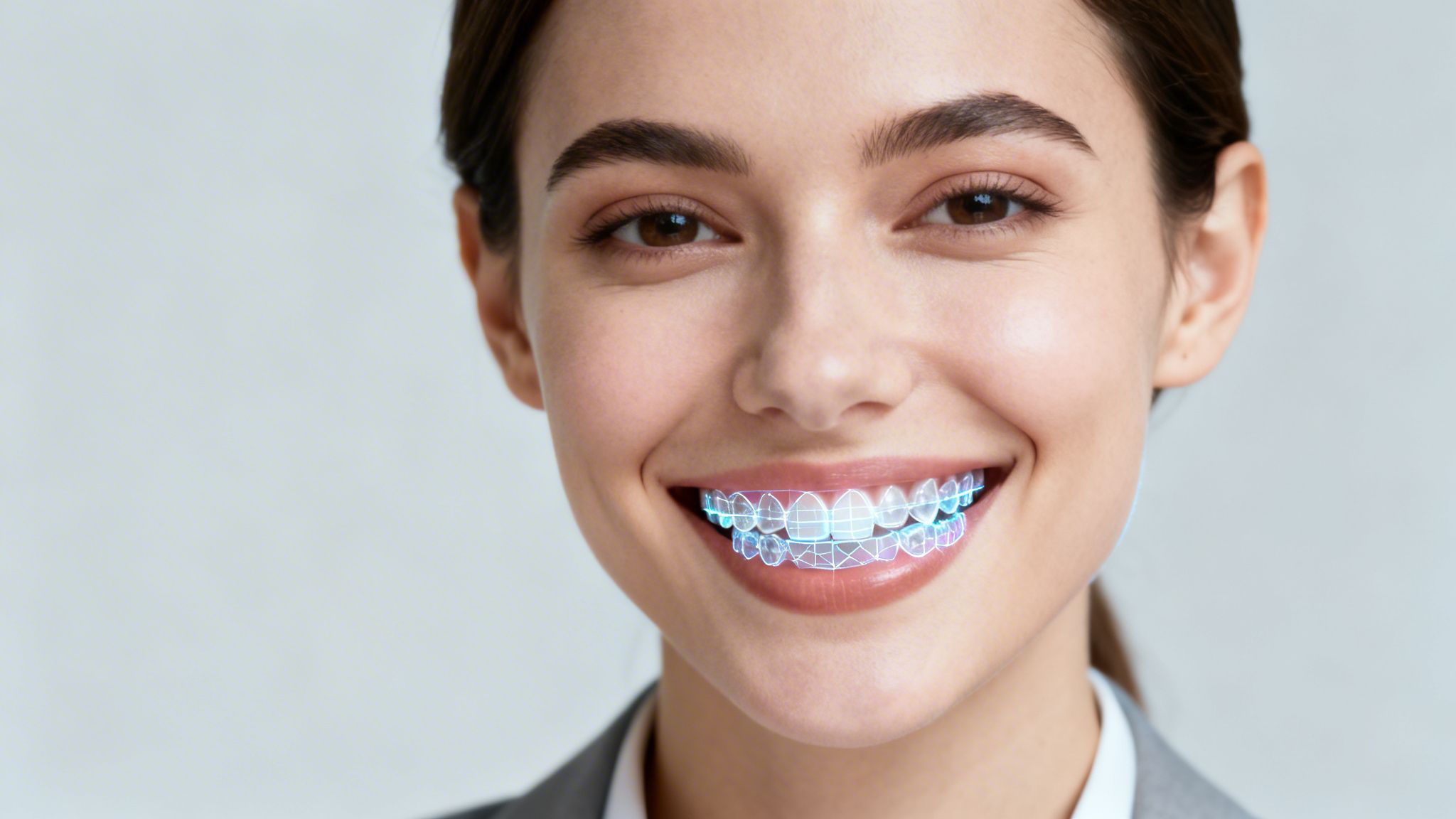
On appearance: aligners are hard to spot on a video call, but they are not literally invisible. Up close, in person, someone may notice the attachments before they notice the trays. If you want a realistic look at that, we covered what Invisalign looks like on teeth with the details people usually only see after they start.
Cost is the third question, and it varies with case difficulty, treatment length, and your insurance plan. Deep bite cases tend to sit toward the higher end of a practice's range because of the added time. Ask for the exact number in writing at your consultation, and ask about payment plans in the same conversation. Our Invisalign cost guide for adults explains the factors that drive the figure.
What an Overbite Evaluation Should Actually Include
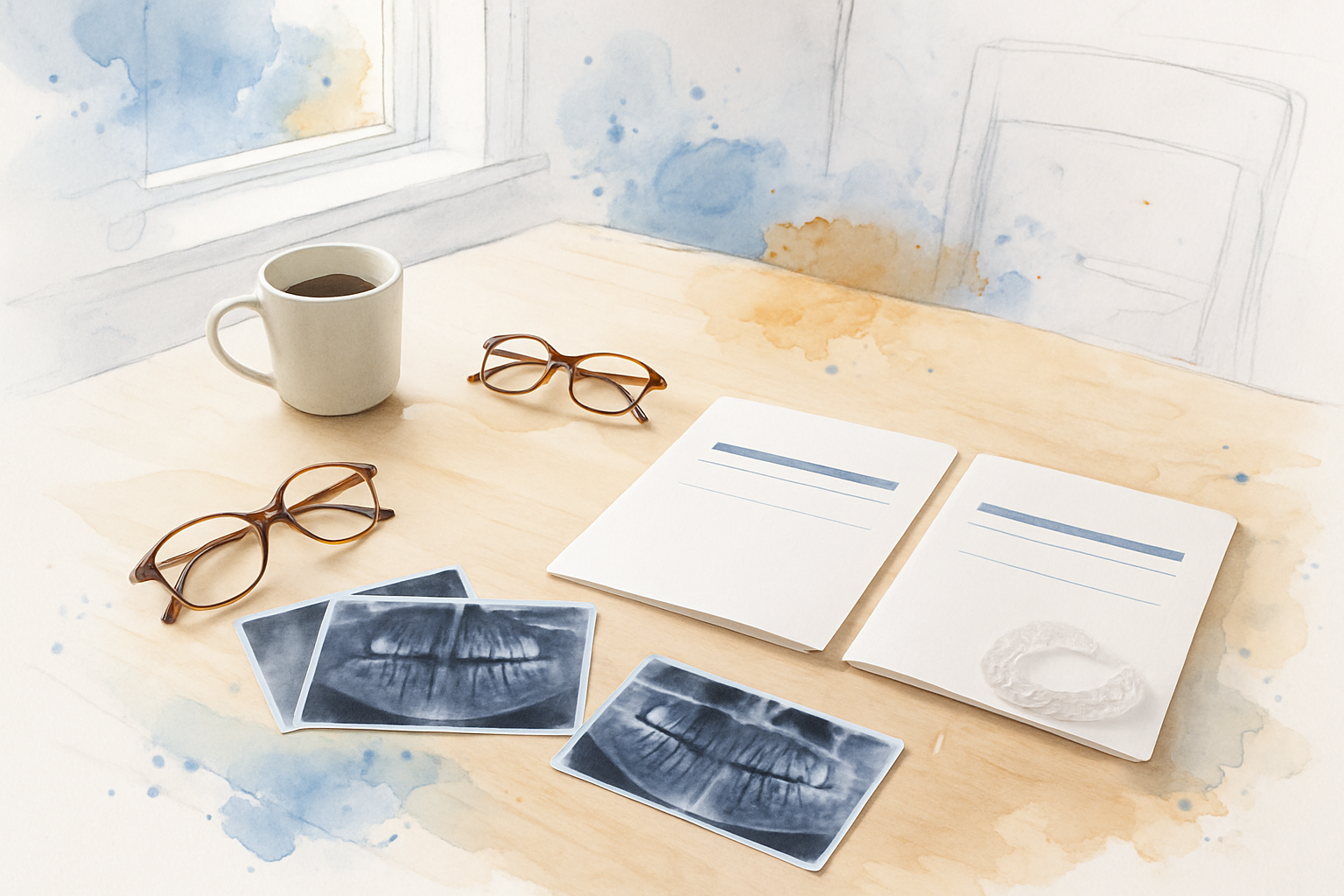
A bite case is not something you can size up from a quick glance in the mirror or a phone photo. The relationship between the two jaws has to be measured.
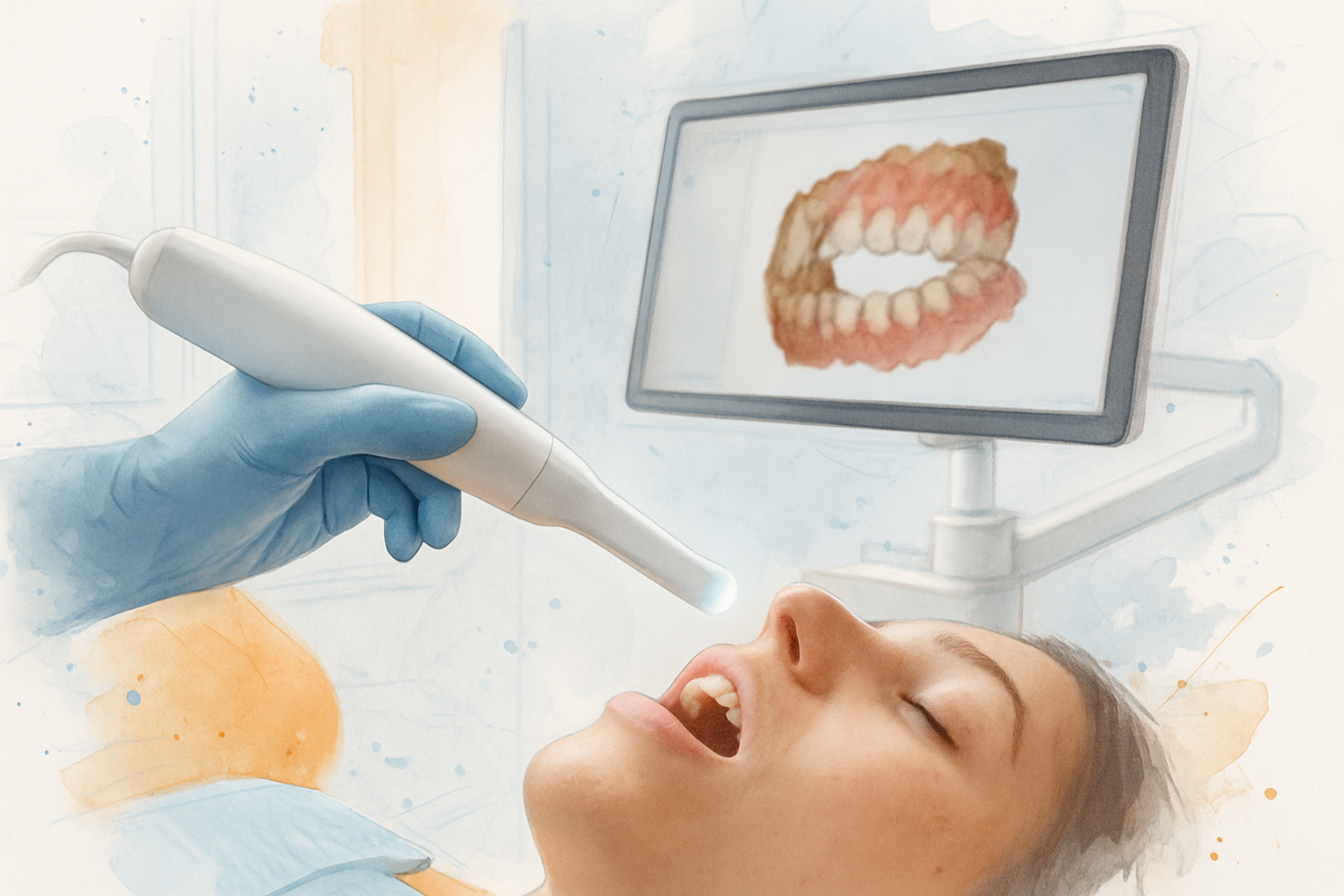
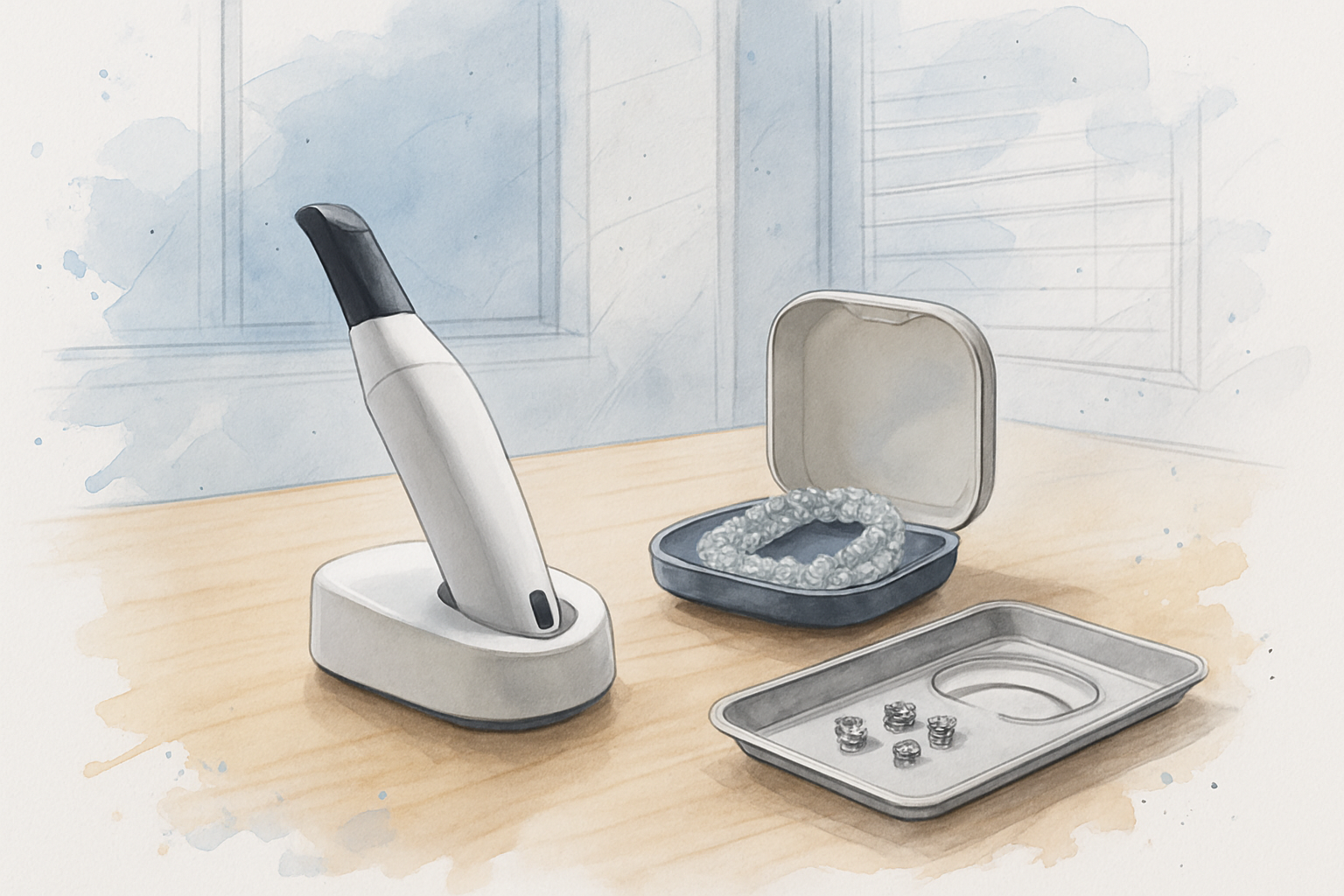
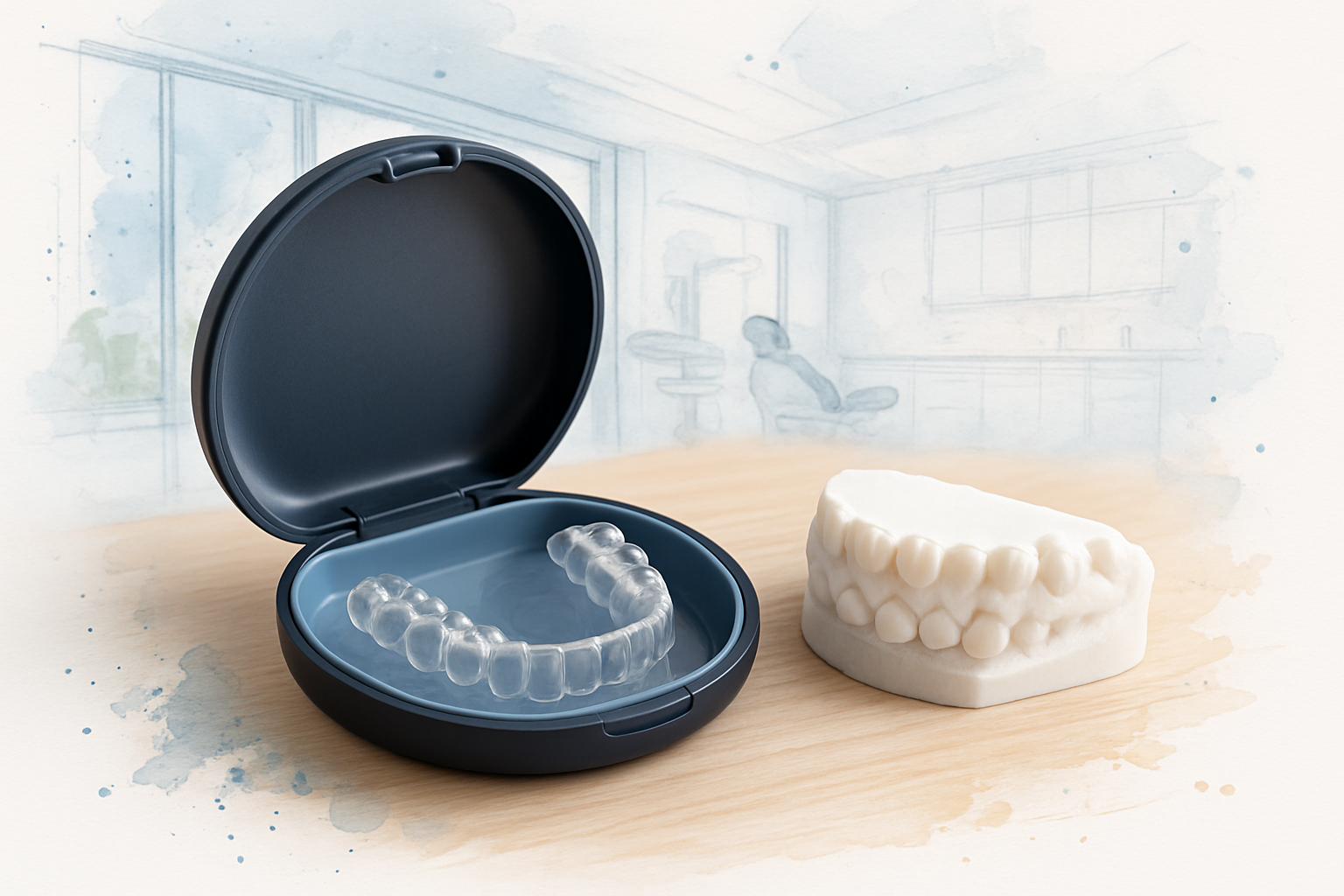
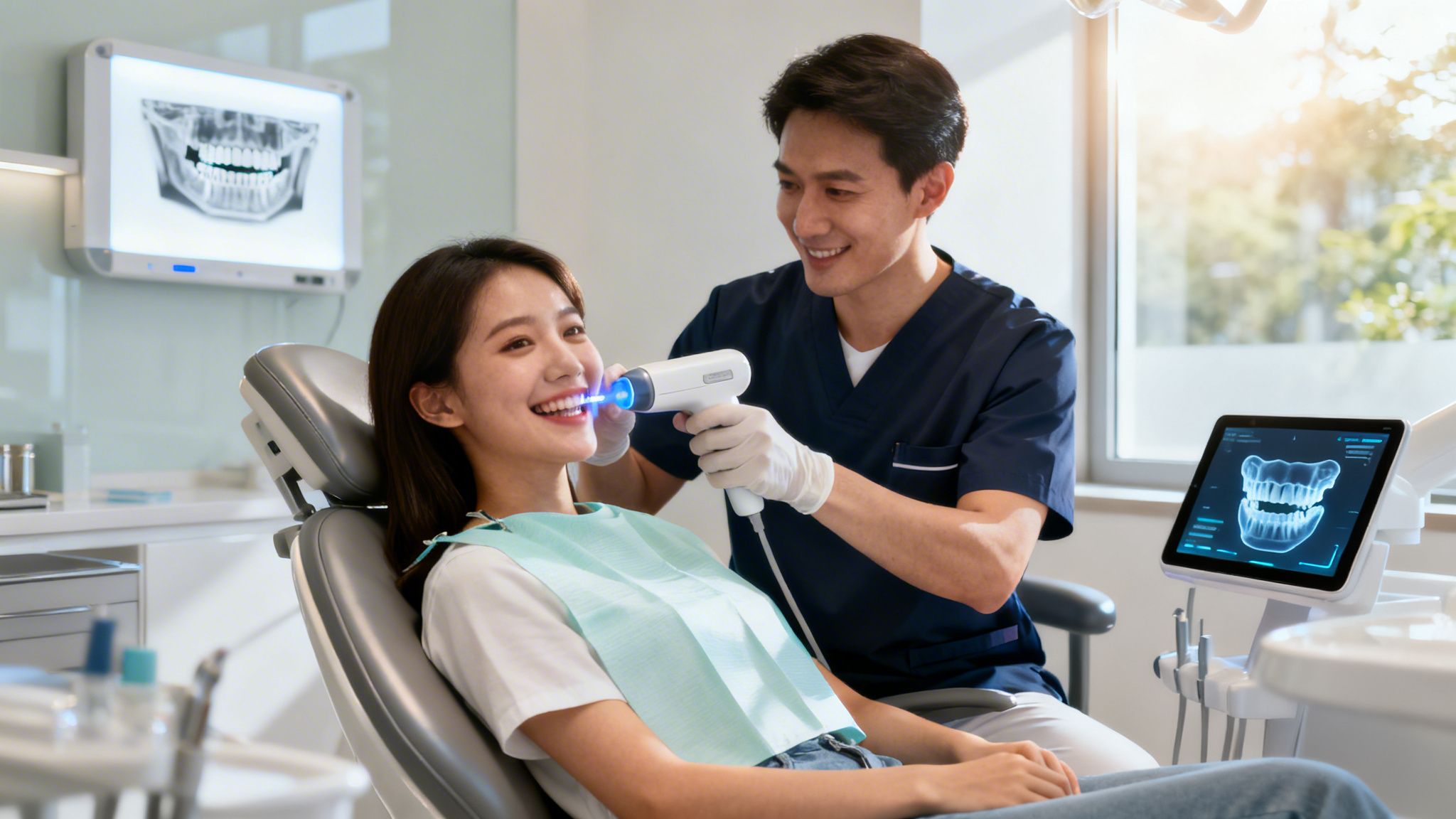
In our office on Beach Boulevard, that means digital scanning instead of putty impressions, plus CBCT imaging so we can see roots, jaw position, and how the arches meet in three dimensions. Patients bring up the no-mold part unprompted more than almost anything else, and for a deep bite the accuracy matters more than the comfort does.
What a solid evaluation should give you:
- A clear explanation of whether your overlap is tooth-driven or jaw-driven
- Which options are realistic for your specific case, and which are not
- An honest timeline range based on your records
- The full cost and payment options before you commit
That last point comes up constantly on our phones. Several callers each month ask about insurance and payment plans before they will even book, which is fair. You should know the number before you decide anything.
Frequently Asked Questions About Invisalign and Overbite
Can Invisalign fix a deep overbite without braces?
In many mild to moderate cases, yes. Attachments and staged movement let aligners level the bite and reduce the overlap. Severe deep bites and bites driven by jaw position usually need braces, elastics, or a longer combined plan. An exam with records is the only way to know which group you fall into.
Is an overbite the same thing as an overjet?
No. An overbite is vertical overlap, where the upper front teeth come down too far over the lower ones. An overjet is horizontal, where the upper front teeth angle or sit forward. Plenty of people have both, but they are corrected differently.
Am I too old to have my overbite corrected?
No. We treat patients well into their seventies. One patient who left a review put it plainly: "anyone, at any age (Im 76), thinking about improving your smile." Adult bone responds to orthodontic force the same way, it just tends to move a little more slowly, and existing dental work sometimes shapes the plan.
Will fixing my overbite change how my face looks?
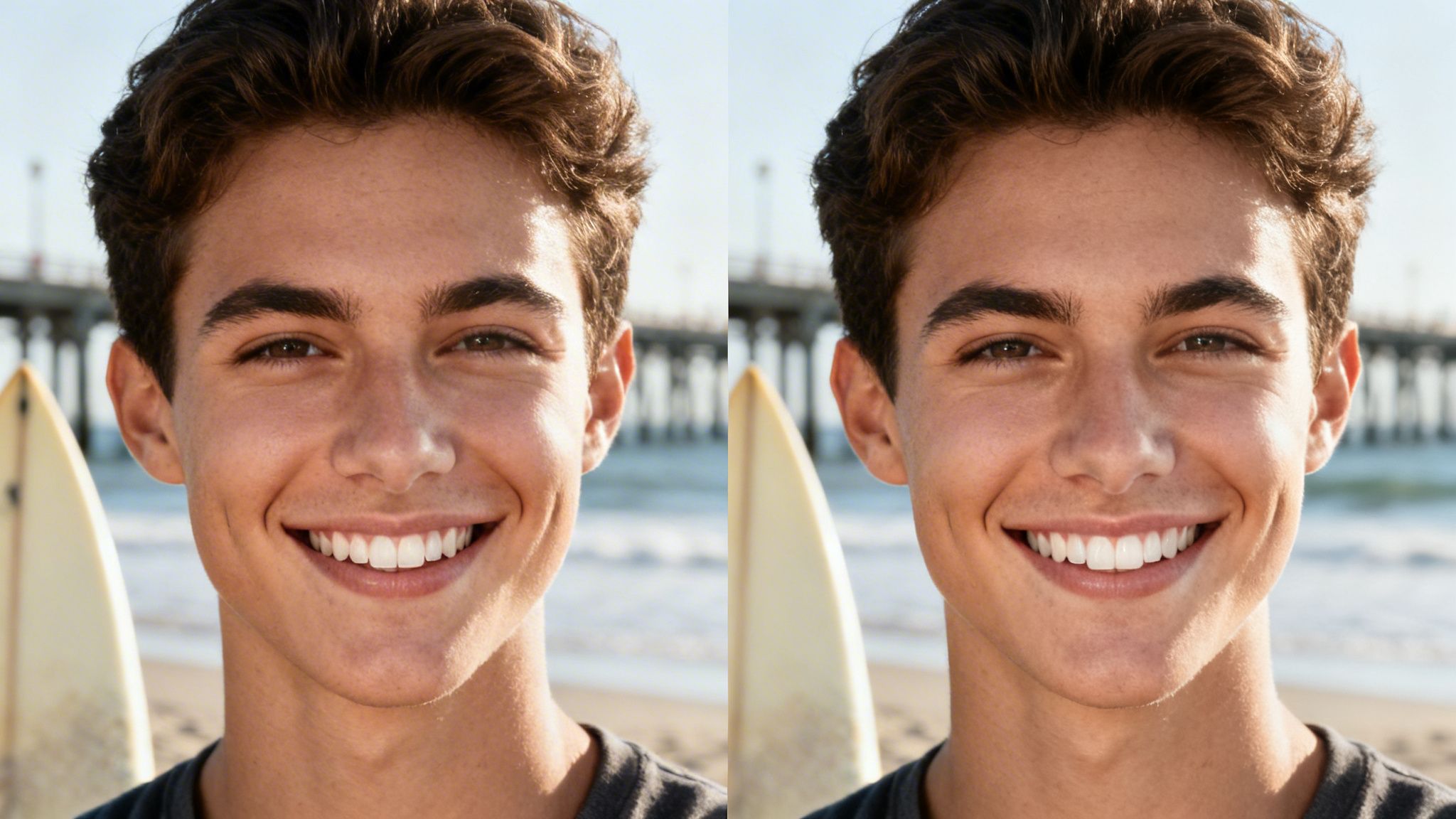
Sometimes there is a subtle change in how your lips rest or how much tooth shows when you smile. Larger profile changes depend on whether the case is jaw-related, and that gets discussed honestly before treatment starts. I would not promise a facial change, and you should be cautious of anyone who does.
Do I need full treatment, or can I just fix the one thing that bothers me?
It depends on whether your bite is causing the problem. We do offer focused touch-up treatment for patients who want to correct one or two specific things. A deep bite is often not a good fit for a limited case, though, because the overlap affects how everything else meets.
Want to Know What Is Actually Going On With Your Bite?
If your bottom teeth disappear when you smile and you have been wondering about it for years, a consultation with records will tell you far more than another hour of searching. Dr. Jeremy and Dr. Melissa see patients from Oak View, Goldenwest, Wintersburg, Talbert Village, and Central Fountain Valley at our office on Beach Boulevard, and we take the time to walk through what your scan shows and what each option would realistically involve. Consultations can be arranged at 714-594-5777 or at magicfoxsmiles.com whenever you are ready.