7 Questions Worth Asking at Your Orthodontic Consultation
Direct Answer: Ask about your specific timeline, whether limited treatment could work, which options fit your lifestyle, who you'll see at each visit, payment and insurance details, and what happens if something breaks.
I talk to people every week who sat through an orthodontic consultation, nodded along, and walked out with no idea what to do next. They usually say the same thing: "I need to do more research." Then months go by and nothing happens.
It's almost never because the information was bad. It's because nobody handed them a framework for judging what they heard.
So here are the seven questions I'd want any patient in Huntington Beach or Fountain Valley to bring with them, whether they're seeing us on Beach Boulevard or someone else entirely. Ask these and you'll leave with an actual decision instead of a folder of paperwork.
1. Is Now the Right Time to Start, or Should I Wait?
This is the question I wish more parents asked out loud. Timing matters more in orthodontics than almost anything else, and the honest answer isn't always "start today."
For kids, the American Association of Orthodontists suggests a first check around age 7. That doesn't mean braces at 7. It often means we watch jaw growth and incoming teeth for a couple of years before doing anything.
For adults, the timing question is different. There's no growth window closing, so waiting costs you nothing biologically. But crowding and shifting tend to get slightly worse over time, not better.
What you want to hear back is a reason, not a yes or no. If a practice can explain why this month versus next year, they've actually looked at your case. More on this in our piece on when to start orthodontic treatment.
2. Do I Actually Need Full Treatment, or Would a Smaller Fix Work?
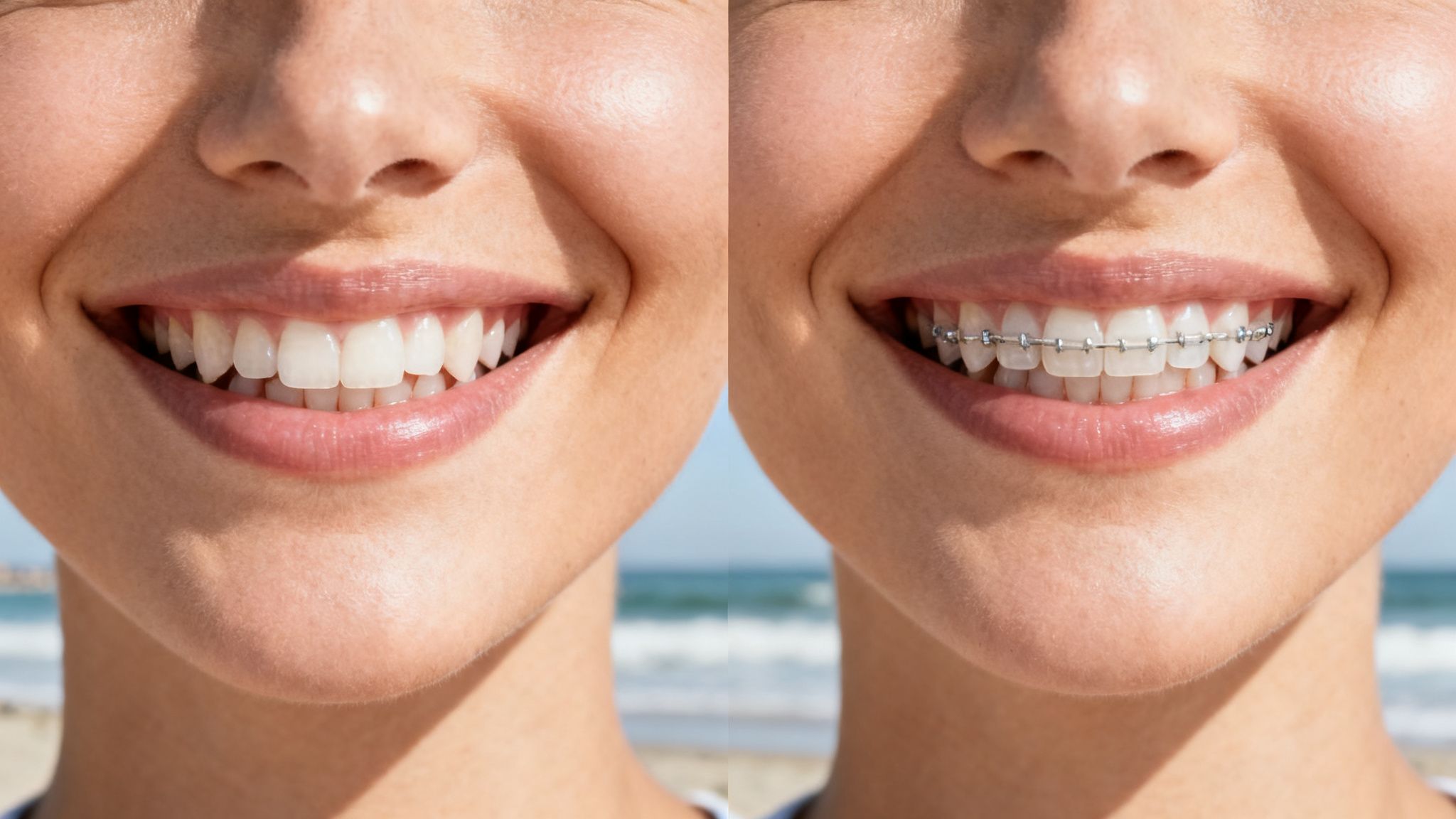
One of the most common things we hear from adults calling in is some version of "I just have a minor tooth issue, I don't think I need full braces." Usually it's lower front crowding, or one tooth that rotated after a retainer went missing years ago.
That's a completely fair thing to bring up at a consultation. Starting in July we've offered focused touch-up treatment for exactly that situation: correcting one or two specific things instead of committing to comprehensive care.
So ask directly:
- Is my concern cosmetic, functional, or both?
- Could limited treatment address it, or would that create bite problems later?
- What's the honest difference in time and cost between the two paths?
A good answer sometimes means being told your bite really does need the full plan. That's still a useful answer. You just want it explained, not assumed.
3. How Long Will Treatment Take for My Specific Situation?
Averages are useless to you. What you need is a range for your teeth, plus the reasons it could land at either end.
Comprehensive cases commonly run somewhere in the 12 to 30 month neighborhood, but that spread is enormous, and where you fall depends on things like how much rotation is present, whether the bite needs correcting, and how consistently you wear aligners or elastics.
Ask what would make your case run long. The honest answers usually include:
- Missed appointments or long gaps between visits
- Aligner wear well under the recommended daily hours
- Broken brackets that go unreported for weeks
- Growth patterns in younger patients that change the plan mid-treatment
We wrote more about this in how long orthodontic treatment actually takes. Be a little skeptical of any office that gives you one number with total certainty at a first visit.
4. Which Options Fit My Life, and Why That One?
There is no universally better option. There's the option that fits how you eat, work, play sports, and remember to do things.
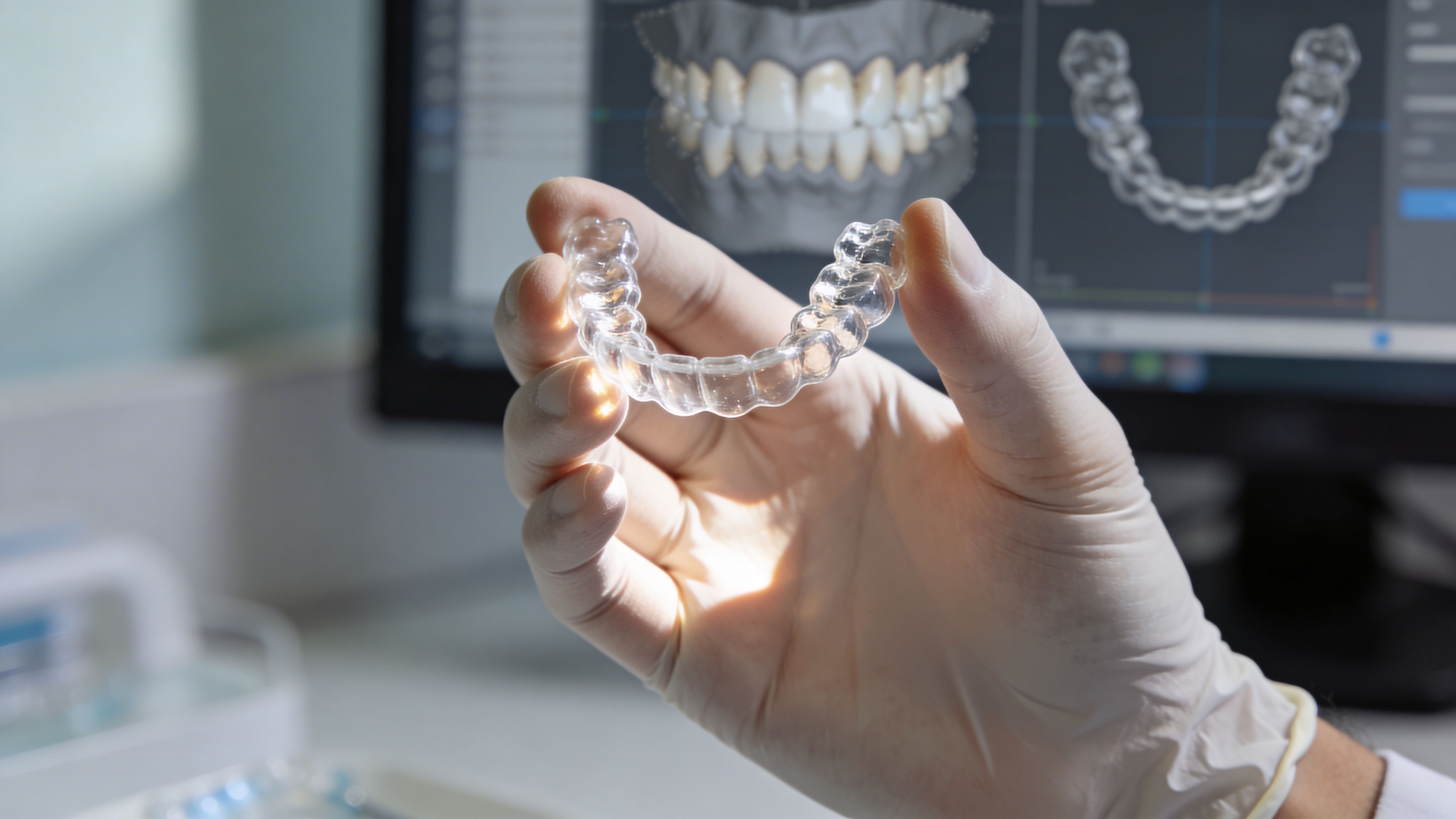
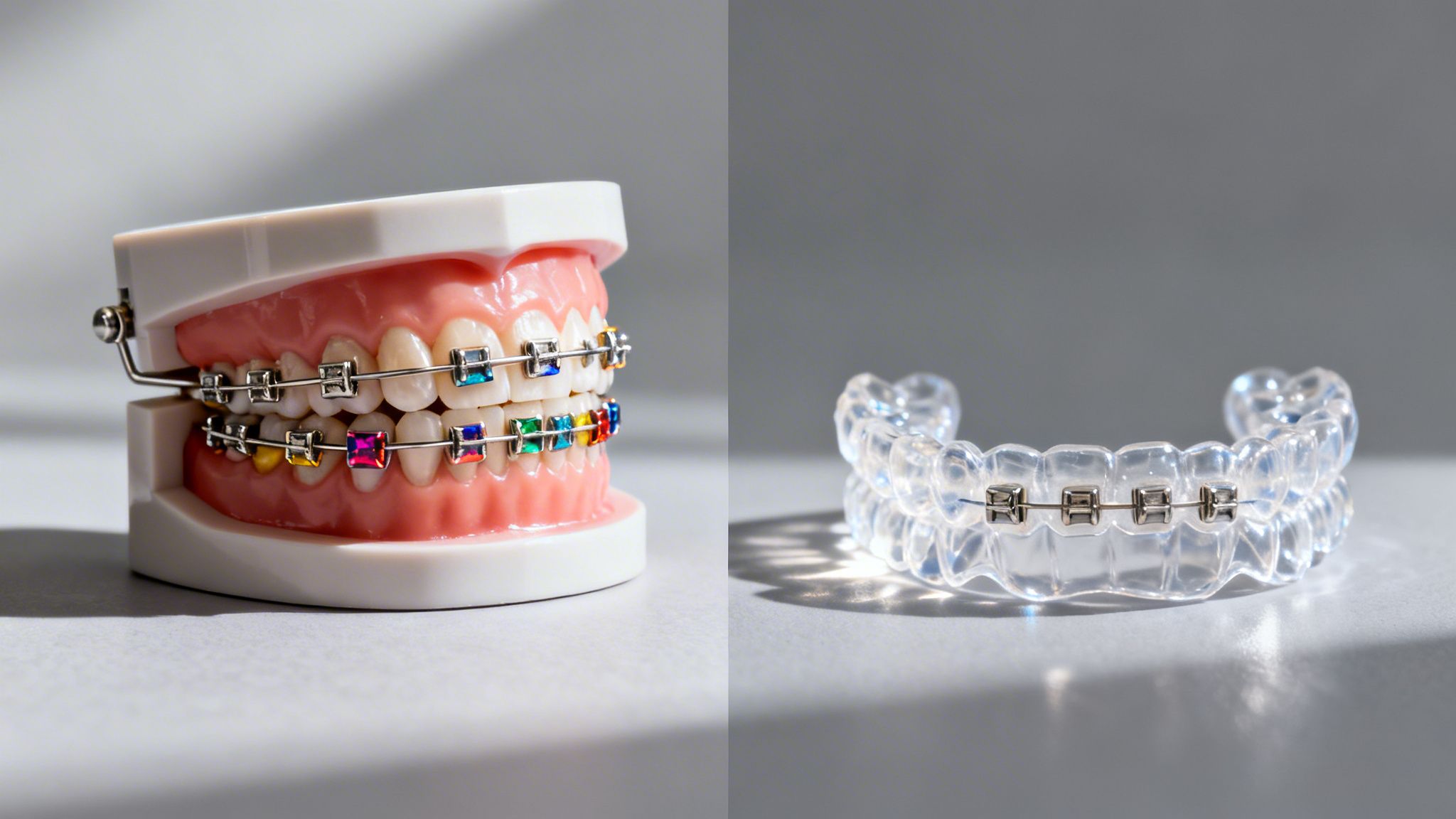
We offer three, and each suits a different person. Dr. Jeremy and Dr. Melissa build the plan around your teeth and your routine, not a default.
Ask the practice to walk you through the tradeoffs out loud. And ask what happens if you pick one and it isn't working for you six months in.
Comparing Your Options at the Consultation
Here's a quick reference for the treatment types we offer and what to ask about each one.
| Option | Often suits | Worth asking |
|---|---|---|
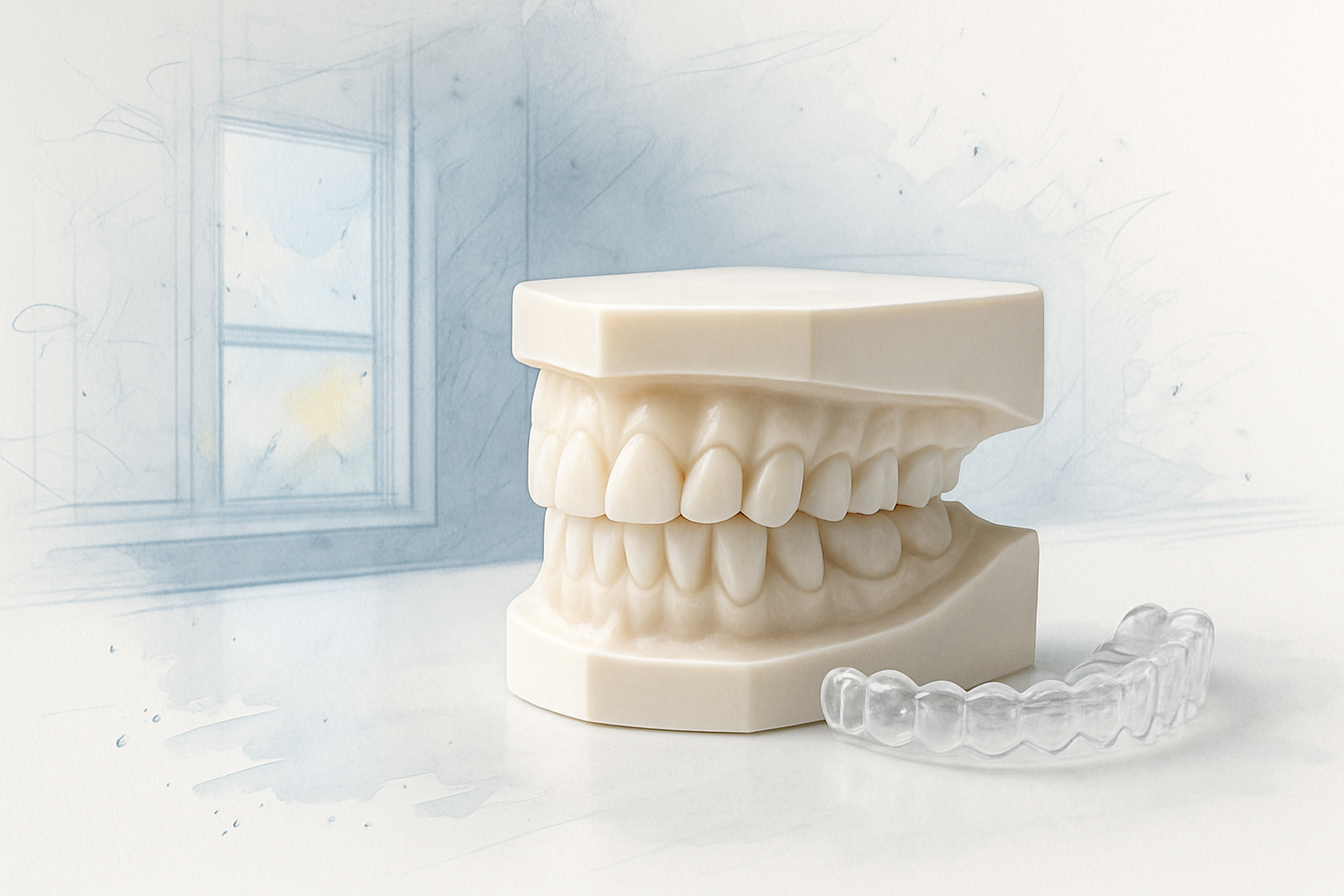
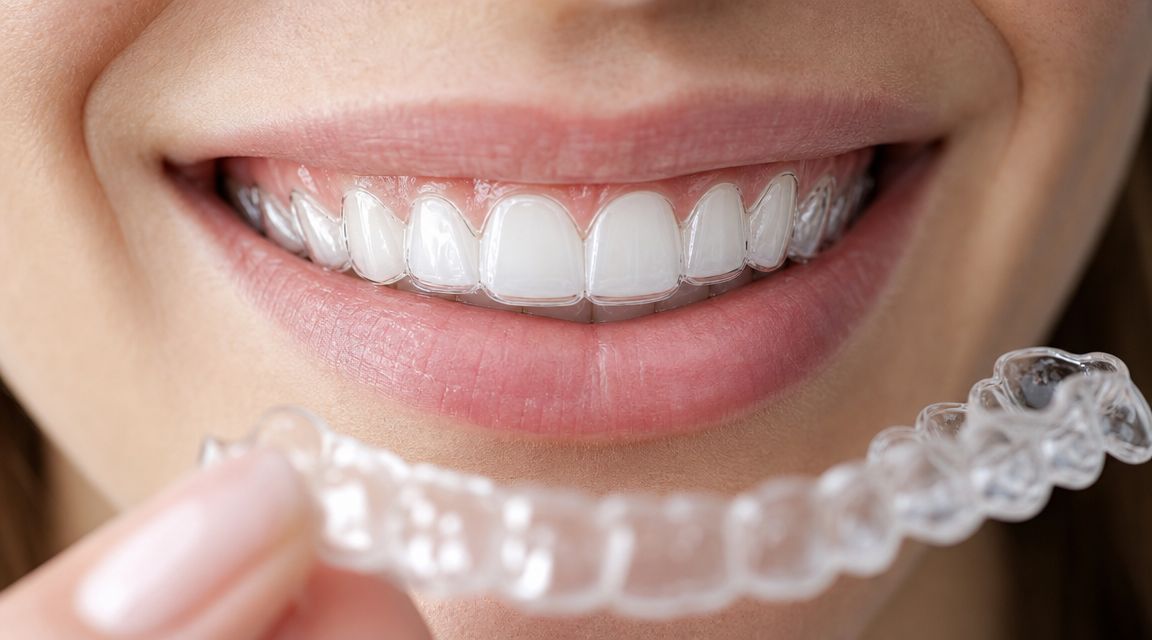
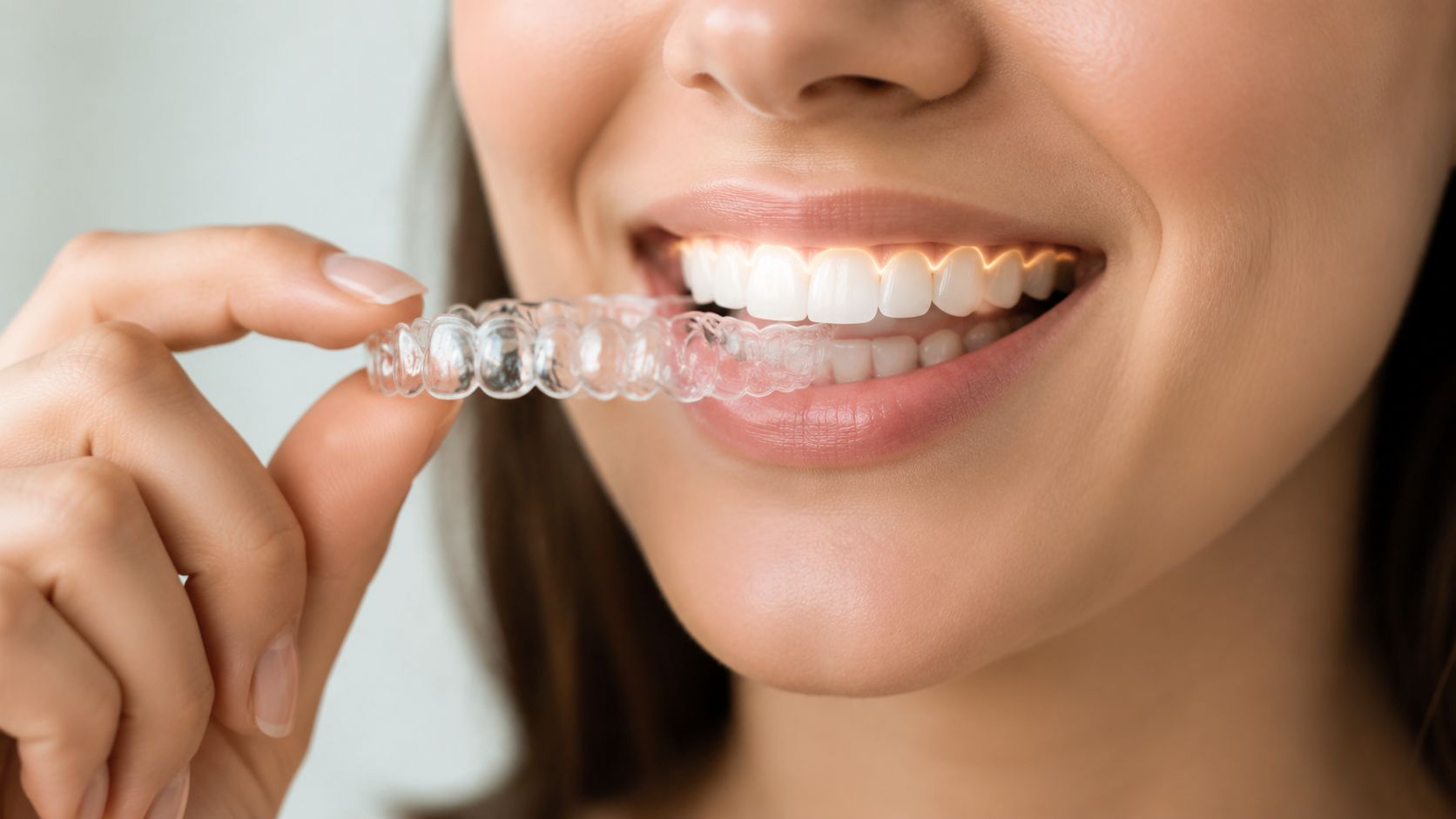
| Invisalign clear aligners | Adults and teens who want a discreet, removable option and can commit to daily wear | How many hours a day do I really need to wear these? |
| Invisalign First® | Younger kids in Phase 1 who need guided jaw development and space for incoming teeth | Will this reduce what's needed later, and by how much? |
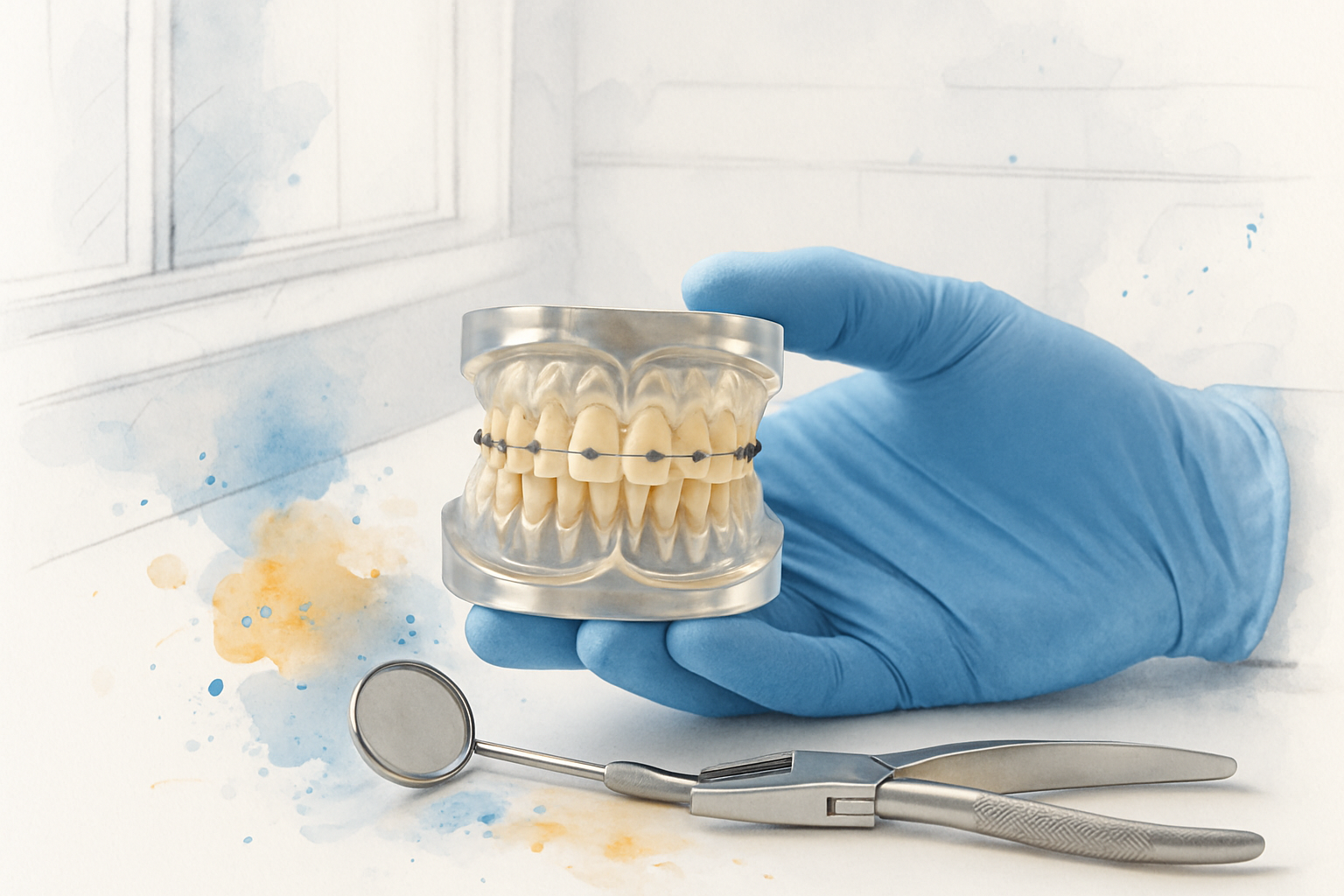
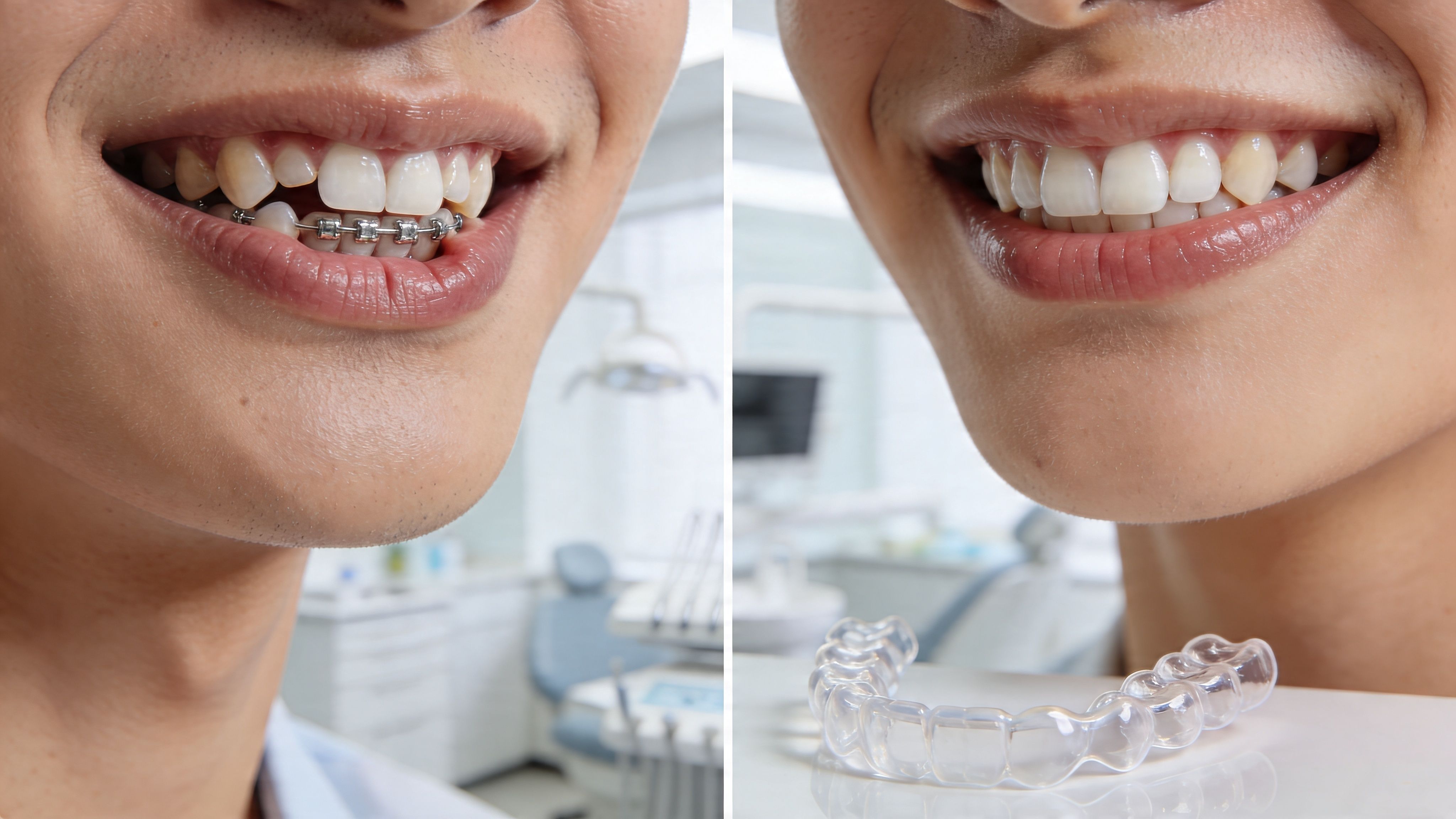
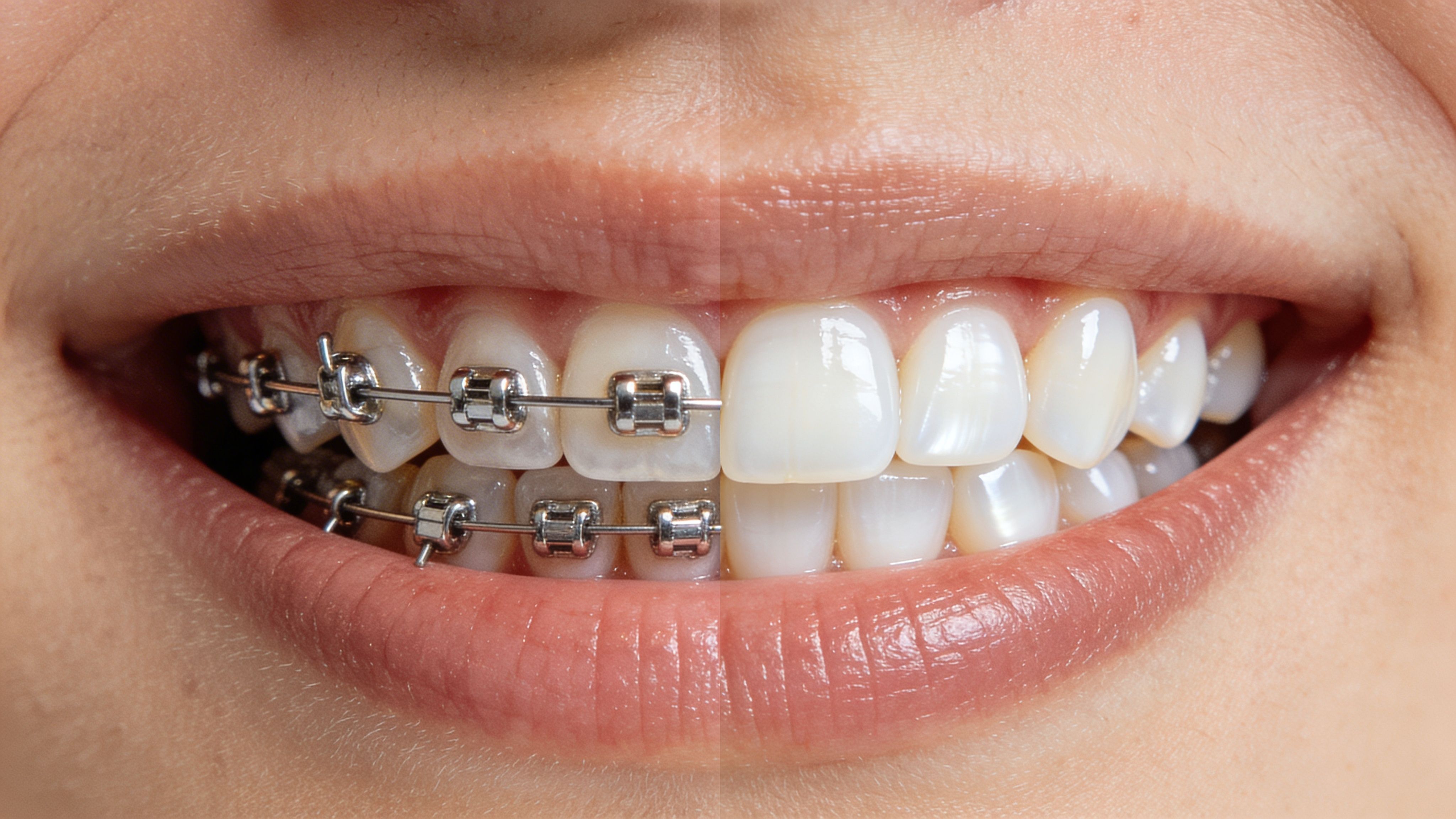
| Iconix esthetic brackets | Patients who want fixed braces with a subtler, champagne-colored look | How does the look compare day to day versus metal? |
| Traditional metal braces | Complex tooth movement, kids and teens, budget-conscious families | Which movements do these handle better than aligners? |
| Focused touch-up treatment | One or two specific concerns rather than a full correction | Could fixing just this create a bite issue later? |
5. Who Will I Actually Be Seeing at Each Appointment?
This one surprises people, and it's the question I'd push hardest for you to ask anywhere you consult.
At a lot of offices, the doctor designs the plan and then assistants or rotating providers handle most of the routine visits. That's a legitimate model. But you should know which model you're buying into before you sign.
So ask plainly: who adjusts my braces in month eight? Who reviews my progress? Is it the same person every time?
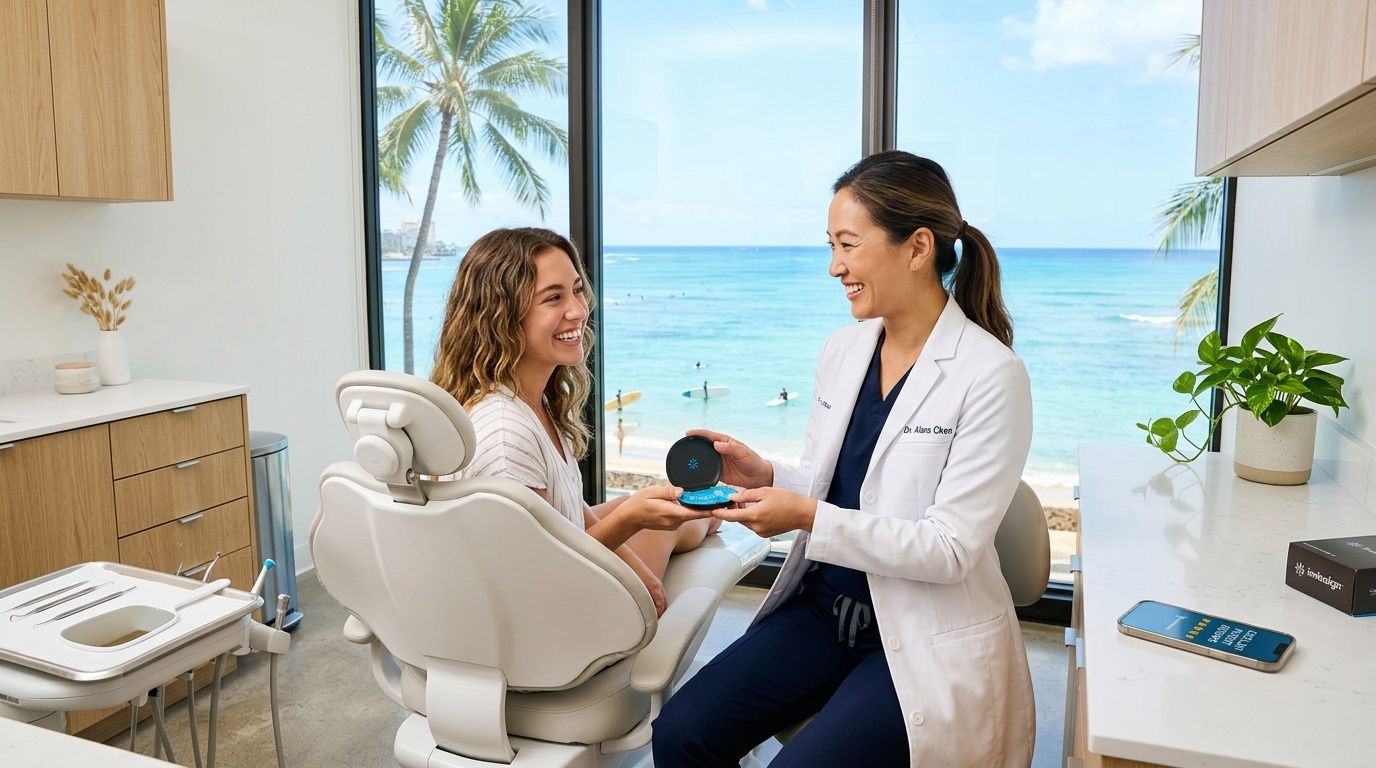
One parent put it well in a review of our office: "I love that they are the ones that see my son at every appointment. It really matters to me to have a personalized experience." Dr. Jeremy and Dr. Melissa see each patient at every visit, and families across Oak View, Goldenwest, and Central Fountain Valley bring it up constantly.
Whatever the answer is where you go, get it before treatment starts, not after.
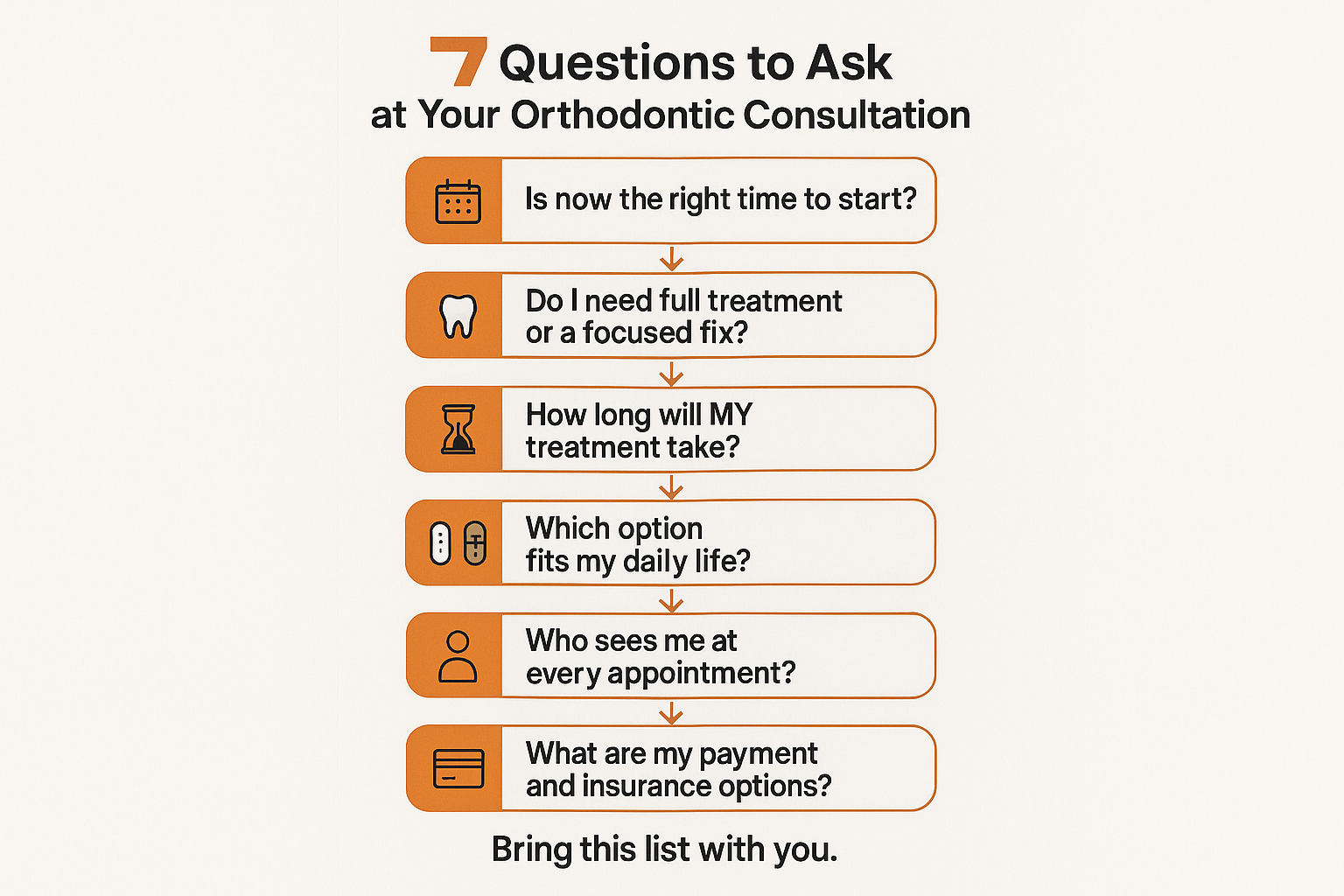
Your Consultation Checklist at a Glance
Save this list on your phone and pull it up in the waiting room before your appointment starts.
6. What Are My Payment Options, and Does My Insurance Apply?
Please stop treating this as an awkward question. It's one of the top two things people call us about, and some callers hesitate to even book a visit because they aren't sure their plan is accepted.
Costs vary widely based on case complexity, treatment type, and length, so no honest office quotes you over the phone. But you should get a clear range at the consultation, in writing.
Ask these:
- Do you accept my plan? Many orthodontic offices work with PPO plans but not HMO plans, so confirm before you come in.
- Will you verify my benefits ahead of the visit?
- Do you offer in-house monthly payment plans, and are they interest-free?
- Can I use HSA or FSA dollars? We covered that in using an HSA for orthodontics.
A practice that answers this comfortably is telling you something about how the rest of your treatment will go.
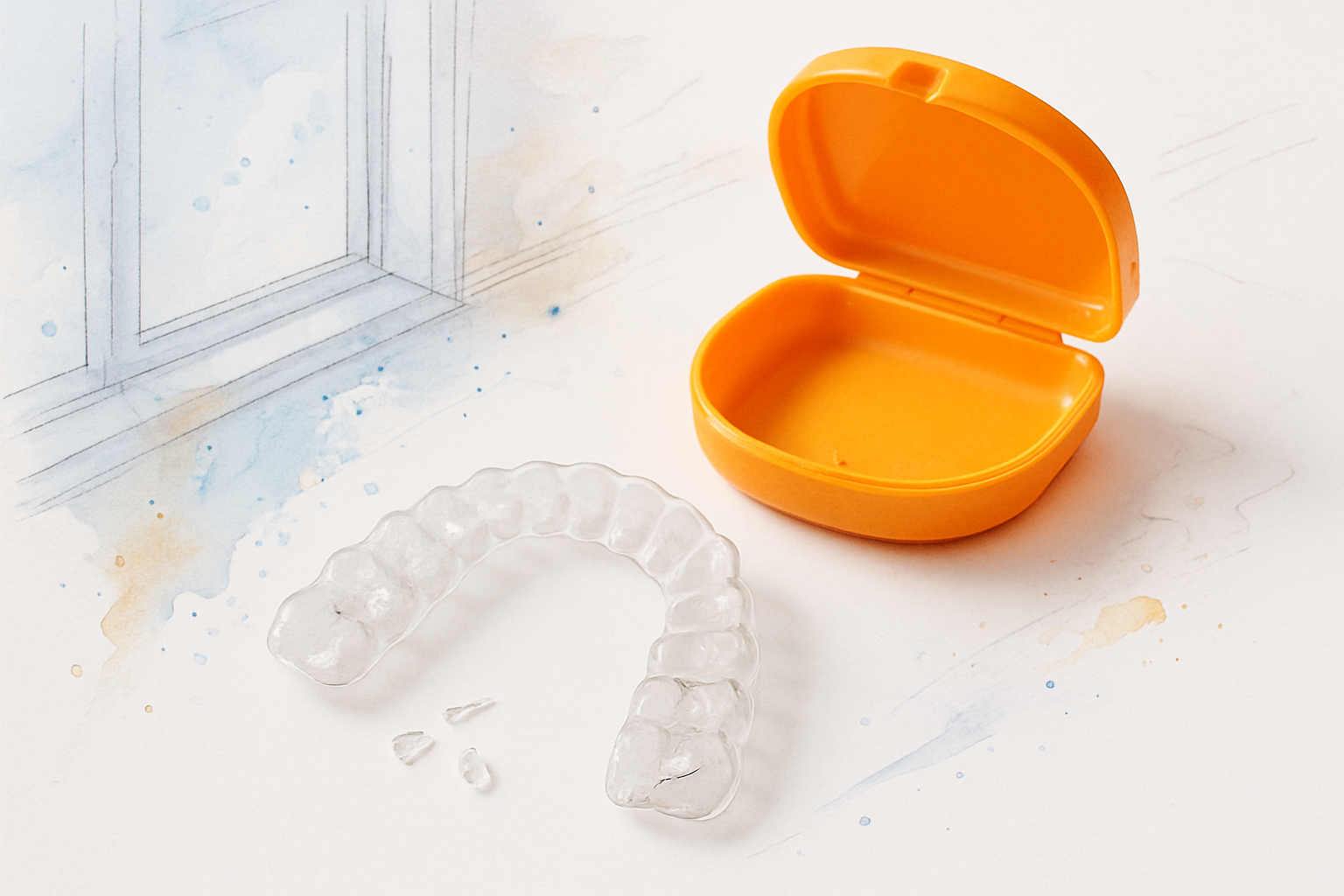
7. What Happens If a Bracket Breaks or I Lose an Aligner Tray?
It will happen. Someone bites into something crunchy at a beach bonfire, or a tray goes out with the napkins at lunch downtown.
What you want to know before you start is the process, because delays here are one of the biggest reasons treatment runs long.
Ask what counts as urgent versus something that can wait until Monday, how quickly you can get seen, and whether there's a charge for replacement trays. Our orthodontic emergencies page walks through what we consider urgent.
And ask about proximity while you're at it. Being a few minutes off Beach Boulevard means a broken bracket costs a family in Talbert Village or Newland a short trip, not half a workday.
Frequently Asked Questions About Orthodontic Consultations
How long does a first orthodontic consultation usually take?
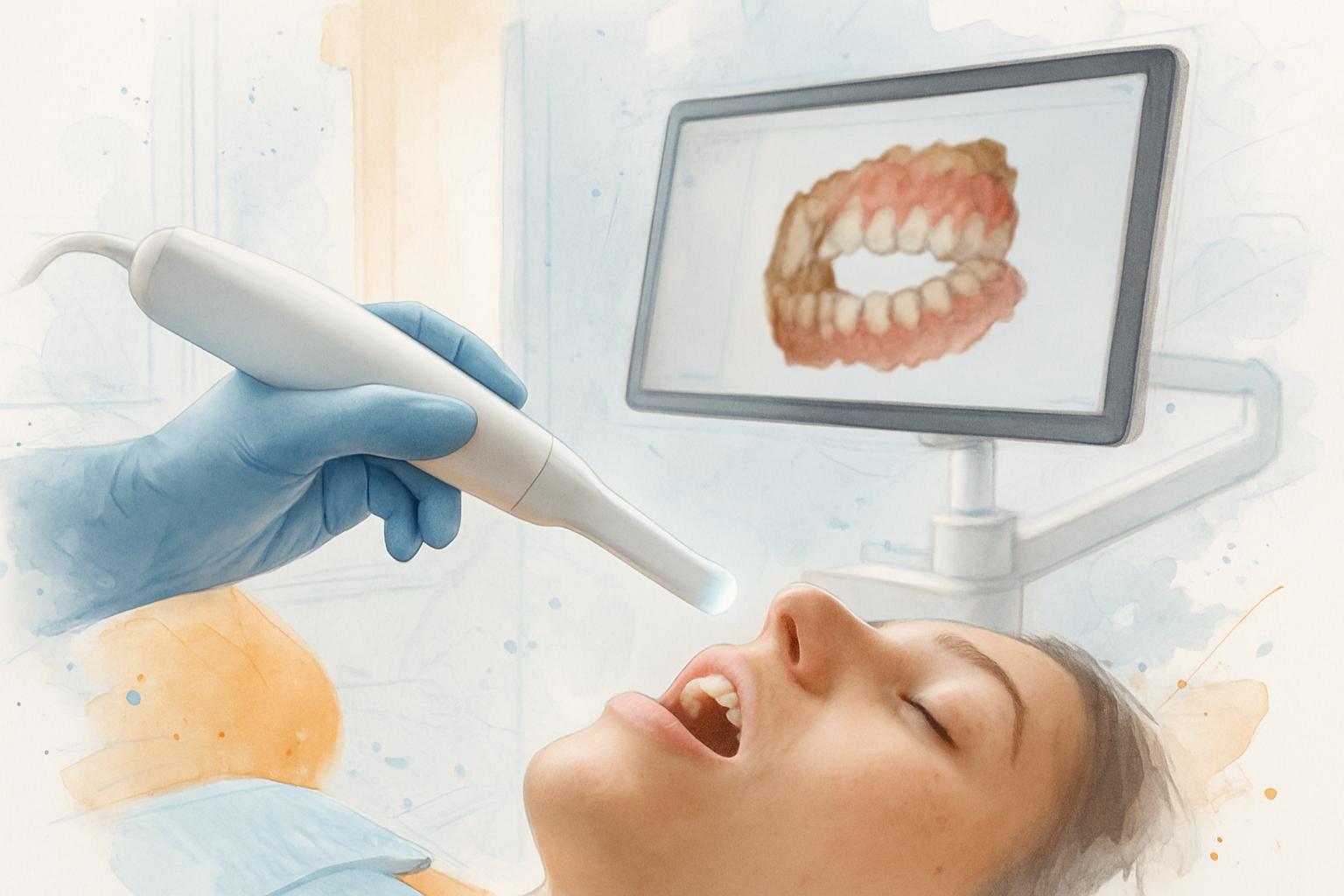
Plan on about an hour. That typically covers imaging, a digital scan of your teeth, a conversation about your goals, and a review of your options. You should leave knowing your realistic paths forward.
Am I too old for orthodontic treatment?
No. Roughly 1 in 4 orthodontic patients is an adult, and we treat patients well into their 70s. One patient who came to us at 76 wrote that her smile is awesome now. Adult teeth move the same way younger teeth do, sometimes just a bit slower.
Should I bring anything to my consultation?
Bring your insurance card, a list of any dental work you've had recently, and your questions written down. If a dentist referred you, mention that at check-in. Referred patients often already have records we can request.
Is it strange to get a second opinion?
Not at all, and a confident office won't flinch at it. Plenty of the patients we see consulted somewhere else first. If you want a framework for that conversation, we wrote about when to get a second orthodontic opinion.
Will treatment affect how I look at work?
It depends on which option you choose. Clear aligners are hard to notice in a meeting and come out for lunch. Champagne-colored Iconix brackets read as subtler than standard metal. Both are worth discussing honestly at your consultation.
Bring Your Questions With You
If you're weighing options for yourself or your child anywhere around Huntington Beach or Fountain Valley, come in with this list and put us to work answering it. Consultations with Dr. Jeremy and Dr. Melissa are available at 714-594-5777 or magicfoxsmiles.com, and we're on Beach Boulevard, convenient and local for families across both cities. You should leave a consultation more informed than when you walked in.