Non-Surgical Underbite Correction: What Orthodontics Can Actually Do
Direct Answer: Braces and clear aligners can often correct a mild to moderate underbite without surgery, especially in children whose jaws are still growing. In adults, results depend heavily on severity, a proper evaluation is the only way to know.
If you've noticed your child's lower jaw jutting forward, or if someone told you that you have an underbite and might need surgery, the word "surgery" has probably been sitting in the back of your mind ever since. I hear this concern from families across Huntington Beach and Fountain Valley regularly, and the first thing I tell them is: surgery is not always the answer, and sometimes it's not needed at all.
The honest answer is that it depends on two things more than anything else: age and severity. Those two factors shape what orthodontic treatment can realistically accomplish, and understanding them helps you walk into a consultation with real expectations instead of either false hope or unnecessary fear.
This article breaks down what non-surgical underbite correction actually looks like, what works, what has limits, and what an evaluation at the right age can tell you that no blog post ever could.
Why Age Changes Everything for Underbite Treatment
An underbite, where the lower teeth close in front of the upper teeth, can come from tooth position, jaw development, or both. And the reason age matters so much is that orthodontics can influence jaw development while it's still happening, but it cannot change a jaw that has already finished growing.
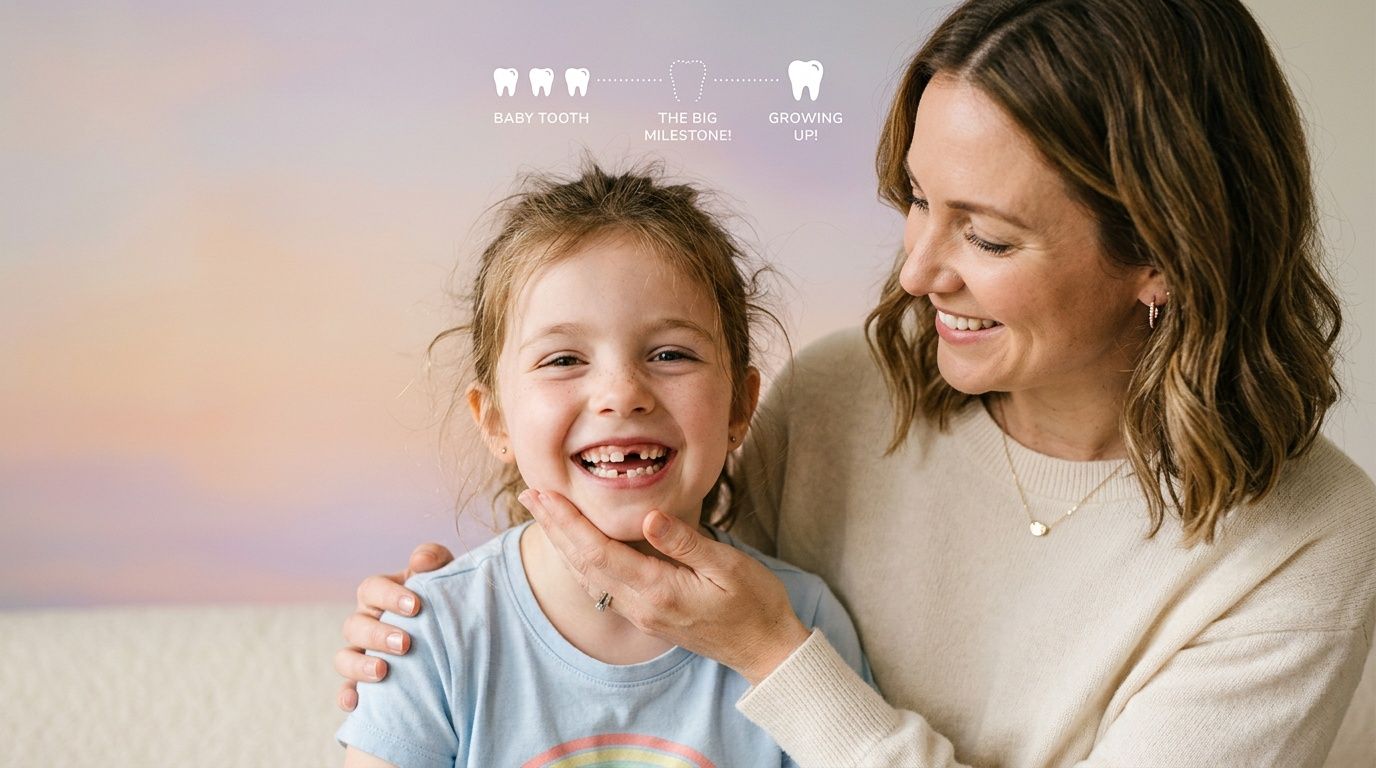
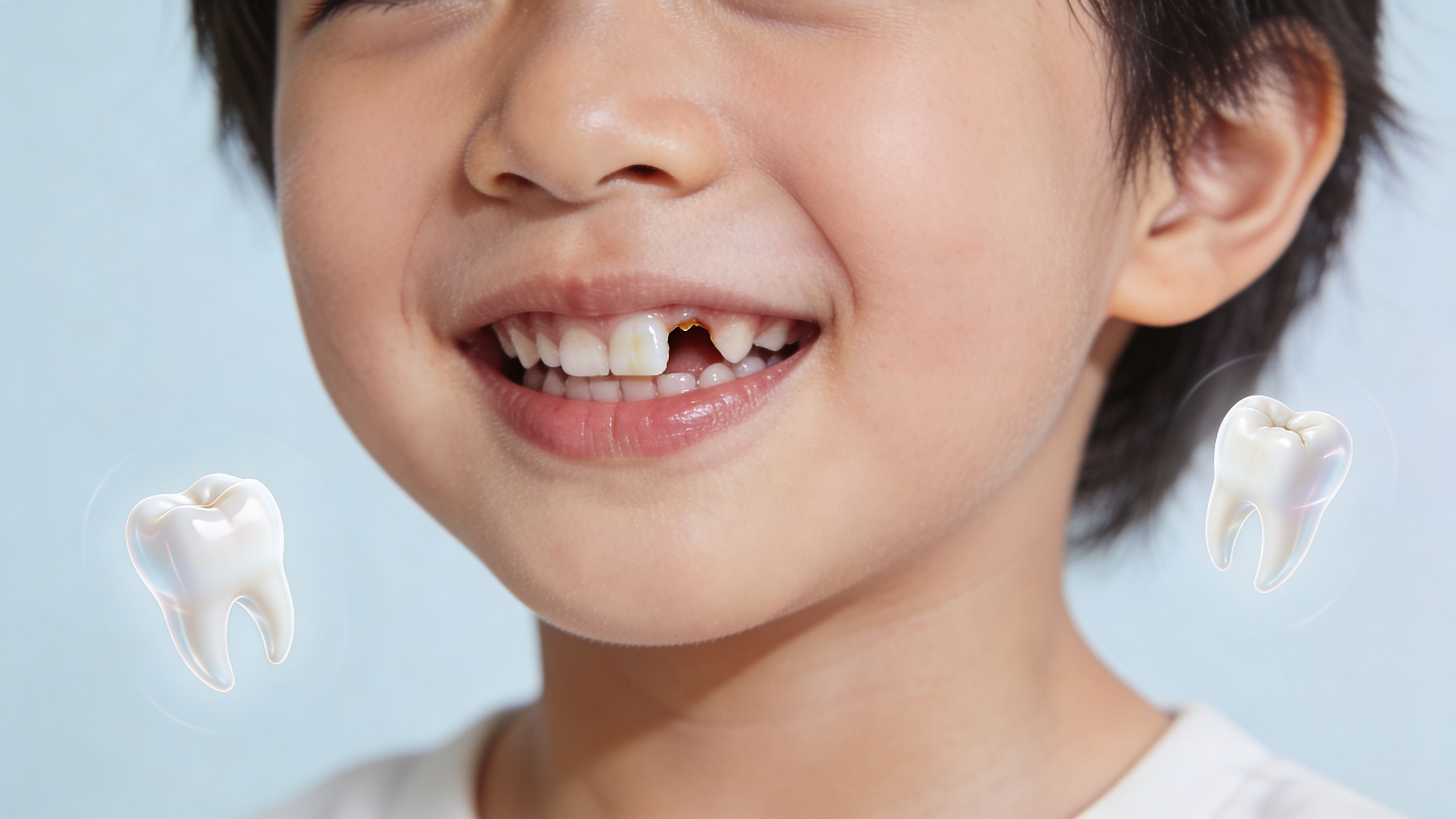
The American Association of Orthodontists recommends that children receive their first orthodontic evaluation by age 7. That timing is not arbitrary. By age 7, enough permanent teeth have come in that a trained orthodontist can spot a developing Class III bite pattern, the clinical term for what most people call an underbite, while the jaw is still actively growing.
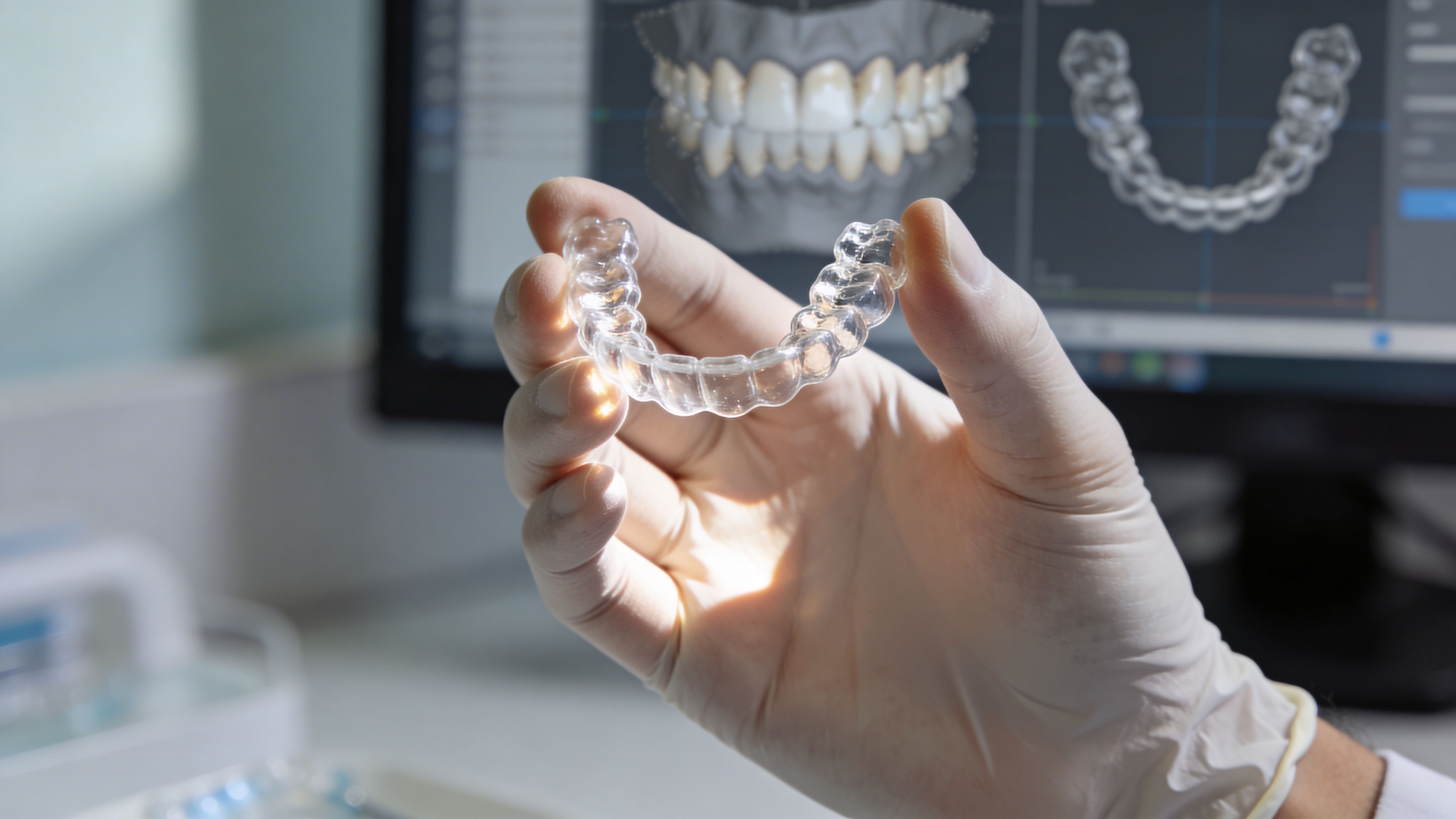
For a child in that window, early intervention through Phase 1 orthodontics can sometimes guide jaw growth in a direction that reduces or resolves the underbite before it becomes a bigger structural problem. We use options like Invisalign First®, a Phase 1 aligner system designed specifically for younger patients, which can help create space for incoming teeth and encourage healthier jaw development without bulky appliances.
The key point is this: a 9-year-old with a developing underbite has genuinely different options than a 35-year-old with the same presentation. Acting during the growth window is not about rushing, it's about using biology while it's on your side.
Parents across Oak View and Goldenwest are often told by their child's pediatric dentist to "wait and see." Sometimes that's reasonable advice. But if the wait extends past age 7 without an orthodontic evaluation, you may be letting the best window close without knowing it.
What Orthodontics Can Do for Adults With an Underbite
For adults whose jaws have finished growing, the picture is more nuanced, and I think it's important to be straight with you about what that means.
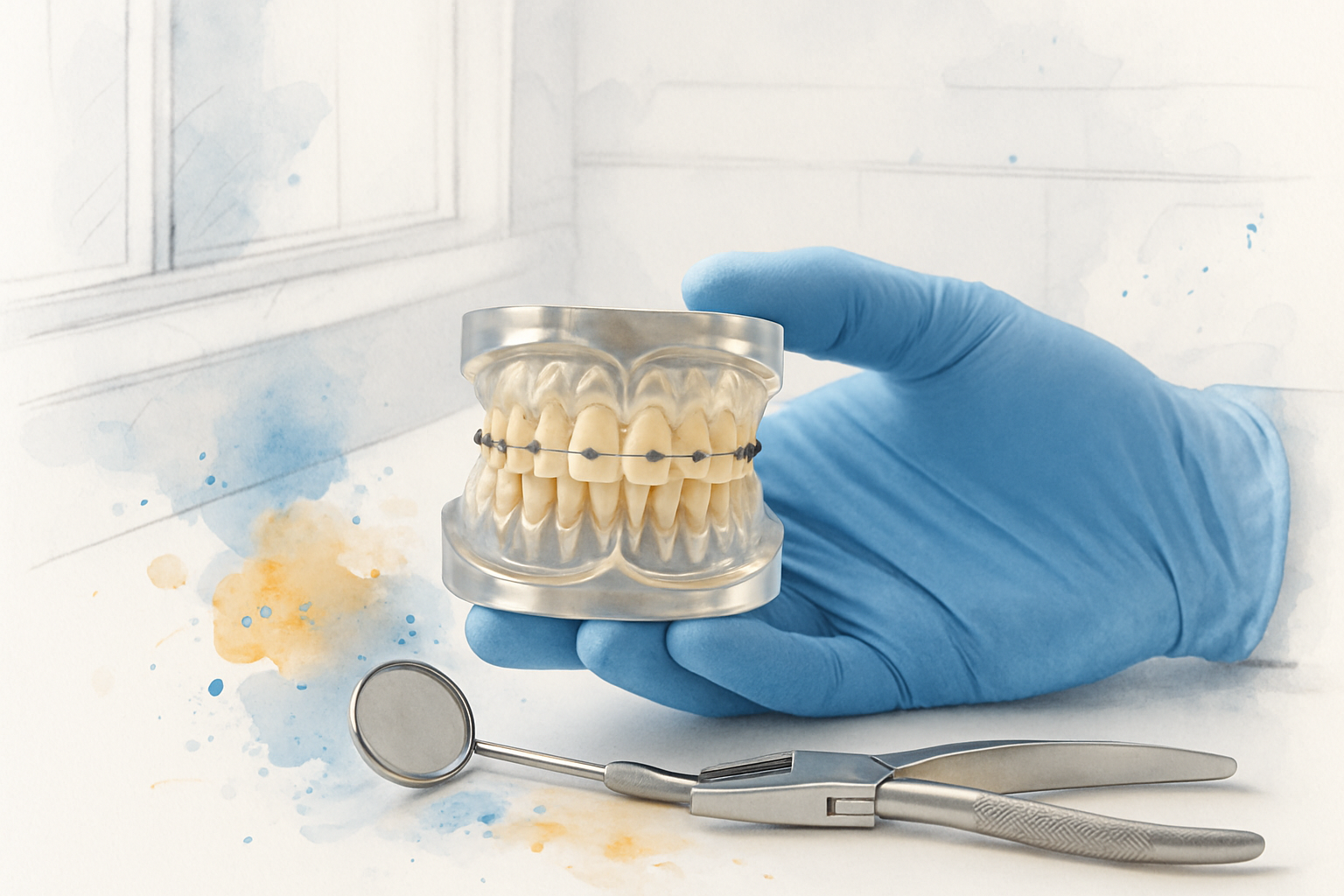
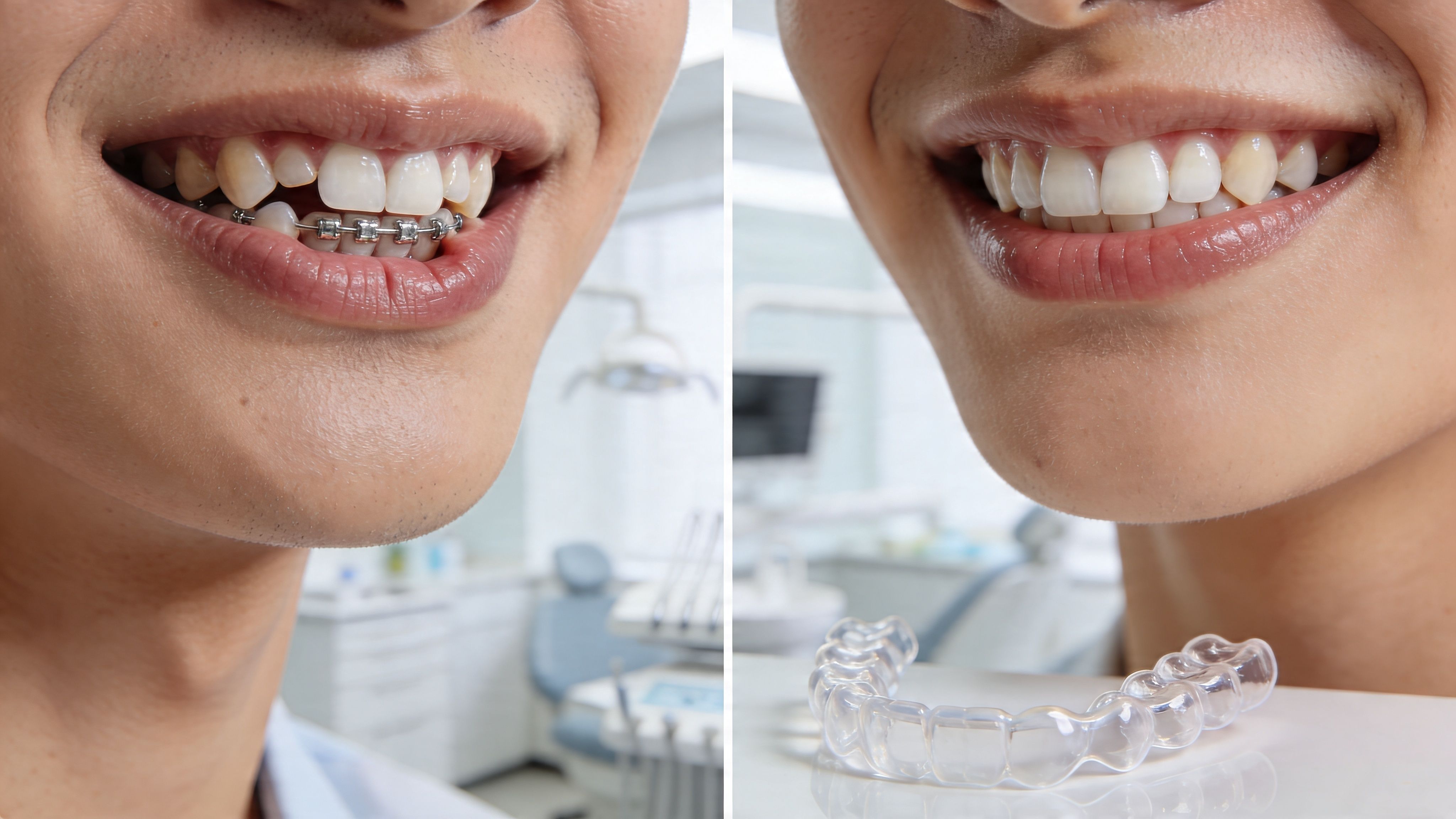
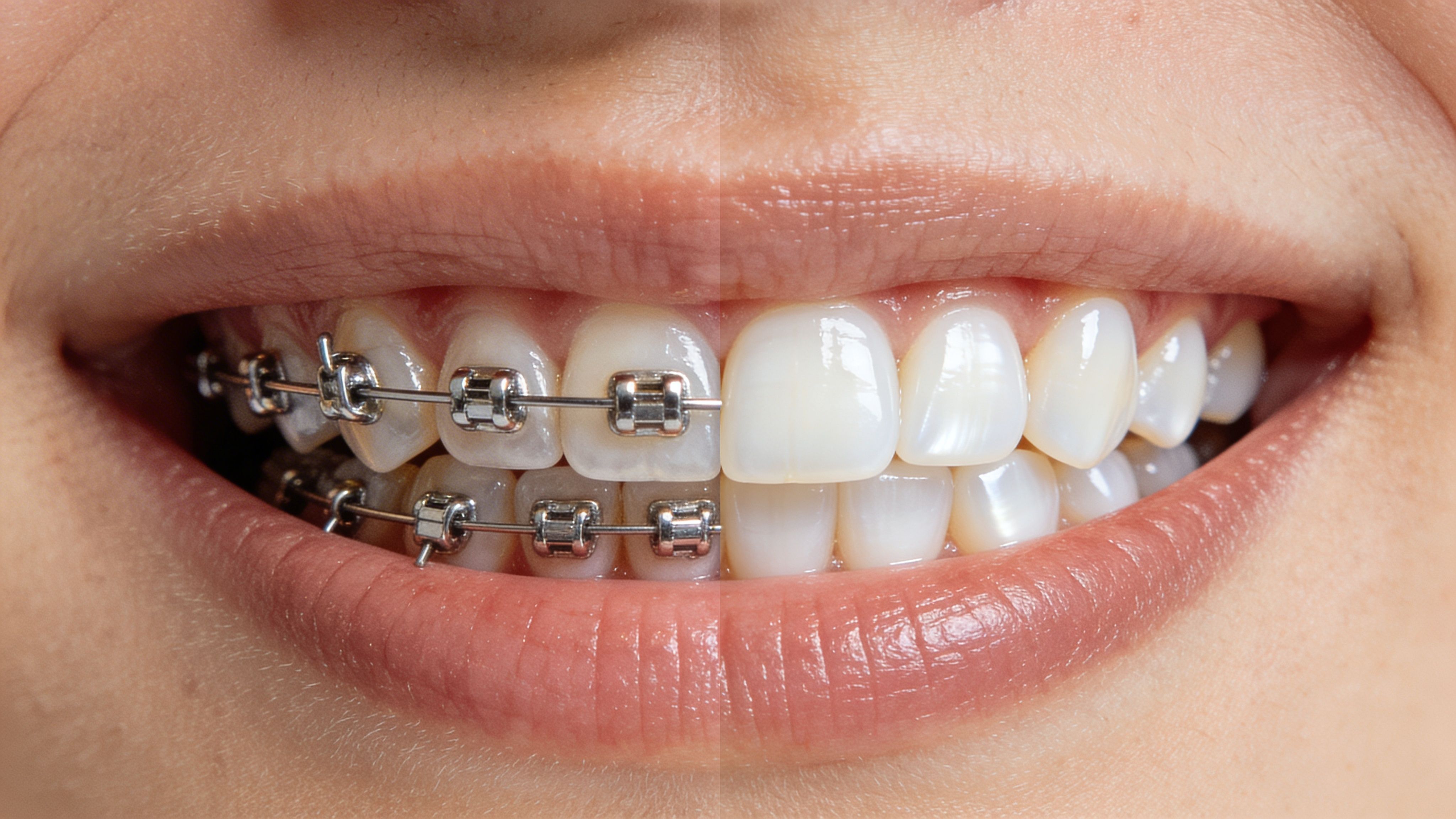
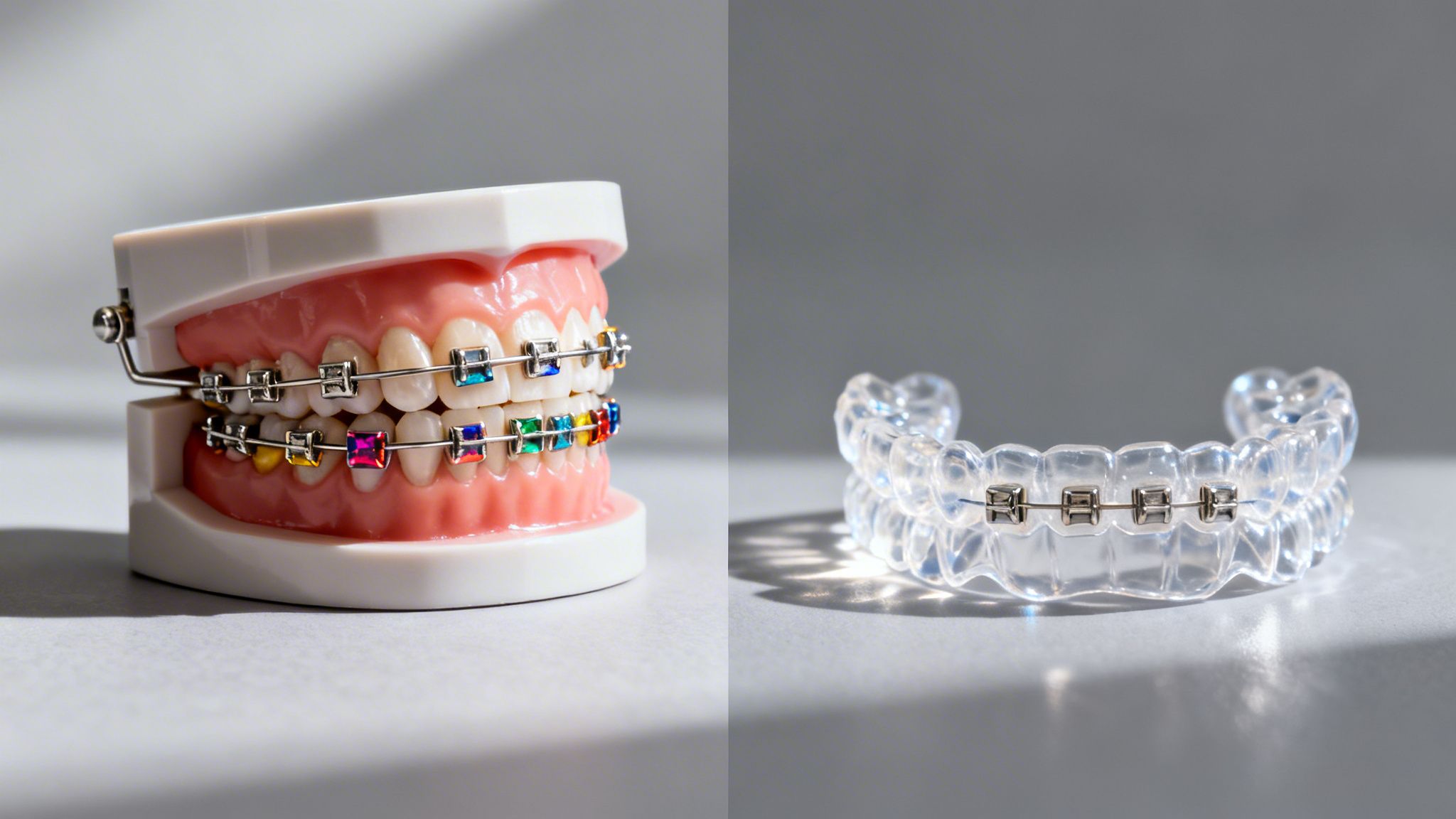
If your underbite is mild to moderate, orthodontic treatment alone, whether through traditional braces, Invisalign, or Iconix esthetic brackets, can often move your teeth into a position that meaningfully improves both how your bite functions and how your smile looks. You may not get a textbook-perfect occlusion, but you can get a result that's noticeably better and genuinely worth doing.
If your underbite is severe and primarily skeletal, meaning the jaw bones themselves are significantly misaligned, orthodontic treatment alone has real limits. In those cases, the most effective path usually involves a combination of orthodontics and oral surgery, where an oral surgeon repositions the jaw and an orthodontist fine-tunes the bite before and after the procedure. This is called orthognathic surgery, and it falls outside what orthodontic treatment alone can accomplish.
Here's what I want adults to take away from this:
- "Non-surgical" does not always mean "completely fixed." For mild to moderate cases, it means significantly improved, and that improvement is real and worth having.
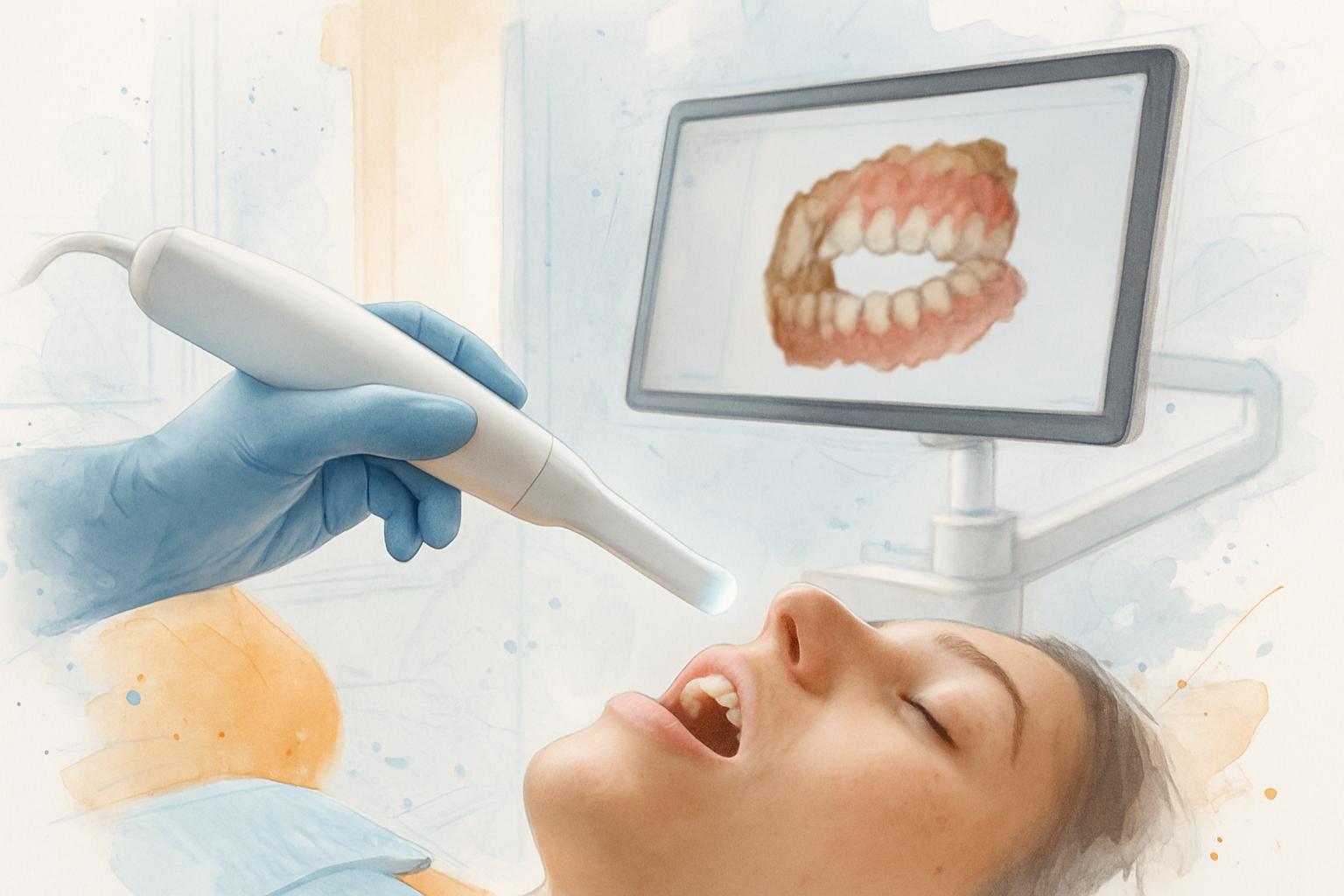
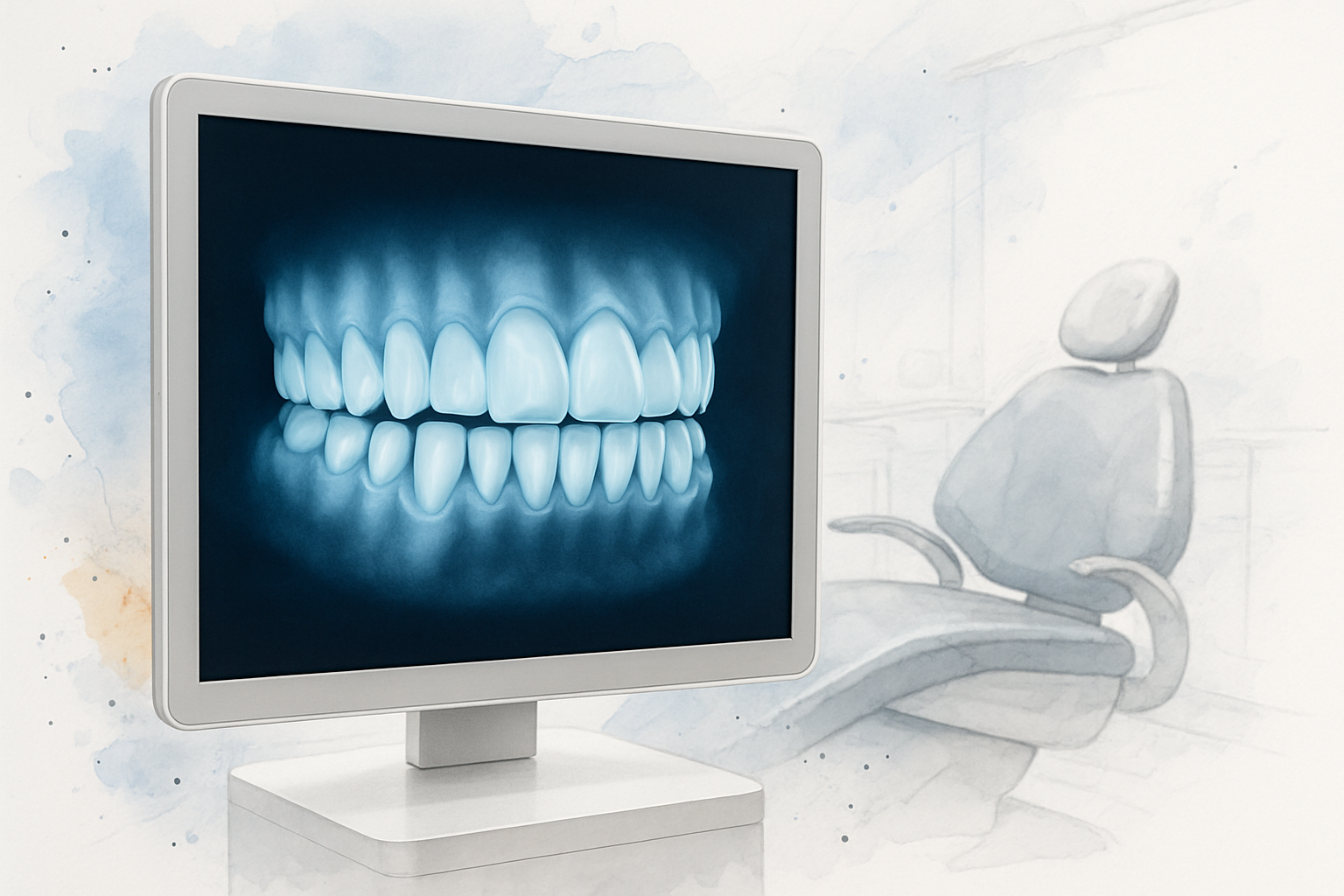
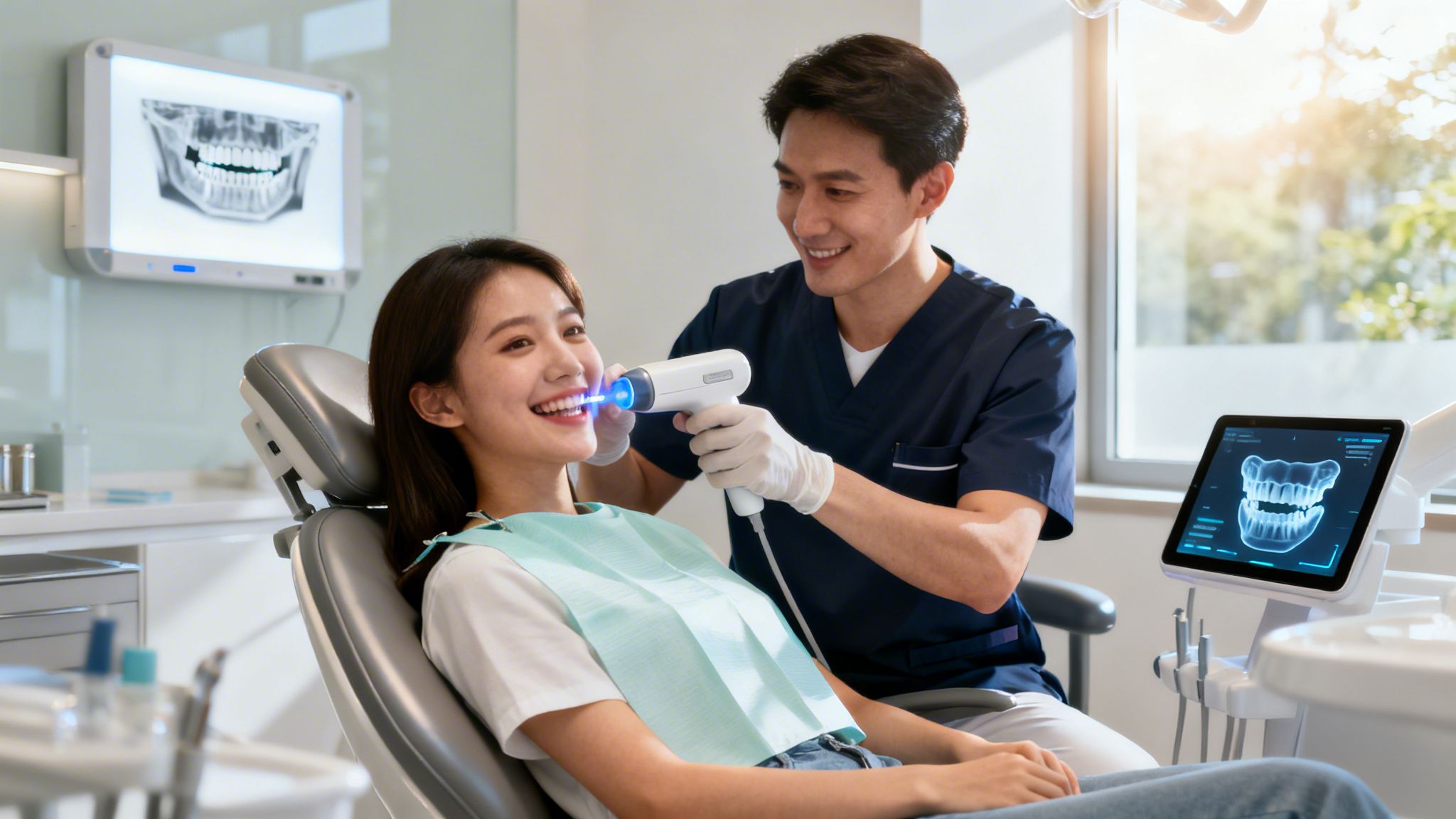
- A proper clinical evaluation, including X-rays that show your jaw structure, is the only way to know which category you're in.
- Dr. Jeremy and Dr. Melissa build every treatment plan around your specific teeth, jaw, and goals, not a generic template.
- If a case does require surgical coordination, we'll tell you honestly and point you toward the right specialist. Our job is to be a guide, not a salesperson.
One caller I spoke with was asking about her child's evaluation after noticing her daughter's lower jaw seemed to sit forward. Another person submitted a form specifically asking about underbite correction. Both situations are exactly what a consultation is built to answer, and the evaluation process is far less intimidating than most people expect.
The Age and Severity Framework for Underbite Treatment
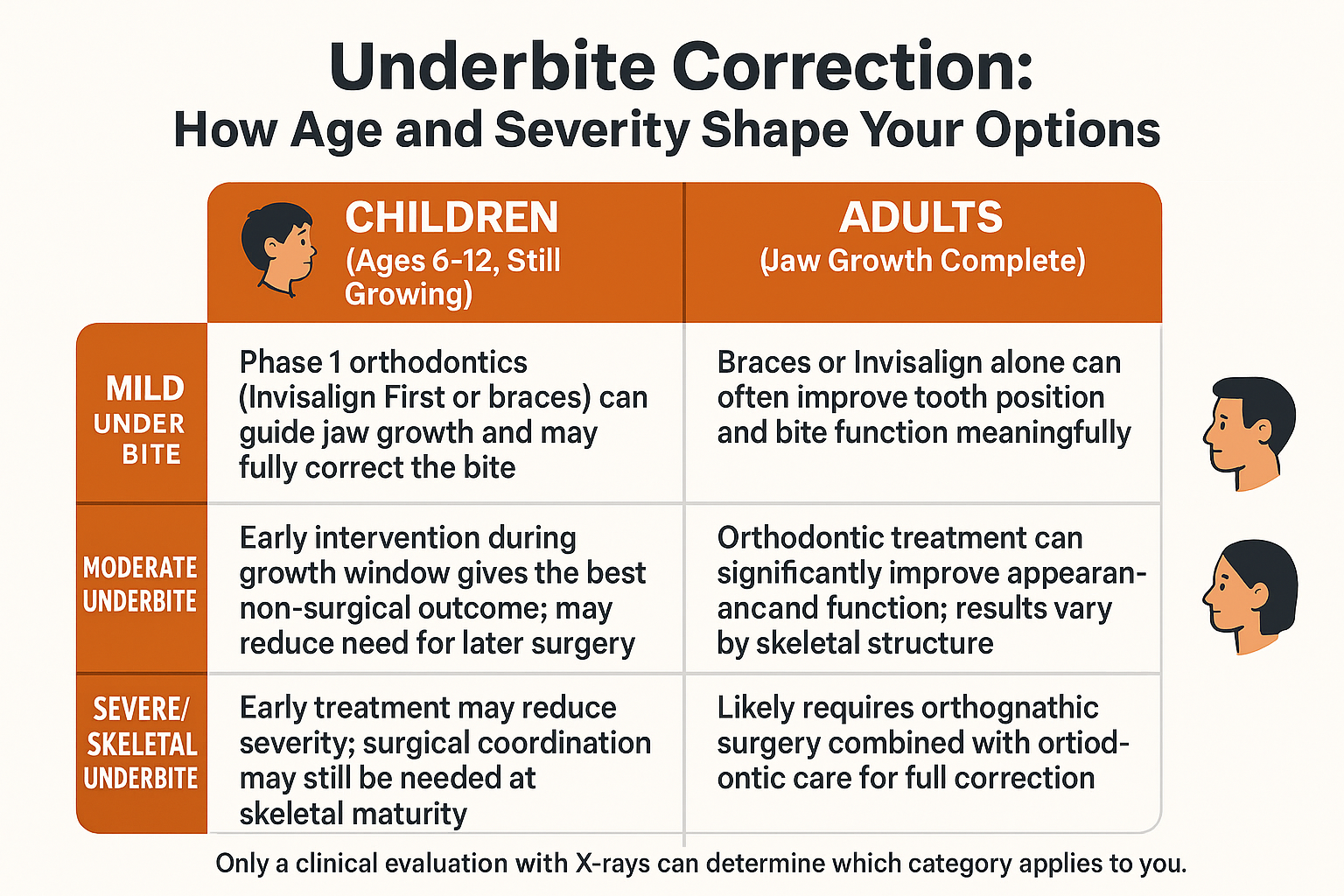
This infographic shows how age and underbite severity interact to shape which treatment paths are realistic.
Non-Surgical vs. Surgical Underbite Correction at a Glance
Here's a simple comparison to help frame the decision before you sit down with an orthodontist.
| Factor | Non-Surgical Orthodontic Treatment | Combined Orthodontic and Surgical Treatment |
|---|---|---|
| Best candidate | Mild to moderate underbite; children still growing; adults with primarily dental (not skeletal) misalignment | Severe skeletal underbite in adults where jaw bones are significantly out of alignment |
| What it involves | Braces, Invisalign, or Invisalign First to move teeth and, in kids, guide jaw development | Orthodontics before and after surgery; oral surgeon repositions the jaw |
| Treatment timeline | Varies widely by case, Phase 1 for kids often runs 12-18 months; adult treatment timelines depend on severity | Longer overall due to surgical planning, recovery, and post-surgical orthodontics |
| Who performs it | Orthodontist manages the full case | Orthodontist coordinates with an oral surgeon, two providers working together |
| Realistic outcome | Significant improvement in mild to moderate cases; may not fully correct a major skeletal discrepancy | Greater structural correction possible when surgery is indicated and appropriate |
What to Expect at an Early Evaluation Appointment
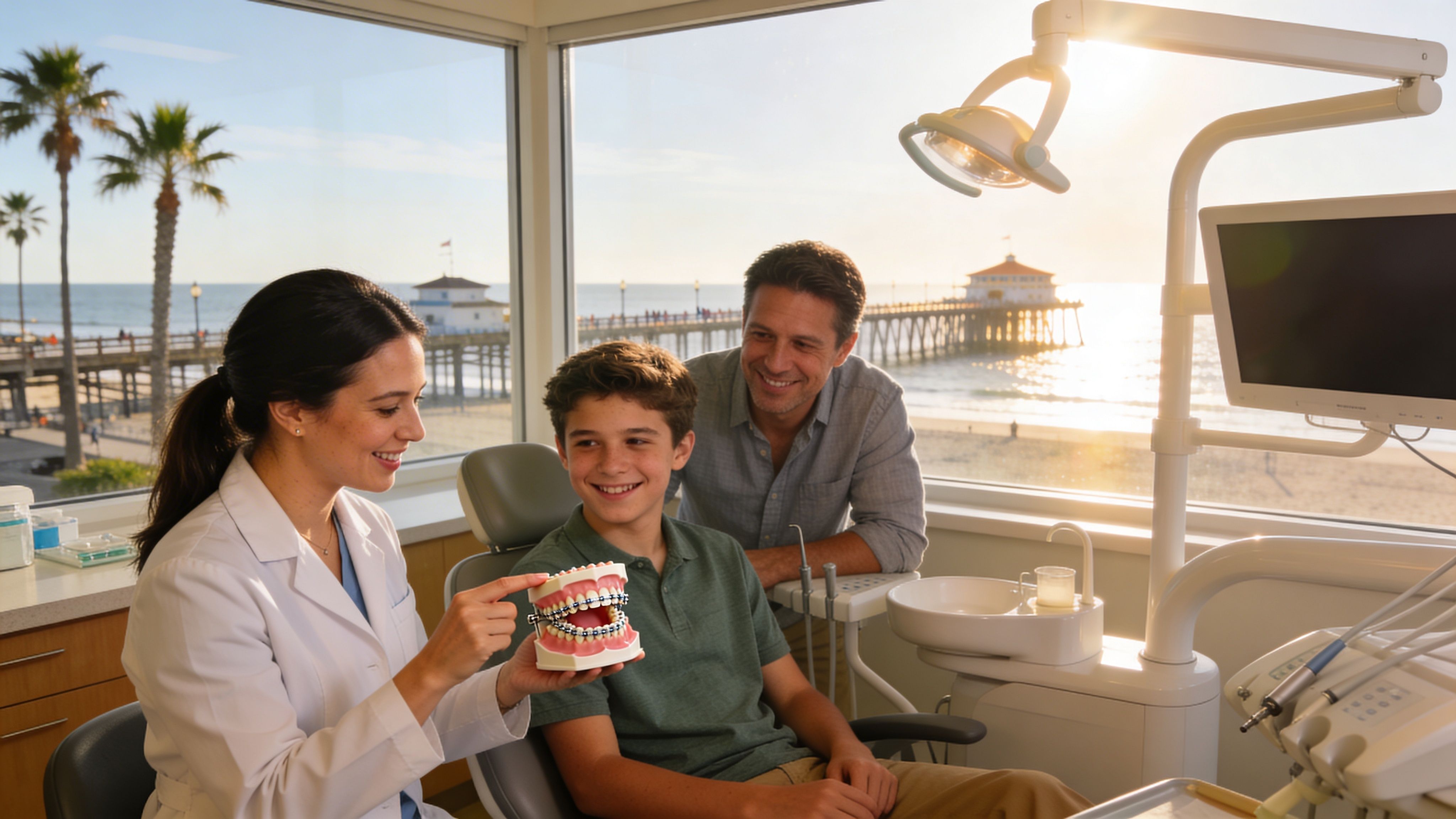
If you're a parent in Fountain Valley or the Newland or Adams neighborhoods of Huntington Beach and your child's pediatrician or dentist has flagged their bite, an orthodontic evaluation at around age 7 is the right next step, and it's far more low-key than most parents anticipate.
At an early evaluation, Dr. Jeremy and Dr. Melissa will look at:
- How the teeth are erupting and whether there's enough space for incoming teeth
- How the upper and lower jaws relate to each other at rest and when biting
- Whether a developing Class III pattern is present and how the jaw appears to be growing
- Whether treatment now would meaningfully change the outcome compared to waiting
Not every 7-year-old who walks in needs Phase 1 treatment. Some kids genuinely benefit from being monitored and treated later in a single phase. The evaluation tells you which situation you're in, and that information alone is worth the appointment.
For families who want to read more about what early orthodontic checks can catch, this overview of early interceptive orthodontics covers the reasoning in plain terms.
Frequently Asked Questions About Underbite Correction Without Surgery
Can braces actually fix an underbite without surgery?
In many cases, yes, but it depends on age and how much of the underbite is coming from tooth position versus jaw structure. For children still in their growth phase, orthodontic treatment can sometimes guide jaw development and correct or significantly reduce an underbite without any surgery. For adults with a mild to moderate underbite that is mostly dental (tooth-related), braces or Invisalign can move teeth into a better position and improve both function and appearance. Adults with a severe skeletal underbite, where the jaw bones themselves are substantially mispositioned, often need a combination of orthodontics and oral surgery for full correction. A clinical evaluation with imaging is the only honest way to know which path applies to your situation.
My pediatric dentist told me to wait and see. Should I get an orthodontic evaluation anyway?
Yes, and sooner rather than later. Pediatric dentists and orthodontists have different scopes of training. A pediatric dentist may be watching for decay and development, but an orthodontist is specifically trained to spot bite patterns that benefit from early intervention. The AAO recommends an orthodontic evaluation by age 7, not because treatment always starts then, but because the growth window for jaw guidance is limited, and you want expert eyes on it during that period. Getting an evaluation doesn't commit you to anything. It gives you information.
I'm an adult. Is it too late to do anything about my underbite without surgery?
Not necessarily. Adults with mild to moderate underbites often see meaningful improvement through orthodontic treatment alone. It may not produce the same degree of skeletal change that early intervention in a child could achieve, but tooth movement and bite improvement are still real and achievable at any age. We treat patients well into their 70s, age is not the barrier. Severity is. The right evaluation will tell you what's actually possible for your specific jaw and bite.
Does Magic Fox Orthodontics offer oral surgery or jaw surgery?
No. Our scope of care is orthodontics, braces, Invisalign, and related treatment. If you have a complex skeletal underbite that needs surgical correction, we'll be upfront about that and refer you to an oral surgeon. Orthodontics often plays an important role before and after jaw surgery, so in those cases we work in coordination with the surgical team. We'll never tell you that orthodontics can do something it can't.
What is Invisalign First and is it an option for underbite correction in kids?
Invisalign First is a Phase 1 clear aligner system designed specifically for younger patients, typically ages 6-10, whose baby and adult teeth are mixed. It can help guide jaw development and create space for incoming teeth, without the bulk of traditional appliances. Whether it's appropriate for a child with an underbite depends on the specific case. Dr. Jeremy and Dr. Melissa will evaluate whether Phase 1 treatment is indicated and which approach makes sense.
How long does non-surgical underbite treatment usually take?
Phase 1 treatment for children typically runs 12-18 months, though that varies based on what's being corrected and how the jaw responds. Adult orthodontic treatment for bite issues can range from around 18 months to 3 years depending on severity and the type of movement needed. These are general ranges, your actual timeline depends on your specific case, which is another reason a real evaluation matters more than any estimate you'll read online.
Ready to Get a Real Answer About Your Child's Bite?
If you've been sitting with the word "surgery" in your head and wondering whether there's another path, the first step is a conversation, not a commitment. Families throughout Huntington Beach, Fountain Valley, and the surrounding neighborhoods can reach Dr. Jeremy and Dr. Melissa by calling 714-594-5777 or visiting magicfoxsmiles.com to request a consultation. The evaluation will tell you exactly what's going on, what your options are, and what doing nothing now might mean later.