Your Dental Plan Changes January 1: HMO vs PPO for Braces
Direct Answer: HMO and DHMO dental plans limit you to orthodontists inside that network. PPO plans let you choose your own specialist. If braces are coming, that difference matters more than the premium.
If someone in your house works for the state, a city, a school district, or the county, your dental coverage is about to look different. The open enrollment window for 2027 coverage runs September 14 through October 9, 2026, and the new plans take effect January 1, 2027.
I take a lot of these calls in the fall. A parent gets a packet at work, sees words like DHMO and PPO, and wants to know one thing: will this plan actually let my kid get braces here?
That is a fair question and it deserves a straight answer. Below I will walk through what is changing, why the HMO versus PPO structure matters more than the monthly premium when orthodontics is on the horizon, and the order I would handle this in if I were the one filling out the form.
What the dental plan changes January 2027 actually involve
The plan lineup itself is shifting, not just the prices. For 2027, state employees will choose from eight plan options across two carriers, Delta Dental and MetLife. That breaks down into six PPO plans and two prepaid DHMO plans.
The bigger news is what goes away. The DHMO plans administered by Western Dental, Premier Access, and MetLife Enhanced end December 31, 2026. If your family is sitting in one of those today, that plan will not exist next year.
You can read the official details on the CalHR dental benefits page, which lists the enrollment dates, the carriers, and the plans that are ending.
Plenty of households here fall into this bucket. Between the school districts, the city offices, and county employees living across Oak View, Newland, and Central Fountain Valley, this is not a niche group. It is a normal Tuesday at the front desk in October.
HMO vs PPO for braces: the difference that actually affects you
Here is the short version of what I tell callers. HMO and DHMO plans require you to use a provider inside that plan's network. If an orthodontist is not contracted with that specific plan, the benefit generally does not travel with you.
PPO plans give you far more freedom to choose your own orthodontic specialist. You may pay a different share depending on whether the office is in network, but the plan does not typically shut the door on a provider you want to see.
Why that matters for orthodontics specifically:
- Braces and Invisalign are long treatments, often a year or more of regular visits
- You are choosing a person and a practice, not a one-time procedure
- Switching mid-treatment because of a network issue is disruptive and usually costs money
- Convenience matters when you are driving your kid in every four to eight weeks
A prepaid DHMO plan can genuinely be the right call for a family, especially if the in-network options near you are strong and the premium savings are real. I am not here to tell you PPO always wins. But if orthodontic treatment is likely in 2027 for anyone in the household, the network rule deserves more of your attention than a few dollars a month on the premium line.
How the two plan types treat orthodontic care
This is a general comparison of how these plan structures usually work. Your specific plan documents are the final word.
| What you are deciding | DHMO / prepaid plan | PPO plan |
|---|---|---|
| Choosing your orthodontist | Must use a contracted in-network provider | You can generally choose, in or out of network |
| How the benefit pays | Often a set copay schedule for listed procedures | Usually a percentage up to a lifetime maximum |
| Monthly premium | Typically lower | Typically higher |
| Flexibility if you move or switch offices | Limited to the network | More room to change providers |
| Best fit when | Convenient in-network options exist near you | You already have a specialist in mind |

The three numbers to hunt for in your plan documents
I am not going to tell you what your benefit is, because I cannot see your packet. What I can do is tell you exactly which three lines to find before you elect anything.
1. The orthodontic lifetime maximum. This is the one people misread most. Unlike a general dental maximum that resets every benefit year, an orthodontic lifetime maximum is one pot of money per covered person, for life. Once it is used, it does not refill next January.
2. Age limits. Some plans cover orthodontics for dependent children only. Others include adults. If you are the one thinking about treatment, not your kid, this single line changes the whole math for you.
3. Waiting periods. Some plans will not pay an orthodontic benefit until you have been enrolled for a set stretch of time. A waiting period does not mean you cannot start treatment. It means the benefit may not be usable on day one.
Write those three numbers down for each plan you are considering. That one page of notes is more useful than any premium comparison chart. If you want more background on how coverage generally works for this kind of treatment, our piece on whether insurance covers braces goes deeper.
Doing nothing is still a decision
This is the part I wish more people knew before the window closes.
If you are currently in a DHMO plan and you do not make a choice by October 9, 2026, you get auto enrolled into MetLife Select DHMO. Employees in a Delta Dental PPO plan continue their enrollment under the new plan names.
So skipping the paperwork is not neutral. For a family with braces on the horizon, it can quietly narrow the list of orthodontists you are allowed to see in 2027, and you will not find out until you call an office in February and hear that they are not in that network.
I have had that conversation. The parent is motivated, the dentist already recommended treatment, and then the insurance question stops everything cold. It is avoidable with ten minutes of attention in the fall.
The order to handle this in
If treatment might start in 2027, this is the sequence that keeps you from scrambling in January.

Why an evaluation before October is worth the hour
You cannot compare plans against a cost you do not know yet. That is the whole problem with picking coverage first and shopping treatment later.
A consultation gives you the pieces you need to actually do the comparison:
- Whether treatment is recommended now or better in a year or two
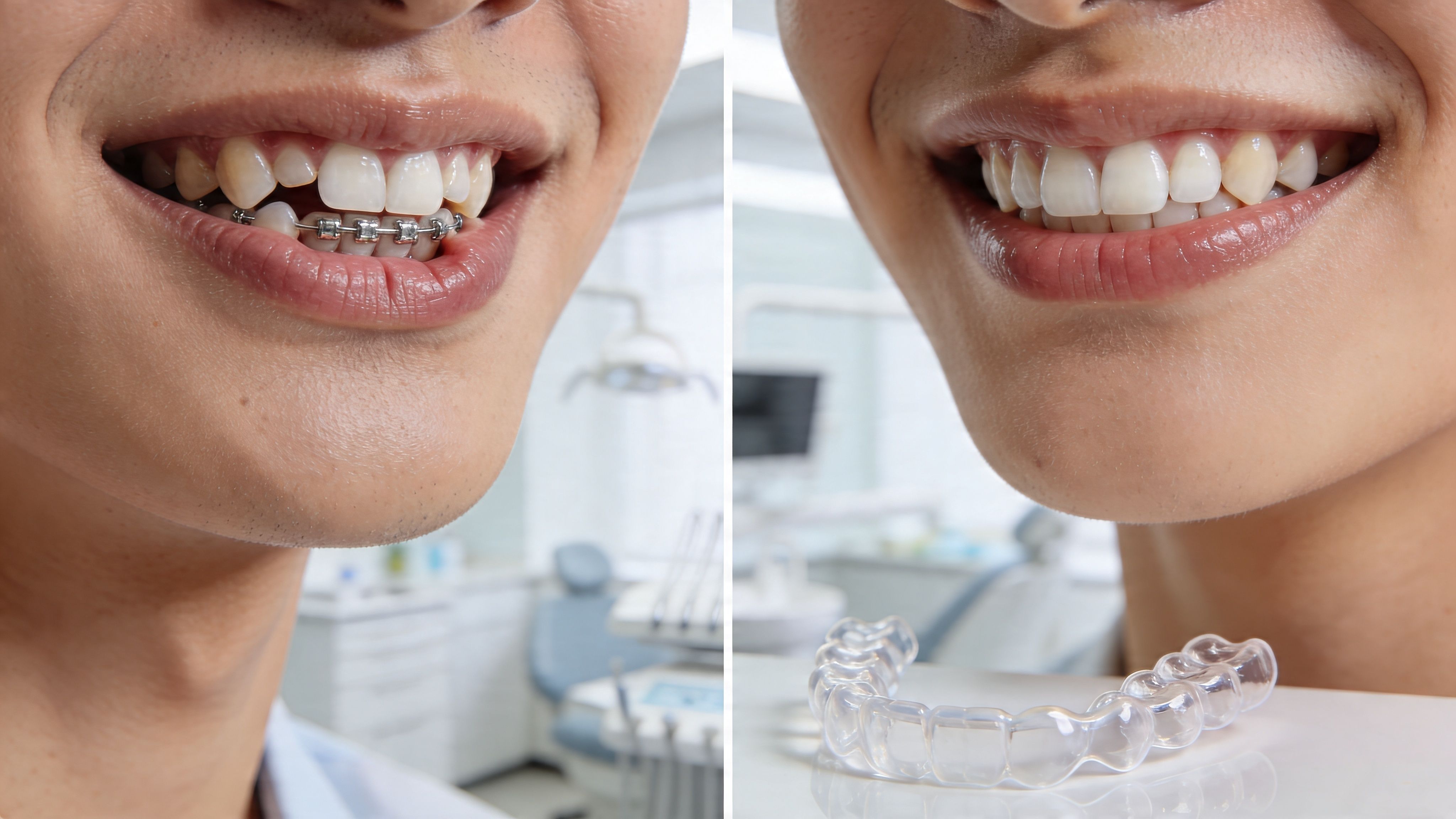
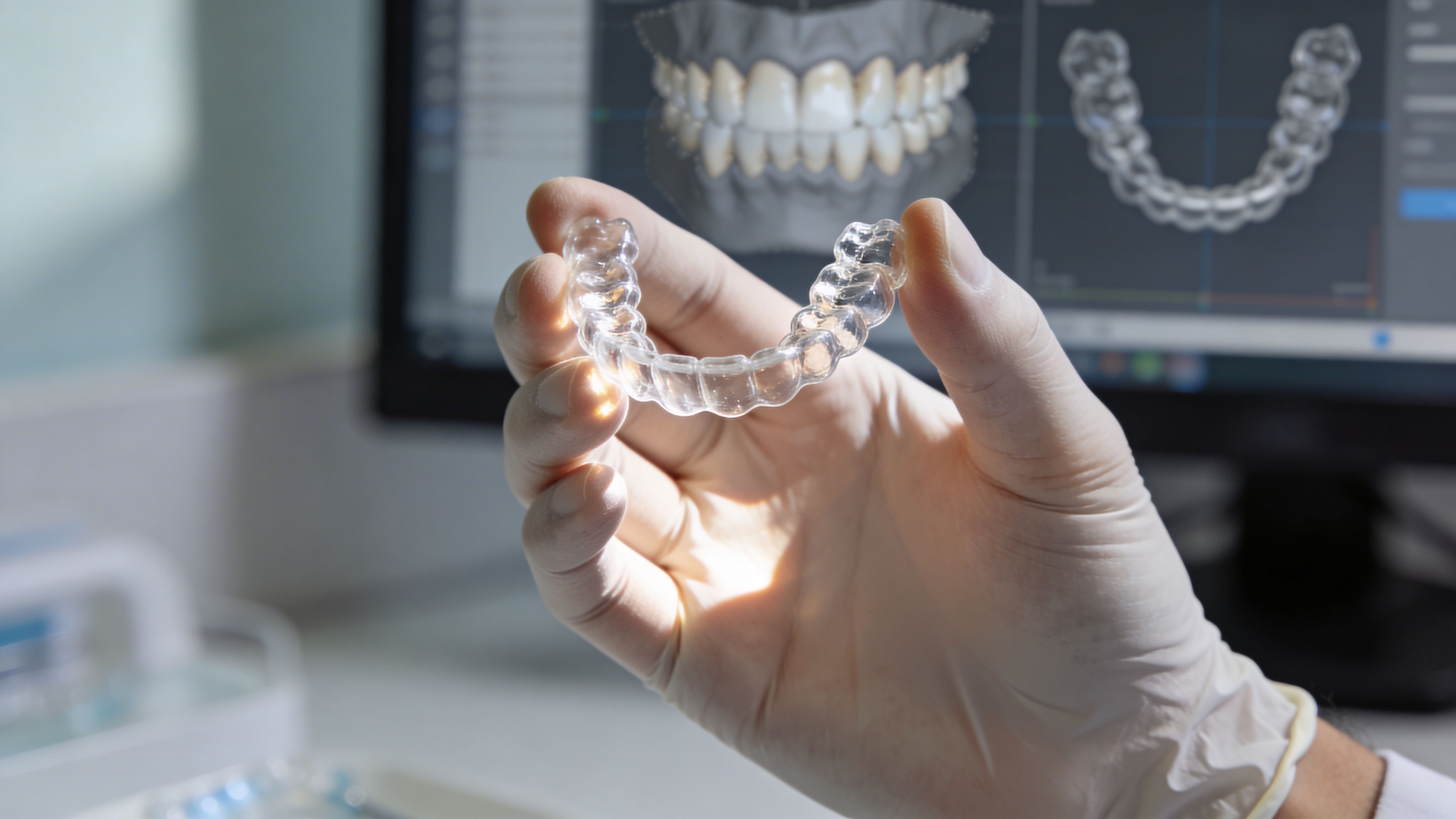
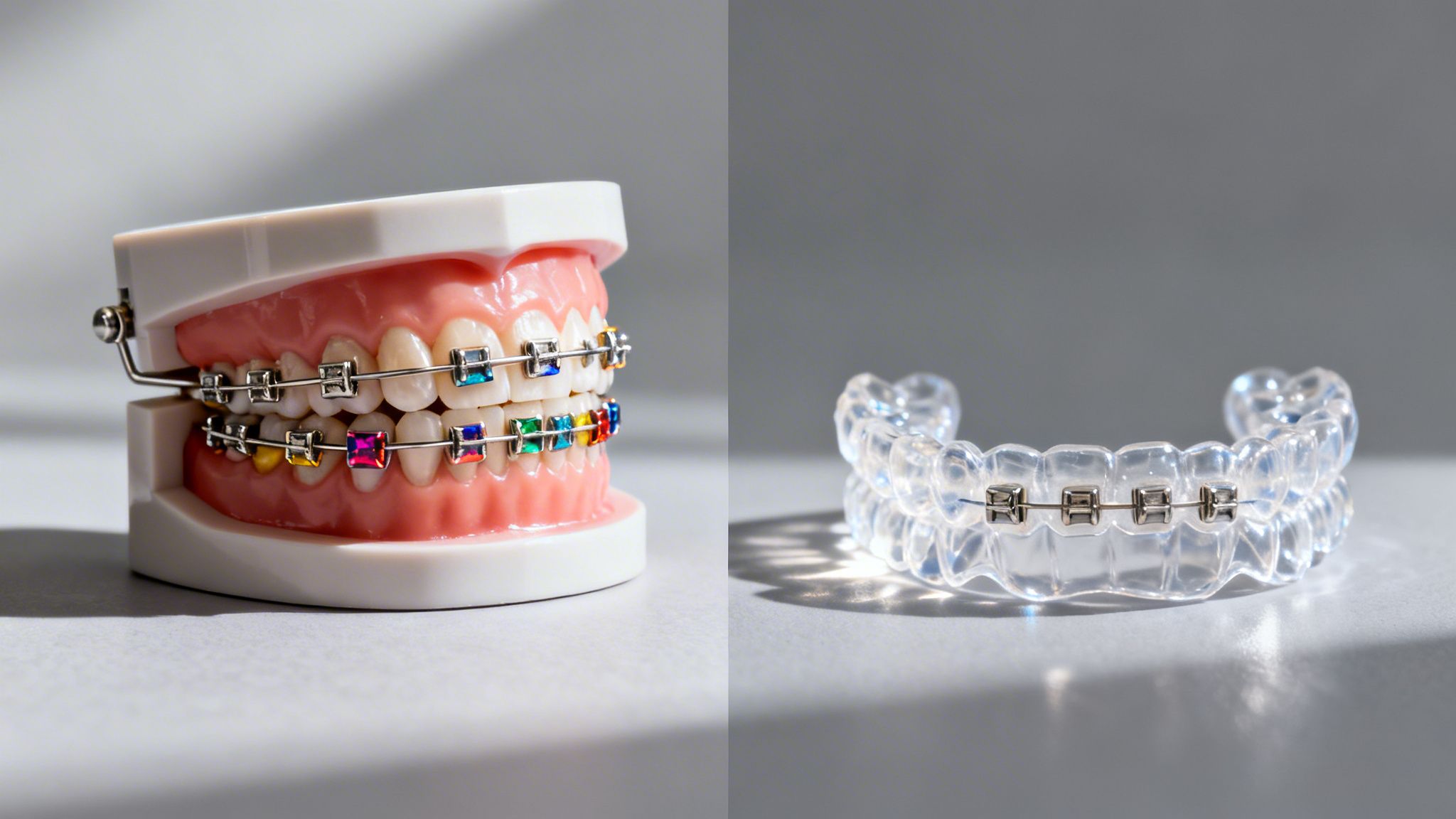
- Which options fit the case, such as Invisalign, traditional metal braces, or Iconix champagne-colored brackets
- A realistic treatment length, which is what your lifetime maximum has to stretch across
- A written estimate you can hold up next to each plan's benefit
Costs vary a lot depending on how complex the case is, how long treatment runs, and which option you choose, so I will not throw a number at you here. What I can say is that a written estimate turns a vague worry into a comparison you can finish in one sitting. Call us at 714-594-5777 and we can talk through what a consultation covers.
And if it turns out your plan is not accepted anywhere convenient, that is not the end of the road. In-house payment plans exist independent of insurance, and plenty of patients finish treatment that way. One patient who left us a review put it plainly, mentioning affordable plans mattering during a stretch of unemployment.
Why January and February get busy around here
Three things land at once at the start of the year. Benefit years reset on January 1, FSA elections you made in the fall become available, and the holiday photos come back.
That last one is not a joke. Every year, families across Newland, Goldenwest, and Central Fountain Valley look at a group photo and finally deal with a bite they had been putting off. Our schedule reflects it.
So reading this in the fall is the point. The people who get evaluated in October walk into January knowing their plan, their estimate, and their start date. The people who wait until February are calling around and asking what the next available appointment is. If you are still sorting out which treatment direction makes sense, comparing adult braces and Invisalign is a reasonable place to start, and for kids, the best age for braces covers the timing question most parents have.
Frequently Asked Questions About Dental Plan Changes in January 2027
Can I get braces if I have an HMO or DHMO dental plan?
Usually yes, but you have to use an orthodontist inside that plan's network. That is the core limitation. Before you elect a DHMO plan, check which orthodontic offices near you are contracted with it, because the answer varies plan by plan, not just carrier by carrier.
What happens if I miss the October 9, 2026 deadline?
If you are in a DHMO plan today and make no choice, you are auto enrolled into MetLife Select DHMO. If you are in a Delta Dental PPO plan, your enrollment continues under the new plan names. Either way, the plan you end up with may not be the one you would have picked.
Does the orthodontic benefit reset every year like the rest of my dental coverage?
No, and this trips up a lot of people. The orthodontic lifetime maximum is a one-time amount per covered person. Your general dental maximum for cleanings and fillings typically resets each benefit year, but the ortho benefit does not.
I am an adult. Will any of these plans cover my treatment?
Some plans cover orthodontics for dependent children only, so read the age limit line carefully before you assume. Coverage aside, age is not a clinical barrier. Dr. Jeremy and Dr. Melissa treat patients well into their 70s, and one of our patients left a review at 76 saying her smile is awesome.
Should I wait until January to start treatment so I use the new benefit?
Sometimes, sometimes not. It depends on your waiting period, whether you have unused benefit on your current plan, and how urgent the case is. Bring both plan details to your consultation and we can talk through the timing honestly rather than guessing.
What if my plan is not accepted at the office I want to use?
You still have paths forward. Many families use in-house payment plans that work independent of insurance, and some PPO plans pay a portion even out of network. Ask for the numbers in writing before you rule anything out.
Sorting out your 2027 coverage before you elect?
If braces or Invisalign might be part of next year for you or your kids, an evaluation before the enrollment window closes gives you something concrete to compare each plan against. Our office on Beach Boulevard is a short drive for families throughout Huntington Beach and Fountain Valley, and consultation appointments are open this fall. You can reach us at 714-594-5777 or at magicfoxsmiles.com whenever you are ready to talk it through.