FDA Says Mail Order Aligners Without a Dentist Are Not Authorized
Direct Answer: No. The FDA says clear aligners are prescription devices and has not authorized any clear aligners sold directly to consumers without a prescription and supervision by a dentist or orthodontist.
You see the ad while you are waiting in the pickup line at school. Straight teeth for a fraction of the price, shipped to your door, no office visits. Then you compare it to the quote you got from an orthodontist and the math looks tempting.
I hear a version of this almost every week at our office on Beach Boulevard. Parents in Oak View and Goldenwest, and adults from Central Fountain Valley who put off treatment for twenty years, all ask the same thing: is the cheap mail order option actually safe?
The FDA just answered that in public. Below is what the agency published, what the risks actually are, and how to think about the price gap without feeling like you are being sold to.
Are at home clear aligners FDA approved? Here is what the FDA published
In new consumer information on clear dental aligners, the FDA said clear aligners are prescription devices. The agency reviews and authorizes those devices before they can be marketed and sold in the United States.
The key line is this: the FDA has not authorized clear aligners that are sold directly to consumers without a prescription and supervision by a dentist or orthodontist.
The resource also recommends two things that mail order models skip by design:
- An in-person examination before treatment starts
- Periodic in-person visits during treatment to monitor safety and progress
- A path for patients to report adverse events to the FDA if something goes wrong
On the timeline: the American Association of Orthodontists highlighted the new FDA resource on September 16, 2026, and the trade outlet Orthodontic Products covered it the same week. ADA News reported on the FDA warning on October 1, 2026.
So nothing about your current treatment changes overnight. But if you were weighing a mail order kit against supervised Invisalign, the federal regulator has now said plainly that the unsupervised version is not authorized. That is worth more than any marketing claim either side makes.

What goes wrong when nobody looks in your mouth
The FDA guidance names the specific complications that can come from using aligners without proper professional supervision:
- Uneven bites
- Unintended tooth movement
- Pain
- Tooth loss
That last one stops people. And it makes sense once you understand what an aligner actually does. Moving a tooth means moving the root through bone, and the root and bone are the parts you cannot see in a selfie or a putty impression you took at your own kitchen table.
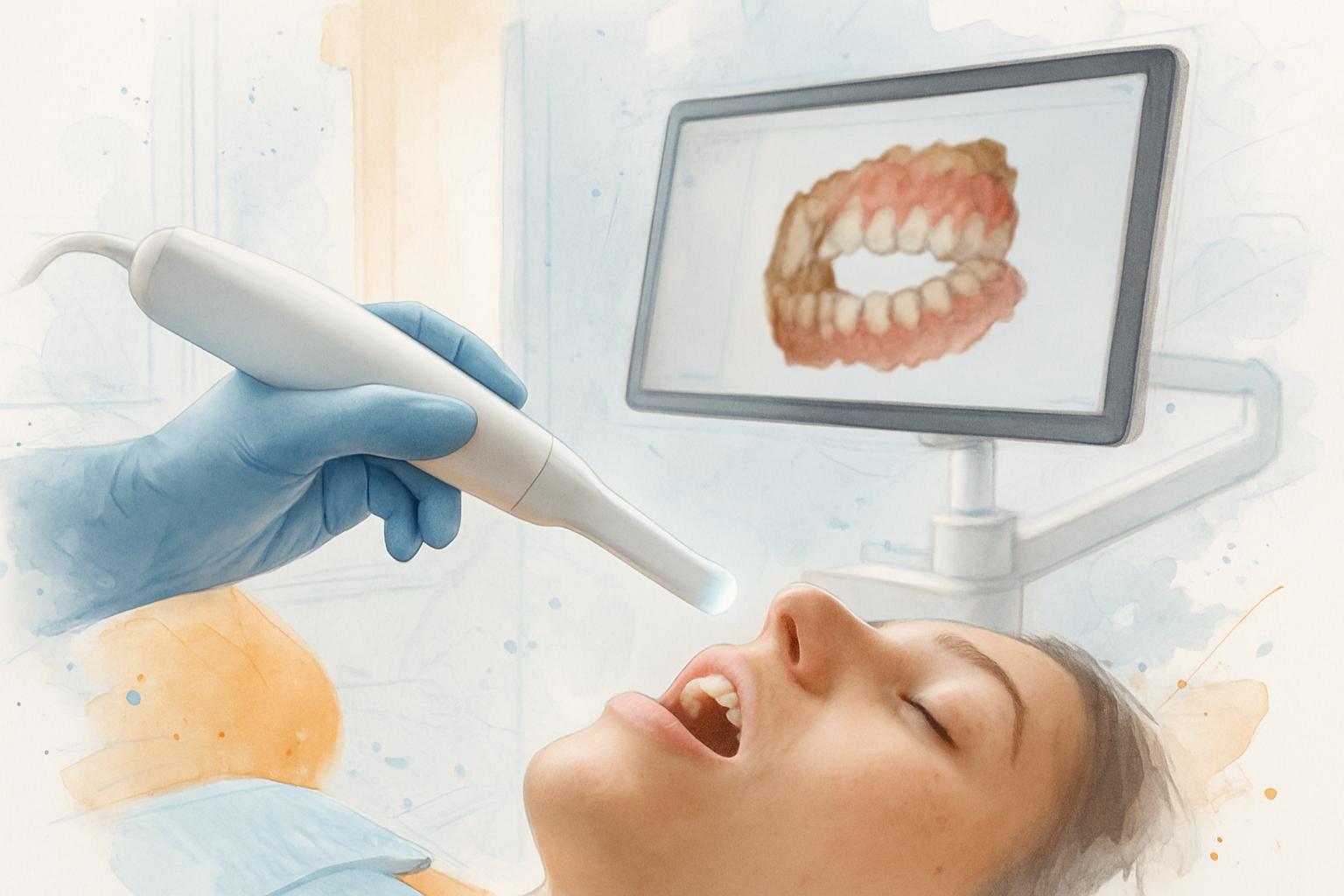
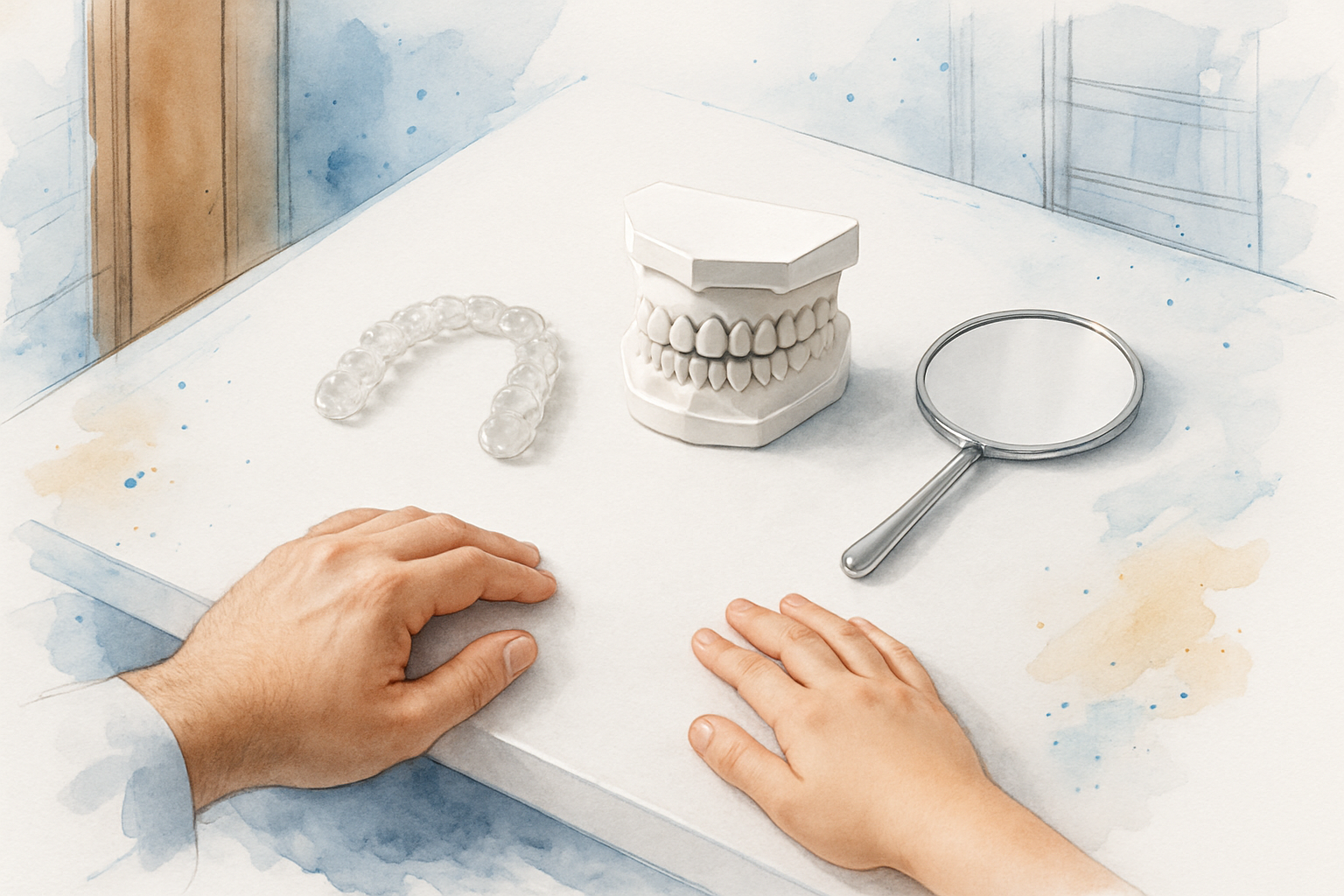
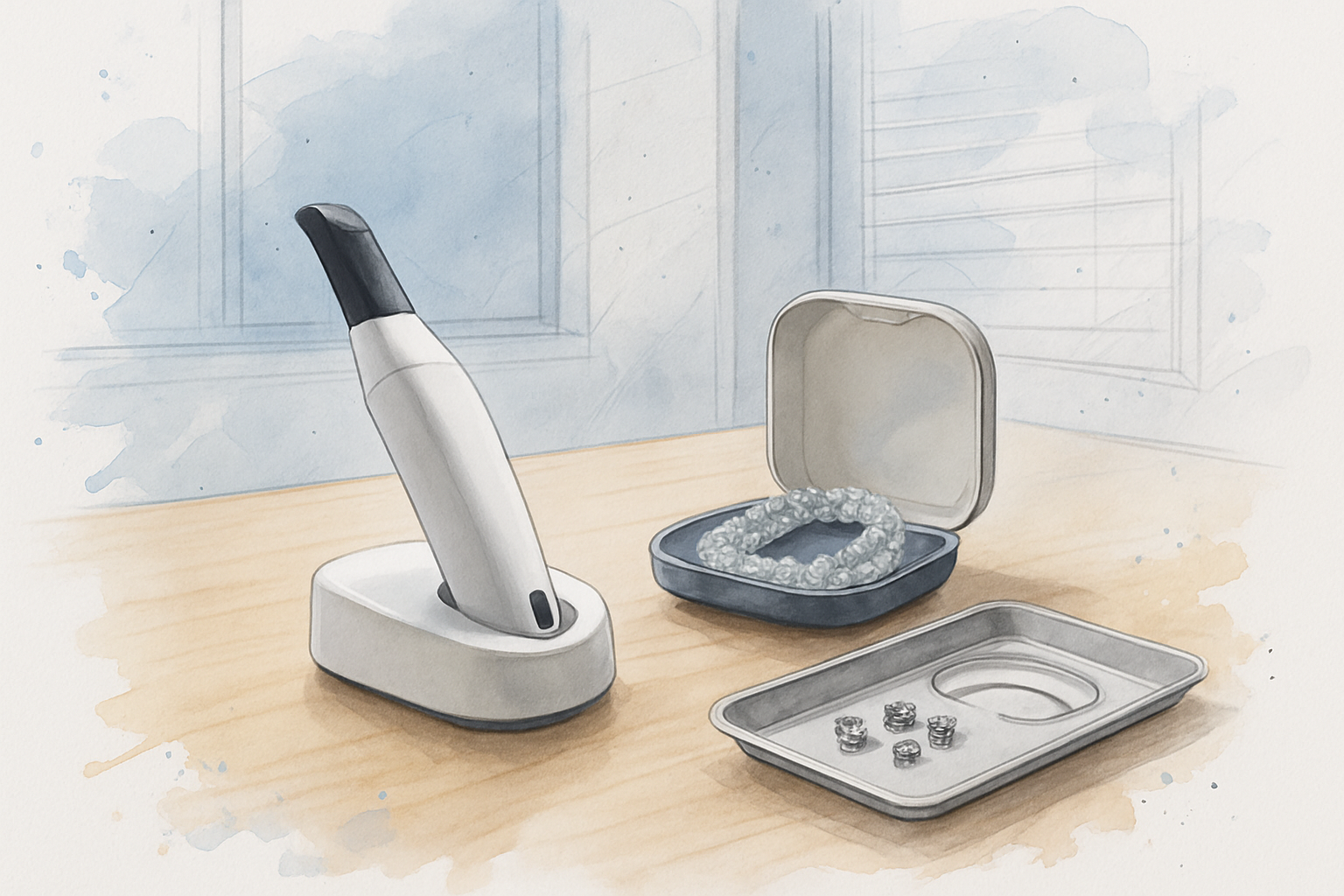
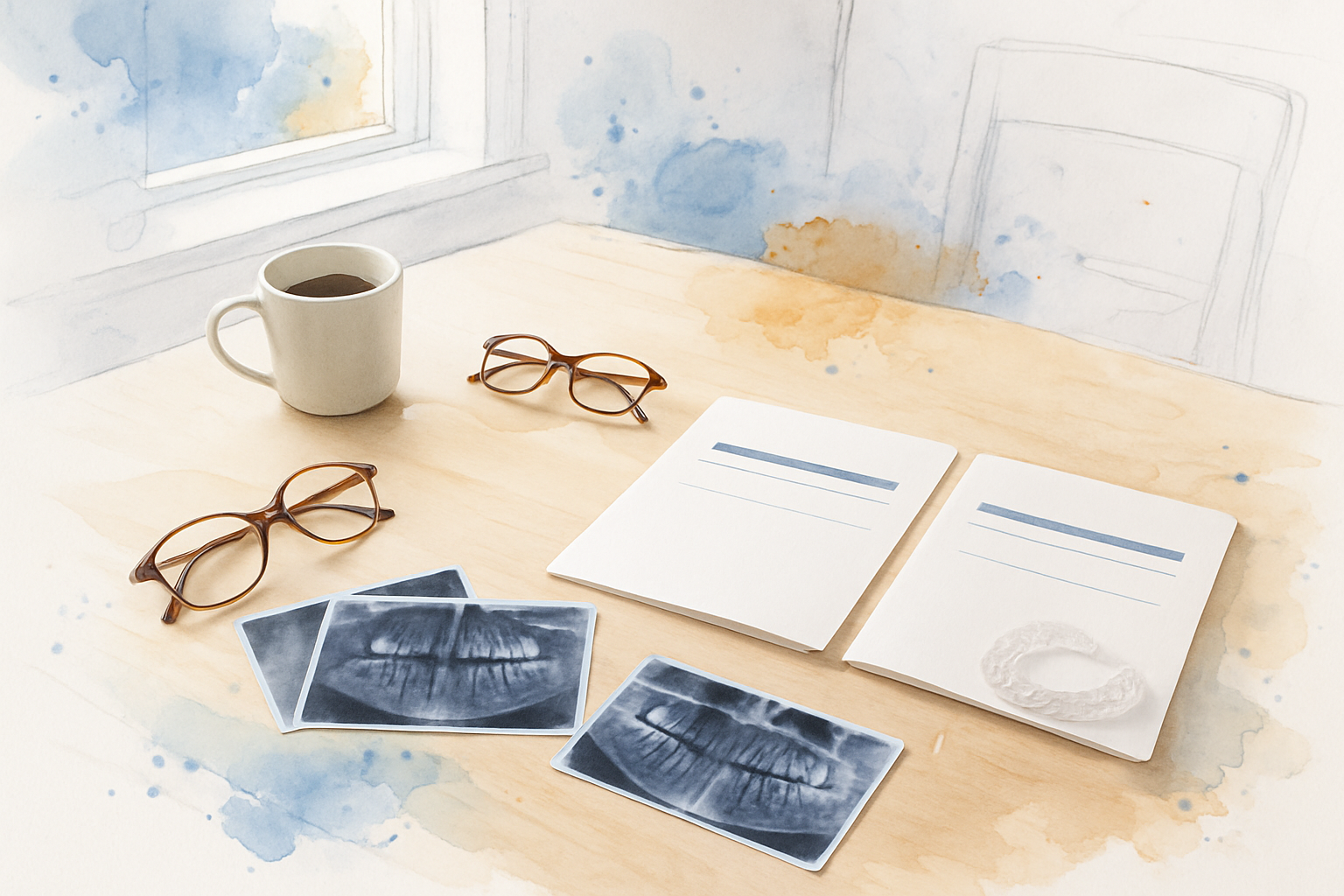
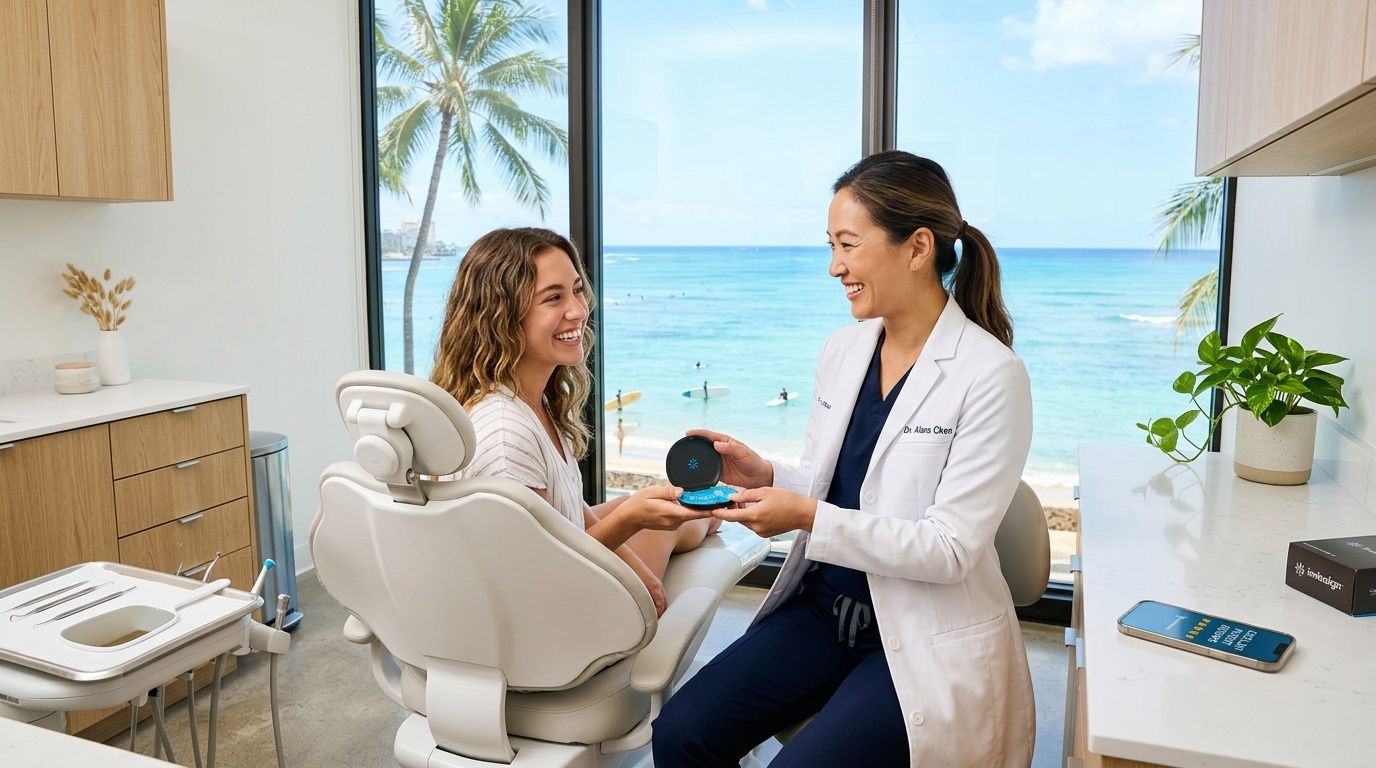
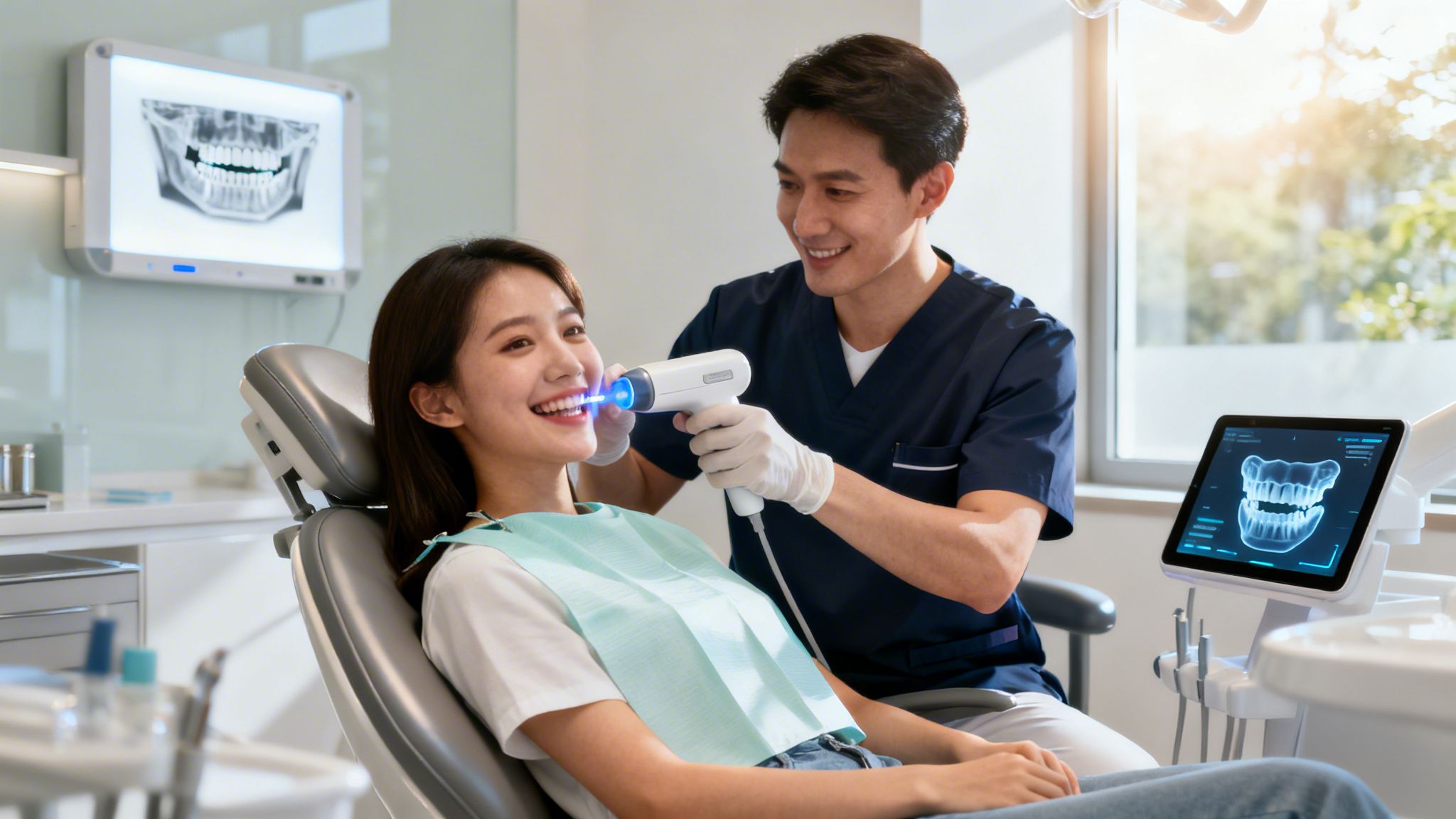
At a real exam, we take x-rays and a scan that shows root position, bone levels, and whether a tooth is stable enough to move at all. Patients notice this part, and one reviewer put it simply: "They didn't have to take a physical mold." The digital scan is more comfortable, but the reason we do it is diagnostic.
There is also the ongoing part. Teeth do not always track the way the plan predicts, and the fix is usually small if someone catches it at a six-week check and much bigger if nobody looks for a year. If you want the longer version of that argument, we wrote about whether clear aligners are safe without an orthodontist and about the difference between an Invisalign specialist and a general provider.
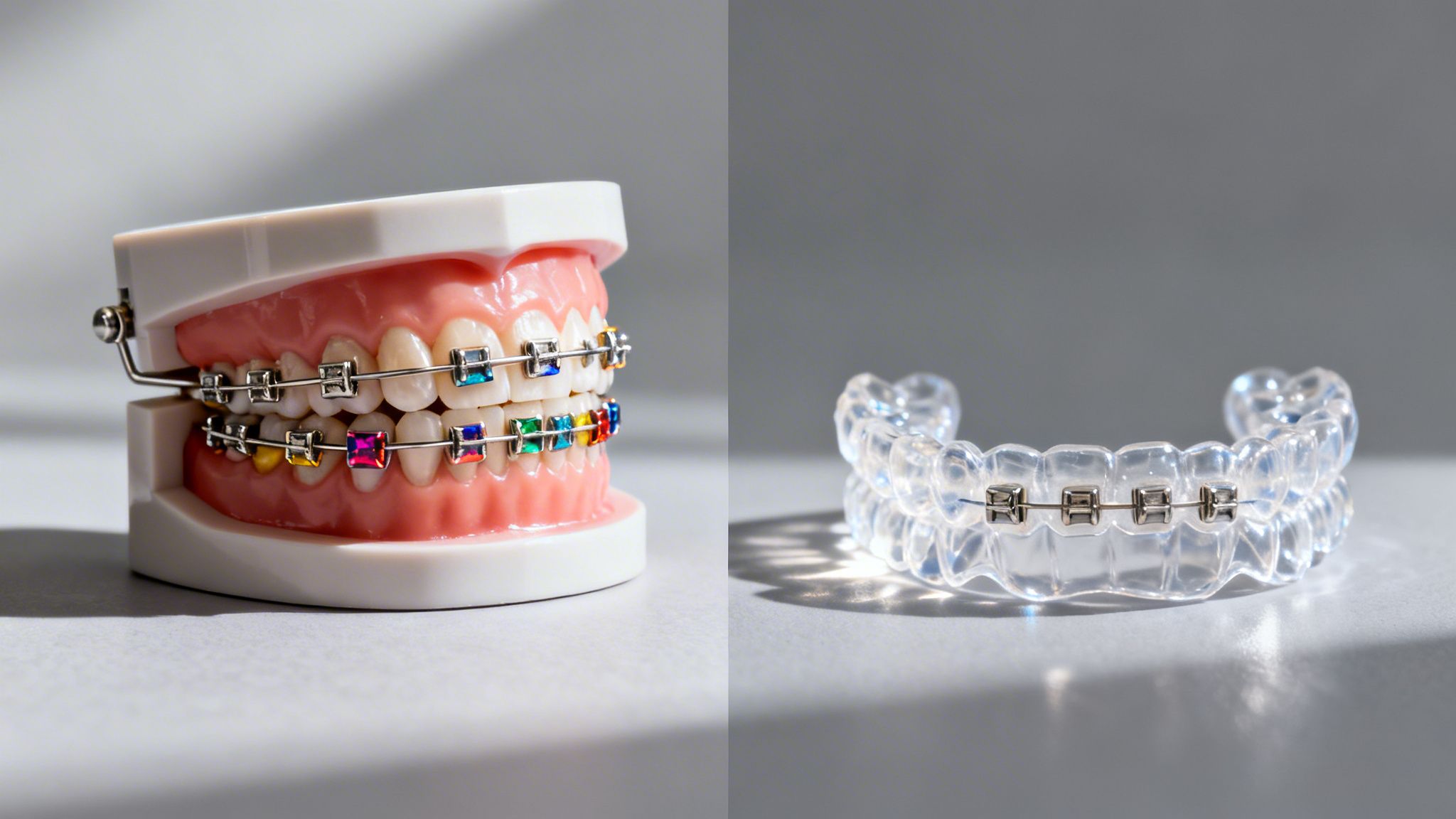
Supervised Treatment vs. Mail Order Kits at a Glance
Here is the short version of what the FDA guidance points to, side by side.
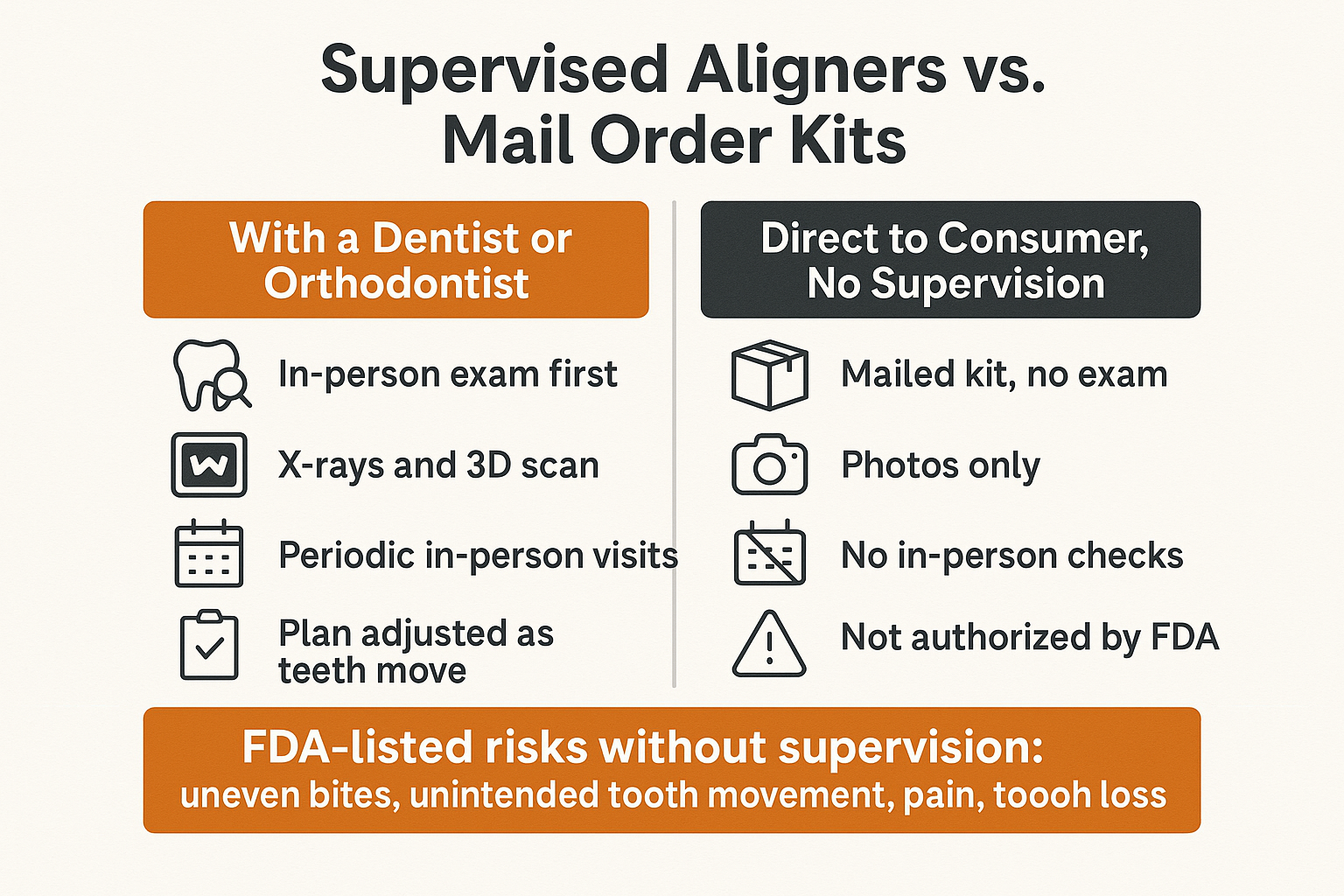
The Four Things the FDA Recommends, and Where Each Model Lands
I pulled the recommendations straight from the FDA's consumer resource and mapped them against how each option works in practice.
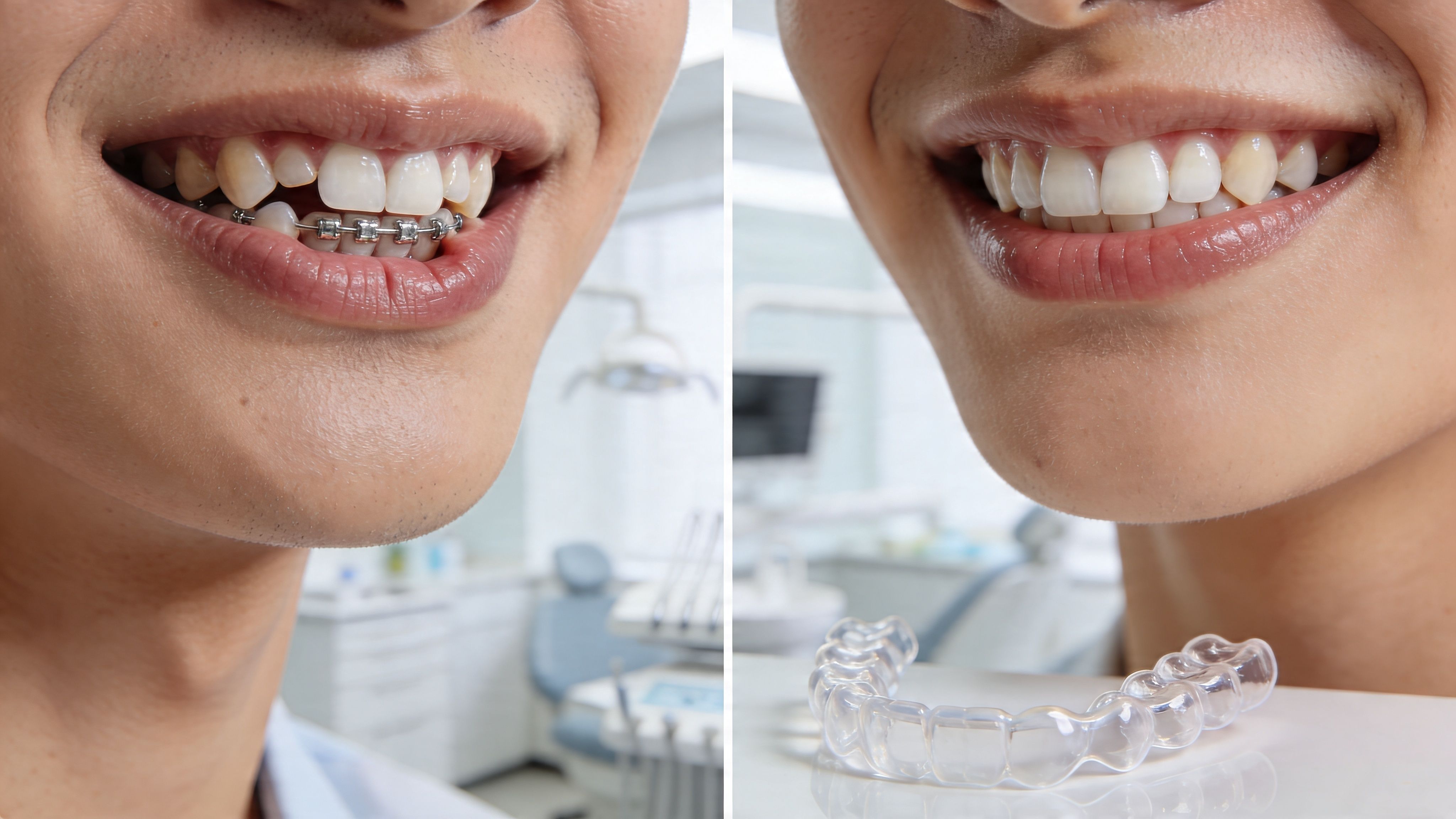
| FDA Recommendation | Mail Order Kit | Treatment With an Orthodontist |
|---|---|---|
| Prescription from a dentist or orthodontist | Not authorized by FDA when sold without one | Standard part of starting treatment |
| In-person exam before treatment | Replaced by a self-taken impression or photos | Exam, x-rays, and digital scan at the first visit |
| Periodic in-person visits during treatment | Usually remote check-ins only | Regular chair visits to check tracking |
| Clear way to report problems | Varies by company | You call the office and get seen |
The honest conversation about price
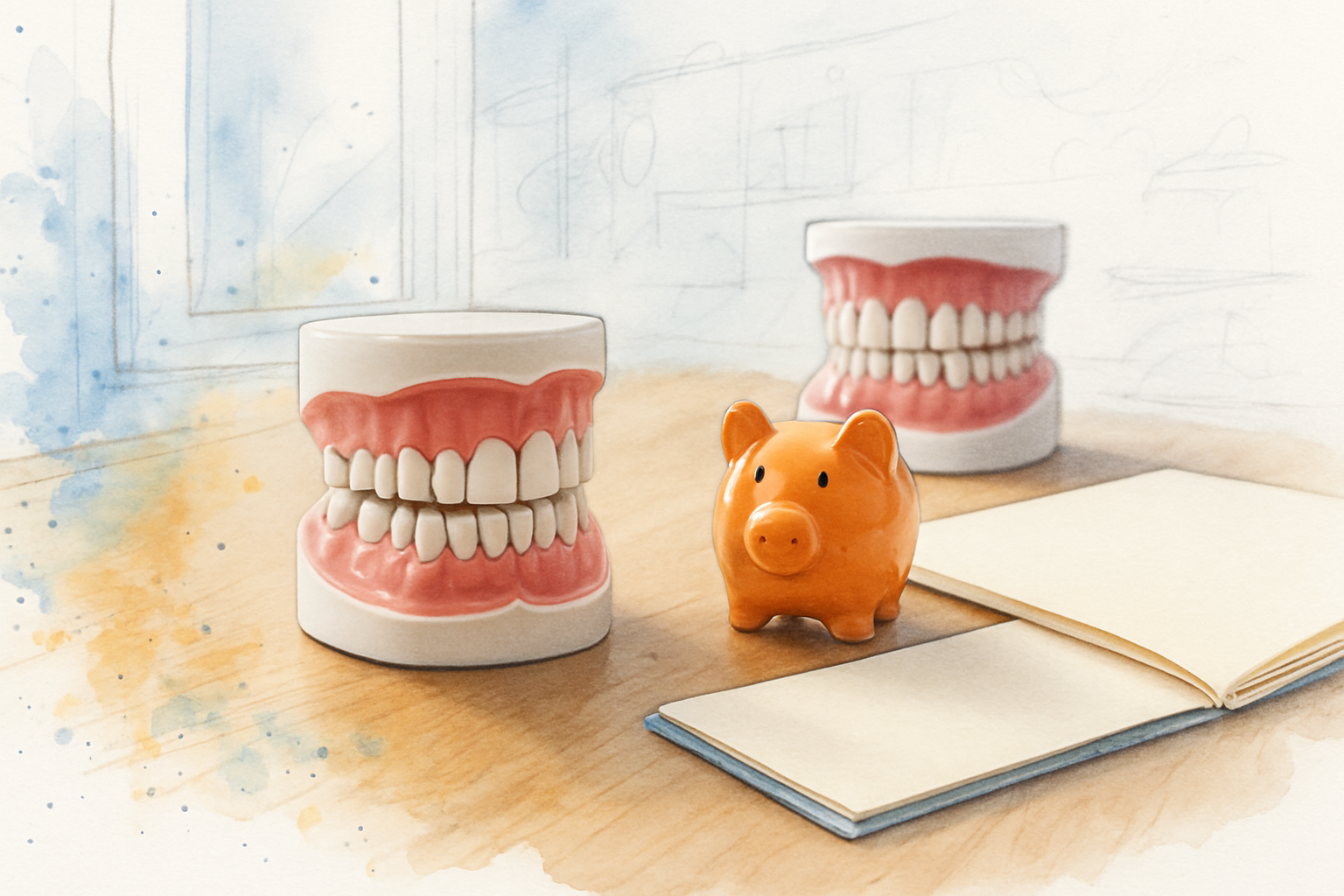
Price is the real reason people consider mail order, and I am not going to pretend otherwise. Callers tell us flat out that they found us online and want to know what braces cost before they come in.
So here is how cost actually works, without a made-up number. Total treatment fees in Orange County vary a lot, and yours depends on:
- Case complexity, meaning mild crowding versus a bite that needs real correction
- Treatment length, since a case running 20 months uses more aligners and more visits than one running 8
- Refinements and retainers at the end, which are part of holding the result
- Your insurance, including whether you have an orthodontic lifetime maximum and how much is left on it
- Payment structure, since monthly in-house plans change what you pay today even when the total is the same
One patient who finished with us mentioned the plans directly: "Affordable plans especially coming from someone who was unemployed for awhile." That is the part a sticker price on an ad never shows you.
If you want to see the cost comparison laid out, we covered why aligners from the orthodontist cost more and whether Invisalign is worth it against at-home aligners. A consultation visit, which we do not charge for, will get you an exact figure for your own mouth instead of a range.
What if you only want to fix one small thing?
A lot of the mail order appeal comes from adults who do not think their case justifies full treatment. One adult who reached out to us described mild to moderate crowding of the lower front teeth and asked straight out whether we do limited treatment instead of comprehensive treatment.
That is a fair question, and the answer is yes. We offer focused touch-up treatment for patients who want to correct one or two specific things rather than commit to a full case. It is a real option worth asking about before you assume the only choice is an expensive full plan or a cheap unsupervised one.
This also comes up with relapse. If you wore braces in high school, stopped wearing the retainer, and now a couple of front teeth have shifted, that is a common and often straightforward conversation. Dr. Jeremy and Dr. Melissa will tell you if your case needs more than a touch-up, and they will tell you if it does not. We have also written more on whether mail order aligners are worth the risk if you are still weighing it.
Frequently Asked Questions About the FDA Clear Aligner Warning
I already started a mail order aligner kit. Should I stop?
Do not guess on your own. Get an in-person exam so someone can look at your x-rays and see where your teeth and roots actually are. From there you will know whether to finish, switch, or pause. We see transfer patients fairly often, including people who moved here partway through treatment somewhere else.
Is Invisalign itself FDA authorized?
The FDA's point is about how aligners are sold and supervised, not about rejecting clear aligners as a treatment. Aligners are prescription devices, and the agency has not authorized ones sold directly to consumers without a prescription and supervision by a dentist or orthodontist. Treatment prescribed and monitored by a licensed provider is the model the FDA describes.
Am I too old to start orthodontic treatment?
No. We treat patients well into their 70s. One of our patients wrote that she is 76 and recommends treatment at any age, which says it better than I can.
How long does treatment usually take?
It depends entirely on what needs to move. Smaller focused cases can be short, while full correction often runs over a year. Anyone who gives you a timeline before looking at your x-rays is guessing.
Do you take my insurance?
This is one of the most common questions we get on the phone. Bring your plan details to the consultation and we will verify your orthodontic benefit and your remaining lifetime maximum before you commit to anything.
Want a straight answer about your own teeth?
If the FDA news left you unsure about a kit you were considering, or about one you already started, an in-person look will settle it. We are on Beach Boulevard in Huntington Beach, a short drive for families in Oak View, Wintersburg, Talbert Village, and Central Fountain Valley, and Dr. Jeremy and Dr. Melissa are taking consultations. You can reach Magic Fox Orthodontics at 714-594-5777 or at magicfoxsmiles.com when you are ready.