Moving Mid-Treatment? How Switching Orthodontists Works
Direct Answer: You sign a records release, your old office sends a standard transfer form plus your x-rays and photos, and your new orthodontist takes fresh records and sets up a new payment agreement for the remaining treatment.
You have brackets on your teeth or a stack of aligners in a drawer, and now you live somewhere else. Maybe the job moved. Maybe the lease ended and you landed in Fountain Valley instead of wherever you started.
I hear versions of this every month. One patient had just relocated from Florida and wanted an honest read on where her old orthodontist's work actually stood. A mom wrote in asking how to transfer her daughter's braces case. Others stopped treatment a year or two ago and want to know if they can pick up where they left off.
None of those situations are unusual, and none of them are a mess to fix. Here is how transferring orthodontic treatment to a new orthodontist in Huntington Beach really works, what it costs, and what you should ask before you commit.
The Paperwork Behind a Transfer Is Shorter Than You'd Guess
Most people assume switching orthodontists mid-case is a legal headache. It usually takes one signature and a phone call.
The American Association of Orthodontists publishes a standard transfer form that your current orthodontist fills out. It lists the diagnosis, the treatment plan, what appliance or aligner system you're in, and roughly how much treatment is left.
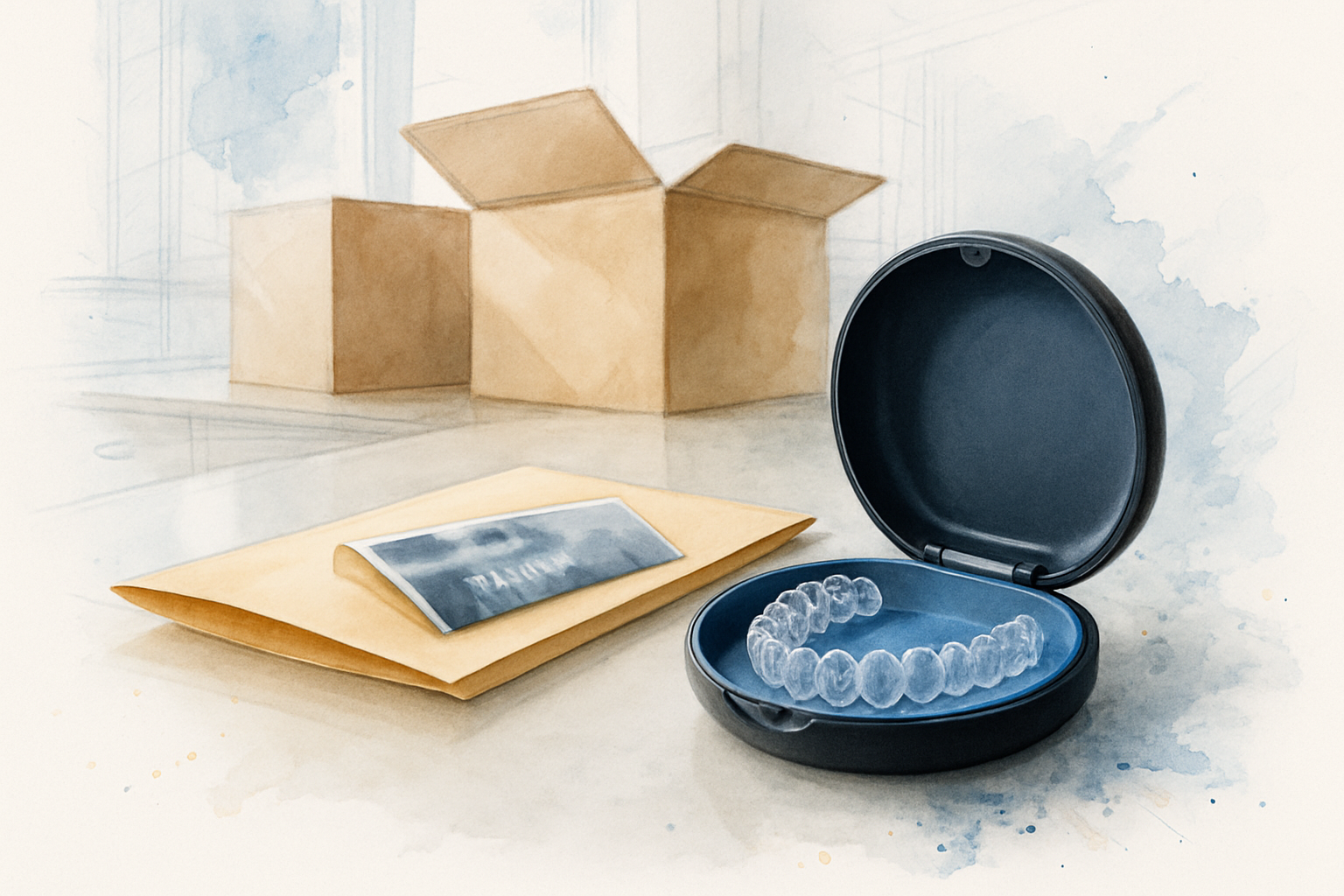
Alongside that form, your new office needs the original records:
- The panoramic x-ray taken at your start date
- Your starting photos and any intraoral scans
- The original treatment plan and progress notes
- For clear aligner patients, your Invisalign case number
That case number matters more than people realize. Without it, a new office can't see your existing aligner series or order refinements against the original prescription.
Here's the part that trips patients up: because of patient privacy rules, we generally cannot call your old office and request your chart ourselves. You sign a release, then you ask them to send it. It's a two minute ask, and most offices turn it around in a few business days.
If your old office is slow to respond, you are not stuck. We can take fresh records and work from where your teeth are today, though having the original file makes the plan sharper.
The Money Question Everyone Calls About First
Cost is the single thing people ask about before they'll book anything. So let me be straight about it.
A transfer means a new financial agreement with the new office covering the remaining treatment. It is not a continuation of your old contract. Your previous office typically settles up whatever is left, either collecting a balance or refunding for work they didn't complete.
What you pay here depends on real variables:
- How much treatment time is actually left
- Whether your current appliance can be continued or needs replacing
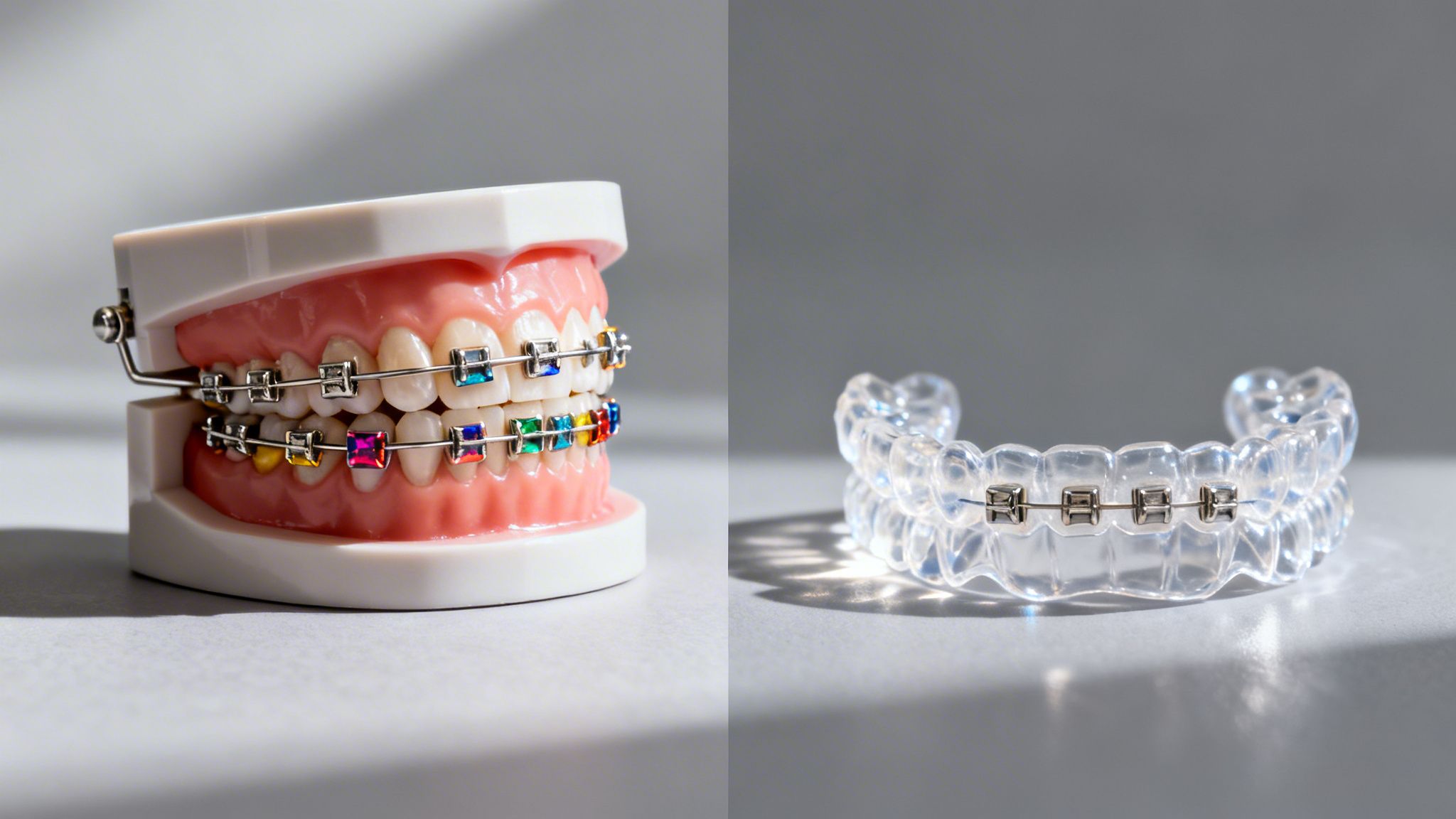
- Whether you're in braces, Iconix champagne-colored brackets, or clear aligners
- Whether retainers are already paid for somewhere else
A patient who is four months from debond is a very different number than someone who stopped wearing aligners two years ago and drifted back.
Insurance has its own wrinkle. Orthodontic benefits often carry a lifetime maximum rather than an annual one, which means part of that benefit may already be spent on your first office. Plan types differ, and some pay out monthly over the course of treatment rather than all at once.
I won't quote you a number in a blog post, because any honest number depends on your chart. If you want the background on what actually drives orthodontic pricing, we broke that down in why orthodontic treatment costs what it does.
What Carries Over and What Starts Fresh
Transfer patients are usually surprised by which pieces follow them and which ones reset. Here's the short version.
| Item | Comes With You | Handled Fresh at the New Office |
|---|---|---|
| Diagnosis and original plan | Yes, via the AAO transfer form | Reviewed, sometimes adjusted |
| Starting x-ray and photos | Yes, with your signed release | New photos and scan taken at the visit |
| Invisalign case number | Yes, request it from the old office | Used to continue or refine your series |
| Payment contract | No | New agreement for remaining treatment only |
| Insurance benefit | Partially, lifetime max may be used up | Re-verified against your current plan |
| Retainers at the end | Usually not included | Discussed up front so there's no surprise |
The Transfer Process, Step by Step
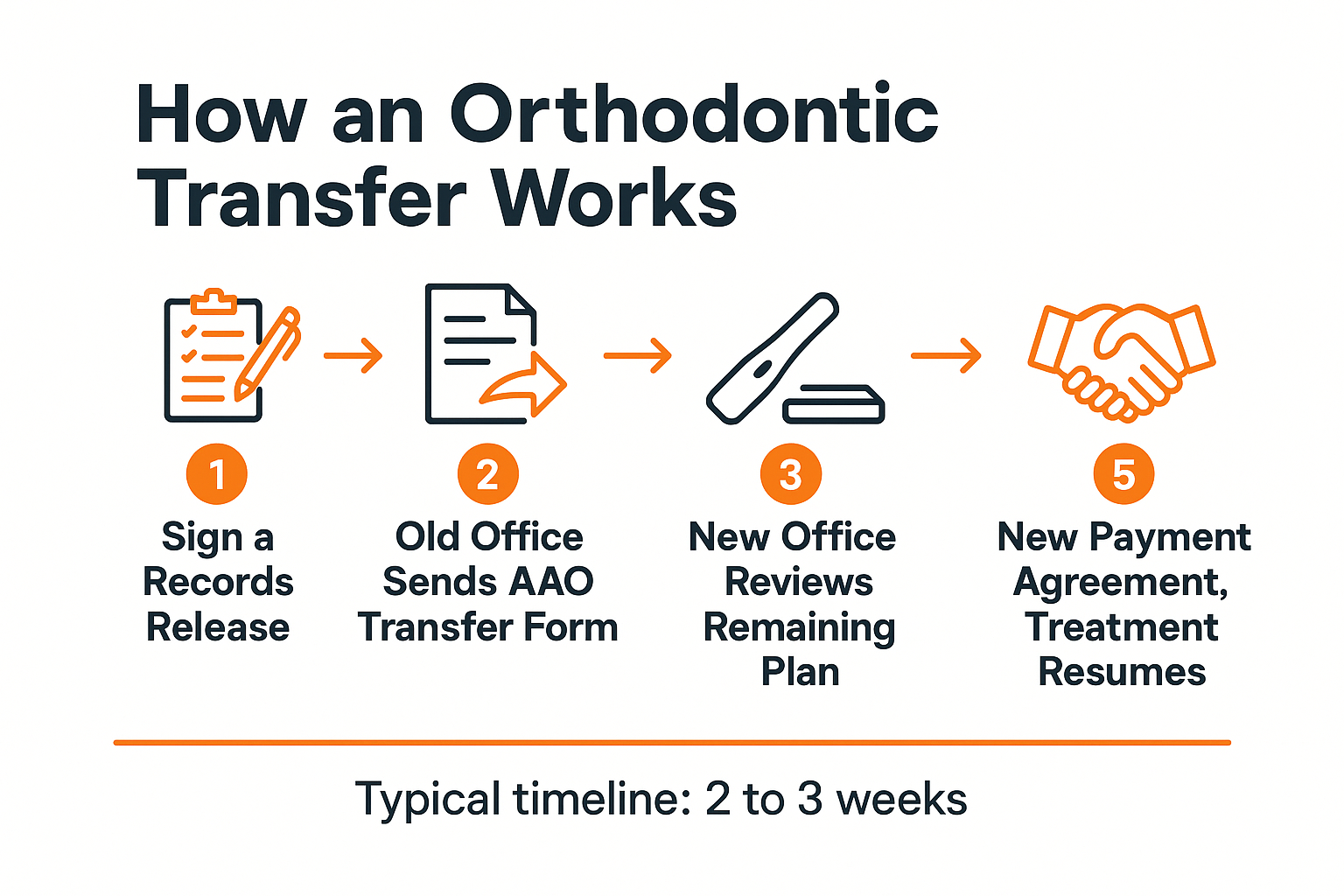
Most transfers move through the same five steps, and the whole thing often wraps inside two to three weeks.
What Actually Happens at a Transfer Consultation
The visit looks different from a brand new patient exam, because we are not starting at zero.
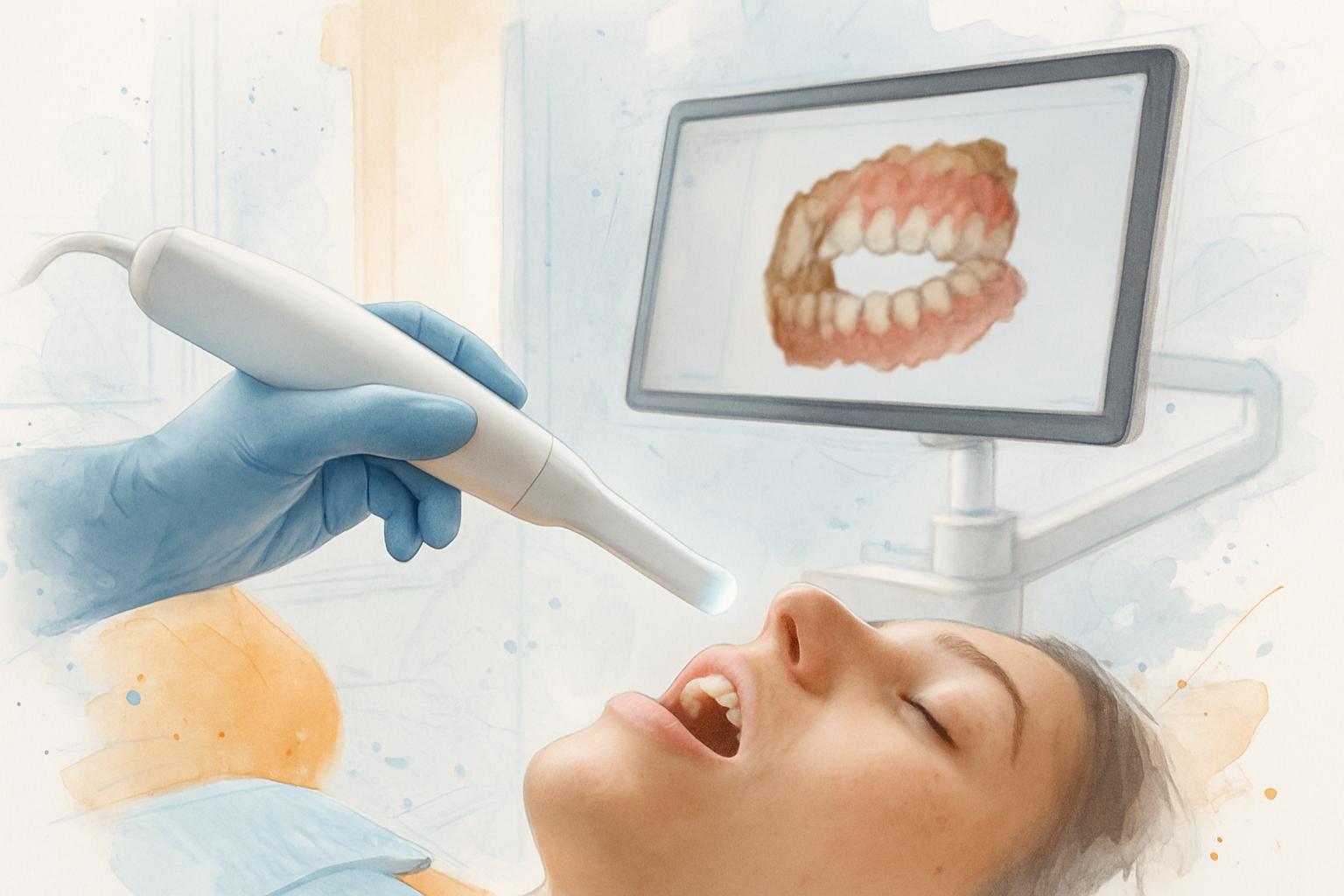
Dr. Jeremy or Dr. Melissa will take fresh records to see where your teeth are today, not where they were on day one. That usually means a digital scan instead of the old putty impressions, current photos, and a side-by-side review against the original plan.
Then comes the honest conversation. Sometimes the remaining plan stays exactly as written and you keep going. Sometimes the timeline shifts, because progress stalled, wear time slipped, or the appliance in your mouth isn't one we work with.
I want to be clear about something: no orthodontist can quote you a finish date before seeing your mouth. Anyone who does is guessing. Most transfer patients tell me that straight answer is more reassuring than a promise.
If you're curious how a standard exam runs here, what to expect at a first orthodontic appointment covers the basics, and a transfer visit follows the same rhythm with more chart review.
A Transfer Is Not the Same as a Second Opinion
Worth drawing this line clearly, because people use the terms interchangeably.
A second opinion happens before anything is glued on. Nothing is committed, no money is spent, and you're comparing plans. A transfer happens with hardware already in your mouth, time already invested, and money already gone.
That changes which questions matter. If you're mid-treatment, bring these:
- What was the original diagnosis, in plain words?
- How much of the plan is finished, honestly?
- Can my current appliance continue, or does it need replacing?
- Who handles retainers at the end, and what do they cost?
- What is the realistic remaining timeline from today?
A lot of patients who land here mid-case say they felt rushed or under-informed at their last office. If that's you, bring your records and your list of questions. You do not have to start over emotionally just because you're starting over administratively.
And if you only ever wanted one or two specific things corrected, ask about focused touch-up treatment. Not every case needs the full plan rebuilt. We get that question often from adults who mention mild crowding on the lower front teeth and nothing else.
Why Being Close Matters More When You're Mid-Case
Orange County moves people around constantly. Families land in Oak View, Goldenwest, Wintersburg, and Talbert Village year round. College students come home to Central Fountain Valley for the summer with a bag of aligners and no local office. Job changes pull adults across county lines in the middle of a case.
Here's why proximity matters more for transfers than for new starts. Mid-treatment care depends on steady, on-schedule visits, usually every four to eight weeks. Miss a stretch of those and the timeline stretches with it.
Our Beach Boulevard location sits a few minutes from most of Huntington Beach and Fountain Valley, which makes those recurring visits something you can actually keep. We also offer Saturday appointments by request, which helps when school and work schedules leave no weekday room.
The Thing Transfer Patients Want Most: Doctor Continuity
When you've already been handed off once, the last thing you want is to be handed off again inside the new office.
Dr. Jeremy and Dr. Melissa are the ones in the chair at every appointment. Not a rotating cast, not a different face each visit. One of our patients put it plainly in a review: "I love that they are the ones that see my son at every appointment." - Anh N.
That consistency also means someone explains what's changing before it changes. Our team speaks English, Vietnamese, and Spanish, which matters in a service area where plenty of households speak more than one language at home.
If you want a fuller picture of how a case runs start to finish, the orthodontic treatment process walks through each stage.
Frequently Asked Questions About Transferring Orthodontic Treatment
Can I transfer if I'm in Invisalign and already partway through my trays?
Usually yes. The key piece is your Invisalign case number from the previous office, which lets us see your existing series. Depending on how your teeth tracked, you may continue the current trays or need a refinement scan to get back on plan.
What if I stopped treatment years ago and still have brackets on?
That comes up more than you'd think, including from people who simply couldn't get back in due to life circumstances. We take fresh records first, because teeth move over time, then talk through whether finishing the original plan, removing the appliance, or starting a new shorter plan makes the most sense.
Will my insurance still pay anything after I switch?
Often some of it, but not always all of it. Orthodontic coverage frequently has a lifetime maximum instead of an annual one, so whatever your first office billed may have already drawn it down. We verify your specific plan before quoting anything.
How long does it take to get records from my old orthodontist?
Typically a few business days once you sign the release and ask them directly. Privacy rules mean the request has to come from you, not from us.
Am I going to lose the money I already paid?
You shouldn't. Standard practice is that the previous office settles up for work not yet completed, either collecting the balance owed or refunding the difference. Your new agreement here covers only the treatment that remains.
Already in Treatment and Need to Finish Locally?
If you've moved into Huntington Beach or Fountain Valley with braces on or aligners in hand, a transfer consultation gives you an honest read on where things stand and what's left. Bring whatever records you have, along with your questions. Consultations for patients already in treatment can be arranged at 714-594-5777 or at magicfoxsmiles.com.