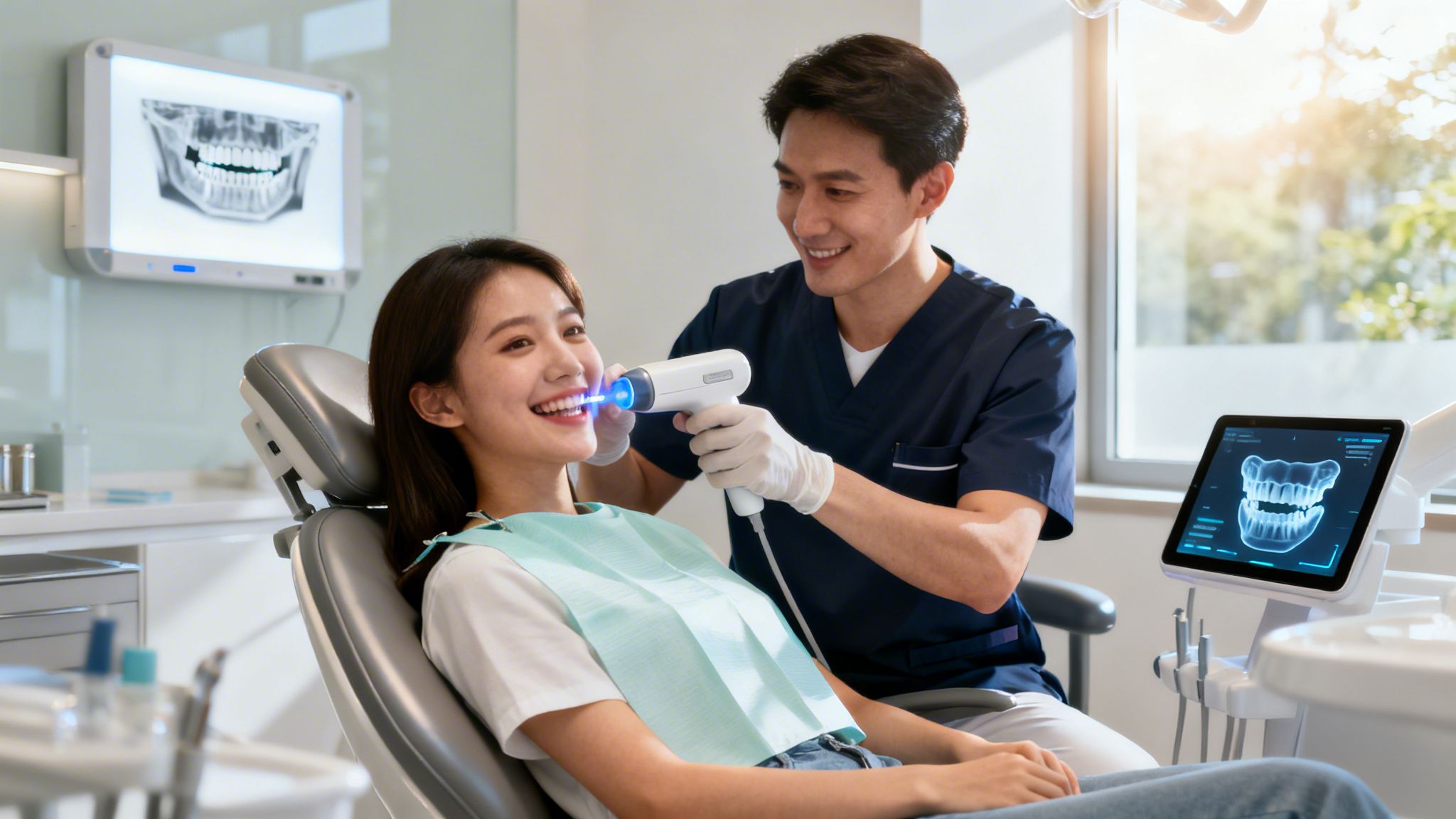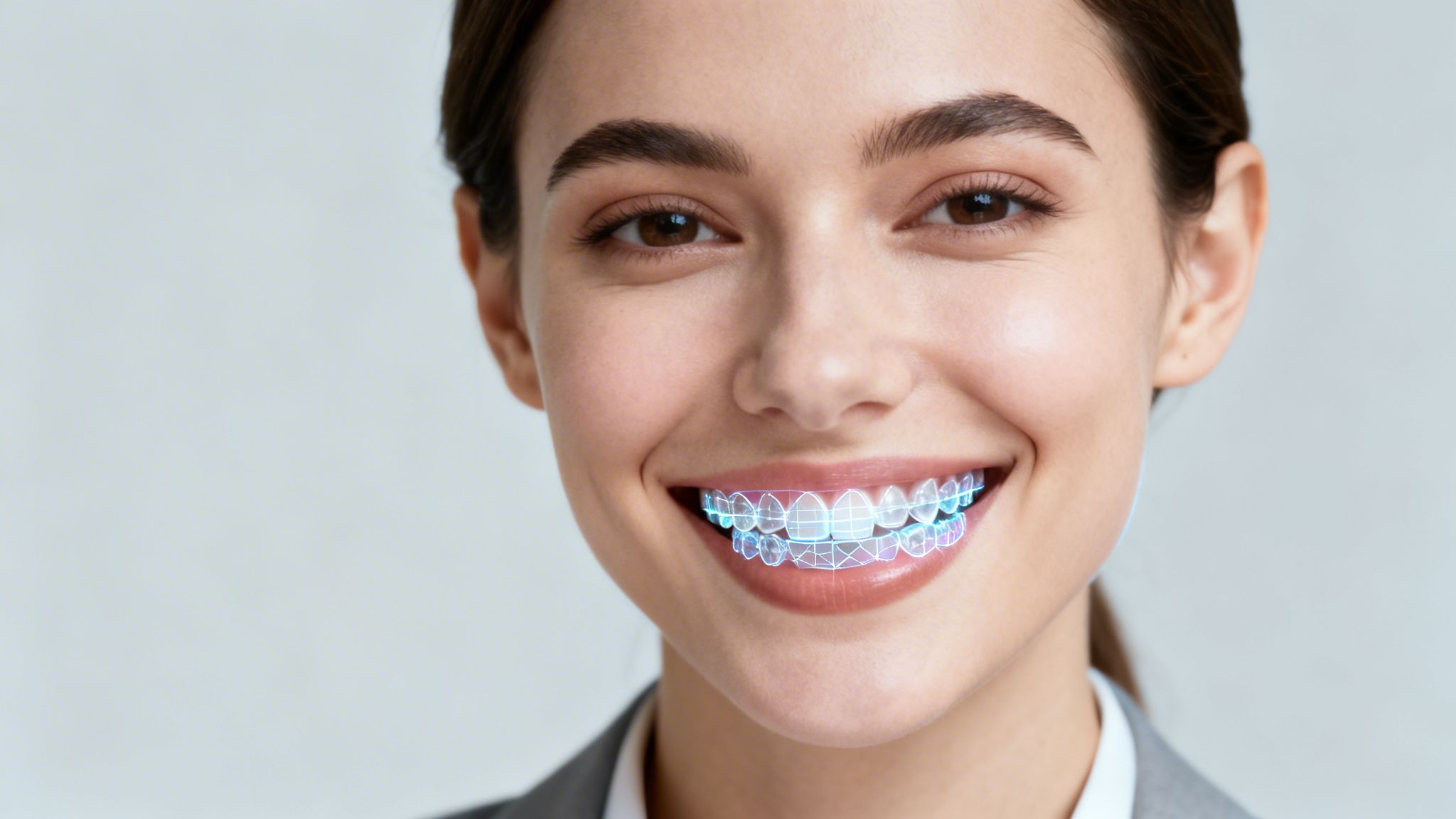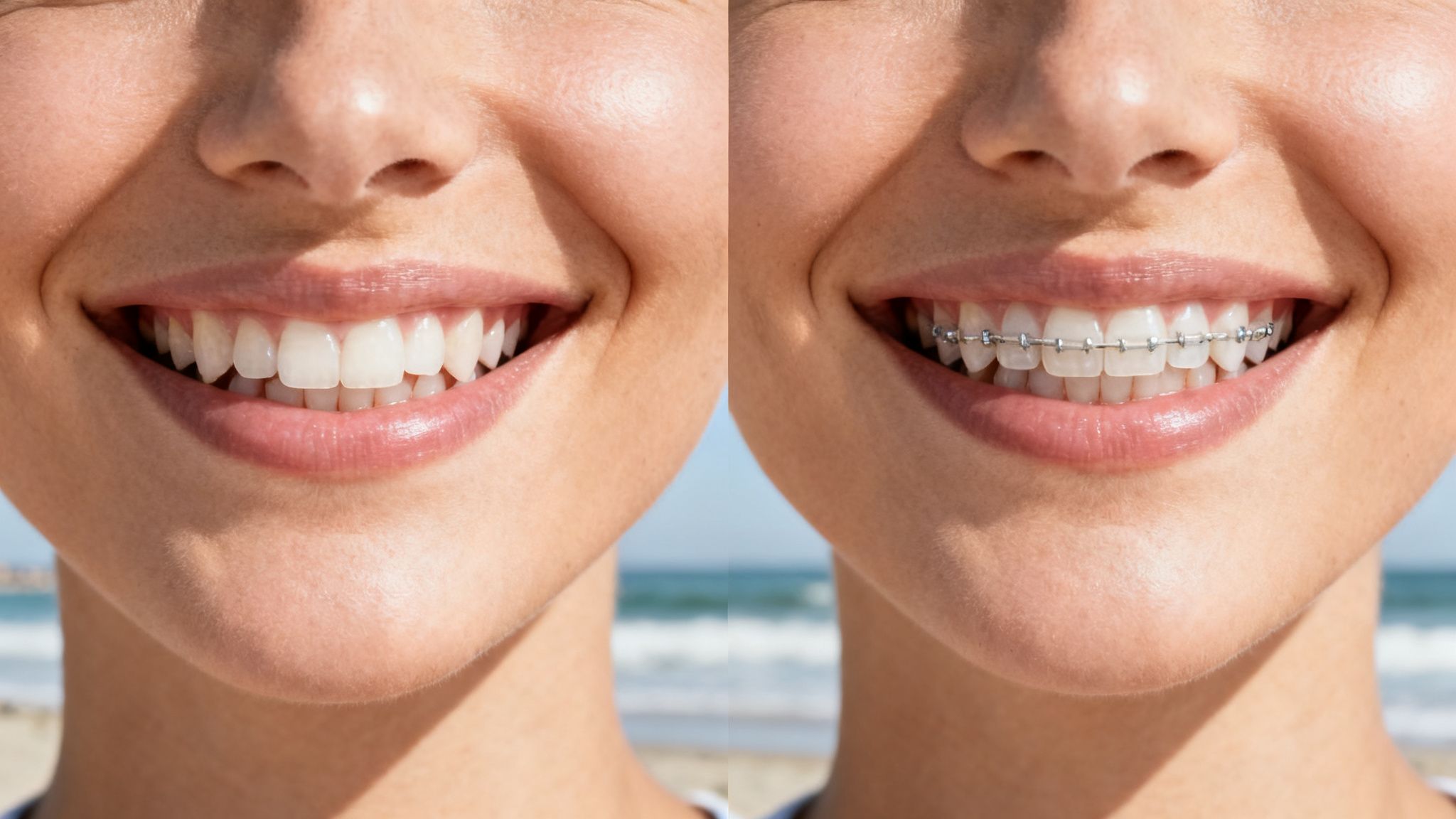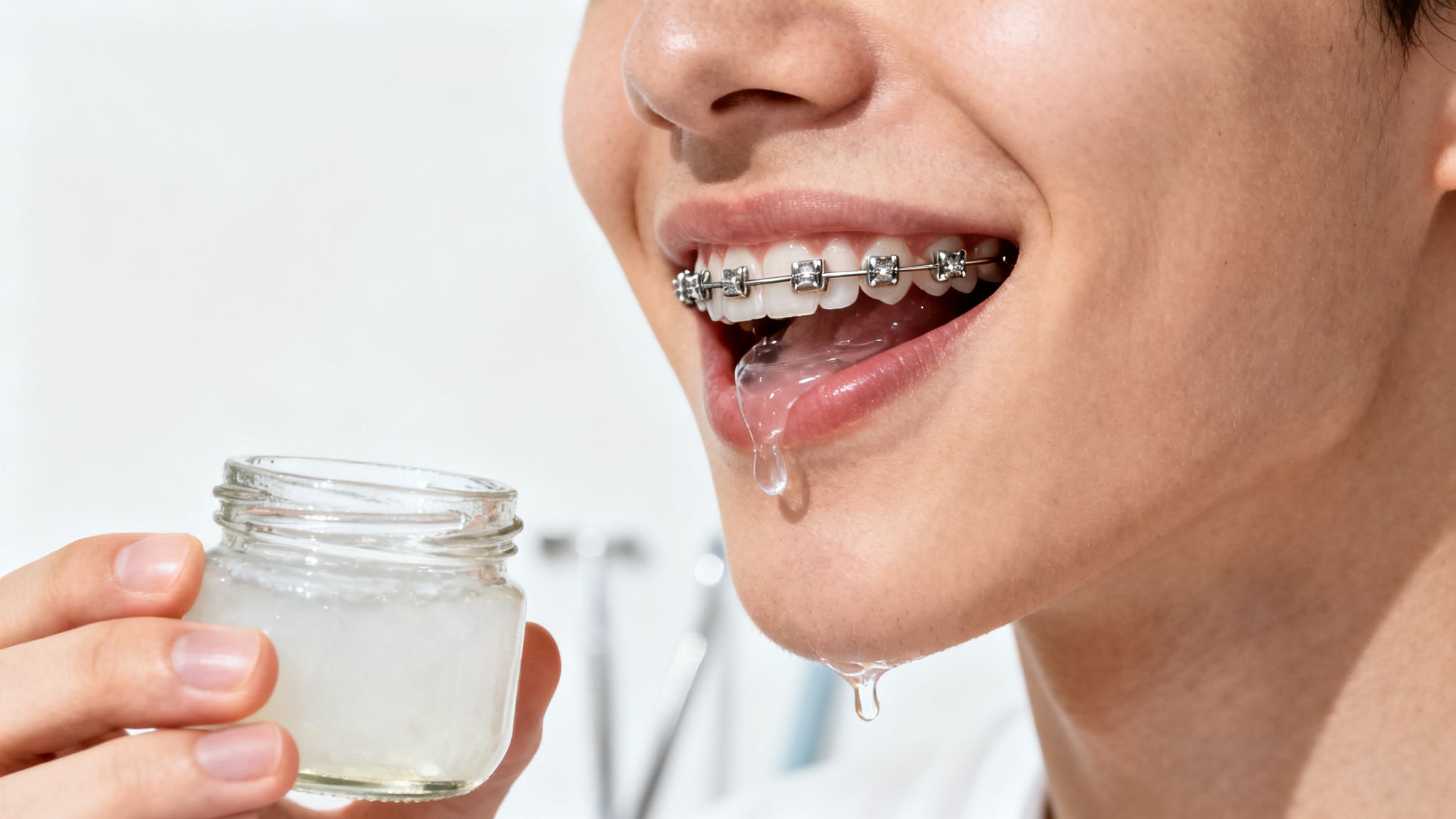
Back to School and Starting Braces: What the Timing Really Looks Like
Direct Answer: Starting braces or Invisalign in late August or September means the sore first week passes before school photos and sports ramp up, with visible progress by winter break.
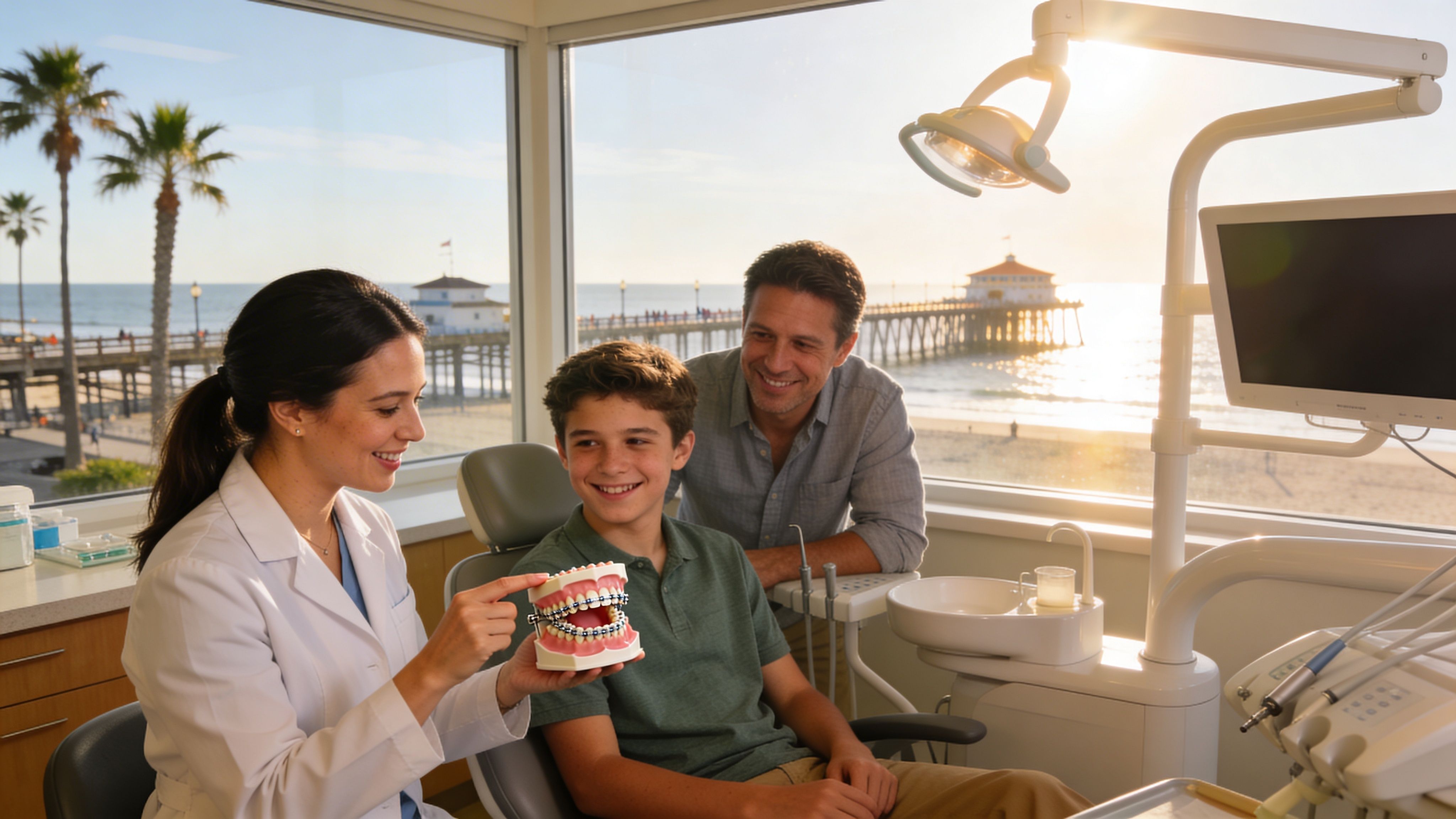
Every August, my inbox and phone fill up with a version of the same question from parents around Huntington Beach and Fountain Valley. School starts in three weeks, the supply list is done, the physical is scheduled, and now they are wondering whether braces should go on that list too, or whether it is smarter to wait until next summer.
It is a fair question, and the honest answer is not a sales pitch. Timing genuinely matters with orthodontics, but not for the reasons most people assume.
So here is what I tell families: the first two weeks of treatment, your monthly appointment rhythm, and your year-end benefit deadlines are the three things that actually change based on when you start. I will walk through each one so you can decide for yourself.
Why the back to school window works for starting braces or Invisalign
The single best argument for a late August or early September start has nothing to do with school itself. It has to do with what comes right after.
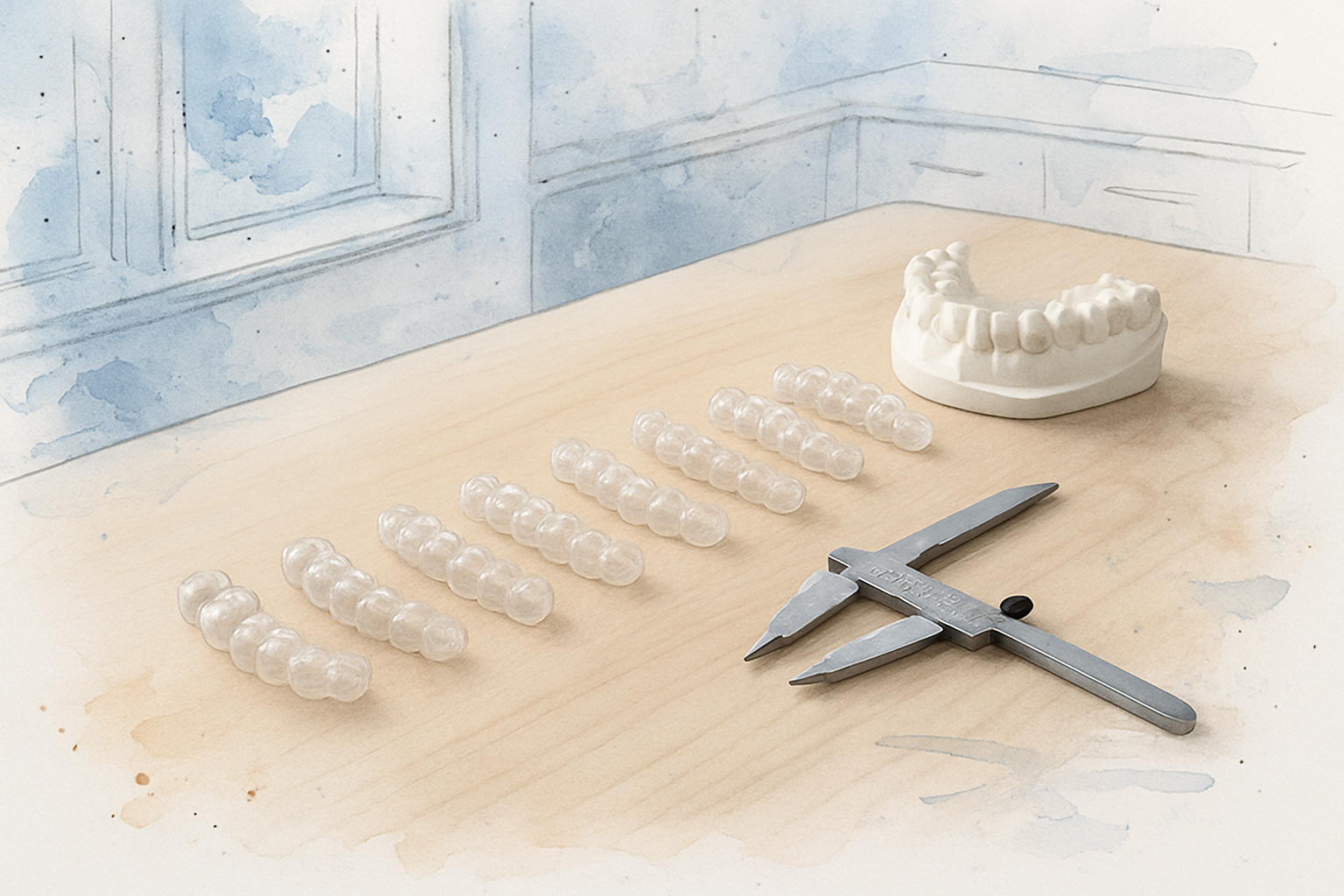
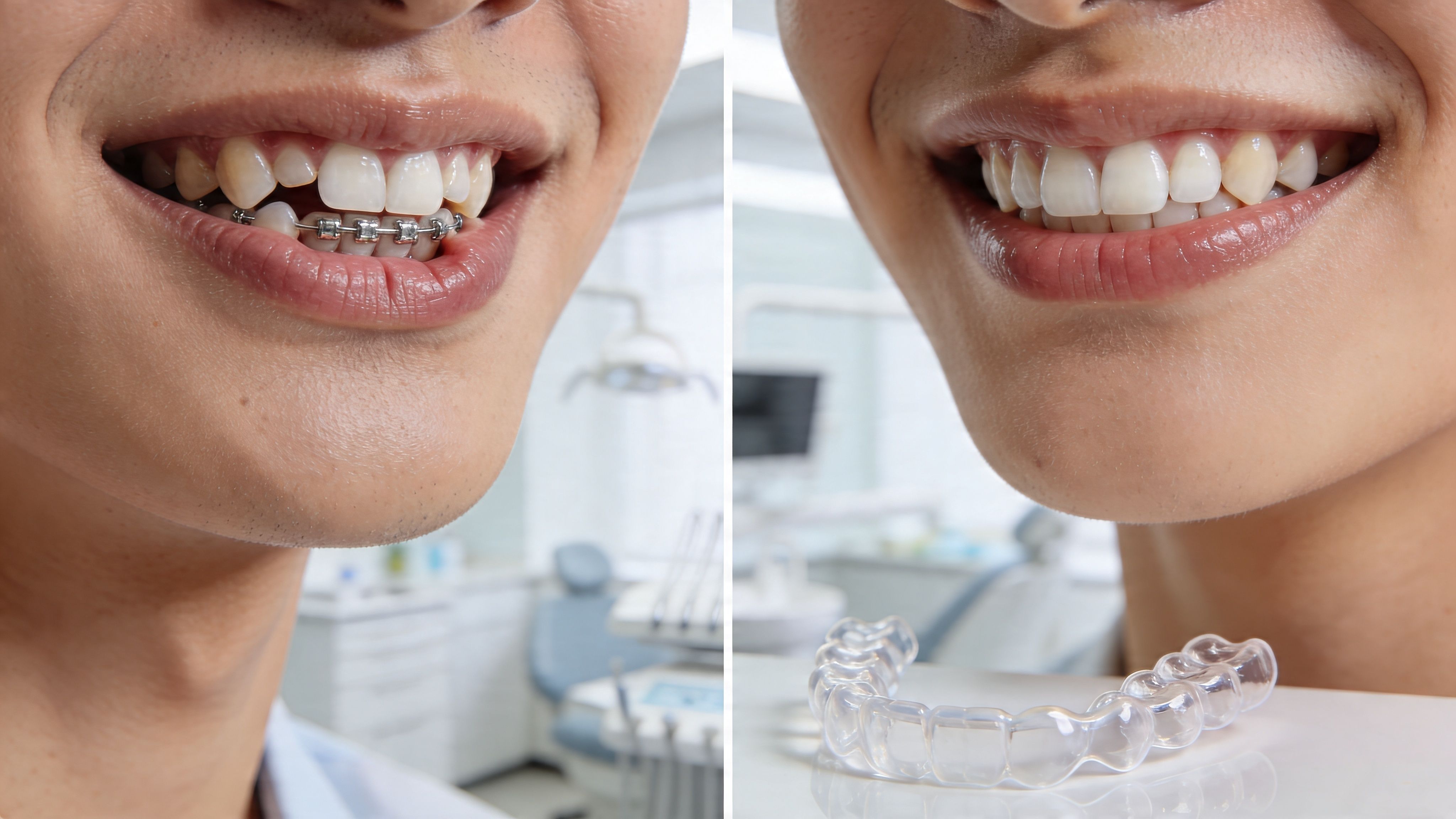
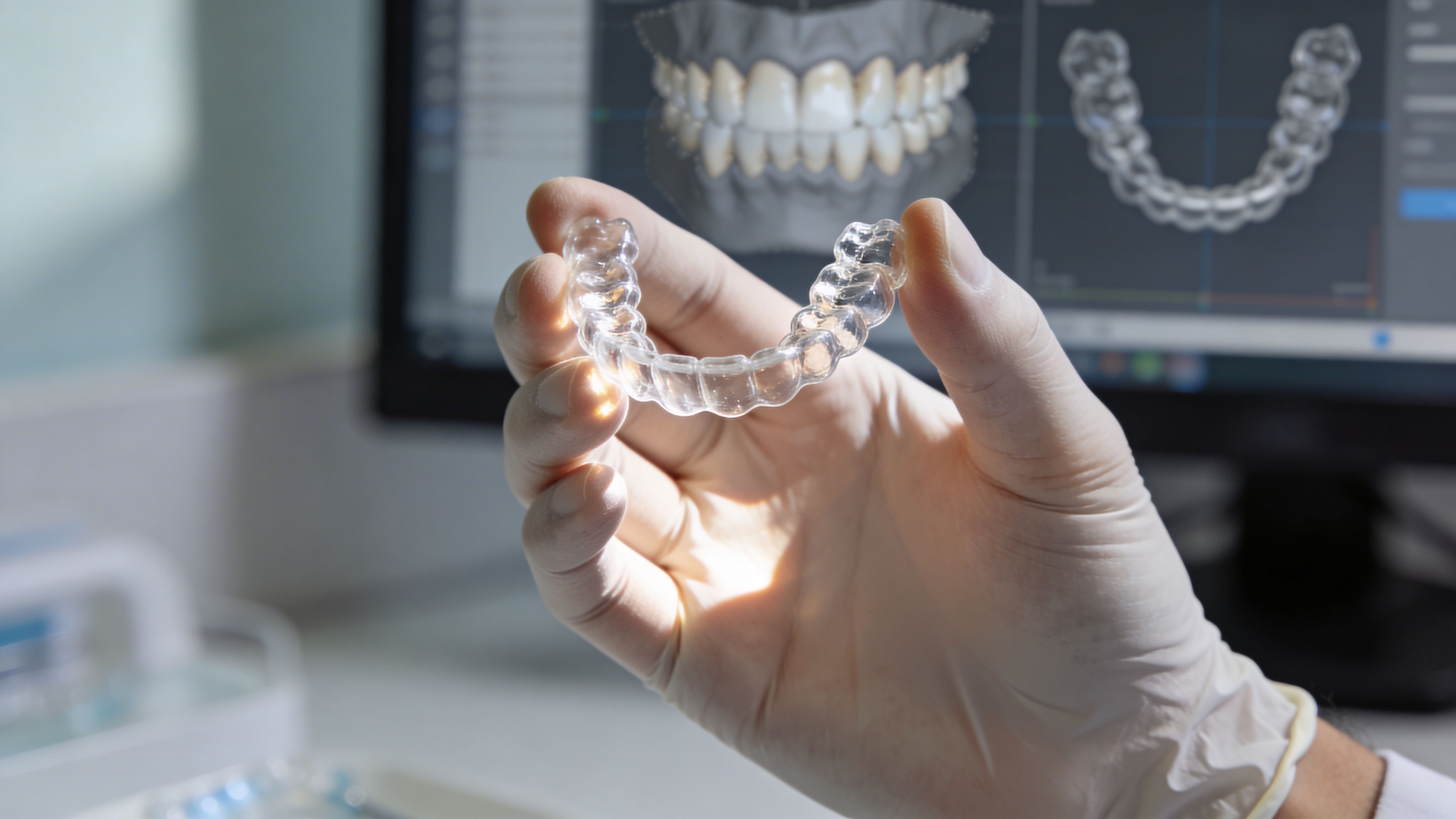
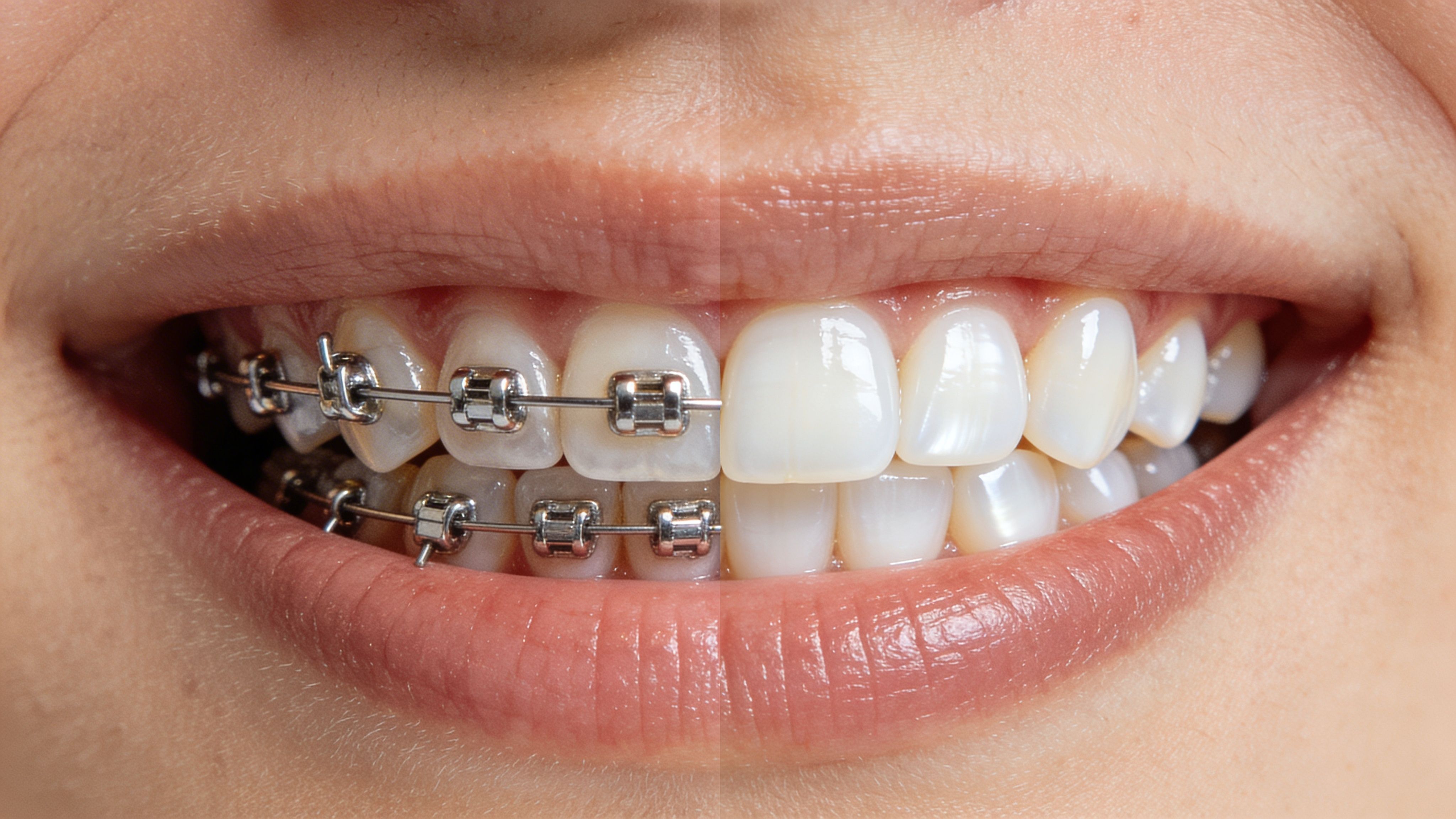
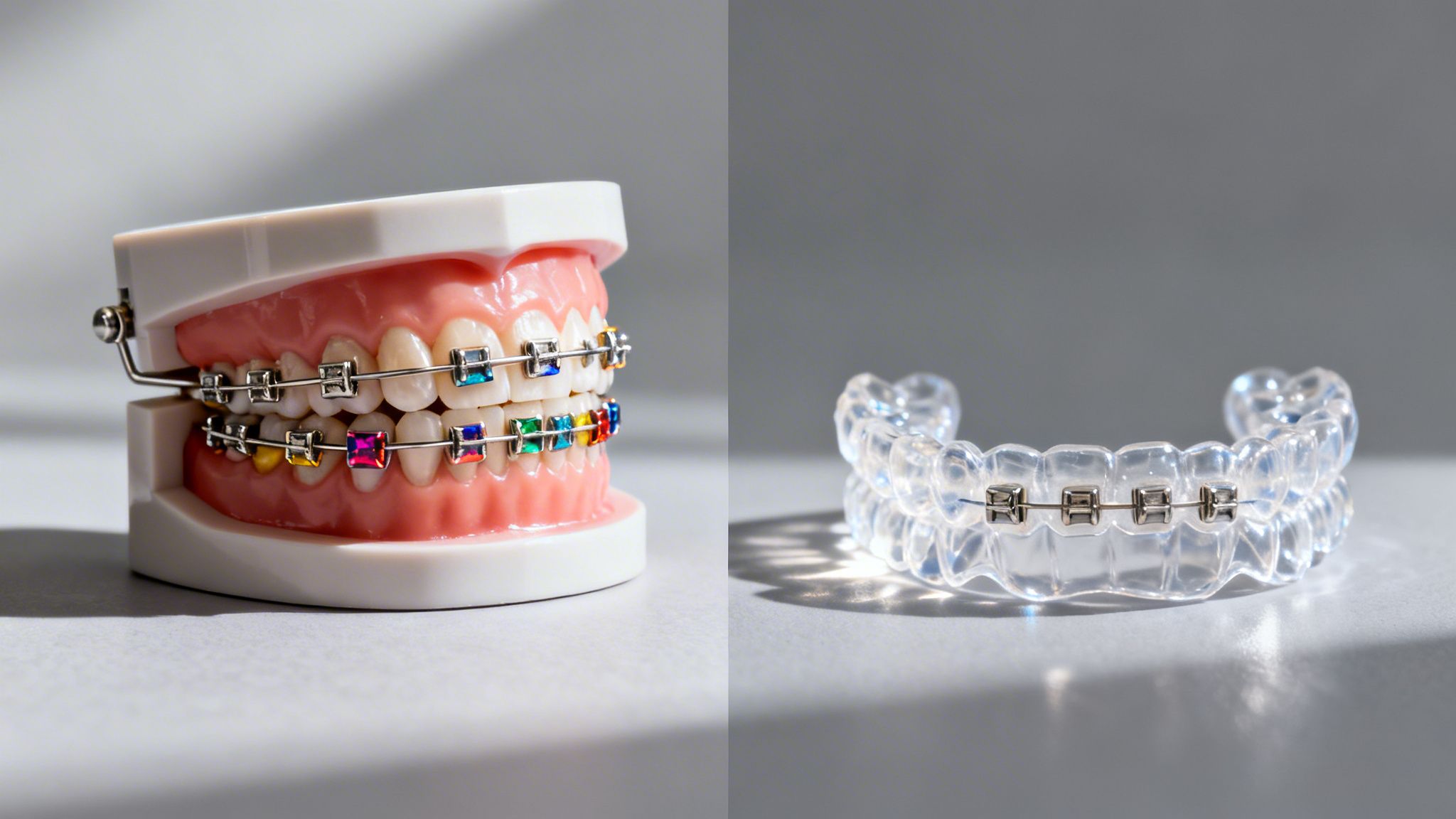
Every orthodontic treatment, whether that is metal braces, Iconix champagne-colored brackets, or Invisalign clear aligners, begins with an adjustment period. Teeth get sore. Speech feels different for a few days with aligners. Cheeks and lips need time to get used to brackets.
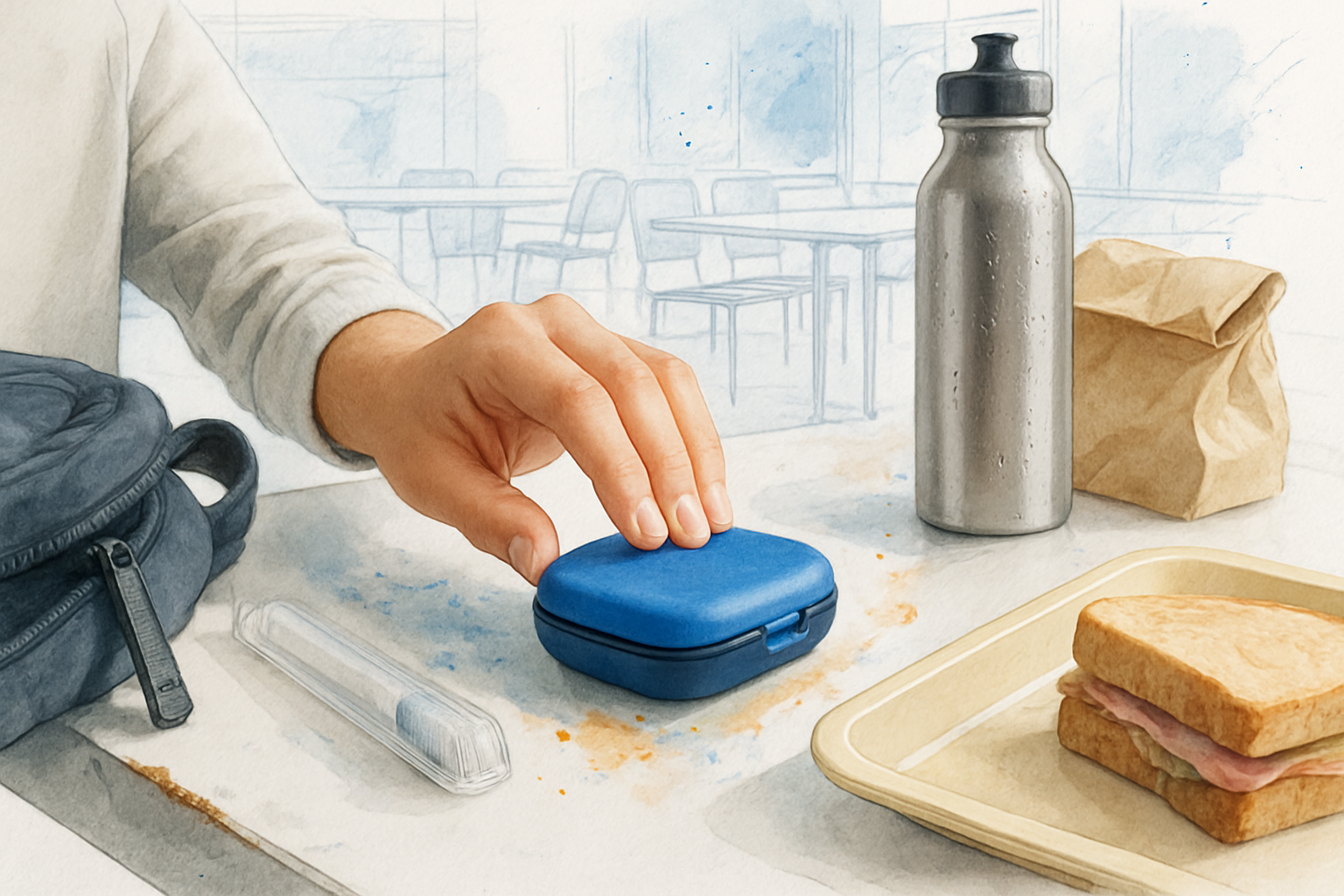
Starting in the last stretch of summer or the first week or two of school means that adjustment lands during a relatively low-pressure window. Consider what is usually on a teen's fall calendar:
- School picture day, often within the first three to five weeks of the semester
- Fall sports tryouts and season start, where mouthguard fit and eating on a schedule matter
- Homecoming and fall dances, typically October
- Thanksgiving and winter break, when family photos happen
A patient who starts in late August is usually well past the sore phase before any of that. A patient who starts in mid-October is dealing with new brackets during the busiest social stretch of the year.
That is the practical difference. Everything else about treatment works the same whenever you begin.

What the first two weeks honestly feel like
I will not tell you the first week is nothing. It is not painful in the way people fear, but it is an adjustment, and I would rather you hear that from me than be surprised by it.
With braces, most patients describe soreness for roughly three to five days after placement, strongest on days two and three. Soft foods help. Over-the-counter pain relief, if your doctor says it is fine for you, usually covers the rest. Cheeks toughen up within a couple of weeks.
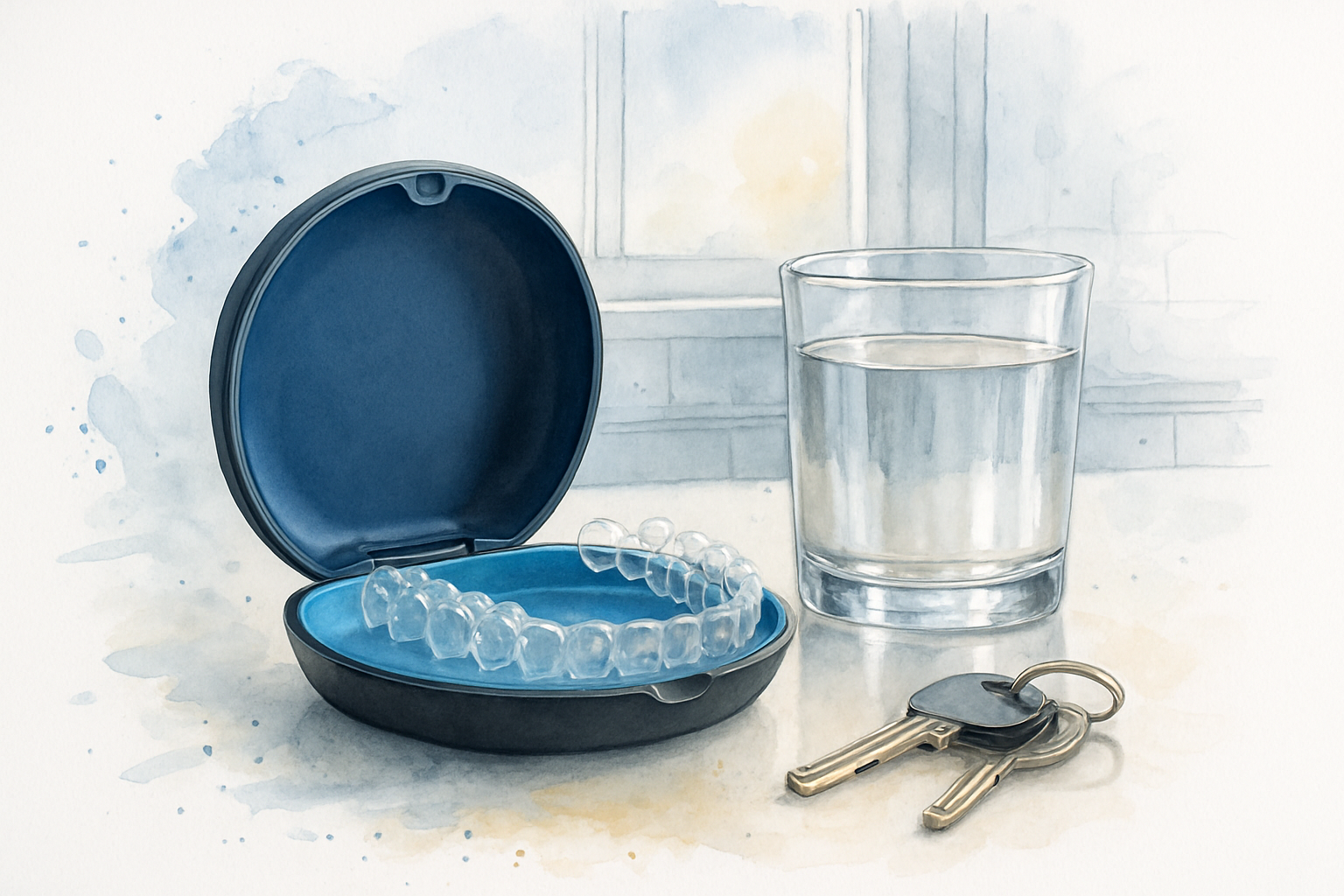
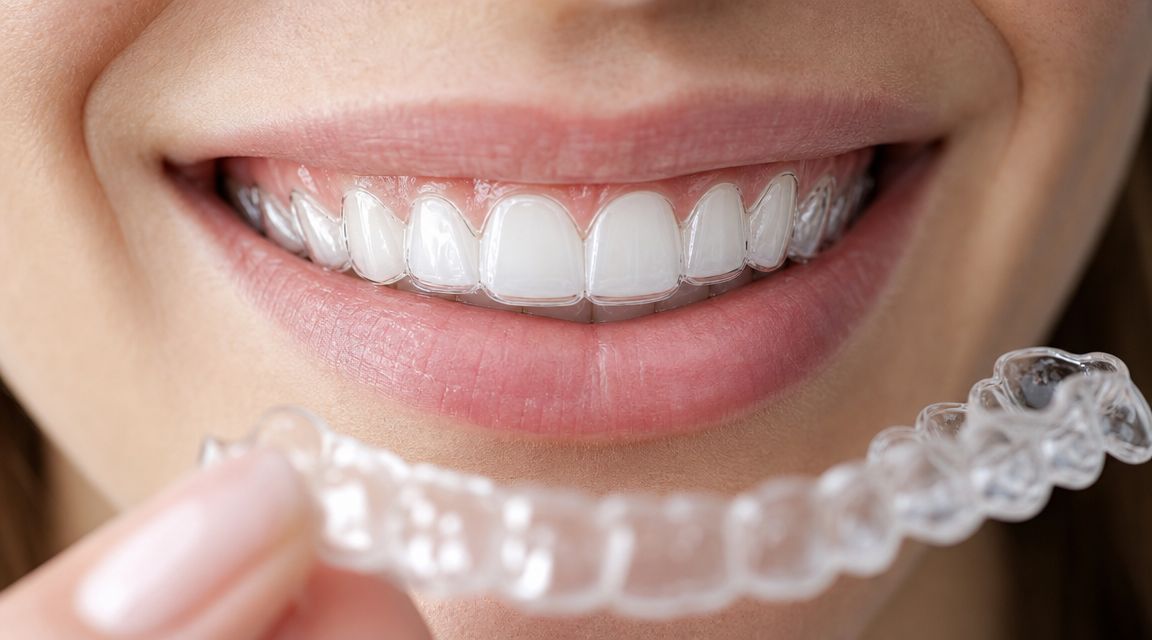
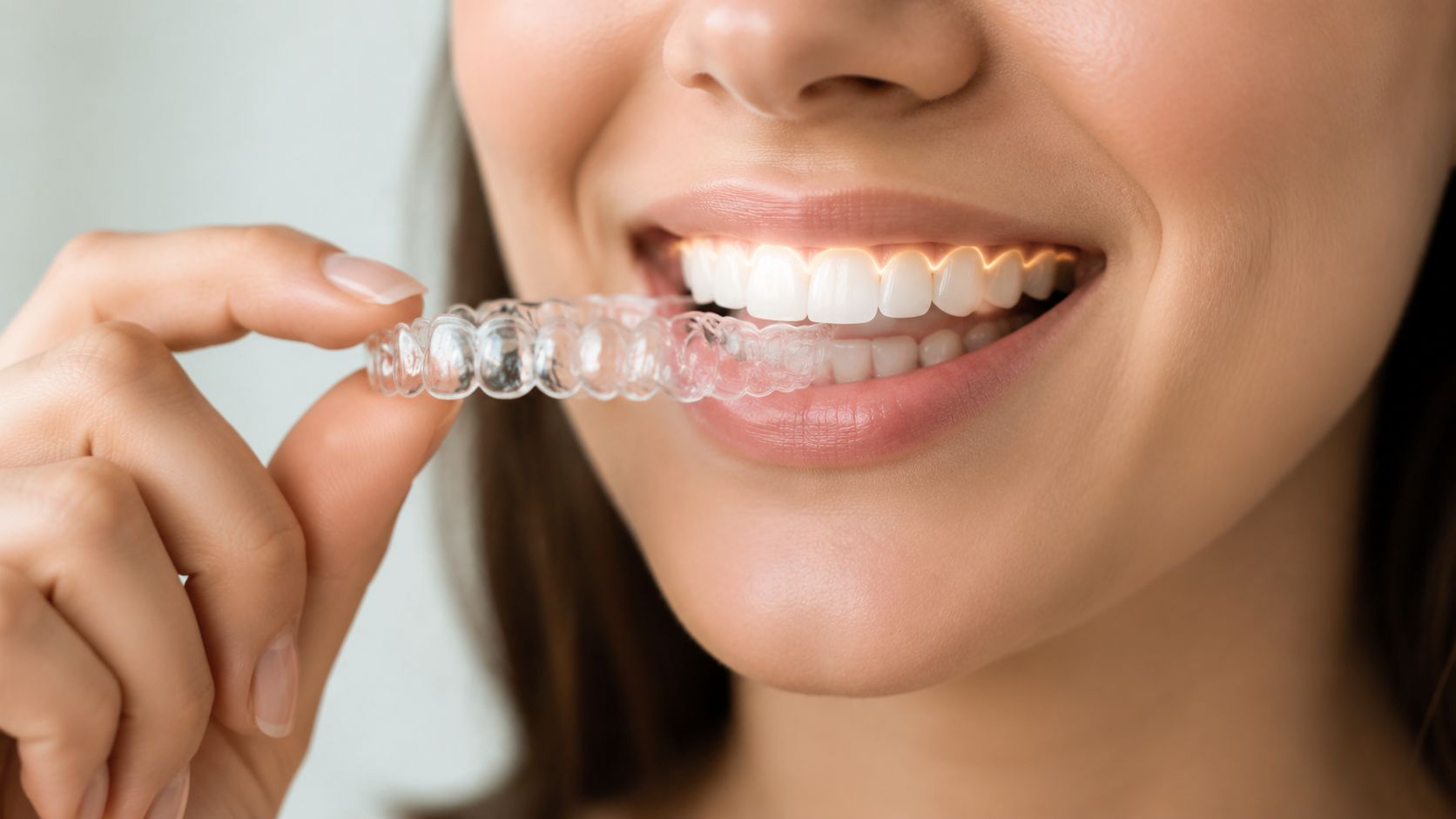
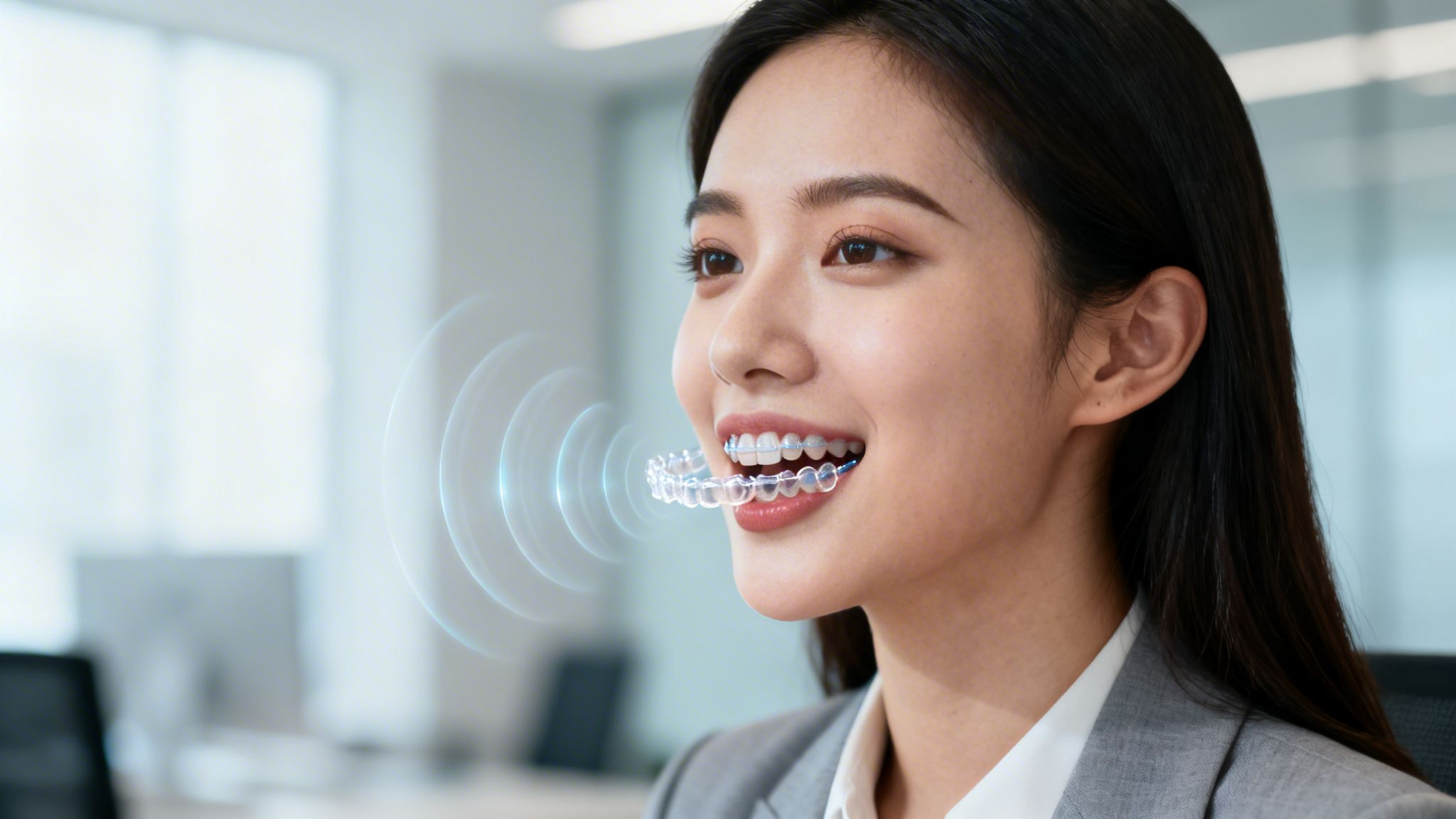
With Invisalign, the feeling is different. There is pressure when a new tray goes in, plus a short stretch where the tongue gets used to the edges and words like "sixty" sound slightly off. Most patients tell me the speech thing settles within two or three days.
A few things that genuinely shorten the adjustment:
- Wear the aligners the full time. Part-time wear stretches the sore phase out instead of getting it over with.
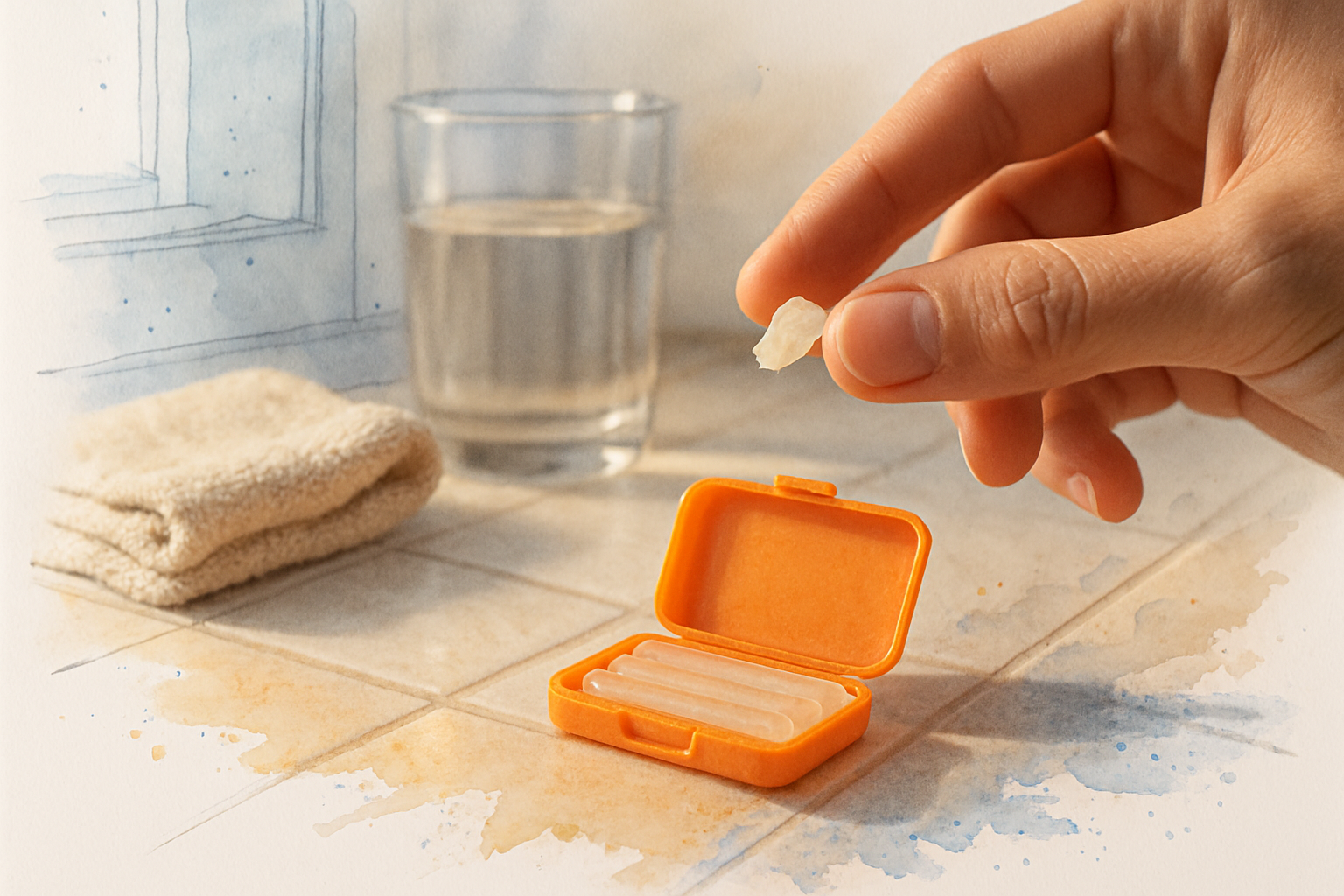
- Use the wax. It takes thirty seconds and saves a lot of irritation.
- Eat soft the first three days. Eggs, pasta, smoothies, yogurt.
- Call us if something is poking. A poking wire is a five minute fix, not something to tough out for a week.
We wrote more on this in our post about what patients do when braces start to hurt, and it is worth reading before your start date rather than after.
Start Month and Where You Typically Land
This is a general pattern, not a promise. Every case moves at its own pace, and Dr. Jeremy and Dr. Melissa map real timelines during your consultation.
| If treatment starts | Adjustment period lands | Where many patients are by winter break |
|---|---|---|
| Mid to late August | Before or during the first week of school | Three to four months in, with noticeable movement in the front teeth |
| September | First few weeks of the semester, before homecoming | Two to three months in, past the awkward early phase |
| October | During fall sports and dance season | Roughly one to two months in, still early |
| December or January | Over the holidays, with a break in routine | Just starting, with appointments resuming in a new benefit year |
Fall scheduling is easier than summer for most families
This is the part parents tend to underestimate. Summer sounds like the convenient season, but in practice it is the least predictable one.
June through August around here means camps, travel, cousins visiting, and swim schedules that change weekly. I see more rescheduled and missed appointments in summer than any other stretch of the year. Missed appointments are the quietest way a treatment plan slips longer than it needs to.
Fall is different. School sets a fixed weekly rhythm, and orthodontic visits are usually only about every four to eight weeks once treatment is underway. Slotting a recurring appointment into a predictable schedule is far easier than chasing an open week in July.
For working parents across Oak View, Goldenwest, Adams, and Newland, the Beach Boulevard location matters here too. We are minutes from the 405 and from Central Fountain Valley and Talbert Village, which makes an after-school weekday visit a short detour rather than an afternoon off work. Saturday appointments are available by arrangement when a weekday truly will not work.
One parent from the area put it simply in a review: her son "gets excited to come once a month." That only happens when the visit fits the family's week instead of fighting it.
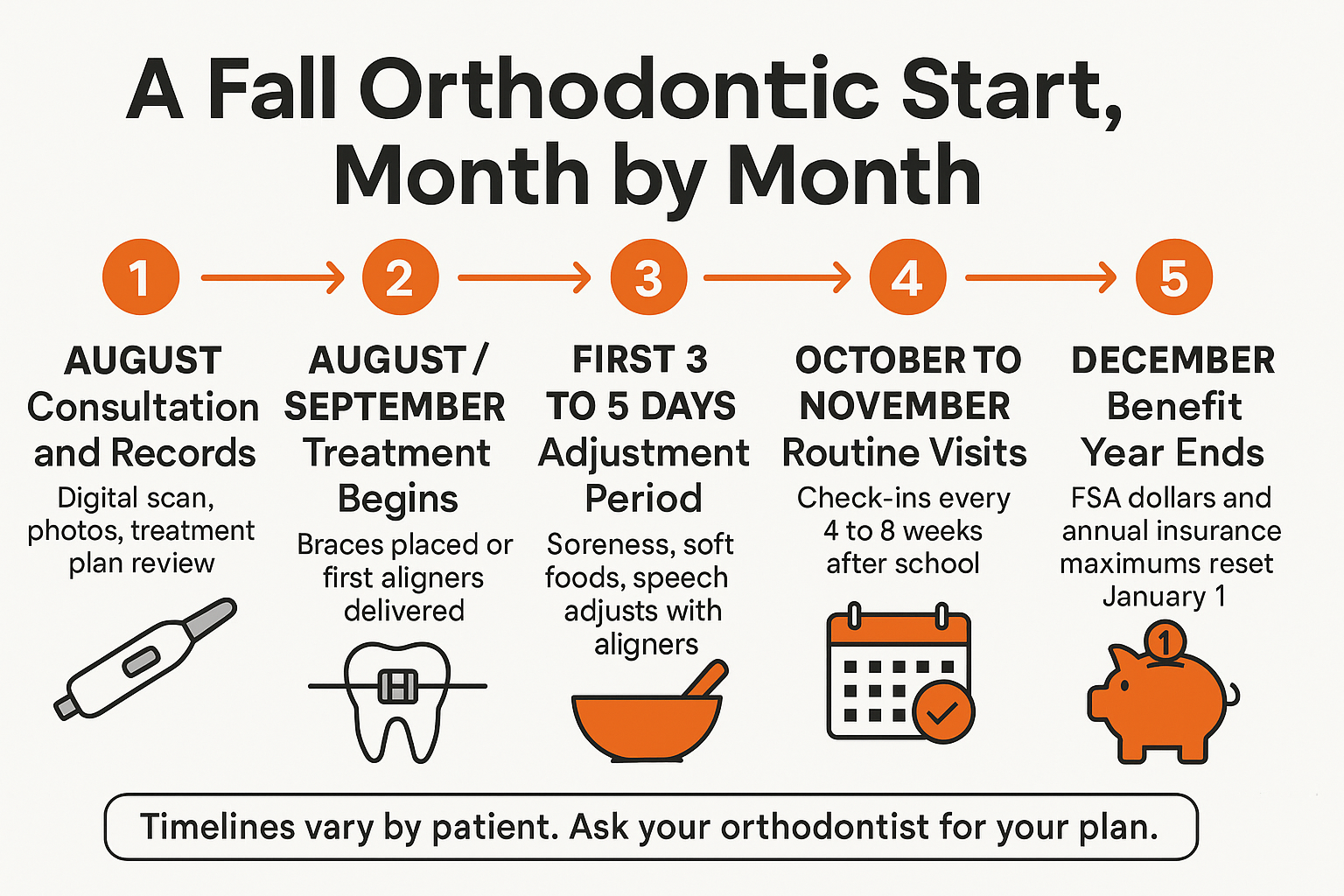
Your Fall Orthodontic Timeline at a Glance
Here is how a late summer start typically unfolds across the school year.
The money piece: FSA, HSA, and year-end insurance timing
This is the reason I push people to at least get evaluated in the fall rather than sitting on it until spring.
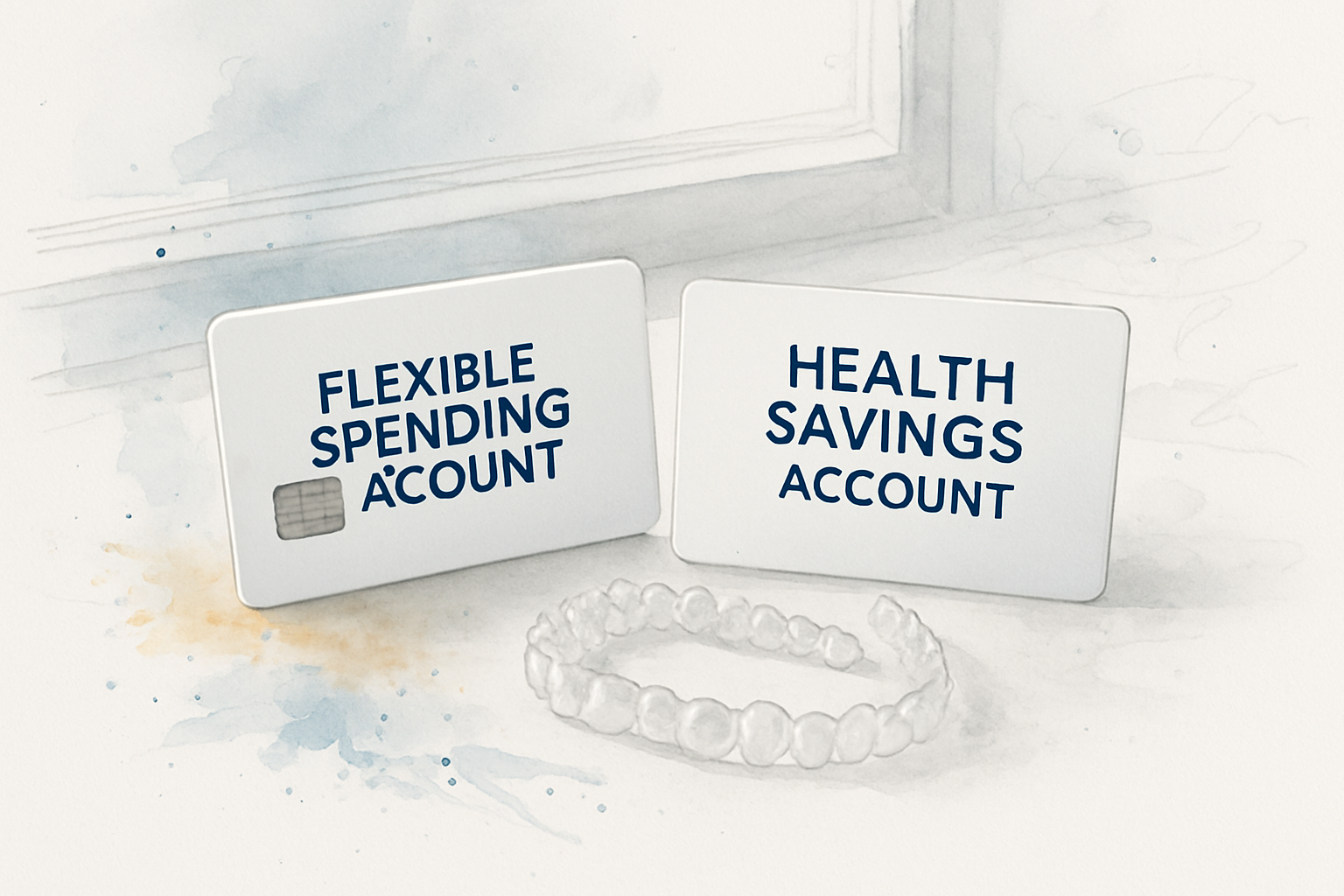
If your employer offers a Flexible Spending Account, most plans run on a calendar year with a use it or lose it deadline at the end of December. Some plans allow a short grace period or a limited carryover, but many do not. The IRS outlines which medical and dental expenses qualify, and orthodontic treatment generally falls in that category.
Starting treatment in the fall means your records, initial fees, and first payments can often be applied to the current plan year before those dollars expire. Dental insurance annual maximums usually reset on January 1 as well, so a fall start can sometimes touch two benefit years instead of one.
I want to be careful here. Every plan is written differently, and I cannot tell you what yours covers without looking at it.
What I can say is that this is worth a phone call to your benefits administrator in September, not December 20th. We break this down further in our guide on using FSA and HSA funds for braces and Invisalign.
On cost itself, orthodontic fees vary widely based on case complexity, treatment length, and the option you choose. Payment plans, including no-interest arrangements, are common in orthodontics and worth asking about directly rather than guessing.
When waiting is actually the right call
I would rather give you a straight answer than push everyone toward an August start.
Waiting makes sense in a few real situations:
- Your child still has several baby teeth to lose. Sometimes the right move is monitoring growth for six to twelve months rather than starting now.
- A major schedule disruption is coming. A move, a long trip, or a season that will make monthly visits impossible.
- You have not had a consultation yet. Starting without a plan built for your specific bite is never the right timing.
That last point matters most. The American Association of Orthodontists suggests a first evaluation by age 7, and that visit often ends with "let's watch this" rather than "let's start today."
Adults ask me about timing too, usually with a different worry attached. Several callers each month describe a small issue, something like one crowded lower tooth, and assume it means full treatment. It often does not. Since July we have offered focused touch-up treatment for patients who only want one or two specific things corrected.
And no, you are not too old. One of our patients left a review at age 76 saying her smile is awesome. Age has very little to do with whether teeth will move.
Frequently Asked Questions About Starting Braces in the Fall
Will my teen be able to play fall sports with braces?
Yes. Most athletes wear an orthodontic mouthguard designed to fit over brackets, which is different from a standard boil-and-bite guard. Bring it up at your consultation so we can talk through the right one for the sport.
How soon after starting will there be visible progress?
Front teeth often show the earliest movement, and many patients notice a difference within two to three months. Progress depends heavily on the starting bite and how consistently aligners are worn, so treat that as a range rather than a rule.
Is it too late to start if school has already begun?
Not at all. September and even early October starts work fine. The main tradeoff is that the sore first week may overlap with picture day or a sports schedule, which is inconvenient but temporary.
How many appointments will we need during the school year?
After the initial placement, most patients come in every four to eight weeks. We schedule around school hours whenever we can, and our Beach Boulevard office is a quick trip from Fountain Valley and most Huntington Beach neighborhoods.
Does insurance cover any of this?
Many PPO dental plans include an orthodontic benefit, often as a lifetime maximum rather than an annual one. HMO plans are not accepted at our office. Call your plan directly, or bring your card to the consultation and we can help you read it.
Thinking through fall timing for your family?
If you are weighing an August or September start for a child, a teen, or yourself, a consultation is the easiest way to see what your actual timeline would look like. Dr. Jeremy and Dr. Melissa will walk through the options, the schedule, and the cost factors in plain language before you decide anything. Consultation availability for Huntington Beach and Fountain Valley families is open at 714-594-5777 or magicfoxsmiles.com.