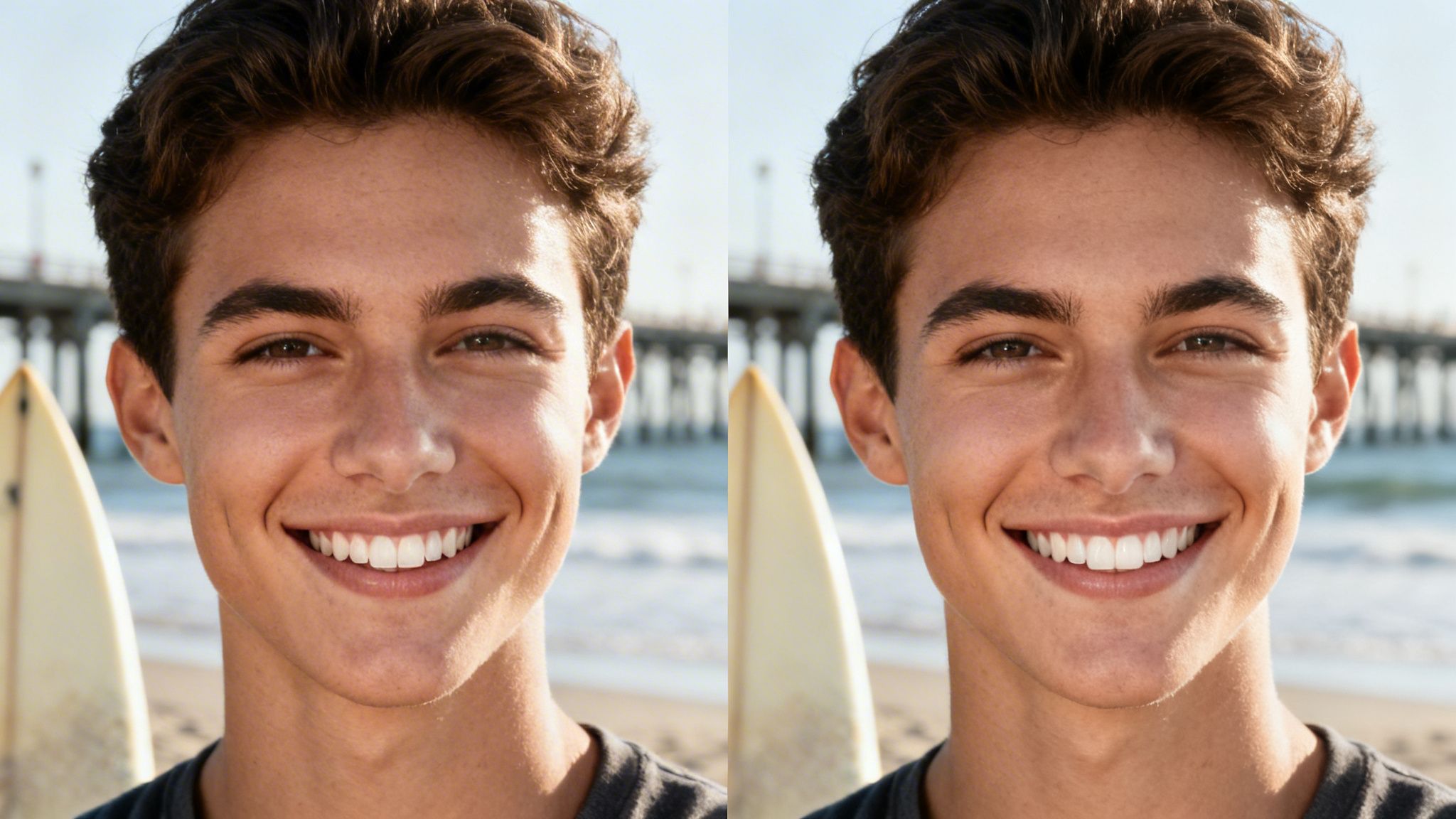
Braces For Teens Near Me: Find Your Best Smile
Quick Answer
TL;DR: About 70-80% of teens require some form of orthodontic treatment such as braces for crowding, spacing, or bite problems (American Association of Orthodontists, 2024). Magic Fox Orthodontics offers several types of braces for teens in Huntington Beach, including traditional metal, subtle gold-toned Iconix brackets, and discreet Invisalign aligners. The right choice depends on your teen's needs and daily habits, which is best decided in a free consultation.
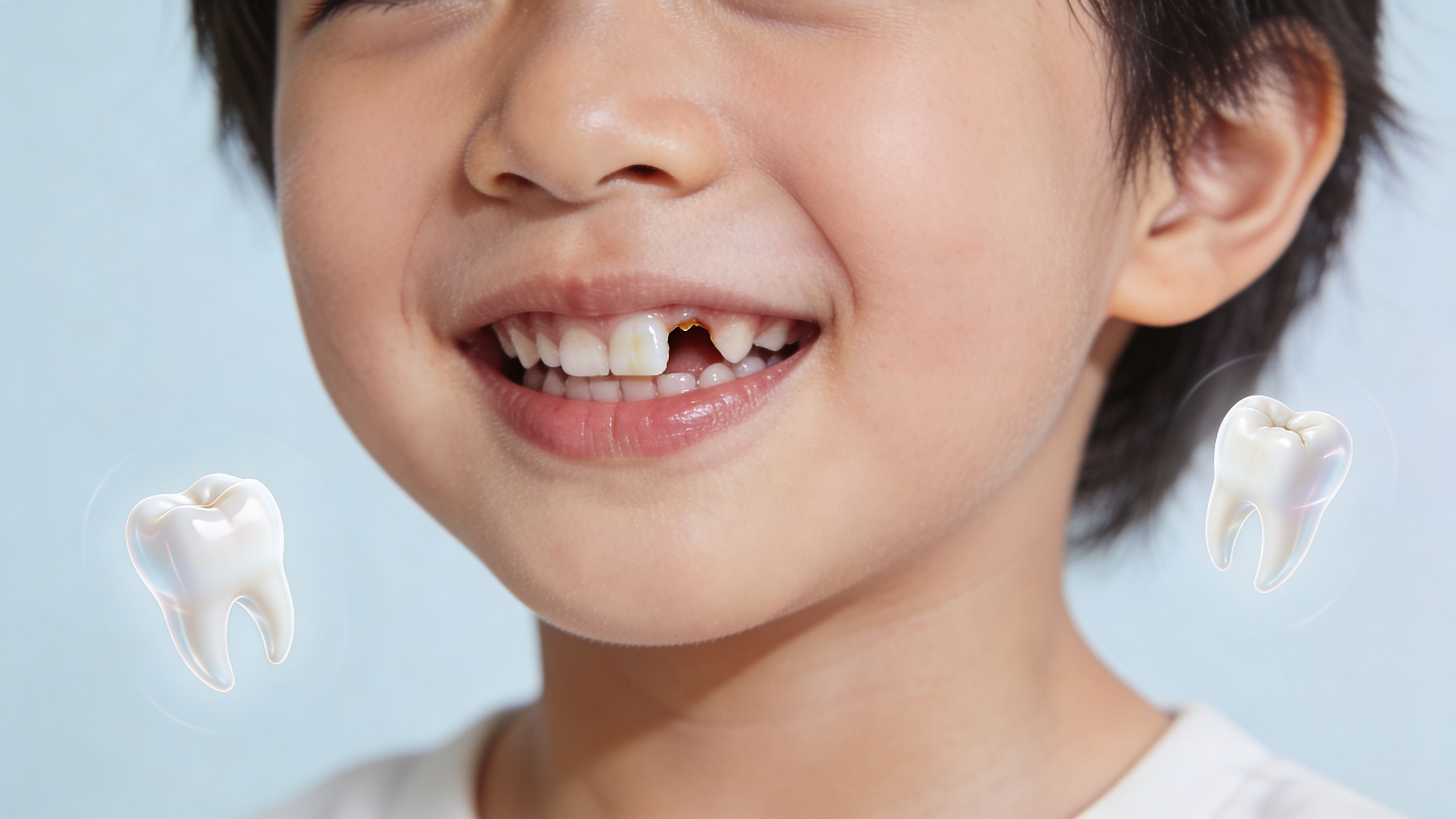
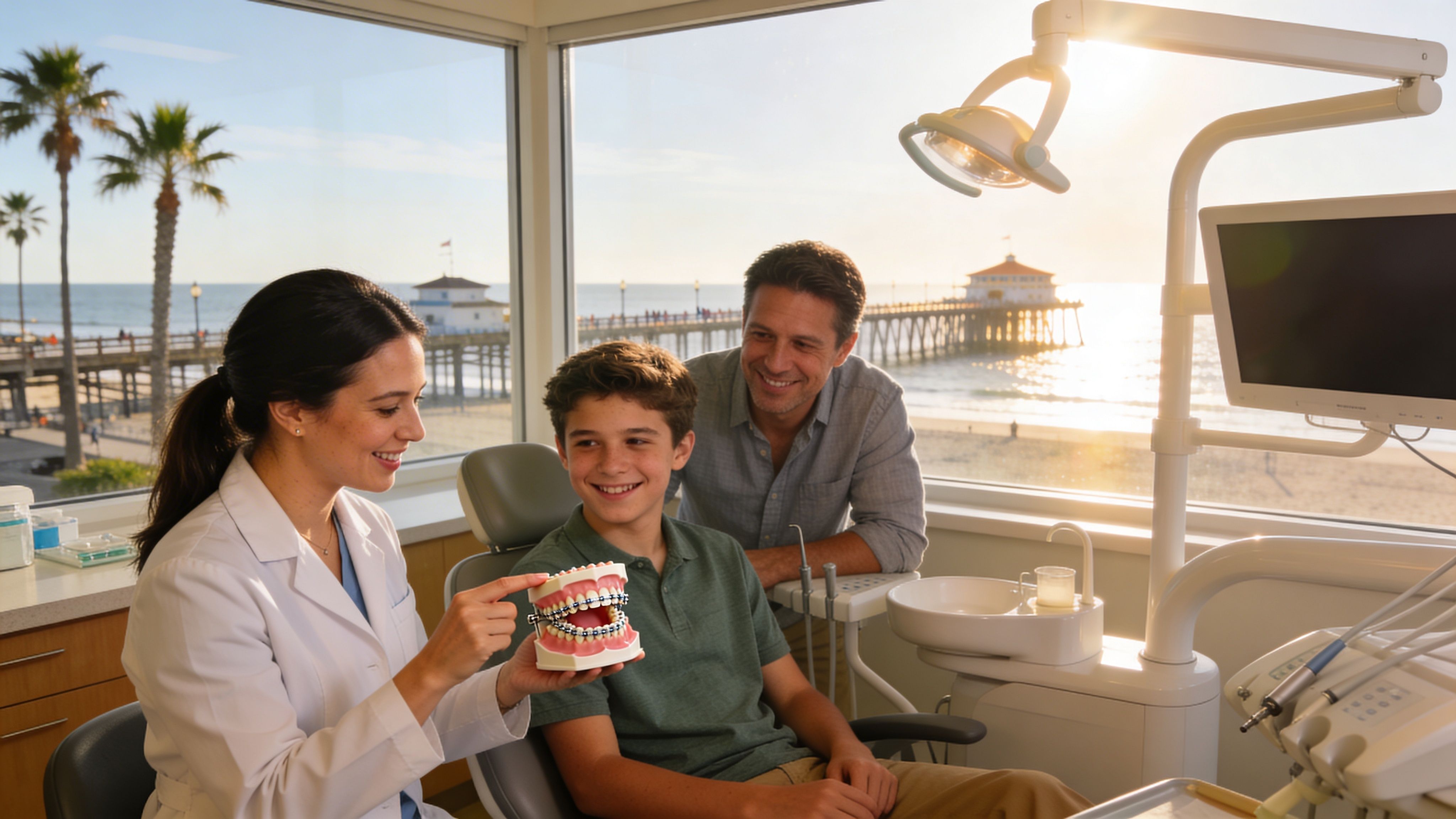
If you're searching for braces for teens near me, you're probably already having the same conversation most local families have. Your teen may be asking how visible braces will be, whether Invisalign will work, how appointments fit around school and sports, and what this will all involve.
That concern is normal. Orthodontic treatment is common in the teen years, and approximately 70-80% of teens require some form of orthodontic treatment for issues like crowding, spacing, or overbites (American Association of Orthodontists, 2024). In Huntington Beach and Fountain Valley, the goal isn't to pick the trendiest option. It's to choose the one your teen will wear, care for, and finish.
Introduction
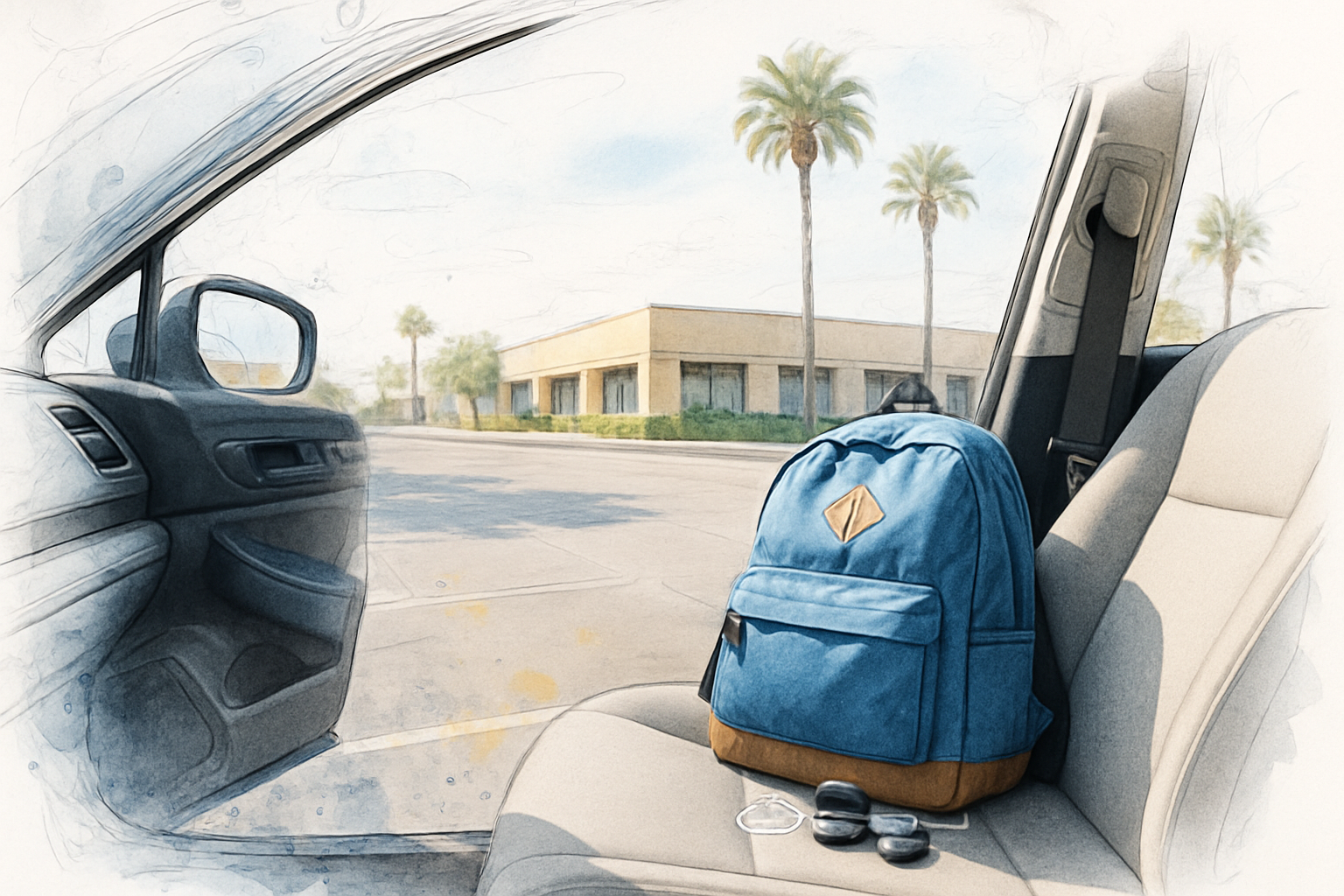
A lot of parents start this process in the car. You're driving home from school, your teen mentions a crooked tooth in photos, or your family dentist says it's time to talk to an orthodontist. Then the search begins for braces for teens near me, along with questions about appearance, timing, and whether this is going to turn into a daily battle.
Life in Huntington Beach and Fountain Valley matters here. Teens have sports, beach days, school events, yearbook photos, and busy schedules. The best orthodontic plan has to work in real life, not just look good on paper.
Comparing Your Teen's Brace Options in Huntington Beach

Parents usually ask one practical question first. Which option fits my teen?
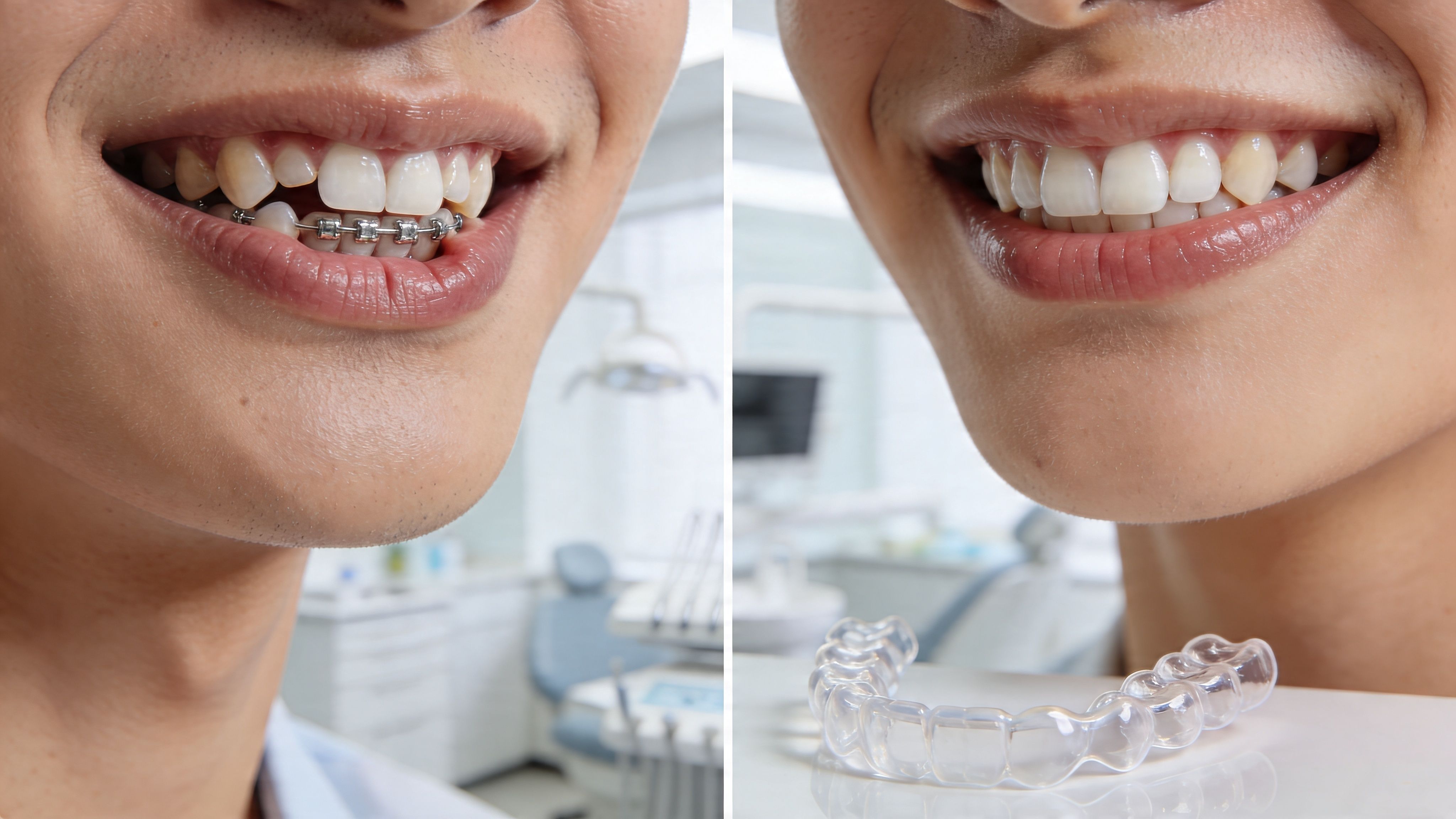
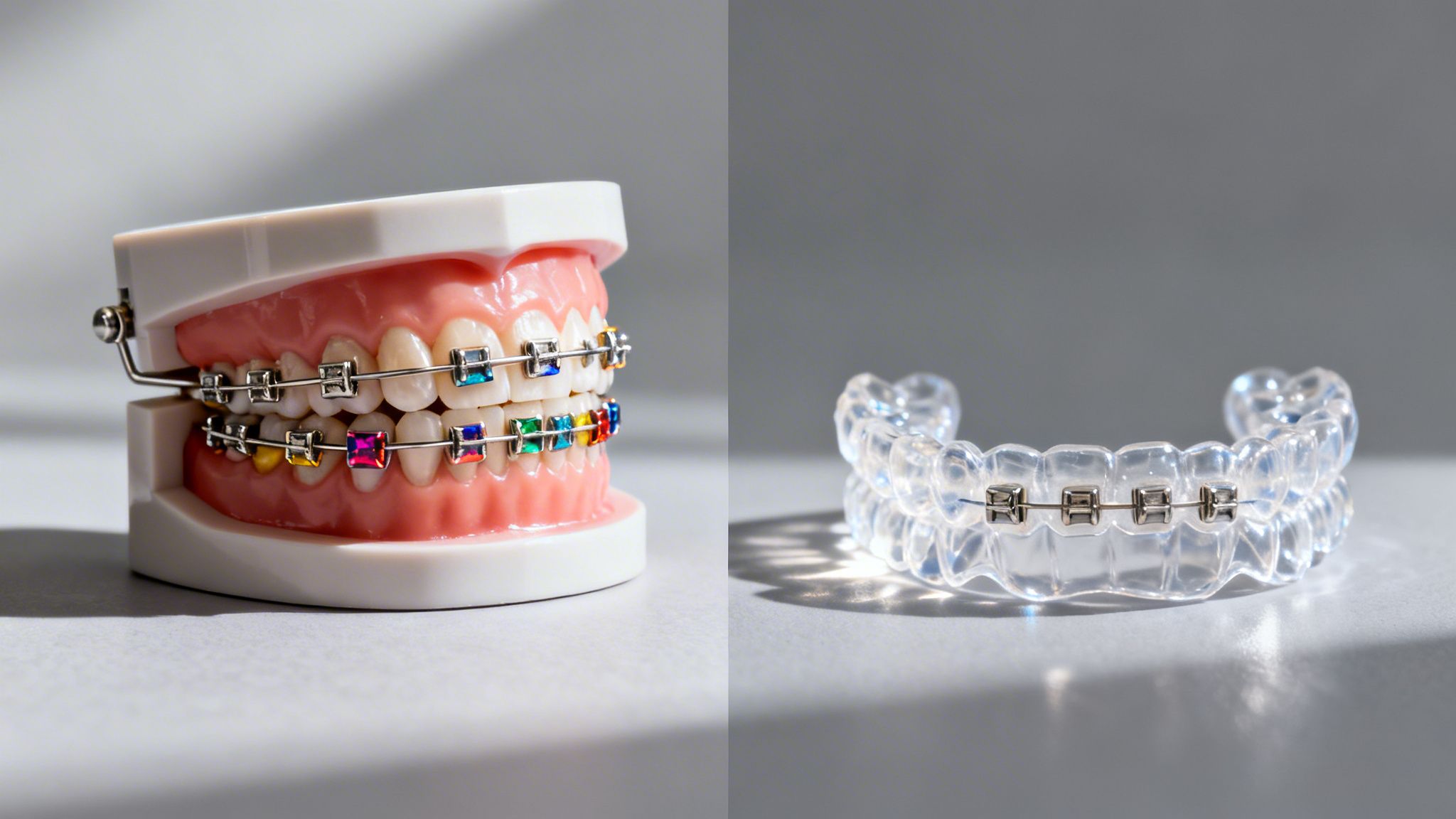
The answer depends on three things: how complex the tooth movement is, how much visibility matters to your teen, and how reliable your teen is with routines. If you want a broader side-by-side look, this overview of Invisalign or braces for teens is a useful starting point.
Traditional metal braces
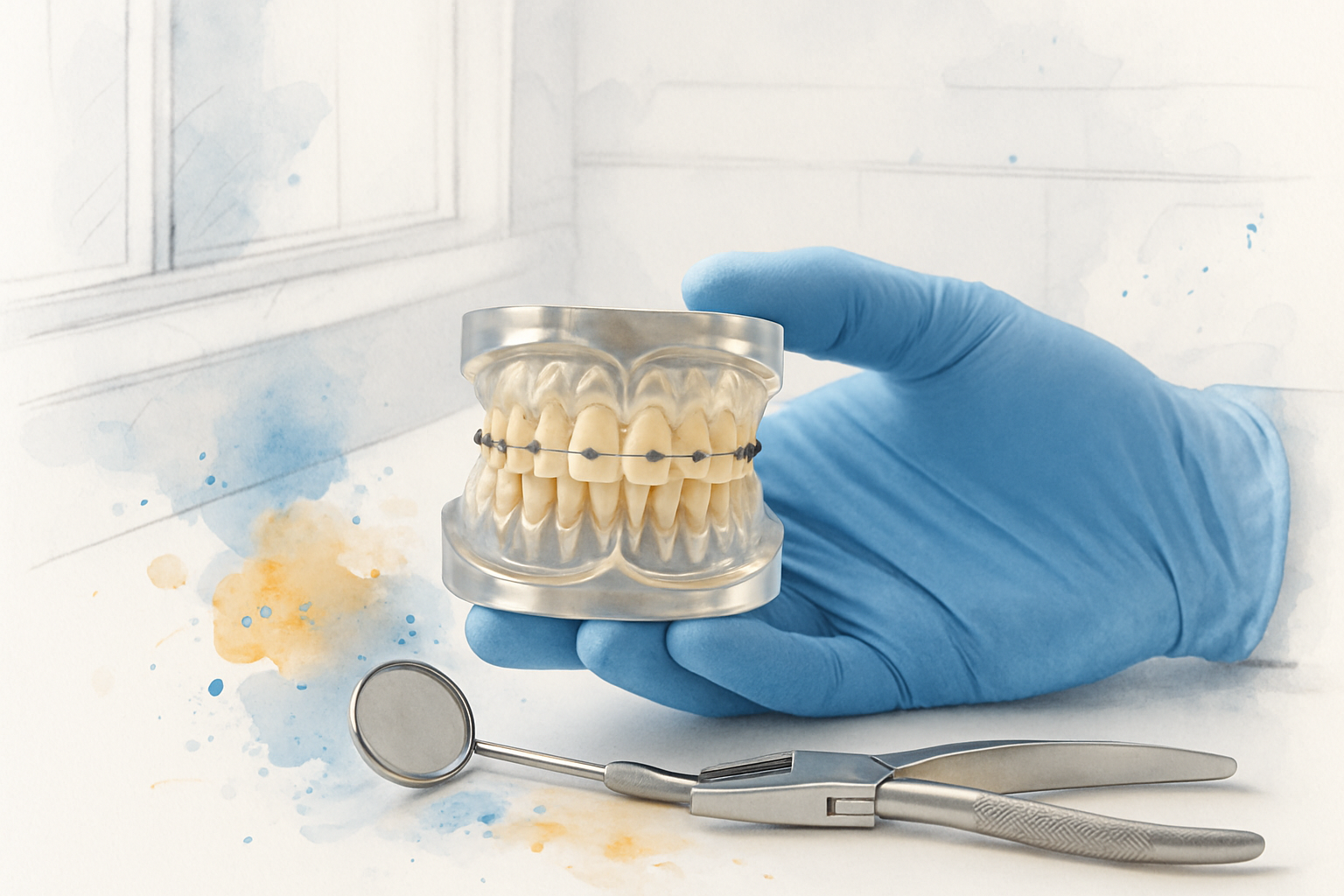
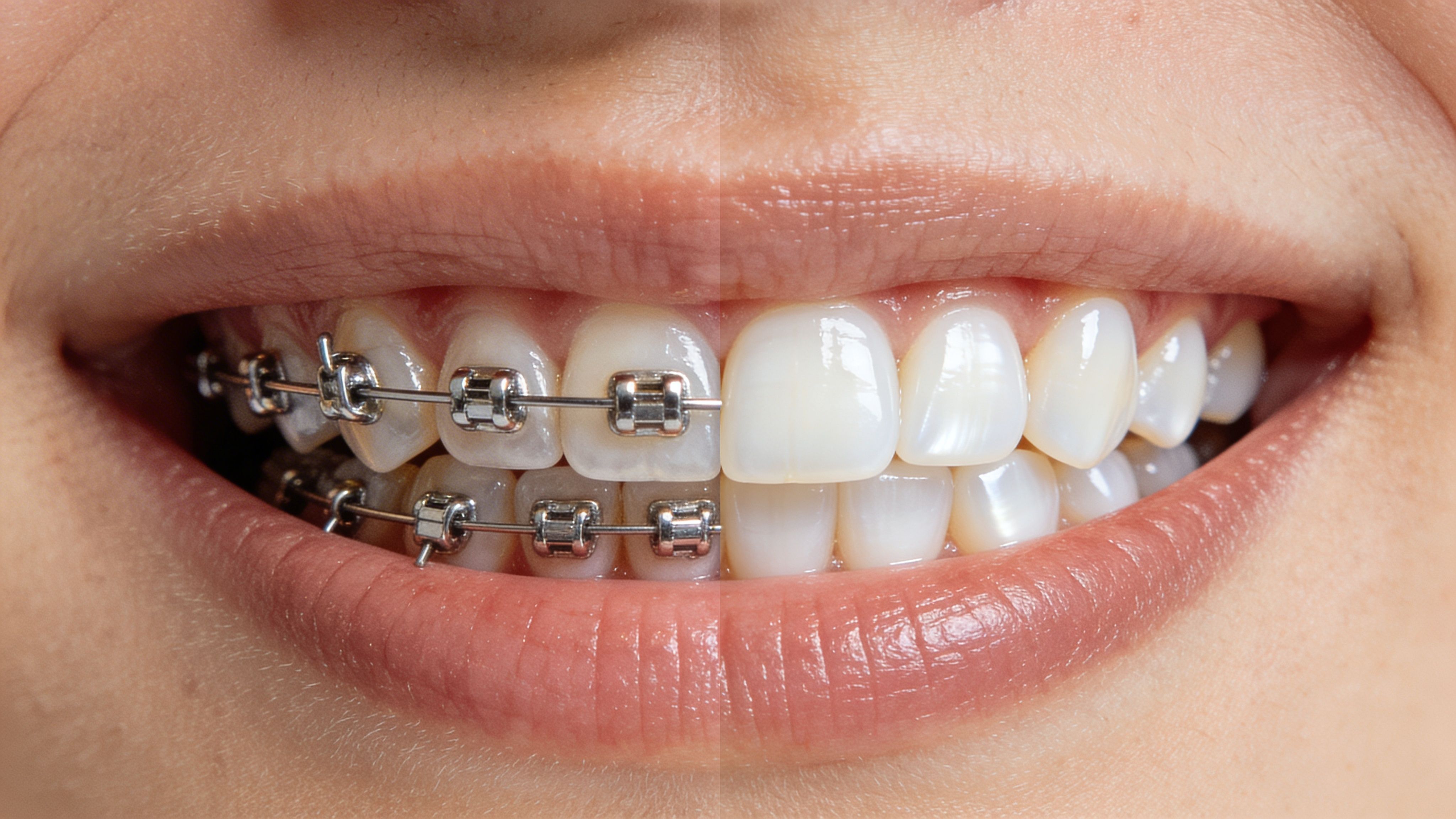
Metal braces are still the most straightforward choice for many teens. They stay on full time, which means the treatment is always working, and there is no daily decision about whether to put them back in after lunch or practice.
They also make sense when a teen needs more controlled tooth movement. If the bite is more involved, or if there are several issues happening at once, fixed braces remove a lot of the guesswork.
Practical rule: If your teen is likely to lose trays, forget wear time, or take appliances out too often, fixed braces usually make treatment simpler.
What works well with metal braces:
- Consistency built in. The braces stay on, so compliance isn't based on memory.
- Good for busy schedules. School, athletics, and social events don't depend on your teen remembering an extra step.
- Reliable for more involved cases. Fixed appliances give the orthodontist steady control throughout treatment.
What doesn't work as well:
- They are visible. Some teens don't care. Others care a lot.
- Food restrictions are real. Hard, sticky, and crunchy foods can cause breakage.
- Cleaning takes effort. Brushing and flossing need more attention than usual.
Iconix esthetic brackets
Iconix brackets are a good middle ground for teens who want braces that look less obvious than standard metal but still want the dependability of a fixed appliance. They have a softer, gold-toned appearance that many teens find less harsh in photos and in person.
This option often works well for teens who want something more subtle without taking on the responsibility of removable aligners. The trade-off is simple. They are still braces, so food limits and cleaning rules still apply.
A few families choose Iconix for social reasons. Some teens don't want highly visible braces during school events, but they also aren't great candidates for aligners. In that situation, a fixed option with a more understated look can be a practical compromise.
Invisalign for teens
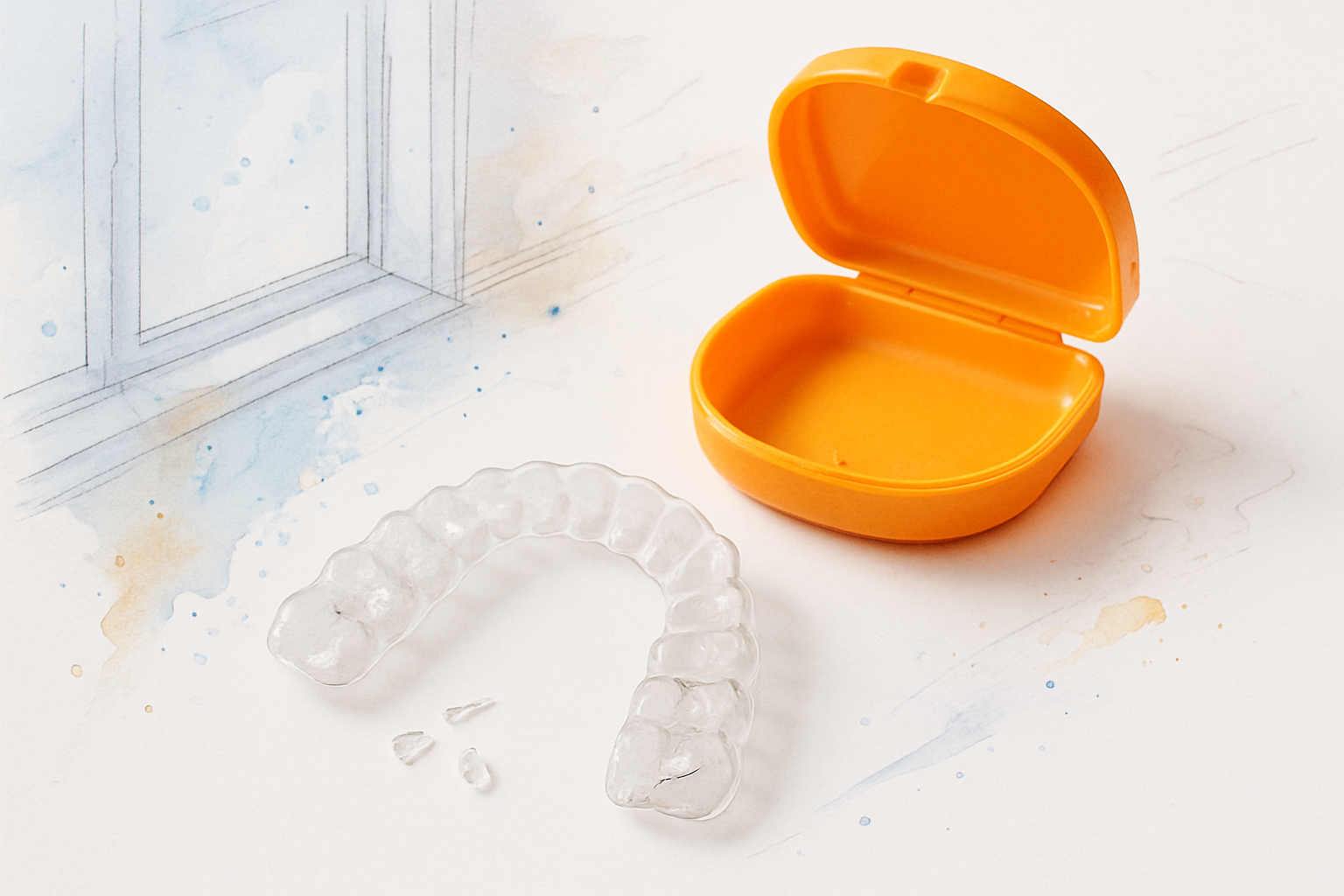
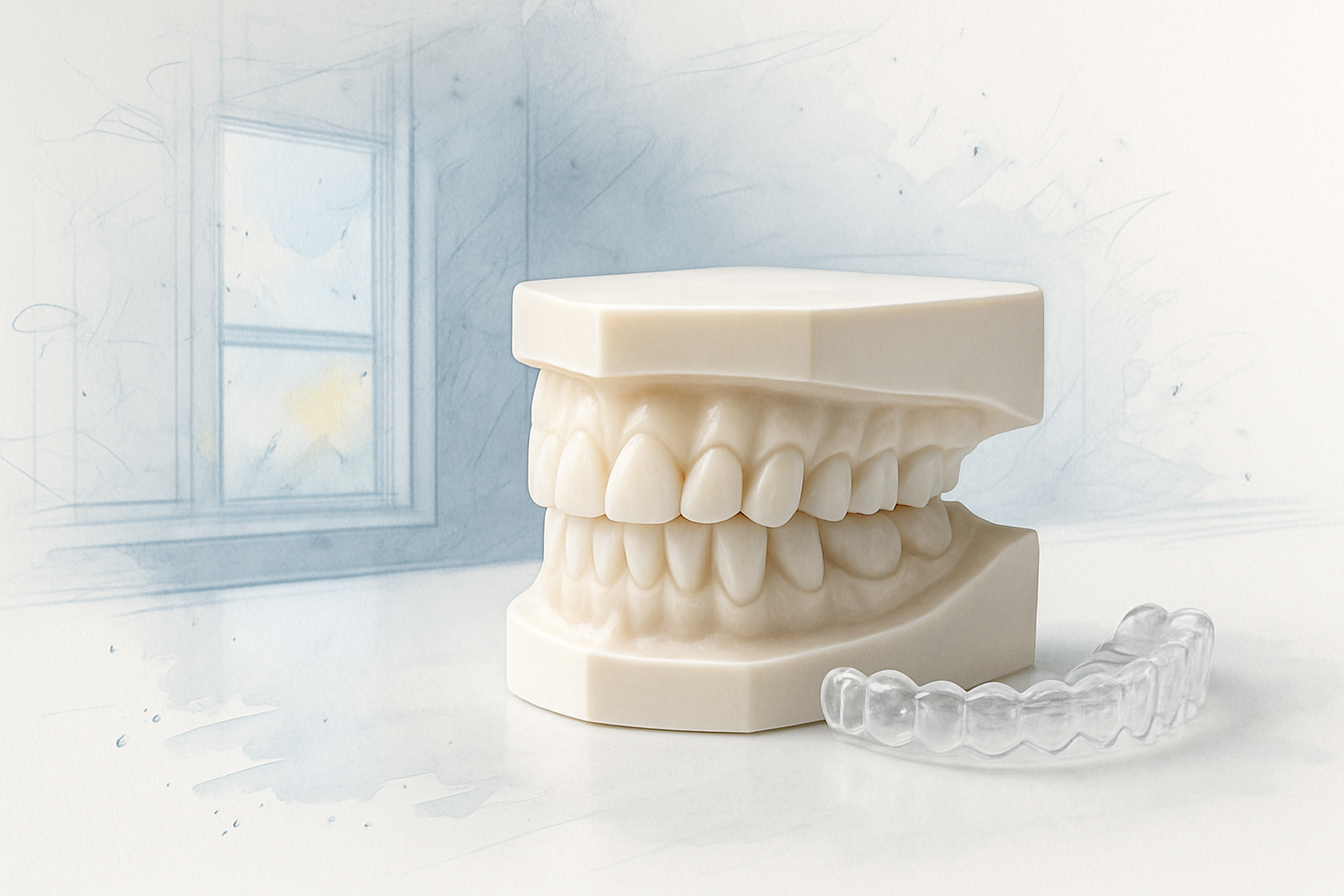
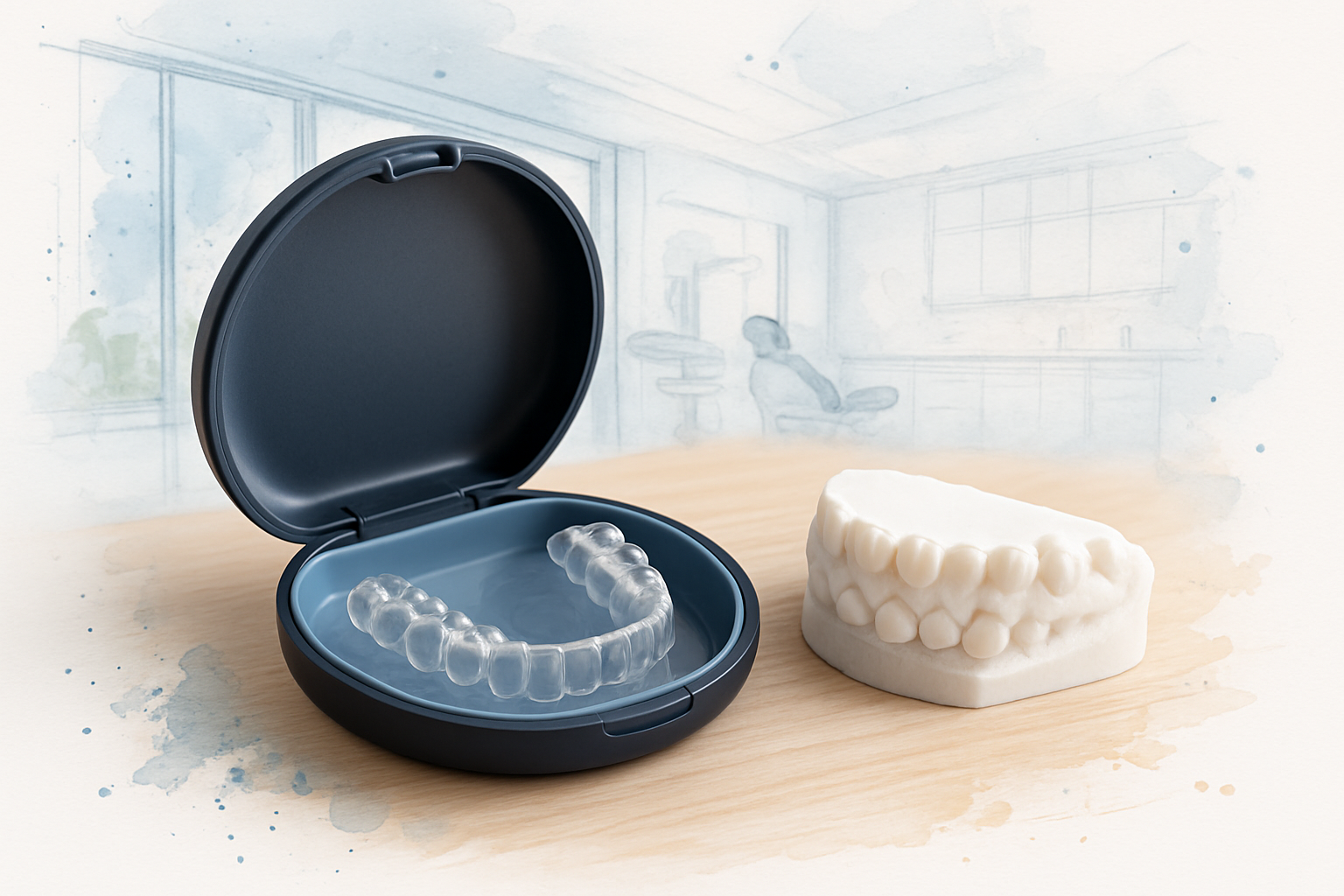
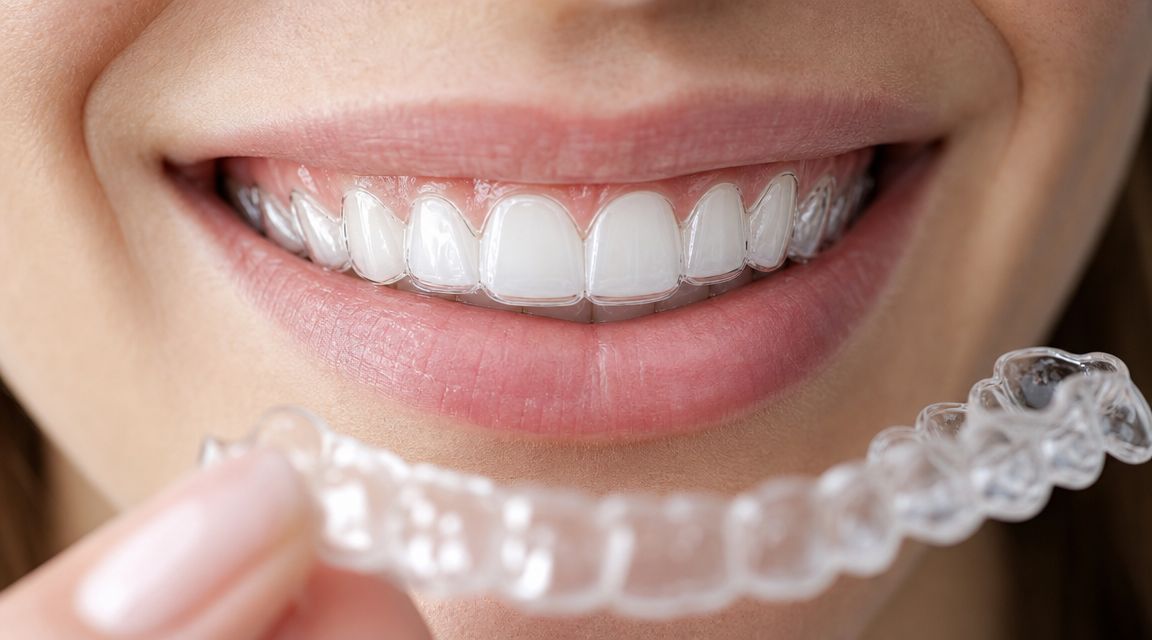
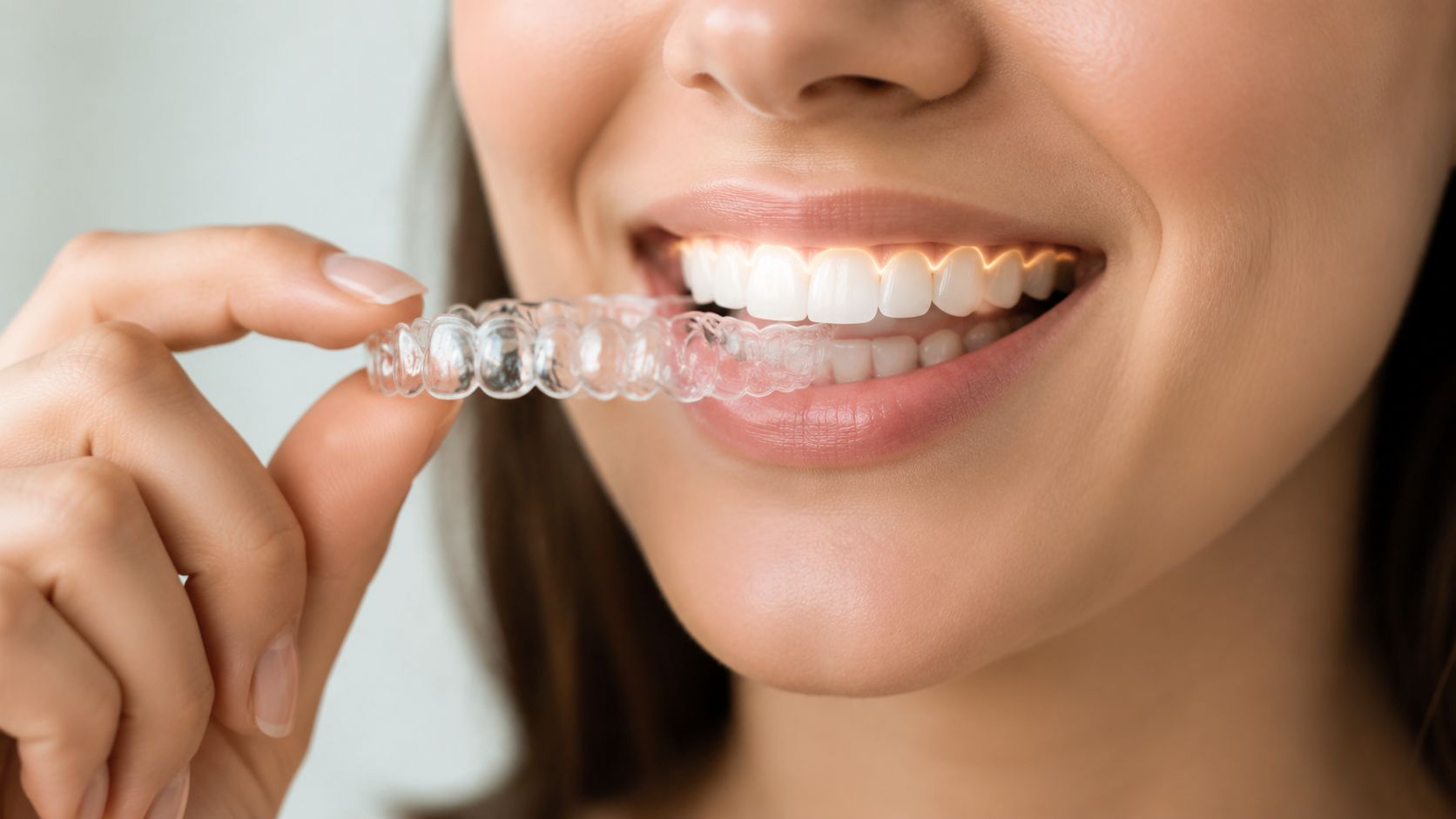
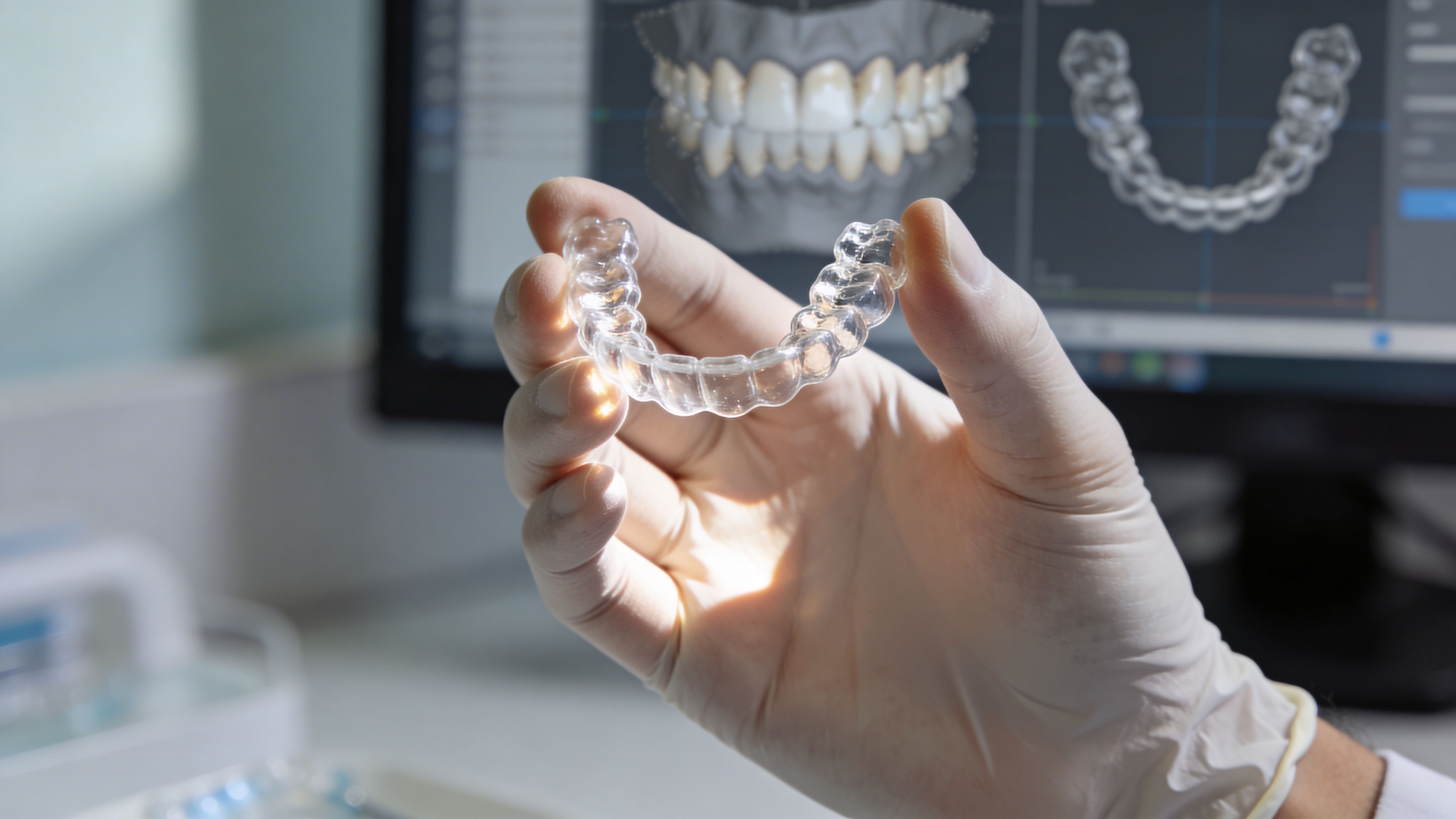
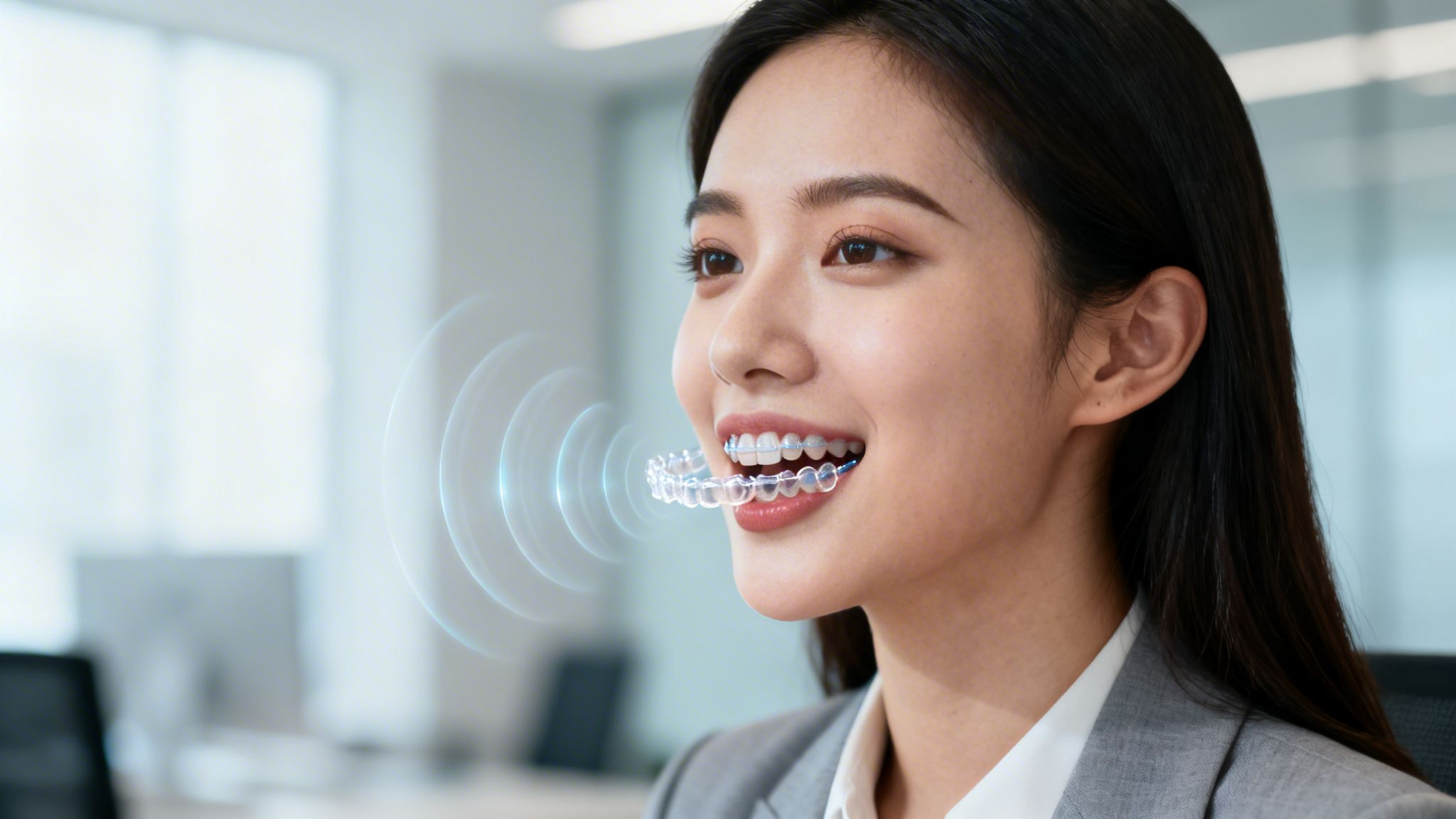
Invisalign is appealing for obvious reasons. The trays are discreet, removable, and easier to manage during meals and brushing. For the right teen, that can be a very good fit.
The problem isn't whether aligners can work. The problem is whether your teen will wear them as directed every day. Recent data shows teen compliance with removable aligners can drop to 60-70% without tracking features, which may lead to 25% longer treatment times compared to the near-100% adherence of fixed braces (AAO, 2025).
That doesn't mean Invisalign is a bad option. It means Invisalign is a responsibility-heavy option.
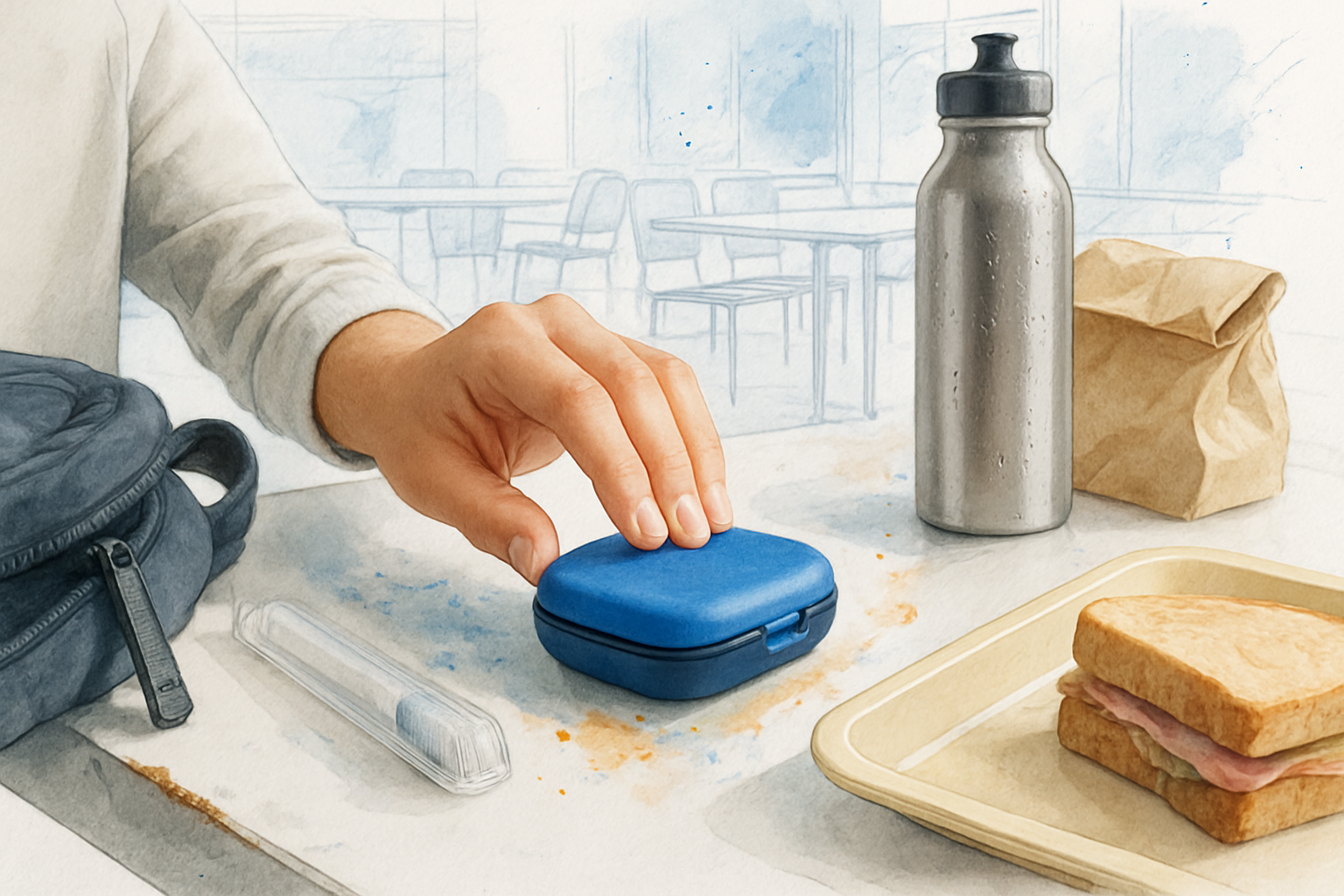
A teen who keeps up with routines, follows instructions, and cares about a low-profile look may do very well with aligners. A teen who tends to leave things in a backpack, gym bag, or lunch tray may struggle.
Some teens want Invisalign because it looks easy. The teens who do best with it usually treat it like a job.
A quick comparison parents can actually use
| Option | Best fit for | Main upside | Main trade-off |
|---|---|---|---|
| Traditional metal braces | Teens who need dependable full-time treatment | Always working, no need to remember wear time | Most visible |
| Iconix esthetic brackets | Teens who want a subtler fixed option | Less noticeable than standard metal, still fixed | Same food and hygiene rules as braces |
| Invisalign | Responsible teens who want a discreet removable option | Nearly invisible, easier meals and brushing | Requires strong daily compliance |
What usually matters most
If your teen plays sports, all three options can be workable with the right guidance. If your teen is focused on appearance, Iconix or Invisalign may feel more comfortable socially. If your household doesn't want daily reminders about wear time, fixed braces often make life easier.
A real exam is essential. Looking at photos online won't tell you how the bite is functioning or whether your teen is a realistic aligner candidate.
The Orthodontic Treatment Process From Start to Finish

The process feels less overwhelming when you know what happens in order. Most families are relieved once they see that treatment is a series of manageable steps, not one big unknown.
If you'd like a more detailed overview, this guide to the orthodontic treatment process walks through the same path in more detail.
The first consultation
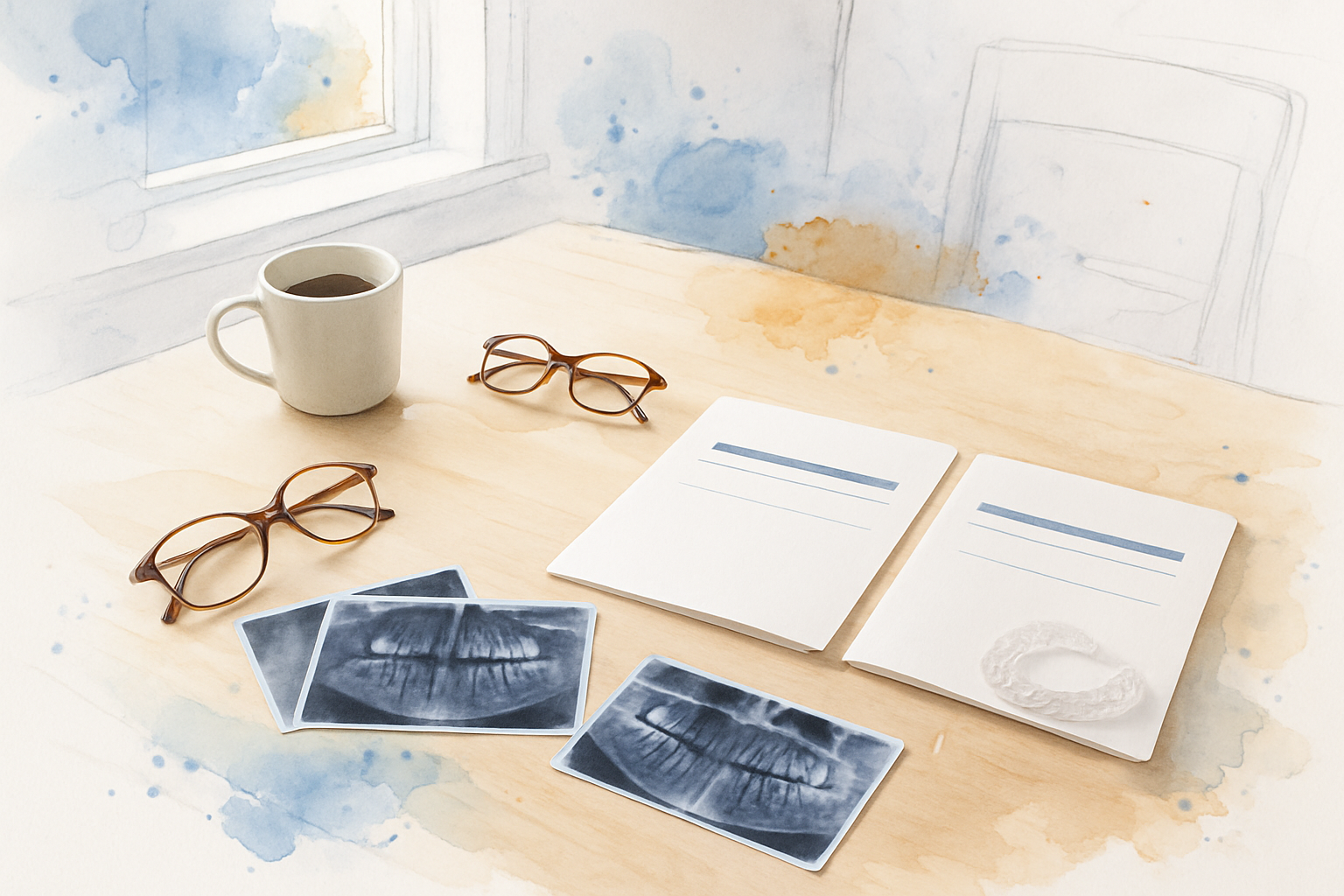
The first visit is where the orthodontist looks at tooth alignment, bite relationships, jaw development, and spacing or crowding patterns. This is also where parents should ask the practical questions that matter at home, like whether their teen is better suited for fixed braces or aligners.
Bring your teen into that conversation. When teens understand why a certain option is being recommended, they usually cooperate better with treatment.
Questions worth asking at the first visit:
- Which option fits my teen's habits. Not just their smile.
- What will daily care look like. Brushing, eating, sports, and school routines all matter.
- What should we expect early on. Soreness, speech adjustment, and appointment frequency are normal topics.
Treatment planning
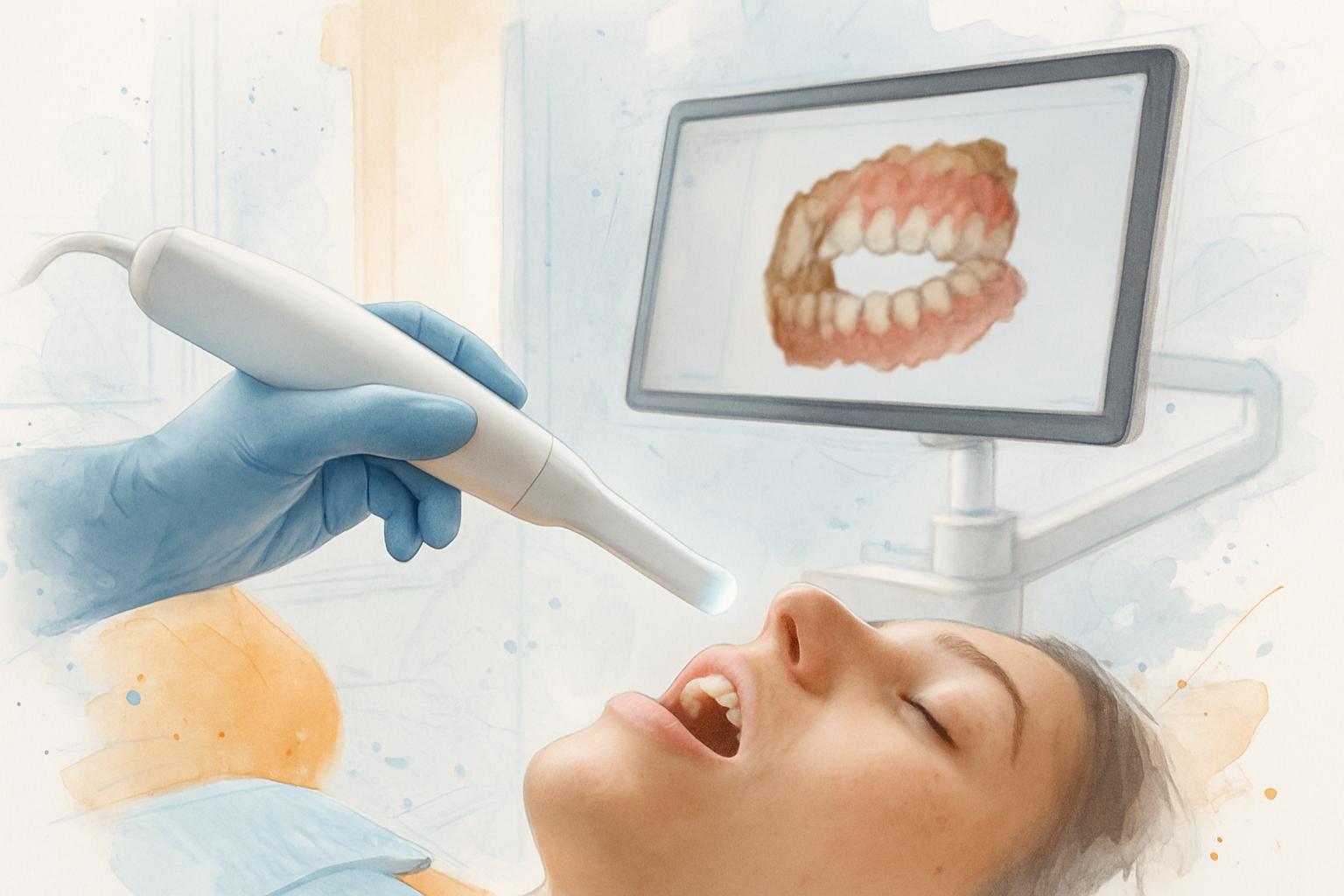
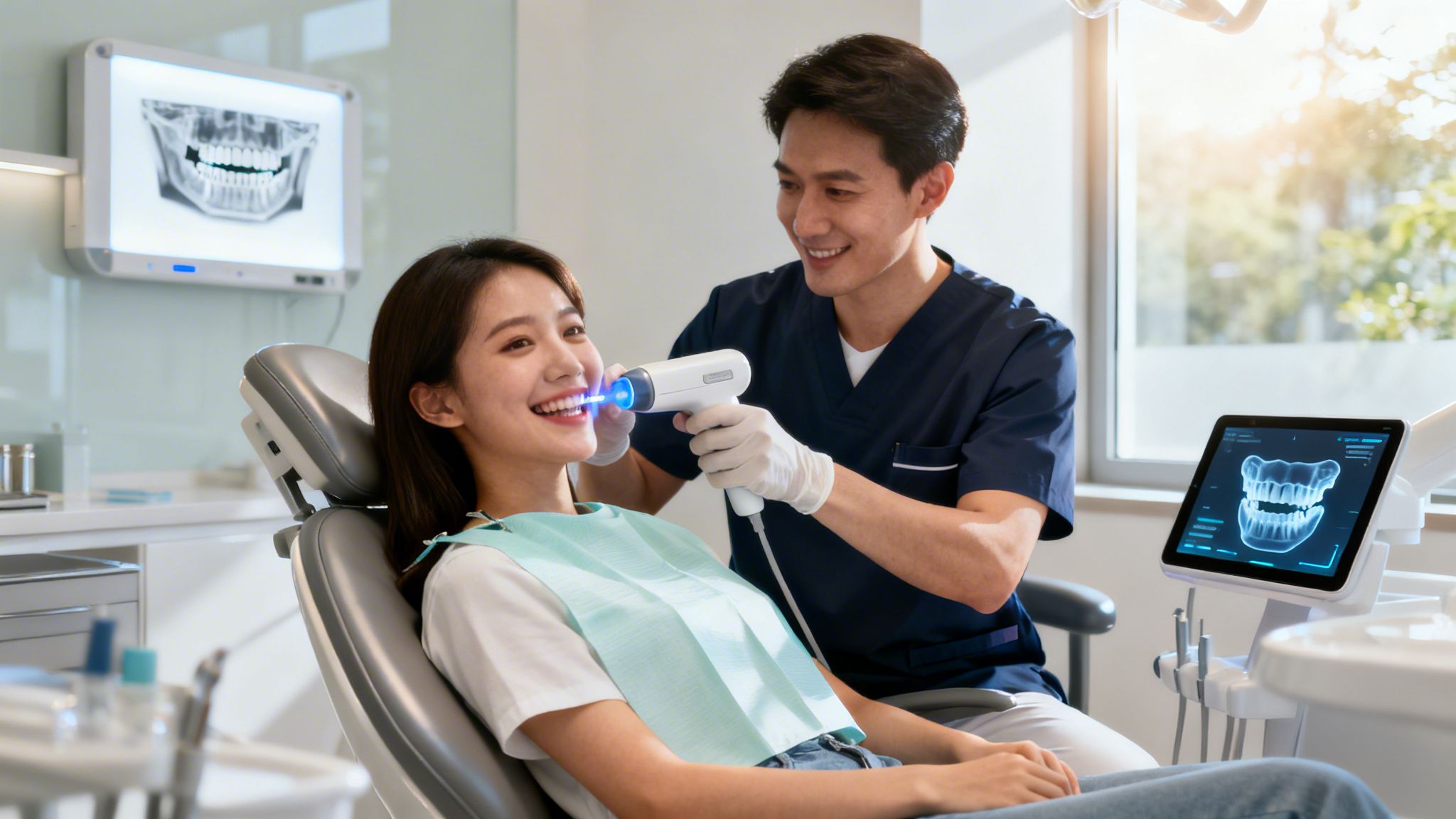
Once records are gathered, the orthodontist maps out a treatment plan based on what needs to move and how best to move it. Digital scans help make this more precise and easier for families to understand.
This is also the right point to talk through timing. Some teens want the least visible option possible. Others care more about keeping treatment simple and not having to remember trays or accessories.
The best plan is the one your teen can follow on an ordinary Wednesday, not just the one that sounds ideal in the consultation room.
Active treatment
This is the longest part of treatment. With braces, your teen comes in for regular checks and adjustments. With Invisalign, visits focus on tracking progress and making sure tray wear is consistent enough to keep the case moving.
The first days after braces go on or after moving to a new aligner stage can feel tender. That's expected. Most teens settle in quickly once they know what foods are easier, how to use wax if needed, and how to brush well around appliances.
A few practical realities during active treatment:
- Missed wear hurts aligner progress. This is the biggest issue with removable treatment.
- Broken brackets slow things down. Usually because of hard or sticky foods.
- Good hygiene matters throughout. Orthodontics straightens teeth, but it doesn't replace brushing and flossing.
The retention phase
Teens are often surprised that treatment doesn't end the day braces come off or the last aligner is done. Retainers matter because teeth can shift if nothing holds the result in place.
This stage isn't optional. Parents should expect a clear set of instructions, and teens need to understand that finishing active treatment is not the same as being done forever.
Understanding Costs, Insurance, and Financing for Teen Braces
Cost is one of the first questions parents ask, and that's reasonable. The total fee depends on case complexity, the type of appliance used, and how long treatment is expected to take.
There isn't one standard price that fits every teen. A mild alignment issue and a more involved bite correction are not the same kind of case, so the financial details need to be personalized.
A free consultation is the easiest place to get clear answers. It gives you a chance to review the treatment recommendation first, then talk through insurance and payment options based on your family's actual situation. This guide to affordable braces in Huntington Beach can help you prepare for that conversation.
What usually affects the overall cost
Some cases are more complex than others. A teen who needs more detailed bite correction may need a different treatment approach than a teen with mostly cosmetic crowding.
The appliance choice matters too. Traditional metal braces, Iconix brackets, and Invisalign involve different planning and treatment demands. The right question isn't just what costs less at the start. It's which option is most likely to keep treatment on track.
How insurance usually fits in
Orthodontic coverage varies a lot by plan. Some plans include a teen orthodontic benefit, some have age limits, and some cover only part of treatment.
Parents should ask for help reviewing benefits before making assumptions. A practice can usually help verify what your plan includes and explain what portion may be your responsibility.
Financing and health account options
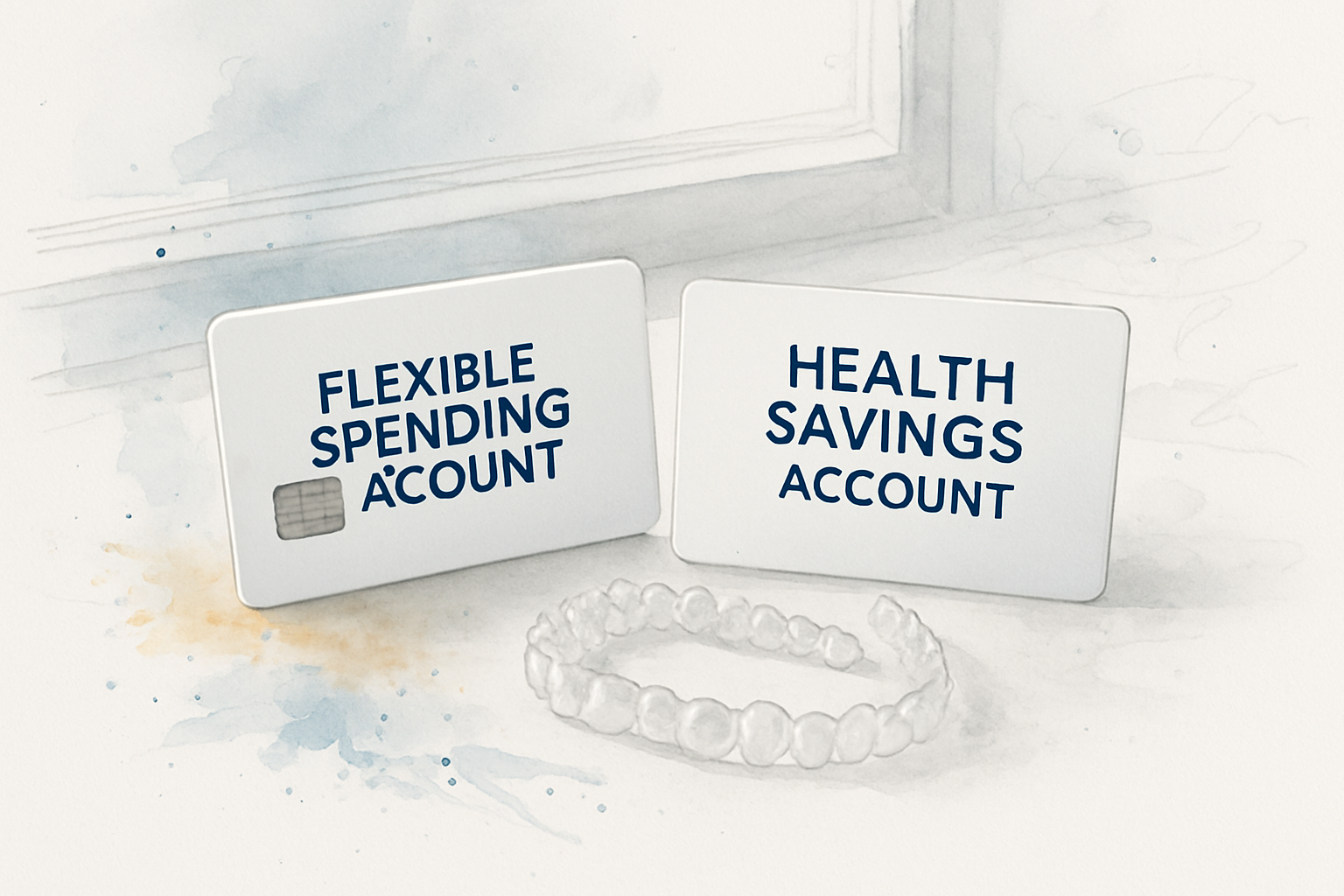
Many families use monthly payment plans to spread treatment out over time. Others use FSA or HSA funds when those are available through work or a health plan.
That part should be explained in plain language. You shouldn't have to guess what your options are or sort through insurance details on your own.
The Advantage of a Local Orthodontist in Huntington Beach
When parents search for braces for teens near me, they usually aren't just asking about distance. They're asking how hard this is going to be to manage during real family life.
That local piece matters more than people expect. Orthodontic care involves recurring visits, occasional minor issues, and schedule changes around school, sports, and family obligations.
Convenience matters more once treatment starts
A nearby office makes routine appointments easier to keep. That matters when your teen has classes, practices, games, part-time work, or a packed after-school calendar.
It also matters when something small comes up. A poking wire or loose bracket isn't usually a major emergency, but it's a lot easier to deal with when your orthodontist is close to home instead of across the county.
Local care feels different because the routines are familiar
Families in Goldenwest, Oak View, Wintersburg, Downtown Huntington Beach, and central Fountain Valley tend to have the same scheduling pressure points. Early school starts, traffic on Beach Boulevard, sports seasons, and weekend commitments all shape when appointments are realistic.
That local understanding changes the experience. It helps when the office team knows families may need before-school, after-school, or Saturday availability to keep treatment practical. If you're comparing providers, this article on choosing a Huntington Beach orthodontist is worth reviewing.
A local orthodontist doesn't just save drive time. It makes follow-through easier, and follow-through is a big part of successful treatment.
One nearby option families consider
In this area, Magic Fox Orthodontics provides teen treatment with traditional metal braces, Iconix esthetic brackets, and Invisalign clear aligners for families in Huntington Beach and Fountain Valley. For parents weighing convenience, that means local access for consultations, routine visits, and follow-up care without building treatment around a long commute.
Frequently Asked Questions About Braces for Teens

Parents often look online before they ever call an office. That's part of why local visibility matters, and resources like Local SEO for Dentists explain why families usually find nearby practices through practical search terms rather than broad advertising.
For the day-to-day questions, these are the ones teens and parents ask most often.
Do braces hurt when they first go on?
Most teens feel pressure and soreness at the beginning or after adjustments. It usually feels more like tenderness than sharp pain. Softer foods help for the first few days.
How long will my teen have to wear braces?
That depends on the bite, crowding, and treatment type. Some teens move through treatment more easily than others. The orthodontist should give you a general range after the exam, not a one-size-fits-all promise.
Is Invisalign really a good option for teens?
It can be, if your teen is responsible enough to wear the aligners as directed. Teens who take trays out often or forget them tend to struggle more. If you want help understanding plan details, this guide on whether insurance covers braces is also useful when comparing options.
What foods are actually a problem with braces?
Hard, sticky, and crunchy foods are the usual troublemakers because they can bend wires or loosen brackets. With aligners, the main rule is to remove them before eating and put them back in as instructed.
What should we do if a wire is poking?
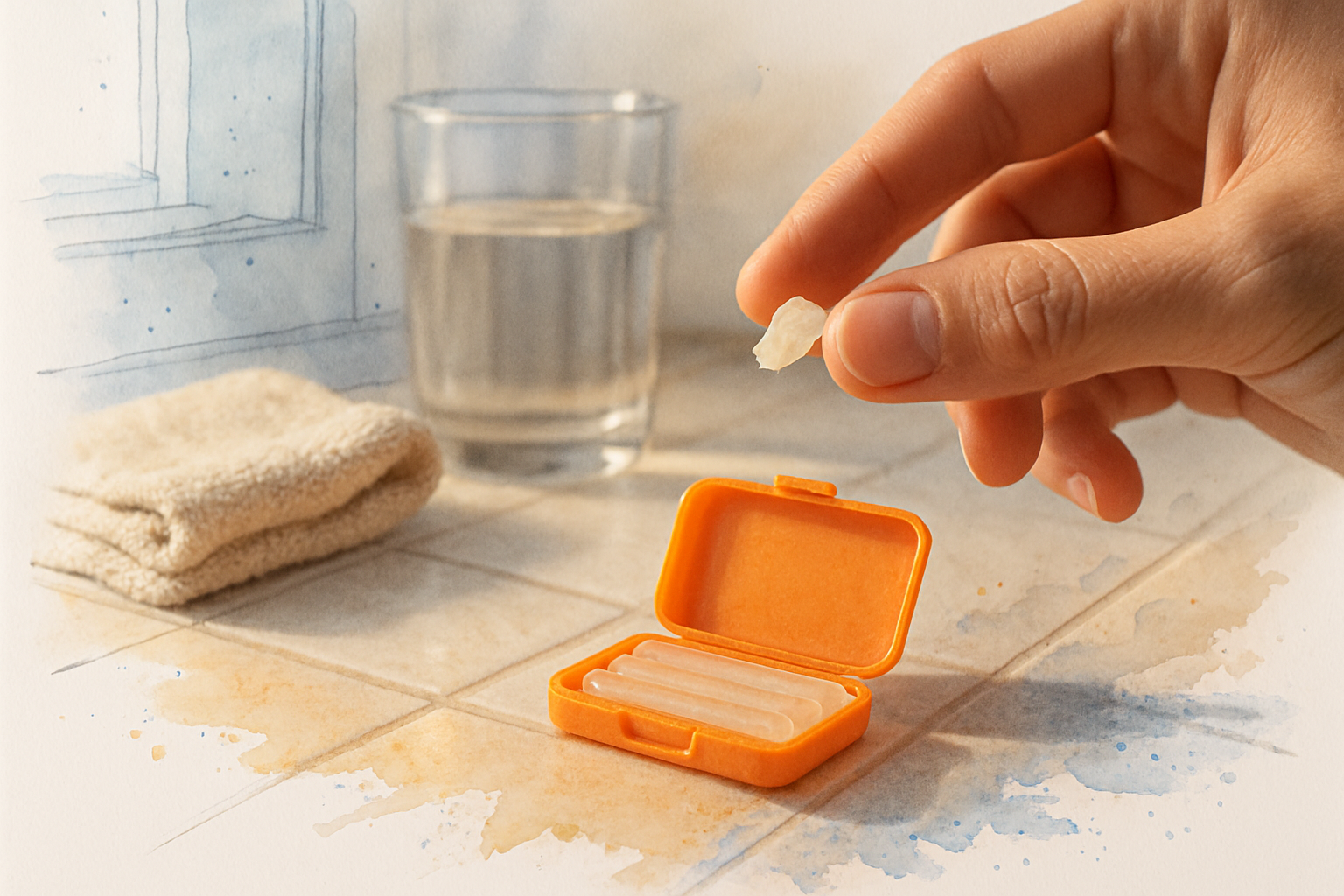
Use orthodontic wax to cover the area temporarily and call the office for guidance. If something feels sharp or a bracket has come loose, don't ignore it. Small problems are easier to handle early.
Can my teen still play sports with braces?
Yes, but mouth protection is important. If your teen plays contact sports or anything with a risk of impact, ask about a mouthguard made for orthodontic treatment.
Start Your Teen's Smile Journey Today
If you're looking for braces for teens near me, the most useful next step is a consultation that gives you a clear recommendation based on your teen's bite, habits, and goals. Some teens do best with traditional metal braces. Others are better served by Iconix brackets or Invisalign. The point is to choose the option that fits real life.
Dr. Jeremy and Dr. Melissa work with families from Huntington Beach, Fountain Valley, Oak View, Goldenwest, and nearby neighborhoods every day. The conversation should feel straightforward, not pressured, and you should leave knowing what makes sense for your teen.
Cited sources
American Association of Orthodontists. "What Percentage of Teens Need Braces?" 2024. https://www.drjeffreysthompson.com/blog/what-percentage-of-teens-need-braces/
American Association of Orthodontists. "Invisalign for Teens Compliance Data Referenced by Jersey City Dental Center." 2025. https://www.jerseycitydentalcenter.com/orthodontics/invisalign/
If you'd like a clear, low-pressure evaluation, schedule a free consultation with Magic Fox Orthodontics. Dr. Jeremy or Dr. Melissa can walk you through whether traditional metal braces, Iconix brackets, or Invisalign makes the most sense for your teen. Call (714) 594-5777, visit 17041 Beach Boulevard, Suite 101, Huntington Beach, CA 92647, or learn more at magicfoxsmiles.com. Office hours are Monday through Friday 9:00 AM to 5:00 PM and Saturday 8:00 AM to 2:00 PM.