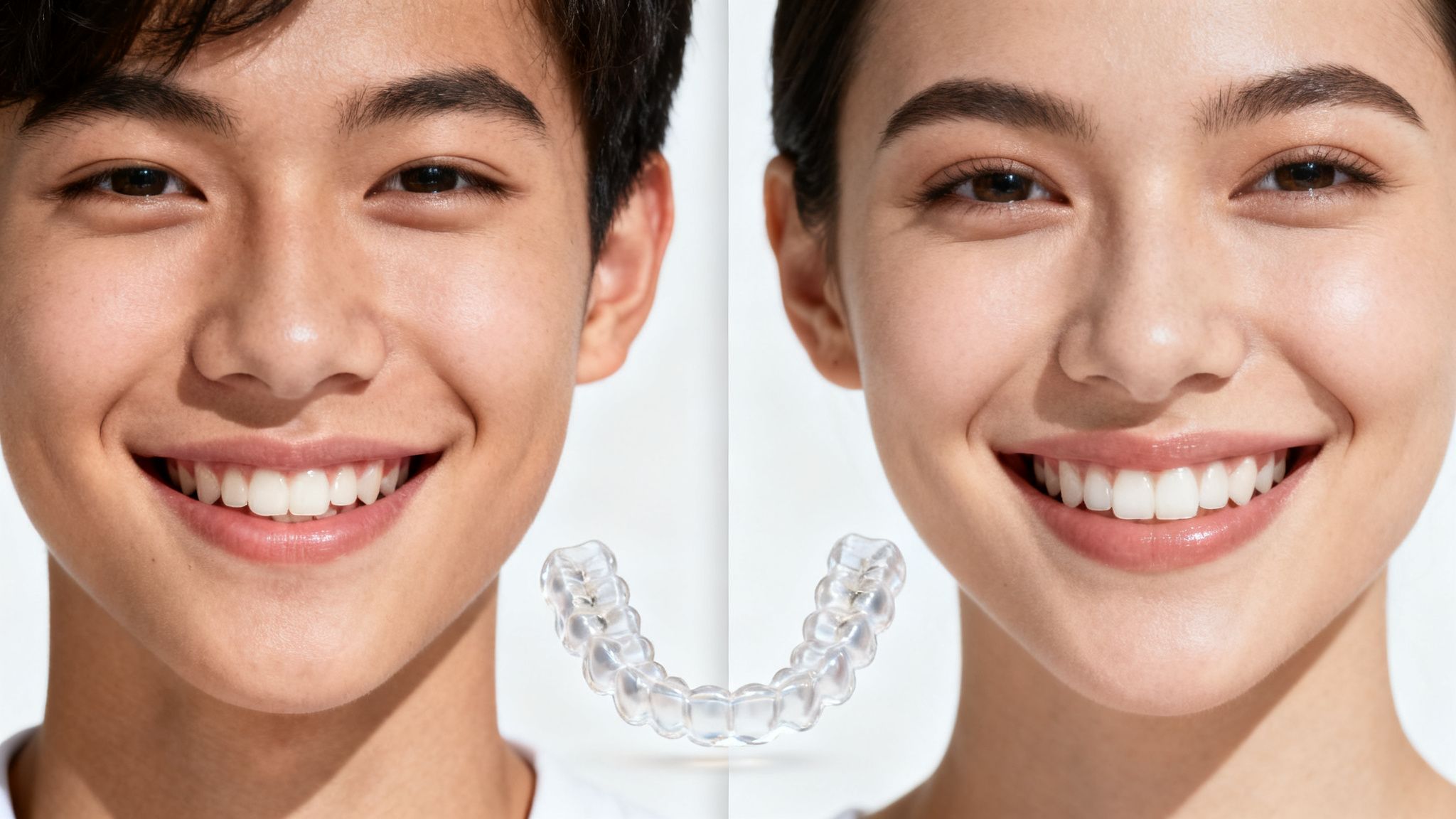
Invisalign Just for Top Teeth: A Patient's Guide
You're standing in front of the mirror, smiling a little sideways, and your eye goes straight to one upper tooth that doesn't sit where you want it to. Maybe it turned slightly over the years. Maybe your top front teeth shifted after braces. Maybe your lower teeth seem fine, so your question feels simple: can I do Invisalign just for top teeth and leave the bottom alone?
That's a very common question. Patients in Huntington Beach and Fountain Valley ask it all the time, and the logic makes sense. If the concern is on top, why treat both arches?
The short answer is yes, sometimes. The more useful answer is that the decision doesn't start with the tooth you see in the mirror. It starts with your bite, meaning how your upper and lower teeth fit together when you close.
The Appeal of Fixing Just Your Top Teeth
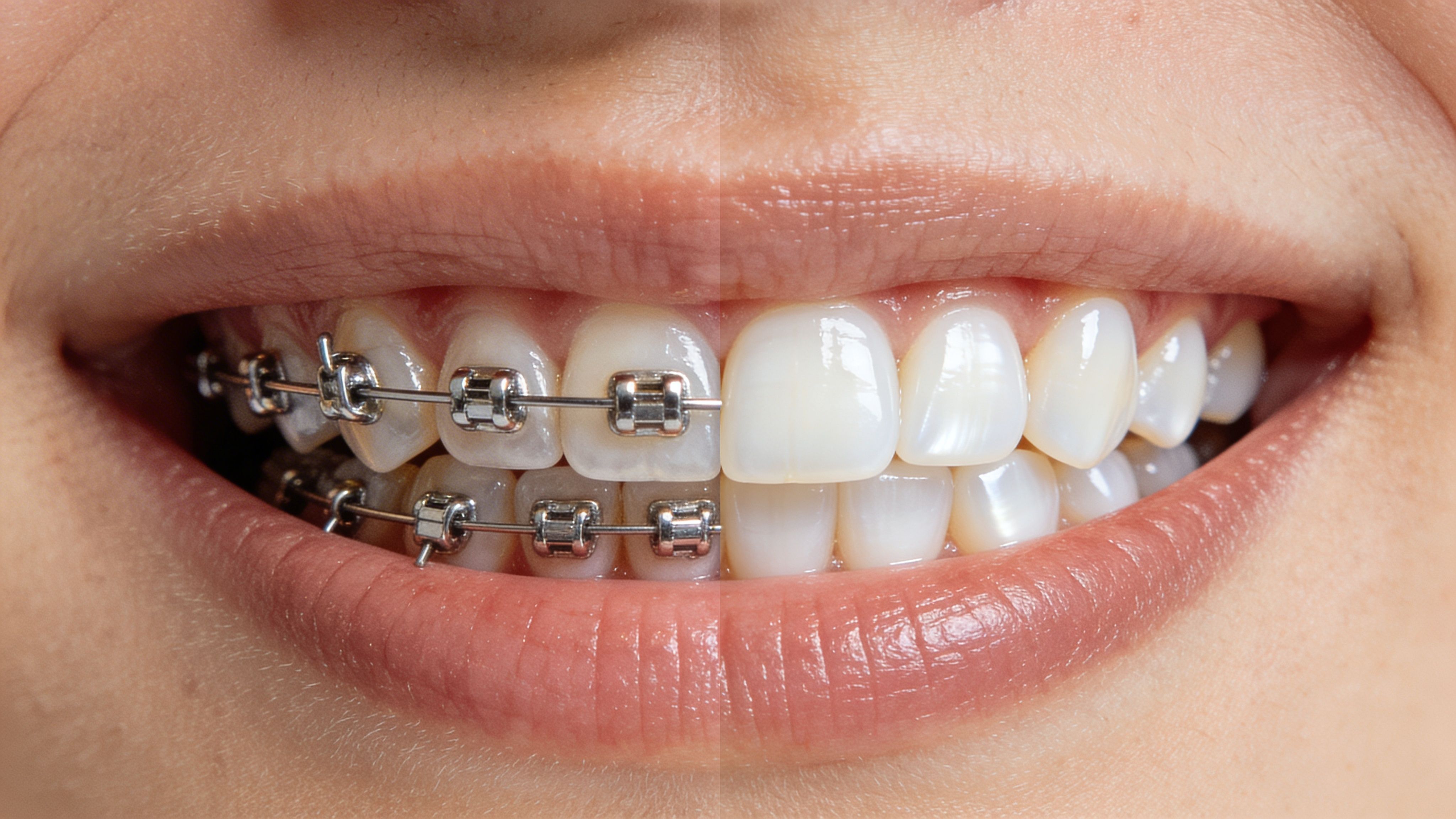
A lot of people who ask about invisalign just for top teeth are not looking for a major orthodontic overhaul. They usually want a targeted fix. One slightly crowded front tooth. A small gap. A little relapse after not wearing a retainer faithfully.
That kind of thinking is reasonable. If the lower teeth already look straight, full treatment can feel unnecessary. Patients often assume orthodontics works like repainting one wall in a room. If the wall that bothers you is the only problem, why touch the rest?

Why the question comes up so often
The upper teeth are usually what people notice first in photos, video calls, and everyday conversation. That makes upper-only treatment sound like a clean, efficient solution.
In some cases, it is.
But teeth don't work one arch at a time. They work as a pair. Straightening only the teeth you notice can be fine when the system is already balanced. It becomes risky when moving the top teeth changes how they land against the lower teeth.
Practical rule: Cosmetic goals matter, but orthodontic treatment still has to protect function.
The real question behind the question
Most patients aren't really asking whether top-only treatment exists. They're asking whether it can give them a nicer smile without creating a new problem.
That's the right question.
If your bite is already solid and the issue is limited, upper-only aligners may be a sensible option. If your bite needs coordination, top-only treatment can feel simpler at first and less satisfying later. The whole decision hinges on whether your smile needs a touch-up or a full tune-up.
When Upper-Only Invisalign Is a Smart Choice
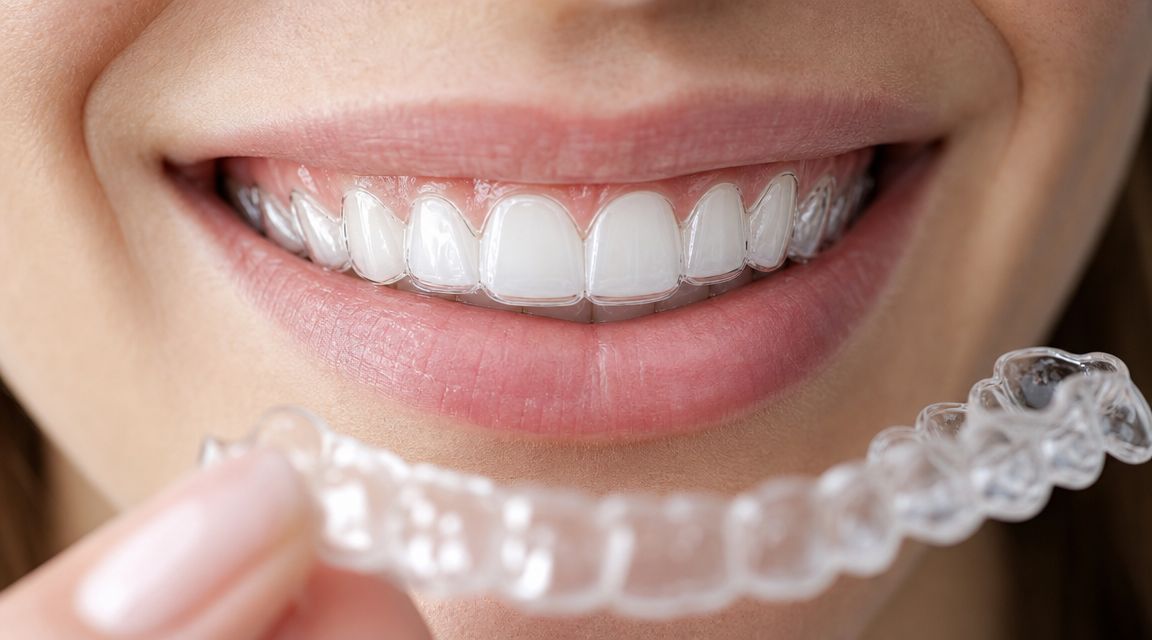
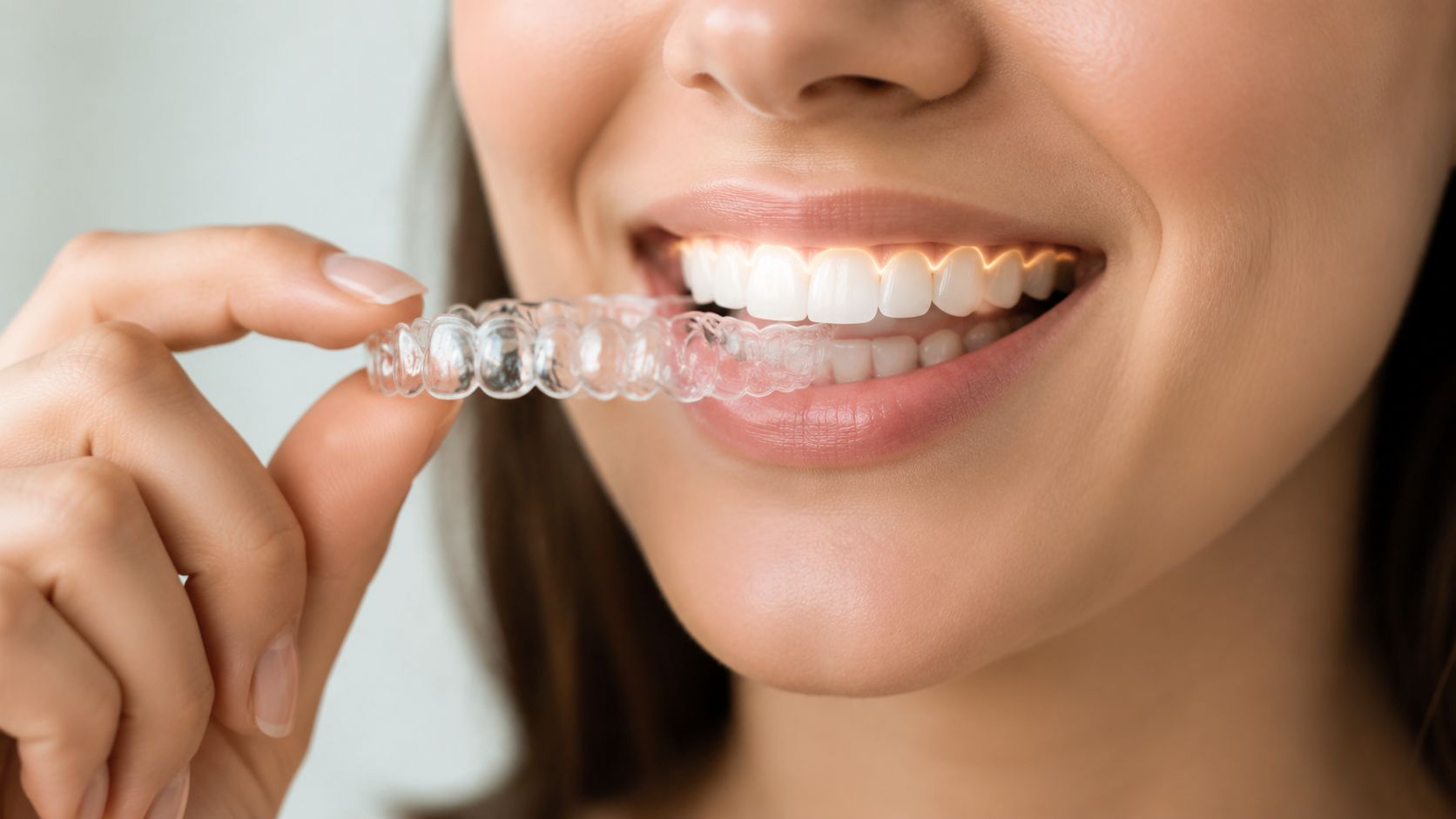
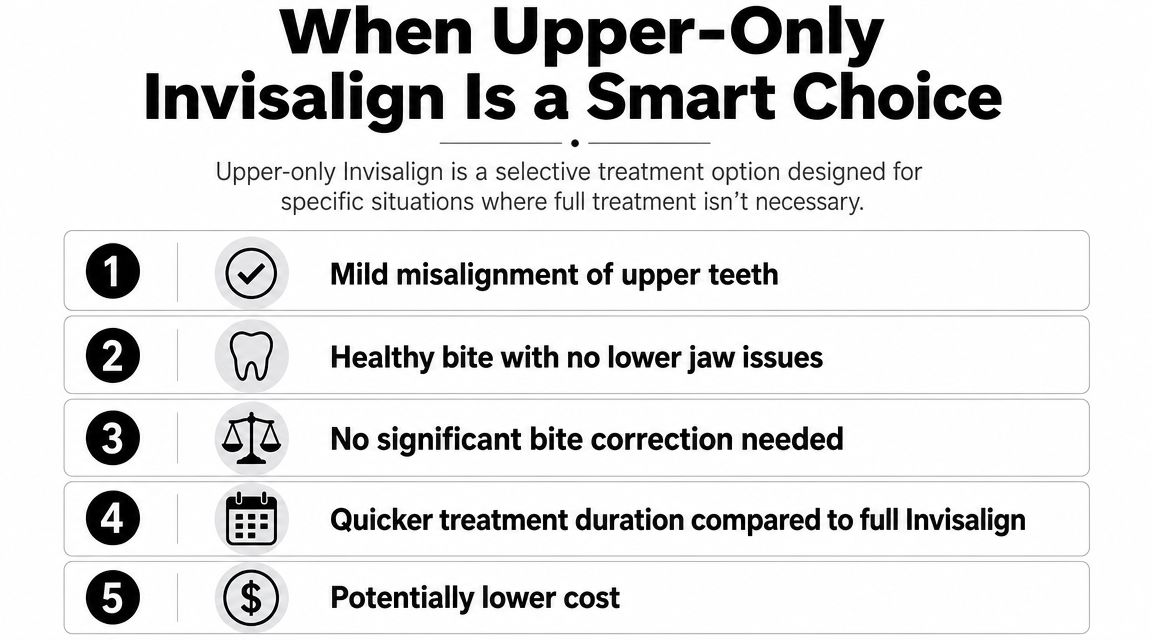
Yes, single-arch Invisalign is a real treatment option. It's not a shortcut for every case. It's a selective approach used when the conditions are right. As noted by Wellsmiles on single-arch Invisalign candidacy, it's generally reserved for mild alignment problems such as minor crowding, small gaps, slight rotations, or limited cosmetic relapse after prior orthodontics, especially when the bite is already stable.
What a good candidate usually looks like
Renovating one floor of a house is a good comparison. That can work if the foundation is sound and the rest of the structure is already in good shape. If the foundation is off, fixing one floor alone usually exposes the bigger issue.
Upper-only Invisalign tends to make sense in cases like these:
- Minor upper crowding: A few top teeth are slightly out of line, but nothing suggests a larger bite problem.
- Small spacing issues: A gap or two in the upper arch may be corrected without disturbing how the teeth meet.
- Slight rotations: A tooth that has twisted a bit can sometimes be corrected with focused movement.
- Relapse after earlier orthodontics: This is a common reason people seek limited treatment. The lower teeth may have held steady while the upper front teeth drifted.
- Stable lower arch: If the bottom teeth are already well aligned and don't need correction, upper-only treatment becomes more realistic.
What usually rules it out
There are also situations where upper-only treatment looks tempting but doesn't hold up clinically.
- Bite problems: If your upper and lower teeth don't fit together well, moving just one arch can make that mismatch worse.
- More than cosmetic movement: If the case requires broader coordination, a limited plan can become a compromise rather than a solution.
- Hidden lower-arch issues: Patients often focus on what shows when they smile, but lower crowding or bite imbalance may still need attention.
A helpful way to think about it is this. If your goal is a small cosmetic refinement and your bite is already steady, upper-only treatment may fit. If your smile concern is really a symptom of a larger alignment issue, the better plan is often broader.
For a broader look at how orthodontists sort through these choices, this guide on whether you need braces or Invisalign gives helpful context.
Why Your Bite Is the Most Important Factor
Your bite is the non-negotiable part of this decision. Teeth are not decorative pieces lined up on a shelf. They are contact points in a working system. Every time you bite, chew, or slide your jaw, your upper and lower teeth guide one another.
A simple analogy helps. Think of your bite like gears in a machine. If one gear shifts and the others don't, the machine may still run for a while, but not smoothly. Friction increases. Pressure lands in the wrong spots. Over time, wear shows up.
What orthodontists are checking
According to McDermott Orthodontics on top-teeth-only Invisalign, single-arch Invisalign is most appropriate when there are no meaningful crossbite or overbite concerns. Otherwise, treating only the upper arch can create occlusal interferences or worsen bite coordination. That same source notes that clinicians use digital scans and bite analysis to confirm that moving only the upper teeth won't destabilize the final fit between the arches.
That's why an orthodontic consultation for this question is not just about whether trays can move the top teeth. Of course they can. The harder question is whether they can do it without harming the way the arches meet.
Here are the main things being evaluated:
| Bite factor | Why it matters for top-only treatment |
|---|---|
| How the front teeth overlap | Too much or too little overlap can make upper-only movement unstable |
| How the back teeth fit together | Back teeth carry a lot of chewing force and need balanced contact |
| Crossbite patterns | A side-to-side mismatch often requires both arches to be coordinated |
| Tooth contact during movement | Even a cosmetic change can create a “hit first” contact on one tooth |
What can go wrong if the bite is ignored
This is the part patients don't always hear early enough. You can end up with straighter-looking upper teeth but a less comfortable or less stable bite.
Possible trade-offs include:
- Uneven wear: One area may start taking more force than it should.
- Interferences when chewing: Certain teeth can collide too early as you close.
- A result that looks good in photos but feels off in daily life: That's not a win.
- Need for additional treatment later: A limited plan can turn into a staged plan if the bite doesn't settle well.
A straight smile that doesn't bite well is not a finished orthodontic result.
Why a stable bite matters more than a quick fix
People often think of orthodontics as tooth straightening. Orthodontists think in terms of alignment plus function. That difference is why a doctor may recommend treating both arches even when only the top teeth bother you visually.
If moving one set of teeth threatens long-term stability, the “simpler” plan isn't simpler. It just postpones the complexity.
If you're curious about how aligners can affect vertical tooth position and bite details, this explanation of whether Invisalign can bring teeth down is a useful next read.
The Treatment Workflow for Single-Arch Invisalign
For the right patient, single-arch treatment is usually straightforward. The process is simpler than full-arch treatment, but the planning still has to be careful. The good news is that modern aligner therapy is much more precise than it used to be.
The clear aligner system was introduced in 1999, and this overview of Invisalign and clear aligner development notes that modern digital scanning, 3D planning, and refined aligner design now allow orthodontists to isolate movement to a single arch when the bite permits it.
What the sequence usually looks like
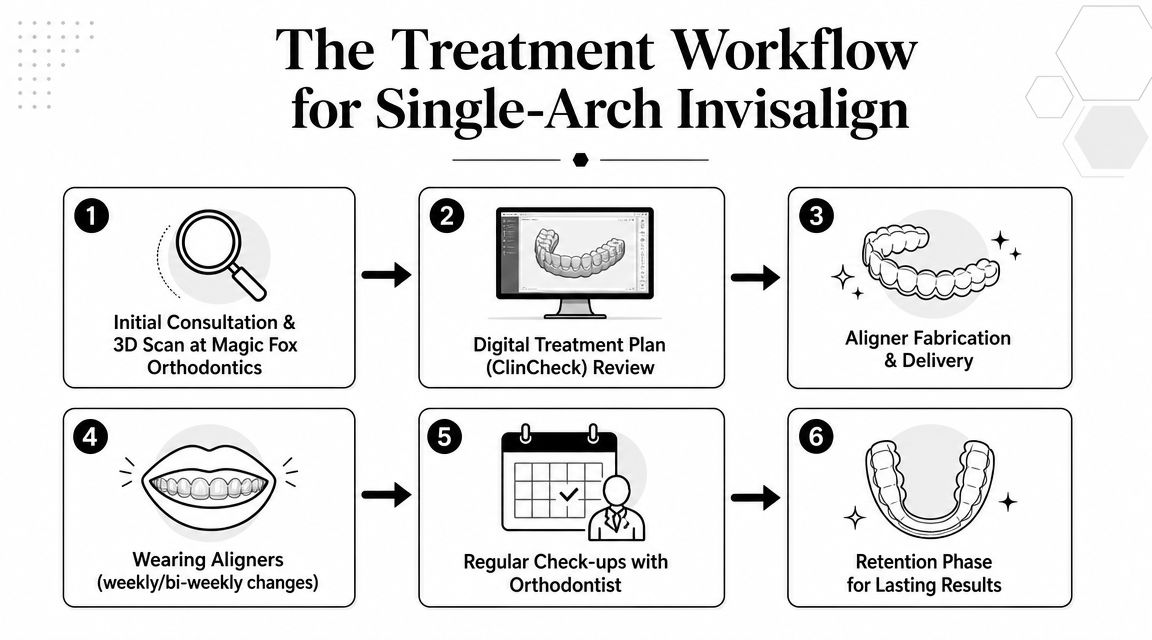
A qualified upper-only case often follows this pattern:
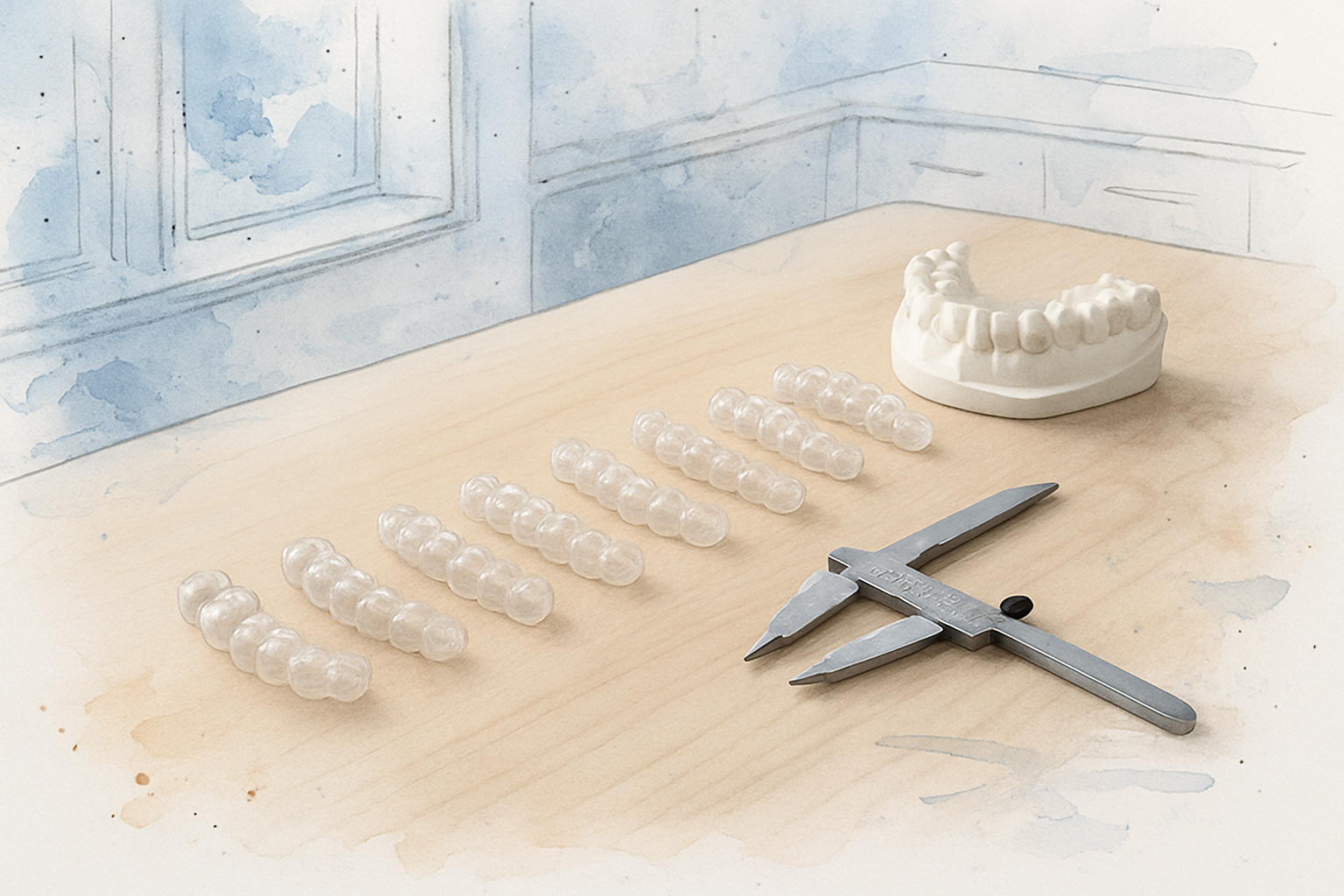
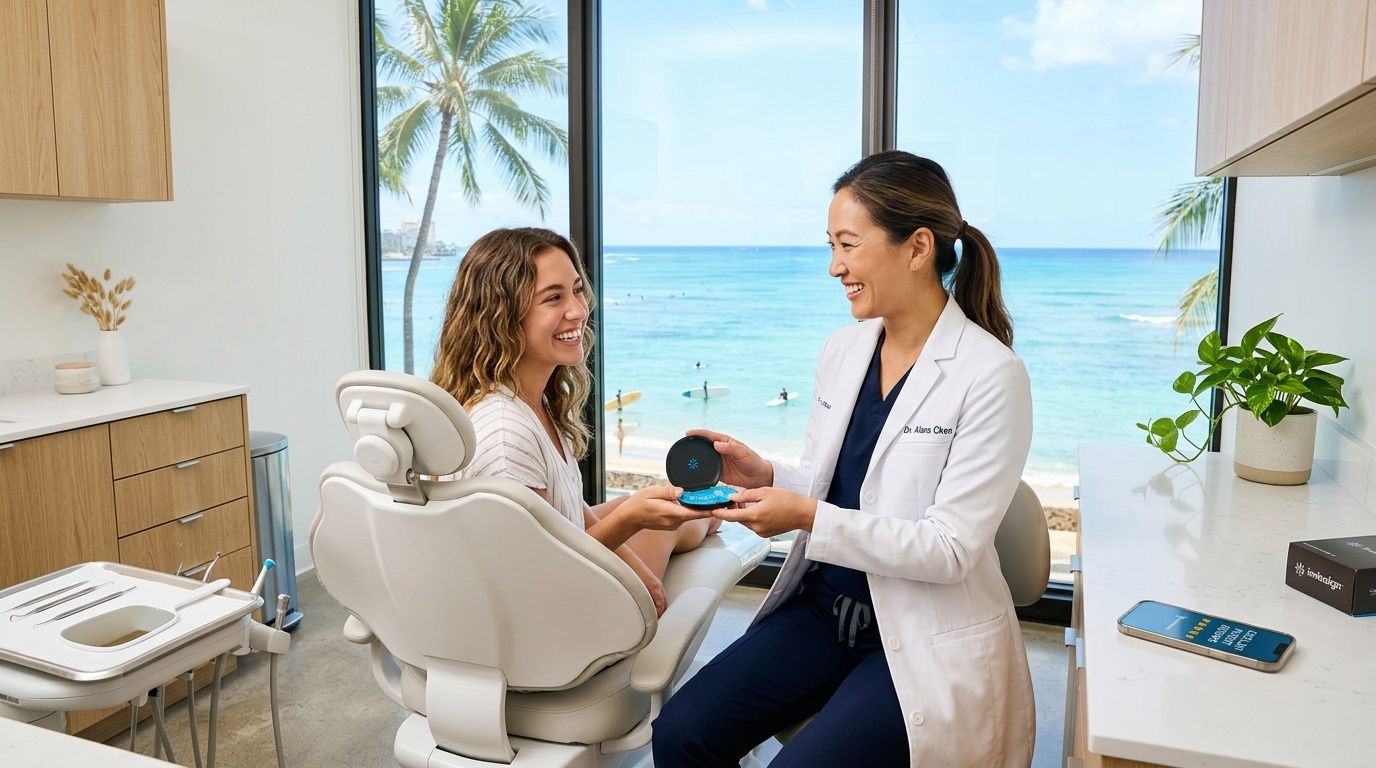
Consultation and records
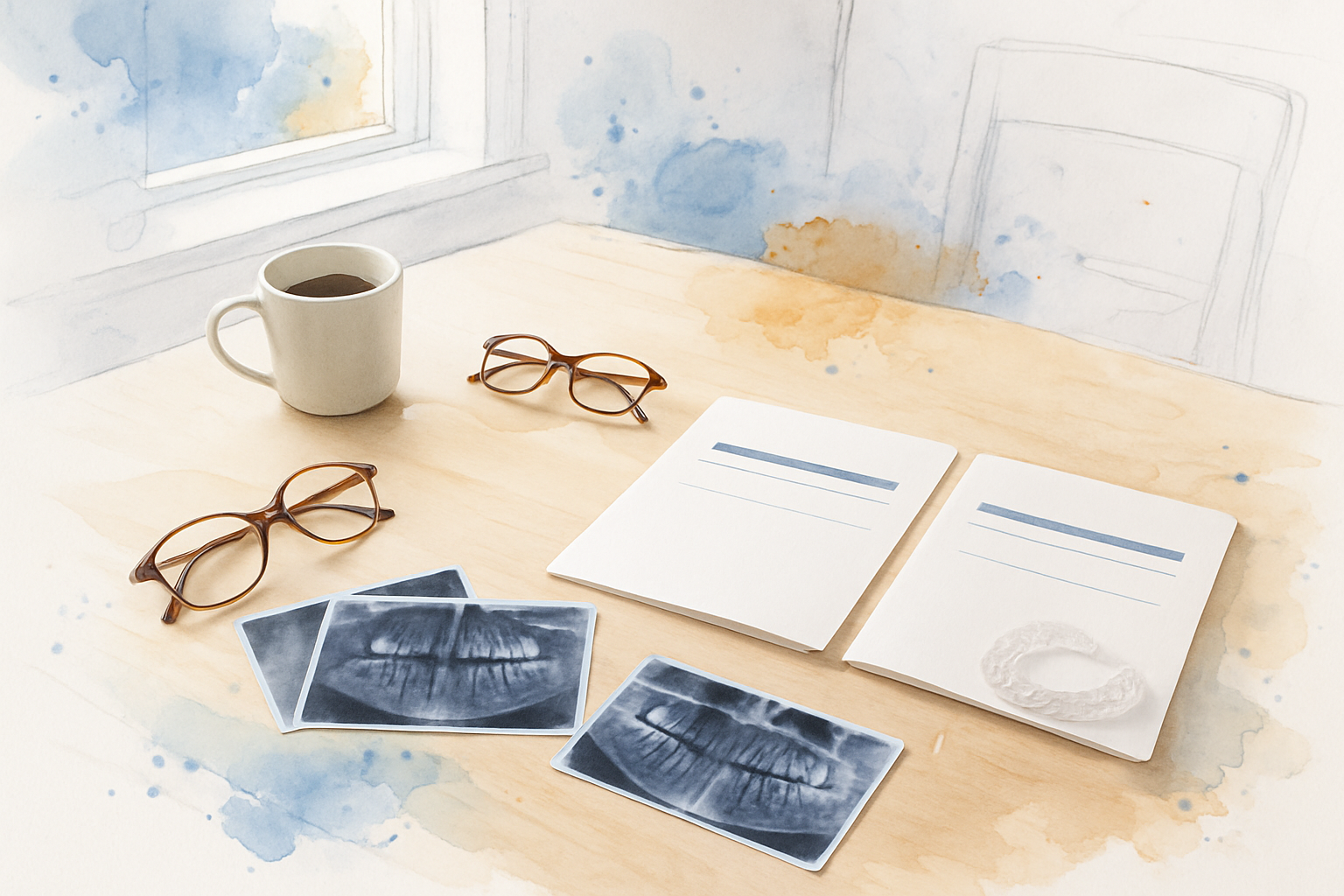
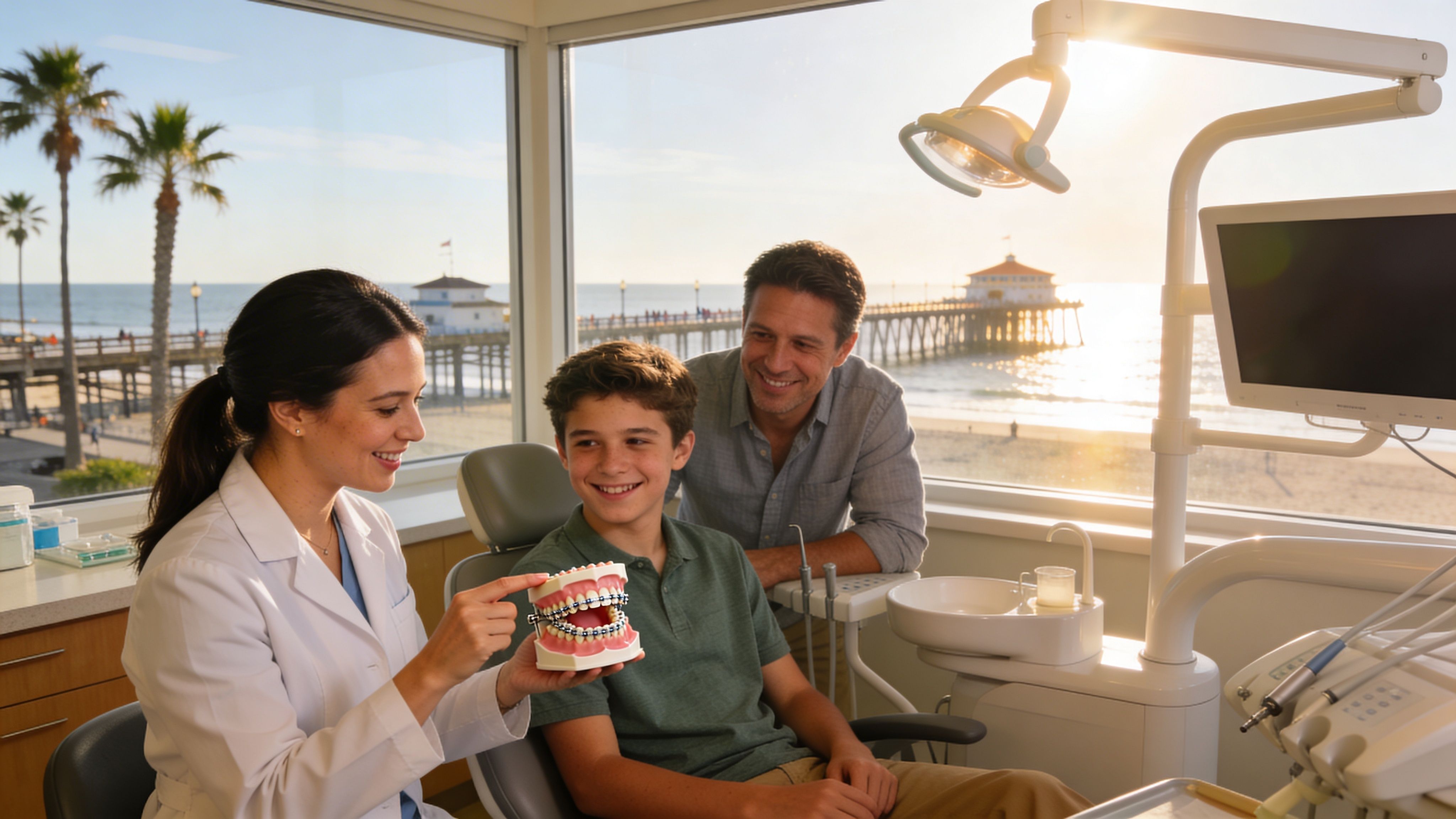
The first visit is about diagnosis, not sales. Photos, a digital scan, and a bite review help determine whether limited treatment is safe.Digital treatment planning
The doctor maps the exact tooth movements and checks the projected bite at the end, not just the cosmetic alignment halfway through.Aligner delivery
Once the plan is approved, the trays are made and delivered with instructions on wear and care.Active wear
Patients typically change aligners on a regular schedule set by the orthodontist. Consistency matters. Limited treatment only works when the trays are worn as directed.Progress visits
These visits confirm that the teeth are tracking and that the bite remains on course.Retention
After movement is complete, a retainer holds the correction.
Why the scan matters so much
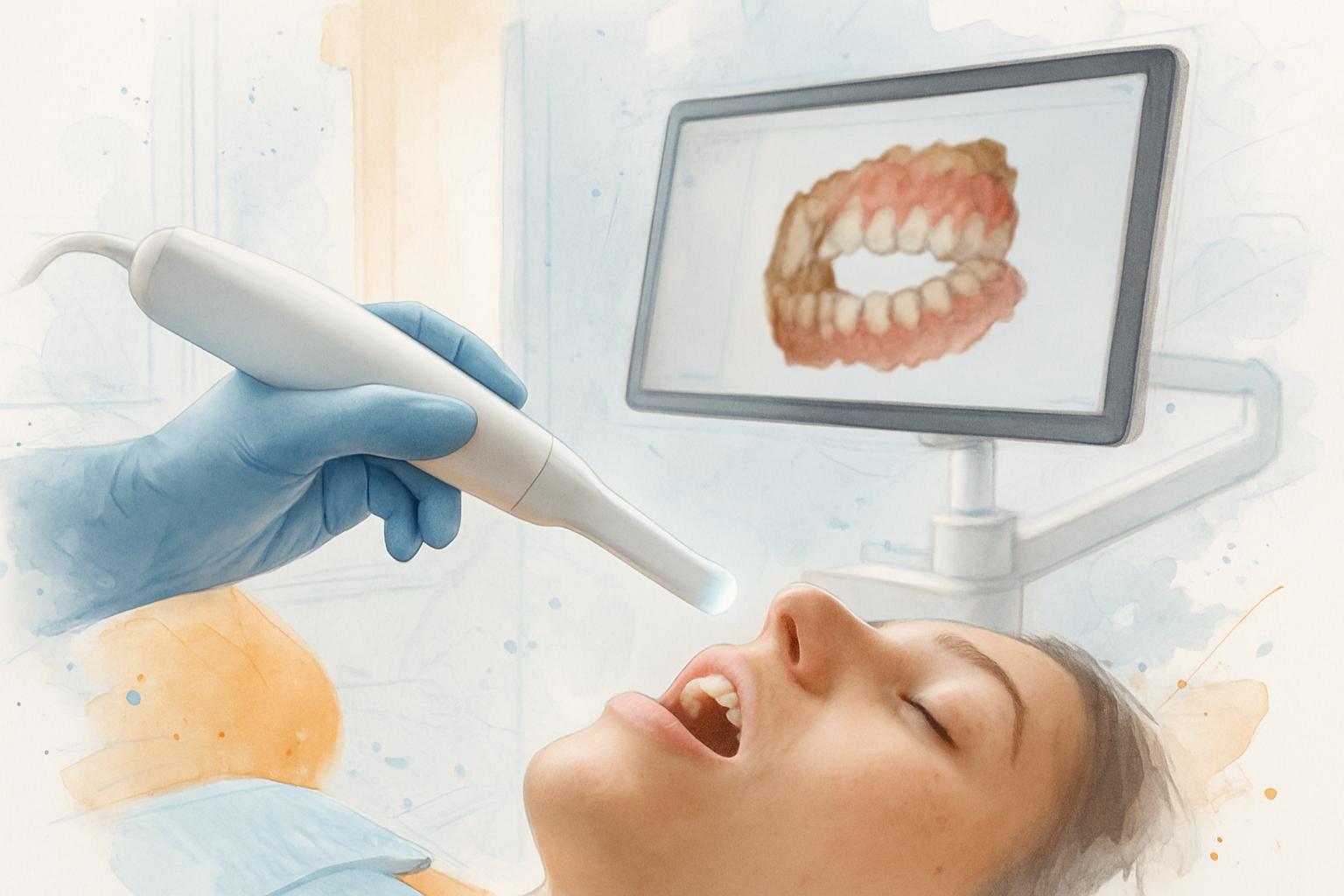
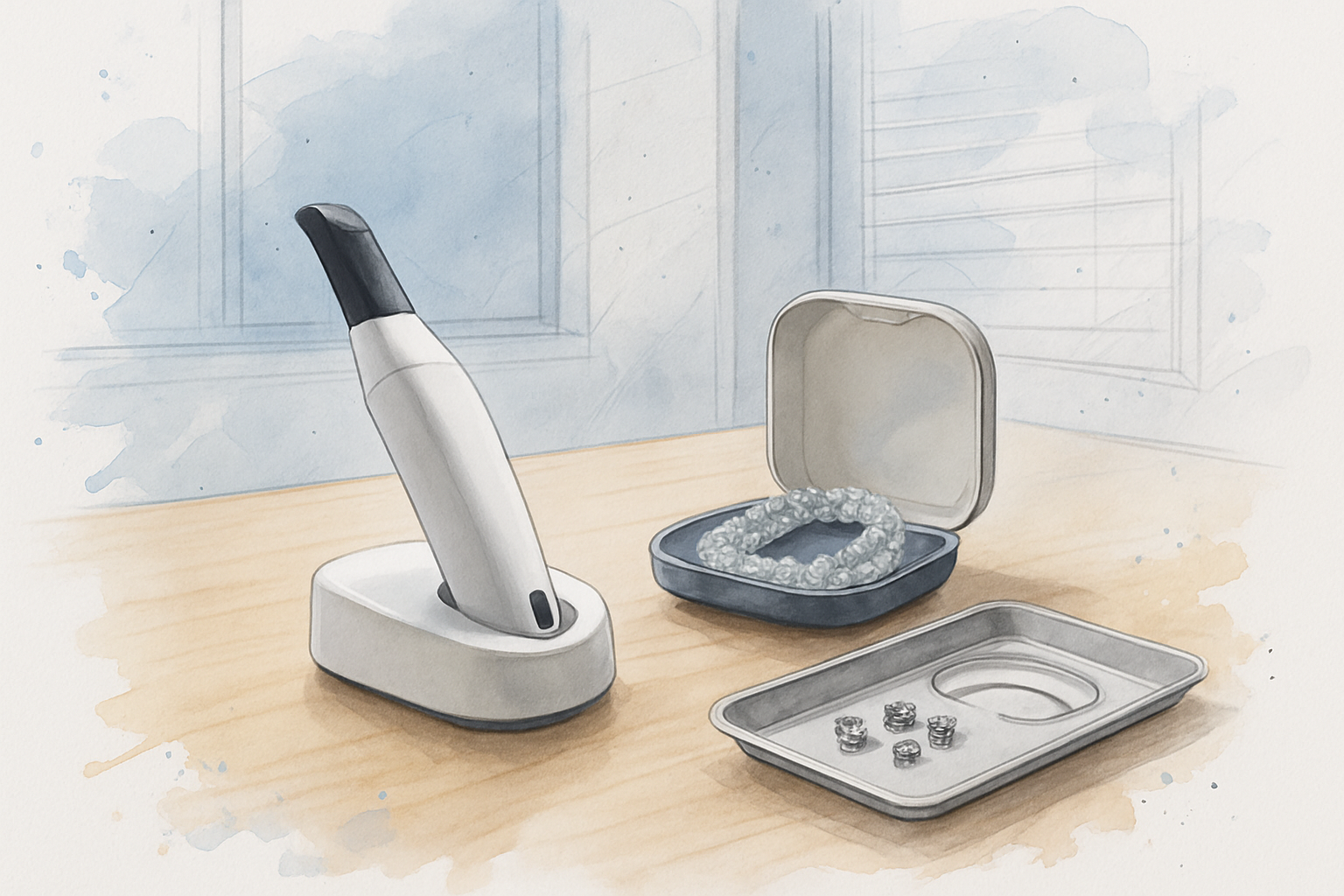
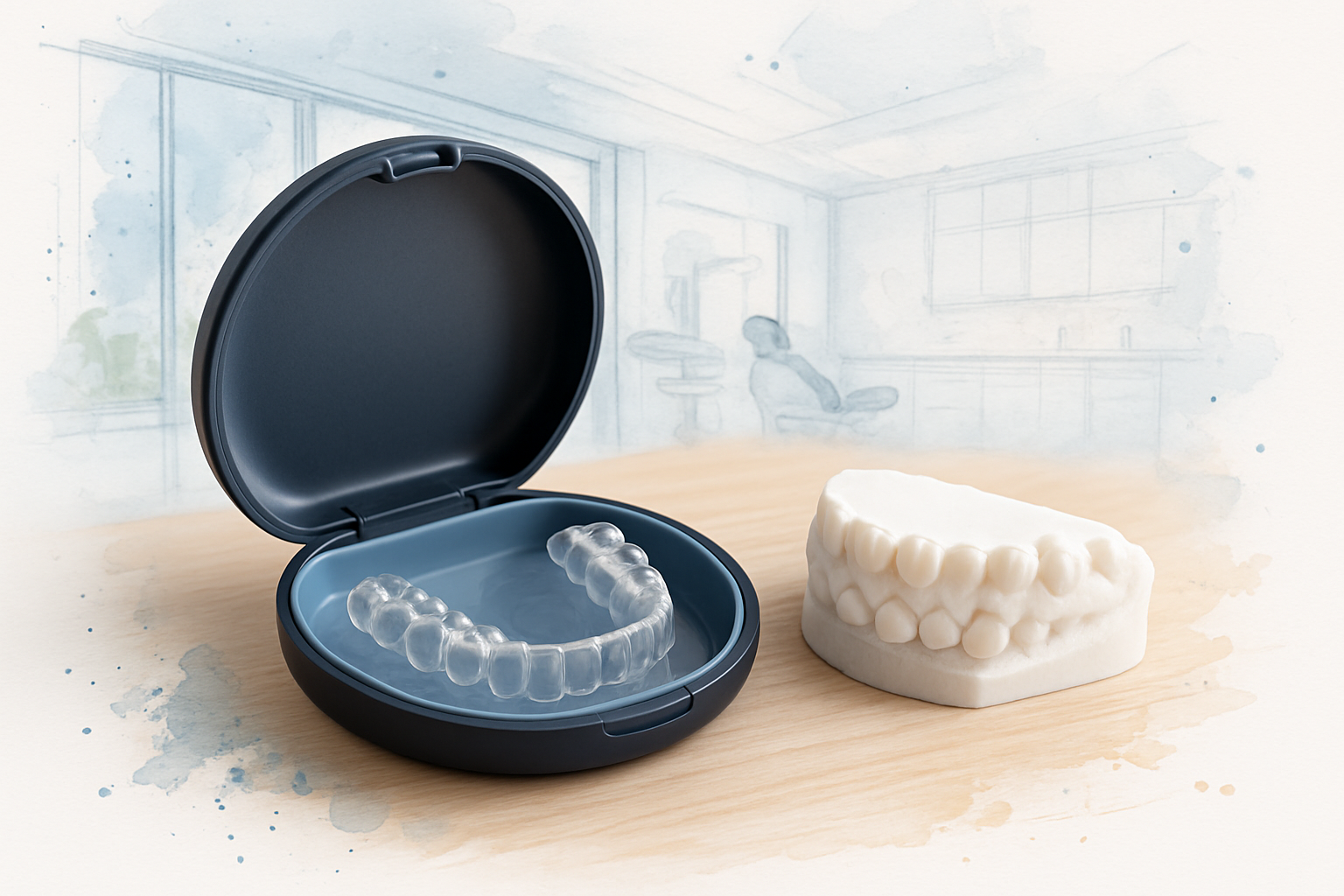
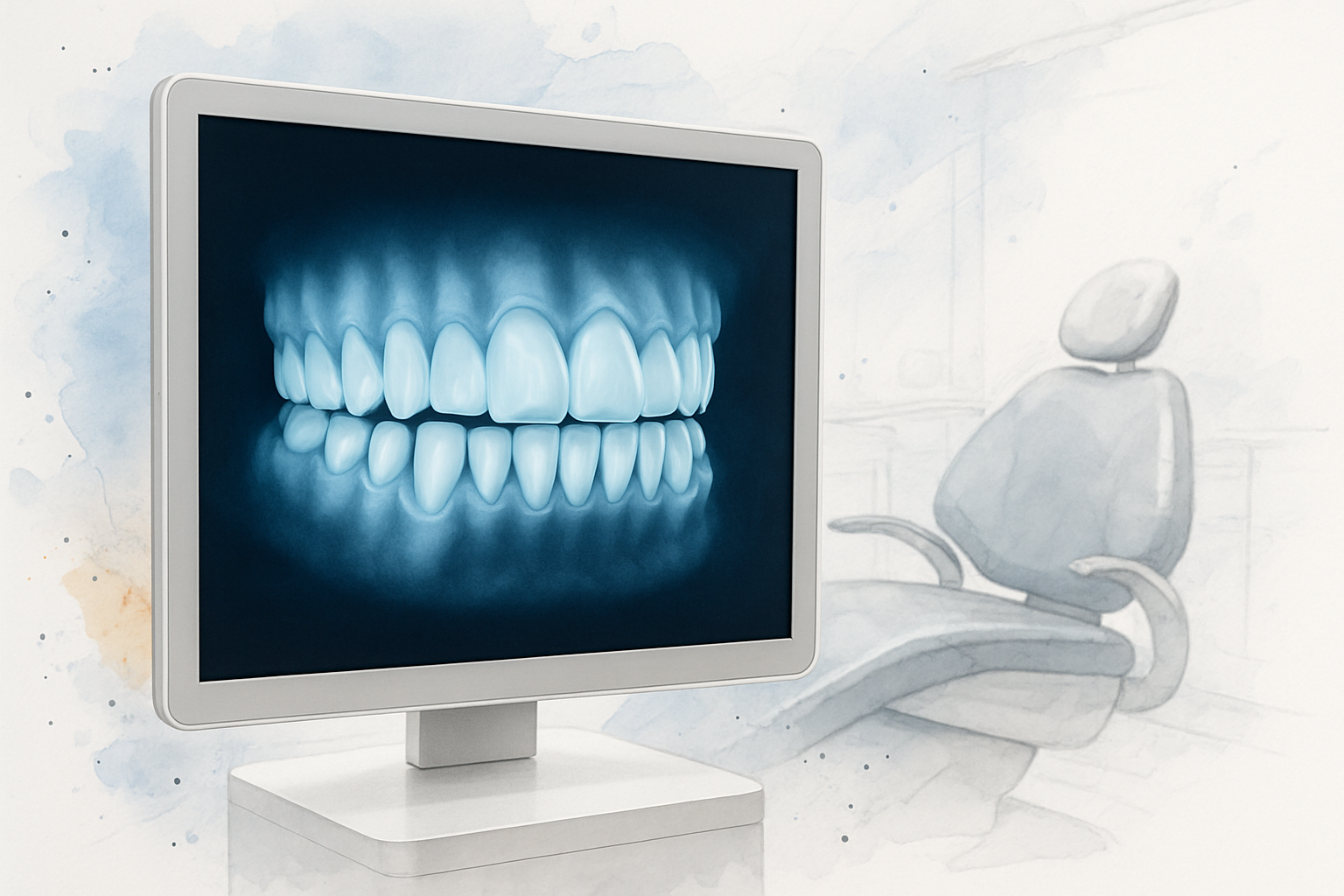
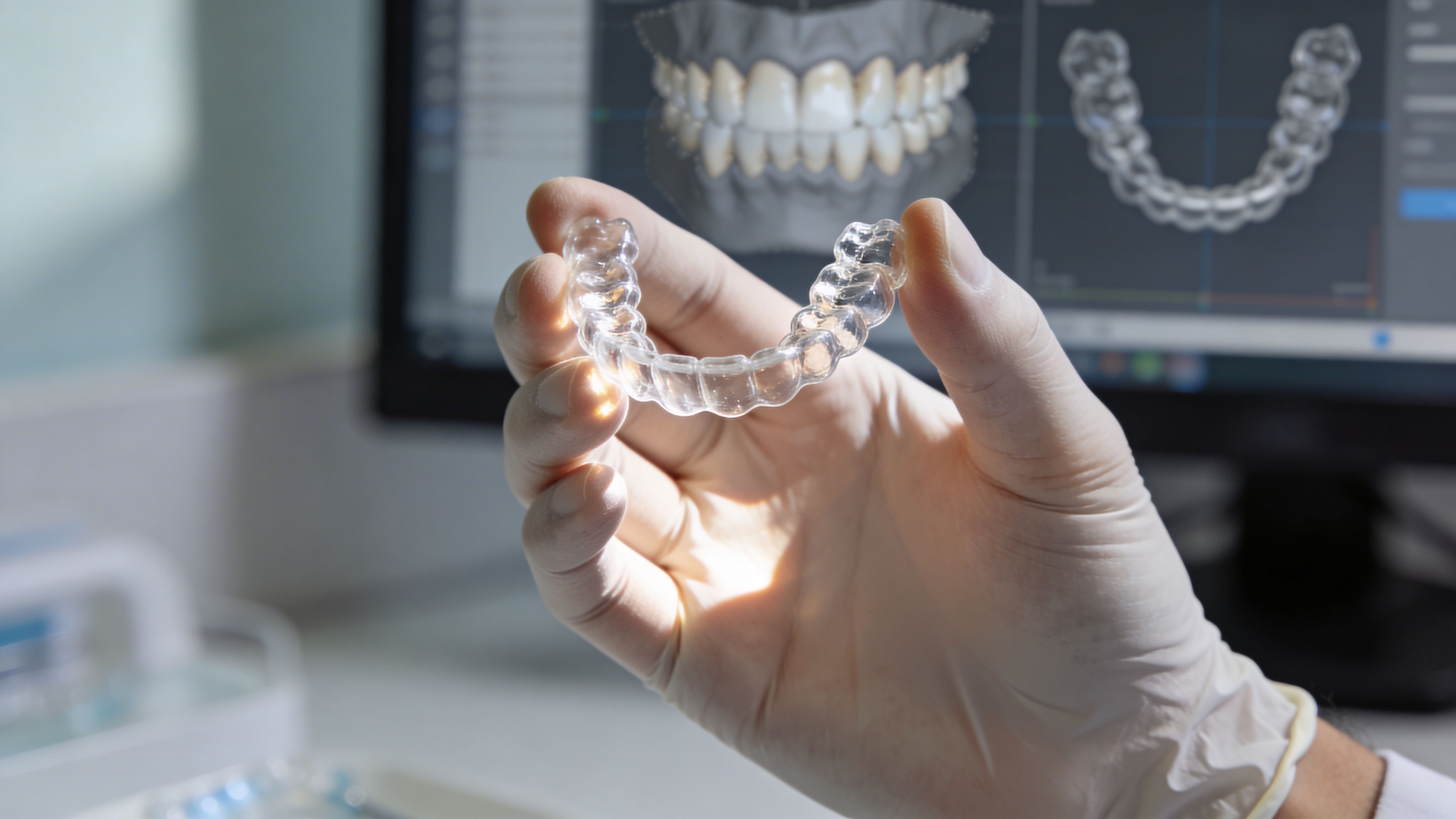
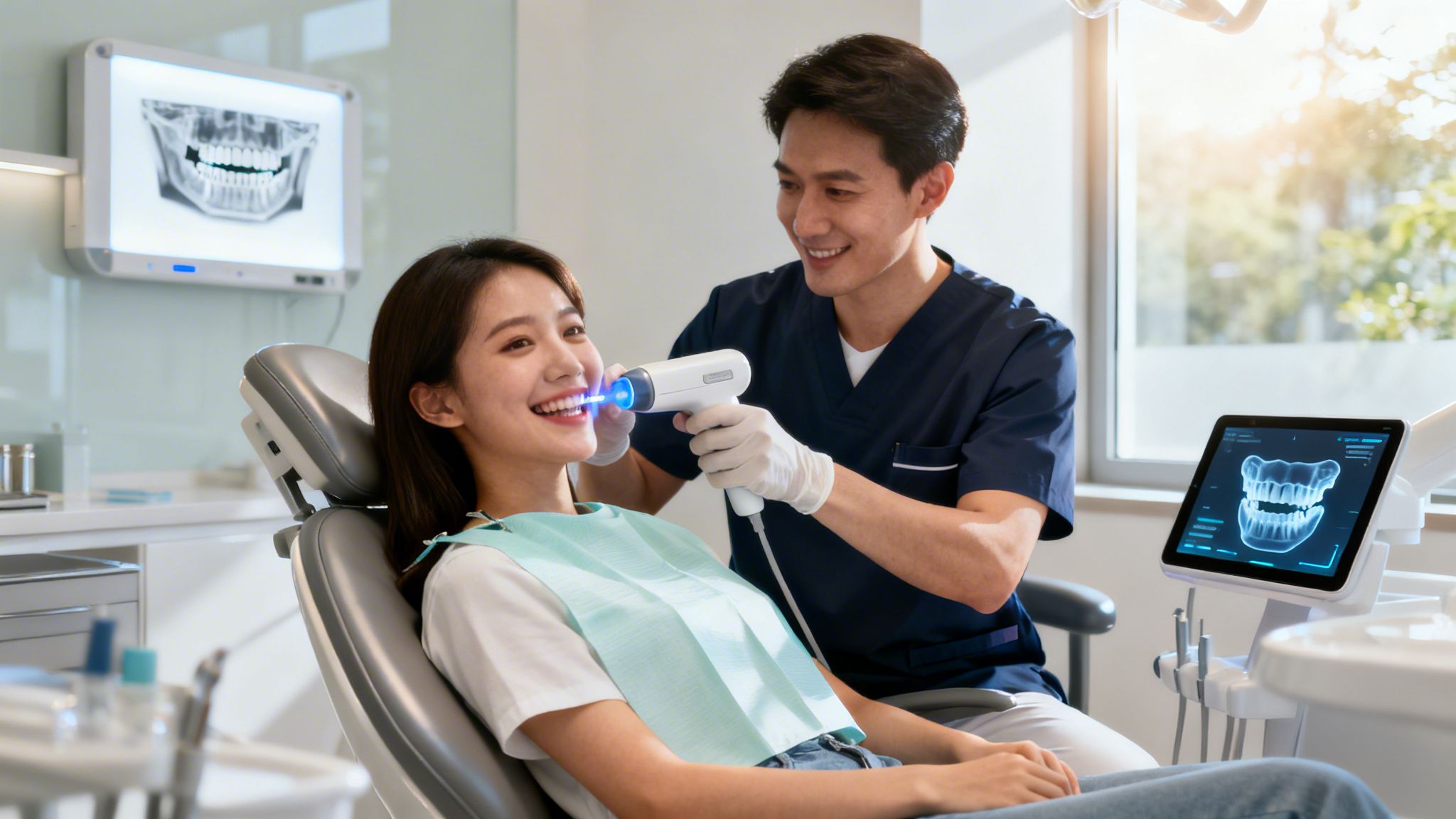
The digital scan is more than a convenience. It gives the doctor a three-dimensional view of how your upper teeth can move and how those movements will interact with the lower arch.
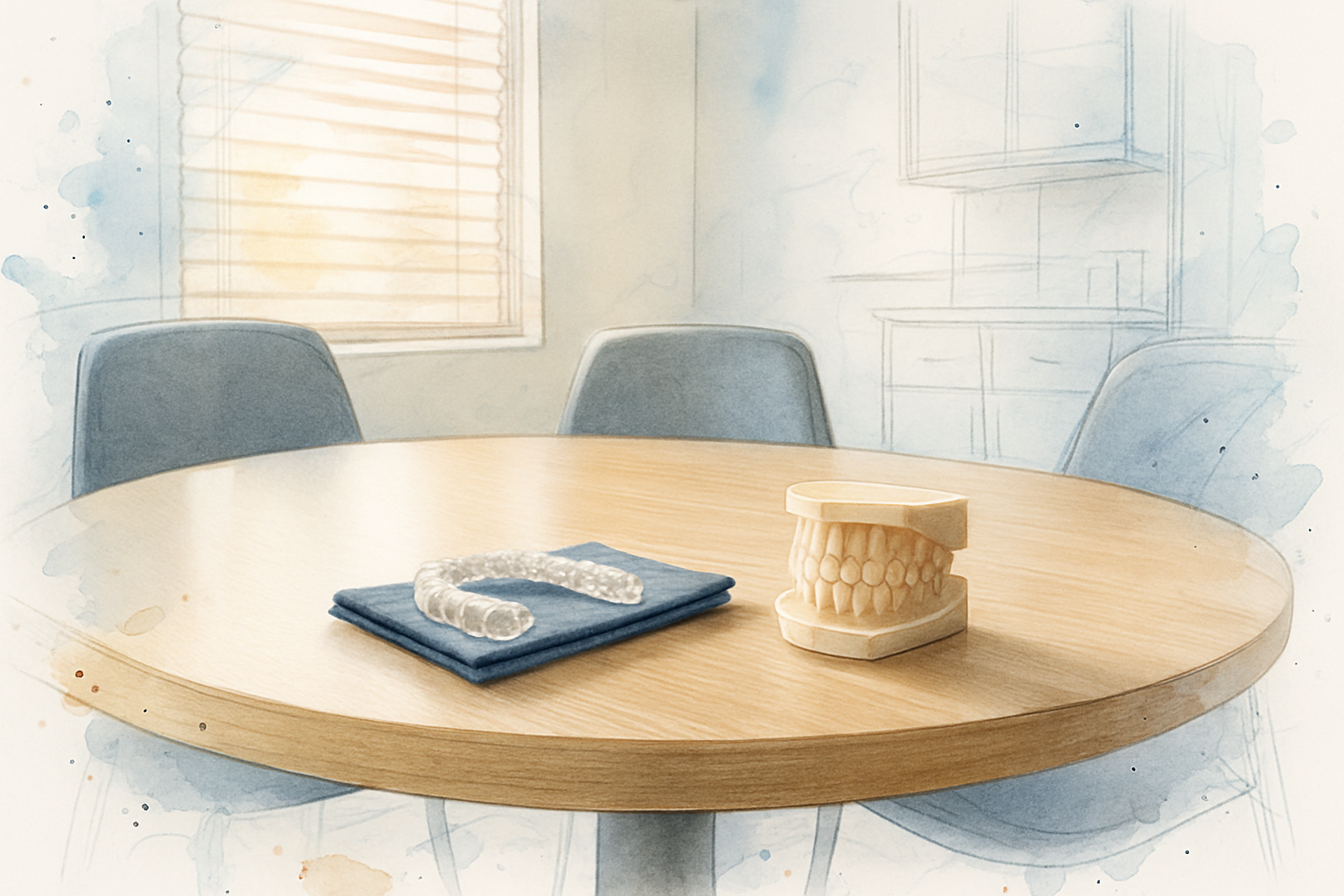
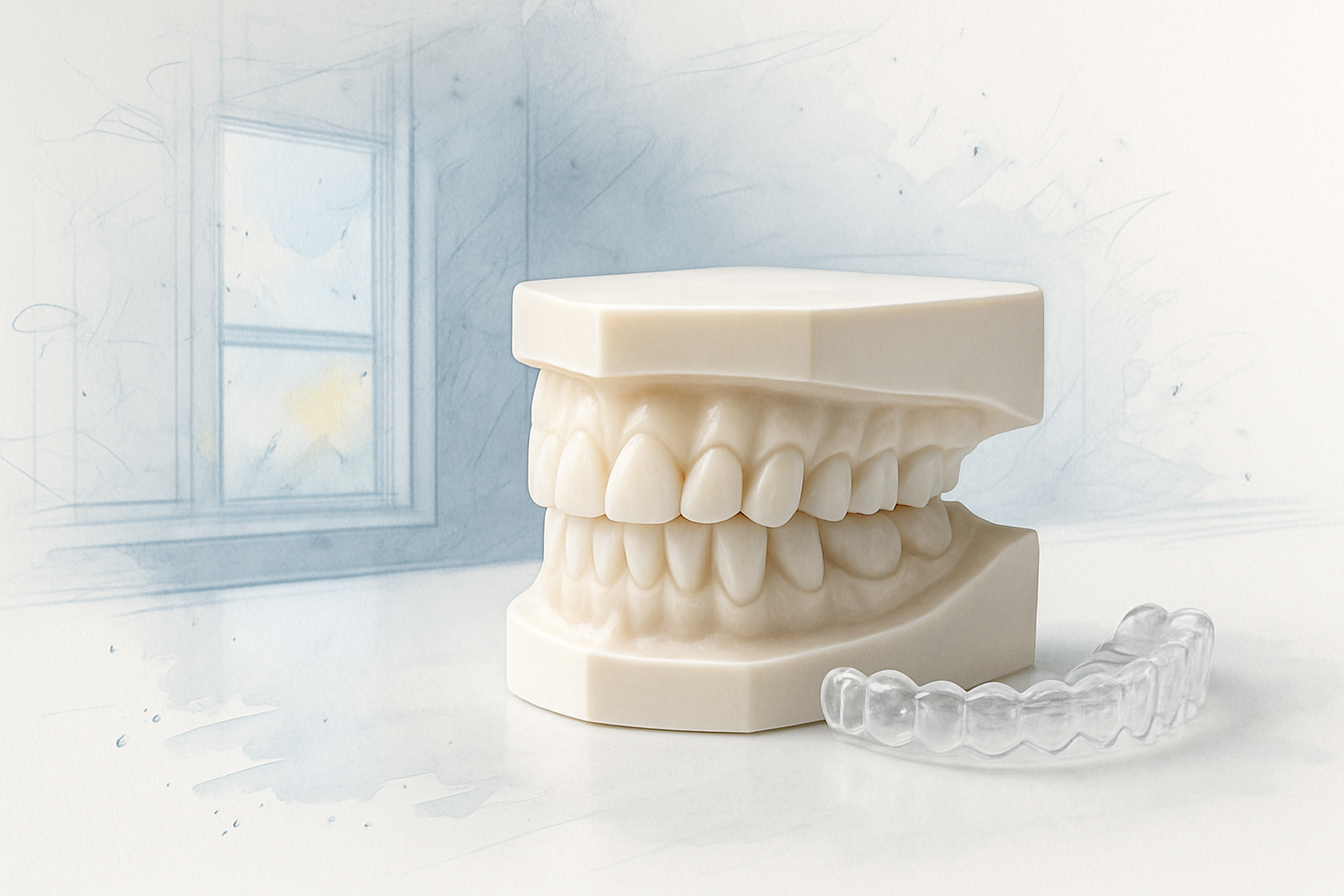
Visualizing the end result with a 3D scanner helps patients understand the goal. To see real customer stories and learn more about Magic Fox Orthodontics, visit their success stories page.
Sometimes the most valuable part of a consultation is hearing, “Yes, this can be limited,” or “No, this needs a fuller plan,” before you spend months heading in the wrong direction.
For patients who want to understand the pace of aligner treatment in more detail, this Invisalign treatment timeline guide is a helpful companion.
Costs, Alternatives, and Retainer Essentials
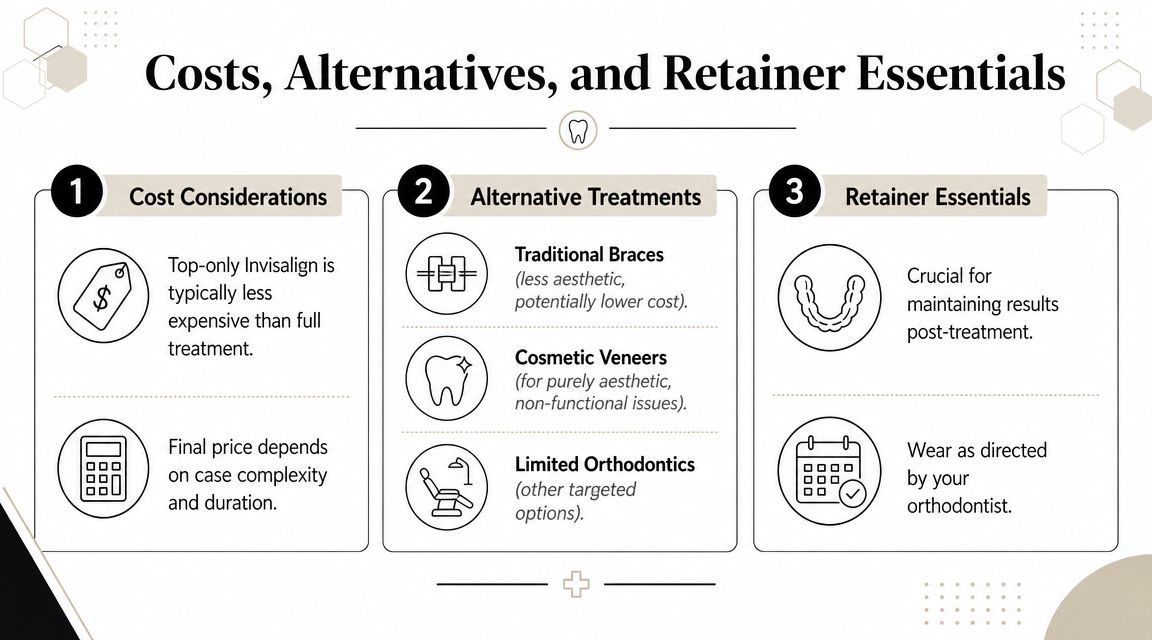
Top-only Invisalign usually appeals to patients for practical reasons as much as cosmetic ones. It often feels like it should be faster, simpler, and less expensive than full treatment. Sometimes that's true. But the lower price point only matters if the treatment is also the right fit.
As discussed by NBD Brandon on single-arch Invisalign trade-offs, patients often view single-arch treatment as a simpler, cheaper option, while clinicians may still recommend full-arch treatment for long-term stability and bite protection.
Cost depends on scope, not just arch count
There isn't one flat price for invisalign just for top teeth. The fee depends on how much movement is needed, how many aligners are required, how long the case runs, and whether refinements are built into the plan.
A smaller case may cost less than full treatment. That said, a “limited” plan is not automatically cheap. Precision still takes planning, monitoring, and retention.
If you want a practical overview of what affects adult aligner fees, this article on Invisalign cost for adults breaks down the usual variables.
Alternatives worth considering
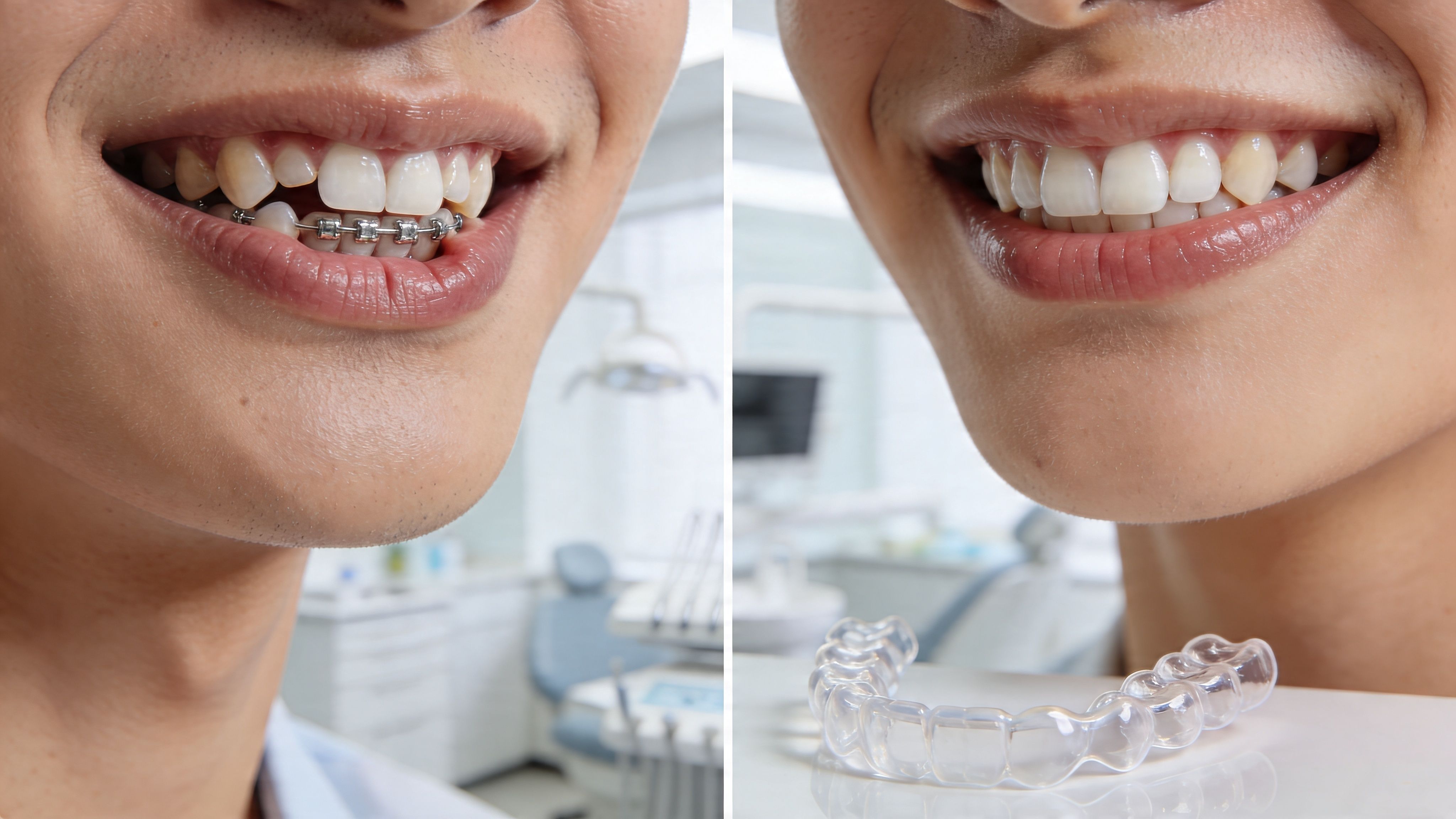
In some cases, Invisalign is the best match. In others, braces may be the cleaner way to correct a focused problem.
Here's a simple comparison:
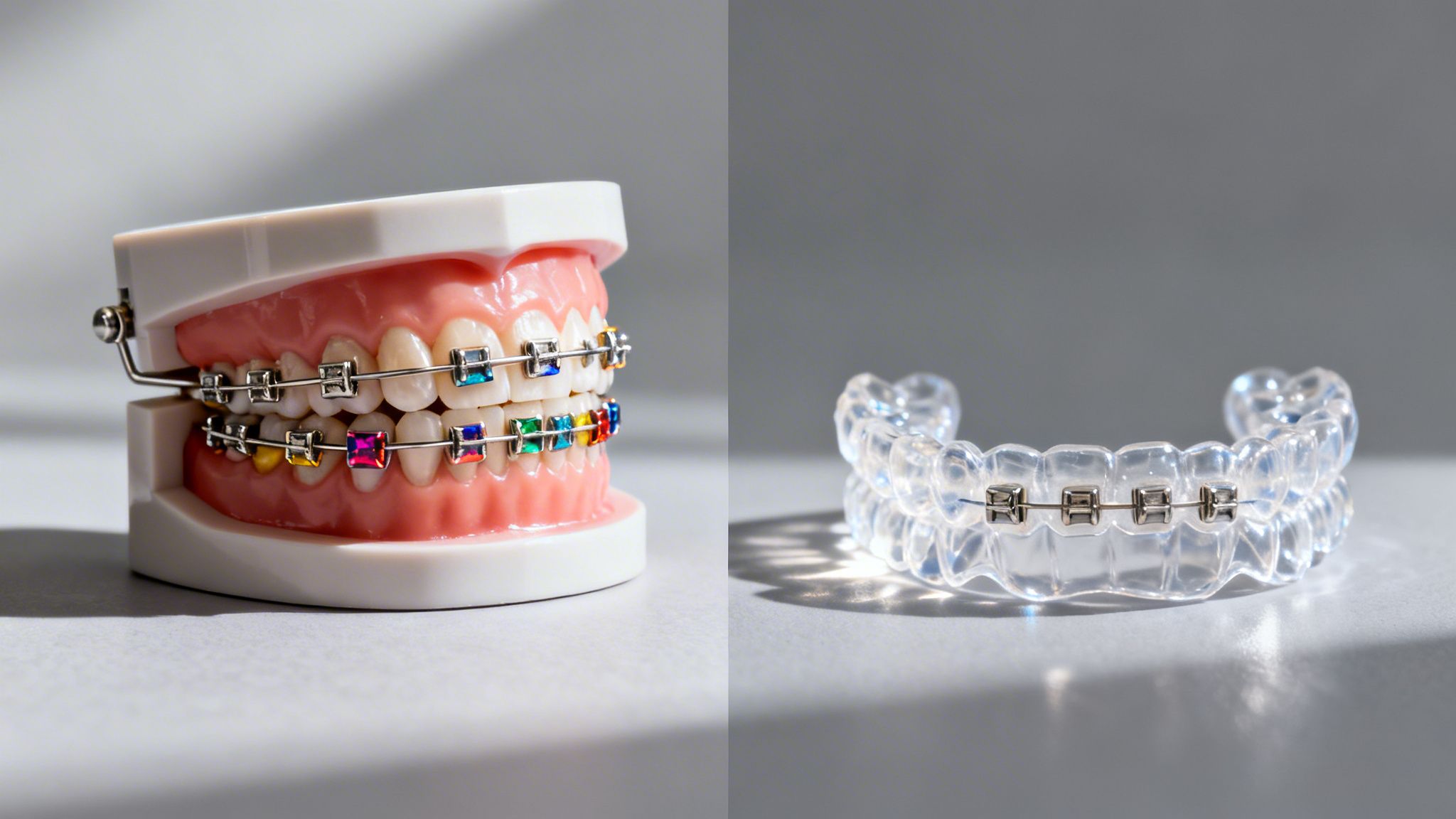
| Option | Often works well for | Main trade-off |
|---|---|---|
| Upper-only Invisalign | Mild cosmetic corrections with a stable bite | Not appropriate if bite coordination is needed |
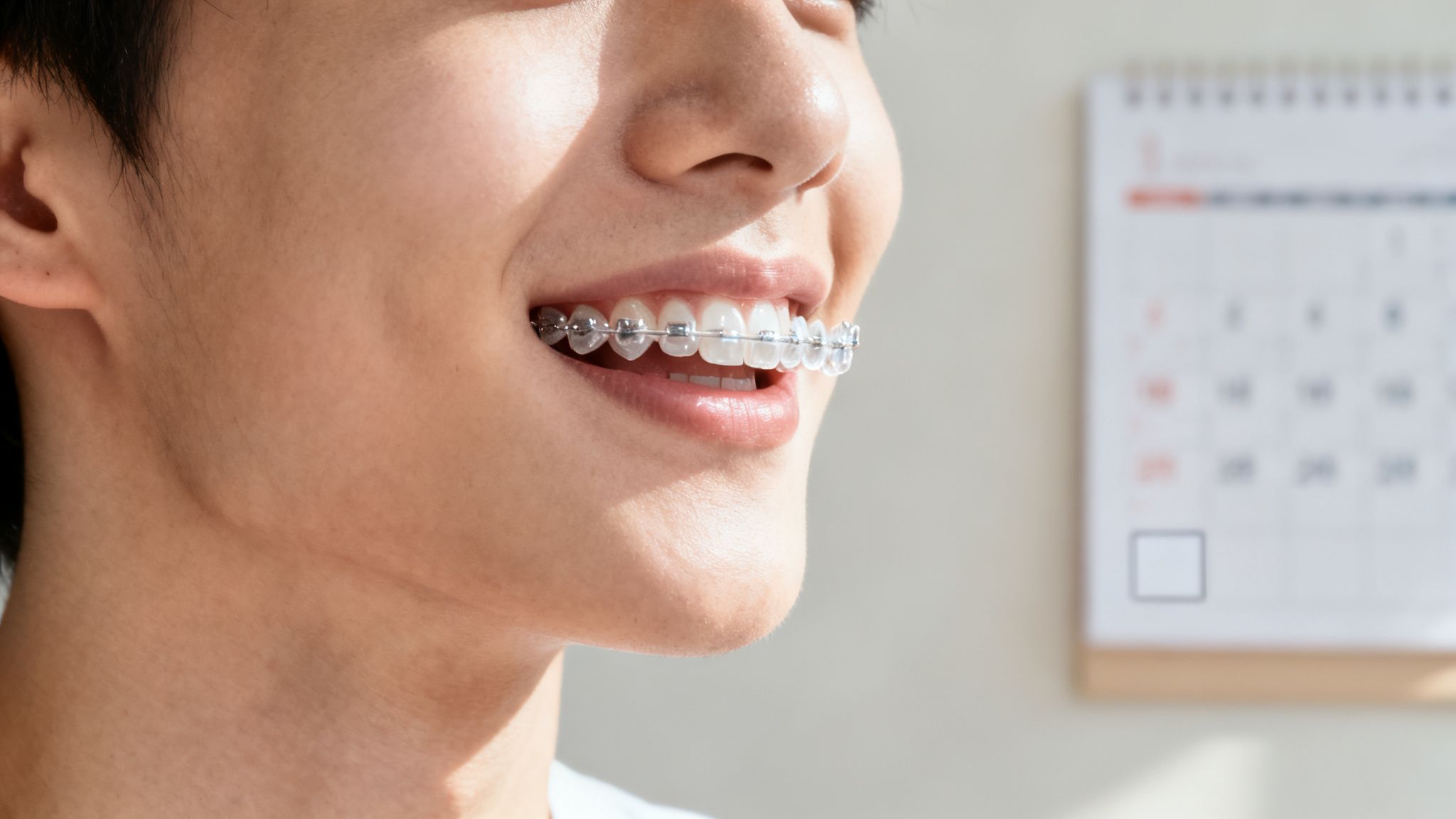
| Iconix esthetic brackets | Patients who want a bracket option with a more subtle appearance | Less removable than aligners |
| Traditional metal braces | Reliable control for a wide range of tooth movements | More visible than aligners |
Notice what isn't on that list. Cosmetic camouflage that ignores function. If the issue is orthodontic, the better answer is usually a real tooth-movement solution, not a surface-level fix.
Retainers are not optional
This is the part patients underestimate most.
Even if only the top teeth were treated, those teeth still want to drift. Teeth have memory. Bone remodels. Daily habits, clenching, and natural age-related changes all push against your finished result.
Retainers protect the work. Without them, relapse is common enough that the original treatment can lose value quickly.
One rule matters after every orthodontic finish: if you like where your teeth ended up, wear the retainer the way your orthodontist prescribes.
Is Upper-Only Treatment Right for You
Upper-only Invisalign can be an excellent option for the right case. The key phrase is the right case. If your concern is mild, your lower arch is already in good shape, and your bite is stable, a limited plan may do exactly what you want. If your bite needs coordination, treating only the top teeth can solve the visible issue while creating a functional one.
That's why a real evaluation matters more than internet assumptions. Good orthodontic planning doesn't start with “Can we?” It starts with “Should we?”
For some patients, the answer will be clear aligners on the upper teeth only. For others, full Invisalign, Iconix esthetic brackets, or traditional metal braces will make more sense because they protect the bite while improving alignment. If you've wondered whether limited aligner treatment is enough for your situation, this discussion of whether Invisalign is as effective as braces for complex cases adds useful perspective.
If you're in Huntington Beach, Fountain Valley, Oak View, Goldenwest, Wintersburg, Downtown Huntington Beach, Central Fountain Valley, Talbert Village, Newland, or Adams, the most useful next step is a professional exam with someone looking at both aesthetics and function. Magic Fox Orthodontics is located at 17041 Beach Boulevard, Suite 101, Huntington Beach, CA 92647, and serves families, teens, and adults with Invisalign, Iconix esthetic brackets, and traditional metal braces. The office is open Monday through Friday from 9:00 AM to 5:00 PM and Saturday from 8:00 AM to 2:00 PM, with support for Spanish- and Vietnamese-speaking families.
If you want a personalized answer about whether top-only Invisalign makes sense for your smile, you can learn more about Magic Fox Orthodontics and request a consultation through the practice website or call (714) 594-5777. A proper exam can tell you quickly whether your case is a simple upper-arch touch-up or something that needs a more complete bite-focused plan.