Starting Braces Over Winter Break: What the First Two Weeks Involve
Direct Answer: Braces are placed in one visit, then teeth feel tender for about three to five days and most kids stick to soft foods for a week. Starting over winter break keeps that adjustment at home.
Your dentist looked at your child's teeth, said the word braces, and handed you a referral. Now you are not shopping for a treatment plan so much as staring at a calendar.
I hear this version of the question constantly from parents in Oak View, Goldenwest, and Central Fountain Valley. It is rarely "does my kid need braces." It is "when do we put them on so the sore week does not land on a school week?"
That is a fair thing to plan around. Below I will walk you through what the placement visit actually involves, what the first fourteen days really feel like, and the one honest caveat about winter break timing that I think every parent should hear before booking.
Why Starting Braces Over Winter Break Appeals to So Many Parents
Most schools around Huntington Beach and Fountain Valley close for winter break around the week before Christmas and come back the first full week of January. That gives you roughly two weeks where your child is home, not sitting at a cafeteria table figuring out how to eat a sandwich with new hardware.
There are really only two things worth protecting on the calendar:
- The placement appointment itself, which runs longer than a normal visit
- The soreness window, which is the first three to five days after bonding
If both of those land during break, the whole start feels a lot calmer. By the time your teen is back in class, the tenderness has usually settled and they have figured out their routine.
One practical note. Late December slots get claimed early, partly because our Saturdays are by appointment only and after-school windows are the most requested times of all. When families call and ask what the next available appointment is, that is usually the real constraint, not the treatment decision.
If you are weighing seasons more broadly, I wrote about timing a braces start around the school calendar in more detail.
What Actually Happens at the Placement Appointment
Most parents picture this visit as worse than it is. There are no needles and no drilling involved in putting braces on.
Here is the plain sequence on our end:
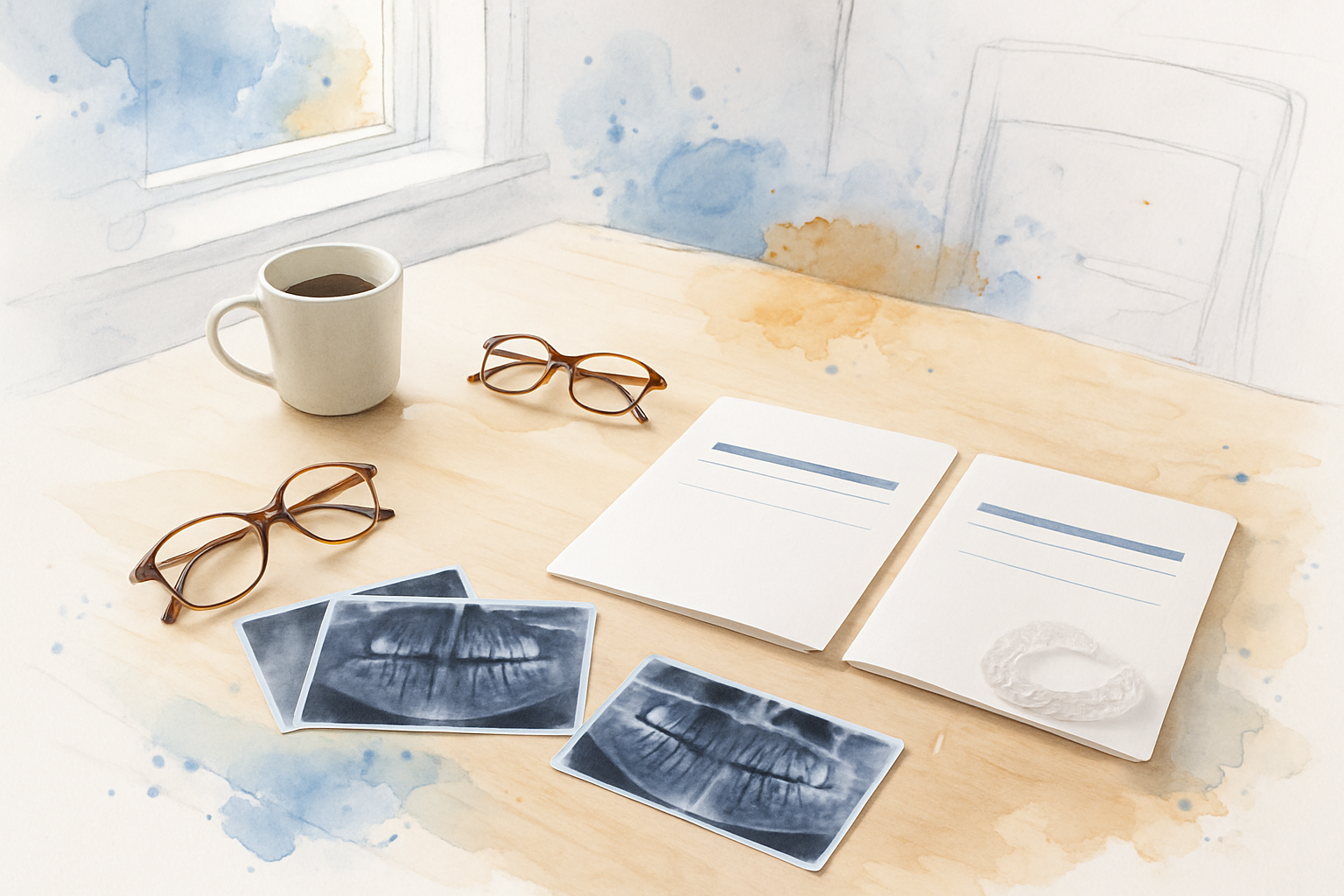
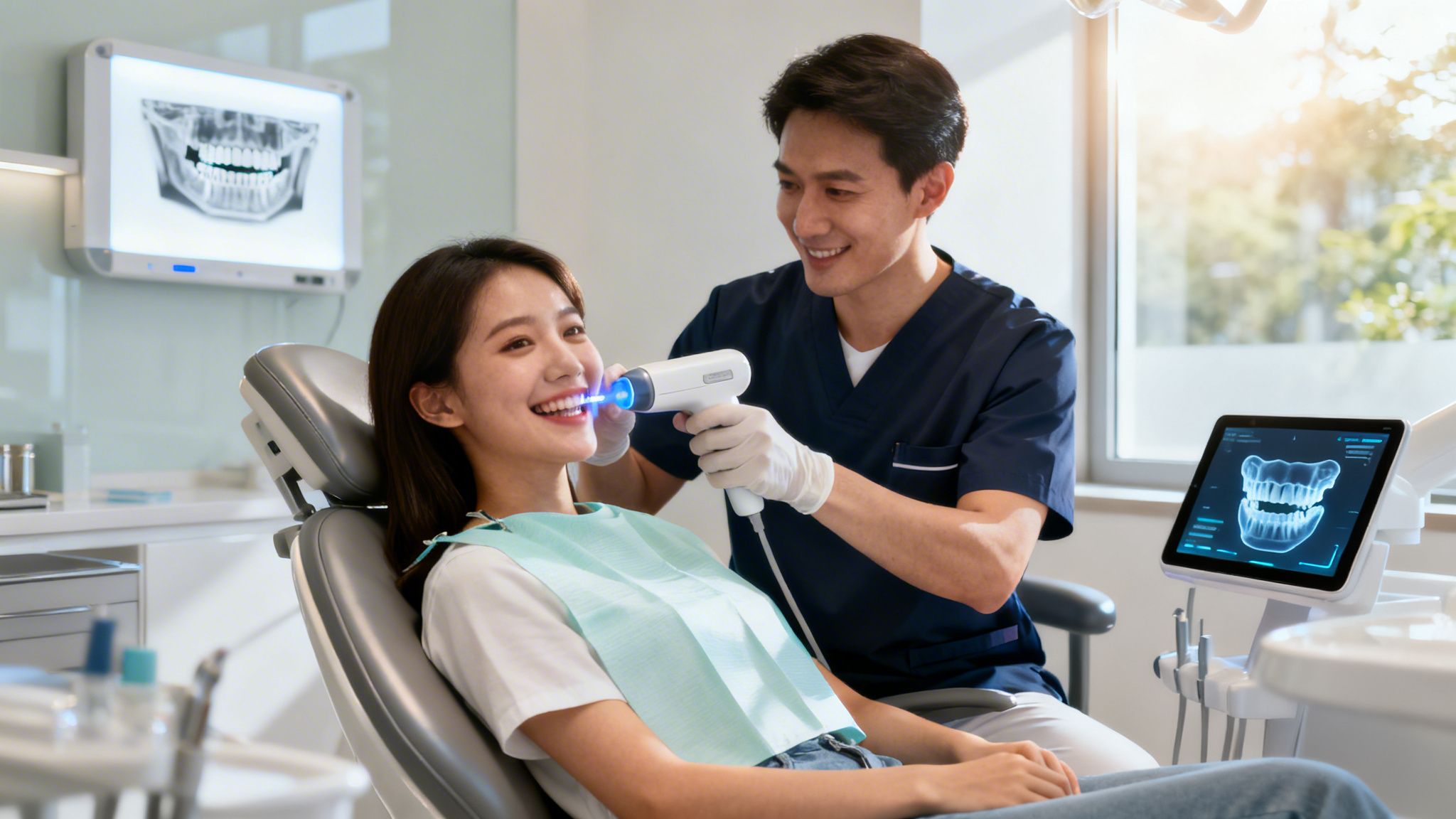
- Records first. Photos and imaging so we can see roots, spacing, and jaw development, not just the surface.
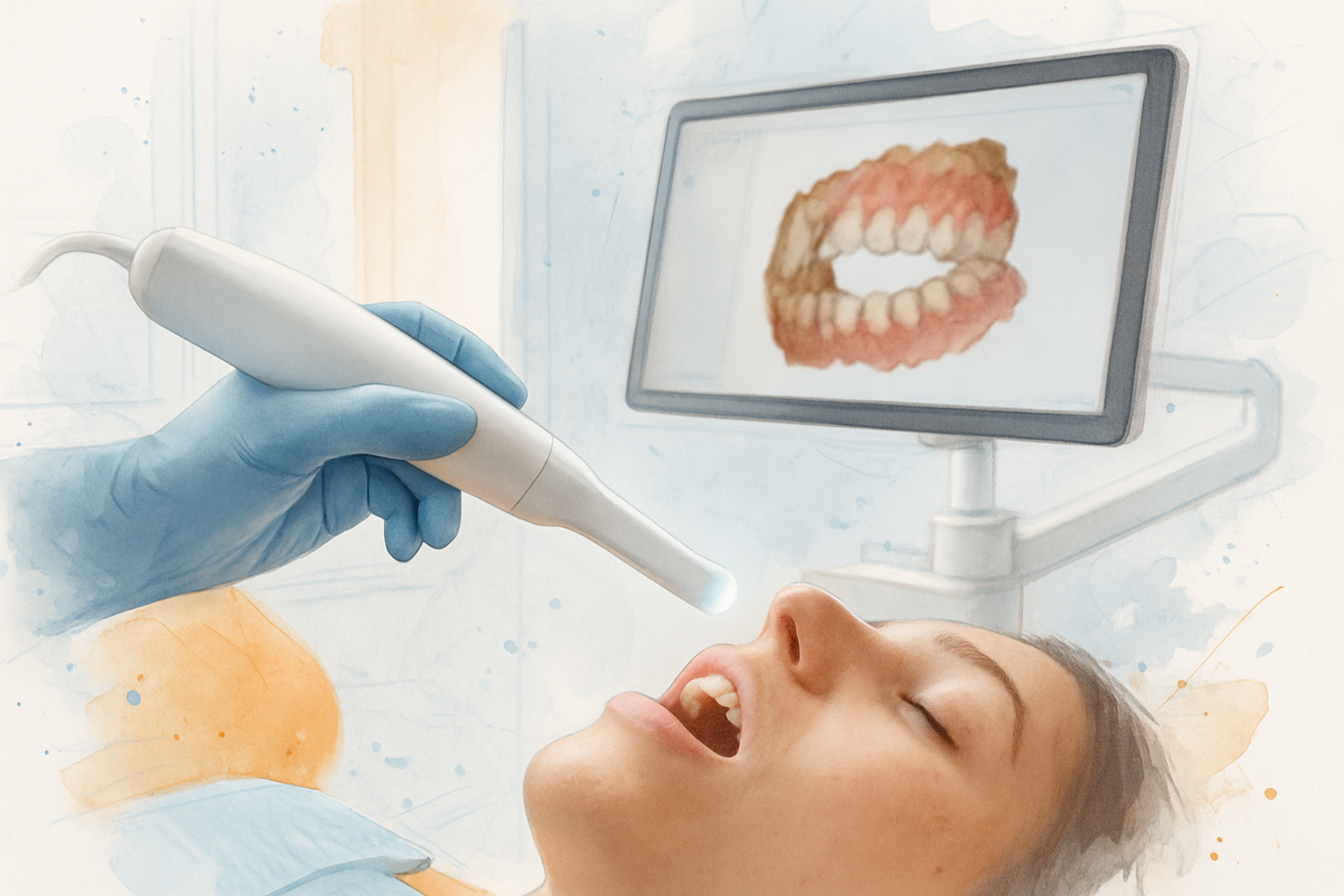
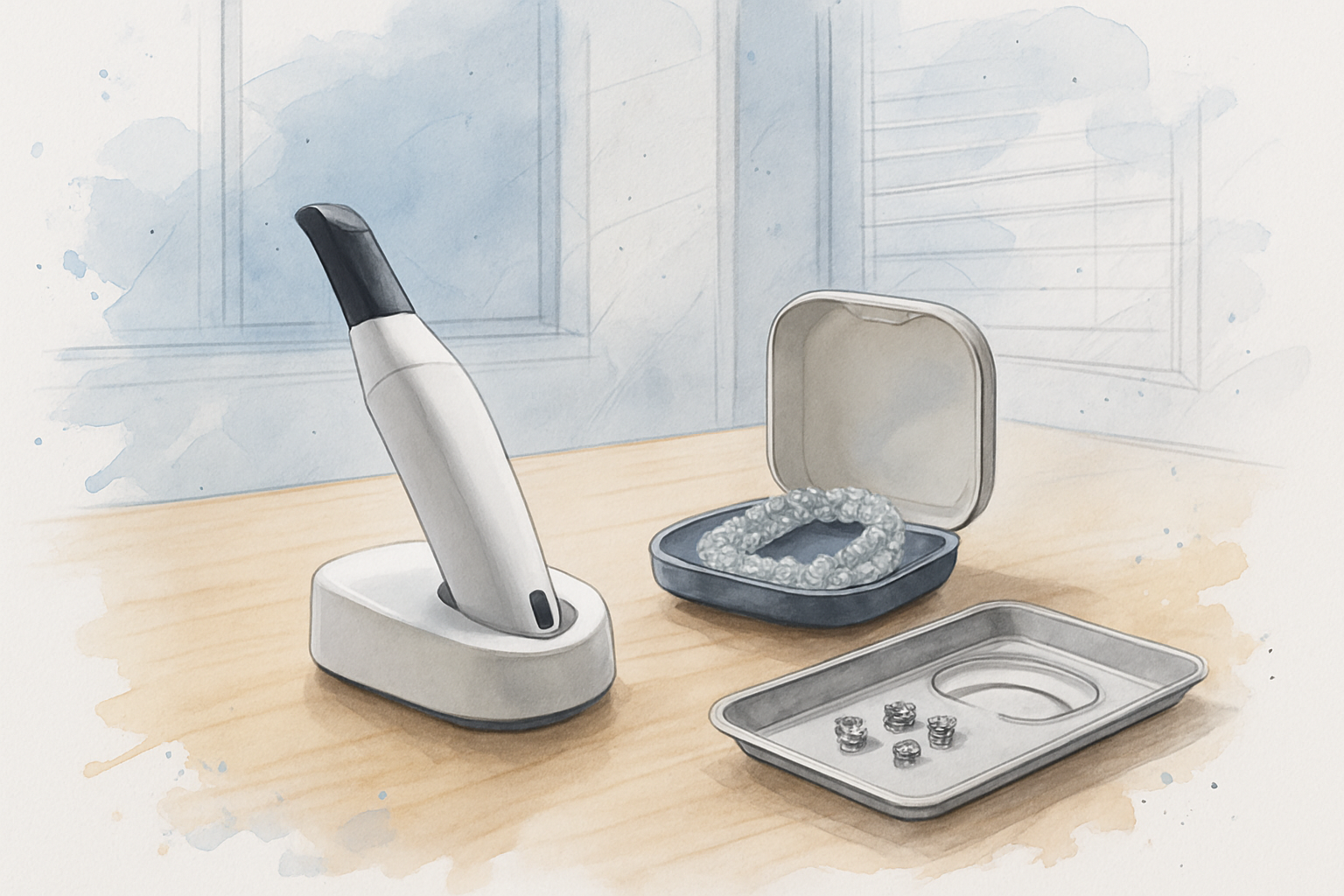
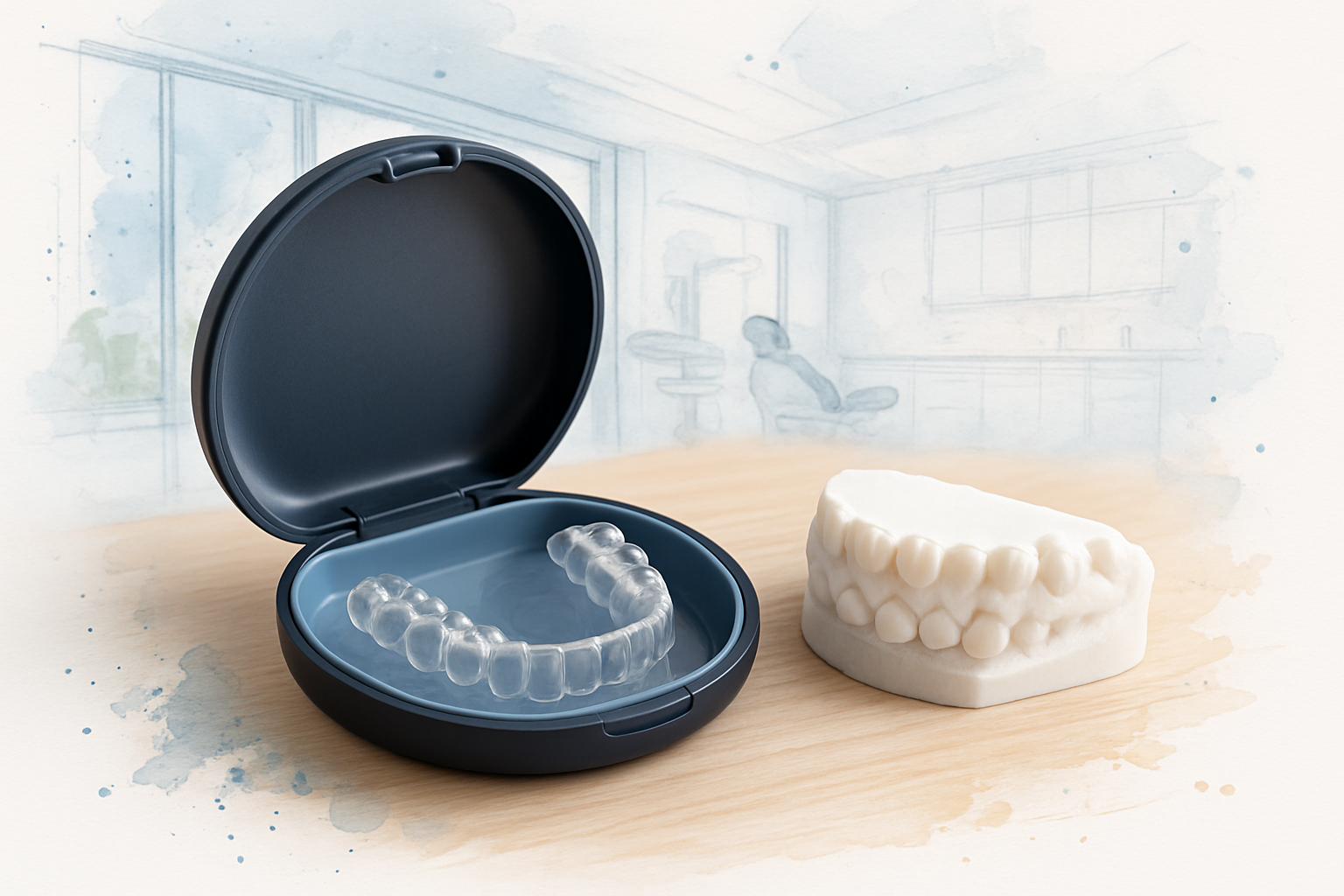
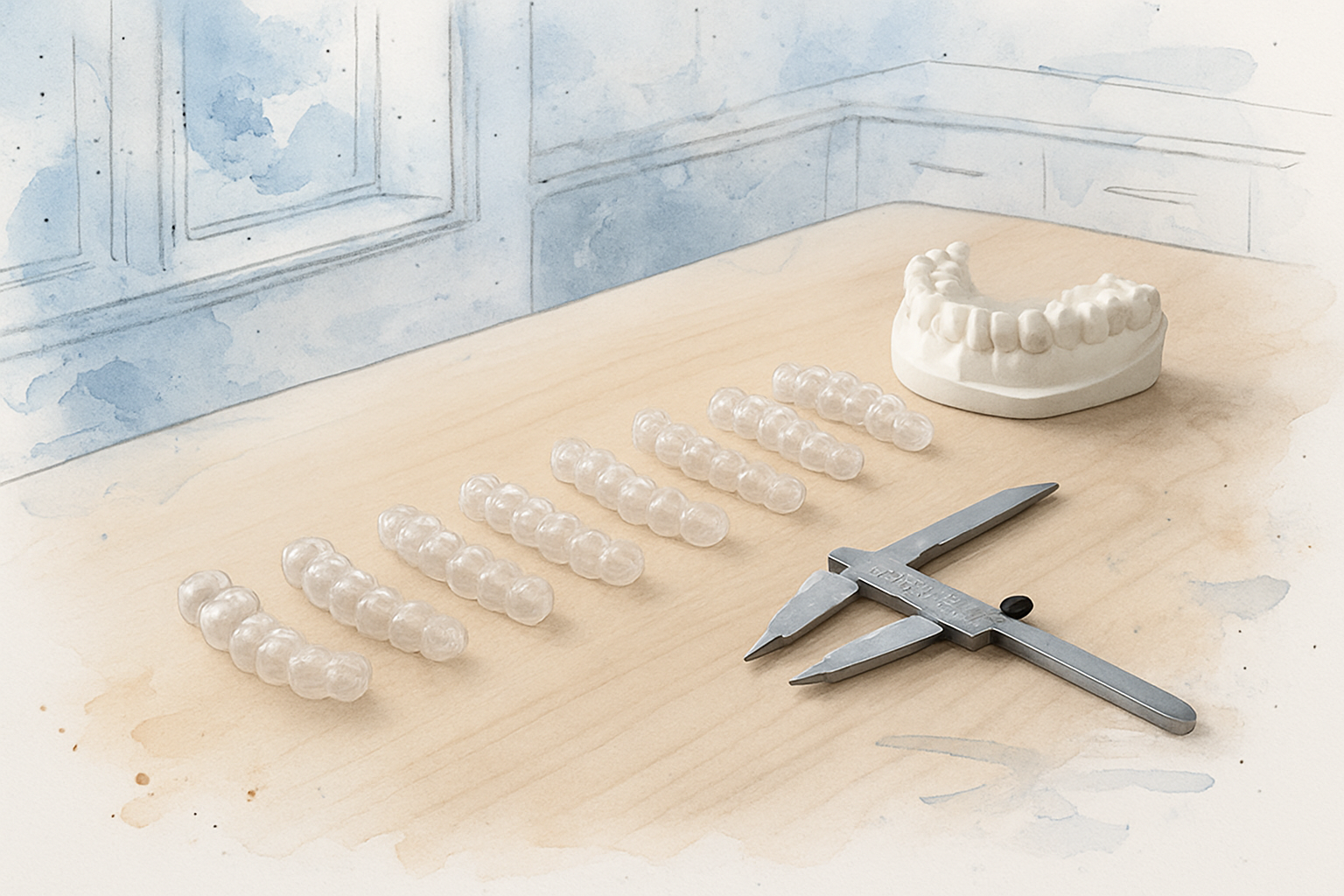
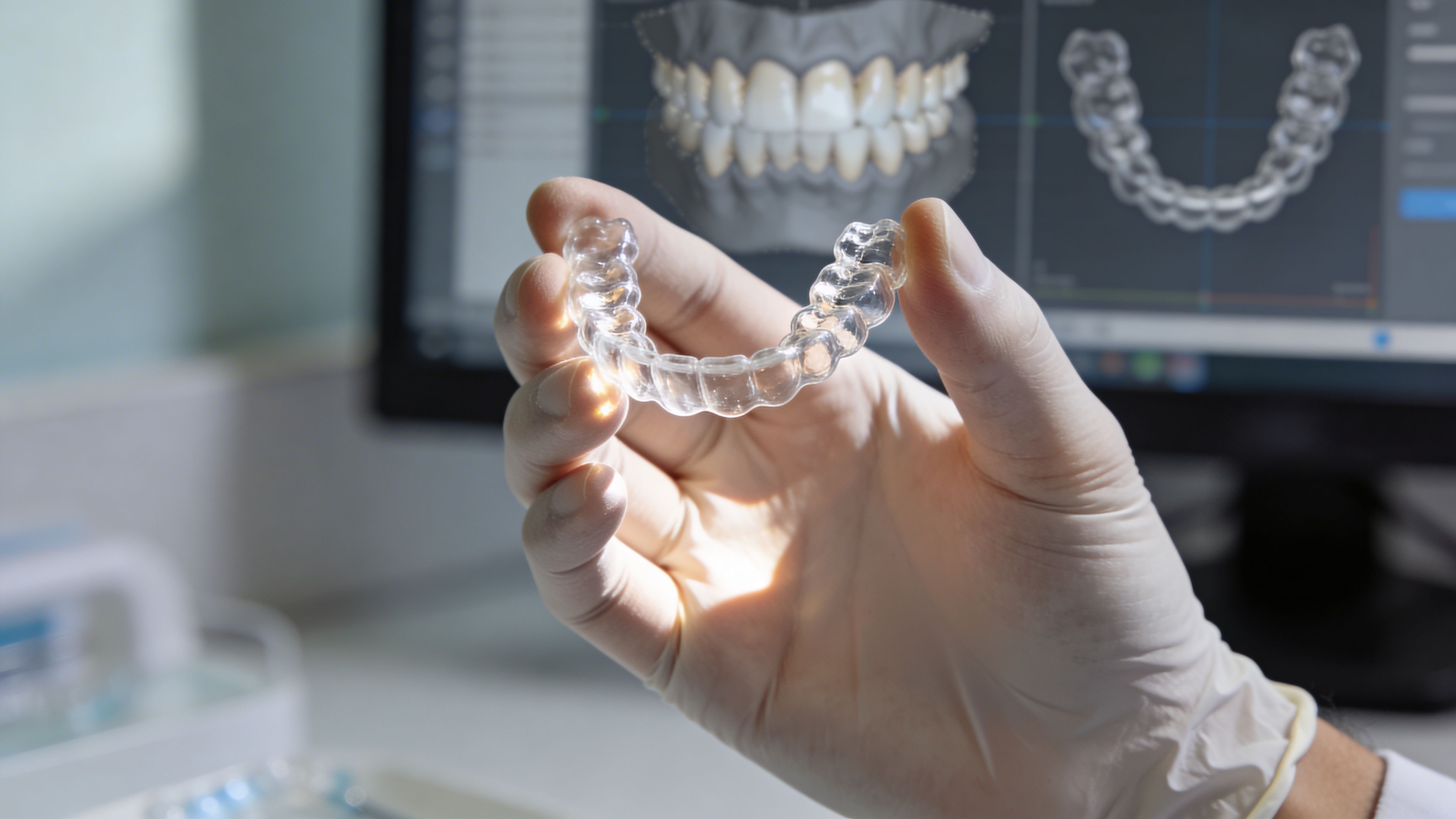
- A digital scan. A small wand maps the teeth. No putty trays, no molding chemicals. Patients bring this up unprompted in reviews because it surprises them.
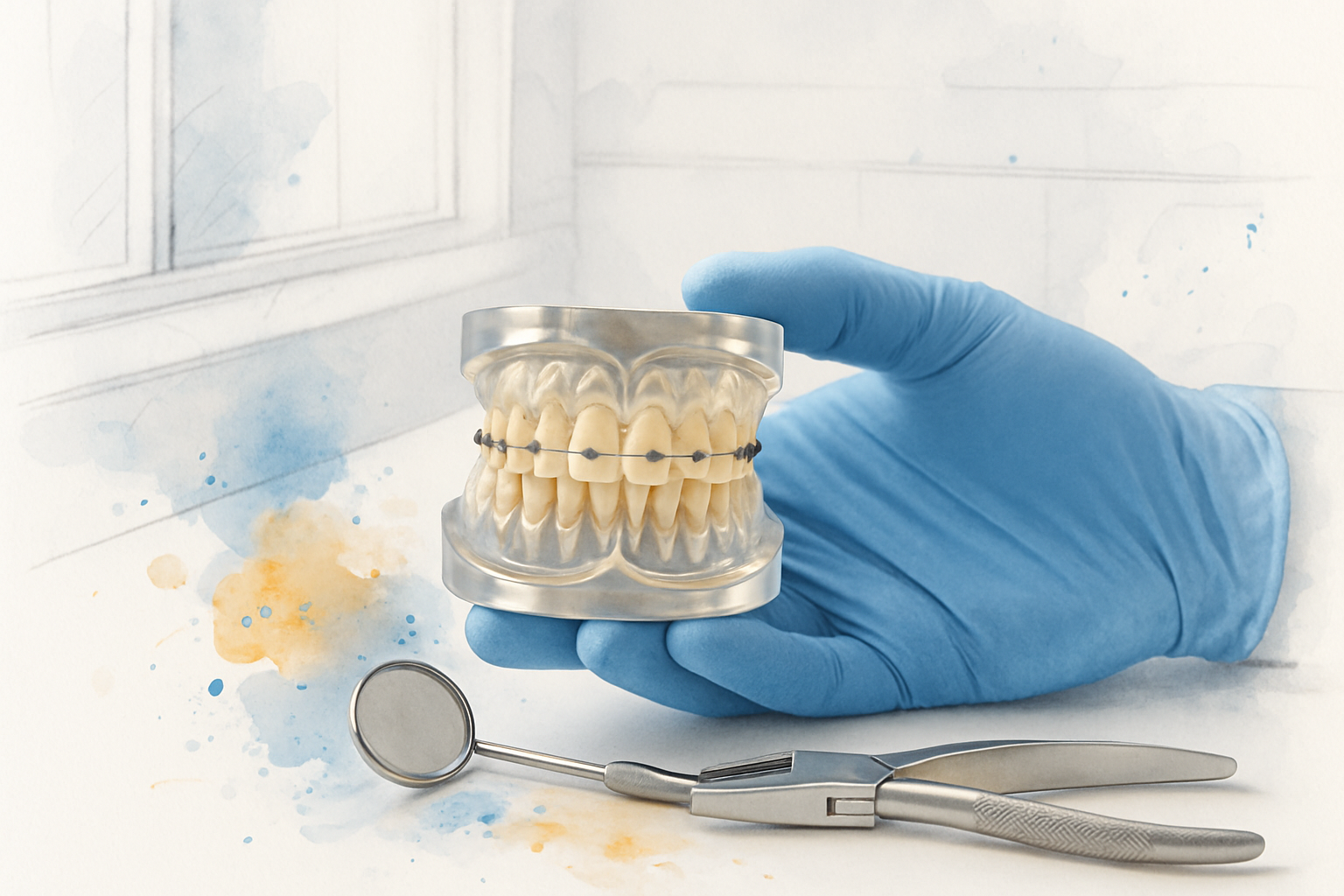
- Bonding. Teeth are cleaned and dried, each bracket is placed and set, then the wire goes in and gets secured.
- Instructions home. Care, foods, wax, and what to call about.
Plan to be with us on Beach Boulevard for a solid stretch that day, longer than a routine adjustment. Filling out intake forms before you arrive shortens it meaningfully, so ask for those ahead of time.
The next visit usually falls a few weeks out. For a late December start, that check lands after school is back, so ask about after-school windows while you are still in the chair booking it.

The First Two Weeks With Braces, Day by Day
I will not tell you braces are painless. They are not, and any office that promises otherwise is setting your family up for a rough surprise. What I can tell you is that the discomfort is predictable, short, and manageable at home.
Day one. The appointment itself is not sore. Teeth usually feel normal for several hours, then a dull pressure builds that evening as they begin to move.
Days two through four. This is the peak. Teeth feel tender when biting, especially in the morning. Cool water, soft foods, and a pain reliever your child already tolerates will carry most kids through.
Days five through seven. Tenderness in the teeth fades. Now the cheeks and lips are the issue, because they are learning to live next to brackets. Wax on any spot that rubs is the whole solution.
Days eight through fourteen. Most kids are eating close to normal again and the hardware stops feeling like a foreign object. This is when brushing and flossing habits actually stick.
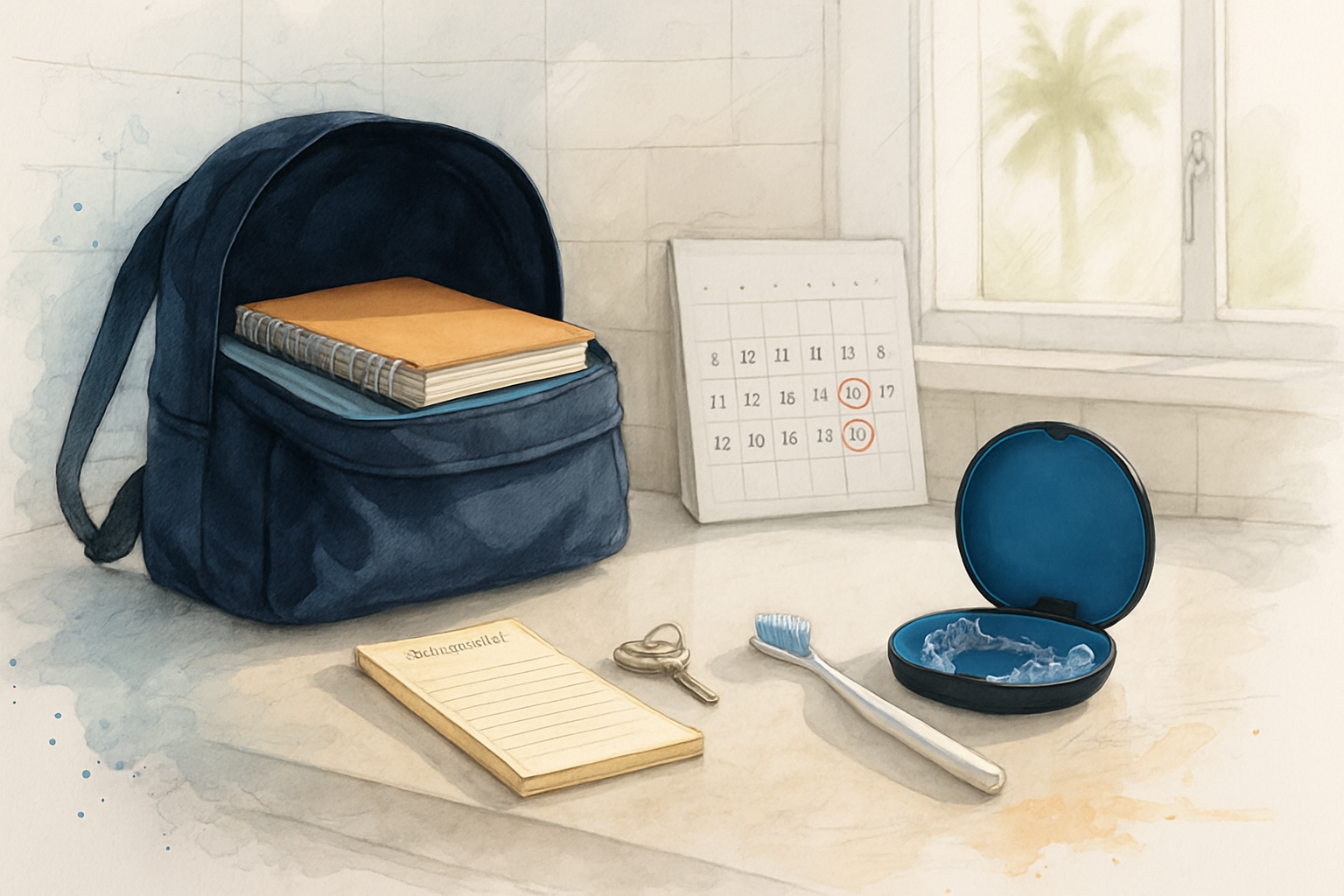
Keep a small kit at home before day one:
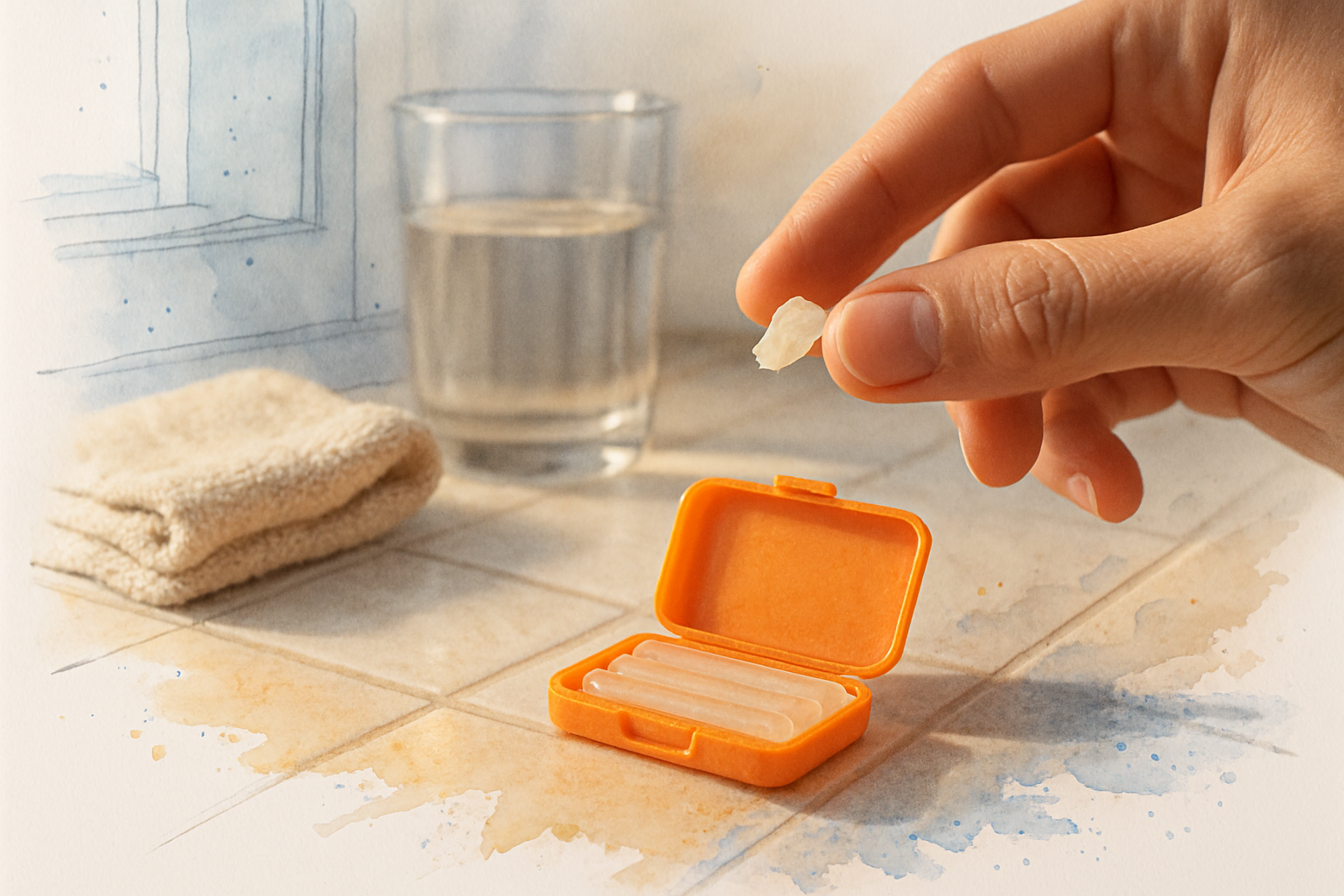
- Orthodontic wax, more than you think you need
- Soft foods: yogurt, eggs, pasta, soup, smoothies, mashed potatoes
- An over-the-counter pain reliever your child has taken before
- Floss threaders or interdental brushes
- Lip balm, because lips get dry and chapped early on
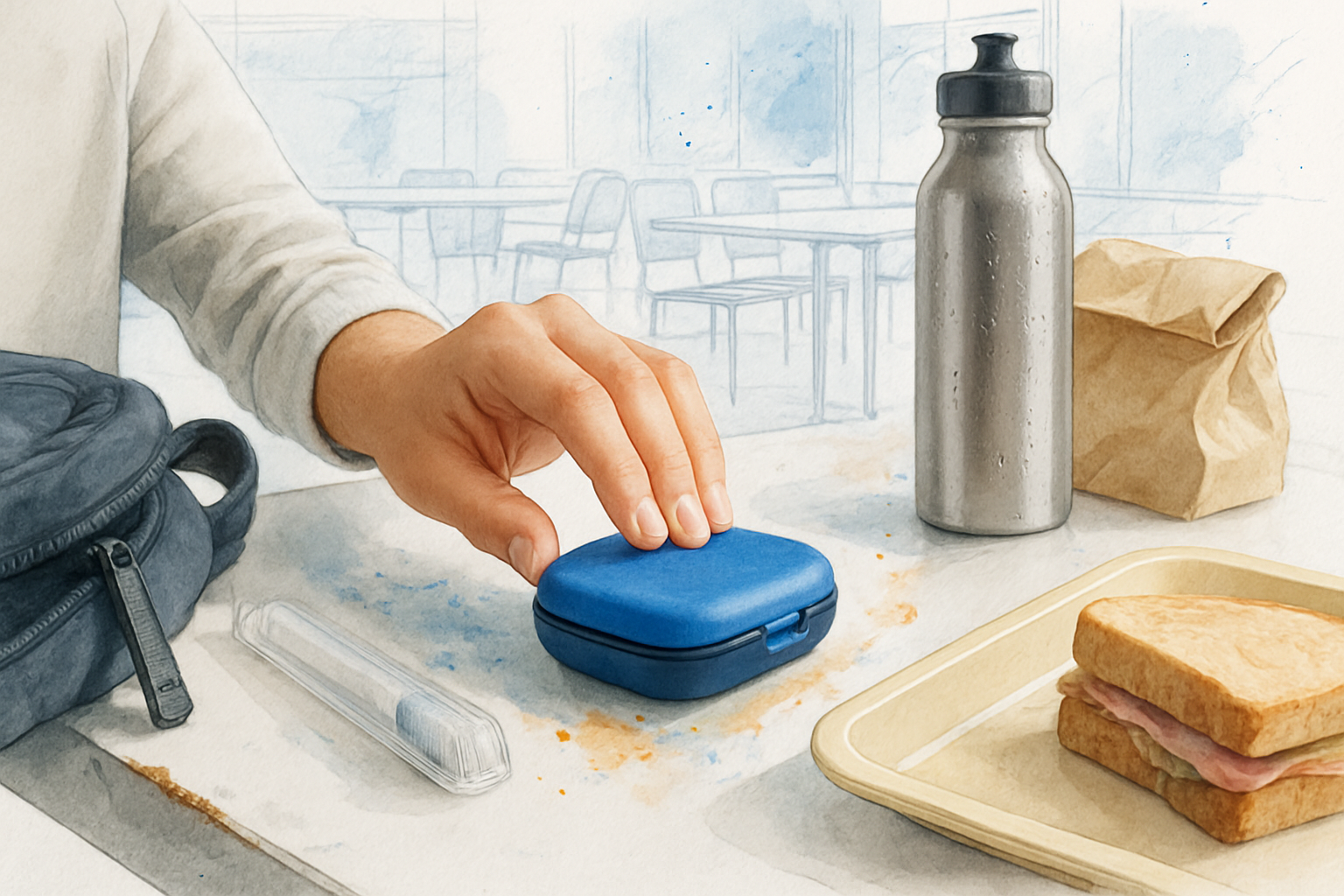
- A travel toothbrush for backpacks and gym bags
If you want the longer version, we covered what to do when braces start to hurt and the foods that work best in week one in separate posts.
What to Expect Each Stretch of the First 14 Days
This is the pattern I see most often. Every patient varies a little, but the arc holds.
| Timeframe | What is typical | What helps |
|---|---|---|
| Day 1 | Normal for a few hours, then dull pressure in the evening | Soft dinner, cool water, early bedtime |
| Days 2-4 | Peak tenderness, biting feels sore | Soft foods, pain reliever, no hard or chewy snacks |
| Days 5-7 | Teeth ease up, cheeks and lips get irritated | Orthodontic wax on rubbing spots, warm salt water rinse |
| Days 8-14 | Most foods come back, brushing routine settles | Floss threaders nightly, keep wax in the backpack |
| Call us instead | Poking wire, loose bracket, sharp pain that does not ease | Phone the office during business hours so we can fix it |
The Winter Break Braces Timeline at a Glance
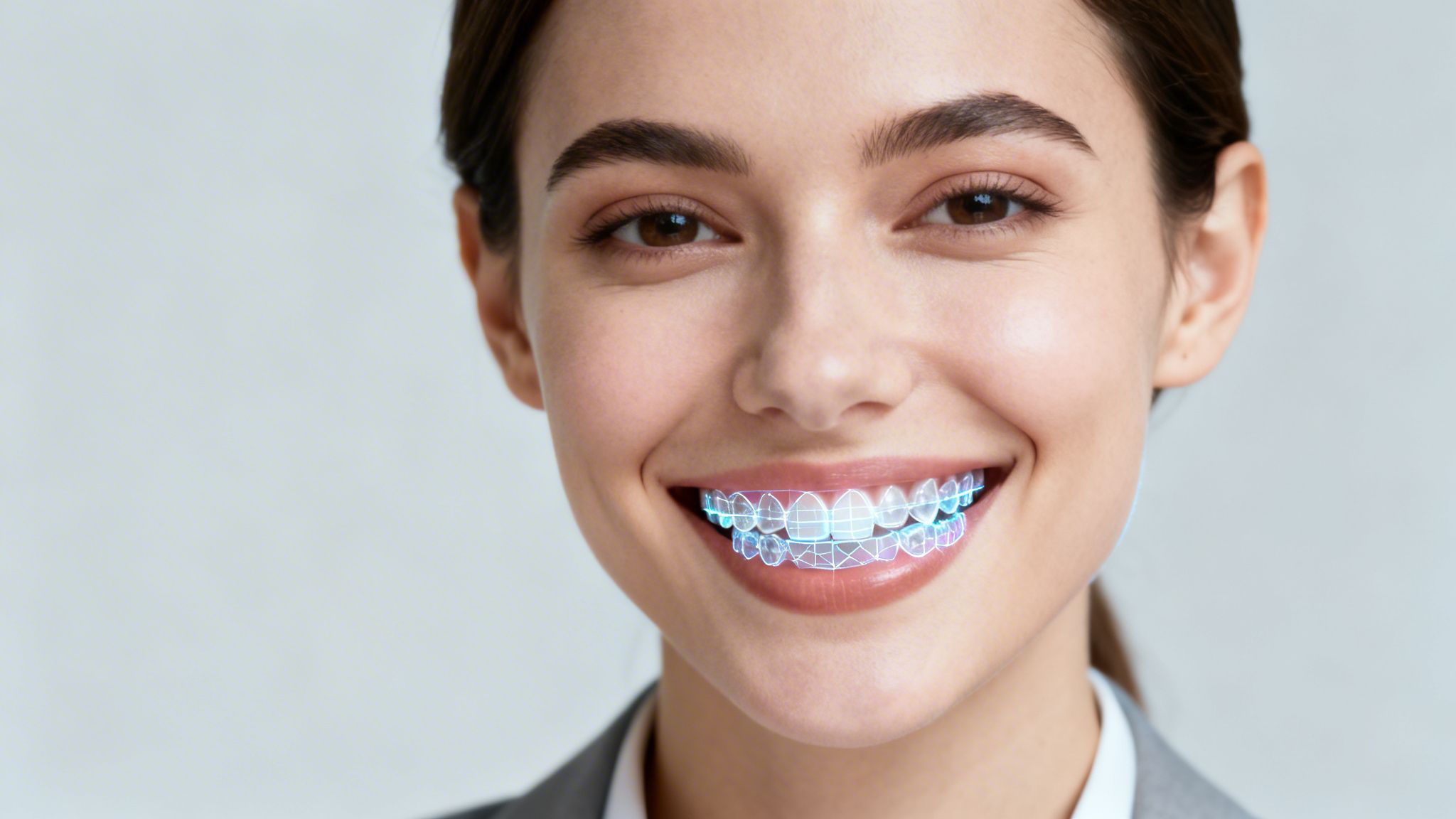
Here is the same two-week arc in a single view, along with what to have in the house before day one.

The Question Your Teen Is Actually Asking
While you are looking at dates, your teen is looking at January class photos and group chats. That concern is real, and I think it deserves a straight answer rather than a pat on the head.
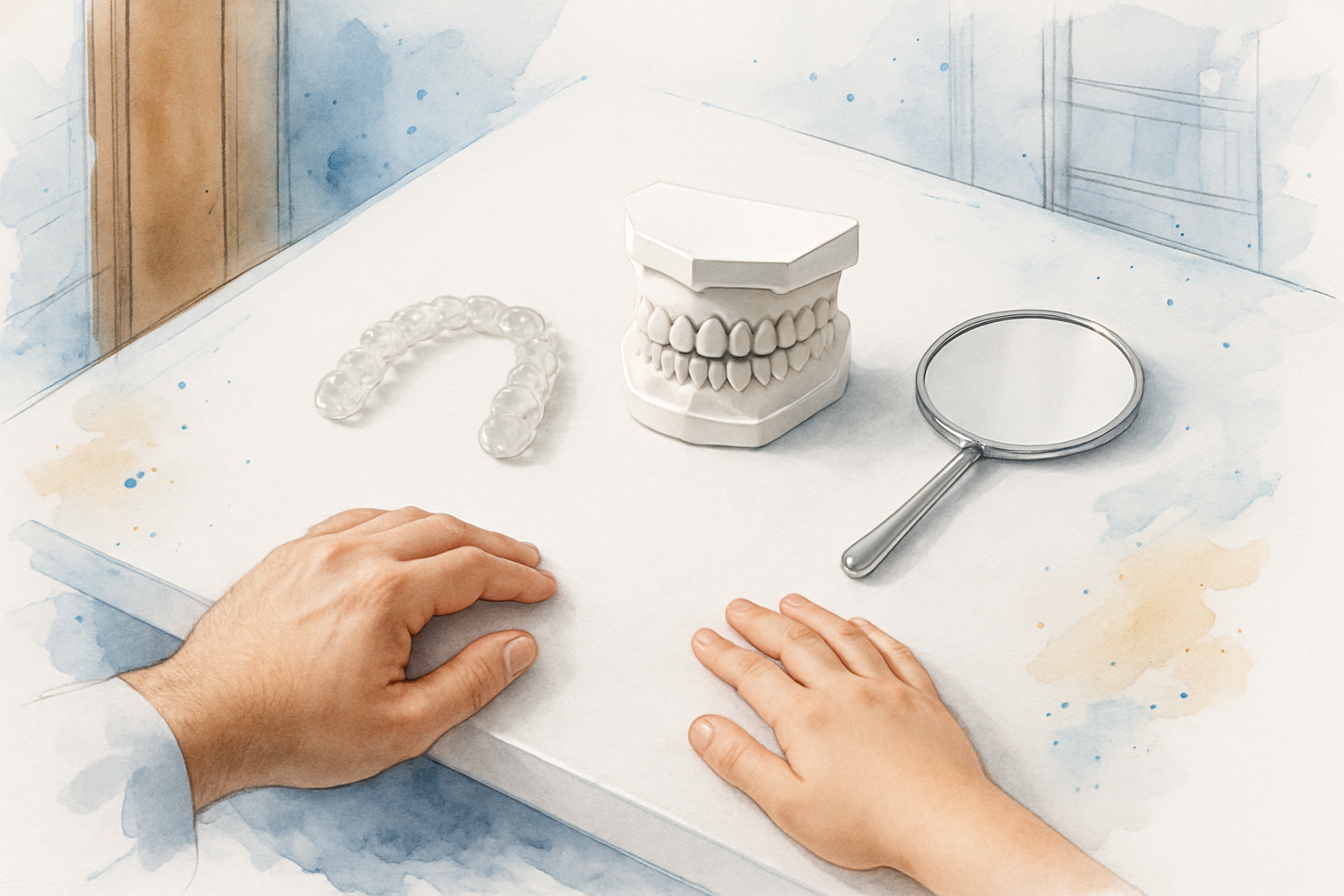
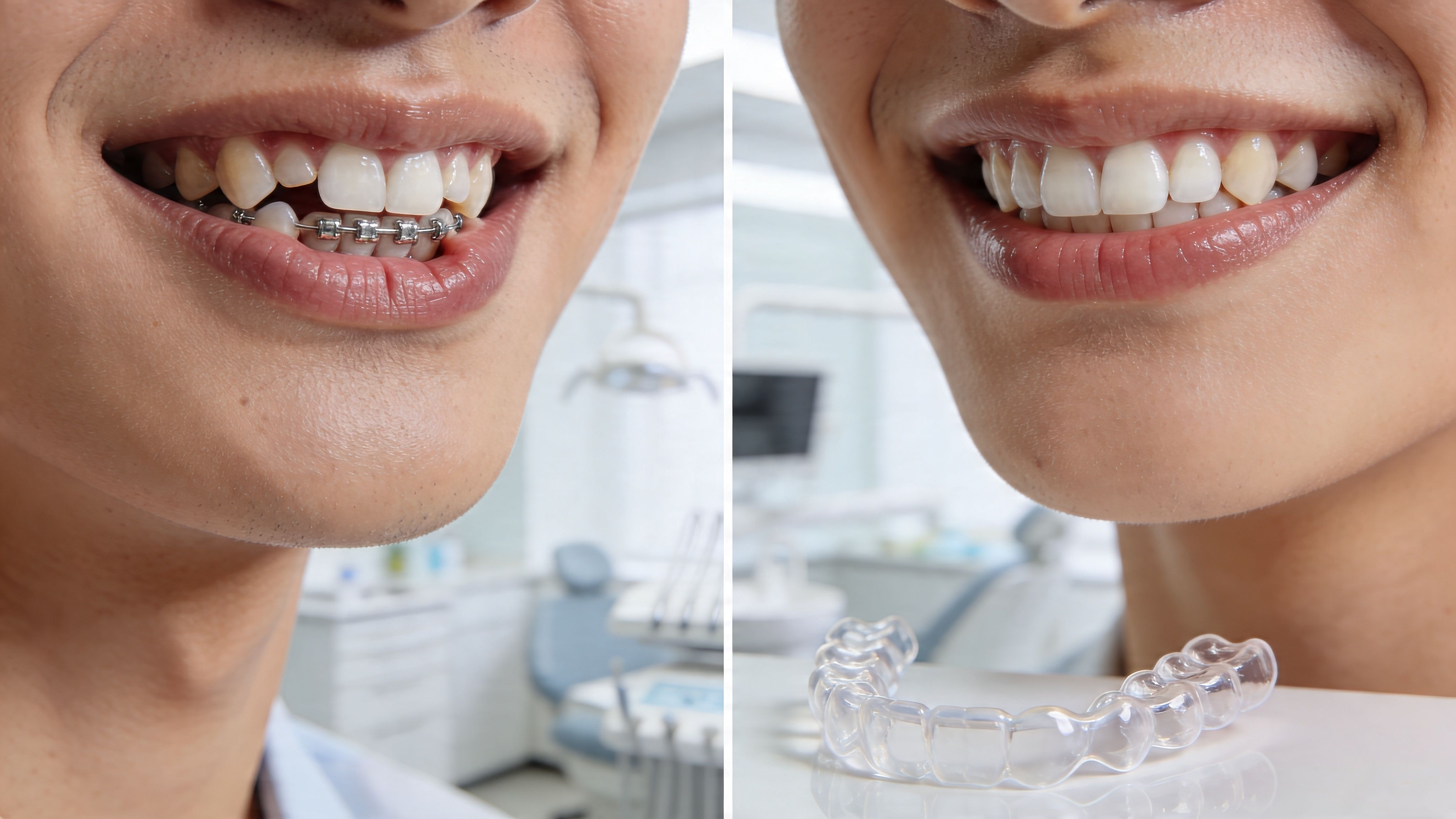
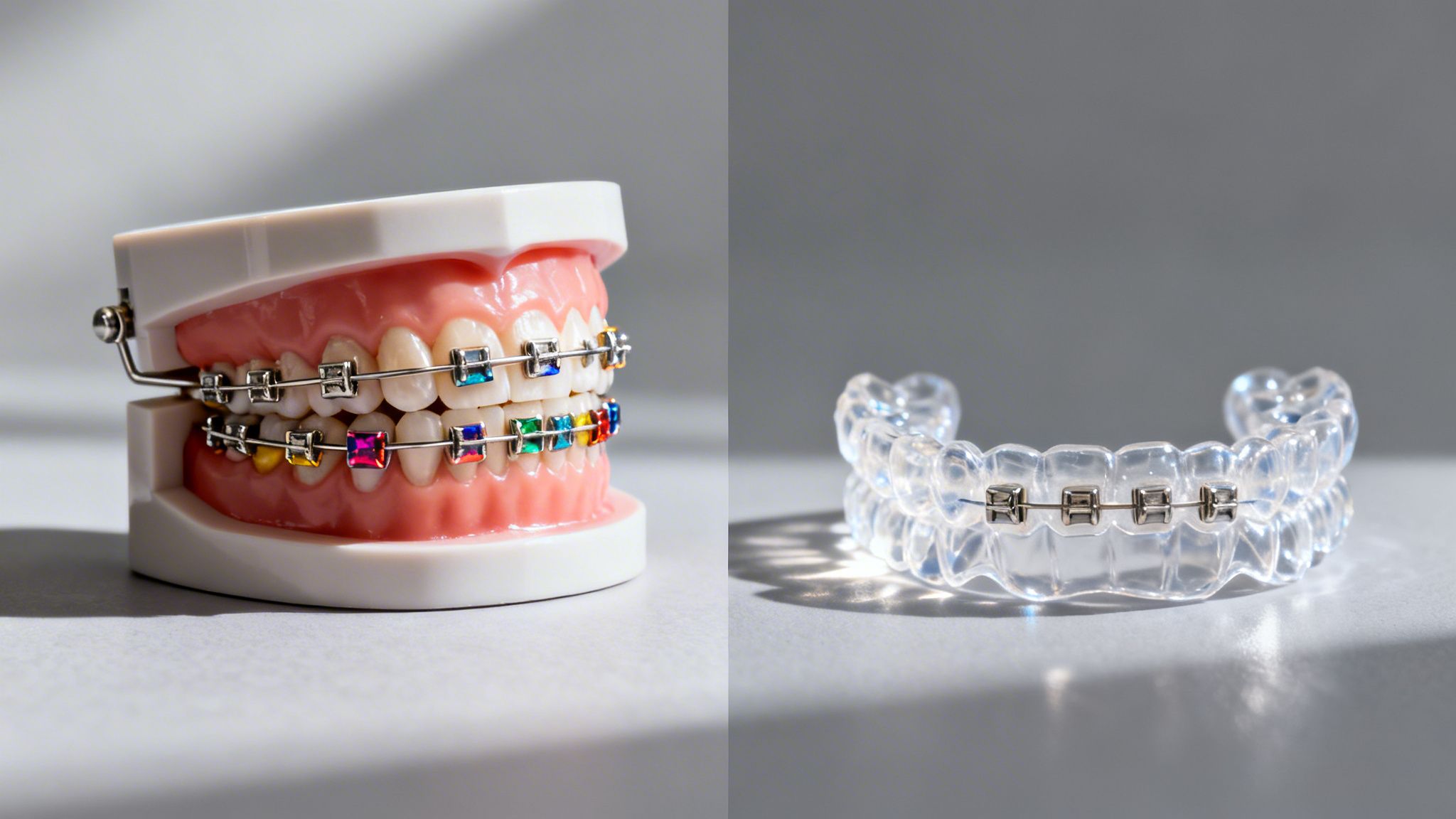
We offer two bracket options, and I present them as different trade-offs, not better and worse:
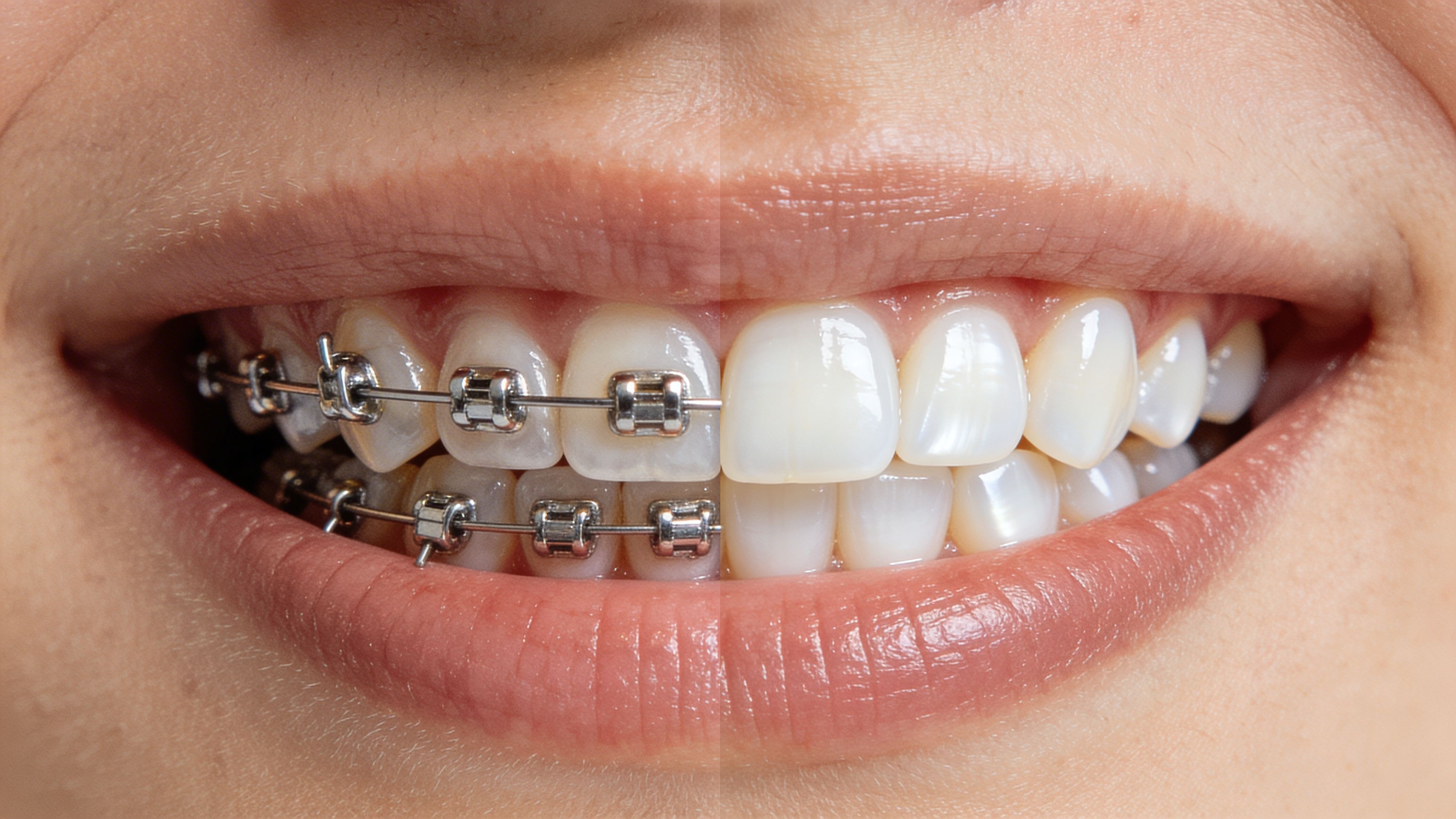
- Traditional metal braces. Strong, proven, and the workhorse for complex tooth movement. They also come in colored ties, which plenty of kids genuinely enjoy picking each visit.
- Iconix esthetic brackets. Metal strength with a champagne-colored finish that reads far more subtle at conversation distance. Almost nobody locally knows these exist, and they are often the thing that gets a reluctant teen to say yes.
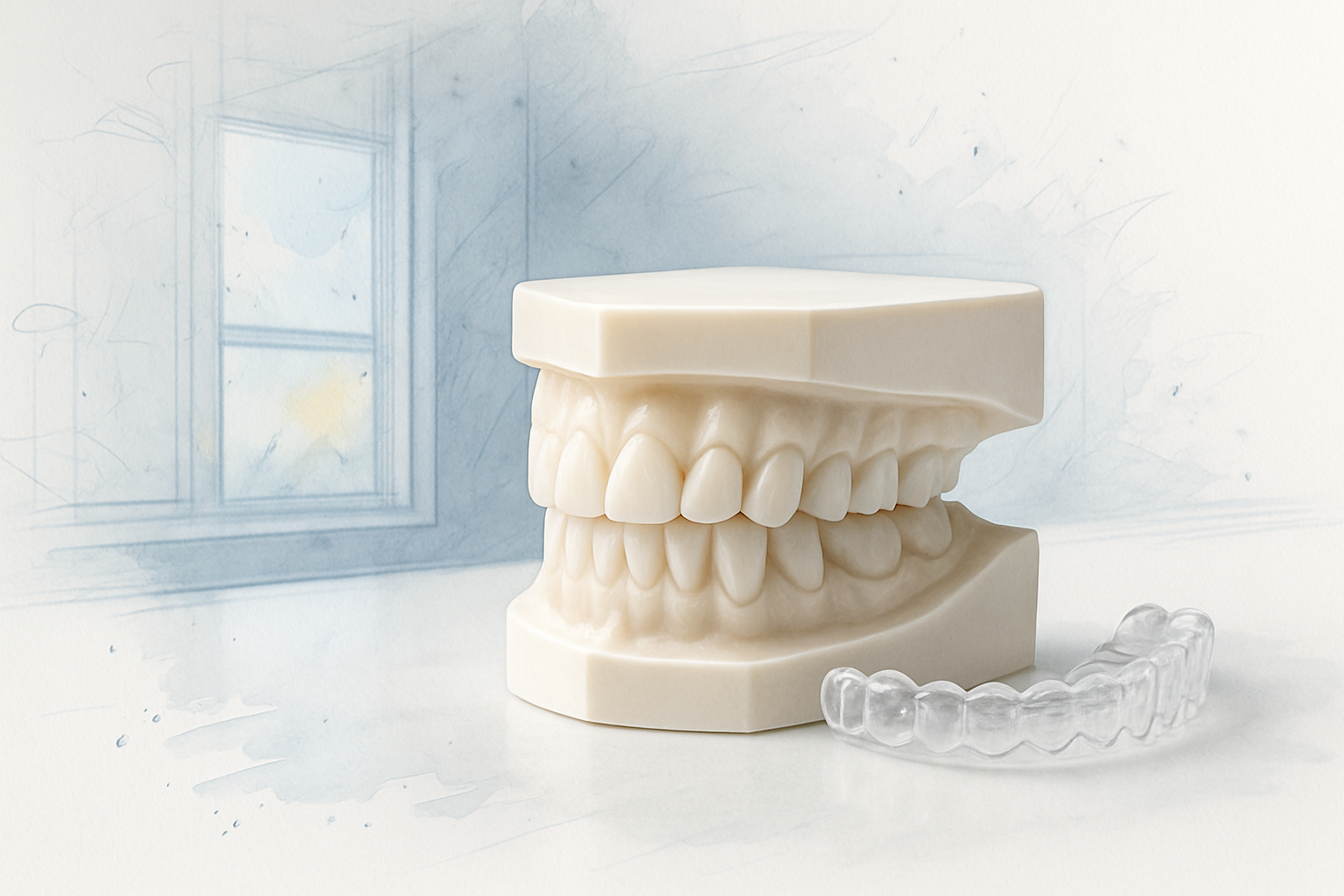
Invisalign clear aligners are a separate conversation with their own demands, mainly wearing them 20 to 22 hours a day and keeping track of trays over a holiday full of snacks and travel. Some teens handle that well. Some absolutely do not, and that is worth being honest about at the consultation rather than guessing.
Which option fits your child depends on the bite, the tooth movement needed, and your teen's habits. That is a chair conversation, not an article conversation. Our confidence-first comparison for teens lays out the thinking if you want to prep before coming in.
Winter Break Is a Convenient Window, Not a Deadline
Here is the part I want parents to hear clearly. Growth and tooth development set the timing, not the school calendar.
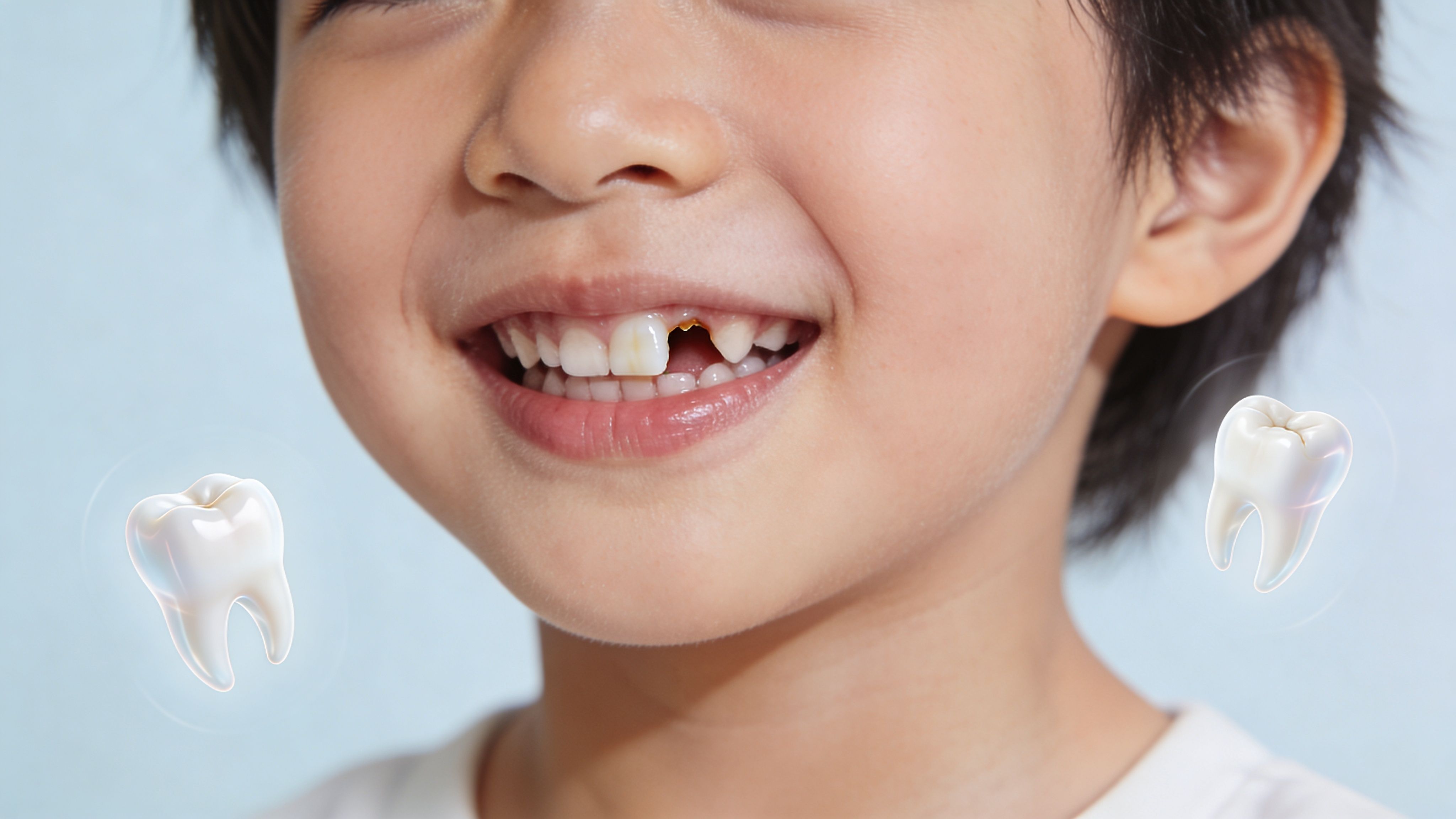
For some kids, December is a fine time to start and the break is a nice bonus. For others, especially younger children who still have baby teeth, the right answer is a monitoring plan and a check back in six months. The American Dental Association's guidance on braces backs up that readiness varies a great deal child to child.
Dr. Jeremy and Dr. Melissa will tell you if waiting is the better call. One parent put it this way in a review: "They addressed his orthodontic needs without making us feel pressured to start treatment right away, which we really appreciated."
A consultation before the break is still useful even if the answer turns out to be not yet. You leave knowing what is going on, what the likely path is, and roughly when to revisit it.
Frequently Asked Questions About Starting Braces Over Winter Break
How far ahead should I book if I want a late December placement date?
Earlier than you think. Our Saturdays are by appointment only and after-school slots are the most requested times all year, so the late December stretch tends to fill well before break starts. If you already have a dentist's referral in hand, getting the consultation on the books in October or November gives you room to choose a date rather than take whatever is left.
Will my child be in pain the whole two weeks?
No. The genuinely sore stretch is usually days two through four, and it is pressure and tenderness rather than sharp pain. After that it shifts to cheeks and lips adjusting to the hardware, which wax handles well.
What counts as an emergency versus something that can wait?
A wire poking the cheek or a loose bracket is annoying but not urgent. Call during business hours and we will get it handled. Sharp continuous pain, or an injury to the mouth, means call right away.
Can we start treatment while insurance or an FSA deadline is pending?
Coverage varies a lot by plan, and orthodontic benefits often work differently from regular dental benefits. We go over what your plan covers and what payment options look like at the consultation, since the exact numbers depend on your case and your policy.
My child is only nine. Is winter break too early to start?
Possibly, and that is fine. Early evaluation is its own decision path, and plenty of nine-year-olds leave with a monitoring plan instead of a start date. Starting at the wrong time because the calendar said so is not a trade worth making.
Planning a Winter Break Start for Your Child?
We are on Beach Boulevard, which keeps us convenient and local for families across Oak View, Goldenwest, Wintersburg, and Central Fountain Valley. Consultations are complimentary, and Dr. Jeremy and Dr. Melissa see every patient themselves, so the plan you hear is the plan they built. If you want to ask about winter break availability or just get a read on where your child stands, call 714-594-5777 or visit magicfoxsmiles.com.