Invisalign at Work: Will Anyone in Your Zoom Meeting Notice?
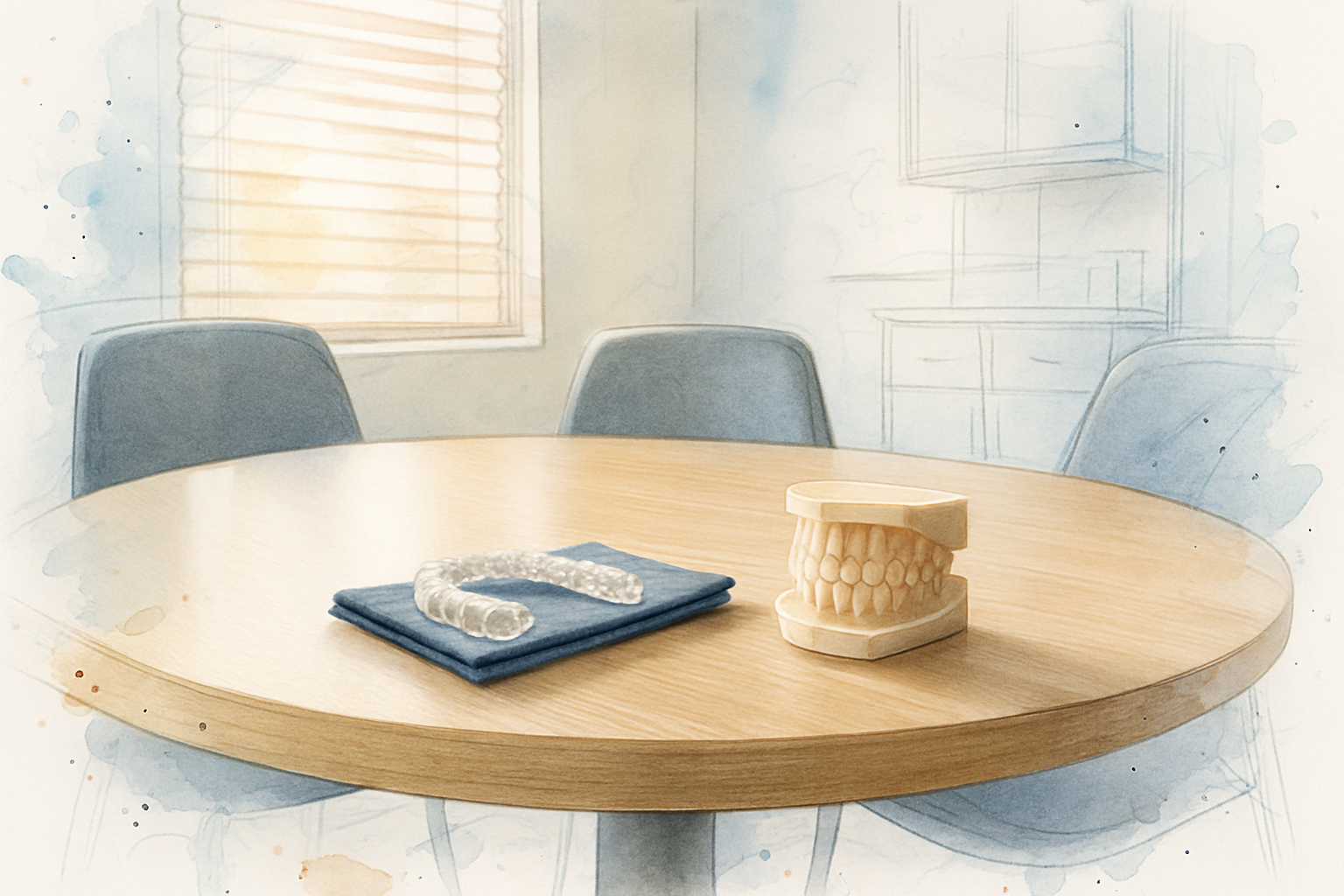
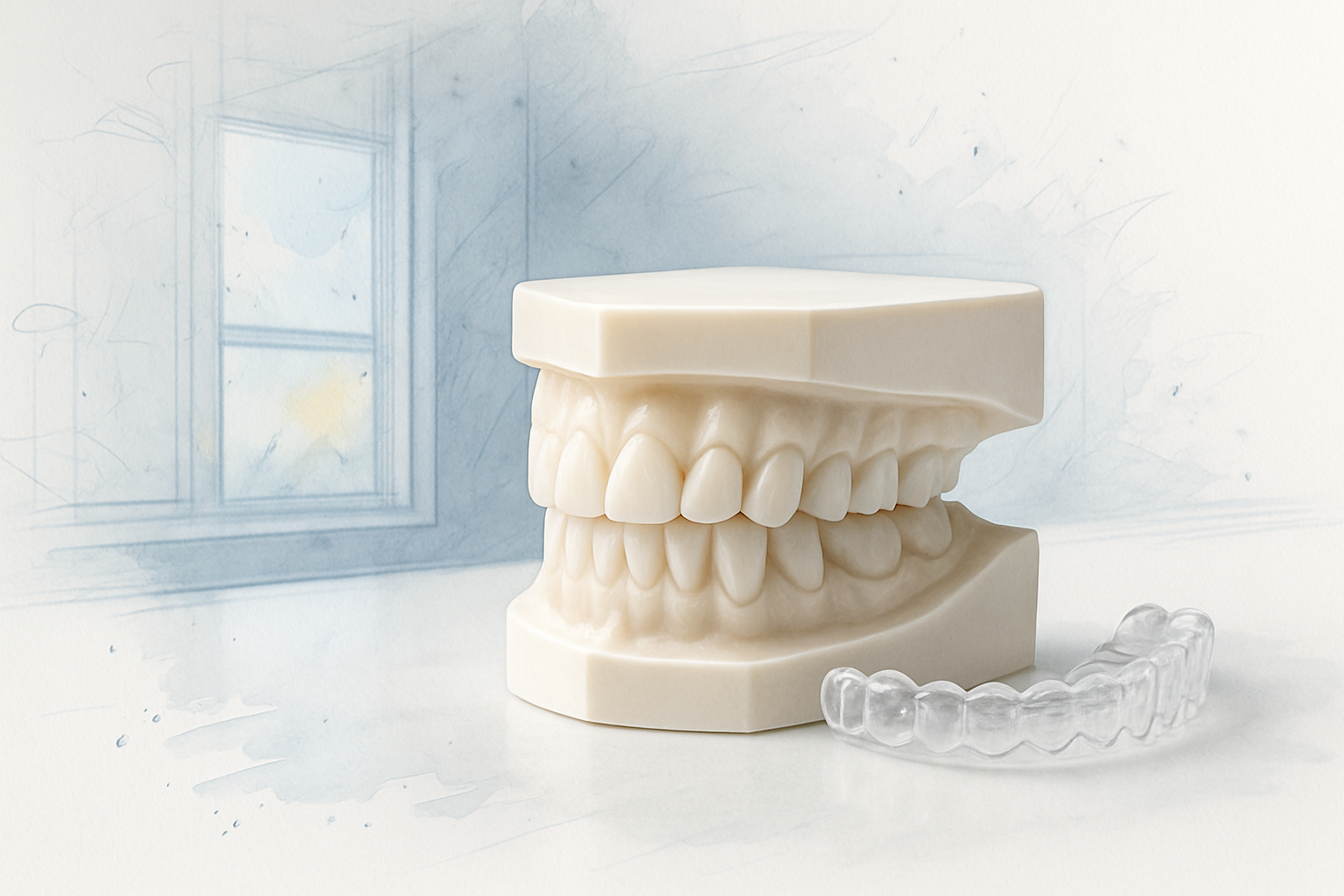
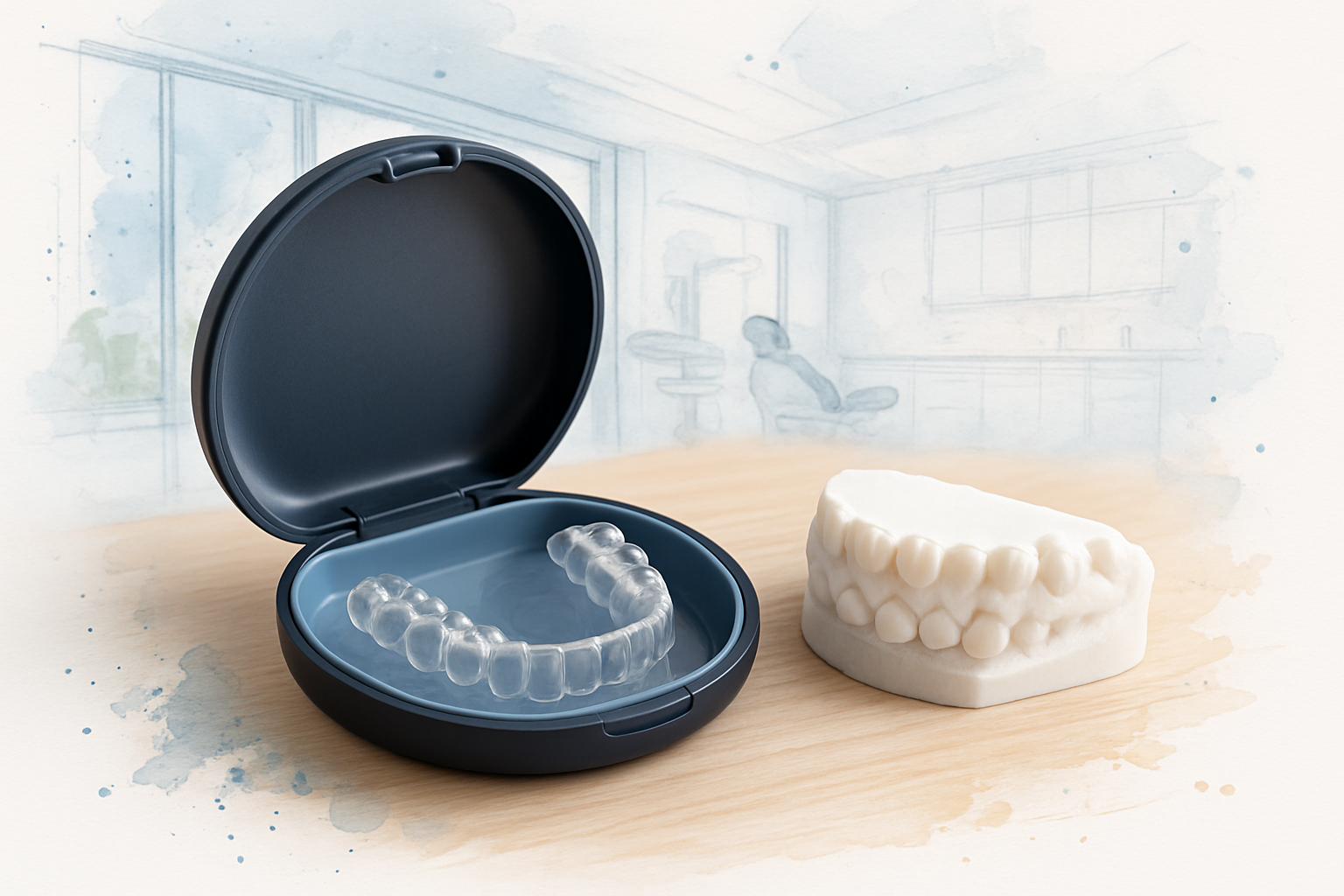
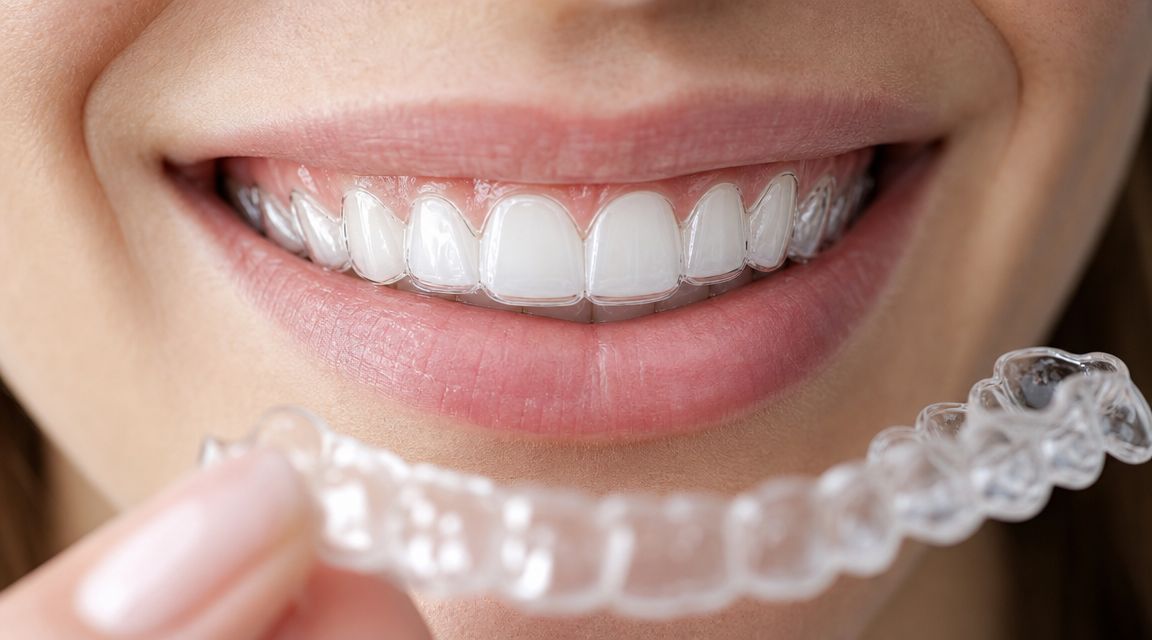
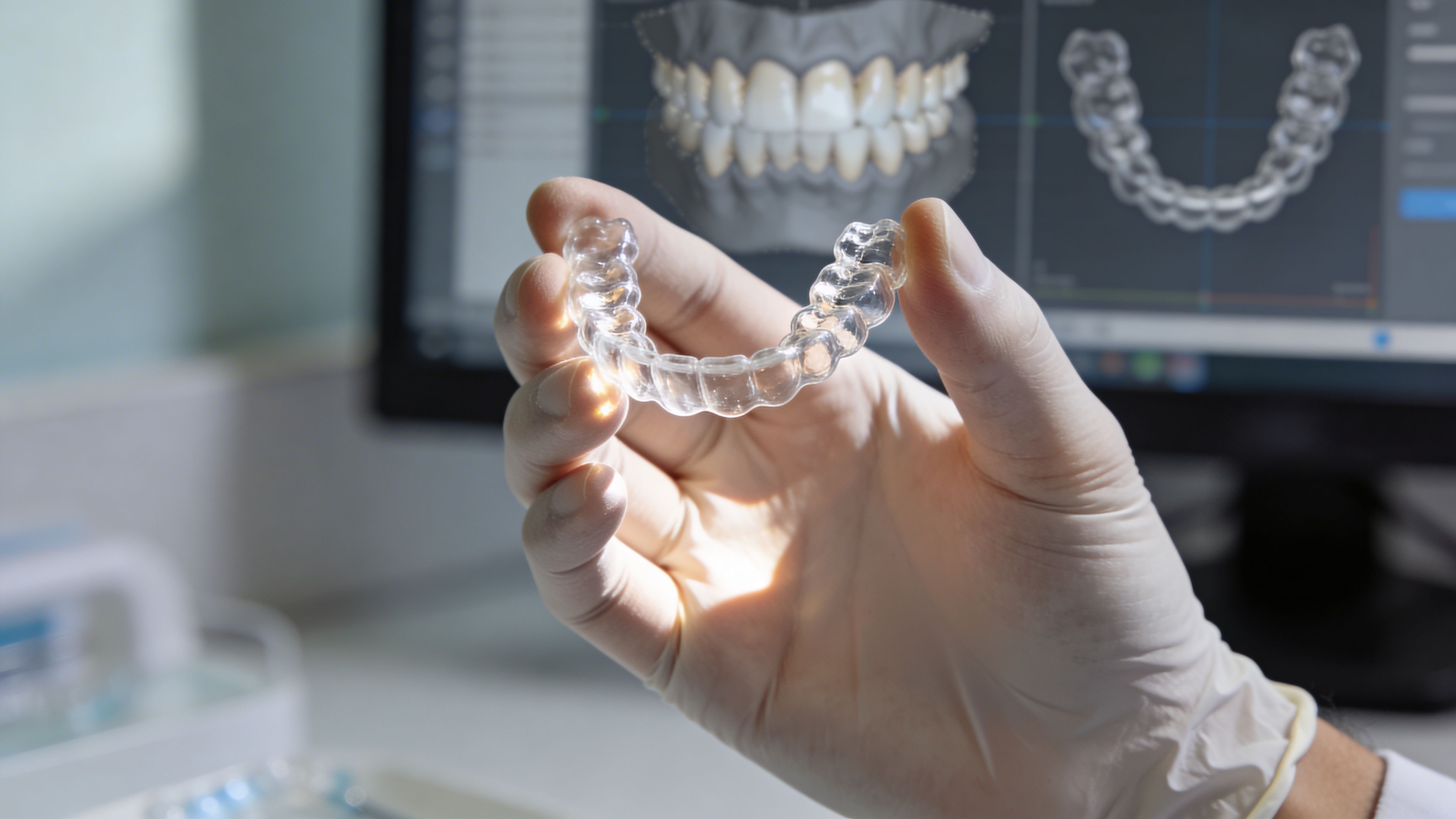
Direct Answer: Most people will not notice clear aligners in a video call or across a conference table. What a coworker might catch up close are the small tooth-colored attachments bonded to some teeth.
You already know you want your teeth straighter. The thing actually holding you back is picturing yourself on the standing Monday video call with something in your mouth, or smiling through a client lunch on Beach Boulevard and wondering what the other person is looking at.
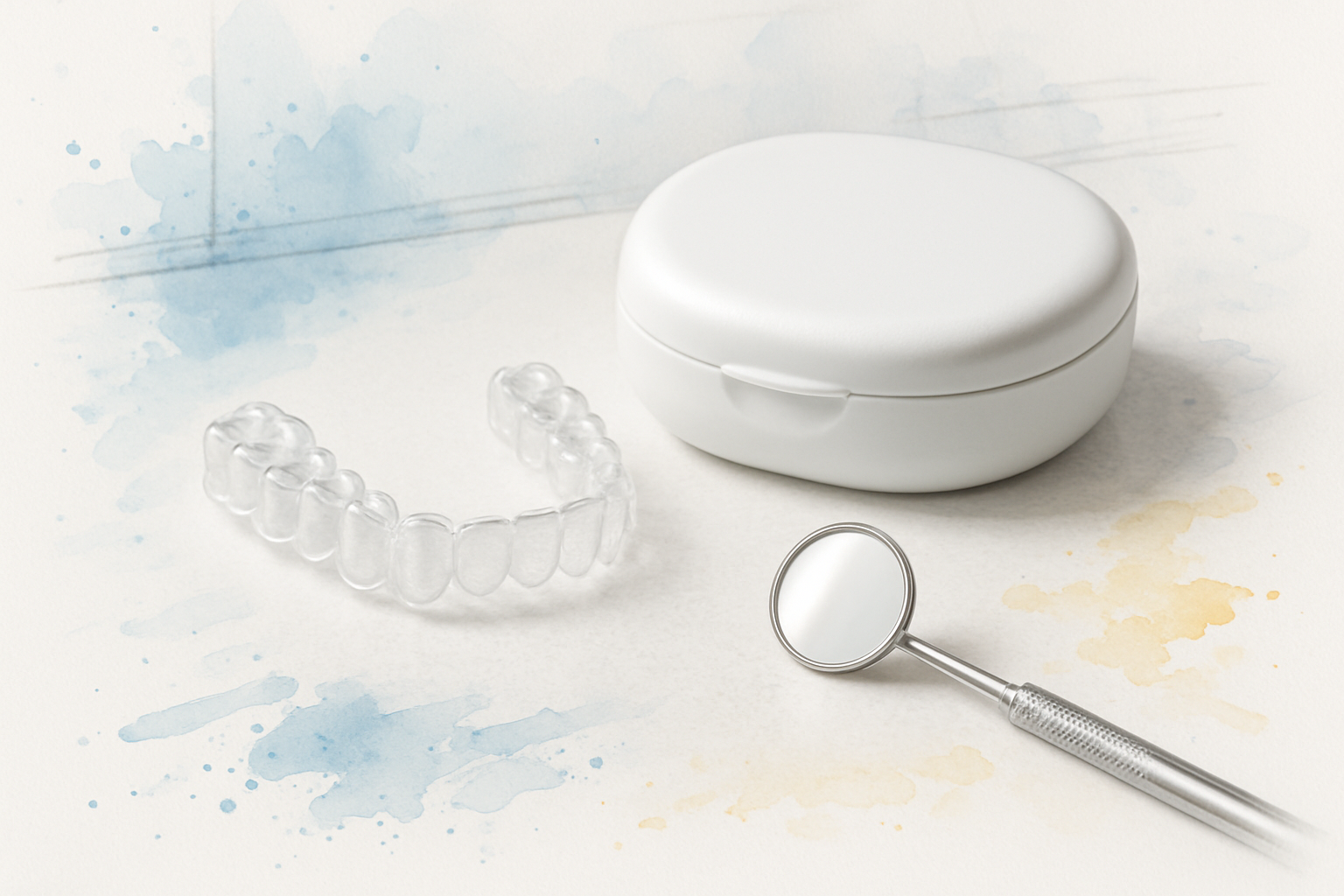
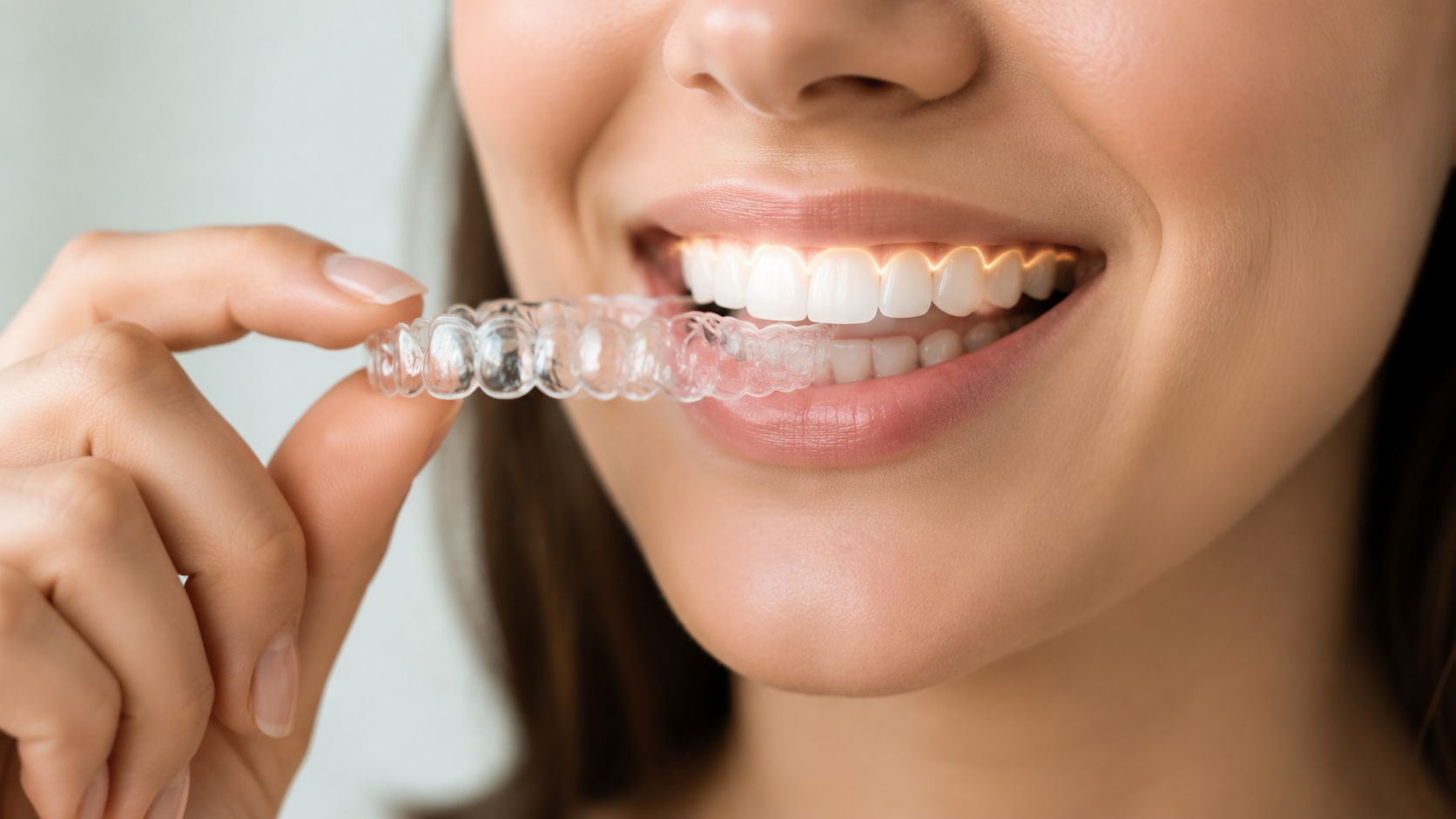
So let me answer that first. In normal conversation and on camera, most people will not notice clear aligners. The trays are thin and clear, and video compression is not kind to small details.
But vague reassurance is not useful, so I want to be specific about the moments when someone might notice, what causes it, and what your options are if removable trays are not the right fit for your case. That is what the rest of this covers.
What Coworkers Actually Notice: The Attachments, Not the Trays
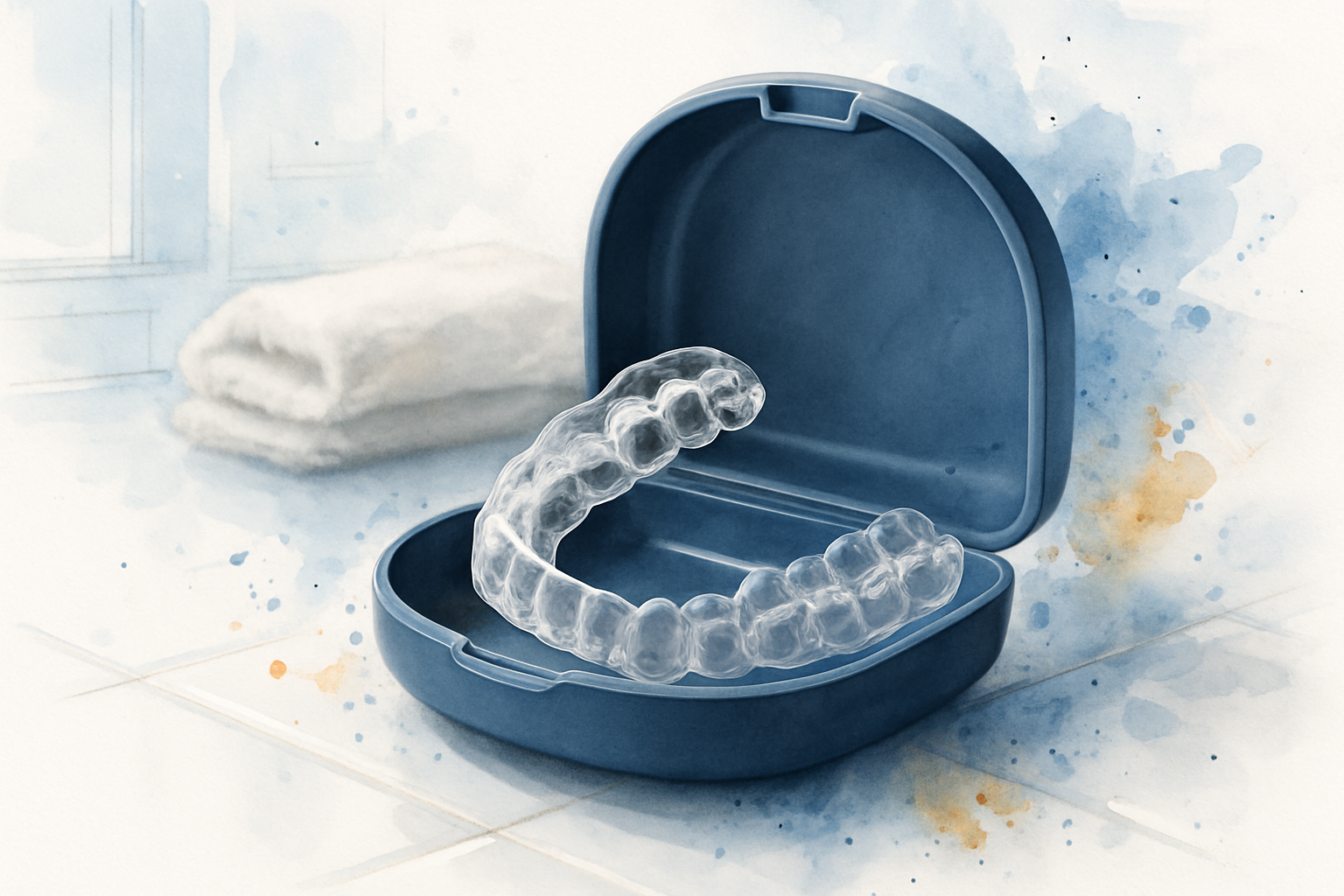
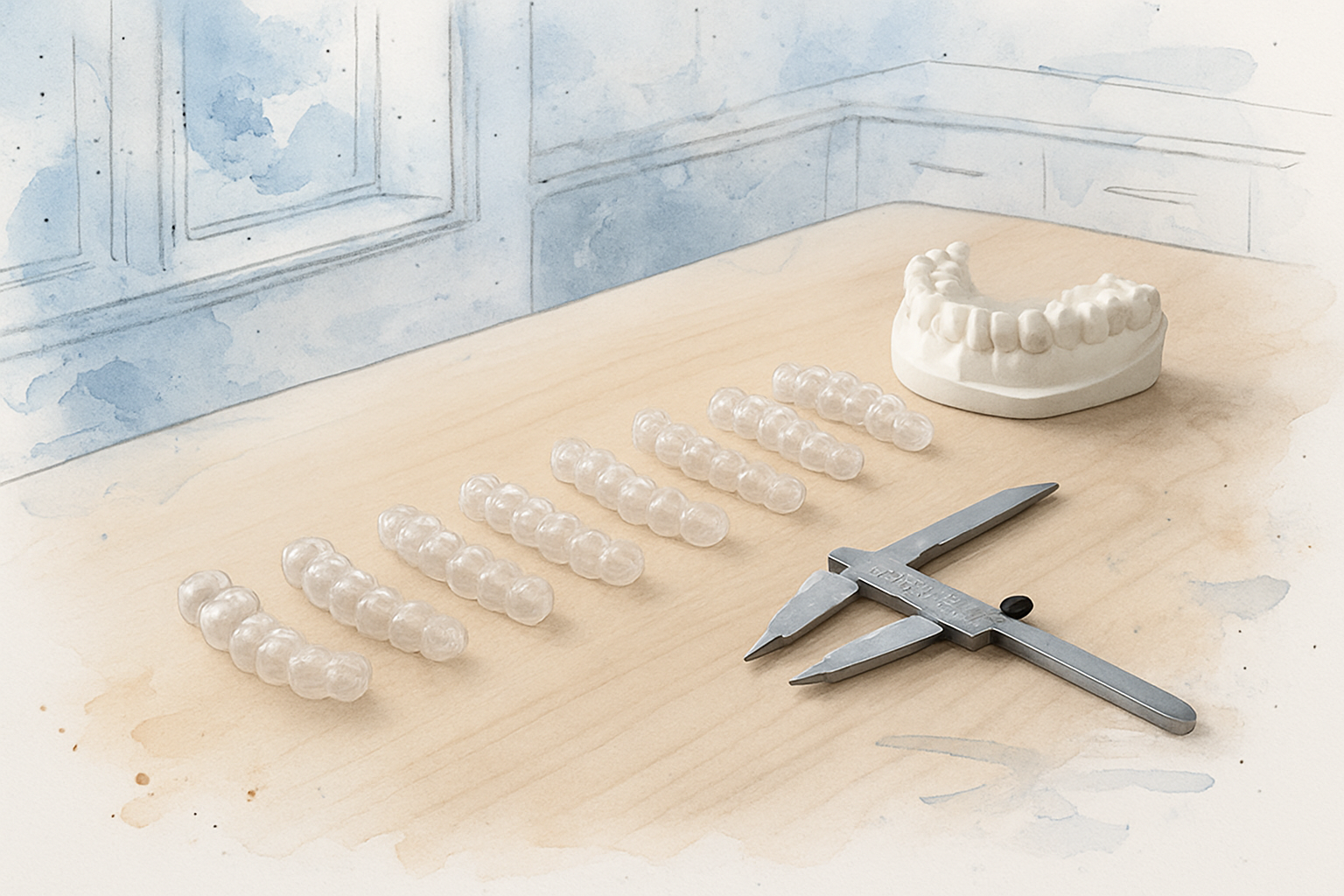
Here is the part I wish more adults heard before they committed. Aligners usually need small tooth-colored attachments bonded to certain teeth. They act like handles so the trays can grip and move teeth in the right direction.
They are shaped like tiny bumps and they match your enamel shade. From three feet away in a meeting, they read as nothing. From eighteen inches away, in bright light, someone sitting next to you at a lunch meeting could catch a little texture on your front teeth.
A few honest specifics:
- Attachments are placed where your case needs them, not everywhere. Some adults get a handful. Others get more.
- They are more noticeable on upper front teeth than anywhere else, which is exactly where people look when you talk.
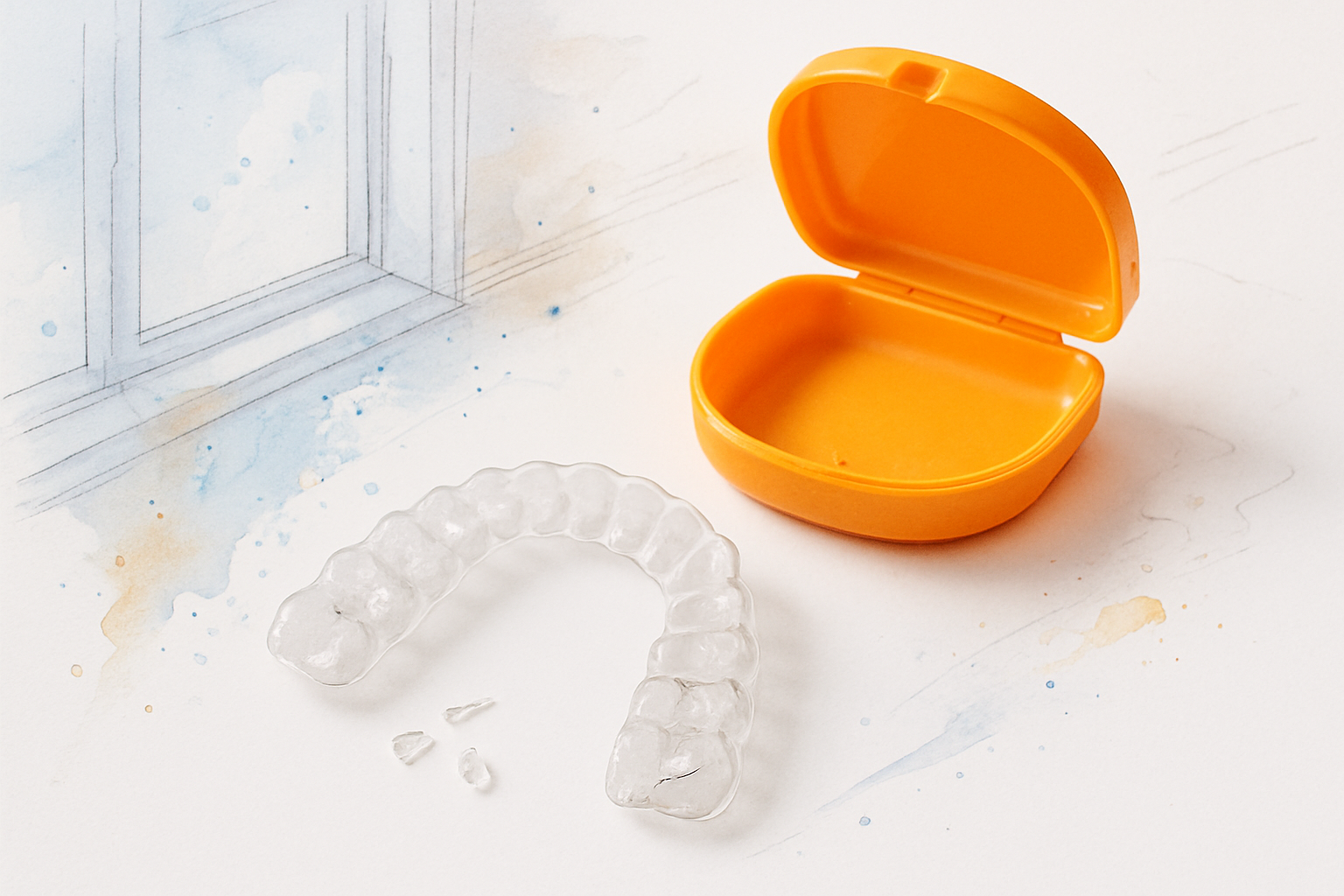
- Trays can pick up staining if you sip coffee, tea, or red wine with them in. That is the single most common reason an aligner starts looking cloudy on camera.
- Attachments themselves can pick up a little stain over time too, though they get polished and replaced through treatment.
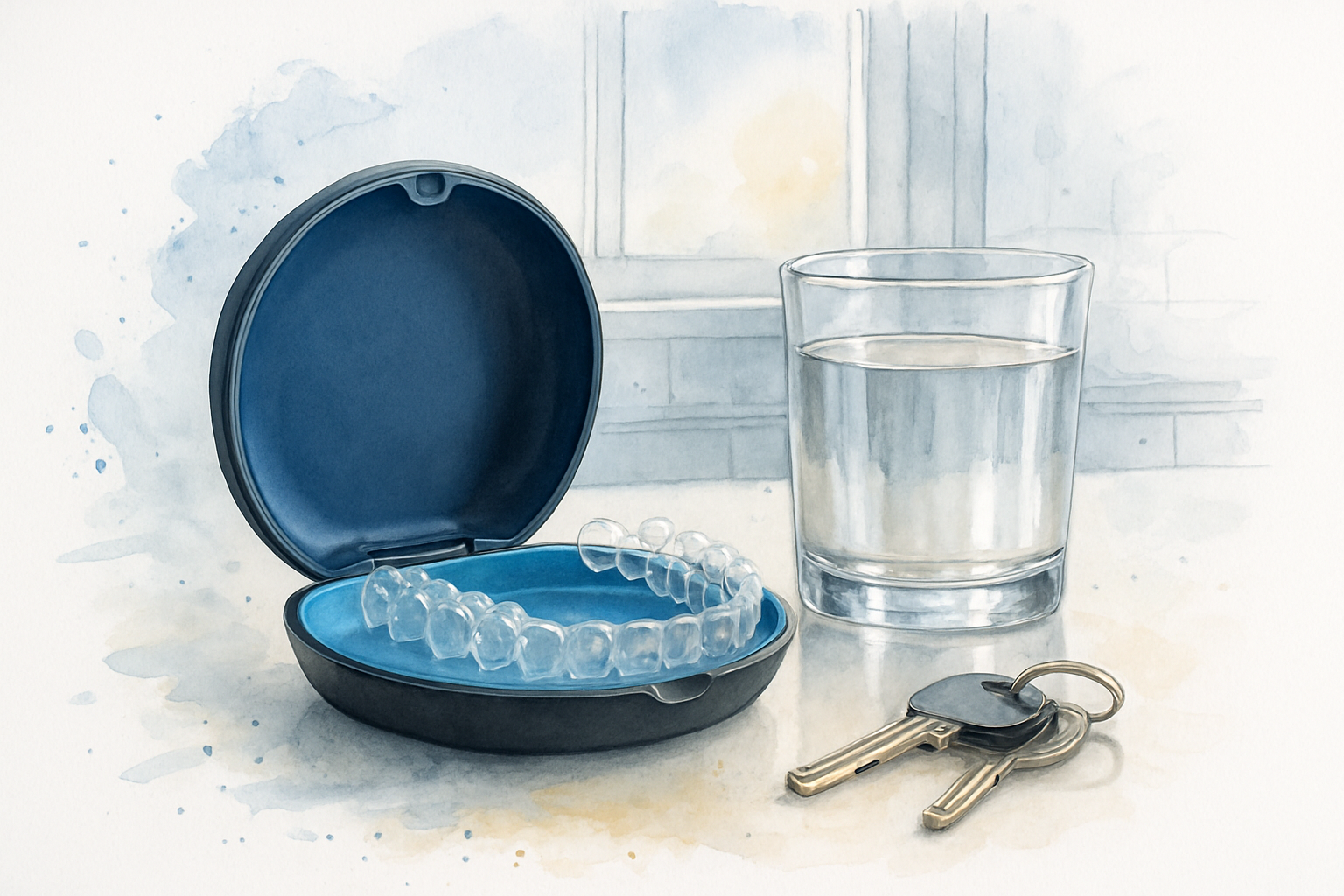
The fix for the staining part is simple: take the trays out when you drink anything but water, and rinse before you put them back in. Adults who have been through it tend to say the coffee habit was the real adjustment, not the appearance.

The Speech Question Nobody Asks Out Loud
Almost nobody brings this up on the phone, but I think about it a lot, because it is the fear that sits under the appearance question. You imagine yourself presenting to a room and hearing a lisp come out of your own mouth.
Here is what I tell people, without sugarcoating it. Most adults notice a small difference in how certain sounds feel during the first few days of a new tray set. Your tongue is used to hitting bare teeth, and now there is a thin layer of plastic there. It usually settles as your tongue adapts.
I will not give you a guaranteed timeline, because it genuinely varies by person and by how much of the tray covers the roof-side of your front teeth. What I can give you are workarounds that cost you nothing:
- Start each new tray set in the evening, not before a big presentation.
- If you have a weekly meeting rhythm, line up tray changes with your lighter day.
- Read something out loud for a few minutes at home after switching. It speeds up the adjustment more than people expect.
Same honesty applies to pressure. A new tray set feels tight for a day or so. That is the treatment working, and it is not the same as pain, but I am not going to tell you that you will feel nothing.
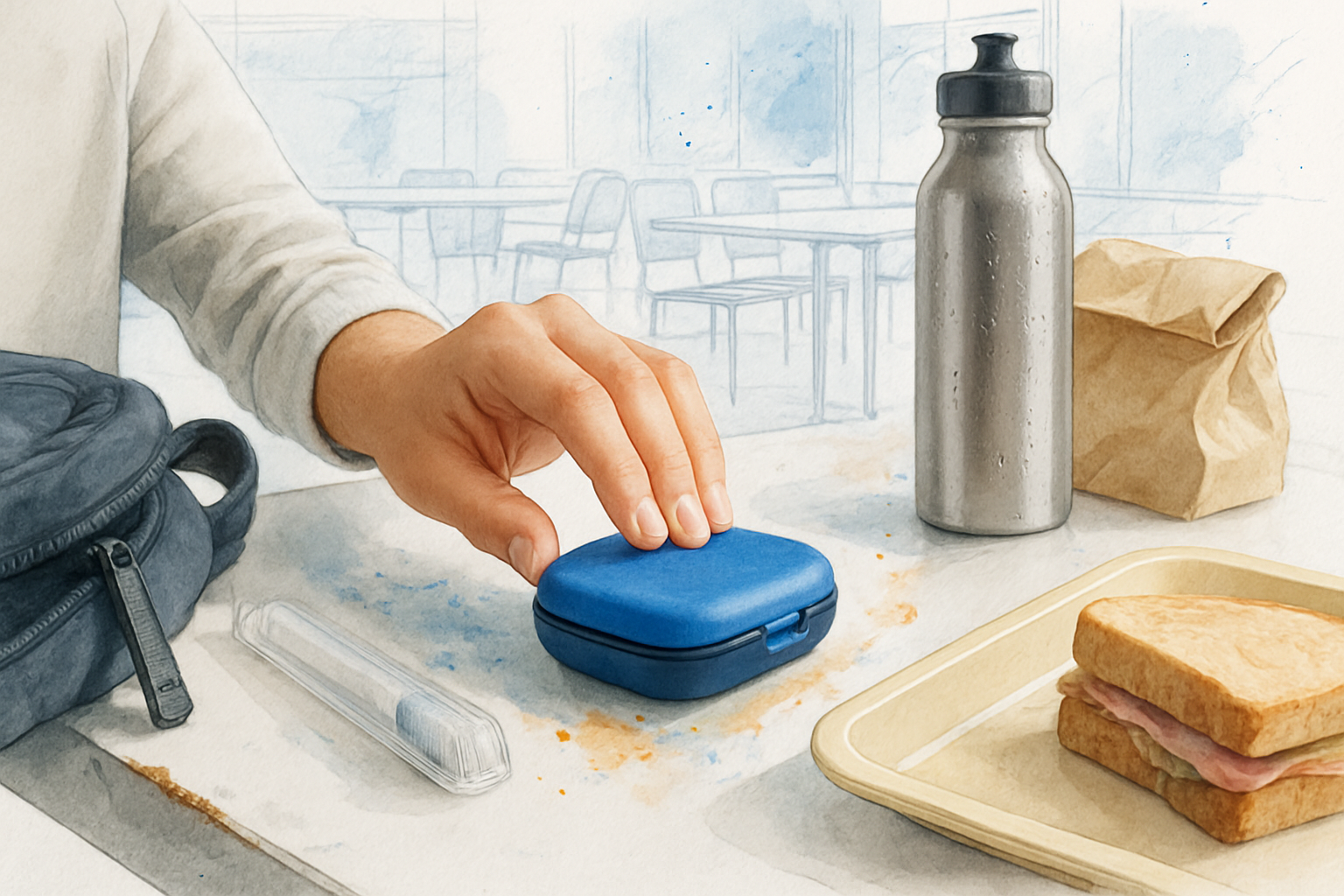
Four Work Moments, and What People Actually See
I mapped out the four situations adults bring up most when they are weighing treatment against their job.

If Removable Trays Are Not the Right Fit for Your Case
Sometimes the honest answer at a consultation is that the movements your teeth need are better handled by a fixed appliance. That is not a downgrade. It is a different tool for a different job.
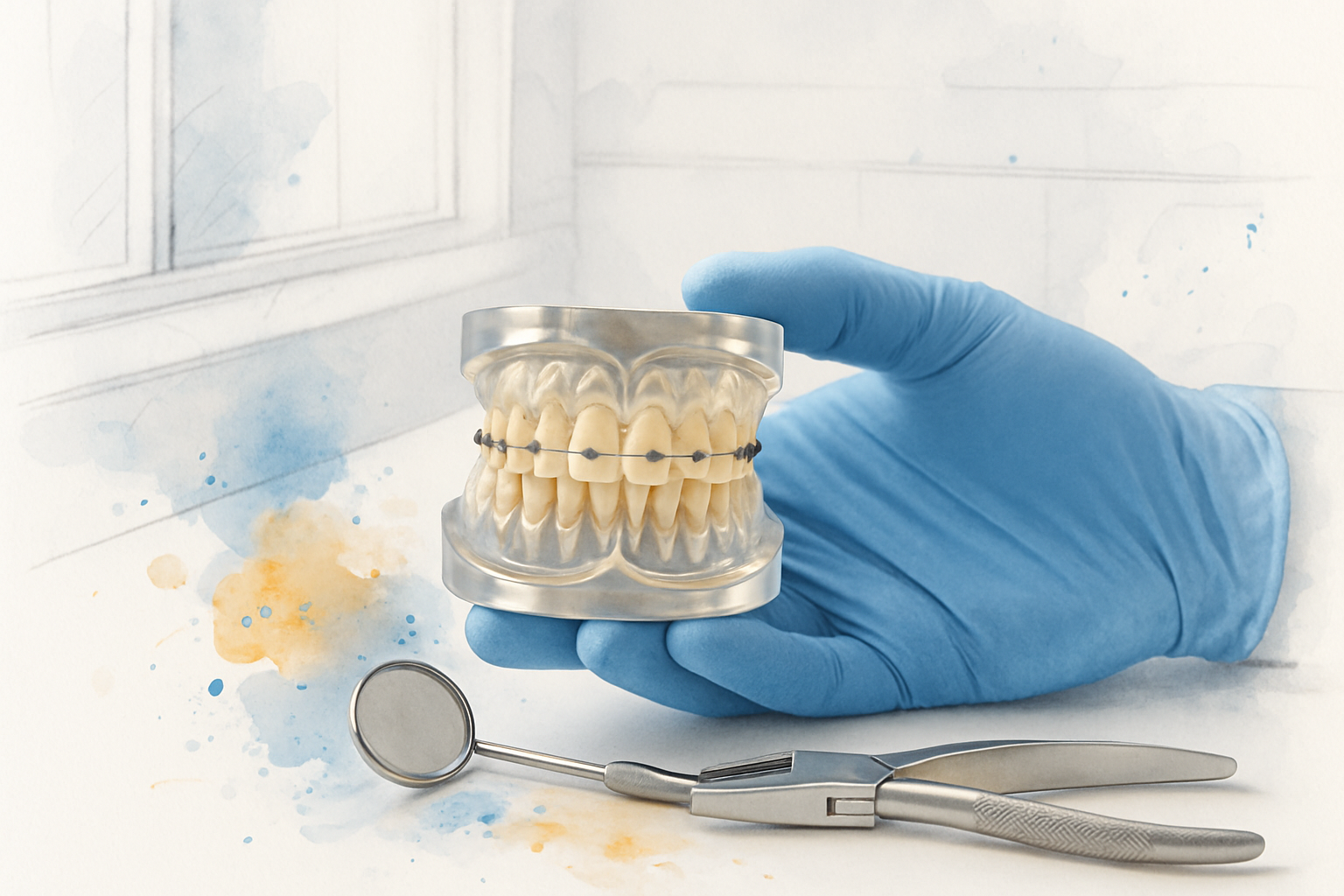
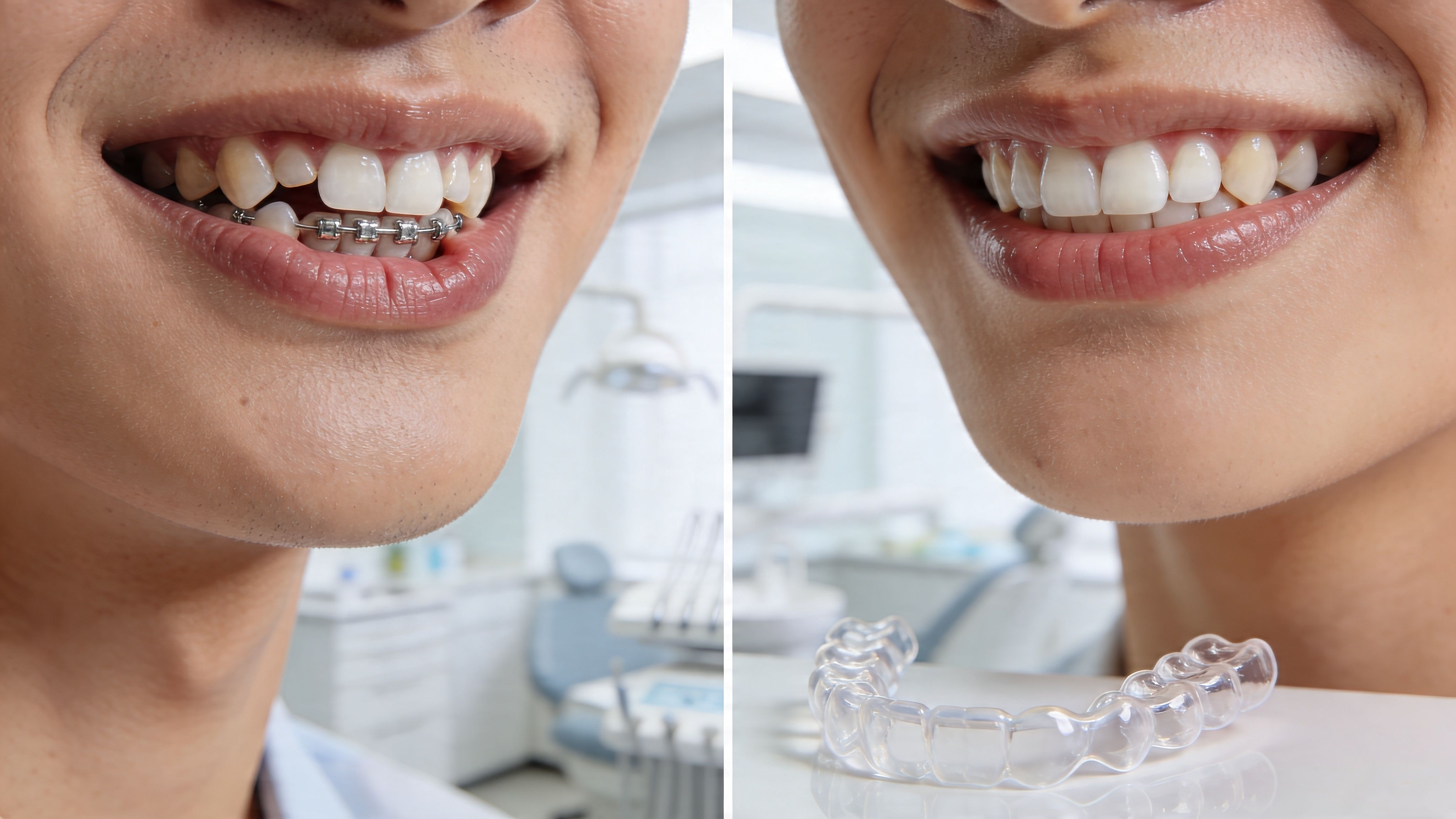
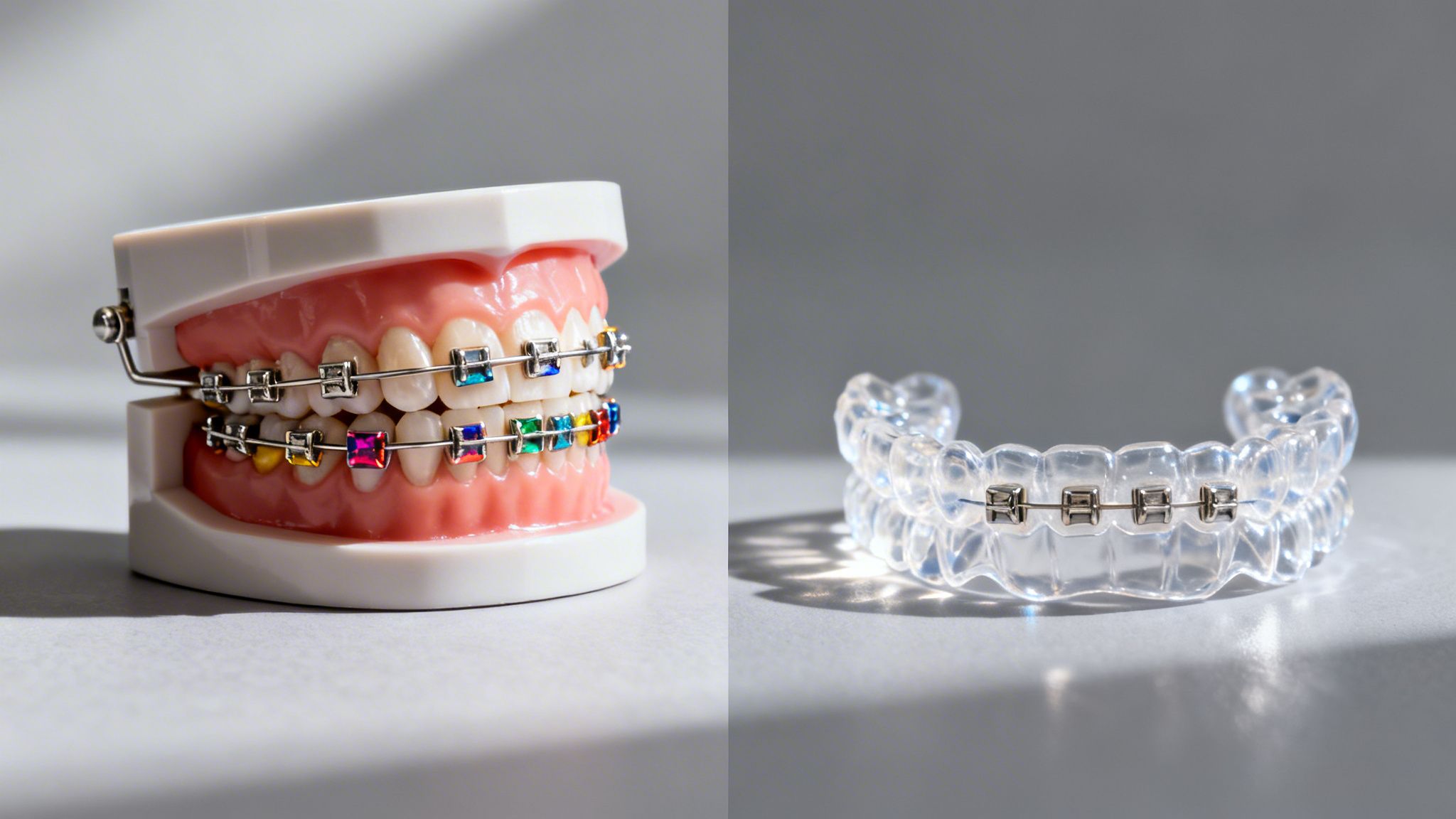
If that is where your case lands, you still have a discreet option. Iconix esthetic brackets are champagne-colored, which is a warmer, softer look than standard silver. Against enamel they read as subtle rather than metallic, which matters if you are in front of clients every day.
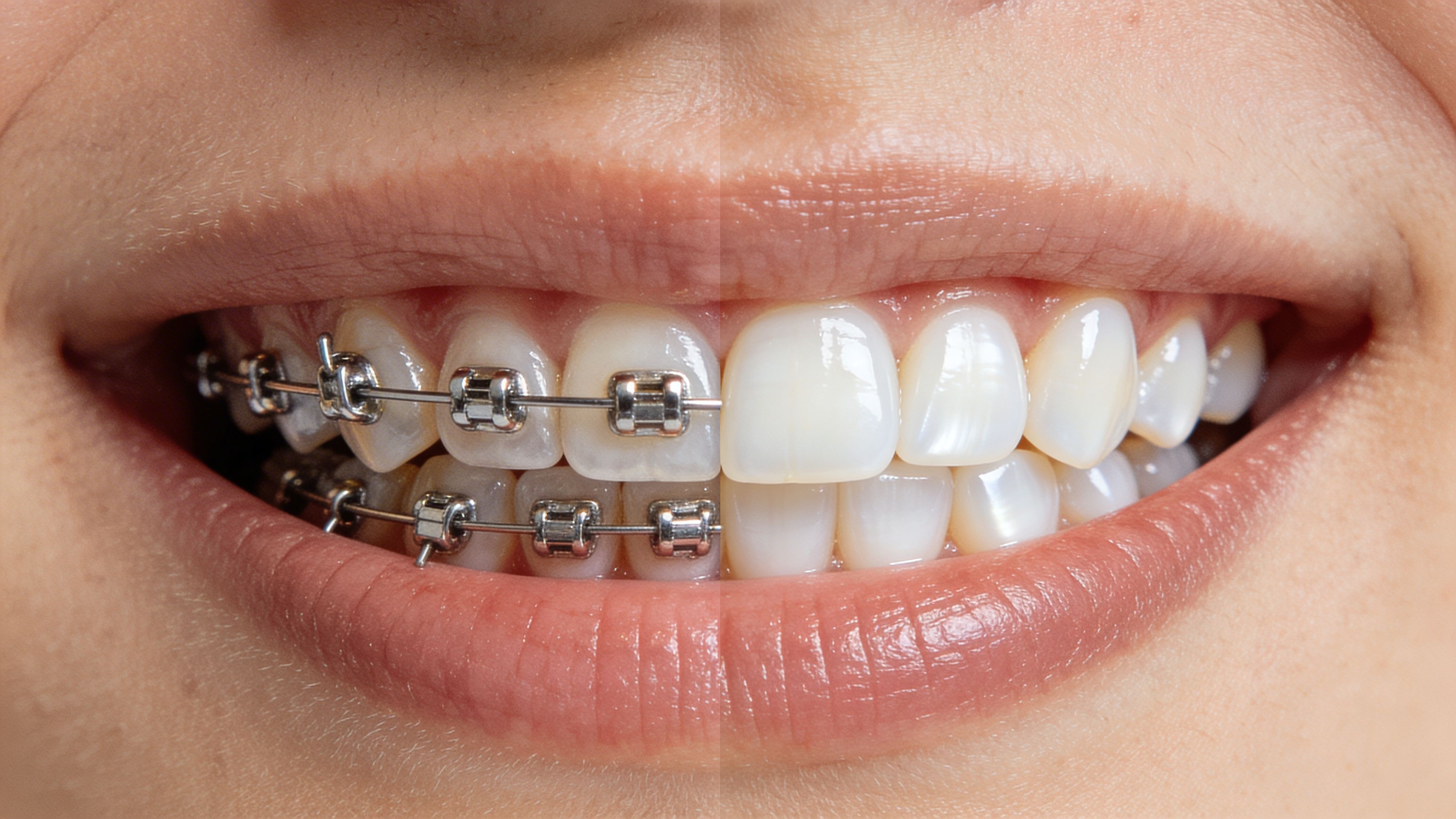
Traditional metal braces are still a reliable, proven choice, and plenty of adults pick them on purpose because they are durable and straightforward. The real decision is about three things:
- Your teeth and the movements required. Some corrections respond better to fixed brackets.
- Your discipline with removable trays. Aligners work when they are in your mouth, which is most of the day.
- Your day-to-day life. Travel, meals out, public speaking, and whether you want something you can take out or something you never have to think about.
Dr. Jeremy and Dr. Melissa map this out case by case rather than steering everyone toward the same appliance. If you want more detail on the champagne-colored option, we wrote about Iconix brackets and how they look in person.
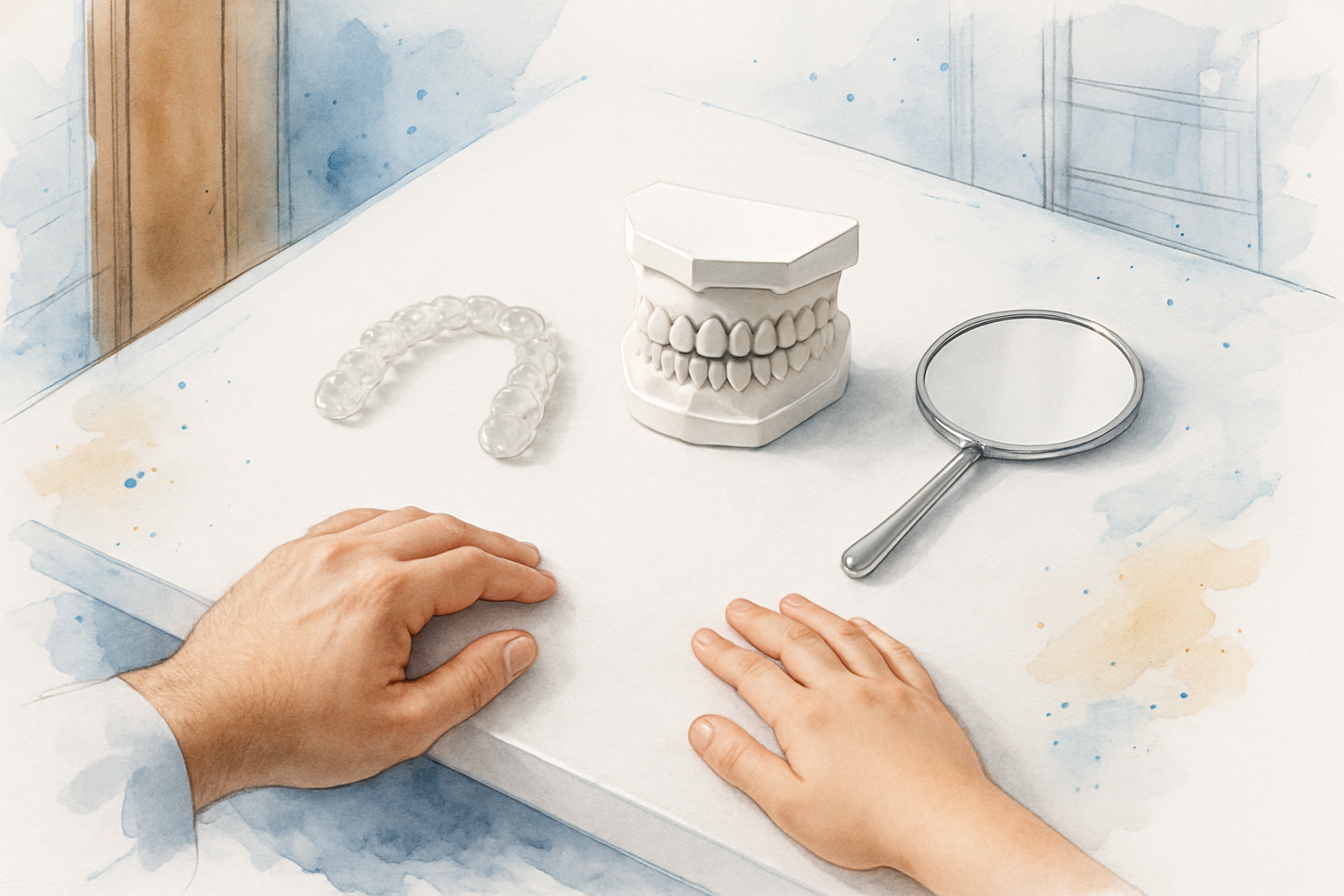
How Each Option Reads in a Professional Setting
This is the comparison I sketch out for adults who are weighing appearance against their actual case. None of these is universally better. They fit different people.
| Option | How it reads at work | Day-to-day tradeoff |
|---|---|---|
| Invisalign clear aligners | Low-profile and clear. Attachments are the visible part, up close | Must be worn most of the day and removed for every meal and drink |
| Iconix champagne-colored brackets | Warmer and softer looking than silver, subtle in conversation | Fixed in place, so nothing to remember, but food choices change |
| Traditional metal braces | Clearly visible, though far smaller than brackets from years ago | Durable and dependable for a wide range of tooth movements |
You Will Not Be the Only Adult in the Waiting Room
A lot of people half expect to walk in and find a room full of middle schoolers. That is not what our schedule looks like.
The American Association of Orthodontists reports that roughly one in three orthodontic patients is now an adult. And our corner of Orange County skews older than the state as a whole, with a median age in the mid-forties across Huntington Beach and Fountain Valley and a sizable share of residents past 65.
So on any given week, adults from Wintersburg, Talbert Village, Adams, and Central Fountain Valley are in treatment here for exactly the kind of small correction you are describing. One patient who finished with us wrote that she is 76 and that her "smile is awesome." Nobody is too old for this, and we have written about that specifically.
On cost, I will not quote you a number here, because the honest range depends on how much movement your teeth need and how long you are in treatment. Limited or focused treatment generally costs less than full treatment, insurance sometimes contributes, and in-house payment plans exist. If you want the factors broken down, we covered what actually drives Invisalign pricing.
Frequently Asked Questions About Invisalign and Your Appearance at Work
Can I take my aligners out for an important meeting or a photo?
Yes, and most people do at some point. Just know that aligners only work when they are in, so the occasional hour out for a presentation is fine while regularly leaving them out all afternoon will stretch your timeline. Pop them back in as soon as you are done.
Will my attachments be visible in work photos?
Possibly, depending on how close the camera is and how harsh the lighting is. Attachments are tooth-colored, so in most group shots they disappear. In a tight headshot with flash, someone looking for them might see a little texture on the front teeth.
I only want one or two things fixed. Do I have to do full treatment?
Not necessarily. One person who called us said something I hear often: "I just have a minor tooth issue. I do not think I need full braces." Focused touch-up treatment exists for exactly that situation, though whether it suits your case depends on your bite, which is something a consultation answers.
Can I drink coffee with my aligners in if I rinse after?
I would not. Hot liquids can warp the plastic, and coffee and tea stain trays quickly, which is the fastest way to make something clear look obvious. Take them out, drink, rinse your mouth, put them back in.
How do I know whether aligners or brackets fit my case better?
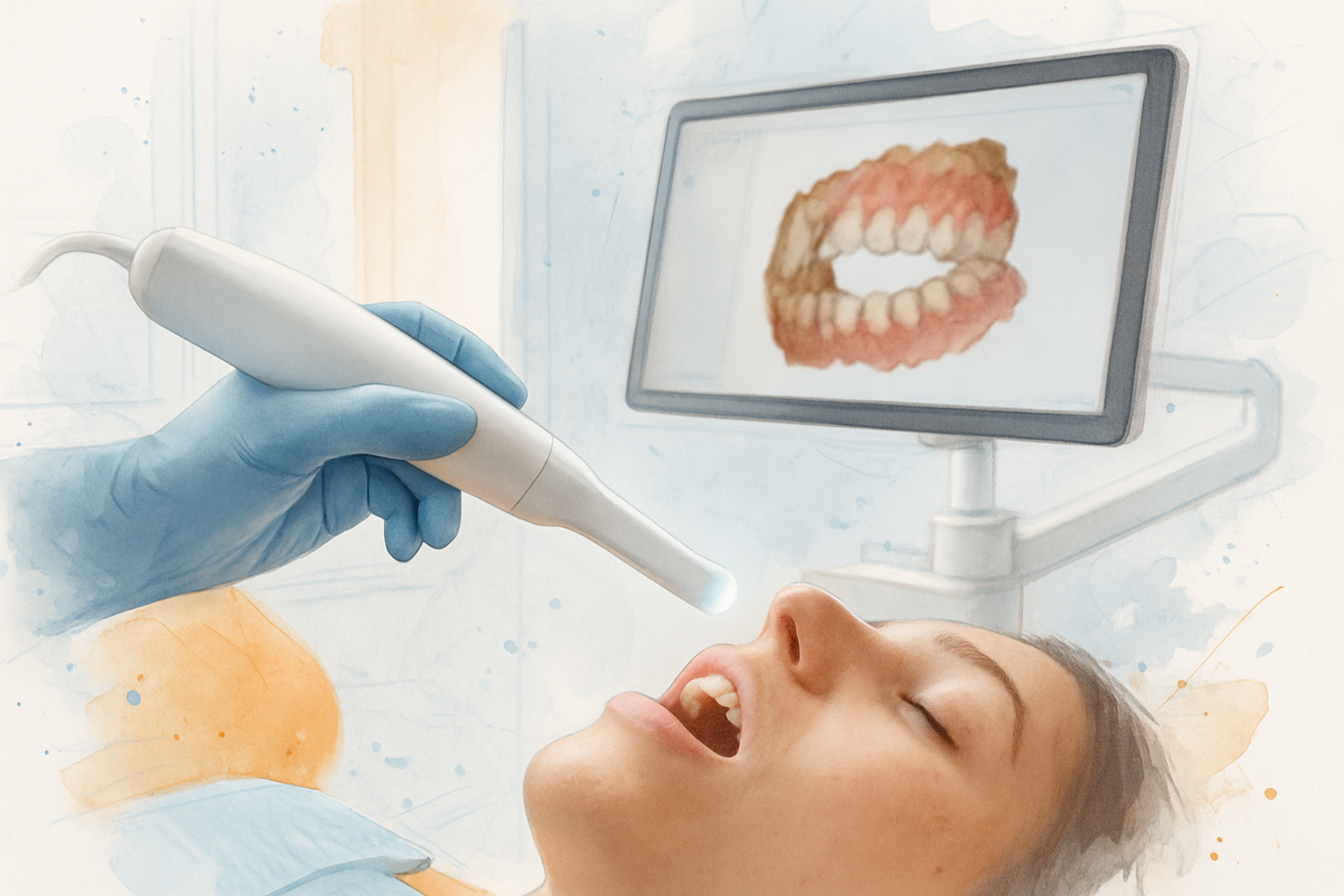
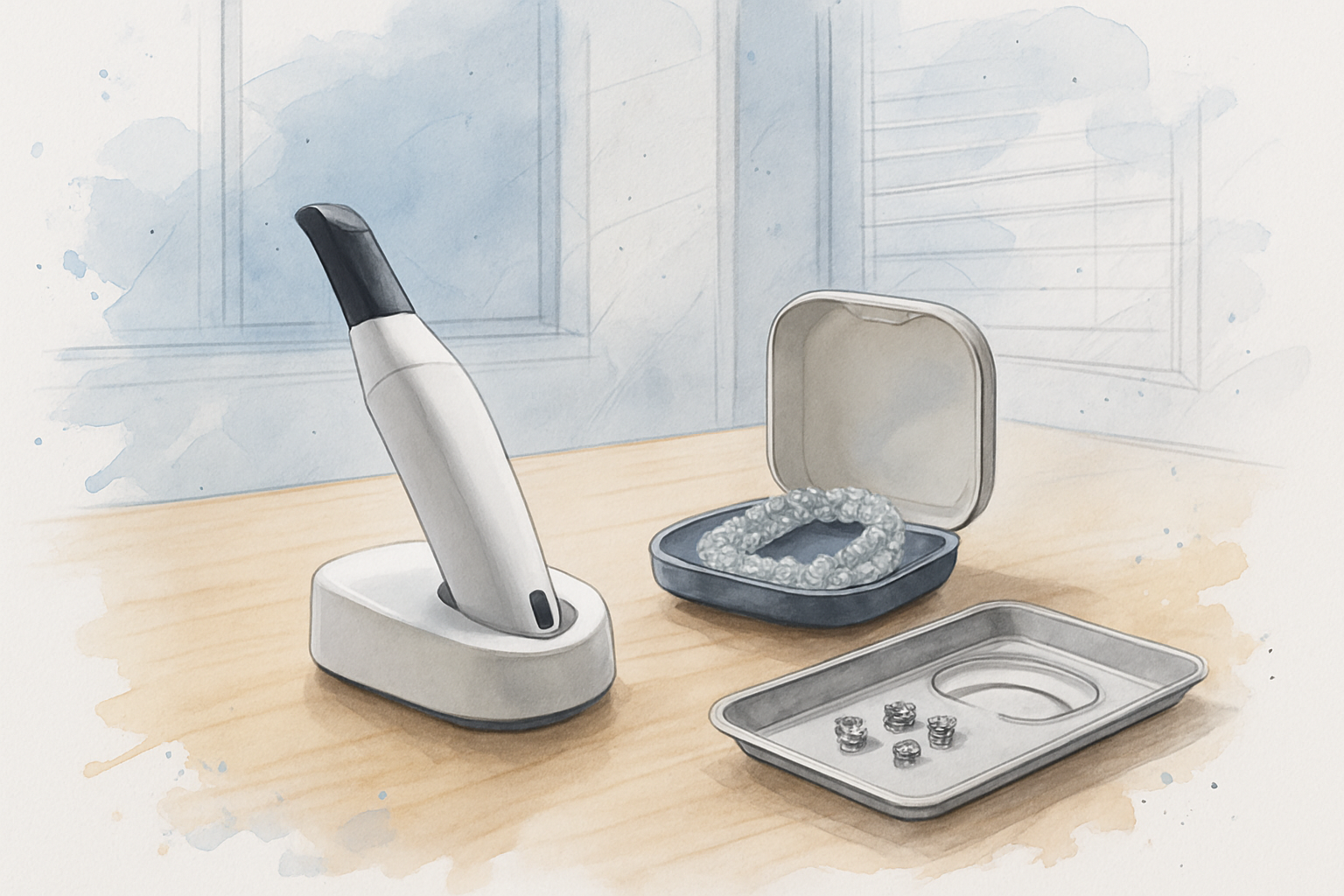
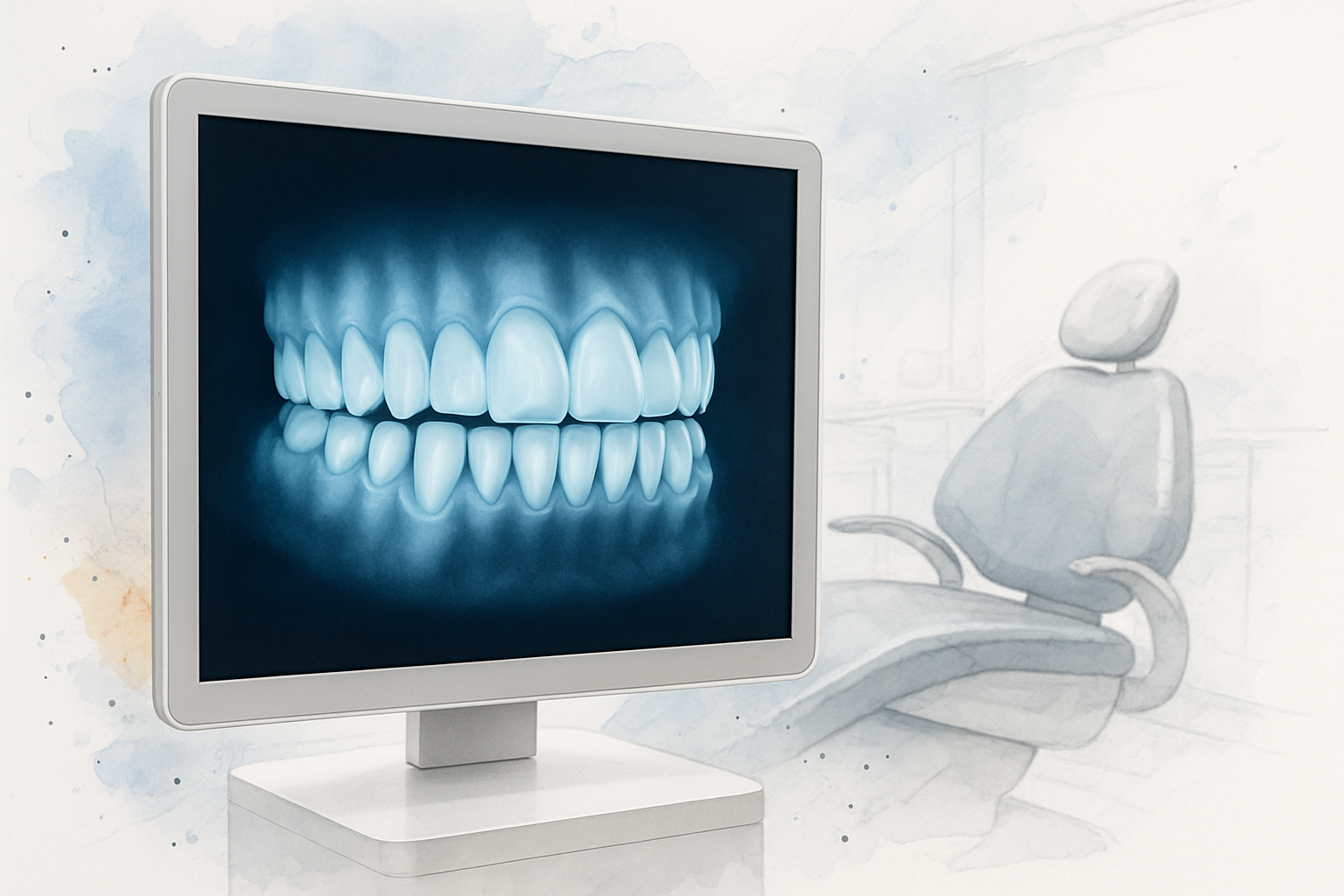
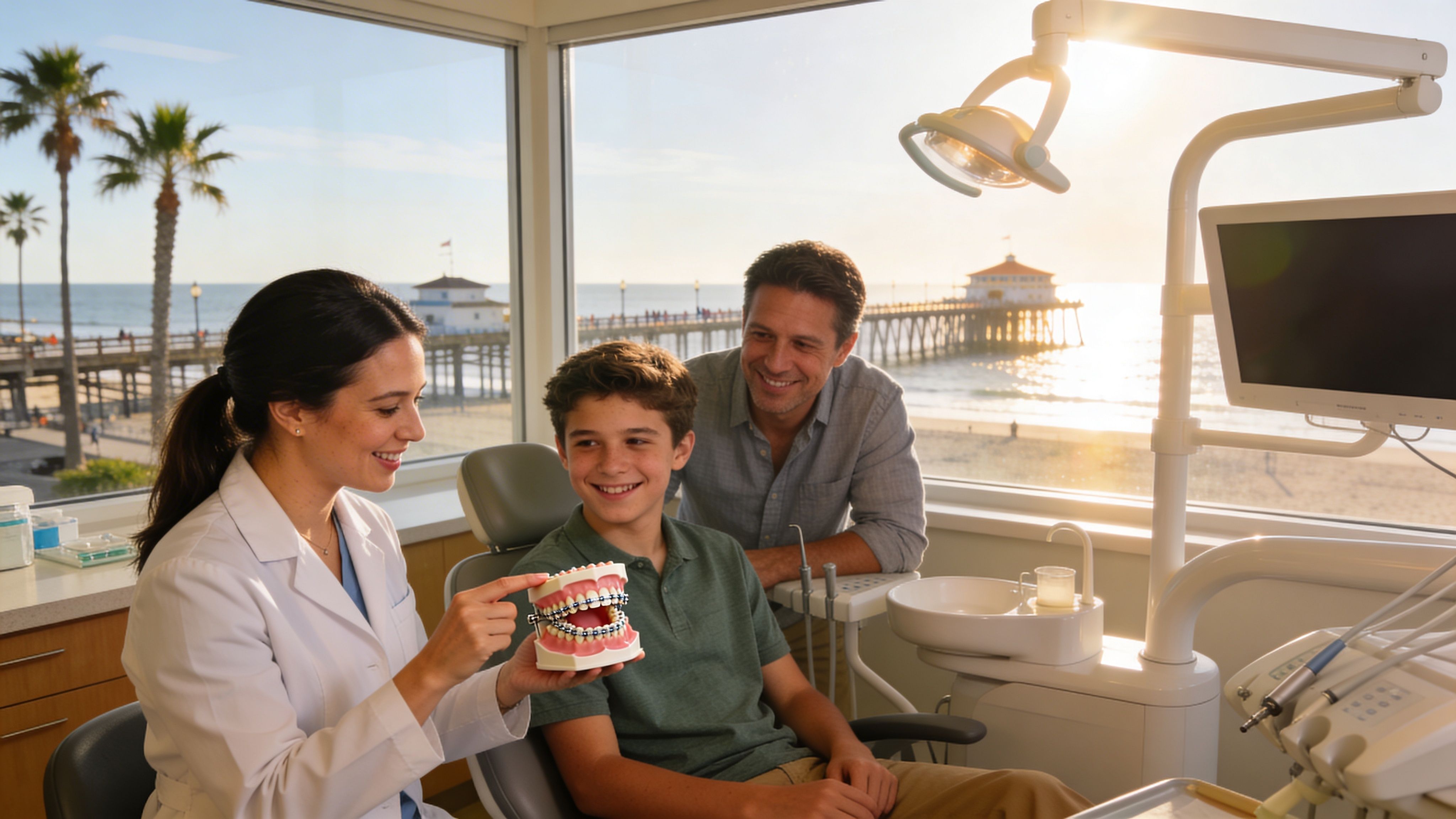
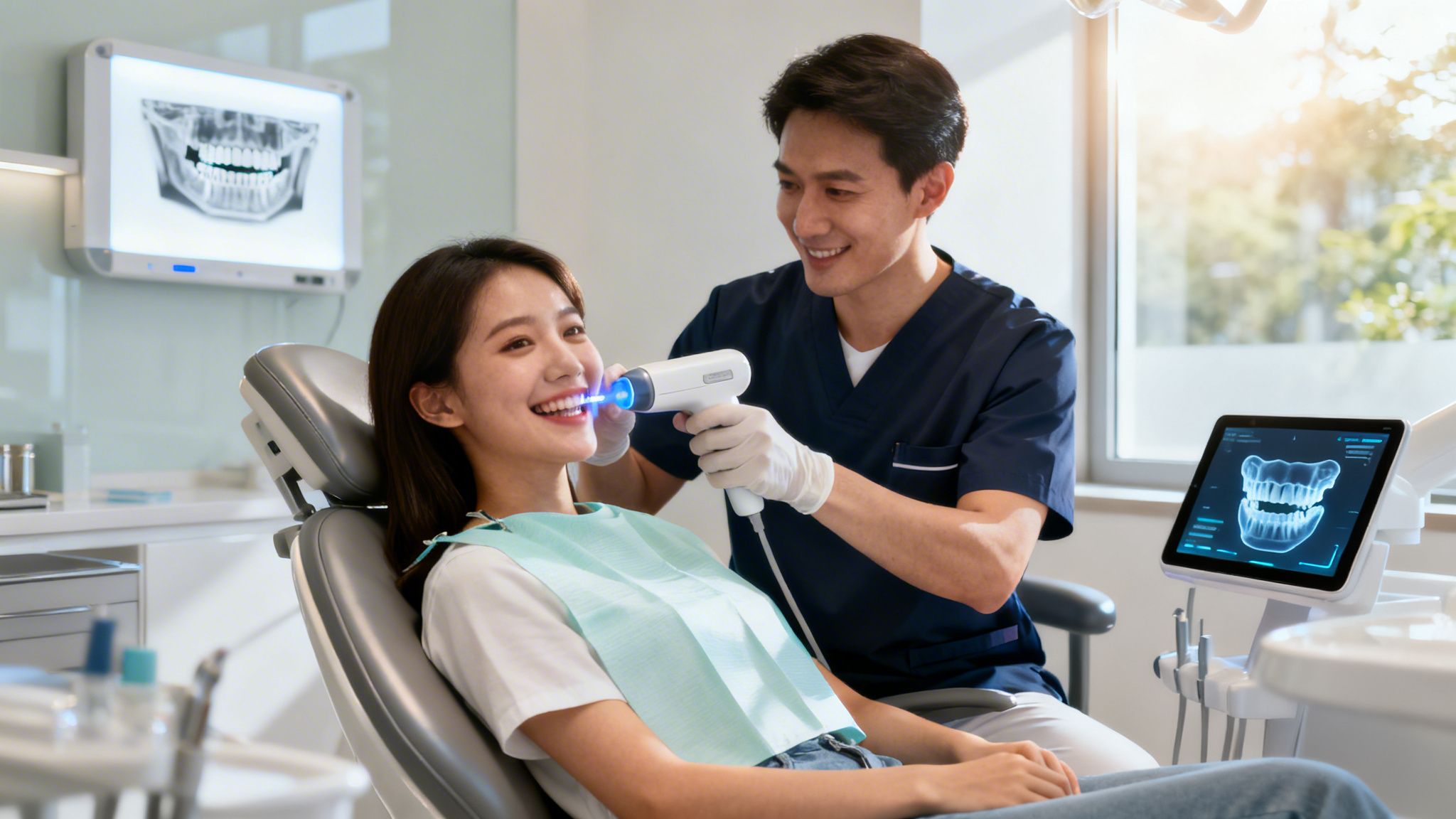
It comes down to the specific movements your teeth need and how your day actually runs. A digital scan shows what the plan would look like either way, and Dr. Jeremy and Dr. Melissa walk through both paths before anyone commits to one.
Thinking It Through for Your Own Teeth?
A consultation is where the general answers in this article turn into specific ones: where attachments would sit for your case, roughly how long treatment would run, and how it fits a working schedule. Dr. Jeremy and Dr. Melissa are on Beach Boulevard, convenient for Huntington Beach and Fountain Valley, and they tend to spend the visit showing you the scan and the plan rather than handing over a quote. Magic Fox Orthodontics can be reached at 714-594-5777 or at magicfoxsmiles.com whenever you want to ask.