Crowded Teeth at 7: Early Evaluation and Invisalign First in Fountain Valley
Direct Answer: If your 7-year-old's adult teeth are coming in crowded, you can get an early orthodontic evaluation or Invisalign First at Magic Fox Orthodontics on Beach Boulevard, minutes from Fountain Valley. Call 714-594-5777.
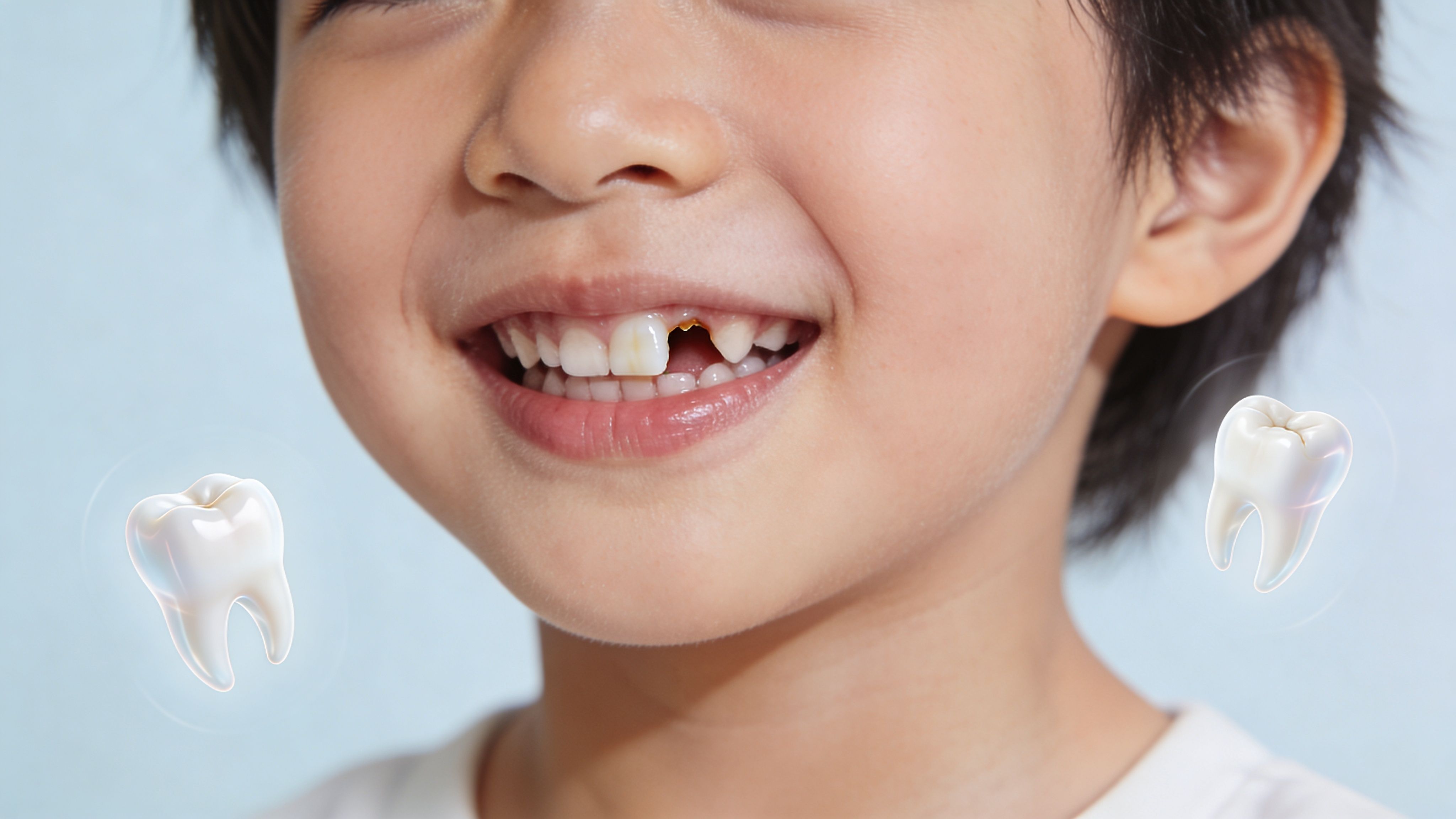
Two big adult front teeth push in sideways, tucked behind baby teeth that have not budged. At the next cleaning, your dentist takes one look and hands you a referral to an orthodontist.
Then comes the quiet question most parents ask themselves in the car: is this really necessary at seven years old? If your child's teeth are coming in crowded and you live in Fountain Valley, you can get an early orthodontic evaluation, including Invisalign First, at Magic Fox Orthodontics on Beach Boulevard, a short drive from Central Fountain Valley and Talbert Village.
Here is my honest position after a lot of these visits: at age seven, the first appointment is a measurement appointment, not a braces appointment. In most cases the right answer is watching and rechecking, and a good orthodontist should tell you that plainly instead of starting treatment you do not need yet.
Where to get an early ortho evaluation or Invisalign First in Fountain Valley
Our office sits on Beach Boulevard in Huntington Beach, minutes from Newland, Adams, and Central Fountain Valley. We see kids ages 6 to 15 all day long, and the single most common reason a young child lands in our chair is crowded adult front teeth.
What the visit actually covers:
- A hands-on exam of the teeth, jaws, and bite
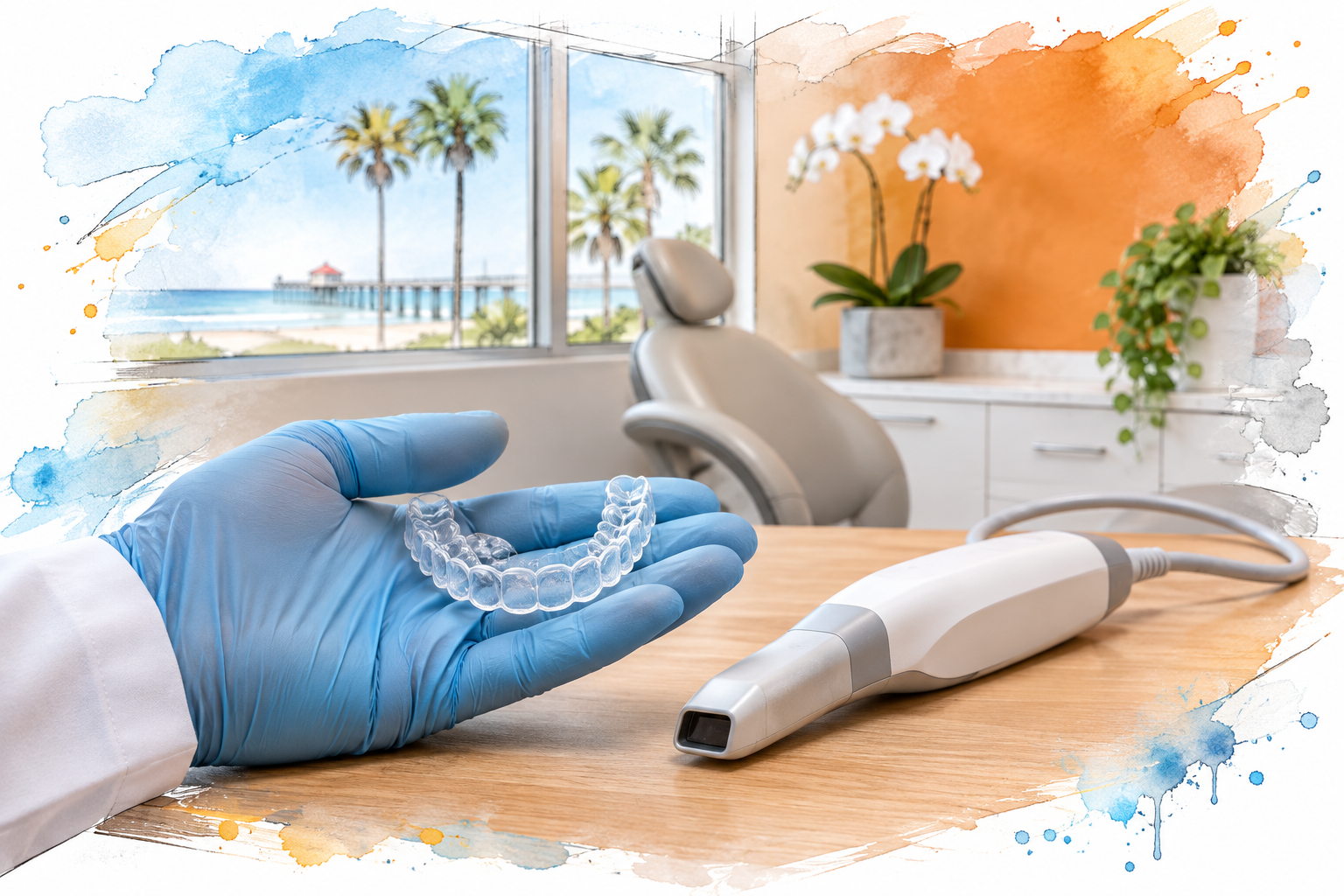
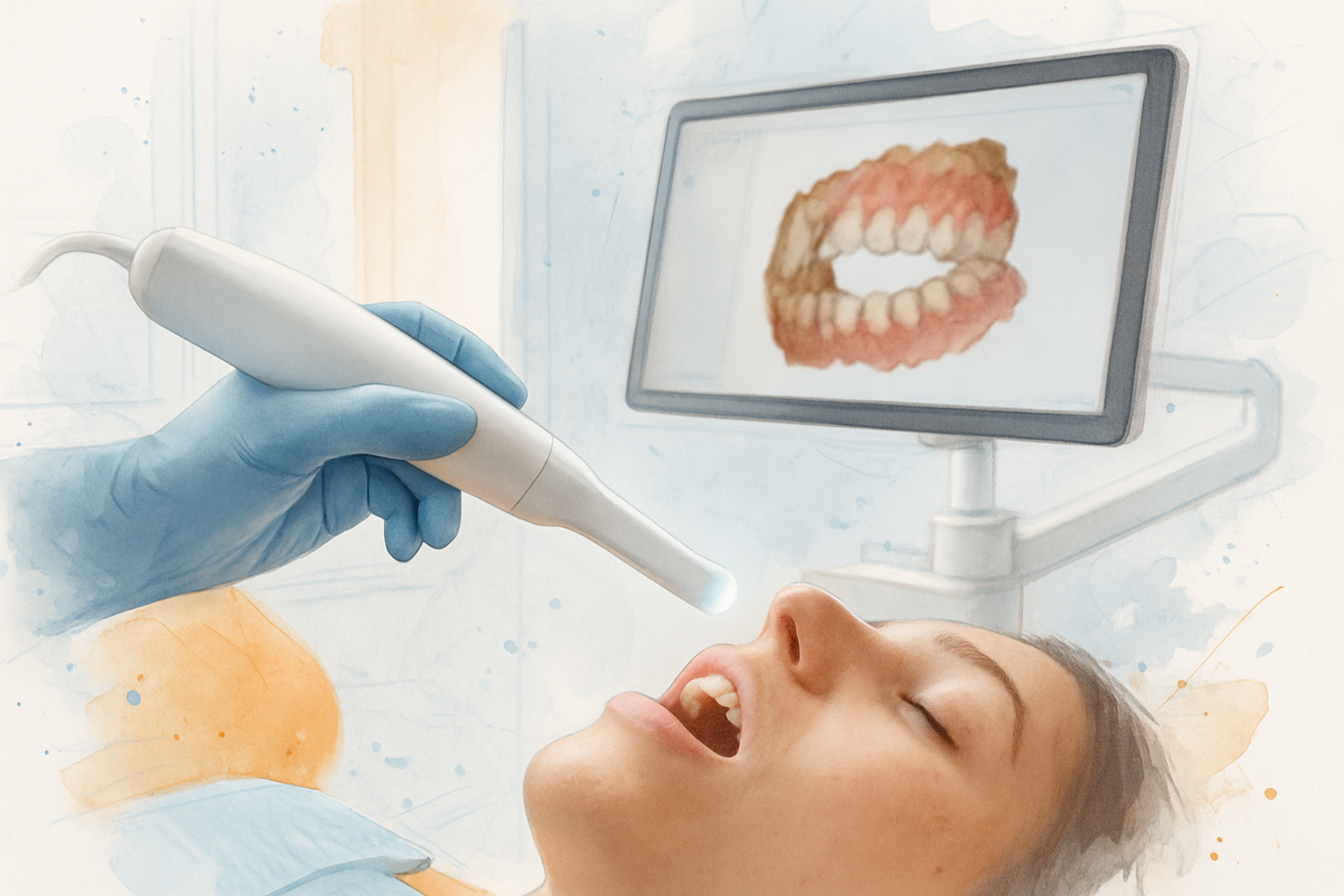
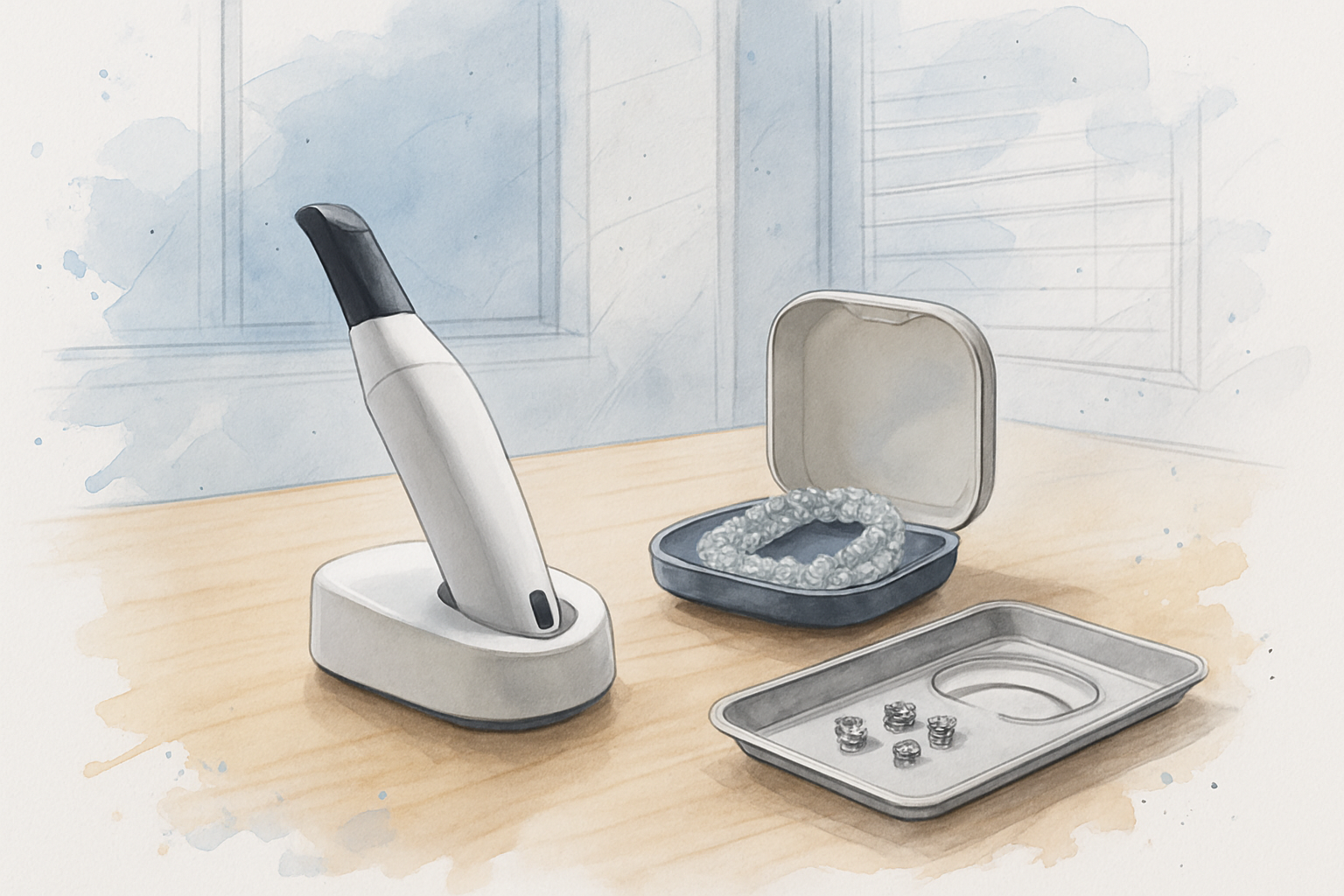
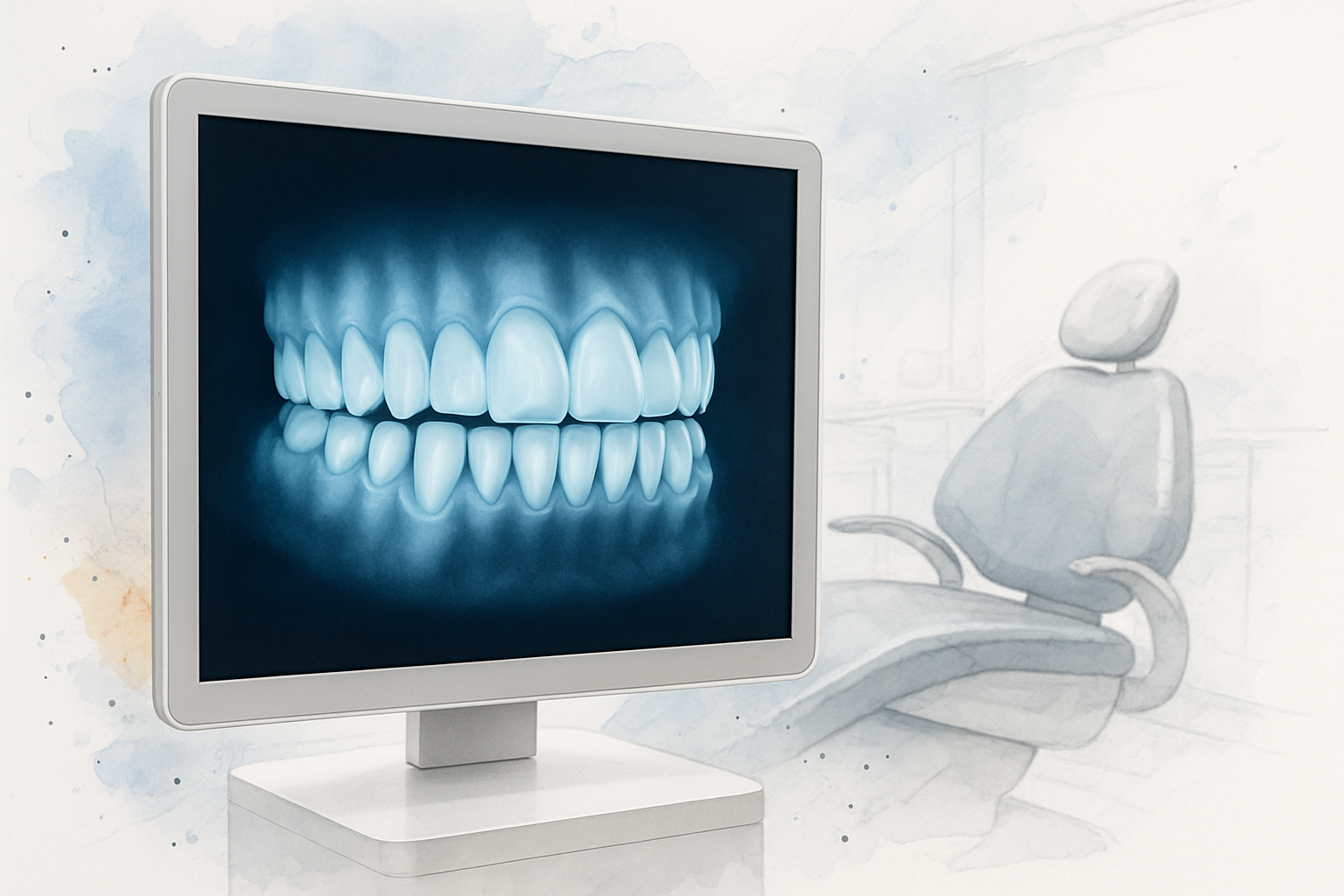
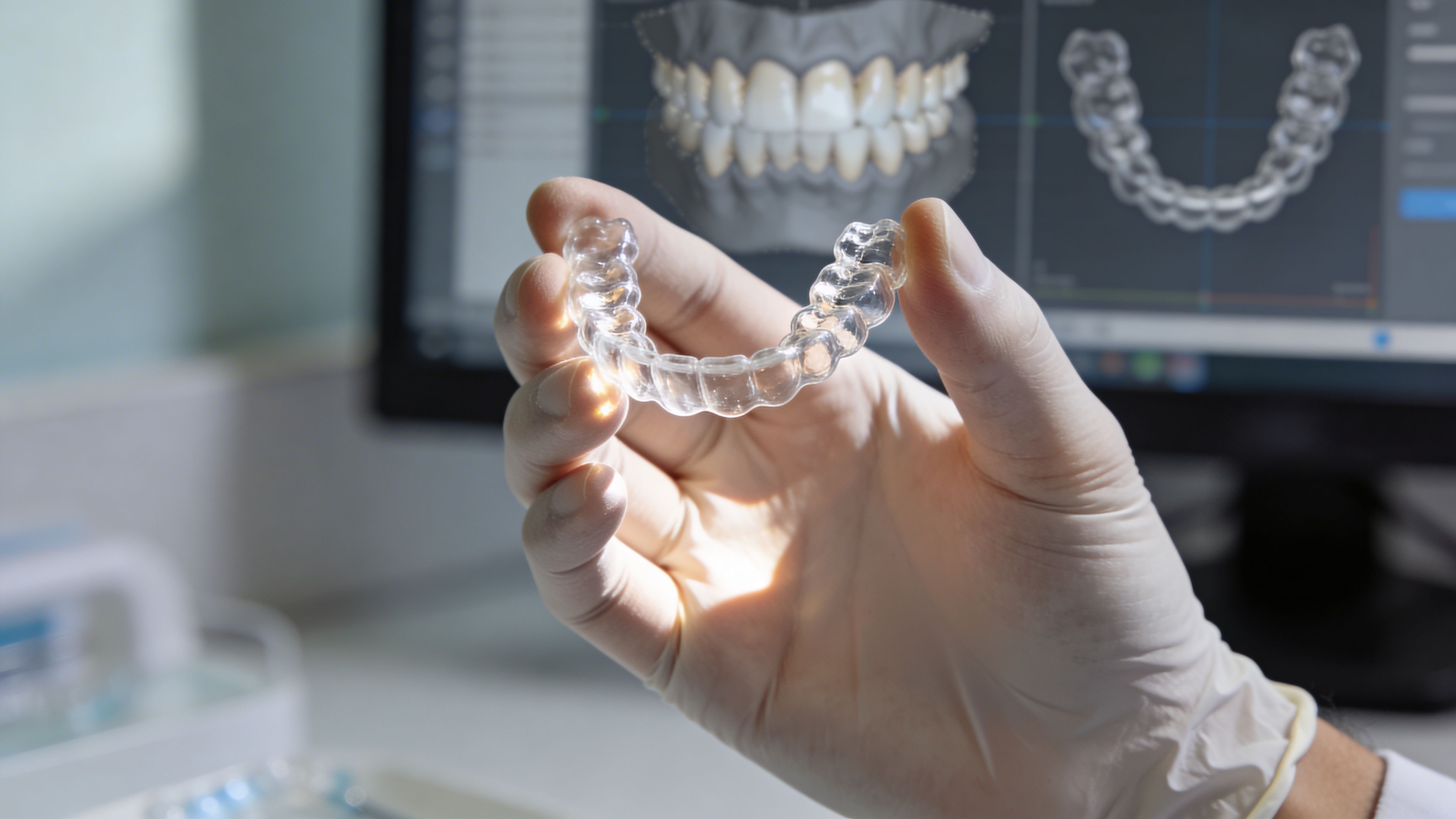
- Digital images and a digital scan instead of goopy molds, which is the part kids are most relieved about
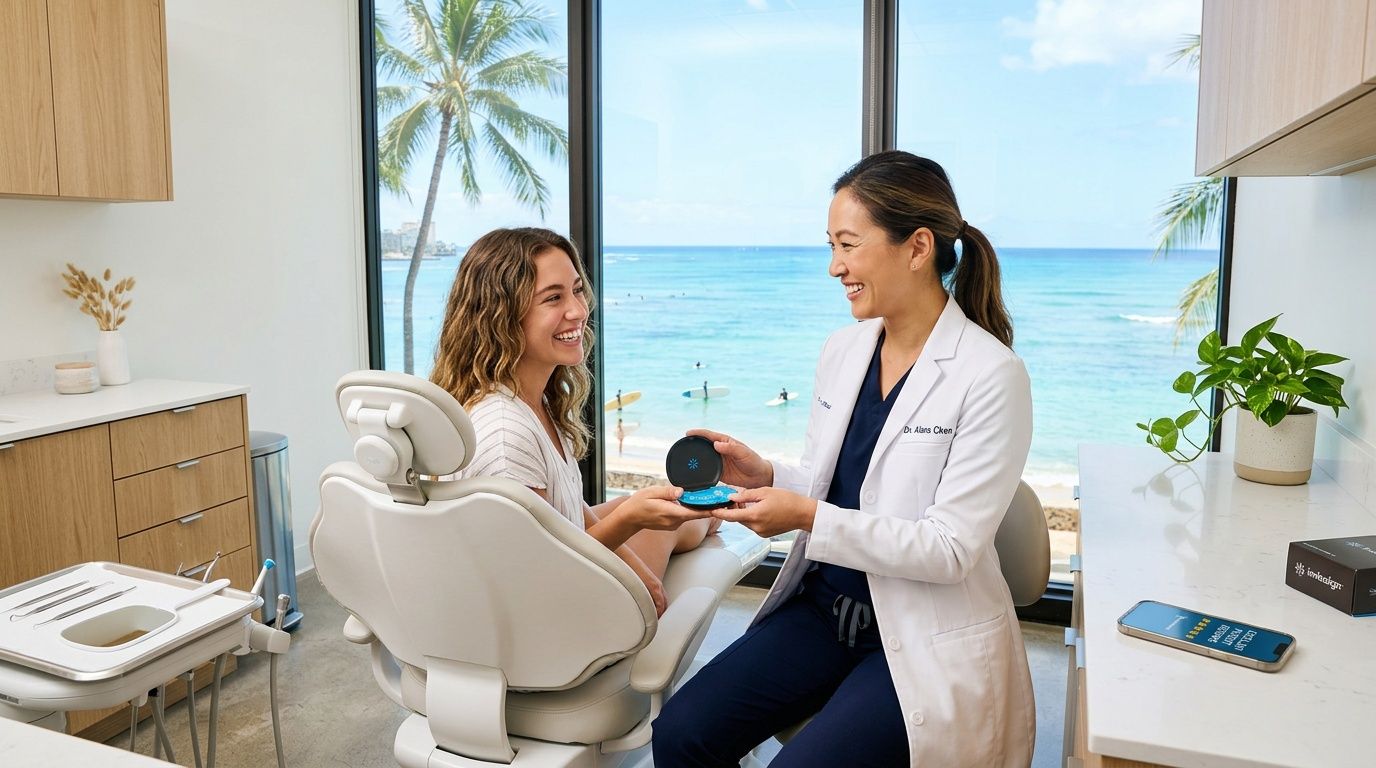
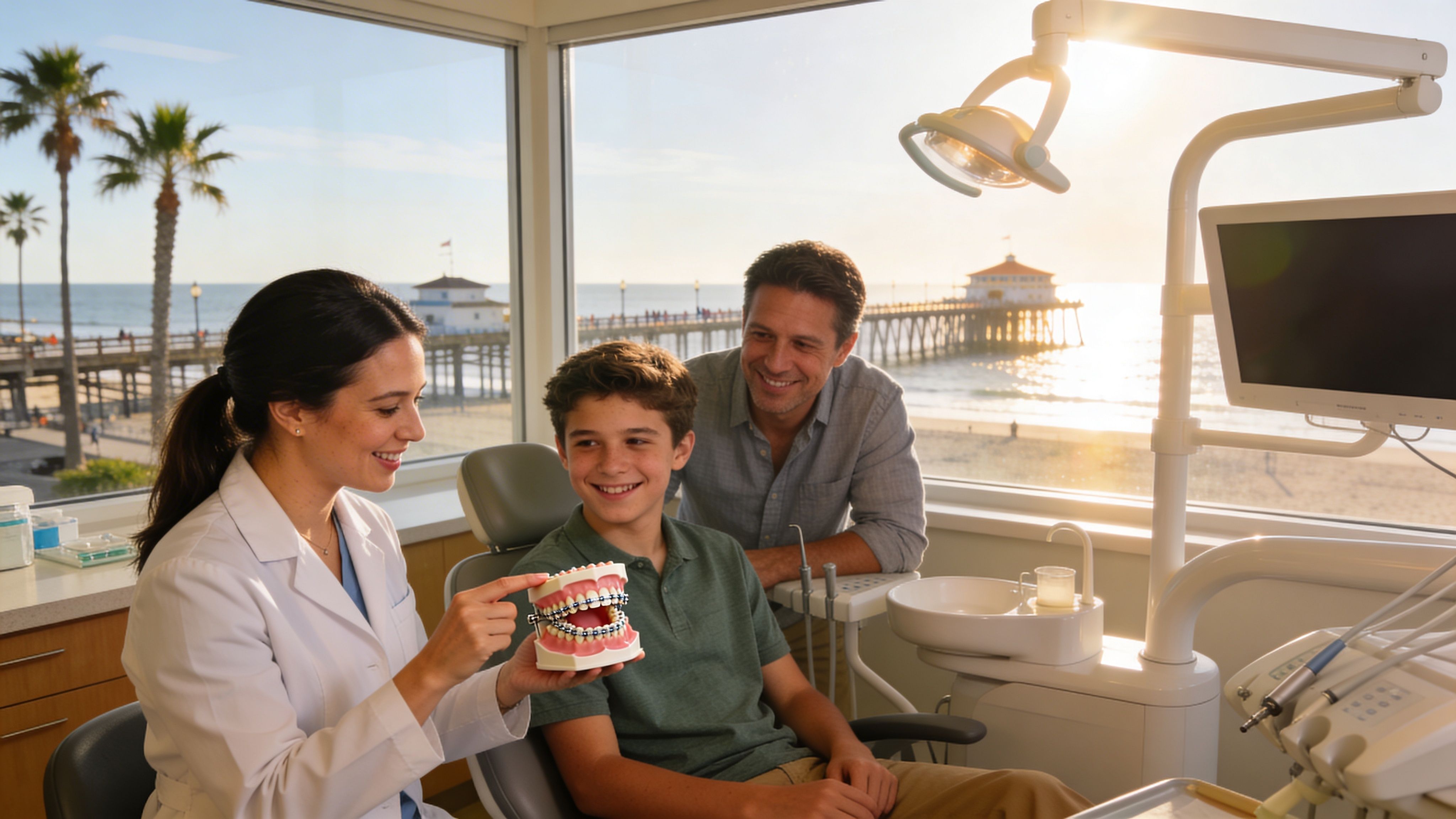
- Dr. Jeremy or Dr. Melissa reviewing what they see with you, out loud, while your child listens in
- A written recommendation: monitor, a short early phase, or something more involved later
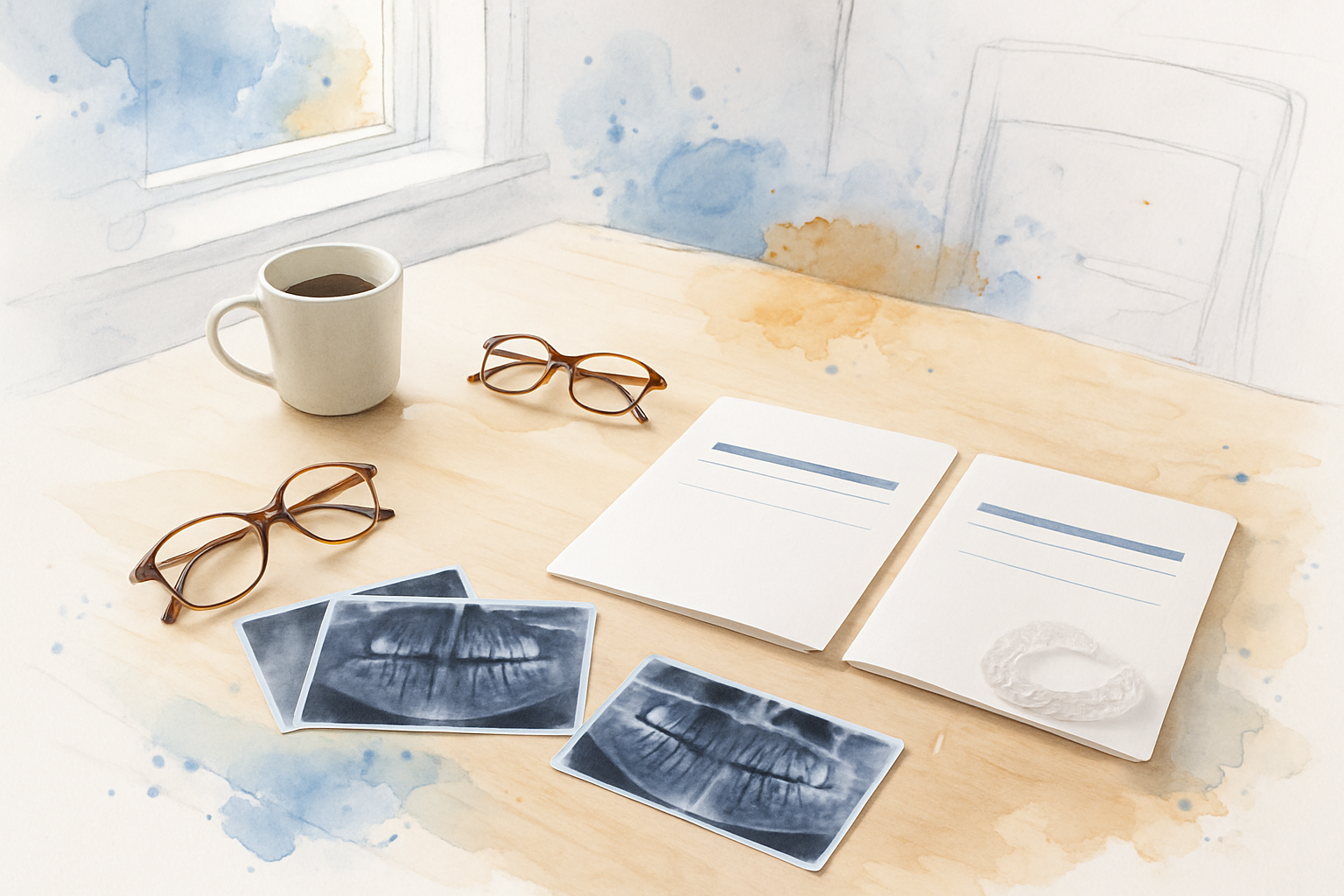
Plan on about 45 to 60 minutes for a first visit. One parent should come along since there are health history questions and decisions to talk through, and bring the dentist's referral note or any recent x-rays if you have them.
We answer the phone Monday through Friday, 9 AM to 5 PM, with Saturdays by appointment. Saturday and after-school slots are the ones families request most, so they book out first. If you send a message through the site, we usually reach back out the next business day.
What an orthodontist is actually measuring at age seven
Seven is the age the American Association of Orthodontists points to for a first orthodontic check, and it is not random. By then the first adult molars and front teeth are usually in, which gives us something real to measure.
When I look at a seven-year-old with crowding, I am checking:
- Arch width. Is the upper jaw wide enough for the adult teeth that are still coming?
- Space for the canines. The permanent canines show up years later, and they need room that crowded front teeth can steal.
- Where the unerupted teeth are sitting. Images show us teeth you cannot see yet, including ones angled toward trouble.
- Crossbite. A bite that lands wrong on one side can wear teeth unevenly and nudge the jaw off center as it grows.
- Whether the jaws are growing in balance with each other.
Crowding at this age is not only about looks. Teeth that overlap heavily are harder for a second grader to brush well, and crowding has a few different causes that matter for what happens next.
Still, plenty of crowded seven-year-olds need nothing right now. Knowing that for sure is worth the appointment.

The three honest outcomes of a first visit
Parents often walk in bracing for a sales pitch. What they get instead is one of three answers, and I want you to know all three before you come.
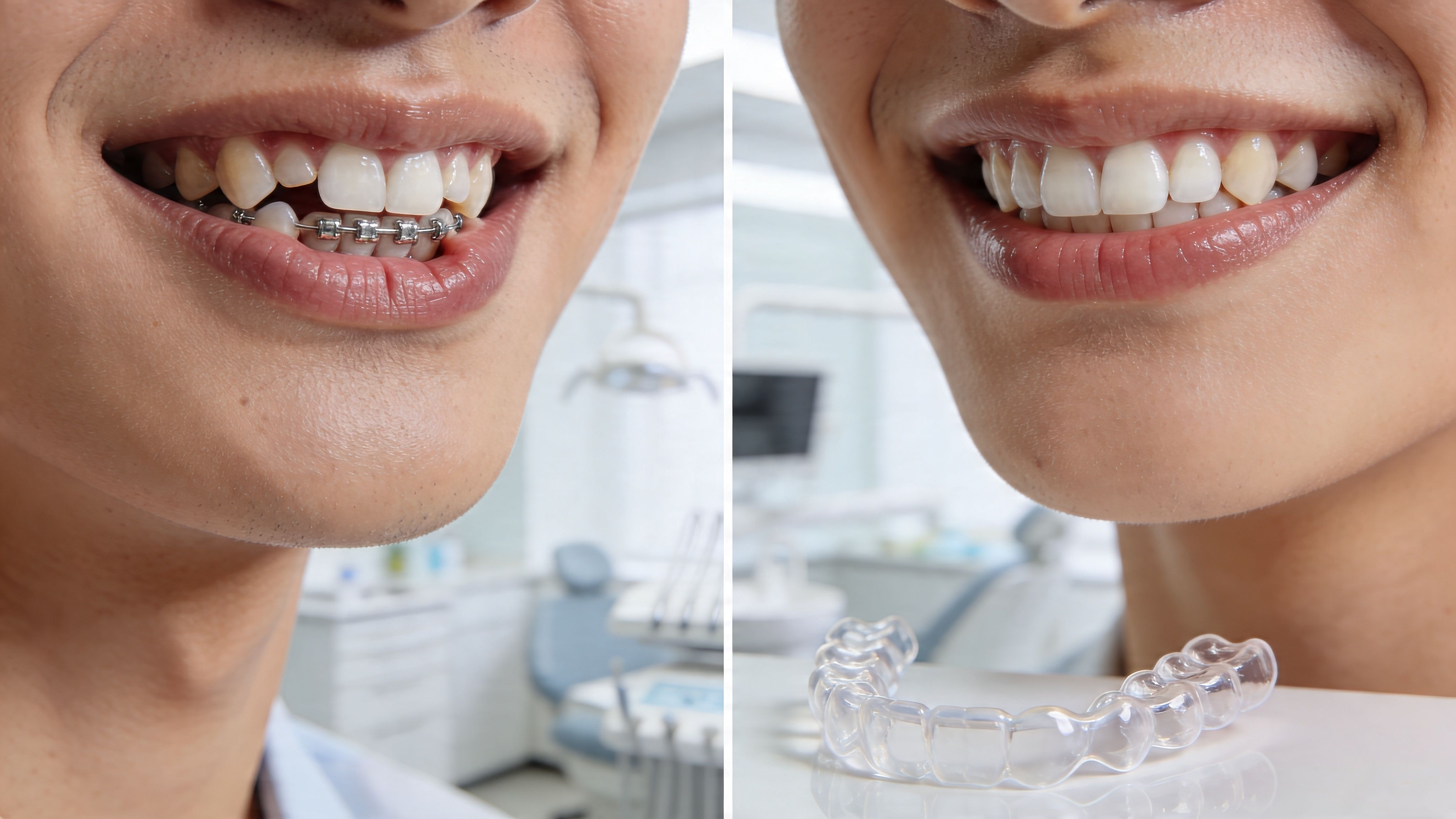
1. Watch and recheck. We take records, explain what we see, and put you on a recall schedule, usually every 6 to 12 months, until the right moment arrives. This happens a lot, and leaving with a recheck date on the calendar is a good result, not a wasted trip.
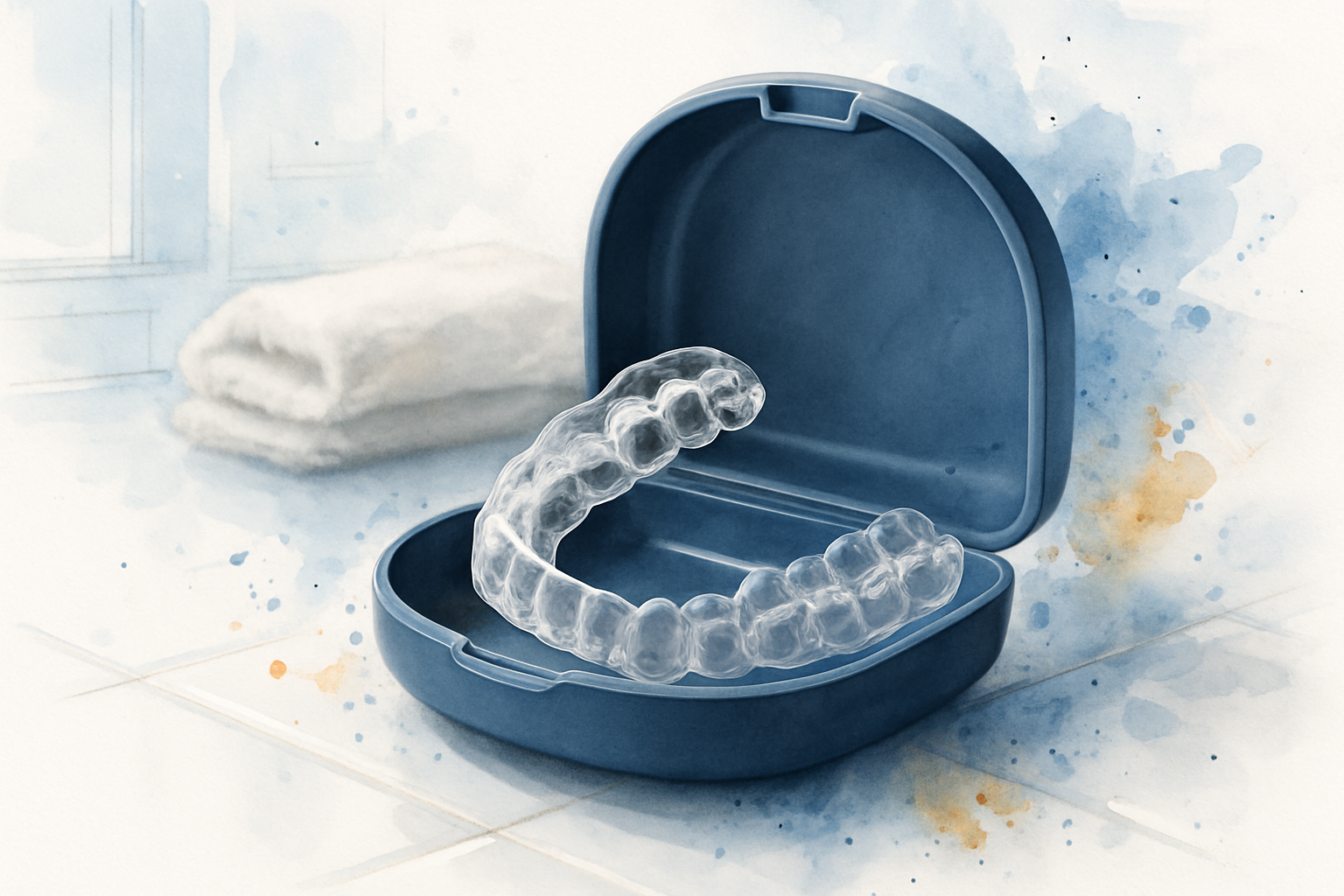
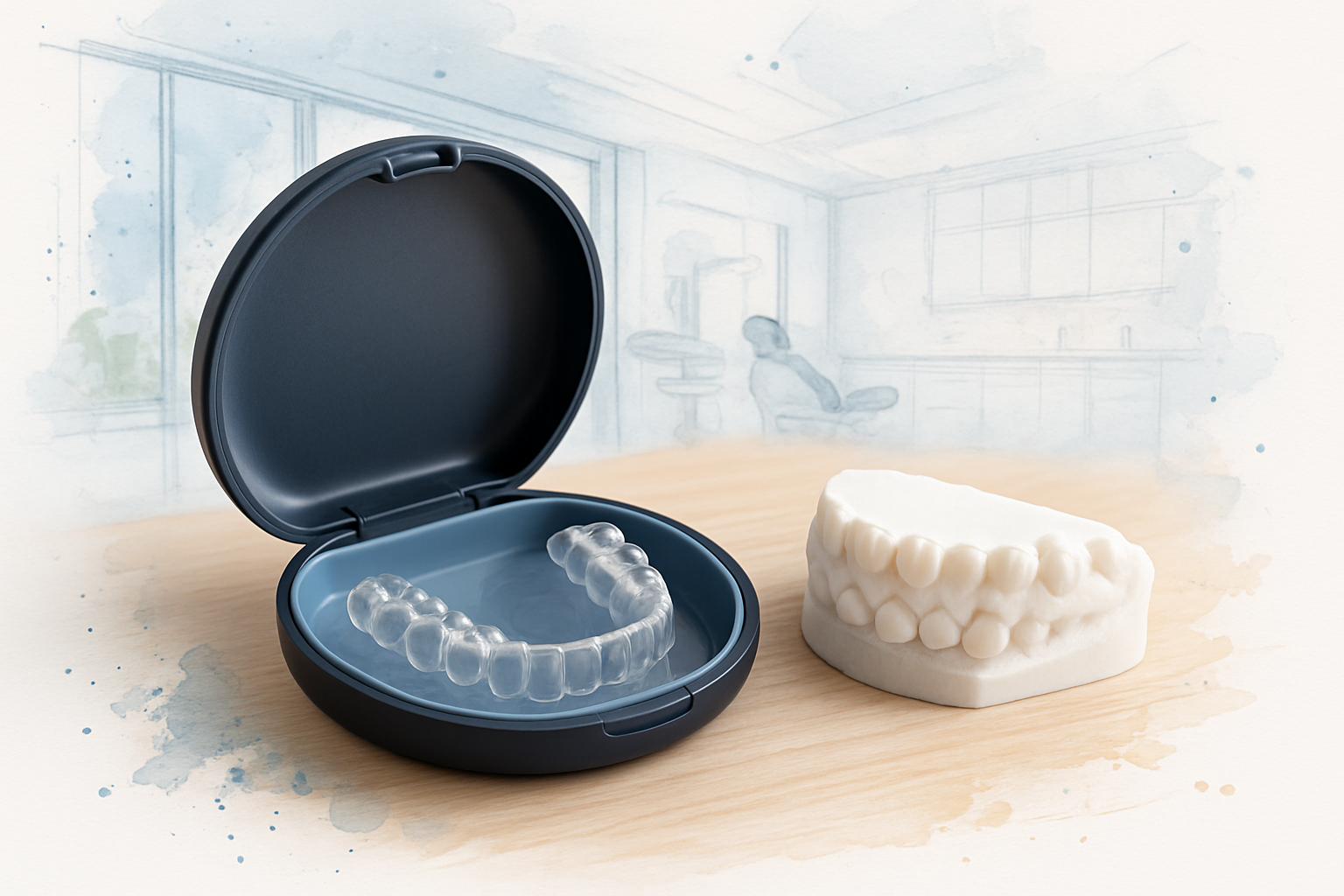
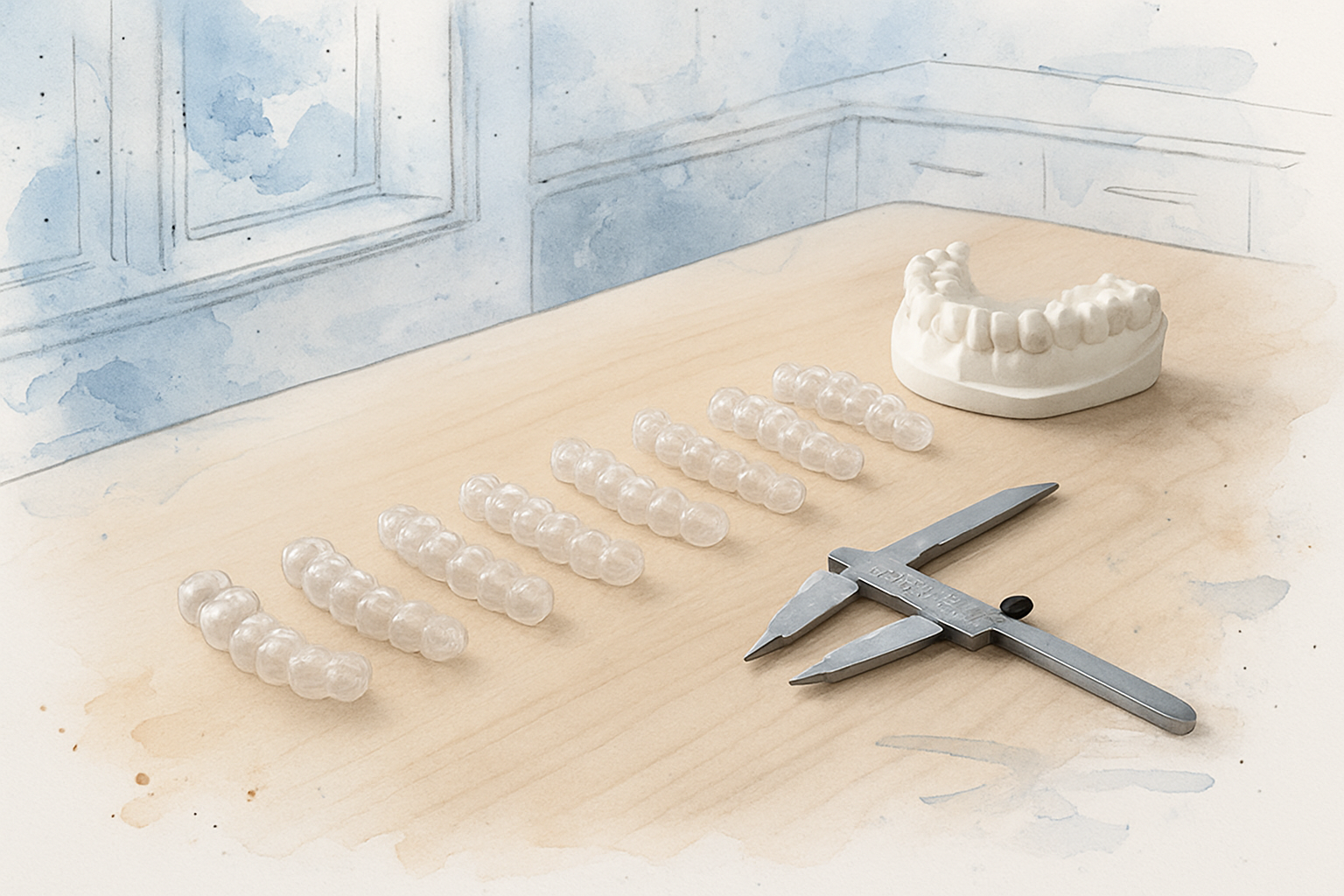
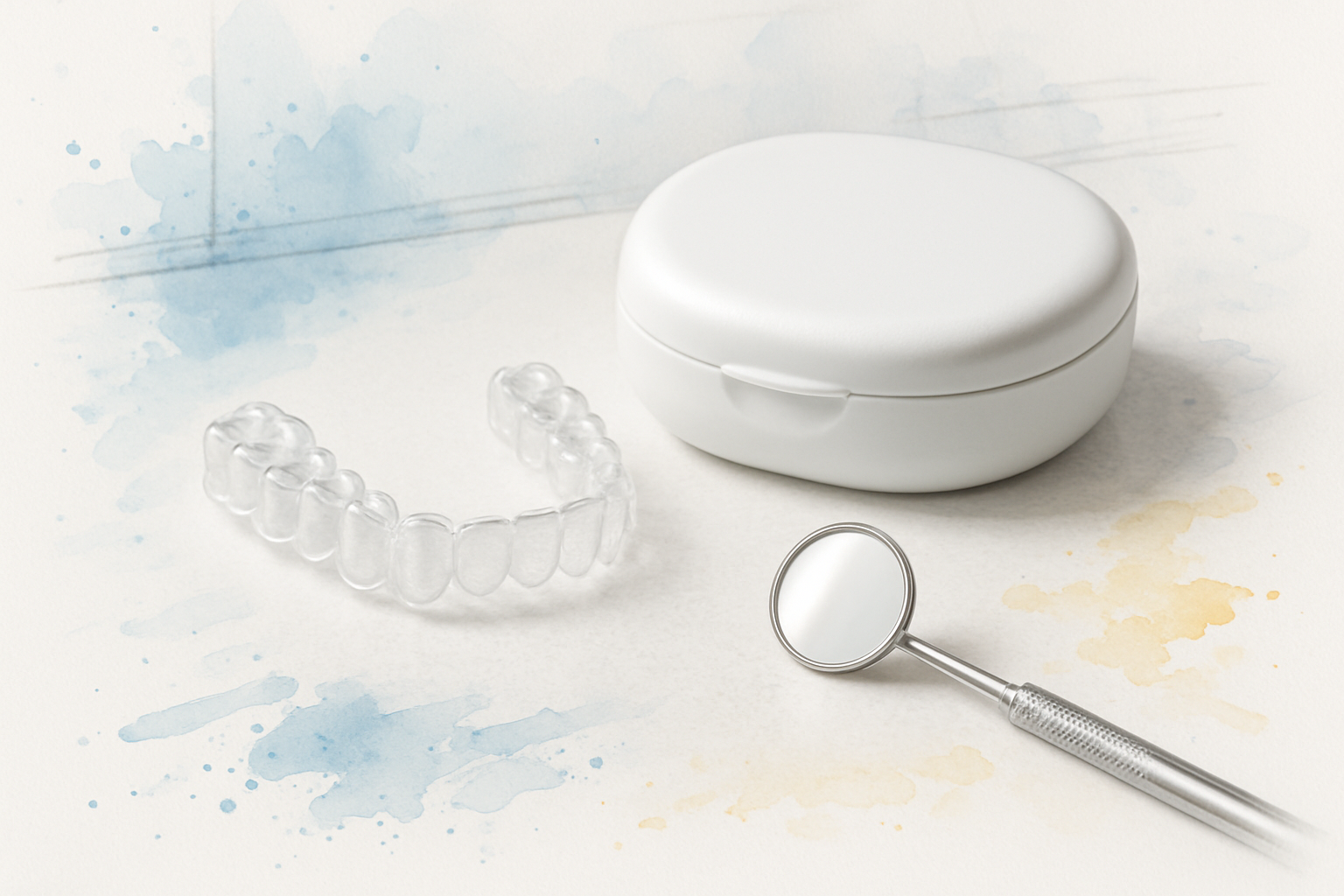
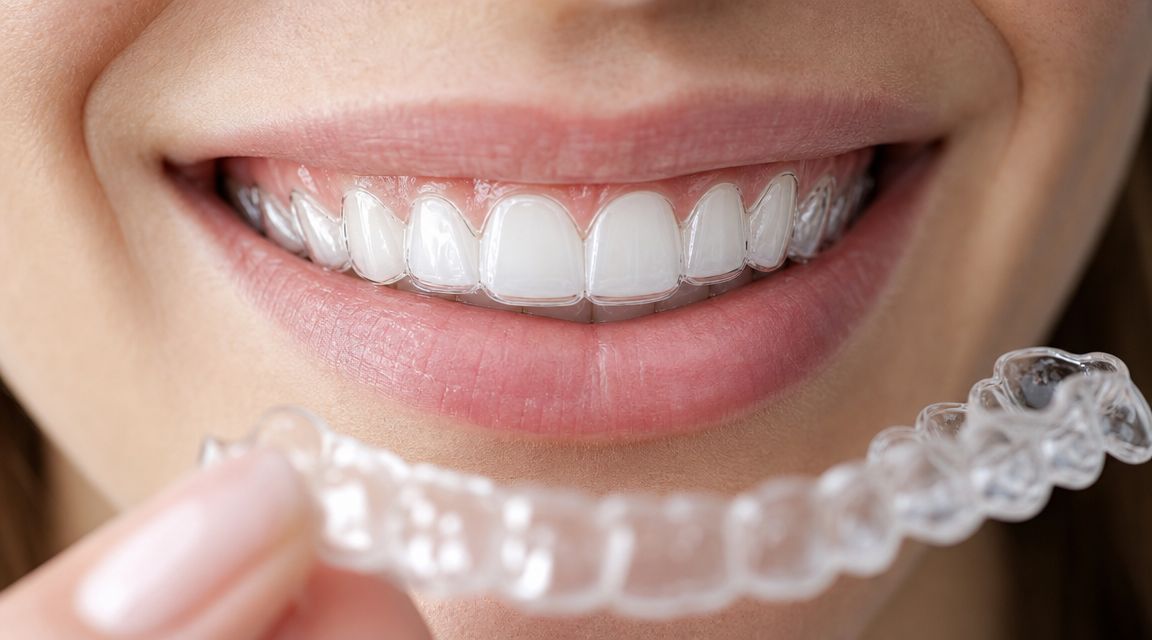
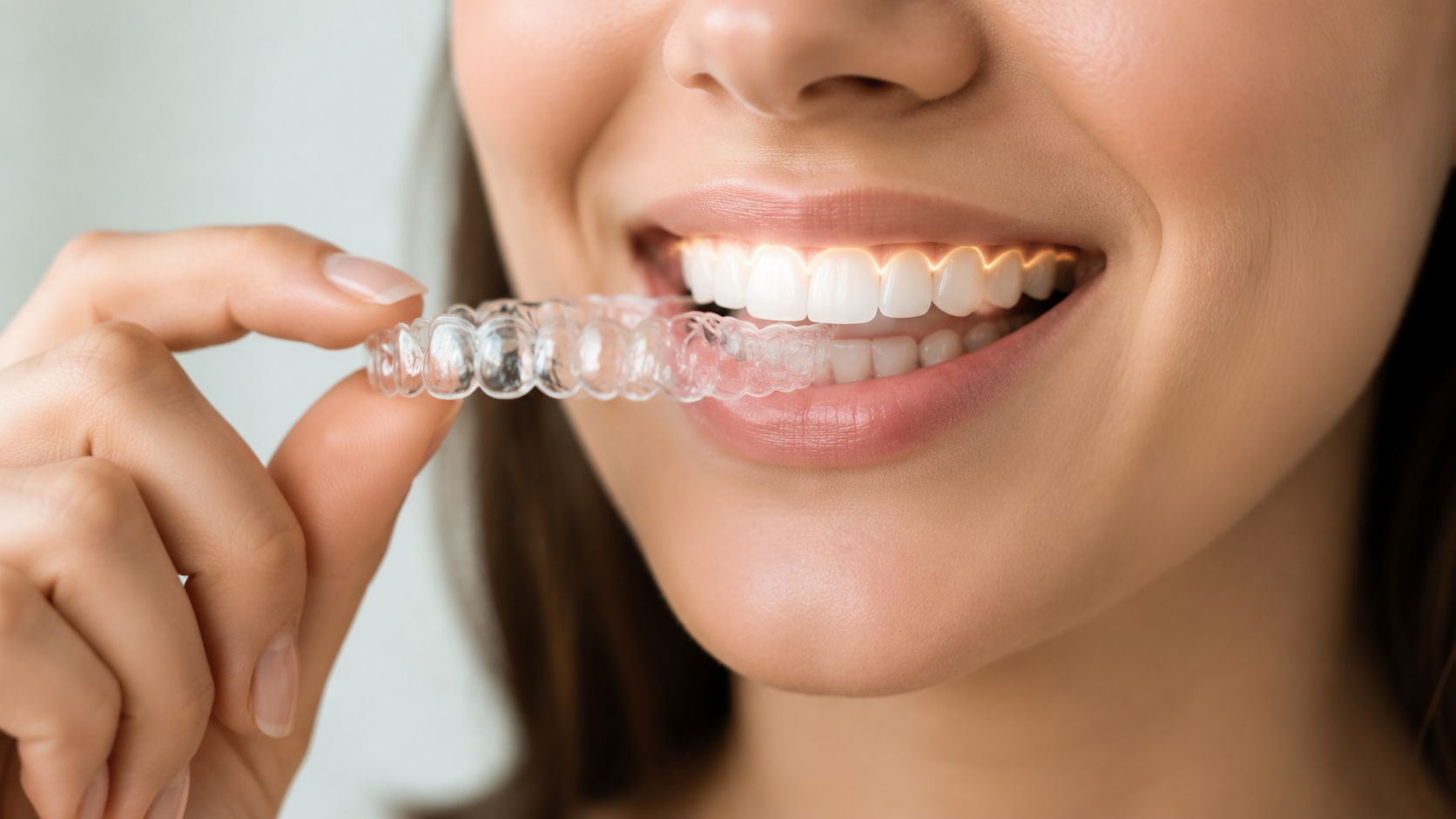
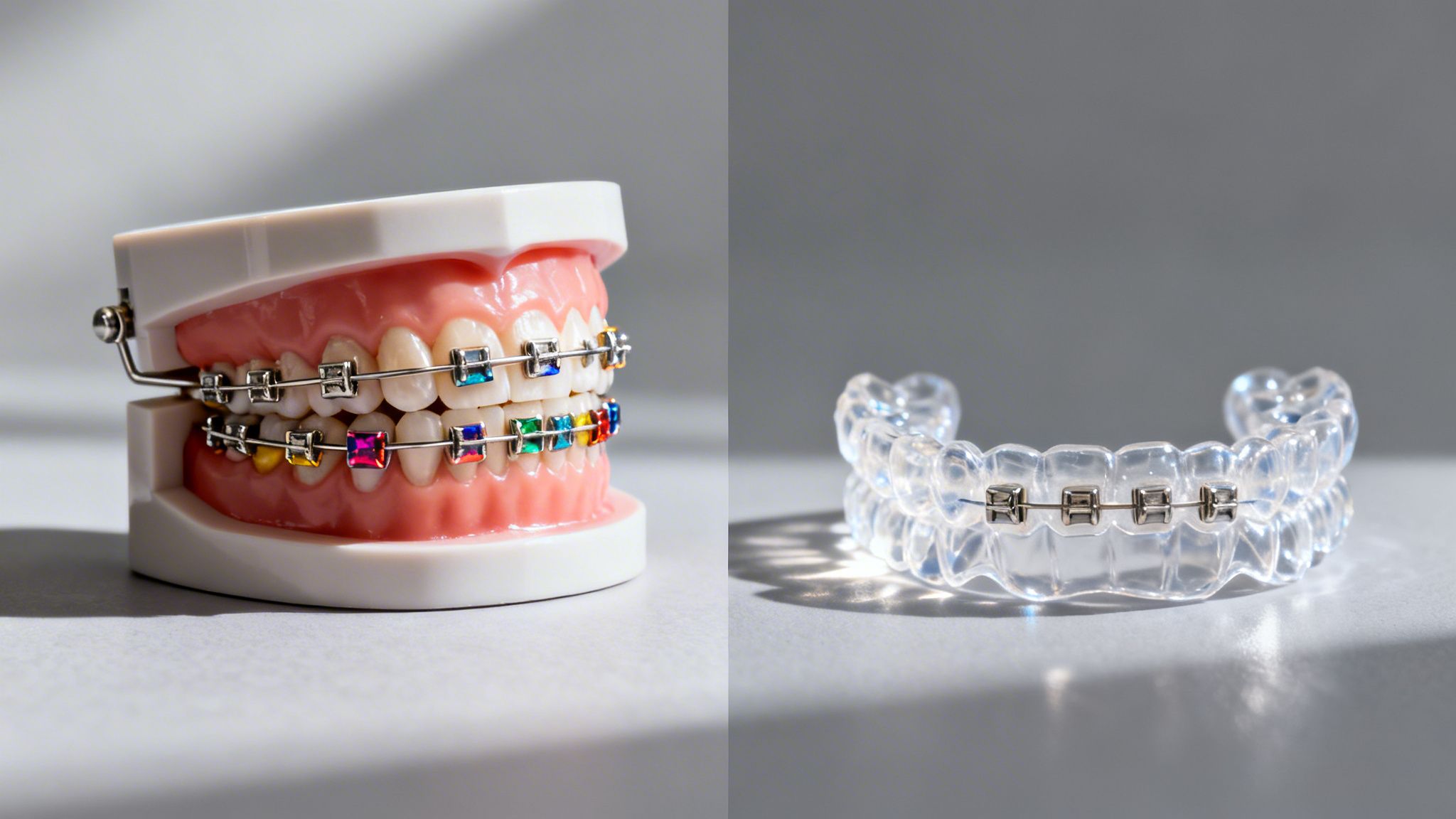
2. A short early phase. If the arch is narrow or crowding is blocking a permanent tooth from coming in, a focused Phase 1 can guide development and open space while your child is still growing. Invisalign First aligners are one way to do that without bulky hardware, and it is a limited run, not years of treatment.
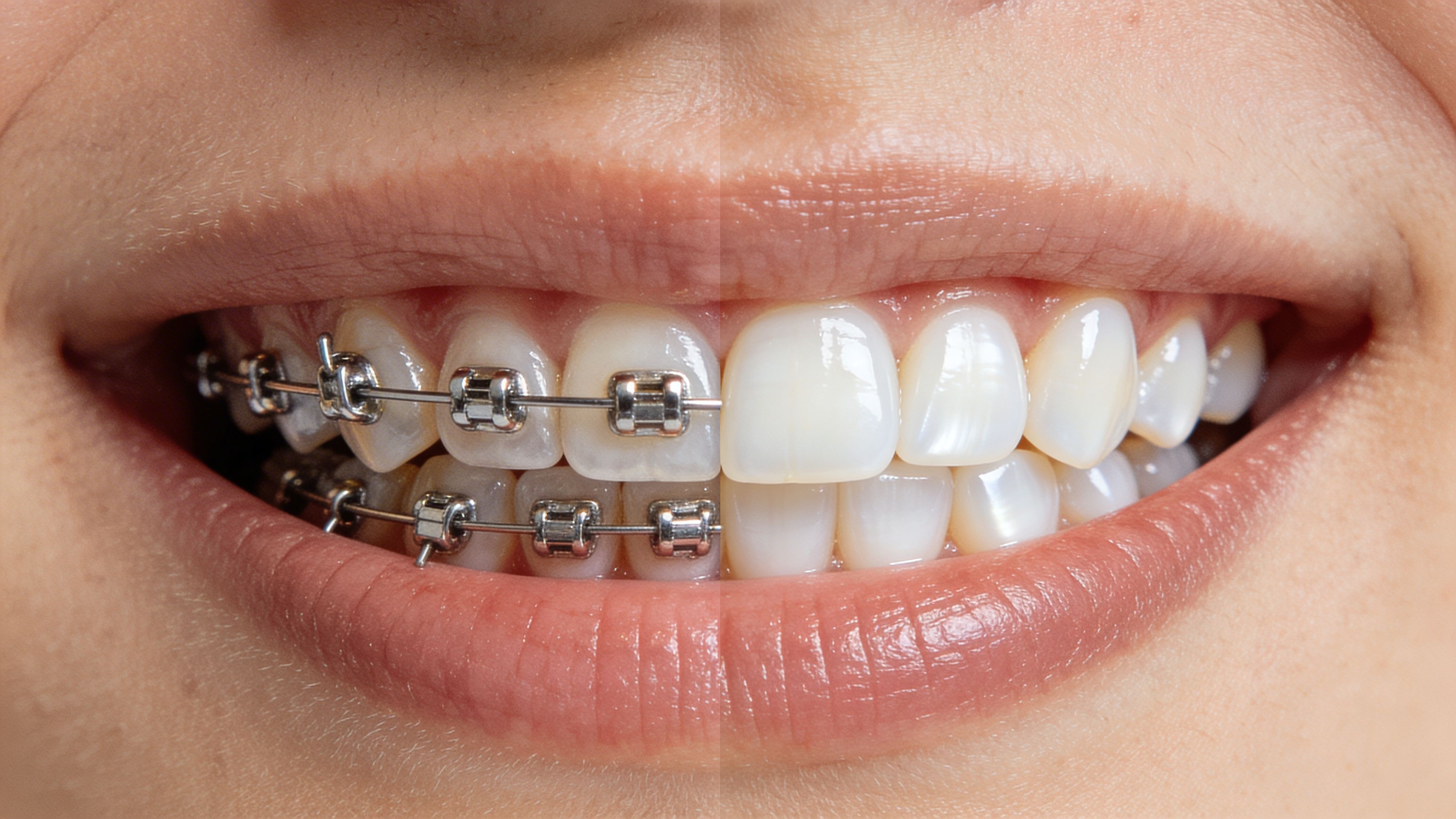
3. A fixed early appliance. Some cases call for something cemented in place rather than removable, usually when the plan depends on steady pressure that does not rely on a seven-year-old remembering anything.
The point of early interceptive care is to use growth while it is available, so later treatment can be shorter or simpler. It is not to start braces early for the sake of starting early.
Comparing the three possible outcomes
Here is what each path tends to look like in practice for a crowded seven-year-old.
| Outcome | Why we'd choose it | What you leave with |
|---|---|---|
| Monitor and recheck | Crowding is present but growth may create room on its own | A recall date, usually 6 to 12 months out, and photos for comparison |
| Short Phase 1 with Invisalign First | Narrow arch or crowding that blocks an incoming adult tooth | A removable aligner plan with a defined start and finish, plus wear-time expectations |
| Fixed early appliance | The correction needs constant pressure, such as a crossbite | A plan for placement, visit frequency, and how long it stays in |
What happens at an age 7 orthodontic visit
A quick look at the order of events, start to finish, for a first early evaluation.

Will a seven-year-old really wear Invisalign First?
This is the question I get most from parents of second graders, and it deserves a straight answer. Aligners only work when they are in the mouth, so wear time is the whole ballgame, usually most of the day and all night.
I will not tell you treatment is painless. New trays feel tight and sore for a day or two, and that is exactly when a kid decides they hate them. We hear from parents whose child is refusing to wear aligners because they hurt, and almost always the fix is simple: ride out the first couple of days, check the fit, smooth a rough edge.
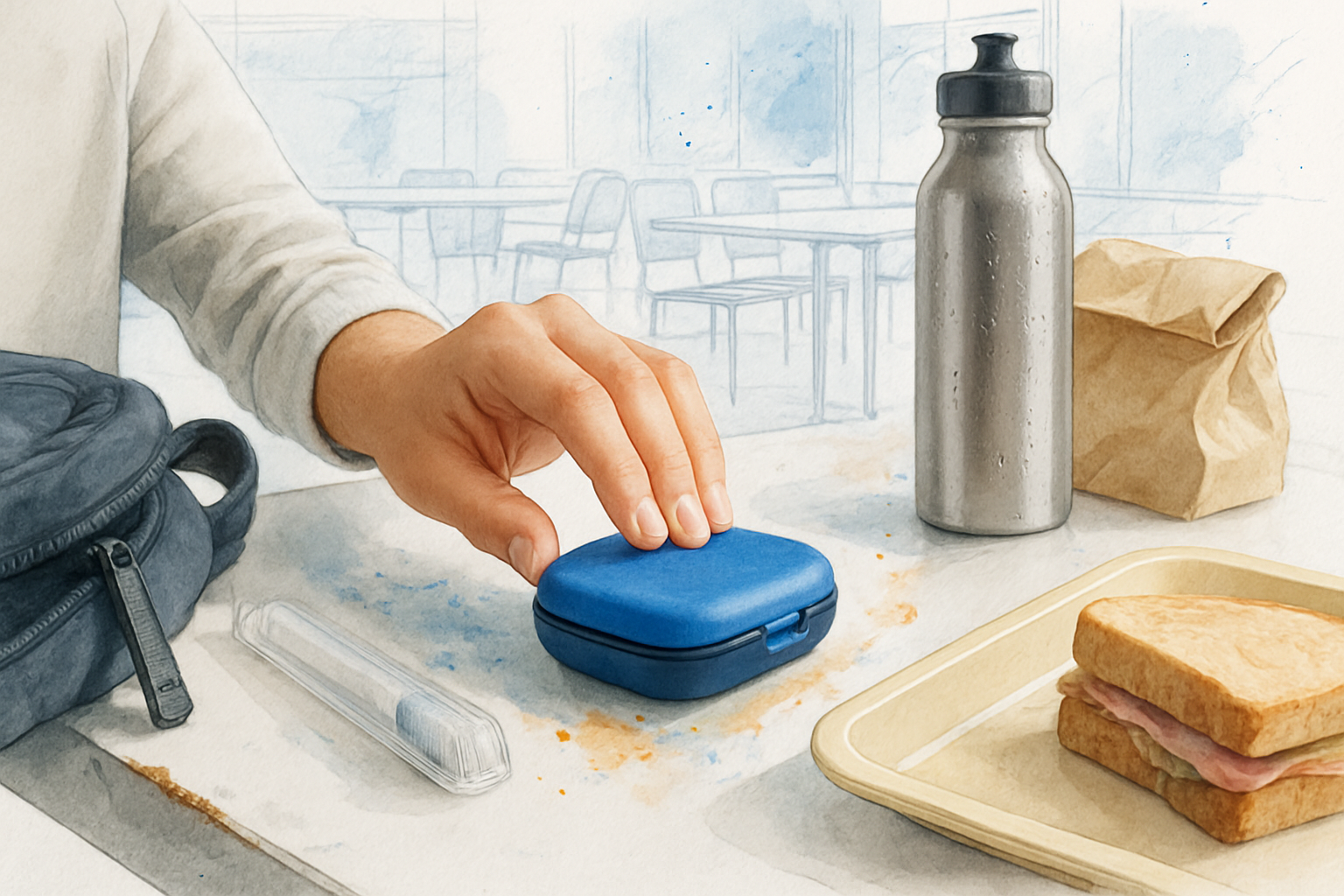
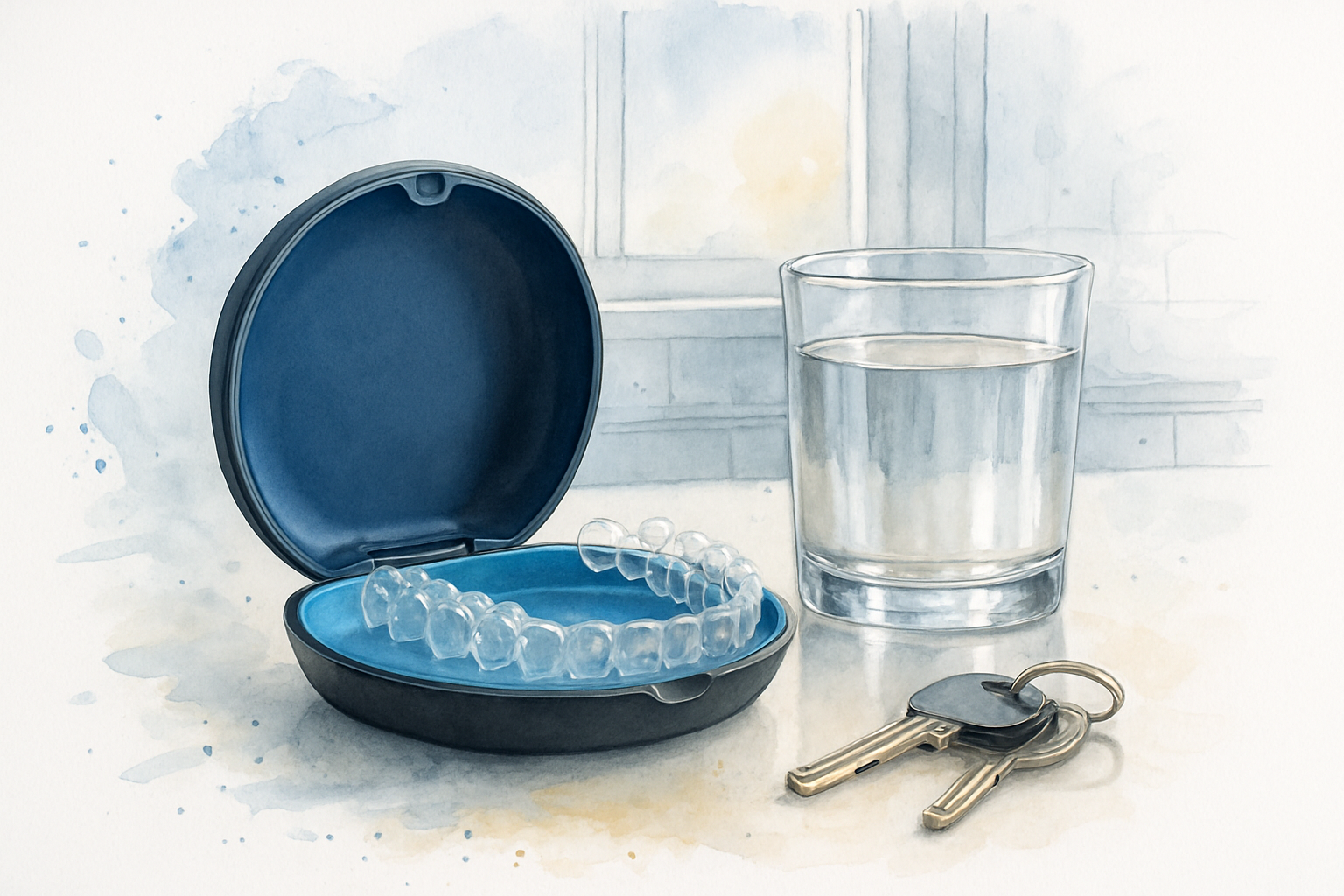
And yes, trays get lost. A cafeteria napkin is where aligners go to die.
What a practice can do about it:
- Fit adjustments when an edge is rubbing
- Replacement trays when one disappears, along with guidance on which tray to wear in the meantime
- A home routine you can actually police: trays in a case, never a napkin, and one check-in at bedtime
If wear time is going to be a losing battle in your house, say so at the consult. That is useful information, and it may point toward a fixed option instead.
What drives the cost and the timeline
Cost is a fair question and nobody should feel awkward asking it. I cannot quote a number in an article honestly, because the plan is built around your child, but I can tell you what moves the price.
- Whether treatment is recommended at all. Monitoring visits are a different conversation than a treatment plan.
- Length and type of the early phase. A short, narrow correction sits well below the cost of full treatment later on.
- Removable aligners versus a fixed appliance
- Insurance. Orthodontic benefits vary a lot by plan, and some plans treat Phase 1 and later treatment as separate claims.
- Payment arrangements, which many orthodontic offices around Orange County handle in house over the course of treatment
Callers ask us constantly whether something qualifies before they come in. Ask the front desk to look at your plan ahead of the appointment so the financial picture is on the table the same day as the clinical one.
On timing: a Phase 1 run is usually measured in months, not years, followed by a resting period while the rest of the adult teeth arrive. A second look later in the teen years is common, and choosing between treatment options gets easier once everything is in.
Logistics for Fountain Valley families
Most of what stands between a referral and an appointment is scheduling, not doubt. Parents are working around school pickup, a spouse who wants to be there, and an insurance question all at once.
A few practical notes:
- After-school and Saturday slots are the most requested, so ask about openings and the waitlist if the first date offered is too far out
- Bring the referral note or recent dental x-rays so we are not repeating images your child just had taken
- Our team speaks English, Vietnamese, and Spanish, which matters in a city where a lot of households speak more than one language at home
We are on Beach Boulevard, which puts us roughly ten minutes from most of Fountain Valley and close in for families in Oak View, Goldenwest, and Wintersburg too.
One last thing, and it is the part I care most about. A parent wrote that we addressed their son's needs without making them feel pressured to start treatment right away. If you walk out of an age seven evaluation with a recheck date and a clear explanation, that visit did its job. You can read more about why age 7 matters for a first checkup if you want the longer version.
Frequently Asked Questions About Early Evaluation at Age 7
My 7-year-old's teeth are coming in crowded. Where can I get an early ortho evaluation or Invisalign First in Fountain Valley?
You can be seen at our office on Beach Boulevard in Huntington Beach, about ten minutes from most of Fountain Valley, including Central Fountain Valley and Talbert Village. The visit runs 45 to 60 minutes and includes an exam, a digital scan with no molds, and a plain-language review with Dr. Jeremy or Dr. Melissa. We're open Monday through Friday, 9 AM to 5 PM, with Saturdays by appointment, and you can reach us at 714-594-5777.
Is seven too early? Can this wait a year?
For many kids, waiting is fine, and that is exactly what we will tell you if it is true. The reason to be seen at seven is that a few specific problems are much easier to handle while the jaws are still growing, including a crossbite or crowding severe enough to block an incoming permanent canine. The visit tells you which group your child is in.
Does crowding at seven mean braces later no matter what?
Not necessarily, and anyone who promises otherwise is guessing. Some crowding resolves as the jaws grow, some needs a short early phase, and some needs full treatment in the teen years. Early records give us something to compare against so the decision later is based on measurement rather than memory.
Does an early phase mean my child avoids braces completely?
Sometimes, but the more realistic goal is making later treatment shorter or simpler. Think of Phase 1 as creating room and correcting the things that get worse with time, not as a guarantee that no second phase will be needed.
What if my child loses an aligner at school?
It happens more often than parents expect, and it is fixable. Call us, and we will tell you which tray to wear in the meantime while a replacement is arranged. The bigger risk is a kid who quietly stops wearing them, so a nightly check at home goes a long way.
Do you treat kids who already started treatment somewhere else?
Yes, families transfer in for all kinds of reasons, including a move or a practice closing. The first visit is about assessing where things stand and what the remaining plan looks like.
Thinking about an early evaluation for your child?
If your dentist handed you a referral and you are weighing whether age seven is the right time, a first visit will answer that with measurements instead of guesswork. Our office on Beach Boulevard keeps weekday hours and Saturday appointments for families across Fountain Valley and Huntington Beach, and Dr. Jeremy and Dr. Melissa will walk you through what they see either way. You can reach the team at 714-594-5777 or at magicfoxsmiles.com whenever you are ready.