Those Tooth-Colored Bumps on Invisalign: What Attachments and Bite Ramps Do
Direct Answer: Attachments are tooth-colored bumps bonded to teeth so smooth aligners can grip, rotate, and tip them. Bite ramps are small raised spots behind the upper front teeth that help open a deep bite.
You were scrolling through before-and-after photos, or you were sitting across from a friend at lunch, and you spotted them. Small tooth-colored bumps stuck to the front of the teeth, right under the clear plastic. Nobody ever explains what those are, so most people assume they are a flaw in the aligner or a sign something went wrong.
I want to say this plainly, because it changes how you read every photo you look at from here on out. Aligners are smooth plastic, and smooth plastic cannot grab a round tooth and turn it. The bumps are the working parts, and seeing them in a photo usually means the plan was built for real tooth movement instead of a cosmetic shortcut.
Below I will walk through what attachments and bite ramps actually do, what a coworker across a conference table can and cannot see, and why the number of bumps on your plan is an honest clue about how much that plan is trying to accomplish. If you are an adult in Huntington Beach or Fountain Valley who only wants one or two things fixed, that last part matters most.
What Invisalign attachments and bite ramps actually do
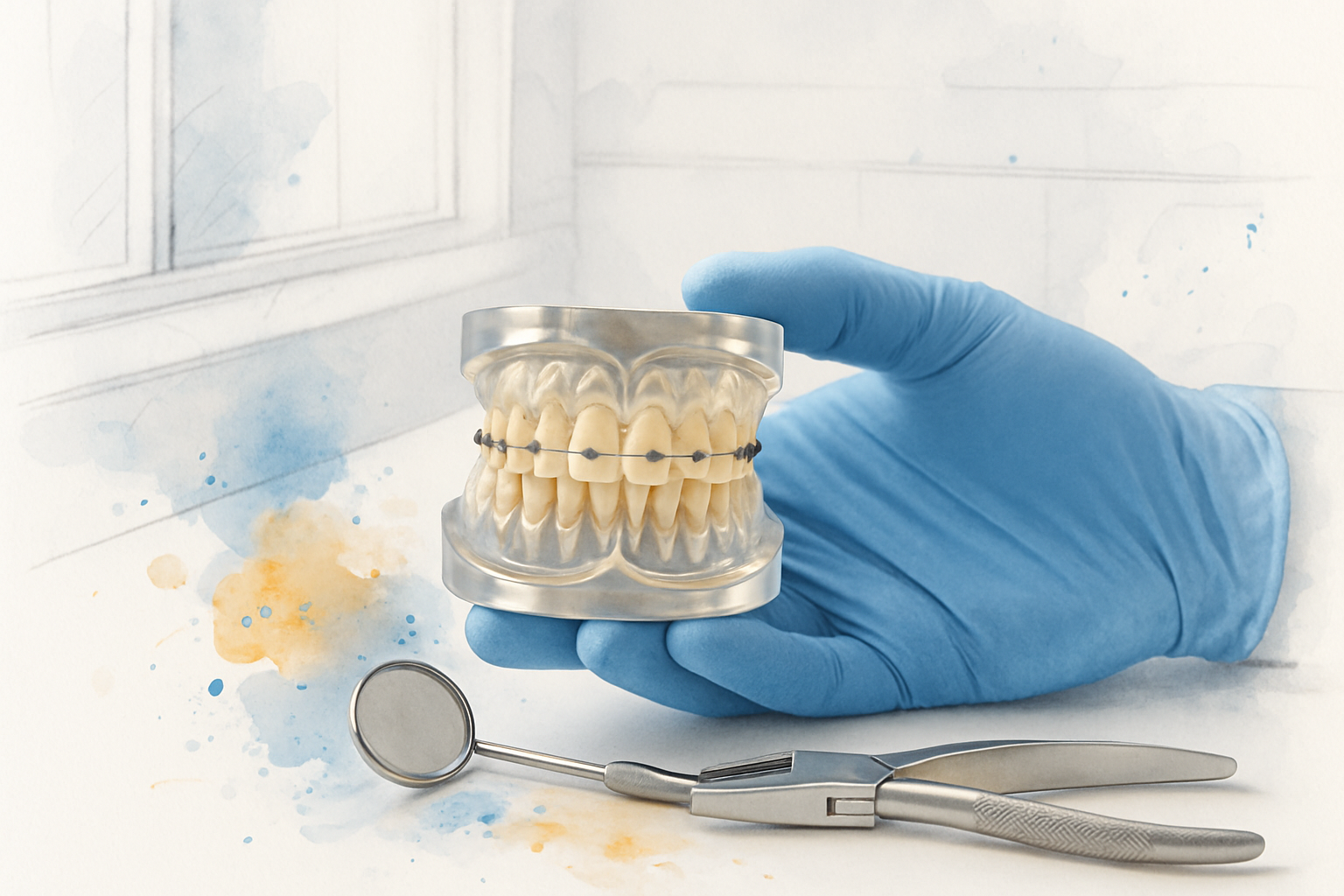
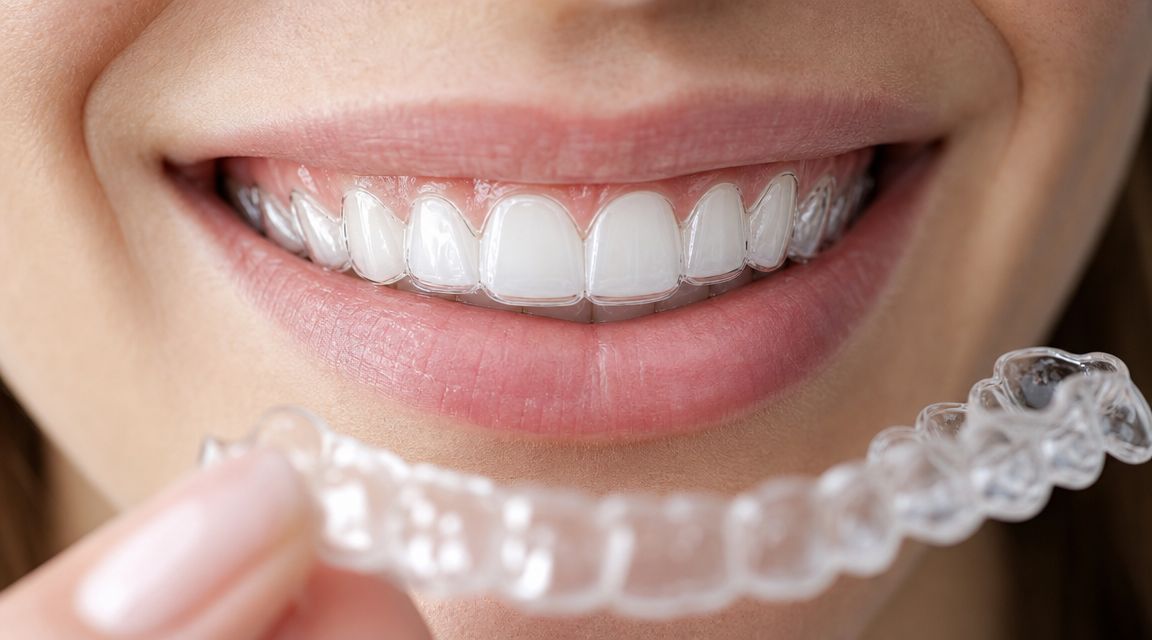
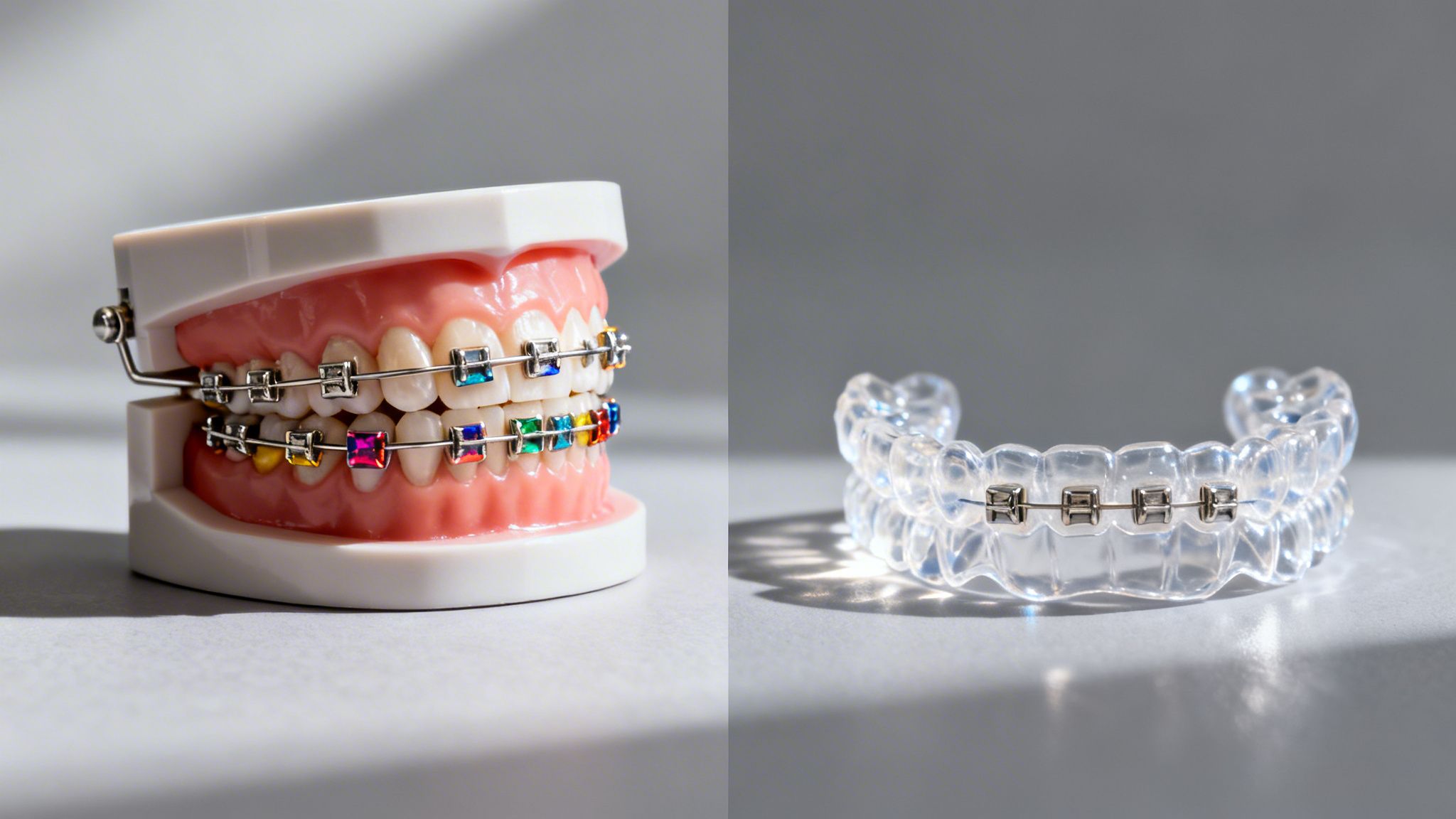
Attachments are small shapes of tooth-colored composite bonded to the outside of certain teeth. They are not drilled in and they are not permanent. They stay on for the length of treatment and come off at the end.
They exist because of basic physics. A smooth tray can squeeze a tooth, but squeezing is not enough to spin a rotated bicuspid or pull a tooth down into the bite. The attachment gives the plastic a surface to push against.
Here is what they are usually there for:
- Rotation. Round teeth like canines and bicuspids slip inside a tray without something for the plastic to catch.
- Tipping and uprighting. Moving the root, not just the crown, takes directed force.
- Extrusion. Bringing a short or sunken tooth down to match its neighbors.
- Anchorage. Holding certain teeth still so the force lands on the ones that need to move.
Bite ramps are different. They are small raised spots bonded behind the upper front teeth that stop the back teeth from fully closing together. That slight propping gives the back teeth room to settle in while a deep bite opens up. You can see what that progress looks like in our walkthrough of an Invisalign deep bite before and after.

Will people at work notice the bumps?
This is the question I get most from adults, and it deserves a straight answer rather than a sales answer. A promise of total invisibility is not true, and you would stop believing anything else I said.
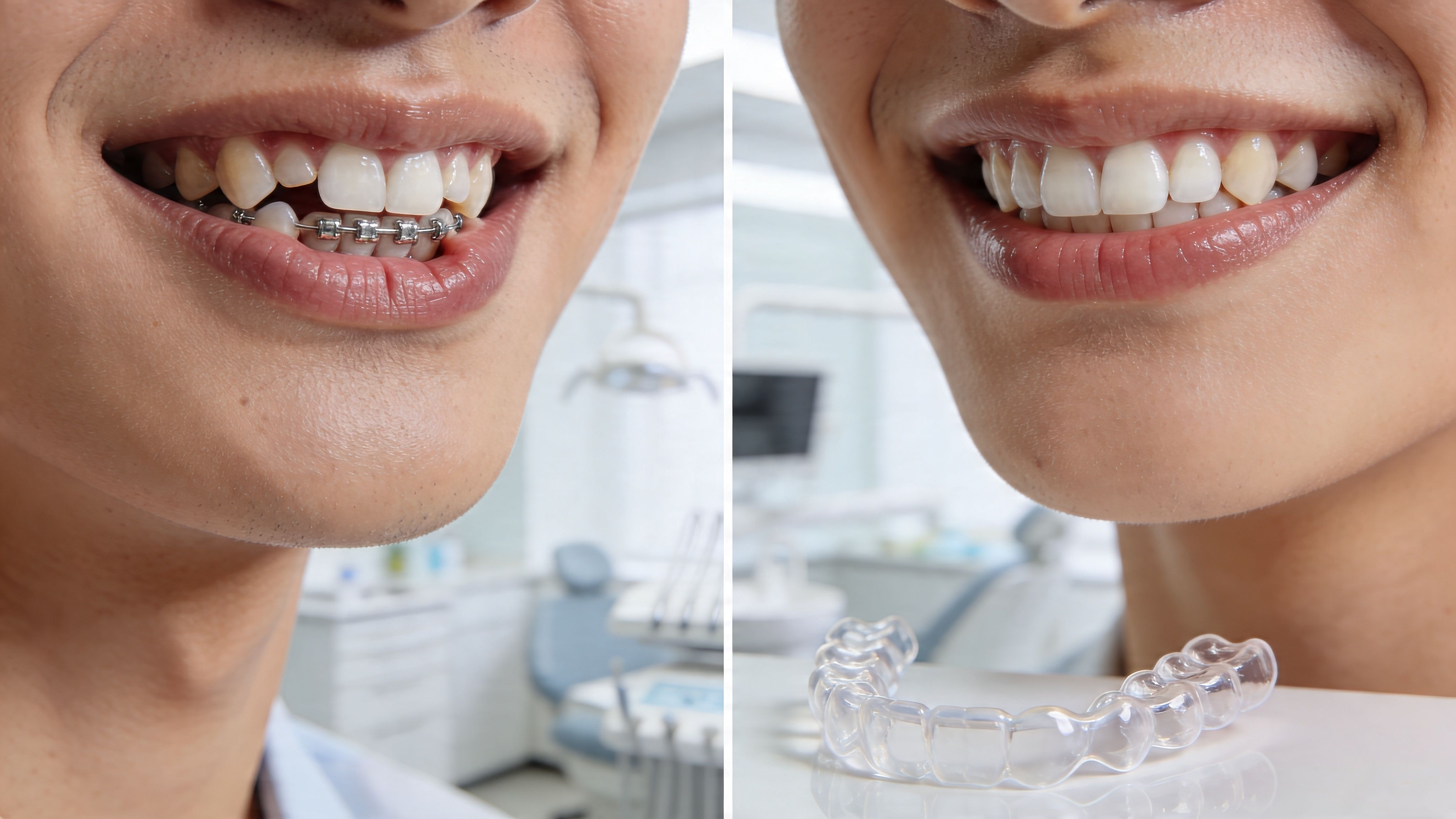
Attachments are shade-matched to your enamel. Across a conference table, on a Zoom grid, or in a restaurant, almost nobody picks them out. The plastic reflects a little light, and that is usually all anyone registers.
Up close and in good light, they can be seen. Someone leaning in during a handshake conversation, or a friend who already knows what to look for, may notice a slight texture on your canines. In my experience that is a much smaller deal to other people than it feels like to you in the mirror on day one.
Two other honest notes:
- The first week with new attachments feels tight. Each fresh set of aligners grips harder because there is more for the plastic to hold. Soreness for a few days is normal.
- Attachments can pick up stain. Coffee, red wine, and curry can tint the composite between visits. Brushing them directly and keeping your trays clean makes a visible difference, which is why I point people to our Invisalign care instructions early on.
If your worry is looking like you are wearing teenager hardware at a client lunch, attachments are a far quieter option than that. They are just not nothing.
The number of attachments tells you how big the plan is
Here is the part almost nobody explains, and it speaks directly to the fear behind most adult consultations. One caller put it about as clearly as it can be put: she had a minor tooth issue and did not think she needed full braces.
Wanting less fixed is a legitimate reason to come in. And the hardware on the plan is a visible clue about scope.
A limited plan aimed at a couple of crowded lower front teeth usually calls for a handful of attachments and no bite ramps at all. Nothing about the bite is changing, so nothing needs to prop the bite open.
A comprehensive plan that corrects a deep bite or an overjet needs more attachments across more teeth, often bite ramps, and more time. That is a real difference in work, not a difference in sales pitch, and it is one honest reason two aligner quotes can land so far apart.
The American Association of Orthodontists reports that one in three orthodontic patients is now an adult, and that a short-term touch-up can take as little as several months while comprehensive treatment runs considerably longer. Starting in July we began offering focused touch-up treatment for patients who only want to correct one or two specific things. If you want a sense of how a full case stretches out by comparison, our Invisalign treatment timeline breaks it down month by month.
Limited versus comprehensive: what changes
This is a general comparison, not a quote. Your own plan depends on what your teeth and bite are doing, and cost varies with scope, length, and your insurance.
| Focused touch-up | Comprehensive treatment | |
|---|---|---|
| Typical goal | One or two teeth, mild crowding or a relapse after old braces | Crowding plus bite correction such as deep bite or overjet |
| Attachments | Usually few, often on just the teeth being moved | More, spread across both arches |
| Bite ramps | Usually none | Often used when the bite is deep |
| Length | Can be several months | Considerably longer, often over a year |
| What drives cost | Number of aligners, number of visits | Case complexity, treatment length, refinements, retention |
How attachment placement gets decided
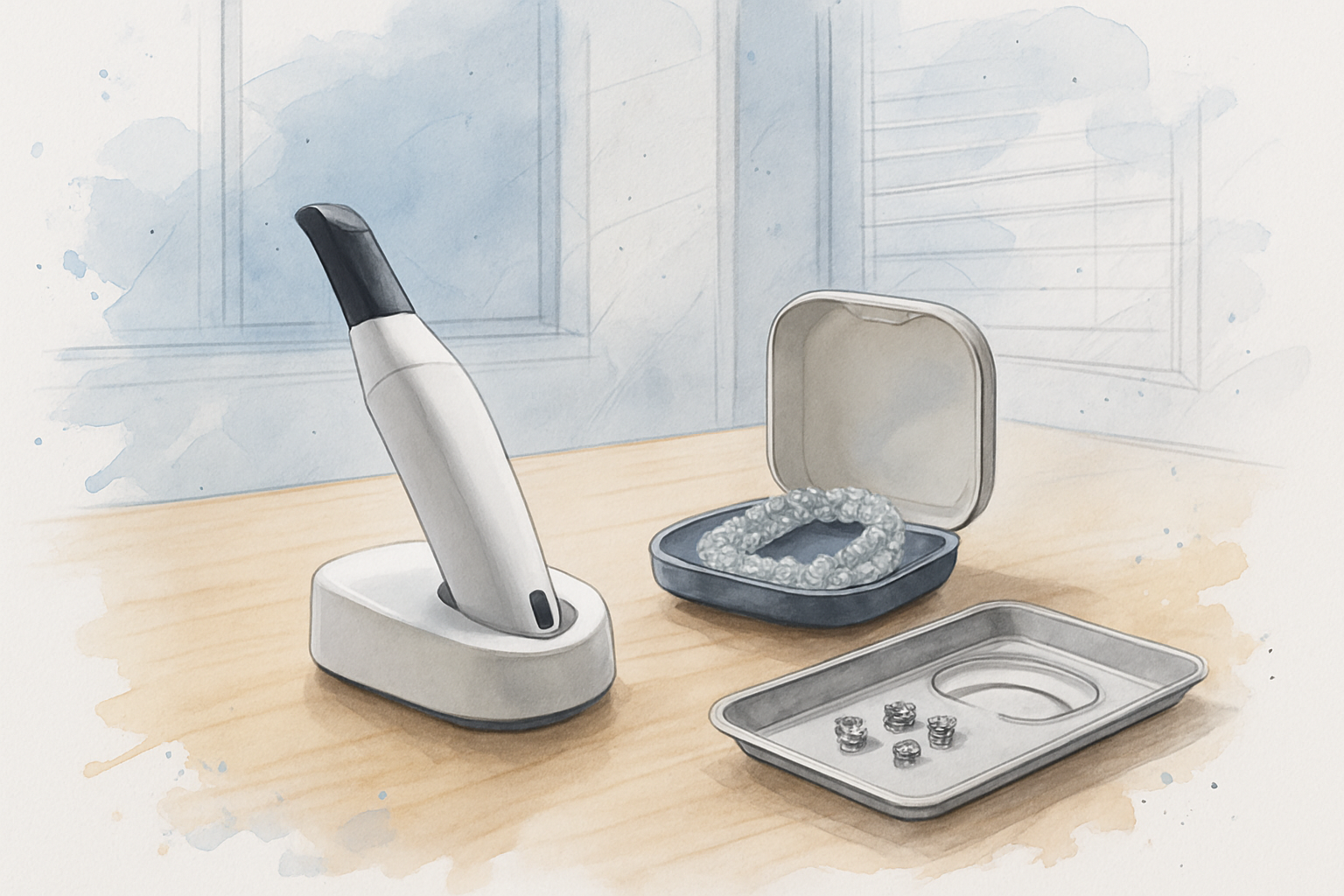
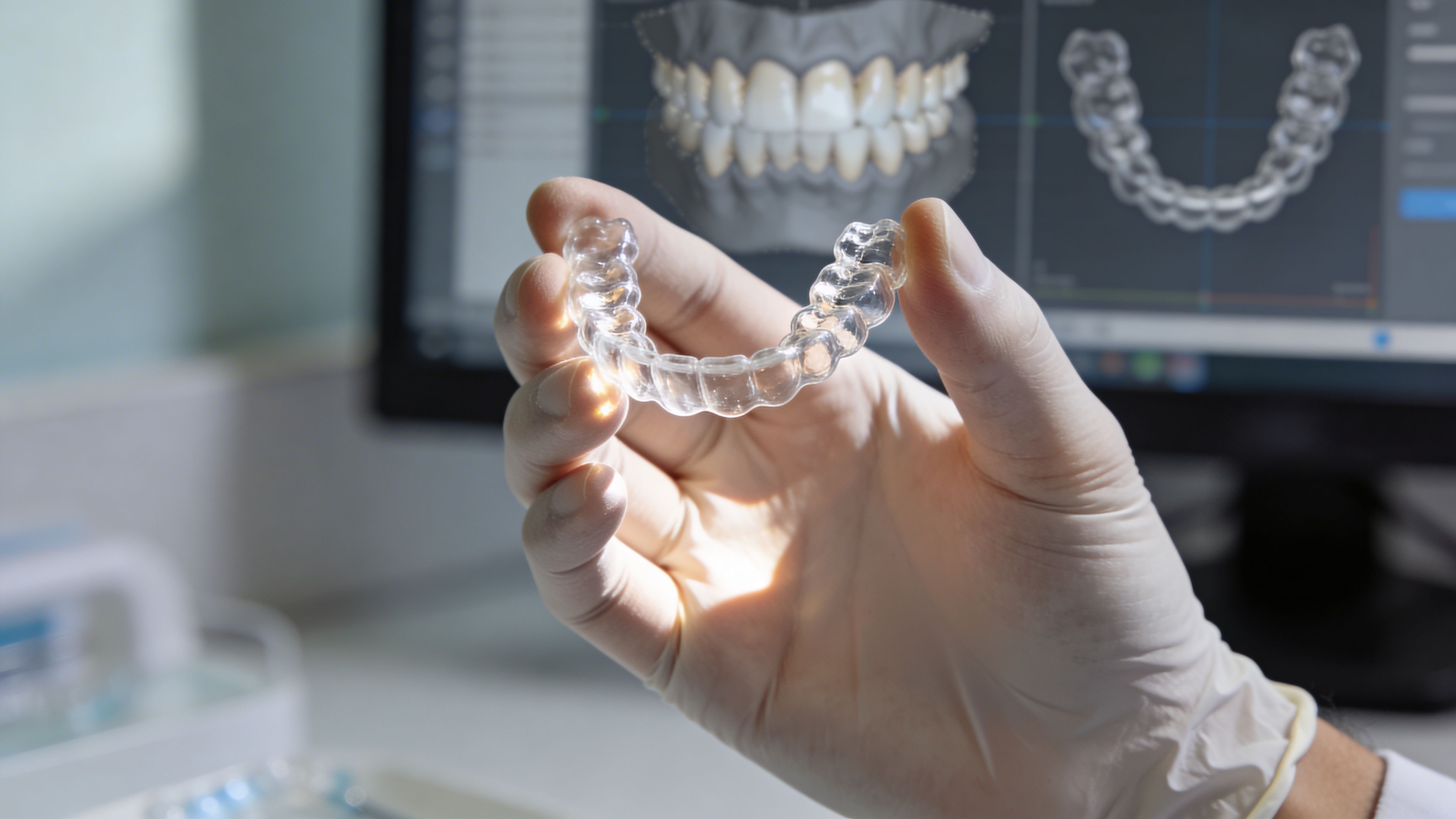
Attachment shape and position are planned tooth by tooth before a single aligner is made. Here is the order it happens in.

Who decides where the bumps go, and why that matters
Aligner software will propose attachment shapes and positions on its own. Accepting that proposal as written is a different thing from reviewing it tooth by tooth and changing what needs changing.
Dr. Jeremy and Dr. Melissa are both Invisalign Certified Providers, and they review the movement plan themselves rather than handing it off. That review is where a plan gets trimmed down for someone who only wants two teeth addressed, or built up for someone whose bite is doing more than it looks like in photos.
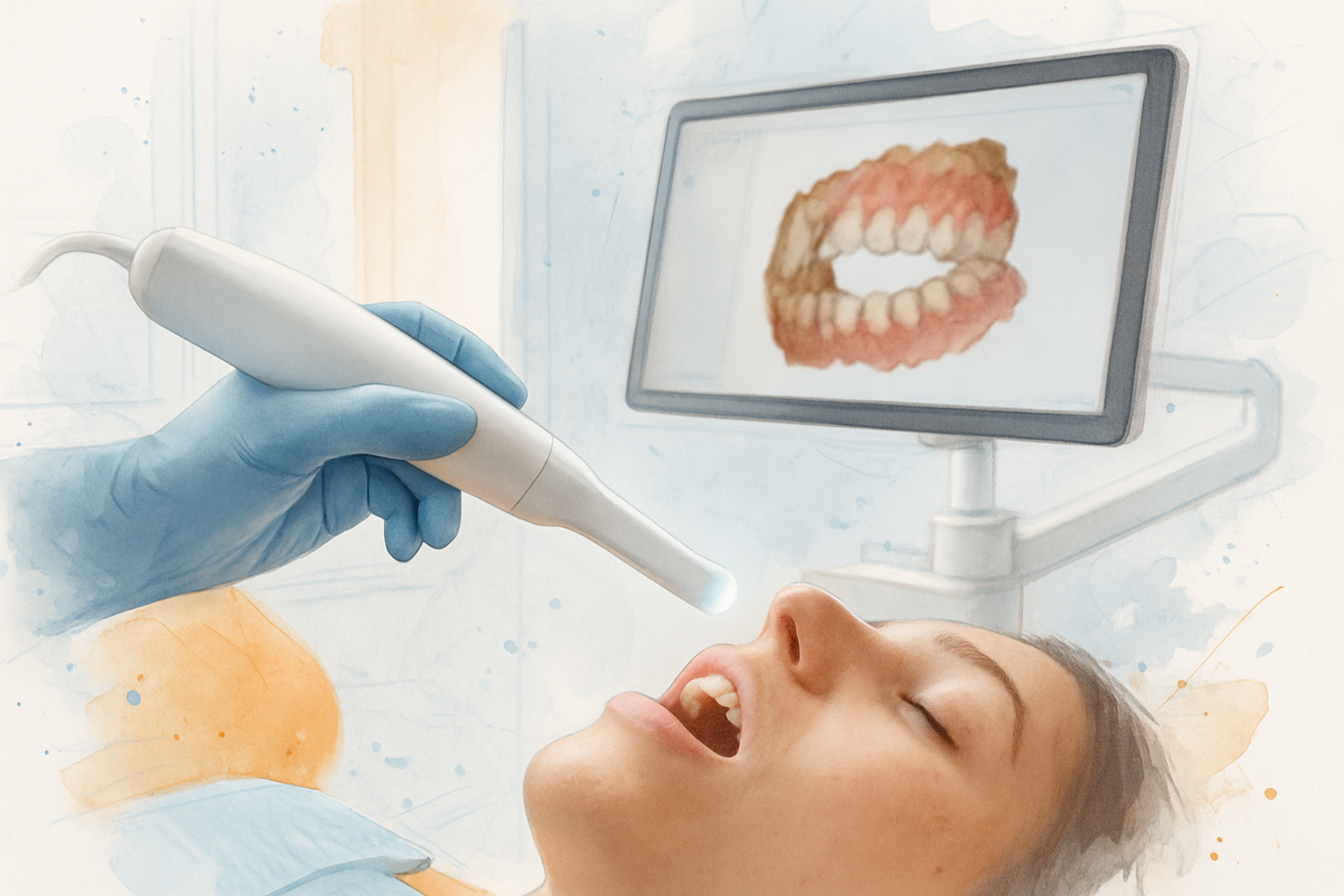
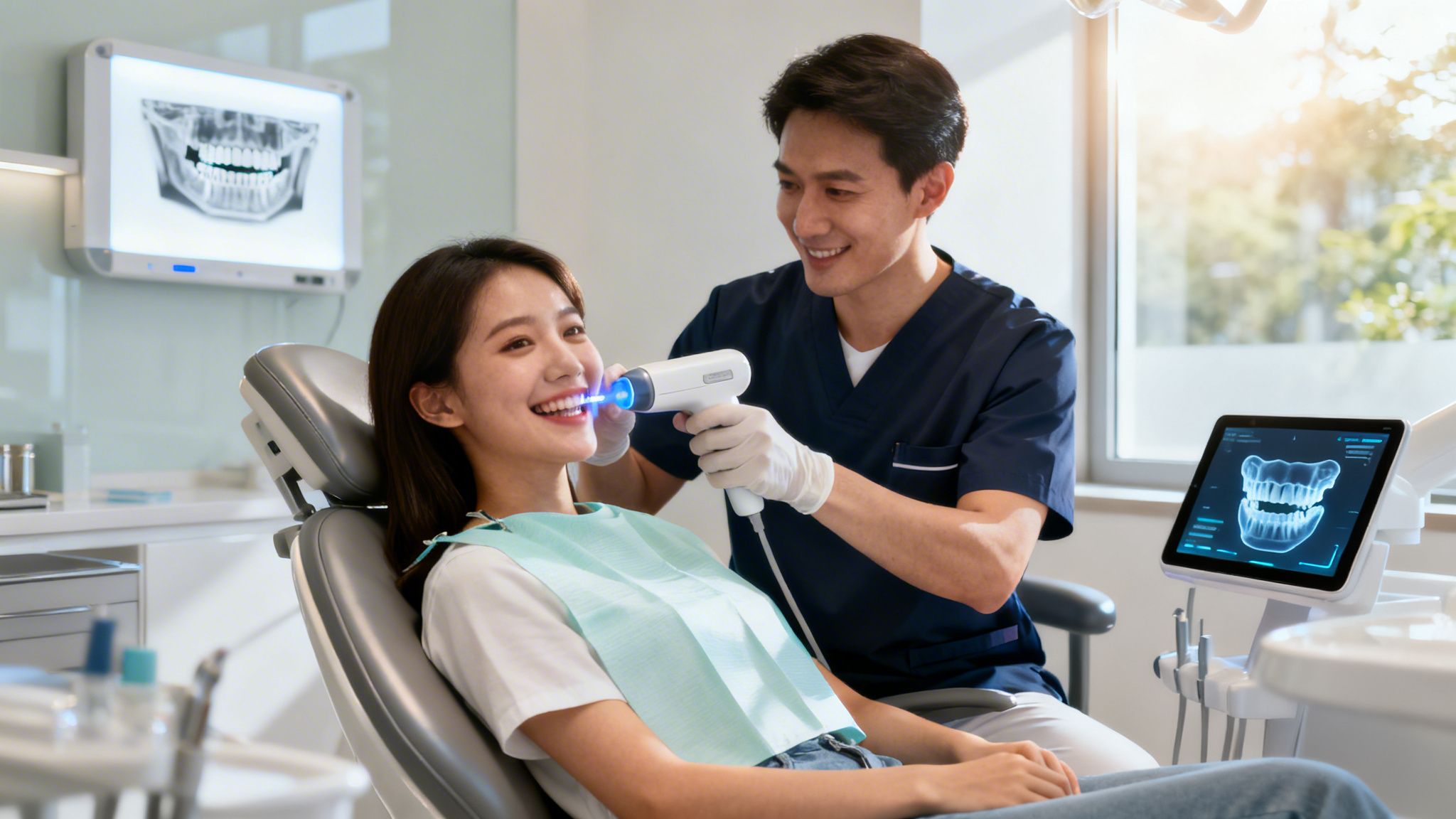
The scan itself surprises people. Patients mention the digital scan and the absence of a physical mold without being asked, usually with relief. One patient review put the overall feel of it simply: "he's incredibly gentle, making my Invisalign treatment so much easier than I imagined."
If you are still deciding between trays and brackets before any of this applies, our comparison of adult braces versus Invisalign is a better starting point than attachment detail.
You are probably not the oldest person in the waiting room
Adults tell me a version of the same quiet fear: they will walk in and be surrounded by twelve-year-olds. The local numbers say otherwise.
Huntington Beach has a median age of 44, with roughly 19.4% of residents 65 or older. Fountain Valley runs higher still at about 20.7% aged 65 and up. In this part of Orange County, the adult with one shifted tooth is the typical patient rather than the exception.
We treat patients well into their 70s. One reviewer who identified herself as 76 wrote that she would recommend treatment to "anyone, at any age."
The Beach Boulevard office sits minutes from Central Fountain Valley and Talbert Village, and close in for Oak View, Goldenwest, and Downtown Huntington Beach, which is why most adults here can fit a visit around a work day without burning a half day of PTO. If you have been telling yourself you waited too long, our piece on whether you are too old for braces or Invisalign covers that worry directly.
Frequently Asked Questions About Invisalign Attachments and Bite Ramps
Do attachments hurt when they go on?
Bonding them on does not hurt. The tooth is cleaned, the composite is placed through a clear template, and a light sets it. What you feel is the first few days with each new tray, since the plastic now has more to grip. Most people describe it as pressure that eases up by about day three.
Can I get Invisalign without any attachments?
Sometimes, on very simple cases. But if your plan needs a tooth rotated, uprighted, or pulled down, going without attachments usually means the tray slides instead of moving the tooth. A plan with no attachments on a case that needs them tends to end in a longer treatment and a disappointing result.
Do bite ramps change how I eat or talk?
You notice them for the first several days. Your back teeth will not meet the way they used to, so chewing feels different at first, and some people have a slight lisp that fades within a week or two. Most patients stop thinking about them after that.
Will attachments damage my enamel when they come off?
They are bonded to the enamel surface, not cut into the tooth. Removal involves taking off the composite and polishing the spot smooth. Popping one off early is common and not an emergency, though it is worth calling so it can be replaced before your trays stop tracking.
How do I keep them from turning yellow?
Brush directly over each bump, not just across the tooth, and rinse after coffee or wine before your trays go back in. Staining is almost always on the composite surface rather than inside it, so consistent cleaning handles most of it.
Curious what your own plan would actually involve?
A consultation is the point where the guessing stops, because the scan shows which teeth need to move and that determines how many attachments a plan calls for. Dr. Jeremy and Dr. Melissa handle that planning themselves and will tell you plainly whether a focused touch-up fits what you want or whether your bite needs more. Consultations are available at the Beach Boulevard office for patients across Huntington Beach and Fountain Valley at 714-594-5777 or magicfoxsmiles.com.